Europe in Autumn: Where to Go in September, October and November
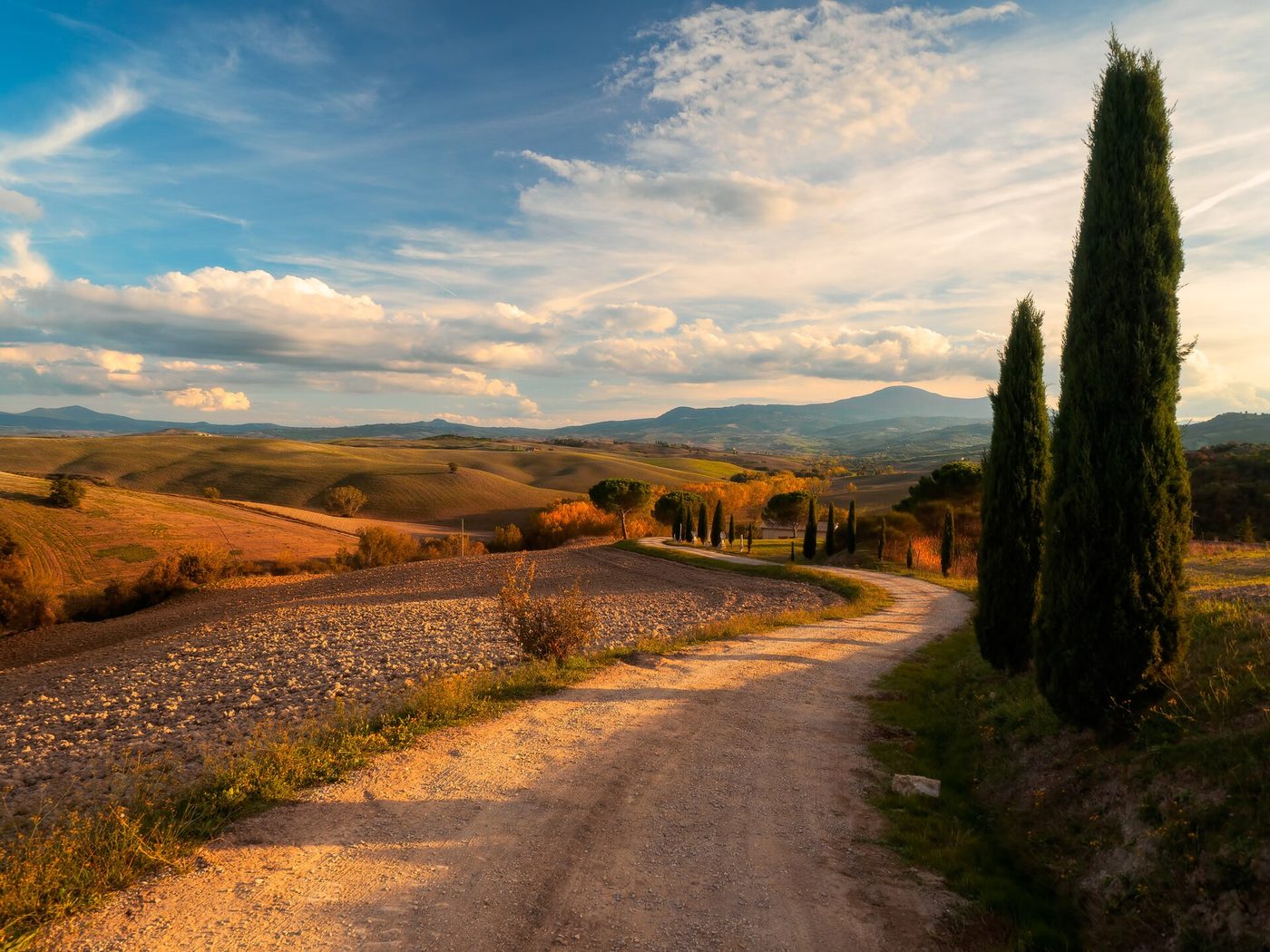
Alba in the third week of October is the case for Europe in autumn on one plate: tajarin under a shaving of white truffle, and fog sitting in the Langhe vineyards like something poured. There is no queue. In early September the same region is full and hot and twice the price.
That is the trade autumn offers, and it is a real trade rather than a slogan. You give up guaranteed heat and long evenings. You get back warm sea, cheap flights, empty ruins, harvest festivals, forests turning, the northern lights switching back on, and, if you time the last fortnight of November right, the first Christmas markets of the year.
Europe in autumn runs from September to November and splits into three different seasons. September is still summer in the south, with Athens hot and the Aegean warm enough to swim. October is the sweet spot for cities, food and foliage. November is dark and wet in the north but delivers Christmas markets from the 13th and 25 °C on Tenerife.
This guide puts numbers first and opinions second. The temperatures, rainfall figures, festival dates and fees below were checked in November 2026 against official and weather-station sources, and where no reliable figure exists the tables show a dash rather than a guess. “September is lovely in Europe” tells you nothing you can book against. September in Bergen means 248 mm of rain. September in Seville means 32 °C. Those are not the same holiday.
If you want the wider seasonal picture first, our complete guide to the best time to visit Europe compares all four seasons side by side, and you can read the companion pieces on Europe in summer, Europe in spring and visiting Europe in winter.
Europe in autumn at a glance: three months, three different trips
The single most useful thing I can tell you is that September, October and November are not variations on a theme. They are three distinct products, and picking the wrong one for what you want is how autumn trips go wrong.
| September | October | November | |
|---|---|---|---|
| Feels like | Summer with the crowds turned down | Proper autumn: colour, harvest, comfortable cities | Winter’s opening act, with Christmas markets from the 13th |
| Best for | Mediterranean swimming, island hopping, Oktoberfest, hiking the Alps | Cities, food, wine, foliage, archaeological sites | Markets, museums, aurora, Canaries and Cyprus sun |
| Sea temperature | Warmest of the whole year on some coasts | Still swimmable from Crete to Cyprus | Only the Canaries, Cyprus and Rhodes stay comfortable |
| Daylight | Long enough to not think about it | Clocks go back on the last Sunday of the month: 31 October in 2027 | Short and getting shorter, fastest in the north; check local sunset times for your dates |
| Rain risk | Low in the south, high in the northwest | Peak month for Barcelona, with Nice close behind | Peak for Nice, Lisbon, Porto, Rome and Dubrovnik |
| Prices | Falling but not yet low | The best value of the three | Lowest, except in the market cities |
| Avoid if | You wanted empty beaches; the first fortnight is still busy | You need guaranteed dry weather | You need daylight or you are heading north to hike |
The ten best places to visit in Europe in autumn
If you want the short answer before the detail, this is where I would send people, in order, with the month that makes each one work.
- Crete and Rhodes, early October. Average October highs of 24 °C at Heraklion and 25 °C at Rhodes, the sea off Rhodes still near 24 °C, and the archaeological sites walkable rather than punishing.
- Piedmont, mid to late October. The Alba truffle fair, fog in the Langhe, and the last of the harvest.
- Bavaria and the Allgäu, mid to late September. Oktoberfest from 18 September in 2027 and the Viehscheid cattle drives in the same fortnight.
- Slovenia and Plitvice, mid-October. The best autumn colour in Europe that you can reach on a normal budget.
- Seville and Andalusia, late October. Seville Airport still averages a 26 °C high across October.
- Rome, the first half of October. The ottobrate, when the light is at its best and the Forum is not a furnace.
- Tromsø, late September to October. Aurora season open, with daylight still left for doing things.
- Vienna and Cologne, from mid-November. Christmas markets open on 13 and 16 November, weeks before December.
- The Douro and Porto, September. Harvest, and Porto’s rain has not arrived yet at 70 mm.
- Tenerife and Cyprus, November. 25 °C and 23 °C respectively, when mainland Europe has given up.
The rest of this guide explains why, and what each of those choices costs you.
Pick your month before you pick your destination. Cheap November flights to Bergen are easy to find, and the weather explains them: the city’s Florida station averages 275 mm of rain in November across 18.5 days with at least 1 mm (1991–2020 normals), as the days close in. The flights are cheap for a reason.
Autumn weather in Europe: temperature and rainfall, city by city
Autumn weather advice tends to stop at adjectives. Rainfall is the number that decides whether your trip works, because 21 °C in Nice across 128 mm of October rain is a very different week from 26 °C in Seville across 68 mm.
Here are average daily highs and monthly rainfall for 33 places across the continent. Figures are long-run averages from climate normals, not forecasts, so treat them as the shape of the month rather than a promise about your particular week. Where no reliable figure exists, the cell shows a dash.
| City | Country | Sep high °C | Oct high °C | Nov high °C | Sep rain mm (days) | Oct rain mm (days) | Nov rain mm (days) |
|---|---|---|---|---|---|---|---|
| Seville | Spain | 32 | 26 | 20 | 27 (2) | 68 (6) | 91 (6) |
| Athens | Greece | – | – | – | – | – | – |
| Rhodes | Greece | 28 | 25 | 21 | – | – | – |
| Heraklion (Crete) | Greece | 27.5 | 24 | 20 | 18 (1) | 43 (5) | 56 (6) |
| Florence | Italy | 27 | 22 | 16 | 67 (6) | 105 (9) | 115 (10) |
| Rome | Italy | 26.5 | 22.0 | 16.8 | 65 (6) | 88 (7) | 108 (9) |
| Dubrovnik | Croatia | – | – | – | – | – | – |
| Barcelona | Spain | 26 | 22 | 17 | 81 (5) | 91 (6) | 59 (5) |
| Lisbon | Portugal | 27 | 23 | 18 | 39 (4) | 111 (9) | 134 (10) |
| Nice | France | 25 | 21 | 17 | 81 (5) | 128 (7.5) | 138 (8.5) |
| Venice | Italy | 24 | 19 | 13 | 73 (6) | 72 (7) | 72 (6) |
| Porto | Portugal | 24 | 21 | 17 | 68 (6) | 149 (11) | 166 (13) |
| Paris | France | 22 | 17 | 11 | – | – | – |
| Vienna | Austria | – | – | – | – | – | – |
| Innsbruck | Austria | 21 | 15.5 | 9 | – | – | – |
| Salzburg | Austria | 20 | 14 | 9 | – | – | – |
| Krakow | Poland | 20 | 14 | 8 | 65 | 50 | 40 |
| London | United Kingdom | 20 | 16 | 11.5 | 50 (8) | 65 (11) | 67 (11) |
| Munich | Germany | – | – | – | – | – | – |
| Edinburgh | United Kingdom | 17 | 13 | 10 | 55 (11) | 83 (13) | 74 (13) |
| Zakopane | Poland | 16 | 12 | 7 | – | – | – |
| Bergen | Norway | 16 | 12 | 8 | 248 (18) | 268 (18.5) | 275 (18.5) |
| Tromso | Norway | 11 | 5 | 2 | 111 (15) | 127 (18) | 94 (13.5) |
| Cairn Gorm (1,245 m) | United Kingdom | 7.5 | 4 | 1 | – | – | – |
| Larnaca | Cyprus | – | 28 | 23 | – | – | – |
| Valletta | Malta | – | about 25 | – | – | – | – |
| Naples | Italy | – | – | – | – | – | – |
| Tenerife (south coast) | Spain | – | – | 25.0 | – | – | – |
| Ljubljana | Slovenia | – | – | 9.6 | – | – | – |
| Budapest | Hungary | – | – | 9.4 | – | – | – |
| Amsterdam | Netherlands | – | – | 10 | – | 86.7 (12) | – |
| Prague | Czechia | – | – | – | – | 30 | – |
| Reykjavik | Iceland | – | – | – | – | 80 (13) | – |
A few things in there are worth pulling out.
Seville in October is as warm as Barcelona in September. Seville Airport averages a 26 °C high in October; Barcelona averages 26 °C in September. If your priority is heat, Andalusia buys you an extra month. Our Seville travel guide and Andalusia travel guide both go deeper on that.
October is Barcelona’s wettest month, and Nice runs it close. Barcelona takes 91 mm in October, more than any other month. Nice Airport averages 128 mm in October, second only to November’s 138 mm. Both are excellent October city breaks and both are statistically at or near their soggiest that month. That does not make them bad choices. It makes a packable rain layer non-negotiable. Our average temperatures and rainfall by month tables show how sharply that autumn flip happens on each coast.
Portugal’s autumn is front-loaded, and steeply so. On IPMA’s 1991–2020 normals, Lisbon goes from 39 mm of rain in September to 111 mm in October to 134 mm in November. Porto’s airport goes from 68 mm to 149 mm to 166 mm. September in Lisbon is close to perfect: about 27 °C and about four rain days. November in Porto is a different city entirely. If Portugal is the plan, go early. The Portugal travel guide has the regional breakdown.
On the Adriatic the rain arrives with the cool, so early September is the window. See the Croatia travel guide for where to base yourself.
Bergen is in a category of its own. The Florida weather station averages 248 mm in September, 268 mm in October and 275 mm in November, on 18, 18.5 and 18.5 days with at least 1 mm, against an annual total of 2,495.5 mm (1991–2020 normals). I like Bergen enormously and I would still not send a first-time visitor there in autumn without saying this out loud.
Altitude, finally, changes everything. Cairn Gorm at 1,245 m in the Cairngorms averages 7.5 °C in September and 1 °C in November, while Edinburgh two hours away averages 17 °C and 10 °C. Zakopane in the Polish Tatras runs 4 degrees behind Krakow in September, narrowing to 1 by November. If your trip involves mountains, do not plan clothing off the nearest city’s numbers.
Where the sea is still warm enough to swim
The Mediterranean holds heat far longer than the air does, so it is still carrying most of its summer warmth when the air has already let go of it.
| Coast | Sep sea °C | Oct sea °C | Nov sea °C |
|---|---|---|---|
| Rhodes, Greece | 27 | 24 | 21 |
| Athens, Greece | 24 | 22 | 19 |
In October the sea off Rhodes still averages about 24 °C, comfortable swimming for most people, and it is still at about 21 °C in November. Meanwhile the air has dropped to a temperature you can actually walk around in. October in Crete gives you a 24 °C average high at Heraklion Airport and 43 mm of rain across about five days with at least 1 mm (1991–2020 normals). That is close to the best beach fortnight Europe offers all year, at shoulder-season prices.
Lisbon is the outlier worth flagging: its beaches face the Atlantic, which runs cooler than the Mediterranean coasts above, so expect bracing rather than balmy water if swimming is part of the plan.
For the full picture on where to get in the water, see our guides to the best beaches in Europe and the best Mediterranean destinations.
September in Europe: summer without the surcharge

September is what I recommend most often and what I book for myself. The Mediterranean is at or near its warmest, school holidays have finished across most of the continent, and prices have started to slide without the weather having gone anywhere yet.
The south is still fully summer
Athens is still in full summer mode in September. Seville Airport averages a 32 °C high with 27 mm of rain across two or three days, and Heraklion Airport averages 27.5 °C. These are not shoulder-season numbers dressed up; these are summer numbers with fewer people in front of them.
Greece is the clearest case. The climate literature singles out mid-September to mid-October as the best window for Greek archaeological sites and cities, and notes that October temperatures resemble May but with shorter days. Anyone who has stood on the Acropolis in an August afternoon knows why this matters. Our Greece travel guide covers the islands that stay open latest, and the Italy and Greece itinerary works beautifully in September because the ferries are still running full timetables.
Oktoberfest is in September, which surprises people every year

Oktoberfest 2027 runs from 18 September to 3 October, opening with the beer tapping at noon on Saturday 18 September. Entry to the Theresienwiese grounds and to the tents themselves is free; only the historic Oide Wiesn section charges, at €4, with children up to 14 and everyone after 21:00 going in free. What costs money is the beer. A litre Maß cost €14.80 to €15.90 at the 2026 festival, and the organiser’s beer-price page posts each year’s prices, so check it before you budget for 2027. Budget seventeen euros a litre and you will not be unpleasantly surprised.
Two practical things. Munich’s September evenings turn cool, and the tents empty into the night air at closing time, so bring a proper jacket rather than the one you brought for daytime. And book accommodation months out, because Oktoberfest is a major event and Munich fills up around it. The Germany travel guide has alternatives if Munich has priced itself out.
The cattle come down, which is better than it sounds
Two hours south of Munich, the Allgäu villages hold Viehscheid, the ceremonial return of cattle from summer alpine pasture. Oberstdorf lists its next main Viehscheid for 13 September 2027, and Pfronten, Wertach, Immenstadt and Obermaiselstein hold theirs in the same mid-September weeks; each town’s official calendar gives the date and the time the herds come in. The lead cow wears an enormous flower headdress, the whole village turns out, and there is beer at nine in the morning. It is one of the few unspoiled traditions left in a heavily visited part of Europe, and it costs nothing.
The harvest starts

September is when European wine country stops being scenery and starts being a workplace. Bordeaux picks Merlot from mid-September, with Cabernet Sauvignon finishing into October, so mid-September to mid-October is your best chance of seeing an actual harvest. Bordeaux’s Ban des Vendanges proclamation usually falls on the third weekend of September; the local tourist office publishes each year’s date. Burgundy picks late August in warm years and more typically early to mid-September. The Douro runs September into October.
Rioja’s harvest gets under way in the autumn, and Logroño’s San Mateo festival, centred on 21 September each year, celebrates its start. The Mosel, at the other extreme, picks October into November, among the latest harvests anywhere in the world, which is exactly why Riesling from there tastes the way it does.
Budapest’s Wine Festival takes over Buda Castle each September. Its 35th edition ran from 9 to 12 September 2026, open 15:00 to midnight on the Wednesday and Thursday and 14:00 to 01:00 on the Friday and Saturday, and the organiser’s site, aborfesztival.hu, carries the next edition’s dates and hours. Barcelona’s La Mercè takes over the city in late September around the feast day of 24 September, a Friday in 2027; the city’s La Mercè pages publish each year’s programme. Both are more local than their visitor numbers suggest.
If wine country is the trip, the Bordeaux travel guide, the Tuscany travel guide and the river cruise guide all cover the harvest window in more detail.
The Alps are at their best and almost nobody is there
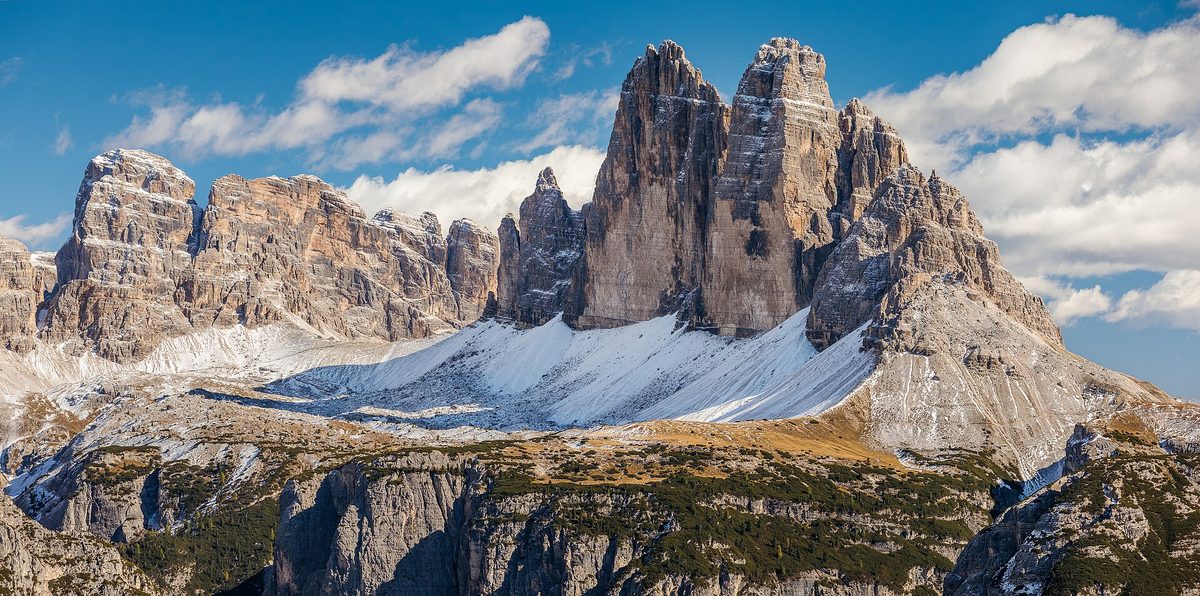
Innsbruck Airport averages a 20.6 °C high in September, and Salzburg’s airport about 20 °C. Austrian forests begin showing autumn colour in September, and the high trails are still open with the summer crowds gone and the huts not yet shut. October brings frequent mists and fogs at low altitude in Austria, which is atmospheric in a valley and a nuisance on a ridge, so September is the better hiking month of the two.
The catch is that mountain huts close on their own schedule, usually somewhere between late September and mid-October, and the lifts that get you to the trailhead close with them. Check individual hut and lift dates before committing to a route. Our hiking in Europe guide and the Austria travel guide go into the specifics.
October in Europe: the best month of the three
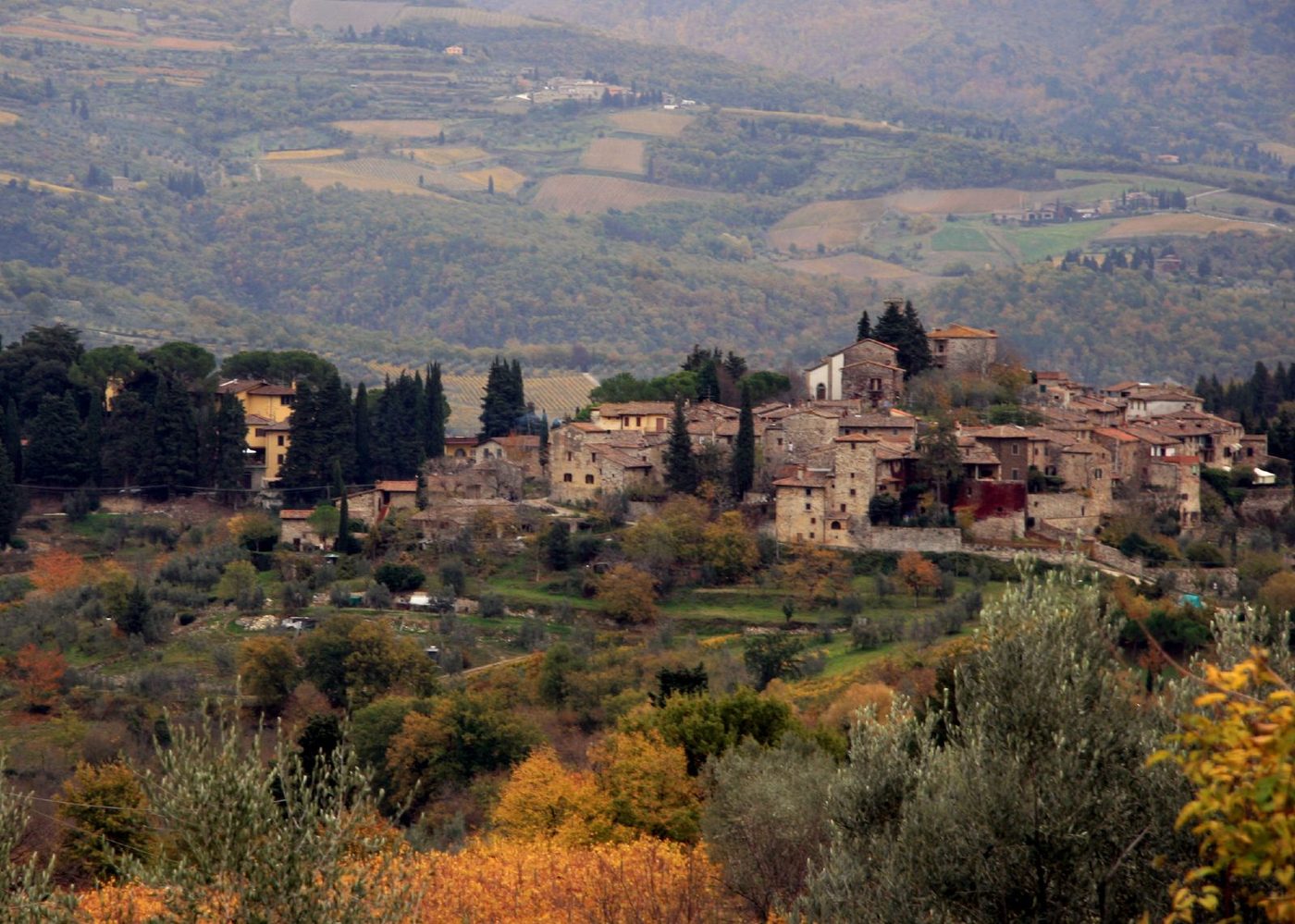
If someone gave me one autumn week in Europe and no other constraints, I would take the middle two weeks of October. The heat has come off the cities, the colour is arriving, the food calendar peaks, and the Mediterranean has not cooled enough to matter.
Cities are finally comfortable
Rome Ciampino averages a 22 °C high in October. The Romans have a word for the warm, clear stretch in the first half of the month, the ottobrate. Walking the Forum in that weather rather than in August, when Ciampino’s average high is 31.6 °C, is a completely different experience of the same stones. The trade is that autumn is Rome’s wettest season, with October bringing 88 mm across seven days against an annual total of about 750 mm.
Florence Airport averages a 21.5 °C high in October and Heathrow 15.8 °C, with Paris around 17 °C and Krakow 14 °C. All of them are pleasant walking temperatures. Our city guides to Rome, Florence, Paris and Venice all work best read against these numbers, and the European city breaks guide ranks the cities that hold up in autumn.
The food calendar peaks
Alba’s International White Truffle Fair runs weekends from 10 October to 6 December 2026, with the World Truffle Market in the Cortile della Maddalena, entrance from Piazza Falcone. It opens 09:30 to 19:30 on Saturdays and Sundays, with last admission at 19:00. Standard admission to the market is €6 at the venue; the €6 online ticket also covers MUDET, plus booking and service fees, and special experiences are priced separately. fieradeltartufo.org has the full programme.
Paris holds the Fête des Vendanges de Montmartre every October; the 93rd edition ran from 7 to 11 October 2026, and the festival’s own site posts the next edition’s dates and programme. It is a harvest festival for a small vineyard on the north slope of the butte, which is exactly as absurd and as charming as it sounds.
For the wider picture on what to eat where, see our guides to European food and Italian food by region.
Autumn colour: where and when the leaves turn
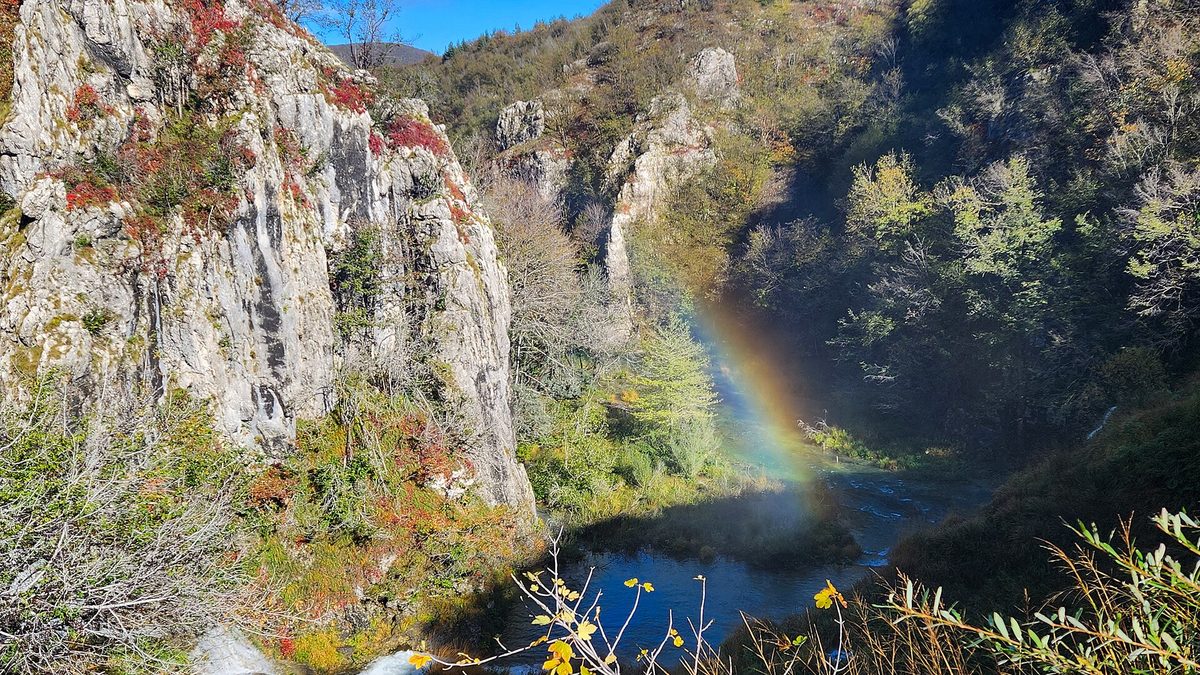
Foliage timing is hard to pin down, because it moves by a week or two every year and a confident wrong date is worse than no date. Treat these windows as the usual shape of the season, and expect each one to shift.
| Where | Peak window |
|---|---|
| Bavarian Alps | Late September into early October |
| Slovenia: Bled, Triglav, Soča valley | Turns late September, peaks mid-October, can hold into early November |
| Plitvice Lakes, Croatia | October, moving a week or two year to year |
| Bavarian lowlands | Around mid-October |
| Black Forest | Hardwoods start turning mid to late October |
| Cotswolds, England | Early October to mid-November |
| Austria generally | Forests begin showing colour in September; it varies with altitude and year |
Plitvice deserves a specific mention because the timing pays off so visibly there: the beech turning above the waterfalls in October is the version of that park you have seen in photographs. Slovenia is the other one I would plan a trip around, and Ljubljana is a good base; note that September is Ljubljana’s wettest month, averaging 160 mm at Bežigrad against 150 mm in October, so October is the slightly better bet there.

Scotland runs its own autumn set piece: The Enchanted Forest at Pitlochry, which ran from Thursday 8 October to Sunday 8 November in 2026 with a 25th anniversary show themed “Stop The Clock: The 25th Hour”. Tickets are sold through the official site and SEE Tickets, so check prices there when you book. Edinburgh’s Gogarbank station averages 13 °C and 83 mm of rain in October, so pack accordingly. The UK travel guide has more on the Highlands in autumn.

What shuts down, and when
The other side of autumn is that the infrastructure thins out. On the Greek islands, hotels, tavernas and ferry services wind down as the season ends, at a pace that varies by island and by business. Check that your accommodation is open before you book flights, and check the ferry timetable for the actual week you are travelling rather than the summer one.
The same applies in the mountains, where huts and lifts close on individual schedules between late September and mid-October, and on the Amalfi Coast and the Cinque Terre, where seasonal hotels and the SITA bus timetable both contract from early November. Croatian island ferries drop to winter frequency from around the start of November too.
Halloween has a homeland and it is County Meath
Ireland’s Púca Festival in County Meath marks Samhain around Halloween; the 2026 edition ran from 29 October to 1 November, and the festival’s Essential Info page carries the next edition’s dates. Derry Halloween, up north, is billed by its organisers as Europe’s largest Halloween festival. Both are proper civic events rather than tourist constructions, and Ireland in late October is mild enough to enjoy outdoors. See the Ireland travel guide for how to build a week around it.
November in Europe: the month with the best value and the worst light

Plenty of people write November off, and they are half right. It is dark, it is wet across most of the north and west, and outdoor plans get unreliable. It is also the cheapest month of the three, the emptiest, and it contains two things you cannot get at any other time of year.
Christmas markets open in November, not December
This is the single most useful piece of timing information in this guide. The big markets do not wait for December.
| Market | 2026 opening | Runs until |
|---|---|---|
| Cologne harbour market | 13 November | 3 January 2027 |
| Vienna Rathausplatz Christkindlmarkt | 13 November | 26 December |
| Cologne Cathedral market | 16 November | 23 December |
| Cologne Alter Markt and Heumarkt | 23 November | 23 December, Heumarkt to 10 January 2027 |
| Dresden Striezelmarkt | 25 November | 24 December |
| Nuremberg Christkindlesmarkt | 27 November | 24 December |
| Strasbourg | 27 November | 24 December |
| Budapest Vörösmarty tér | 13 November | Into the new year |
A trip in the third week of November gets you Vienna and Cologne with markets running and December still weeks away. Nuremberg’s opening is a set piece in itself: the Christkind delivers the prologue from the Frauenkirche balcony at 17:30 on Friday 27 November. The market’s 180 or so stalls stay open until 22:00 that first day, then 10:00 to 21:00 daily from 28 November to 23 December, with a short 10:00 to 14:00 final day on 24 December. Our Christmas markets in Europe guide ranks them properly.

The northern lights come back

Aurora season in Europe runs roughly September to April, opening as soon as the nights are dark enough. In Tromsø the lights can be seen from late August to early April, and what decides any given night is darkness, clear skies and auroral activity.
The wider context for 2026: Solar Cycle 25 is past its peak, which fell around 2024 to 2025, and activity is now on the decline. In practice that means this autumn is still a good one and the next few years get gradually less generous. Nobody can tell you what share of clear nights will bring a visible aurora in Tromsø or Iceland; the more nights you allow, the better your chances.
Tromsø itself averages 11 °C in September, 5 °C in October and 2 °C in November, with day length falling from about 13 hours to 9 to 4. Polar night, when the sun stays below the horizon, lasts from about 27 November to 15 January, and the surrounding mountains hide the sun from around 21 November, though a few hours of twilight remain each day. If you want aurora with some daylight left for doing things, go in late September or October rather than late November.

Iceland’s aurora season also runs September to April. Reykjavik’s October mean is 5 °C with 80 mm of rain across 13 days, falling to a 2.2 °C mean in November. Cloud is the enemy rather than cold. The Iceland travel guide and the Scandinavia travel guide both cover chasing it properly.
Where it is still warm in November
If you want sun in November, Europe still has answers, and they are all offshore or far south. Tenerife’s south coast averages about 25 °C in November, while inland La Laguna is several degrees cooler. Larnaca Airport in Cyprus averages a 23 °C high, though Cyprus does most of its raining in winter. Rhodes Airport averages 20.7 °C with a 21 °C sea. Heraklion Airport averages 20.1 °C. Seville Airport still averages 20.2 °C, which is remarkable for mainland Europe in late autumn.
Madeira is the one I would push hardest for a November week that needs to work. Its rain falls mostly in autumn and winter, on an annual total of about 574 mm at Funchal, but its temperature range is absurdly narrow, from a 16.8 °C mean in February to 23.7 °C in August (IPMA’s 1991–2020 Funchal normals). Those are daily means rather than highs, but the pattern tells you what you need: it does not get cold there.
Skiing starts before autumn ends
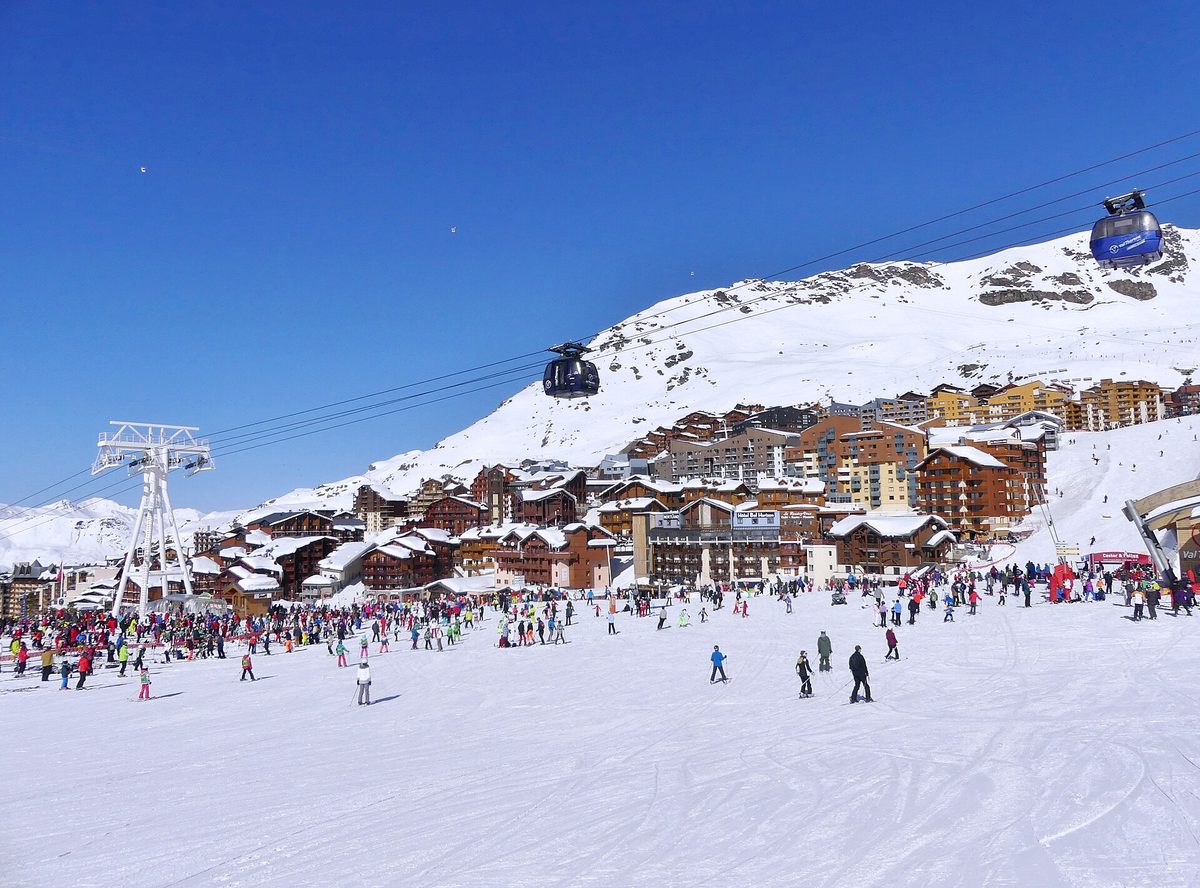
Val Thorens opens 21 to 22 November 2026 for La Grande Première, with the wider Three Valleys area following on 5 December. Hintertux in Austria offers glacier skiing from late September to late July, conditions permitting, so October and November are covered, and Zermatt offers summer glacier skiing on up to 21 km of pistes at Matterhorn Glacier Paradise. Check Matterhorn Glacier Paradise’s site for Zermatt’s 2026/27 winter opening date. Our skiing in Europe guide tracks the season properly.
The autumn 2026 events calendar
Every date below is for 2026 specifically. Festival dates do move, so confirm on the organiser’s own site before booking flights around one.
| 2026 date | Event | Country | What to know |
|---|---|---|---|
| 9 to 12 September | Budapest Wine Festival, Buda Castle | Hungary | 35th edition, open 15:00 to midnight Wednesday and Thursday, 14:00 to 01:00 Friday and Saturday; the organiser’s site has the next dates |
| 12 September | Viehscheid cattle drives, Oberstdorf and Pfronten | Germany | Oberstdorf’s next main drive is on 13 September 2027; check each town’s calendar for times |
| 18 September | Viehscheid, Wertach | Germany | Friday drive with a market; held every mid-September, so check the town’s calendar for the 2027 date |
| 19 September to 4 October | Oktoberfest, Munich | Germany | Free entry to the grounds and tents; Oide Wiesn €4. The 2027 festival runs 18 September to 3 October |
| 19 to 20 September | Ban des Vendanges, Bordeaux | France | Harvest proclamation, usually on the third weekend of September; the local tourist office has the 2027 date |
| 19 September | Viehscheid, Immenstadt and Obermaiselstein | Germany | Held every mid-September; the towns’ calendars give the 2027 dates and times |
| 23 to 27 September | La Mercè, Barcelona | Spain | Feast day 24 September every year, a Friday in 2027; the city’s La Mercè site posts each programme |
| 3 October | German Unity Day | Germany | Public holiday; museums and most shops closed |
| 7 to 11 October | Fête des Vendanges de Montmartre, Paris | France | 93rd edition; the festival’s site posts the next edition’s dates |
| 8 October to 8 November | The Enchanted Forest, Pitlochry | United Kingdom | 25th anniversary show |
| 10 October to 6 December | Alba International White Truffle Fair | Italy | Weekends; World Truffle Market at Cortile della Maddalena |
| 12 October | Fiesta Nacional, Spain | Spain | Public holiday every 12 October, with a military parade in Madrid; a Tuesday in 2027 |
| 25 October | Clocks went back across the EU and UK | All | 03:00 CEST became 02:00 CET; in 2027 the change is on Sunday 31 October |
| 26 October | Austrian National Day | Austria | Public holiday, a Tuesday in 2027; some museums offer free entry, so check each museum |
| 29 October to 1 November | Púca Festival, County Meath | Ireland | Samhain festival; its Essential Info page posts the next edition’s dates |
| 1 November | All Saints’ Day | Spain, Poland, Italy, France and others | Falls on a Sunday in 2026, so the disruption is limited |
| 5 November | Bonfire Night, including Lewes | United Kingdom | Lewes processions run from about 17:00 to 01:00 |
| 11 November | St Martin’s Day, Martinovanje | Slovenia | Celebrates the new wine, as tradition has the must turn into wine |
| 13 November | Vienna Rathausplatz Christkindlmarkt opens | Austria | Runs to 26 December |
| 16 November | Cologne Cathedral Christmas market opens | Germany | Harbour market opens 13 November |
| 21 to 22 November | Val Thorens opens, La Grande Première | France | Wider Three Valleys area opens 5 December |
| 25 November | Dresden Striezelmarkt opens | Germany | Runs to 24 December |
| 27 November | Nuremberg Christkindlesmarkt opens | Germany | Prologue at 17:30; around 180 stalls |
| 27 November | Strasbourg Christmas market opens | France | Runs to 24 December |
The pattern in that table is worth naming. September is harvest and mountains. October is food, foliage and Halloween. November is markets and snow. If you are trying to hit several things in one trip, the natural clusters are Bavaria in mid-September, Piedmont plus Paris in early October, and the Rhineland plus Austria in the second half of November.
Two scheduling notes that catch people out. Autumn is thick with public holidays: German Unity Day on 3 October, Spain’s Fiesta Nacional on 12 October, Austria’s National Day on 26 October and All Saints’ Day on 1 November. Museums and most shops close, and trains fill up. All Saints’ Day falls on a Sunday in 2026, which limits the damage that week, though Spain and Poland still treat it as a full public holiday.
And watch the school autumn holidays. In 2026 the Dutch break ran from 10 to 18 October in the north and 17 to 25 October in the central and southern regions, while UK half-term dates vary by school and local authority. If your dates are flexible, move a week either side of the holidays that feed your destination and you will pay noticeably less for the same trip.
Does autumn actually save you money?

It is the most repeated claim in shoulder-season travel writing, so here is what the evidence supports and where it runs out.
The demand data is solid. Eurostat’s figures show August as the busiest month for EU tourist accommodation, with July close behind. July and August together account for 31% of the entire year, and in 2025 August had 3.6 times as many overnight stays as January. Seasonality is extreme in some countries: in 2025 Croatia took 54.5% of its overnight stays in July and August alone, Bulgaria 43.4% and Greece 41.6%. Those three are where autumn changes your experience most.
The price data is softer than people pretend. The commonly cited figures are 20 to 40% lower flights and 20 to 30% lower flight and hotel rates in shoulder season, with Mediterranean beach destinations like Santorini, Dubrovnik and the Algarve dropping 30 to 40% from August to September. One report puts European flights 37% cheaper in shoulder season. Treat all of these figures as directional rather than precise.
The discount is shrinking. Reporting in 2026 points to more bookings to Europe and rising rates, as more people cotton on to shoulder season. Autumn is no longer the guaranteed bargain it was five years ago, and our guide to the real shoulder season windows sets out which weeks still hold their value. It is still cheaper than August. It is not free money.
The broader demand picture for 2026 is strong: the European Travel Commission reported international tourist arrivals up 5.6% and overnight stays up 5.5% in early 2026 against the same period of 2025. The ETC’s Q3 report was not out when I wrote this, so any autumn 2026 performance figure you see quoted is an extrapolation.
For squeezing the most out of a shoulder-season budget, our guides to Europe on a budget, the cheapest places to travel in Europe and backpacking Europe are the practical follow-ups.
Crowds: what the visitor numbers show

Attraction-level monthly data is frustratingly hard to get, because very few major sites publish month-by-month visitor tables. The annual figures still tell a story:
- The Colosseum counts its visitors in the millions every year.
- The Sagrada Família took 4,707,367 visitors in 2023. Like most of Barcelona, it is busiest in summer.
None of that means autumn is empty. Rome in October is still Rome. It means the difference between a two-hour queue and a twenty-minute one, which over a week compounds into a meaningfully different trip. Book timed entry regardless; the sites that require it in August still require it in October.
What changed for autumn 2026: entry rules, taxes and fees

This section dates faster than anything else in the guide, so everything here was checked on 16 August 2026 against official EU and municipal sources. Check again before you travel.
EES is live. ETIAS is not.
The EU’s Entry/Exit System began a progressive rollout on 12 October 2025 and became fully operational on 10 April 2026. If you are a short-stay visitor from outside the EU and Schengen crossing an external border this autumn, EES replaces passport stamps with a digital record. Visa-free travellers register a facial image and fingerprints, though children under 12 give no fingerprints; short-stay visa holders have their facial image stored, as their fingerprints are already held with their visa; long-stay visa and residence-permit holders are exempt. Over 45 million border crossings had been registered by the time the system went fully live. Build in extra time at the border on your first crossing.
ETIAS, the travel authorisation, is a different system and it is not yet in force. It was pencilled in for the last quarter of 2026, but as of late September 2026 no start date has been set: the EU’s official ETIAS pages now say only that the date will be announced several months before launch, and trade reports point to 2027. You do not need an ETIAS to travel to Europe this autumn. Check our Schengen visa and ETIAS explainer for the current position, and confirm on the official EU site before you travel because this is exactly the sort of thing that can change between me writing and you reading.
The Schengen area covers 29 countries: 25 EU member states plus Iceland, Norway, Switzerland and Liechtenstein. The 90/180 rule still applies for non-EU nationals, meaning a maximum of 90 days in any rolling 180-day period, counted backwards from each day of your stay; how often you can come and go within that also depends on your visa’s validity and the entries it allows. The European Commission publishes an official short-stay calculator, which is worth using if you are doing a long autumn trip on the back of a summer one.
The Venice access fee does not apply in autumn
In 2026 Venice’s contributo di accesso applied on 60 specific days between 3 April and 26 July 2026 only, between 08:30 and 16:00. It has not been in effect since 27 July 2026, which means it does not apply in September, October or November. Several guides imply otherwise. For the record, the 2026 trial charged €5 if paid up to and including the fourth-last day before your visit and €10 after that, and fell on day visitors aged 14 and over who were not staying overnight in the Municipality of Venice; overnight guests were exempt because they already pay the city’s overnight tax. Any future scheme will appear on the city’s official access-fee portal, cda.veneziaunica.it. Our Venice guide covers the rest.
Tourist taxes that did change
| Place | 2026 position |
|---|---|
| Amsterdam | 12.5% of the accommodation price excluding VAT. Dutch VAT on hotel accommodation rose from 9% to 21% on 1 January 2026, taking the combined load to roughly 33.5% |
| Barcelona | From 1 April 2026 the Catalan rate plus a €5.00 city surcharge gives €12.00 per person per night at 5-star hotels, up from €7.50 in 2025; €8.40 at 4-star; €9.50 short-term rentals; €7.00 campsites and other; €6.00 youth hostels; cruise passengers up to €11. The surcharge rises to €6.00 in 2027, €7.00 in 2028 and €8.00 in 2029 |
| Greek cruise levy | Seasonal, and autumn is cheap. Peak, 1 June to 30 September: €20 per passenger at Mykonos and Santorini, €5 elsewhere. Shoulder, April, May and October: €12 and €3. Off-season, November to March: €4 and €1. In force since 21 July 2025 |
| Venice | Access fee not applicable from 27 July 2026, so no charge for autumn day visitors |
Amsterdam’s combined tax load is significant on a long stay: a €200 net room rate arrives at checkout as roughly €267, before you have bought a coffee. Worth pricing in rather than discovering at checkout. The Netherlands travel guide and Barcelona guide have more.
The Acropolis in autumn
Athens is the obvious autumn city break, so here is the ticket picture. Standard admission to the Acropolis is €30, and the operator lists no seasonal winter discount. A reduced ticket costs €15; check who qualifies on the official ticket portal. The published free-entry rules give 16 free days in 2026: ten first and third Sundays in winter and six cultural dates. Buy from the official ticketing site and take whatever price it shows you.
Daylight: the thing that ends autumn
Clocks across the EU and the UK went back on Sunday 25 October 2026, at 01:00 UTC, moving 03:00 CEST to 02:00 CET. They go forward again on 28 March 2027 and back on Sunday 31 October 2027. Every EU state changes on the same date. The European Commission proposed abolishing seasonal clock changes after a consultation in which 84% of respondents backed ending them, and the proposal has been stuck ever since over whether to settle on permanent summer or permanent winter time.
Practically, that Sunday is the hinge of the season. Before it, an October afternoon in Rome or Seville still feels open-ended. After it, northern European cities are dark by late afternoon and your sightseeing day shortens by an hour at the useful end. If you have a choice, put the outdoor half of a long autumn trip before the change and the museum-and-market half after it.
The extreme case is Tromsø, where average day length falls from 13 hours in September to 9 in October to 4 in November, before polar night begins on 27 November. Exact sunset times for Stockholm, Edinburgh, Rome and Lisbon vary a lot with the date, so check local sunset times for your dates; the direction of travel is not subtle.
Autumn weather risks worth planning around
Autumn in Europe has its own hazard profile, and it is not the one people expect.
Medicanes. Mediterranean tropical-like cyclones form mostly in autumn and early winter. About one or two form per year, more commonly in the western Mediterranean and between the Ionian Sea and the North African coast. They are rare enough that you should not plan around one, and real enough that you should carry travel insurance and flexible ferry plans if you are island hopping in October.
Atlantic storms. The European windstorm naming season runs from 1 September to 31 August the following year, with storms named by the Met Office, Met Éireann or KNMI depending on expected impact, so the naming clock resets exactly as autumn begins. The Met Office’s 2026 North Atlantic tropical storm forecast points to a most likely 12 named tropical storms with a 70% chance of between 9 and 15. Ireland, western Britain and Atlantic France and Iberia catch the tail ends of these systems from late September onwards.
Bora on the Adriatic. The bora is a violent cold wind on the Croatian coast, described in the climate literature I consulted as primarily a winter phenomenon; autumn-specific frequency figures are not published. It matters mainly because it cancels ferries. If your Croatian island plan has no slack in it, build some in.
Rain, which is the real one. The autumn risk that will affect your trip is not a dramatic storm, it is nine rain days in Lisbon in October, twelve in Edinburgh, eighteen in Bergen. Plan indoor alternatives for at least a third of your days in the north and west, and you will have a good trip regardless.
Autumn swaps: same holiday, better month
The most useful way I know to think about autumn is as a substitution exercise. Take the trip you would have taken in July or August, and move it sideways.
| If you were going to | Go instead to | Why it works in autumn |
|---|---|---|
| Santorini or Mykonos in August | Crete or Rhodes in early October | Sea still about 24 °C off Rhodes and warm off Crete, highs of 24 °C and 25 °C, and the October cruise levy at Mykonos and Santorini drops from €20 to €12 per passenger |
| Amalfi Coast in July | The Naples coast in October | The sea is still swimmable in October |
| Barcelona in August | Seville in late October | Seville Airport averages a 26 °C high across October against Barcelona’s 22 °C, and Barcelona’s 91 mm of October rain makes it the city’s wettest month |
| Paris in August | Paris in late September | 22 °C highs and the city back at work rather than on holiday |
| Dubrovnik in July | Split or the Adriatic coast in early September | Split’s sea is still warm enough for a proper swim |
| Iceland ring road in July | Iceland in late September | Aurora season opens and the equinox period is statistically one of the strongest for activity |
| Alps hiking in August | Dolomites or Tyrol in late September | Innsbruck Airport averages a 20.6 °C high in September and the forests are already turning |
| Algarve in August | Madeira or Tenerife in November | Tenerife’s south coast averages about 25 °C in November, with the sea still warm enough to swim |
| Prague or Vienna in summer | Vienna from 13 November | The Rathausplatz Christkindlmarkt opens then, so you get the city plus the market |
| Norwegian fjords in July | Tromsø in late September or October | Aurora season is open, highs are 11 °C in September, and polar night does not start until 27 November |
Europe in autumn by traveller type
First-time visitors to Europe
Go in late September or the first half of October, and go to the classic cities. Rome at 22 °C, Paris at 17 °C and Florence at 22 °C in October give you the postcard version at a temperature you can walk in. Do not try to add a beach; you will spread yourself thin. Our first-timer’s guide and first-time Europe itinerary are built for exactly this.
Couples
Piedmont in the second half of October, for the truffle fair and the fog in the vineyards. Or the Douro during harvest. Or Vienna and Salzburg in the third week of November when the markets have opened and the crowds have not arrived. The Europe honeymoon guide has more in this direction.
Families
September, before school holidays elsewhere restart and while the Mediterranean is still swimmable. Crete, Rhodes or Malta in the first half of September gives you warm sea and manageable heat. October half-terms work for city breaks, but expect plenty of other families. See Europe with kids.
Solo travellers
October is the best solo month of the year in my view: hostels are quiet enough to be sociable rather than chaotic, city walking is comfortable, and the shoulder-season discount is real. Central Europe works particularly well, with Krakow and Vienna in the mid-teens by day in October. The solo travel in Europe guide has the practical side.
Hikers and outdoors people
September, and preferably the first three weeks. Alpine huts and lifts start shutting from late September, Austrian valleys get foggy in October, and daylight collapses after the clocks change. The Dolomites, Tyrol and the Julian Alps are all at their best. See hiking in Europe.
Budget travellers
November, in Central and Eastern Europe, avoiding the Christmas market cities in their opening fortnight because that is when their prices reset upwards. Krakow, Budapest, Sofia, Belgrade and Tirana all stay cheap. Read the Eastern Europe itinerary alongside Europe on a budget.
Rail travellers
Any of the three months, and autumn is arguably the best rail season in Europe: trains run full timetables until the December change, the scenery is at its best, and you are indoors when it rains. Our train travel guide, Europe train itinerary and getting around Europe cover passes and routes.
Five mistakes I see people make in autumn
1. Booking the north for the cheap flights. Bergen is cheap in November because it averages 275 mm of rain over 18.5 wet days. Cheap in autumn usually means wet, and the rainfall column is the one to read before you book.
2. Assuming the sea is cold. The sea off Rhodes still averages about 24 °C in October, and Cyprus and Crete stay warm enough to swim. People pack for a city break and then find themselves next to a swimmable sea with no swimsuit.
3. Planning a long outdoor day for the week after the clocks change. They go back on the last Sunday of October, 31 October in 2027, and you lose an hour off the useful end of the day. It catches people out every year, particularly on driving itineraries.
4. Trusting last year’s festival dates. Oktoberfest, Alba, La Mercè and the markets all move. The Alba fair alone runs 10 October to 6 December in 2026, which is different from previous editions.
5. Ignoring hut and lift closures. An Alpine route that was trivially walkable in early September can become a long slog once the lift shuts, and mountain refuges close on their own schedules through late September and October.
Three autumn itineraries worth copying
Ten days in September: Greek islands and Athens
Fly into Athens in the second week of September. Two days for the Acropolis and the museums, going early to beat the heat that is still very much present. Ferry to Crete for five days: Heraklion Airport averages a 27.5 °C high in September, and the sea is still warm enough for long swims. Two days on Rhodes on the way back, where the sea averages about 27 °C. Build in a spare day for ferry disruption. Pair with our Greece guide and best places to visit in Europe.

Two weeks in October: Piedmont, Provence and the Riviera
Start in Alba for the truffle fair weekends from 10 October, then work west. Piedmont in mid-October is fog, food and vineyards. Cross to Provence and the Riviera, but go in knowing that Nice takes 128 mm of rain in October, second only to November, so build the itinerary around towns and markets rather than beach days. Finish in Nice, which still averages 21 °C. This works especially well by train. See our guides to Provence, the south of France and Nice.
One week in late November: Vienna, Salzburg and Munich
Arrive in Vienna after 13 November when the Rathausplatz market has opened, with daytime highs in single figures. Three days there, two in Salzburg at about 9 °C, then Munich. You will be cold and it will be dark by late afternoon, but you will also have the markets running before December arrives. Our Austria guide and Christmas markets guide pair with this.
For longer trips, our two weeks in Europe, three weeks and one month itineraries all adapt well to autumn with a southward shift.
What to pack for Europe in autumn
Layers, obviously, but more specifically: the autumn packing problem is that a single trip can span a 32 °C Seville afternoon and a Tromsø November night below freezing, and even a single city can swing fifteen degrees between the Oktoberfest tent and the walk home. The kit that solves it is a light waterproof shell, one warm mid-layer, and shoes that handle wet cobbles. Rain gear matters more in autumn than a heavy coat does, because in most of Europe the problem is water rather than cold until December. Our Europe packing list has the full version.
Frequently asked questions about Europe in autumn
Is autumn a good time to visit Europe?
Yes, and for most trips it is better than summer. You get comfortable city temperatures, sea that stays swimmable into October in the south, meaningfully smaller crowds, lower prices than July and August, and the harvest and festival calendar at its densest. The trade-offs are shorter days after the clocks change on the last Sunday of October and a real rise in rainfall across the northwest.
What is the weather like in Europe in autumn?
It depends enormously on latitude. In September, Seville averages 32 °C and Tromsø averages 11 °C. By November, Tenerife’s south coast is still at about 25 °C while Munich has dropped into single figures. Rainfall matters as much as temperature: Bergen takes 275 mm in November, Krakow about 40 mm.
Where is hot in October in Europe?
Cyprus leads the places in the table above, with Larnaca Airport averaging a 28 °C high in October. Seville averages 26 °C, Rhodes and Valletta around 25 °C, Heraklion 24 °C and Lisbon 23 °C.
What are the warmest countries in Europe in November?
The Canary Islands, with Tenerife’s south coast averaging about 25 °C, then Cyprus at 23 °C, Rhodes at 20.7 °C, Spain’s Andalusia with Seville at 20.2 °C, Crete at 20.1 °C, and Malta. Madeira also stays mild year-round.
Where should I go in Europe in October?
For warmth, Andalusia, Crete, Rhodes or Cyprus. For cities, Rome, Florence, Paris or Vienna. For food and wine, Piedmont for the Alba truffle fair or the Douro at the end of harvest. For colour, Slovenia and Plitvice in the middle of the month.
When do the leaves change colour in Europe?
The Bavarian Alps and Slovenia start turning in late September. Peak is broadly mid-October for the Bavarian lowlands, Slovenia and Plitvice. The Black Forest turns mid to late October and the Cotswolds run early October into mid-November. All of these shift by a week or two each year.
Which month is best to see the northern lights?
In Tromsø the lights can appear from late August to early April, and any given night depends on darkness, clear skies and auroral activity, so the more nights you allow, the better your odds. Iceland’s season runs roughly early September to early April.
Is September cheaper than August in Europe?
Generally yes, though less than it used to be. Widely cited figures put shoulder-season flights 20 to 40% below peak and Mediterranean beach destinations 30 to 40% lower from August to September, but a 2026 counter-trend shows bookings up 49% with rates rising more than 7% as the shoulder season fills up.
Do I need an ETIAS to visit Europe in autumn 2026?
No. ETIAS was expected in the last quarter of 2026, but as of late September 2026 it has no start date: the EU has promised several months’ notice before launch, and trade reports point to 2027. The Entry/Exit System, which is a different thing, has been fully operational since 10 April 2026, so expect biometric registration at the border. Confirm on the official EU site before you travel.
Does the Venice access fee apply in autumn?
No. In 2026 it applied on 60 specific days between 3 April and 26 July only, so autumn day visitors pay nothing.
When do European Christmas markets open?
Earlier than most people think. Vienna’s Rathausplatz market and Cologne’s harbour market both open 13 November 2026, Cologne Cathedral on 16 November, Dresden on 25 November, and Nuremberg and Strasbourg on 27 November.
When do the clocks change in Europe in 2026?
They went back on Sunday 25 October 2026 at 01:00 UTC, when 03:00 CEST became 02:00 CET. The next changes are on 28 March 2027, when they go forward, and Sunday 31 October 2027, when they go back. Every EU state and the UK changes on the same date.
Can you still swim in Europe in autumn?
Comfortably, in the right places. In October the sea off Rhodes still averages about 24 °C, and Cyprus, Crete and Tenerife are warm enough for most swimmers. By November only Cyprus, the Canaries and Rhodes stay comfortable.
Is it worth visiting Europe in November?
It is, if you match the destination to the month. November works for Christmas markets from the 13th, for aurora chasing in Norway and Iceland, for museum-heavy city breaks, and for winter sun in the Canaries and Cyprus. It does not work for Alpine hiking, Atlantic coast trips or anything that needs long daylight.
Final thoughts
Autumn is the season where doing your homework pays the biggest dividend. Summer is forgiving: it is hot and busy everywhere and the main decision is where to sit. Autumn asks you to match a month to a place, and the gap between getting that right and getting it wrong is enormous. October in Crete and October in Bergen are both October in Europe, and only one of them is a holiday.
My honest ranking, if you want it: the second half of September for the Mediterranean, the middle of October for cities and food, and the third week of November if you want the Christmas markets before anyone else gets to them. Everything else in this guide is detail hanging off those three windows.
A note on what is missing. There is nothing here on the Baltic states, Turkey’s autumn, the Azores or the Peloponnese in any depth, and the Stockholm, Naples and Madeira figures have gaps. That is a limit of this guide, not a verdict on any of those places. Where a number was not available the cell shows a dash, and I would rather you had a shorter list of things you can plan against than a longer one you cannot.
Wherever you land, go in the second half of the month rather than the first. Everything empties out.
About the author
Hannah Brooks has spent fifteen years travelling, living and writing across Europe, from the Arctic tip of Norway to the south of Sicily. She has planned hundreds of European itineraries for readers and is Senior Europe Editor at EuropeanTourism.org.
Photo credits
All images are used under their stated licences. In order of appearance:
- Europe in autumn: a cypress-lined road across the clay hills of the Val d’Orcia in Tuscany. Photo: Fabrizio Lunardi / CC0 via Wikimedia Commons
- The Venetian harbour and lighthouse of Chania on Crete, where the sea stays warm into October. Photo: Cayambe / CC BY-SA 4.0 via Wikimedia Commons
- A Bavarian beer garden under chestnut trees in Munich, host city of Oktoberfest. Photo: Flo Sorg (CC0) via Wikimedia Commons
- Terraced vineyards of the Douro Valley above the river near Pinhao, harvested from September. Photo: Grand Parc · Bordeaux, France from France / CC BY 2.0 via Wikimedia Commons
- Hikers below Tre Cime di Lavaredo in the Dolomites, at their best in September. Photo: Ximonic (Simo Räsänen) / CC BY-SA 4.0 via Wikimedia Commons
- A stone hill village above vineyards and olive groves in the Chianti hills of Tuscany. Photo: Rob and Lisa Meehan / CC BY 2.0 via Wikimedia Commons
- Waterfalls at Plitvice Lakes National Park in Croatia, where the beech peaks in mid-October. Photo: OrionCro / CC BY-SA 4.0
- The island church on Lake Bled in Slovenia, one of the best autumn colour destinations in Europe. Photo: Krzysztof Golik / CC BY-SA 4.0 via Wikimedia Commons
- Honey-stone cottages of Arlington Row in Bibury, the Cotswolds, which turn from early October. Photo: John H Darch / CC BY-SA 2.0 via Wikimedia Commons
- The Vienna Christkindlmarkt on Rathausplatz, which opens on 13 November 2026. Photo: Böhringer Friedrich / CC BY-SA 3.0 AT via Wikimedia Commons
- Steaming Glühwein in souvenir mugs at a European Christmas market stall. Photo: BKP / CC BY-SA 3.0 via Wikimedia Commons
- The northern lights over the mountains near Tromsø in Arctic Norway, visible from September. Photo: Marcelo Quinan / CC BY 2.0 via Wikimedia Commons
- Green northern lights over a snowy Icelandic landscape during the September to April season. Photo: Vincent Guth vingtcent / CC0
- Skiers on a groomed piste above Val Thorens, which opens on 21 November 2026. Photo: Florian Pépellin / CC BY-SA 4.0 via Wikimedia Commons
- Euro banknotes and coins, the currency of most autumn travel budgets in Europe. Photo: Avij / Public domain (CC0) via Wikimedia Commons
- Crowds around the Trevi Fountain in Rome, thinner in October than in July. Photo: Ypsilon from Finland (CC0) via Wikimedia Commons
- Automated passport e-gates at a European airport, where EES biometric registration replaces stamps. Photo: Okki, derivative work Bonus bon / CC BY-SA 4.0 via Wikimedia Commons
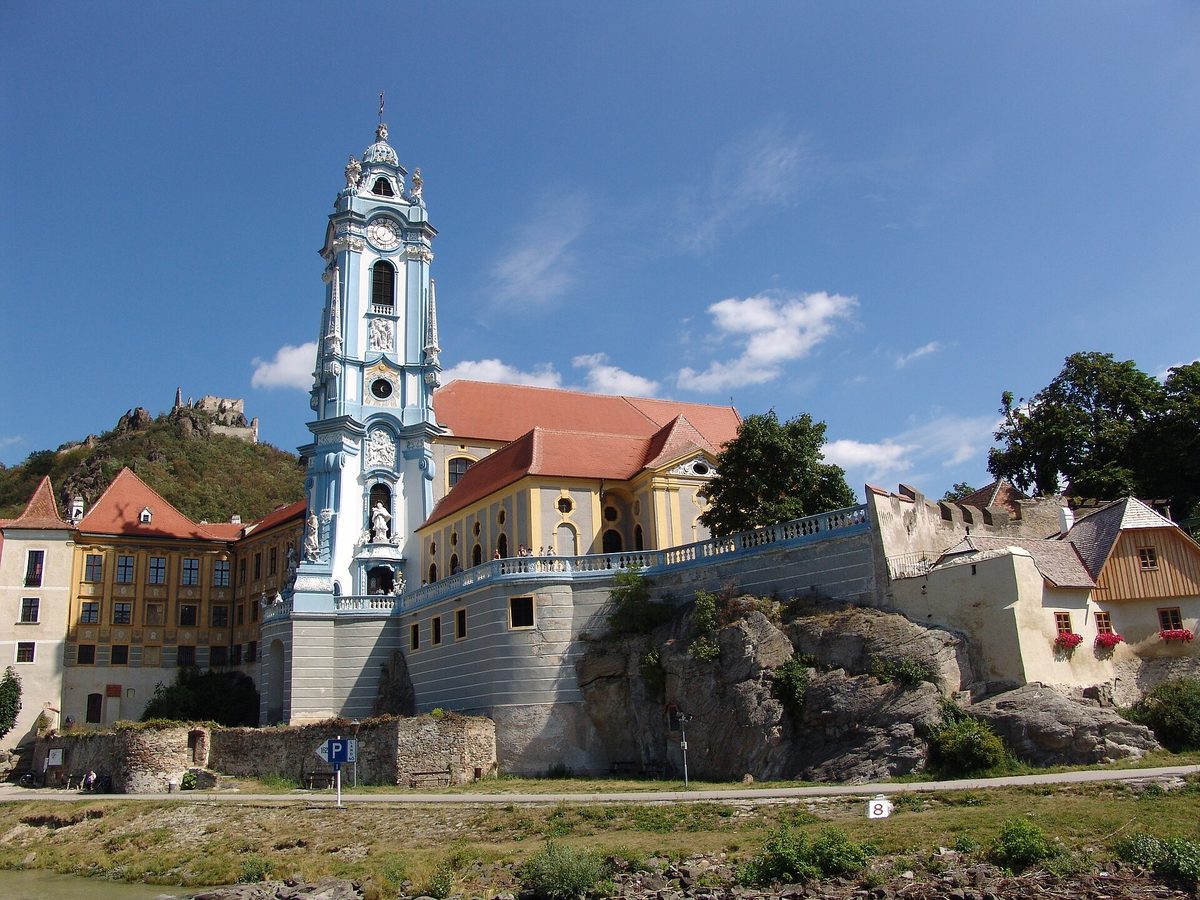
- Terraced vineyards and the church tower of Duernstein in the Wachau Valley on the Danube. Photo: Hochauer / CC BY-SA 2.0 via Wikimedia Commons
- The Parthenon on the Acropolis in Athens, best visited from mid-September to mid-October. Photo: Jebulon (CC0) via Wikimedia Commons