Backpacking Europe: The Complete 2026 Guide (Routes, Costs & Tips)
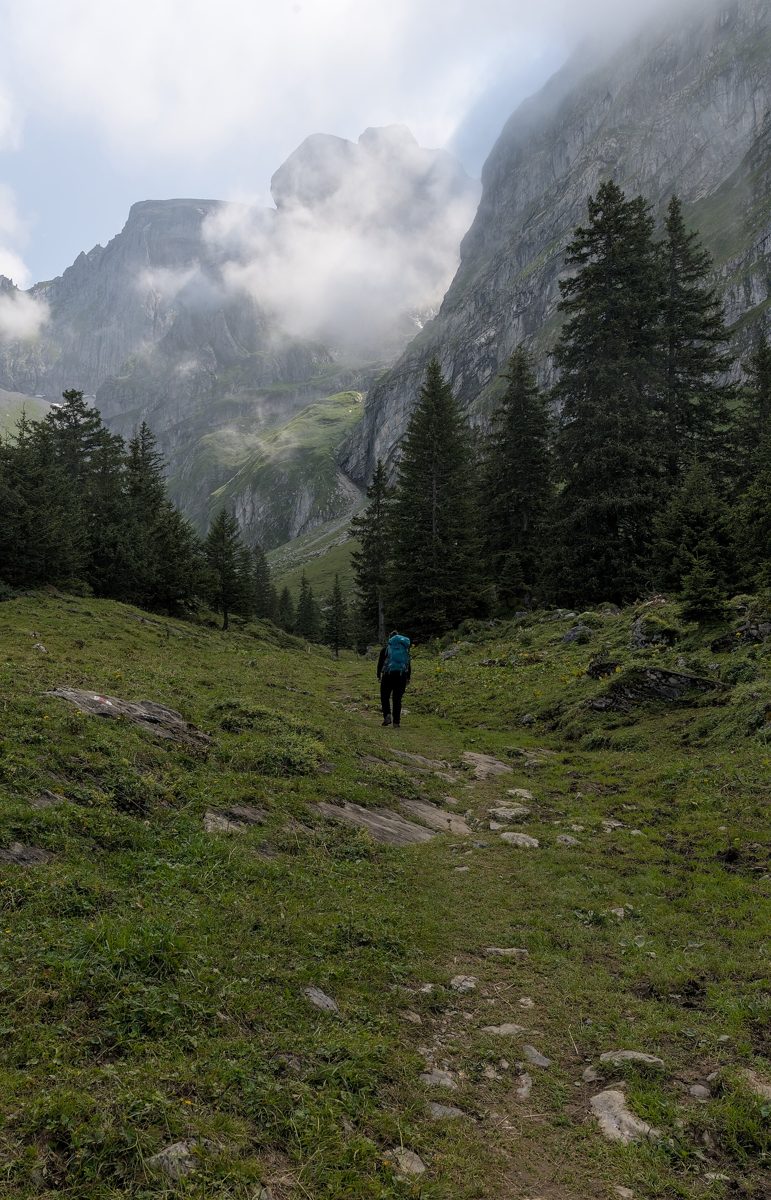
Backpacking Europe means hostel dorms, rail passes, and €50–80 days in the west (€40–55 in the east), strung together across a continent where the next country is rarely more than a few hours away. Plan around the Schengen 90/180 rule, book transport early, and let your route stay loose — that’s the whole art.
I did my first backpacking trip across Europe at 19 with a borrowed 65-litre pack, a paper Interrail timetable, and a startling overconfidence in my own navigation. Twenty years and countless trips later — including a three-month sweep from Lisbon to Istanbul I took specifically to update this guide — I still think it’s the single best way to see this continent. This is everything I know: real 2026 costs, routes that actually work, how the trains and buses fit together, where the hostels are worth it, and the paperwork (EES, ETIAS, the 90/180 rule) that trips people up. It’s long, because backpacking Europe deserves better than a listicle.
Backpacking Europe at a glance (2026)
| Region | Daily budget (hostel + food + local transport) | Dorm bed | Best for |
|---|---|---|---|
| Western Europe (France, Benelux, Germany) | €60–80 | €25–45 (€50+ Paris/Amsterdam) | First-timers, icons, rail density |
| Southern Europe (Spain, Portugal, Italy, Greece) | €50–75 | €18–35 | Beaches, food, shoulder-season value |
| Central Europe (Czechia, Poland, Hungary, Slovakia) | €40–60 | €12–25 | Stretching your money without losing the architecture |
| The Balkans (Albania, Bosnia, North Macedonia) | €30–50 | €10–18 | Adventure, coastline, longest runway for your savings |
| Scandinavia & Iceland | €90–140 | €35–60 | Nature splurges — go briefly, go in summer |
Those numbers assume dorm beds, supermarket breakfasts, one cheap restaurant meal a day, and walking most places. They do not assume suffering — this is the budget I actually travel on when I’m moving as a backpacker rather than a hotel reviewer. If you want the deeper city-by-city cost tables, my Europe on a budget guide breaks the continent into price tiers, and the dedicated backpacking Europe budget article drills into sample spreadsheets for two-week and one-month trips.
Is backpacking Europe still worth it in 2026?
Yes — emphatically — but it has changed, and pretending otherwise would make this guide useless. Three honest shifts I’ve watched over the last few years:
Hostels grew up. The grim 20-bed dorms of my first trips still exist, but the market has split: design-led chains (The Social Hub, a&o, Generator, Wombat’s) run properties that embarrass mid-range hotels, with privacy curtains, reading lights, and card-locked lockers as standard. Prices rose to match — a Paris or Amsterdam dorm in July can hit €50–60 — but in Porto, Kraków, or Athens, €18 still buys you a genuinely lovely bed. My guide to the best hostels in Europe for backpackers names names city by city.
The crowds concentrated. Venice charges day-trippers €5–10 on roughly sixty peak dates now; Barcelona and Amsterdam actively discourage the party crowd. The flip side: the moment you step one ring out — Ghent instead of Bruges, Brno instead of Prague, Puglia instead of the Amalfi Coast — Europe feels as open as it ever did. I cover the where-to-pivot question in best backpacking destinations in Europe.
The paperwork got real. Since 10 April 2026, the EU’s Entry/Exit System (EES) photographs and fingerprints non-EU visitors at their first Schengen crossing — passport stamps are gone, the 90/180 clock is now digital and unforgiving. ETIAS, the €20 pre-travel authorisation, is expected to switch on in late 2026 (it was NOT yet required when I checked in June 2026). None of this is hard; all of it punishes the old “I’ll sort it at the border” instinct. Full details in my Schengen visa & ETIAS guide.
What hasn’t changed: the density. Nowhere else on earth packs this many languages, cuisines, and centuries into train rides short enough to do between breakfast and dinner. That’s what you’re buying with a backpack and a rail pass, and it remains the bargain of a lifetime.
How much does backpacking Europe cost?
The question I’m asked most, so let’s do it properly. For a typical mixed route (some west, some central), I tell first-timers to budget €70 a day on the ground, plus transport between cities, plus flights to Europe. Here’s how that decomposes in 2026:
| Expense | Shoestring | Standard backpacker | Flashpacker |
|---|---|---|---|
| Bed (dorm vs private) | €12–22 dorm, east-heavy | €25–40 dorm, mixed route | €60–90 private/pod |
| Food | €12–15 (markets, kebabs, hostel kitchen) | €20–25 (one sit-down meal a day) | €35–45 |
| Sightseeing & fun | €5–8 (free tours, one paid sight every other day) | €10–15 | €25+ |
| Local transport | €0–4 (walk everywhere) | €5–8 | €10–15 |
| Daily total | €30–50 | €60–85 | €130+ |
Add inter-city transport as a separate line — budget €15–25 per hop by bus or booked-early train, or a rail pass (more below). On a one-month trip with ten city changes, my standard-backpacker maths lands at €2,100–2,600 on the ground, which matches what the big budget surveys are reporting for 2026 (most put the realistic range at roughly €42–105/day depending on region). Two honest warnings from my own spreadsheets:
Alcohol is the silent budget-killer. A €6 Aperol in Rome or a €8 pint in Oslo, three times a night, four nights a week, is €300+ a month — more than your food gap between east and west. Hostel-bar happy hours and Spanish €1.50 cañas exist for a reason.
Cities have entry-fee inflation. The Louvre went to €22 for EU visitors and €32 for everyone else in January 2026; Sagrada Família runs €26–36 with tower access. Pick your two or three blockbuster sights per city and do the rest on foot — Europe’s streetscapes are free.

Where your money goes furthest: Albania, Bosnia, North Macedonia, and Bulgaria, where €35 a day still feels generous; then Poland, Hungary, Romania, and non-island Greece. Where it evaporates: Switzerland, Norway, Iceland, and central Paris/Amsterdam/London in summer. A fortnight east buys a week west — route accordingly, and read my backpacking Eastern Europe guide before you default to the all-western classics.
Backpacking Europe routes that actually work
Route-planning is where most first trips go wrong, and it’s almost always the same mistake: too many cities, too fast. Every overnight move costs you half a day, €20+, and more energy than you think. My rule after two decades: minimum two nights everywhere, three in the big capitals, and never more than four travel days a week. Here are the three routes I genuinely recommend, each tested on the ground (the full versions, with day-by-day breakdowns, live in my backpacking Europe route guide).
The Classic Loop — 3–4 weeks, first-timers
London → Paris → Bruges or Ghent → Amsterdam → Berlin → Prague → Vienna → Budapest → (night train) Venice → Florence → Rome. This is the canonical first route for a reason: eleven stops, nine countries’ worth of variety, every leg a comfortable train ride, and a natural cost taper — you start expensive (London, Paris, Amsterdam) and finish in cheaper, warmer territory. Take the Eurostar early-booked (from about £52), then standard rail. Budget €2,400–3,000 for a month doing it properly. If you only have a fortnight, cut it at Budapest and fly home from there — don’t try to compress all eleven stops into 14 days. My Europe itinerary guide has 7/10/14-day variants of this spine.
The Value Crescent — 3–4 weeks, second trips & tight budgets
Kraków → Zakopane → Budapest → Ljubljana & Lake Bled → Zagreb → Sarajevo → Mostar → Kotor → Tirana & the Albanian Riviera. Everything south-east of Vienna costs half of what the classic loop does and repays you with the most dramatic landscapes-per-euro on the continent. Buses replace trains for the Balkan half (FlixBus and local operators, €8–20 a hop), and since Romania and Bulgaria joined Schengen fully in January 2025, the overland borders in the wider region are smoother than they’ve been in my lifetime. Dorms run €10–18, a monster burek breakfast is €2, and Ksamil’s beaches out-Caribbean anything in the west. A month here is comfortably done on €1,400–1,800.

The Iberian–Mediterranean Arc — 2–3 weeks, sun-chasers
For the full 21-day version of this and seven other routes, see our 21-day Europe itinerary guide.
Porto → Lisbon → Lagos → Seville → Granada → Valencia → Barcelona → (optional ferry or budget flight) Italy or Greece. Best in May–June or September–October when the west’s classic route is mobbed and Iberia is merely warm. Spain and Portugal remain the best-value corner of Western Europe — €2.50 glasses of wine, €12–16 menú del día lunches, dorms from €18 — and the bus network (ALSA, FlixBus) is cheap and excellent. Pair my Spain travel guide and Portugal travel guide for the city detail, and Europe’s best beaches if the coastline is the point.
Whichever skeleton you pick, leave 20% of your nights unbooked. The best parts of every backpacking trip I’ve taken — a detour to Hallstatt on a dorm-mate’s recommendation, three unplanned days in Sarajevo because the hostel owner’s grandmother kept feeding me — happened in the slack. If you’re brand new to all of this, start with my backpacking Europe for beginners walkthrough, which builds a first route step by step.
When to go backpacking in Europe
Shoulder season — May to mid-June and September to mid-October — wins, and it isn’t close. You get open-everything weather without August’s triple punishment: peak dorm prices (30–50% above May), peak crowds, and southern heatwaves that have made 35°C city sightseeing genuinely unpleasant in recent summers. I now actively route people away from Rome and Seville in July–August unless they love queueing in heat.
If summer is your only window (students, teachers — I see you), it absolutely still works: aim north and to altitude. Scandinavia, the Baltics, Scotland, and the Alps are at their best precisely when the Mediterranean is at its worst, and white nights in the north stretch sightseeing past 10pm. Winter backpacking is the secret discount season — dorms 40% off, museums empty, and the Christmas market circuit turns Central Europe into the cosiest budget destination on earth. One 2026-specific note: on 12 August a total solar eclipse crosses Iceland and northern Spain — if your trip brushes either, beds along the path sold out long ago, so plan around it rather than into it. The month-by-month deep dive is in my when to travel pillar.

Getting around: trains, buses, flights, and the pass question
Transport is your second-biggest line item and the decision with the most folklore attached, so here’s the unsentimental version I give friends.
Should you buy a rail pass?
We break the whole calculation down, with 2026 price tables and reservation fees by country, in our full answer to whether a Eurail pass is worth it.
The 2026 numbers: a Eurail/Interrail Global Pass with 7 travel days in one month runs about €396 in adult second class, with under-28s paying roughly 25% less (Eurail for non-European residents, Interrail for Europeans, and functionally the same product). That’s ~€57 per travel day as an adult, ~€42 as a youth. Point-to-point tickets booked 2–3 months ahead are usually cheaper — Berlin–Prague for €20, ICE Sparpreis fares from €18–20 — but they lock you to specific trains, and the whole point of backpacking is not knowing where Tuesday goes.
My honest rule: buy the pass for flexibility, not savings. If you’re under 28, moving fast (5+ long legs), and want to decide each morning, the youth pass is worth it. If you’re route-certain or sticking to one or two countries, book point-to-point early and pocket the difference. Watch the asterisks: France, Spain, and Italy’s premium trains demand seat reservations (€10–30) on top of any pass, which quietly erodes the value on a France-Spain-Italy route, while Germany, Austria, Switzerland, and Benelux barely require them. I unpack every scenario, with worked examples, in my Interrail backpacking guide and the wider train travel in Europe pillar, and the practical side, activating the pass and toggling each journey on before you board, is in our guide to how to use an Interrail Pass.

Buses: the backpacker workhorse
FlixBus (and Spain’s ALSA, the Balkans’ patchwork of local operators) is how backpackers actually move on tight budgets: €5–15 booked a couple of weeks out on most major corridors, free Wi-Fi of wildly variable honesty, and night departures that double as accommodation. Buses beat trains on price almost everywhere and beat them on coverage in the Balkans, where rail is thin. The cost is time — Berlin–Prague is 4h15 by bus vs 4h by train, fine, but Paris–Barcelona is 14h vs 6h40. My threshold: under six hours, bus without hesitation; over eight, look at night options or a budget flight.

Night trains: two birds, one couchette
Europe’s sleeper renaissance is real and backpacker-perfect: ÖBB’s Nightjet network (Vienna/Munich/Zurich to Rome, Venice, Amsterdam, Paris…) sells seats from €25–35 and six-berth couchettes from about €50–80 — you save a hostel night and wake up 800km away, which on net often beats a “cheap” flight plus airport transfers plus a dorm. Book 2–3 months out for the good fares; the new-generation Nightjets have mini-cabins with proper privacy if you book early enough. Strategic uses on the classic route: Budapest→Venice overnight, or Vienna→Rome to skip a dead travel day.

Budget flights: cheap until they aren’t
Ryanair, easyJet, and Wizz will sell you Kraków–London for €25, and for long jumps (Lisbon→Athens, say) they’re unbeatable. But the backpack changes the maths: the free allowance is a 40×30×20cm under-seat bag only, priority-plus-cabin-bag costs €6–35 depending on route and demand, and getting it wrong at the gate costs €46–75 — more than the fare. A 40L pack does NOT fit the free sizer no matter how you sit on it. Either pack to 40×30×20 (possible, ascetic), pay for priority up front, or take the train and arrive in the city centre. The full comparison — including ferries, BlaBlaCar (Paris–Brussels for ~€15), and city-transport costs — is in how to get around Europe.
Hostels: how to sleep well for €20
I’ve spent more than a thousand nights in European hostels, and the difference between a great trip and a grim one is mostly hostel selection. My filter, refined to four rules:
Rule 1: 8.5+ on Hostelworld with 500+ reviews, never below 8.0. The score compresses everything — security, noise, smell, staff. Below 8.0 something is wrong that photos are hiding. Rule 2: read the ‘atmosphere’ reviews for fit. A 9.2 party hostel and a 9.2 chill hostel are both excellent and mutually exclusive at 3am; decide which trip you’re on. Rule 3: location beats €3. A bed 25 minutes out saves €3 a night and costs €5 in transport plus an hour of your day. Old-town-adjacent, always. Rule 4: 4–8 bed dorms, female-only if you want it, privacy curtain if available. The €2 premium over a 12-bed is the best money in travel.
Booking rhythm for 2026: in shoulder season, book 2–4 days ahead and keep your flexibility; in July–August or during events (Oktoberfest, festival weekends), book weeks ahead or pay €50 for what was €25. Free cancellation is standard on Hostelworld and Booking — lock beds early and prune later. And use the hostel beyond the bed: the kitchen saves you €15 a day, the walking-tour noticeboard plans your morning, and the common room is where solo travel stops being solo — more on that in my solo backpacking Europe guide. Alternatives worth knowing: a&o and MEININGER’s private rooms split three ways often undercut three dorm beds; mountain rifugi and gites do half-board cheaper than town; and if you’re staying longer anywhere, my where to stay pillar maps the full ladder from dorm to apartment.
Eating brilliantly on €20 a day
Europe is the easiest continent on earth to eat well cheaply — if you eat like a local student rather than a tourist. The playbook:
Breakfast: the bakery, €2–4. A French boulangerie croissant + baguette, a Spanish tostada, a Polish drożdżówka. Skip the €12 hostel buffet unless it’s included. Lunch: the daily menu, €12–16. This is the single biggest secret in European budget eating: the menú del día in Spain, the plat du jour in France, the pranzo di lavoro in Italy — two or three courses, often with wine, at the same restaurants that charge double at dinner. Eat your big meal at 1pm like everyone around you. Dinner: street food or the hostel kitchen, €5–9. The döner kebab (€5–7 in Berlin, where it was invented), Polish pierogi bars, Balkan burek, Greek gyros (€3.50–5), or pasta you cooked yourself for €3. Always: the supermarket picnic. Lidl/Aldi/Biedronka bread, cheese, tomatoes, and a €4 bottle of genuinely good wine, eaten on river steps at sunset — the best meals of my backpacking life have been exactly this.

Tap water is safe and free essentially everywhere (ask for “tap water” pointedly in restaurants; carry a bottle for the street fountains of Rome and Vienna). Covered markets — Barcelona’s Boqueria, Budapest’s Great Market Hall, Kraków’s Stary Kleparz — do lunch for half the restaurant price with twice the theatre. Cooking two dinners a week in the hostel kitchen funds an extra travel day; the maths is that simple.
Where to go: the destinations that reward a backpack
Some places are lovely with a suitcase and transcendent with a backpack — cheap, social, walkable, and forgiving of improvisation. After twenty years, these are my honest tiers; the expanded list, with hostel and route notes for each, is in best backpacking destinations in Europe.
The perfect backpacker cities: Kraków (€15 dorms, free-tour culture, Kazimierz nightlife, day trips to the Tatras), Budapest (ruin bars, €20 thermal baths, the cheapest grand capital in Europe), Prague (still magnificent, still affordable one street off the Royal Route), Porto (the best value in Western Europe right now, and a fixture on any sensible route through the west), Berlin (expensive beds lately but infinite free culture), Seville and Granada (tapas culture means drinking IS eating), Athens (€18 dorms under the Acropolis and ferries to everywhere).

The rising stars: Tirana and the Albanian Riviera (Europe’s last cheap coastline — and Albania gives you a separate 90 days outside your Schengen clock, the classic “Schengen shuffle” reset), Sarajevo and Mostar (devastating history, glorious food, €12 dorms), Ljubljana (a pocket capital twenty minutes from Lake Bled), Sofia and Plovdiv (Bulgaria in Schengen since 2025 makes the overland route seamless), the Polish mountain town of Zakopane. Eastern Europe is no longer a “secret,” but the value gap is still 2:1 against the west, and our route-by-route Eastern Europe plans show where it stretches furthest — my Eastern Europe backpacking guide routes it properly.

The budget-breakers worth breaking budget for: the Swiss Alps (sleep in Interlaken’s hostels, hike free, picnic from Coop), Norway’s fjords (camp legally almost anywhere under allemannsretten), and Iceland (go for five days, not fifteen). Treat them as expensive excursions bolted onto a cheap route, not as the route itself. And the classics — Italy, France, Greece, the UK, Germany — are classics because they’re worth it; just hit them with shoulder-season timing and student discounts. For the full continent-wide shortlist, start at my best places to visit in Europe hub.

What to pack (and what to leave at home)
Twenty years of refinement compressed into one paragraph of doctrine: a 40–45L pack, 8–9kg loaded, everything in packing cubes, nothing you’d cry about losing. My first 65L monster taught me that whatever space exists, you will fill, and then you will carry your mistakes up six flights of hostel stairs in a heatwave. At 40L you can walk straight past baggage carousels, fit most airline cabin allowances (paid-priority tier), and repack in four minutes.
The non-obvious essentials I’d defend in court: a padlock (hostel lockers are universal, locks are not, buying one at reception costs €8), flip-flops for dorm showers, a quick-dry towel (hostels charge €2–5 to rent), a 20,000mAh power bank, a universal adapter with two USB-C ports, earplugs and an eye mask (the €4 items that save every dorm night), a flat sink plug for laundry, and an eSIM installed before you land — Airalo/Holafly Europe-wide plans run roughly €5 for a starter gigabyte to ~€45 for 20GB/30 days, and EU roaming rules mean one plan works across borders. Leave at home: jeans (heavy, slow-drying), a third pair of shoes, the “just in case” formal outfit, and anything cotton you plan to wash in a sink. Wash as you go — every European city has a launderette or the hostel does it for €5–8. The complete item-by-item list, with seasonal variants, is my backpacking Europe packing list; the philosophy behind it is in the general Europe travel tips pillar.
The paperwork: visas, the 90/180 rule, EES and ETIAS
Nothing here is difficult, but in 2026 it’s newly digital and newly strict, so read this twice.
The 90/180 rule: US, Canadian, Australian, UK, and most other “visa-free” passport holders get 90 days inside any rolling 180-day window across the whole Schengen area — which is 29 countries including, since January 2025, Romania and Bulgaria. It is one shared clock, not 90 days per country. Since the EES went live on 10 April 2026, your entries and exits are logged biometrically — the days of a sleepy border guard mis-stamping you into deniability are over, and overstays now follow your passport for years.
EES in practice: at your first Schengen entry you’ll give fingerprints and a photo at a kiosk; subsequent crossings are faster. Build in 15–30 extra minutes at busy airports while the system beds in. ETIAS: the EU’s €20 online travel authorisation (free under 18 and over 70, valid three years) is expected to switch on in late 2026, with a grace period after launch — it was not yet required when I last checked in June 2026, but if you’re reading this in 2027, assume it’s live and apply via the official EU site only (the copycat sites charging €60 are scams). The UK is separate: not Schengen, so its days don’t touch your 90, but most visitors now need the UK ETA (£20, two years) before arrival. The long-trip hack: when your Schengen clock runs low, hop to the UK, Ireland, Albania, Bosnia, Serbia, Montenegro, or North Macedonia — all off-clock — and let days regenerate; that’s how four-month trips are built legally. Full mechanics, country lists, and the official links live in my Schengen & ETIAS guide, and the trip-admin checklist (insurance, IDP, copies) is in how to plan a trip to Europe.
Travel insurance is not optional. A backpacker policy (SafetyWing, Genki, True Traveller and similar run €40–80/month) is the difference between a broken ankle in the Alps costing you a deductible or a five-figure helicopter bill. I’ve claimed twice in twenty years; both times the policy paid for every trip I’d insured in between.
Safety, scams, and the stuff that actually goes wrong
Europe is one of the safest places on earth to backpack — violent crime against travelers is genuinely rare — and yet I’d estimate a third of the backpackers I meet lose something to theft. The threat model is boring and specific: pickpockets in exactly the places you’d predict. Rome logged 33,000+ reported pickpocketing incidents in 2024; Paris, Rome, and Barcelona consistently top the European theft tables. The hotspots are metro lines to major sights (Paris line 1, Barcelona’s L3, Rome’s 64 bus), the Trevi/Eiffel/Ramblas crowds, and — this one surprises people — hostel common rooms, where an unattended phone walks off in minutes.
My system, unchanged for a decade and never yet beaten: phone and cards in a zipped front pocket or money belt, €50 emergency note hidden separately (I use a sleeve under the insole), nothing valuable in the daypack’s outer pockets, and the pack worn frontways on rush-hour metros. In dorms: padlocked locker, always, even for “just five minutes.” Photograph your passport, insurance card, and bank card fronts to cloud storage. The classic scams to walk past without breaking stride: the friendship bracelet (Montmartre, Las Ramblas), the petition clipboard, the “is this your gold ring?”, the three-cup game, and anyone, anywhere, offering to “help” you at a ticket machine. None are dangerous; all are €50–200 lessons in attention. The fuller rundown — including the emergency number (112, everywhere in the EU) and embassy logistics — is in my Europe travel tips guide.
For solo travelers — and roughly half the backpackers I meet are solo — the safety calculus barely changes, but the social one does: pick social hostels, take the free walking tour your first morning, say yes to the family dinner. Solo is the easiest way to travel Europe, not the hardest; I’ve made the complete case, including the women-specific practicalities my female colleagues insisted I get right, in solo backpacking Europe and the broader solo travel in Europe pillar.
Meeting people: the social engine of the trip
The question behind the question, when people ask me about backpacking Europe alone, is usually “will I be lonely?” — and the answer, in the hostel system, is that you’ll have the opposite problem. The infrastructure for meeting people is so well-oiled that introverts (I am one) sometimes need to schedule escape time. How it actually works: the free walking tour on your first morning hands you three hours with a rotating cast of people on your exact schedule — lunch afterwards with whoever lingers is the oldest move in the book and it has never once failed me. The hostel kitchen and common room do the evenings: cook something that smells good and you’ll have company before it’s plated. Hostel events — family dinners (€8–12, usually the best value meal in the city), pub crawls if that’s your speed, Sunday hikes if it isn’t — exist precisely so nobody has to be brave twice.
Two structural tips that compound over a long trip: travel the same direction as the flow (the classic routes mean you’ll re-meet the same faces three cities later, and by the third reunion they’re friends), and say yes early in the trip when your instinct is to settle in — the first 48 hours set your social momentum. Apps fill the gaps: Hostelworld’s chat groups for your city, Meetup for interest-based evenings, Couchsurfing hangouts in the bigger capitals. And if you’re specifically weighing the solo question — female solo safety, eating alone, the dorm-vs-private calculus — I’ve written the long answers in solo backpacking Europe.
Stretching the trip: long stays, work, and slow seasons
Past the one-month mark, backpacking economics bend in your favour: weekly hostel rates drop 10–20%, you cook more, you’ve stopped paying the rookie tax. Past three months, the Schengen clock becomes the binding constraint — which is why long-haul backpackers learn the off-clock countries (UK, Ireland, and most of the Balkans) and structure four-to-six-month trips as Schengen–Balkans–Schengen sandwiches. If you want the trip to pay for itself, the time-tested options are work-for-bed hostel gigs (20ish hours a week of reception or cleaning for a free dorm bed, arranged via Worldpackers/Workaway or a noticeboard), seasonal work (Alpine winter seasons, summer campsites and festivals — EU/UK citizens have it easiest, others need the right visa), and working-holiday visas for under-30/35s from Australia, NZ, and Canada in a dozen European countries. None of it is glamorous; all of it converts a one-month trip into a six-month education. The visa mechanics and the country-by-country options are in my trip-planning guide.
Ten mistakes I made so you don’t have to
1. The 65-litre pack. Covered above; my shoulders have opinions to this day. 2. Eleven cities in fourteen days. I remember train stations, not cities. Halve your list, and see how the pacing maths for a 2 weeks in Europe itinerary actually works out. 3. Booking every night in advance. The itinerary becomes a cage; the magic lives in the slack. 4. Skipping the free walking tour because it felt touristy. It’s the best two hours of orientation, history, and friend-making in travel, for a €5–10 tip. 5. Eating dinner at 7pm in tourist zones. The €25 mediocre pasta within sight of any major monument is the worst-value meal in Europe; walk ten minutes, eat at 9pm, pay half. 6. Treating the rail pass as pre-paid and therefore “free.” I once took a six-hour detour to “use” a travel day. Sunk cost wears a backpack too. 7. Not validating tickets. Italian regional trains and Czech trams want the stamp from the little machine; the fine is €50+ and inspectors have heard every version of “but I paid.” 8. Carrying the passport everywhere. Locker, padlock, photocopy in the daypack. 9. Changing money at airport kiosks. ATMs with a no-fee card (Wise, Revolut, Charles Schwab), always declining the machine’s “convert to your home currency” trap — that one button costs 5–8%. 10. Planning the trip as a checklist. The Eiffel Tower will be there. The Tuesday night a Hungarian grandmother taught a hostel kitchen to make lángos will not. Optimize for the second thing.
Backpacking Europe FAQ
How much money do I need to backpack Europe for a month?
For a mixed western/central route: €2,100–2,600 on the ground (about €70/day plus transport), excluding flights to Europe. An eastern-weighted route does it on €1,400–1,800; a western-only route with summer timing wants €2,800+. Shoestring travelers who stay east, self-cater, and move by bus genuinely manage €1,200/month — but budget the higher number and come home with money rather than the reverse.
Is backpacking Europe safe?
Yes — among the safest regions anywhere for travelers, solo travelers and women included. The realistic risk is petty theft (pickpockets in Paris, Rome, and Barcelona above all), which a zipped front pocket, a locker padlock, and basic crowd awareness defeat almost entirely. Emergency number 112 works in every EU country.
How long do I need for a first backpacking trip?
Two weeks is a real trip (5–6 cities, one region); three to four weeks is the sweet spot — long enough for the classic loop at a humane pace; three months (the Schengen maximum for visa-free visitors) is the full pilgrimage. Whatever you have, plan cities-minus-one: fewer stops, longer stays, better trip.
Am I too old to stay in hostels?
No. The average European hostel guest is older than the stereotype — thirty-somethings are everywhere, and I routinely meet backpackers in their 50s and 60s in dorm kitchens. Pick “chill” rated hostels over party ones, or book their private rooms: hostel social life with a door that closes. Nobody checks your birth year at the walking tour.
Eurail pass or point-to-point tickets?
Under 28 and improvising across 3+ countries: the youth Global Pass (~€300 for 7 days/1 month) is usually worth it. Over 28, route-certain, or France/Spain/Italy-heavy (reservation fees apply): book point-to-point 2–3 months early and save 20–40%. Buses (€5–15/hop) undercut both for anyone whose budget outranks their schedule.
Do I need to book hostels in advance?
Shoulder season: 2–4 days ahead keeps both quality and flexibility. July–August, festival weekends, and the famous small towns (Cinque Terre, Hallstatt, Interlaken): book weeks ahead or pay double for the leftovers. Use free-cancellation rates and prune as your route firms up.
What’s the cheapest way to backpack Europe?
Stay east and south-east (Poland, Hungary, the Balkans), move by FlixBus booked early, sleep in 6–8-bed dorms, cook half your meals, do free walking tours, and travel in shoulder season. That combination runs €35–45/day all-in — the same trip that costs €80+/day on the Paris–Amsterdam–Switzerland axis.
Do Americans need a visa to backpack Europe in 2026?
No visa for stays up to 90/180 in Schengen — but since April 2026 you’ll register biometrics under EES at first entry, and once ETIAS launches (expected late 2026, €20 online, three-year validity) you’ll need that authorisation before boarding. The UK wants its separate ETA (£20). Check my ETIAS guide for the current status before you fly.
The bottom line
Backpacking Europe in 2026 costs more than the legends from 2010 claim and less than the doomers insist: €70 a day, done thoughtfully, buys the best weeks of your life. Pick one of the three routes above, book the first three nights and the long transport legs, get the EES/ETIAS admin straight, pack 40 litres, and leave the rest of the plan loose enough for Europe to improve it — it always does. Start with the beginner’s walkthrough if this is your first rodeo, raid the budget guide for the money detail, and send me a postcard from wherever the slack in the itinerary takes you. I’ll be the one in the hostel kitchen, defending my pierogi technique.
Photo credits
All images via Wikimedia Commons, used under their stated licenses:
- A hiker on the Walenpfad trail, Swiss Alps — Photo: Trougnouf (Benoit Brummer) / CC BY 4.0 via Wikimedia Commons
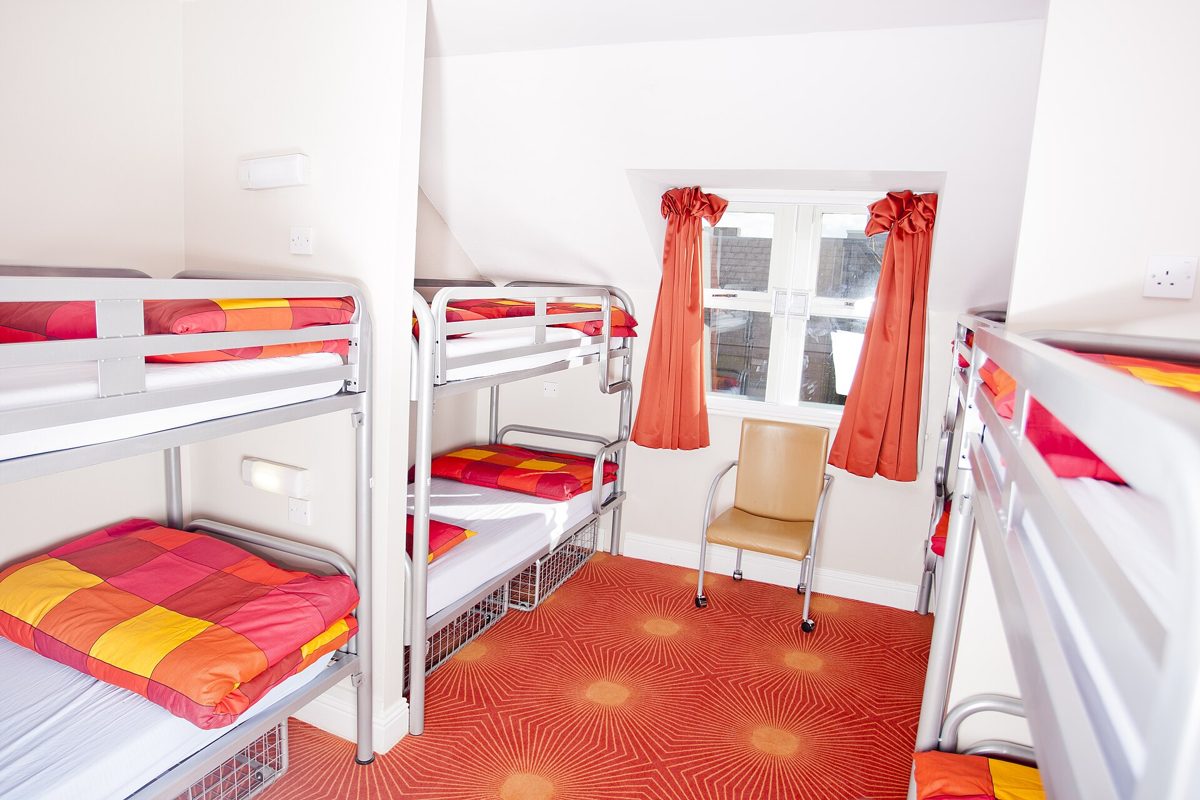
- Hostel dorm bunk beds — Photo: Barnacles Budget Accommodation / CC BY 2.0 via Wikimedia Commons
- Euro banknotes and coins — Photo: Avij / Public domain (CC0) via Wikimedia Commons
- Ksamil beach, Albanian Riviera — Photo: Pudelek / CC BY-SA 4.0 via Wikimedia Commons
- The island church on Lake Bled, Slovenia — Photo: Krzysztof Golik / CC BY-SA 4.0 via Wikimedia Commons
- Scenic train in the Swiss Alps — Photo: User:Möchtegern (CC0) via Wikimedia Commons
- A FlixBus intercity coach — Photo: WrS.tm.pl (CC0) via Wikimedia Commons
- An ÖBB Nightjet sleeper train — Photo: Bahnfrend / CC BY-SA 4.0 via Wikimedia Commons
- Fruit stalls in La Boqueria market, Barcelona — Photo: MartinThoma (CC0) via Wikimedia Commons
- The Hungarian Parliament from the Danube, Budapest — Photo: Ercsaba74 (CC0) via Wikimedia Commons
- Kraków’s Main Market Square and Cloth Hall — Photo: Ingo Mehling / CC BY-SA 4.0 via Wikimedia Commons
- Charles Bridge and Prague Castle at dawn — Photo: Godot13 / CC BY-SA 4.0 via Wikimedia Commons
2 comments