Europe Trip Planning Checklist
A useful Europe trip planning checklist is really a calendar. Passports and entry rules come first, then flights and beds, then trains and timed tickets as each one goes on sale, then money, phone and insurance, and a short list of jobs for the final week. Below is that order, with the booking windows that set it.
It’s written for anyone planning one to three weeks across two or more countries, first-timers especially, and it works alongside our step-by-step guide to planning a trip to Europe. The caveat that matters most: entry rules depend on the passport you hold, and the EU’s border systems changed in 2025 and 2026, so read that section even if you’ve done Europe before. Checked against official sources in September 2026.
| Question | Short answer |
|---|---|
| What the paperwork costs | Nothing for visa-free Schengen entry; £20 a person for a UK ETA if Britain is on the route; ETIAS (€20) is not yet in force |
| Time needed | 9–12 months for July and August, 3–6 months for spring or autumn, 6–8 weeks for a winter city break |
| Best for | First trips, multi-country rail routes, school-holiday dates |
| Book ahead | Long-haul flights, sleepers and Eurostar, fast trains, timed-entry sights, beds in small popular places |
| Leave until later | Regional trains, city transport, most restaurants, a local SIM |
The Europe trip planning checklist, month by month
Work down this table from the top. Each job sits where it does because something goes on sale, fills up or takes time to process at that point, not because it looks tidy on a list.
| When | Job | Why then |
|---|---|---|
| 9–12 months out | Check the issue and expiry dates on every passport in the party | Schengen wants a passport issued within the last 10 years and valid 3 months after you leave |
| 9–12 months out | Settle the season, the length and a rough route | Every later booking hangs off these three decisions |
| 9–12 months out | Book any sleeper or Eurostar you’re set on | Nightjet sells up to 360 days ahead, Eurostar 10–11 months |
| 6–9 months out | Book long-haul flights for July, August or school holidays | The cheapest seats on the busiest dates go first |
| 6–9 months out | Book beds in small places with few rooms | In Hallstatt or a Cinque Terre village, rooms run out, not just cheap rooms |
| First big payment | Buy travel insurance | Cancellation cover only protects you from the day you buy it |
| About 6 months out | Book French and Italian fast trains as sales open | SNCF releases TGV INOUI seats in blocks up to six months ahead; Trenitalia sells Frecce more than six months out |
| 60 days to 6 weeks out | Book the timed-entry sights | The Anne Frank House opens six weeks ahead; for the Vatican Museums, watch the official ticket calendar |
| 1 month out | Sort cards, cash, phone data and any driving permit | Ask your card issuer and the permit office how long a new one takes to arrive |
| 1 month out | Apply for a UK ETA if Britain is on the route | Every traveller needs one, babies included |
| 2 weeks out | Install operator apps, offline maps and e-tickets | Station Wi-Fi is not a plan |
| Final week | Check strikes, engineering works and the forecast for each leg | These surface days, not months, before you travel |
| 48 hours out | Check in online and screenshot every ticket | Apps log you out at the worst moment |
| Travel day | Passport, two cards, an adaptor, a little local cash, the first night’s address offline | The things you can’t fix at the other end |
Starting late isn’t fatal. Six weeks is plenty for a November city break or a spring rail trip on flexible fares; what you lose is choice, not the trip. Our guide to when to book a trip to Europe sets out the fare patterns month by month, so this page sticks to the order of jobs.
How far ahead should you start planning a Europe trip?
It depends far more on the month you travel than on how far you’re going. A family flying from Chicago for the first two weeks of August is competing with half of Europe on its summer holidays. A couple taking the train from London to Bruges in February is competing with almost nobody.
| Trip | Start planning | Book first |
|---|---|---|
| July–August, or any school holiday | 9–12 months ahead | Flights, then beds in small places, then sleepers and Eurostar |
| Late May–June, September | 6–9 months ahead | Flights and any Eurostar or sleeper, then beds |
| April, October | 3–6 months ahead | Flights, then trains as they open |
| November–March city break | 6–8 weeks ahead | Flights and the first night’s hotel |
| Christmas markets, ski weeks, Easter | Treat it like summer | Beds first: market towns and resorts fill early |
The shoulder months are where planning matters least and saves most. Crowds thin, prices soften, and a late booking rarely costs you the trip. If you have any say over the dates, our shoulder season guide shows the real windows country by country, and winter in Europe covers the months when six weeks’ notice is enough.
Verdict: for summer, start the year before. For anything else, three to six months is comfortable and six weeks is workable.
9 to 12 months out: passports, season and route
Check every passport in the party
This takes ten minutes and prevents the one mistake nobody can fix at the airport. For the Schengen area, a passport must have been issued within the previous 10 years on the day you enter, and it must stay valid for at least three months after the day you plan to leave. Both conditions apply, and they’re checked separately.
Three things catch people out:
- Children’s passports. In the UK, the US, Canada and Australia, a child’s passport usually lasts five years rather than ten, so it runs out sooner than you’d expect.
- Older British passports with extra months. Some were issued with unused months carried over from the previous passport, so the printed expiry date falls more than ten years after issue. For Schengen, the issue date is what counts.
- Airlines asking for more than the law. Some carriers, and several countries beyond Europe you might connect through, want six months’ validity. Under six months left? Renew rather than argue at check-in.
Passport offices are busiest in the months before summer, so if anything needs replacing, do it now. Until the new passport arrives, book nothing non-refundable: some bookings carry the passport number, and it has to match the document you travel on.
Pick the season before the places
Season decides price, crowds, opening hours and even whether a route runs at all, since many Alpine passes, Greek ferry links and mountain railways operate for a few summer months only. Choose the month first, then the places that are good in that month. Our best time to visit Europe guide sets the regions against the calendar, and the cheapest months to travel are laid out separately if cost is steering the dates. For a July or August trip, read Europe in summer before you commit to the south.
Fix the length, then the route
Count nights, not days, and give each base at least two. A move between cities eats most of half a day once you add checking out, the station, the journey and finding the next front door, so a 10-night trip with five bases loses about two days to moving. Our guide to how many days you need in Europe works through the maths for each trip length, and the ready-made routes for 7 days, 10 days, 2 weeks and 3 weeks show what fits. Stringing several countries together has its own rules on order and border crossings, which is the subject of our multi-country trip planner.
The route settles one more thing early: whether to fly into one city and home from another. An open-jaw ticket (into Amsterdam, home from Rome, say) often costs little more than a return and saves a day of backtracking.
Set a budget in tiers, not one number
Work out three figures: the fixed costs (flights, insurance, any rail pass), the nightly costs (bed, food, local transport) and the one-offs (timed tickets, a sleeper, a boat trip). The nightly costs swing most. The same room can cost twice as much on a Saturday in June as on a Tuesday in March, and a hotel by the main station usually undercuts one in the old town. Our Europe on a budget guide has daily figures by region.
Verdict: if you do only three things a year out, check the passports, fix the month and book any sleeper or Eurostar in the week sales open for your dates.
Which entry rules apply to your passport in 2026?
Europe isn’t one border zone. The EU, the Schengen area and the eurozone overlap but aren’t the same thing, and the UK sits in none of them. Get this straight before you book, because it decides what you need at each crossing and how your days are counted.
| Group | Examples | In the EU | In Schengen | At the border | Extra authorisation for US, Canadian and Australian passports |
|---|---|---|---|---|---|
| EU and Schengen | France, Germany, Italy, Spain, Greece, Croatia, Bulgaria, Romania | Yes | Yes | EES registration at the first Schengen entry | None yet; ETIAS once it starts |
| Schengen, not EU | Switzerland, Norway, Iceland, Liechtenstein | No | Yes | EES registration | None yet; ETIAS once it starts |
| EU, not Schengen | Ireland, Cyprus | Yes | No | Passport check, no EES | Ireland: none, and no ETIAS; Cyprus: ETIAS once it starts |
| United Kingdom | England, Scotland, Wales, Northern Ireland | No | No | UK border | UK ETA, £20 |
| Balkans outside the EU | Albania, Montenegro, Serbia, North Macedonia, Bosnia and Herzegovina | No | No | National border checks | Check each country |
Bulgaria and Romania have been full Schengen members since 1 January 2025, so days there count towards the 90-day limit like anywhere else in the zone. Cyprus and Ireland are the only EU countries outside it.
The 90/180 rule
Visitors from visa-free countries can spend 90 days in any rolling 180-day period in the Schengen area as a whole, not per country. On any given day, count back 180 days and add up every day you spent inside; the total must be 90 or fewer, and days from an earlier trip count too. Time in the UK, Ireland, Cyprus or the Balkans outside the EU doesn’t, which is why some three-month routes park a week or two in Britain or Albania in the middle. Our Schengen, visa and ETIAS guide has the day-counting worked through.
The Entry/Exit System: what changes at the border
The EU’s Entry/Exit System (EES) started on 12 October 2025 and has run at every Schengen external border since 10 April 2026. It replaces the passport stamp with a digital record. The first time you enter, a border guard or a kiosk scans your passport and takes a facial image. Visa-free travellers also give fingerprints (children under 12 don’t), while visa holders’ fingerprints are already on file with their visa, and long-stay visa and residence-permit holders are outside EES altogether. There’s no fee and nothing to apply for in advance. Each entry and exit record is normally kept for three years, and your whole file is deleted three years and a day after your last exit unless you come back in that time (overstayers’ data can be kept for five years). Later crossings are usually quicker.
Two practical points. Allow extra time at your first Schengen entry, especially at a big airport on a summer morning. And if you’re leaving Britain by Eurostar, by ferry from Dover or on Le Shuttle, the French checks, EES included, happen before you leave, so the queue is at St Pancras, Dover or Folkestone rather than in France.
ETIAS: not yet, so don’t pay anyone for it
ETIAS is the online travel authorisation that visa-free visitors (Americans, Canadians, Australians and Britons among them) will need for 30 European countries. As of late September 2026 it isn’t operating and no applications are being accepted. The EU has said it will announce the start date several months before launch, and some of its pages still carry the older “last quarter of 2026” target, so check the official ETIAS site when you book and again a month before you fly.
When it does start, the terms are already set: €20 per application, free for under-18s and over-70s, valid for three years or until the passport expires, whichever comes first. Until then, any website taking money for an “ETIAS” is selling you nothing.
The UK ETA, if Britain is on the route
The UK runs its own scheme. Most visitors who don’t need a visa, EU citizens as well as Americans, Canadians and Australians, need an electronic travel authorisation (ETA) before they travel. It costs £20, covers visits of up to six months and lasts two years or until the passport expires. British and Irish citizens don’t need one. Every traveller needs their own, babies included, and you need one even to change planes if the connection takes you through UK passport control.
Apply through the official UK ETA app or GOV.UK, not a lookalike site: the government warns that other websites charge more for the same thing. Decisions usually come back quickly, but don’t leave it to the night before a Eurostar.
If your passport needs a Schengen visa
Travellers from countries such as India, China and South Africa need a short-stay Schengen visa instead. You apply to the consulate of the country where you’ll spend the most nights, or the one you’ll enter first if no country has the most. Appointment slots in many cities go quickly before summer, so book the appointment as early as the consulate allows and keep everything else refundable until the visa is in your passport. Our guide to the documents needed to travel to Europe covers the paperwork for each case.
Verdict: for most readers from the US, Canada or Australia, the paperwork in late 2026 comes down to a valid passport, plus a £20 ETA if the UK is on the route. Schengen border officers can still ask where you’re staying or to see a return ticket, so keep both to hand. Nothing else needs buying yet.
4 to 9 months out: flights, beds and insurance
Flights: settle the shape, then shop
Fare hunting is its own subject, covered in our guide to finding cheap flights to Europe. What belongs on a checklist is the order of decisions. Fix the arrival and departure cities first, since an open-jaw ticket changes which trains you’ll need. Then check the baggage rules on any short European flights before booking them: the cheapest fares on the low-cost airlines include only a small under-seat bag, and adding a cabin case at the airport costs more than adding it at booking. For the mechanics of fitting flights, beds and trains together, see how to book a Europe trip.
Where to stay: book the hard nights first
Don’t book the trip in order. Book the nights that are hardest to fill, then work outwards. The hard nights are:
- Small places with few rooms: a Cinque Terre village, Hallstatt, a small Greek island in August.
- Event weeks: Munich during Oktoberfest, Edinburgh in August, Milan during its April design week, and any city hosting a big football final or trade fair.
- Summer Saturdays anywhere on the coast.
Book refundable rates for these early, even at a small premium, and keep checking; you can swap if the plan changes. Note each cancellation deadline in one place, because they range from a day before arrival to a fortnight or more.
Three things move the price more than the star rating: the night of the week, the distance from the main sights and the room itself. In older buildings across much of Europe a standard double can be small, the lift may not exist and air conditioning isn’t a given, which matters a great deal in Seville or Rome in July. Read the room description rather than the hotel’s headline, and budget for the city tax, which is charged at check-in and often left out of the price you see online. The money section below has examples.
Insurance: buy it when you pay the first big deposit
Cancellation cover only protects you against things that happen after you buy the policy, so the right moment is the day you commit serious money, not the week you fly. Visa-free visitors don’t need insurance to enter the Schengen area (it’s a requirement for Schengen visa applicants), and ETIAS won’t ask for it either. Buy it anyway, and on a long-haul trip check that the policy includes medical repatriation.
EU residents should carry the European Health Insurance Card (EHIC), and UK residents the Global Health Insurance Card (GHIC). Both give access to state healthcare at the local rate, but neither covers private hospitals, repatriation, cancellation or lost luggage. Treat them as a supplement to a policy, never a substitute. What to look for in the small print is in our guide to travel insurance for Europe.
Verdict: refundable beds for the hard nights, a policy on the day you pay the first deposit, and the rest can wait.
Getting there and getting around: when trains, sleepers and cars go on sale
The most useful fact in this whole checklist is that Europe’s trains don’t all go on sale at the same time. Some operators sell almost a year ahead, others around six months, and Spain’s Renfe opens each route on its own timetable. Plan the booking dates, not just the journeys.
| Operator | Sales open (as of September 2026) | What it means |
|---|---|---|
| Eurostar (London to Paris, Brussels and Amsterdam) | 10–11 months ahead | Book as soon as flights are fixed; the cheapest seats go first |
| ÖBB Nightjet sleepers | Up to 360 days ahead | Sleeper and couchette berths are few per train |
| ÖBB day trains (Sparschiene fares) | Up to 180 days ahead | The cheap fares come in limited batches |
| Deutsche Bahn | Up to 12 months within Germany and to Benelux and Switzerland; 6 months elsewhere | Super Sparpreis fares climb as trains fill |
| SNCF (TGV INOUI) | Up to 6 months, released in blocks | Journeys from 7 January to 2 July 2027 go on sale on 12 November 2026; check SNCF Connect for later dates |
| Trenitalia (Frecciarossa) | More than 6 months | Check Trenitalia’s booking calendar for the dates on sale |
| Renfe (AVE) | Varies by route | Tickets go on sale once Renfe releases them; check your route and dates on its site |
Three habits make the table work. Put a reminder in your calendar for the day each leg opens. Book the long, fixed legs first (Eurostar, a sleeper, a Paris–Marseille or Madrid–Barcelona fast train) and leave short hops for later. And if you’re weighing up a rail pass, remember that passes don’t include seats on reservation-only trains: a Frecciarossa reservation costs pass holders €13 a ride inside Italy in 2026, which changes the maths on an Italy-heavy route. Our Eurail vs Interrail comparison runs the numbers, and how to book European train tickets walks through each operator’s site.
Night trains need one extra check, because their routes change more often than day trains do. Nightjet no longer runs to Paris, for example: those services ended at the December 2025 timetable change. Confirm the route still exists before you plan around it. Our guide to night trains in Europe has the current network, train travel in Europe covers everything from high-speed lines to regional tickets, and the Eurostar guide deals with London departures.
What you can buy on the day
Regional trains rarely need booking. Italian regional trains and German local services charge fixed fares whatever day you buy, so a ticket from the station machine costs the same as one bought months ahead. The same goes for most metros and buses, and in London and a growing list of other cities you can simply tap a contactless bank card at the gate.
Ferries
Short foot-passenger crossings rarely sell out. Car spaces on Greek island ferries in August, on summer sailings to Corsica and Sardinia, and on the Channel and Irish Sea in school holidays do, so book those as soon as the sailings are published.
Driving: licences, vignettes and low-emission zones
A car makes sense for rural regions, not cities. If you’ll hire one, sort three things before you fly.
- Your licence. A UK photocard licence needs no International Driving Permit (IDP) in the EU; an old paper licence does. With a US licence, Italy requires an IDP alongside it by law, Spain and Austria expect one too, and Greek rental desks routinely ask for one. It must be issued at home (by AAA in the US), so it can’t be bought once you’ve left.
- Motorway vignettes. Switzerland sells only an annual vignette: CHF 40, with the 2026 one valid from 1 December 2025 to 31 January 2027. Austria, Czechia, Slovakia, Hungary and Slovenia also charge vignettes, mostly sold online now. A car hired in one of those countries normally has one; a car hired next door often doesn’t.
- Low-emission zones. French cities with a ZFE require a Crit’Air sticker, foreign cars included, and the rules for the Grand Paris zone have been changing, so check its current enforcement before you drive in. Italian historic centres use camera-enforced ZTL zones, and the fine can reach you through the rental company months later.
Our Europe road trips guide sorts the routes that suit a car from the ones that don’t.
Verdict: book Eurostar, sleepers and fast trains in the week they open, and book nothing regional at all.
60 days to 6 weeks out: the sights that sell out
Most of Europe’s museums and churches can be booked a day or two ahead, or not at all. A short list can’t, and these are the dates to put in the diary.
| Sight | City | When to book | Worth knowing |
|---|---|---|---|
| Anne Frank House | Amsterdam | Tickets go on sale every Tuesday at 10:00 for dates six weeks ahead | €16.50 for adults, including a €1 booking fee |
| Vatican Museums | Rome | When dates appear on the official ticket calendar | Book on the museums’ own site |
| The Last Supper | Milan | Released in batches on dates the museum announces, plus extra tickets every Wednesday at noon for the following week | Visits last 15 minutes |
| Colosseum underground and arena | Rome | Rolling release about 30 days ahead | The standard €18 ticket also covers the Forum and Palatine |
| Alhambra, Nasrid Palaces | Granada | As soon as the date is fixed | Palace entry is by 30-minute slot |
| Sagrada Família | Barcelona | As soon as the date is fixed | Timed entry only |
| Louvre | Paris | Before you fly | €32 unless you’re an EEA citizen or resident, who pay €22 |
| Uffizi | Florence | As early as you can in peak season | Tickets are released gradually, so check availability on the official site |
| Eiffel Tower summit | Paris | Ahead in summer | €36.70 by lift for adults aged 25 and over |
| Acropolis | Athens | Online; check the slot rules on the ticket portal | €30; take the first slot of the day in summer |
| Pompeii | Near Naples | Before peak days | Named tickets and a cap of 20,000 visitors a day |
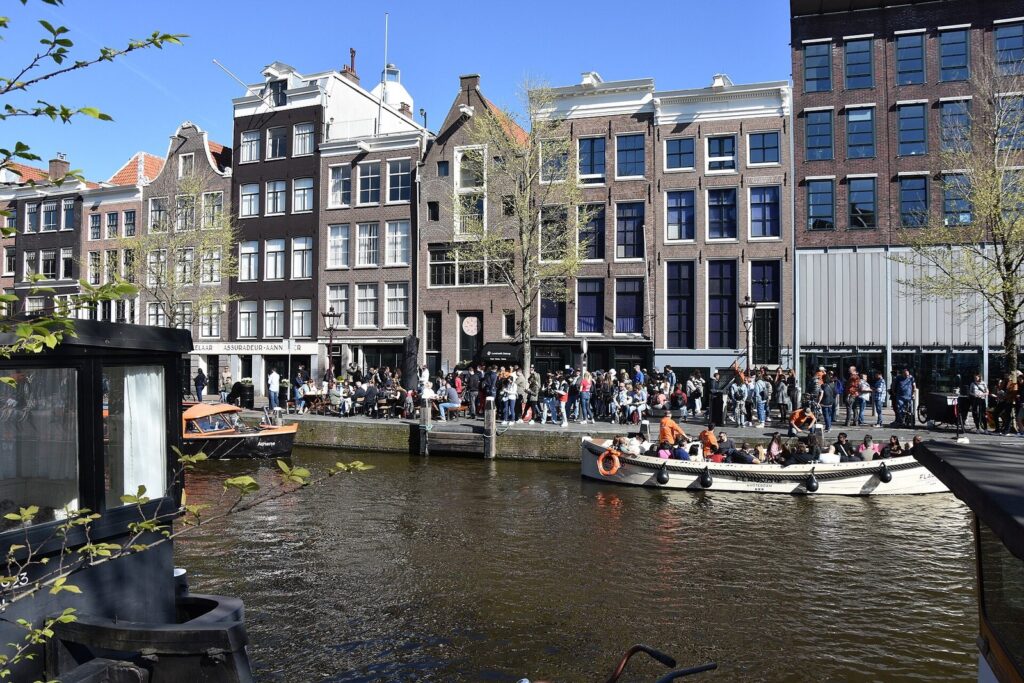
Two rules keep this simple. Buy from the official site, since resellers charge several times the face value once official tickets are gone. And where a sight fixes the date, build the days around it: if the only Last Supper slot left is on Thursday, Milan moves to Thursday.
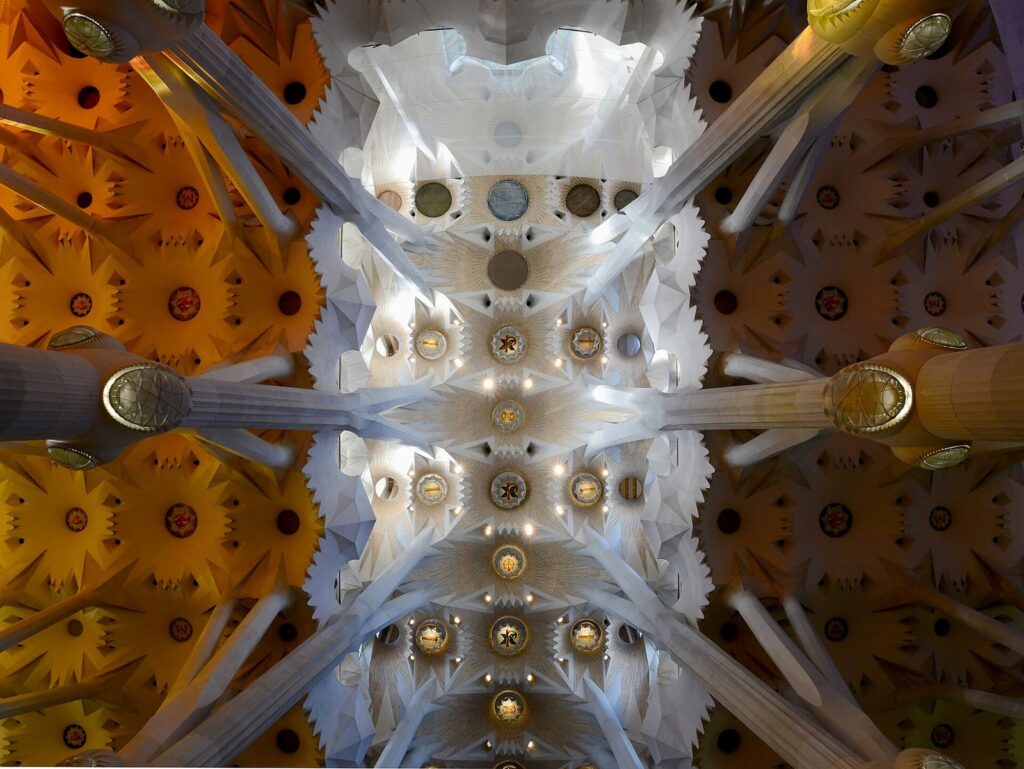
What you can skip booking: most churches (free, or pay at the door), markets, city walks, and nearly every museum outside the big names in the table, especially from November to March. City passes usually only pay off if you’ll fit three paid sights into a day, so do the sums before you buy.
Verdict: put the Tuesday Anne Frank release and the Vatican’s 60-day date in your diary on the day you book flights. Everything else in the table follows the same logic.
One month out: money, cards and city taxes
Which currency, where
The euro is used in 21 EU countries, including Croatia since 2023 and Bulgaria since 1 January 2026. Plenty of Europe still has its own money:
| Country | Currency | Code |
|---|---|---|
| United Kingdom | Pound sterling | GBP |
| Switzerland and Liechtenstein | Swiss franc | CHF |
| Czechia | Koruna | CZK |
| Poland | Złoty | PLN |
| Hungary | Forint | HUF |
| Romania | Leu | RON |
| Denmark | Krone | DKK |
| Sweden | Krona | SEK |
| Norway | Krone | NOK |
| Iceland | Króna | ISK |
Cards work almost everywhere in all of them, and in Scandinavia some places won’t take cash at all. Carry a little local cash anyway, for markets, small cafés and islands: some smaller Greek islands have a single ATM, and it can run dry in high season.

Cards and cash: four habits
- Carry two cards on different networks (a Visa and a Mastercard) and keep them in different bags.
- Use a card without foreign transaction fees. On a three-week trip, a 3 per cent fee on everything adds up to real money.
- Always pay in the local currency. When a card machine or ATM offers to charge you in dollars or pounds, say no: the rate it uses is worse than your bank’s.
- Use bank ATMs, not the standalone Euronet machines in tourist areas, which charge more and push the same poor conversion.
Check your banking app for a travel setting too. Most banks no longer need telling, but a card blocked for fraud on day two is a miserable way to find out yours does. US cards without a PIN can also fail at unattended machines such as ticket kiosks and motorway tolls, so ask your bank for one before you go. A second card makes a better back-up than a thick wad of cash.
City taxes and access fees
Most European cities add a tourist tax per person per night, charged at check-in and often not included in the price you booked. Some examples for 2026:
- Amsterdam charges 12.5 per cent of the room price, on top of VAT on accommodation that rose from 9 to 21 per cent on 1 January 2026.
- Rome charges up to €10 per person per night at five-star hotels, less further down the scale.
- Lisbon charges €4 per person per night, for a maximum of seven nights.
Then there’s Venice, which charged day visitors aged 14 and over an access fee on 60 peak days between 3 April and 26 July 2026, from 08:30 to 16:00: €5 if paid at least four days ahead, €10 after that. Overnight guests are exempt, since they pay the hotel tax instead. If a spring or summer day trip is on the cards for 2027, check the new calendar before you go.
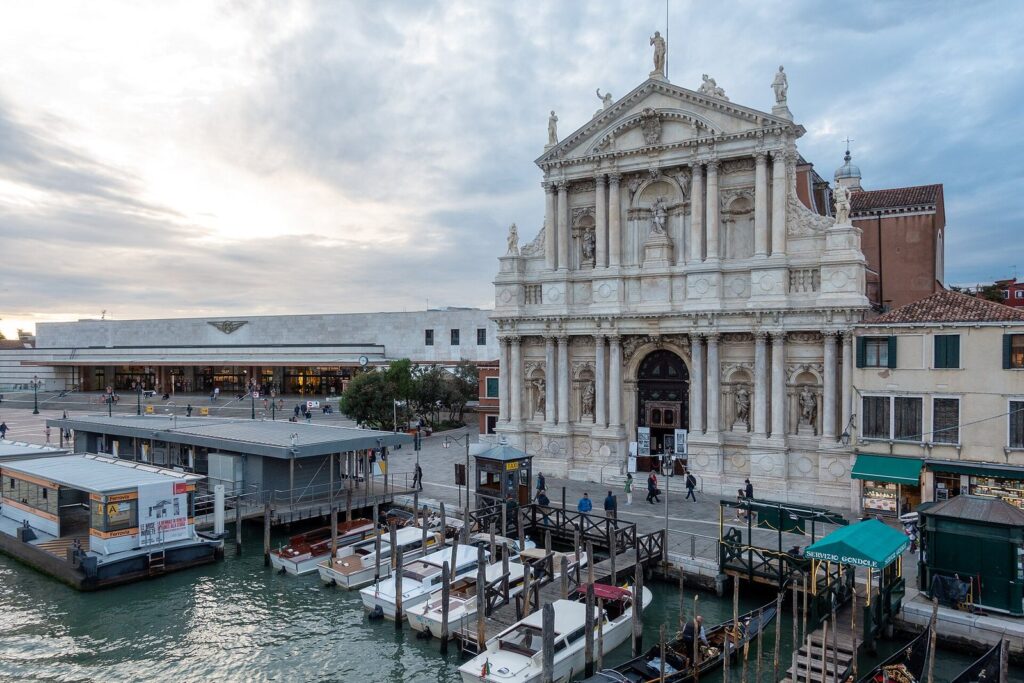
Verdict: two fee-free cards, a small float of local cash and a firm no to paying in your home currency. That heads off most money problems before they start.
Two to four weeks out: phone, apps, health and plugs
Phone and data
If your phone plan comes from an EU or EEA country, “roam like at home” rules let you use your normal allowance across the EU and EEA, within fair-use limits. Switzerland and the UK aren’t covered, so check your plan for those. UK networks have charged for EU roaming since Brexit, typically through a daily pass of a few pounds, and plans from North America and Australia usually sell daily passes too, which add up fast over three weeks.
For trips longer than a week, a regional European eSIM bought before you leave is usually the cheaper route. Install it at home while you still have Wi-Fi, keep your home SIM active for bank security codes, and check that the eSIM connects when you land.
Apps worth installing before you go
- The apps of the rail operators on your route, such as SNCF Connect, DB Navigator, Trenitalia, Renfe, ÖBB or Eurostar.
- An offline map of each city, downloaded at home.
- A translation app with offline language packs.
- Your airline’s app, for gate changes and boarding passes.
Health
Pack prescription medicines in their original packaging with a copy of the prescription, and note the generic names, because brand names change from country to country. Bring enough for the whole trip plus a few days. In an emergency anywhere in the EU, and in the UK too, call 112; it’s free from any mobile or landline.
Plugs and power
Most of continental Europe uses two-pin sockets (types C and F) and a higher voltage than North America. The UK, Ireland, Malta and Cyprus use the three-pin type G. Switzerland and Italy have their own sockets, but both take the slim two-pin Europlug. Nearly every phone and laptop charger handles 100 to 240 volts, so an adaptor is all you need; a North American hair dryer or straightener may not, so check the label before packing it. One adaptor per person saves arguments at bedtime.
For the rest of the bag, the Europe packing list goes item by item, and families should add the extras in our guide to Europe with kids.
Verdict: eSIM installed at home, operator apps logged in, an adaptor in every bag. Twenty minutes of setup saves an hour on arrival.
The final week: small jobs that save a day
- Check each leg for strikes and engineering works. They usually surface in the final week or two, on the operator’s app or website.
- Save the first night offline: the address, the check-in time and how you’ll get there from the airport or station, including the last train or bus if you land late.
- Check in online and save boarding passes to your phone’s wallet, with screenshots as a backup.
- Photograph the passport data page, email it to yourself and leave a copy with someone at home.
- Split the money: one card in your wallet, one in the bag, a little cash in each.
- Charge the power bank, and check your airline’s rules on carrying one before you pack it.
- Hold the post, put the bins out and set a timer light. The dull jobs are the ones that go wrong at home.
On the day itself, five things matter: passport, both cards, phone and charger, an adaptor, and the first night’s address saved offline. Almost everything else can be bought in Europe.
What can you safely leave until you arrive?
More than most checklists admit. Booking everything ahead buys certainty but costs flexibility, and on a long trip the chance to stay an extra night somewhere you love is worth a lot.
| Leave it | Why it’s safe | The exception |
|---|---|---|
| Regional trains | Fixed fares, and most need no reservation, though some French TER trains do (certain Nomad services in Normandy, Fluo trains to and from Paris), so check yours | Swiss panoramic trains: a Glacier Express seat reservation is compulsory and costs CHF 54 in 2026 |
| City transport | Buy on the day or tap a bank card | Some airport trains are cheaper online |
| Restaurants | Most don’t take bookings more than a few days out | A handful of famous places book up weeks ahead |
| Day trips | Trains and buses run daily | Guided visits with capped numbers |
| City passes | Decide once you know your pace | Rarely: online discounts are small |
| SIM card | Airports and phone shops sell them | If you need data the moment you land, set up an eSIM first |
Mistakes that cost the most
| Mistake | What it costs | The fix |
|---|---|---|
| Passport issued more than 10 years before entry | Not valid for Schengen entry | Check issue dates a year out |
| No UK ETA for a London leg | Refused boarding | Apply when the UK goes on the route |
| Paying in your home currency at card machines | A worse rate on every payment | Always choose the local currency |
| Non-refundable beds before trains go on sale | Paying twice when train times don’t fit | Keep beds refundable until trains are booked |
| Tight connections across borders | A missed train and a new ticket | Leave an hour; more for a change of station |
| Timed tickets from resellers | Several times the face value | Official sites, on release day |
| Forgetting that earlier trips count towards 90/180 | An overstay flagged by EES | Count back 180 days from your last day |
| Driving into an Italian ZTL | A fine months later | Park outside historic centres |
Verdict: book the hard things, leave the easy ones, and keep a spare day on any trip longer than a week.
Frequently asked questions about planning a Europe trip
How far in advance should I plan a trip to Europe?
For July, August or school holidays, start 9–12 months ahead, when Eurostar and sleeper sales open and small places still have rooms. For spring or autumn, three to six months is comfortable, and a winter city break can come together in six to eight weeks. Whatever the season, check passports first, because a renewal is the one job you can’t rush.
Do I need ETIAS for a trip to Europe in 2026?
No. As of late September 2026, ETIAS isn’t operating and no applications are being taken, and the EU has promised several months’ notice before it starts. When it does, it will cost €20, be free for under-18s and over-70s, and last three years or until your passport expires. Don’t pay any website for it now.
What does the Entry/Exit System mean for my trip?
If you’re visiting from outside the EU and Schengen countries on a short stay, your first entry to the Schengen area now means a passport scan and a facial image instead of a stamp, plus fingerprints if you travel visa-free; children under 12 give none, and visa holders’ fingerprints are already held with their visa. There’s no fee and no application. Allow extra time at that first border, and remember that EES counts your 90 days automatically.
What documents do I need to travel to Europe?
A passport issued within the last 10 years and valid for at least three months after you leave the Schengen area, plus a visa if your nationality needs one. Add a UK ETA if Britain is on the route. Drivers need their licence, and an International Driving Permit where the rules require one. Keep your insurance details on your phone.
Do I need a UK ETA to take the Eurostar from Paris to London?
Yes, unless you hold a British or Irish passport or a UK visa. EU citizens need one too, as do Americans, Canadians and Australians. It costs £20, lasts two years or until your passport expires, and each traveller needs their own, including babies. Apply through the official UK ETA app or GOV.UK, well before the day you travel.
Is travel insurance required for Europe?
Not for visa-free visitors: the Schengen insurance rule applies to visa applicants, and ETIAS won’t require it either. It’s still worth buying, ideally on the day you pay your first big deposit so that cancellation cover starts early. EU and UK residents should carry an EHIC or GHIC as well, but neither replaces a policy.
When do train tickets go on sale in Europe?
It depends on the operator. As of September 2026, Eurostar sells 10–11 months ahead, ÖBB Nightjet up to 360 days, Deutsche Bahn up to 12 months within Germany, SNCF up to six months in released blocks, and Trenitalia more than six months on its Frecce. Renfe in Spain releases tickets route by route, so check yours directly. Diary each opening date and book the long legs first.
What can I leave until I get to Europe?
Regional trains, city transport, most restaurants, day trips on public transport, city passes and a SIM card can all wait, and leaving them open keeps the trip flexible. The exceptions are anything capped or timed: Swiss panoramic trains, the handful of famous restaurants, and sights such as the Last Supper, the Vatican Museums and the Anne Frank House.
Final thoughts
A checklist can’t make a trip good, but it stops the avoidable things from making it bad. Put the opening dates in your calendar, check the passports tonight and leave some room in the plan for an afternoon you didn’t expect. For the bigger decisions about where to go and how to shape the route, start with the full Europe trip planning guide, and if this is your first time over, our first trip to Europe tips fill in the rest.
Related Europe guides
- When to Book a Trip to Europe: fare patterns and booking lead times, month by month
- How Many Days Do You Need in Europe: how many nights each kind of route really needs
- 10 Day Europe Itinerary: 12 Routes, Fully Costed for 2026: a ready-made route to hang this checklist on
- 3 Weeks in Europe Itinerary: 8 Routes, Costs and Timings: a longer multi-country route, day by day
- Europe in Summer: The Complete 2026 Guide: what planning for July and August involves
Sources and verification
Prices, timetables and rules in this guide were checked on 27 September 2026 against the official sources below. It is compiled from those sources rather than from other travel lists, and it does not describe first-hand visits. Fares, opening hours and entry rules change, so confirm with the operator before you book.
- Travel to Europe (EU): ETIAS status and fees
- European Commission: EES and ETIAS, what travellers need to know
- GOV.UK: electronic travel authorisation (ETA)
- ÖBB Nightjet: routes and booking
- ÖBB: Sparschiene fares and booking horizon
- Anne Frank House: tickets and opening times
Hannah Brooks has spent fifteen years travelling, living and writing across Europe, from the Arctic tip of Norway to the south of Sicily. She has planned hundreds of European itineraries for readers and is Senior Europe Editor at EuropeanTourism.org.
Photo credits
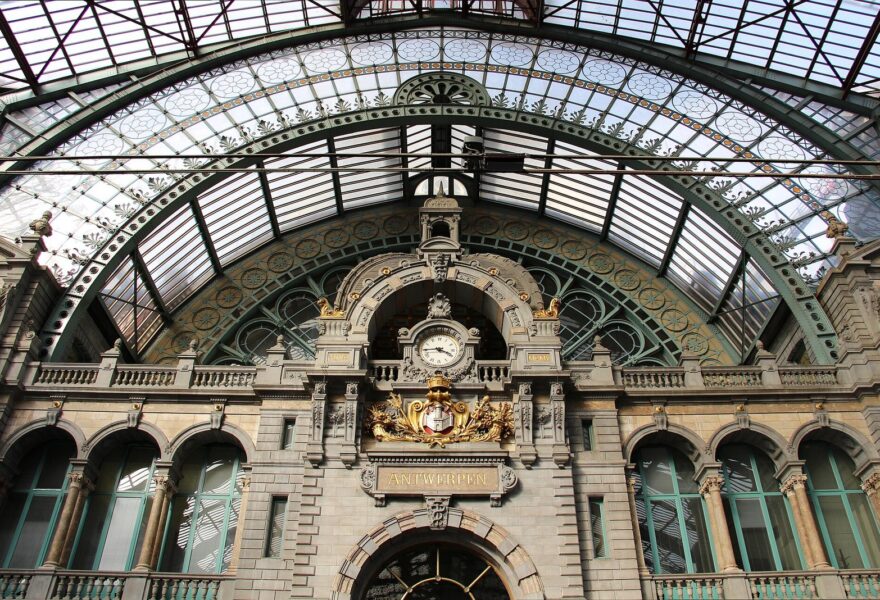
- Antwerpen-Centraal station hall: photo by Fred Romero from Paris, France, Wikimedia Commons (CC BY 2.0)
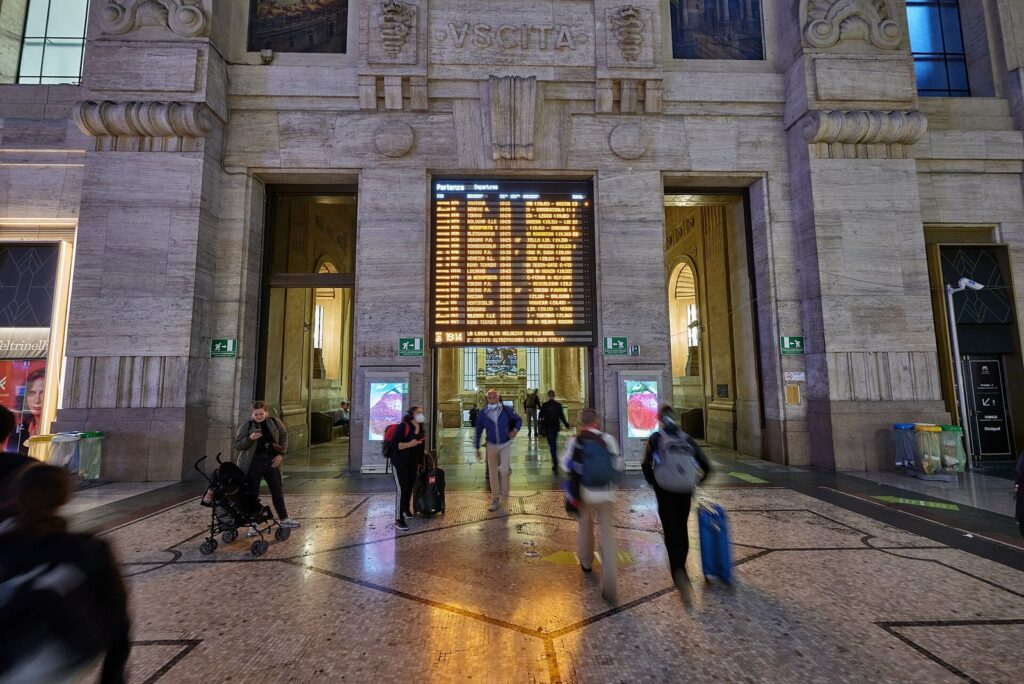
- Milano Centrale ticket hall: photo by Leonhard Lenz, Wikimedia Commons (CC0)
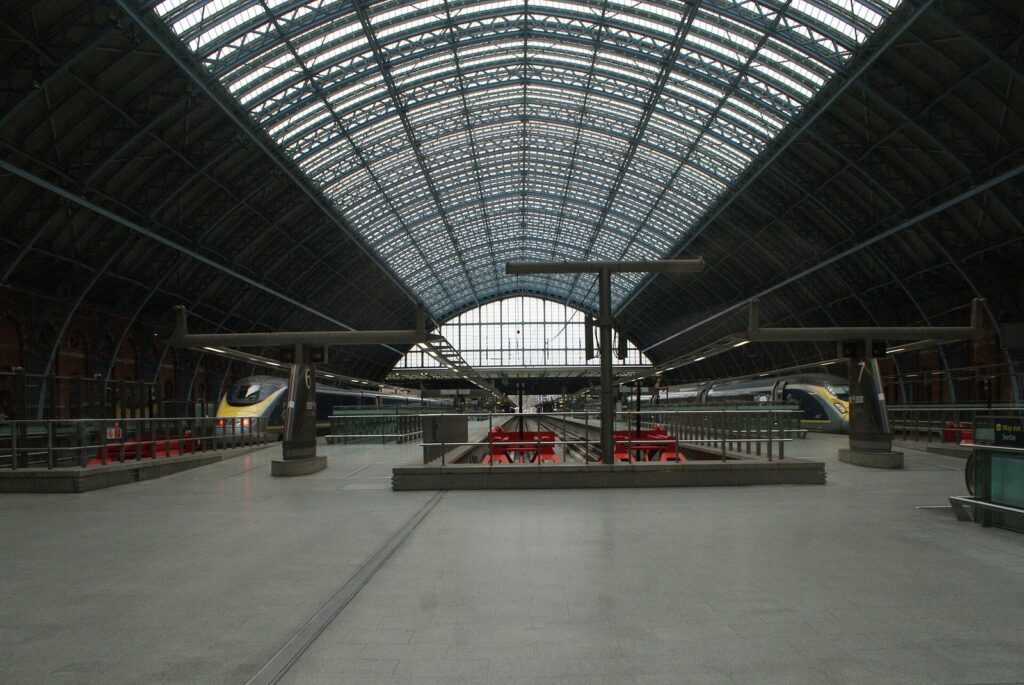
- Eurostar trains at St Pancras: photo by Robert Lamb, Wikimedia Commons (CC BY-SA 2.0)
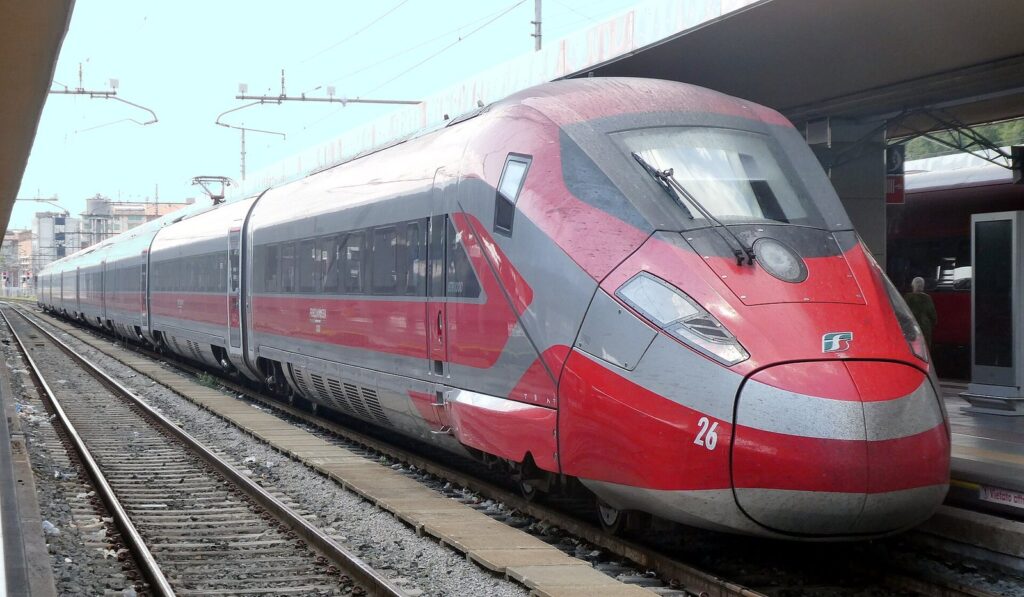
- Frecciarossa at Torino Porta Nuova: photo by Renardo la vulpo, Wikimedia Commons (CC BY-SA 4.0)
- Anne Frank House, Prinsengracht: photo by Lệ Xuân, Wikimedia Commons (CC BY-SA 4.0)
- Sagrada Família ceiling: photo by Alvesgaspar, Wikimedia Commons (CC BY-SA 4.0)
- Louvre pyramid at dusk: photo by Benh LIEU SONG (Flickr), Wikimedia Commons (CC BY-SA 3.0)
- Santa Lucia station and the Grand Canal: photo by Kent Wang from Barcelona, Spain, Wikimedia Commons (CC BY-SA 2.0)