Shoulder Season Europe: The Real Windows, Month by Month
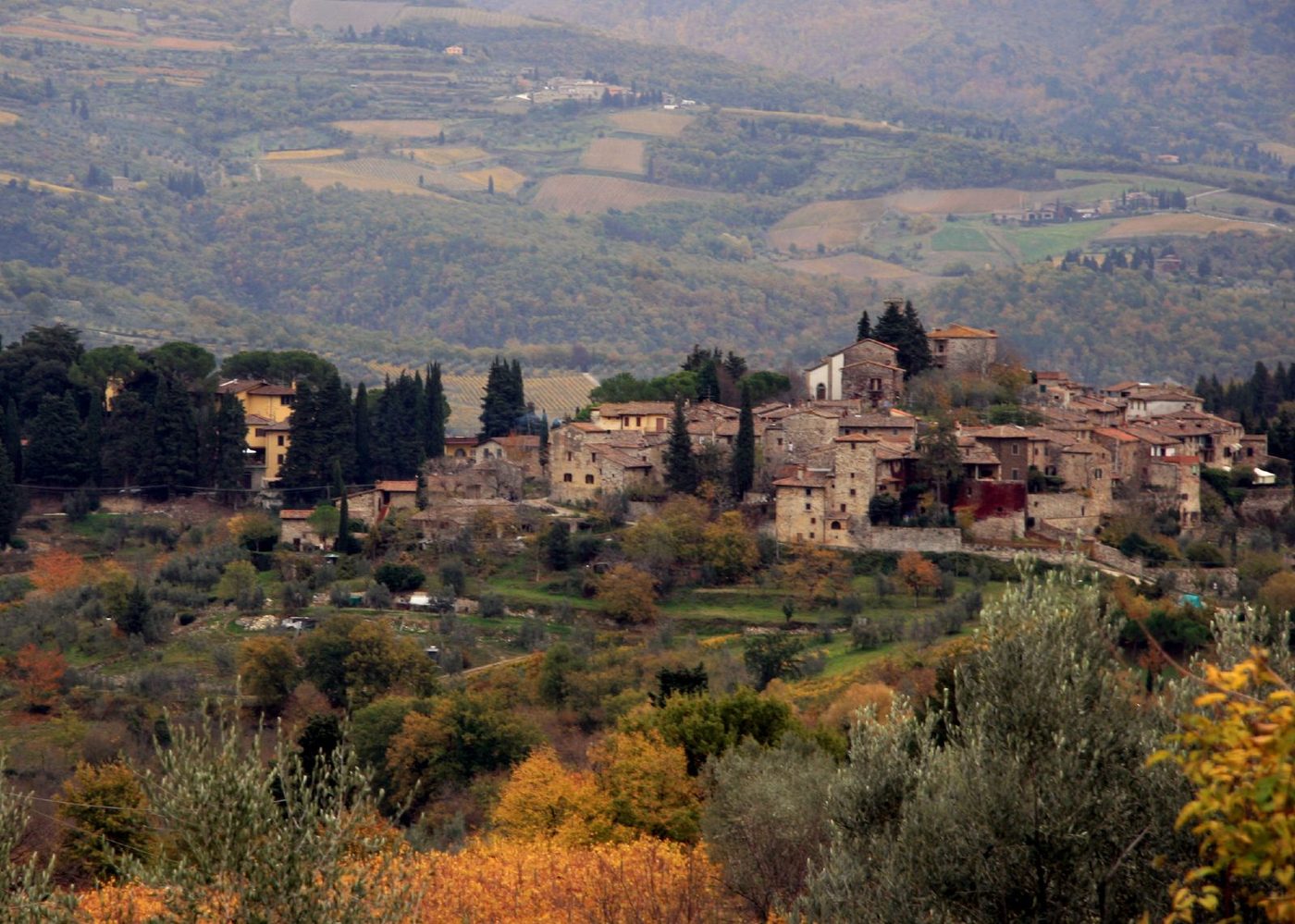
I was on the Piazza del Popolo side of Rome on the second Tuesday of October last year, and the queue for the Colosseum was eleven people long. Eleven. In July that line wraps the building and doubles back on itself. The temperature was 22 degrees, the light was the colour of weak tea, and the room I had booked six days earlier cost less than half what the same room had cost in August. Nothing about the city was worse. Several things about it were measurably better.
Shoulder season Europe travel means the weeks either side of the summer peak, broadly April to May and September to October, when prices drop and crowds thin but almost everything is still open. Across the EU, July and August alone carry 31 percent of the year’s nights in EU tourist accommodation, so stepping one month outside them changes the trip completely.
That is the pitch, and it is broadly true. But I have been planning European trips for fifteen years, and the version of shoulder season you read online is smoother than the version you actually travel. Greece charges its highest accommodation tax in exactly those months. Barcelona’s tourist tax went up on 1 April 2026, not down. The last week of October 2026 is one of the most expensive weeks of the autumn because two of Europe’s biggest school-holiday blocks land on top of each other. And in the Alps, a good number of the lifts are shut for maintenance in exactly the weeks that sound like the obvious ones.
So here is the working version. Thirty-four destinations with their real windows, the climate numbers behind them, what you save and what you do not, the dates that break the deal, and what closes when. Everything with a number attached came off a primary source, and where a figure was not available I have left the cell empty.
What shoulder season means, and why “April and October” is only half right
The trade-standard definition is Rick Steves’s, and most of the internet has copied it: peak season is roughly May to September, shoulder season is April and October, and off-season is November to March. It is a useful starting point and it is also, at this stage, a bit dated. Two things have moved underneath it.
The first is that the Mediterranean season has stretched. October receipts in Greece hit 2.25 billion euros in 2025, up 8.2 percent year on year, and industry reporting there describes the season broadening across July to October rather than concentrating in August. October is not a fringe month in Greece any more. It is a real season with real prices.
The second is that shoulder season is not one thing. It is at least four, and they behave completely differently:
- The Mediterranean shoulder. Late April to mid-June and September through October. This is the classic version, the one where the savings are largest and the weather trade smallest. Twenty-three of the thirty-four destinations below sit here.
- The Continental shoulder. Paris, Prague, Vienna, Budapest, Krakow, Amsterdam. May and September, and the swing is more about crowds than climate. Six destinations.
- The Alpine anti-shoulder. The Alps have a genuine dead season in late spring and late autumn. Lifts shut for maintenance, huts are closed, high trails are still under snow. Two destinations here, and both need care.
- The Northern near-absence. Scandinavia’s tourist season runs roughly mid-June to late August. Outside it, sights get sleepy or shut altogether. Three destinations. Iceland works better in September than in May; the Norwegian fjords are the other way round.
Of the thirty-four places on my list, nineteen are better in autumn, eleven are better in spring, and four are a coin toss. That ratio catches people out. The reason is water: the Mediterranean holds summer heat for weeks after the air has cooled, so an October sea is routinely warmer than a May sea by three or four degrees, sometimes more. In Paphos, Cyprus, the October sea runs about 25 degrees against May’s 21. On Santorini it is 21.5 in October against 18.5 in May. Spring gives you green hills and wildflowers. Autumn gives you swimming.

Shoulder season, off-season and low season are not the same thing
Worth separating, because the words get used interchangeably and they mean different money. Shoulder season is the transition: services running, prices softened. Off-season or low season is when the infrastructure itself thins out, which in the Greek islands means from the end of October, and in Alpine resorts means the maintenance windows in spring and late autumn. The difference matters because a low-season price on a route with no ferry is not a bargain. It is a problem. Our guide to the cheapest time to visit Europe goes further into where those two lines fall.
Shoulder season Europe at a glance: 34 destinations and their real windows
Read this as a shortlist, not a ranking. “Better half” is my call on which of the two windows I would book if I could only pick one, and the catch column is the thing people most often discover after booking.
| Destination | Zone | Spring window | Autumn window | Better half | The catch |
|---|---|---|---|---|---|
| Athens | Mediterranean | Mid-April to late May | Mid-Sept to early Oct | Autumn | Acropolis is EUR 30 flat all year now, no low-season discount |
| Santorini | Mediterranean | May | October | Autumn | October sea is 21.5C, warmer than May’s 18.5C |
| Naxos, Paros and Milos | Mediterranean | Mid-May to June | Sept to mid-Oct | Autumn | Most of Milos and Folegandros shut from late October |
| Crete | Mediterranean | April to May | October | Spring | Wildflowers and green gorges only happen in spring |
| Rome | Mediterranean | Mid-April to mid-June | Sept to early Oct | Spring | Easter falls 5 April 2026; the first week is peak-priced |
| Amalfi Coast | Mediterranean | Late April to early June | Late Sept to October | Autumn | Ferries and the fuller SITA timetable run roughly April to October |
| Cinque Terre | Mediterranean | Mid-March to April | October | Spring | Trekking Card season starts 14 March 2026 |
| Venice | Mediterranean | Late March | Sept to early Nov | Autumn | The 2026 access fee runs April to July only; autumn is free |
| Florence and Tuscany | Mediterranean | April to May | Sept to October | Autumn | Harvest and truffle season is late Sept into November |
| Sicily | Mediterranean | April to May | October | Spring | Sea is still cool in April, around 17C |
| Dolomites | Alpine | Late June onward | Mid-Sept to mid-Oct | Autumn | Late spring trails are often still under snow |
| Barcelona | Mediterranean | Mid-April to mid-June | October | Spring | Tourist tax went from EUR 7.50 to EUR 12 a night at 5-star on 1 April 2026 |
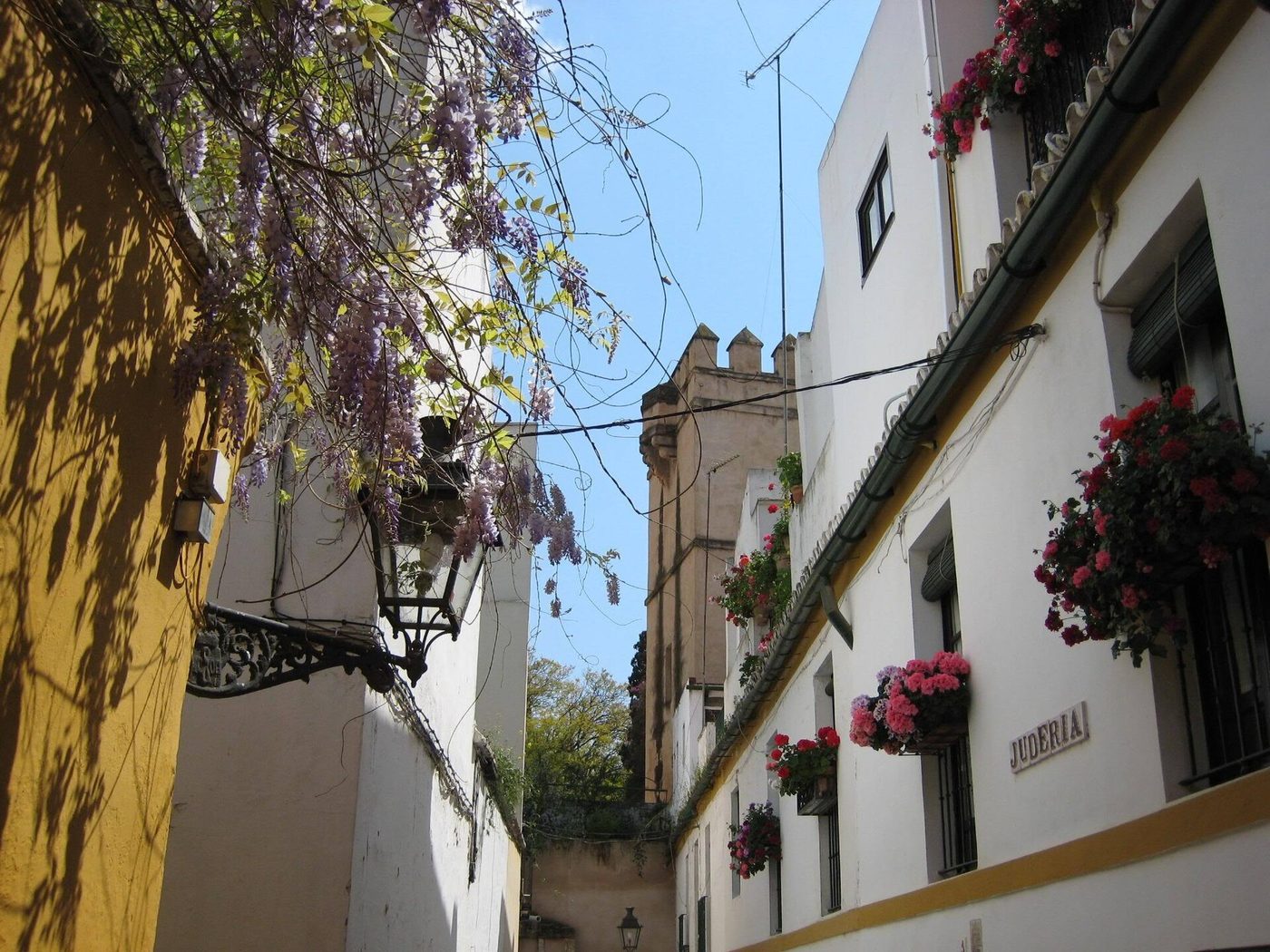
| Seville and Andalusia | Mediterranean | Late April after the Feria, and May | October | Spring | Feria de Abril blocks the last week of April |
| Granada | Mediterranean | April to May | Oct to early Nov | Spring | Alhambra hours shorten from 15 October |
| Mallorca | Mediterranean | April to early June | Sept to October | Autumn | About four fifths of hotels shut for winter from mid-November |
| Lisbon | Mediterranean | May | Sept to October | Autumn | September is the best swimming month, sea around 20C |
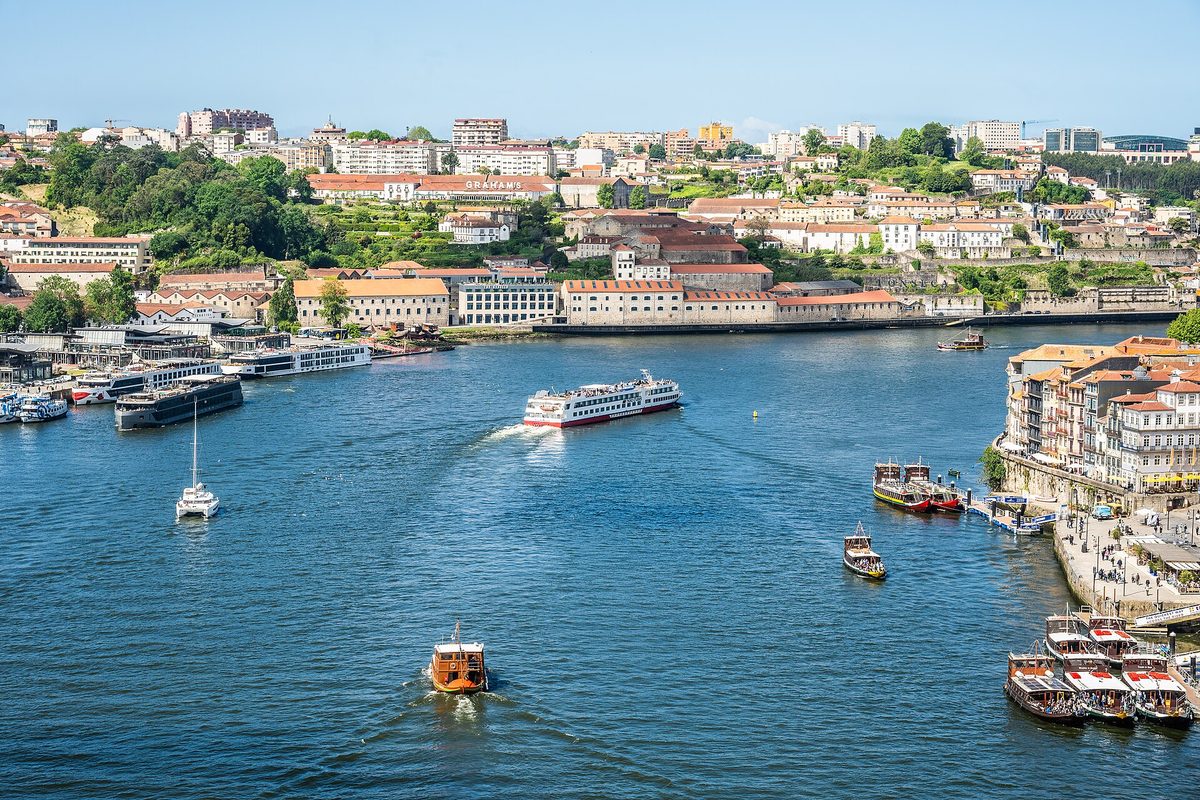
| Porto | Mediterranean | May | September | Either | Rates run 35 to 50 percent under August peaks in both windows |
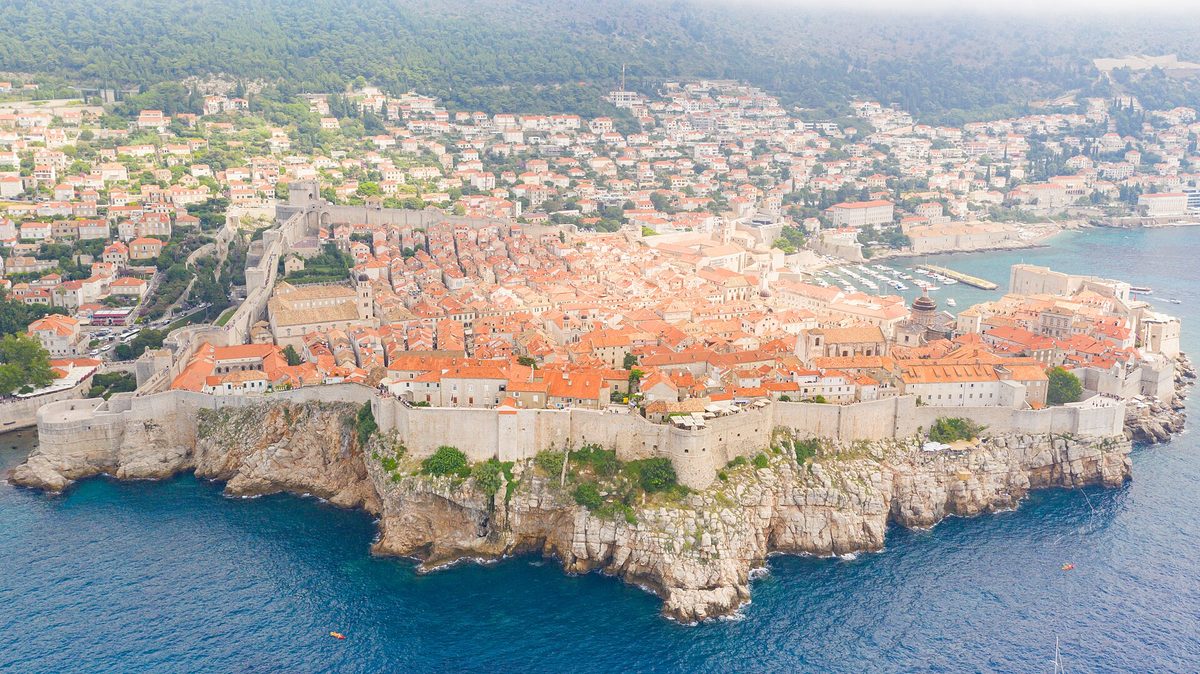
| Dubrovnik | Mediterranean | May | Late Sept to October | Autumn | Cruise caps bite less, but the Old Town is still 500 by 300 metres |
| Plitvice and Krka | Mediterranean | April to May | October | Either | Adult tickets are EUR 23 against the EUR 40 June to September price |
| Nice and the Riviera | Mediterranean | May, avoiding 12 to 23 May | September | Autumn | October is the wettest shoulder month at about 140 mm |
| Provence | Mediterranean | May | September | Spring | Lavender peaks in July, outside both windows |
| Malta | Mediterranean | April to May | October | Autumn | October sea is about 24C against May’s 18C |
| Cyprus | Mediterranean | April to May | October | Autumn | October sea is about 25C; seasonal hotels close from mid-November |
| Istanbul | Mediterranean | April to May | Sept to October | Spring | April is one of the drier months at about 29 mm |
| Paris | Continental | May | September | Autumn | September has the fewest rain days of the year, 9.3 |
| Prague | Continental | May | September | Autumn | April highs are only about 14C |
| Budapest | Continental | May | September | Autumn | May is among the wettest months, with rain on roughly 14 days |
| Krakow | Continental | May | September | Either | Both months average about 20C highs |
| Vienna | Continental | May | September to October | Autumn | October averages only about 5 rain days |
| Amsterdam | Continental | April for the tulips | September | Spring | Keukenhof shuts in mid-May; hotel tax load is roughly 33.5 percent |
| Swiss Alps | Alpine | Mid-June onward | Mid-Sept to late Oct | Autumn | Lifts close for maintenance; Lauterbrunnen to Murren shuts 13 April to 10 July 2026 |
| Edinburgh | Northern | May | September | Either | October brings around 90 mm of rain over 18 days |
| Iceland | Northern | May | September | Autumn | F-roads only open between mid-June and early October |
| Bergen and the fjords | Northern | May, at 118 mm, one of its drier months | September | Spring | October rain jumps to about 201 mm |
A note on what is missing. There is no Portuguese island here, nothing from Romania or Bulgaria, no Slovenia, no Sardinia, no Ireland, no Baltic city. That is a limit of what I could source properly rather than a verdict on any of them. Lake Bled in May is lovely and I would still send you. I just do not have month-level data on it that I am willing to put in a table.

The climate numbers behind the shoulder season
Mild is not a plan, so here are the numbers I could source, with Athens and Rome read directly off 1991 to 2020 official normals and the rest gathered from climate references. A dash means I could not source that cell.
| Place | Apr high | May high | Sep high | Oct high | Sea temperature, C | Rain, mm or rain days as noted |
|---|---|---|---|---|---|---|
| Athens | 20.2 | 25.2 | 28.9 | 23.8 | 15.9 / 18.4 / 24.1 / 22.0 | 25 / 14.3 / 12.3 / 45 |
| Rome | 18.8 | 23.3 | 26.5 | 22.0 | 15.5 / 18.5 / 24.3 / 21.7 | 68.6 / 56.8 / 64.9 / 88.1 |
| Barcelona | – | 21.9 | 22 to 25 | about 21 | peaks near 25 in August | – |
| Seville | – | about 27 | about 32 | – | Costa de la Luz peaks at 22 | – |
| Lisbon | – | about 22 | 20 to 25 | 20 to 25 | 15 to 17 in May, about 20 in Sept | – |
| Porto | – | about 21 | about 25 | – | warm enough to swim in Sept | – |
| Santorini | – | about 24 | – | about 21 | 18.5 in May, 21.5 in Oct | – / about 12 / – / about 40 |
| Dubrovnik | – | – | – | about 22 | about 20 by late May, near 22 into Oct | – |
| Nice | – | – | – | about 19 | about 20 in Oct | – / – / – / about 140 |
| Malta | – | about 23 | – | about 25 | 18 in May, 24 in Oct | – / – / – / about 72 |
| Cyprus (Paphos) | – | – | – | – | 18 / 21 / – / 25 | – |
| Istanbul | about 16 | about 21 | about 25 | about 20 | about 22 in Sept | about 29 / – / about 52 / – |
| Paris | 15 | 20 | 20.9 | 16 | not applicable | fewest rain days in Sept, 9.3 |
| Prague | 14 | 18 | 20 | 14 | not applicable | – |
| Krakow | 15 | 20 | 20 | 14 | not applicable | – |
| Budapest | – | – | 22 | 15 | not applicable | 40 to 70 in Apr and May; 30 to 50 in autumn |
| Vienna | – | – | – | – | not applicable | about 47.8 in Oct over 5 days |
| Amsterdam | – | – | – | – | not applicable | 9 to 10 rain days in spring, 12 to 14 in autumn |
| Edinburgh | 11 | 14 | 17 | 14 | not applicable | 61 in April; 90 in Oct over 18 days |
| Reykjavik | 7 | 11 | 12 | – | not applicable | about 150 precipitation days a year |
| Bergen | – | – | about 15 | – | not applicable | 73 / 118 / – / about 201 |
Three things fall out of that table that change how I plan.
Rome in October is wetter than Rome in April. Eighty-eight millimetres over seven days against 68.6 over seven. That runs against the general advice to prefer autumn in Italy, and it is why I book Rome for May if the trip is about walking the city. What October gives back is the ottobrate, the run of warm, clear early-October days when highs sit at 23 to 25 degrees and a scirocco can push 28 to 30. It is a lovely fortnight, and then November arrives with 108 millimetres over nine days and four and a half hours of sun, which is the practical end of the shoulder season in central Italy.
Athens in September is still a hot city. An average high of 28.9 degrees with 12.3 millimetres of rain over three days is not “mild”, it is summer with the crowds removed. The August comparator is 33.4 degrees. If heat is the thing you are escaping, September in Athens is only a partial escape and mid-October, at 23.8 degrees, is the real one. Bear in mind Athens is Europe’s hottest capital in summer, hitting 35 to 36 degrees routinely and a record 43 in August 2021.
Northern Europe’s shoulder is a rain question, not a temperature question. Edinburgh in October takes around 90 millimetres across 18 days, wetter than any of its spring months. Bergen in May takes 118 millimetres and April only 73; by October it is at roughly 201. Reykjavik has about 150 precipitation days a year. Going north in shoulder season is a decision about how much rain you will tolerate, and the answer for Norway is that May beats October by a wide margin. Our Scandinavia travel guide and Iceland travel guide both go deeper on that.

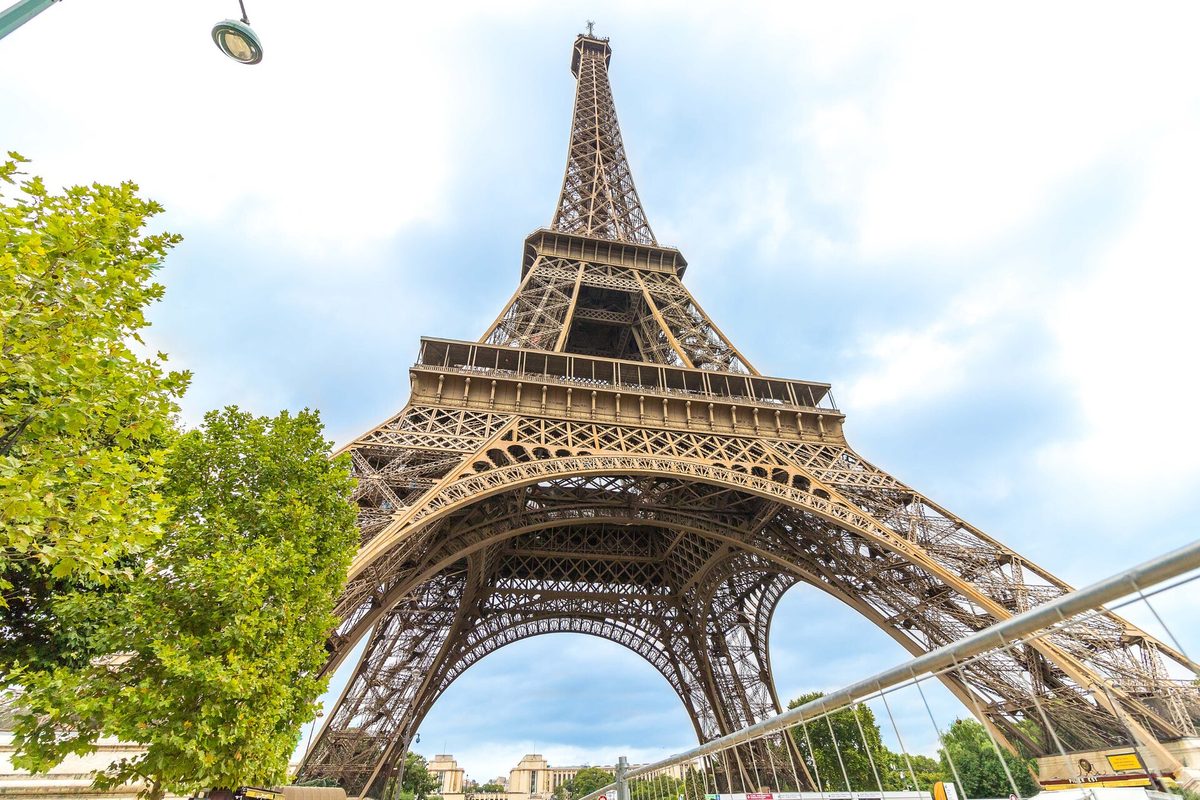
Paris deserves a footnote here because it breaks the pattern in a useful way: September has the fewest rain days of the Paris year, 9.3, with highs around 20.9 degrees. That is the single best month to walk the city, and it is not a coincidence that it is also when Parisians come back and the restaurants reopen after August. More on that in our things to do in Paris guide.
What you save, and the data behind it
The headline figure is “30 to 50 percent cheaper”. It comes from the accommodation trade and it is roughly right for hotels, but it is a blunt instrument. Here is what the primary statistics say.
Crowds: the seasonality is extreme
Eurostat’s 2025 figures are the cleanest picture available. July and August together took 31 percent of all annual nights spent in EU tourist accommodation. August had 3.6 times more overnight stays across the EU than January. Among EU residents travelling in their own countries in 2024, one night away in three fell in July, 15.7 percent, or August, 16.5 percent, and the peak month for every single EU country was either July or August.
The country-level spread is where it gets useful. Croatia is the most extreme seasonality in the EU: August overnight stays were 41.1 times January’s in 2025. Greece was 20.5 times. Those are the countries where stepping out of August changes the experience most, and they are also the countries where things start closing soonest afterwards. That tension runs through this entire subject.
Occupancy and rates: Spain has the best monthly series
Spain’s national statistics office publishes monthly hotel data, and it is the most useful single dataset for understanding the shoulder trade. In 2025:
- August: more than 48.1 million hotel overnight stays; bed-place occupancy 75.5 percent.
- October: more than 34.2 million overnight stays, about 29 percent fewer than August; occupancy 61.8 percent, a 13.7-percentage-point drop.
- May: more than 35.5 million overnight stays, about 26 percent fewer than August; occupancy 53.9 percent, with weekends at 61.9 percent. Average turnover per occupied room was 118 euros, up 5.6 percent year on year.
Look at the May line again. Occupancy of 53.9 percent means roughly half the beds in Spain are empty on an average May night, and that is the mechanism behind shoulder-season pricing. It is not generosity. It is a hotel with an empty floor.
For context, hotel-industry benchmarking put Spain’s national average daily rate for 2025 at around 166 euros, up close to 5 percent year on year, with Marbella and the Balearics well above that and Barcelona a little above it. Across Europe as a whole, hotel occupancy in the middle of 2025 averaged 69 to 70 percent with rate growth of 2 to 3 percent.
The destination-level discounts
These come from the accommodation trade rather than a statistics office, so treat them as indicative bands rather than precise figures:
- Porto: rates 35 to 50 percent below August peaks.
- Val Gardena and Alta Badia in the Dolomites: 30 to 40 percent below peak August.
- Smaller Greek islands in May: 40 to 60 percent below August. The largest gap I found anywhere.
- Europe generally: 30 to 50 percent below peak, with the widest gaps in the most cruise-dependent cities.

Flights
Transatlantic fares track the same curve. Indexed US-to-Europe routes put October at an average 364 dollars round trip in 2026, the lowest monthly average of the year, with May and September floor prices as low as 268 to 311 dollars. February, August and March sit near the top of the same index. Broadly, May and September run 25 to 40 percent under peak July pricing. Those are US-origin numbers in US dollars; intra-European budget fares follow a similar shape but with school holidays mattering far more than the month itself.
What you do not save: the tax and ticket reality
The assumption is that everything scales down in shoulder season. Several important things do not, and one significant thing scales up. This is where shoulder-season budgets go wrong.
Greece charges its highest accommodation tax in shoulder season
Greece’s Climate Crisis Resilience Fee runs from 0.50 to 15 euros per night depending on season and property class, charged per room per night rather than per person. The seasonal split is the thing to know: the higher band applies April through October, and the reduction only comes in from November to March. So April, May, September and October all sit in the expensive band. A five-star room is 15 euros a night in that band against 4 in the off-season; a one or two-star is 2 against 0.50.
In practice that is not a huge sum against a hotel bill, but it does mean the sentence “taxes are lower in shoulder season” is simply wrong for Greece, and Greece is the destination most often recommended for shoulder-season travel. Our Greece travel guide has the wider picture on costs there.
Barcelona’s tourist tax rose 60 percent on 1 April 2026
Catalonia’s Parliament approved an increase that took effect on 1 April 2026. A five-star night in Barcelona went from 7.50 euros, that is 3.50 regional plus 4 municipal, to 12 euros, 7 regional plus 5 municipal. The municipal surcharge is on an escalator: 5 euros in 2026, 6 in 2027, 7 in 2028, 8 in 2029, where it is capped. There is no low-season reduction; the rate is set by accommodation class, not by month. If you are planning around Barcelona, budget for it.
Amsterdam, Paris and Venice
Amsterdam charges 12.5 percent of the net room price in 2026, and national VAT on hotel accommodation rose from 9 to 21 percent that same year, putting the combined effective load on accommodation at roughly 33.5 percent. Cruise passengers pay 15 euros a day and boat or city tours carry 2.70 euros a head. None of it is seasonal.
Paris raised its rates on 1 January 2026, including an Ile-de-France Mobilites surcharge at 200 percent of the base tax. The top of the scale is 15.93 euros a night in the palace category, 11.70 for five-star and 5.53 for three-star, with unclassified rentals at 5 percent of the pre-tax nightly rate capped at 15.93 per adult per night. One point of precision: 15.93 euros is the Paris palace-category total, not a French national ceiling. The French statutory band before surcharges is 0.20 to 4.90 euros.
Venice is the one that actually rewards autumn travellers. The access fee returns in 2026 across an expanded calendar of 60 days, and every one of those days falls between April and July. It is 5 euros a person a day if you register more than four days ahead, 10 euros closer to the visit, enforced only between 08:30 and 16:00, and payable by day-trippers to the historic centre rather than overnight guests, who are exempt but still have to pre-register. The dates run 3 to 6, 10 to 12, 17 to 19 and 24 to 30 April; 1 to 3, 8 to 10, 15 to 17, 22 to 24 and 29 to 31 May; 1 to 7, 12 to 14, 19 to 21 and 26 to 28 June; and 3 to 5, 10 to 12, 17 to 19 and 24 to 26 July. September and October day trips to Venice carry no access fee in 2026. An early-April one does. Check the municipal calendar at cda.ve.it before you travel, because it is updated continuously. Our Venice guide covers the rest of the practicalities.
Attraction tickets: three of them are seasonal, most are not
I checked the 2026 prices and hours for the big-ticket sights against the official ticketing pages. The pattern is clearer than I expected: the famous monuments charge the same price all year and only change their hours, while Croatia’s national parks cut their prices sharply in exactly the shoulder months.
| Sight | Seasonal pricing? | Shoulder-season adult price | Peak adult price | What actually changes |
|---|---|---|---|---|
| Plitvice Lakes, Croatia | Yes, strongly | EUR 23 in Apr, May, Oct | EUR 40, Jun to Sep | Drops to EUR 10 from Nov to Mar |
| Krka National Park, Croatia | Yes, strongly | EUR 20 in Apr, May, Oct | EUR 40, Jun to Sep | EUR 30 for entry after 15:00 in peak months |
| Cinque Terre Train Card | Yes, by demand band | EUR 19.50 level A, EUR 24.50 level B | EUR 32.50 level C | Weekdays in May and Oct are level A |
| Cinque Terre Trekking Card | No | EUR 7.50 | EUR 7.50 | Same price on all card dates in 2026 |
| Colosseum, Rome | No, hours only | EUR 18 | EUR 18 | Closes 16:30 from 25 Oct vs 19:15 in summer |
| Alhambra, Granada | No, hours only | EUR 22.27 | EUR 22.27 | Closes 18:00 from 15 Oct vs 20:00 to 14 Oct |
| Acropolis, Athens | No, not any more | EUR 30 | EUR 30 | Seasonal discount abolished for 2026 |
| Vatican Museums | No, lead time only | About EUR 40 to 45 | About EUR 40 to 45 | Book 1 to 3 days ahead in low season vs 2 to 4 weeks in peak |
| Sagrada Familia | No, hours only | Same year round | Same year round | Closes 19:00 in Oct vs 20:00 in Apr on weekdays |
Plitvice and Krka are the real story here. An adult ticket in April, May or October costs 23 euros against 40 at Plitvice, and 20 against 40 at Krka, which is exactly half. Plitvice drops further to 10 euros from November to March. Krka’s youth and student tickets follow the same shape at 12 shoulder and 15 peak, children under seven are free, and the price includes visitor insurance and VAT. If you are building a Croatia trip around the parks, the month you choose is worth real money.
The Cinque Terre works on demand bands rather than a flat seasonal split, which is a smarter system and worth understanding. The 2026 card season runs 14 March to 1 November. The Trekking Card is 7.50 euros for adults on every date in that window. The Train Card is where the banding bites: 19.50 euros on level A days, 24.50 on level B, 32.50 on level C. Level A covers March, early April, and weekdays in May and October. Level B covers April, June, September and weekdays in July and August. Level C is public holidays, Easter, 1 May and 2 June, plus weekends in July and August. Travelling on a weekday in May or October is therefore 40 percent cheaper than a summer weekend for the identical product. See our Cinque Terre guide for how to string the villages together.
The flat-price monuments still reward shoulder season, just not on the ticket line. The Colosseum is 18 euros year round, including a 2 euro online reservation fee, covering the first two levels plus the Roman Forum and Palatine Hill for 24 hours. Tickets go on sale 30 days before the visit date with compulsory timed entry. What changes is daylight: 08:30 to 19:15 from 30 March to 30 September, closing 18:30 from 1 to 24 October, then 16:30 from 25 October, which is nearly three hours less on site per day than in summer. The Rome lesson is to take a morning slot in late October rather than assume you have the afternoon.
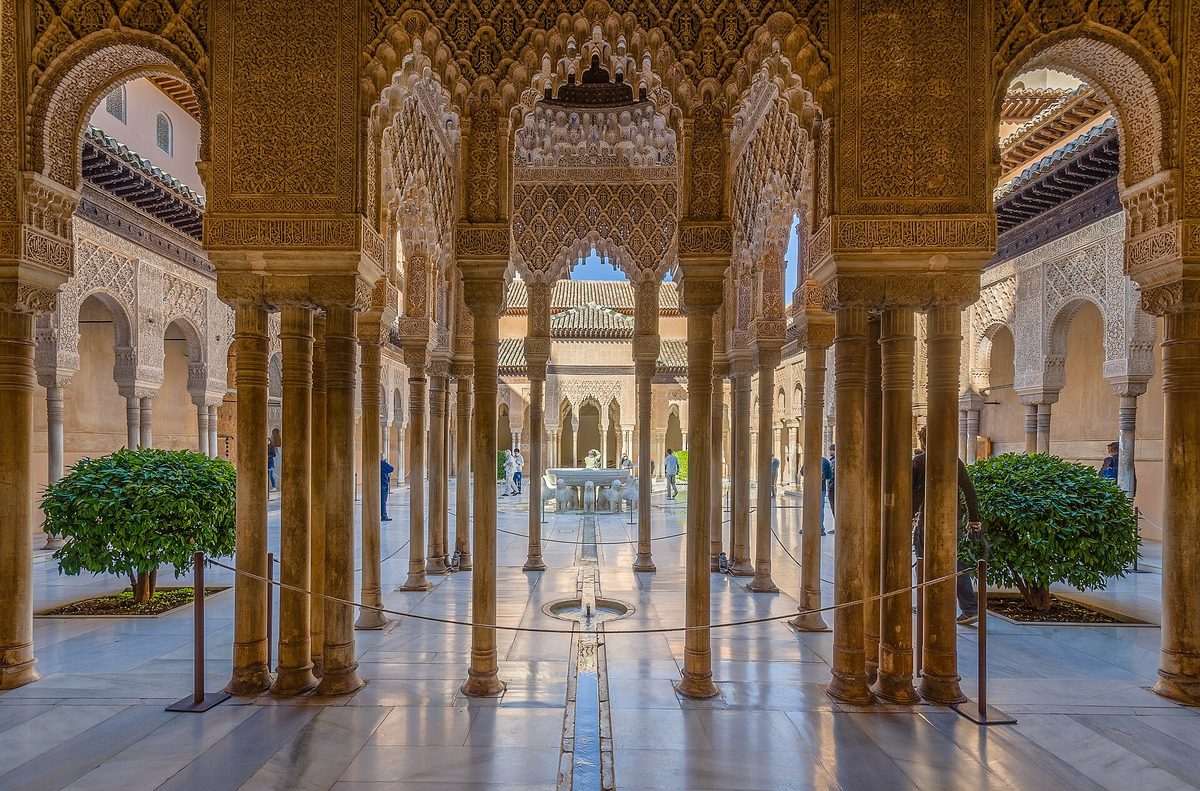
The Alhambra is 22.27 euros all year, 21 base plus a 1.27 web service fee, fixed by the Patronato under an order of July 2025 and valid throughout 2026. Hours run 08:30 to 20:00 from 1 April to 14 October and 08:30 to 18:00 from 15 October. Night visits are Tuesday to Saturday 22:00 to 23:30 in the April-to-October window and Friday and Saturday 20:00 to 21:30 the rest of the year. The shoulder-season advantage is availability: Nasrid Palaces timed slots are typically bookable in the same week through May, against weeks out in peak. That is worth more than a discount would be. Our Granada guide covers the booking mechanics.
The Acropolis needs a correction, because the seasonal split many people remember has gone. Since April 2025 it has been 30 euros flat, year round, the seasonal discount having been abolished. Check hhticket.gr before you budget, because this one has moved recently. Reduced entry is 15 euros for EU seniors over 65 and non-EU visitors aged 6 to 25, with a physical passport or ID required at the gate, and free days are the first Sunday of each month from November through March. Buy through hhticket.gr, the Ministry’s own platform, which sells at the official price with no booking fee.
Vatican tickets run roughly 40 to 45 euros booked online, with the museums open Monday to Saturday 08:00 to 20:00, last entry 18:00, closed Sundays except the last Sunday of the month when entry is free from 09:00 to 14:00 with last entry at 12:30. The shoulder-season gain is again a booking-window one: one to three days is usually enough in low season against two to four weeks in peak. St Peter’s runs 07:00 to 19:00 from 1 April to 30 September and 07:00 to 18:30 from 1 October.
Sagrada Familia shifts by an hour: April is Monday to Friday 09:00 to 20:00, Saturday 09:00 to 18:00 and Sunday 10:30 to 20:00, while October closes at 19:00 on weekdays and Sundays. Last admission is 45 minutes before closing and tickets are online only. In Amsterdam, the Rijksmuseum and Van Gogh Museum still need timed tickets in May, but next-day availability exists where July demands a week’s notice.
The 2026 dates that break the shoulder-season deal
Shoulder season is an average, and averages have holes in them. In any given April or October there are roughly two weeks that price like August, and if you land on one of them you have paid peak money for shoulder weather.
| Event or holiday | 2026 dates | Where it bites | What it does to prices |
|---|---|---|---|
| Easter Sunday (Western) | Sunday 5 April 2026 | Italy, Spain, France, the whole Mediterranean | Peak pricing lands in the first week of the spring shoulder |
| Orthodox Easter | Sunday 12 April 2026 | Greece and Cyprus | A second spike one week after the Western one |
| Seville Feria de Abril | Last week of April into early May 2026 | Seville and Andalusia | The week after it ends is the local sweet spot |
| Italian Labour Day | Friday 1 May 2026 | Italy | Automatic three-day weekend, a genuine spring spike |
| Venice Biennale (Arte) | 9 May to 22 November 2026 | Venice | Covers both shoulder windows in the city |
| Cannes Film Festival | 12 to 23 May 2026 | Nice and the French Riviera | Riviera accommodation spikes mid-spring |
| Whitsun / Pentecost | 24 to 26 May 2026 | Germany, the Netherlands, France | Major travel weekend closing the spring shoulder |
| Italian Republic Day | Tuesday 2 June 2026 | Italy | One day of leave makes a four-day break |
| Oktoberfest | 19 September to 4 October 2026 | Munich and much of Bavaria | Removes Munich from the cheap-autumn list |
| BMW Berlin Marathon | Sunday 27 September 2026 | Berlin | 55,000 runners plus support |
| Scottish October holiday | 12 to 16 October 2026 | Scotland and northern England | First half-term wave |
| French Toussaint holidays | 17 October to 2 November 2026 | France and French-bound destinations | The biggest French autumn travel block |
| English half term | 26 to 30 October 2026 | Most of England, Wales and Northern Ireland | Overlaps Toussaint; the one autumn week that is not cheap |
Three of those need expanding.
Easter is early in 2026 and it happens twice. Western Easter is Sunday 5 April, which drags peak pricing into the first week of the spring shoulder across Italy, Spain and France. Orthodox Easter is Sunday 12 April, a separate spike a week later in Greece and Cyprus. If you are doing Athens and Rome on the same trip in April 2026, you can walk into both.
The last week of October 2026 is not cheap. The French Toussaint holidays run Saturday 17 October to Monday 2 November across all three zones, the single biggest French autumn travel block. Half term across most of England, Wales and Northern Ireland is 26 to 30 October, though individual councils and schools vary, with Scotland going earlier at 12 to 16 October. Those overlap in the final week of October, and that week prices accordingly across the Mediterranean and the ski-adjacent Alps. Take the first fortnight of October instead, or the first week of November.
Italy’s spring bridges are worth mapping. Liberation Day 2026 falls on Saturday 25 April, so there is no ponte bridge day attached to it, which is a small mercy. But 1 May is a Friday, producing an automatic three-day weekend, and Republic Day is Tuesday 2 June, so a single day of leave on Monday 1 June creates a four-day break and a Saturday-to-Tuesday surge. Both are real price events in Rome, Florence and the Amalfi Coast. Our best time to visit Italy guide maps the Italian calendar in more detail.
Looking ahead to next spring, the calendar is kinder. Western Easter 2027 falls on Sunday 28 March, which puts it before the spring shoulder window rather than inside it, and Orthodox Easter lands five weeks later on Sunday 2 May. That gives April 2027 a clearer run than April 2026 had, and it is the single biggest reason to prefer next spring over this one if you are choosing between them.
Venice is a special case in 2026 because the 61st Biennale, “In Minor Keys” curated by Koyo Kouoh, runs Saturday 9 May to Sunday 22 November across the Giardini, the Arsenale and the city. That covers both shoulder windows. It is not a reason to avoid Venice, and if you care about contemporary art it is a reason to go, but do not expect a quiet autumn Venice at Biennale-standard prices.
What closes, and when
The single biggest shoulder-season mistake is booking a place at the edge of its season and finding half of it shut. Here is where those edges sit.
Greek islands and ferries
The Greek islands close for winter at the end of October or the beginning of November, and hotels, tavernas, souvenir shops and travel agencies mostly stay shut until early April. That is most acute on the small ones: Ios, Folegandros, Milos and Koufonisia largely shut down from late October through April. Crete, Corfu, Rhodes and Santorini have resident populations big enough to keep services running year round, which is why they are the safe October choices.
The ferry network is the constraint that catches people out. Piraeus runs at near-full capacity through mid-October, after which the network thins to a handful of routes. Athens to Santorini goes from daily in summer to three or four departures a week in winter. Crete to Santorini and Mykonos to Santorini disappear entirely from November to March. Routes with daily July departures can be down to two or three a week by January. Plan island-hopping for the first half of October at the latest, and never build a shoulder-season itinerary that depends on a single connection you have not checked.

Croatia, the Amalfi Coast and the Cinque Terre
Croatian island ferries hold nearly full schedules through early October and then thin to something close to a weekend basis. The Amalfi Coast ferries run roughly April through October, with one operator quoting March to November, and the SITA bus timetable changes several times a year, with an official 2026 schedule running 1 April to 7 June on the Amalfi to Positano to Sorrento lines and the fullest service in June to August. The Amalfi Coast in late October is beautiful and the transport is noticeably thinner. The Cinque Terre card season, 14 March to 1 November, is a decent proxy for when the trail infrastructure is fully staffed.
The Alps, which have an anti-shoulder season
In the Alps, spring and late autumn are the maintenance windows. The Lauterbrunnen to Murren cableway is scheduled to close 13 April to 10 July 2026 and again 26 October to 6 November 2026. Zermatt’s 2025/26 winter lift season ran from the end of November 2025 with most lifts through to the second half of April. Alpine passes generally reopen somewhere between May and June depending on snow. And for hikers, early autumn beats late spring outright because many good trails are still snow-covered into June.
Practically: if the Alps are the trip, go mid-September to mid-October, not April or May. The Dolomites in that window are the single best shoulder-season proposition in Europe as far as I am concerned, with rates 30 to 40 percent under August. Our Switzerland travel guide and hiking in Europe guide both cover the season dates.

The north
Iceland’s F-roads, the interior mountain tracks, open somewhere between mid-June and early October. The sequence in a normal year is F35 Kjolur from late May to early June; F208 to Landmannalaugar, F249 to Thorsmork and F225 Landmannaleid from the middle to end of June, with F208 usually 10 to 20 June; and F88 to Askja, F910 and F26 Sprengisandur from early to mid-July. These are inspection-based rather than calendar-based, so check umferdin.is rather than any guide, including this one.
In Norway, Trollstigen opened unusually early in 2026, around the end of April rather than its normal mid-May to early-June window, and stays open into October or November conditions permitting. Treat that opening date as weather-dependent rather than fixed. The Atlantic Road is technically open year round but closes in storms and is at its best May to September. Our Europe road trips guide has the fuller picture on both.

Islands with winter shutdowns
About a fifth of Mallorca’s hotels stay open through winter, with some closing in mid-November and reopening in March. Cypriot seasonal properties typically close mid-November to mid-March, sometimes longer, with significant closures along the Poseidon Avenue and Coral Bay strips from November. Malta is the exception: most attractions, restaurants and hotels stay open year round, which is what makes it the most reliable late-October Mediterranean destination on this list.
Keukenhof, which has the opposite problem
Keukenhof, the tulip gardens near Amsterdam, peaks mid-April to early May and closes in mid-May after an eight-week season that draws more than a million visitors. Amsterdam in April is a spring shoulder destination with a peak-season attraction bolted onto it, and the accommodation prices reflect it.
The daylight question
Daylight moves faster than temperature does, and it is the variable people underestimate. In the Mediterranean, sunset in early May sits at around half past eight and in late October at around half past five, because the clocks go back on the last Sunday of the month. That is a three-hour swing in usable evening, and it is the practical reason autumn sightseeing days feel shorter even when the weather is better. Further north the swing is larger: Bergen and Reykjavik gain and lose light at a rate that makes May feel expansive and late October feel closed in. Book the outdoor half of your day earlier in autumn than you would in spring.
What to pack for either window
Both windows are layer weather rather than one-outfit weather. The gap between a 25-degree Athenian afternoon in early October and a 16-degree evening is the whole problem, and the answer is a light insulating layer plus something genuinely waterproof rather than a heavier coat. Autumn needs the rain shell more than spring does across most of the Mediterranean, since October is the wetter month almost everywhere on this list. Swimming things are worth taking in either window in the south, and worth taking in October even if you think you will not use them. Our Europe packing list has the full version.
Straight swaps: the same trip, one month over
Most people arrive at shoulder season with a destination already in mind and want to know whether to shift the date or shift the place. Often the better answer is to shift the place slightly as well, because some destinations lose more than others when you move off peak. These are the swaps I suggest most often.
| Instead of | Do this | Why it works |
|---|---|---|
| Santorini in August | Naxos or Milos in late September | Rates on the smaller Cyclades run 40 to 60 percent under August, and the sea is still around 24 degrees |
| Dubrovnik in July | Dubrovnik in the second half of October | Sea near 22 degrees, cruise pressure eases, and the Old Town is still 500 by 300 metres so it matters |
| Amalfi Coast in August | Amalfi Coast in late September | Ferries still running on the fuller timetable, sea at its warmest, half the traffic on the coast road |
| Athens in July | Athens in mid-October | 23.8 degrees instead of 33.4, and only 5 rain days |
| The Alps in May | The Dolomites mid-September to mid-October | Trails clear, rates 30 to 40 percent under peak, lifts still running before the late-October maintenance |
| Barcelona in August | Porto in May | Around 21 degrees with nine hours of sun, and the best value city in either shoulder window |
| Paris in July | Paris in September | Fewest rain days of the Paris year at 9.3, highs around 20.9, and the city is working again |
| Croatian parks in July | Plitvice or Krka in May or October | EUR 23 against 40 at Plitvice, and exactly half at Krka, EUR 20 against 40 |
| Cinque Terre on a July weekend | Cinque Terre on a May or October weekday | Train Card at EUR 19.50 instead of EUR 32.50 for the identical product |
| Iceland in July | Iceland in September | F-roads still open into early October, aurora season back, and the summer crowd gone |
| Norwegian fjords in October | Norwegian fjords in May | 118 mm of rain in May against roughly 201 in October |
| Venice in April 2026 | Venice in September or October 2026 | No access fee in autumn; the 2026 fee calendar ends in July |

Which window suits which traveller
The spring-versus-autumn question has a different answer depending on what you are optimising for, so here is how I split it.
If you want to swim, go in autumn. The gap is not close. The Mediterranean lags the air temperature by weeks. Athens sea: 15.9 degrees in April, 18.4 in May, 24.1 in September, 22.0 in October. Rome: 15.5, 18.5, 24.3, 21.7. Cyprus in October is about 25 degrees, warmer than its May sea by roughly 4. Malta in October is about 24 against May’s 18. May swimming in the Mediterranean is a brisk experience that people talk themselves into.
If you want to walk cities all day, go in spring. April and May give you cooler afternoons and longer light going into the evening rather than out of it, and Mediterranean Europe is green in spring and parched in autumn. Rome in May at 23.3 degrees with 56.8 millimetres of rain is a better walking month than Rome in October at 22.0 with 88.1.
Mountains: autumn, and specifically September. Late spring trails in the Alps are still snowed under, and the lifts are in maintenance. September and the first half of October are the window.
Families are constrained by school terms, which narrows this a lot. That pushes you towards the very edges of the shoulder, which is where the holiday-block table above earns its keep. The late-May bank holiday and Whitsun weekend, and the first half of October before Toussaint, are the two blocks worth targeting. Our Europe with kids guide goes into the logistics.
If you are on a tight budget, go in May and go somewhere with a long season. Spain’s 53.9 percent May occupancy is the softest market in the shoulder calendar. Porto, at 35 to 50 percent under August, is the best value city I know in either window. See Europe on a budget and the cheapest places to travel in Europe.
Solo travellers have an easier time in autumn. Shoulder-season restaurants have space at the bar, hostels and small hotels are not sold out, and the walking-tour and day-trip infrastructure is still running. It thins out sharply from November. Solo travel in Europe covers the rest.
Going north, take spring. Bergen in May takes 118 millimetres of rain, its driest month; in October it is at roughly 201. Reykjavik in May averages 11 degrees against 7 in April. September works for Iceland if you want the aurora back and the F-roads still open, but the fjords are a May proposition.
Six mistakes I see people make
1. Booking the last week of October because “October is shoulder season”. In 2026 that week carries the overlap of the French Toussaint and English half term. The first fortnight of October is a different market entirely.
2. Assuming the tax drops with the rate. Greece’s accommodation fee is in its high band all the way through October. Barcelona’s went up in April 2026. Amsterdam’s is a percentage of the room price and its VAT more than doubled in 2026.
3. Building an island itinerary on a summer ferry timetable. The schedules published for July do not apply in late October, and some routes vanish entirely. Check the operator’s actual dated timetable, not last summer’s frequency.
4. Going to the Alps in May. Snow on the trails, lifts in maintenance, huts shut. Go mid-September to mid-October instead.
5. Not checking whether the sight even opens late enough. The Colosseum closes at 16:30 from 25 October, nearly three hours earlier than its summer hours, and the Alhambra loses two hours from 15 October. In late-shoulder months, a 14:00 ticket is a rushed visit.
6. Treating shoulder season as a licence not to book. It is a licence to book later, which is not the same thing. Nasrid Palaces slots at the Alhambra are typically available within the same week through May; Vatican tickets need one to three days rather than two to four weeks. That is still a lead time.

Entry rules for 2026, briefly
Two things have changed at the border and both are worth knowing before you book anything.
The EU’s Entry/Exit System has been fully operational across all Schengen countries since 10 April 2026, after a phased rollout that began on 12 October 2025. If you are a non-EU visitor, your first crossing involves biometric registration, fingerprints and a facial image, in place of a passport stamp. Allow extra time at the border on the first trip after that date.
ETIAS, the travel authorisation, is still not operational as of late September 2026, and no start date has been set. It was originally targeted for the last quarter of 2026, but the EU’s official ETIAS pages now say only that the date will be announced several months before launch, and trade reports point to 2027. No website can currently issue an ETIAS authorisation, which makes anything charging you for one worth avoiding. Our Schengen visa and ETIAS guide tracks the status.

One currency note, because it invalidates a lot of older price advice: Bulgaria adopted the euro on 1 January 2026 as the twenty-first euro-area member, at a fixed rate of 1 euro to 1.95583 leva. Both currencies circulated during January with change given only in euro, and the euro has been sole legal tender since 1 February 2026. Free exchange of leva at Bulgarian commercial banks and some post offices ran until 30 June 2026. Any Bulgarian price quoted in leva is now stale.
Frequently asked questions about shoulder season in Europe
What is shoulder season in Europe?
Shoulder season is the transition period between peak summer and the winter off-season, when accommodation prices soften and crowds thin but the great majority of hotels, restaurants, ferries and attractions are still running. The trade-standard definition puts it in April and October, with peak from roughly May to September and off-season November to March. In practice the Mediterranean version stretches from late April to mid-June and again from September through October.
What months are shoulder season in Europe?
Broadly April, May, September and October, but it varies by region. The Mediterranean shoulder runs late April to mid-June and September to October. Continental cities like Paris, Prague and Vienna are best in May and September. The Alps have an inverted pattern where late spring and late autumn are maintenance and closure windows, so mid-September to mid-October is the usable shoulder. Scandinavia barely has one; its season runs mid-June to late August.
Is April or October better in Europe?
October, for most of the Mediterranean, because the sea is still warm. Athens sea temperature is 22.0 degrees in October against 15.9 in April. Rome is 21.7 against 15.5. April wins if you want green landscapes, wildflowers and cooler city walking, and it wins outright in Norway, where Bergen’s rain rises by roughly seventy percent between May and October. Of the thirty-four destinations I looked at, nineteen are better in autumn, eleven in spring and four are a toss-up.
How much cheaper is Europe in shoulder season?
Hotel rates typically run 30 to 50 percent under peak, with the widest gaps in cruise-dependent cities and on the smaller Greek islands, where May rates can be 40 to 60 percent under August. Transatlantic flights in May and September run roughly 25 to 40 percent under peak July prices, with October the cheapest month of 2026 on indexed US-to-Europe routes at an average 364 dollars round trip. Spain’s official data shows October 2025 hotel occupancy at 61.8 percent against 75.5 percent in August, and May at 53.9 percent, which is the underlying reason rates fall.
Is May shoulder season or peak season in Europe?
It depends where and when in the month. The first half of May is comfortably shoulder in most of the Mediterranean. The second half is not: Whitsun falls 24 to 26 May in 2026, Cannes runs 12 to 23 May, and the Italian 1 May holiday creates a three-day weekend. By the last week of May the Mediterranean is effectively in peak pricing, and the trade definitions that call May a peak month are describing that end of it.
Is October shoulder season in Europe?
The first three weeks, yes. The last week of October 2026 is not, because the French Toussaint holidays run 17 October to 2 November and English half term is 26 to 30 October. Those overlap in the final week and price like a peak week. October also carries the closure edge: the Greek islands begin shutting from the end of the month, the Colosseum moves to winter hours from 25 October, and the Alhambra shortens its hours from 15 October.
What is the difference between shoulder season and off-season?
Shoulder season is cheaper with everything still running. Off-season is cheaper because things have stopped running. On a small Greek island in November the hotels, tavernas and travel agencies are closed until April, and the Athens to Santorini ferry drops from daily to three or four departures a week. The saving is bigger in the off-season and so is the risk of arriving somewhere that has genuinely shut.
What is the cheapest month to travel to Europe?
Within shoulder season, October for flights and May for accommodation. On indexed US-to-Europe routes October averaged 364 dollars round trip in 2026, the year’s lowest, while May and September floor fares dipped to 268 to 311 dollars. On the accommodation side May is the softest market in Spain at 53.9 percent occupancy. Genuinely cheapest across the whole year is January or February, but that is off-season rather than shoulder, with the closures that implies.
Do tourist taxes go down in shoulder season?
Mostly no, and in Greece the opposite is true. The Greek Climate Crisis Resilience Fee applies its higher band from April to October, so all four shoulder months sit in the expensive tier, at 2 to 15 euros a night depending on property class. Barcelona’s tax rose on 1 April 2026 to 12 euros a night at five-star, with no seasonal reduction. Amsterdam and Paris both charge flat rates by class or percentage. The one that does favour autumn is Venice, whose 2026 access fee applies only on 60 days between April and July.
Is shoulder season worth it?
For most trips, clearly yes. You are trading a few degrees of guaranteed heat for roughly a third off the accommodation bill, materially shorter queues, and same-week availability at sights that require weeks of notice in July. The trips where it does not work are the ones with a hard seasonal dependency: island-hopping that needs a full ferry timetable, Alpine hiking that needs the huts and lifts open, or a beach holiday somewhere the sea has not warmed up yet.
Which European countries are best in shoulder season?
Portugal, Spain, Italy, Greece, Croatia and Malta are the strongest, because the season is long enough that the shoulder months are still comfortable and the infrastructure is still fully running. Croatia is the most extreme case in both directions: it has the sharpest seasonality in the EU, with August overnight stays 41.1 times January’s in 2025, which means the shoulder relief is dramatic, and it also closes down fastest afterwards.
Is the weather good in Europe in shoulder season?
In the south, yes, with caveats about rain rather than temperature. Athens in October averages a 23.8 degree high with rain on five days. Rome in September averages 26.5 degrees. But Rome in October takes 88.1 millimetres of rain against April’s 68.6, and Nice in October takes about 140 millimetres, the wettest shoulder month on the Riviera. Further north it is a rain question throughout: Edinburgh in October gets 90 millimetres over 18 days.

Final thoughts
The thing I would want you to take from all of this is that shoulder season is not a month, it is a set of edges. The edge where the ferries thin. The edge where the lifts shut. The edge where a school holiday lands on top of what should have been a cheap week. The savings are real and well documented, roughly a third off accommodation and a similar figure off long-haul flights, and the crowd relief is the part people notice first. But the value is in knowing where the edges sit for your specific trip, which is why most of what is above is dates and numbers.
One last caution that belongs with the rain figures. October in the Mediterranean is the month the autumn storm systems arrive, and they arrive as short, heavy events rather than the steady drizzle of a northern autumn. Nice takes about 140 millimetres in October and Rome 88.1, most of it in a handful of days. It rarely wrecks a trip, but it does mean a coastal ferry can be cancelled at short notice, so leave a day of slack before a flight home.
If I had to compress it: for the Mediterranean, book the second and third weeks of May or the first fortnight of October. For the Alps, September. For Norway, May. For Greek island-hopping, do not go past mid-October. And whatever you book, check the operator’s own dated timetable rather than the frequency you remember from summer.
For more on timing a European trip, start with our complete guide to the best time to visit Europe, then narrow down with Europe in spring, Europe in autumn, Europe in summer, visiting Europe in winter, Europe weather by month and the least crowded time to visit Europe. If you are working out where rather than when, the best places to visit in Europe and Europe’s underrated places are the places to start, and how to plan a trip to Europe pulls the whole process together.
Hannah Brooks has spent fifteen years travelling, living and writing across Europe, from the Arctic tip of Norway to the south of Sicily. She has planned hundreds of European itineraries for readers and is Senior Europe Editor at EuropeanTourism.org.
Photo credits
- Shoulder season Europe: vineyards and a stone hill village in the Chianti hills of Tuscany. Photo: Rob and Lisa Meehan / CC BY 2.0 via Wikimedia Commons
- The cliffside village of Vernazza in the Cinque Terre, where the card season runs 14 March to 1 November. Photo: WikiLucas00 / CC BY-SA 4.0 via Wikimedia Commons
- The Parthenon on the Acropolis in Athens, which averages 23.8 degrees in October. Photo: Jebulon (CC0) via Wikimedia Commons
- A whitewashed lane hung with wisteria in the Barrio de Santa Cruz, Seville, in spring. Photo: Heinz Joerg Kretschmer / CC BY 3.0 via Wikimedia Commons
- White houses and blue domes in Oia, Santorini, where the October sea is warmer than the May sea. Photo: Giles Laurent / CC BY-SA 4.0 via Wikimedia Commons
- Terraced vineyards of the Douro Valley above the river near Pinhao, northern Portugal. Photo: Grand Parc · Bordeaux, France from France / CC BY 2.0 via Wikimedia Commons
- Aerial view of Dubrovnik Old Town and its city walls, best visited in late October. Dubrovnik Old Town from the air · Photo: dronepicr / CC BY 2.0
- The Court of the Lions in the Nasrid Palaces of the Alhambra in Granada. Photo: Tuxyso / CC BY-SA 3.0 via Wikimedia Commons
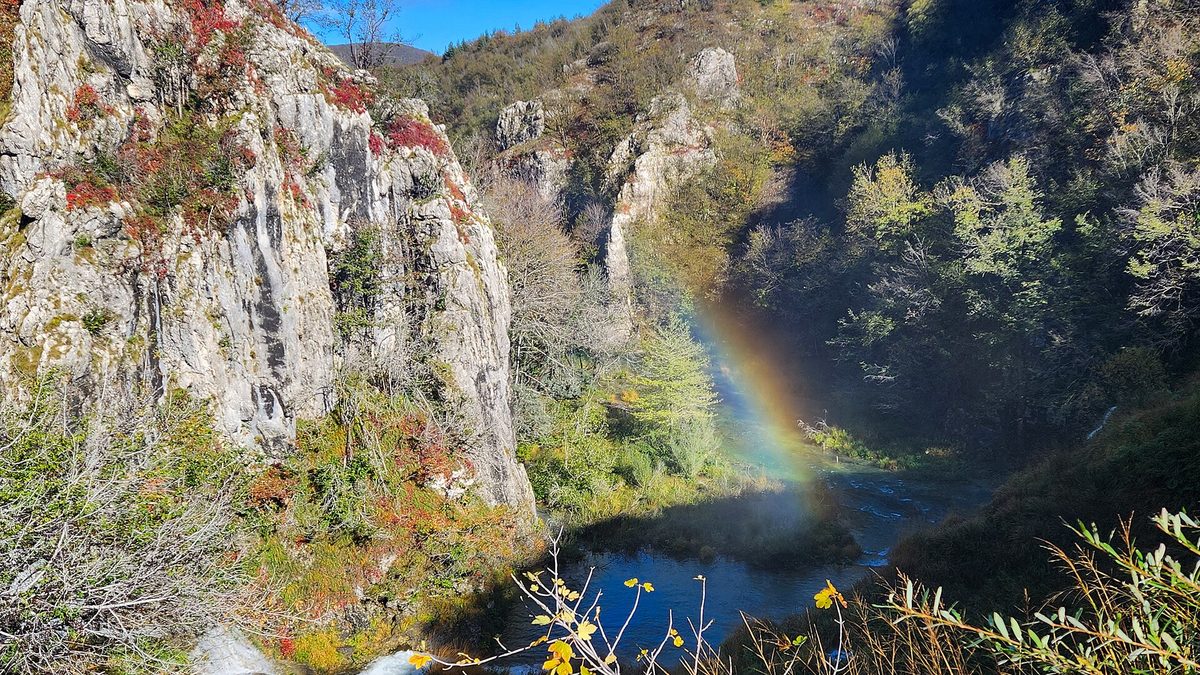
- Waterfalls and a rainbow at Plitvice Lakes National Park, which charges EUR 23 in April, May and October against EUR 40 in summer. Plitvice Lakes · Photo: OrionCro / CC BY-SA 4.0
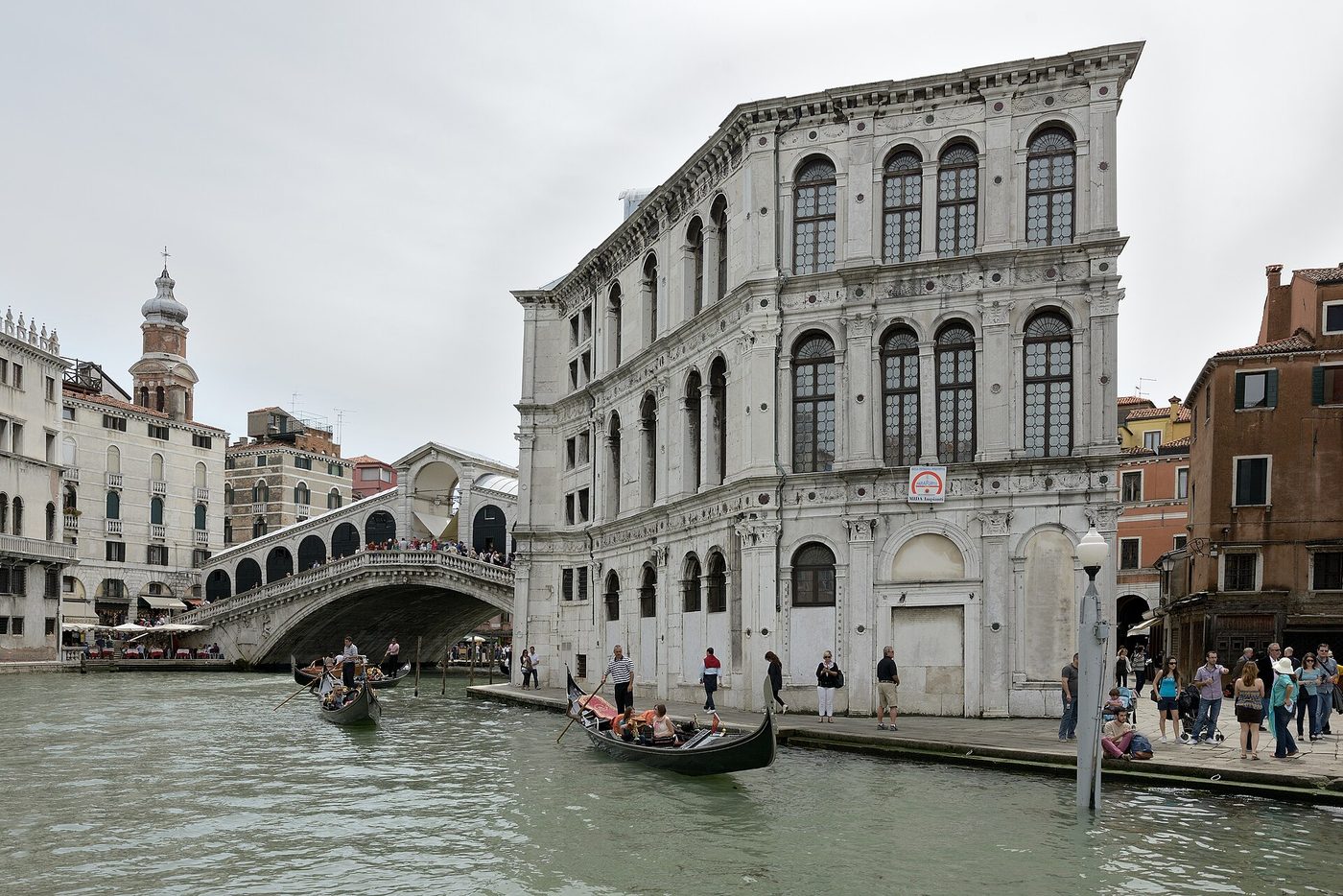
- Gondolas passing the Rialto Bridge on the Grand Canal in Venice. Photo: Wolfgang Moroder / CC BY-SA 3.0 via Wikimedia Commons
- A ferry crossing between the Greek islands, the network that thins out from mid-October. Photo: Jean Housen / CC BY-SA 4.0 via Wikimedia Commons
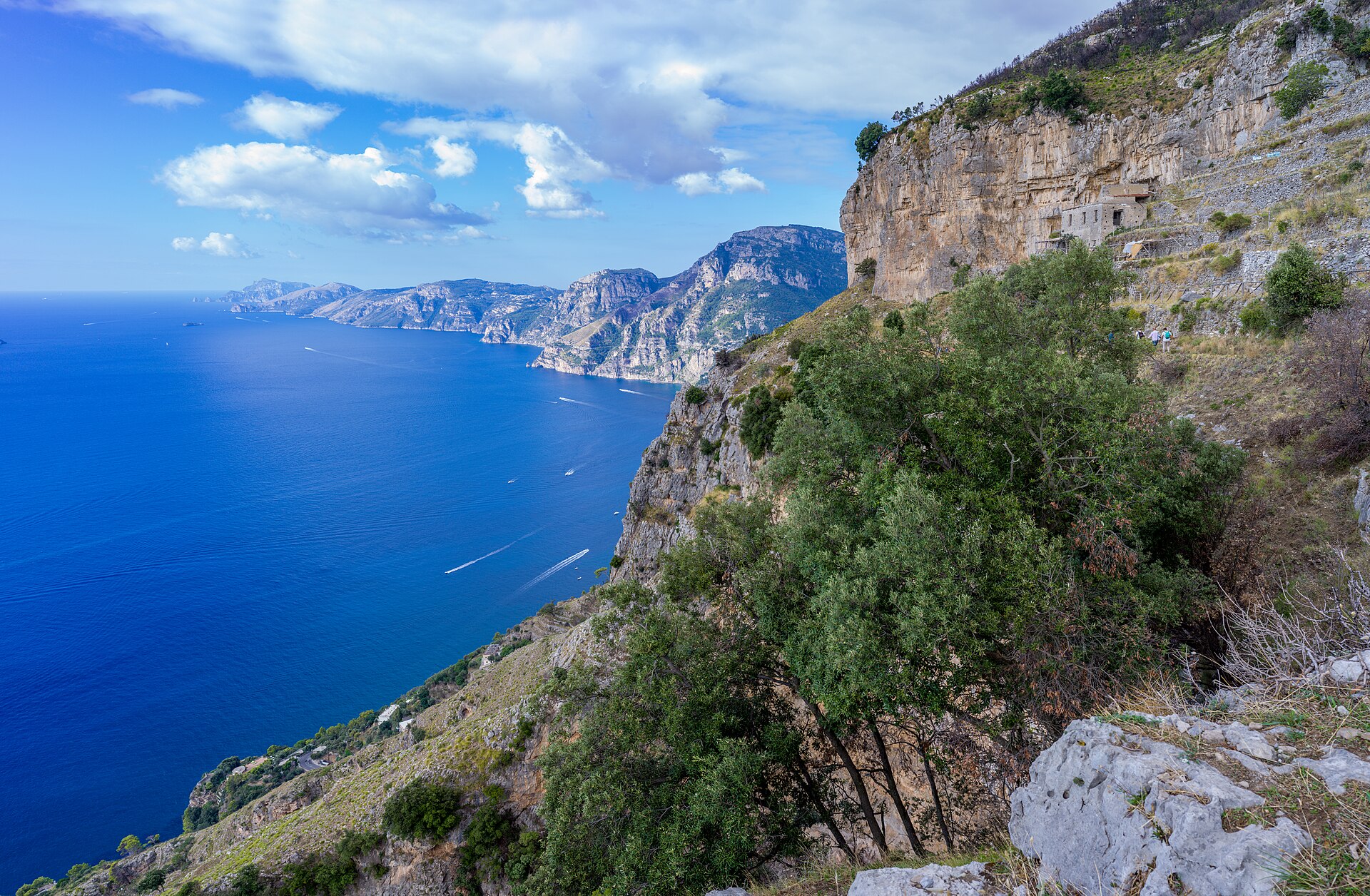
- The Path of the Gods footpath running high above the sea on the Amalfi Coast. Photo: Wolfgang Moroder / CC BY-SA 3.0 via Wikimedia Commons
- Hikers beside the Bachalpsee in the Bernese Oberland, best walked from mid-September. Photo: Maru Bern / CC BY-SA 4.0 via Wikimedia Commons
- Iceland's Ring Road cutting through moss-covered lava fields. Iceland’s Ring Road (Route 1) cutting through moss-covered lava fields · Photo: Neil D’Cruze / CC BY 2.0
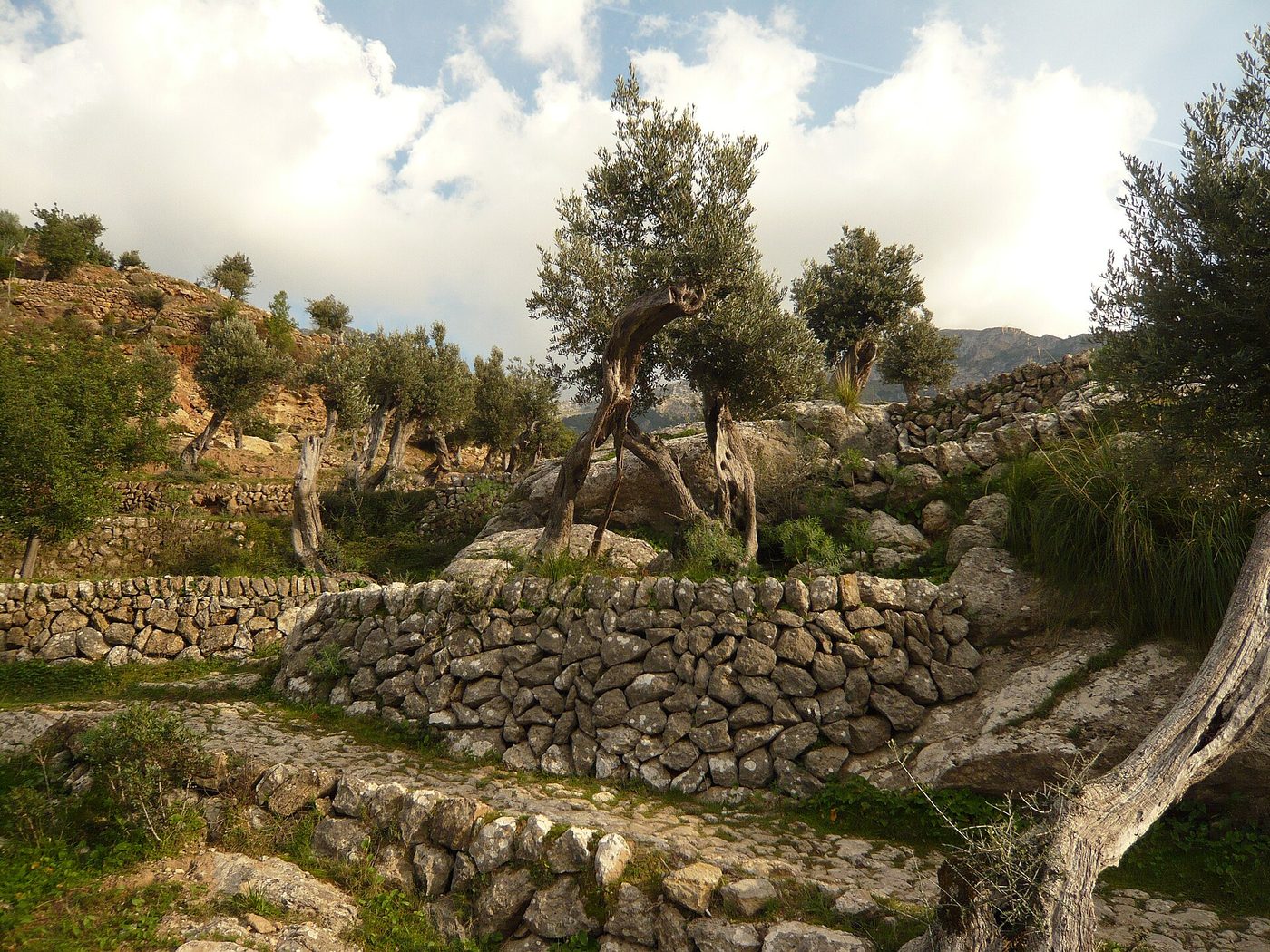
- Dry-stone terraces and olive trees in the Serra de Tramuntana, Mallorca. Photo: georama / Wikimedia Commons (CC BY 3.0)
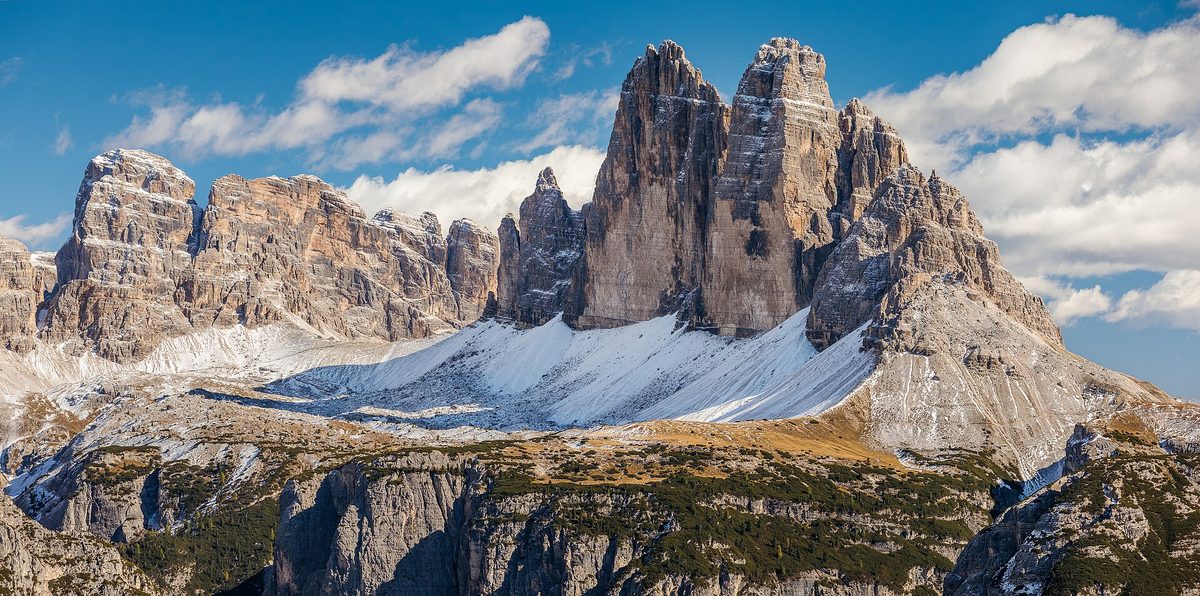
- Hikers below the Tre Cime di Lavaredo in the Italian Dolomites. Photo: Ximonic (Simo Räsänen) / CC BY-SA 4.0 via Wikimedia Commons
- Swimmers in the blue water of the Blue Lagoon on Comino, Malta, where the October sea is about 24 degrees. Photo: Frank Vincentz / CC BY-SA 3.0 via Wikimedia Commons
- The Eiffel Tower seen from the riverside walk in Paris, at its best in September. Photo: Wichien W (CC0) via Wikimedia Commons
- Porto's Ribeira district tumbling down to the Douro River. Photo: Michael Gaylard from Horsham, UK / CC BY 4.0 via Wikimedia Commons
- Crowds of tourists around the Trevi Fountain in Rome, thinner outside July and August. Crowds at the Trevi Fountain, Rome · Photo: Ypsilon from Finland (CC0) via Wikimedia Commons
- Automated passport e-gates at a European airport, where EES biometric registration replaces stamps. Photo: Okki, derivative work Bonus bon / CC BY-SA 4.0 via Wikimedia Commons
- Rows of red and yellow tulips in bloom at Keukenhof in the Netherlands. Photo: Arian Zwegers from Brussels, Belgium / CC BY 2.0 via Wikimedia Commons