Switzerland Travel Guide: How to Plan Your First Trip
The first time I rode a train into the Bernese Oberland, I actually laughed out loud. The window framed a wall of waterfalls, a turquoise lake, and a pyramid of snow that looked photoshopped onto the sky – and the carriage was so quiet I could hear the conductor’s pen. Switzerland does that to you, and this Switzerland travel guide is the distillation of everything I have learned since. It is small enough to cross in a few hours and dense enough to fill a lifetime of trips.
I have come back in every season since, with a backpack and with a rolling suitcase, on a tight budget and on a splurge, and what follows is the honest version I wish someone had handed me before that first journey: where to go, when to come, what it really costs, and the mistakes worth skipping.
The short answer: Switzerland is best from late May to early October for lakes and hiking, and December to March for snow. Most first-timers want 7 to 10 days, basing in the Jungfrau region and Zermatt, moving by train. Budget around CHF 150–300 a day, carry Swiss francs, and decide early whether a rail pass pays off. It is expensive but, used well, worth every centime.
This guide is written for first-timers and returning travellers planning an independent trip – not a tour group. I will point you to the regions and cities that earn their reputation, the scenic trains that are genuinely special, and the practical details (money, languages, entry rules, costs) that trip people up. Where Switzerland fits a wider trip, I will link across to the rest of our best places to visit in Europe hub.
Switzerland at a glance
Here is the country distilled into the things you will actually be asked about at the dinner table when you get home. Treat prices as “around” figures for 2026 and check current rates before you book – Switzerland adjusts fares and opening times every year.
| Detail | What to know (2026) |
|---|---|
| Currency | Swiss franc (CHF). Not the euro, even though neighbours use it. Cards are accepted almost everywhere. |
| Languages | German (~62%), French (~23%), Italian (~8%), Romansh (~0.5%). English is widely spoken in tourism. |
| Best time to visit | Late May–early October for hiking and lakes; December–March for skiing and Christmas markets. |
| How long to stay | 5 days minimum, 7–10 days ideal for a first trip, 14 for the whole sweep. |
| Daily budget | Backpacker ~CHF 100–130; mid-range ~CHF 180–300; luxury CHF 400+. |
| Getting around | Trains, buses, boats and cable cars on one integrated timetable. Download the SBB Mobile app. |
| Entry (non-Europeans) | Schengen rules: 90 days in any 180. ETIAS authorisation expected from late 2026 (~€20). Check official EU pages. |
| Plugs / power | Type J, 230V. A standard Europe adapter usually fits; the Swiss socket is recessed. |
| Tipping | Service is included. Round up or leave 5–10% for good service – never expected, always appreciated. |
If you only remember three things: it is not as English-and-euro as the rest of Western Europe, the trains are the attraction as much as the transport, and the mountains – not the cities – are where Switzerland turns the volume up.
Why visit Switzerland?
People sometimes ask whether Switzerland is “worth it” given the prices, and my answer is always the same: nowhere in Europe packs this much drama into such a compact, frictionless package. You can wake up by a lake in Lucerne, be standing on a glacier by late morning, and eat dinner under palm trees in Italian-speaking Lugano the same evening – all by public transport that runs to the minute.
What keeps me coming back is the contrast. The Alps are genuinely world-class: the Matterhorn and the Eiger are not overhyped, and the high trails above Grindelwald or Zermatt are some of the best day hikes anywhere. But there is also a quieter Switzerland of vineyard terraces above Lake Geneva, medieval arcades in Bern, and Belle Époque steamers crossing glassy water. It is clean, safe, and astonishingly well organised, which makes it one of the easiest countries in Europe to travel independently even if you have never done a rail trip before.
The trade-off is cost and, in peak summer, crowds at the headline sights. I will be candid throughout about where to spend, where to save, and which famous attractions I would happily skip. For the wider picture of how Switzerland slots alongside its neighbours, our Italy travel guide, France travel guide and Germany travel guide cover the obvious add-ons – all three share a border and a fast train ride.
Best time to visit Switzerland
There is no single best time to visit Switzerland – it depends entirely on whether you have come for green trails or white slopes. Broadly, late May to early October is the season for hiking, lakes and the high cable cars, while December to March is for skiing and Christmas markets. The shoulder weeks of late May, June, September and early October are my favourite: mild, less crowded, and you can usually book accommodation last-minute.
Summer (June–August): peak season, peak scenery
High summer delivers the postcard: snow-free trails, long days with light past 9pm, every cable car and mountain railway running, and lake swimming that is genuinely warm by August. It is also the busiest and priciest stretch, and the marquee excursions – Jungfraujoch, the Matterhorn lifts – can feel like an airport queue by mid-morning. Go early, and you will have the same view to yourself.
Autumn (September–October): the sweet spot
September might be the best all-round month. The crowds thin after the European school holidays, the air is clear, larch forests turn gold in October, and prices ease off. Some high lifts and the Glacier Express wind down for maintenance from mid-October, so check operating dates if a specific scenic train is on your list.
Winter (December–March): snow and markets
Ski season runs from early December to around Easter, peaking expensively over Christmas and New Year. Even if you do not ski, the resort villages and city Christmas markets in Europe – Basel, Zürich, Montreux on the lake – are magical, and crisp blue-sky days over fresh snow are a different kind of beautiful. For dedicated slopes, see our guide to skiing in Europe.
Spring (April–May) and the cheapest months
Spring is unpredictable – valleys bloom while high passes stay shut – but late April and early May bring low prices and quiet towns. November is the genuinely cheapest month: mountain access is limited and weather can be grey, but hotel rates drop sharply. If timing your wider trip matters, our best time to visit Europe guide lines up the seasons across the continent.
How many days do you need? Sample Switzerland itineraries
If you only have a few days, resist the urge to “see it all” – Switzerland rewards going deep on one or two regions far more than racing across six. Here is how I would spend different lengths of trip. For a day-by-day version with train times and where to sleep, see our dedicated Switzerland itinerary, and for fitting it into a larger trip, our Europe itinerary planner.
5 days: the Bernese Oberland in depth
Fly into Zürich or Geneva, then base the whole time in the Jungfrau region around Interlaken, Grindelwald or car-free Wengen. Five days is enough for a high excursion (the Jungfraujoch or, cheaper, Schilthorn), two proper hikes, a lake day on the Thunersee, and a slow afternoon in Bern. You will barely touch your suitcase, which is the point.
7 days: the classic first-timer triangle
A week covers the golden triangle of Lucerne, the Jungfrau region and Zermatt. I would do two nights in Lucerne (with a boat trip and Mount Rigi or Pilatus), three around Interlaken for the high mountains, and two in Zermatt under the Matterhorn. It is the route most first-timers take for good reason – and the train connections between the three are seamless.
10 days: add a scenic train and a lake city
With ten days you can link those highlights with one of the great rail journeys – the Glacier Express from Zermatt towards St Moritz, or the GoldenPass towards Lake Geneva – and add Montreux, Lausanne or Lugano. This is the itinerary I recommend most: enough time to slow down, enough variety to see the German, French and Italian sides of the country.
14 days: the full sweep
Two weeks lets you add the Engadine and St Moritz, ride the Bernina Express down to Italy, spend a night in Zürich, and still have unhurried mornings. It is also the comfortable length if you are continuing into Italy or France afterwards. If you are still mapping the basics – flights, rail passes, where to start – our how to plan a trip to Europe guide walks through it step by step.
The best places to visit in Switzerland
Switzerland’s appeal is regional, so I have organised the best places to visit in Switzerland by area rather than as a ranked list. You will not fit them all into one trip, and you should not try. Pick two or three that match your season and interests; our best places to visit in Switzerland guide goes deeper on each, and the things to do in Switzerland roundup covers the activities.

The Jungfrau region: Interlaken, Lauterbrunnen, Grindelwald
If you visit one mountain region, make it this one. Interlaken sits between two lakes as the gateway, but the magic is up-valley: Lauterbrunnen, a glacial trench walled by 72 waterfalls, and the cliff-top villages of Mürren and Wengen above it. Grindelwald gives you the Eiger’s north face from your breakfast table. From here you can ride to the Jungfraujoch – the “Top of Europe” at 3,454m – though at around CHF 261 return in summer (less with a rail discount, and reservations now required May–October) I often send people to the Schilthorn or Grindelwald-First instead for a fraction of the price. The full picture is in our Interlaken and the Jungfrau region guide.
Zermatt and the Matterhorn
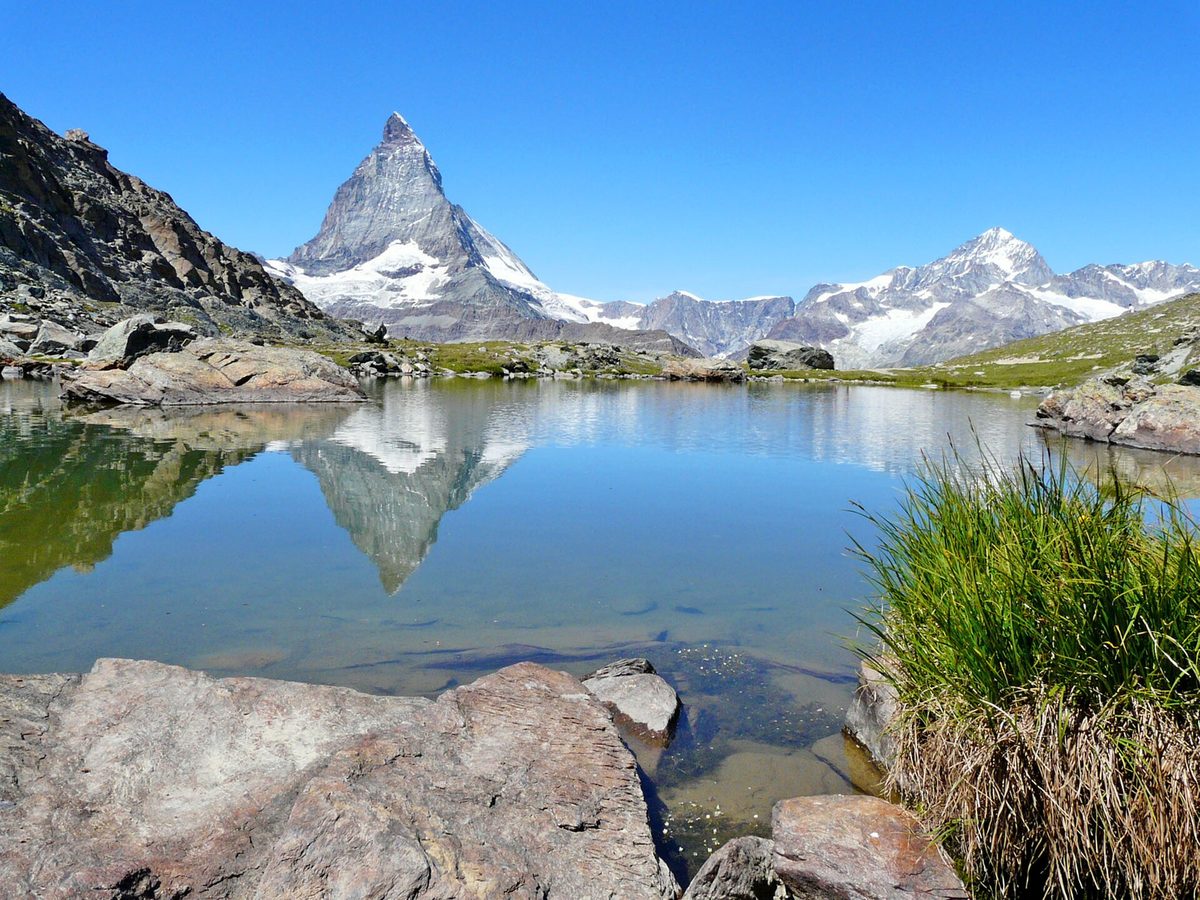
Car-free Zermatt is touristy and proud of it, and the Matterhorn still stops you mid-sentence every time it clears the cloud. Ride the Gornergrat cogwheel railway for the classic panorama, hike to the Riffelsee for that mirror-image reflection, or take the lift to the Matterhorn Glacier Paradise, Europe’s highest cable-car station. It is one of the most expensive bases in the country, so I treat it as a two-night highlight rather than a week. Everything – lifts, hikes, where to eat – is in our Zermatt and the Matterhorn guide.
Lucerne and Central Switzerland
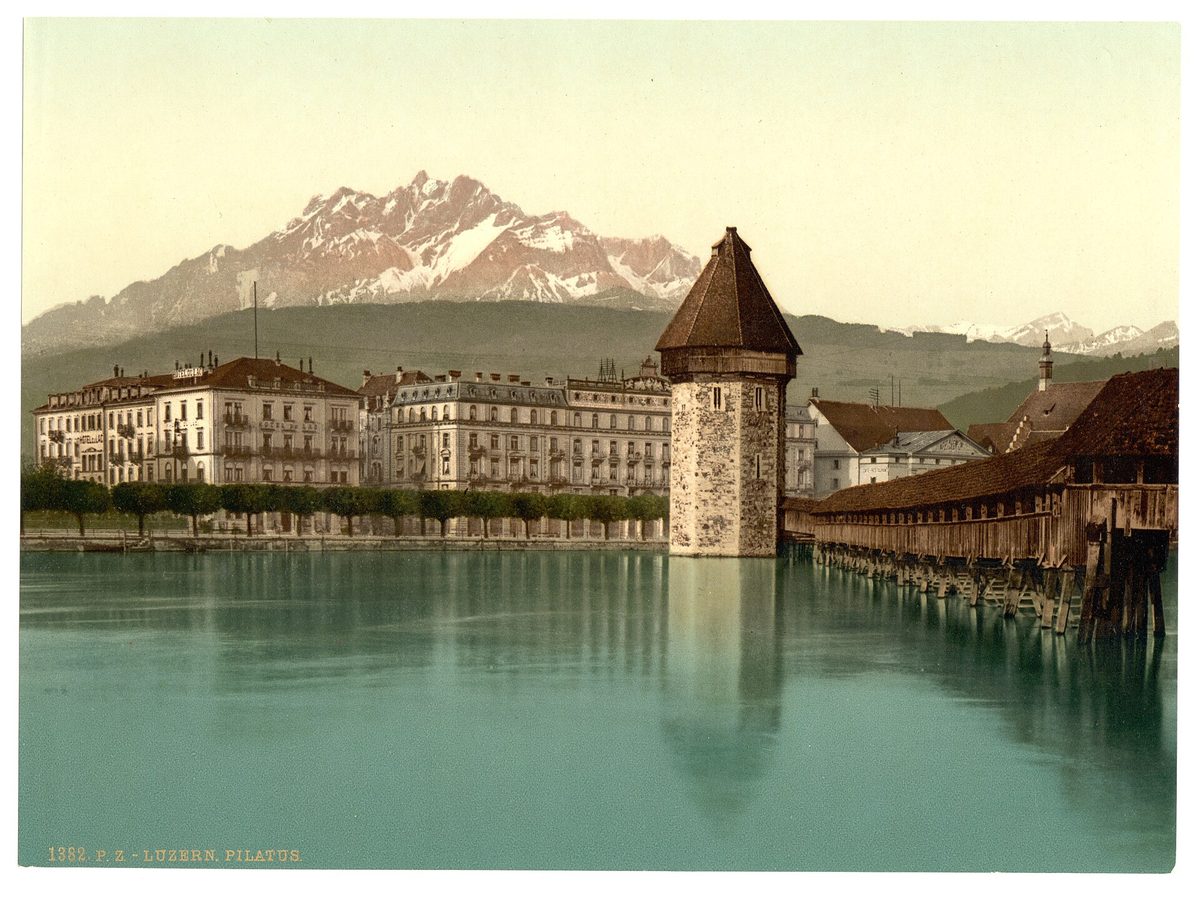
Lucerne is the prettiest of the easy-access cities: a medieval old town, the wooden Chapel Bridge, and a lake ringed by peaks you can summit by cogwheel train or cable car. Mount Rigi and Mount Pilatus are both half-day trips, and the lake steamers are included on most rail passes. It is the most comfortable single base for a first trip, an hour from Zürich airport.
Zurich
Switzerland’s largest city is more fun than its banking reputation suggests – a lake you can swim in off wooden jetties all summer, a walkable old town, a strong food and bar scene along the Limmat, and excellent museums. Most travellers pass through on the way to the mountains, but a day here is well spent, and it links naturally into our European city breaks roundup.
Bern
The capital is criminally underrated. Its UNESCO-listed old town is a near-perfect medieval grid of sandstone arcades – six kilometres of covered shopping in the rain – with the Zytglogge clock tower, the Aare river looping around it (locals float down it on hot days), and the Zentrum Paul Klee on the edge of town. Easy to reach, easy to love, and far quieter than Zürich.

Lake Geneva: Geneva, Lausanne and Montreux
The French-speaking west feels like a different country – and culturally, it half is. Geneva has its giant Jet d’Eau fountain and a serious international pedigree; Lausanne tumbles down to the water with the Olympic Museum and a buzzy student energy; and Montreux, strung along the lakeshore beneath terraced vineyards, hosts the famous July jazz festival. The single best sight here is the storybook Château de Chillon, a moated castle on the water that has inspired writers from Byron onward.

Lugano and Italian Ticino
Cross the Gotthard and you arrive somewhere that smells of espresso and looks like northern Italy: palm-lined lake promenades, piazzas, grotto restaurants. Lugano is the hub, with Bellinzona’s castles and the village of Morcote nearby. It is the surprise most people fall for, and it makes a brilliant warm-weather counterpoint to the high Alps.
St Moritz and the Engadine
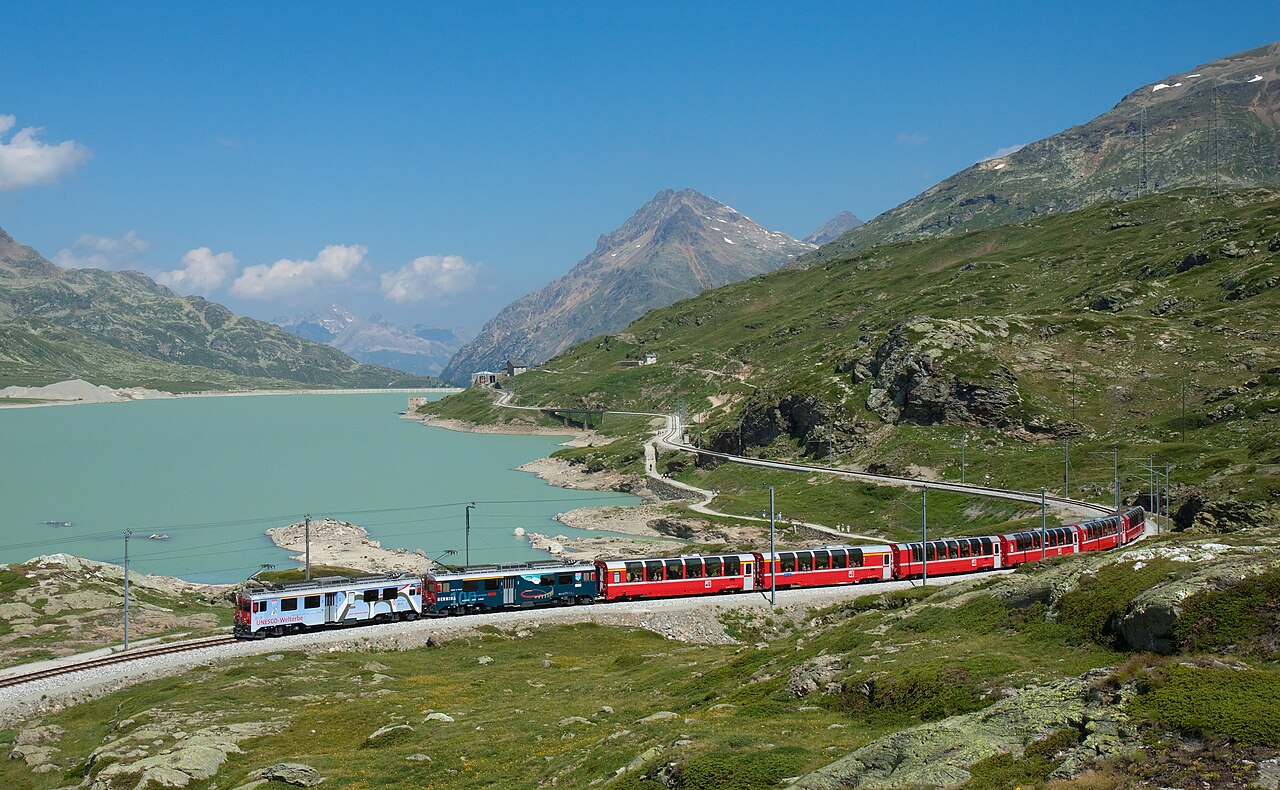
Far to the southeast, the Engadine valley is high, bright and glamorous, with larch forests, turquoise lakes and the resort town of St Moritz. It is the launch point for the Bernina Express and a quieter, more rarefied alternative to the Bernese Oberland – worth the detour on a longer trip.
Getting around Switzerland
This is where Switzerland quietly outclasses everywhere else. Trains, postbuses, lake boats and most cable cars run on a single integrated timetable, connections are designed to actually connect, and punctuality is a point of national pride. You do not need a car – in fact a car is usually a liability here, given parking costs and the fact that the trains reach the views anyway. For the cross-border context, see our train travel in Europe and getting around Europe guides.
Download the SBB Mobile app before you arrive. It plans door-to-door journeys including the cable car at the end, sells every ticket, and shows real-time platforms. It is the single most useful thing in your pocket here.
Swiss Travel Pass vs Half Fare Card – which is worth it?
The big money decision is which rail product to buy, and the honest answer is “it depends on your itinerary.” The Swiss Travel Pass gives unlimited travel on trains, buses and boats, free entry to 500+ museums, and discounts on the high mountain railways. In 2026 it runs from around CHF 254 for 3 consecutive days up to CHF 499 for 15 days in second class. It shines if you move bases frequently and ride scenic trains.
The Half Fare Card (around CHF 120 for a month) simply halves the price of nearly every ticket and lift for the duration. If you are basing in one or two places and taking day trips – rather than criss-crossing the country – the Half Fare Card almost always works out cheaper. My rule of thumb: aggressive multi-base trips favour the Travel Pass; slower, one-or-two-base trips favour the Half Fare Card. Sketch your route first, then do the maths.
Boats, cable cars and mountain railways
Lake steamers on Lucerne, Geneva, Zürich and Thun are part of the transport network – many are covered by the Swiss Travel Pass – and they are a gorgeous, cheap way to sightsee. The high cogwheel railways and cable cars (Jungfraujoch, Gornergrat, Pilatus) are usually only partly discounted by passes, so budget extra for the headline summits.
The great Swiss scenic train journeys
In Switzerland the train is not just how you get there; sometimes it is the main event. There are five official panoramic routes, and all are included on the Swiss Travel Pass – you pay only the compulsory seat reservation. Here are the ones worth planning a day around. They also sit inside a wider ranking of Europe’s best train journeys, priced and dated. Our cluster guide to the Glacier Express covers tickets and seating in detail.
The Glacier Express
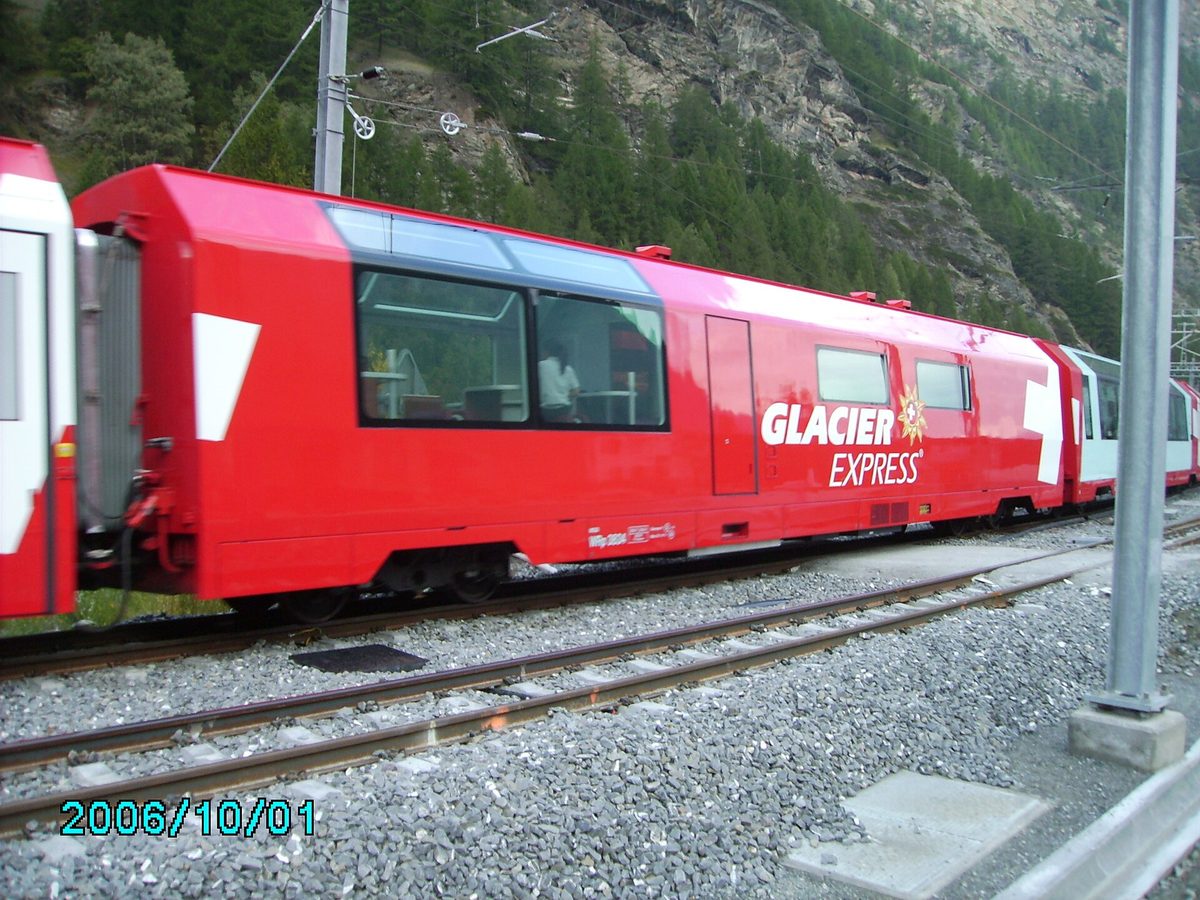
Billed as “the slowest express train in the world,” the Glacier Express crawls 291km between Zermatt and St Moritz in about 7.5 hours, over 291 bridges and through 91 tunnels. It is the famous one, with panoramic carriages and an optional multi-course lunch served at your seat. In 2026 a second-class through ticket is around CHF 159 plus a seat reservation that has risen to about CHF 54, and the summer season runs roughly early May to mid-October. Be warned: 7.5 hours is a long time, and the middle stretch lulls; many travellers prefer to ride just the most scenic section.

The Bernina Express
My personal favourite. The Bernina Express runs from Chur over the Alps to Tirano in Italy in about four hours, crossing the UNESCO-listed Rhaetian Railway line – including the spiral Brusio viaduct and the iconic curved Landwasser Viaduct – and climbing past glaciers before dropping into Italian palms. At around CHF 106–110 second class plus a CHF 44 reservation in peak season, it delivers the best scenery-to-time ratio of any Swiss train. It also runs year-round, which the Glacier Express does not.
GoldenPass and Gotthard Panorama Express
The GoldenPass Express links Montreux on Lake Geneva with Interlaken in around three hours, gliding from vineyard terraces over a pass into the Bernese Oberland – perfect for stitching the French and German regions together. The Gotthard Panorama Express is a clever combo: a paddle-steamer across Lake Lucerne followed by a panoramic train down to Lugano, running roughly mid-April to mid-October. Either makes a memorable transfer day rather than a there-and-back excursion.
Best things to do in Switzerland
Beyond ticking off cities, the best things to do in Switzerland are experiences tied to the landscape. Here is how I would match them to the kind of traveller you are.
Hiking and the high trails
Switzerland is, for my money, the best-organised hiking country on earth: 65,000km of marked, signposted trails, with yellow signs giving walking times and a cable car or train usually waiting at either end. You do not need to be an alpinist – the Eiger Trail, the panorama path from Mürren, or the lakeside walks around Oeschinensee deliver enormous views for moderate effort. For routes across the continent, see our guide to hiking in Europe.
Skiing and winter sports
The big resorts – Zermatt, Verbier, St Moritz, the Jungfrau ski region – need no introduction, with snow-sure high-altitude pistes and storybook villages. Lift passes and gear are not cheap, but the infrastructure is flawless and beginners are well served. Our skiing in Europe guide compares Switzerland with the Alpine alternatives in France, Austria and Italy.
Lakes, swimming and the slow stuff
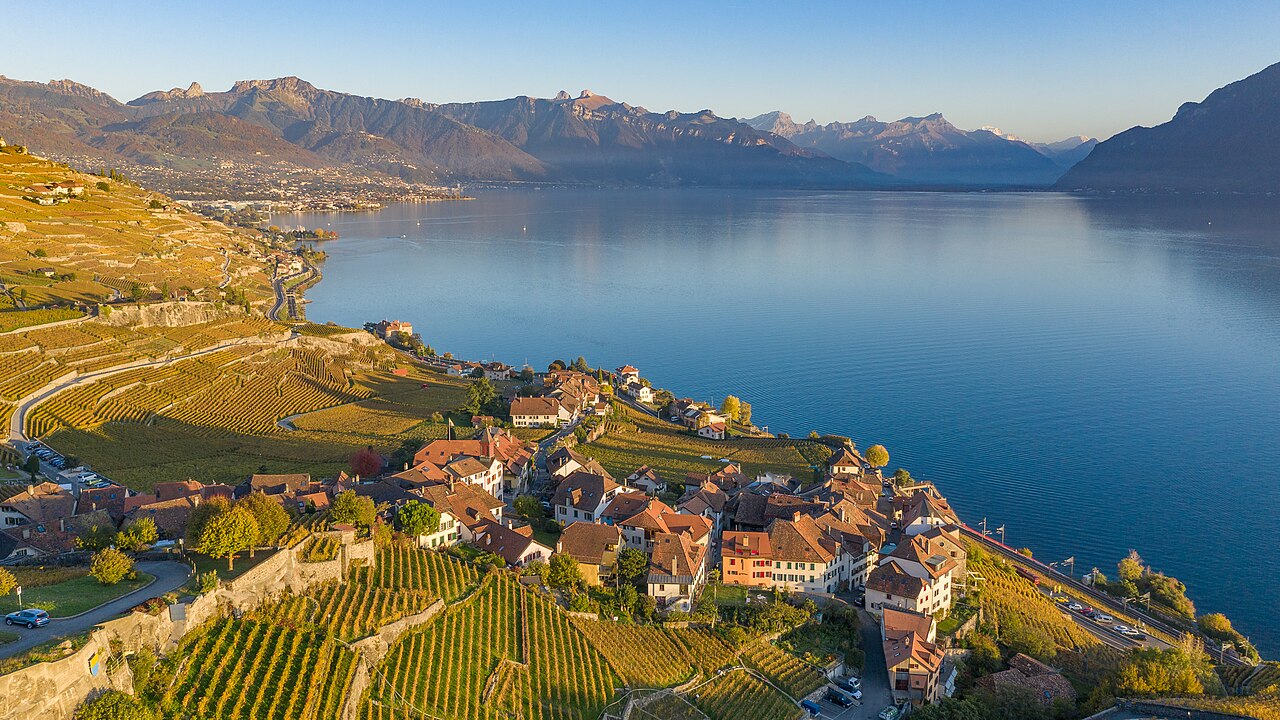
On a hot day, do as the Swiss do and swim: city lidos in Zürich and Geneva, the milky-turquoise Oeschinensee, or a lazy float down Bern’s Aare. Lake cruises, vineyard walks above Lavaux, and an afternoon of doing very little by the water are as much a part of the country as the summits.
Chocolate, cheese and edible souvenirs
Tour a chocolate maker (Maison Cailler near Gruyères, or Lindt’s Home of Chocolate outside Zürich), watch cheese being made in the Gruyères or Emmental dairies, and bring home a bar that costs a third of what it does abroad. It is the most reliable crowd-pleaser for families and a genuinely good rainy-day plan.
For families and couples
Families do brilliantly here: short cogwheel rides to summit playgrounds, paddle-steamers, gentle hikes, and the sheer novelty of glaciers and toboggan runs. Couples gravitate to car-free villages like Wengen and Mürren, sunset on the Gornergrat, and a candlelit fondue. Switzerland is also one of the easiest, safest places in Europe for a first-timer or solo traveller to find their feet.
What does a trip to Switzerland cost?
There is no getting around it: Switzerland is expensive, routinely among the priciest countries in Europe. But “expensive” is not the same as “unaffordable,” and the gap between a careless trip and a smart one is enormous. Here is roughly what to expect per person, per day, in 2026.
| Style | Daily budget | What that looks like |
|---|---|---|
| Backpacker | ~CHF 100–130 | Hostel dorm (CHF 35–65), self-catering and supermarket lunches, Half Fare travel, free hikes. |
| Mid-range | ~CHF 180–300 | 3-star hotel or B&B, a sit-down meal a day, a paid mountain excursion every other day. |
| Luxury | CHF 400–500+ | 4/5-star hotels, restaurants, first-class scenic trains, private transfers. |
The line items that sting are mountain excursions (a single big summit can be CHF 100–130 even with a discount), restaurant meals (a main is often CHF 25–40), and a beer or coffee that costs what a meal does elsewhere. Accommodation and transport are the next biggest, but both are controllable with a pass and a smart base.
How to do Switzerland on a budget
It is absolutely possible to travel here on roughly CHF 100 a day if you commit to it: stay in hostels or campsites, cook breakfast and lunch from Coop or Migros (their takeaway counters are a budget traveller’s secret weapon), drink the superb free tap water, and build days around hiking and lake swimming, which cost nothing. Save your one big summit splurge for a guaranteed clear day. The full playbook is in our Switzerland on a budget guide, and for the wider region see Europe on a budget and our roundup of the best places to visit in Europe for cheaper neighbours to pair with a short, sharp Swiss leg.
Swiss food and drink
Swiss food is mountain comfort food at heart, built around cheese, potatoes, bread and chocolate – and it is best in winter, when a bubbling pot of fondue makes complete sense. It varies sharply by region: hearty German-Swiss in the north and east, refined French influences in the west, and proper Italian cooking in Ticino.

The dishes to try at least once: fondue (melted cheese, long forks, strict no-double-dipping etiquette), raclette (cheese melted and scraped over potatoes and pickles), rösti (the national crispy potato cake), and in Zürich, Zürcher Geschnetzeltes, veal in a creamy mushroom sauce. Wash it down with a Swiss wine you will rarely see exported – the whites from Lavaux and the Valais are excellent – and finish with the chocolate, obviously.
Eating out is the fastest way to blow a budget, so I mix it up: bakery breakfasts, a hot main from a supermarket counter at lunch, and one proper restaurant dinner. Tap water is among the best in the world and free from the countless public fountains – carry a bottle and never pay for it.
Entry requirements, money and practical tips
A few Switzerland-specific things trip people up, because the country plays by slightly different rules from its EU neighbours. None are difficult – just worth knowing before you go.
Visas, Schengen and ETIAS
Switzerland is not in the European Union, but it is in the Schengen Area, so the same short-stay rules apply: visa-exempt visitors (US, UK, Canada, Australia and many others) can stay up to 90 days in any 180-day period without a visa. From late 2026, those visa-exempt travellers are expected to need an ETIAS travel authorisation – an online form costing around €20, valid for multiple trips – before entering Schengen countries, including Switzerland. The timeline has shifted before, so check the official EU ETIAS pages close to your trip; as of mid-2026 it was not yet mandatory. Our Schengen visa and ETIAS guide tracks the current status. Your passport should be valid for at least three months beyond your planned departure.
Money and cards
The currency is the Swiss franc (CHF), not the euro – a common surprise. Some tourist spots accept euros but give change in francs at a poor rate, so pay in francs. Cards (including Apple/Google Pay) are accepted almost everywhere, even for tiny purchases; I carry only a little cash, mostly for mountain huts and small bakeries.
Languages
There are four national languages – German, French, Italian and Romansh – and which you hear depends on the region. Note that Swiss German is a spoken dialect quite different from standard German. The good news for visitors: English is widely spoken across the tourism industry, and a friendly greeting in the local language goes a long way.
Everyday practicalities
Most shops close on Sundays (station shops are the exception), so stock up on Saturday. Switzerland is extremely safe, with low crime even in cities – standard city common sense is plenty. Plugs are the Swiss Type J on 230V; a standard Europe adapter usually fits the recessed socket. Local SIMs and eSIMs are easy to buy, and coverage is excellent even high in the mountains. For choosing between hotels, chalets, hostels and mountain huts, our where to stay in Europe guide is a useful primer.
Switzerland travel guide FAQ
Is Switzerland expensive to visit?
Yes – it is consistently one of the most expensive countries in Europe, especially for restaurant meals, drinks and mountain excursions. But it is manageable: budget travellers can get by on around CHF 100 a day with hostels, supermarket meals and free hiking, while mid-range trips run CHF 180–300 per person per day. Passes and a single base cut costs sharply.
How many days do you need in Switzerland?
Five days is a satisfying minimum focused on one region; seven to ten days is the sweet spot for a first trip, letting you combine Lucerne, the Jungfrau region and Zermatt with a scenic train. Two weeks covers the whole German-French-Italian sweep without rushing. Going deep on fewer places beats racing across the map.
What is the best time to visit Switzerland?
Late May to early October is best for hiking, lakes and open mountain railways, with September the all-round sweet spot for clear skies and thinner crowds. December to March is for skiing and Christmas markets. November is cheapest but greyest, with limited mountain access. Match the season to whether you want green trails or snow.
Do I need a visa or ETIAS to visit Switzerland?
Visa-exempt visitors (including US, UK, Canadian and Australian citizens) can stay up to 90 days in any 180 without a visa, as Switzerland is in the Schengen Area. From late 2026, an online ETIAS authorisation (around €20) is expected to be required before arrival. The timeline has moved before, so confirm on official EU pages close to departure.
Is the Swiss Travel Pass worth it?
It depends on your route. The Swiss Travel Pass pays off if you move bases often and ride scenic trains, bundling trains, boats, buses and 500+ museums into one price. If you are basing in one or two spots and taking day trips, the cheaper Half Fare Card (which halves every fare) usually wins. Map your itinerary, then compare.
Is Switzerland in the EU, and do they use the euro?
No on both counts. Switzerland is not an EU member, though it is part of the Schengen Area for border purposes. The currency is the Swiss franc (CHF), not the euro. A few tourist businesses accept euros but give poor change rates, so it is best to pay in francs – cards and mobile payments are accepted almost everywhere.
What language is spoken in Switzerland?
Four national languages: German (the most widely spoken), French in the west around Geneva and Lausanne, Italian in southern Ticino, and Romansh in a small part of the southeast. Swiss German is a distinct spoken dialect. English is widely understood throughout the tourism industry, so language is rarely a barrier for visitors.
Is Switzerland safe for tourists?
Very. Switzerland is among the safest countries in the world, with low crime even in the cities, reliable infrastructure and excellent emergency services. Normal precautions against petty theft in busy tourist spots are enough. The bigger safety considerations are mountain-related – weather, altitude and trail difficulty – so check conditions and choose hikes within your ability.
What is Switzerland famous for?
The Alps and the Matterhorn, precision (watches, trains, banking), chocolate and cheese, scenic railways like the Glacier and Bernina Express, glittering lakes, skiing, and a reputation for being clean, neutral and superbly organised. For travellers, it is the combination – world-class mountains reachable by flawless public transport – that makes it special.
Final thoughts: planning your trip with this Switzerland travel guide
If there is one thing I would press on a first-timer, it is to slow down. Switzerland tempts you to sprint – everything is so close and so easy – but its best moments are unhurried: a morning watching cloud peel off the Eiger, a lake swim after a hike, a slow scenic train with nowhere to be. Pick two or three regions, buy the right pass, splurge on one clear-sky summit, and let the trains do the rest.
Use this Switzerland travel guide as your starting point, then dig into the linked guides for the Jungfrau region, Zermatt, the scenic trains and your itinerary. Plan well and Switzerland repays you many times over – expensive, yes, but unforgettable in a way few places manage. See you on the platform.
Photo credits
All images are used under their respective licenses. Public-domain and CC0 images require no attribution but are credited here in good faith; CC BY / BY-SA images are attributed as required.
- the Matterhorn reflected in the Riffelsee lake above Zermatt – Photo: BECK François / CC BY-SA 4.0 via Wikimedia Commons (source).
- Staubbach Falls and cliffs in the Lauterbrunnen valley, Jungfrau region – Photo: Photochrom Print Collection (CC0) via Wikimedia Commons (source).
- The wooden Chapel Bridge and octagonal Water Tower in Lucerne, Switzerland – Photo: Photochrom Print Collection (CC0) via Wikimedia Commons (source).
- Chillon Castle on the shore of Lake Geneva near Montreux – Photo: Ank Kumar / CC BY-SA 4.0 via Wikimedia Commons (source).
- Bern's UNESCO old town and the Aare river, Switzerland – Photo: Daniel Kraft / CC BY-SA 3.0 via Wikimedia Commons (source).
- A pot of bubbling Swiss cheese fondue with bread – Photo: Brücke-Osteuropa (CC0) via Wikimedia Commons (source).
- The red Glacier Express panoramic train winding through the Swiss Alps – Photo: User:Mochtegern (CC0) via Wikimedia Commons (source).
- A Rhaetian Railway train crossing the curved Landwasser Viaduct in Graubunden, Switzerland – Photo: Daniel Schwen / CC BY-SA 3.0 via Wikimedia Commons (source).
- The Bernina Express curving over the circular Brusio spiral viaduct — Photo: Kabelleger / David Gubler (http://www.bahnbilder.ch) (CC BY-SA 3.0) via Wikimedia Commons. Source
- The terraced Lavaux vineyards dropping toward Lake Geneva — Photo: Lorenz Poffet (CC BY-SA 4.0) via Wikimedia Commons. Source
1 comment