Best City Breaks in Europe: 20 Cities Worth a Weekend (2026)

The best city breaks in Europe in 2026 are Paris, Rome, Barcelona, Amsterdam and London for first-timers; Vienna, Prague, Lisbon and Copenhagen for a calmer pace; and Budapest, Kraków or Sarajevo if you want maximum city for minimum money. Two to four nights is the sweet spot — long enough to settle in, short enough to stay hungry.
I’ve been doing European city breaks for the better part of two decades — the 6am budget flights, the night trains, the Sunday-evening blues on the way home — and I still think a short, sharp hit of one great city is the single best-value trip you can take on this continent. The distances are small, the trains are fast, and the difference between a mediocre weekend and a brilliant one usually comes down to picking the right city for you, in the right season, at the right price.
That’s what this guide is for. Below you’ll find my honest shortlist of the best city breaks in Europe for 2026 — the classics that really do live up to it, the capitals people underrate, the budget cities where your money triples in value, plus the practical stuff most lists skip: how many days you actually need, what a weekend genuinely costs in 2026, how to get there without flying if you’d rather not, and the new EU entry rules. If you’re still deciding between a city sprint and a longer route, my Europe itinerary guide covers multi-stop trips, and the best places to visit in Europe hub takes the wider view beyond cities.
The best city breaks in Europe at a glance
| City | Best for | Ideal length | Why 2026 | Mid-range cost for two (per night, all-in) |
|---|---|---|---|---|
| Paris | First-timers, food, art | 3–4 nights | Musée de la Vie romantique reopened; Fête de la Musique (21 June) | €320–420 |
| Rome | History, la dolce vita | 3 nights | Post-Jubilee lull = thinner crowds | €260–350 |
| Barcelona | Architecture, beach-city combo | 3 nights | Gaudí centenary; World Capital of Architecture; 12 Aug solar eclipse | €250–340 |
| Amsterdam | Canals, museums, cycling | 2–3 nights | WorldPride (July–August) | €300–400 |
| London | Theatre, museums, sheer scale | 3–4 nights | Museum of Shakespeare opening in Shoreditch | £280–380 |
| Vienna | Music, cafés, grand museums | 2–3 nights | Mozart’s 270th; Hotel Sacher turns 150 | €220–300 |
| Prague | Beauty per square metre | 2–3 nights | Storybook old town, still good value off-season | €170–240 |
| Lisbon | Light, food, hills | 3 nights | Festas de Lisboa peak 12–13 June | €200–280 |
| Budapest | Thermal baths, nightlife, value | 3 nights | Baths + ruin bars at half western prices | €140–200 |
| Sarajevo | Cheapest break in Europe 2026 | 2–3 nights | Post Office barometer winner (£248/€287 for a full short break) | €90–130 |
Costs are my honest June 2026 estimates for two people sharing a decent mid-range double, eating one nice dinner out, and using public transport — not the fantasy numbers brochures quote. Solo? Budget about 65% of the couple figure.
How I chose these city breaks (and what makes a great one)
A great city break needs four things. Density — the good stuff within walking or metro distance, because on a 48-hour trip a 40-minute airport-style commute kills momentum. A reason to be there now — an exhibition, a festival, a season; cities have moods. Food you’ll talk about later — non-negotiable for me. And the right price for what you get — Paris is expensive but earns it; some cities charge Paris prices without Paris goods. A week changes the shape of the trip entirely, and our seven-day Europe routes guide covers what to do with the extra five days.
Everything below passes that test. I’ve organised the list by trip type rather than a flat ranking, because “best” depends entirely on whether you’re going for romance, ruins or ruin bars. For deeper dives, I keep separate guides to city break ideas by trip type, the best European cities overall and the best European capitals if you like your lists comprehensive.
The five classics: best city breaks in Europe for first-timers
If you’ve never done a European city break, start here. These five are famous for good reason, and each still has corners the crowds miss.
Paris — still the benchmark

Every city break I take gets quietly measured against Paris, and almost all of them lose. If you are choosing what to book, our guide to what to do in Paris has the current ticket prices. The trick in 2026 is structural: skip the Eiffel Tower summit queue (the second-floor view is better anyway), book the Louvre’s 9am slot for the day you land — entry is now €22 for EEA visitors and €32 for everyone else since January 2026, so make it count — and spend your second day in one arrondissement instead of criss-crossing town. My pick is the 11th: Marché d’Aligre in the morning, a long lunch, then wine bars on Rue de Charonne by night.
This year the Musée de la Vie romantique reopened on Valentine’s Day after refurbishment, the Grand Palais ran a major Matisse show through July, and if you can time your break for 21 June, the Fête de la Musique turns the whole city into a free open-air gig for the solstice. A metro single is €2.55 (the day cap makes Navigo Jour about €12.30), and the airport-to-city RER remains the cheapest sane transfer. Stay in the 1st–4th for sights or the 10th–11th for nightlife and better-value rooms — my where to stay in Europe guide breaks down Paris neighbourhoods street by street. Full country context, including day trips, lives in my France travel guide.
Honest caveat: Paris in 2026 charges a tourist tax of roughly €6.60 per person per night at mid-range hotels (more at five stars), and dinner mains under €20 are getting rare in the centre. It’s a splurge weekend. It’s worth it about once a year.
Rome — go now, while the Jubilee crowds recover

Rome spent 2025 hosting Jubilee pilgrims by the million; 2026 is the exhale. Hotel rates have softened from their Holy Year spike and the queues at the big three — Colosseum, Vatican, Borghese — are the shortest I’ve seen since before the pandemic. Book the Colosseum’s first morning slot, do the Forum in the same sweep, then surrender the afternoon to Trastevere: lunch at a trattoria with paper tablecloths, €12 carbonara, and the kind of people-watching that makes you miss your next booking on purpose.
Three nights is right. Romans cram their evenings into the passeggiata hour, so plan aperitivo at 7pm like everyone else — Campo de’ Fiori for the scene, Monti for fewer selfie sticks. One warning I repeat in every guide: Rome logged 33,000+ reported pickpocketing incidents in 2024, the worst in Europe alongside Paris and Barcelona, and bus 64 is its spiritual home. Money belt or zipped inner pocket, every day, no exceptions. For the sights themselves, see our full guide to what to do in Rome — more street-smarts in my travel tips. For Florence, Venice and the rest of the boot, start with the Italy travel guide.
Barcelona — the architecture year
If Barcelona has been sitting on your list, 2026 is the year that justifies the booking, and our Barcelona sightseeing guide covers what to book first. The city marks the centenary of Gaudí’s death with a year of exhibitions and events, it holds the title of UNESCO-UIA World Capital of Architecture, and on 12 August a total solar eclipse tracks across northern Spain — Barcelona sits close to the path, and the region’s viewing events sold out months ago. Even on an ordinary weekend, the Sagrada Família (book the earliest slot, go straight up the Nativity tower) followed by the Gothic Quarter’s alleys is as good as a first morning gets in Europe.
Eat away from La Rambla — always. The Sant Antoni market neighbourhood now out-cooks the old town at two-thirds the price, and a menú del día lunch still runs €12–16 with wine. Be aware Barcelona doubled its municipal tourist surcharge for 2026, so expect €5–7 per person per night added to your bill, and short-term rental licences are being wound down ahead of the 2028 expiry — book licensed hotels or aparthotels and check the licence number if it’s an apartment. The wider region — Girona, Sitges, Montserrat — is covered in my Spain travel guide.
Amsterdam — small city, big weekend

Amsterdam is the easiest two-night break in Europe: compact enough to cross on foot in 40 minutes, dense enough that you never need to. The formula that works: pre-book the Anne Frank House the moment tickets release (six weeks ahead, Tuesdays, 10am CET — set an alarm), give the Rijksmuseum one unhurried morning, then rent bikes and follow the Amstel south out of the postcard zone. In July and August 2026 the city hosts WorldPride for the first time, marking 25 years since the Netherlands became the first country to legalise same-sex marriage — expect the canals at their most joyous and hotel rates at their most ambitious.
About those rates: Amsterdam now charges a 12.5% tourist tax on room price, and accommodation VAT jumped from 9% to 21% in January 2026 — combined, taxes add roughly a third to your base rate, which is why a €180 room bills at €240. Two tactics: stay in De Pijp or Oost (better food, 15% cheaper), or visit Tuesday–Thursday when rates drop hard. Day-trip escape valves — Haarlem, Utrecht, the Zaanse Schans — are 20–40 minutes by train.
London — the city break that never finishes
I lived in London for six years and never got to the bottom of it, which is exactly what makes it a repeatable city break: you can do a theatre weekend, a museums weekend, a markets-and-pubs weekend, and they barely overlap. For 2026 the literary openings lead the bill — the Museum of Shakespeare is opening within the excavated Curtain Playhouse in Shoreditch, and the Quentin Blake Centre for Illustration opened in Clerkenwell in May. The national museums remain free, which quietly makes London one of Europe’s best-value culture cities even when nothing else about it is.
Practicalities: contactless tap-in/tap-out beats any paper ticket (zone 1–2 singles are £2.60–3.20 with a daily cap), hotel rates average around £185–250 in decent areas — London Bridge and Clerkenwell are my picks for walkability — and West End day seats or the TodayTix rush still get you £25–35 theatre if you’re organised at 10am. One admin note for 2026: the UK sits outside Schengen, so most visitors now need the UK ETA (£20, sorted in the official app, valid two years) — details in my UK travel guide.
Capitals that reward a second look
Once you’ve ticked the big five, these are the cities I steer friends toward — all capital-grade culture, most at gentler prices, and every one of them a contender for the best weekend break in Europe depending on what you’re after.
Vienna — anniversaries all the way down
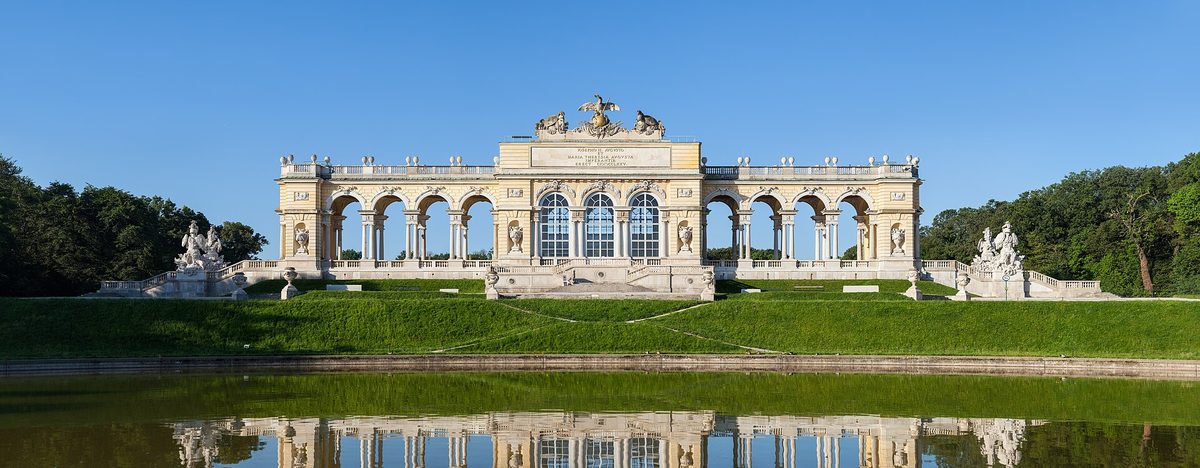
Vienna does grandeur without the chaos that usually accompanies it, and 2026 is a peculiarly good year: it’s Mozart’s 270th birthday year, the MuseumsQuartier turns 25, the Albertina marks 250 years of its collection, and the Hotel Sacher celebrates 150 years of charging admirably steep prices for excellent cake. The city also hosted Eurovision’s 70th-anniversary edition this May, and the afterglow — banners, pop-up exhibitions — lingered into summer. My ideal Vienna day: Kunsthistorisches Museum at opening, schnitzel lunch at a Beisl in the 7th district, Schönbrunn’s gardens (free) in the afternoon, then standing-room opera tickets — still under €20 if you queue 80 minutes before curtain, the best culture-per-euro deal in western Europe.
The cafés are the point, not a pit stop: claim a marble table at Café Sperl or Prückel, order a melange and one slice of something architectural, and stay until you’ve read the papers. Nobody will hurry you. That refusal to rush is the whole Viennese argument.
Lisbon — book June, thank me later
Lisbon’s pitch is simple: Atlantic light, tiled façades, grilled fish, and hills that earn you every pastel de nata. If you can choose your weekend, choose mid-June — the Festas de Lisboa peak on the night of 12–13 June for Santo António, when Alfama fills with sardine smoke, paper garlands and street dancing, and the whole thing is free. Ride the 28 tram early (before 9am, or it’s a sardine tin of a different kind), take the ferry to Cacilhas for lunch with the skyline, and give Belém a half-day for the monastery and the original pásteis warm from the oven.
Lisbon pairs naturally with a second Portuguese city break — Porto, which I cover below and rate even higher on pure charm — and both get full treatment in my Portugal travel guide.
Prague — beauty per square metre champion

No city in Europe packs more visual drama into a walkable core. The move is timing: Charles Bridge at 7am belongs to you and the seagulls; by 11am it belongs to everyone who ever bought a selfie stick. Use mornings for the set pieces — the castle, the Old Town Square astronomical clock (overrated up close, perfect from a café terrace) — and afternoons for the neighbourhoods: Vinohrady’s leafy avenues, Karlín’s canal-side cafes, ondřej beer gardens above the river. A half-litre of properly kept Pilsner still costs €2–3 outside the tourist core, dinner for two runs €40 where Vienna charges €75, and the city is gorgeous under winter mist when room rates drop 40% — it anchors my winter city breaks guide for a reason.
Berlin — the neighbourhood city

Berlin is the one capital on this list where the sights are the least of it. See the Brandenburg Gate and the East Side Gallery, walk the Memorial to the Murdered Jews of Europe, give Museum Island a morning (€24 day ticket covers the lot) — and then let the city’s real texture take over: Kreuzberg’s canal markets, Neukölln’s third-wave cafés in former corner pubs, Charlottenburg’s faded-grand boulevards. Food is Berlin’s quiet superpower; the city eats globally and cheaply, and a €5 döner at Mustafa’s rival stalls still beats most €25 plates elsewhere.
Two practical notes: Berlin’s state museums ended their free-first-Sunday scheme in 2026, so the day pass is the value play now; and the city sprawls, so pick one base (I’d take Kreuzberg) and use the U-Bahn like a local — the €63/month Deutschland-Ticket only makes sense for longer stays, covered in my Germany travel guide.
Madrid — Spain’s late-night heart
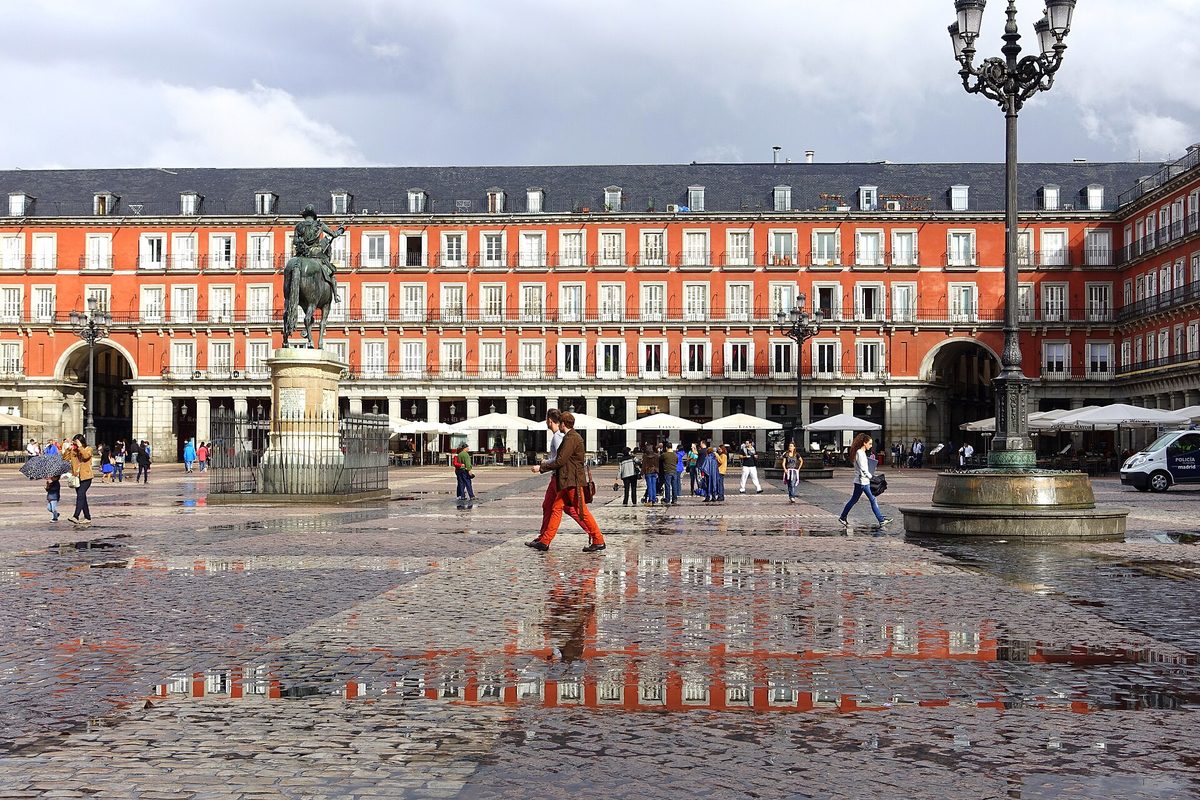
Madrid runs three hours later than the rest of Europe and is better for it, and our guide to what to do in Madrid works to that timetable. The Prado–Reina Sofía–Thyssen triangle is the densest art mile on the continent (the Prado’s free final two hours each evening remain Spain’s best-kept non-secret), La Latina’s tapas crawl peaks on Sunday after El Rastro flea market, and dinner before 9.30pm marks you as a tourist faster than a lanyard. New for 2026: Formula 1 returns to the city in September on a brand-new street circuit — book that weekend’s hotels far ahead or avoid it entirely, depending on your feelings about engines.
Copenhagen — the effortless one
Copenhagen is what happens when a city decides friction is optional. Twenty minutes after landing you’re in the centre by metro; ten minutes after that you’re cycling a rented bike along a harbour you could swim in (people do, year-round, at Islands Brygge). Nyhavn’s coloured townhouses earn the postcards, but the better hours are spent in Refshaleøen’s street-food halls, the design museums, and — if you’ve budgeted for one blowout — a New Nordic tasting menu at a fraction of Noma-era prices. It’s expensive (Denmark always is), but the quality floor is so high that even the hot-dog carts feel curated. Two nights does it; three lets you add Louisiana, the best modern-art museum setting in Europe, 35 minutes up the coast.
And a quick word for Athens, which has quietly become a superb three-night break rather than just a ferry gateway: the Acropolis at opening, the new-wave tavernas of Koukaki, and museums that rival anywhere — full details in my Greece travel guide.
Best cheap city breaks in Europe for 2026
Here’s the headline from the Post Office’s 2026 City Costs Barometer, which prices the same basket of 12 tourist essentials (two nights’ three-star accommodation, meals, drinks, transport, attractions, for two people) across 50 European cities: eastern Europe takes eight of the ten cheapest spots, and the gap to the west has never been wider. The full podium, checked June 2026:
| Rank | City | Two-night break for two (12-item basket) |
|---|---|---|
| 1 | Sarajevo, Bosnia & Herzegovina | £248 / ~€287 |
| 2 | Bucharest, Romania | £258 |
| 3 | Tirana, Albania | £263 |
| 4 | Belgrade, Serbia | £265 |
| 5 | Trenčín, Slovakia | £272 |
| 6 | Riga, Latvia | £278 (two nights’ three-star = £140) |
| 7 | Lille, France | £289 |
| 9 | Strasbourg, France | £319 |
| 10 | Podgorica, Montenegro | £332 |
Sarajevo topping the chart for the first time doesn’t surprise me — I came home from my last visit slightly indignant that more people don’t go. The Baščaršija bazaar serves ćevapi for €4 that would cost €14 in Vienna, the Austro-Hungarian and Ottoman halves of the centre meet at a literal line in the pavement, and the war history, told through the Tunnel of Hope and the haunting Srebrenica gallery, is the most affecting museum experience I’ve had in Europe. Bucharest brings parliament-sized communist excess and a genuinely fun old town; Tirana is chaotic, colourful and almost comically cheap; Belgrade has the best nightlife of the four, on river barges. If flights to the Balkans don’t line up, Riga is the established-city bargain — art nouveau streets, a UNESCO old town, and three-star beds at £70 a night for two.
Further east again, Istanbul is the outlier that beats all of them on sheer scale: two continents, Ottoman palaces and a ferry commute across the Bosphorus, at Balkan prices.
Budapest and Kraków remain my gateway recommendations — a notch pricier than the barometer winners, still half the cost of the west, and easier on first-timers.

In Budapest, do the Széchenyi baths on a weekday morning (outdoor pools steaming in cool air — one of Europe’s great cheap luxuries), walk the Danube bank at dusk when the Parliament lights up, and finish in the ruin bars of the old Jewish Quarter; £30–40 a day covers eating well, drinks and sights. Kraków matches it: the Rynek at dawn, Kazimierz’s bars by night, pierogi for €5, and a sobering, essential day trip to Auschwitz-Birkenau (book the official educator-led visit).

I keep a dedicated guide to cheap city breaks in Europe with current price baskets, plus a broader ranking of the cheapest places to travel in Europe beyond cities — and if you’re stretching a longer trip on a small budget, the Europe on a budget playbook and my backpacking Europe guide both apply to weekends too.
Underrated European city breaks
The cities in this section are where I actually send people who’ve “done Europe”. Each could headline a weekend; none requires fighting for pavement space. There’s a longer list in my guide to underrated European cities, but these three are the 2026 picks. There is a full ranking in our guide to Europe’s best cities.
Porto — the best small city break in western Europe
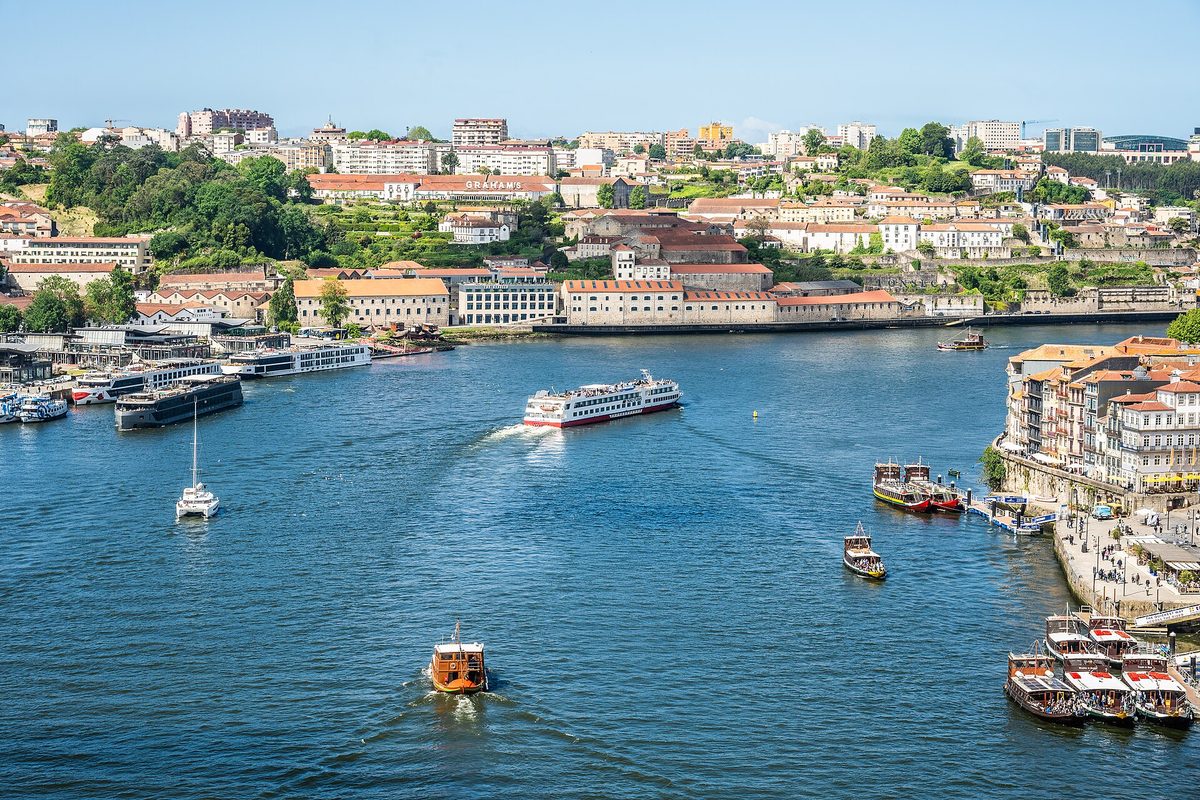
I’ll say it plainly: Porto is the most charming city break in western Europe right now. The Ribeira’s stacked, peeling façades above the Douro look like a painting that’s been rained on in the best way, port lodges across the river in Gaia pour tastings for the price of a London pint, and the food — francesinha if you’re brave, anything involving bacalhau if you’re sensible — punches far above the bill. Climb the Clérigos Tower early, cross the Dom Luís I bridge’s top deck at golden hour, and budget a lazy afternoon for Livraria Lello’s bookshop queue or, better, skip it for the São Bento station azulejos, which are free and finer.
Seville — Spain at full saturation
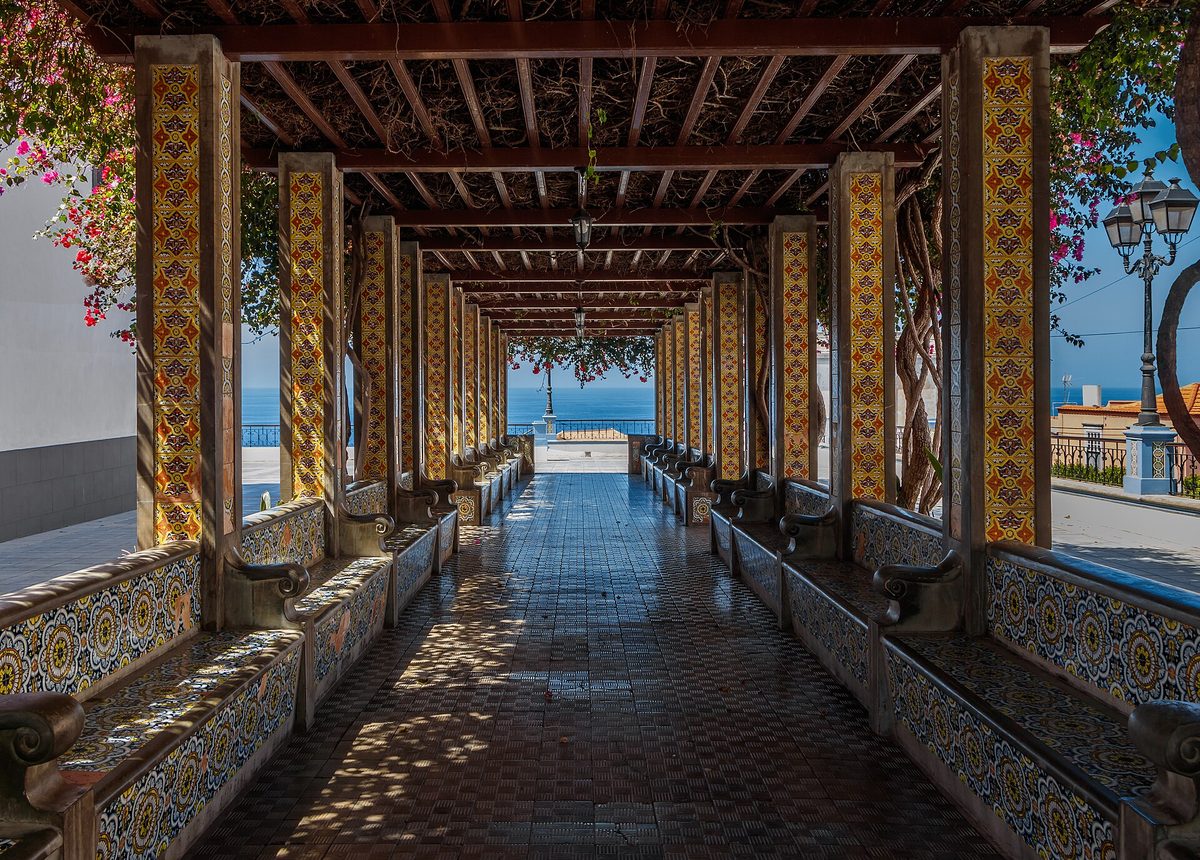
Seville in spring is almost too much — orange blossom, flamenco bleeding out of Triana’s bars, the Plaza de España doing its half-circle of ceramic-tiled theatre. Go shoulder season (March–May or October; July–August is a 42°C error), book the Real Alcázar’s first slot, and eat standing up: espinacas con garbanzos at a tiled bar in Triana costs €3.50 and outclasses most sit-down meals. It’s the most sensory city break in Spain, and after Madrid and Barcelona it makes the perfect third act — all three are linked by fast AVE trains.
Trenčín — this year’s wildcard
A Slovak castle town of 55,000 as a city break? In 2026, yes: Trenčín is European Capital of Culture, running a year of concerts, exhibitions and festivals on the theme “Awakening Curiosity”, with its medieval castle lit above the Váh river as the backdrop. It also placed fifth-cheapest in Europe on the 2026 barometer (£272 for a two-night break for two), so the gamble costs little. Pair it with Bratislava or Vienna — both under 90 minutes by train — for a two-city weekend that nobody else at your office will have done.
Romantic city breaks: the shortlist
Romance is the most requested city-break brief I get, and my answer rarely changes. We have a Venice itinerary built around the quiet hours if that is your brief. Venice midweek in November — fog on the lagoon, half-empty bacari, spritz at €3.50 standing by the Rialto market — is the most romantic 36 hours in Europe, and the off-season dates dodge the day-tripper access fee entirely (in 2026 it applies on about 60 peak dates from April to late July: €5 if you book more than four days out, €10 if you don’t; overnight guests are exempt but must register). Florence is the grand-gesture choice: sunset from San Miniato al Monte above the Piazzale, a negroni where it was invented, and the Uffizi booked for opening time. Bruges is the cosy one — canals, candlelit estaminets, and chocolate shops that take themselves exactly seriously enough.
All three — plus Paris, Prague in the snow, and a couple of left-field picks — get the full treatment in my dedicated guide to romantic city breaks in Europe. For timing them around honeymoon-grade weather, cross-check the best time to visit Europe.
Winter city breaks: leaning into the cold

The smartest city-break money in Europe is spent between November and March, when flights halve, hotels drop 30–40%, and a handful of cities actively improve. Vienna and Prague wear winter best — imperial architecture under low golden light, concert season in full swing, cafés built for hiding from weather. Copenhagen turns Tivoli Gardens into a glow of lanterns and gløgg from mid-November. Budapest might be the single best winter pick: steam rising off the Széchenyi outdoor pools while your hair freezes is a core memory waiting to happen. And from late November the Christmas market circuit transforms Vienna, Nuremberg, Strasbourg and Prague — I rank all the big ones, with 2026 dates as they’re confirmed, in my Christmas markets in Europe guide and pick the best non-market options in winter city breaks in Europe.
One winter-specific warning: northern cities lose daylight by 4pm in December. Plan museums and baths for the dark hours and save outdoor walking for the 10am–3pm window — it sounds obvious, and every December I watch someone realise it on day two.
How to plan a European city break (the part most lists skip)
How many days do you need?
Two nights covers a compact city (Amsterdam, Copenhagen, Porto, Bruges); three is the sweet spot for capitals (Paris, Rome, Madrid, Vienna), and we have costed exactly what three days in Paris buys you; four only pays off in London, Paris or Berlin, or when you add a day trip. My rule: when your list of “musts” exceeds three items per day, you’ve planned a march, not a break. Cut it. The point of a city break is the unplanned hour in the second-best square with the first-best coffee. If you’re working with a Friday-to-Monday window, my long weekend in Europe guide maps exactly what fits where, including red-eye-avoidance flight strategies.
Getting there: flights, trains and night trains
Budget airlines still own the price floor — Ryanair and Wizz fares from €20–50 if you book three-plus weeks out and travel with the free 40×30×20cm under-seat bag only (gate-checking an oversized one now costs €46–75, which can exceed the fare). But for city-centre-to-city-centre pairs, rail wins on total time and sanity: Eurostar London–Paris from about £52 one-way booked early, Paris–Barcelona by TGV in 6h40, and the Nightjet network turning Vienna, Berlin, Amsterdam and Rome into sleep-through connections — seats €25–35, couchettes €50–80, meaning the train replaces a hotel night. I’ve written up routes, passes and booking windows in train travel in Europe and the broader mode-by-mode comparison in getting around Europe.
Where to stay (and the taxes nobody mentions)
Location beats luxury on a short trip: a plain three-star you can walk home from at midnight beats a palace by the ring road. Target the first ring outside the historic core — De Pijp in Amsterdam, the 10th/11th in Paris, Vinohrady in Prague, Kazimierz in Kraków — for 20–30% off and better breakfasts. Factor city taxes into comparisons, because they’ve jumped: Paris adds ~€6.60 per person per night mid-range, Amsterdam 12.5% of room rate plus the new 21% VAT, Venice €1–5 per person, Barcelona’s surcharge doubled in 2026. Booking sites quote these inconsistently, so check the “taxes and fees” line before you compare. Neighbourhood-by-neighbourhood calls for every major city live in where to stay across Europe.
What a city break actually costs in 2026
| Budget level | Western capitals (Paris, Amsterdam, London) | Southern/central (Madrid, Lisbon, Vienna, Prague) | Eastern value (Budapest, Kraków, Sarajevo) |
|---|---|---|---|
| Backpacker (hostel, supermarket + street food) | €75–100/day pp | €55–75 | €35–50 |
| Mid-range couple (3-star double, one restaurant dinner) | €300–420/day for two | €200–300 | €120–200 |
| Treat-yourselves (4–5 star, tasting menu) | €550+ | €400+ | €250+ |
Add flights or trains on top, plus €10–25 per person for city taxes over a weekend in the west. Hostel dorms run €20–35 in most of Europe but €45–60 in Paris and Amsterdam — at which point a private room in Budapest costs less than a bunk in the 9th arrondissement, which tells you something about how to choose.
Entry rules in 2026: EES, ETIAS and the UK ETA
Three-letter admin, current as of June 2026: the EU’s EES biometric border system has been fully live since 10 April 2026 — non-EU visitors give fingerprints and a photo at first entry instead of passport stamps; no fee, no pre-registration, just allow a few extra minutes at the border. ETIAS, the €20 pre-travel authorisation, is still NOT required — it’s expected to launch in late 2026 with a grace period, so don’t pay any site offering to “register” you now. The UK ETA (£20, official app only) IS required for most visitors to Britain. And the 90/180-day Schengen rule applies across 29 countries — UK days don’t count toward it. Full, regularly updated detail in my Schengen visa and ETIAS guide, and the planning sequence — documents, booking order, insurance — in how to plan a trip to Europe.
2026 events worth building a city break around
Sometimes the city picks you: an event lands, flights get booked, and the weekend writes itself. The 2026 calendar from here (checked June 2026):
- Fête de la Musique, Paris — 21 June. Free music on every corner for the solstice; the city’s single best free night.
- WorldPride, Amsterdam — July–August. First time in the Netherlands, 25 years after it pioneered marriage equality. Book beds now or accept a Haarlem commute.
- Commonwealth Games, Glasgow — 23 July–2 August. Around 3,000 athletes from 74 nations across 10 sports; Glasgow’s food scene (criminally underrated) does the rest.
- Edinburgh Fringe — August. The world’s biggest arts festival swallows the city whole. Chaotic, expensive, unmissable at least once.
- Total solar eclipse — 12 August. The path crosses Iceland and northern Spain; Barcelona sits near the southern edge and Zaragoza closer to centreline. Eclipse weekend accommodation sold out long ago, but the regional buzz will be continent-wide.
- Madrid Grand Prix — September. F1 returns to the Spanish capital on a new street circuit. Hotel rates will spike; plan around it either way.
- Trenčín, European Capital of Culture — all year. The Curiosity Festival and a packed events slate in Europe’s fifth-cheapest city break.
- Christmas markets — late November onward. Advent 2026 starts 29 November; Vienna’s Rathausplatz opens around 13 November, Nuremberg on 27 November.
Five city-break mistakes I’ve made so you don’t have to
Booking the cheap flight at the expensive hour. A €25 fare landing at 11pm means a €45 taxi and a lost evening; the €60 morning flight is the cheaper ticket. Treating the city as a checklist. Three sights a day, maximum — the rest is squares, markets and getting usefully lost. Eating within sight of the main attraction. The rule has no exceptions; walk five minutes, pay 30% less, eat twice as well. Ignoring the local rhythm. Madrid at 7pm is asleep, Rome’s restaurants before 8pm serve only tourists, and Vienna’s museums empty after 4pm — sync to the city, not your home clock. Skipping pickpocket basics. Rome, Paris and Barcelona top the European theft tables; a zipped front pocket converts you from target to civilian. More hard-won lessons in my Europe travel tips.
Frequently asked questions
Which European city is best for a city break?
For a first city break, Paris — no other city packs as much food, art and atmosphere into three walkable days. For repeat visitors I’d argue Vienna or Lisbon; for pure value, Budapest or Sarajevo. The honest answer depends on your brief: romance points to Venice, nightlife to Berlin or Belgrade, family ease to Copenhagen.
What is the cheapest city break in Europe in 2026?
Sarajevo, per the 2026 Post Office City Costs Barometer: £248 (~€287) covers two nights’ three-star accommodation, meals, drinks, transport and attractions for two people. Bucharest, Tirana, Belgrade and Trenčín complete the top five, and eastern Europe takes eight of the ten cheapest places overall.
How many days is ideal for a city break?
Three nights for most capitals; two for compact cities like Amsterdam, Porto or Copenhagen. Four nights only earns its keep in London, Paris or Berlin, or when you bolt on a day trip. Beyond four, you’re on holiday, not a break — at which point think in itineraries instead.
What is the best city break for couples?
Venice midweek in the off-season, with Florence and Bruges close behind — and Paris if it’s a first trip together. November-to-February dates halve the prices and double the atmosphere in all four. My romantic city breaks guide ranks ten options by occasion.
Where should I go for a winter city break?
Vienna for grandeur and concert season, Budapest for thermal baths in the cold, Prague for fairytale-under-snow, Copenhagen for Tivoli’s winter lights — and any of the big Christmas market cities from late November. Flights and rooms run 30–50% below summer rates.
Do I need a visa or ETIAS for a European city break in 2026?
Most western visitors (US, UK, Canada, Australia) need no visa for Schengen stays under 90 days. ETIAS is not yet required as of June 2026 — expected late 2026 at €20. The EES biometric check now applies at first Schengen entry, and the UK separately requires a £20 ETA. Check my entry requirements guide before you book.
Is a city break better by plane or train?
Under four hours of track — London–Paris, Paris–Amsterdam, Vienna–Prague, Madrid–Seville — the train wins outright on door-to-door time once you count airport overhead. Beyond that, night trains make Vienna–Rome or Berlin–Amsterdam a hotel-night-on-rails, and budget flights cover the rest. Full comparison in train travel in Europe.
Final word
The best city break in Europe is the one matched to your appetite: classics for first-timers, Vienna and Porto for the converted, the Balkans for the budget-savvy, and a winter date for anyone who’s only ever seen these cities sweating in July. Pick one, keep the plan loose, eat away from the monuments — and if this guide saved you a planning evening, the rest of the site covers wherever the next long weekend points. See where each city fits the calendar in when to visit Europe — and send me a postcard from Sarajevo.
Sources
- Post Office Travel Money — City Costs Barometer 2026 (50-city price comparison)
- Time Out Europe — city break and 2026 events coverage
- European Commission / EU Home Affairs — EES and ETIAS implementation timelines
- Musée du Louvre, Comune di Venezia, Wiener Staatsoper — 2026 ticketing and access-fee pages
- Glasgow 2026 Commonwealth Games and Trenčín 2026 ECoC official programmes
Photo credits
- Nyhavn harbour, Copenhagen — Photo: Sven Lindner from Lund, Sweden / CC BY 2.0 via Wikimedia Commons
- The Eiffel Tower, Paris — Photo: Pierre Blaché (CC0) via Wikimedia Commons
- The Colosseum, Rome — Photo: Wilfredor (CC0) via Wikimedia Commons
- Amsterdam canal houses — Photo: Basile Morin / CC BY-SA 4.0 via Wikimedia Commons
- The Gloriette in the gardens of Schönbrunn Palace, Vienna — Photo: Thomas Wolf, www.foto-tw.de / CC BY-SA 3.0 de via Wikimedia Commons
- Charles Bridge and Prague Castle — Photo: Godot13 / CC BY-SA 4.0 via Wikimedia Commons
- Brandenburg Gate, Berlin — Photo: Norbert Nagel / CC BY-SA 3.0 via Wikimedia Commons
- Plaza Mayor, Madrid — Photo: Daderot (CC0) via Wikimedia Commons
- The Hungarian Parliament from the Danube, Budapest — Photo: Ercsaba74 (CC0) via Wikimedia Commons
- Kraków’s Main Market Square and Cloth Hall — Photo: Ingo Mehling / CC BY-SA 4.0 via Wikimedia Commons
- Porto’s Ribeira on the Douro — Photo: Michael Gaylard from Horsham, UK / CC BY 4.0 via Wikimedia Commons
- Plaza de España, Seville — Photo: H. Zell / CC BY-SA 3.0 via Wikimedia Commons
- Tivoli Gardens in winter, Copenhagen — Photo: Stig Nygaard / CC BY 2.0 via Wikimedia Commons
1 comment