European River Cruises: The Complete 2026 Guide
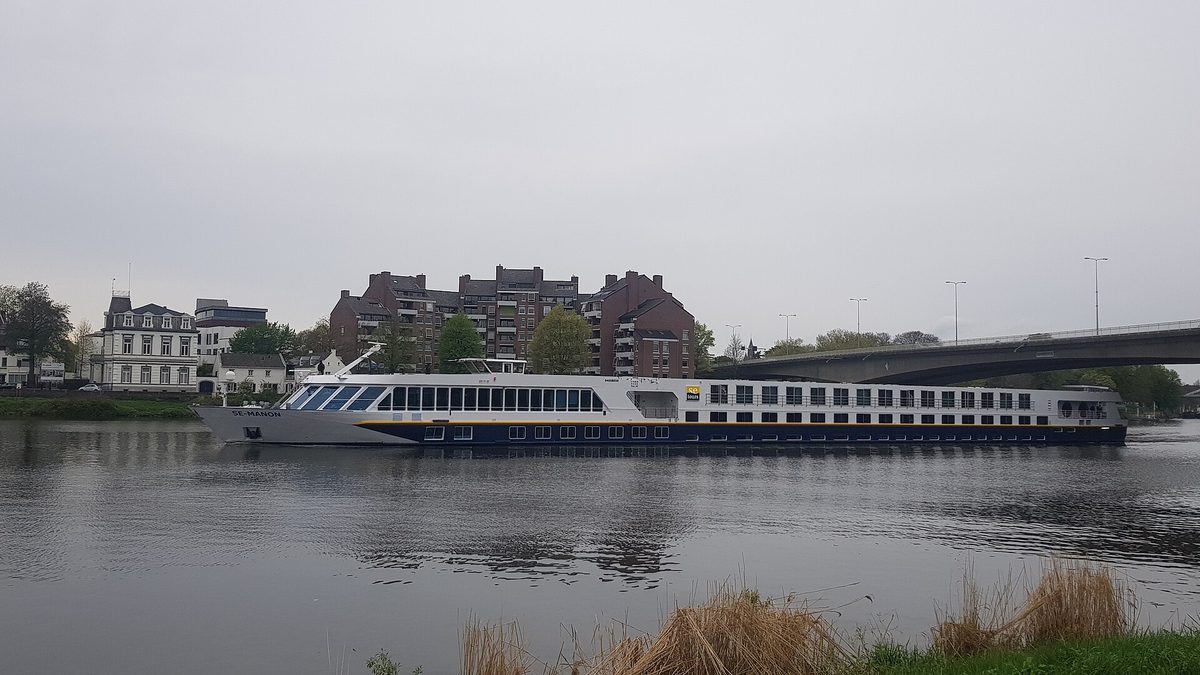
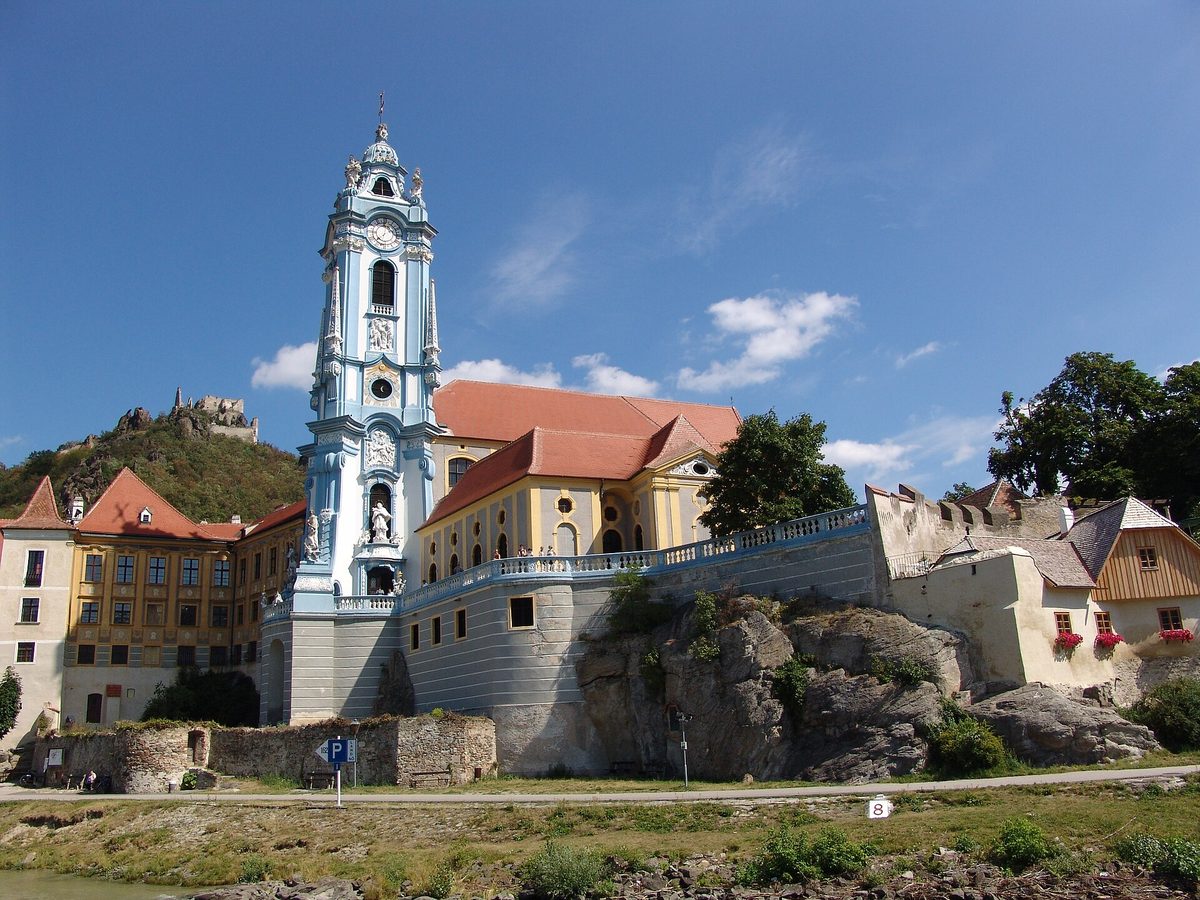
The first time I woke up on a river ship, I pulled back the curtain and the Wachau Valley was sliding past my window — terraced vineyards, an apricot orchard, the ruined castle above Dürnstein where Richard the Lionheart was once held for ransom. I hadn’t packed a bag, queued for a gate, or looked at a map. Breakfast was being laid out two decks up. That morning converted me, and I’ve spent the years since talking friends into doing the same thing.
This guide to European river cruises is the honest, detailed version I wish someone had handed me before I booked my first one: which rivers are worth your week, how the big cruise lines really differ, what it all costs in 2026 once you add the bits they don’t advertise, when to go, and who this style of travel actually suits. I’ve sailed the Danube, the Rhine, the Douro and the Rhône, and I’ll tell you plainly where they shine and where they fall short.
In short: a European river cruise is a multi-day trip aboard a long, low ship that threads through the continent’s heart on rivers like the Danube, Rhine and Douro. You unpack once, wake in a new town most mornings, and step off in the centre — castles, vineyards and old quarters right there at the gangway. Most sailings run 7–10 nights and include meals, guided excursions and wine with dinner.
European river cruises at a glance
Here’s the snapshot I’d tape inside your planning notebook. Figures are approximate for 2026 and worth re-checking when you book, because fares swing hard with season and cabin.
| The essentials | The short version |
|---|---|
| What it is | A 7–10 night trip on a 110–135m river ship carrying roughly 100–190 guests. Floating hotel that moves while you sleep or relax on deck. |
| Top rivers | The Danube and Rhine are the classics; the Douro (Portugal), Seine (France), Rhône & Saône (France), Moselle, Main and Elbe round out the list. |
| Typical cost | Around €230–€950 per person per night depending on line and season; most mid-range Europe sailings land near €350–€500pp/night, all-in. |
| What’s included | Cabin, all meals, wine/beer at lunch and dinner, Wi-Fi and at least one daily excursion. Gratuities, flights and drinks packages are often extra. |
| Best time | Late April–June and September–October for weather and light; late November–December for Christmas-market sailings. |
| Who it suits | Couples, honeymooners, solo travellers and active over-50s above all — but younger travellers and families are increasingly aboard. |
| Ship size | Small. Locks limit length, so even “big” river ships feel intimate — no waterslides, no crowds, no formal nights. |
| How far ahead | Book 9–14 months out for the cabin, river and date you want; the best single cabins and balcony suites go first. |
What is a river cruise — and why pick one over a big ship?
A river cruise is the opposite of the floating-resort experience most people picture when they hear the word “cruise.” There’s no climbing wall, no casino the size of a cathedral, no 4,000 other passengers. Instead you get a slim ship — kept narrow and low so it can slip under bridges and through the lock system — carrying maybe 130 guests along an inland waterway, tying up each day in the middle of a town rather than at an industrial port miles away.
That last point is the whole pitch. On the Danube you dock a ten-minute stroll from Vienna’s old centre; on the Douro you moor right below the port lodges of Vila Nova de Gaia; in Budapest the ship slides past a floodlit Parliament and parks within sight of it. You step off the gangway and you’re there — no tenders, no shuttle buses, no half a day lost to logistics. For travellers who want to see a slice of Europe without packing and repacking a wheelie case in five cities, it’s a genuinely lovely way to go, and it pairs neatly with the slower-travel philosophy I bang on about in our guide to how to plan a trip to Europe.
The trade-offs are real, though, and I’d rather you hear them now. River cruising is not the cheapest way to see the continent — a week of train travel in Europe with budget hotels will almost always cost less. The ships are small, so if you crave nightlife and Broadway-style shows you’ll be bored. And because everyone follows the same itinerary, you trade independence for ease. If those trade-offs give you pause, it’s worth reading my full river cruise vs ocean cruise breakdown before you commit either way.
What you get in return is a kind of effortless intimacy with the landscape. You’re never more than a few metres from the bank, the scenery changes by the hour, there’s no seasickness on a calm river, and the ship becomes a familiar little world — the same bartender learns your order, the same sun deck waits for you after a day of cathedrals. That’s the magic, and it’s why the people who fall for river cruising tend to do it again and again.
The best rivers for a European river cruise
The river you choose matters far more than the ship you choose. Each waterway has its own character, its own headline cities and its own best season, and getting that match right is the single most important decision you’ll make. Here’s how I’d describe the main options to a friend, starting with the two that account for the lion’s share of all sailings.
The Danube — capitals, camaraderie and the Wachau
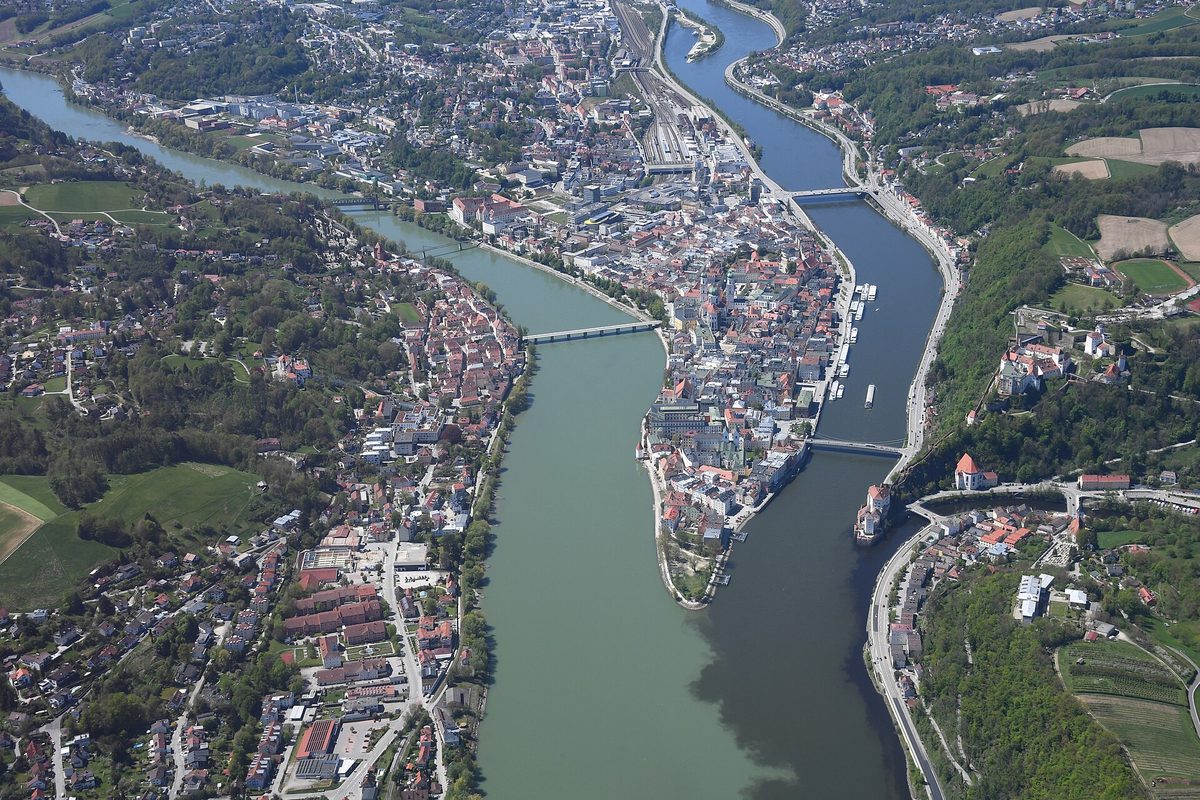
The Danube is Europe’s second-longest river at around 1,780 miles, and the stretch most cruises sail — from Germany down to Hungary — is a parade of capital cities. A classic week runs between Nuremberg or Passau and Budapest, calling at Regensburg, Linz, Melk, Vienna and Bratislava along the way. The scenic showstopper is the Wachau Valley west of Vienna, where vineyards terrace down to the water, baroque Melk Abbey glows above the bend, and Dürnstein’s blue church tower marks one of the prettiest river towns in Europe.
I steer most first-timers here. The Danube gives you grand, walkable capitals — Vienna and Budapest are worth the fare on their own — plus enough castle-and-vineyard scenery to satisfy the romantics. It also strings together four or five countries, so it’s a brilliant primer if you’re still sketching out a wider Europe itinerary. If the Danube is calling, my dedicated Danube river cruise guide breaks down every port and the best time to sail. It also overlaps beautifully with a deeper dive into Austria and the capitals of Eastern Europe.

The Rhine — castles, cathedrals and four countries in a week
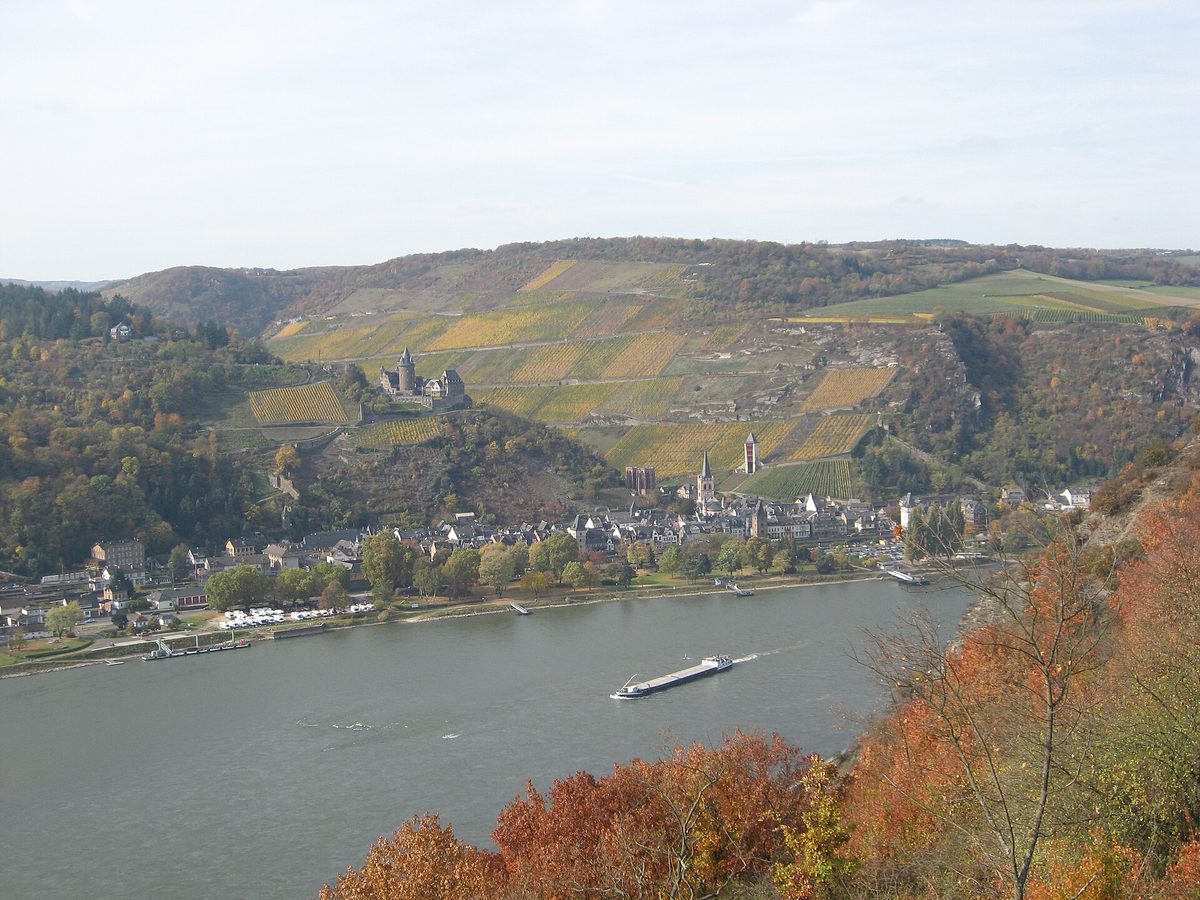
The Rhine is the Danube’s great rival and, for sheer fairy-tale density, its equal. The headline act is the Rhine Gorge between Koblenz and Rüdesheim — a 65-kilometre UNESCO stretch where ruined castles crown almost every hilltop, vineyards climb impossibly steep slopes, and the legendary Lorelei rock rears over a bend that’s wrecked many a boat. Spend that afternoon on the sun deck; it’s the best free show in river cruising.
A typical Rhine week runs between Amsterdam and Basel, threading through the Netherlands, Germany, France and Switzerland, with stops at Cologne and its colossal cathedral, the wine town of Rüdesheim, and storybook Strasbourg in French Alsace. It’s a touch faster-paced than the Danube and leans harder into wine country and medieval towns rather than grand capitals. The full port-by-port rundown lives in my Rhine river cruise guide, and it dovetails with our wider Germany travel guide and Netherlands travel guide if you want to bookend the cruise with a few land nights.
The Douro — Portugal’s vineyard valley, on one river, in one country
If the Danube and Rhine are about covering ground, the Douro is about staying put and soaking it in. This is a single-country sail through northern Portugal, from Porto deep into the terraced wine valley where port has been made for three centuries. The ships are smaller, the locks are dramatic (some of the deepest in Europe), and the pace is slower and sunnier. There are no grand capitals — the joy is the scenery, the quintas (wine estates), the food and the wine itself.
It’s my pick for couples who’ve already done a classic river and want something quieter and more indulgent. The valley is staggeringly beautiful, especially in September around harvest. Pair it with a few nights in Porto and you have one of the loveliest weeks in the country; my Douro river cruise guide covers the quintas and excursions, and our Portugal travel guide handles the land half.

The Seine, the Rhône and the rest of France
France gives you two very different sails. The Seine runs from Paris through Normandy to the D-Day beaches and Monet’s garden at Giverny — gentle, green, and heavy on history; it’s the most popular cruise for people who want Paris on both ends. The Rhône and Saône carry you through Lyon, Beaune’s burgundy vineyards and into Provence, finishing near Avignon and Arles — this is the one for food-and-wine lovers and lavender-season romantics. Both are a natural extension of our France travel guide, and either makes a soft, scenic introduction to river cruising.
The Moselle, Main, Elbe and beyond
Beyond the headliners, a clutch of smaller rivers reward repeat cruisers. The Moselle is even prettier than the Rhine in my view — tighter bends, steeper vineyards, fewer crowds — and often gets bolted onto a Rhine itinerary. The Main and the Main-Danube Canal link the Rhine and Danube systems, which is how the long “Amsterdam to Budapest” grand voyages stitch together. The Elbe runs between Berlin, Dresden and Prague (via the Vltava) and is gorgeous but notoriously shallow — sailings are sometimes disrupted by low water, so it’s one for flexible travellers. There’s even Italy’s Po near Venice. For where each fits a bigger trip, our roundup of the best places to visit in Europe is a useful companion.
The Dutch and Belgian waterways — tulips and windmills
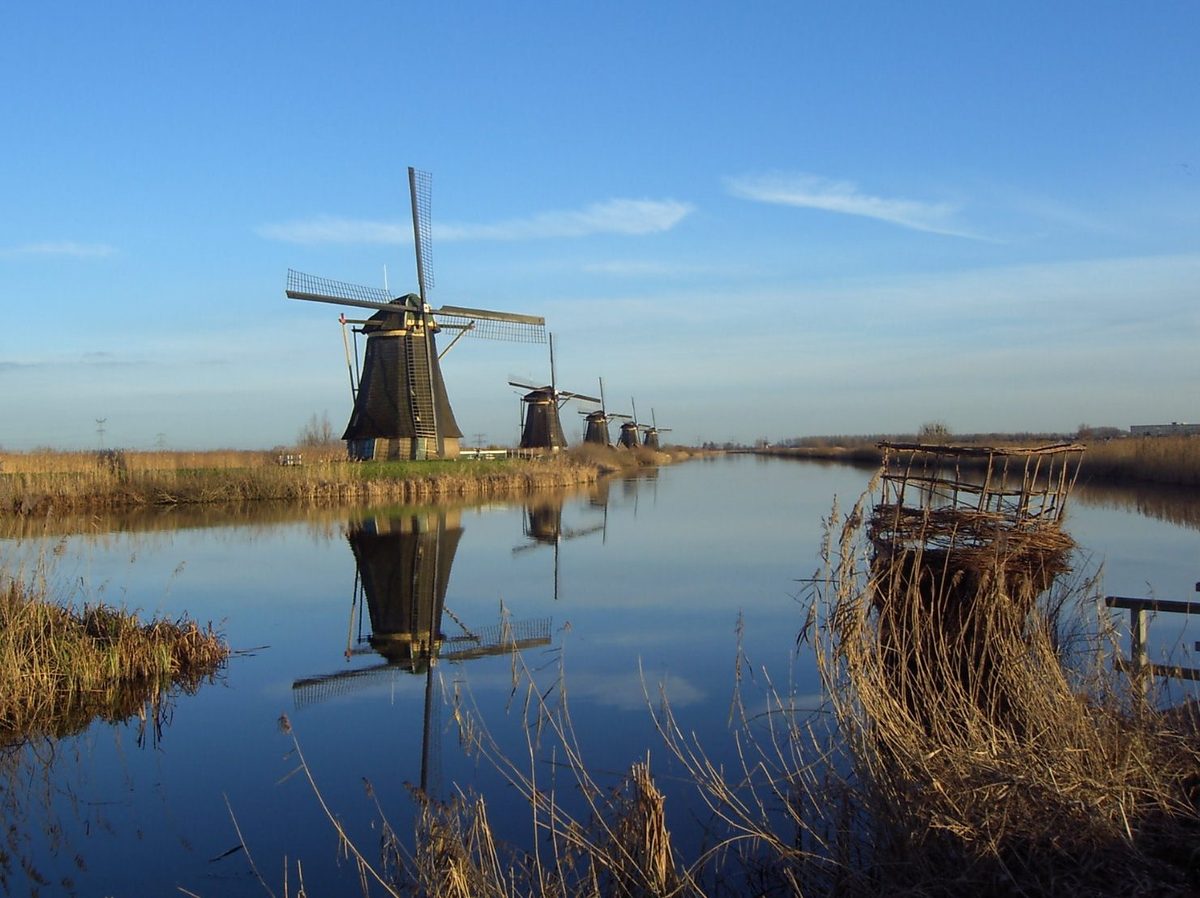
For one magical window each spring, the canals and rivers of the Netherlands and Belgium become the most charming cruise in Europe. “Tulips of Holland” sailings in April run between Amsterdam and Antwerp, timed for Keukenhof’s bulb fields and the windmills of Kinderdijk, with Bruges and the Delta thrown in. It’s a short, gentle, flower-soaked week — and it sells out a year ahead. Our Netherlands travel guide has the lowdown on Keukenhof timing.
Rhine vs Danube: which river cruise should you pick?
This is the question I’m asked more than any other, so let me answer it the way I would over coffee. Both are superb; you won’t “lose” with either. But they have distinct personalities, and the right pick depends on what you want from the week.
Choose the Danube if you want grand capital cities, a slightly slower rhythm, classical-music evenings in Vienna, the Old-World romance of Budapest, and the green sweep of the Wachau. Choose the Rhine if you want maximum castle-and-vineyard scenery, more wine-town stops, four countries in a week, and a faster, more varied parade of places. As a rough rule: the Danube is capitals-and-camaraderie; the Rhine is castles-and-cathedrals.
| Danube | Rhine | |
|---|---|---|
| Headline cities | Vienna, Budapest, Bratislava, Regensburg | Amsterdam, Cologne, Strasbourg, Basel |
| Signature scenery | Wachau Valley vineyards & abbeys | Rhine Gorge castles & the Lorelei |
| Pace & vibe | Slower; grand capitals, music, cafés | Faster; more ports, wine towns, castles |
| Countries (typical) | Germany, Austria, Slovakia, Hungary | Netherlands, Germany, France, Switzerland |
| Best for | First-timers wanting cities & culture | Scenery lovers & wine fans |
| Watch-outs | Vienna/Budapest crowds in peak summer | More locks & river traffic — light sleepers, pack earplugs |
Honestly? For a true first river cruise I lean Danube, because Vienna and Budapest are so rewarding and the capitals give the week a sense of occasion. For a second cruise, or for travellers who light up at vineyards and castles more than at opera houses, the Rhine wins. And if you can’t choose, the grand two-week voyages sail both, linked by the Main — expensive, but the trip of a lifetime.
The best river cruise lines in Europe, compared
Once you’ve picked a river, the line sets the tone of the whole week — the food, the crowd, the inclusions, the feel of the ship. The market splits roughly into price tiers, and knowing where each brand sits saves you a lot of brochure-reading. Here’s my plain-English take after sailing with several of them; for an even deeper comparison, see my dedicated best river cruise lines in Europe guide.
| Line | Tier | Known for |
|---|---|---|
| Viking | Upper mid-range | Adults-only (18+), serene Scandinavian design, cultural focus, hugely consistent fleet |
| AmaWaterways | Upper mid to luxury | Best food & wine, warm service, active excursions (bikes, hikes) |
| Avalon Waterways | Mid-range | Bed-faces-the-view “Panorama” suites, flexible touring, good value |
| Uniworld | Ultra-luxury | Bold boutique-hotel interiors, near all-inclusive, high-touch service |
| Scenic & Tauck | Ultra-luxury, all-inclusive | Butler service, all drinks, tips and excursions bundled in |
| Emerald Cruises | Upper-budget to mid | Modern ships, pool, strong inclusions for the price |
| A-ROSA & CroisiEurope | European-market value | Lower fares, more European guests, fewer frills, great for repeat cruisers |
Viking is the one most North Americans picture, and for good reason: the ships are calm, handsome and identical, the itineraries are culture-first, and there are no children aboard (it’s strictly 18-plus). What you won’t find is a pool or much of a gym, and drinks beyond lunch and dinner cost extra.
AmaWaterways is my pick for food — it’s the only river line inducted into the Chaîne des Rôtisseurs, and it shows at dinner — and for active types, with a fleet of bikes and guided hikes at most stops. Uniworld, Scenic and Tauck sit at the top: Uniworld for its jewel-box design, Scenic and Tauck for genuinely all-inclusive fares where tips, excursions and every drink are already paid for. Avalon and Emerald deliver strong mid-market value, and the European lines A-ROSA and CroisiEurope are where I send budget-minded repeat cruisers who don’t need the polish.
One quiet truth: the ships themselves are more alike than the brochures suggest, because the same shipyards build many of them and the locks cap their size. What you’re really choosing between is service style, food, crowd and how much is bundled into the fare — which brings us neatly to money.
How much does a European river cruise cost in 2026?
Let me give you real numbers, then the asterisks. As a working range, European river cruises run from about €230 per person per night at the value end to €950+ per person per night for ultra-luxury, all-inclusive lines. Most mid-range Danube and Rhine sailings land somewhere around €350–€500 per person per night. In headline terms, an eight-day mid-market cruise from a line like Viking or AmaWaterways typically works out to roughly €2,500–€4,500 per person for the cruise fare; luxury lines like Uniworld or Tauck can sail past €700–€800 a day. Niche rivers — the Douro, Seine and Rhône — often run a little higher because the ships are smaller.
| Style | Per person, per night (approx.) | What you get |
|---|---|---|
| Value / European lines | €230–€330 | A-ROSA, CroisiEurope; simpler service, fewer included extras |
| Mid-range | €350–€500 | Viking, Avalon, Emerald; meals, wine at meals, one daily tour |
| Premium | €500–€700 | AmaWaterways; better food, more excursions, active options |
| Ultra-luxury, all-inclusive | €700–€950+ | Uniworld, Scenic, Tauck; all drinks, tips, transfers, excursions |
Now the asterisks — because the sticker price is rarely the final price. Here’s what’s typically included: your cabin, all meals, wine and beer with lunch and dinner, Wi-Fi, and at least one guided excursion per port. Here’s what’s often extra, and where budgets quietly blow out:
- Gratuities. On Viking, AmaWaterways and Avalon, tips aren’t included — budget around €15–€20 per person per day. Scenic, Tauck and Uniworld fold them in.
- Drinks beyond mealtimes. Mid-range lines charge for cocktails and all-day drinks; a package (Viking’s, for instance) runs around €25–€30 per person per day.
- The single supplement. Solo travellers often pay 100% more for a cabin, though lines waive or cut this on selected departures — worth hunting for.
- Premium excursions, flights and port charges. Special tours, your airfare to Europe and sometimes port fees sit outside the base fare. Read the fine print.
For a full worked example with every line item, see my European river cruise cost breakdown. And if value is the priority, two levers move the price most: sail in shoulder season, and book early for the launch-fare discounts. The same logic underpins our wider Europe on a budget guide — river cruising will never be backpacker-cheap, but it can be far better value than it first looks once you count what’s bundled in.
When is the best time to take a river cruise?
The river cruise season runs roughly April through December, and the “best” month depends on what you’re chasing. My short answer: late April to June and September to October are the sweet spots — kind weather, long light, vineyards either greening up or turning gold, and fewer crowds than high summer. But each window has its own appeal, and a couple have a catch.
| When | What it’s like | Best for |
|---|---|---|
| April | Cool and fresh; tulips peak in Holland. River levels usually healthy. | The Dutch “tulip” cruises — book a year ahead. |
| May–June | Warm, green, long days, gardens in bloom. My favourite window. | First-timers; Danube and Rhine at their prettiest. |
| July–August | Hot and busy; capitals crowded; occasional low water in dry years. | Families travelling in school holidays. |
| Sept–Oct | Harvest season, golden vineyards, softer light, thinning crowds. | Wine lovers; the Douro at its best. |
| Late Nov–Dec | Cold, dark by late afternoon, but markets glowing in every port. | Christmas-market sailings. |
A few hard-won notes. Spring and early summer generally have the most reliable water levels; high-summer droughts and deep-winter freezes are when sailings occasionally get shortened or swapped for bus transfers, so if you’re risk-averse, aim for the shoulders. For the broader month-by-month picture across the continent, our guide to the best time to visit Europe lines up neatly with cruise season.
Christmas market river cruises
These deserve their own mention because they’re magical and a little misunderstood. From late November to around 23 December, Danube and Rhine ships turn into a warm, floodlit way to visit a different Christmas market each day — Vienna, Budapest and Bratislava on the Danube; Cologne, Strasbourg and the Alsace towns on the Rhine. You browse the stalls and mulled wine by day and retreat to your cosy cabin at night, unpacking just once. The catch: most markets close by Christmas Eve, days are short and cold, and the scenery is bare rather than green — you’re here for the glühwein and the lights, not the vineyards. If that’s your idea of heaven, our Christmas markets in Europe guide pairs perfectly with a December sailing.

What’s it actually like onboard?
If your only reference point is a big ocean liner, recalibrate. A river ship is closer to a small boutique hotel that happens to float. There are usually three passenger decks plus an open sun deck up top, one main dining room, a lounge with a bar and floor-to-ceiling windows, and somewhere between 50 and 95 cabins. No theatres, no shopping arcades, no crowds — and no formal nights either; smart-casual is as dressy as it gets, and you’ll never need a tuxedo.
The cabins
Cabins are comfortable and cleverly designed but smaller than a hotel room — expect 15–25 square metres. The big variable is the window. Lower-deck cabins have small, high “porthole” windows; the decks above offer French balconies (a railing and a sliding door you stand at) or, on some ships, proper step-out balconies. My honest advice: book the highest cabin category you can stretch to, because waking up with the riverbank gliding past your bed is the entire point. It’s the one splurge I never regret.
Dining and daily rhythm
Meals are a highlight. Breakfast and lunch are usually generous buffets with cooked options; dinner is a sit-down affair with regional dishes — Wiener schnitzel near Vienna, port-paired plates on the Douro — and free-flowing local wine. Most ships have a casual alternative for lighter or earlier eating. The daily rhythm is gentle: dock in the morning, head out on the included walking tour, return for lunch, sail or explore in the afternoon, then a port talk and dinner. Evenings are low-key — a local musician, a quiz, a nightcap on the sun deck as the lights of a town slide by. After a few days the ship feels like home, which is exactly the feeling you’re paying for.
European river cruises by traveller type
River cruising suits some travellers far better than others. Here’s who I’d nudge toward it — and who I’d steer elsewhere.
Couples and honeymooners
This is the sweet spot. A balcony cabin, a sun deck at golden hour, dinners with regional wine and a different romantic town each day — it’s hard to design a more effortlessly romantic week. The Douro and the Rhône, in particular, are made for slow, indulgent couples’ travel. If you’re planning something special, our Europe honeymoon guide has more ideas in the same vein.
Solo travellers
River ships are quietly brilliant for solo travel: small enough that you’ll know faces by day two, sociable communal tables at dinner, and the safety of a fixed, escorted base. The single supplement is the only real downside — so hunt for the departures where lines waive or reduce it, and you’ll travel beautifully on your own. For the wider picture, see our solo travel guide.
Families
Families need to read the fine print. Viking is adults-only (18+), and several lines set a minimum age of 8. AmaWaterways is the most family-friendly, with connecting cabins and a handful of dedicated family departures with bikes and active touring. For most parents, though, a river cruise is better saved for a milestone trip; our Europe with kids guide has gentler-on-the-budget, kid-first alternatives.
First-timers and older travellers
The classic river cruiser is over 50, active, and curious — and the format flatters exactly that traveller: no driving, no luggage drama, expert guides, and a comfortable base that does the moving for you. First-timers should start with the Danube or Rhine in May, June or September, pick a mid-range line, and book a French-balcony cabin or higher. Do that and you’ll almost certainly become a repeat cruiser.
How to choose and book your first river cruise
Once you’ve matched a river to your taste and a line to your budget, the booking itself comes down to a few decisions. Get these right and the rest falls into place. For a curated shortlist of itineraries, my best European river cruises guide ranks the standout sailings by type.
- Book early. Nine to fourteen months ahead gets you the cabin grade, river and date you want, usually at the lowest “launch” fare. The best single cabins and top suites vanish first.
- Spend on the cabin, not the extras. If you’re choosing between a fancier line on a low deck and a mid-range line with a balcony, take the balcony. The view is the experience.
- Match the itinerary to your interests. Capitals and culture → Danube. Castles and wine → Rhine or Moselle. Single-country indulgence → Douro. Paris and history → Seine.
- Read what’s included. Two fares that look €1,000 apart can be identical once you add tips, drinks and excursions to the cheaper one. Compare all-in.
- Build in buffer days. Fly in at least a day before embarkation and don’t fly home the morning of disembarkation. River schedules are tight and flights aren’t.
Getting there and practical planning
Most cruises start or end in a city with a major airport — Amsterdam, Budapest, Vienna, Porto, Paris — so getting to the ship is straightforward, and many lines sell add-on transfers. If you’d rather arrive overland or tack on extra cities, Europe’s rail network makes it easy; our getting around Europe and train travel in Europe guides cover the connections.
A few essentials before you sail. Check your passport has at least six months’ validity beyond your trip. On entry rules: the EU’s new ETIAS travel authorisation is expected to launch in late 2026 (the Commission has signalled Q4, at a €20 fee) and to become required for visa-exempt visitors during 2027 after a grace period — it was not yet mandatory as of June 2026, but check the official EU pages close to departure. Our Schengen and ETIAS guide tracks the latest. Remember that a single cruise can cross several currencies — euros on most of the Danube and Rhine, but Hungarian forint in Budapest, Czech koruna near Prague — so carry a little local cash for markets and tips. For what to actually bring, including layers and proper walking shoes for cobblestones, lean on our Europe packing list.
The honest trade-offs (mistakes to avoid)
I love river cruising, but I’d be doing you a disservice not to flag where it disappoints people. Avoid these and you’ll book the right trip:
- Expecting it to be cheap. It isn’t. It’s good value for what’s included, but a comparable independent trip by train is usually cheaper. Know which you want.
- Booking the cheapest cabin then resenting the porthole. If the view matters to you — and it will — pay up a deck or two.
- Cruising in drought or freeze months without flexibility. Very low or high water can disrupt sailings. Shoulder season is the safest bet.
- Wanting nightlife and big-ship entertainment. You won’t get it. This is early nights, good wine and scenery — wonderful, but quiet.
- Never leaving the ship’s tours. The included excursions are good, but some of my best memories come from skipping one to wander a town alone. Build in free time.
For more of these, our general Europe travel tips collection is full of the small stuff that makes a trip smoother.
Frequently asked questions about European river cruises
Which European river cruise is best for a first-timer?
For most first-timers I recommend the Danube, ideally a Passau-to-Budapest or Nuremberg-to-Budapest route in May, June or September. You get grand, walkable capitals in Vienna and Budapest, the lovely Wachau Valley, and an easy four-country sampler. The Rhine is a close second if castles and wine country excite you more than cities.
How much does a European river cruise cost?
Budget roughly €230–€950 per person per night depending on the line and season, with most mid-range Danube and Rhine sailings around €350–€500. An eight-day mid-market cruise usually runs €2,500–€4,500 per person for the fare. Remember to add gratuities, drinks packages, flights and any premium excursions unless you book an all-inclusive luxury line.
Are European river cruises worth it?
If you value comfort, scenery and unpacking once, yes — they’re one of the most relaxing ways to see Europe’s heartland. They aren’t the cheapest option; an independent rail trip costs less. But the bundled meals, wine, tours and effortless logistics deliver real value, especially for couples, solo travellers and active over-50s.
What is the best time of year for a river cruise?
Late April to June and September to October are ideal: warm days, long light, blooming or golden vineyards and thinner crowds. April brings the Dutch tulip cruises; late November to 23 December brings the Christmas-market sailings. High summer is hottest and busiest, and dry or freezing spells can occasionally disrupt water levels.
How long is a typical European river cruise?
Most run 7 to 10 nights, which comfortably covers one river such as the Danube or Rhine. Shorter 4–5 night tasters exist, and grand two-week voyages link the Rhine and Danube via the Main Canal, sailing from Amsterdam all the way to Budapest. Add two or three buffer days on land at either end.
What’s included in the price of a river cruise?
Almost always: your cabin, all meals, wine and beer at lunch and dinner, Wi-Fi and at least one guided excursion per port. Often extra: gratuities (around €15–€20 a day), all-day or premium drinks, specialist excursions, flights and sometimes port charges. Luxury lines like Scenic, Tauck and Uniworld bundle most of these in.
Do European river cruises have an age limit?
Some do. Viking is strictly adults-only at 18-plus, and several lines set a minimum age of 8. The crowd skews 50-plus, though younger couples and solo travellers are increasingly aboard. AmaWaterways is the most family-friendly, with connecting cabins and dedicated family departures featuring bikes and active touring.
Which is the most scenic European river cruise?
For sheer drama, the Rhine Gorge between Koblenz and Rüdesheim is unmatched — castle after castle above the vineyards. The Danube’s Wachau Valley runs a very close second, and Portugal’s Douro, with its terraced wine slopes, is the most beautiful single-country sail. Spend those stretches up on the sun deck.
Final thoughts
A river cruise won’t suit every traveller — if you want to wander on your own clock or travel as cheaply as possible, you have better options, and I’ll always tell you so. But if the idea of waking up to a new town outside your window, with the planning, packing and logistics handled, sounds like your kind of holiday, few trips deliver it so gracefully. Pick the river that matches what you love, sail in the shoulder season, book a cabin with a real view, and give yourself a couple of extra days on land. Do that, and I suspect you’ll be like me — already plotting the next one before this one’s even over.
Bon voyage — and save me a spot on the sun deck.
About the author: Hannah Brooks is Senior Europe Editor at EuropeanTourism.org. She has spent fifteen years travelling and writing across the continent, from the capitals of the Danube to the vineyards of the Douro, and focuses on practical, first-hand guidance that helps travellers plan smarter trips.
Last updated: June 2026. Prices, itineraries and entry rules change — please verify current details with the cruise lines and official sources (the EU’s official ETIAS pages and national tourism boards) before you book or travel.
Photo credits
All images are used under their respective licences via Wikimedia Commons:
- A European river cruise ship moored beside a riverside town — Photo: Romaine (CC0) via Wikimedia Commons.
- The Hungarian Parliament on the Danube in Budapest, a highlight of many European river cruises — Photo: Ercsaba74 (CC0) via Wikimedia Commons.
- Vineyards and a village in the Rhine Gorge, classic Rhine river cruise scenery — Photo: Prankster (CC0) via Wikimedia Commons.
- Terraced vineyards of the Douro Valley in northern Portugal — Photo: Grand Parc – Bordeaux, France from France / CC BY 2.0 via Wikimedia Commons.
- The UNESCO-listed windmills at Kinderdijk in the Netherlands — Photo: Lucas Hirschegger / CC BY-SA 3.0 via Wikimedia Commons.
- Duernstein and the terraced vineyards of the Wachau Valley on the Danube — Photo: Hochauer / CC BY-SA 2.0 via Wikimedia Commons.
- A European Christmas market glowing at night — Photo: francois (Strasbourg) / CC BY 2.0 via Wikimedia Commons.
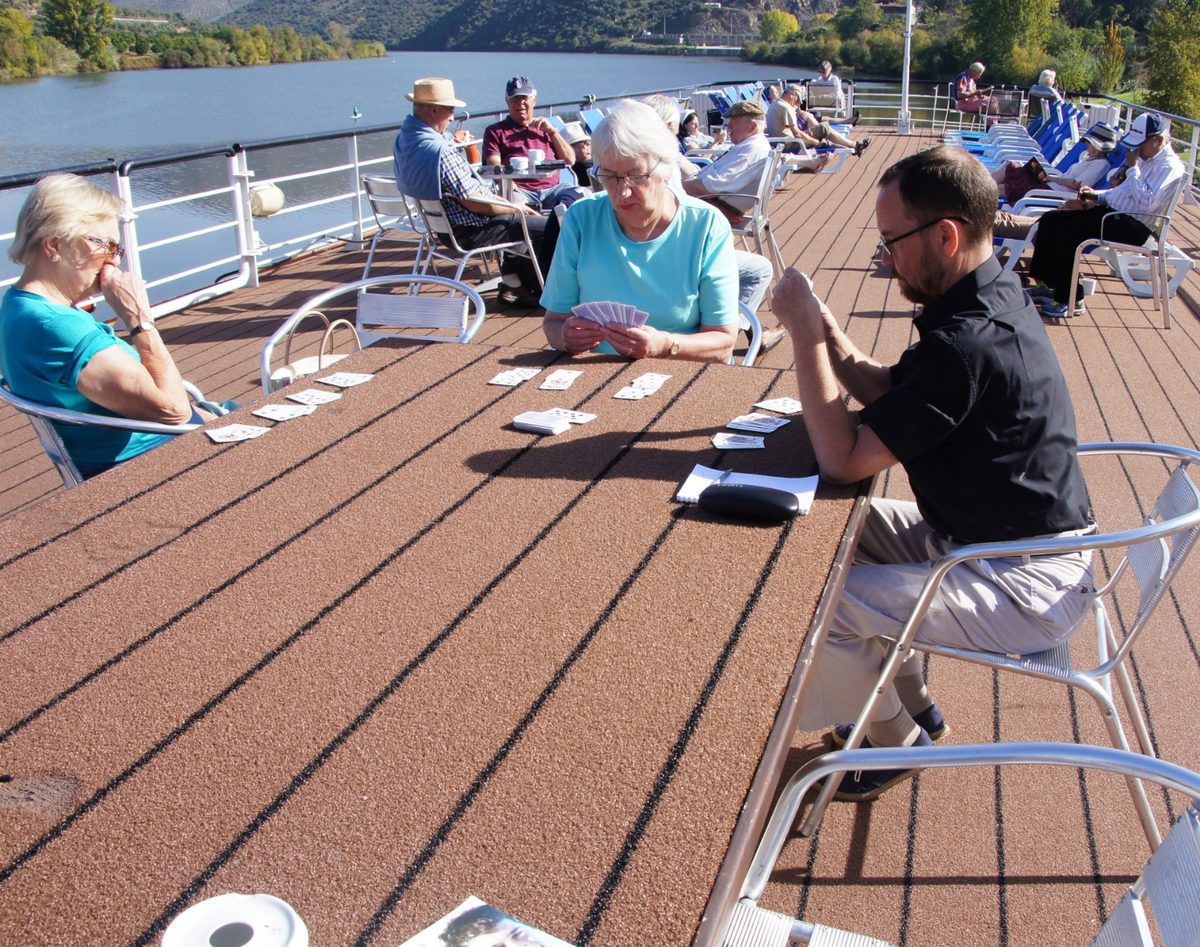
- The open sun deck of a river cruise ship on the Douro — Photo: Gerry Labrijn from London, UK / CC BY-SA 2.0 via Wikimedia Commons.
- The Danube curving past the baroque old town of Passau, gateway to many Danube cruises — Photo: Carsten Steger (CC BY-SA 4.0) via Wikimedia Commons. Source
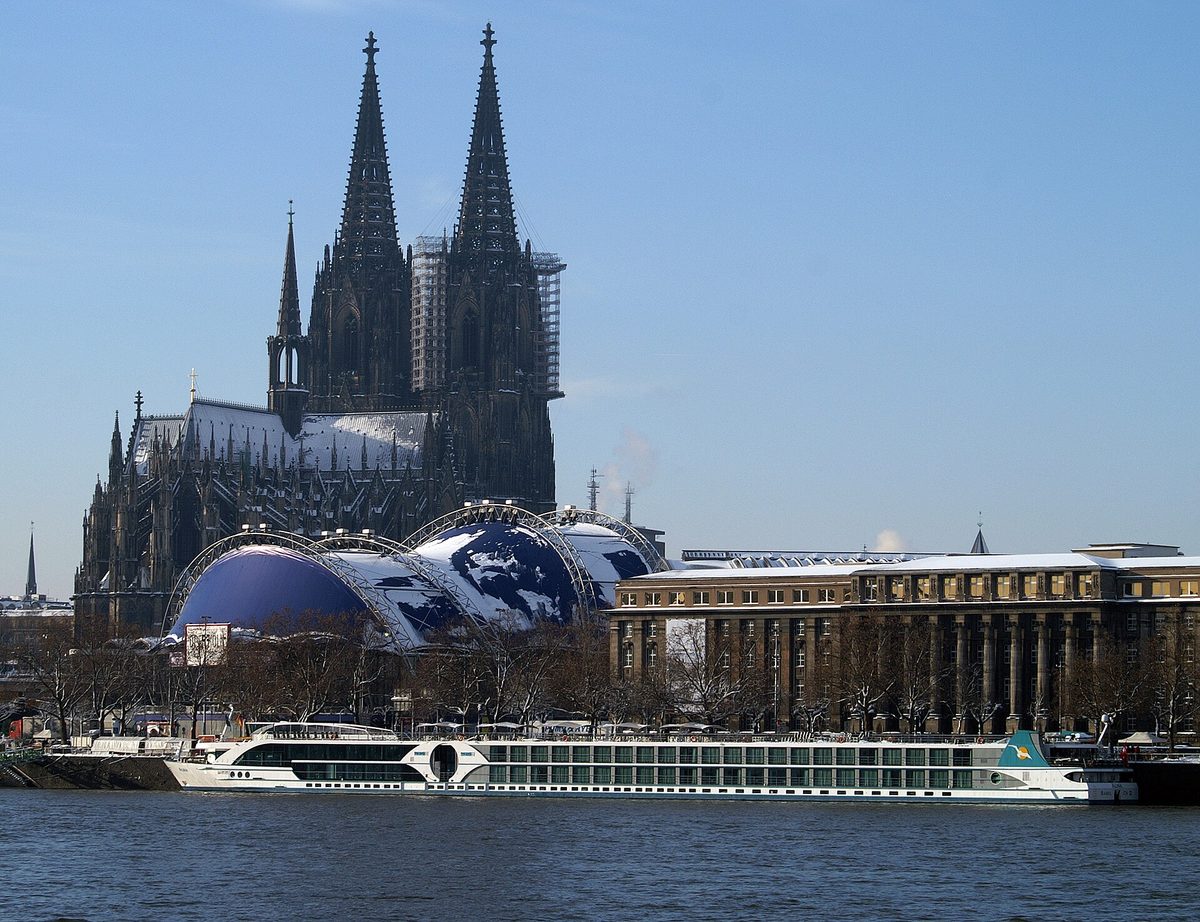
- A river cruise ship on the Rhine passing Cologne’s twin-spired cathedral — Photo: Rolf Heinrich, Köln (CC BY 3.0) via Wikimedia Commons. Source