Netherlands & Amsterdam Travel Guide

The first thing the Netherlands taught me is that you arrive faster than you think you will. I stepped off the train at Amsterdam Centraal, wheeled my bag out the front doors, and was almost flattened by a grandmother on a bicycle ringing her bell like she meant it. Behind her: a canal, a row of leaning brick houses, a herring stall, and a tram gliding past. Ten minutes off the train and the whole country had already introduced itself.
This Netherlands travel guide is the one I wish someone had handed me that morning – honest about what’s worth your time, specific about costs and trains and tulip dates, and built to help you plan a real trip rather than a checklist. I’ve been coming back for years, in every season, and I’ve made most of the mistakes so you don’t have to: visiting the tulips a week too late, queuing two hours for a museum I could have booked online, trying to drive into central Amsterdam (don’t). Whether the Netherlands is your whole trip or one stop on a bigger Europe itinerary, this is where to start.
Is the Netherlands worth visiting? The short answer
Yes, emphatically. The Netherlands packs world-class art, storybook canal cities, tulip fields, windmills and some of the best cycling on earth into a country you can cross by train in under three hours. It’s flat, friendly, almost everyone speaks English, and it’s one of the easiest places in Europe to travel independently – ideal for a first-timer and rewarding on a tenth visit.
I’ll be candid where it helps. Amsterdam in peak summer can feel like a theme park, hotel prices are genuinely steep, and the weather has a sense of humour (pack a rain jacket in July). But none of that has dimmed my affection. The fix for the crowds is simple – come in shoulder season, get up early, and step beyond Amsterdam into Utrecht, Rotterdam and the watery villages most visitors skip. Do that and the Netherlands quietly becomes one of your favourite countries in Europe. It earns its place among the best places to visit in Europe, and not just for the postcard reasons.
Your Netherlands travel guide at a glance
Before we get into the detail, here’s the whole country on one screen. If you read only one part of this guide, make it this table – it’s how I’d help a friend decide where to spend their days.
| Place | Best for | Give it | My quick take |
|---|---|---|---|
| Amsterdam | Canals, art, nightlife, first-timers | 2–3 days | Unmissable, but book ahead and rise early |
| Rotterdam | Modern architecture, food, design | 1 day | Holland’s bold, rebuilt counterpoint to Amsterdam |
| Utrecht | Canals without the crowds | 1 day | My favourite city escape; split-level wharves |
| The Hague & Delft | Vermeer, government, beach | 1 day | Royal seat plus a flawless little canal town |
| Haarlem & the bulb fields | Tulips, day trips | ½–1 day | Keukenhof’s gateway; lovely off-season too |
| Zaanse Schans & Kinderdijk | Windmills | ½ day each | The classic Dutch postcard, two ways |
| Giethoorn | Car-free canal village | ½–1 day | Magical at 8am, mobbed by noon |
| Maastricht & the south | Food, hills, Burgundian charm | 1–2 days | Feels like a different, softer country |
Last updated: June 2026. Prices, opening hours and entry rules change – I’ve hedged costs as “around” and you should confirm the latest with official sources before you book.
Holland, the Netherlands and the Randstad: getting your bearings
Quick bit of housekeeping, because it trips people up. “Holland” and “the Netherlands” are not quite the same thing. The Netherlands is the country; Holland is really just two of its twelve provinces (North and South Holland), the slice that happens to contain Amsterdam, Rotterdam and The Hague. Locals use “Holland” loosely and the tourist board leaned on it for years, but if you want to sound like you’ve done your homework, say the Netherlands. The people are Dutch, the language is Dutch, and – yes – the country is “the Netherlands,” plural-sounding because it means “the low lands.”
And low they are. Around a quarter of the country sits below sea level, reclaimed from water over centuries with dikes, windmills and sheer stubbornness. That history is why the landscape looks the way it does: ruler-flat polders, mirror-straight canals, and those windmills that were drainage pumps long before they were souvenirs. It’s also why cycling is so woven into daily life – when your whole country is a billiard table, the bike is simply the smartest way to get around.
For trip planning, the single most useful concept is the Randstad: the horseshoe of cities in the west – Amsterdam, Haarlem, Leiden, The Hague, Delft, Rotterdam and Utrecht – where most of the population, and most of what you’ve come to see, is concentrated. The whole ring fits inside an hour’s train ride. You can base yourself in one city and day-trip the rest without ever repacking, which makes the Netherlands one of the most efficient countries in Europe to explore. The rest of the country – the watery north, the Wadden islands, the gently rolling south around Maastricht – rewards anyone with a few extra days, and I’ll get to all of it.
The best places to visit in the Netherlands
Rather than rank thirty sights and call it a guide, let me walk you through the country the way I’d actually plan a trip – city by city, with the windmill villages and watery corners that make the Netherlands special slotted in where they belong. If you want a straight shortlist to cross-check, my rundown of the best places to visit in the Netherlands ranks the individual spots; this section is about how they join up.
Amsterdam: canals, art and more than the cliches
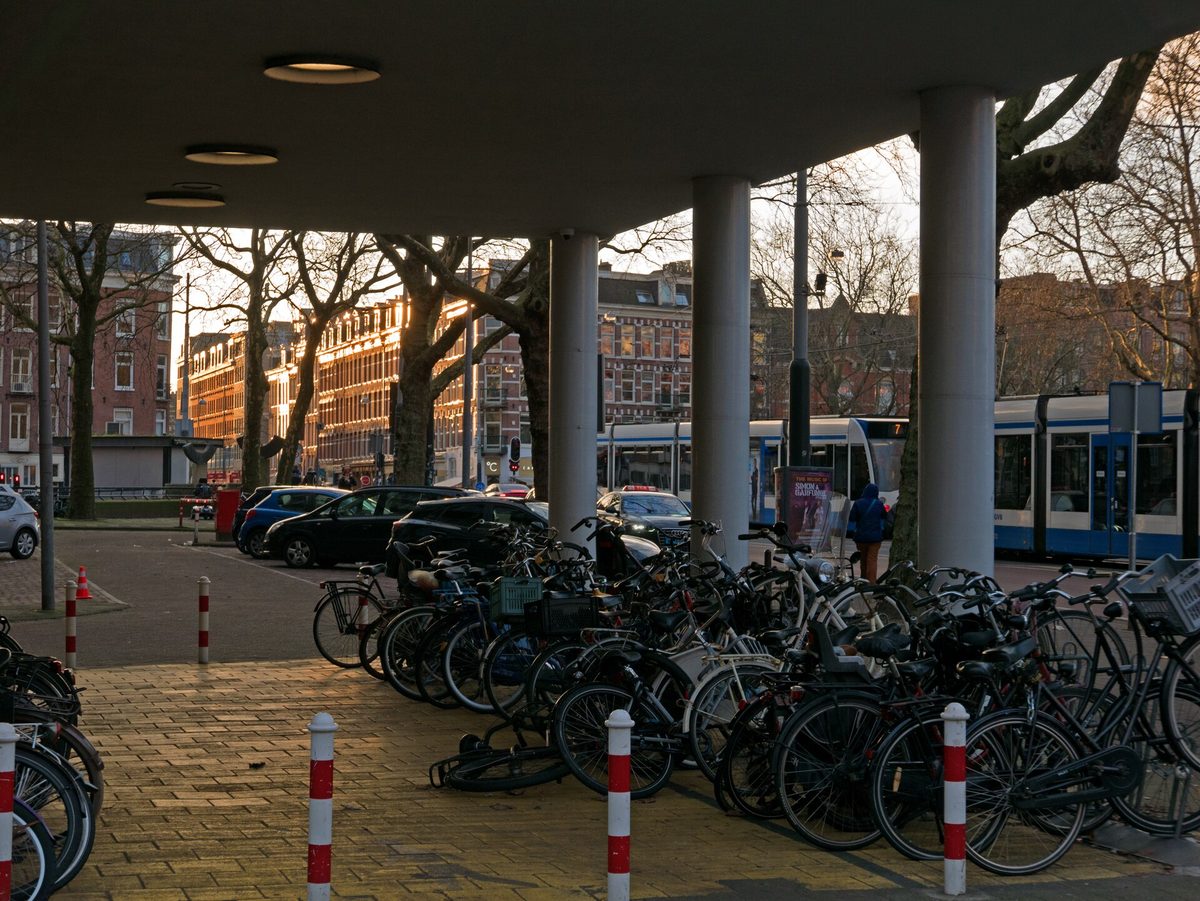
Amsterdam is the obvious start and it deserves to be. The UNESCO-listed canal ring (the Grachtengordel) is genuinely one of the loveliest urban landscapes in Europe – gabled merchant houses leaning at impossible angles, houseboats, humpbacked bridges strung with lights after dark. Walk the Jordaan, the Nine Streets (Negen Straatjes) for browsing, and the quieter eastern islands if you want locals rather than crowds.
The art is world-class and worth planning around. The Rijksmuseum holds Rembrandt’s Night Watch and Vermeer’s quiet interiors; the Van Gogh Museum has the deepest collection of his work anywhere; the Anne Frank House is moving and tiny and sells out weeks ahead. Book every one of these online before you leave home – the Anne Frank House releases timed tickets six weeks out and they vanish fast, and the Van Gogh Museum is timed-entry only. This is the single most important thing I can tell you about Amsterdam: reserve your museums in advance or you simply won’t get in.
There is, of course, the other Amsterdam – the Red Light District and the coffeeshops. It’s there, it’s legal-ish, and the city is actively trying to dial back the rowdier tourism around it (rules tighten regularly, so check before you assume anything). My honest advice: see the Oude Kerk and the medieval lanes of the old centre by day, give the late-night stag-party scene a miss, and you’ll like the city far more. There’s so much more to do that I’ve put it all in a dedicated guide to the best things to do in Amsterdam, plus a day-by-day Amsterdam itinerary if you’d rather follow a plan than build one. Travelling carefully with money? My notes on doing Amsterdam on a budget cover the free ferries, the cheap eats and the museums worth the splurge.
Give Amsterdam two or three days, then – and I can’t stress this enough – get out of it. Some of the best days of any Dutch trip happen on the day trips from Amsterdam, which is where we go next.
Rotterdam: the bold, rebuilt one
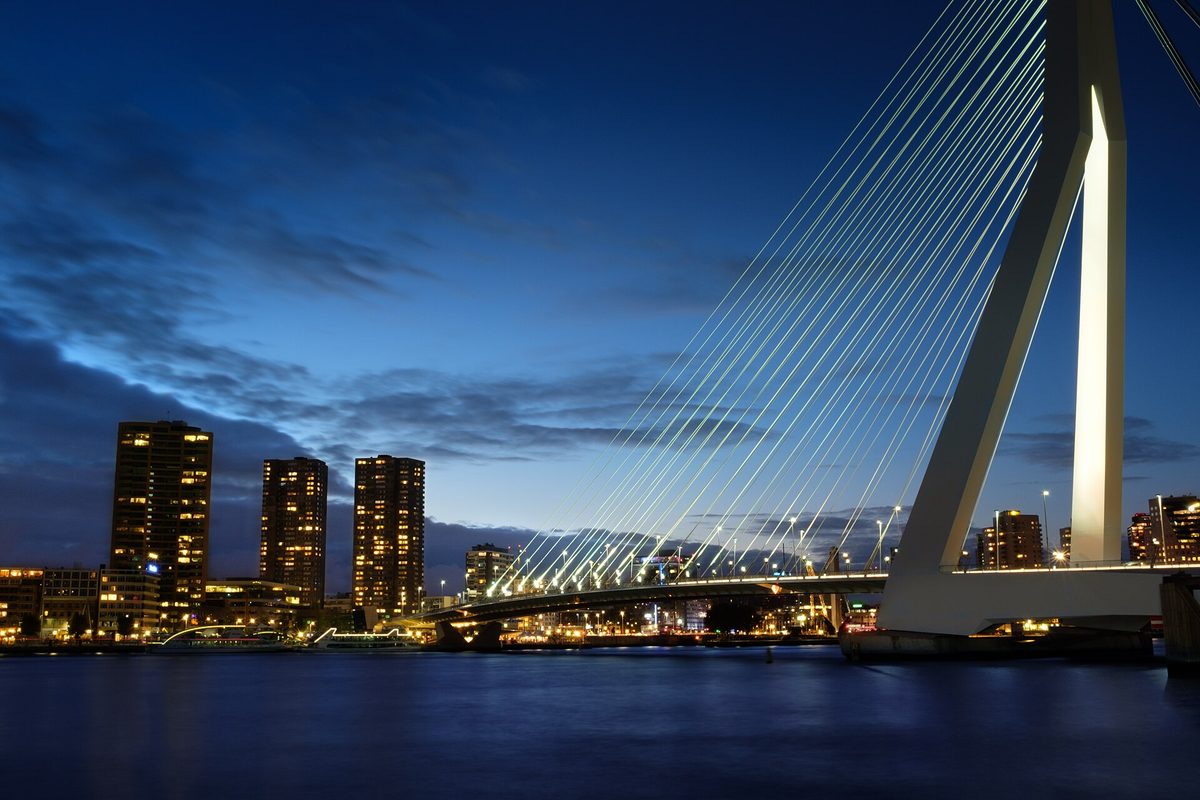
If Amsterdam is the Netherlands’ history, Rotterdam is its future. Flattened in 1940, it rebuilt itself as the country’s architectural laboratory: the cube houses, the swooping Markthal food hall, the harp-string Erasmus Bridge, and Europe’s biggest port humming alongside. It’s grittier, younger and more diverse than Amsterdam, with a food and nightlife scene to match. I’d come for a full day, ride up the Euromast for the view, eat my way through the Markthal, and feel the contrast. It’s twenty-six minutes from Amsterdam on the fast intercity train.
Utrecht: my favourite escape from the crowds
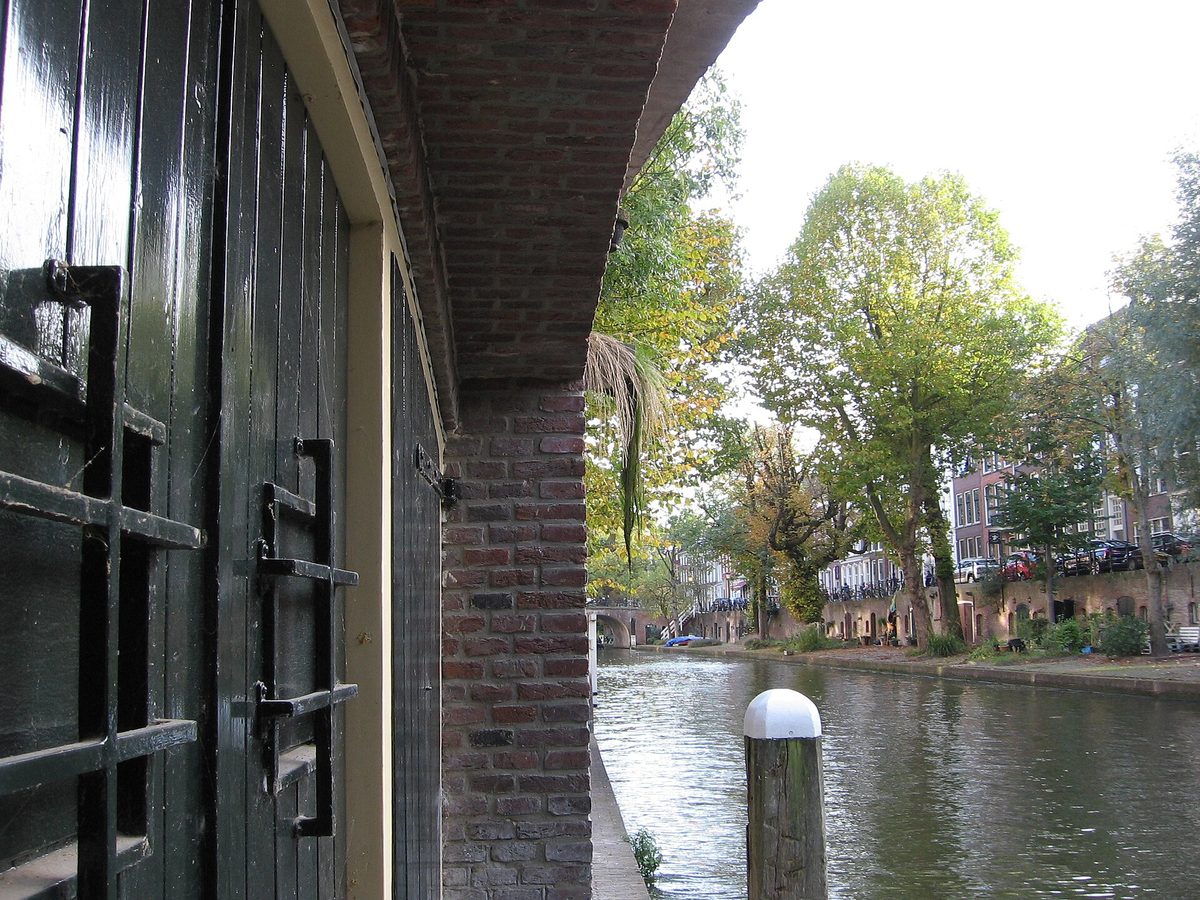
If you want canal-city charm without the Amsterdam crush, go to Utrecht. Its medieval centre is built around split-level wharves – you walk along the water at canal level, past former cellars turned into cafe terraces, with the city above you. The Dom Tower is the tallest church tower in the country (book the climb), the food is excellent, and the whole place feels lived-in rather than performed. It’s barely half an hour from Amsterdam and, for my money, one of the most underrated small cities in Europe.
The Hague and Delft: Vermeer, government and a beach
The Hague (Den Haag) is the seat of Dutch government and the International Court of Justice, but you come for the Mauritshuis – a jewel-box museum holding Vermeer’s Girl with a Pearl Earring and Fabritius’s Goldfinch. Tack on Scheveningen, the city’s surprisingly big beach resort, in summer. Ten minutes away by tram sits Delft, a flawless little canal town of blue-and-white pottery, a vast market square and Vermeer’s hometown light. The two together make one of the best day trips in the country.
Haarlem and the bulb fields
Just fifteen minutes from Amsterdam, Haarlem is the capital in miniature – a grand market square, the Grote Kerk, the wonderful Frans Hals Museum – with a fraction of the crowds and a great Saturday market. It’s also the gateway to the Bollenstreek, the bulb region where the tulip fields stripe the landscape in April and where you’ll find Keukenhof. More on timing that right in the tulip section below.
The windmill villages: Zaanse Schans and Kinderdijk
You want windmills, and you should have them. The two best places are very different. Zaanse Schans, twenty minutes north of Amsterdam, is an open-air heritage village of working green mills, cheese and clog workshops, and wooden houses – touristy, yes, but genuinely lovely first thing in the morning before the coaches arrive. It’s free to wander; you pay only to go inside the mills.
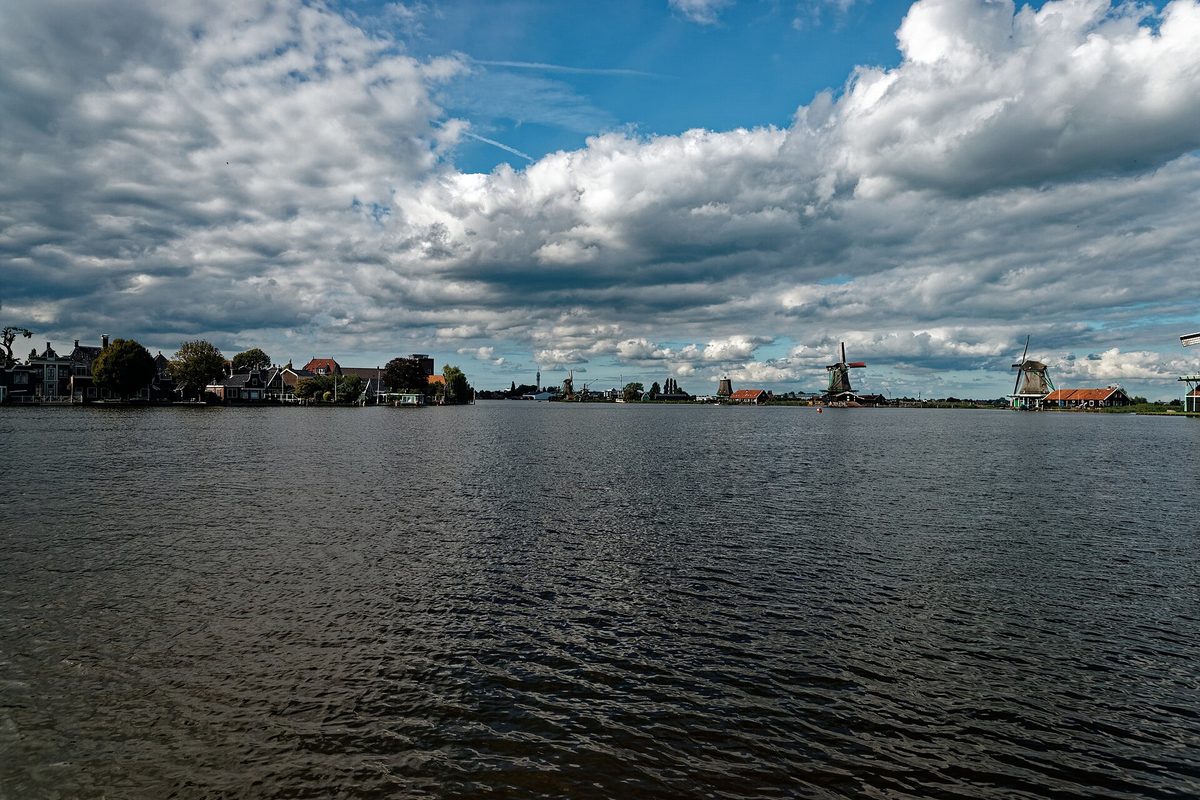
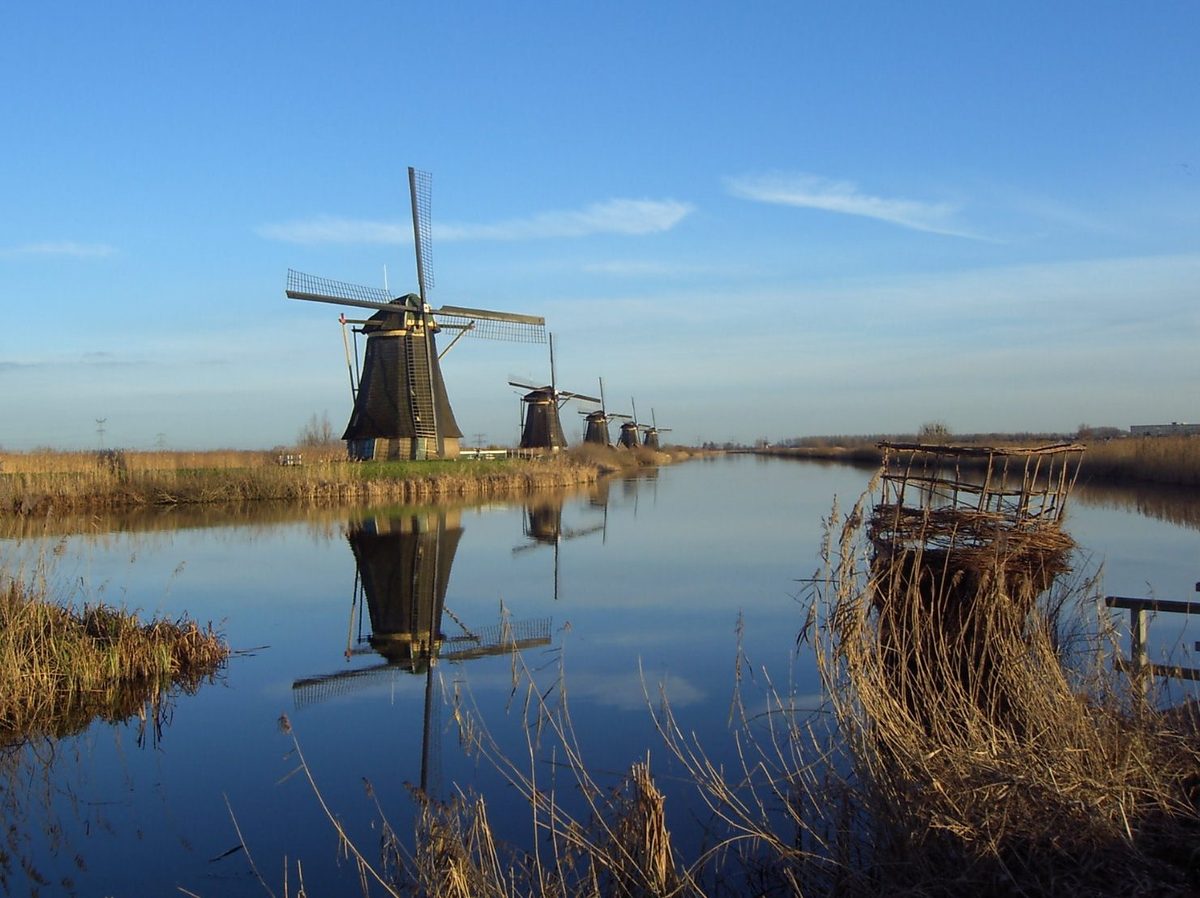
Kinderdijk, near Rotterdam, is the real, working thing: nineteen 18th-century windmills strung along the polder canals, a UNESCO World Heritage Site that’s still part of the water-management system that keeps this land dry. Walk or cycle the dike between them and you understand the whole improbable story of the Netherlands in an afternoon. For the practicalities of reaching either without a car, see my guide to day trips from Amsterdam.
Giethoorn and the watery north
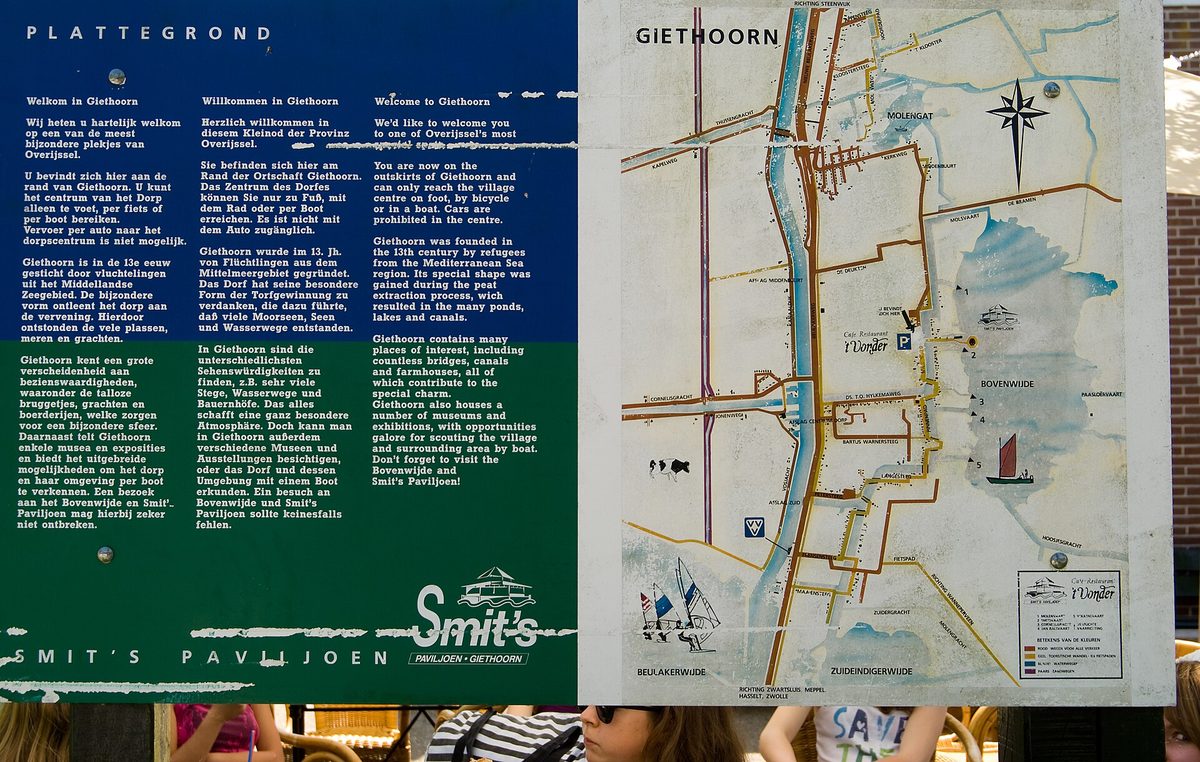
Giethoorn gets called the “Venice of the Netherlands,” which oversells the Venice bit and undersells how odd and lovely it is. The old village core has no roads at all – just canals, footpaths and more than 170 little wooden bridges, with thatched farmhouses on their own islands. You explore by “whisper boat,” a quiet electric dinghy you can pilot yourself. The catch: it’s no secret, and day-tour buses pour in by late morning. Come early, stay overnight if you can, and have it nearly to yourself at dawn and dusk. It pairs well with the nearby Weerribben-Wieden wetlands if you like the outdoors.
Maastricht and the south
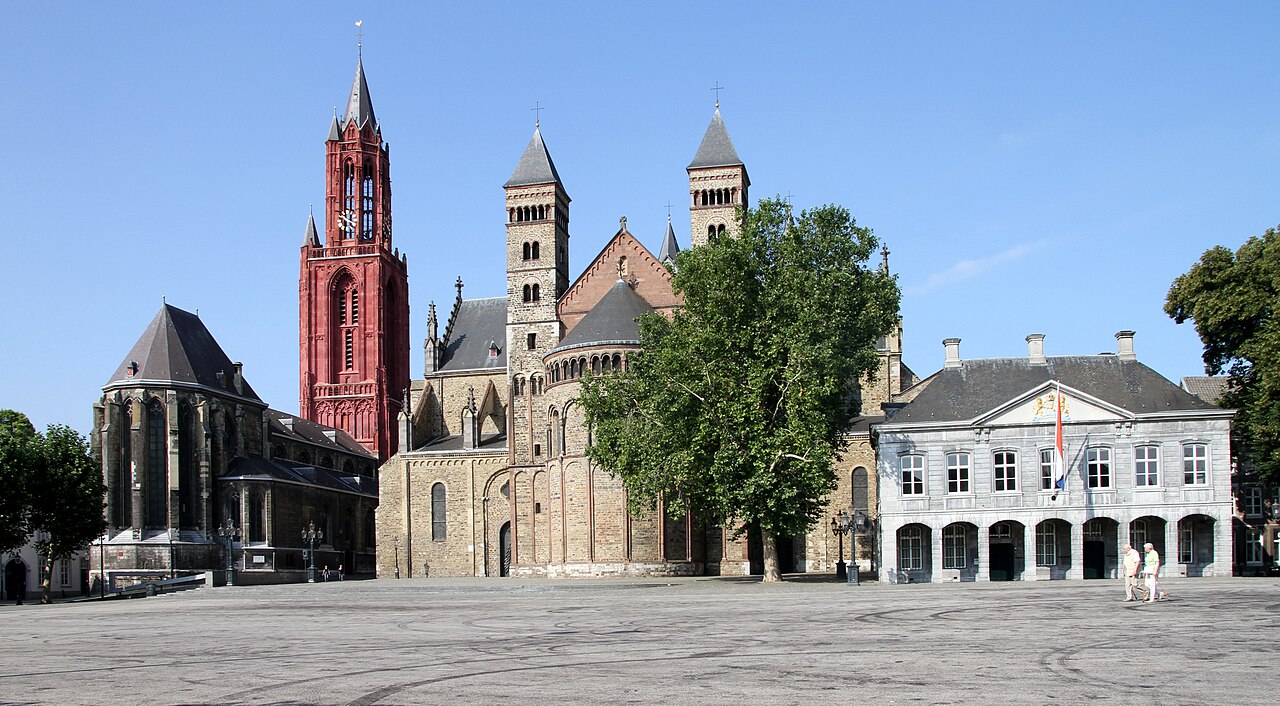
Right down in the country’s southern tail, wedged between Belgium and Germany, Maastricht feels like somewhere else entirely – older, hillier, more Burgundian, with cave systems, a famous bookshop in a former church, and a food culture that takes long lunches seriously. It’s a three-hour world away from Amsterdam and a brilliant add-on if you’re combining the Netherlands with a wider trip across the border into my Germany travel guide territory or the Belgian cities.
Beaches and the Wadden islands
People forget the Netherlands has a coast – a long one. The North Sea beaches at Scheveningen, Zandvoort (an easy train from Amsterdam) and Bloemendaal fill up the moment the sun appears. For something wilder, the Wadden islands – Texel, Terschelling, Vlieland and Ameland – offer big dune-backed beaches, birdlife and bracing solitude across the UNESCO-listed Wadden Sea. They’re no Mediterranean, but on a blue July day they’re glorious; for warmer sand you’ll want my guide to the best beaches in Europe.
When to visit the Netherlands, and tulip season explained
The Netherlands is a year-round destination, but the season you choose changes the trip completely. Here’s the honest breakdown, plus the one question everyone asks me: when exactly are the tulips out?
Tulip season: get the timing right
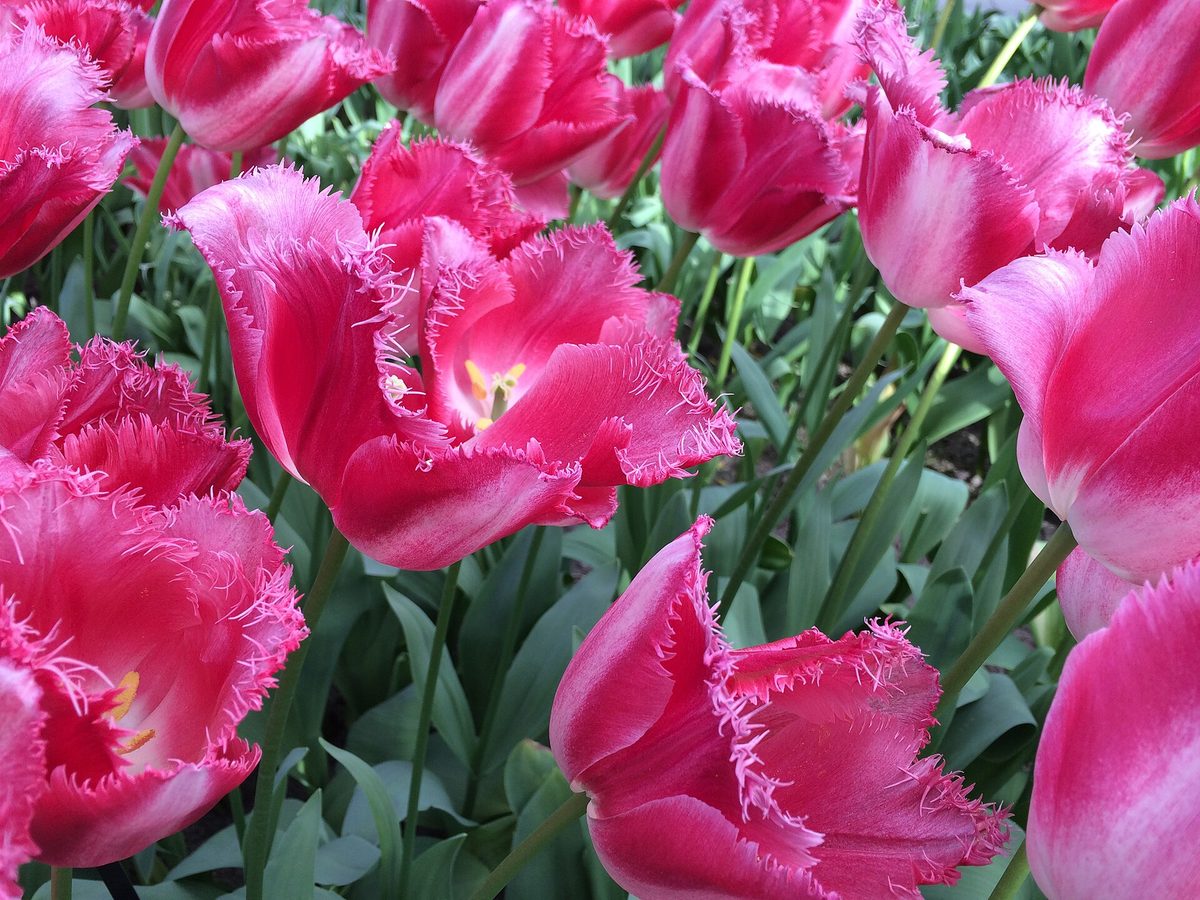
Tulip season runs roughly from late March to mid-May, but the peak – when the fields are a solid blaze of colour – usually falls in a narrow window from about the second week of April to early May. If you’re planning around the flowers, aim for roughly 15–30 April and keep your plans a little flexible. The bloom is entirely weather-dependent and shifts a week or so each year; a warm March pushes everything early, a cold snap holds it back.
Keukenhof, the world’s most famous flower garden, is open only for those eight weeks each spring (typically mid-March to mid-May) and is spectacular but busy – go right at opening, buy timed tickets online, and avoid weekends. For the real working fields rather than a manicured garden, rent a bike around Lisse and the Bollenstreek and ride between the stripes of colour; it’s free, uncrowded and far more memorable. I go deep on dates, fields, etiquette (don’t trample the bulbs for a photo – farmers hate it, rightly) and alternatives to Keukenhof in my dedicated guide to tulip season in the Netherlands.
Season by season
Spring (April–May) is the headline act: tulips, mild light, and King’s Day on 27 April – a riotous nationwide street party when the whole country wears orange, Amsterdam’s canals fill with boats, and the cities throw the biggest open-air flea market you’ll ever see. It’s my favourite time to visit, with the caveat that tulip-season weekends are crowded and accommodation spikes.
Summer (June–August) brings the warmest weather, long daylight until nearly 10pm, beach days and a packed festival calendar – but also the biggest crowds and priciest beds in Amsterdam. July and August are when I’d most strongly push you toward Utrecht, Rotterdam or the islands as a base. Autumn (September–October) is underrated: golden light, thinning crowds, comfortable prices and still-pleasant cycling weather. If you want the cities at their calmest, this is the sweet spot.
Winter (November–March) is cold, often grey and dark by 5pm – but also cheap, atmospheric and crowd-free, with cosy “brown cafes,” museum days without queues, and Christmas markets (Amsterdam, Maastricht and the Valkenburg cave market are the best). If December is your window, my guide to Christmas markets in Europe puts the Dutch ones in context. For a continent-wide view of when to go where, see the best time to visit Europe.
How to get around the Netherlands
This is where the Netherlands shines. It’s small, flat and superbly connected, and you absolutely do not need a car – in fact a car is a liability in the cities, where parking is scarce and brutally expensive. Here’s how I actually move around.
Trains: your backbone
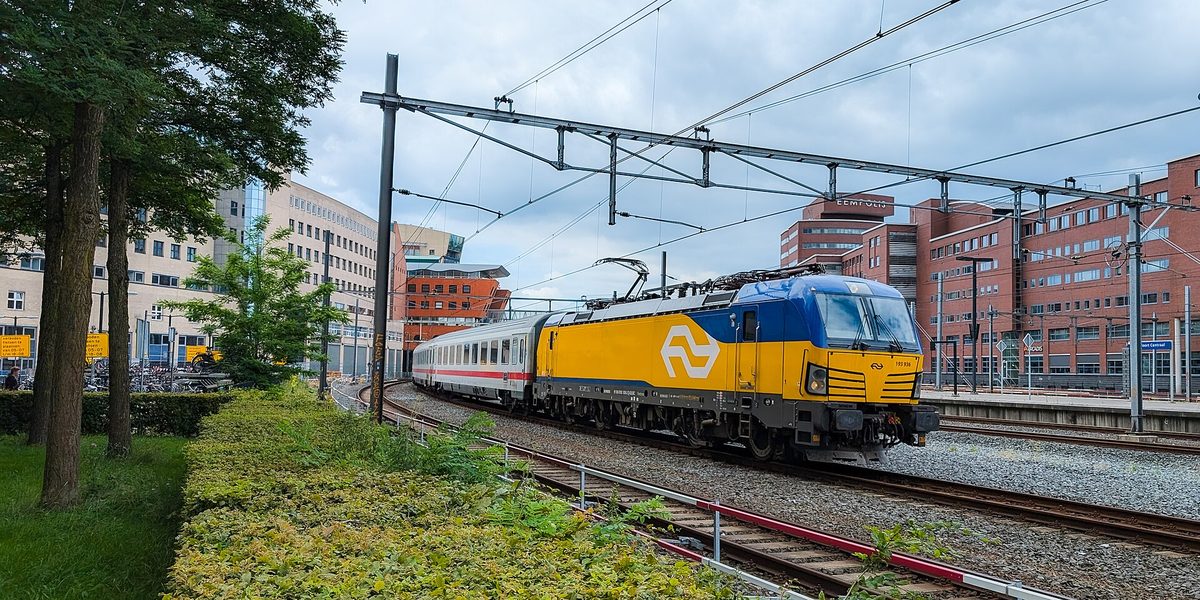
The national rail network (NS) is fast, frequent and reaches almost everywhere you’ll want to go. Intercity trains link the major cities every 10–30 minutes, and nothing in the Randstad is more than about an hour apart – Amsterdam to Rotterdam in 26 minutes, to Utrecht in 30, to The Hague in under an hour. You rarely need to pre-book or reserve a seat for domestic journeys; just turn up and tap in.
On payment, there’s a transition worth understanding in 2026. The old anonymous OV-chipkaart is being phased out (full discontinuation is planned by 2027) in favour of OVpay – a contactless system where you simply tap a contactless debit or credit card, or your phone’s wallet, on the card reader or gate when you board and again when you get off. The fare is calculated automatically and charged to your card. For most visitors this is by far the easiest option: no card to buy, no top-ups, no deposit. Just remember the golden rule of Dutch transport – you must check in and check out every single time, including on trains, or you’ll be overcharged. If you prefer, single and day tickets are still sold at station machines and counters (loaded onto a disposable chip card), and the NS app sells mobile tickets that work out a little cheaper. For how Dutch rail fits the wider network, see my guide to train travel in Europe.
Bikes: do it at least once
There are more bicycles than people here, and cycling isn’t a tourist gimmick – it’s the default way locals get around, on a world-beating network of segregated bike lanes. Rent one for a day (around €10–15) and ride the countryside, the bulb fields or a quiet city’s canals and you’ll understand the Netherlands in a way no museum can teach you. Two rules keep you safe and un-shouted-at: stay out of the car lanes and the tram tracks, and never, ever stand still in a bike lane to take a photo. In Amsterdam specifically, the cyclists are fast and merciless – if you’re nervous, get your bike legs in a calmer city like Utrecht or out in the polders first.
Trams, buses, metro and day trips
Inside the cities, trams and metros run on the same tap-in OVpay system. Honestly, though, central Amsterdam, Utrecht, Delft and Haarlem are small enough to walk. Because the country is so compact, the smartest way to see it is to base yourself in one city and day-trip the rest by train – a strategy I lay out fully in my guide to day trips from Amsterdam. If you’re plotting a bigger loop that includes the Netherlands, my overviews of getting around Europe and European road trips cover the cross-border options – though for the Netherlands itself, leave the car at home.
What does a trip to the Netherlands cost?
Let’s talk money, because the Netherlands isn’t cheap – it sits firmly in Western-Europe price territory, and Amsterdam is the priciest corner of it. The good news is the costs are predictable and there are easy ways to take the edge off. Here’s roughly what to budget per person, per day, excluding flights.
| Style | Daily budget (per person) | What that looks like |
|---|---|---|
| Backpacker / budget | around €70–90 | Hostel dorm, supermarket and street food, bike, museums on a card |
| Mid-range | around €150–220 | 3-star hotel or nice B&B, casual restaurants, trains, paid sights |
| Comfortable / luxury | €300+ | Canal-house hotel, fine dining, private tours, taxis |
The single biggest variable is accommodation, and specifically Amsterdam accommodation, which can run from around €90 a night in a low-season budget hotel to €400+ at summer peak. My honest hack: sleep in Haarlem, Utrecht or even Rotterdam, where rooms cost a good deal less, and day-trip into Amsterdam – you lose nothing but the premium. Food ranges from a €4 herring or stroopwafel from a stall to a €25–35 main in a sit-down restaurant; the Indonesian rijsttafel is a Dutch institution worth the splurge once.
The best money-saver for culture lovers is the Museumkaart (around €65 for a year), which covers entry to dozens of museums in Amsterdam and hundreds nationwide – if you’ll visit more than four or five, it pays for itself fast. Tap water is safe and free, the tap-in transport is cheaper than taxis, and shoulder-season travel slashes both flights and beds. For the full toolkit, see my guides to Europe on a budget and doing Amsterdam on a budget, and if you’re going truly lean, backpacking Europe has the hostel-and-rail strategy I’d use.
The Netherlands by type of traveller
Who you’re travelling with changes the trip more than the season does. A few honest notes by traveller type.
First-timers
Base in Amsterdam for two or three nights, book your big museums before you fly, and use day trips to taste the variety – one windmill village (Zaanse Schans or Kinderdijk), one second city (Utrecht or Rotterdam), and, if it’s spring, the tulips. That’s a near-perfect first visit. If you’d like the plan made for you, follow my Amsterdam itinerary and slot day trips around it.
Couples
The Netherlands is quietly romantic out of season. A canal-house hotel in Amsterdam or Utrecht, a sunset boat tour, a long lunch in Delft, an autumn bike ride through the Hoge Veluwe park to the Kroller-Muller Museum (Van Goghs in a forest, no less). Skip the stag-and-hen end of Amsterdam nightlife and you’ll find the city far more charming. For other two-of-you city ideas across the continent, my European city breaks guide has more.
Families
This is a genuinely brilliant family destination: flat and safe for little cyclists, with the Efteling fairy-tale theme park (older and arguably lovelier than you’d expect), NEMO science museum, Rotterdam’s zoo, and beaches a short train away. Distances are short, which keeps the “are we there yet?” to a minimum. For more across the continent, see Europe with kids.
Solo travellers and budget backpackers
It’s about as easy and safe a solo destination as Europe offers – everyone speaks English, the hostels (especially in Amsterdam, Rotterdam and Utrecht) are sociable and well run, and the trains make spontaneous day trips effortless. Watch your bag at the big stations and you’ll be fine. My broader notes on travelling alone in Europe apply neatly here.
Know before you go: practical tips for visiting the Netherlands
The small stuff that smooths a trip. None of it is hard – the Netherlands is one of the most traveller-friendly countries anywhere – but a few of these will save you money, time or a faux pas.
Entry rules and ETIAS
The Netherlands is in the Schengen Area, so for short stays (up to 90 days in any 180) most visitors from the US, UK, Canada, Australia, New Zealand and many other countries don’t need a visa. The thing to watch is ETIAS, the EU’s new visa-waiver authorisation: as of mid-2026 it is not yet in force. It’s expected to launch in the last quarter of 2026 and become mandatory roughly six months later (around April 2027), at a fee of €20 (with under-18s and over-70s exempt). It is a quick online form, not a visa. Because these dates have slipped repeatedly, check the official EU page before you travel – I keep a fuller explainer in my guide to the Schengen visa and ETIAS, and you should confirm the current status on the EU’s own ETIAS site.
Money, tipping and plugs
The currency is the euro. Card and contactless are accepted almost everywhere – indeed some places (and many supermarkets) are card-only and won’t take cash at all, while a few small or older establishments are oddly cash-shy in the other direction, so carry a little of both. Tipping is modest and not obligatory: round up or leave 5–10% for good restaurant service, no more. Plugs are the European two-pin Type C/F at 230V, so bring an adapter if you’re coming from the UK or US.
Language, directness and etiquette
English is spoken almost universally and to a high standard – you can travel the whole country comfortably without a word of Dutch, though “dank je wel” (thank you) is always appreciated. One cultural note that catches first-timers out: the Dutch are famously direct. What can read as blunt or even rude is simply honesty without padding – it isn’t personal, and once you tune into it, it’s refreshingly easy to deal with.
Coffeeshops, cannabis and the rules
Yes, cannabis is sold openly in licensed “coffeeshops” (note: a coffeeshop sells cannabis; a cafe or koffiehuis sells coffee). It’s tolerated rather than fully legal, the rules are tightening, and some cities restrict sales to residents or ban smoking in certain zones. If it’s not your thing, you’ll barely notice it outside a few Amsterdam streets. If it is, go easy – the edibles are stronger than tourists expect – and never buy from street dealers.
Safety, booking and packing
The Netherlands is very safe; violent crime against tourists is rare. The real risks are mundane: pickpockets around Amsterdam Centraal and the busy tourist lanes, and bikes – look both ways twice, because that lane is traffic. Book accommodation and your headline museums well ahead, especially May to September and during tulip season, when the popular places genuinely sell out. And pack for changeable weather whatever the month: a waterproof layer and an umbrella earn their place year-round. For the wider trip, my Europe travel tips, Europe packing list and advice on where to stay in Europe all carry over neatly.
How many days do you need? A suggested Netherlands itinerary
You can get a real taste in a long weekend or fill two weeks without repeating yourself. Here’s how I’d shape the trip by length.
3 days – Amsterdam plus one escape. Two days in Amsterdam (canals, the Rijksmuseum and Van Gogh, the Jordaan, an evening boat) and one day trip – Zaanse Schans in the morning and the village of Marken or Haarlem in the afternoon. It’s tight but satisfying, and exactly what my Amsterdam itinerary is built for.
5 days – the Randstad properly. Add Utrecht and a Rotterdam–Delft day, and – if it’s April – a tulip day around Keukenhof and the bulb fields. Base yourself once and day-trip; you’ll never repack. This is the sweet-spot length for a first visit.
7–10 days – the whole country. Now you can reach Giethoorn and the watery north, spend a night in Maastricht for the southern change of pace, ride out to the Hoge Veluwe and the Kroller-Muller, or catch a ferry to a Wadden island. Ten days lets the Netherlands breathe without ever feeling rushed.
Combining it with the rest of Europe. The Netherlands slots beautifully into a bigger trip. It’s two to four hours by direct train to Brussels, Paris, Cologne and Berlin, so it pairs naturally with my Germany travel guide route or a Low Countries loop, and it’s a logical first or last stop on a broader Europe itinerary. Schiphol is one of Europe’s best-connected airports, which makes Amsterdam a smart place to begin or end almost any continental trip.
Netherlands travel guide: frequently asked questions
Is the Netherlands worth visiting?
Absolutely. Few countries pack so much into so little space – world-class art, storybook canal cities, tulip fields, windmills, beaches and the easiest cycling on earth, all within a couple of hours’ train ride. It’s safe, English-friendly and superbly organised, which makes it ideal for a first European trip and rewarding on a return.
How many days do you need in the Netherlands?
Three days covers Amsterdam plus one day trip; five lets you add Utrecht, Rotterdam and (in spring) the tulips comfortably, and it is worth checking when the Dutch bulb fields actually peak before you fix dates. Seven to ten days opens up the whole country – Giethoorn, Maastricht, the Wadden islands – without rushing. Because distances are tiny, you can see a lot in a short visit by basing in one city and day-tripping.
Is the Netherlands expensive to visit?
It’s a Western-European country, so not cheap – budget around €70–90 a day backpacking and €150–220 mid-range, with Amsterdam the priciest part. The biggest cost is accommodation. Sleeping in Haarlem, Utrecht or Rotterdam and day-tripping into Amsterdam, plus a Museumkaart and tap-in transport, takes a real bite out of the total.
What is the best time to visit the Netherlands?
Mid-April to early May for tulips and King’s Day; September–October for golden light, thinner crowds and lower prices. Summer is warmest and liveliest but busiest and dearest, while winter is cold and dark yet cheap and atmospheric. My personal pick is late April or September.
Is it called Holland or the Netherlands?
The country is the Netherlands; Holland is just two of its twelve provinces (North and South Holland), home to Amsterdam, Rotterdam and The Hague. Locals use “Holland” casually, but “the Netherlands” is correct for the whole country. The people and language are Dutch.
Do I need a visa to visit the Netherlands?
For short stays (90 days in any 180), most visitors from the US, UK, Canada, Australia and many other countries don’t need a visa. From late 2026 you’ll likely need the EU’s ETIAS online authorisation – a quick €20 form, not a visa – expected to become mandatory around April 2027. Check the official EU ETIAS page for the confirmed date before you travel.
Do people in the Netherlands speak English?
Yes – almost universally and to a very high standard. You can travel the entire country without a word of Dutch. Learning “dank je wel” (thank you) and “alsjeblieft” (please) is a friendly touch, but it’s never a necessity. Don’t mistake Dutch directness for rudeness; it’s just honesty without the padding.
Do you need a car in the Netherlands?
No – and I’d actively avoid one. The train network is fast and frequent, the cities are walkable, and bikes handle the rest. Cars are a liability in city centres, where parking is scarce and very expensive. Save the hire car for a wider cross-border road trip, not the Netherlands itself.
What is the Netherlands famous for?
Canals and gabled houses, tulips and windmills, bicycles, cheese (Gouda, Edam), Dutch Masters like Rembrandt and Vermeer, Heineken and genever, liberal social policies, and a genius for holding back the sea. It’s also a cycling, design and football-mad nation that does pragmatism and tolerance better than almost anyone.
Final thoughts
The Netherlands is the most quietly generous country I know. It hands you the headline images – canals, tulips, windmills, all of them real and all of them worth it – and then, the moment you scratch the surface, gives you a second country underneath: split-level wharves in Utrecht, the brave architecture of Rotterdam, a whisper-boat dawn in Giethoorn, a polder bike ride where the only sound is your own wheels. It’s small, but it is not slight.
So here’s my parting advice, distilled. Come in spring or autumn if you can. Book your big museums before you fly. Sleep outside Amsterdam to save money and stress, then day-trip into it early. Tap in and tap out, every time. Rent a bike at least once, even if it terrifies you. And leave a gap in the plan for the town that grabs you – because in a country this compact and this well-connected, the best day is often the unplanned one. Do that, and the Netherlands will give you exactly what it gave me on that first bell-ringing morning: the sense that you’d stumbled into somewhere that simply works, and that you’d be back. Goede reis – have a great trip.
Photo credits
All images are used under their respective licenses via Wikimedia Commons. With thanks to the photographers:
- Canal houses along an Amsterdam waterway, the Netherlands – the postcard image of the country – Photo: via Wikimedia Commons.
- Tulips in bloom at Keukenhof in the Bollenstreek – Photo: Arian Zwegers / CC BY 2.0, via Wikimedia Commons.
- Historic windmills along the river at Zaanse Schans – Photo: Txllxt TxllxT / CC BY-SA 4.0, via Wikimedia Commons.
- Thatched cottages and a canal bridge in Giethoorn – Photo: piotr iłowiecki / CC BY-SA 2.0, via Wikimedia Commons.
- The UNESCO-listed windmills of Kinderdijk reflected in the water – Photo: Lucas Hirschegger / CC BY-SA 3.0, via Wikimedia Commons.
- The Erasmus Bridge and modern skyline of Rotterdam – Photo: Kristoffer Trolle / CC BY 2.0, via Wikimedia Commons.
- Canal-side wharves on the Oudegracht in Utrecht – Photo: Hansmuller / CC BY-SA 4.0, via Wikimedia Commons.
- Bicycles parked along a canal bridge in Amsterdam – Photo: Fons Heijnsbroek (CC0), via Wikimedia Commons.
- A yellow-and-blue Dutch Intercity train at Amsterdam Centraal station — Photo: Bvcmz248.5 (CC0) via Wikimedia Commons. Source
- Cafe terraces and twin churches on the Vrijthof square in Maastricht — Photo: Gerd Eichmann (CC BY-SA 4.0) via Wikimedia Commons. Source
1 comment