Europe Road Trip: 14 Best Routes, Costs & 2026 Tips

The first proper road trip I took in Europe was supposed to be four days along the Amalfi Coast. It turned into eleven days, three countries and a parking ticket in Florence I’m still slightly bitter about — and it ruined me for any other way of seeing the continent. A good europe road trip gives you the one thing trains and planes can’t: the freedom to pull over when the light hits a hill town just right, to follow a brown “scenic route” sign on a whim, and to wake up somewhere you’d never have booked on purpose.
I’ve since driven thousands of kilometres across Europe — hairpins in the Dolomites, single-track roads in the Scottish Highlands, the long lonely arc of Iceland’s Ring Road — and this is the guide I wish I’d had at the start. It’s built to be the most useful thing on the page: the best routes, honestly ranked, plus the practical stuff nobody tells you about renting, driving, tolls, costs and 2026 entry rules.
Last updated: June 2026. Prices, distances and entry rules change — I’ve hedged figures as “around” and you should confirm current details with official sources before you drive.
Europe road trip, in 60 seconds
A Europe road trip is the best way to reach the coastlines, mountain passes and small towns that public transport skips. The classic travel routes in Europe — Italy’s Amalfi Coast, Scotland’s North Coast 500, Iceland’s Ring Road, Ireland’s Wild Atlantic Way — each take roughly 5 to 10 days. Budget around €100–€200 a day for two people including a small rental, fuel, tolls and mid-range stays. Spring and early autumn are the sweet spot.
The best Europe road trip routes at a glance
Here’s how the headline routes compare. Distances and times assume a relaxed pace with real stops, not a dash from A to B — on most of these, the driving is the destination, so don’t rush them. “Days” is how long I’d actually give each to enjoy it.
| Route | Country | Distance | Days | Best season | Best for |
|---|---|---|---|---|---|
| Amalfi Coast & Sorrento | Italy | ~50–120 km | 3–5 | May–Jun, Sep | Coastal drama, food |
| Great Dolomite Road | Italy | ~110 km | 3–4 | Jun–Sep | Mountain passes |
| Tuscany & Val d’Orcia | Italy | ~250 km | 4–6 | May–Jun, Sep | Wine, hill towns |
| Romantic Road | Germany | ~460 km | 3–5 | May–Sep, Dec | Castles, first-timers |
| North Coast 500 | Scotland | ~830 km | 5–7 | May–Sep | Wild scenery |
| Wild Atlantic Way | Ireland | ~2,500 km (full) | 7–14 | May–Sep | Cliffs, slow travel |
| Ring Road (Route 1) | Iceland | ~1,330 km | 7–10 | Jun–Aug | Once-in-a-lifetime |
| The Algarve | Portugal | ~200 km | 3–5 | Apr–Jun, Sep | Beaches, value |
| Andalusia loop | Spain | ~700 km | 7–10 | Apr–May, Oct | Moorish cities |
| Provence & Côte d’Azur | France | ~350 km | 5–7 | Jun (lavender) | Couples, scenery |
| Atlantic Road & fjords | Norway | ~400 km | 5–8 | Jun–Aug | Epic engineering |
| Julian Alps loop | Slovenia | ~250 km | 3–5 | Jun–Sep | Underrated, value |
| Transfăgărășan | Romania | ~150 km | 2–3 | Jul–Sep only | Thrill driving |
| Dalmatia → Kotor | Croatia/Montenegro | ~300 km | 4–6 | May–Jun, Sep | Adriatic coast |
If you only have a week and want the highest reward for the least planning stress, I’d steer first-timers toward the best road trips in Europe shortlist below and pick one country rather than trying to “do Europe” in seven days. The single biggest mistake I see is people stringing five countries together and spending the whole holiday behind the wheel.
The best Europe road trip routes, region by region
I’ve organised these by area rather than as a ranked 1–30 listicle, because the right route depends entirely on what you want — clifftop drama, alpine switchbacks, vineyard lunches or genuine wilderness. Skim to the region that pulls at you. Almost all of these connect to a deeper guide if you want to build the trip out.
Italy: the Amalfi Coast, the Dolomites and Tuscany
Italy is where most people fall in love with driving in Europe, and it’s where I’d send a first-timer who wants the postcard. The Amalfi Coast drive (the SS163) is genuinely as spectacular as the photos — Positano spilling down the cliff, lemon groves, that impossible turquoise water — but be honest with yourself about the driving. It’s narrow, relentlessly winding, and in July it’s bumper-to-bumper with tour buses that do not give an inch. My advice: base yourself in Sorrento or Salerno, drive the coast early morning or out of season, and consider the ferry for the busiest legs. I’ve written a full Amalfi Coast road trip guide with where to stop and where to park.

For mountain driving, nothing in Europe beats the Dolomites. The Great Dolomite Road from Bolzano to Cortina d’Ampezzo strings together the Passo di Costalunga, Pordoi and Falzarego passes, each one a stack of hairpins with a refuge serving strudel at the top. Nearby, the Stelvio Pass — 48 numbered switchbacks climbing to 2,757 m — is a bucket-list drive for anyone who’s ever loved a steering wheel. It’s only open roughly June to October; check before you commit.

If you’d rather sip than climb, Tuscany is the gentlest introduction to a European road trip there is. The roads through the Val d’Orcia — cypress avenues, Pienza, Montalcino, Montepulciano — were made for slow mornings and long lunches. Pair it with the Italy travel guide for the bigger picture, and remember Italy’s ZTL zones: most historic centres ban non-resident cars, and the cameras will post a fine to your home months later. Park outside the walls, always.

Germany: the Romantic Road and the Rhine
Germany is the country I recommend to nervous first-time drivers, and not only because of the autobahn mystique. The roads are immaculate, the signage is logical, and the Romantic Road — 460 km from Würzburg down to the fairytale Neuschwanstein Castle near Füssen — is one of the most beginner-friendly scenic routes in Europe. Rothenburg ob der Tauber, the walled medieval town roughly halfway, is touristy and utterly worth it; arrive late afternoon when the day-trippers leave.

For a shorter, lusher drive, the Rhine Valley between Rüdesheim and Koblenz packs more castles per kilometre than anywhere I know, with vineyards tumbling to the river and villages like Bacharach that look painted on. It links naturally to the Black Forest and, if you’re continuing, into Alsace across the French border. The full Germany travel guide has more on timing and where to base yourself.
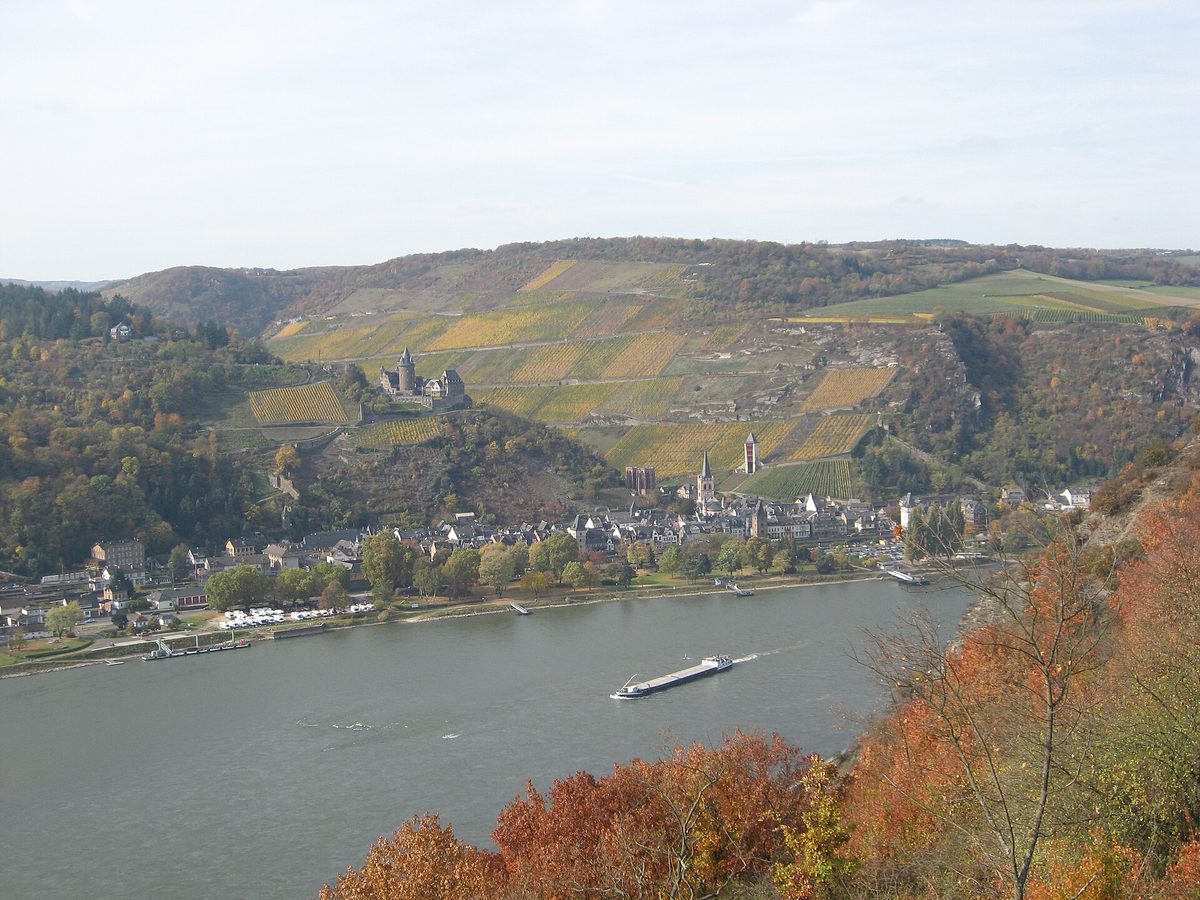
Scotland: the North Coast 500
The North Coast 500 loops 830 km out of Inverness around the top of Scotland, and it has become a genuine phenomenon — for good and ill. The good: single-track roads through Assynt and Wester Ross that are as wild as anything in Europe, empty beaches the colour of the Caribbean (just colder), and a whisky distillery roughly every time you get thirsty. The ill: it’s now busy in peak summer, and the single-track sections demand passing-place etiquette that some visitors haven’t learned. Go in May or September, give it a full week, and read up on the Scotland road trip rules of the road before you set off.

One honest note: the NC500 gets the headlines, but the drive over to Skye and through Glencoe is arguably more beautiful and far less hyped. If you’re flying into Edinburgh or Glasgow, the UK travel guide covers how to thread the Highlands into a wider British trip.
Ireland: the Wild Atlantic Way
At roughly 2,500 km from Donegal to Cork, the Wild Atlantic Way is the longest defined coastal route in the world, and you do not need to drive all of it. I’d pick a third — the stretch from Galway through the Burren, the Cliffs of Moher and out onto the Dingle Peninsula is the most rewarding week’s driving in Ireland. Slea Head Drive on Dingle is the one I send everyone to: a small loop with beehive huts, surf beaches and the Blasket Islands offshore.
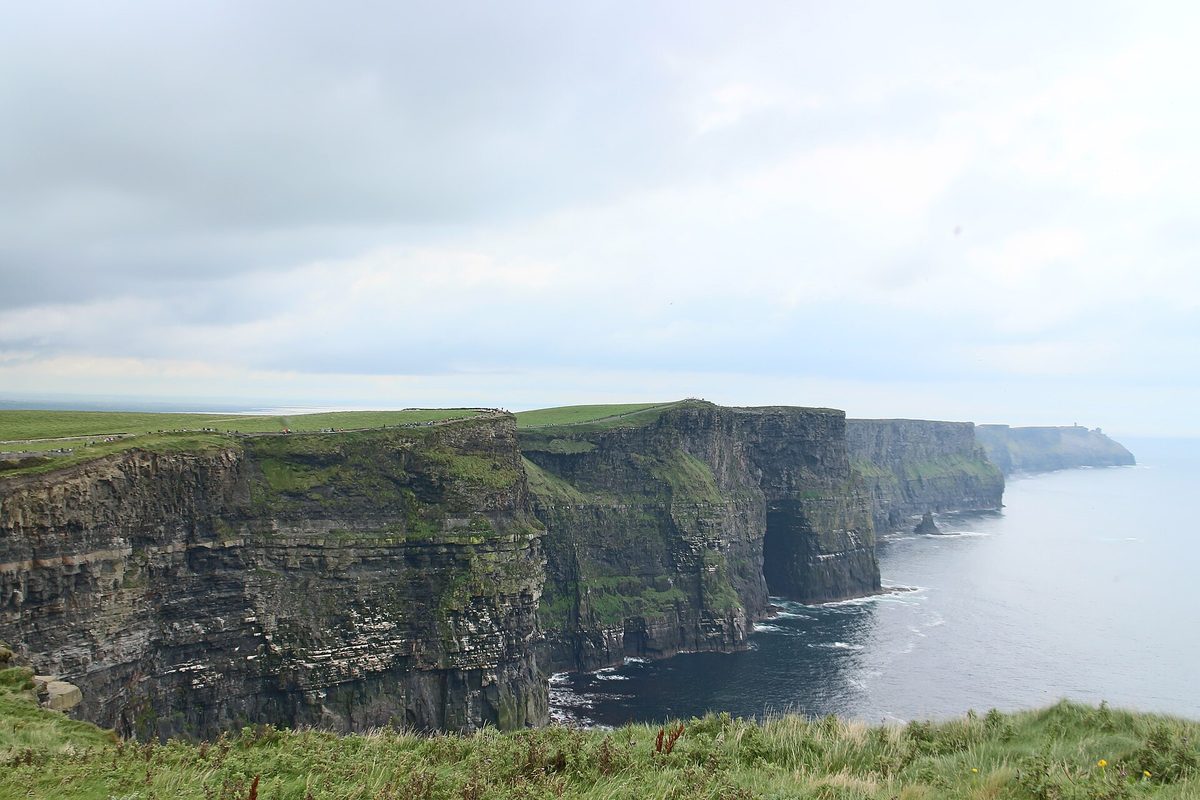
Remember you’ll be driving on the left here, the rural roads are narrow and hedge-lined, and an automatic costs more and must be booked ahead. My full Ireland road trip itinerary breaks the coast into manageable legs, and the broader Ireland travel guide covers ferries, weather and where to break the drive.
Iceland: the Ring Road
Iceland’s Route 1 circles the entire island in about 1,330 km, and it’s the most jaw-dropping road trip I’ve ever done — waterfalls you can walk behind, black-sand beaches, glacier lagoons full of icebergs, and steam rising off the ground like the planet is still being built. Give it 7–10 days so you can detour to the Westfjords or Snæfellsnes. In summer the near-endless daylight means you can drive at 10pm with the road to yourself.

Two hard-won tips: rent a car with proper insurance (Icelandic wind can rip a door clean off — gravel and sand-and-ash cover are worth it), and watch the weather on the official road site, which can close passes with little warning. The dedicated Iceland Ring Road guide has a day-by-day plan, and the Iceland travel guide covers costs, which are steep.
Portugal: the Algarve and beyond
For sheer value, the Algarve is hard to beat. The southern coast strings together golden cliffs, hidden coves you reach by wooden boardwalk, and seafood lunches that cost a third of what you’d pay in the South of France. Drive from Faro west to Lagos and on to the wild, end-of-Europe cliffs at Sagres, detouring to the sea caves at Ponta da Piedade. It’s an easy, well-signed drive — a great first European road trip for families.

If you have longer, point the car north: the Alentejo’s cork oaks and whitewashed villages, then the terraced wine country of the Douro Valley above Porto. My Portugal road trip guide maps the whole coast-to-vineyard route, and the Portugal travel guide covers tolls (Portugal’s electronic toll system catches a lot of rental drivers out — ask for the transponder).
Spain: Andalusia and the Picos de Europa
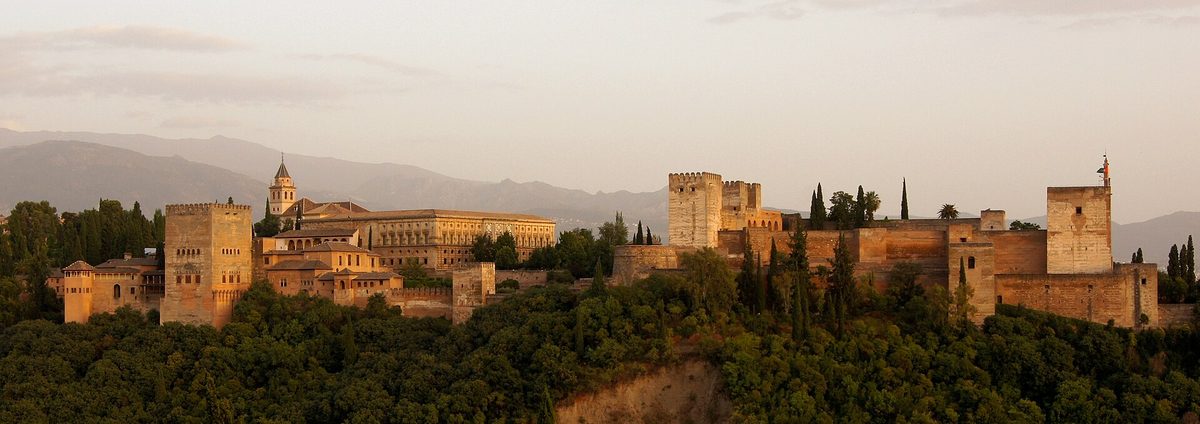
Andalusia is my favourite Spanish road trip: a loop from Seville to Córdoba, Granada and Ronda links the great Moorish cities — the Mezquita, the Alhambra — with the white hill towns of the pueblos blancos and a coastline at the end. It’s roughly 700 km of warm, golden, history-soaked driving, best in spring or autumn since summer inland is brutally hot.
For something completely different, head to green, rainy northern Spain: the Picos de Europa mountains, the surf and pintxos of the Basque Country, and the pilgrim coast of Asturias and Galicia. It’s one of the most underrated drives in Europe and a world away from the costas. The Spain travel guide has the regional breakdown.
France: Provence and the Côte d’Azur
If you want the most romantic week’s driving in Europe, it’s Provence in June. Hilltop villages — Gordes, Roussillon, the lavender plateau around Sault and Valensole when it’s in full purple bloom — then down to the glamour of the Côte d’Azur and the Gorges du Verdon, Europe’s answer to the Grand Canyon, in between. France’s motorways (autoroutes) are fast, beautifully maintained and tolled, so budget for péage. This is prime territory for a europe road trip for couples, and the France travel guide covers the wider country. If you want short driving days rather than long ones, driving the Loire Valley chateaux route keeps every leg under 45 minutes. For a shorter, denser loop, the D-Day coast and the Route du Cidre sit within an hour of each other; our Normandy driving guide maps the distances.

Norway: the Atlantic Road and the fjords
Norway is expensive and worth every krone. The Atlantic Road (Atlanterhavsveien) is only 8 km but it leaps between islets on storm-battered bridges and has been called the most beautiful drive in the world; pair it with the longer fjord routes around Geiranger and Trollstigen’s dizzying hairpins. Driving here is calm, careful and rule-bound — Norwegians do not speed — and the scenery is relentless. Distances are long and ferries are part of the road network, so plan around their timetables.

Slovenia: the Julian Alps loop
If I had to send one friend somewhere they’d never considered, it would be Slovenia. A short loop from Ljubljana takes in storybook Lake Bled, the turquoise Soča River, and the white-knuckle Vršič Pass — 50 cobbled hairpins over the Julian Alps. It’s compact, affordable, staggeringly pretty and still relatively uncrowded. A long weekend’s drive that punches far above its weight.

Romania: the Transfăgărășan and Transalpina
The Transfăgărășan — the road Top Gear once called the best in the world — climbs in a frenzy of hairpins over the Carpathians to a glacial lake at the top. It’s a thrill drive, pure and simple, and it’s only open roughly July to September; the rest of the year it’s buried in snow. Nearby, the higher, lonelier Transalpina is its quieter rival. Pair them with Transylvania’s Saxon villages and Bran Castle for one of the best-value adventures in Europe.

The Adriatic: Dalmatia and the Bay of Kotor
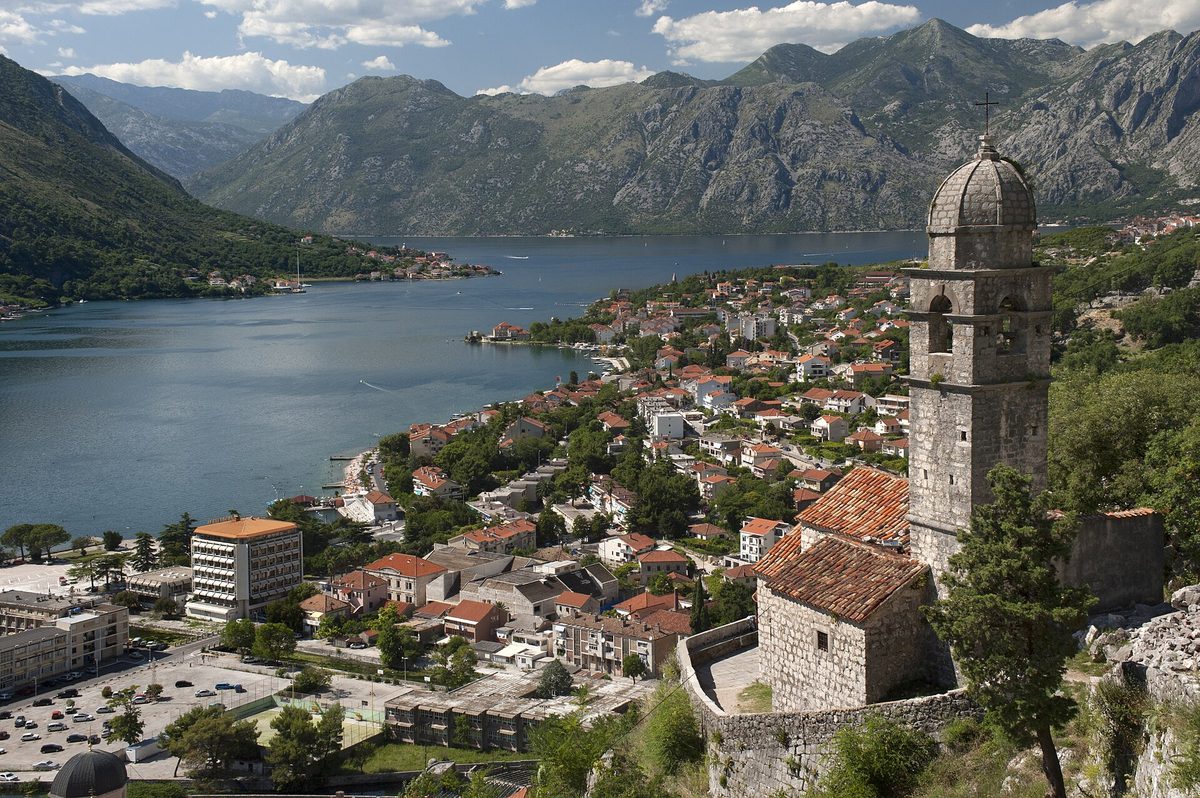
Croatia’s Dalmatian coast — Split, the islands, walled Dubrovnik — flows naturally south across the border into Montenegro and the fjord-like Bay of Kotor, where a serpentine road switchbacks up the mountainside for one of the great reveal-the-view moments in European driving. Note this crossing leaves the EU and Schengen, so carry your documents and tell your rental company in advance (more on that below). The Croatia travel guide covers ferries and island-hopping by car.
Which Europe road trip suits your travel style?
The “best” route is the one matched to who’s in the car. Here’s how I’d point different travellers, drawing on a lot of trips that went right and a few that didn’t.
First-timers and nervous drivers
Stick to one country with good roads and forgiving distances: Germany’s Romantic Road, Portugal’s Algarve, or a Tuscany road trip. Rent an automatic, avoid big-city driving entirely (park on the edge and take transit in), and don’t book back-to-back long driving days. If it’s your very first big European trip, read how to plan a trip to Europe first — it’ll save you the rookie scheduling mistakes.
Couples
Provence, the Dolomites, Slovenia and the Amalfi Coast are made for two: scenic, slow, with somewhere gorgeous to have dinner at the end of each drive. My dedicated europe road trip for couples guide pairs routes with the kind of stays — agriturismi, fjord cabins, clifftop hotels — that make the trip.
Families
Shorter legs, beaches, and a base you return to each night beat a constant move. The Algarve, Tuscany and the Austrian/Bavarian Alps all work brilliantly with kids. Pack snacks for the hairpins, and break the Dolomites’ mountain passes into bite-sized days.
Budget travellers
Eastern Europe and Iberia stretch your money furthest — Romania, Slovenia, Portugal and inland Spain offer world-class driving at a fraction of Norway or Switzerland prices. Split fuel and a rental between four and a road trip becomes one of the cheapest ways to travel. The Europe on a budget guide has the numbers, and backpacking Europe covers doing it on even less.
Solo drivers
Road-tripping alone in Europe is safe, freeing and surprisingly social if you stay in guesthouses. Scotland, Ireland and Slovenia are especially comfortable for a first solo drive. See our solo travel guide for the practical and safety side.
How long do you need for a Europe road trip?
Be realistic and you’ll have a far better time. My rule of thumb: at least two nights in most places, one night only in the smallest villages, and never more than three or four hours of actual driving on a “moving” day if you want to enjoy it. A focused single-country route (the Algarve, the NC500, the Ring Road) sings in 7–10 days. Trying to link Paris, the Alps, Tuscany and Barcelona in two weeks is how you end up exhausted with 4,000 km on the clock and no memories that aren’t a motorway.
If you’re building a longer multi-country trip, sketch it against a proper Europe itinerary first so the distances are honest. And weigh whether you even need the car for the whole time — on many routes it’s smarter to travel by train between cities and rent a car only for the rural, scenic stretches where it actually earns its keep.
When is the best time for a European road trip?
For most of Europe, the sweet spot is late spring (May to mid-June) and early autumn (September): long days, open mountain passes, warm-enough weather and far fewer crowds than July–August. I avoid peak August on the famous coastal routes — the Amalfi Coast and Algarve get genuinely gridlocked, and prices peak.
Season changes everything about which routes are even possible. High alpine roads — the Stelvio, the Transfăgărășan, Norway’s Trollstigen, Slovenia’s Vršič — only open roughly June to September/October. Iceland’s Ring Road is far easier in summer; in winter you’re into ice, storms and short daylight. For the full month-by-month and region-by-region picture, see the best time to visit Europe guide. One lovely exception: Germany’s Romantic Road in December, strung with Christmas markets, is magic if you don’t mind cold-weather driving.
Renting a car for a Europe road trip
This is where trips are quietly made or broken, so here’s everything I’ve learned the hard (and expensive) way. My full Europe road trip car rental guide goes deeper, but these are the essentials.
Book early and rent small
Reserve well ahead for summer — three to six months out for the best rates — and rent the smallest car that fits your luggage. European streets, car parks and village lanes were not designed for an SUV, and fuel and tolls cost more the bigger you go. Most rentals are manual; if you can only drive an automatic, book it early and expect to pay noticeably more.
One-way and cross-border rentals
Picking the car up in one country and dropping it in another is possible but pricey — one-way international drop-off fees can run from €50 to several hundred euros. Round-trip loops (return the car where you got it) are far cheaper, which is one reason loop routes like the NC500 and Andalusia are so popular. If you’re crossing borders, tell the rental company when you book: driving into an unauthorised country can void your insurance, and some borders (especially into non-EU countries like Montenegro, Bosnia or Albania) need written permission and carry a per-day cross-border fee.
Do you need an International Driving Permit?
If you hold an EU/EEA licence, you can drive across the EU on it — no permit needed. If you’re visiting from outside Europe (the US, Canada, Australia and others), several countries legally require an International Driving Permit (IDP) alongside your home licence — Italy, Spain, Austria, Germany, Greece, Czechia and Poland among them. It’s a cheap, simple document you get at home before you fly (in the US, from AAA for around US$20); without it your insurance can be challenged after an accident. Get one — it’s not worth the risk.
Driving in Europe: the rules that actually catch tourists out
Driving standards, signs and habits vary by country, but a handful of rules trip up visitors again and again. The getting around Europe guide compares driving with trains and flights; here’s the road-specific shortlist.
| Rule / hazard | What to know |
|---|---|
| Which side? | Right side almost everywhere; the UK, Ireland, Malta and Cyprus drive on the left. |
| Tolls | Pay-as-you-go booths in France, Italy, Spain, Portugal, Greece, Croatia. Keep a card and some coins handy. |
| Vignettes | Switzerland, Austria, Czechia, Slovakia, Slovenia, Hungary, Romania, Bulgaria require a pre-bought sticker/e-vignette. Switzerland’s is ~CHF 40/year. |
| City limited-traffic zones | Italy’s ZTL and many low-emission zones fine you by camera. Park outside historic centres. |
| Headlights | Many countries require daytime running lights; in the Nordics it’s the law year-round. |
| Alcohol limits | Lower than the US/UK in most of Europe; several countries are effectively zero-tolerance. Don’t risk it. |
| Right on red | Illegal almost everywhere in Europe unless a sign or arrow permits it. |
| Speed cameras | Everywhere, and fines follow the rental plate to your home. Carry the required safety vest and warning triangle. |
A few more I’ve learned: in much of Mediterranean Europe driving is more assertive than you may be used to, so leave ego at the airport; mountain passes have right-of-way conventions (uphill traffic usually has priority) worth reading up on; and if you’re going electric, Europe’s EV charging network is excellent in the west and north but patchier in the rural south and east — download the main charging apps before you go and don’t run a tight range in the mountains.
What a Europe road trip actually costs
Costs swing hugely by region and season, but here’s a realistic daily budget for two people sharing a small rental in 2026. Norway, Switzerland and Iceland sit at the top end; Portugal, Spain and Eastern Europe at the bottom.
| Expense | Budget | Mid-range | Comfort |
|---|---|---|---|
| Small rental (per day) | €25–40 | €45–70 | €80+ |
| Fuel (per day driving) | €20–35 | €30–50 | €50+ |
| Tolls/vignettes (per day) | €0–10 | €10–25 | €25+ |
| Accommodation (double) | €60–90 | €100–160 | €200+ |
| Food & coffee (two) | €30–45 | €50–80 | €100+ |
| Daily total (two people) | ~€135–220 | ~€235–385 | €450+ |
To keep it down: travel in shoulder season, pick one region to cut fuel and tolls, book an automatic only if you truly need one, and stay in guesthouses or agriturismi outside the tourist centres. For a deeper look at sleeping costs across the continent, see where to stay in Europe; for cross-Europe money-saving habits, these Europe travel tips are the ones I actually use.
Entry rules and ETIAS in 2026
If you’re visiting from outside Europe, the headline change is ETIAS, the EU’s new travel authorisation for visa-exempt visitors (Americans, Britons, Canadians, Australians and many others). As of mid-2026 it is expected to launch in the last quarter of 2026 and become mandatory roughly six months later (around 2027) — so for trips right now it likely isn’t required yet, but timelines have shifted before. When live it’ll cost a few euros, be done online in minutes, and last three years.
Most of Europe’s road-trip countries are in the Schengen Area, so once you’re in you cross internal borders without passport checks — wonderful for driving. But some great routes leave Schengen: Montenegro, Bosnia, Albania, and (for now) the UK and Ireland have their own rules. Always check the official EU ETIAS pages and your government’s advice close to departure; entry rules genuinely change. My Schengen visa and ETIAS guide keeps the current state of play, with the date last checked.
Three multi-country road trips worth the extra borders
Single-country loops are the smart default, but a few cross-border routes genuinely reward the extra planning — and thanks to Schengen, the borders between most of them are invisible. These are the ones I’d actually do.
The Alpine Arc: Switzerland, Italy and Austria
A loop through the high Alps strings together the greatest concentration of driving roads in Europe: the Swiss passes (Furka, Grimsel, Susten), over to the Italian Dolomites and the Stelvio, then back through the Austrian Tirol and the Grossglockner High Alpine Road. Give it 10–14 days, go July–September when the passes are open, and budget for it — Switzerland is pricey, and you’ll need a vignette. The Switzerland travel guide covers the Swiss leg.
The Adriatic run: Italy to Montenegro
From Venice down Italy’s coast, a ferry across to Croatia (or the long drive around the head of the Adriatic), then south through Dalmatia — Zadar, Split, Dubrovnik — and over the border to the Bay of Kotor. It’s coast, islands, walled cities and one unforgettable mountain reveal, best in May–June or September. Remember the Montenegro leg leaves Schengen and the EU.
The Mediterranean south: Spain, France and Italy
The classic Med arc — Barcelona along the French Riviera to the Italian coast — is gorgeous but gets gridlocked and expensive in summer, so I’d do it in shoulder season and keep the daily drives short. If beaches are the goal, you might combine it with a Greek-island leg by air; the Greece travel guide covers driving the Peloponnese, which is wonderful and underrated.
Your Europe road trip prep checklist
The ten minutes you spend on this before you fly will save you hours and euros on the road. Here’s what I run through every time:
- Licence + IDP — and your passport; carry the physical documents in the car.
- Rental confirmed with the right transmission, any cross-border permission, and full insurance (excess/CDW, plus gravel/sand cover where relevant).
- Tolls & vignettes — buy e-vignettes online before you cross into countries that need them; have a card and coins for toll booths.
- Offline maps downloaded, plus the local EV-charging and parking apps if you’ll need them.
- Safety kit — reflective vests for everyone, a warning triangle, and check whether your route’s countries mandate anything extra.
- Accommodation for at least the first couple of nights and any festival/peak dates; leave the rest flexible.
- A loose plan with gaps — pin the must-sees, then leave room for the detours that make the trip.
Sort those, and you’re free to enjoy the part that matters: the road unspooling in front of you and the freedom to follow it wherever it goes.
Honest mistakes to avoid (I’ve made most of them)
A few hard-won lessons so your trip goes smoother than my early ones. Don’t over-plan the kilometres — leave whole afternoons unbooked for the detours that become the best memories. Don’t drive into historic city centres; park on the edge and walk or take transit, especially in Italy where ZTL cameras are merciless. Don’t skip the small insurance on gravel, sand and windy routes like Iceland. Don’t assume you’ll find fuel in the remote north or the Highlands on a Sunday — top up when you can. And don’t underestimate fatigue: a mountain pass is twice the work of a motorway, so build in slow days.
One more: a road trip doesn’t have to be your whole holiday. Some of my favourite trips drive the scenic country stretch, then drop the car and finish with a few days of a European city break or some time on the best beaches in Europe. The car is a tool for reaching what you can’t otherwise — not a sentence to serve. For broader inspiration on stitching it together, the hub of the best places to visit in Europe is where I’d start.
Europe road trip FAQ
Which country is best for a road trip in Europe?
It depends on what you want, but Italy is my top all-rounder for first-timers — the Amalfi Coast, Dolomites and Tuscany cover coast, mountains and wine country in one country. For wild scenery, pick Scotland or Iceland; for value, Portugal or Romania; for romance, France or Slovenia. Match the country to your driving confidence and the landscape you’re craving.
How much does a Europe road trip cost?
For two people sharing a small rental, budget roughly €135–220 a day on the lower end and €235–385 mid-range, covering car, fuel, tolls, accommodation and food. A two-week trip therefore runs around €1,900–€5,400 for two. Norway, Switzerland and Iceland cost noticeably more; Portugal, Spain and Eastern Europe noticeably less.
Is it cheaper to drive or take the train in Europe?
For two or more people travelling together into rural areas, driving usually wins on both cost and access. For solo travellers or city-to-city trips, trains are often cheaper, faster and far less stressful. Many of my best trips do both — train between the cities, rent a car only for the scenic countryside where it truly pays off.
Do I need an International Driving Permit to drive in Europe?
EU/EEA licence holders don’t. Visitors from outside Europe legally need an IDP in several countries — including Italy, Spain, Austria, Greece, Germany, Czechia and Poland. It’s cheap and quick to get at home before you fly (about US$20 from AAA in the States) and your insurer can challenge a claim without it, so just get one.
Can you cross borders with a rental car in Europe?
Usually yes within the EU and Schengen — crossings between Western European countries are typically free and check-free. But always tell the rental company in advance, because crossing into non-EU countries like Montenegro, Bosnia or Albania often needs written permission and a per-day fee, and driving somewhere unauthorised can void your insurance.
What is the best month for a European road trip?
May, June and September are ideal almost everywhere: open mountain passes, long days, warm weather and fewer crowds than peak July–August. High-altitude roads like the Stelvio and Transfăgărășan only open in summer, while Iceland’s Ring Road is far easier between June and August. Avoid the famous coasts in August if you can.
How long do you need for a road trip around Europe?
Give a single focused route 7–10 days — that’s enough for the NC500, the Ring Road, the Algarve or Andalusia at a relaxed pace. A long weekend suits compact loops like Slovenia’s Julian Alps. Resist linking too many countries: more than three or four hours of daily driving turns a holiday into a commute.
Is driving in Europe difficult for Americans?
Less than you’d fear. Roads and signage are excellent, though cars are smaller, most are manual, and city ZTLs, tolls and roundabouts take adjustment. The UK and Ireland drive on the left, which is the biggest mental switch. Rent an automatic, avoid city-centre driving, get an IDP, and you’ll adapt within a day.
Final thoughts
The reason I keep coming back to a europe road trip, after all these years and all those tolls, is that it hands you the in-between — the lay-by with the unreasonable view, the village that wasn’t on the plan, the morning you decided to stay one more night because you could. Trains are wonderful and I love them, but the car is the one that lets Europe surprise you.
So pick one region, not five. Go in May or September. Rent something small, get the insurance, learn the local quirks of the road, and leave gaps in the schedule for luck. Do that, and you’ll come home already plotting the next route. Safe travels — and may all your passing places be courteous ones.
About the author: Hannah Brooks is Senior Europe Editor at EuropeanTourism.org. She has driven the Amalfi Coast, the North Coast 500, Iceland’s Ring Road and the Transfăgărășan, stalled a rental on the Stelvio Pass more than once, and still hasn’t paid that Florence parking ticket. She writes practical, first-hand guides for independent travellers.
Last updated: June 2026. Prices, distances, tolls and entry rules change — confirm current details with official sources such as national tourism boards, your car-rental company, and the official EU ETIAS pages before you drive.
Photo credits
All images are used under their respective licenses via Wikimedia Commons. With thanks to the photographers:
- Positano tumbling down the cliffs on the Amalfi Coast drive in Italy — Photo: Wiki.Bianco / CC BY-SA 4.0 via Wikimedia Commons.
- The hairpin switchbacks of the Stelvio Pass, a bucket-list europe road trip drive — Photo: Raul Taciu raultaciu (CC0) via Wikimedia Commons.
- Cypress-lined roads through the Val d’Orcia in Tuscany, Italy — Photo: Teseo / CC BY-SA 4.0 via Wikimedia Commons.
- Neuschwanstein Castle at the end of Germany’s Romantic Road — Photo: Wilfredor (CC0) via Wikimedia Commons.
- Vineyards and villages along the Rhine Valley road in Germany — Photo: Prankster (CC0) via Wikimedia Commons.
- The wild Highlands scenery near the North Coast 500 route in Scotland — Photo: Gil Cavalcanti / CC BY-SA 3.0 via Wikimedia Commons.
- The Cliffs of Moher on Ireland’s Wild Atlantic Way — Photo: Suicasmo / CC BY-SA 4.0 via Wikimedia Commons.
- Iceland’s Ring Road (Route 1) cutting through dramatic landscape — Iceland’s Ring Road (Route 1) cutting through moss-covered lava fields — Photo: Neil D’Cruze / CC BY 2.0.
- The golden sea cliffs of Ponta da Piedade on the Algarve, Portugal — Photo: Joergsam / CC BY-SA 3.0 via Wikimedia Commons.
- The Alhambra in Granada, a highlight of an Andalusia road trip in Spain — Photo: Jebulon (CC0) via Wikimedia Commons.
- Lavender fields in bloom in Provence, France — Photo: Astronautilus / CC BY 2.0 via Wikimedia Commons.
- The Geirangerfjord and its mountain roads in Norway — Photo: Virtual-Pano / CC BY-SA 4.0 via Wikimedia Commons.
- Lake Bled on Slovenia’s Julian Alps loop — Photo: Krzysztof Golik / CC BY-SA 4.0 via Wikimedia Commons.
- A winding alpine road climbing through high peaks, the essence of a europe road trip — Photo: Karsten Würth (@inf1783) inf1783 (CC0) via Wikimedia Commons.
- The Transfagarasan road snaking up the Carpathian mountains in Romania — Photo: Dariusz Grosa (CC0) via Wikimedia Commons.
- The fjord-like Bay of Kotor in Montenegro seen from the serpentine coastal road — Photo: User:Ggia / CC BY-SA 3.0 via Wikimedia Commons.
1 comment