Portugal Travel Guide: Plan an Unforgettable Trip in 2026

Last updated: June 2026 — prices, train fares and entry rules checked this month. By Hannah Brooks, Senior Europe Editor.
I’ll admit it: Portugal snuck up on me. I went the first time for a cheap week of sun in the Algarve and came home rearranging my mental ranking of favourite European countries. A dozen visits later — winter city breaks in Lisbon, harvest season in the Douro, a levada-walking week on Madeira — this Portugal travel guide is everything I wish someone had handed me before that first trip.
Portugal packs Atlantic beaches, two of Europe’s most charismatic cities, terraced wine valleys and year-round sunshine into a country you can drive end to end in under six hours. It’s one of Western Europe’s safest, cheapest destinations: plan on €60–90 per day midrange, visit May–June or September–October, and split your first trip between Lisbon, Porto and the Algarve.
This guide is built for first-timers and returners alike: where to go region by region, when to visit, how many days you need, what it really costs in 2026, how to get around, and the practical details (entry rules included) that other guides gloss over. If you’re still weighing Portugal against its neighbour, my Spain travel guide makes a good companion read — but I’d gently point out that Portugal gives you 80% of the same pleasures with roughly 60% of the crowds.
Portugal travel guide at a glance: where to go
Portugal divides neatly into a handful of regions, each with a distinct personality. Here’s the cheat sheet I sketch on a napkin whenever a friend says they’re finally visiting Portugal:
| Region | Best for | Time needed | Don’t miss |
|---|---|---|---|
| Lisbon & around | First visit, food, day trips | 3–4 days | Alfama, Belém, Sintra’s palaces |
| Porto & the North | Wine, riverside atmosphere | 2–3 days | Ribeira, port lodges, Braga |
| Douro Valley | Wine estates, scenic trains | 1–2 days | Pinhão river bend, quinta stays |
| The Algarve | Beaches, cliffs, family trips | 3–5 days | Ponta da Piedade, Benagil, Tavira |
| Central Portugal | History, small towns | 1–3 days | Coimbra, Óbidos, Nazaré |
| Alentejo | Slow travel, wine, stars | 1–3 days | Évora, Comporta coast |
| Madeira | Hiking, subtropical scenery | 4–7 days | Pico do Arieiro, levada walks |
| The Azores | Nature, whales, volcanoes | 4–7 days | Sete Cidades, Furnas hot springs |
Quick facts before we dig in: the currency is the euro; the language is Portuguese (English is more widely spoken than in Spain, France or Italy — genuinely, you’ll be fine); Portugal is in the Schengen Area and on Western European Time, one hour behind Spain; tap water is safe; and the country regularly ranks in the world’s top ten safest (7th on the 2024 Global Peace Index). For the bigger continental picture, my guide to the best places to visit in Europe shows where Portugal fits in a wider trip.
Lisbon and around: the essential first stop
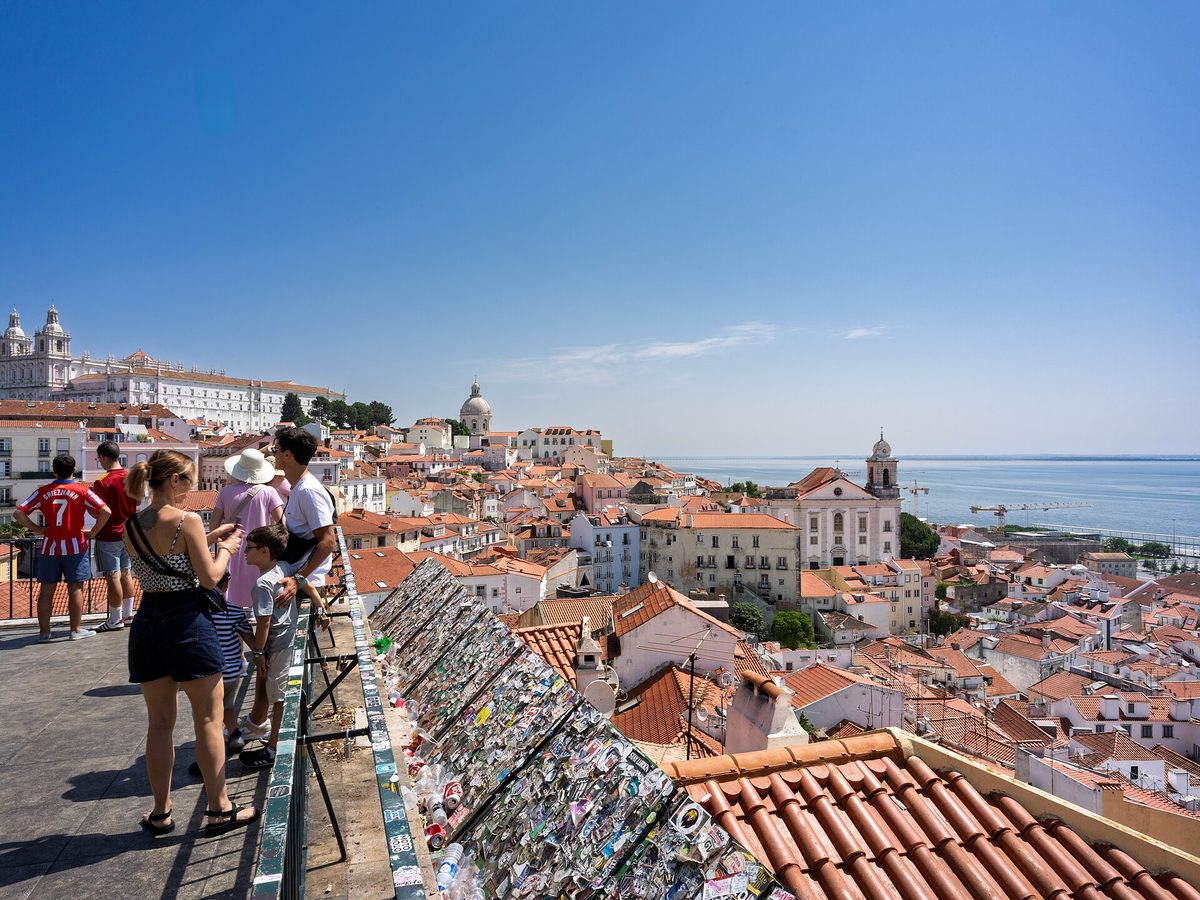
Most Portugal trips start in Lisbon, and they should. Europe’s second-oldest capital (only Athens has been continuously inhabited longer) earns its hype the honest way: with seven hills of pastel-painted streets, miradouro viewpoints where locals sip €1.50 espressos over postcard panoramas, and a food scene that has exploded over the past decade without losing its tasca soul.
Give Lisbon three full days minimum. Spend one getting lost in Alfama — the Moorish old town that survived the 1755 earthquake — riding the famous tram 28 early (before 9am, or the queues are brutal) and climbing to São Jorge Castle. Spend another in Belém, where the Jerónimos Monastery and Belém Tower commemorate the Age of Discoveries, and the original Pastéis de Belém bakery has been turning out custard tarts since 1837 (around €1.50 each; the queue moves fast, and yes, they’re worth it warm). Day three is for the city’s newer face: the MAAT museum on the riverfront, the TimeOut Market’s greatest-hits food hall, and an evening of fado — the mournful, beautiful music born in these streets — in a small Alfama or Mouraria house rather than a big tourist dinner show.
I’ve barely scratched the surface here; my full guide to the best things to do in Lisbon covers neighbourhoods, day trips and where to eat in proper depth. One practical note: Lisbon is steep and cobbled. Bring grippy shoes, not new white trainers — the polished calçada pavement turns into an ice rink after rain.
Sintra: the day trip everyone’s right about

Forty minutes by train from Lisbon’s Rossio station (under €5 return) lies Sintra, the hill town where Portuguese royalty built their summer fantasies. Lord Byron called it “glorious Eden”, and the candy-striped Pena Palace crowning the forested ridge still looks like something a romantic poet dreamed up. Book the first timed entry of the morning (around €20 with the park) and you’ll beat the worst of the crowds; by 11am in summer it’s shoulder to shoulder.
Don’t stop at Pena. The Quinta da Regaleira‘s mossy initiation well is the most atmospheric ten minutes in Portugal, and the Moorish Castle’s ramparts give you the view of Pena that’s all over your feed. I’ve written a dedicated guide to Sintra with a realistic one-day route — trust me when I say trying to cram four palaces into one visit is the classic first-timer mistake. Two palaces, a long lunch, done.
Porto and the North: wine, granite and soul
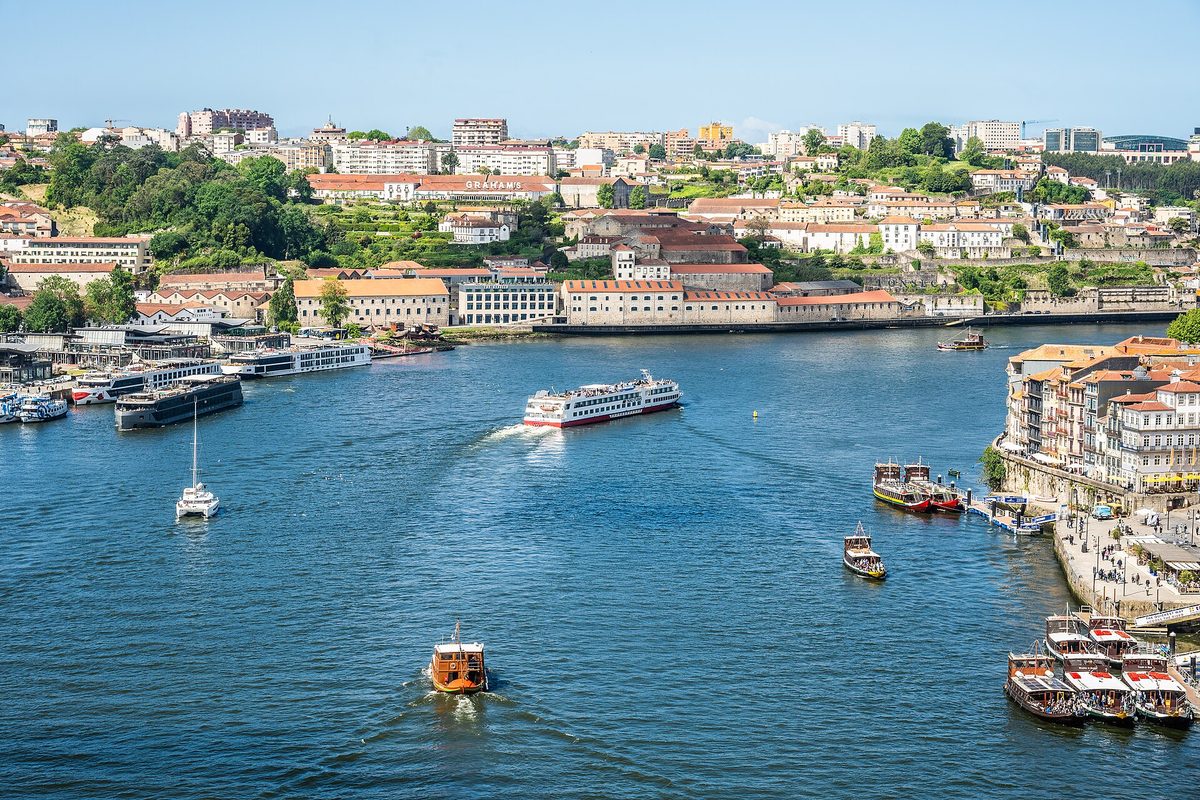
If Lisbon is Portugal’s polished showpiece, Porto is its beating heart — grittier, friendlier, and for a growing number of travellers (me included, on certain moody autumn days) the more lovable of the two. The Ribeira district tumbles down to the Douro in a jumble of ochre and azulejo-tiled facades, and the view back across the river from Vila Nova de Gaia at dusk, port glass in hand, is one of Europe’s great cityscapes.
Two to three days is right. Tour a port lodge in Gaia (Taylor’s and Graham’s run excellent tastings, around €20–25 with a flight of ports; book the late-afternoon slot and stay for sunset), climb the Clérigos Tower, see the blue-tiled São Bento station concourse, and browse the Livraria Lello — the gorgeous 1906 bookshop that now charges around €10 admission (redeemable against a book) to manage the crowds. Eat a francesinha, Porto’s gloriously excessive meat-and-melted-cheese sandwich drowned in beer sauce (€12–15, split one), then atone with a walk along the Foz seafront where the river meets the Atlantic.
My complete Porto travel guide has the full neighbourhood-by-neighbourhood breakdown. And if you’re agonising over which city deserves more of your time, I’ve written an honest head-to-head — Lisbon vs Porto — but the short version is: first-timers should do both; the train takes three hours.
With an extra day up north, Braga (one hour from Porto) pairs Portugal’s most theatrical baroque staircase, the Bom Jesus do Monte sanctuary, with a lively university-town centre; Guimarães, the country’s storybook birthplace, is its UNESCO-listed rival. Both work as easy day trips by train for a few euros each way.
The Douro Valley: Europe’s most beautiful wine region

I’ve tasted my way through Tuscany, Burgundy and Rioja — see my Italy and France guides for those — and still nothing prepares you for the Douro Valley. The world’s oldest demarcated wine region (1756) is a man-made wonder: two thousand years of hand-built terraces contouring every slope of the river gorge, studded with white quinta estates.
The classic approach is the Linha do Douro railway from Porto: hug the riverbank for the final hour into Pinhão (about 2¼ hours, around €12 each way — the left side seats have the views). Taste at a quinta or two (Quinta do Bomfim and Quinta de la Rosa both do excellent visits around €15–25), take a one-hour rabelo boat trip from Pinhão’s dock, and if the budget allows, sleep at a vineyard estate — waking up above the river mist is worth every cent. Harvest (mid-September to early October) is the magic window, when some quintas still tread grapes by foot and you can join in. I cover routes, estates and where to stay in my dedicated Douro Valley travel guide. If you would rather let the river do the work, multi-day sailings from Porto are one of the gentlest ways to see it, and I compare them in my guide to European river cruises.
The Algarve: those cliffs, those beaches
Portugal’s southern coast is famous for a reason — actually, for about a hundred reasons, most of them golden sandstone cliffs dropping into impossibly turquoise water. The Algarve claims some of the best beaches in Europe, 300-plus days of sunshine a year, and a tourism machine slick enough that even August chaos feels manageable (just barely — more on timing below).
My honest map of the coast: Lagos in the west is the best all-rounder — a real walled town with nightlife, surf schools and the sculpted coves of Ponta da Piedade on its doorstep. The central stretch around Carvoeiro and Benagil is grotto country; the famous Benagil sea cave with its domed skylight is best visited by kayak or small boat at 9am (tours from around €25–35) before the flotilla arrives. Faro is more than an airport — its old town and the birdlife-rich Ria Formosa lagoon deserve a night — and the eastern Algarve around Tavira is the quiet, tile-fronted antidote to the resort strip, with island beaches reached by little ferries. Out west, Sagres feels like the end of the world (medieval Europe thought it was) and serves the region’s best surf.
Two warnings from experience: first, the sea here is the Atlantic, not the Med — even in August it rarely tops 22°C, and the west coast is properly bracing. Second, July and August prices can triple. June and September give you the same beaches at two-thirds the cost and half the crowds. Everything else — town-by-town comparisons, the best cliff walks (do the Seven Hanging Valleys trail), where families should base themselves — lives in my full Algarve travel guide.
Central Portugal and the Alentejo: the country between the postcards
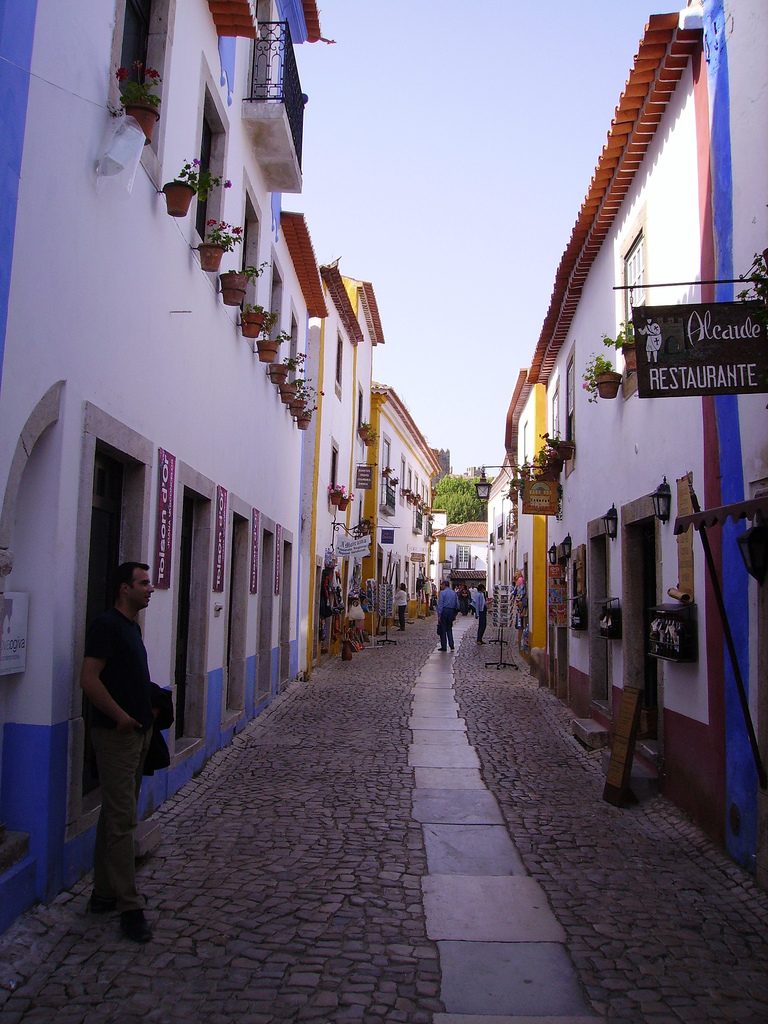
The stretch between Lisbon and Porto is where Portugal keeps its history, and most visitors barrel straight past it on the A1. Slow down for a day or three. Óbidos is a walled medieval village so pretty it was traditionally given by kings to their queens as a wedding present; walk the ramparts, then drink a shot of ginjinha (sour-cherry liqueur) from an edible chocolate cup for about €1.50. Coimbra, Portugal’s Oxford, is home to one of the world’s oldest universities and the Biblioteca Joanina — a gilded baroque library guarded at night by a resident colony of book-protecting bats, which remains my favourite fact in all of Portugal. Nazaré is a fishing town that doubles as the planet’s big-wave capital: from October to March, swells at Praia do Norte can top 20–30 metres, and watching surfers take them on from the lighthouse fort is free and unforgettable.
Monastery hunters get three UNESCO heavyweights in a 50km triangle — Alcobaça, Batalha and the Knights Templar headquarters at Tomar (around €15 buys a combined ticket for all three; Tomar’s Convent of Christ is the one I’d pick if you only see one). Pilgrims and the curious also stop at Fátima, one of Catholicism’s most important shrines.
South and east of Lisbon unrolls the Alentejo — cork oaks, whitewashed villages, and a pace of life that makes the rest of Portugal look hurried. Évora is the anchor: a UNESCO-listed town with a remarkably intact Roman temple, a sobering Chapel of Bones, and some of the country’s best red wine served in unpretentious cellars. The Alentejo coast around Comporta and Melides has quietly become the bolthole of choice for in-the-know Europeans — long empty beaches, pine forests, rice paddies — while inland, the Alqueva reservoir region holds Europe’s first certified Dark Sky Reserve. If your idea of a perfect evening is local wine under a sky full of stars, this is your Portugal.
Madeira and the Azores: Portugal’s Atlantic wild cards
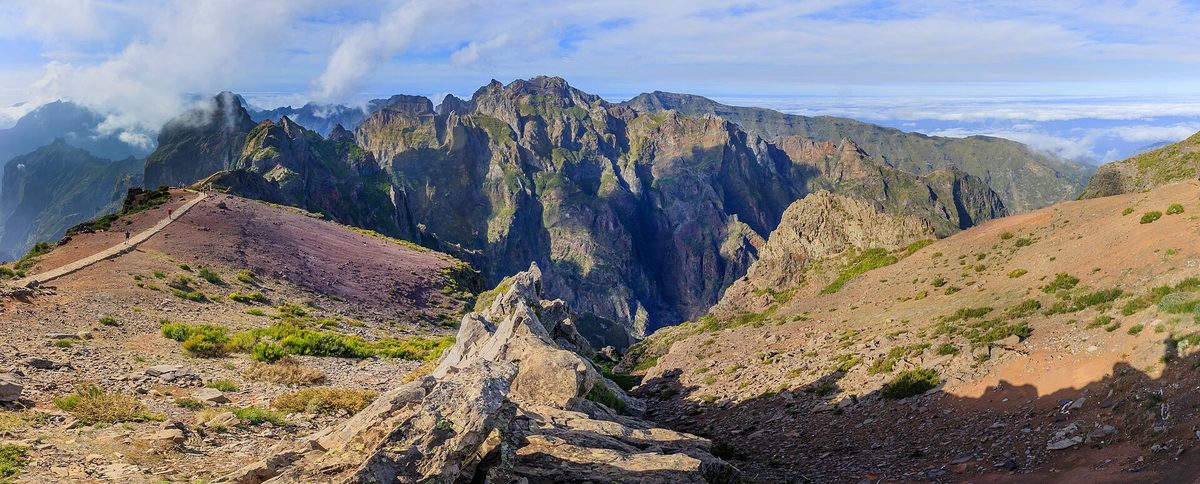
Madeira floats 1,000km southwest of Lisbon and feels like a different country: subtropical, vertiginous, permanently green, with temperatures sitting politely between 17°C and 26°C all year. It has reinvented itself from cruise-and-Christmas destination to one of Europe’s great hiking islands. The levadas — centuries-old irrigation channels with maintenance paths alongside — thread the island with gentle walking routes through laurel forest (the 25 Fontes route is justifiably the classic), while the sunrise ridge walk from Pico do Arieiro to Pico Ruivo above a sea of clouds is, for my money, the single best half-day hike in Portugal. Add Funchal’s old town and toboggan run, poncha (the local rum-and-citrus medicine), black-scabbard fish with banana (better than it sounds), and natural lava pools at Porto Moniz. Flights from Lisbon start around €40–60; my Madeira travel guide has a full week’s itinerary.
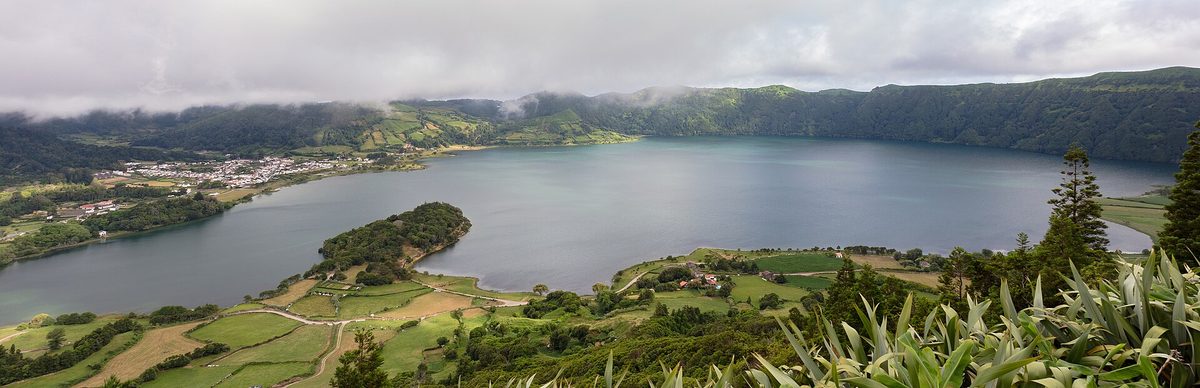
The Azores, nine volcanic islands 1,500km out in the mid-Atlantic, are wilder still — Europe’s answer to Hawaii, with hydrangea-lined lanes, crater lakes and some of the world’s best whale watching (sperm whales live here year-round; blues migrate through in spring). Base yourself on São Miguel for a first visit: the twin lakes of Sete Cidades, the geothermal valley of Furnas where locals slow-cook cozido stew in volcanic soil, and hot-spring soaking at Poça da Dona Beija (a few euros, go after dark). Direct flights run from Lisbon and Porto (from around €50) and from the US East Coast — Boston is barely four and a half hours away, which still feels like cheating.
Best time to visit Portugal
The honest answer: May, June, September and early October. You get reliable sunshine, swimmable (Atlantic-swimmable) seas by June, prices well below peak, and enough buzz without the crush. I’ve done all four and would pick late September first — the light turns golden, the Douro harvest is on, and the Algarve water is at its warmest after a summer of heating up.
Here’s the quick seasonal picture:
- Spring (March–May): Wildflowers, 18–24°C afternoons, the year’s best value after Easter. The north can still be showery; the Alentejo is at its green best.
- Summer (June–August): Hot, dry, busy. Lisbon hits 28–35°C; the Algarve books out and triples in price in August. June is the sweet spot — and Lisbon’s Santo António festival (the night of 12–13 June) turns the whole city into a sardine-scented street party. If you’re around when this guide updates each June, go: it’s my favourite night in the Portuguese calendar.
- Autumn (September–October): Warm seas, wine harvest, fading crowds. October brings the first proper rain to Porto and the north.
- Winter (November–February): Mild by European standards — Lisbon rarely drops below 8–10°C and the Algarve stays around 16–18°C and often sunny. City breaks are a steal; Madeira is at its best-value. Porto and the north are wet. Pack layers and you’ll have monuments nearly to yourself.
Month-by-month detail, sea temperatures and festival dates are all in my dedicated guide to the best time to visit Portugal — and if you’re weighing Portugal against other corners of the continent, see the wider best time to visit Europe breakdown.
How many days do you need in Portugal?
You can taste Portugal in five days, do it justice in ten, and still find new corners after a month. My honest recommendations, having tested most permutations:
- 4–5 days: One region, done well. Lisbon plus Sintra and a Cascais or Setúbal day; or Porto plus the Douro. Don’t try to do Lisbon AND Porto in under five days — you’ll spend a third of your trip in transit.
- 7 days: The classic first-timer route: 3 nights Lisbon (with a Sintra day), train north, 2–3 nights Porto, Douro day trip. City-to-city by rail in 3 hours.
- 10 days: The route I recommend most often — Lisbon (3), Porto + Douro (3), then fly or drive south for the Algarve (3–4). You’ll see the three faces of Portugal: city, wine country, coast.
- 14 days: All the above at a humane pace, plus Évora and either Coimbra/Óbidos en route or a Madeira add-on (TAP lets you tack on islands cheaply).
I’ve mapped these out stop-by-stop, with train times and where to stay, in my Portugal itinerary guide, and there’s a country-wide hit list in my round-up of the best places to visit in Portugal. Slotting Portugal into a bigger multi-country trip? My Europe itinerary guide covers how to combine it with Spain — Seville to Faro is an easy 3-hour bus, and Madrid–Lisbon is a short flight or a scenic overnighter.
Getting around Portugal

Portugal is small — 560km top to bottom — and refreshingly easy to navigate.
Trains are the backbone for the main axis. CP (Comboios de Portugal) runs the tilting Alfa Pendular and solid Intercidades between Lisbon and Porto: about 3 hours, with advance “Promo” fares from around €10–25 if you book a week or two ahead on cp.pt (up to 65% off walk-up prices — one of Europe’s best rail bargains). Lisbon to Lagos takes around 4 hours with a change at Tunes, about €25–30. The Douro line from Porto to Pinhão might be the prettiest regular train ride in Iberia. Two caveats: book Alfa Pendular seats ahead in summer, and don’t expect trains to reach smaller inland towns — that’s bus territory. For the bigger picture on European rail (passes, night trains, booking platforms), see my full guide to train travel in Europe.
Buses (Rede Expressos, FlixBus) fill the gaps cheaply — Lisbon to the Algarve from around €15–20, often faster than rail for cross-country hops like Lisbon–Évora.
Driving is the key that unlocks rural Portugal: the Douro’s back roads, Alentejo villages, the western Algarve’s wilder beaches. Rentals are among Europe’s cheapest off-season (from around €25–35 a day; book automatics early — most cheap cars are manual). Budget for tolls: Lisbon–Porto runs about €24 each way, and several motorways (including the Algarve’s A22) are electronic-only, so take the rental company’s toll transponder. City driving, by contrast, is misery — don’t rent a car for Lisbon or Porto themselves; central parking is scarce and the trams own the streets.
Within cities, Lisbon and Porto metros are clean and cheap (around €1.80 a ride with a rechargeable card), Uber and Bolt are widespread and inexpensive, and both cities are best experienced on foot anyway — with the caveat that “on foot” in Lisbon means “uphill”. A note on tuk-tuks: fun, but agree the price first. My getting around Europe guide compares all these options continent-wide.
What Portugal costs in 2026
Portugal remains Western Europe’s best-value country — noticeably cheaper than Spain, dramatically cheaper than France or Italy — though the secret is long out and Lisbon prices have crept up faster than anywhere. Checked June 2026, here’s what realistic daily budgets look like per person:
| Style | Per day | What that buys |
|---|---|---|
| Backpacker | €50–70 | Hostel dorm (€20–30), prato do dia lunches (€8–12), metro and walking, free miradouros and beaches |
| Midrange | €120–170 | Double room in a guesthouse or 3-star (€70–110), one nice restaurant meal, museum entries, occasional Uber |
| Comfortable | €250+ | Boutique hotel or quinta stay, tasting menus, private Douro tour, car hire |
Everyday anchors: an espresso at the counter is still under €1 outside tourist zones, a glass of decent house wine €2.50–4, a pastel de nata around €1.30–1.60, a generous lunch prato do dia with wine €9–13, dinner mains €12–18 in a normal tasca. The famous “couvert” of bread, olives and cheese that lands unbidden on your table isn’t free — wave it away guilt-free if you don’t want it (€2–5 per head if you keep it).
Two line items first-timers forget. Tourist tax: Lisbon now charges €4 per person per night (capped at 7 nights), Porto around €3, and most Algarve and island municipalities €1–2 — paid at check-in, rarely included in the booking price. Timed-entry tickets: Sintra’s palaces, Belém Tower and the Lello bookshop all sell out in summer; book a few days ahead online. For squeezing the most from every euro across the continent, my Europe on a budget guide applies doubly here, and Portugal features heavily in my list of the cheapest places to travel in Europe.
What to eat and drink: a love letter
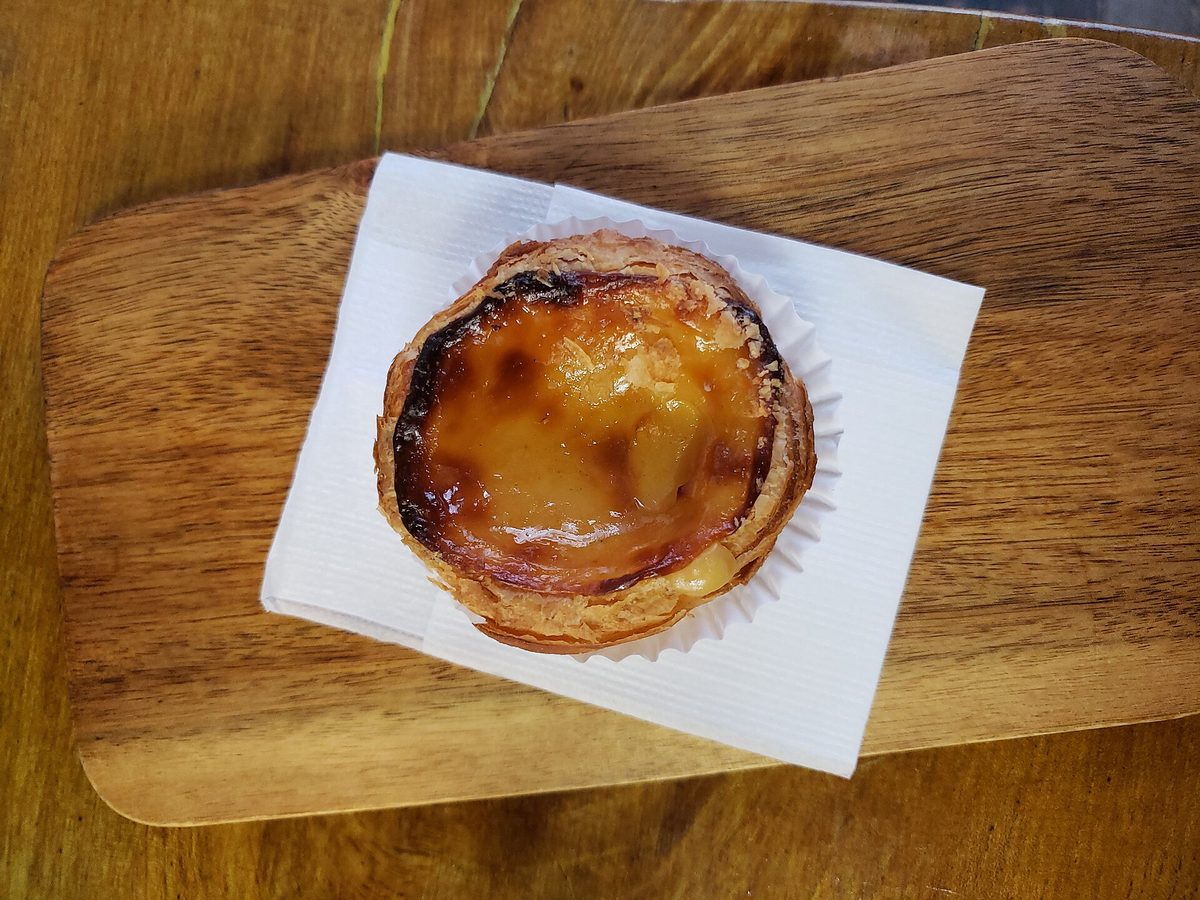
Portuguese food is honest, seafood-led and scandalously underrated. The national obsession is bacalhau — salt cod, prepared in (the saying goes) 365 different ways; start with bacalhau à Brás, shredded with eggs and crispy potato. Order grilled sardines in summer (ideally off a street grill in June), percebes (gooseneck barnacles) if you’re brave and flush, cataplana seafood stew in the Algarve, suckling pig in Bairrada, and a francesinha in Porto exactly once. The custard tart needs no introduction, but eat it warm with cinnamon, standing up, like you mean it.
Drink-wise, Portugal is far more than port (though do sip a 20-year tawny in Gaia at sunset). Vinho verde — young, slightly spritzy, rarely over €5 a bottle in a shop — is summer in a glass; Douro reds now rival anything in Iberia; Alentejo wines are the local-table workhorses; and Madeira wine is enjoying a renaissance. Try ginjinha in Óbidos or at a Lisbon hole-in-the-wall counter, and poncha in Madeira. Coffee culture is its own dialect: ask for uma bica (espresso) in Lisbon or um cimbalino in Porto, and a galão if you want it milky. I rank Portuguese cuisine among the continent’s best-value tables in my wider European food guide.
Where to stay in Portugal
Accommodation spans glossy international hotels to family-run guesthouses (alojamento local, or “AL”), and two uniquely Portuguese options worth seeking out: pousadas — a state-founded network of hotels inside castles, convents and palaces (the Évora and Óbidos ones are spectacular for what they charge) — and quintas, working wine estates with rooms, especially in the Douro.
Neighbourhood quick guide: in Lisbon, base in Baixa/Chiado for first-timer convenience, Alfama for atmosphere (pack earplugs during June festivals), Príncipe Real for boutique calm; avoid anything billed “Bairro Alto nightlife-adjacent” unless you plan to be the nightlife. In Porto, Ribeira gives you the postcard but Cedofeita and Bonfim give you better value and actual Porto life. In the Algarve, Lagos suits the young and sociable, Tavira the peace-seekers, Carvoeiro families. Book three to six months ahead for July–August or June in Lisbon; shoulder-season travellers can be far more spontaneous.
Practical Portugal: entry rules, money, language, safety
Entry requirements (checked June 2026): Portugal is one of the Schengen Area’s 29 members, so Americans, Canadians, Brits, Australians and most other non-EU visitors get 90 visa-free days in any 180-day window. The EU’s new biometric Entry/Exit System (EES) has been live since April 2026 — your first crossing now involves fingerprints and a photo instead of a passport stamp, so allow a few extra minutes at the border. ETIAS, the €7 pre-travel authorisation (free under 18 and over 70), is expected to switch on in late 2026 with a grace period before it becomes mandatory around 2027 — it was NOT yet required as of June 2026, whatever some third-party “ETIAS application” websites imply. Always check the official EU pages before you fly; my Schengen visa and ETIAS guide tracks the rollout in plain English.
Money: cards and contactless work nearly everywhere (carry €20–30 cash for tascas, kiosks and tiny villages); use Multibanco ATMs attached to banks and decline “conversion to your home currency” — always pay in euros. Tipping is modest: round up or leave 5–10% for good restaurant service, nothing expected at cafés. Language: English is widely and cheerfully spoken in cities and the Algarve; a handful of Portuguese words (bom dia, obrigado/obrigada, por favor) earns disproportionate goodwill. One pronunciation warning: Portuguese sounds nothing like Spanish, and locals appreciate you not assuming otherwise. Safety: violent crime is rare; pickpockets work tram 28, the Santa Justa lift queue and Porto’s São Bento station, so wear your bag forward in crowds. Dial 112 in an emergency. The drug “sellers” who murmur at you on Lisbon’s Rua Augusta are selling oregano and parsley — a polite “não, obrigado” and they evaporate.
Connectivity and plugs: Portugal uses the standard European two-pin Type F socket (pack an adapter — my packing list covers the rest), EU roaming rules apply to European SIMs, and eSIM packages are cheap for everyone else. For more ground-level wisdom that applies across the continent, see my collected Europe travel tips and the step-by-step how to plan a trip to Europe framework this site is built around.
Five mistakes first-time visitors make (I made three of them)
Cramming Lisbon and Porto into four days. On paper they’re three hours apart; in practice each city deserves slow mornings and aimless evenings, and the packing-unpacking churn eats your trip. Five days minimum for the pair, and add a buffer day you refuse to plan.
Treating the Algarve as a summer-only destination. The cliffs don’t close in October. Shoulder-season Algarve — warm seas through September, hiking weather through November, sunny 17°C days in January — is the best version of the Algarve, at a fraction of the price.
Underestimating the hills. Lisbon and Porto are vertical cities paved in slick stone. My first visit involved a suitcase, a four-floor walk-up in Alfama and language I won’t repeat. Pack light, check whether your guesthouse has a lift, and embrace the funiculars.
Eating on the main squares. The restaurants ringing Rossio or Ribeira charge double for worse food. Walk two streets back, look for a handwritten prato do dia board and a room full of Portuguese voices, and you’ll eat better for €10 than the square diners do for €25.
Skipping the interior entirely. The coast hogs the photographs, but Évora, Coimbra, Guimarães, the schist villages of the Serra da Lousã and the Douro’s back roads hold the country’s memory. Even one inland day recalibrates your whole picture of Portugal.
Portugal by traveller type
Families: Portugal might be Europe’s easiest family destination — short distances, calm Algarve east-coast beaches (Tavira’s island sands are shallow and warm-ish), the Lisbon Oceanário (one of the world’s great aquariums), and a culture that treats children as honoured guests rather than tolerated nuisances. The central Algarve’s resort infrastructure is built for buggies and picky eaters. More strategies in my Europe with kids guide.
Couples: a Douro quinta stay, Sintra at dusk after the day-trippers leave, Alentejo stargazing, Madeira’s cliff-edge infinity pools — Portugal romances quietly but effectively, at roughly half the price of the French Riviera. It earns its place in my Europe honeymoon shortlist every year.
Solo travellers and backpackers: Portugal’s hostel scene is repeatedly rated the world’s best (Lisbon and Porto hostels win global awards with embarrassing regularity, dorms €20–30), distances are short, locals are patient with wandering strangers, and the safety stats speak for themselves. Lagos in summer is the social-travel epicentre. See my guides to solo travel in Europe and backpacking Europe for route-building.
Hikers and the outdoorsy: beyond Madeira’s levadas and the Azores’ craters, mainland gems include the Rota Vicentina’s Fishermen’s Trail down the wild southwest coast (the best coastal walking in Iberia, doable in day sections), Peneda-Gerês National Park in the far north, and the Camino Português pilgrim route from Porto to Santiago (about 280km, 10–14 days).
Frequently asked questions about visiting Portugal
Is Portugal worth visiting?
Emphatically yes — and I say that as someone paid to be sceptical of hype. Portugal combines Western Europe’s lowest prices with its mildest climate, two world-class cities, superb food and wine, and remarkable safety. Unless you need guaranteed warm seas (the Atlantic runs cool) or alpine scenery, it’s hard to plan a bad trip here.
How many days in Portugal is enough?
Seven days covers Lisbon, Sintra and Porto comfortably by train. Ten days adds the Algarve or the Douro Valley — that’s the trip I’d book for a first visit. With less than five days, stick to one region (Lisbon and around, or Porto and the north) rather than racing between cities.
Is Portugal expensive to visit?
No — it’s consistently Western Europe’s cheapest country to travel in. Budget travellers manage on €50–70 a day, midrange couples live well on €120–170 per person, and big-ticket items (wine tastings €15–25, museum entries €5–15, three-hour intercity trains from €10–25 booked ahead) undercut equivalents in France or Italy by a third or more.
What is the best month to visit Portugal?
For the best all-round balance: June, when seas have warmed, days are long, prices haven’t fully peaked and Lisbon throws its Santo António street festival. September runs it close, with warmer water and the Douro grape harvest. Beach-focused trips should avoid August if possible — peak crowds and peak prices.
Do they speak English in Portugal?
Widely, especially anywhere touristed and among anyone under 50 — noticeably more than in Spain, France or Italy. English-language films are subtitled rather than dubbed here, which Portuguese people will tell you (correctly, and with some pride) explains a lot. Learning greetings and “obrigado/obrigada” is appreciated but never required.
Portugal or Spain — which should I visit first?
For a first European trip I’d say Portugal: it’s smaller, cheaper, easier to string together by train, and friendlier to English speakers. Spain wins on sheer variety — see my Spain travel guide — but the dream combination is both: fly into Lisbon, exit via Seville or Madrid.
Do I need ETIAS to visit Portugal in 2026?
Not yet, as of June 2026. The EES biometric border system is already running (expect fingerprints and a photo at first entry), but the €7 ETIAS authorisation is expected to launch late 2026 and only becomes mandatory after a transition period, likely in 2027. Check the official European Union website closer to your travel dates.
Final thoughts: my honest take on Portugal
Every guidebook now calls Portugal “Europe’s best-kept secret”, which stopped being true around 2016 — Lisbon in August will disabuse anyone of the notion. But here’s what’s still true: step one town beyond the famous names and the country reverts to the warm, unhurried, absurdly good-value place that earned the reputation. Évora on a Tuesday evening, Tavira in October, a Douro quinta in the November mist, the Azores almost any time — that Portugal is alive and well and costs less than a weekend in Paris.
My parting advice: build your trip around fewer places and longer stays, book the trains and the Sintra tickets ahead, learn to say bom dia like you mean it, and order the fish. Portugal rewards travellers who slow to its pace — and it has a way of turning one visit into a lifelong habit. It certainly did for me.
About the author: Hannah Brooks is Senior Europe Editor at europeantourism.org. She has travelled in more than 35 European countries over 15 years of trip-testing, and returns to Portugal most years — usually in September, usually via the Douro.
Photo credits
All images are used under Creative Commons or public-domain licences via Wikimedia Commons; credits are listed below in the order the images appear. Thank you to the photographers who share their work.
- View over Alfama’s terracotta rooftops to the Tagus River from a Lisbon miradouro — Photo: Dale Cruse – 10M views from San Francisco, CA, USA / CC BY 4.0 via Wikimedia Commons. Source
- The red and yellow towers of Pena Palace rising above the forested hills of Sintra — Photo: Jakub Hałun / CC BY 4.0 via Wikimedia Commons. Source
- Porto’s Ribeira district tumbling down to the Douro River, seen from Vila Nova de Gaia — Photo: Michael Gaylard from Horsham, UK / CC BY 4.0 via Wikimedia Commons. Source
- Terraced vineyards of the Douro Valley curving above the river near Pinhao — Photo: Grand Parc – Bordeaux, France from France / CC BY 2.0 via Wikimedia Commons. Source
- Portugal travel guide: the golden cliffs and turquoise coves of Ponta da Piedade in Lagos, Algarve — Photo: Joergsam / CC BY-SA 3.0 via Wikimedia Commons. Source
- Whitewashed houses and the medieval castle walls of Obidos, central Portugal — Photo: lele3100 / CC BY 2.0 via Wikimedia Commons. Source
- Jagged peaks above a sea of clouds at Pico do Arieiro, Madeira — Photo: H. Zell / CC BY-SA 3.0 via Wikimedia Commons. Source
- The twin crater lakes of Sete Cidades on Sao Miguel island, Azores — Photo: Diego Delso / CC BY-SA 4.0 via Wikimedia Commons. Source
- A yellow tram winding through Lisbon’s Alfama district, the classic way of getting around the old town — Photo: Jorge Franganillo / CC BY 2.0 via Wikimedia Commons. Source
- Pasteis de nata, Portugal’s caramelised custard tarts, dusted with cinnamon — Photo: Andy Li (CC0) via Wikimedia Commons. Source
1 comment
Comments are closed.