Cheapest Places to Travel in Europe in 2026: Where Your Money Goes Furthest

The cheapest places to travel in Europe in 2026 are almost all in the east and the Balkans — Albania, Bulgaria, Bosnia, Romania, Serbia, Poland and Hungary — where roughly €30–50 a day covers a hostel bed, three meals and local transport. Sarajevo is the single best-value city break on the continent right now; Albania is the cheapest country overall.
I have spent the better part of fifteen years working out where a travel budget stretches furthest in Europe, and the honest answer has barely changed: head east. The further you get from the euro-priced capitals of the west, the more your money buys — a three-course dinner for the price of a London pint, an overnight train for what a tank of petrol costs, a seafront guesthouse that would be a luxury anywhere on the French Riviera. This is my working guide to the cheapest places to travel in Europe, the daily budgets they actually demand, and the small decisions — currency, timing, transport — that quietly decide whether a trip costs €40 a day or €140.
I have leaned on hard numbers where I can, including the 2026 Post Office City Costs Barometer (the most-cited annual survey of European city-break prices), plus my own receipts from recent trips. Prices move, so I have noted the month I checked everything: June 2026. Treat the figures as well-researched guide rails, not promises.
The Cheapest Places to Travel in Europe, at a Glance
If you only read one section, read this table. It is the shortlist I would hand a friend who messaged me “where’s cheap in Europe this summer?” — ranked roughly by how little you can travel on per day once you have arrived, with the local currency and the reason each place is such good value. Daily budgets assume one person travelling fairly frugally (hostel or budget guesthouse, local food, public transport, a couple of paid sights). Double it for comfort; halve nothing — these are already lean.
| Destination | Budget / day | Mid-range / day | Currency | Why it’s cheap |
|---|---|---|---|---|
| Albania | €30–40 | €55–75 | Lek (not euro) | Cheapest country in Europe; Riviera rivals Greece for a third of the price |
| Bosnia & Herzegovina | €30–45 | €55–75 | Convertible mark | Hostel beds from €10, grilled-meat dinners €5–7 |
| North Macedonia | €30–45 | €55–70 | Denar | Lake Ohrid and Skopje on a shoestring; thin crowds |
| Bulgaria | €35–50 | €60–85 | Euro (from Jan 2026) | Black Sea beaches and ski weeks among Europe’s cheapest |
| Serbia | €35–50 | €60–85 | Dinar | Belgrade nightlife and food without big-city prices |
| Romania | €35–50 | €60–90 | Leu | Bucharest is the second-cheapest city break of 2026 |
| Hungary | €40–55 | €70–100 | Forint | Budapest: grand city, modest prices, thermal baths |
| Poland | €40–55 | €70–100 | Złoty | Kraków, Wrocław, Gdańsk — culture-rich, gentle on the wallet |
| Montenegro | €40–55 | €70–110 | Euro | Adriatic coast for a fraction of Croatia (avoid Budva’s marina) |
| Latvia / Lithuania | €40–55 | €70–100 | Euro | Riga and Vilnius: handsome Baltic capitals, low prices |
| Czechia / Slovakia | €45–60 | €75–110 | Koruna / Euro | Prague off-centre and small-town Slovakia still cheap |
| Portugal | €50–65 | €85–130 | Euro | Western Europe’s best-value mainstream country |
| Greece | €50–65 | €90–140 | Euro | Mainland and lesser-known islands beat Santorini hugely |
Figures are per person, per day, on the ground (excluding international flights), checked June 2026. “Budget” = hostel/guesthouse, self-catering plus cheap eats, buses and trains. Currencies matter more than you’d think — see the euro trap below.
A pattern jumps out immediately: nearly every genuinely cheap destination either sits in the Balkans or kept its own currency. That is not a coincidence, and it is the single most useful thing to understand about budget travel here. For the deeper country-by-country breakdown I keep a companion guide to the cheapest countries in Europe, and a city-focused one on the cheapest cities in Europe — but everything you need to choose a destination is on this page.
How I Decide What “Cheap” Really Means
“Cheap” is a slippery word, so let me be precise about how I’m using it. I judge a destination on the daily on-the-ground cost for one person — bed, food, local transport and a sight or two — because that is the number you actually live with once the flight is behind you. A €19 fare to an expensive city can cost you far more over a week than a €120 fare to a cheap one. Three tiers I use throughout:
- Shoestring (€30–50/day): hostel dorm or basic guesthouse, market food and self-catering, buses and regional trains, free or cheap sights. This is Albania, Bosnia, Bulgaria, North Macedonia, Serbia.
- Comfortable budget (€60–100/day): private room or modest hotel, a sit-down dinner daily, the odd taxi, paid museums. Most of Central and Eastern Europe lives here.
- Mid-range (€110–160/day): three-star hotels, restaurants, tours. Even “cheap” Portugal or Greece climbs here in peak summer.
If you want the full mechanics — how to actually hit €50 a day, what to skip, where the hidden costs hide — that is the job of my budget travel guide and, for the rock-bottom end, our backpacking guide. This page is about where; those are about how.
The Cheapest Countries in Europe Right Now
Here is the heart of it: my honest run-down of the countries where a euro (or its local equivalent) goes furthest in 2026, starting with the very cheapest. I’ve travelled in all of them, most within the last two years.
Albania — the cheapest country in Europe
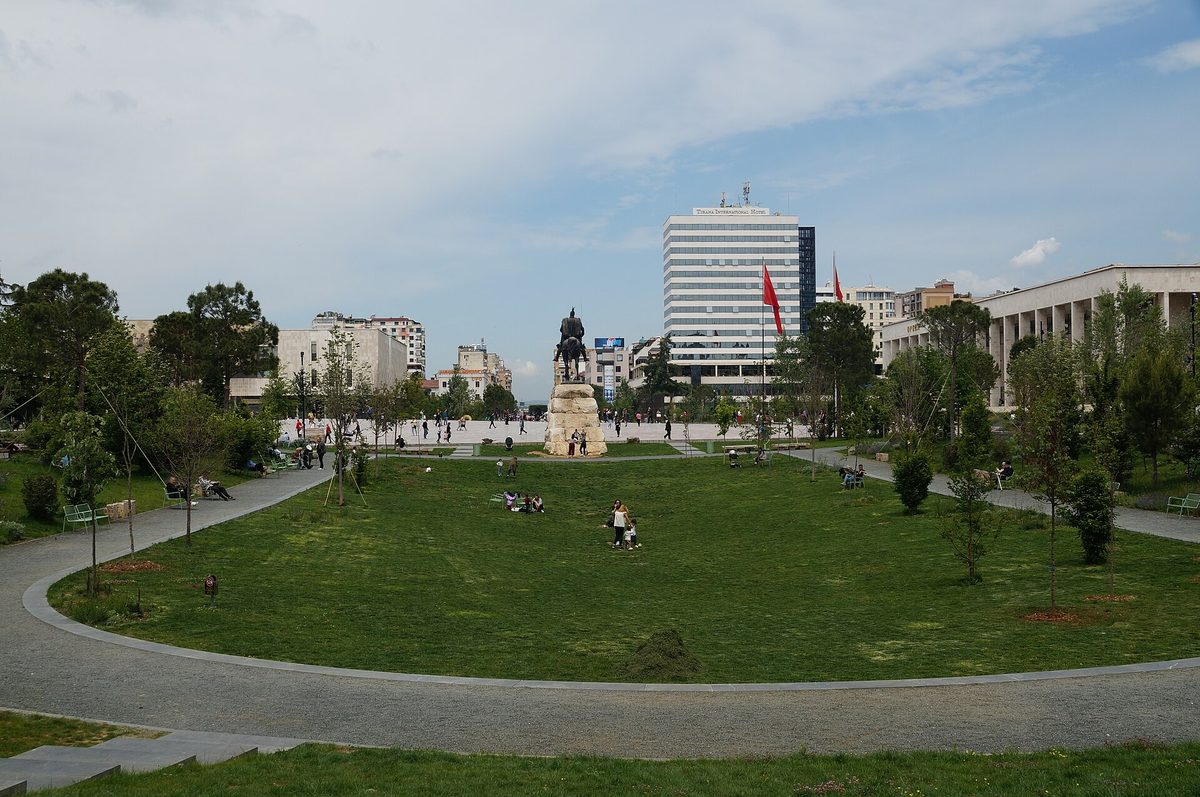
If someone forced me to name a single cheapest place to travel in Europe, I’d say Albania without hesitating. A shoestring day here runs €30–40, and that includes a guesthouse bed, byrek and grilled fish, and a furgon (shared minibus) along the coast. The Albanian Riviera — Sarandë, Himarë, Dhërmi, Ksamil — has the same turquoise Ionian water as Corfu, which sits just across the strait, for perhaps a third of the price. Tirana, the capital, is one of Europe’s most underrated cities: colourful, caffeinated, and genuinely cheap. Infrastructure is patchy (buses are informal, some roads are slow), but that roughness is exactly what keeps prices low. Albania uses the lek, not the euro, which helps. I cover the coast in detail in my cheap beach holidays in Europe guide.

Bosnia & Herzegovina — unbeatable value, real soul
Few places in Europe touch Bosnia for value. Hostel beds start around €10, and a plate of ćevapi (grilled minced-meat sausages) with bread and onion costs €4–6 almost everywhere. Sarajevo — where the city’s Ottoman and Austro-Hungarian halves meet on a single street — was named Europe’s best-value city break of 2026 by the Post Office’s annual survey, and I’d agree: it has the culture, history and food of a far pricier capital. Mostar’s famous bridge draws the day-trippers, but the real bargains are inland, in Travnik and Jajce (which has a waterfall in the middle of town). Bosnia uses the convertible mark, pegged to the euro, and sits outside the Schengen zone, so EU 90/180 rules don’t apply here.
North Macedonia — the quiet shoestring favourite
North Macedonia barely registers on most itineraries, which is precisely why it stays cheap. Lake Ohrid — a UNESCO-listed expanse of startlingly clear water ringed by Byzantine churches — is one of the great underrated corners of Europe, and you can stay lakeside for €25–35 a night. Skopje, the capital, is bizarre in the best way (a riot of oversized statues and faux-classical façades) and costs almost nothing. Budget €30–45 a day. Like its Balkan neighbours, it’s outside Schengen, visa-free for most visitors, and runs on the denar.
Bulgaria — beaches and ski weeks on the cheap (now in euros)
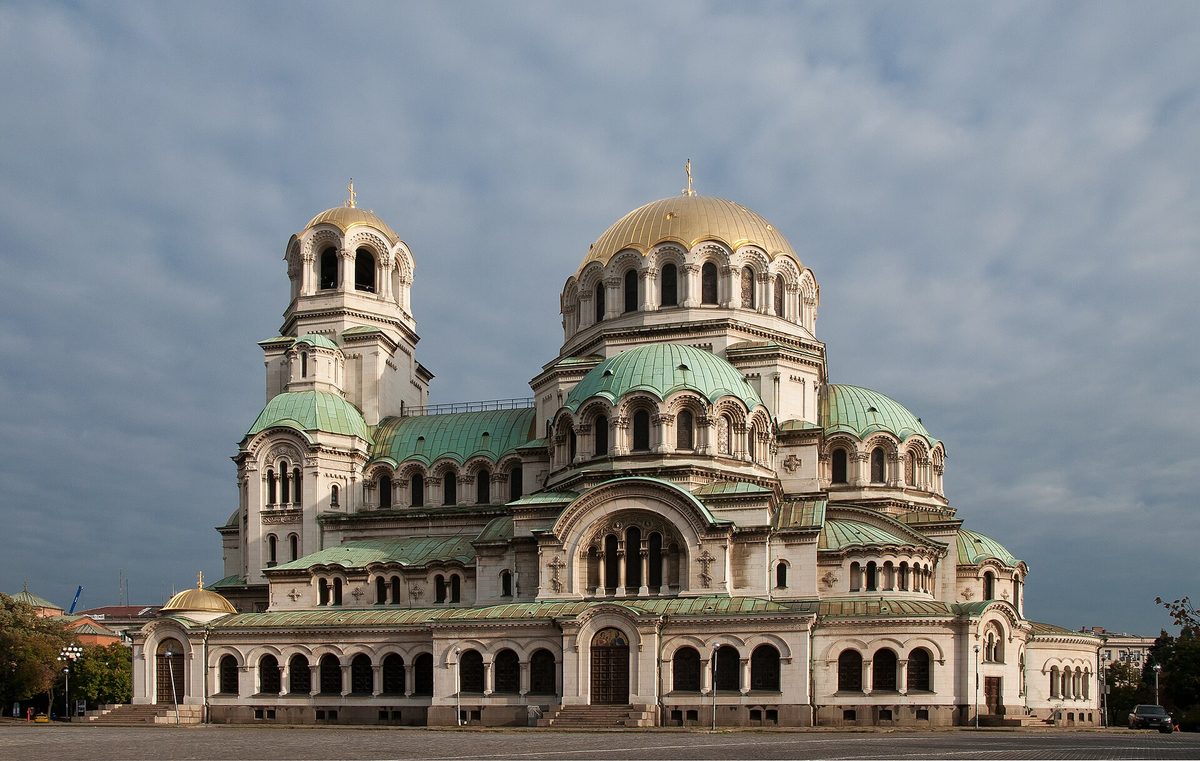
Bulgaria has long been one of Europe’s cheapest countries, and the headline change for 2026 is that it adopted the euro on 1 January 2026, becoming the eurozone’s 21st member. Whether that nudges prices up over time remains to be seen, but for now it is still a bargain: Black Sea resorts like Sunny Beach are famous for cheap everything (pints around €2), and Bansko offers some of the most affordable lift-pass weeks in Europe — I dig into that in our ski guide. Plovdiv, with its beautifully preserved Roman theatre, is one of my favourite city breaks anywhere. Reckon on €35–50 a day.

Serbia — Belgrade energy without the price tag
Belgrade isn’t the steal it was a decade ago, but Serbia still delivers serious value, especially once you leave the capital. The riverside nightlife, the splavovi (floating bars), the hearty Balkan grills — all cost a fraction of what comparable nights out run in Western Europe. Novi Sad in the north (European Capital of Culture in recent memory) and the Vojvodina plains are gorgeous and cheap. Serbia uses the dinar and sits outside Schengen, which keeps it off the euro-priced track. Budget €35–50 a day; flights in are cheap thanks to Wizz Air and Air Serbia hubbing here.
Romania — Europe’s second-cheapest city break
Romania is having a moment. Bucharest was ranked the second-cheapest city break in Europe for 2026, behind only Sarajevo, and it deserves the attention: grand boulevards, a buzzing café scene, and three-course dinners under €15. Beyond the capital, Transylvania (Brașov, Sibiu, the Saxon villages) and the spectacular Transfăgărășan mountain road give you castle-country scenery for backpacker money. Romania kept the leu and joined the border-free Schengen area in January 2025, so overland travel from Hungary or Bulgaria is now seamless. Around €35–50 a day.
Hungary — Budapest punches far above its price
Budapest is the city I send first-timers to when they want grandeur on a budget. The thermal baths, the Parliament, the ruin bars, the Danube panorama — it looks and feels like a major European capital, yet a day costs €40–55. Hungary kept the forint, which is a big part of why it stays affordable while euro neighbours creep up. Outside Budapest, Eger and Pécs are lovely and cheaper still. It’s a natural anchor for a wider Eastern Europe trip.

Poland — culture-rich and quietly affordable
Poland is the sweet spot for travellers who want a fully modern, easy country that’s still cheap. Kraków and Gdańsk have left the rock-bottom bracket, but they remain excellent value by Western standards — and the second-tier cities (Wrocław with its canals and dwarf statues, Poznań, Lublin, Katowice) are bargains hiding in plain sight. A comfortable day runs €40–55; a beer is €2–3, a hearty pierogi lunch €5–7. Poland kept the złoty. It’s also superbly connected by cheap rail and bus, which I cover under train travel in Europe.

Montenegro — the Adriatic for less (if you choose well)
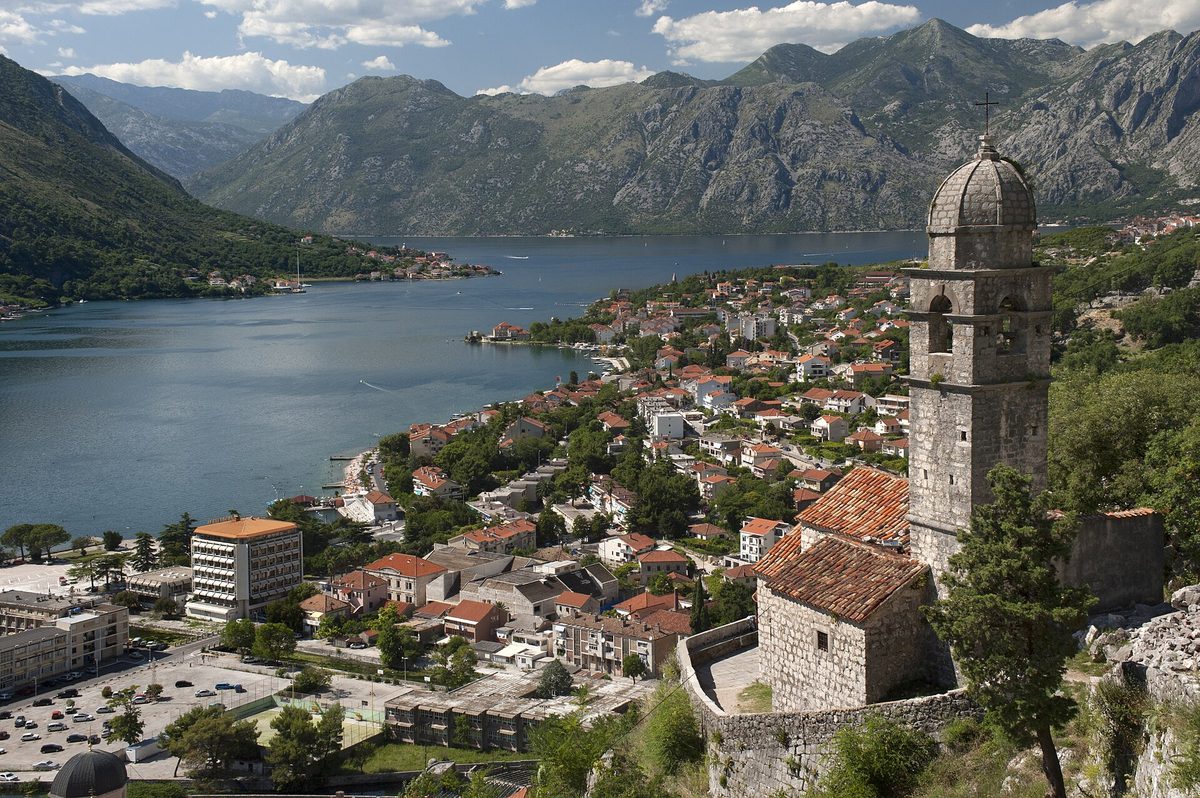
Montenegro is a tale of two coasts. The Bay of Kotor and the marinas of Budva and Tivat have gone distinctly upmarket — superyachts, €6 coffees — but value still hides nearby. Ulcinj, down by the Albanian border, and Herceg Novi keep things affordable, and the mountainous interior (Durmitor, the Tara Canyon) is cheap and stunning. Montenegro uses the euro despite being outside the EU. Choose carefully and €40–55 a day works; drift into the glitzy spots and it doubles. For the contrast in price, compare it with my Croatia travel guide — Croatia is lovelier in places but markedly pricier now.
The Baltics — Riga and Vilnius, handsome and cheap
Latvia, Lithuania and Estonia are the budget secret of the north. Riga has the largest Art Nouveau quarter in Europe; Vilnius has a baroque old town that ranks among the continent’s prettiest — and both came in the top ten cheapest city breaks of 2026. A day runs €40–55. All three Baltic states use the euro and are in Schengen, but prices stay well below the Nordic countries just across the sea. They pair beautifully with a Scandinavia trip as the affordable counterweight to pricey Helsinki or Stockholm.

Czechia & Slovakia — still cheap off the main square
Prague is no longer cheap in the centre, but step a few tram stops out and Czechia remains good value, and the beer (€2 a half-litre for the best lager on earth) never stops being a bargain. Slovakia is the quieter steal: Bratislava is a compact, walkable capital, and Trenčín — European Capital of Culture in 2026 — was the fifth-cheapest city break on the 2026 barometer. Czechia uses the koruna; Slovakia the euro. Budget €45–60 a day.
Portugal & Greece — Western Europe’s affordable exceptions
If the Balkans feel a step too far, Portugal and Greece are the two mainstream, euro-using countries where your money still behaves itself. Portugal is the best-value country in Western Europe full stop — Lisbon and Porto have risen, but the Alentejo, the Algarve off-season, and the central towns stay reasonable at €50–65 a day. Greece is similar: skip Santorini and Mykonos, choose the mainland or a lesser-known island, and €50–65 holds. I keep dedicated Portugal and Greece guides with the specifics. Even Spain and parts of Italy can be done affordably away from the marquee cities.
Why the east keeps winning on price
Step back and the map tells one clear story: value in Europe runs east and south-east. Lower local wages and costs, weaker or non-euro currencies, and tourism economies that are still catching up all combine so that a traveller’s money simply buys more. The flip side — that this is changing fast as budget flights and remote workers discover each new capital — is exactly why I’d go now rather than in five years. Prices in Kraków, Prague and Dubrovnik have already climbed out of the bargain bracket; the next wave (Tirana, Sarajevo, Plovdiv, the smaller Polish and Romanian cities) is where the real value sits today. I keep a dedicated round-up of the cheap Eastern Europe destinations worth catching before they follow.
The Cheapest Cities in Europe (2026 Barometer)
Countries are one lens; cities are how most people actually plan a short trip. Each year the Post Office City Costs Barometer prices a basket of twelve typical tourist items — two nights in a three-star hotel, meals, drinks, transport, a sightseeing tour and attractions — across 50 European cities for two people. It is the closest thing we have to a like-for-like price ranking, and the 2026 edition (published May 2026) again put Eastern Europe on top: eight of the ten cheapest city breaks are in the east.
| # | City | Country | Cost (12 items, 2 people) |
|---|---|---|---|
| 1 | Sarajevo | Bosnia & Herzegovina | £248 / €287 |
| 2 | Bucharest | Romania | £258 / €299 |
| 3 | Tirana | Albania | £263 / €305 |
| 4 | Belgrade | Serbia | £265 / €307 |
| 5 | Trenčín | Slovakia | £272 / €315 |
| 6 | Riga | Latvia | £278 / €322 |
| 7 | Lille | France | £289 / €334 |
| 8 | Vilnius | Lithuania | £289 / €334 |
| 9 | Strasbourg | France | £319 / €369 |
| 10 | Podgorica | Montenegro | £332 / €385 |
Source: Post Office Travel Money City Costs Barometer 2026 (12-item basket, two people sharing). Figures checked June 2026.
The two French entries — Lille and Strasbourg — are the interesting outliers, proof that you don’t have to leave Western Europe entirely to find value, especially if you can reach them by train rather than flying. Both are gems I’d happily recommend for a cheap weekend break. For the fuller ranked list and the value-per-experience angle, see my best-value cities in Europe guide.
And the cities to avoid if you’re counting pennies
The same survey is just as useful in reverse. The most expensive city breaks of 2026 were Oslo (£734), Copenhagen (£671), Edinburgh (£668), Geneva (£644) and Barcelona (£641), followed by Dublin, Amsterdam, Cork, Venice and Madrid. None of these are off-limits on a budget — I’ve done Scandinavia cheaply by self-catering and walking — but you go in knowing a coffee costs three times what it does in Sarajevo. If your priority is making money last, treat Oslo, Copenhagen, Geneva, Switzerland generally, and the Irish and Scottish capitals as splurges, not staples.
Cheap Beach Holidays in Europe
Sun-and-sea trips are where prices vary most wildly, because the famous coasts (the French Riviera, the Amalfi Coast, Mykonos) charge a heavy premium for a view that’s often available far cheaper a border away. My order of value for a 2026 beach week:
- Albania (€30–50/day): the cheapest beach country in Europe, full stop. Sarandë sits across the water from Corfu with the same Ionian blue; Ksamil’s little islands are wadeable and gorgeous; Dhërmi and Himarë are quieter. This is where I send anyone who loved Greece but balked at the bill.
- Bulgaria (€35–50/day): the Black Sea coast — Sunny Beach for the party crowd, Sozopol and the south for charm — is reliably cheap, with budget hotels competing hard on price.
- Montenegro (€40–55/day): skip the Budva marina; Ulcinj’s long sandy beach and Herceg Novi keep costs down.
- Greece (€50–65/day): most of Greece is affordable once you avoid the two or three Instagram islands. Rent a room in a smaller town, hire a car, and the maths works.
- Turkey (very cheap, non-euro): outside the EU and the eurozone, the Turquoise Coast is exceptional value, though it’s a longer flight for many.
The thread running through all of these: choose the second resort, not the first. The full breakdown, with specific towns and rough hotel prices, lives in my cheap beach holidays in Europe guide, and for the wider picture of where the sand is best, see the best beaches in Europe.
What a Trip Actually Costs: Sample Daily Budgets
Abstract daily figures are easy to wave around, so here is what the money goes on. This is a realistic per-person, per-day breakdown for a cheap Eastern European or Balkan destination (think Sofia, Sarajevo, Belgrade), in three styles:
| Item | Shoestring | Comfortable budget | Mid-range |
|---|---|---|---|
| Bed | €10–15 (dorm) | €25–40 (private room / 3★) | €55–90 (good 3–4★) |
| Breakfast | €2 (bakery) | €5 (café) | included / €10 |
| Lunch | €4–6 (street food) | €8–12 (casual) | €15–20 (restaurant) |
| Dinner | €6–9 (local grill) | €12–18 (sit-down) | €25–40 (nicer place + wine) |
| Local transport | €1–3 (bus/tram) | €5 (day pass + a taxi) | €10–15 |
| Sights / fun | €5 (one entry) | €12 (museum + drink) | €25 (tour + tickets) |
| Daily total | €30–45 | €65–95 | €135–195 |
Three worked examples for a one-week trip, flights excluded:
- Albania, shoestring: 7 days at ~€38/day ≈ €265 on the ground. Add a €40–90 return flight and you have a beach week under €400.
- Hungary/Poland, comfortable: 7 days at ~€80/day ≈ €560 — private rooms, dinners out, a couple of paid sights daily.
- Portugal in shoulder season, mid: 7 days at ~€130/day ≈ €910 — three-star hotels, restaurants, the odd tour.
To turn these into an actual route, my Europe itinerary planner and how to plan a trip to Europe walkthrough do the heavy lifting; for stretching every euro further, loop back to our budget guide.
When to Go to Keep It Cheap
Timing is the lever almost nobody pulls hard enough. Shifting a trip by three or four weeks — out of peak July–August and into the shoulder season — routinely cuts flights and hotels by 30–50%, and it makes the cheap places more pleasant too: comfortable temperatures, thinner crowds, locals who aren’t burned out. My rough calendar for value:
| Season | Months | Value | Notes |
|---|---|---|---|
| Shoulder (best value) | Apr–May, Sep–Oct | ★★★★★ | Warm enough for the coast in May/Sep; lowest prices outside winter |
| Off-season | Nov, Jan–Mar | ★★★★★ | Cheapest of all for cities; cold, short days; some coastal spots shut |
| Peak | Jul–Aug | ★★ | Avoid for the Mediterranean unless you book far ahead |
| Festive | Late Nov–Dec | ★★★ | Christmas-market cities spike; book early |
For a budget trip my sweet spots are late September and early October (sea still warm, prices tumbling) and May (everything green, before the summer surge). I lay out the month-by-month detail in the best time to visit Europe, and if Christmas markets are your thing, the budget way to do them is in Christmas markets in Europe.
How to Get There — and Around — for Less
The journey is where budgets quietly leak. A few principles I’d stake my own money on:
Fly the budget carriers, but cost the whole door-to-door trip
Europe’s low-cost airlines are the reason a weekend in Sofia or Belgrade can cost less than a tank of fuel. Wizz Air is generally the cheapest carrier in 2026 and is strongest exactly where you want to go — Central and Eastern Europe, the Balkans, the Baltics — flying some 800 routes from 32 bases. a two-week route through the region costs less than a long weekend in Paris. Ryanair has the widest net (around 229 destinations across 37 countries) and has been aggressively cutting fares. The catch is always the same: the headline fare buys a seat and a small under-seat bag only. A cabin bag in the overhead locker means a priority add-on or a bag fee, and that’s where the €15 fare becomes €55. Cost the whole thing — bag, transfers, the 1am arrival taxi — before you congratulate yourself.
Booking tactics that genuinely work: set fare alerts and book in the first 48 hours of a sale; use Skyscanner’s “Everywhere” search if you’re flexible on destination; fly midweek and at unsociable hours; and travel with a backpack that fits the free dimensions. More on this in our transport guide.

Buses and trains: slower, often cheaper, sometimes magical
For overland hops, FlixBus blankets the continent with fares from €5–15 if you book ahead, and it reaches deep into the Balkans where budget flights thin out. Trains are the romance option: advance fares on operators like RegioJet (Central Europe) or the Baltic and Balkan networks are cheap, and an interrail-style rail pass can pay off if you’re moving most days. Overnight trains — a bed and a journey for one fare — are back in fashion and can be a genuine bargain. The trade-off is time; the reward is that the travel becomes part of the trip rather than a cost to minimise.
Stay smart
In the cheapest countries, the difference between a hostel dorm and a private guesthouse room is often just €10–15, so solo travellers and couples can have privacy for little more than a bunk. Family-run guesthouses and apartments tend to beat international hotel chains on both price and character here. My accommodation guide breaks down the options; solo travellers will also want solo travel in Europe, and students should see cheap Europe destinations for students for the under-26 discounts that quietly stack up.
The Currency Trick: Skip the Euro Where You Can
This is the budget insight I wish someone had handed me years ago. As a rough rule, countries that kept their own currency are cheaper than those that adopted the euro — partly because the euro tends to ratchet local prices upward, partly because non-euro currencies have often weakened against it. Look at the cheap list again through this lens:
- Own currency, cheap: Albania (lek), Bosnia (mark), North Macedonia (denar), Serbia (dinar), Romania (leu), Hungary (forint), Poland (złoty), Czechia (koruna).
- Euro, but still good value: Portugal, Greece, the Baltics, Slovakia, Montenegro — and now Bulgaria, which switched to the euro in January 2026 (worth watching, as prices there may slowly rise).
Two practical money habits that save more than they sound like they should: always pay in the local currency, not your home currency, when a card machine offers the choice (that “dynamic currency conversion” is a quiet 3–8% mark-up), and use a bank’s ATM rather than the standalone Euronet-type machines in tourist areas, which charge brutal fees and poor rates. A fee-free travel card and a little cash for the Balkans (where cards are less universal) is my standard kit. More tactics in our collected tips.
Small Decisions That Move the Needle
Beyond the big three — destination, timing, transport — these are the habits that reliably shave a budget without making a trip feel pinched:
- Eat where the set lunch lives. The midday menu (menú del día in Spain, dnevni meni in the Balkans, prix-fixe in France) is the same kitchen at half the dinner price. Lunch is your big meal; dinner is bread, cheese and market fruit.
- Use free museum days. Many countries still run free entry on the first Sunday of the month or one evening a week; check before you pay.
- Drink the tap water where it’s safe (most of Europe), and carry a refillable bottle — Rome and many cities have public fountains.
- Walk the centre, transit the rest. A 48-hour transport card usually beats single tickets, and the old towns you came to see are walkable anyway.
- Travel light to dodge bag fees — a packing discipline I get into in the packing list.
- Book the second city, not the first. Wrocław over Kraków, Plovdiv over Sofia, Ulcinj over Budva — the runner-up is usually 30% cheaper and half as crowded.
Entry Rules and Practicalities for 2026
Budget travel still has to clear the paperwork, and 2026 is a year of change at Europe’s borders. Here’s what actually applies, checked June 2026:
- EES (Entry/Exit System): the EU’s biometric border system went live on 10 April 2026. On your first entry to the Schengen area you’ll have fingerprints and a photo taken at the border; it replaces passport stamping. There’s no fee and no app — just allow a little extra time at busy crossings.
- ETIAS: the new travel authorisation for visa-exempt visitors (Americans, Britons, Canadians, Australians and others) is expected to launch in late 2026, with a transitional grace period after that and full enforcement around 2027. It is not required as of mid-2026. When it lands it will cost about €20, be free for under-18s and over-70s, and stay valid for three years. Budget for it, but you don’t need it yet.
- Schengen 90/180 rule: most visa-free visitors get 90 days in any 180 across the Schengen area, which now includes Romania and Bulgaria (fully on board since January 2025) and Croatia (since 2023).
- The Balkan advantage: Albania, Bosnia, North Macedonia, Serbia and Montenegro sit outside Schengen, so time spent there doesn’t burn your 90 Schengen days — a genuinely useful quirk for a long, cheap, slow trip. Most nationalities get a visa-free stamp on arrival.
The full, regularly-updated detail — who needs what, how ETIAS will work, the EES rollout — is in my Schengen, visa and ETIAS guide. Whatever your route, the hub for everything else is the best places to visit in Europe.
How to Plan a Cheap Europe Trip, Step by Step
Pulling it all together, here’s the sequence I’d actually follow to build a genuinely cheap trip:
- 1. Start from the cheap list, not a bucket list. Pick a region where everything is affordable (the Balkans, the Baltics, Central Europe) so you’re not fighting prices the whole time.
- 2. Fly into the cheapest hub, then go overland. A Wizz Air fare into Sofia, Belgrade, Kraków or Bucharest, then FlixBus or train between neighbours, beats a string of separate flights.
- 3. Go in shoulder season. May or late September will cost a third less than August for the same trip.
- 4. Stay in guesthouses, eat at lunch, walk the centres. The €50-a-day habits above.
- 5. Mix in one Schengen-free Balkan stretch if you’re travelling long, to protect your 90 days and your wallet at once.
Do that and a fortnight in Europe on €50–70 a day is entirely realistic in 2026 — less if you lean shoestring, and a long way short of what the same trip costs in Oslo or Geneva.
Cheapest Places to Travel in Europe: FAQ
What is the cheapest country to travel in Europe?
Albania is the cheapest country in Europe in 2026, with shoestring travel possible on about €30–40 a day including a guesthouse bed, local food and bus transport. Bosnia & Herzegovina and North Macedonia are close behind, and all three sit outside the eurozone, which helps keep prices low.
Where is the cheapest place to go on holiday in Europe?
For a beach holiday, Albania’s Riviera (Sarandë, Ksamil, Himarë) is the best value, with Bulgaria’s Black Sea coast a close second. For a city break, Sarajevo was ranked the cheapest in Europe for 2026, followed by Bucharest and Tirana. Eastern Europe and the Balkans dominate both lists.
What is the cheapest city to visit in Europe in 2026?
Sarajevo, Bosnia & Herzegovina, according to the 2026 Post Office City Costs Barometer — about £248 (€287) for a basket of twelve typical tourist items for two people. Bucharest, Tirana, Belgrade and Trenčín complete the five cheapest.
What is the cheapest month to travel in Europe?
The cheapest months are November and January–March for city breaks, when flights and hotels bottom out. For a balance of low prices and decent weather, the shoulder-season months of May and late September to October are the sweet spot, typically 30–50% cheaper than July and August.
How much money do you need per day in Europe?
In the cheapest countries, €30–45 a day covers shoestring travel and €65–95 buys real comfort. In Western Europe, budget €70–100 a day minimum, and €130-plus in pricey cities like Oslo, Copenhagen or Geneva. Flights are extra.
Is Eastern Europe cheaper than Western Europe?
Yes, substantially. Eastern Europe and the Balkans took eight of the ten cheapest city-break spots in 2026, and daily on-the-ground costs are routinely half those of Western capitals. The main reasons are lower wages and prices, and the fact that many Eastern countries kept their own (often weaker) currencies rather than adopting the euro.
Is Portugal cheaper than Spain?
Marginally, yes — Portugal is generally the best-value country in Western Europe, a touch cheaper than Spain overall, especially outside Lisbon and Porto. Both are far pricier than the Balkans, but both remain affordable compared with France, Italy or Switzerland, particularly in shoulder season.
Do I need ETIAS to visit the cheap countries in 2026?
Not in mid-2026. ETIAS is expected to launch in late 2026 with a grace period after, so it isn’t required yet; when it starts it will cost about €20 and cover the Schengen area. The Western Balkan countries (Albania, Bosnia, Serbia, North Macedonia, Montenegro) are outside Schengen and won’t require ETIAS at all — most visitors just get a visa-free stamp.
What’s the cheapest way to travel around Europe?
Budget airlines (Wizz Air and Ryanair) for long hops booked early with only a free under-seat bag; FlixBus (fares from €5–15) and advance-purchase trains for overland legs. Flying into a cheap Eastern hub and travelling overland between neighbours is usually the lowest-cost approach.
Photo Credits
Images are used under their respective Creative Commons / public-domain licences via Wikimedia Commons. Credits are listed with each image and in the captions. Specific attributions: see individual figure captions. Where a landmark photo is reused across our guides, the original photographer’s credit is preserved.
1 comment
Comments are closed.