Central & Eastern Europe Travel Guide

I still remember the first time I crossed into Eastern Europe on a slow night train, waking up somewhere past Vienna as the carriage rattled toward Budapest. By breakfast I was drinking strong coffee on the Pest embankment, the Parliament glowing across the Danube, and a three-course lunch later cost me less than a sandwich back home. That trip rewired how I think about travelling this continent — and I’ve been coming back ever since.
This Eastern Europe travel guide is the one I wish I’d had on that first journey: where to go, when to come, how to get around, what it actually costs, and the honest trade-offs the glossy listicles skip. I’ve built it from years of trips through Prague, Krakow, the Balkans and the Baltics, cross-checked against official sources for 2026, so you can plan with confidence instead of guesswork. Whether you’re stitching together your first big trip or adding a region to a wider Europe itinerary, start here.
Is Eastern Europe worth visiting? The short answer
Absolutely. Eastern Europe travel gives you Europe’s grandest cities — Prague, Budapest, Krakow, Ljubljana — at roughly half the price of the West, with fewer crowds, staggering history, food that punches far above its cost, and landscapes from the Adriatic coast to the Carpathian mountains. It’s safe, well-connected by train and bus, and ideal whether you have one week or a month.
I’ll be candid where it counts. Some capitals (Prague, in particular) now draw summer crowds to rival Rome, the language barrier is real once you leave the tourist core, and a handful of countries on the region’s eastern fringe are firmly off-limits. But none of that has dented my affection for this half of the continent. If anything, the rough edges are part of the appeal — this is where Europe still feels like it can surprise you. For where it sits among the best places to visit in Europe, Central and Eastern Europe is, pound for pound, the best value on the map.
Central & Eastern Europe at a glance
Here’s the quick-reference version before we get into the detail. If you only read one part of this guide, make it this table — it’s the shape of the whole region on a single screen.
| Country / region | Headline cities | Currency (2026) | Best for | Daily budget |
|---|---|---|---|---|
| Czechia | Prague, Cesky Krumlov, Brno | Czech koruna (CZK) | First-timers, fairy-tale old towns, beer | ~$55–75 |
| Hungary | Budapest, Eger, Lake Balaton | Forint (HUF) | Thermal baths, nightlife, value | ~$45–70 |
| Poland | Krakow, Warsaw, Gdansk | Zloty (PLN) | History, big cities, low prices | ~$40–65 |
| Slovenia | Ljubljana, Lake Bled, Piran | Euro (€) | Lakes, mountains, the outdoors | ~$70–95 |
| Croatia | Dubrovnik, Split, Hvar | Euro (€) | Coast, islands, sailing | ~$75–110 |
| The Balkans | Kotor, Mostar, Belgrade, Tirana | Mixed (€, dinar, lek) | Adventure, low cost, fewer crowds | ~$35–60 |
| Romania & Bulgaria | Brasov, Bucharest, Plovdiv, Sofia | Leu (RON); Euro (€) in Bulgaria | Mountains, castles, deep value | ~$40–60 |
| The Baltics | Tallinn, Riga, Vilnius | Euro (€) | Medieval old towns, easy hopping | ~$60–85 |
Last updated: June 2026. Prices, opening hours and entry rules change — I’ve hedged costs as “around” and you should confirm the latest with official sources before you book.
What counts as “Eastern Europe” (and why the label is messy)
Let’s clear this up first, because it shapes how you plan. “Eastern Europe” is a Cold War shorthand more than a geographic fact, and plenty of people who live here will gently correct you. Prague sits west of Vienna; Ljubljana is closer to Venice than to Warsaw. Many locals — Czechs, Slovenes, Hungarians, Poles — consider themselves squarely Central European, and they have a point.
For trip-planning purposes, though, most travellers use “Eastern Europe” to mean the formerly socialist half of the continent, and that’s how I’ll use it here, while flagging the Central European heart of it. In practice the region breaks into a few natural clusters: the Central European core (Czechia, Slovakia, Hungary, Poland, plus Austria as the gateway), the Adriatic and Alpine south (Slovenia and Croatia), the Balkans (Montenegro, Bosnia, Serbia, Albania, North Macedonia, Kosovo), the Carpathian east (Romania and Bulgaria), and the Baltics (Estonia, Latvia, Lithuania). Each has its own character, and you’ll have a better trip if you pick one or two clusters rather than trying to sweep the lot.
One hard line worth stating plainly: Ukraine, Belarus and the European part of Russia are also “Eastern Europe,” but they are not travel destinations in 2026. I cover that properly in the safety section below. Everything else in this guide is open, welcoming and, frankly, easier to travel than most people expect.
The best places to visit in Eastern Europe
Rather than hand you a ranked list of thirty cities, let me walk you through the region the way I’d actually plan a trip — by cluster, so you can see what joins up logically and build a route that doesn’t have you backtracking for days. If you want a straight shortlist to cross-reference, my rundown of the best places to visit in Eastern Europe ranks the individual spots.
The Golden Triangle: Prague, Vienna & Budapest
If this is your first trip, start here. Prague, Vienna and Budapest sit in a neat triangle roughly four hours apart by train, and together they make the single best introduction to Central Europe there is. I’ve sent more first-timers on this loop than any other, and nobody has come back disappointed.
Prague is the showstopper — Charles Bridge at dawn, the largest castle complex in the world on the hill, Old Town Square’s astronomical clock, and a beer culture that takes its pilsner as seriously as the French take wine. It’s also the most touristed city in the region, so I get up early and save the famous sights for before 9am. There’s far more to it than the postcard core; my full list of things to do in Prague covers the neighbourhoods most day-trippers miss, and a guide to the best time to visit Prague if you want to dodge the crush.
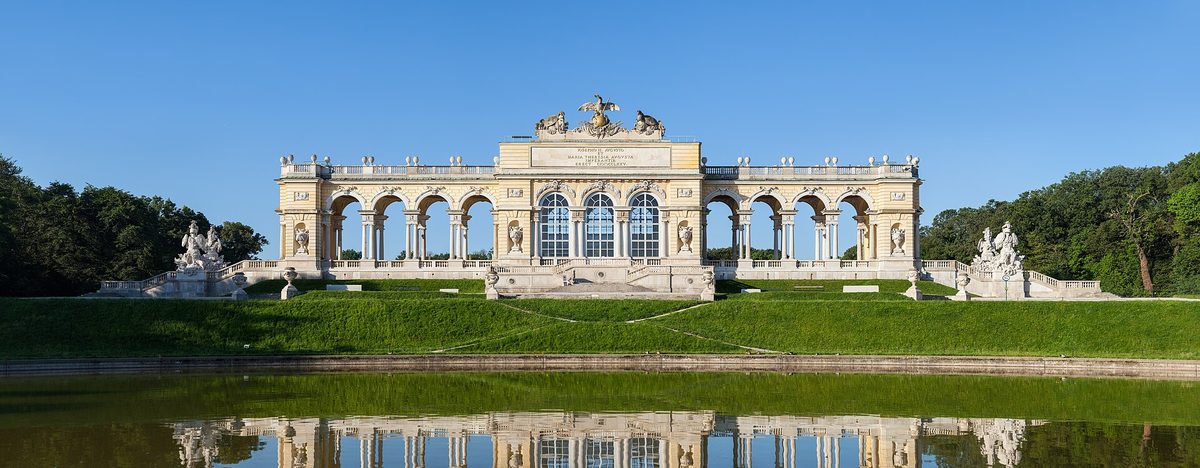
Vienna, just over the border in Austria, is the elegant counterpoint — imperial palaces, coffee houses that feel unchanged since 1910, and Schonbrunn’s gardens. It’s pricier than its neighbours (it tips into Western-Europe budgets), but worth a couple of nights; my Austria travel guide goes deep on the city and the Alps beyond it.
Budapest is my personal favourite of the three — grander than you expect, cheaper than you hope, and gloriously unpretentious. Soak in the Szechenyi thermal baths, ride up to the Fisherman’s Bastion for the Parliament view, and dive into the ruin bars of the old Jewish Quarter after dark. Work through my things to do in Budapest and you’ll see why it converts so many people. To tie all three together, the Prague, Vienna and Budapest itinerary maps out the trains, the timings and how many nights to give each.

Poland: Krakow, Warsaw & the coast
Poland is the most underrated big country in Europe, and the best value of the lot. Krakow is the obvious anchor — its Main Market Square is the largest medieval square on the continent, the Wawel Castle hill is a beauty, and the old town is compact enough to do on foot. It’s also the base for two heavy, essential day trips: the salt-cathedral depths of the Wieliczka mine, and the Auschwitz-Birkenau memorial, which everyone should see once and nobody forgets. My Krakow travel guide handles the logistics, including how to book the memorial properly.

Don’t stop at Krakow, though. Warsaw — rebuilt brick by brick after the war — is a fascinating, forward-leaning capital with the region’s best museums. Gdansk on the Baltic coast is a jewel-box of a Hanseatic port, and the gateway to long sandy beaches that almost no foreigner expects Poland to have. Prices here are the lowest of the Central European core; Poland is where your money stretches furthest without feeling rough.
Slovenia: Ljubljana & Lake Bled
Tiny Slovenia is the region’s outdoor darling, and it’s an easy one to love. Ljubljana might be the most charming small capital in Europe — a car-free centre threaded by the green river Ljubljanica, dragon bridges, a hilltop castle and a café culture that spills onto every embankment. You can see the heart of it in a day, but I’d give it two.

Forty minutes north, Lake Bled delivers the photo that sells Slovenia to the world: an island church on a glacial lake under a cliff-top castle, the Julian Alps behind. Row out in a traditional pletna boat, ring the wishing bell, and eat a slice of the local cream cake. Pair it with the wilder Lake Bohinj and the Vintgar Gorge nearby — my Lake Bled and Slovenia guide lays out a perfect two- or three-day loop. Down on the coast, the Venetian town of Piran is a salty little bonus.

Croatia & the Adriatic
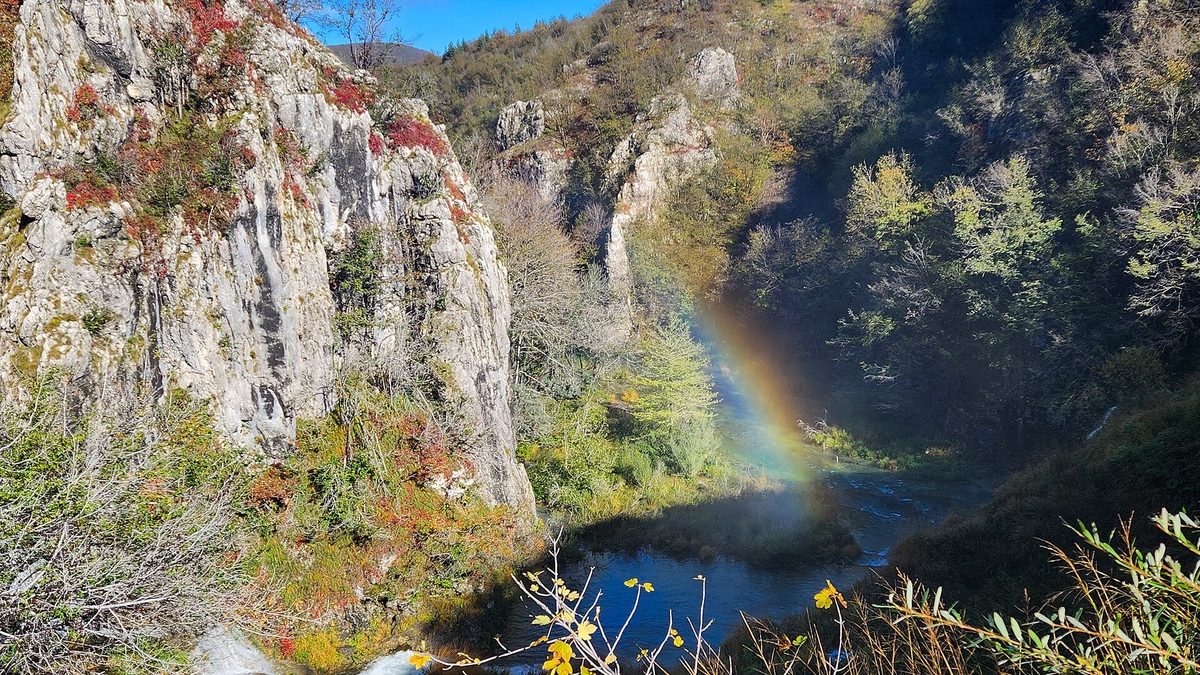
Croatia has graduated from insider tip to bucket-list staple, and for good reason. Dubrovnik‘s marble-walled old town is unforgettable (go early or late to beat the cruise crowds), Split lives inside a Roman emperor’s palace, and the islands — Hvar, Korcula, Vis, Brac — are some of the best in the Mediterranean for hopping by ferry. Inland, Plitvice Lakes is a cascade of turquoise pools and waterfalls linked by boardwalks, and one of the most beautiful national parks anywhere in Europe.
Croatia adopted the euro in 2023 and prices have risen with its popularity — it’s now the most expensive country in this guide in peak summer. I’d come in June or September, base myself in Split for the islands, and read the full Croatia travel guide before locking in dates, because the gap between July and the shoulder months is enormous here.
The Balkans: Europe’s last great-value frontier
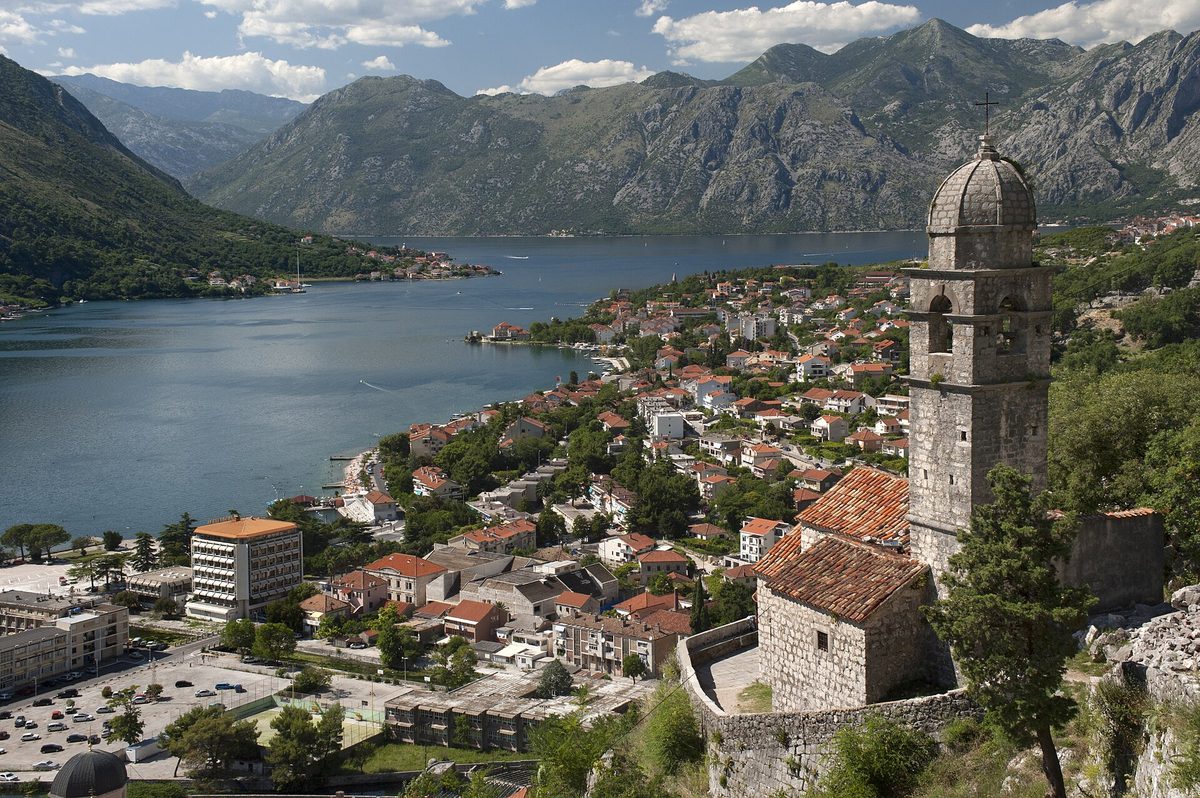
South and east of Croatia, the Balkans are where Eastern Europe travel gets genuinely adventurous — and astonishingly cheap. Montenegro‘s Bay of Kotor is a fjord-like inlet ringed by mountains, with a walled medieval town at its head; the serpentine drive above it is a white-knuckle joy. Bosnia‘s Mostar, with its rebuilt Ottoman bridge, and the haunting, hospitable city of Sarajevo reward anyone willing to look past the headlines.
Albania has become the region’s hottest budget beach destination — the Riviera around Ksamil and Saranda offers Croatia-grade water at a third of the price — while Serbia‘s Belgrade has the best nightlife in the Balkans and North Macedonia’s Lake Ohrid is a quiet stunner. English is less widespread here and the buses are slower, but if you want the Europe of twenty years ago — uncrowded, warm, dirt-cheap — this is it. It’s also a road-tripper’s dream; see my notes in the Europe road trips guide.
Romania & Bulgaria: castles, mountains and deep value
Romania surprised me more than anywhere else in the region. Medieval Brasov and the Saxon villages of Transylvania, the over-the-top Bran (“Dracula’s”) and Peles castles, and the spectacular Transfagarasan mountain road make for a brilliant week. Bucharest is rougher and more interesting than its reputation suggests.

Bulgaria is the single cheapest country in the EU to travel, and it’s having a moment — it joined the eurozone on 1 January 2026, swapping the lev for the euro, which makes budgeting simpler than ever. Sofia mixes Roman ruins with golden-domed cathedrals, the Rila Monastery is a day-trip masterpiece, and Plovdiv — one of the oldest continuously inhabited cities on Earth — has a gorgeous old town wrapped around a 2,000-year-old Roman theatre that still hosts concerts.

The Baltics: Tallinn, Riga & Vilnius
Up north, the three Baltic capitals make one of the easiest and most rewarding mini-routes in Europe — each a few hours apart by comfortable FlixBus or Lux Express coach. Tallinn‘s old town is a perfectly preserved medieval fairy tale of turrets and cobbled lanes; Riga has the grandest Art Nouveau architecture on the continent; and Vilnius is a baroque charmer with a bohemian streak. They’re a touch pricier than the Balkans (all three use the euro) but still well under Western rates, and you can link the trio in a relaxed week.

Slovakia & the easy-to-miss middle
Squeezed between bigger names, Slovakia is the region’s great connector. Bratislava sits barely an hour from Vienna — close enough to visit on a day trip, but its compact old town, hilltop castle and riverside cafés make a fun overnight in their own right. Beyond the capital, the High Tatras give you genuine alpine hiking at Carpathian prices. If you’re routing between Prague, Vienna and Budapest, Slovakia slots in almost for free.

Best time to visit Eastern Europe
The sweet spots are late spring (May–June) and early autumn (September–early October). You get warm, settled weather, long days, gardens and forests at their best, and crucially you sidestep both the July–August crowds and the peak-season prices. If I could only travel the region in one month, it would be September: still warm, the Adriatic sea still swimmable, the summer rush gone home.
| Season | Months | What to expect |
|---|---|---|
| Shoulder (best) | May–June, Sept–early Oct | Mild 15–25°C, fewer crowds, lower prices, ideal for cities and hiking. My pick. |
| Peak | July–August | Hot (often 30°C+), busiest and priciest, prime time for the coast but book ahead. |
| Low | November–March | Cold, often snowy inland; cheapest and emptiest; cosy and atmospheric in the cities. |
| Christmas markets | Late Nov–23 Dec | Prague, Budapest, Vienna and Krakow turn magical; cold but unforgettable. |
Summer is glorious on the Croatian and Montenegrin coast, but inland capitals can be sweaty and swarmed — Prague in August is no fun. Winter is a different proposition: bitterly cold in Poland, Slovakia and the Baltics, with short days and some rural sights shut, but the cities take on a snow-dusted romance and prices fall through the floor.
And then there’s the season that’s almost worth planning a whole trip around: Advent. The Christmas markets of Central Europe are the best on the continent — mulled wine, roast chestnuts, handcrafts and choirs in floodlit medieval squares. Prague, Vienna, Budapest and Krakow are the headline acts; my guide to the Christmas markets in Europe ranks them and tells you which dates to target. For a broader month-by-month view across the continent, see the best time to visit Europe.

How many days do you need? Sample routes
The honest answer is “more than you’ve booked” — this is a big, varied region and the temptation is to cram in too much. My rule of thumb: two full days per city minimum, and never more than one long travel day in a row. Here’s how the common trip lengths actually play out, and my seven Eastern Europe itinerary routes lay each one out day by day with fares and journey times. For a continent-wide framework, the Europe itinerary hub shows how these slot into a larger trip.
One week: the Golden Triangle
The classic first trip. Prague (3 nights) → Vienna (1–2) → Budapest (2–3), all by train. You’ll see three world-class capitals at a civilised pace with only two travel days. If trains feel like a faff, it’s an easy self-drive too. This is the route I’d hand any first-timer, and the Prague, Vienna and Budapest itinerary breaks it down day by day.
Ten days to two weeks: add a second cluster
With ten to fourteen days you can bolt a second region onto the core. Strong pairings: the Triangle plus Krakow and Slovakia (history and old towns); or Ljubljana, Lake Bled and the Croatian coast (lakes, mountains and the Adriatic). Keep it to two clusters — the distances are bigger than the map suggests, and rushing kills the very thing you came for.
Three weeks to a month: go deep or go south
Three weeks is enough to do the Balkans justice — a Ljubljana-to-Dubrovnik-to-Kotor-to-Sarajevo loop is one of the great European overland trips — or to roll the Central core into the Baltics. A month lets you travel slowly and cheaply, the way the region rewards. This is prime territory for backpacking Europe, where the low costs let you stay on the road longer.

Getting around Eastern Europe
This is the part people overthink. Eastern Europe is well-connected and cheap to travel; you rarely need to plan transport more than a few days ahead outside peak July–August. Here’s how the options actually compare, and my broader getting around Europe guide goes deeper on each.
Trains are the backbone of the Central core. The Prague–Vienna–Budapest–Bratislava quadrilateral is fast, comfortable and scenic, and operators like Czech-based RegioJet run modern carriages with free wifi, snacks and absurdly low advance fares. Book a few days out and a cross-border hop can cost under €15. An interrail or train pass can pay off if you’re moving a lot, though point-to-point advance tickets are often cheaper here than in the West.
Buses fill in everywhere the rails don’t reach — and in the Balkans and Baltics they’re often the main intercity option. FlixBus blankets the whole region with cheap green coaches, and you’ll find strong local players (Lux Express in the Baltics, RegioJet’s yellow buses in Central Europe). Buses are slower than trains but dirt-cheap and surprisingly comfortable, with fares from around €5.

Budget flights make sense for the long diagonal hauls — Tallinn to the Balkans, say — where Wizz Air and Ryanair connect the region for a pittance. Driving is the move for Romania, the Balkans and Slovenia, where the best scenery is rural and public transport thins out; a rental is affordable and the roads (the Transfagarasan, the Bay of Kotor) are half the fun. Just check whether your hire car is allowed to cross into non-EU countries, and budget for motorway vignettes.
What does Eastern Europe cost? A real budget breakdown
This is the region’s superpower. Eastern Europe travel can be done comfortably for $40–70 a day, and hard-core backpackers manage on $30–35 in the Balkans and Bulgaria. The same trip in France or Switzerland would cost two to three times as much — which is exactly why so many savvy travellers spend a week in the West and two weeks in the East to balance the books.
| Style | Daily budget (per person) | What it buys |
|---|---|---|
| Shoestring / backpacker | ~$30–45 | Hostel dorm, street food and self-catering, buses, free sights and walking tours |
| Comfortable mid-range | ~$70–110 | Private room or nice apartment, restaurant meals, trains, paid attractions |
| Boutique / near-luxury | ~$180–250+ | 4–5 star hotels, fine dining, private transfers — still a relative bargain |
Within the region, Bulgaria, Albania, North Macedonia and Romania are the cheapest; Poland, Hungary and Czechia sit in the affordable middle; and Slovenia and especially coastal Croatia in peak summer creep toward Western prices. For a country-by-country deep dive and money-saving tactics, see Eastern Europe on a budget and my wider take on Europe on a budget. If raw value is your priority for the whole continent, the cheapest places to travel in Europe guide ranks them.
My honest money-saver: eat where the locals eat (a Czech pub lunch, a Hungarian menza, a Balkan bakery) and you’ll spend a fraction of the tourist-strip prices for better food. Free walking tours in every capital are the best-value orientation going — just tip your guide.
Money, currencies & the euro in 2026
One thing that trips people up: much of Eastern Europe is in the EU but not on the euro. As of 2026, Slovenia, Slovakia, Croatia, the three Baltic states and — newly, from 1 January 2026 — Bulgaria all use the euro (€). But Poland still uses the zloty, Czechia the koruna, Hungary the forint, and Romania the leu, with Romania not expected to switch until around 2029. The Balkan countries outside the EU use their own currencies (Serbian dinar, Albanian lek, Bosnian mark), though Montenegro and Kosovo use the euro unofficially.
The practical upshot: you’ll juggle a few currencies on a multi-country trip, so don’t change a fortune at any one border. A few rules I live by here — always pay in the local currency when a card machine offers you “euros or local” (the conversion it offers is a rip-off), use bank ATMs rather than the ubiquitous Euronet machines (which charge brutal fees), and decline the ATM’s own conversion too. Cards are accepted almost everywhere in the cities now, but carry some cash for rural buses, markets and small konobas. For the bigger picture on budgeting a multi-currency trip, my how to plan a trip to Europe guide has a full section on money.
Entry requirements: Schengen, visas & ETIAS
Good news first: for most visitors (US, UK, Canadian, Australian and many others), every country in this guide is visa-free for short tourist stays — typically 90 days. Most are in the Schengen Area, the passport-free zone, and a big 2025 change matters here: Romania and Bulgaria became full Schengen members on 1 January 2025, with land-border checks lifted, joining Croatia (2023) and the long-standing members. That means you can now travel from Poland to Bulgaria without a single border stop.
The headline change for 2026 is ETIAS — the EU’s new travel authorisation for visa-exempt visitors. It’s expected to launch in late 2026 (most likely the final quarter) and to become mandatory after a transition period around April 2027. It’s not a visa: it’s a quick online application, valid for three years, tied to your passport, with a small fee (the EU has proposed around €20). Once it’s live you’ll apply online before you fly. I keep a running explainer in the Schengen visa and ETIAS guide — check the official EU ETIAS pages for the exact start date before your trip, as the timeline has shifted before.
A few countries here sit outside Schengen — notably the Western Balkan states (Serbia, Bosnia, Albania, North Macedonia, Montenegro) — but they’re still visa-free for most and simply stamp your passport the old-fashioned way. The 90-day Schengen clock and the separate non-Schengen stays are worth tracking on a longer trip so you don’t accidentally overstay.
Is Eastern Europe safe?
Yes — reassuringly so. This surprises people, but most of Eastern Europe is statistically safer than much of Western Europe. Countries like Poland, Czechia, Slovenia, Croatia, Hungary and Bulgaria carry the lowest travel-advisory ratings, with very low violent crime and a lower terrorism profile than the big Western capitals. Warsaw, Prague, Ljubljana and Tallinn are genuinely relaxed cities to wander, day or night.
The realistic risks are the ordinary ones: pickpocketing in tourist crush-points (Prague’s Charles Bridge, Budapest’s transport, crowded trams), taxi overcharging (use Bolt or Uber instead of hailing), and the odd tourist-trap bar bill. Standard city sense handles all of it — watch your bag, agree fares first, keep an eye on your card. The region is also excellent for travelling solo, including for women travelling alone; the hostel and walking-tour culture makes it easy to find company.
The one unambiguous exception, which I’ll state plainly: do not travel to Ukraine, Russia or Belarus. Because of Russia’s ongoing war in Ukraine, all three carry the highest “do not travel” advisories from Western governments in 2026, and they are excluded from everything in this guide. The rest of the region — including everywhere I’ve recommended — is fully open, calm and welcoming, but always check your own government’s current travel advice before booking.
Where to stay
Accommodation is one of the great Eastern Europe travel bargains. A central, stylish apartment that would cost €300 a night in Paris runs €70–120 in Krakow or Belgrade. I lean on a mix: well-located apartments for cities where I want to cook and spread out, boutique hotels in the old towns when I want to be pampered cheaply, and the region’s excellent hostels (some of Europe’s best and most sociable) when I’m travelling solo or counting pennies.
My one piece of advice: prioritise being inside or beside the historic core, because these old towns are where you’ll spend your time and the walkability is the whole point. In summer on the coast — Croatia, Montenegro, Albania — book months ahead; everywhere else you can be fairly spontaneous outside the festive season. For the full how-to across the continent, see where to stay in Europe.
Eastern Europe by traveller type
The region flexes to fit almost any kind of trip. Here’s who I’d point where.
First-timers
Stick to the Central core — Prague, Vienna, Budapest, maybe Krakow. It’s the most polished, most English-friendly, best-connected slice, and it makes a brilliant introduction to European city breaks without the Western price tag. You’ll come home hooked.
Couples
Ljubljana and Lake Bled, the Croatian islands, or a slow Budapest-and-baths long weekend are all quietly romantic and far less obvious (or expensive) than Paris or Venice. The Advent markets in December are pure date-night material.
Families
Distances are short, prices are gentle, and kids love the castles, the thermal-bath water parks and the boat rides. The Central core and Slovenia are the easiest with little ones; the Baltics are compact and walkable too.
Budget travellers & backpackers
Head south and east — the Balkans, Bulgaria, Romania — where a great day costs less than a cinema ticket back home. The hostel scene is superb and the overland bus network ties it all together. This is the spiritual home of long, cheap European trips.
Culture & history buffs
Few regions on Earth pack in more layered history — Habsburg palaces, Ottoman bridges, Jewish heritage, Soviet relics and sobering WWII memorials, often within a single city. Krakow, Berlin (an easy gateway from Germany), Sarajevo and Budapest are especially rich.
Practical tips for Eastern Europe travel
A handful of things I wish I’d known earlier, the kind that smooth out a trip:
- Learn five words of each language. “Hello,” “please,” “thank you,” “cheers” and “sorry” go a long way, especially outside the tourist core where English thins out. Younger people in the cities usually speak good English; older folk and rural areas, less so.
- Carry a little cash. Cards work in cities, but markets, rural buses, some konobas and small museums are cash-only. Keep small notes — high-denomination bills are awkward.
- Validate your transport ticket. Trams and buses in many cities use punch-validators or apps; an un-stamped ticket means a fine, and “I’m a tourist” won’t save you.
- Tap water is generally fine in the EU members (Czechia, Poland, the Baltics, Hungary, etc.). In parts of the rural Balkans, stick to bottled or filtered to be safe.
- Tipping is modest — round up or leave about 10% in restaurants. It’s appreciated, not mandatory.
- Get a regional eSIM for cheap data across borders; the patchwork of currencies is annoying enough without roaming bills on top.
- Pack layers and proper shoes. Cobblestones are everywhere and weather swings fast — my Europe packing list covers exactly what to bring by season.
For a deeper bank of hard-won advice that applies right across the continent — apps, scams, etiquette, booking strategy — my Europe travel tips guide is the companion piece to this one.
Frequently asked questions
Is Eastern Europe cheap to travel?
Yes — it’s the best value in Europe. Budget travellers manage on $30–45 a day, and a comfortable mid-range trip runs $70–110, roughly half what you’d spend in Western Europe. Bulgaria, Albania, North Macedonia and Romania are the cheapest; Slovenia and coastal Croatia in peak summer are the priciest, though still under Western rates.
What is the best country in Eastern Europe to visit?
For a first trip, I’d pick Czechia (for Prague) paired with Hungary (for Budapest) — the two most spectacular cities at unbeatable value. If you want the outdoors, choose Slovenia; for coast and islands, Croatia; for raw value and adventure, Bulgaria or the Balkans. Honestly, you can’t go wrong — pick by the kind of trip you want.
Is Eastern Europe safe for tourists right now?
For tourists, yes. The popular destinations — Poland, Czechia, Hungary, Slovenia, Croatia, the Baltics, Romania, Bulgaria — are very safe, often safer than Western capitals, with petty theft the main concern. The clear exceptions are Ukraine, Russia and Belarus, which carry “do not travel” advisories because of the war and should be avoided entirely. Always check your government’s current advice.
What’s the best time to visit Eastern Europe?
Late spring (May–June) and early autumn (September–early October) are ideal: warm, uncrowded and cheaper than peak summer. July and August are hot and busy but best for the coast. December brings the magical Christmas markets of Prague, Vienna, Budapest and Krakow, with rock-bottom city prices.
Do I need a visa to visit Eastern Europe?
Most visitors (US, UK, Canada, Australia and many more) don’t — short tourist stays are visa-free, generally up to 90 days. From late 2026 you’ll likely need the new ETIAS online authorisation for the Schengen countries (a quick application, not a visa), becoming mandatory around April 2027. Check the official EU ETIAS site for the confirmed date before you travel.
How many days do you need in Eastern Europe?
One week covers the Prague–Vienna–Budapest core comfortably. Ten to fourteen days lets you add a second cluster — Krakow and Slovakia, or Slovenia and the Croatian coast. Three weeks or a month is ideal for the Balkans or a grand overland loop. Resist cramming: two nights per city minimum makes for a far better trip.
Can you get around Eastern Europe by train?
In the Central core — Czechia, Slovakia, Hungary, Poland, Austria — yes, easily and cheaply, with modern operators like RegioJet. Further south and east (the Balkans, parts of Romania and Bulgaria), buses are often faster and more frequent than the older rail lines, and FlixBus covers the gaps. A mix of trains and buses gets you almost anywhere.
Do people speak English in Eastern Europe?
In the cities and tourist areas, widely — especially among younger people and in hospitality. In rural areas and among older generations it’s patchier, and some former-Soviet countries lean on Russian or German as a second language. Learn a few local pleasantries, keep a translation app handy, and you’ll be absolutely fine.
Final thoughts
Eastern Europe got under my skin on that first night train and never quite let go. It’s the part of the continent where your money goes furthest, the crowds thin out the moment you leave the headline squares, and the history feels close enough to touch. You come for the cheap beer and the fairy-tale old towns; you stay because Prague at sunrise, a Budapest bathhouse in the steam, or a Balkan bus winding through the mountains gives you the feeling that you’ve found a Europe most people fly right over.
So here’s my parting advice, distilled: pick one or two clusters rather than the whole map, travel in the shoulder season, take the trains where they’re good and the buses where they’re not, carry a little cash in the right currency, and leave gaps in your plan for the places that grab you. Do that, and Central and Eastern Europe will hand you the best-value great trip in Europe — and, like me, you’ll already be plotting the next one on the ride home. Šťastnou cestu — safe travels.
Photo credits
All images are used under their respective licenses via Wikimedia Commons. With thanks to the photographers:
- Charles Bridge and Prague Castle at first light — the postcard image of eastern Europe travel — Photo: Godot13 / CC BY-SA 4.0 via Wikimedia Commons.
- The Gloriette and gardens of Schoenbrunn Palace, Vienna — Photo: Thomas Wolf, www.foto-tw.de / CC BY-SA 3.0 DE via Wikimedia Commons.
- The Hungarian Parliament on the Danube, Budapest — Photo: Ercsaba74 (CC0) via Wikimedia Commons.
- Krakow’s Main Market Square and Cloth Hall, Poland — Photo: Ingo Mehling / CC BY-SA 4.0 via Wikimedia Commons.
- The Triple Bridge and old town of Ljubljana, Slovenia — Photo: Ben Snooks / CC BY-SA 2.0, via Wikimedia Commons.
- The island church on Lake Bled beneath the Julian Alps, Slovenia — Photo: Krzysztof Golik / CC BY-SA 4.0 via Wikimedia Commons.
- Waterfalls and a rainbow at Plitvice Lakes National Park, Croatia — Photo: OrionCro / CC BY-SA 4.0 via Wikimedia Commons.
- The fjord-like Bay of Kotor, Montenegro — Photo: User:Ggia / CC BY-SA 3.0, via Wikimedia Commons.
- The Transfagarasan road through the Carpathians, Romania — Photo: Dariusz Grosa (CC0), via Wikimedia Commons.
- The ancient Roman theatre above the old town of Plovdiv, Bulgaria — Photo: Avishai Teicher (CC0), via Wikimedia Commons.
- Prague’s Old Town Square Christmas market and the Tyn Church — Photo: Lgerzsenyi at en.wikipedia (CC0) via Wikimedia Commons.
- Tallinn’s medieval Town Hall Square under snow, Estonia — Photo: Ypsilon from Finland (CC0) via Wikimedia Commons.
- The lakeside village of Hallstatt in the Austrian Alps — Photo: public domain (CC0) via Wikimedia Commons.
- A green FlixBus intercity coach — the backbone of cheap travel across the region — Photo: WrS.tm.pl (CC0) via Wikimedia Commons.
- Bratislava’s old town and castle above the Danube, Slovakia — Photo: Andrei Bobrovskiy / CC BY 3.0, via Wikimedia Commons.
1 comment