Croatia Travel Guide: Where to Go, Costs & Islands (2026)
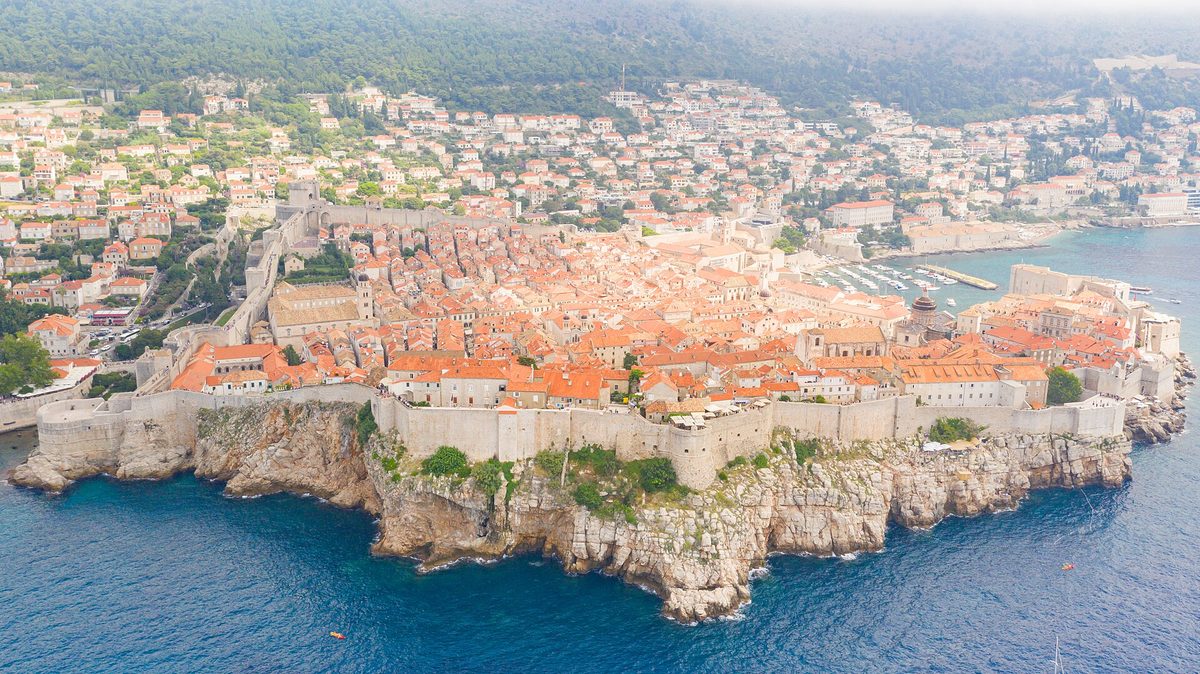
My first evening in Croatia, I sat on the Stradun in Dubrovnik with a scoop of lavender ice cream, watching swifts wheel over limestone polished to a shine by four centuries of footsteps, and thought: why did nobody make me come here sooner? Twelve trips later – islands, inland waterfalls, Istrian hill towns in truffle season – this Croatia travel guide is everything I wish I had known before that first ferry.
The short answer: Croatia pairs a walled-city coastline with more than 1,000 islands and two of Europe’s great waterfall parks. Go in May–June or September for warm seas without the crush, give it 7–10 days, split your time between Dubrovnik or Split and an island, and budget around €100–150 a day mid-range. It uses the euro and sits inside Schengen.
This guide is for independent travellers planning a first or second trip – not a cruise stop. I will walk you through the regions worth your nights, when to come, what things really cost in 2026, how the ferries actually work, and the entry rules that changed this decade. Where Croatia fits a bigger journey, I link out to the rest of our best places to visit in Europe hub.
Croatia at a glance: planning facts for 2026
Treat the prices here as “around” figures – I checked everything in June 2026, but Croatian prices have moved faster than almost anywhere else on the Mediterranean lately, so confirm before you book.
| Detail | What to know (2026) |
|---|---|
| Currency | Euro (€) since January 2023 – no more kuna conversions. Cards widely accepted; carry some cash for konobas and markets. |
| Entry | In the Schengen Area since 2023; the 90/180-day visa-free rule applies. EES biometric checks have been live since April 2026; ETIAS (~€20) is expected late 2026 but not yet required. |
| Best time to visit | May–June and September–early October. July–August is hot, busy and 30%+ pricier. See our best time to visit Croatia guide. |
| How long | 5 days minimum for one region; 7–10 days for coast + island + a national park; 14 days to add Istria or Zagreb. |
| Daily budget | Backpacker ~€60–80; mid-range ~€115–150; comfortable €200+. Dubrovnik and Hvar run hottest. |
| Getting around | Buses + catamarans on the coast, a rental car for the parks and Istria. Trains barely matter here, unlike the rest of the continent (see our guide to getting around Europe). |
| Language | Croatian; English is excellent in tourism, German and Italian widely understood on the coast. |
| Don’t miss | Dubrovnik’s walls early, a night on Hvar or Korčula, Plitvice or Krka, Istria in truffle season. |
Where to go in Croatia: regions that earn your nights
Croatia is long and thin – nearly 600 km of coast by road from Istria to Dubrovnik – so the classic first-trip mistake is trying to see all of it. Pick two, at most three, of the regions below. For a deeper ranked list, our guide to the best places to visit in Croatia goes town by town.
Dubrovnik and southern Dalmatia

Yes, it is the busiest place in the country. It is also, walls-down, one of the most beautiful cities in Europe, and no amount of Game of Thrones tourism has managed to spoil the first sight of those ramparts dropping into a violet evening sea. The trick is timing: walk the city walls at 8am or in the last entry slot, never midday.
The walls cost around €40 in season (about €20 in winter), and from 2026 access works on advance timed reservations – book online before you arrive. The smarter buy is the Dubrovnik Pass at the same €40, which folds in the walls, the main museums and city buses for 24 hours. The city now caps cruise calls at two ships a day and limits Old Town crowds to 4,000 people at once, which has genuinely taken the edge off the worst crush.
Give Dubrovnik two nights, then use it as a springboard: the Elaphiti islands by water taxi, Lokrum for swimming under pines ten minutes from the old port, Cavtat for a slow lunch, and the Pelješac peninsula – Croatia’s best red-wine country – an hour north. My full list of things to do in Dubrovnik covers all of it, including where the locals actually swim.
Stay inside the walls once in your life – then admit the better-value beds are in Lapad and Gruž, a short bus ride away. Tourist tax runs about €2.65 per person per night in high season.
Split and central Dalmatia
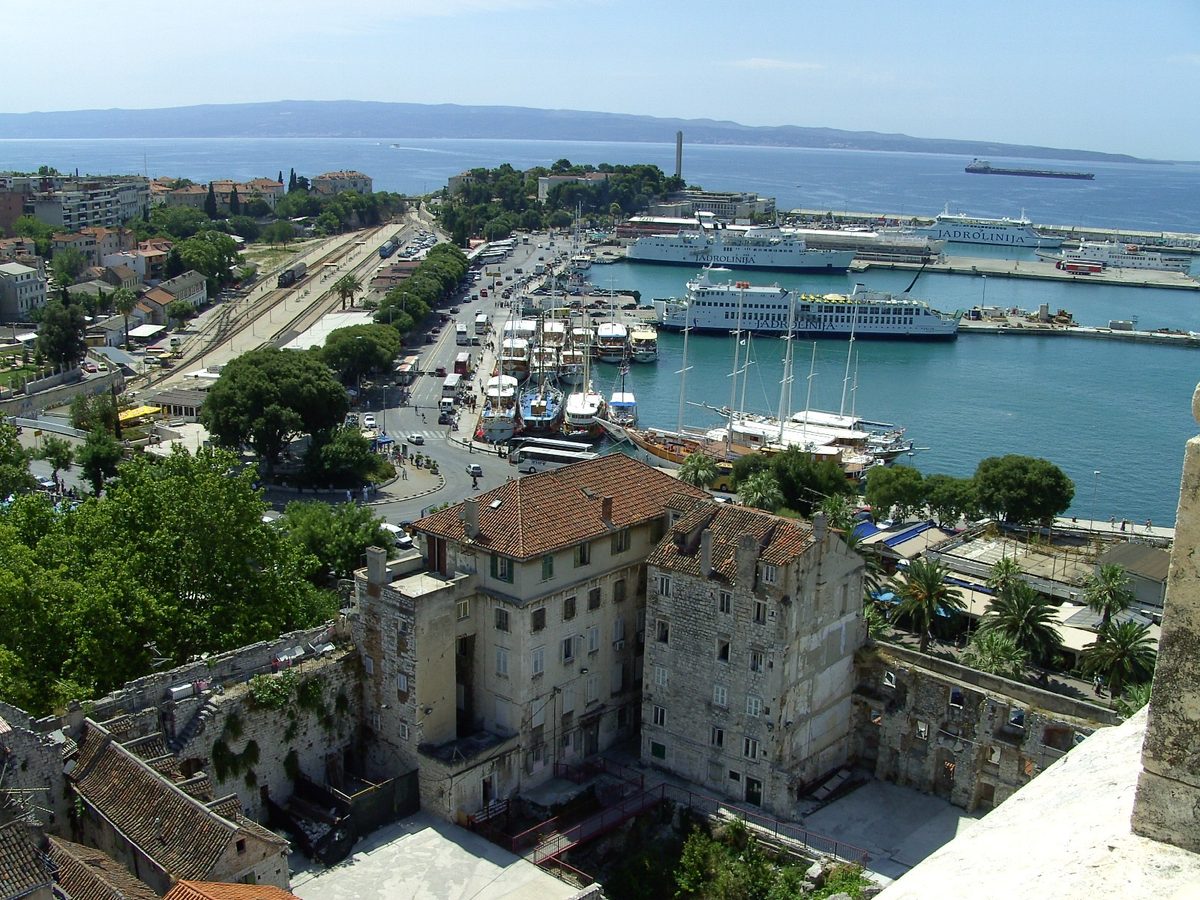
Split is the coast’s workhorse and its best base. The old town is literally built inside Diocletian’s retirement palace – you drink your morning coffee between 1,700-year-old columns while the cathedral bells argue overhead – and the ferry port at its feet opens the whole Adriatic. I have used Split as a hub on more trips than anywhere else in Croatia.
Climb the bell tower for the harbour view, walk the Riva at dusk, then get up Marjan hill for the pine-shaded swimming spots on its far side. Within an hour you have Trogir’s tiny UNESCO old town, the Roman ruins at Salona, and Klis fortress glowering over the pass. Two nights here before or after an island works perfectly; my Split travel guide has the full plan, including which palace-quarter restaurants are worth it and which are scenery tax.
South of Split, the Makarska Riviera runs white-pebble beaches under the bare grey wall of Biokovo mountain – the prettiest stretch of mainland coast in the country, and noticeably cheaper than the islands opposite.
The islands: Hvar, Brač, Korčula and Vis
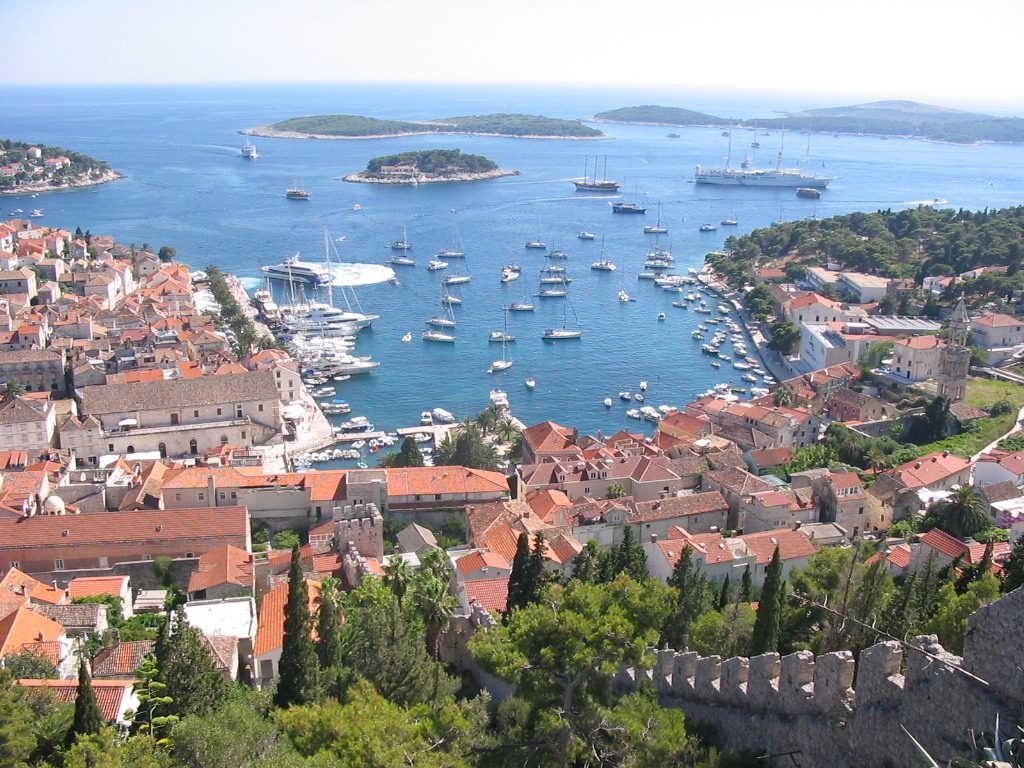
This is what you came for. More than 1,000 islands scatter off the Dalmatian coast, and no two play the same note. The honest advice: do not day-trip them all from Split. Sleep on at least one – the islands only show their real face after the last catamaran leaves.
Hvar is the famous one – Venetian harbour town, fortress views over the Pakleni islets, lavender fields inland, and a nightlife scene that runs from wine bars to superyacht silliness. It is also lovelier and quieter than its reputation once you leave Hvar Town: Stari Grad is all stone lanes and fig trees. I wrote a whole guide to Hvar and the Dalmatian coast because one section cannot hold it.

Brač answers with Zlatni Rat at Bol – the golden horn of pebbles that bends with the current and stars on half the country’s postcards. It earns a spot in our roundup of the best beaches in Europe, and the windsurfing scene off Bol is the Adriatic’s liveliest.
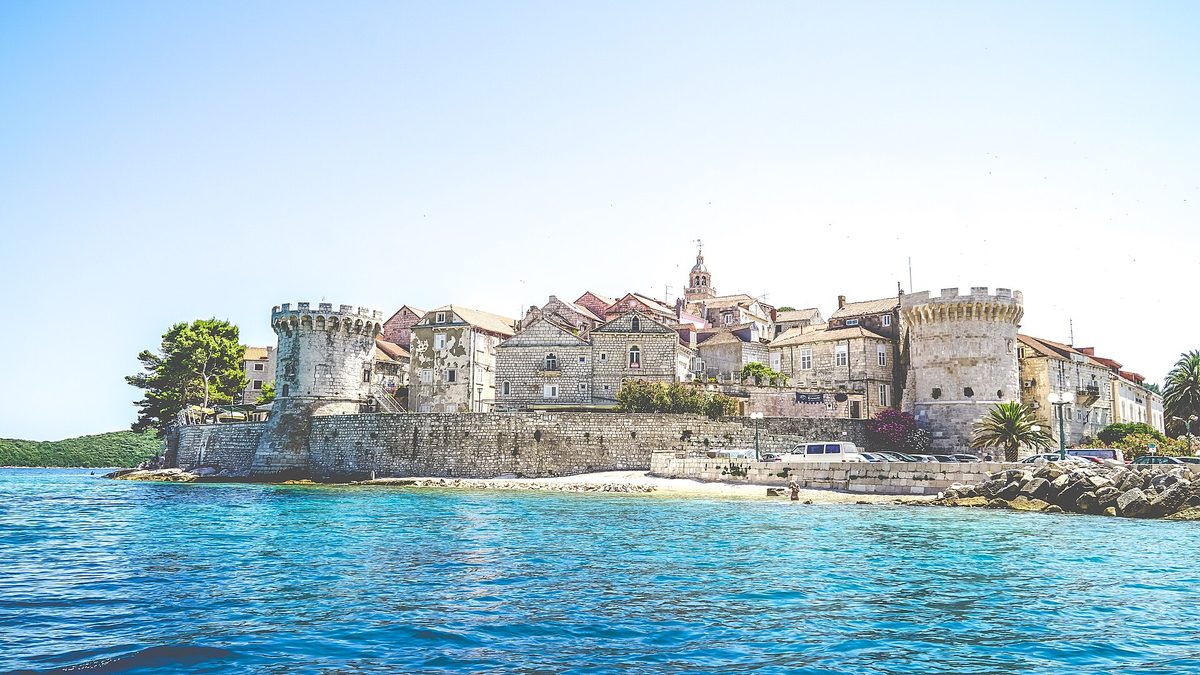
Korčula is my sentimental favourite: a miniature walled Dubrovnik on its own peninsula, fishbone streets angled against the wind, white wine (grk and pošip) you can only really drink well here, and none of the elbow-to-elbow feeling. Vis, furthest out and an army base until 1989, is the slow one – come for Stiniva cove, the Blue Cave on Biševo, and dinners that taste like the 1970s never ended, in the best way.
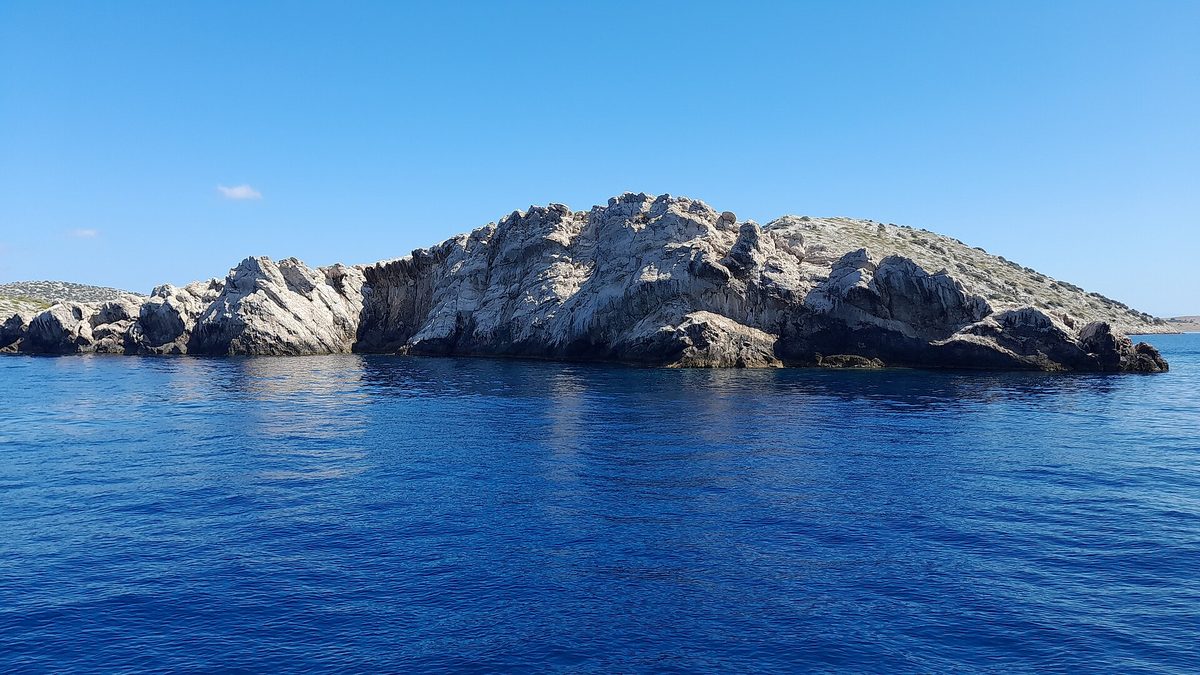
How you string them together is its own art – catamaran timetables, which combinations work without backtracking, when you need to book – so I broke it out into a dedicated Croatia island hopping guide. Sailors should look at the Kornati archipelago off Šibenik: 89 mostly bare islands that look like dropped stones, best seen from a charter deck with nowhere to be.
Istria: Rovinj, Pula and the hill towns
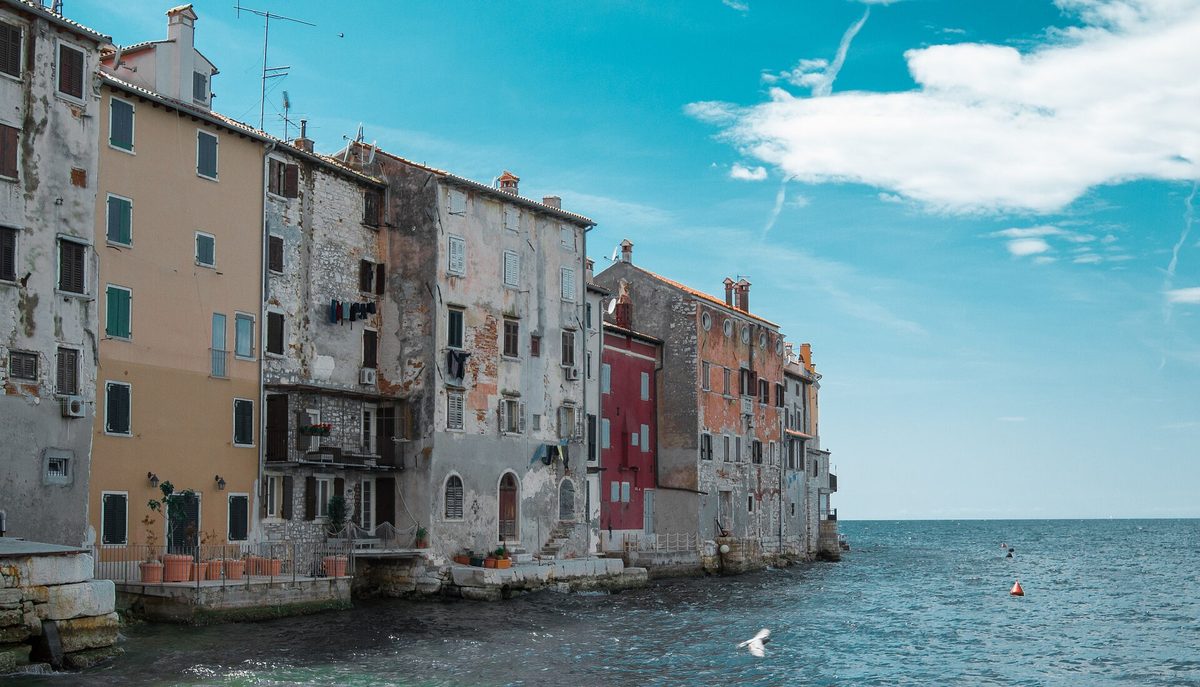
The heart-shaped peninsula in the north is a different country in all but passport – Venetian bell towers, Roman amphitheatres, vineyards and olive groves rolling inland, menus that read half-Italian. If Dalmatia is about the sea, Istria is about the table.
Rovinj is the showpiece: pastel houses rising straight out of the water to the campanile of St Euphemia, and a working fishing fleet that still sells off the boat. Pula holds one of the world’s six largest surviving Roman arenas – in July it doubles as a film-festival venue, which is a very Istrian flex. Base in Rovinj or Poreč for the coast.
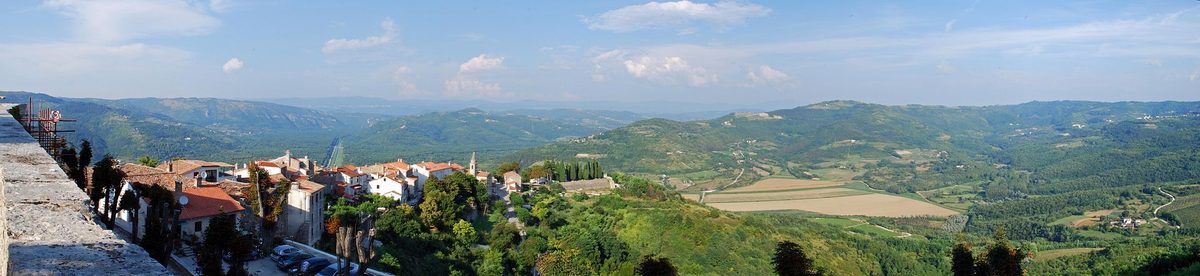
Then go inland. Motovun sits on its hill above the Mirna valley like a stone crown, and the oak woods below it hide white truffles that rival Alba’s at half the price. Late September and October – truffle season – is when I would always choose to be here: fresh shavings over hand-rolled fuži pasta, young wine, mist in the valley each morning. Grožnjan, Završje and Hum (population: about 30) round out the hill-town circuit.
Zadar, Šibenik and the waterfall parks
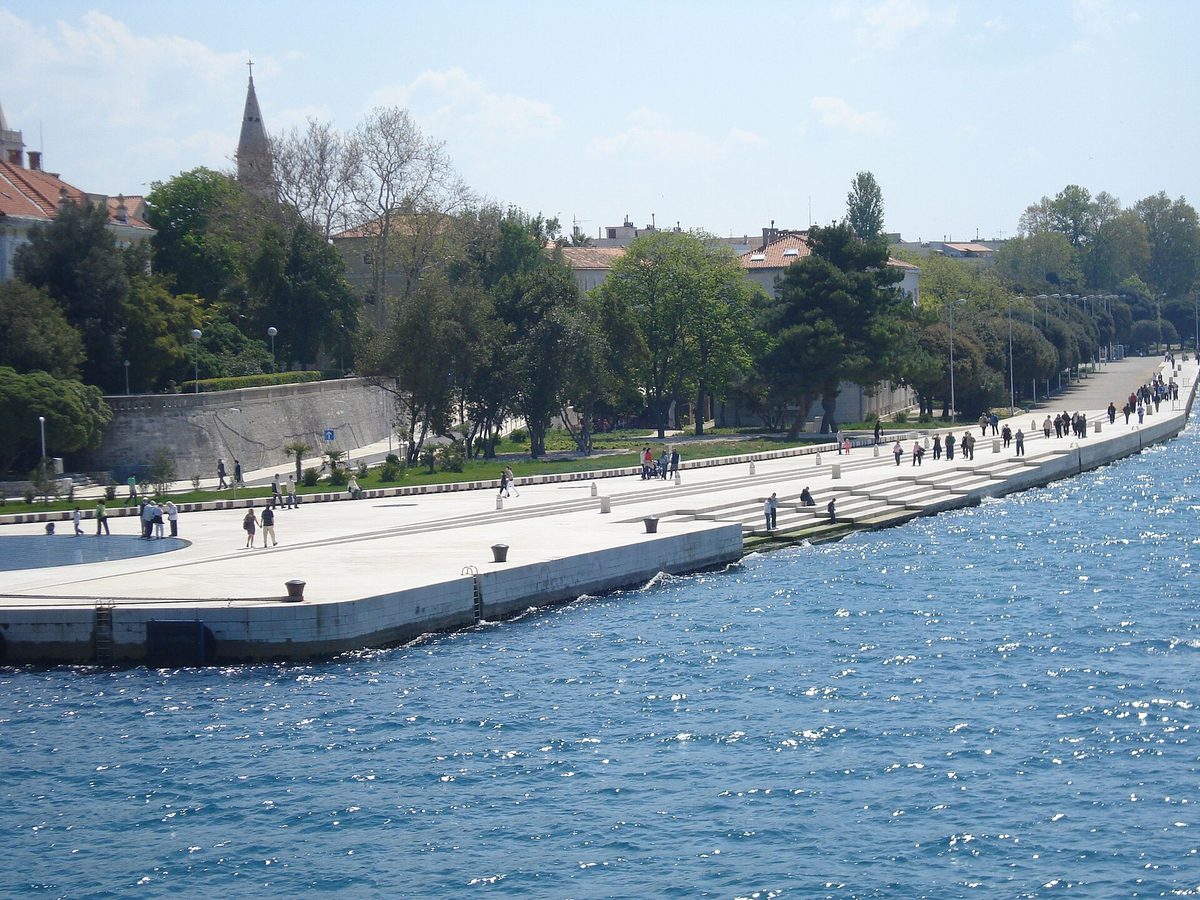
Mid-coast Dalmatia is the value play – the same sea, fewer crowds, lower bills. Zadar’s seafront is home to the Sea Organ, marble steps that turn waves into low chords, and the Greeting to the Sun light installation beside it; Alfred Hitchcock declared this the best sunset in the world, and on a clear evening over the Kornati he has a case. Šibenik, with its UNESCO cathedral and two fortresses, has quietly become one of my favourite small cities on the coast.
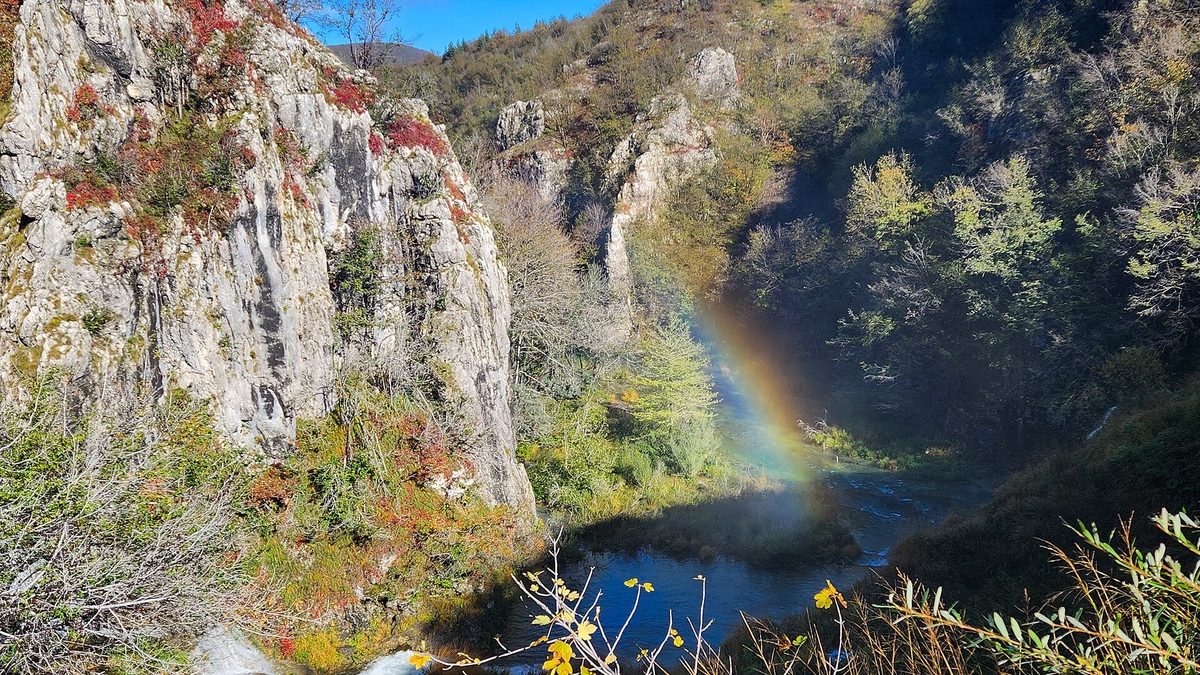
Inland sit the two parks everyone asks about. Plitvice Lakes – sixteen terraced lakes pouring into each other through travertine curtains – is the headline act, and in 2026 it works on timed-entry tickets: around €40 in peak summer (June–September), about €23.50 in spring and October, €10 in winter, with late-afternoon entries discounted. Book the slot online before you drive up; my Plitvice Lakes guide covers routes, entrances and how to dodge the tour-bus wave (short version: be at Entrance 1 at opening, walk the Lower Lakes first).
Krka, near Šibenik, is the easier, swim-adjacent alternative (swimming at Skradinski Buk itself ended in 2021, but the boardwalks and monastery island remain gorgeous). If you must choose: Plitvice for spectacle, Krka for ease.
Zagreb and inland Croatia
Most travellers fly over Zagreb’s head, and the capital is better than that – an Austro-Hungarian upper town, Europe’s shortest funicular, the gloriously odd Museum of Broken Relationships, and a café culture that makes Saturday morning špica feel like a citywide festival. It fits a one-night stop between Plitvice and a flight, and in December its Advent market has repeatedly been voted Europe’s best – it features in our roundup of the Christmas markets in Europe. City-break fans get more ideas in our European city breaks guide.
Beyond the headline stops: Kvarner, Mljet and the quiet Adriatic
Everything above is the Croatia of the brochures, and it deserves the billing. But the country keeps a quieter register for second visits – or for first-timers allergic to crowds.
The Kvarner Gulf, tucked between Istria and Dalmatia, is where the Austro-Hungarian empire went to convalesce: Opatija still wears its belle-époque villas and seafront promenade (the Lungomare runs 12 km), and grand-café prices remain a fraction of the French Riviera’s. Offshore, Cres and Lošinj are green, pine-scented islands with a resident dolphin population, and Rab hides sandy beaches – a genuine Adriatic rarity – on its Lopar peninsula.
In the far south, Mljet is my favourite lazy day in Croatia: a national park covering the island’s western third, two saltwater lakes ringed by cycling paths, and a 12th-century monastery on an islet in the middle of the larger one – an island on a lake on an island. Lastovo, beyond it, is for travellers who think Vis is getting too famous: one of Europe’s darkest night skies and a handful of konobas that still set the table like you are family.
Inland, almost nobody goes east to Slavonia – flatland wine country around Ilok and Kutjevo, stork nests on chimneys, paprika-red fiš paprikaš on the Danube – and that is exactly its charm. If your route bends that way, you are already halfway into our Eastern Europe travel guide territory.
Croatia by traveller type
For families
Croatia might be Europe’s most underrated family destination: short flight times, a sea that behaves like a swimming pool by July, pebble coves where the water stays shallow for 30 metres, and a culture that treats children as guests of honour rather than tolerated noise. Base in one apartment – Croatian apartmani give you a kitchen and a washing machine as standard – and day-trip. Bol on Brač, Biograd, and the Makarska Riviera are the sweet spots; pack swim shoes for everyone and the trip largely runs itself.
For couples
September on Korčula or Vis is the move: warm sea, golden evenings, wine harvests starting, day-tripper boats gone by six. Splurge one night on a stone-house konoba dinner on the Pelješac wine road, and time Dubrovnik for the last wall slot of the day when the light turns honey. Couples weighing the Adriatic against the Aegean should read our Greece guide side by side – my shorthand: Greece for drama, Croatia for ease.
For budget travellers
Stick to the Zadar–Šibenik stretch, travel in June or September, sleep in sobe (private rooms – look for the blue signs), eat burek breakfasts and konoba dinners, and use the slow Jadrolinija boats. €60–80 a day is realistic, and hitch-free – the bus network does the heavy lifting. The full playbook is in our budget travel guide.
For sailors and the sail-curious
The Adriatic is Europe’s gentlest serious sailing ground: short hops, line-of-sight navigation, a marina or buoy field every few miles. A skippered charter out of Split or Šibenik splits eight ways into surprising affordability, and a week through the Kornati – anchoring in coves no ferry reaches – reframes the whole country. Book February-to-April for summer; August decks cost double June’s.
Five mistakes first-timers make in Croatia
Trying to do Istria and Dubrovnik in one week. That is a 600 km, six-hour drive between them. Pick north or south; save the other half for the return trip you will already be planning.
Day-tripping the islands from Split. A four-hour shore visit to Hvar at midday is Hvar at its worst. Sleep there; meet the island after the boats leave.
Turning up to Plitvice, the walls or the August catamarans without booking. All three now run on capacity limits or sell out. Ten minutes online a few days ahead removes every queue I have warned you about.
Renting a car for an island itinerary. You will pay to ferry it (slowly) or park it (expensively) while you ride catamarans without it. Cars are for Istria, the parks and the Makarska coast.
Treating Croatia as cheap Eastern Europe. That trip ended around 2023 with the euro and the post-Schengen boom. Budget like you would for Spain, then let the shoulder season surprise you pleasantly.
When to visit Croatia
The Adriatic runs on a steep season curve, and your dates will shape the trip more than almost any other decision. The full month-by-month breakdown lives in our best time to visit Croatia guide; here is the honest summary.
May–June is my favourite window: 23–27°C days, a sea already swimmable by mid-June, ferries on summer timetables before the crowds fill them. September is its equal – the sea is at its warmest hangover (around 23–24°C), the light goes gold, and prices drop a gear. Early October still works on the coast and is peak truffle time in Istria.
July–August delivers guaranteed sun, 30°C+ heat, every festival, and the entire continent on holiday. Accommodation runs about 30% above shoulder season on the Mediterranean, popular catamarans sell out days ahead, and Dubrovnik and Hvar operate at full throttle. It is fun – but it is not the Croatia I would show a first-timer. November–April the coast largely sleeps (Zagreb’s Advent and €10 Plitvice tickets are the upside; many island restaurants close entirely).
For how Croatia compares with the rest of the continent month by month, see our guide to the seasonal picture across Europe.
What Croatia costs in 2026
Let me be straight with you: Croatia is no longer the bargain it was. Tourism prices have climbed roughly 50% in three years – faster than Greece or Spain – and in August, Hvar Town can out-price Mykonos. Context matters, though: outside peak season and the marquee names, it remains very fair value, and the quality (clean seas, safety, food) holds up. Compare for yourself in our Greece, Spain and Portugal guides.
| Expense | Typical 2026 price |
|---|---|
| Espresso on a square | €1.50–2.50 |
| Konoba dinner (mains + house wine) | €20–35 per person; grilled fish priced per kg |
| Mid-range double room | €90–130 coast (shoulder); €150–250+ Dubrovnik/Hvar in August |
| Hostel dorm | €25–40 in Split/Dubrovnik high season |
| Split–Hvar catamaran | from ~€6–25 depending on operator and season |
| Dubrovnik walls / Dubrovnik Pass | ~€40 (pass includes museums + buses) |
| Plitvice entry | €10 winter / €23.50 shoulder / ~€40 peak |
| Daily mid-range total | ~€115–150 per person |
Backpackers can hold €60–80 a day with dorms, bakeries (burek is your friend) and slow ferries – tactics in our backpacking Europe and budget guides. Booking strategy for the coast – and why apartments (apartmani) are Croatia’s secret weapon – is covered in our accommodation guide.
Getting to and around Croatia
Getting there
Split and Dubrovnik are the main coastal gateways, Zagreb the year-round workhorse. From North America, United flies New York–Dubrovnik nonstop in under nine hours in season and added a Newark–Split nonstop in April 2026 – a quiet game-changer for island-hoppers. From elsewhere in Europe, budget carriers blanket the coast from May to October. Overland, the EuroNight sleeper from Munich to Zagreb exists, but Croatia is honestly one of the few countries where I do not push the train – see our train travel in Europe guide for where rail genuinely shines, and how to combine Croatia with Italy by overnight ferry (Split–Ancona) instead.
Ferries and catamarans
Two names run your island life: Jadrolinija (state operator: car ferries + catamarans, 30 kg luggage free) and Krilo / Kapetan Luka (fast private catamarans, 23 kg). Split–Hvar takes about an hour with up to 17 summer crossings a day; foot-passenger fares start around €6 on the slow boats and €25-ish on peak fast services. Catamarans take no cars and sell out in July–August – book a few days ahead online. Taking a car to Hvar means the Split–Stari Grad ferry (about 1h50). Full route logic in the island hopping guide.
Buses and driving
Intercity buses are frequent, cheap and air-conditioned – Split–Dubrovnik runs about 4 hours down the coast road, crossing the spectacular Pelješac bridge (no more Bosnia border queue). A rental car unlocks Istria, the parks and the Makarska Riviera; the A1 motorway is excellent (tolls apply), but skip the car entirely for an islands-only trip – ferries plus the odd taxi beat paying to park a car you cannot take aboard a catamaran. More mode-by-mode advice in our transport guide.
What to pack for Croatia
Less than you think, plus three things people forget. Swim shoes first: the beaches are overwhelmingly pebble and rock, the urchins are real, and the €10 pair from any coastal supermarket transforms the week. A dry bag second, because the best days here involve a boat, and phones do not float. Third, reef-safe sunscreen bought before you arrive – coastal pharmacy prices treat sunscreen as a luxury good.
Otherwise: linen layers for July heat, one warmer layer for the bura wind and air-conditioned catamarans, decent walking shoes for marble lanes polished into ice rinks, and a modest cover-up for church visits (Dubrovnik’s cathedral enforces it). European two-pin plugs, the standard 230V. Leave the heels – no cobbled old town in Dalmatia forgives them. Our full packing checklist covers the rest, season by season.
Festivals and events worth planning around in 2026
Croatia’s summer calendar can decide your dates for you. The Dubrovnik Summer Festival (mid-July to late August) stages theatre and music inside the fortresses themselves – Shakespeare on Lovrijenac’s ramparts is worth a date change. Ultra Europe takes over Split for a long weekend in July, which is either a reason to book early or a reason to be on Vis that week, depending on your relationship with 4am. Pula’s film festival screens features inside the Roman arena in July, and Motovun runs its own scrappy, beloved film festival on the hilltop at the end of the month.
Shoulder-season travellers get the best of it: Hvar’s wine harvests and Istria’s truffle festivals (Livade and Buzet, late September through November), Zadar’s calmer concerts on the riva, and then Advent in Zagreb from late November – mulled wine, ice skating through Zrinjevac park, and a market that keeps beating Vienna and Strasbourg in the public votes. Sword-dance fans, look up Korčula’s moreska, performed on summer evenings as it has been for four centuries.
What to book ahead in 2026: July–August accommodation on Hvar, Korčula and inside Dubrovnik’s walls (by spring); Plitvice timed entries and Dubrovnik wall slots (days ahead, more in August); fast catamarans in peak weeks (a few days ahead); summer charter boats (by April). Everything else – buses, most museums, restaurants outside the marquee towns – rewards spontaneity. More booking-window logic lives in our trip-planning guide.
How to structure your trip: itineraries that work
The detailed day-by-day plans live in our Croatia itinerary guide, but here are the skeletons I recommend most often:
7 days, classic south: Split (2) → Hvar (2) → Korčula (1) → Dubrovnik (2), one-way by catamaran – fly into Split, out of Dubrovnik. 10 days: add Zadar + Plitvice on the front end. 14 days: the full sweep – Zagreb, Plitvice, Zadar/Šibenik, Split, two islands, Dubrovnik; or swap the north for a slow Istria week. If Croatia is one leg of a longer route, our Europe itinerary guide shows how it pairs with Italy or an Eastern Europe loop through Slovenia and Montenegro.
What to eat and drink in Croatia
Croatian food is the Mediterranean with a Balkan backbone, and it changes every hundred kilometres. On the coast: grilled fish with blitva (chard and potatoes), black cuttlefish risotto, octopus peka cooked for hours under an iron bell – order peka in the morning, it cannot be rushed. In Istria: truffles, boutique olive oils that win world awards, and fuži pasta. Inland: čevapi, štrukli (Zagreb’s baked-cheese comfort blanket) and paprika-heavy stews.
Drink local: pošip and grk whites from Korčula, plavac mali reds from the Pelješac slopes (Dingač is the famous name), malvažija in Istria, and a rakčija offered with the bill more often than not. A konoba – the Croatian tavern – is where the cooking is most honest; if the menu has photos and five cuisines, keep walking. Espresso culture is serious and absurdly good value at €1.50–2.50; the three-hour seafront coffee is a protected national pastime.
Practical matters: money, entry rules and safety
Money. Croatia switched to the euro in January 2023, which removed the last awkwardness of coastal travel. Cards work nearly everywhere, but market stalls, water taxis and some konobas still prefer cash. If a card terminal offers to charge you in your home currency, decline – always pay in euros (the full set of tricks like this lives in our collected travel advice).
Entry rules (checked June 2026). Croatia joined the Schengen Area in January 2023, so it shares the 90-days-in-180 visa-free allowance with its neighbours – days in Croatia count against the same clock as days in Italy or Germany. The EU’s biometric Entry/Exit System (EES) has been live since 10 April 2026, replacing passport stamps with fingerprints and a photo at first entry. ETIAS – the ~€20 pre-travel authorisation for visa-exempt visitors – is expected to launch in late 2026 and is not yet required as I write this. The full picture, including the transition timeline, is in our Schengen visa and ETIAS guide, and first-trip planning basics are in how to plan a trip to Europe.
Safety. Croatia is one of Europe’s safest countries – my biggest incidents in a dozen trips have been sea-urchin spines and a ferry missed by ninety seconds. Tap water is excellent everywhere. Normal pickpocket awareness in Split’s palace lanes and on packed ferries is plenty. Swim shoes for pebble beaches, sunscreen for the bura-scoured glare, and respect the red flag when the wind turns – that is the whole briefing.
Croatia travel guide FAQ
Is Croatia worth visiting?
Emphatically yes. Nowhere else in Europe packs walled medieval cities, 1,000+ islands, two world-class waterfall parks and a truffle region into one country you can drive end to end in a day. It is busier and pricier than a decade ago, but time it for May–June or September and it still feels like the Mediterranean got a second chance. Our guide to the best places on the Mediterranean coast shows how Croatia compares on price and sea temperature.
How many days do you need in Croatia?
Seven days covers the classic south well: Split, one or two islands and Dubrovnik. Ten lets you add Plitvice and Zadar without rushing. With fourteen you can take in Istria or Zagreb too. With fewer than five, base in one city – Split is best connected – and day-trip, rather than dragging luggage along the coast.
Is Croatia expensive?
Middling for Europe now, and rising fast – prices are up roughly 50% in three years, overtaking much of Greece and Spain. Expect ~€115–150 a day mid-range. August in Dubrovnik and Hvar is the painful end; May, June, September – and the Zadar/Šibenik stretch in any month – remain fair value.
Dubrovnik or Split: which is better?
Dubrovnik is the showstopper; Split is the better base. Dubrovnik wins on sheer beauty, Split on ferries, flights, day trips and prices. On seven days or more, do both – they bookend the catamaran line perfectly. For a single base with the most options, choose Split and visit Dubrovnik for a night or two.
Do I need a visa or ETIAS for Croatia?
Americans, Canadians, Britons, Australians and most other visa-exempt nationals need no visa for up to 90 days in any 180 – Croatia is in Schengen, so the clock is shared with neighbouring countries. As of June 2026, ETIAS is not yet live; when it launches (expected late 2026) it will cost about €20 and apply here as everywhere in Schengen.
What is the best month to visit Croatia?
For my money, June: the sea has warmed, days run 25–28°C, everything is open, and the August crowds have not landed. September is the photo-finish second – warmer sea, golden light, falling prices. Pick July–August only if festivals and full-throttle island nightlife are the point of the trip.
Is Croatia safe for tourists?
Very safe – violent crime against visitors is rare and solo travellers, including women, consistently rate it among Europe’s most comfortable countries. The genuine risks are sun, sea urchins, rental-scooter optimism and pickpockets in peak-season crowds. Tap water is drinkable nationwide. Emergency number: 112, with English-speaking operators.
Can you drink the tap water in Croatia?
Yes, everywhere – Croatian tap water is among Europe’s best, including on the inhabited islands. Carry a refillable bottle; many towns have public fountains, and restaurants will fill it if you ask. The bottled water on every menu is habit, not necessity.
Do you need a car in Croatia?
Only for some trips. Islands-and-cities itineraries work better on catamarans and intercity buses – both frequent and inexpensive. Rent a car for Istria’s hill towns, Plitvice and Krka, or the Makarska Riviera, ideally picking it up only for those days. The A1 motorway is excellent; tolls and August queues at the pay stations are the price.
Is English widely spoken in Croatia?
On the coast, almost universally – tourism has run in English, German and Italian for generations, and younger Croatians speak excellent English everywhere. Inland and in Slavonia it thins out, but never to the point of difficulty. Learning hvala (thank you), dobar dan (good day) and živjeli (cheers) will still earn you warmer service than any phrasebook chapter.
Final thoughts on this Croatia travel guide
If I could press one habit on you, it is this: build your trip around fewer places and longer stays. Croatia rewards the traveller who is still on the riva at 11pm when the day-trippers have gone, who takes the slow ferry once just to watch the islands slide past, who orders the peka in the morning and plans the day around it.
Start with the region sections above, lock your dates with the when-to-go guide, string the stops together with the itinerary planner, and leave one day gloriously unplanned. The Adriatic will fill it better than I can. Sretan put – safe travels.
Photo credits
All images are used under their respective licenses. Public-domain and CC0 images require no attribution but are credited here in good faith; CC BY / BY-SA images are attributed as required.
- Dubrovnik Old Town and city walls from the air (featured image) – Photo: dronepicr / CC BY 2.0 via Wikimedia Commons (source).
- Dubrovnik, Croatia – Photo: Diego Delso / CC BY-SA 3.0 via Wikimedia Commons.
- Split harbour and ferry port from the cathedral bell tower – Photo: Martin Brož / CC BY 3.0 via Wikimedia Commons (source).
- Hvar Town harbour and the Pakleni islands from the fortress – Photo: Stop_The_Lies (public domain) via Wikimedia Commons (source).
- Zlatni Rat beach at Bol, Brač – Photo: Jeroen Komen / CC BY-SA 2.0 via Wikimedia Commons.
- Korčula old town from the sea – Photo: Hilthart Pedersen (CC0) via Wikimedia Commons (source).
- Kornati islands from the water – Photo: Argo Navis / CC BY-SA 4.0 via Wikimedia Commons (source).
- Rovinj old town houses on the Adriatic, Istria – Photo: Nils Söderman (CC0) via Wikimedia Commons (source).
- Motovun and the Mirna valley, Istria – Photo: Alex Smith (public domain) via Wikimedia Commons (source).
- The Sea Organ steps on Zadar’s riva – Photo: Andrej Šalov / CC BY-SA 3.0 via Wikimedia Commons (source).
- Waterfalls and a rainbow at Plitvice Lakes National Park – Photo: OrionCro / CC BY-SA 4.0 via Wikimedia Commons (source).
1 comment