Spain Travel Guide: Where to Go, When to Visit & What to Eat

Spain was the country that taught me how to travel slowly. I arrived for a long weekend in Barcelona years ago and somehow stayed three weeks, seduced by late dinners that started at ten, afternoons that melted into the shade, and a way of living that treats joy as a daily obligation rather than a luxury. I’ve been back more times than I can count, and this Spain travel guide is everything I’ve learned: where to go, when, what to eat, and how to fall for the country the way I did, without the rookie mistakes.
Spain is the second-most visited country on earth, and it earns it. But it’s also bigger and more varied than first-timers expect: the green, rainy north feels like a different country from sun-baked Andalusia. So let me help you choose well.
The short answer: where to go in Spain
For a first trip, the unbeatable pairing is Barcelona and the south: Barcelona for Gaudí and the beach-meets-city buzz, then Andalusia (Seville, Granada and Córdoba) for Moorish palaces, flamenco and white hill towns. Add Madrid for world-class art, Valencia for paella and beaches, and San Sebastián in the Basque north for the best food in the country. Go in spring or autumn, travel by the superb high-speed trains, and adopt the local rhythm: late lunches, later dinners, and a slow stroll before bed.
That’s the headline. Below I break Spain down region by region, then cover the practical essentials: when to go (and which fiesta to time your trip around), how many days, getting around, what to eat, and the quirks (siesta hours, 10pm dinners, regional pride) that catch first-timers out. This guide is part of our hub on the best places to visit in Europe, and pairs beautifully with neighbouring Portugal.
Spain at a glance
A quick cheat sheet to the regions and cities in this guide: what each is best for, how long to give it, and when to go.
| Destination | Best for | Nights | Best time |
|---|---|---|---|
| Barcelona | Gaudí, beach + city, food | 3–4 | May–Jun, Sep |
| Madrid | Art, nightlife, real Spain | 2–3 | Apr–May, Oct |
| Seville | Flamenco, Moorish history, fiestas | 2–3 | Mar–May, Oct |
| Granada | The Alhambra, tapas, mountains | 2 | Apr–Jun, Sep–Oct |
| Córdoba | The Mezquita, patios | 1–2 | Apr–May, Oct |
| Valencia | Paella, beaches, modern architecture | 2 | May–Jun, Sep |
| San Sebastián & Basque | Food, beaches, green coast | 2–3 | Jun–Sep |
| Costa del Sol & the south coast | Beaches, resorts | 3–5 | Jun, Sep |
| Balearic Islands (Mallorca, Ibiza) | Beaches, nightlife, coves | 4–7 | Jun, Sep |
| The Camino / green north | Hiking, nature, seafood | varies | May–Sep |
Spain’s two great cities: Barcelona and Madrid
Most first trips start with one or both of these, and the friendly rivalry between them is half the fun: Catalan, coastal, design-obsessed Barcelona versus landlocked, art-rich, all-night Madrid.
Barcelona — Gaudí, beaches and Mediterranean buzz
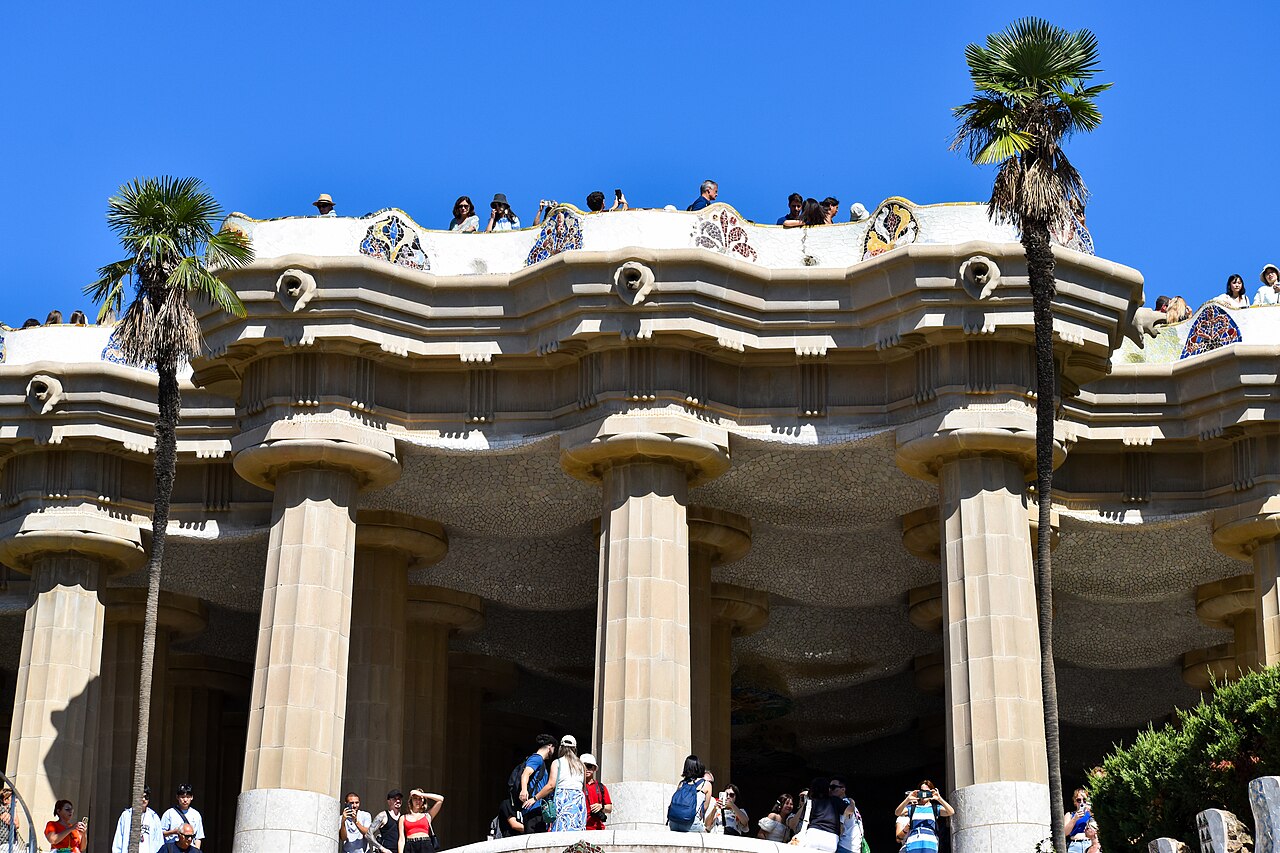
Barcelona is the rare big city where you can spend the morning craning your neck at Gaudí’s still-unfinished Sagrada Família and the afternoon with your toes in the Mediterranean. The architecture (the rippling stone of Casa Batlló, the mosaic dragons of Park Güell, the Gothic Quarter’s medieval lanes) is genuinely unlike anywhere else, and the food culture, from the Boqueria market to a late dinner of pintxos in El Born, rewards staying out past your bedtime. Book the big Gaudí sights well ahead; they sell out daily. One honest note: Barcelona has pushed back hard against overtourism, so travel in spring or autumn, stay in a neighbourhood rather than on the tourist drag, and be a respectful guest. Our guide to things to do in Barcelona has the detail.
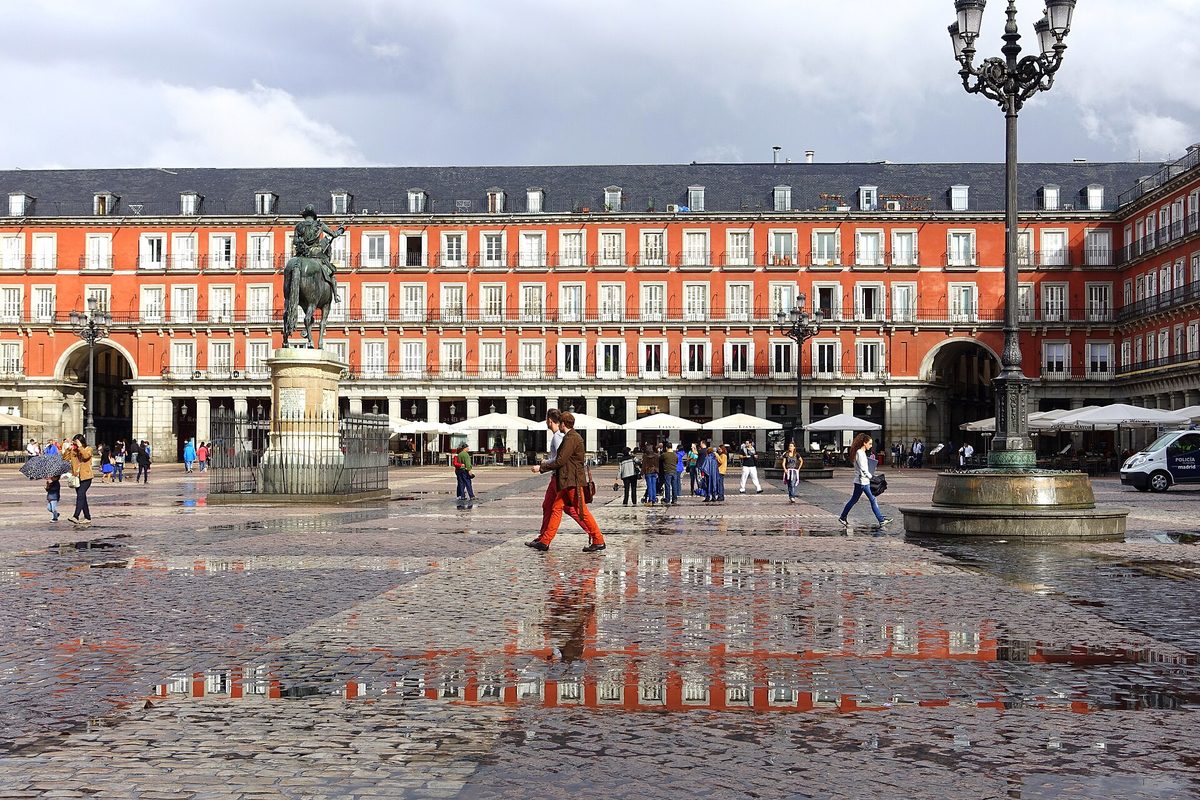
Madrid — art, elegance and a city that never sleeps
Madrid surprises people. Less obviously beautiful than Barcelona at first glance, it reveals itself as the more purely Spanish city the longer you stay: grand boulevards and hidden plazas, the leafy Retiro Park, and a tapas-and-vermouth scene that runs gloriously late. For art lovers it’s unmissable: the Prado (Velázquez, Goya), the Reina Sofía (Picasso’s Guernica), and the Thyssen all sit within a short walk. Eat your way through the Mercado de San Miguel, catch a flamenco show, and embrace the late nights; dinner at 10pm is normal, and the city only gets going after dark. Two or three days, and see our things to do in Madrid.
Andalusia: the Spain of your imagination
If Spain has a soul, it’s in the south. Andalusia is the Spain of flamenco and tapas, of Moorish palaces and whitewashed villages, of orange-scented courtyards and impossibly hot summer afternoons. For many travelers, me included, it’s the most romantic, atmospheric region in the country. Give it four or five days at least, and see our full Andalusia travel guide for 2026 ticket prices, the Alhambra booking rules and itineraries from five to fourteen days.
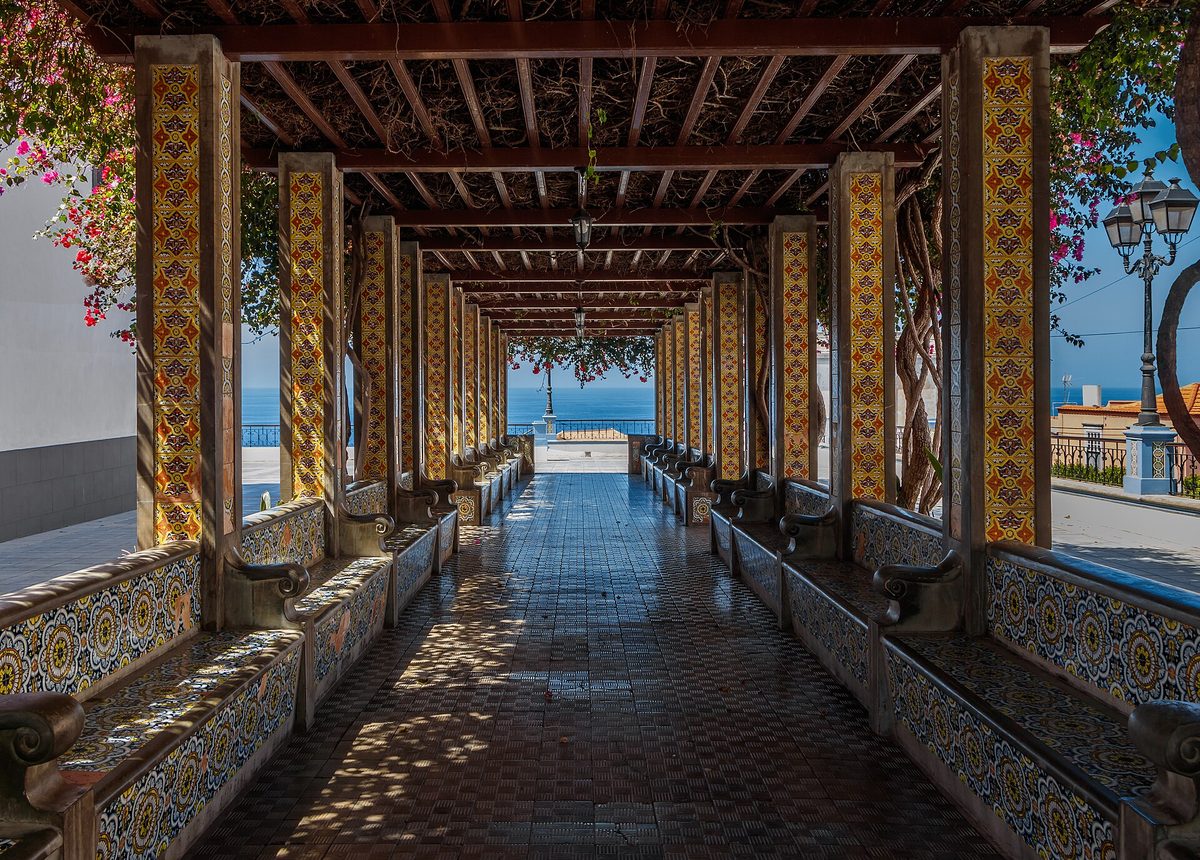
Seville — flamenco, orange trees and grand fiestas
Seville is the beating heart of Andalusia and, I’d argue, the most seductive city in Spain. Wander the tangled lanes of the Santa Cruz quarter, climb the Giralda tower beside the world’s largest Gothic cathedral, marvel at the half-Moorish, half-Christian Royal Alcázar (a Game of Thrones filming location), and lose an evening to flamenco in a tiny tablao. The jaw-dropping Plaza de España, all curved tilework and canals, is reason enough to visit. Come in spring for the spectacular processions of Semana Santa and the colour and dancing of the Feria de Abril. Our Seville travel guide goes deeper.
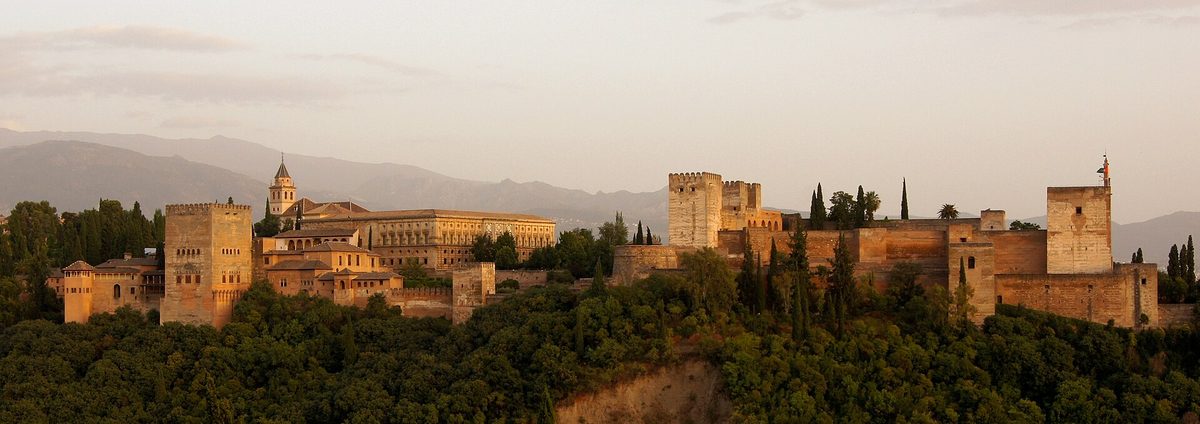
Granada — the Alhambra and free tapas
Granada stands apart. Set against the snow-capped Sierra Nevada, it’s crowned by the Alhambra, a 13th-century Moorish palace-fortress so beautiful it genuinely makes people emotional. Book your timed ticket weeks ahead, because it sells out. Below it, the Albaicín’s steep white lanes hide viewpoints over the floodlit palace, and the city keeps one of Spain’s last great traditions alive: order a drink almost anywhere and a free tapa arrives with it. It’s a bohemian, student-filled, soulful place; two nights is the minimum. See our Granada travel guide.
Córdoba and the white towns
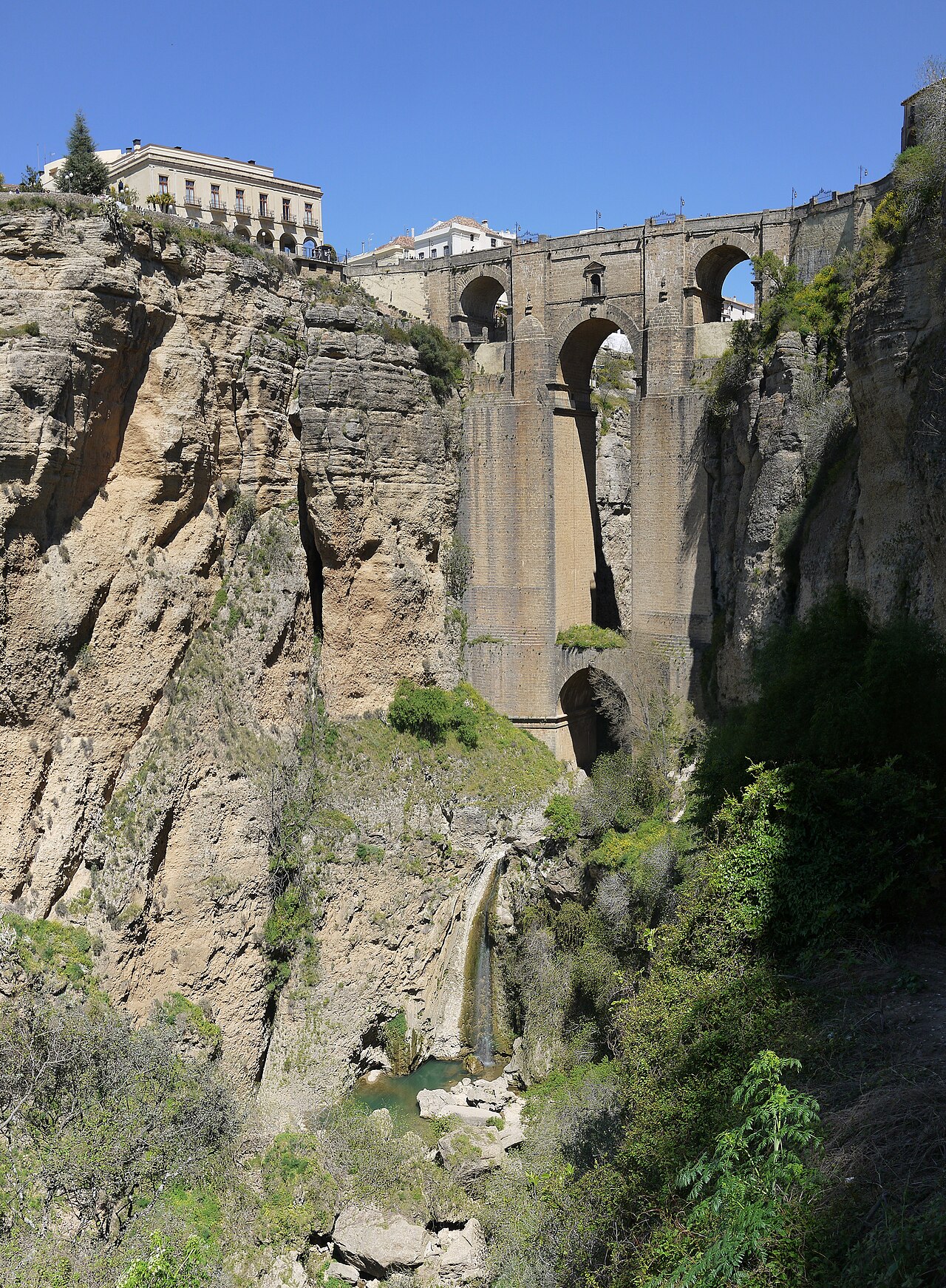
Between the big cities, Andalusia’s smaller treasures reward a slower pace. Córdoba‘s Mezquita, a vast mosque-cathedral with a forest of red-and-white arches, is one of the most extraordinary buildings in Europe, and the city’s flower-filled patios are at their best in May. Then there are the pueblos blancos, the white hill towns scattered across the region: clifftop Ronda, split by a dramatic gorge, is the showstopper, but Arcos de la Frontera, Grazalema and Zahara reward anyone with a rental car and a free day.
The Costa del Sol and southern beaches
Andalusia’s coast is where much of Europe comes to bake. The Costa del Sol around Málaga (itself an underrated, art-filled city and Picasso’s birthplace) delivers reliable sun, lively resorts and long sandy beaches: Marbella for glamour, Nerja for prettier coves. Further west, the wilder, windier Costa de la Luz toward Tarifa and Cádiz has Spain’s best beaches if you don’t mind the breeze. Our Costa del Sol guide has the lowdown, and for the best in the country see our roundup of the best beaches in Europe.
The green north: Basque Country, Galicia and beyond
Here’s the Spain most first-timers miss entirely, and it’s a revelation. The northern coast is lush, green and cooler, fringed by dramatic cliffs and some of the best food on the continent. If you’ve only ever seen sunny southern Spain, the north will feel like a different country.

San Sebastián and the Basque Country
San Sebastián curves around La Concha, one of Europe’s prettiest city beaches, and happens to be one of the greatest places on earth to eat. The old-town pintxos bars are a contact sport: you stand, you point, you wash it down with txakoli wine, you move to the next bar. The surrounding Basque Country holds a remarkable density of Michelin stars. An hour away, Bilbao reinvented itself around Frank Gehry’s titanium-clad Guggenheim Museum and is now one of Spain’s most exciting cities. Give the region two or three days and an empty stomach. Our San Sebastián travel guide has more.
Galicia and the Camino de Santiago
In Spain’s far northwest, Galicia is wild, Celtic-tinged and gloriously green, with a rugged coastline and the country’s best seafood. It’s the destination of the Camino de Santiago, the ancient pilgrimage routes that converge on the cathedral city of Santiago de Compostela. Walking even a few days of it is one of Europe’s great experiences, and you don’t need to be religious to be moved by it. Our hiking in Europe guide covers the Camino in detail.
The east coast and the islands
Spain’s Mediterranean coast and its islands are where the country goes on holiday, and where a lot of Europe joins it.
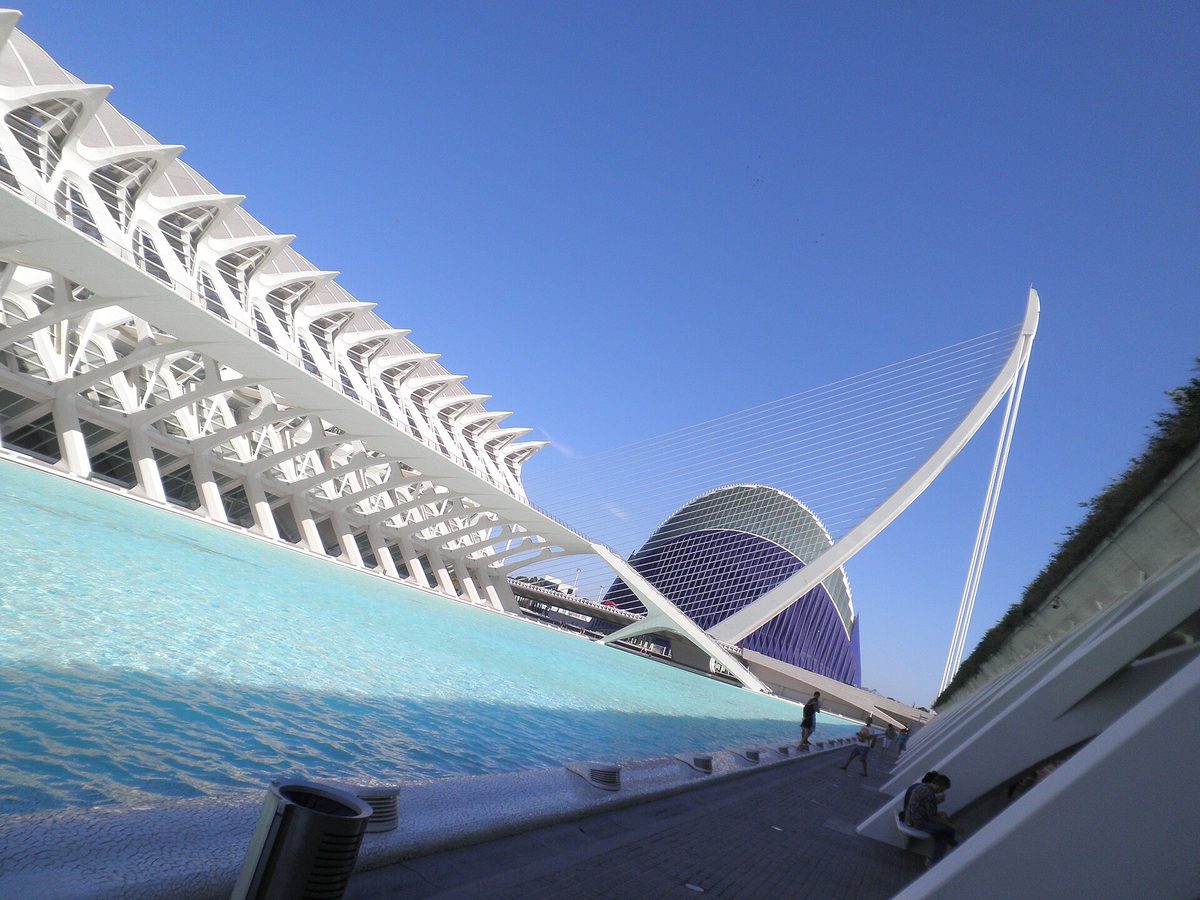
Valencia — paella, beaches and the future
Valencia is having a moment, and deservedly so. Spain’s third city is the birthplace of paella (eat it where it was invented, at lunch, by the beach), with a charming old town, a long city beach, and the jaw-dropping City of Arts and Sciences, a complex of futuristic white structures that looks like a film set. It’s more relaxed and far better value than Barcelona, with the same Mediterranean ease. Two days is a great add-on, and it’s a quick high-speed train from Madrid.
The Balearic and Canary Islands
Off the east coast, the Balearic Islands split neatly by personality: Mallorca is the all-rounder, with dramatic coves and mountain villages; Ibiza brings the legendary nightlife (and surprisingly lovely quiet corners); and laid-back Menorca, the one I’d book first, has the best beaches of all. Far to the south, off the African coast, the Canary Islands (Tenerife, Lanzarote, Gran Canaria) deliver volcanic landscapes and reliable year-round warmth: Europe’s winter-sun escape. For island ideas, our Mallorca travel guide is the place to start. Whichever coast you choose, the islands are busiest and best in June and September.
For a full regional rundown beyond the highlights here, see the best places to visit in Spain.
The best time to visit Spain
I’ve visited Spain in every season, and timing changes the experience completely. Spring (April–June) and autumn (September–October) are the sweet spots almost everywhere: warm but not brutal, with lighter crowds and the country’s best fiestas. Summer (July–August) is for the coast and the islands; inland cities like Seville, Córdoba and Madrid can hit 40°C and locals flee to the beach, so save the south for cooler months. Winter is quiet, cheap and surprisingly rewarding: mild on the southern coast and in the Canaries, atmospheric in the cities, and the time for Spain’s hearty stews. For the full picture, see our guides to the best time to visit Spain and the best time to visit Europe.
Time your trip around a fiesta
Spaniards know how to throw a party, and catching a fiesta can be the highlight of a trip. The big ones worth planning around:
- Semana Santa (Holy Week, March/April): solemn, spectacular processions, most moving in Seville and Málaga.
- Feria de Abril (Seville, April): a week of flamenco dresses, horses, sherry and dancing.
- Las Fallas (Valencia, March): enormous satirical sculptures burned in the streets amid fireworks.
- San Fermín (Pamplona, 6–14 July): the famous Running of the Bulls and round-the-clock revelry.
- La Tomatina (Buñol, late August): the world’s biggest tomato fight.
Even if you don’t plan around these, almost every village has its own fiesta through summer; stumbling into one is part of Spain’s magic.
How many days do you need in Spain?
Every first-timer I’ve advised has underestimated Spain’s size, so don’t try to do it all in one trip. A rough guide:
- One week: Barcelona plus a few days, or a tight Andalusia loop (Seville, Granada, Córdoba). Pick one region and go deep.
- 10 days: The classic route of Barcelona → Madrid → Seville → Granada, linked by fast trains. The greatest hits at a humane pace.
- Two weeks: Add the Basque north (San Sebastián, Bilbao) or the islands, or slow down through Andalusia’s white towns.
- Three weeks: A proper north-to-south sweep, or Spain combined with neighbouring Portugal.
Our Spain itinerary lays out the classic route day by day, and the wider Europe itinerary guide shows how to fold Spain into a longer trip.
A perfect 10-day Spain itinerary at a glance
To make it concrete, here’s the classic first-timer route I recommend most: Barcelona, Madrid and the best of Andalusia, linked entirely by Spain’s superb high-speed trains. Fly into Barcelona and out of Granada (or Málaga) to avoid backtracking.
- Days 1–3 — Barcelona. The Sagrada Família and Park Güell, the Gothic Quarter, the beach, and a long lunch in El Born. Book the Gaudí sights ahead.
- Day 4 — Train to Madrid. A 2.5-hour AVE; spend the afternoon in the Retiro and around Puerta del Sol, then tapas in La Latina.
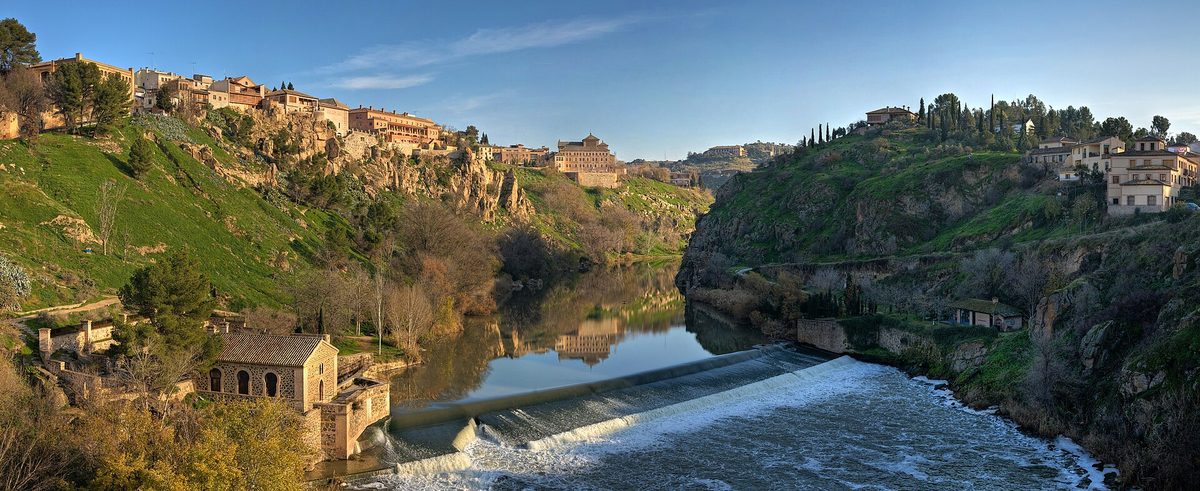
- Days 5–6 — Madrid & Toledo. The Prado and Reina Sofía, the Royal Palace, and a day trip to medieval Toledo (30 minutes by train), a perfectly preserved hill city of cathedrals and steep lanes.
- Day 7 — AVE to Seville. Under 2.5 hours; arrive for an evening stroll through Santa Cruz and your first flamenco.
- Days 7–8 — Seville. The cathedral and Giralda, the Royal Alcázar, the Plaza de España, and tapas-hopping in Triana.
- Day 9 — On to Granada. Train or bus across Andalusia; evening tapas (free with your drink) and sunset over the Alhambra from the Albaicín.
- Day 10 — The Alhambra & depart. Your pre-booked Alhambra visit in the morning, then fly home from Granada or Málaga.
Want it spelled out in full, with where to eat and stay? Our guide to planning 10 days in Spain does exactly that, three different ways.
More of Spain worth your time
If you have longer, or you’re back for a second trip, Spain keeps giving. A few favourites beyond the headliners:
- Toledo — a walled hilltop city where the cathedral, synagogues and a former mosque share the same tangle of medieval lanes, an easy day trip from Madrid.
- Salamanca — a golden-stone university city with one of Europe’s grandest main squares.
- The Picos de Europa & Asturias — dramatic green mountains, cider houses and wild Atlantic coast in the north.
- The Spanish Pyrenees — soaring peaks, hiking and skiing along the French border.
- Cádiz — possibly the oldest city in Western Europe, salt-washed and full of character on the Atlantic coast.
- Girona & the Costa Brava — a beautiful walled town and rugged coves, an easy add-on from Barcelona.
For the full list, see the best places to visit in Spain, and to fold Spain into a bigger trip, our Europe itinerary guide.
Spain’s best beaches and coastlines
With thousands of kilometres of coast on two seas plus the Atlantic islands, Spain is one of Europe’s great beach destinations, and there’s far more to it than the package resorts. The Costa Brava in the northeast hides rugged coves and pretty fishing towns like Cadaqués, an easy trip from Barcelona. The Balearic Islands hold the crown jewels: Menorca’s untouched turquoise calas, Mallorca’s dramatic west coast, and Ibiza’s surprisingly quiet north. Down south, the Costa del Sol delivers reliable sun and resorts, while the wilder Costa de la Luz on the Atlantic (around Tarifa, Cádiz and Bolonia) has the biggest, most beautiful (and windiest) beaches in the country, beloved by kitesurfers. Up north, the green Basque and Cantabrian coast offers a cooler, dramatic alternative, with surf beaches and cliffs. And for winter sun, the volcanic Canary Islands stay warm year-round. The mainland coasts are best from June to September; the Canaries work all year. For the very best across the continent, see our roundup of the best beaches and islands in Europe.
Getting around Spain
Spain is one of the easiest countries in Europe to travel, thanks largely to a superb high-speed rail network.
- High-speed trains (AVE) are the star: Madrid to Seville in 2.5 hours, Madrid to Barcelona in under 3, Madrid to Valencia in 1.5, all city-centre to city-centre and often cheaper if you book ahead. For the classic Barcelona–Madrid–Andalusia route, the train is faster and far nicer than flying. Competition from operators like Ouigo and Iryo has pushed fares down. See our train travel in Europe guide.
- Rent a car for the countryside (Andalusia’s white towns, the Basque coast, rural Galicia), where it unlocks places the train doesn’t reach. Skip it for the big cities, where parking is a headache.
- Budget flights and ferries connect the mainland with the Balearic and Canary Islands quickly and cheaply.
For the full breakdown, see our getting around Europe guide.
Spanish food: how (and when) to eat
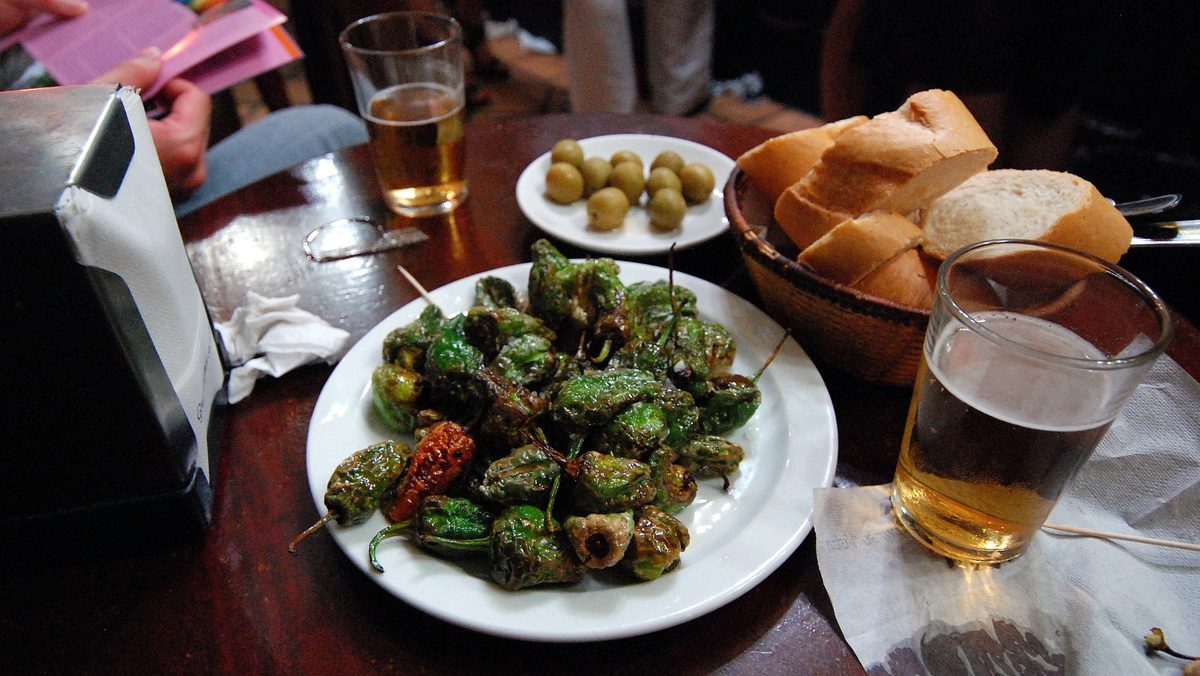
Eating is the national sport, and getting the rhythm right transforms a trip. The single most important thing to know: Spaniards eat late. Lunch, the main meal, runs from about 2pm, and dinner rarely starts before 9pm (10pm in summer). Many kitchens close in between, so adjust or you’ll be hungry and confused at 6pm.
The food, like everything in Spain, is fiercely regional. Graze on tapas (and in Granada, they’re still free with a drink); stand at a bar in the Basque Country for pintxos; eat real paella in Valencia, where it’s a lunchtime dish cooked over wood; slice into jamón ibérico anywhere; and try the regional stars: gazpacho and fried fish in Andalusia, seafood in Galicia, suckling pig in Castile. Wash it down with Spain’s underrated wines: bold Rioja and Ribera del Duero reds, crisp Albariño from Galicia, and sherry from Jerez. A few rules: order the house vermouth before lunch, don’t expect dinner before 9, and never rush; the long, lingering meal is the point. Our European food guide sets Spanish cuisine in context.
What it costs and where to stay
My money always goes further here than in France, Italy or the UK, especially on food and wine; Spain remains one of the best-value destinations in Western Europe. As a rough daily budget per person, excluding flights:
- Budget (€70–110/day): hostels or simple guesthouses, tapas and menú del día (the great-value set lunch), trains and walking.
- Mid-range (€130–220/day): a comfortable hotel or apartment, restaurant dinners, the odd tour or flamenco show.
- Luxury (€300+/day): boutique hotels, fine dining, a stay in a historic parador (state-run hotels in castles and monasteries, a wonderful Spanish institution).
The menú del día, a multi-course set lunch with wine for around €12–18, is the single best money-saver in the country. For more, see our guides to Europe on a budget and where to stay in Europe.
Practical tips for visiting Spain
- Embrace the late schedule. Shops often close for a few hours in the afternoon, dinner starts at 9–10pm, and nightlife begins after midnight. Fighting it is futile; lean in.
- Mind pickpockets in Barcelona and Madrid. Violent crime is rare, but Barcelona in particular has skilled pickpockets around Las Ramblas, the metro and the beach. Keep your bag zipped and in front. Our general travel tips cover the rest.
- Book the Alhambra and Sagrada Família weeks ahead. Both sell out daily; don’t leave it to chance.
- Respect regional identities. Catalonia, the Basque Country and Galicia have their own languages and strong identities. A little awareness (and a “bon dia” in Barcelona) goes a long way.
- Learn a few words. English is common in tourist areas but less so in the countryside; basic Spanish (hola, por favor, gracias, la cuenta) is warmly received.
- Entry rules. Spain is in the Schengen Area, so most visitors can come visa-free for up to 90 days; from late 2026 you’ll likely need an ETIAS authorization. Check our Schengen & ETIAS guide before booking.
Spain by traveler type
For first-timers
Barcelona plus Andalusia (Seville and Granada), or the classic Barcelona–Madrid–Seville–Granada train loop. Iconic, well-connected and forgiving.
For couples
Seville and Granada for romance, San Sebastián for a food-focused escape, or a Mallorca cove for sun. See our Europe honeymoon guide.
For families
Beaches plus culture: Barcelona, Valencia and the Costa del Sol mix sand, easy logistics and just enough sightseeing. Our Europe with kids guide has more.
For food lovers
The Basque Country (San Sebastián, Bilbao) is the pilgrimage, with Valencia for paella, Andalusia for tapas, and La Rioja for wine.
For beach and nightlife seekers
The Balearics (Ibiza, Mallorca, Menorca), the Costa del Sol, and Barcelona’s beach-and-club scene. Summer is prime time.
Unmissable Spanish experiences
Beyond ticking off cities, these are the moments I’d build a trip around, the ones that capture what makes Spain, Spain:
- A pintxos crawl in San Sebastián, hopping from bar to bar through the old town with a glass of txakoli in hand.
- The Alhambra at golden hour, when the Moorish palaces glow and the Sierra Nevada turns pink behind them.
- An authentic flamenco show in a tiny Seville or Granada tablao: raw, intense and nothing like the tourist versions.
- Lunchtime paella by the beach in Valencia, cooked over wood the way it’s meant to be.
- The free-tapas tradition in Granada, where every drink earns you a plate of something delicious.
- A spring fiesta (the processions of Semana Santa or the dancing of Seville’s Feria) that shows you Spain at its most joyously itself.
- A few days on the Camino de Santiago, walking green Galician hills toward Santiago’s great cathedral.
Common mistakes to avoid in Spain
- Eating on tourist time. Show up for dinner at 6pm and you’ll find kitchens closed and only tourist traps open. Eat lunch late and dinner after 9 like the locals; the food is better and so is the atmosphere.
- Only seeing the south (or only Barcelona). Spain’s regions are wildly different. Mixing a southern city with the green north, or a city with the coast, gives a far truer sense of the country.
- Visiting Andalusia in peak summer. Seville and Córdoba in July and August are punishing. Go in spring or autumn instead.
- Not booking the big sights. The Alhambra and Sagrada Família sell out days or weeks ahead; reserve the moment your dates are set.
- Underestimating distances. Spain is large; even with fast trains, hopping between far-flung regions eats time. Pick a couple of areas and savour them.
- Treating tapas as a starter. A few tapas are the meal: order a few, share, and move to the next bar rather than over-ordering at one.
Which part of Spain should you visit?
Still narrowing it down? Here’s the short version:
- First trip? Barcelona plus Andalusia (Seville & Granada), or the Barcelona–Madrid–Seville–Granada train loop.
- Art and city life? Madrid, then Barcelona.
- History and romance? Andalusia: Seville, Granada, Córdoba and the white towns.
- Food above all? The Basque Country: San Sebastián and Bilbao.
- Beaches? The Balearics, the Costa del Sol, or the Costa Brava.
- Something different? Green, Celtic Galicia and the Camino de Santiago.
Spain’s wine regions
Spain has more land under vine than any country on earth, and wine is woven into every meal, so building a little wine tourism into your trip is one of the great pleasures here. La Rioja, a couple of hours south of Bilbao, is the most famous, with bodegas you can tour amid rolling vineyards and a striking Frank Gehry-designed winery at Marqués de Riscal. Ribera del Duero, near Valladolid, produces Spain’s most prestigious and powerful reds. Down in Andalusia, Jerez is the home of sherry (far more varied and food-friendly than its reputation suggests), and a tour of a centuries-old bodega is a highlight of the south. Up in green Galicia, the Rías Baixas region makes crisp, mineral Albariño, the perfect partner for the local seafood, while in Catalonia’s Penedès, near Barcelona, you can tour the cellars where Spain’s sparkling cava is made. Most regions are an easy day trip or detour from the cities in this guide, and harvest season (September–October) is a wonderful time to visit. For more on eating and drinking across the continent, see our European food guide.
Spain travel guide: frequently asked questions
How many days do you need in Spain?
For a first trip, 10 days is ideal: enough for the classic Barcelona–Madrid–Seville–Granada route at a comfortable pace. A week works if you focus on one region (Andalusia, or Barcelona plus day trips). Two weeks lets you add the Basque north or the islands. Spain is big, so don’t try to see it all at once.
What is the best time of year to visit Spain?
Spring (April–June) and autumn (September–October) are best almost everywhere: warm, less crowded and home to Spain’s great fiestas. Summer suits the coast and islands but bakes the inland cities. Winter is mild on the southern coast and in the Canaries, and quiet and cheap in the cities.
What are the best places to visit in Spain for the first time?
Barcelona for Gaudí and the beach-meets-city buzz, Andalusia (Seville, Granada, Córdoba) for Moorish palaces and flamenco, and Madrid for the Prado and Reina Sofía, home to Velázquez, Goya and Picasso’s Guernica. Add Valencia for paella and beaches or San Sebastián for food. The Barcelona–Madrid–Seville–Granada loop, linked by fast trains, is the classic first route.
Is Spain expensive to visit?
No. Spain is one of the best-value countries in Western Europe, especially for food and wine. Budget around €130–220 a day per person for a comfortable mid-range trip, less if you favour the great-value menú del día set lunches, tapas and shoulder-season travel. The islands and Barcelona run a bit higher.
What is the best way to travel around Spain?
High-speed AVE trains. They link Madrid, Barcelona, Seville and Valencia city-centre to city-centre at up to 300 km/h, faster and nicer than flying once you count airport time, and cheaper if you book ahead. Rent a car only for the countryside, such as Andalusia’s white towns or the Basque coast.
Is Spain safe for tourists?
Yes, very. Violent crime is rare and Spain ranks among the safer countries in Europe. The main nuisance is pickpocketing in tourist hotspots, especially Barcelona’s Las Ramblas, metro and beach. Keep your bag zipped and worn in front in crowds and you’re unlikely to have any trouble.
Do I need a visa to visit Spain?
Visitors from the US, UK, Canada, Australia and many other countries can currently visit Spain (part of the Schengen Area) visa-free for up to 90 days in any 180-day period. From late 2026, you’ll likely need an ETIAS travel authorization (a quick online form and small fee). Always confirm current rules before booking.
Barcelona or Madrid — which is better?
It depends on you. Barcelona wins for architecture, the beach and that Mediterranean buzz; Madrid wins on art (I’d take the Prado and Reina Sofía over any gallery in Spain), nightlife and a more purely Spanish feel. On a first trip with time, do both — they’re under three hours apart by fast train. Forced to pick one for a short trip, most first-timers choose Barcelona.
What food is Spain famous for?
Tapas, paella (from Valencia), jamón ibérico, and Basque pintxos lead the list, alongside gazpacho, tortilla española, and superb seafood in the north. Spain’s wines (Rioja and Ribera del Duero reds, Galician Albariño, and sherry) are seriously underrated. Eat late, share, and graze your way around.
What should I not do in Spain?
Don’t expect dinner before 9pm, don’t try to cram too many regions into one trip, don’t visit Andalusia in the peak-summer heat, and don’t assume Spain is one homogeneous culture: Catalonia, the Basque Country and Galicia are proudly distinct. Getting these right marks you as a savvy traveler.
Is Spain good for solo travelers?
Excellent. Spain is safe, sociable and easy to get around by train, with a culture of eating out and lingering in bars that makes solo travel feel natural. Cities like Madrid, Barcelona, Seville and Granada have great hostels, walkable centres and plenty of tapas tours and group activities if you want company.
What is the most beautiful city in Spain?
It is hotly debated, but Seville and Granada top most lists: Seville for its grand squares, orange trees and flamenco soul, Granada for the Alhambra and its mountain setting. Barcelona wins for architecture, Toledo for medieval drama, and San Sebastián for its beach-and-bay good looks. You can’t really go wrong.
Is two weeks enough to see Spain?
Two weeks is plenty for a rich trip, but still not enough to see all of Spain; it’s a big, varied country. Use it to do the classic Barcelona–Madrid–Andalusia route at a relaxed pace and add the Basque north or the islands, rather than racing to tick off every region. Depth beats distance here.
Can you visit Spain and Portugal in one trip?
Yes, and it’s a wonderful combination. Seville sits close to the Portuguese border, so pairing Andalusia with the Algarve and Lisbon works well, as does linking Madrid or Galicia with Porto. Allow at least two weeks to do both countries justice, and see our Portugal travel guide.
Final thoughts: planning your trip to Spain
If this guide has a single message, it’s the one Spain taught me on that first accidental three-week stay: slow down and live on Spanish time. The magic here isn’t only in the Alhambra or the Sagrada Família, extraordinary as they are — it’s in the unhurried lunches, the late-night strolls, the free tapa that arrives with your drink, the sense that life is meant to be savoured rather than rushed. Choose a couple of regions, give them room, and let the country set the pace.
When you’re ready to turn this into a trip, our Spain itinerary, best-time-to-visit guide and the wider best places to visit in Europe hub are here to help. For a longer Mediterranean trip, pair Spain with neighbouring Portugal or Italy. ¡Buen viaje! And save room for one more plate of jamón.
Last updated: July 2026. Prices, opening hours and entry requirements change; always check current official sources (Spain’s national tourism board, Turespaña, and the EU’s official ETIAS pages) before you travel.
One last piece of advice, learned over many trips: build your Spanish itinerary around two or three regions and resist the urge to add more. The country’s joy is in its contrasts (the Moorish south against the green Atlantic north, the design-forward Mediterranean against the timeless interior), and you only feel those contrasts if you slow down enough to settle into each place. Book your flights and the unmissable sights early, leave the days loose, eat where the locals eat, and let Spain do what it does best: remind you that life is meant to be enjoyed, slowly and in good company.
Photo credits
All images are used under their respective free licenses, with thanks to the photographers.
- Gaudi’s Sagrada Familia in Barcelona, the icon of any Spain travel guide — Photo: Didier Descouens / CC BY-SA 4.0 via Wikimedia Commons. Source
- Plaza Mayor in Madrid, Spain — Photo: Daderot (CC0) via Wikimedia Commons. Source
- The Plaza de Espana in Seville, a highlight of any Spain travel guide — Photo: H. Zell / CC BY-SA 3.0 via Wikimedia Commons. Source
- The Alhambra palace above Granada, Spain — Photo: Jebulon (CC0) via Wikimedia Commons. Source
- La Concha beach in San Sebastian, Basque Country, Spain — Photo: Javier Perez Montes / CC BY-SA 4.0 via Wikimedia Commons. Source
- The futuristic City of Arts and Sciences in Valencia, Spain — Photo: CivArmy / CC BY-SA 4.0 via Wikimedia Commons. Source
- A spread of Spanish tapas, a highlight of any trip to Spain — Photo: Takeaway / CC BY-SA 3.0 via Wikimedia Commons. Source
- The medieval skyline of Toledo above the Tagus river, Spain — Photo: Diliff / CC BY-SA 3.0 via Wikimedia Commons. Source
- Gaudi’s mosaic terraces at Park Guell overlooking Barcelona — Photo: Julian Lupyan (CC0) via Wikimedia Commons. Source
- The Puente Nuevo bridge spanning the El Tajo gorge at Ronda, Andalusia — Photo: Christopher Down (CC BY 4.0) via Wikimedia Commons. Source
6 comments
Comments are closed.