Best Time to Visit Southern Europe

Summer is hot, spring and autumn are lovely, winter is cheap. All true, and none of it tells you when to book. What you need to know is that the sea off Lisbon never gets past 20C while the sea off Antalya hits 29C, that Greece’s busiest month is now July rather than August, and that Barcelona’s tourist tax doubled in April 2026. Those are the facts that change a trip.
The short answer: the best time to visit Southern Europe is late May to mid June, or the second half of September into early October. Both windows give you sea temperatures above 22C in the warmer half of the Mediterranean, daytime heat in the mid twenties rather than the high thirties, hotel prices 30 to 50 percent below the July and August peak, and every ferry and mountain road still running.
I have spent fifteen years arranging my own travel around these windows and a good deal of other people’s too. What follows is the version I wish someone had handed me: monthly numbers for seventeen destinations, the actual sea temperatures, the tax rates by season, the dates things close, and honest advice about where the standard guidance no longer matches the numbers. I have sourced everything I could and said plainly where I could not.
What counts as Southern Europe, and why it matters here
Southern Europe is a loose term and different sources draw the line differently. For this guide I am using the countries that share a broadly Mediterranean climate and a broadly Mediterranean travel season: Spain, Portugal, Italy, Greece, Croatia, Malta, Cyprus, southern France, Albania, Montenegro, Slovenia’s short stretch of coast, and Turkey’s Mediterranean and Aegean shores.
Albania and Turkey’s coast are both in scope below, which is wider than the usual Portugal, Spain, Italy and France framing. I have less sourced data for Albania than I would like, and I say so where it thins out.
The scope matters because the region is not one climate. It is at least five:
- Atlantic Iberia (Lisbon, Porto, the Algarve, Galicia). Mild, breezy, and with cold water. Rain arrives in November.
- Inland Iberia (Seville, Cordoba, Madrid’s southern reach). The hottest summers in the region and, unusually, a spring rainfall peak.
- The western Mediterranean (Catalonia, the Balearics, the French Riviera, Tyrrhenian Italy). Warm sea, autumn rain, a long shoulder either side of summer.
- The Adriatic (Croatia, Montenegro, Albania, Italy’s eastern coast). Warm summers and startlingly wet late autumns.
- The Aegean and eastern Mediterranean (Greece, Cyprus, Turkey’s coast). The driest summers, the warmest water, and a wind season nobody warns you about.
Treat those five as one and you will book the wrong month. The table below is the fastest way to see how differently they behave.
Best time to visit Southern Europe: all 17 destinations at a glance
| Destination | Country | Hottest month | Coldest month | Wettest month | Warmest sea | My pick |
|---|---|---|---|---|---|---|
| Seville | Spain | July, 28C (82F) | January, 11C (52F) | March, 90mm | Inland, no sea | Late March to mid May |
| Barcelona | Spain | August, 24C (74F) | January, 10C (49F) | October, 87mm | August, 26C (79F) | May to June, late September |
| Lisbon | Portugal | July, 24C (74F) | January, 11C (52F) | November, 127.6mm | September, 20C (68F) | April to June, September to October |
| The Algarve | Portugal | July, 24C (74F) | January, 12C (54F) | December, 117.2mm | August, 21C (70F) | June, and September to early October |
| Rome | Italy | July, 26C (78F) | January, 8C (46F) | December, 96mm | August, 26C (79F) | April to May, October |
| Naples | Italy | July, 25C (76F) | January, 9C (48F) | November, 140mm | August, 26C (79F) | May to June, late September |
| Palermo, Sicily | Italy | August, high 29.8C (86F) | February, low 6.8C (44F) | November, around 130mm | August, 26C (79F) | May, and late September to October |
| Nice | France | July, 24C (75F) | January, 9C (48F) | October, 140mm | August, 24C (75F) | May to June, September |
| Athens | Greece | August, 29C (84F) | January, 10C (50F) | December, 97.6mm | August, 25C (77F) | April to mid May, October |
| Santorini | Greece | July, 26C (79F) | January, 12C (54F) | December, 74.5mm | August, 25C (77F) | Late May to June, late September |
| Crete | Greece | July, 26C (79F) | January, 11C (52F) | December, 89mm | August, 25C (77F) | May to June, September to October |
| Split | Croatia | July, 25C (77F) | January, 7C (45F) | December, 113mm | August, 25C (77F) | June, and the first half of September |
| Dubrovnik | Croatia | July, 25C (77F) | January, 9C (48F) | November, 198mm | August, 25C (77F) | May to June, late September |
| Saranda | Albania | August, high 32C (90F) | Not sourced | February, November, December | August, 25.8C (78F) | June, and September |
| Malta | Malta | July, 27C (81F) | January, 13C (55F) | November, 108.6mm | August, 27C (81F) | May, and October |
| Paphos | Cyprus | August, 26C (79F) | January, 13C (55F) | December, 93.9mm | August, 27C (81F) | April to May, and October to November |
| Antalya | Turkey | July, 28C (82F) | January, 10C (50F) | December, 210mm | August, 29C (84F) | May, and late September to October |
Read down the “warmest sea” column and the point makes itself. Lisbon’s Atlantic tops out at 20C in September, which is swimmable but bracing. Antalya’s water reaches 29C in August, warmer than a heated pool. Between those two extremes sits a nine-degree spread, and it is the single most useful number for anyone whose trip involves getting wet.
A note on Palermo and Saranda before anyone emails me. Those two rows come from different sources than the rest and report average high and average low rather than the daily mean, so their numbers look warmer than their neighbours’. Sicily in August is hot, but it is not five degrees hotter than Naples. Compare like with like within the table, not across the footnote.
Southern Europe month by month
Here is how the year plays out. I have written each month around what it costs you and what it buys you, not around adjectives.
January: the cheapest month, and the emptiest
Nowhere in the region is colder than it is in January. Split drops to a 7C daily average, the coldest of any destination in my table. Rome sits at 8C, Naples and Dubrovnik at 9C, Athens and Antalya at 10C. Only Malta and Paphos hold a 13C average, which makes Cyprus and Malta the two genuine winter-sun options in Southern Europe if your definition of sun stops short of swimming.
The compensation is enormous. Eurostat found that nights spent in EU tourist accommodation in the peak summer month ran nearly four times the January figure. The Colosseum handles up to 30,000 visitors a day in high season and can see half that or less in winter. On the flights side, January and February are consistently the cheapest months to fly from the United States to Europe, with momondo putting February at roughly $625 round trip and January at around $632.
What you give up: most Greek island businesses are shut, ferries run reduced winter timetables from November to March, and the archaeological sites close at 17:00. If you want the detail on that trade, my guide to visiting Europe in winter goes further.
February: carnival, and the last of the bargains
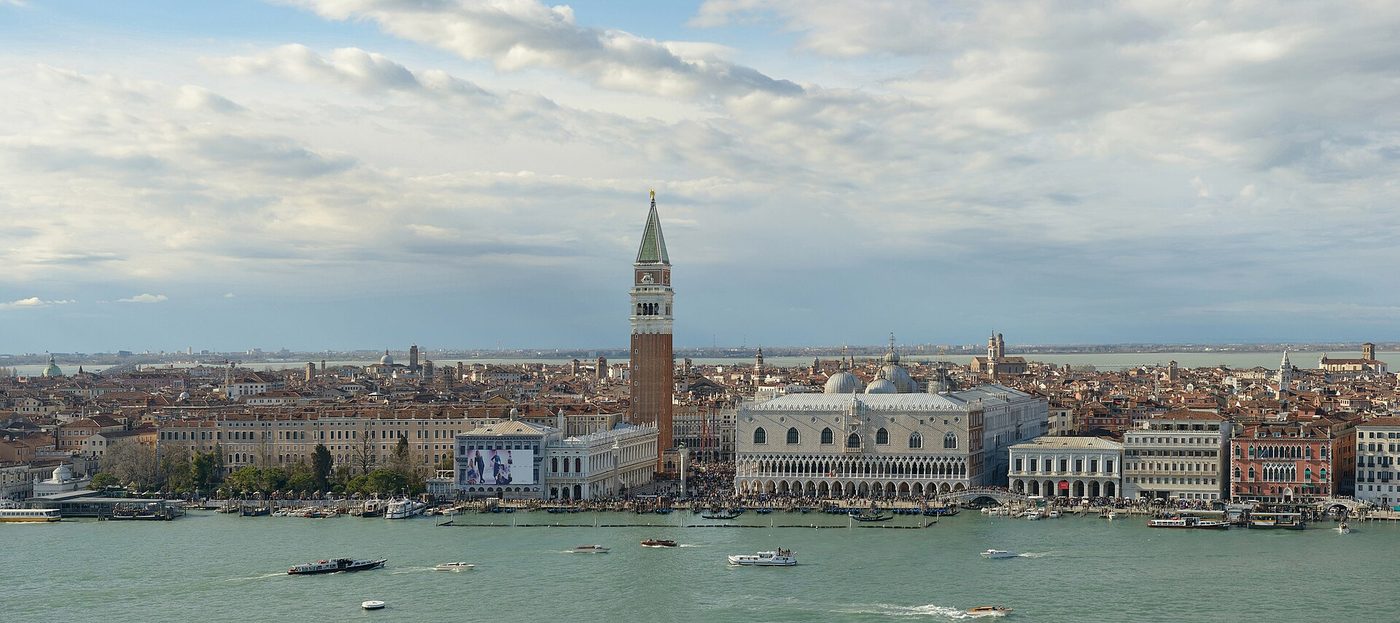
Statistically almost identical to January, with one significant addition. Venice Carnival 2027 runs 23 January to 9 February according to the official festival site, with the main public period roughly 30 January to 9 February. Venice in carnival is the one week of winter when a Southern European city is both busy and expensive, so book it deliberately or avoid it deliberately.
February is also the wettest month of the year in Saranda, on Albania’s coast, alongside November and December. If Albania is on your list, this is the month to skip.
March: the turn, and a rainfall trap
Inland Andalusia becomes lovely in March and, counter-intuitively, wet. Seville’s wettest month is March, at 90mm. That surprises people who assume Spanish rain follows the northern European pattern of autumn and winter. It does not, at least not in the south west.
Greece’s off-season is growing fastest in exactly these months. INSETE recorded 1.0 million international air arrivals to Greece in March 2025, up 7.5 percent year on year, with January up 17.1 percent and February up 11.8 percent. The shoulder is stretching, which is good news for prices in October and bad news for anyone who thinks March is still a secret.
Western Easter falls on 28 March 2027, which drags Semana Santa forward into March. More on that below, because 2027 is an unusual year.
April: my pick for cities, not for beaches
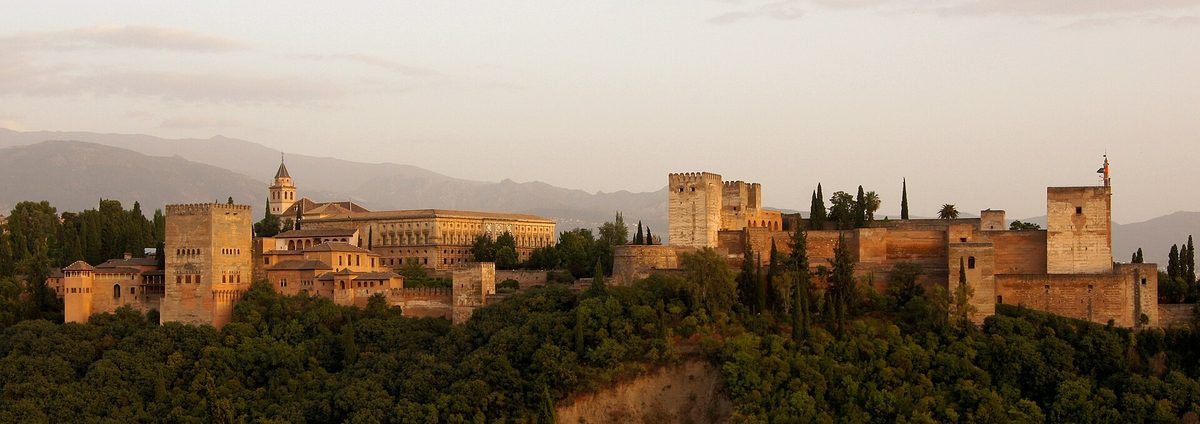
The seasonal machinery restarts in April. The Acropolis switches to summer hours on 1 April, opening 08:00 to 20:00 with last entry at 19:30. The Alhambra does the same, moving to 08:30 to 20:00 from 1 April until 14 October. Pompeii runs 09:00 to 19:00 from 1 April, with last entry at 17:30. Greek island hotels generally open in April.
April is also when the money changes. Greece’s Climate Crisis Resilience Fee jumps to its high-season rate on 1 April, and Barcelona’s tourist tax doubled on 1 April 2026. Book a stay on 31 March rather than 1 April and, in Greece, you pay the low-season rate.
The sea, though, is still cold. The Mediterranean is reliably swimmable from June through September, with May and October working only in the warmest corners. April swimming in Southern Europe is a Cyprus, Malta and Turkish-coast proposition, and even then it is brisk.
May: the best all-round month in the region
If you forced me to pick one month for a first trip to Southern Europe, it would be the second half of May. The cities are warm without being punishing, the landscape is still green rather than parched, the sea has begun to come round in the eastern Mediterranean, and the peak-season pricing has not landed yet.
Santorini hotel data makes the case in numbers: May prices run 35 to 45 percent below the August peak, and a cave suite at around EUR 280 in May reaches EUR 560 or more in mid August. Ker & Downey, a luxury operator, prices Southern Europe at $1,400 to $1,600 per person per day in shoulder season against $1,600 to $2,000 in high season, which tells you the pattern holds at the top of the market too.
One caveat that Rick Steves puts well and that I have found true: in much of Italy, southern France, Spain, Croatia and Greece, shoulder season can bring near peak-season crowds and prices. May is quieter than August. It is not quiet.
June: the sweet spot for swimming
Swimming across the whole basin becomes reliable for the first time in June, with sea temperatures ranging roughly 20C to 25.5C depending where you are. It is also the month before the school holidays land, which is why it consistently outperforms July on the value-for-experience measure.
It is not risk free. Portugal and Spain both broke their national June maximum temperature records in 2025, passing 46C, and regional June records fell in at least ten further countries. Portugal’s June record of 46.6C was set at Mora on 29 June 2025. June heat is no longer theoretical.
July: the busiest month in Greece, and the wind season
One correction worth making, because it changes plans: Greece’s peak month is July, not August. INSETE data for 2025 shows 5.2 million international air arrivals in July, 16.6 percent of the annual total, against 5.0 million in August. If your plan was to dodge the Greek crowds by going in July, it no longer works.
July is also the heart of meltemi season. The meltemi blows from June to September and is strongest in July and August, hitting the Cyclades hardest, with Andros and Tinos the most affected, and reaching the Sporades, the north-east Aegean, the Dodecanese and Crete. High-speed catamarans and small-island ferries are the first to cancel; large conventional ferries usually keep running unless it is severe. If your itinerary has a tight island-hop with a flight at the end, build in a buffer day.
Rome, Naples, Lisbon, the Algarve, Nice, Crete, Santorini, Split, Dubrovnik, Seville and Antalya all record their hottest average temperatures in July. Seville and Antalya both average 28C, and Seville gets 12 hours of daily sunshine.

August: the month everything happens at once
August is the peak month across the EU as a whole. Eurostat put August 2024 at 16 percent of all nights spent in EU tourist accommodation, 493 million nights, with July second at 15 percent and 449 million. Together those two months carry 31 percent of the annual total. August is the highest-concentration month in 174 of the 244 EU regions with data.
Nationally: Spain’s record August 2025 brought 11.3 million international arrivals, up 2.9 percent, against 11.0 million in July. Italy’s August 2025 saw 19.1 million arrivals and 85.2 million overnight stays. Croatia’s August is traditionally its busiest month for coastal accommodation, airports, roads, ferry terminals and marinas.
August is also when the water is at its warmest almost everywhere: 29C at Antalya, 27C at Malta and Paphos, 26C at Barcelona, Rome, Naples and Palermo, 25C across Athens, Santorini, Crete, Split and Dubrovnik. If warm water is the whole point of your trip, August delivers what no other month can. Whether it is worth the rest is a judgement call I make below.
September: the connoisseur’s month
The first half of September is close to July’s weather with materially fewer people, and the second half is the best value in the calendar. Hopper found that round-trip United States to Europe airfare after the week of 18 August averages under $600 per ticket, which is the price cliff worth planning around.
Do not assume the drop is instant on the islands. Santorini and Mykonos hotels can still charge close to August rates in early September, especially caldera-view and central properties, with prices more reliably falling after mid-month. September is also the peak sea-temperature month in Lisbon, at 20C, the only destination in my table where the water is warmest outside August.
The Acropolis begins its autumn taper here: 08:00 to 19:30 from 1 to 15 September, then 08:00 to 19:00 from 16 to 30 September.

October: the underrated one
October is where I would send someone who wants the region without the theatrics. The Alhambra runs summer hours until 14 October. Pompeii stays on summer hours until 31 October. The Acropolis tapers to 08:00 to 18:30 for the first half of the month and 08:00 to 18:00 for the second. Greek high-season taxes run until 31 October and the Balearic high season ends the same day.
The catch is rain. October is the wettest month in both Barcelona, at 87mm, and Nice, at 140mm. The western Mediterranean’s autumn rainfall peak is real and sharp. Meanwhile October is harvest month: white truffle season begins in Alba, the Italian olive harvest runs October to December, and October is the best month for mushroom foraging in Catalonia.
November: peak rain on the Atlantic and the Adriatic
Five of the seventeen destinations in my table have their wettest month in November: Lisbon (127.6mm), Naples (140mm), Palermo (roughly 130mm, from a different source to the rest), Dubrovnik (198mm) and Malta (108.6mm). Dubrovnik’s 198mm is the wettest month recorded anywhere in my table outside Turkey, and it is more than double what Athens gets in its own wettest month.
Winter opening hours start on 1 November: the Acropolis at 08:00 to 17:00 with last admission 16:30, and Pompeii at 09:00 to 17:00 with last entry 15:30. Greek and Balearic low-season taxes begin. Greek ferries move to winter timetables. It is also, per Going.com, one of the three cheapest months to fly to Europe from the United States.

December: the wettest month in most of the region
Eight of the seventeen destinations peak for rain in December: Rome (96mm), Athens (97.6mm), Santorini (74.5mm), Crete (89mm), the Algarve (117.2mm), Split (113mm) and Antalya. Antalya’s December figure of 210mm is the single wettest month recorded anywhere in my table, a counter-intuitive fact about a place most people file under “reliably sunny”.
The Mediterranean generally sits below 20C from late October until May, and Palermo’s water bottoms out at 14C in January. The Christmas markets of Europe are mostly a northern proposition, but Southern Europe does its own quieter version, and the Alhambra, Pompeii and the Colosseum are all closed on 25 December.
The heat question: how hot is too hot now?

This is the part of the calculation that has changed most in the last five years, and the numbers behind it have moved fast enough that a lot of older advice was written against a different climate.
The all-time continental European temperature record is 48.8C (119.8F), recorded at Floridia in the province of Syracuse, Sicily, on 11 August 2021 and verified by the World Meteorological Organization in January 2024. It replaced a record of 48.0C set at Athens and Elefsina on 10 July 1977, which had stood for 44 years.
Since then: 47.8C reported at Syracuse on 24 July 2023, 46.8C at Agios Vasileios in Cyprus in July 2024, and 46.6C at Mora in Portugal on 29 June 2025, the last of those Portugal’s national June record. Copernicus recorded summer 2024 as Europe’s warmest June to August on record, 1.54C above the 1991 to 2020 average, and 2024 as Europe’s warmest year on record, with around 85 percent of the continent classed much warmer than average.
What that means in practice: the Acropolis closures
Greece’s Culture Ministry now closes the Acropolis and other major archaeological sites during the hottest hours on declared heat days. The windows used have been 12:00 to 17:00 (July 2025) and 13:00 to 17:00, with sites reopening 17:00 to 20:00 so the day splits in two.
There is no published fixed temperature threshold for these closures. They are decided day by day by the Ministry. One report links repeat closures to days reaching 39C, and the June 2024 closure coincided with a 43C heatwave, but neither is a published rule, so treat any stated threshold with caution. Closures have been reported in 2018, 2021, 2023 (14 July), 2024 (12 June) and 2025 (July).
The practical consequence for a July or August trip to Athens: assume you may lose the middle of the day at the headline site, and structure the itinerary so the 08:00 slot is the one you book.
Wildfire season
2025 was the EU’s most destructive wildfire season on record. EFFIS recorded 1,079,538 hectares burnt across EU countries, the highest EU27 total since records began in 2006 and nearly double the 2006 to 2024 average. Intensity peaked in August. A prolonged heatwave in the first three weeks of August 2025 triggered 22 very large fires in Portugal and Spain almost simultaneously, burning 460,585 hectares, 43 percent of the EU total for the entire year. Over 100,000 hectares had already burnt within the EU by the end of March 2025.
The tourist-facing precedent is Rhodes in July 2023, when approximately 19,000 people were evacuated over the weekend of 22 to 23 July, 16,000 by land and 3,000 by sea, from 12 villages and several hotels. It was the largest evacuation of its kind in Greek history, and airlines cancelled flights and ran repatriations from Rhodes and Corfu.
I am not telling you to avoid August. I am telling you that if you book August, buy the travel insurance that covers evacuation and disruption, and do not build an itinerary with no slack in it.
Sea temperature: the number that decides your beach trip

If your trip involves swimming, sea temperature matters more than air temperature. Here is the version I would want handed to me.
| Sub-region | Peak sea temperature | When it works |
|---|---|---|
| Turkish Mediterranean (Antalya) | 29C (84F) in August | The warmest water in the region by a clear margin |
| Malta and Cyprus | 27C (81F) in August | The longest comfortable swimming season in the region |
| Western Mediterranean (Barcelona, Rome, Naples, Palermo) | 26C (79F) in August | Dependable June to September |
| Aegean and Adriatic (Athens, Santorini, Crete, Split, Dubrovnik) | 25C (77F) in August | June to September, with wind the bigger variable than temperature |
| Albanian Riviera (Saranda) | 25.8C (78F) in August | Above 22C from July to October |
| French Riviera (Nice) | 24C (75F) in August | July to September |
| Algarve (Atlantic Portugal, south coast) | 21C (70F) in August | Refreshing rather than warm, all summer |
| Lisbon coast (Atlantic Portugal, west coast) | 20C (68F) in September | Cold. Wetsuits are normal here for a reason |
The general rules underneath those numbers: the Mediterranean is reliably swimmable June through September basin-wide, with May and October working only in the warmest corners. Across the basin, June water runs roughly 20C to 25.5C, August 21C to 29.5C, and October 18C to 27C. Above 20C is generally treated as comfortable for Mediterranean bathing. From late October the sea sits below 20C and stays there until May.
One limitation to flag. I could not source a per-city month at which the water first crosses 22C and last holds it, because the sites publishing full monthly sea-temperature tables load their data with JavaScript. Rather than estimate, I have given you the sourced peak month and peak figure per destination, plus the sourced basin-wide bands.
Rain: the four rainfall calendars of Southern Europe
This is where treating the region as one climate does most damage. There are four distinct rainfall patterns, and they peak in four different months.
| Sub-region | Wettest period | Worked example |
|---|---|---|
| Inland Andalusia | March | Seville, 90mm in March |
| Catalan coast | October | Barcelona, 87mm in October |
| Atlantic Portugal | November to December | Lisbon, 127.6mm in November; Algarve, 117.2mm in December |
| Italy | November to December | Naples, 140mm in November; Rome, 96mm in December; Palermo, around 130mm in November |
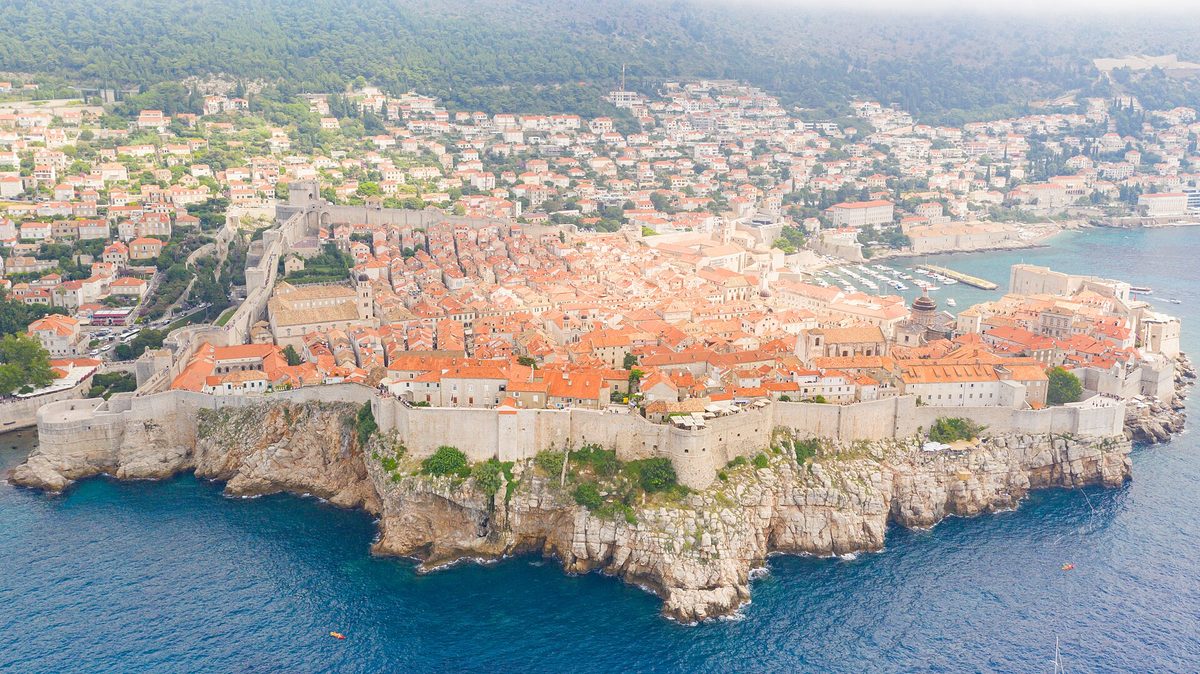
| The Adriatic | November to December, and far wetter than the Aegean | Dubrovnik, 198mm in November; Split, 113mm in December |
| Greece and the Aegean | December, consistently | Athens 97.6mm, Crete 89mm, Santorini 74.5mm |
| Turkish Mediterranean | December | Antalya, 210mm |
Two things fall out of that table. First, Dubrovnik in November gets more than twice the rain that Santorini gets in its own wettest month, which is worth remembering before booking a late-autumn Croatian coast trip. Second, July and August are the driest months right across the region, so if guaranteed dryness is the priority you are being pushed back towards exactly the months you were trying to avoid.
Crowds: what the arrival data shows

Crowd advice is usually written in adjectives. Here are the numbers.
Across the EU (Eurostat, 2024 data): July and August together took 31 percent of all nights spent in EU tourist accommodation. August alone was 16 percent, at 493 million nights, and July 15 percent at 449 million. The peak summer month ran nearly four times the January figure. August is the single highest-concentration month in 174 of the 244 EU regions with data.
Spain (INE): August 2025 set a record with 11.3 million international arrivals, up 2.9 percent year on year, ahead of July at 11.0 million. January to August 2025 brought 66.8 million international visitors, up 3.9 percent and the highest ever for that period. The three largest source markets over those eight months were the United Kingdom at nearly 13.2 million, France at almost 9.2 million and Germany at over 8.2 million, which tells you exactly whose school holidays drive Spanish peak season.
Italy (Istat): August 2025 recorded 19.1 million arrivals and 85.2 million overnight stays. Arrivals were down 1.2 percent on August 2024 while overnight stays were up 1.2 percent, meaning slightly fewer people staying slightly longer.
Greece (INSETE): the finding that surprised me most. July 2025 was the peak month for international air arrivals at 5.2 million, 16.6 percent of the year, with August second at 5.0 million. Total 2025 international air arrivals reached 31,041,051, up 5.9 percent on 2024. And the off-season is where the growth is: January up 17.1 percent, February up 11.8 percent, March up 7.5 percent.
Croatia: 15.5 million arrivals and 79.2 million overnight stays by 20 August 2025, up 1 percent year on year, closing the full year at 110 million overnight stays. August remains the busiest month for coastal accommodation, airports, roads, ferry terminals and marinas.
Portugal: INE recorded 10.7 million overnight stays in hotel establishments in August 2025, up 1.1 percent year on year, or 12.7 million across all accommodation types.
The strategic reading of all that: the shoulder seasons are filling up faster than the peak is emptying. Greece’s off-peak months are growing at double-digit rates while July grew less. The “just go in May, it is quiet” advice that worked ten years ago is decaying in real time. Plan for a busy shoulder and you will not be disappointed.
Costs: how much the season changes the bill
Tourist taxes, which are explicitly seasonal in three countries
This is the most concrete money argument for shoulder and off-season travel.
| Where | High season | Low season | Season dates |
|---|---|---|---|
| Balearics (top-tier hotels) | EUR 4.00 per adult per day plus VAT | EUR 1.00 | High 1 May to 31 October |
| Balearics (4-star and 3-star superior) | EUR 3.00 | EUR 0.75 | High 1 May to 31 October |
| Balearics (1 to 3-star) | EUR 2.00 | EUR 0.50 | High 1 May to 31 October |
| Greece, short-term rentals | EUR 8.00 per night | EUR 2.00 | High 1 April to 31 October |
| Greece, furnished tourist villas | EUR 15.00 per night | EUR 4.00 | High 1 April to 31 October |
| Greece, 1 and 2-star hotels | Within the EUR 0.50 to 15.00 band | EUR 0.50 per room | High 1 April to 31 October |
| Croatia, sojourn tax | Roughly EUR 1.00 to 3.00 per person per day, varying by destination, season and accommodation type | Varies by municipality | |
| Barcelona, 5-star | EUR 12.00 per person per night from 1 April 2026, up from EUR 7.50 | No seasonal split | |
| Barcelona, 4-star | EUR 8.40, up from EUR 5.70 | No seasonal split | |
| Rome | EUR 4.00 (1-star) to EUR 10.00 (5-star) per person per night, up to 10 nights | No seasonal split | |
| Florence | Roughly EUR 1.00 to 8.00 per person per night, capped at 7 nights, under-12s free | No seasonal split | |
| Lisbon | EUR 4.00 per person per night, capped at 7 nights | No seasonal split | |
| Porto | EUR 3.00 per person per night, capped at 7 nights | No seasonal split | |
Read the Greek rows again. A furnished villa in Greece carries a EUR 15 nightly climate levy from April to October and EUR 4 from November to March. On a fortnight that is a EUR 154 difference from the tax alone. The Greek rates were raised on 1 January 2025 under Law 5162/2024, by as much as 433 percent for peak-season short-term rentals, and the 2025 rates carried unchanged into 2026.
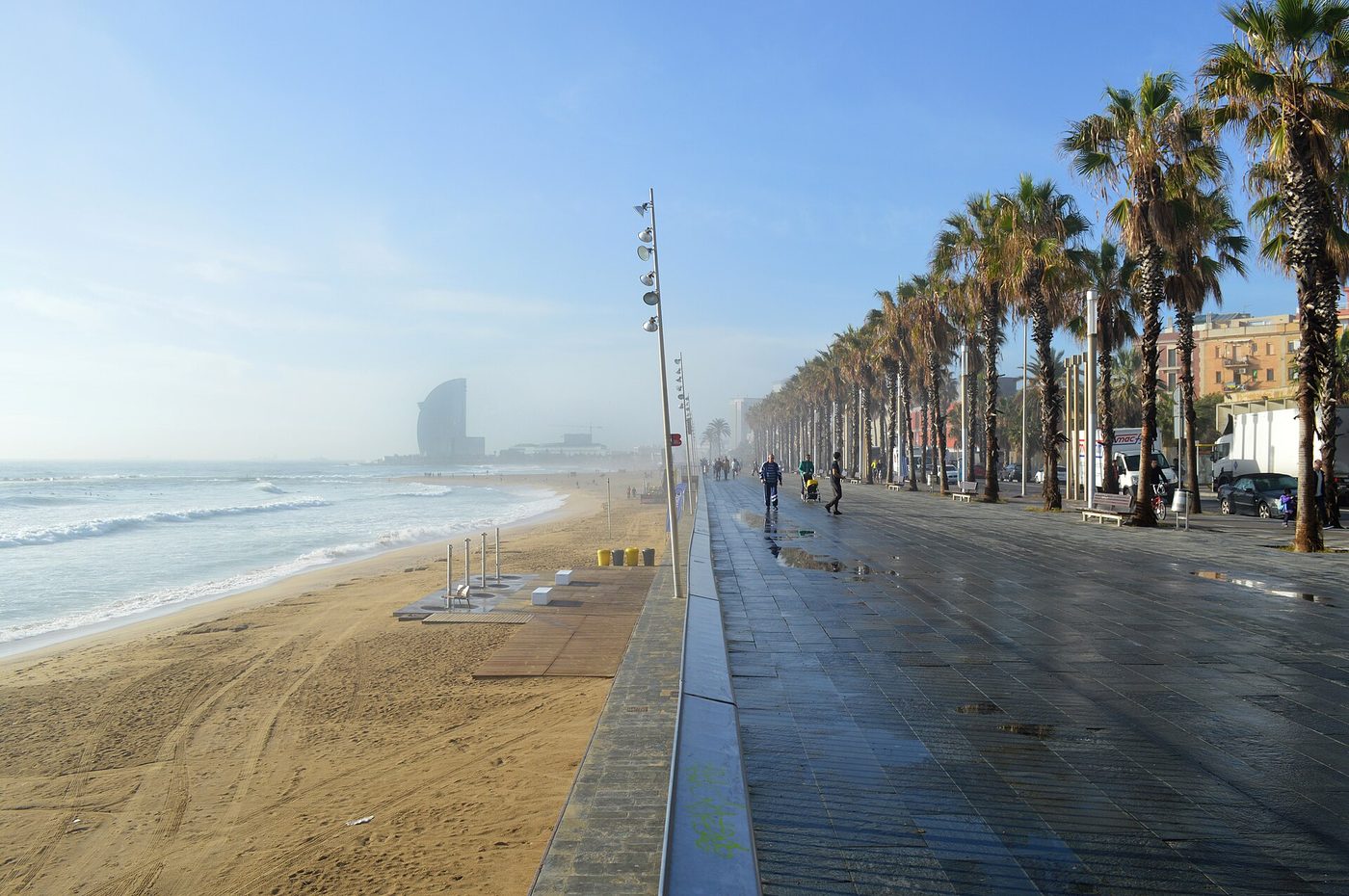
Barcelona’s is the change most likely to catch you out. The tax doubled on 1 April 2026: five-star from EUR 7.50 to EUR 12.00 per person per night, four-star from EUR 5.70 to EUR 8.40, and tourist accommodation from EUR 6.25 to EUR 9.50. The structure is a Catalan regional rate of EUR 0.80 to 4.50 per person per night plus a flat EUR 5 Barcelona municipal surcharge, and that surcharge is on an escalator, rising EUR 1 a year until 2029 to a maximum of EUR 8 per night.
Two things I could not pin down: the exact high versus low season sojourn tax figures for individual Croatian municipalities, and the seasonal date bands for the Greek cruise levy. Croatia’s under-12s are exempt and 12 to 18 year olds pay half, which is sourced; the municipal seasonal split is not published in any consolidated form I could find. Check the local tourist board for the town you are staying in.
The Venice access fee is no longer in effect
The Venice day-tripper access fee ended on 27 July 2026. Per the City of Venice’s own portal, it is now possible to visit Venice with no payment and no exemption request. Whether the city reapplies it after 2026 rests with its governing bodies and no decision has been published.
While it ran in 2026, the rules were: 60 specified days between 3 April and 26 July, 08:30 to 16:00, EUR 5 if paid by the fourth-last day before access and EUR 10 within three days, applying to day visitors aged 14 and over, with overnight guests exempt but still required to register for a free QR code, and Murano, Burano, Torcello and Lido excluded. Venice’s separate overnight city tax, EUR 1 to 5 per person per night by hotel category and season and capped at five nights, is unaffected and still applies.
Turkey is the one country here where the timing lever is the tax itself
Turkey sits outside the euro and outside the tourist-tax structures above. Its accommodation tax runs at 1 percent of the accommodation charge until 31 December 2026 and is set to revert to 2 percent on 1 January 2027. For a two-week stay on the Antalya coast that is a small sum, but it is the only place in this guide where the tax rate itself changes on a calendar date rather than a season, so a late-2026 booking is marginally cheaper than the same trip in early 2027. All Turkish prices are in lira, not euros, so check the rate close to travel.
Flights and hotels
Going.com puts the cheapest months to fly from the United States to Europe as January, February and November. Momondo’s data has February cheapest at around $625 round trip with January at around $632. Hopper finds October to March connections averaging a low of $942 round trip, and identifies the sharpest single drop of the year: after the week of 18 August, round-trip United States to Europe airfare averages under $600 per ticket. The recommended booking window is two to eight months out.
On the ground, Greek island peak pricing runs 60 to 100 percent above the April to May and September to October rates. Santorini in May sits 35 to 45 percent below the August peak, and shoulder May and late September run 30 to 50 percent lower than peak July and August. Shoulder-season airfare into Mediterranean hubs like Barcelona and Rome can be 20 to 40 percent cheaper.
The airfare series above are Europe-wide rather than Spain or Italy specific, so treat them as regional. If you want the fuller version of this argument, the cheapest time to visit Europe covers it across the whole continent, and Europe on a budget handles the daily-spend side.
What closes in August, and what does not

The “everything is shut in August” warning is partly true, and the detail matters more than the headline.
Italy. Ferragosto falls on 15 August and is a national public holiday. Banks, post offices, public administration and tax offices close. Most shops, many family-run restaurants, bakeries and local businesses close too, often with a chiuso per ferie sign in the window, and many small businesses shut for roughly 1 to 20 August with the 15th as the centrepiece. But the headline sights stay open: Italian state and municipal museums including the Colosseum, the Uffizi, Pompeii and the Vatican Museums generally run their regular summer schedule on 15 August. So the museums are fine and your favourite neighbourhood trattoria is not.
Spain. Around 18 percent of Spanish businesses, almost one in five, close for all or part of August, per Grant Thornton. What shuts is family bakeries, butchers, repair shops, small bars and restaurants, and private doctors’ offices. What stays open is popular restaurants, attractions, museums and hotels. Spanish school holidays run from the end of June to the beginning of September.
France. The traffic is the story. Bison Fute classified Saturday 1 August 2026 as “black” for departures nationwide, the classic chasse-croise changeover day, with the heaviest period running Friday 31 July to Monday 3 August. The 15 August Assumption weekend brings a second surge, with Auvergne-Rhone-Alpes reaching “black” for departures and several other regions rated “very difficult”. If your Southern European trip involves driving anywhere near France on those dates, move them.
Greece. 15 August is Dekapentavgoustos, the Assumption, a public holiday and a major domestic travel peak. Greek families move en masse, which means ferries and domestic flights are the tightest they get all year.
The northern European school calendars that drive it all. For forward planning: German Sommerferien 2027 runs 28 June to 31 August, staggered by federal state, with the earliest starting mid June and the latest ending mid September. The 16 states stagger deliberately to spread the load. UK summer holidays in 2027 start between 19 and 26 July and end between 31 August and 7 September, with England roughly 23 July to 31 August and Scotland starting earlier, in late June, and returning mid August.
Line those up and the picture is clear: the crunch window is roughly 19 July to 31 August, with a hard peak in the first three weeks of August. The week before German schools break and the week after English ones return are two of the most reliably underpriced weeks in the European calendar.
Off-season: what shuts down, and where it does not

The flip side of cheap winter travel is that a good chunk of the region physically closes. Specifics:
Greek islands. The majority of island tourist businesses close from late October until early May. Island hotels generally open in April and close at the end of October. Ios, Folegandros, Milos and Koufonisia largely shut from late October through April, with most hotels, restaurants and tour operators closed and ferry connections thinning out. Mykonos effectively shuts down, with a low season from November to April when many bars, restaurants and hotels close and transport to nearby islands is limited; the season starts in earnest after Orthodox Easter. Santorini has the longest season in Greece and never closes entirely, though many hotels and restaurants do shut from November to March. Three islands stay properly open year-round: Crete, Rhodes and Corfu.
Greek ferries. Winter timetables run November to March, reduced and focused on main island routes and essential local transport.
Croatian ferries. June to September have materially more departures than the rest of the year. Most international ferry routes sail only in summer, roughly 1 May to 30 September. The Krilo catamaran linking Dubrovnik, Mljet (Pomena) and Korcula runs 1 May to 15 October in 2026. Individual operators publish their seasonal timetables year by year, so check jadrolinija.hr and krilo.hr directly rather than trusting any date list, including mine, for a season that has not been published yet.
Seasonal opening hours at the big sites
| Site | Summer hours | Winter hours | Closed |
|---|---|---|---|
| Acropolis, Athens | 08:00 to 20:00, last entry 19:30, 1 April to 31 August | 08:00 to 17:00, last admission 16:30, 1 November to 31 March | 1 January, Greek Orthodox Easter Sunday, 25 December |
| Alhambra, Granada | 08:30 to 20:00, 1 April to 14 October | 08:30 to 18:00, 15 October to 31 March | 25 December, 1 January |
| Pompeii | 09:00 to 19:00, last entry 17:30, 1 April to 31 October | 09:00 to 17:00, last entry 15:30, 1 November to 31 March | 1 January, 1 May, 25 December |
| Colosseum, Rome | Opens 08:30 daily year-round; closes 19:15 (last admission 18:15) 29 March to 30 September 2026 | Closes 16:30 (last admission 15:30) 25 October 2026 to 28 February 2027; 18:30 in the 1 to 24 October shoulder | 25 December, 1 January |
The gap is bigger than it looks. The Acropolis gives you twelve hours of access in July and nine in December, and the December nine are nine hours of low winter light in a country whose wettest month is December. Last entry at the Alhambra is one hour before closing in both seasons.
Dates worth planning around in 2027
2027 is an odd year for anyone travelling in Southern Europe, and here is why: Western Easter falls on 28 March 2027 and Greek Orthodox Easter falls on 2 May 2027, five weeks apart. That is a wide gap, and it reshapes the spring. Spain and Italy get their Easter surge in late March while Greece’s biggest domestic holiday, and the effective start of the island season, lands in May. If you were planning to see Semana Santa in Seville and then carry on to Greece for Orthodox Easter, 2027 is the year that itinerary works.
| Event | Where | Dates | Book ahead or avoid? |
|---|---|---|---|
| Venice Carnival | Venice | 23 January to 9 February 2027; main public period roughly 30 January to 9 February | Book ahead, months out |
| Semana Santa | Spain, Seville above all | 21 to 28 March 2027 | Book ahead; avoid if you want an ordinary city break |
| Western Easter Sunday | Spain, Italy, Portugal, France, Croatia | 28 March 2027 | Peak pricing spike |
| Feria de Abril | Seville | 13 to 18 April 2027; the alumbrado opens it at midnight on 12 April | Book ahead; two weeks after Semana Santa |
| Greek Orthodox Easter | Greece | 2 May 2027 | Domestic travel peak; island season effectively opens |
| Sanfermines | Pamplona | 6 to 14 July, every year | Book ahead or avoid entirely |
| Palio di Siena | Siena | 2 July and 16 August, every year; festival days 29 June to 2 July and 13 to 16 August 2027 | Book ahead; Siena is unmanageable otherwise |
| Dubrovnik Summer Festival | Dubrovnik | 10 July to 25 August, annually | Excellent, but it is peak on top of peak |
| Verona Opera Festival | Verona | July and August | Book ahead |
| Ferragosto | Italy, nationwide | 15 August, every year | Sights open, small businesses closed |
| Assumption / Dekapentavgoustos | Greece and France | 15 August, every year | Domestic travel peak in both |
| La Tomatina | Bunol, Valencia | Last Wednesday in August; 26 August 2026 | Book ahead, ticketed |
| Aste Nagusia | Bilbao | Usually August | Worth timing for |
A word on Feria de Abril 2027: it opens roughly a fortnight after Semana Santa ends, which is the usual rhythm. Seville across that four-week stretch is spectacular and expensive, and if you want the city in its ordinary form, come in autumn instead.
Timing by food: the harvest calendar
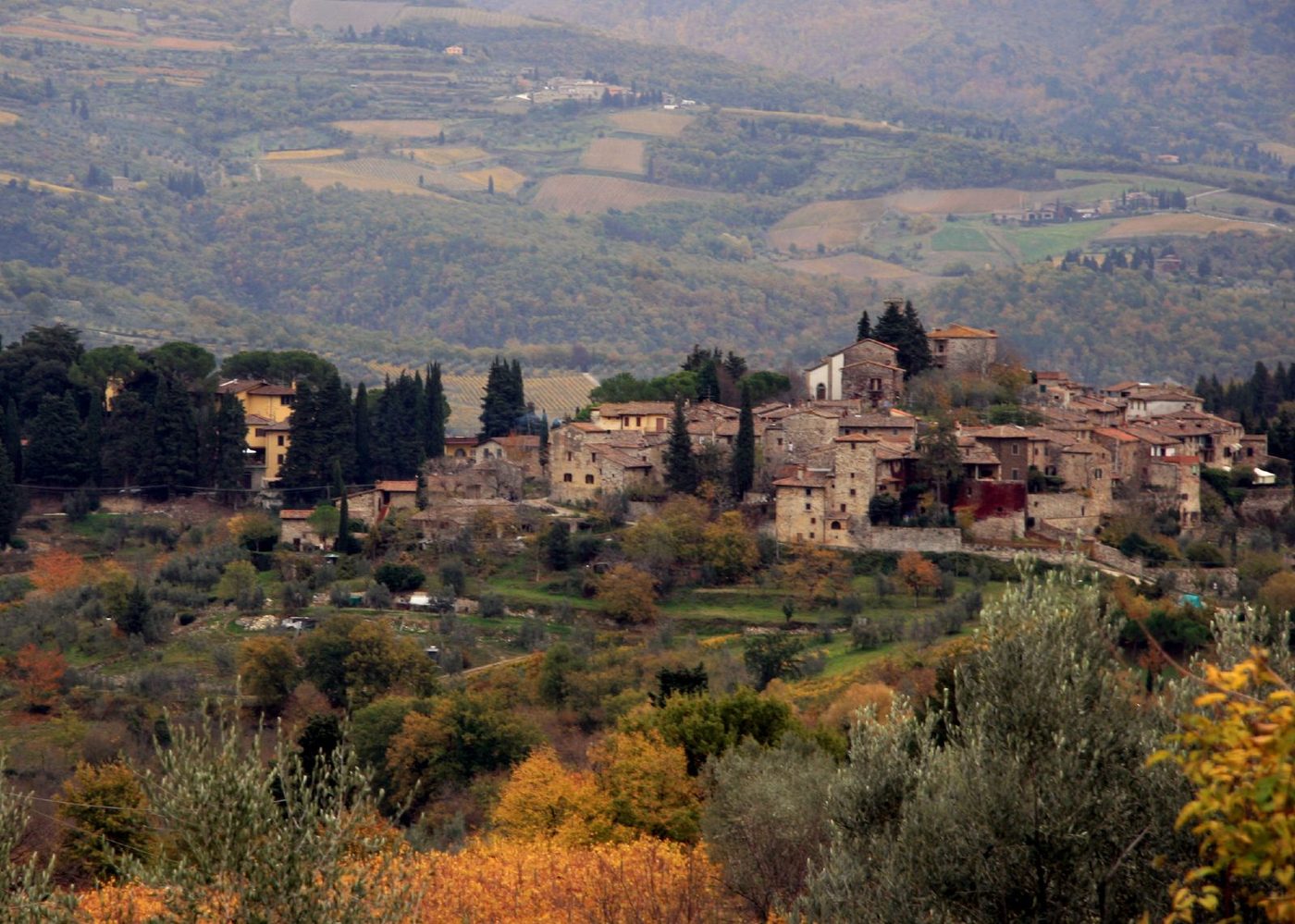
If you travel to eat, the calendar looks different and October is the best month in the region rather than the fifth best.
| What | Where | When |
|---|---|---|
| Grape harvest (vendemmia) | Italy | September through October; Vermentino in Sardinia and Liguria can start late August; Piedmont and Veneto usually September; Sicily and Puglia earlier |
| Douro harvest | Portugal | September to October |
| Truffle hunting and wine harvest | Croatia | September and October |
| White truffle season | Alba, Piedmont | Begins October; the Alba fair runs mid October to late November, with November the core month |
| Mushroom foraging | Catalonia | October is the best month |
| Olive harvest | Italy | October to December; Sicily can start in September and Puglia in October, ahead of Tuscany and Liguria from mid October |
| Olive harvest | Spain | Late October to February; Andalusia, home to the world’s largest olive groves, starts before Catalonia |
| Olive harvest | Greece | Late October to January; Crete and the islands harvest before the cooler mainland |
| Citrus | Southern Italy | Winter, for blood oranges, mandarins and lemons |
The takeaway: mid October to mid November is both the best eating window in Southern Europe and one of the cheapest travel windows. Our guide to European food by region goes deeper on what to order where.
Swaps: same trip, better month
| If you were planning | Do this instead | Why |
|---|---|---|
| Greek islands in August | Greek islands in the second half of September | Sea still around 25C, prices fall after mid September, meltemi easing, and July is now Greece’s true peak anyway |
| Athens in July | Athens in April or October | The Acropolis is on full summer hours from 1 April and near-full through October, with no risk of the midday heat closures that have hit July and August repeatedly |
| Barcelona in October | Barcelona in late May or early June | October is Barcelona’s wettest month at 87mm, and the water is already swimmable by June rather than at its coldest |
| Dubrovnik in November | Dubrovnik in late September | 198mm of November rain against a warm sea and open ferries in September |
| Sicily in August | Sicily in May or late September to October | The 48.8C continental record was set in Sicily in August; May and October give you the same island at a survivable temperature |
| Lisbon for a beach holiday | The Algarve, Malta or the Turkish coast | Lisbon’s Atlantic peaks at 20C. The Algarve manages 21C, Malta 27C, Antalya 29C |
| Anywhere in the first three weeks of August | The last week of August or the first week of July | The Iberian fire cluster, Ferragosto, the French chasse-croise and the German and UK school peak all land in the same window |
| Seville in March | Seville in late April or October | March is Seville’s wettest month at 90mm, which is not the Andalusia anyone pictures |
| Mykonos in April | Crete, Rhodes or Corfu in April | Mykonos is in low season until roughly Orthodox Easter; those three run year-round |
| Cyprus in December | Cyprus in April to May or October to November | December is Paphos’s wettest month at 93.9mm. The shoulder months are drier, and Cyprus keeps the mildest winters in the region either side of them |
Best time to visit Southern Europe by traveller type
First-timers doing cities. Late April to mid May, or October. You want long site hours, walkable temperatures and the shoulder-season price. Rome, Seville, Athens and Lisbon are all at their best in these windows, and the Acropolis, the Alhambra and Pompeii are all on summer hours through both. Our European city breaks guide pairs well with this.
Families tied to school holidays. You are locked into roughly 19 July to 31 August, so optimise within it. The last week of August is meaningfully cheaper than the first three, particularly on flights, and it avoids Ferragosto, the French changeover weekend and the worst of the Iberian fire risk. Pick a base with shade and water rather than a multi-city itinerary. Europe with kids has the practical side.
Beach holidays. June to September, and pick your sea. Turkey’s Mediterranean at 29C, Malta and Cyprus at 27C, and the western Mediterranean at 26C are all properly warm; the Atlantic Portuguese coast at 20C to 21C is not. See the best beaches in Europe for where specifically.
Island-hoppers. Late May to June, or September. You want the ferries running at full frequency and the meltemi at its weakest, which is not July and August. Croatian ferry frequency peaks June to September, so September gives you both.
Walkers and cyclists. April to May, or October to early November. Mid-summer daytime heat in inland Iberia, Sicily and mainland Greece rules out serious daytime effort. Hiking in Europe covers routes and trail seasons.
Budget travellers with no fixed dates. November, January or February. Cheapest flights of the year, low-season tourist taxes in Greece and the Balearics, and the Colosseum at half its summer volume. Accept that the Greek islands are shut and go to cities, Sicily, Malta or Cyprus instead. Backpacking Europe and the cheapest places to travel in Europe both dig into this.
Couples and honeymooners. Late September. The sea is still warm, the light is better than in high summer, prices on the Greek islands drop after mid month, and you get the harvest season in Italy and Croatia. Europe honeymoon has more.
Food travellers. October into November, without hesitation. Vendemmia, olives, truffles, Catalan mushrooms, and low-season pricing arriving on 1 November in Greece and the Balearics.
Solo travellers. May, June or September. Shoulder months keep the hostels and social infrastructure open without the August crush, and transport still runs at frequency. Solo travel in Europe has the safety and logistics detail.

Nine timing mistakes I see repeatedly
- Assuming August is Greece’s peak. July was the bigger month in 2025. Dodging August in Greece does not dodge the crowds.
- Treating Southern Europe as one climate. Seville’s wettest month is March, Barcelona’s is October, Dubrovnik’s is November, Athens’s is December. There is no single wet season to avoid.
- Booking a beach trip to the Atlantic Portuguese coast. Lisbon’s sea peaks at 20C, in September. That is not what most people mean by a Mediterranean beach holiday.
- Ignoring the tax season boundary. Greek and Balearic high-season rates begin on 1 April and 1 May respectively. A late-March or late-April booking can cut the levy by around 75 percent.
- Building a July or August Athens itinerary around midday. The Acropolis and other major sites have closed for the hottest hours, roughly 12:00 or 13:00 to 17:00, on declared heat days in 2023, 2024 and 2025. Book the 08:00 slot.
- Planning a tight island-hop in meltemi season. June to September, strongest in July and August, and the fast catamarans are the first to cancel. Leave a buffer day before any flight.
- Going to a small Greek island in April or late October. Ios, Folegandros, Milos and Koufonisia are largely shut from late October through April. Crete, Rhodes and Corfu are the year-round exceptions.
- Budgeting for the Venice access fee. It ended on 27 July 2026 and no successor scheme has been announced, so it is no longer a line in your costs.
- Trusting a shoulder season to be quiet. Greece’s January to March arrivals grew 7.5 to 17.1 percent in 2025. The shoulder is where the growth is going, and it is filling up.
Frequently asked questions
What is the best month to visit Southern Europe?
Late May and late September are the two strongest months. Late September in particular gives you sea temperatures within a degree or two of the summer peak, daytime heat in the mid twenties rather than the high thirties, and Greek island hotel rates well below what the same room costs in July and August. May has the greener landscape; September has the warmer water and the harvest.
Is September a good time to visit Southern Europe?
It is arguably the best. The sea sits within a degree or so of its August peak across most of the Mediterranean, the flight price cliff arrives after the week of 18 August, and the harvest season begins. One caveat: Santorini and Mykonos hotels can hold close to August rates through early September, with the reliable drop coming after mid month.
What is the hottest month in Southern Europe?
July for most of the region, including Seville, Rome, Naples, Lisbon, the Algarve, Nice, Crete, Santorini, Split, Dubrovnik and Antalya. August is hottest in Athens, Barcelona, Palermo, Paphos and Saranda. On a daily-mean basis, Athens records the highest average of any destination in this guide, at 29C in August.
When is the cheapest time to visit Southern Europe?
January, February and November are the cheapest months to fly from the United States, with February averaging around $625 round trip. On the ground, Greek and Balearic tourist taxes both fall to low-season rates on 1 November, and Greek island accommodation that stays open drops sharply. Luxury operator pricing tells the same story: roughly $1,000 to $1,200 per person per day December to March against $1,600 to $2,000 in June to August.
When is the Mediterranean warm enough to swim?
June through September reliably, basin-wide. May and October work in the warmest corners, meaning Cyprus, Malta and the Turkish coast. Across the basin, June water runs roughly 20C to 25.5C, August 21C to 29.5C and October 18C to 27C. From late October the sea drops below 20C and stays there until May.
Is August too hot to visit Spain, Italy and Greece?
Not automatically, but the risk profile has changed. The continental European record of 48.8C was set in Sicily in August 2021. Summer 2024 was Europe’s warmest on record at 1.54C above the 1991 to 2020 average. August 2025 was the peak of the EU’s worst wildfire season on record, with 22 very large fires in Portugal and Spain burning 460,585 hectares in three weeks. If you go in August, go somewhere coastal and windward, book indoor time for the middle of the day, and buy insurance that covers disruption.
What months are shoulder season in Southern Europe?
The industry convention, per Rick Steves, is April and October, with peak roughly May to September and off-season November to March. In practice the Mediterranean shoulder is wider and busier than that framing suggests: late April through May, and mid September through October. Steves himself notes that in much of Italy, southern France, Spain, Croatia and Greece, shoulder season can bring near peak-season crowds and prices.
Does everything close in Italy on 15 August?
No. Banks, post offices, public administration, most shops and many family-run restaurants close for Ferragosto, and many small businesses shut for roughly 1 to 20 August. But the major state and municipal museums, including the Colosseum, the Uffizi, Pompeii and the Vatican Museums, generally keep regular summer hours on 15 August.
What closes in Spain in August?
Around 18 percent of Spanish businesses close for all or part of August. That is family bakeries, butchers, repair shops, small bars and restaurants, and private doctors’ offices. Popular restaurants, attractions, museums and hotels mostly keep operating.
Which Southern European country has the best winter weather?
Cyprus and Malta, jointly. Both hold a 13C January daily-mean average, the mildest of any destination in this guide, against 7C in Split and 8C in Rome. Neither is a swimming proposition in winter, but both are comfortably walkable.
Is winter a good time to visit Southern Europe?
For cities, yes: cheapest flights of the year, the Colosseum at roughly half its summer volume, low-season tourist taxes. For islands and coast, mostly no: the majority of Greek island businesses shut from late October to early May, ferries move to reduced winter timetables from November to March, and archaeological sites close at 17:00 or earlier.
When is Orthodox Easter in 2027, and does it matter?
2 May 2027, five weeks after Western Easter on 28 March 2027. It matters a great deal in Greece: it is the biggest domestic travel weekend of the year and, on several islands, the point at which the season begins in earnest. Mykonos in particular starts in earnest after Orthodox Easter.
Do I still have to pay to enter Venice?
No. The access fee ended on 27 July 2026 and the City of Venice’s own portal confirms you can now visit with no payment and no exemption request. Whether it returns after 2026 has not been decided. The separate overnight city tax, EUR 1 to 5 per person per night capped at five nights, still applies to anyone staying over.

Final thoughts
If I have one argument to leave you with, it is that the standard timing advice for Southern Europe was built on a different set of facts. It assumed August was reliably the peak month everywhere, that 46C summers were freak events rather than annual ones, that the shoulder season was quiet, and that nobody charged a climate levy on a villa. All four of those assumptions have shifted in the last few years.
The version that holds up in 2026 and into 2027: late May to mid June and mid September to mid October are the two windows worth building a trip around. You get water above 22C in the warmer half of the basin, air in the mid twenties, full opening hours at the big sites, ferries and catamarans still running, and prices well below the peak. Outside those, know what you are buying. August buys you the warmest sea in the region and costs you everything else. November to February buys you the cheapest flights of the year and costs you the islands.
One honest limitation. My climate data covers seventeen anchor destinations, but it does not include Montenegro, the Slovenian coast, mainland Albania beyond Saranda, or Larnaca, and there is no per-city sea-temperature curve here. Both are limits of what I could source, not judgements about those places.
One border note that cuts across every month. The EU’s Entry/Exit System is now in force at Schengen external borders, which has added biometric registration to first arrivals and lengthened queues at the busiest airports in peak season. It is another small argument for flying in outside the mid-July to late-August crush. Our guide to the Schengen visa, EES and ETIAS rules has the current position.
For the broader picture beyond the Mediterranean, see our pillar guide to the best time to visit Europe, which covers the continent as a whole, along with the seasonal deep dives on Europe in spring, Europe in summer, Europe in autumn and the least crowded time to visit Europe. For month-level detail across the continent, Europe weather by month is the companion piece to this one, and shoulder season travel in Europe takes the argument further.
Country by country, our guides to Spain, Italy, Greece, Portugal, Croatia, France and Turkey all carry their own timing sections. If you are still at the mapping stage, how to plan a trip to Europe, Europe itinerary ideas and the best places to visit in Europe are the places to start. For getting between all of it, see train travel in Europe and getting around Europe, and before you go, the Schengen visa and ETIAS rules, what to pack, where to stay and our general Europe travel tips.
Hannah Brooks has spent fifteen years travelling, living and writing across Europe, from the Arctic tip of Norway to the south of Sicily. She has planned hundreds of European itineraries for readers and is Senior Europe Editor at EuropeanTourism.org.
Photo credits
All images are used under the licences shown. Thanks to the photographers who release their work for reuse.
- white houses and blue domes above the caldera in Oia, Santorini, Greece · Photo: Giles Laurent / CC BY-SA 4.0 via Wikimedia Commons
- The campanile, Doge's Palace and Marciana Library on the San Marco waterfront, Venice · Photo: Wolfgang Moroder / CC BY-SA 3.0 via Wikimedia Commons
- The Alhambra palace above Granada in southern Spain · Photo: Jebulon (CC0) via Wikimedia Commons
- The whitewashed windmills above Mykonos town in the Cyclades · Photo: Warren LeMay from Chicago, IL, United States / CC BY-SA 2.0 via Wikimedia Commons
- Navagio shipwreck beach on Zakynthos, Greece, seen from the clifftop · Photo: kallerna / CC BY-SA 4.0 via Wikimedia Commons
- Terraced vineyards of the Douro Valley curving above the river in northern Portugal · Photo: Grand Parc · Bordeaux, France from France / CC BY 2.0 via Wikimedia Commons
- The Parthenon on the Acropolis in Athens, the site most affected by Greece's midday heat closures · Photo: Jebulon (CC0) via Wikimedia Commons
- Swimmers in the blue water of the Blue Lagoon on Comino, Malta · Photo: Frank Vincentz / CC BY-SA 3.0 via Wikimedia Commons
- Aerial view of Dubrovnik Old Town and its city walls, Croatia · Dubrovnik Old Town from the air · Photo: dronepicr / CC BY 2.0
- The Colosseum in Rome, which handles up to 30,000 visitors a day in high season · Photo: Wilfredor (CC0) via Wikimedia Commons
- The promenade and sand at Barceloneta beach, Barcelona · Photo: DimiTalen (CC0) via Wikimedia Commons
- The ruins of Pompeii with Mount Vesuvius behind, southern Italy · Photo: Unknown authorUnknown author (CC0) via Wikimedia Commons
- A ferry crossing between the Greek islands, the service that thins out from November to March · Photo: Jean Housen / CC BY-SA 4.0 via Wikimedia Commons
- A stone hill village above vineyards and olive groves in the Chianti hills, Tuscany · Photo: Rob and Lisa Meehan / CC BY 2.0 via Wikimedia Commons
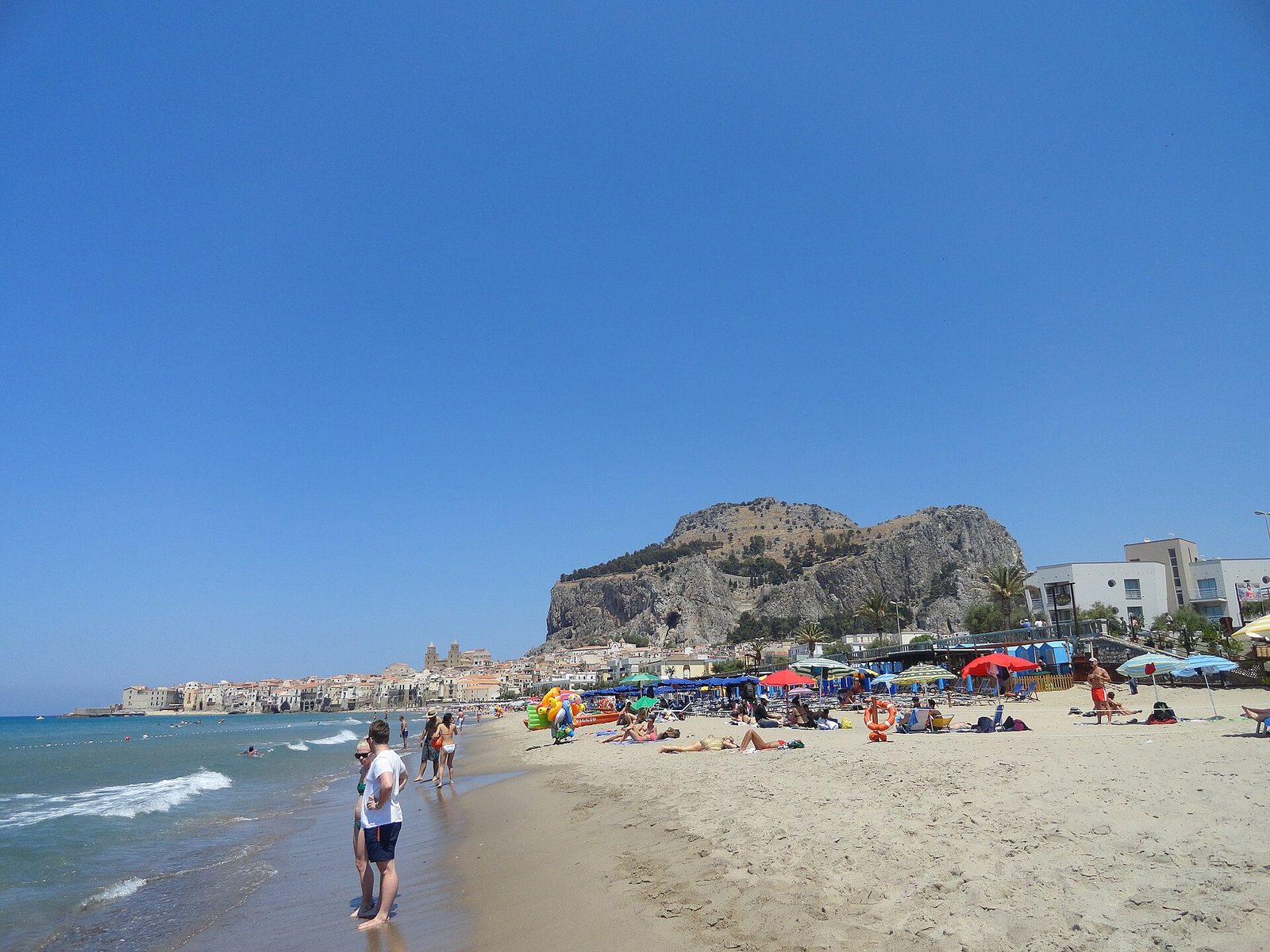
- The sandy beach at Cefalu with the old town and La Rocca headland behind, Sicily · Photo: l0da_ralta / CC BY 2.0 via Wikimedia Commons
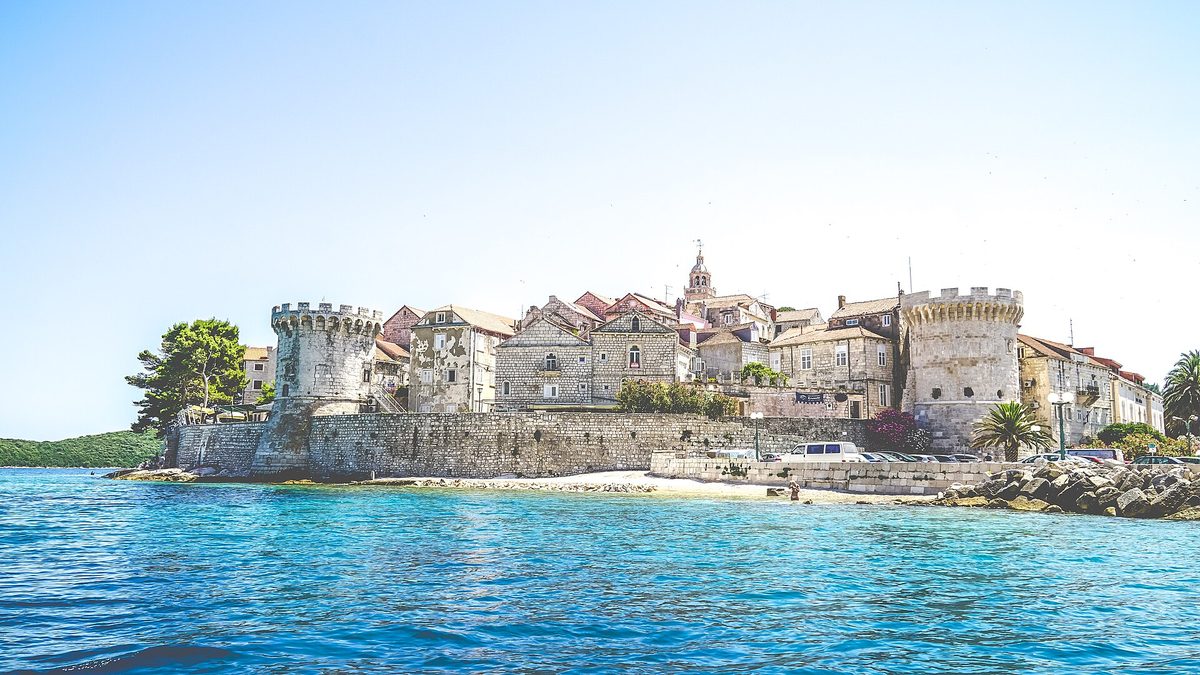
- Korcula old town and its walls seen from the sea, Croatia · Korcula old town · Photo: Hilthart Pedersen (CC0)
- Golden limestone cliffs and clear water at Praia da Marinha, Algarve, Portugal · Photo: Klugschnacker / CC BY-SA 3.0 via Wikimedia Commons
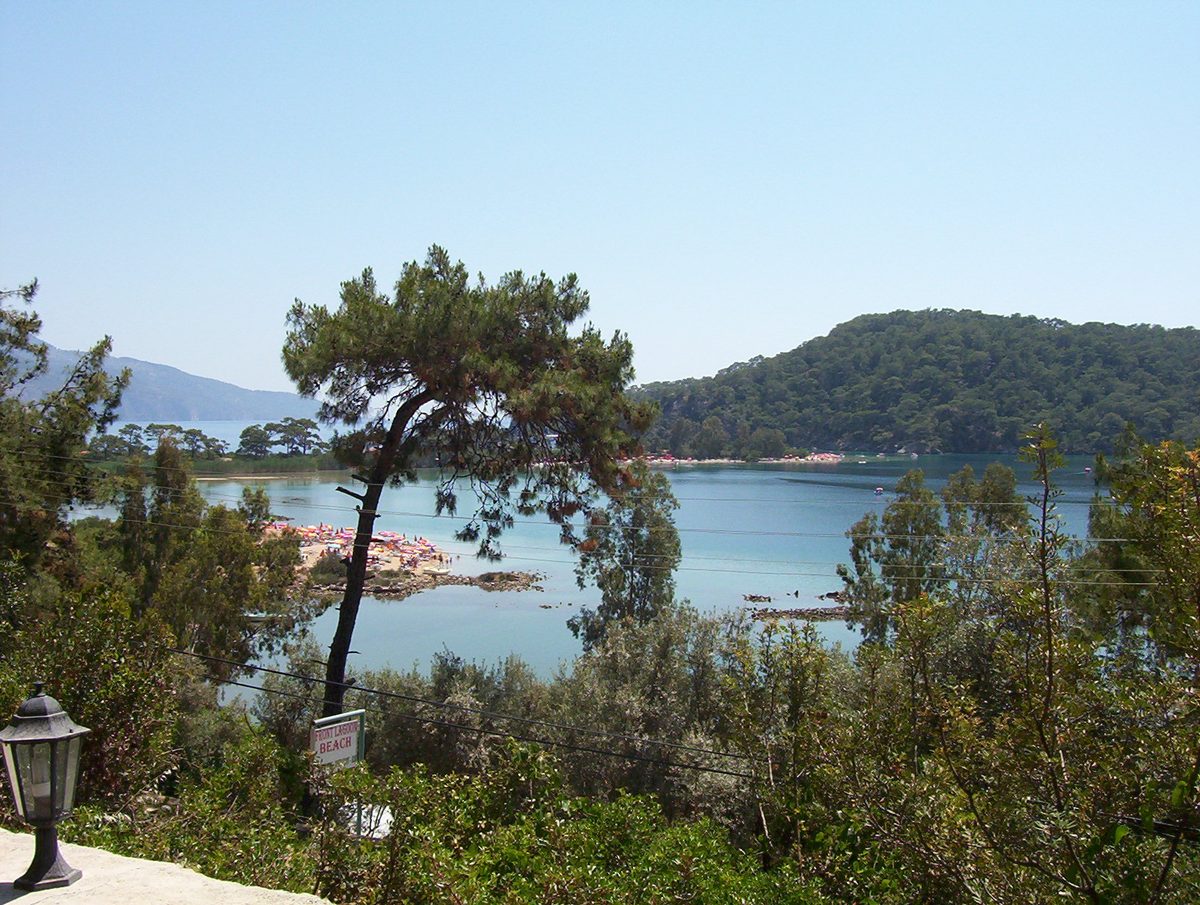
- The turquoise water of the Blue Lagoon at Oludeniz on Turkey's Mediterranean coast · Photo: Jongleur100 / Public domain via Wikimedia Commons
- The Promenade des Anglais and the Baie des Anges in Nice, southern France · Photo: Lspigon (CC0) via Wikimedia Commons