Cheapest Time to Visit Europe: A Month-by-Month Guide for 2027

I have booked a January flight to Lisbon for less than the price of a decent dinner in Lisbon, and I have also paid four figures to sit in a middle seat to Rome in the third week of July because a wedding said so. The gap between those two trips is not really about luck. It is about the calendar, and once you understand the cheapest time to visit Europe, the calendar becomes unusually legible.
The cheapest time to visit Europe is the stretch from early January to the end of March, with November running a close second. Flights, beds and crowds all bottom out together in those weeks, which is why the least crowded time to visit Europe and the cheapest one are very nearly the same calendar. The exceptions matter, though, and there are more of them than the headline answer suggests.
What follows is the version I wish someone had handed me a decade ago. Every price in it comes from a source I checked in August 2026, and where I could not find a number I say so rather than making one up. It covers all twelve months, five regional inversions where the usual advice runs backwards, the 2027 dates that will quietly wreck a cheap trip, the taxes that do not fall when the hotel rate does, and an honest account of what you give up. Think of it as the money-focused companion to our broader guide on the best time to visit Europe, which weighs weather and experience alongside cost.
The short answer, and the four exceptions
If you want one sentence: fly in January, February or March, stay in a big city rather than a small resort, and avoid the last two weeks of December.
Going.com, which tracks fares to Europe continuously, names January as the month in which it finds the most deals and June as the month in which it finds the fewest. Dollar Flight Club puts the average March roundtrip from the US at $686 against roughly $1,500 in July. Jetsetter Alerts describes off-season fares as running 40% to 60% below summer, with the cheapest continuous stretch of the year beginning on 2 January and running through March. Three independent trackers, one answer.
Accommodation agrees. Going.com’s own month-by-month nightly ranges put March at $30 to $120 a night across Europe and August at $80 to $220. November has the lowest ceiling of any month at $40 to $100.
Now the exceptions, because this is where cheap trips go wrong:
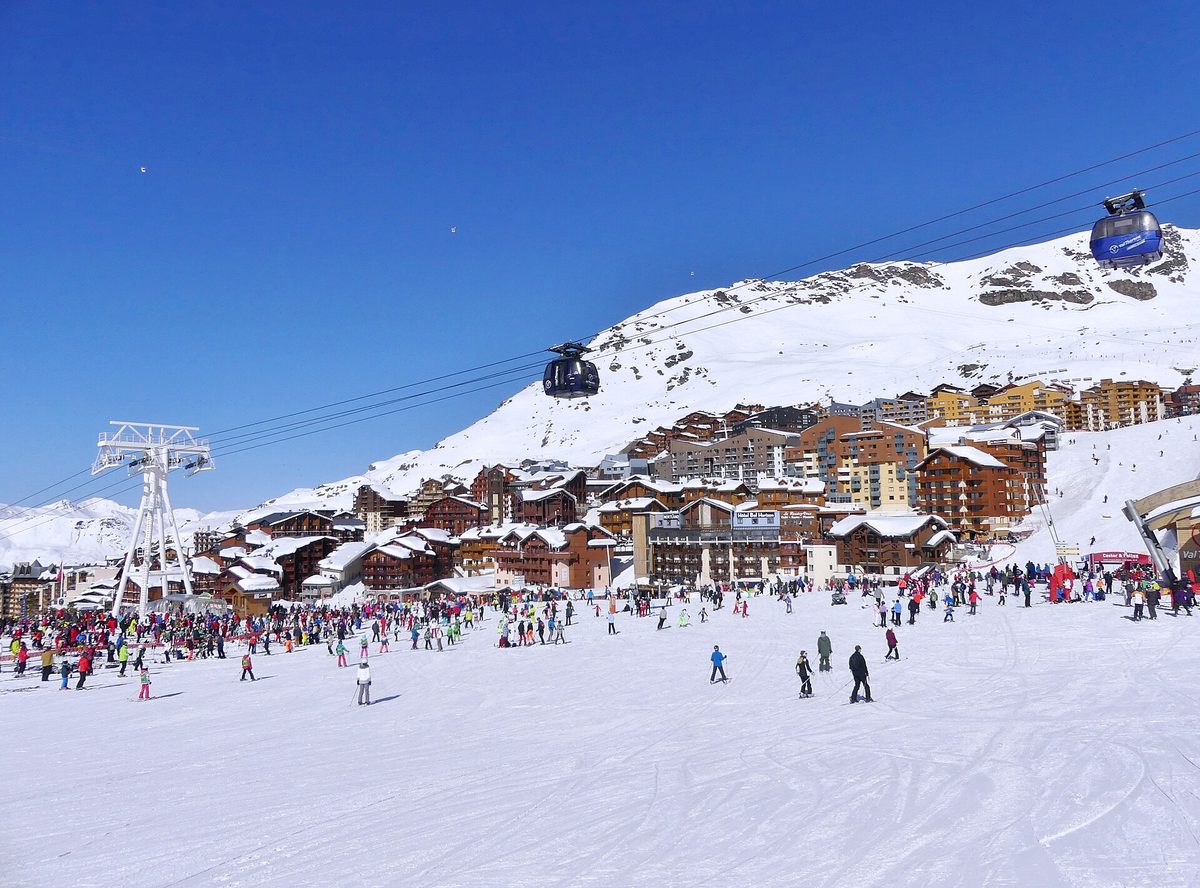
- The Alps invert completely. Winter is peak season in ski country, and February, when half of France and much of Britain is on school holiday, is the single most expensive stretch of the year there.
- Lapland inverts too. The Scandinavian far north sells northern lights and snow, so its high season is the same winter that makes Copenhagen cheap.
- Business cities do not follow the leisure calendar. Rick Steves has been pointing this out for years: Berlin, Brussels and the Scandinavian capitals fill with conference traffic precisely when the tourist towns empty.
- August is cheap for beds in Paris and the Italian art cities and expensive for everything else. Parisians leave, hotel rates soften, and the airlines carry on charging peak fares.
There is a fifth exception, the Mediterranean shoulder season, which needs the regional section below to explain properly. Hold these four in your head for now and the rest of this guide will make sense.
Cheapest time to visit Europe: all 12 months at a glance
Nightly accommodation ranges below are Going.com’s own Europe-wide figures, checked in August 2026. Flight pressure and crowd levels are my read of the three fare trackers cited above. Read the table top to bottom and the shape of the year is obvious: a long cheap trough from November to March with a sharp two-week spike at Christmas cut into the middle of it.
| Month | Nightly stay, Europe-wide | Flight pressure | Crowds | Best for | Watch out for |
|---|---|---|---|---|---|
| January | $50 to $150 | Lowest of the year | Very low | City breaks, museums, sales | Short days, Alps in ski season |
| February | $40 to $130 | Very low | Low | Art cities, opera, carnival | Carnival, ski half terms |
| March | $30 to $120 | Lowest average fare | Low | Best all-round value | Late March 2027 is Easter |
| April | $40 to $140 | Rising | Moderate | Gardens, Greek islands reopening | Easter holidays to 11 April 2027 |
| May | $50 to $160 | High | High | Alpine hiking, long days | Peak season starts here |
| June | $60 to $180 | Fewest deals all year | High | Midnight sun, festivals | Worst month for flight deals |
| July | $70 to $200 | Peak | Very high | Beaches, Scandinavia | Highest fares of the year |
| August | $80 to $220 | Peak | Very high, then oddly empty | Cheap beds in Paris and Italy | Fares stay high, cities shut for holidays |
| September | $50 to $150 | Falling | High | Warm sea, harvest | Most expensive month in nine cities |
| October | $45 to $130 | Low | Moderate | Best price-to-conditions balance | EU school break in the last week |
| November | $40 to $100 | Low | Very low | Cheapest beds of the year | Rome’s wettest month |
| December | $70 to $200 | Split in two | Very low, then very high | 1 to 14 December is a bargain | 15 December onward is peak |
Two numbers in that table deserve a second look. March has the lowest nightly starting price of the year and the cheapest average airfare of the year, which is why it is my default recommendation for anyone who does not have a fixed reason to travel at another time. And August, the most expensive month for accommodation Europe-wide, is simultaneously one of the cheaper months to sleep in central Paris. Averages hide a lot.
What “cheap” means in practice: the four costs that move, and the two that do not
People talk about the cheapest time to visit Europe as though a single dial controls the whole trip. It does not. Four costs swing hard with the season and two barely move at all, and knowing which is which changes how you plan.

Costs that fall in the off-season
Long-haul airfare. This is the big one and it swings the furthest. Dollar Flight Club’s October average of $623 against roughly $930 in June is a difference of about a third on the single largest line of most itineraries. Hopper’s older but still-cited transatlantic data put the October to March average at $942, with regional variation that is worth knowing about: $823 from the US Northeast, $999 from the Midwest, $1,026 from the South and $1,084 from the West Coast. If you are flying from Seattle rather than Boston, your off-season saving starts from a higher base.
Hotel rates. A study by the luggage-storage company Bounce, reported by Fodor’s, found January to be the cheapest month in Athens, Lisbon, Barcelona, Prague, Rome, Dublin, Amsterdam, Berlin, Vienna and London, and February the cheapest in Florence, Venice, Budapest, Milan, Brussels and Paris. The figures behind that study predate 2026, so treat the ranking as more reliable than the exact percentages. Prague accommodation in January runs 40% to 55% below July by one 2026 costing; Paris low-season rates are put at 40% to 50% below peak in late January and February.
Ground transport. Advance rail tickets across Europe are commonly around half the walk-up fare, and off-season trains are easier to book late without the cheap buckets having sold out. Our guide to train travel in Europe covers the mechanics.
Your time in queues. Not money exactly, but it converts. The Louvre wait can differ by close to an hour between December and July.
Costs that do not fall
Tourist taxes. Almost no major European city varies its tourist tax by season. I checked Paris, Rome, Florence, Barcelona, Amsterdam, Lisbon and Prague, and the headline rates are annual, set by accommodation class rather than by month. Amsterdam is the partial exception, and only because it charges a percentage of the room price, so it falls when the rate falls. The one genuinely seasonal charge among the big destinations is Venice’s day-tripper access fee, which by design applied only on spring and early-summer peak days.
Attraction tickets. Not one of the five marquee sights I checked discounts in winter. More on this below, because it is the single most common false assumption in off-season planning.
The practical upshot: on a cheap January trip, the fixed costs make up a much larger share of your budget than they do in July. A €5.53 nightly tourist tax is a rounding error against a €300 August room in Paris and a visible line against an €80 February one.
Month by month: when Europe is cheap, and what it costs you
Here is the year in order, with the price signal, the trap and my honest verdict for each month.
January
The purest bargain month in Europe. Going.com finds more deals to Europe in January than in any other month, and the cheap window opens with almost comic precision: Dollar Flight Club notes that airlines begin cutting fares on 2 January, the day the holiday traffic ends. Rooms sit at $50 to $150 a night Europe-wide. January is the cheapest month of the year in ten of Europe’s most-visited cities according to the Bounce data.
What you get: empty museums, winter sales, restaurants that will seat you without a month of notice, and the cities functioning as cities rather than as sets. What you give up: light and warmth. Paris averages a high of about 4°C, Prague sits near freezing, and much of the continent is dark by five in the afternoon. Rome manages a high near 12°C, which is more agreeable than people expect.
The Iberian caveat is worth stating. Lisbon in January is mild at around 12°C, but mild is not the same as sunny, and the days are short everywhere in Europe in January. Do not book Andalusia in winter expecting beach weather.
Verdict: the best month for a big-city trip. Pair it with our list of the best places to visit in Europe in winter.
February
Cheaper again on accommodation, at $40 to $130 a night, and the cheapest month of the year in Florence, Venice, Budapest, Milan, Brussels and Paris. One 2026 costing puts Lisbon’s own cheapest month at February, around €135 to €140 across hotel categories, though the Bounce ranking places Lisbon in the January group. The two are close enough that the distinction rarely decides a booking. It is also the month with the most landmines on the calendar.
Venice’s Carnevale runs 23 January to 9 February 2027, and Venice hotel prices behave accordingly. Cologne’s Karneval builds through Weiberfastnacht on Thursday 4 February 2027 to Rosenmontag on Monday 8 February and ends on Violet Tuesday, 9 February. French school holidays are staggered across three zones in 2027: Zone C, which includes Paris, breaks 6 to 22 February; Zone A 13 February to 1 March; Zone B 20 February to 8 March. Chain those together and some part of France is on holiday for roughly four continuous weeks. Most English schools take half term from Monday 15 to Friday 19 February 2027, with some going a week earlier.
Madrid is the odd one out. In the Bounce ranking, February is Madrid’s most expensive month, not its cheapest.
Verdict: excellent value in Italian and Central European cities if you dodge the carnival weeks. Poor value anywhere near a ski lift.

March
My pick for the cheapest time to visit Europe if you want one month that is good almost everywhere. Accommodation starts lower than in any other month at $30 to $120, and Dollar Flight Club’s average March roundtrip from the US is $686, the cheapest monthly average in their data. Sample fares from the Going.com table give a feel for the spread: Paris around $887, Kraków around $900.
The complication for 2027 is Easter. Easter Sunday falls on 28 March 2027, which is unusually early, so Good Friday is 26 March and the entire late-March period behaves like a holiday week rather than a shoulder week. If you are travelling in March 2027, travel in the first three weeks.
Southern Europe’s rainiest stretch is March and April, so an Andalusian March can be greyer than an Andalusian January. Alpine ski resorts are still busy but easing, and late April is a genuine value window on the slopes.
Verdict: the best all-round month. Book the first three weeks for 2027.
April
Prices begin to climb: $40 to $140 a night, and fares roughly 15% to 25% above the January and February floor when no sale is running. Sample Going.com fares put Lisbon near $889 and Rome near $918.
April is when the Mediterranean starts waking up. Greek island hotels typically open in April and close at the end of October, but the smaller Cyclades are still very quiet in April and only reliably fully open in May. The Amalfi Coast ferry network runs April to October, so April is the first month you can move along that coast by boat.
English school Easter holidays in 2027 run roughly Friday 26 March to Sunday 11 April, and the Dutch Easter break is 22 March to 2 April. The second half of April is the better half.
Verdict: good value in the second half, and the earliest sensible month for a Greek islands trip or a run down the Mediterranean coast.
May
The industry considers peak season to begin in May and run through September, and the prices reflect it: $50 to $160 a night. Athens averages around $892 roundtrip. May in the Alps is a quiet, cheap, gorgeous window for hiking before the summer crowds, one of the few genuine bargains in an otherwise expensive month.
Verdict: lovely, not cheap. See our guide to Europe in spring if the weather matters more than the price.
June
If one month is worth engineering around, it is this one. Going.com finds fewer bargain fares to Europe in June than in any other month, Dollar Flight Club puts the average June roundtrip near $930, and Jetsetter Alerts names June and July as the two most expensive months. Nightly rates sit at $60 to $180. Even the cheap corners are not that cheap: Barcelona averages $839 and Stockholm $800 in the Going.com June figures, which are among the lowest June numbers rather than low numbers in absolute terms.
Verdict: the month to avoid if money is the deciding factor.
July
July is the year’s high-water mark on both lines: the dearest month to fly and close to the dearest to sleep, at $70 to $200 a night. Dollar Flight Club describes typical July fares of around $1,500 per person and recommends booking five to six months ahead for peak July travel rather than the usual three to five. The highest single fare in the Going.com city table is Dubrovnik in July at $1,033.
If July is fixed for you, the salvage move is documented: Hopper’s 2026 analysis found that shifting a summer trip into the second half of August or into September saved an average of $283 per ticket, which Hopper puts at roughly a third off a roundtrip, and that moving both legs earlier in the week saved up to $179 per ticket.
Verdict: peak in every sense. Read Europe in summer and plan around the price rather than pretending it is not there.

August
Accommodation peaks in August at $80 to $220 a night Europe-wide, and the month carries the strangest local exception in the whole European calendar. Parisians leave the city in August. So do Romans, Florentines and Venetians. Hotel rates in Paris, Rome, Venice and Florence are lower in August than in May, June or September, while airfares stay firmly in peak territory. The same holds in Rome and Florence.
That gives you a specific, exploitable trade: if your flight cost is fixed anyway, August is a cheaper time to sleep in central Paris than September is. The catch is that a good number of the small restaurants and family-run shops you came for will have a handwritten sign in the window and a return date in late August.
Verdict: bad month, good hack. Useful if you are set on Paris or the Italian art cities and can tolerate the heat.
September
Accommodation falls back to $50 to $150, and September has a reputation as the smart traveller’s month. Be careful with that reputation. In the Bounce ranking, September is the most expensive month of the year in Athens, Lisbon, Barcelona, Budapest, Rome, Munich, Berlin, Vienna and Heraklion. Everyone who read the same advice about shoulder season went in September.
Munich has an obvious reason: Oktoberfest runs 19 September to 4 October 2026 and 18 September to 3 October 2027, always sixteen days ending on the first Sunday in October. Prague averages around $937 roundtrip in the September Going.com figures.
Verdict: beautiful weather, thinner savings than its reputation suggests. Our Europe in autumn guide has the fuller picture.
October
This is where the year turns properly cheap again. Dollar Flight Club puts the average October roundtrip at $623 against roughly $930 in June, a saving of about a third. Nightly rates fall to $45 to $130. Madrid averages around $910 in the Going.com October column.
The one trap is the school break. Much of the EU takes a student holiday in the last week of October and the first week of November, and it produces a burst of school-group travel that fills exactly the mid-range hotels you were hoping to book cheaply. The Amsterdam Marathon in late October does the same thing to one city for one weekend.
Verdict: not the cheapest month, but the best balance of price and conditions in the year. January to March wins on raw cost; October wins if you want the saving without the short days.
November
November has the lowest accommodation ceiling of any month, at $40 to $100 a night, and the lowest midpoint too. It is also the second cheap window for flights, running from the start of November to around 14 December. In Heraklion on Crete, the Bounce data found November running 77.5% below September, which is the largest seasonal swing I came across anywhere in Europe.
The honest cost of November is rain. Rome’s November average is 164mm, its wettest month of the year, and Lisbon’s wettest month is also November. Paris in November averages a high near 13°C with a 28% chance of rain on any given day, which is better than its reputation. Western and Central Europe’s rainiest stretch overall is September to November.
Christmas markets begin at the end of the month and change the picture city by city: Vienna’s Rathausplatz market runs 14 November to 26 December 2026, while Nuremberg’s Christkindlesmarkt and Strasbourg both open on 27 November 2026.
Verdict: the cheapest average night’s sleep of the year, and you will get wet. Go north or go east rather than to the Mediterranean.

December
December is really two months wearing one name. Until roughly 14 December it is a continuation of November’s bargain: quiet cities, cheap rooms, Christmas markets already open. From 15 December to 1 January, prices can exceed summer rates outright.
The Going.com table shows how sharp the split is: the average roundtrip to Nuremberg in December is $800, but the average Going deal fare to Nuremberg in December is $340, the lowest deal figure anywhere in their twelve-month table. That is what a market city looks like before the holiday rush and after it.
Market dates worth having: most German and French markets close on 23 or 24 December, Vienna’s Schönbrunn market extends into early January as a New Year market, and Prague’s Old Town Square market runs to 6 January 2027. Our guide to Christmas markets in Europe has the full calendar.
Verdict: book 1 to 14 December and you get the best of the season at November prices. Book 20 December and you are paying more than you would in July.

The cheapest time to visit Europe by region, including five places where the rule reverses
Europe is not one market. The Europe-wide answer of January to March holds for the big cities of the west, the south and the centre, and fails outright in five specific cases. The table sets out six regional markets; the five numbered inversions beneath it are the ones that reverse the rule.
| Region | Cheapest window | Most expensive | What to know |
|---|---|---|---|
| Western Europe Paris, Amsterdam, Brussels, London |
January and February | June to September | Follows the Europe-wide pattern closely. Paris is the clearest example of it. |
| Southern and Mediterranean Spain, Portugal, Italy, Greece |
January and February | July and August | Cheapest and wettest at the same time. Coastal resorts largely close. |
| Central and Eastern Europe Prague, Budapest, Kraków, Warsaw |
November to March, January lowest | September and December | The deepest January discounts on the continent. Kraków undercuts Prague by a clear margin. See our Eastern Europe guide. |
| Nordic capitals Copenhagen, Stockholm, Oslo, Bergen |
November to April, excluding Christmas week | Mid-June to late August | Bergen hotel prices drop 25% to 30% from September; Swedish cities can fall up to 50%. Business hotels in the capitals run against this pattern, as inversion 3 explains. |
| The Alps France, Switzerland, Austria, Italy |
Late April, November, early December and mid-January for skiing; May and June for hiking | February | Fully inverted. Winter is peak. See the inversions below. |
| The far north Lapland, Tromsø, Arctic Norway |
Late spring and autumn | December to March | Fully inverted. Northern lights and snow drive winter demand. |
Inversion 1: the Alps in winter
Ski country runs on the opposite calendar to the rest of Europe. February is the most expensive stretch of the Alpine year because it collides with the French zone holidays and the British half term at once. If you want to ski cheaply, the value windows are November, early December, mid-January and late April. Chamonix runs well below Zermatt for comparable accommodation. Our skiing in Europe guide goes deeper on resort-by-resort pricing.
Inversion 2: Lapland and the Arctic
The Scandinavian far north sells winter. Northern lights tours, husky sledding and reindeer farms mean December to March is high season in Finnish Lapland and Arctic Norway, exactly when Copenhagen and Stockholm are at their cheapest. Do not assume a Nordic country is uniformly cheap in January. Our Scandinavia travel guide separates the two markets.

Inversion 3: business cities
Berlin, Brussels and the Scandinavian capitals are conference towns. Their hotels are busiest and dearest in the shoulder months when the leisure market has gone quiet, because that is when the trade fairs run. A Tuesday in Brussels in late October is not a bargain.
Inversion 4: August in Paris and the Italian art cities
The August anomaly described in the month section is a regional effect, not a national one. It applies to the big Western and Italian city centres that empty out when residents take their own holidays, and it does not extend to the coast, where August is the most expensive month of the year.
Inversion 5: the Mediterranean shoulder that is not a shoulder
In Italy, southern France, Spain, Croatia and Greece, the notional shoulder months of late April, May, September and early October can carry close to peak crowds and close to peak prices. The Mediterranean shoulder has been squeezed by everyone trying to avoid August. If you want a genuinely quiet Mediterranean, you need to go in winter and accept that half of it is shut.

The 2026 and 2027 dates that will wreck a cheap trip
A cheap month contains expensive weeks. These are the fixed dates I would check before booking anything, with the caveat that a few of them are the best reason to visit in the first place, so read this as a pricing calendar rather than a list of things to avoid.
| Dates | What | Where it bites |
|---|---|---|
| 15 Dec 2026 to 1 Jan 2027 | Christmas and New Year | Everywhere. Fares can exceed summer rates. |
| 23 Jan to 9 Feb 2027 | Venice Carnevale | Venice and the Veneto |
| 4 to 9 Feb 2027 | Cologne Karneval, Rosenmontag on 8 Feb | Cologne, Düsseldorf, Mainz, the Rhineland |
| 6 Feb to 8 Mar 2027 | French school winter holidays, three staggered zones | French Alps, Pyrenees, Paris outbound |
| 15 to 19 Feb 2027 | English half term (some schools 8 to 12 Feb) | Alps, short-haul city breaks from the UK |
| Feb and Mar 2027 match weekends | Six Nations rugby | London, Paris, Dublin, Rome, Edinburgh, Cardiff |
| 22 Mar to 2 Apr 2027 | Dutch Easter school holiday | Netherlands and Dutch outbound |
| 26 to 29 Mar 2027 | Easter weekend, Good Friday to Easter Monday | Everywhere, and unusually early in 2027 |
| 26 Mar to 11 Apr 2027 | English school Easter holidays | Short-haul from the UK |
| 19 Sep to 4 Oct 2026 18 Sep to 3 Oct 2027 |
Oktoberfest | Munich and much of Bavaria |
| Last week Oct, first week Nov | EU-wide school break | Mid-range hotels across the continent |
| Late Oct 2026 | Amsterdam Marathon | Amsterdam, one weekend |
| 14 Nov to 26 Dec 2026 | Vienna Rathausplatz Christmas market | Vienna |
| 27 Nov 2026 onward | Nuremberg and Strasbourg markets open | Bavaria, Alsace |
| Early Mar, late Sep and early Oct | Paris fashion weeks | Paris hotels specifically |
One 2027 event runs the other way. The Rugby World Cup takes place in Australia from 1 October to 13 November 2027, which pulls demand away from Europe rather than into it. A small effect, but a rare one in the right direction.
German school holidays are set separately by each of the sixteen federal states, which staggers German demand rather than concentrating it. I could not get a reliable state-by-state table for 2027 within the time I had, so if you are travelling in Germany or in a German-facing resort, check the individual Land calendar rather than trusting a single national date.
Tourist taxes: the cost that does not drop when the hotel rate does
This section exists because tourist taxes are a growing, fixed, per-night charge that behaves nothing like the rest of your budget, and they have risen sharply in 2026. All figures below were checked in August 2026 against municipal or national sources.
| City or region | 2026 rate | Seasonal? | Notes |
|---|---|---|---|
| Paris | €2.60 (1-star) to €11.70 (5-star) per adult per night; €15.93 for palace category | No | Includes the 200% Île-de-France Mobilités surcharge. 3-star is €5.53, 4-star €8.45. Minors exempt. |
| France, statutory band | €0.20 to €4.90 per person per night before local additions | No | Indexed up 1.8% for 2026. The 2027 scale is currently set to be identical. |
| Amsterdam | 12.5% of the room price excluding VAT | Effectively yes | Highest headline rate in Europe. Dutch hotel VAT rose from 9% to 21% on 1 January 2026, taking the combined burden to around 33.5%. |
| Barcelona | €12.00 per person per night at a 5-star hotel, €8.40 at 4-star, €9.50 for a short-term rental | No | Doubled from €7.50 on 1 April 2026. See the best time to visit Spain. The €5 municipal surcharge is scheduled to rise to €6 in 2027, €7 in 2028 and €8 in 2029. |
| Rome | €3 to €10 per person per night by class | No | Charged for up to 10 consecutive nights. |
| Florence | About €3.50 to €8 per person per night | No | Roughly €6 for a mid-range B&B or apartment. |
| Venice access fee | €5 in advance, €10 within three days | Yes, by design | Applied on 60 dates from 3 April to 26 July 2026, 08:30 to 16:00. The 2026 trial ended on 27 July 2026 and 2027 is not confirmed. |
| Lisbon | €4.00 per person per night | No | Unchanged since September 2024. Capped at 7 nights, applies from age 13. |
| Prague | CZK 50 per person per night | No | Under-18s exempt. Prague 1 has proposed CZK 175, earliest effect 2027. |
| Basque Country | €0.75 to €7.50 per person per night from 1 January 2027 | No | Agreed in principle by the three provincial councils, with the enabling regulation still in progress. Councils with 750 or more tourist accommodations may add up to 50%. |
Two practical consequences. First, if you are optimising for the cheapest time to visit Europe, the tax is a bigger share of a cheap night than an expensive one, so factor it in on winter trips rather than waving it away. A week in a Paris 3-star costs €38.71 in tourist tax per adult whatever the season. Second, the direction of travel is upward and legislated in advance, so a trip deferred from 2026 to 2028 in Barcelona will cost more per night in tax even if the room rate is identical.
Small Italian comuni are the one place I found genuine seasonal splits, with examples of €3.50 in high season against €2.50 in low, and low season defined as January, February, August, November and December. The big Italian cities do not do this.
Attractions do not get cheaper in winter, and one gets dearer
I went into this expecting to find low-season ticket discounts at the major sights. There are none. I checked five and the prices are flat year-round.
| Attraction | 2026 ticket | Seasonal price change | What actually changes |
|---|---|---|---|
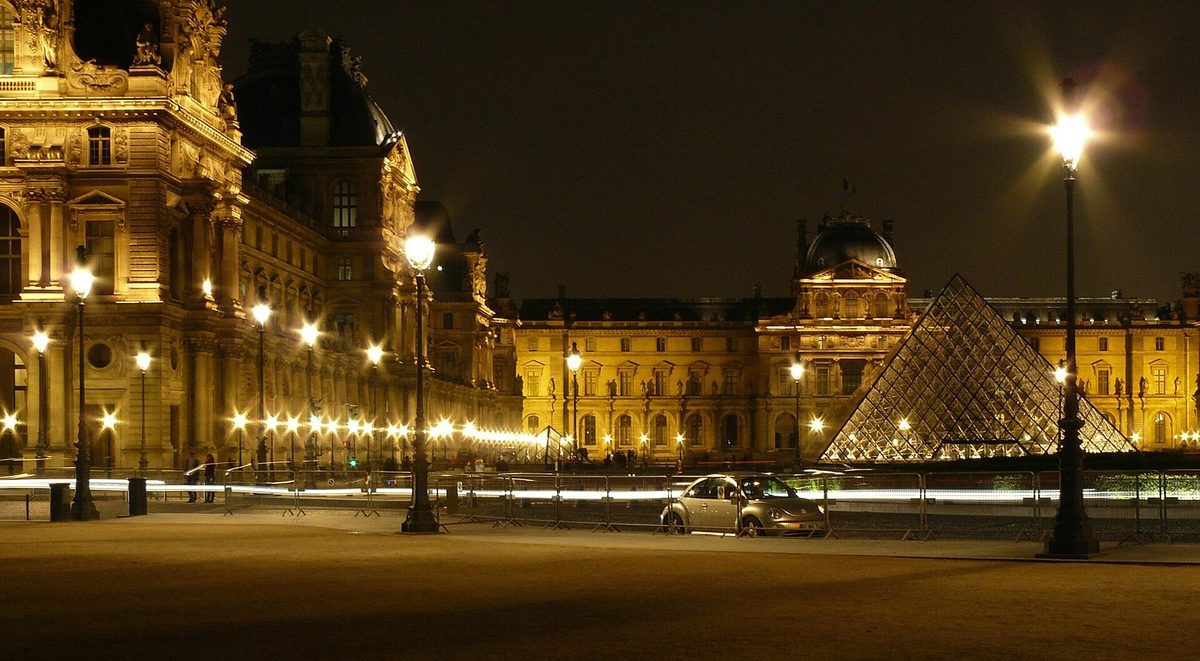
| Louvre, Paris | €22 for EEA residents, €32 for non-EEA | None | Queue length. Up to an hour’s difference between December and July. |
| Vatican Museums, Rome | €32, or €39 with audio guide | None | Winter hours are shorter, running 26 October to 28 March. Free on the last Sunday of the month, 09:00 to 14:00. |
| Alhambra, Granada | €21 at the gate, €22.27 online | None | Winter hours 08:30 to 18:00 from 15 October to 31 March. The daily visitor cap binds year-round, so book early regardless. |
| Sagrada Família, Barcelona | From €26, standard basic around €33.80 | Yes, upward | A centenary surcharge of €2 to €5 applies from 1 June to December 2026, making summer dearer rather than winter cheaper. |
| Neuschwanstein, Bavaria | €21 adult | None | Winter hours 08:00 to 15:30 from 16 October 2026. Closed 24, 25 and 31 December and 1 January. |
So what does the off-season buy you at the sights? Shorter queues and shorter opening hours, in that order. Some smaller museums close entirely; many cut hours and shut at sunset, which in January can mean four in the afternoon. English-language guided tours are also thinner on the ground off-season, because most winter visitors are domestic.
Theme parks invert usefully: Disneyland Paris and PortAventura have their shortest waits in autumn. And winter is the full season for Vienna’s opera, its Boys’ Choir and the Lipizzaner performances, which is a genuine reason to be in Austria in February rather than July.
Entry costs in 2027: ETIAS, EES and the UK ETA
These are new fixed costs that did not exist a few years ago, and the picture changed during 2026, so here is where it stands as of late September 2026.
EES, the Entry/Exit System, is live and free. It began a progressive rollout on 12 October 2025 and became fully operational on 10 April 2026 across 29 European countries and every external Schengen border crossing. It replaces passport stamping with a digital record of entries, exits and refusals, and it collects a facial image, fingerprints and your travel-document data. There is no fee. What it costs you is time at the border, particularly on your first crossing.
ETIAS is not in operation and has no launch date. It was pencilled in for the last quarter of 2026, but as of late September 2026 the official ETIAS pages state only that it is not in operation, that no applications are being collected and that the start date will be announced several months before launch. Trade reports point to 2027. The fee, when it arrives, is set at €20, with applicants under 18 and over 70 exempt from the fee, along with certain family members of EU citizens. Exemption is from the charge, not from the requirement to hold an authorisation.
One warning is worth stating plainly, because the old dates are still widely quoted: no website can legitimately sell you an ETIAS today, because the system is not running. Our Schengen visa and ETIAS guide is kept current.
The UK ETA costs £20 and covers multiple visits of up to six months over its validity period, for the UK, Jersey, Guernsey and the Isle of Man. Everyone needs one, including babies. British and Irish passport holders are exempt, as is anyone with permission to live, work or study in the UK. It is required if you pass through UK border control between flights, which catches people routing through Heathrow on a cheap transatlantic fare.
One currency change that affects budgeting: Bulgaria adopted the euro on 1 January 2026 at a conversion rate of 1.95583 leva to the euro, becoming the twenty-first euro-area member. The lev ceased to be legal tender on 1 February 2026. Any price you see quoted in leva for a Bulgarian trip, including for the ski resorts, is out of date. No other European country currently has a confirmed adoption date.

Flights: the booking rules with data behind them
Season is the biggest lever, but it is not the only one.
- Book three to five months ahead for a standard trip, five to six for peak July. Hopper’s transatlantic analysis puts the price low at around 50 days before departure, with fares broadly stable until about two weeks out and then rising sharply.
- Fly midweek. The average Wednesday departure to Europe runs $860 against $966 on a Saturday. Hopper names Wednesday as the cheapest day to both depart and return, and Tuesday as the cheapest day to buy.
- Watch 2 January. Airlines start cutting fares the day after New Year, which is when the January deal volume that Going.com tracks appears.
- Your departure city matters more than you think. The Hopper regional spread of $823 from the Northeast to $1,084 from the West Coast is a $261 gap before you have chosen a date.
- Intra-Europe, the low-cost carriers are the price floor. Ryanair’s average fare across its 2026 financial year was about €51, up 10% year on year on 208.4 million passengers, with ancillary revenue adding roughly €24 per passenger. Going.com puts typical low-cost one-way city-pair fares at $20 to $50 before extras. Budget for the extras: on Ryanair’s own numbers they are close to half the ticket again.
Our guide to getting around Europe compares flying against rail and coach on the routes where it is a genuine choice, and where to stay in Europe covers the accommodation side.

Rail off-season: cheaper tickets, same pass price
Rail is the one area where the off-season saving is smaller than people assume.
Point-to-point tickets do get cheaper, mostly because advance fares are commonly around half the walk-up price and the cheap buckets are still available closer to departure when trains are emptier. Deutsche Bahn’s headline last-minute Super Saver fare starts at €6.99 in second class, though its 2026 availability window ran weekends only from 9 May to 13 September, making it a summer promotion rather than a winter one. Trenitalia discounts same-day returns on its Frecce high-speed trains by 40% Sunday to Friday and 60% on Saturdays.
Passes are different. The Interrail Global Pass list price is a single year-round tariff per duration, not a seasonal one. On the official 2026 price list an adult second-class pass costs €381 for seven travel days in one month and €553 for fifteen days in two months, and the full adult second-class range runs from €283 for four days in a month to €956 for three months of continuous travel. Eurail, the version sold to people living outside Europe, cost exactly the same in 2026, and since 9 September it has been sold under the Interrail name worldwide. The network is the same 33 countries either way, and where you live still decides which passes you are offered. Under-4s travel free, 4 to 11 year olds go free on a Child Pass with a maximum of two per adult, the youth discount runs from 12 to 27 inclusive, and the senior discount starts at 60.
The pass trap in winter is the same as in summer: most high-speed and night trains require a paid seat reservation on top of the pass, and that reservation cost does not fall in January. A pass bought for a cheap winter trip can end up carrying a proportionally larger surcharge than the same pass in August. If you are building a rail trip, our Europe train itinerary shows where a pass pays and where it does not.

What the cheap months feel like on the ground
The off-season is cheaper. Here is what you are buying, in the numbers I would want before committing.
| City | Cheap-month conditions | Rain | Honest read |
|---|---|---|---|
| Lisbon | January averages around 12°C; February highs 15°C, lows 9°C | About 57mm in February. November is Lisbon’s wettest month. | The mildest big city in winter Europe. February beats January. |
| Rome | January highs 11.9°C, February 13°C, November 15.9°C | 67mm January, 73mm February, 164mm November | Warm enough in winter. November is a trap: the wettest month of Rome’s year. |
| Paris | January highs around 4°C; November highs around 13°C | 28% chance of rain on an average November day | Cold but dry-ish. The November reputation is worse than the reality. |
| Prague | February highs around 4°C, lows around -2°C | About 34mm in February | Properly cold and properly cheap. Drier in February than Rome or Lisbon. |
The pattern that surprised me: Southern Europe is broadly drier in winter than Western and Central Europe, whose rainiest stretch runs September to November, but Spain, Portugal and Greece take their heaviest rain in March and April. So the spring shoulder that everyone recommends for Iberia is the wettest part of its year, and Lisbon’s single wettest month is November. “Go south for winter sun” is roughly right for temperature and much less reliable for rain.
The constraint nobody prices is daylight. Much of Europe sits at Canadian latitudes. Dark by five in the afternoon means a shorter sightseeing day, which means you need more days for the same itinerary, which eats into the saving.
What is closed when you travel cheaply
This is the real cost of the cheapest time to visit Europe, and it is unevenly distributed. Big cities function year-round. Small tourist towns and coastal resorts do not.
| Where | Winter status | Detail |
|---|---|---|
| Greek islands | Mostly closed | The majority of tourist businesses close from late October to early May. Hotels typically open in April and shut at the end of October. |
| Crete, Corfu, Santorini | Extended seasons | The three exceptions with meaningful winter life. Santorini’s cruise season runs March to November. |
| Greek ferries | Reduced | Still serve all islands, but routes with daily summer sailings can drop to two or three a week in January, and some inter-Cycladic links suspend entirely. |
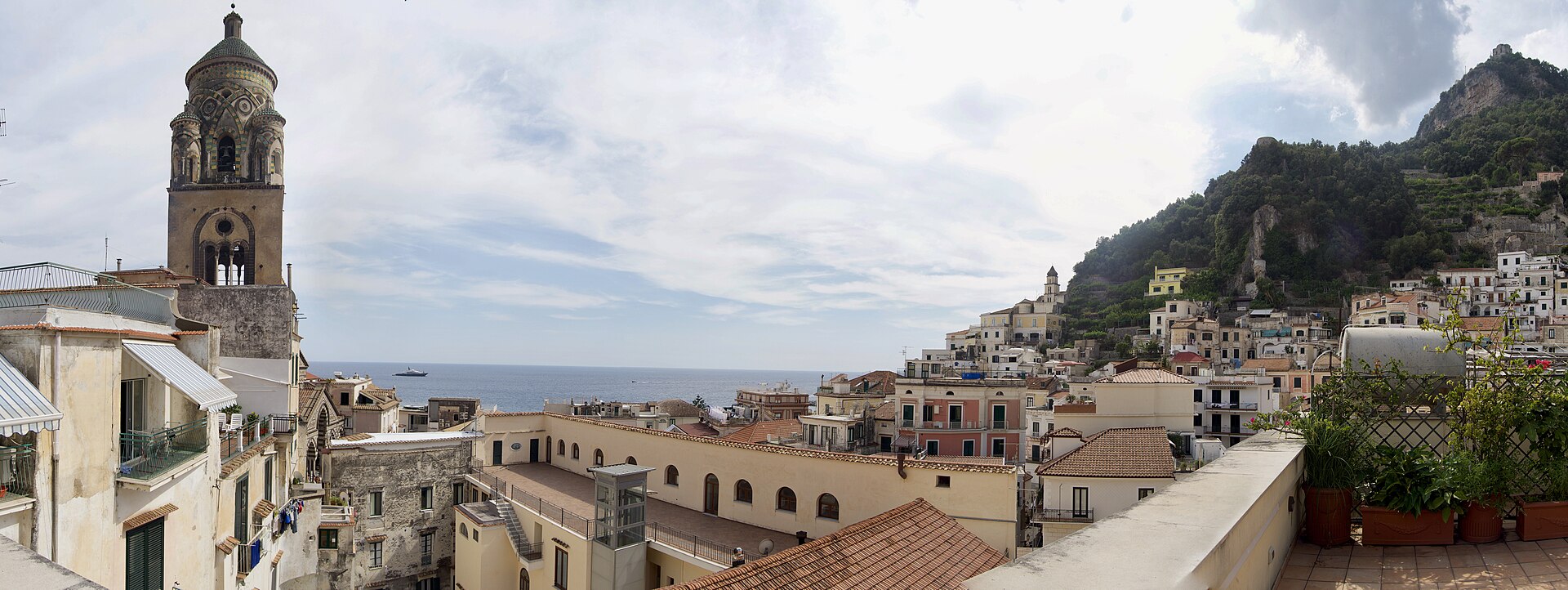
| Amalfi Coast ferries | Closed | The Salerno to Sorrento network runs April to October only. Off-season is November to March. |
| Amalfi Coast towns | Partly open | Amalfi, Sorrento and Vietri sul Mare stay open through winter; the smaller villages largely do not. |
| Cinque Terre | Open | The five villages stay linked year-round by the Cinque Terre Express regional train even when the boats stop. |
| Beach resorts generally | Closed | Rick Steves’ line is that most European beach resorts in December “shut up as tight as canned hams”, and it is accurate. |
| Small tourist towns | Quiet | Many sights and restaurants close. Tourist information offices cut hours. |
I could not find an authoritative source for winter closure windows and ferry timetables on the Croatian coast, so I am not going to publish a date range for Dubrovnik, Hvar and the Dalmatian islands. Check with individual operators. Our Croatia travel guide has more on the season there, and the Amalfi Coast guide covers that coastline in detail.
Cheap swaps: same experience, different price
The most effective budget move is usually not travelling at a different time. It is travelling to a different version of the same idea.
| Instead of | Try | When | Why it works |
|---|---|---|---|
| Prague in December | Kraków in January | January | Kraków is the cheaper city outright, and December is one of Prague’s dearest months. |
| Zermatt ski week | Chamonix, or Bansko in Bulgaria | Mid-January or late April | Comparable chalets run 30% to 40% cheaper in Chamonix. Bulgarian resorts undercut both. |
| Santorini in July | Crete in November | November | Crete keeps an extended season, and the November saving on the island is the largest I found anywhere in Europe. |
| Barcelona in September | Seville or Granada in February | February | September is Barcelona’s most expensive month, and the city’s tourist tax doubled in April 2026. See things to do in Barcelona. |
| Paris in June | Paris in August | August | Cheaper beds, if you can take the heat and the shuttered bistros. |
| Amsterdam any month | Utrecht, Ghent or Bruges | January to March | Amsterdam’s combined tax and VAT burden is the heaviest in Europe. The Flemish and Dutch alternatives are an hour away by train. |
| Rome in November | Rome in February | February | Same low prices, less than half the rainfall. Check the best time to visit Italy. |
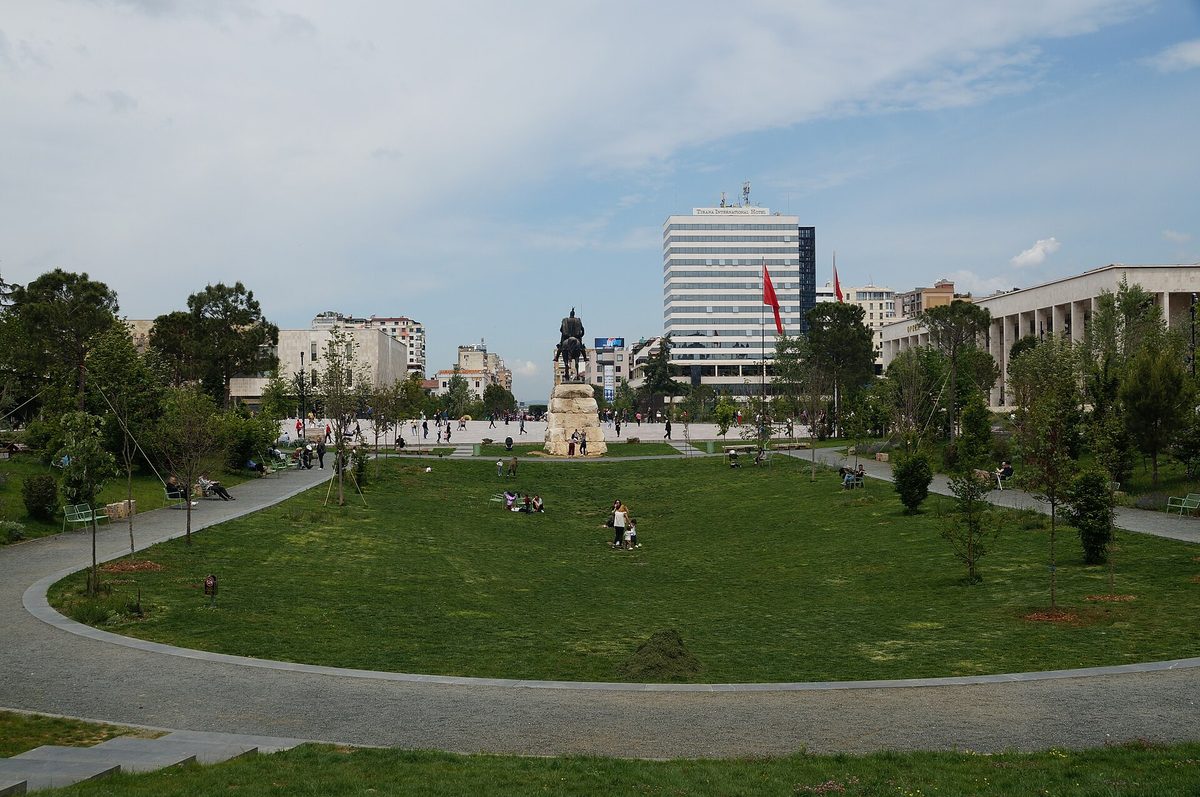
| Western capitals | Sarajevo, Tirana, Vilnius | Any month | Consistently among Europe’s best-value city breaks. See our cheapest places to travel in Europe. |
What a week costs: a low month against a peak month
Here is a like-for-like comparison for one adult travelling from the US to Paris, built only from figures I could source. It deliberately excludes food and local transport, because I did not find figures I trust for those.
| Line item | Low month | Peak month | Source basis |
|---|---|---|---|
| Return transatlantic flight | $686 (March average) | ~$1,500 (typical July) | Dollar Flight Club monthly averages |
| 7 nights accommodation, Europe-wide midpoint | $525 ($75 a night, March range) | $945 ($135 a night, July range) | Going.com monthly nightly ranges, midpoint taken |
| Tourist tax, 7 nights, Paris 3-star | €38.71 | €38.71 | Paris 2026 schedule, €5.53 per adult per night |
| Louvre entry, non-EEA | €32 | €32 | 2026 ticket price, flat year-round |
| Flights and beds subtotal | $1,211 | $2,445 | Difference of $1,234, about 50% |
Two things jump out. The saving is real and it is large: roughly half, on the two lines that dominate any trip. And the fixed costs, the €38.71 of tax and the €32 of museum entry, are identical in both columns. Converted at roughly 1.16 dollars to the euro, they come to about $82, which is close to 7% of the low-month subtotal and about 3% of the peak-month one. The cheaper your trip, the more the unavoidable charges matter.
For a fuller treatment of daily spending, see Europe on a budget and backpacking Europe.
The cheapest time to visit Europe, by traveller
Families with school-age children
You are locked into the exact weeks that are most expensive, which is why the school-holiday dates above matter more to you than the monthly averages. The workable moves: travel in the second week of a two-week break rather than the first, choose a destination whose own school holidays fall differently, and pack for cold with our Europe packing list, and consider late October over Easter, since the EU-wide autumn break is shorter and less concentrated than the spring one. Our Europe with kids guide has more.
Couples on a short break
Early December is the standout. You get Christmas markets, cold-weather atmosphere and November pricing, provided you are home before the 15th. Vienna, Prague, Kraków and Strasbourg all work. See European city breaks.
Solo travellers
January and February, and go to big cities rather than small towns, because the small towns are where the off-season loneliness is real. Hostels are cheapest and quietest in the same months, though some in resort areas close. Our solo travel in Europe guide covers the practicalities.
Students and long-trip backpackers
March, then October. Both months combine the lowest fares with enough open infrastructure to move around. The Interrail youth discount runs to age 27 inclusive, which is worth checking against your birthday before you buy.
Retirees and anyone with a flexible calendar
You have the biggest advantage available: you can take the second week of October or the first two weeks of December, which are the two best value-for-conditions windows in the year, and you can book on a Tuesday for a Wednesday departure. The Interrail senior discount starts at 60.
Skiers
Your cheap months are November, early December, mid-January and late April, and your expensive month is February. This is the exact inverse of everyone else’s calendar, so ski trips and city trips should be planned as separate budgeting exercises rather than one.
Five mistakes people make chasing the cheapest time to visit Europe
1. Treating September as the value month. It has the reputation but not the prices. September was the most expensive month in nine of the cities in the Bounce study. Everyone avoiding August landed in September instead.
2. Booking November on the Mediterranean. November has the cheapest beds of the year and, in Rome, 164mm of rain. If you want cheap and dry, February in Rome costs about the same and delivers 73mm.
3. Assuming the whole trip gets cheaper. Tickets, taxes and rail reservations do not move. Only flights, beds and, to a degree, point-to-point train fares do.
4. Booking a small resort town in January. The saving is largest exactly where the closures are worst. A cheap January week in a Greek island village is cheap because there is nothing open.
5. Ignoring the two-week Christmas cliff. The difference between 13 December and 18 December is larger than the difference between March and June. It is the sharpest single price edge in the European calendar.
Cheapest time to visit Europe: frequently asked questions
What is the cheapest time of year to visit Europe?
Early January to the end of March, with November as the runner-up. Flight trackers, hotel data and crowd levels all agree on that window. Within it, March has the cheapest accommodation range of the year at $30 to $120 a night Europe-wide and the cheapest average transatlantic fare at $686.
What month is Europe cheapest to visit?
It depends on which cost you are optimising. March for flights and for the lowest accommodation floor. November for the lowest accommodation ceiling, at $40 to $100 a night. January for sheer volume of flight deals, which is the month Going.com finds the most.
What are the cheapest months to fly to Europe?
January, February and March, plus October and the first half of December. October averages $623 against roughly $930 in June on Dollar Flight Club’s numbers, a gap of about a third. Off-season fares generally run 40% to 60% below summer.
When is Europe’s off-season?
November to March, with the two weeks from 15 December to 1 January carved out of the middle as a peak period. Rick Steves’ standard industry definition is peak May to September, shoulder April and October, off-season November to March, and it still holds.
When is Europe’s shoulder season?
April and October. Be aware that in the Mediterranean the shoulder now carries close to peak crowds and prices, because so many travellers have shifted into it to escape the summer.
When is high season in Europe?
May to September for most of the continent, plus the Christmas and New Year fortnight. In the Alps and the Arctic north it is December to March instead.
What is the rainy season in Europe?
It varies by region and this matters for off-season planning. Western and Central Europe are rainiest from September to November. Southern Europe, meaning Spain, Portugal and Greece, is rainiest in March and April, with drier winters, although the Iberian peninsula does take heavy rain in January and February. Rome’s single wettest month is November at 164mm.
Is Europe cheaper in winter?
Flights and hotels, yes, substantially. Attraction tickets, tourist taxes and rail seat reservations, no. And in the Alps and Lapland, winter is the most expensive season of the year.
How far in advance should I book for the cheapest fare?
Three to five months for a standard trip and five to six months for peak July travel. Hopper’s data puts the transatlantic price low at around 50 days out, with fares broadly stable until roughly two weeks before departure and rising sharply after that.
Are European attractions cheaper in the off-season?
No. Of the Louvre, the Vatican Museums, the Alhambra, the Sagrada Família and Neuschwanstein, none discounts in winter. The Sagrada Família added a €2 to €5 centenary surcharge from June 2026, which makes summer dearer. What the off-season buys at the sights is shorter queues and shorter opening hours.
Do I need ETIAS in 2027?
As of late September 2026, ETIAS is not in operation and has no launch date, so nothing is required and nothing can be bought. Trade reports point to a 2027 launch, and it only becomes mandatory after a transition period of at least six months. The fee is set at €20 when it does launch, with under-18s and over-70s exempt from the charge though still required to apply. The EES biometric border system is separate, already fully operational since 10 April 2026, and free. If you are transiting the UK you need a £20 UK ETA regardless.
How many days in Europe is enough?
For a first trip, ten to fourteen days across two or three cities. In the off-season, add a day or two to the same itinerary, because daylight is short and opening hours are cut. Our 10-day Europe itinerary and two weeks in Europe itinerary both work as cold-weather trips with minor adjustments.
Which European city is cheapest overall?
On the value rankings I trust, Sarajevo, Tirana and Vilnius consistently sit near the top, and among the better-known options Kraków costs noticeably less than Prague. See cheapest places to travel in Europe for the full list.
Final thoughts
If you take one thing from this, take the shape of the year rather than any single number. Europe is cheap from the second of January to the end of March, cheap again through November and the first two weeks of December, expensive from May to September, and briefly ferocious over Christmas. Everything else is detail.
The detail worth holding on to is that “cheap” is not a property of a month. It is a property of a month plus a place. January is the cheapest month of the year in ten European capitals and one of the most expensive in Chamonix and Tromsø. November has the lowest hotel ceiling of the year and 164mm of rain in Rome. August is the priciest month on the continent and a bargain in central Paris. Once you stop looking for the cheapest month and start looking for the cheapest month for the trip you actually want, the whole thing gets much easier.
My own default, if someone asked me to book blind and cost were the only criterion: the first three weeks of March, midweek, three to five months out. If I were allowed to weigh daylight and weather against the price, the second week of October instead. And if I wanted the season at off-season prices, the first two weeks of December, home before the 15th.
For the wider seasonal picture, our pillar on the best time to visit Europe weighs weather and experience alongside cost, and the season guides to visiting Europe in winter, spring, summer and autumn go deeper on each. If you are still choosing a destination, start with the best places to visit in Europe or our how to plan a trip to Europe walkthrough.
Hannah Brooks has spent fifteen years travelling, living and writing across Europe, from the Arctic tip of Norway to the south of Sicily. She has planned hundreds of European itineraries for readers and is Senior Europe Editor at EuropeanTourism.org.
Photo credits
All photographs are used under their respective licences. In order of appearance:
- Photo: Estec GmbH, Billig Hotel in Prag (CC BY 3.0) via Wikimedia Commons
- Photo: Avij / Public domain (CC0) via Wikimedia Commons
- Photo: Onderkokturk / CC BY-SA 4.0 via Wikimedia Commons
- Crowds at the Trevi Fountain, Rome · Photo: Ypsilon from Finland (CC0) via Wikimedia Commons
- Photo: Ingo Mehling / CC BY-SA 4.0 via Wikimedia Commons
- Photo: Lgerzsenyi at en.wikipedia (CC0) via Wikimedia Commons
- Photo: Florian Pépellin / CC BY-SA 4.0 via Wikimedia Commons
- Photo: Tauno Lautamatti (CC0) via Wikimedia Commons
- Photo: kallerna / CC BY-SA 4.0 via Wikimedia Commons
- Photo: Julian Lupyan (CC0) via Wikimedia Commons
- Photo: cocoparisienne (CC0) via Wikimedia Commons
- Photo: Okki, derivative work by Bonus bon / CC BY-SA 4.0 via Wikimedia Commons
- Photo: Alf van Beem (CC0) via Wikimedia Commons
- Photo: Bahnfrend / CC BY-SA 4.0 via Wikimedia Commons
- Photo: Nick Amoscato · CC BY 2.0 · via Wikimedia Commons
- Photo: albinfo (CC0) via Wikimedia Commons
- Photo: Thomas Wolf, www.foto-tw.de / CC BY-SA 3.0 de via Wikimedia Commons