Best Cities to Visit in Europe: 40 Cities Ranked for 2026

I have been to Rome eleven times and I still get the same feeling walking out of Termini station: mild panic, then delight. That is the thing about European cities. There are hundreds of them within a few hours of each other, they all photograph beautifully, and it is surprisingly hard to pin down what any of them actually costs, when they are bearable, or how to get from one to the next without losing a day.
So this is the guide to the best cities to visit in Europe that I wanted when I started. Forty cities, ranked and grouped by what they are actually good at, each one with the months I would go, the nights I would give it, what I spend there per day, the overnight tax you will be charged, and how crowded it gets when it is bad. There is a table near the top so you can compare all forty side by side, a rail section so you can pair them sensibly, and a section on booking windows because half the disappointment in European travel comes from turning up expecting to buy a ticket at the door.
Short answer: the best cities to visit in Europe are Paris, Rome and London for sheer depth, Barcelona, Amsterdam and Prague for a first big trip, Vienna, Budapest and Lisbon for the best value at that level of beauty, and Valencia, Ljubljana, Ghent and Vilnius if you want somewhere excellent that most people have not got to yet. Go in May, June, September or October.
How I put this list together
Every list like this is somebody’s opinion wearing a numbered jacket, so here is mine out in the open. I weighted four things.
Density. How much there is to do per unit of walking. This is the single biggest predictor of whether a short trip feels rich or thin. Prague and Florence score absurdly high, and our guide to the best things to do in Florence shows how much fits into that walkable core. Berlin and Istanbul are wonderful and sprawling, which is a different kind of trip and needs an extra night.
What it costs to enjoy properly. Not the cheapest possible version. The version where you eat somewhere decent, sleep somewhere central and pay to go inside the good buildings. A city that is cheap only if you never enter anything is not cheap.
How it holds up under load. Some cities absorb crowds gracefully and some collapse. Vienna in August is fine. Dubrovnik on a three-ship day is not a place you want to be, and I say that as someone who likes Dubrovnik.
Whether I would go back. The tiebreaker. There are cities on this list I have visited once, admired, and never particularly wanted to see again. They are ranked lower than places that are objectively less spectacular and that I keep returning to anyway.
I have deliberately included cities at every price level, because “best” changes shape depending on what you can spend. If you want the full national picture rather than the city picture, our guide to the best countries to visit in Europe covers that, and the parent guide to the best places to visit in Europe covers the coastlines, islands and mountain regions that are not cities at all.
The 40 best cities to visit in Europe, compared
Costs below are what I budget per person per day on a mid-range trip: a share of a central three or four-star double room, breakfast out, a proper sit-down dinner with a drink, local transport and one paid attraction. Solo travellers should add roughly 35% because the room no longer splits. Budget travellers in hostels with self-catering can usually run at about half. These are August 2026 estimates and they move, so treat them as bands, not quotes.
Overnight taxes are charged per person per night unless stated and are almost never included in the price you see on booking sites. Verify at the point of booking, because several cities changed their rates during 2025 and 2026.
| City | Best months | Daily cost (mid-range) | Nights | Overnight tax | Peak crowding | Strongest for |
|---|---|---|---|---|---|---|
| Paris, France | May, Jun, Sep, Oct | €180-200 | 4 | Tiered by hotel class, a few euro to roughly €16 at the top end | Extreme | Art, food, walking |
| Rome, Italy | Apr, May, Oct | €155-175 | 4 | Roughly €4-€10 by hotel class | Extreme | Ancient history |
| London, UK | May, Jun, Sep | €200-230 | 4 | None | High | Free museums, theatre |
| Barcelona, Spain | Apr, May, Oct | €150-170 | 3 | Roughly €6-€12 by hotel class since April 2026 | Extreme | Architecture, beach city |
| Amsterdam, Netherlands | Apr, May, Sep | €185-205 | 3 | 12.5% of the room rate | Extreme | Museums, canals |
| Prague, Czechia | May, Sep, Dec | €95-115 | 3 | About CZK 50, roughly €2 | High | Beauty per euro |
| Vienna, Austria | May, Sep, Dec | €150-170 | 3 | 5% of the room rate, rising again in 2027 | Moderate | Music, coffee houses |
| Budapest, Hungary | Apr, May, Sep, Oct | €85-105 | 3 | A flat charge of about 800 forint, roughly €2, in most districts | High | Thermal baths, value |
| Berlin, Germany | May, Jun, Sep | €125-145 | 4 | 7.5% of the room rate | Moderate | Modern history, nightlife |
| Lisbon, Portugal | Mar, Apr, May, Oct | €120-140 | 3 | About €4, capped at seven nights | High | Light, viewpoints, food |
| Madrid, Spain | Apr, May, Oct | €130-150 | 3 | None at time of writing | Moderate | Art, eating late |
| Athens, Greece | Apr, May, Oct | €100-120 | 3 | Climate levy, roughly €0.50-€15 per room by class and season | High | Antiquity, rooftop bars |
| Istanbul, Turkey | Apr, May, Sep, Oct | €70-90 | 4 | 1% accommodation tax to the end of 2026 | High | Scale, food, value |
| Copenhagen, Denmark | May, Jun, Aug | €200-230 | 3 | None | Moderate | Design, cycling, food |
| Stockholm, Sweden | Jun, Jul, Aug | €175-195 | 3 | None | Moderate | Islands, museums |
| Edinburgh, UK | May, Jun, Sep | €165-185 | 3 | 5% of the accommodation cost, capped at five consecutive nights | Extreme in August | Old stone, festivals |
| Dublin, Ireland | May, Jun, Sep | €170-190 | 2 | None | Moderate | Literature, pubs |
| Florence, Italy | Apr, May, Oct | €155-175 | 3 | Tiered by hotel class, so check the current rate | Extreme | Renaissance art |
| Venice, Italy | Feb, Apr, Nov | €185-205 | 2 | City tax plus a day-tripper access fee on set dates | Extreme | Nothing else like it |
| Seville, Spain | Mar, Apr, Oct, Nov | €110-130 | 3 | None at time of writing | High in spring | Moorish architecture |
| Porto, Portugal | May, Jun, Sep, Oct | €105-125 | 3 | About €3 | High | Wine, riverfront |
| Kraków, Poland | May, Jun, Sep | €70-90 | 3 | None | High | Value, history |
| Granada, Spain | Mar, Apr, Oct, Nov | €100-120 | 2 | None at time of writing | High | The Alhambra |
| Munich, Germany | May, Jun, Sep | €155-175 | 3 | None | Extreme during Oktoberfest | Beer gardens, Alps access |
| Hamburg, Germany | May, Jun, Aug, Sep | €135-155 | 2 | Tiered by room rate, a few euro a night | Low | Water, architecture, music |
| Dresden, Germany | May, Jun, Sep, Dec | €100-120 | 2 | 6% of the room rate | Low | Baroque, Christmas markets |
| Valencia, Spain | Mar, Apr, May, Oct | €110-130 | 3 | None at time of writing | Moderate | Beach plus city, paella |
| San Sebastián, Spain | Jun, Sep | €155-175 | 3 | None in 2026; a Gipuzkoa levy starts January 2027 | High | Eating, full stop |
| Bordeaux, France | May, Jun, Sep, Oct | €135-155 | 2 | Tiered by class, roughly €1.15-€7 | Low | Wine, stone facades |
| Ljubljana, Slovenia | May, Jun, Sep | €100-120 | 2 | About €3 | Low | Walkability, green space |
| Dubrovnik, Croatia | May, Jun, Sep, Oct | €165-185 | 2 | A small nightly charge in high season | Extreme | The walls, at dawn |
| Split, Croatia | May, Jun, Sep | €125-145 | 2 | A small nightly charge in high season | High | Roman palace, island access |
| Ghent, Belgium | Apr, May, Sep | €125-145 | 2 | About €4 in hotels, more in short-term rentals | Low | Medieval city without the queues |
| Rotterdam, Netherlands | May, Jun, Sep | €140-160 | 2 | 6.5% of the bill | Low | Modern architecture |
| Utrecht, Netherlands | Apr, May, Sep | €140-160 | 2 | 10% of the bill | Low | Amsterdam’s canals, fewer people |
| Bergen, Norway | May, Jun, Aug | €180-200 | 2 | None until 2027 at the earliest | High on cruise days | Fjord gateway |
| Oslo, Norway | Jun, Jul, Aug | €185-205 | 2 | None until 2027 at the earliest | Low | Museums, harbour swimming |
| Reykjavík, Iceland | Jun, Jul, Sep | €200-230 | 3 | About ISK 800 per room, roughly €5.50 | Moderate | Base for everything else |
| Tallinn, Estonia | Jun, Jul, Aug, Dec | €95-115 | 2 | None | High on cruise days | Intact medieval walls |
| Vilnius, Lithuania | May, Jun, Sep | €75-95 | 3 | About €2 | Low | Baroque old town, value |
Two patterns jump out of that table. The first is that the cheapest cities are not the worst ones. Kraków, Vilnius, Budapest and Istanbul all deliver more per euro than several cities twice their price. The second is that crowding correlates with fame far more tightly than it correlates with quality. Every city marked Extreme is worth seeing. You just have to be cleverer about when.
The six cities I would send anyone to first
If you have never done a European trip, start here. These six carry the weight of expectation and mostly deserve it. They are also the six where planning matters most, because the gap between a well-organised visit and a badly organised one is enormous.
1. Paris, France
Paris is the best walking city in Europe and I will argue that with anyone. Not the prettiest street by street, that is arguably Prague, and not the most dramatic, that is Istanbul. But Paris rewards aimlessness better than anywhere. You can leave a hotel in the 11th with no plan and end up four hours later eating oysters in a covered market you did not know existed, and the whole day cost you a metro ticket and lunch.
The museums are the reason most people come and they are the reason most people leave tired. The Louvre is not a museum you finish, it is a museum you take a slice of. Pick two wings, book the first entry of the day, leave after three hours. The Musée d’Orsay in the old railway station is the one I would keep if I could only keep one, and the Orangerie takes forty-five minutes and contains the Water Lilies rooms, which is the highest ratio of transcendence to queueing in the city.
What I actually do in Paris: mornings in one museum, afternoons in one neighbourhood on foot, evenings eating. The Marais for the third of those, Belleville and Ménilmontant if you want to see where Parisians under forty actually live and drink, Canal Saint-Martin on a warm evening when half the city sits on the quayside with bottles.
Costs. Our list of things to do in Paris prices up every major sight for 2026. Paris is expensive to sleep in and reasonable to eat in if you avoid anywhere with a laminated menu and a man outside. A prix fixe lunch in a decent bistro runs roughly €22-€30 and is often the same kitchen as the €55 dinner. Museum entry for the majors sits in the high teens to low twenties in euro. The metro is cheap and goes everywhere, and the old paper carnet has been retired, so buy a Navigo Easy card and load it rather than buying singles.
When. May, June, September and October. August empties of Parisians and fills with tourists, and a lot of the good restaurants close for two or three weeks. Late autumn is underrated: grey, cheap, atmospheric, and the museums are yours.
The mistake people make. Staying near the Eiffel Tower. The 7th arrondissement is handsome and dead. You want the 3rd, 4th, 10th or 11th, where there is a reason to be outdoors after eight in the evening.
Nights: four minimum, and Paris is one of the few cities where a week is not excessive. Our full France travel guide covers what to add on either side, and the Loire, Provence and Alsace all connect by rail in under four hours.

2. Rome, Italy
In Rome the ordinary streets are archaeology, which is true of nowhere else on this list. You will walk past a second-century wall on the way to buy a coffee and nobody around you will glance at it. That casualness is the point. Athens has older ruins and better museum labelling; Rome has more of it, still in use, still in the way of the traffic. Our guide to the best things to do in Rome works through the sights one by one, with 2026 prices and booking rules.
Three things carry the trip. The Colosseum and Forum together, which need most of a morning and a pre-booked slot with a specific entry time. The Vatican Museums, which need an early slot and a decision about how much the Sistine Chapel means to you, given that reaching it involves being shepherded through a mile of corridor. And then everything else, which is free, outdoors and better: the Pantheon, still the largest unreinforced concrete dome in the world after nineteen centuries, and the tangle of streets between Piazza Navona and the river at eight in the morning before the tour groups form.
Where I eat. Not in the centro storico. Testaccio, which was the slaughterhouse district and is now the best food neighbourhood in the city, or Trastevere on the far side of the river if you go a few streets back from the main square. Carbonara, cacio e pepe, amatriciana and gricia are the four Roman pastas and every trattoria worth the name does all four.
Costs. Cheaper than Paris across the board. A serious plate of pasta is €12-€16, a coffee standing at the bar is around €1.20, and the Colosseum combined ticket sits in the region of €18-€24 depending on which version you buy. Accommodation is where Rome gets you: central, quiet and affordable is a set of three conditions you can generally satisfy two of.
When. April, May and October. July and August are punishing, regularly above 35°C with no shade in the Forum, and the city half-shuts around Ferragosto in mid-August. Winter is excellent and almost nobody talks about it.
A note on 2026. Rome is quieter this year than last. The Jubilee, which ran from Christmas Eve 2024 to 6 January 2026, brought in enormous numbers of pilgrims and the city has settled back down since, which makes the rest of 2026 an unusually good year to go.
Nights: four. Three works if you are disciplined and skip the Vatican. The Italy travel guide has the wider picture, and Naples is now about an hour away by high-speed train, which makes it a very good day trip or a better two-night extension.

3. London, UK
London is the most expensive city in this guide to sleep in and one of the cheapest to spend a day in, which is a strange combination that catches people out in both directions. The national museums are free. The British Museum, the National Gallery, the Tate Modern, the Natural History Museum, the V&A, the Science Museum, the National Portrait Gallery: all free, all world-standard, all open without a ticket. You could fill six days without paying an admission fee once.
What you pay for is the bed and the theatre. A decent central hotel room is rarely under £180 a night and often well over. Theatre, though, is the best value in the city and the thing I would prioritise: standing tickets in the Globe’s yard start under £10 and same-day releases at the National and the Almeida rarely run past £25, and the standard of acting in a London fringe theatre would headline a season elsewhere.
Getting around. Contactless card or phone straight onto the reader, no ticket, no Oyster card needed, and the daily and weekly caps apply automatically. Do not buy paper singles, they cost roughly double. The Elizabeth line changed the city: Heathrow to central London in half an hour, and it makes staying east of the centre practical.
Where to actually go. The tourist spine from Westminster to St Paul’s is worth one day and no more. Then get out of it. Borough Market and Bermondsey on a Saturday, Hampstead Heath and the swimming ponds, Columbia Road flower market on a Sunday morning, Greenwich by river boat rather than train because the Thames Clipper is the best-value sightseeing in the city at standard transport fares.
When. May, June and September. London does not really have a bad season, but it has a lot of grey ones, and the difference between a June evening in a pub garden and a February afternoon in the same pub is substantial.
Entry rules. Since 2025 most visa-exempt visitors, including EU citizens, need an Electronic Travel Authorisation to enter the UK. It is applied for online, costs a small fee and is usually approved quickly, but it is not optional and it catches out Europeans who are used to walking in. The UK travel guide goes through it properly.
Nights: four, and you will not have scratched it.

4. Barcelona, Spain
Our full guide to things to do in Barcelona prices and times 46 of them. Barcelona has a problem and it is worth naming before the good part: the city is at the sharp end of Europe’s overtourism argument, residents have protested about it, and short-term rental licences are being wound down. None of that means you should not go. It means you should go in April or October rather than August, stay in a licensed hotel rather than a flat that may not legally exist, and spend money in neighbourhoods that want you rather than only on the strip of the Ramblas that has been surrendered.
The good part is that no other European city looks like this. Gaudí’s work reads less like a style than a personal weather system, and the Sagrada Família in particular has crossed from curiosity into something close to overwhelming, with the nave columns catching the coloured light through the finished side windows. The central tower of Jesus Christ topped out in February 2026 at 172.5 metres, making this the tallest church in the world, though completion is not due until 2028. Book the earliest slot. Add the tower access if you are not claustrophobic. Casa Batlló and La Pedrera are both worth their fairly steep entry, and Park Güell is now capped and timed, so it will not let you in on a whim.
The bit people miss. The Gothic Quarter is famous and the Born, immediately east of it, is better: narrower, less trafficked, and it contains the Picasso Museum and the Santa Maria del Mar, which is the most beautiful interior in the city and costs nothing to walk into. Gràcia, further up the hill, is where I would stay. Small squares, actual residents, restaurants that are not translated into six languages.
2026 note. Barcelona is UNESCO’s World Capital of Architecture for 2026 and it marks the centenary of Gaudí’s death, which means a heavier programme of exhibitions and a heavier crowd. A total solar eclipse crosses northern Spain in August 2026, with Barcelona itself just outside the path of totality at around 99%, and accommodation across the region has been booked for a long time.
Costs. Menú del día at lunch is the best-value meal in Spain, typically €14-€20 for three courses and a drink in a normal neighbourhood restaurant. Attraction prices are high by Spanish standards, and the tourist tax has been climbing: the combined regional and city charge runs roughly €6-€12 a night by hotel class following the increase in April 2026. If Barcelona prices push you elsewhere, our round-up of the best places to visit in Spain costs out forty alternatives.
Nights: three. Four if you want a beach day. The Spain travel guide covers where to go next, and Girona is 38 minutes away by high-speed train, which makes it an absurdly easy escape.

5. Amsterdam, Netherlands
Amsterdam is small, which is its great advantage and the source of all its problems. You can cross the historic centre on foot in half an hour. That means everything is close and it also means that when eighteen million visitors a year arrive, they are all standing in the same four streets.
Get on a bike and the city reorganises itself around you. This is practical advice rather than a lifestyle suggestion: the cycle infrastructure is superb, hire runs roughly €16-€22 a day, and the distances that feel awkward on foot become nothing. Ride out to Amsterdam Noord on the free ferry behind Centraal station and you are in a different, scruffier, more interesting city within ten minutes.
The Rijksmuseum is extraordinary for its size and the Vermeers alone justify the ticket. The Van Gogh Museum next door is timed-entry and sells out weeks ahead in summer. The Anne Frank House releases tickets on a rolling six-week window and they go within minutes of release; there is no walk-up option and there has not been for years.
Where to stay. De Pijp or the Jordaan rather than the centre. Both are ten minutes from everything and neither has stag parties in it. The accommodation tax is 12.5% of the room rate, the highest in Europe, and it is added at checkout rather than shown in the search results, so a €200 room is a €225 room.
When. April and May for tulip season, which peaks in mid to late April and is worth timing for, or September for the weather without the crush. Winter is cold, dark and atmospheric and I like it, but you will spend it indoors.
2026 note. WorldPride is in Amsterdam as I write this, running to 8 August 2026, so the first week of August is not the moment for a quiet canal-side stay. The day charge on cruise passengers also rose to €15 for 2026.
Nights: three. The Netherlands travel guide has the rest, and Utrecht, Haarlem and Rotterdam are all under 40 minutes by train.

6. Prague, Czechia
Prague is the highest ratio of beauty to price in Europe and it is not close. The old town survived the twentieth century largely intact, which almost nothing in central Europe did, and the result is a thousand-year architectural record you can walk through in an afternoon: Romanesque cellars, Gothic churches, a Baroque overlay, and a run of Art Nouveau facades that would be the main attraction anywhere else.
The trouble is that everyone knows. Charles Bridge between ten in the morning and six in the evening is a slow-moving crowd, not a bridge. Cross it at six thirty in the morning and it is empty, misty and one of the great walks in Europe, and you will not regret the alarm.
Beyond the postcard. Vyšehrad, the older fortress on the other hill, has the same views, a beautiful cemetery and roughly two per cent of the visitors. Letná park above the river is where the city drinks in summer at a beer garden with the whole old town laid out below it. Žižkov and Vinohrady are where to eat.
Costs. This is the thing. A half-litre of very good Czech lager in a normal pub is roughly 55-75 CZK, which is about €2.30-€3.10. A proper sit-down meal is €12-€18. A central three-star room in shoulder season is often under €90. At the castle, the combined circuit ticket is the one to buy. You can have an excellent time here on a budget that would get you two mediocre days in Copenhagen.
When. May and September for weather, December for the Christmas markets in the Old Town Square, which are covered in our Christmas markets guide. Avoid the July and August peak if you can.
New for 2026. A Prague to Copenhagen train via Berlin started in May 2026 and has run fully direct since mid-June, taking a little under twelve hours, which turns a fiddly connection into a single booking.
Nights: three.

The great capitals: cities 7 to 17
These are the cities I recommend for a second European trip, or for a first one if you have specific interests. Several are better than the six above on any given day. They are here rather than there because they ask slightly more of you: a longer flight, a language with fewer signposts in English, or a payoff that depends on what you are into.
7. Vienna, Austria
Vienna is the most comfortable big city in Europe, which sounds like faint praise until you spend a week there. The public transport runs to the second, the water from the taps comes off Alpine springs and tastes like it, the parks are enormous, and the city has come top of the Economist Intelligence Unit’s global liveability ranking repeatedly in recent years. It is a place where the ordinary business of being a visitor is frictionless.
The imperial stuff is grand rather than merely large. Schönbrunn, the Habsburg summer palace, works best if you skip most of the interior and spend the time in the gardens climbing to the Gloriette for the view back down over the city. The Kunsthistorisches Museum holds the world’s largest collection of Bruegels and is quieter than it should be. The Belvedere has Klimt’s The Kiss, and yes it is behind a crowd, and yes it is still worth it.
What I actually love about Vienna is the coffee house culture, which UNESCO recognised as intangible cultural heritage and which functions as a public living room. Order one melange and you have rented a marble table and a rack of newspapers for as long as you want it. Café Sperl and Café Prückel over the more famous ones.
Costs and timing. €150-€170 a day mid-range, a melange around €5-€6, and the accommodation tax rose to 5% of the room rate in July 2026 with a further increase scheduled for 2027. Go in May, September, or December for the Rathausplatz market. Vienna hosted the 70th Eurovision Song Contest at the Wiener Stadthalle in May 2026, which emptied the hotel stock for that week and has since settled.
Nights: three. Read the Austria travel guide for what to do with the rest of the country.
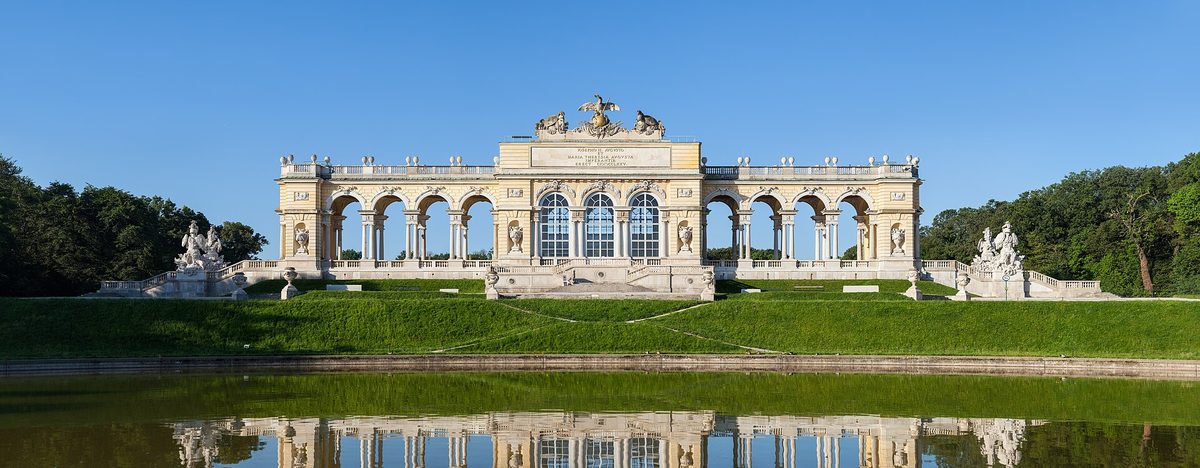
8. Budapest, Hungary
Two cities that merged: hilly, quiet, castle-topped Buda on the west bank and flat, dense, nineteenth-century Pest on the east. The Danube between them is wide enough that the views from either side are proper panoramas rather than glimpses, and the Parliament building lit up at night from the Buda embankment is one of the sights of Europe.
The baths are the reason to prioritise Budapest over other central European capitals. This is a city built on thermal springs, with a bathing culture that runs from the Ottoman period through to the enormous neo-Baroque Széchenyi complex, where men play chess on floating boards in outdoor pools at 38°C in February. Entry runs somewhere around €25-€35 at the time of writing, depending on the day and whether you take a cabin or a locker. Gellért is the prettiest, Rudas is the most historic and has a rooftop pool over the river, Széchenyi is the most fun.
Where to eat and drink. The Jewish Quarter in District VII for the ruin bars, of which Szimpla Kert is the original and the most touristed but still the best-looking. Beyond that, Budapest has quietly become a serious food city. The Central Market Hall on the Pest side is worth an hour for lángos alone.
Costs. Among the cheapest capitals in this guide at €85-€105 a day. The accommodation tax moved from a percentage to a flat nightly charge of about 800 forint, roughly €2, in most districts from January 2026. Public transport is cheap and the M1 metro line, the second-oldest underground railway in the world after London’s, is a small delight in itself.
When. April, May, September and October. Summer gets hot and the baths get rammed.
Nights: three. The Eastern Europe travel guide covers the wider region.

9. Berlin, Germany
Berlin is not a beautiful city and it does not want to be. It is a city about the twentieth century, told with more honesty than any other capital tells its own history, and that is worth more than a pretty skyline.
The historical sites are the spine of any first visit and they are unusually well handled. The Memorial to the Murdered Jews of Europe is 2,711 concrete slabs on a sloping site that you walk into rather than look at, and the underground information centre beneath it is quietly devastating. The Topography of Terror sits on the excavated foundations of the Gestapo headquarters and is free. The East Side Gallery is a 1.3km stretch of the Wall painted by artists in 1990. The Stasi Museum in Lichtenberg is out of the way and worth the trip.
Then there is the other Berlin, which is the reason people move here. Cheap by capital-city standards, enormously spread out, full of ex-industrial buildings converted into things, and with a nightlife that starts later than you think and takes itself seriously about it. Kreuzberg and Neukölln for that. Prenzlauer Berg if you want something calmer with better breakfast.
Practicalities. €125-€145 a day, 7.5% accommodation tax, and Museum Island’s day pass covering five museums is one of the better culture deals in Europe. Berlin is huge, so factor in transit time. The Pergamon Museum has been closed for a major renovation and is not expected back in full for years, which surprises people who have it on their list.
When. May, June and September, and Berlin handles August better than most European capitals because it is big enough to absorb it.
Nights: four. Three is not enough for the distances involved. See the Germany travel guide for the rest.

10. Lisbon, Portugal
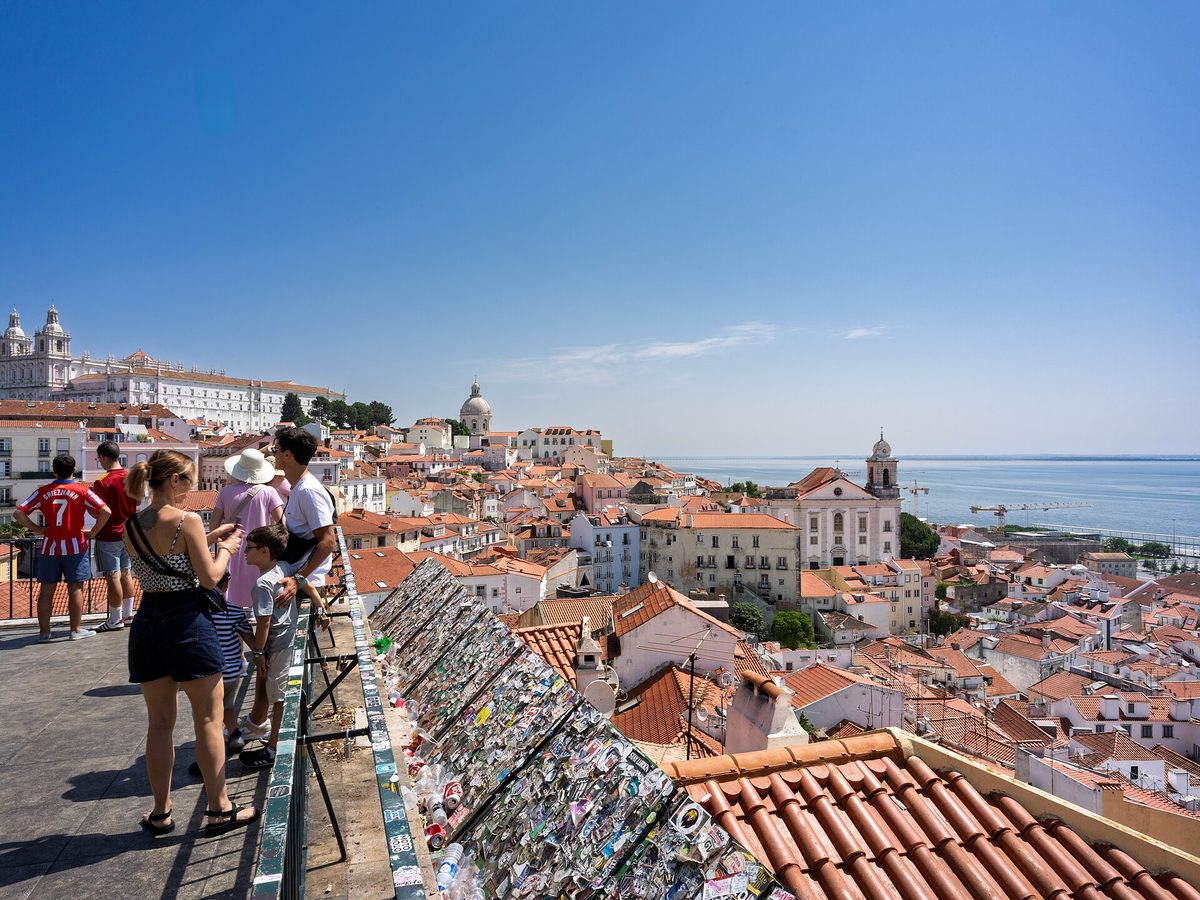
The light is the thing. Lisbon sits on the north bank of the Tagus estuary facing south-west, and the combination of Atlantic air, river reflection and pale limestone paving produces an afternoon light that photographers travel for. Add seven hills, tiled facades on ordinary apartment buildings, and viewpoints on every ridge, and you have a city that is beautiful in a way that has nothing to do with monuments.
Alfama, the old Moorish quarter that survived the 1755 earthquake, is a maze you should get lost in on purpose. Belém, out west along the river, has the Jerónimos Monastery and the Torre de Belém, both UNESCO-listed and both worth pre-booking. Between them the Baixa grid, rebuilt after the earthquake to what was effectively the first earthquake-resistant urban plan in Europe.
The tram. Tram 28 is famous, is on every list, and is now so crowded and so heavily pickpocketed that I would skip it or ride it at seven in the morning from the Martim Moniz terminus. Tram 12 covers a shorter loop and is rarely more than half full.
Costs. Lisbon is no longer cheap, which is the single biggest change of the last decade. Budget €120-€140 a day. The tourist tax rose to about €4 a night and caps at seven nights. Food is where the value survives: a pastel de nata is a little over a euro, a plate of grilled fish in a tasca is €10-€14, and the wine is absurdly underpriced.
When. March through May and October. Lisbon in July and August is hot, and the hills stop being charming at 34°C.
Nights: three, plus a day in Sintra, which needs its own timed ticket for Pena Palace. The Portugal travel guide has the details.
11. Madrid, Spain
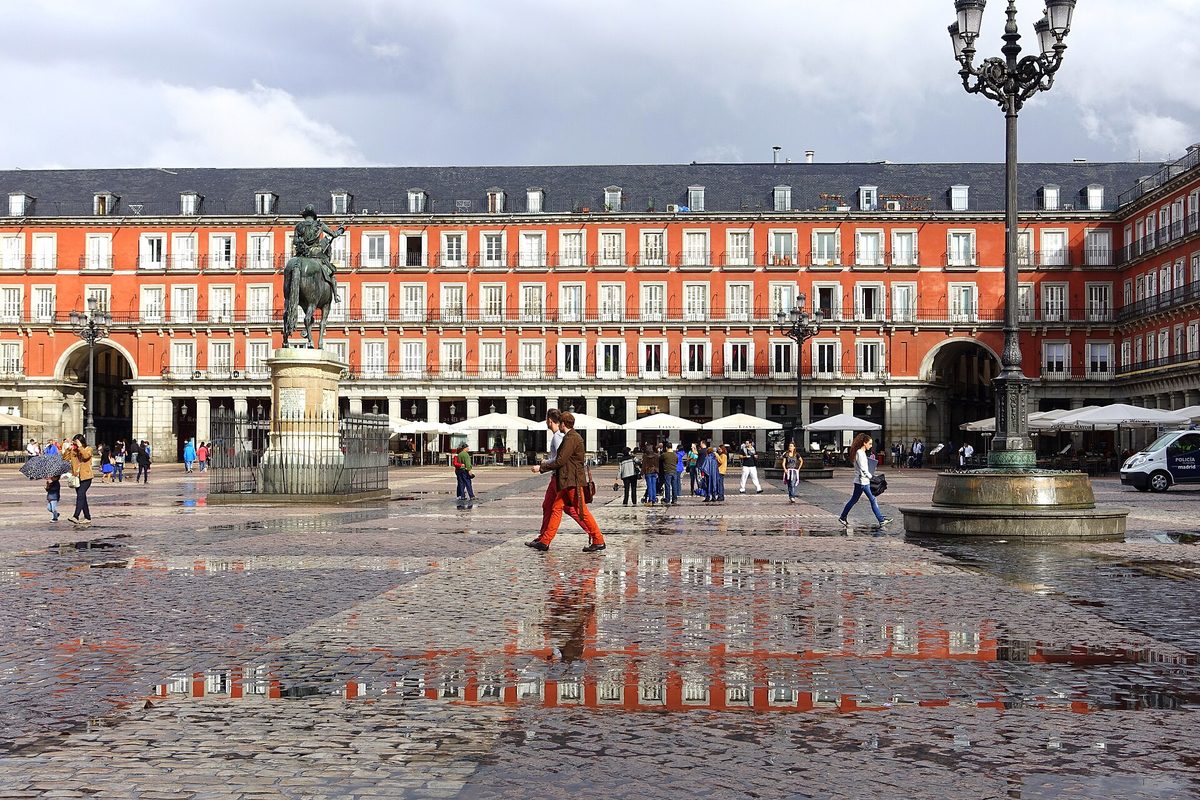
Madrid loses to Barcelona in every photograph and beats it in almost every other respect. It is bigger, less visited, less protested, cheaper, and it eats better. If Barcelona is the city you see, Madrid is the city you inhabit. Our full guide to things to do in Madrid has every price and free museum window.
The art is the headline. The Prado, the Reina Sofía and the Thyssen-Bornemisza sit within a fifteen-minute walk of each other and together constitute one of the two or three best concentrations of painting on earth: Velázquez’s Las Meninas and the Goya black paintings in the first, Picasso’s Guernica in the second, and a comprehensive sweep of everything else in the third. All three have free entry windows in the evening, which are busy and cost nothing.
Eating. Madrid keeps hours that make no sense until you adapt: lunch at two thirty, dinner at ten. La Latina on a Sunday after the Rastro flea market, tabernas in Chueca and Malasaña, and Sobrino de Botín if you want roast suckling pig in a dining room that has been open since 1725 and holds the Guinness record as the world’s oldest restaurant. Vermouth on tap at midday is a real institution and not a gimmick.
Costs. €130-€150 a day, and unusually for a major capital there is no municipal tourist tax at the time of writing. Metro is cheap, extensive and clean.
When. April, May, October. Madrid sits at 650m on a plateau and swings hard: over 35°C routinely in July and August, properly cold in January.
Nights: three, with Toledo and Segovia both under 35 minutes away by high-speed train.
12. Athens, Greece
Most people treat Athens as an airport with ruins attached, give it a day and a half, and fly to an island. Our rundown of the best things to do in Athens makes the case for staying longer. That was a defensible plan fifteen years ago. It is a bad plan now, because Athens has spent the last decade becoming an actual destination: a serious food scene, a proper contemporary art circuit, and neighbourhoods like Koukaki, Pangrati and Metaxourgeio that reward wandering.
The Acropolis remains the reason to come and it now runs a timed-entry system with hourly caps introduced to manage the summer load, so a slot is not optional. Take the first entry of the day, at eight, or the last two hours before closing. Midday on the rock in July is direct sun on marble with no shade and it is dangerous rather than merely uncomfortable. The Acropolis Museum at the foot of the hill is superb and air-conditioned, and its top floor is aligned with the Parthenon itself so you can see the frieze in the orientation it was carved for.
What else. The Ancient Agora is more atmospheric than the Acropolis and half the price. The National Archaeological Museum is outstanding and consistently empty. And the rooftop bar culture is not a cliché: half the city’s bars have a terrace with the Parthenon lit up in the middle distance.
Costs. €100-€120 a day. A combined archaeological sites ticket covers seven locations and is much better value than paying individually. The climate resilience levy on accommodation is charged per room rather than per person, is seasonal and tiered, and runs from about €0.50 a night at the bottom of the range to €15 for luxury hotels in high season.
When. April, May, October. Athens in August is 38°C and the locals have left.
Nights: three. The Greece travel guide covers the islands, and the ferry port at Piraeus is about 20 minutes from the centre by metro.

13. Istanbul, Turkey
Istanbul is the largest city in Europe, sits on two continents, and has been the capital of three empires. Nothing else on this list operates at that scale. It also happens to be the best-value major city in the guide by a wide margin, which is a rare combination.
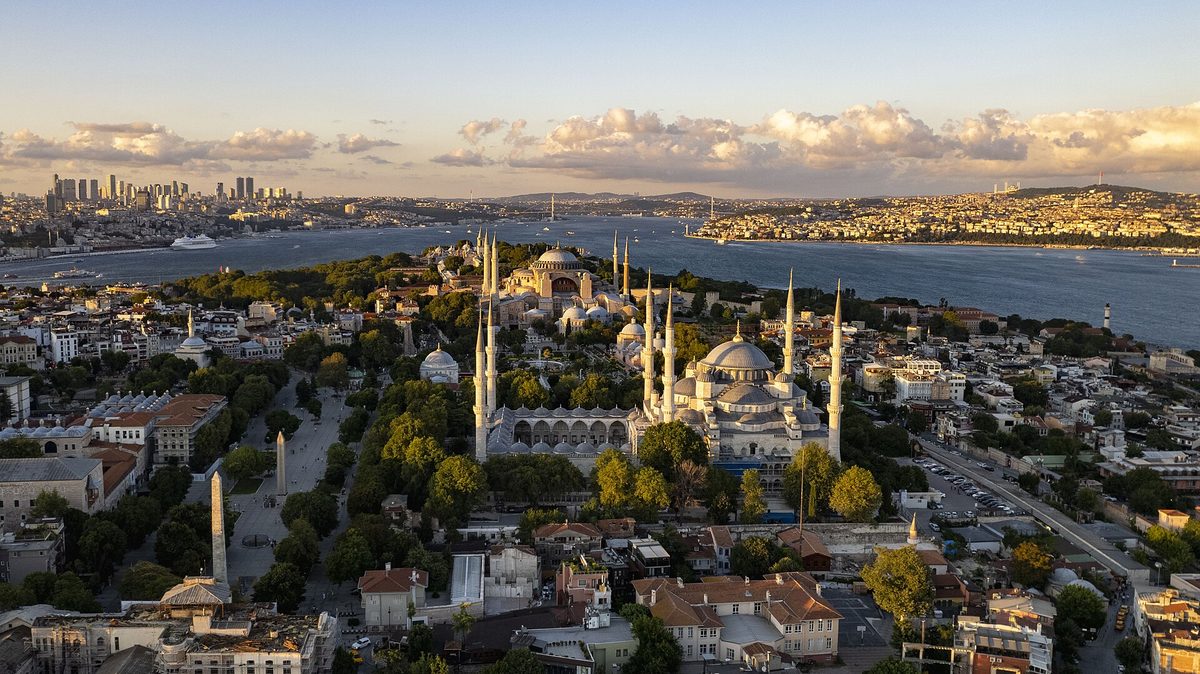
The Sultanahmet core holds the headline monuments within a few hundred metres of each other: Hagia Sophia, built as a cathedral in 537, converted to a mosque, then a museum, and reconverted to a mosque in 2020 with an upper-gallery ticket for visitors; the Blue Mosque across the square; the Basilica Cistern underneath, which is a sixth-century underground reservoir with 336 columns and is far stranger than photographs suggest; and Topkapı Palace, where the Harem section is a separate ticket and is the part worth paying for.
The part I would not skip. The Bosphorus. A public ferry up the strait costs a few lira on an Istanbulkart and gives you two hours of waterfront palaces, wooden mansions and two continents. The tourist cruise costs many times more for the same water. Get off at Anadolu Kavağı or Kanlıca and eat.
Costs. €70-€90 a day, and that is a comfortable version. The lira’s long slide means foreign visitors get significant purchasing power, though monument entry has been repriced in euro terms for non-residents and Hagia Sophia in particular is no longer cheap. Accommodation tax was cut to 1% for the rest of 2026.
When. April, May, September, October. Summer is hot and humid; winter is grey, wet and atmospheric.
Practical note. Turkey is not in the Schengen area, so a visit here does not count against your 90-day Schengen allowance. Check current visa requirements for your nationality before travelling. The Turkey travel guide covers the rest of the country.
Nights: four. Istanbul punishes short visits.
14. Copenhagen, Denmark
Expensive, and worth it. Copenhagen is designed in the literal sense: someone has thought carefully about the surfaces you walk on, the way the harbour meets the street, the width of the cycle lanes and whether it is possible to swim in the middle of a capital city. It is, from harbour baths at Islands Brygge and Sandkaj, in water clean enough that people bring children.
The food is the other reason. Noma’s influence rewired Nordic cooking and the fallout is a city with an unusual density of good restaurants at every level, from the tasting menus down to Reffen street food market and the smørrebrød counters that do open sandwiches as a serious craft rather than a lunch.
What to see. Tivoli Gardens, which opened in 1843 and is a lovely nineteenth-century pleasure garden rather than a theme park. Nyhavn, which is the postcard and takes ten minutes. The Design Museum. Christiania, the self-governing community in Christianshavn, which is worth understanding rather than gawping at. And Louisiana Museum of Modern Art, 35 minutes north by train, sitting on a clifftop over the Øresund with sculpture in the garden, which is my single favourite thing in Denmark.
Costs. €200-€230 a day, which is the highest in this guide alongside Reykjavík. There is no accommodation tax, which helps slightly. Cycle hire and the free harbour buses that run as part of the public transport network reduce the transport line considerably.
When. May, June and August. Danish winter is dark by four in the afternoon.
Nights: three. The Scandinavia travel guide covers the wider trip, and Malmö in Sweden is 35 minutes over the bridge.

15. Stockholm, Sweden
Stockholm is built across fourteen islands where Lake Mälaren meets the Baltic, and roughly a third of the city’s area is water. That geography does most of the work. You are constantly crossing bridges, seeing long views down channels, and getting on boats, which is not something most European capitals can offer.
Gamla Stan, the old town on its own island, is small, ochre-coloured and beautiful, and is also the one bit that gets properly crowded. Djurgården, the green island, holds the two museums that justify the trip: the Vasa Museum, containing a warship that sank on her maiden voyage in 1628 and was raised almost intact in 1961, which is the most extraordinary single object I have seen in any museum in northern Europe; and Skansen, the world’s oldest open-air museum. Södermalm to the south is where to eat and drink.
The archipelago. 30,000 islands stretching east into the Baltic, reachable on scheduled public ferries from the city centre. Vaxholm in an hour, Grinda or Sandhamn in two or three. If you are here in summer and you do not get on one of those boats, you have missed the point of Stockholm.
Costs. €175-€195 a day. No tourist tax. Sweden is effectively cashless, so a card is essential and cash is close to useless.
When. June, July and August, and unusually I mean that. Stockholm’s high summer, with light until eleven at night and the whole city outdoors, is a different and much better city than Stockholm in November.
Nights: three.

16. Edinburgh, UK
Edinburgh came top in Europe in Time Out’s 2026 global survey of the world’s most beautiful cities, voted by residents, with 84% saying so, and was second worldwide behind Cape Town. Having spent a lot of time there I do not think that is city pride talking. The Old Town runs along a volcanic ridge with a castle at one end and a palace at the other, the New Town below it is the finest Georgian townscape in Britain, and there is a 251-metre extinct volcano inside the city boundary that you can climb in 45 minutes for a view over the whole thing to the Firth of Forth.
August is a decision, not a default. The Fringe is the largest arts festival in the world and turns the city into something extraordinary and completely impossible: accommodation prices triple or worse, the Royal Mile becomes impassable, and you need to book six months out. If you want the festival, commit early. If you want Edinburgh, come in May, June or September instead.
What to do. The castle is expensive and busy and I would still go, for the Honours of Scotland and the view. The National Museum of Scotland is free and outstanding. Arthur’s Seat at sunrise. Dean Village and the Water of Leith walkway. And Leith, the old port, which has the best restaurants in the city and a couple of Michelin stars.
New for 2026. Edinburgh introduced the UK’s first statutory visitor levy on 24 July 2026: 5% of the accommodation cost, capped at five consecutive nights. Budget for it, because it is not in the headline room rate.
Nights: three.

17. Dublin, Ireland
Dublin is the smallest capital in this section and the one where the value proposition has slipped most. Accommodation costs have risen sharply and the city centre has a lot of tourist-facing business that is not very good. I still recommend it, with a shorter stay and a clear plan.
The literary heritage is the actual reason the city matters rather than a marketing angle. Trinity College’s Old Library and the Book of Kells, the Museum of Literature Ireland on St Stephen’s Green, and the pubs where Joyce, Behan and Kavanagh drank and which are still pubs. Four Nobel laureates in literature from a city of this size is a strange and real thing.
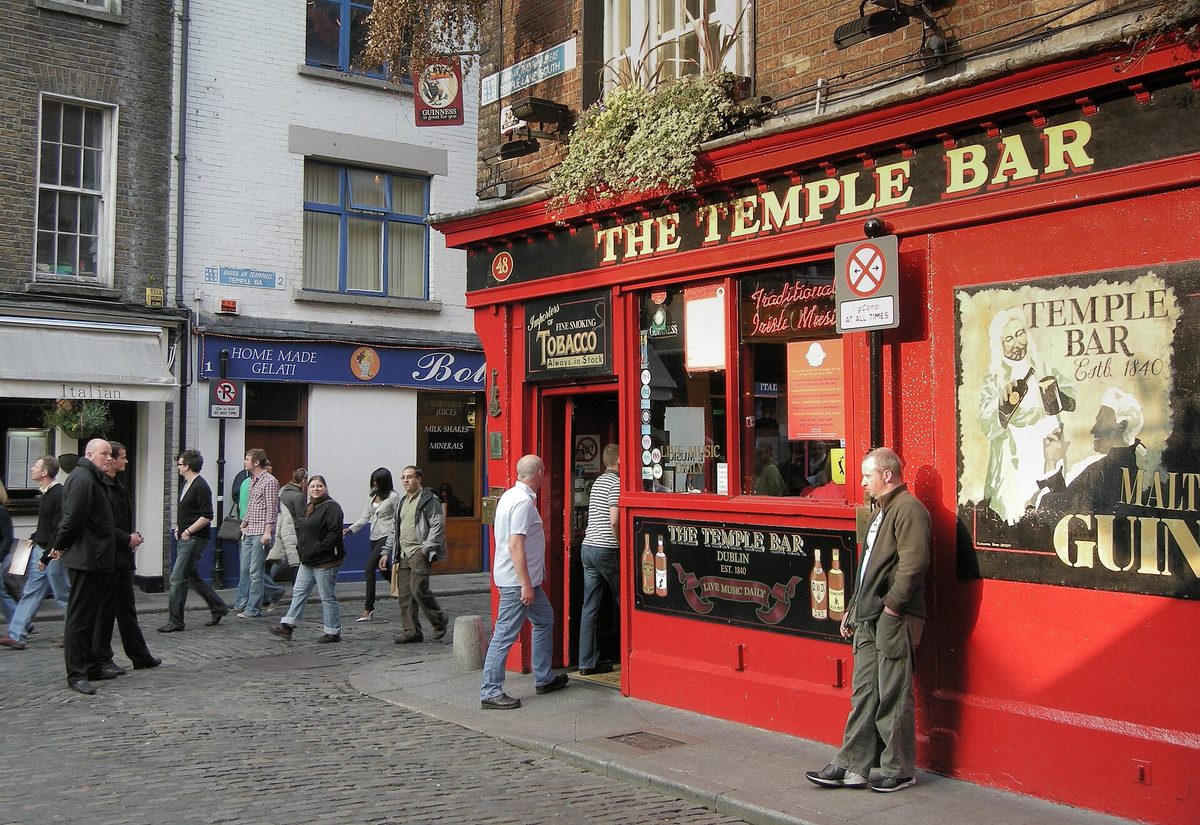
Where I drink. Not Temple Bar, where a pint can run past €9 and the trad music is scheduled. The Long Hall, Kehoe’s, the Palace Bar, Grogan’s. All within fifteen minutes of Temple Bar and all considerably better.
Costs. €170-€190 a day and no tourist tax. A pint in an ordinary pub costs meaningfully less than in Temple Bar, where the tourist premium is real and visible.
When. May, June, September. Ireland’s weather is unreliable in every month, so pack for rain regardless and read the Ireland travel guide for the rest of the island, which is where the country really opens up.
Nights: two in the city, then hire a car and leave.
Art, old stone and the cities you go to for one specific thing: 18 to 26
Nine cities where the reason to visit is unusually concentrated. In most cases that means you can do them properly in two or three nights, and in two cases it means you should not stay longer than that.
18. Florence, Italy
The historic centre of Florence is about a kilometre across and contains more consequential art than most countries. That density is a gift and a trap: it is very easy to spend three days queueing.
The Uffizi and the Accademia both need timed tickets bought well ahead. The Accademia holds Michelangelo’s David and takes 45 minutes, and I would book it for the first slot of the day. The Uffizi needs three hours and rewards a plan. Brunelleschi’s dome on the cathedral requires a separate reservation, involves 463 steps and a narrow section between the inner and outer shells, and is not for anyone claustrophobic.
The bit that saves the trip. Cross the Arno to the Oltrarno. Santo Spirito, San Frediano, the artisan workshops on Via di Santo Spirito that are still doing gilding and bookbinding and leather. It is five minutes from the Ponte Vecchio and it is a different city: quieter, cheaper, still lived in.
Costs and timing. €155-€175 a day, with an accommodation tax tiered by hotel class that has been revised more than once recently, so check the current rate at booking. April, May and October. Florence in July is hot, airless and jammed, and the queue for the Duomo is in full sun.
Nights: three, with Siena, Lucca or the Val d’Orcia as a day out.

19. Venice, Italy
Venice is the most-criticised destination in Europe and it is still one of the most astonishing places on the planet. A city of 118 islands with no cars, built on wooden piles driven into a lagoon in the ninth century, that became a maritime superpower and then spent four hundred years slowly and gorgeously declining. There is no substitute.
The rule is simple: stay overnight, and walk. Almost all the misery of Venice is concentrated in the day-tripper hours between eleven and five in the corridor from the station to St Mark’s. Sleep in the city and you get the mornings and the evenings, when the calli empty out and the whole thing becomes quiet and slightly haunted, which is when it is at its best. Cannaregio and Castello are where I stay, both a short walk from the centre and both full of Venetians.
The access fee. Venice charges day visitors an entry fee on selected busy dates: €5 booked in advance and €10 for last-minute bookings, running across roughly sixty days in spring and early summer 2026. Overnight guests are exempt, but you must still register. Check the official calendar for the dates that apply to your trip.
What to do. St Mark’s Basilica needs a timed booking and the mosaics deserve twenty unhurried minutes with your head back. The Doge’s Palace is worth it. The Accademia and the Peggy Guggenheim are both excellent and neither is crowded. The vaporetto down the Grand Canal on line 1 is the cheapest great boat ride in Europe. Skip the gondola unless you really want it at roughly €90 for thirty minutes, and if you do, take it in the back canals rather than the Grand Canal.
When. February for Carnival if you like a spectacle, April or November for the city. Avoid July and August entirely. The acqua alta flooding season runs roughly October to January and the MOSE barriers now hold back most of it, but bring waterproof boots in November.
Nights: two, three if you are going out to Torcello and Burano.

20. Seville, Spain
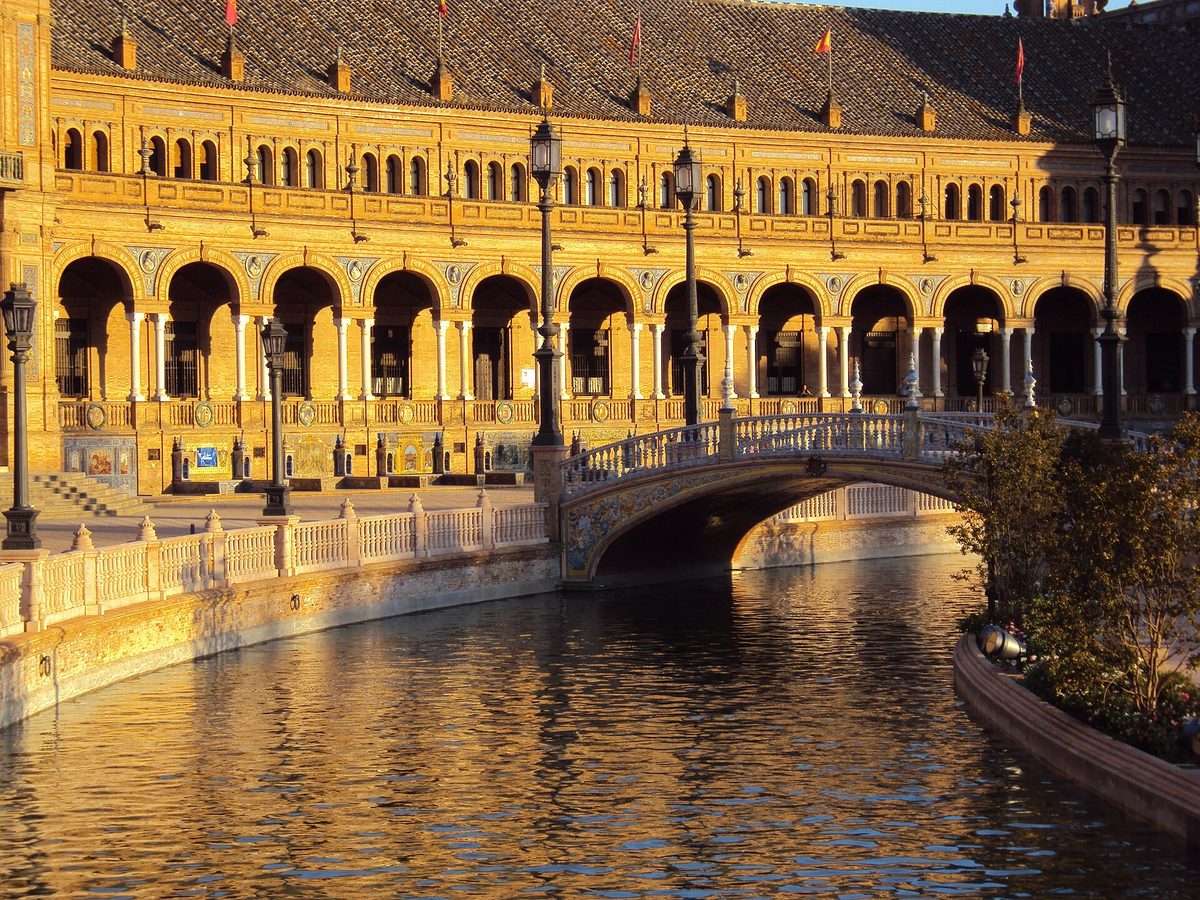
Seville is the best-looking city in Spain and the one where the Moorish and Christian layers sit most visibly on top of each other. The Real Alcázar is a working royal palace begun under Muslim rule and extended for six centuries afterwards, and its Mudéjar courtyards are as beautiful as anything in Granada without the ticketing drama. Book ahead anyway.
The cathedral is the largest Gothic church in the world by volume, built on the footprint of the mosque it replaced, with the mosque’s minaret still standing as the Giralda bell tower. You climb it by ramp rather than stairs, because it was designed for a man on horseback.
Flamenco. Seville is where to see it and the difference between the tourist show and the real thing is enormous. Look for a tablao with a small room and no dinner attached, or better, a peña. La Casa del Flamenco and Casa de la Memoria both do honest versions at around €20-€25.
Timing matters more here than anywhere. Seville regularly exceeds 40°C in July and August and it is not a dry heat you can walk around in. March, April, October and November. Semana Santa and the Feria de Abril are extraordinary and double the price of everything.
Costs. €110-€130 a day and no municipal tourist tax at the time of writing, which makes Seville one of the better value propositions in western Europe.
Nights: three.
21. Porto, Portugal
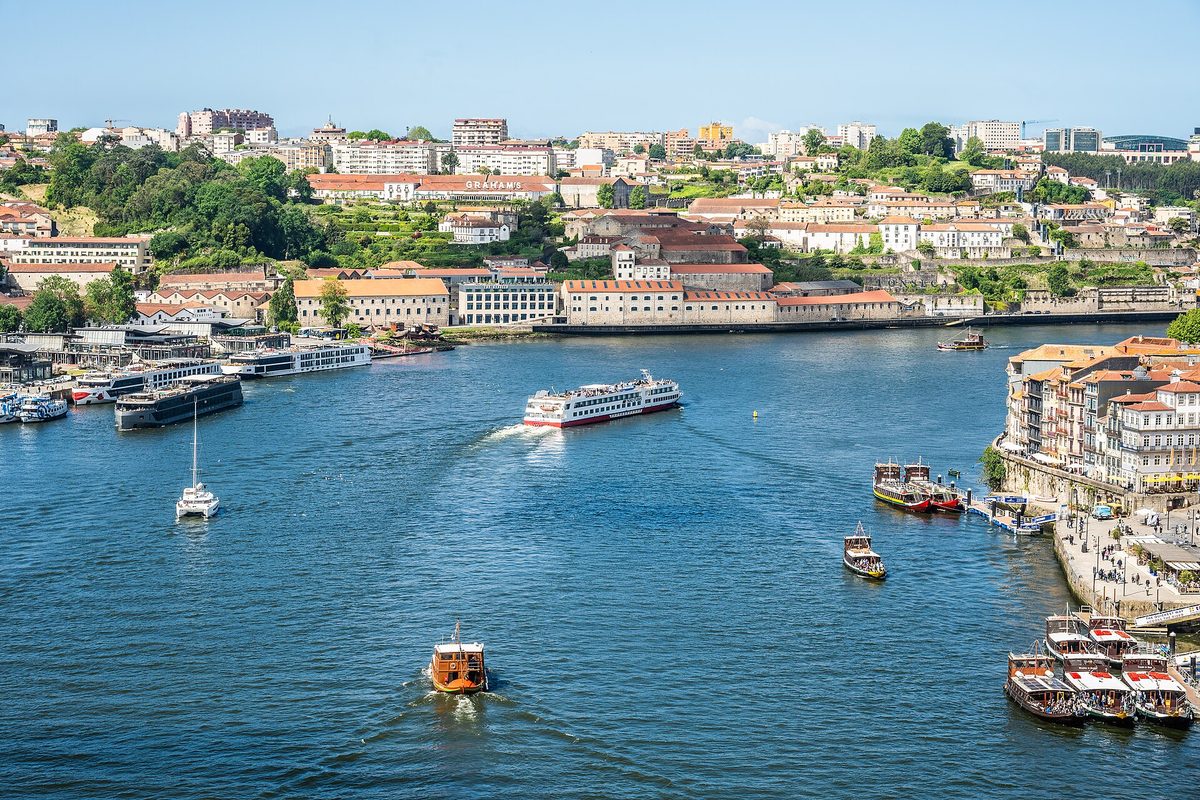
Porto is smaller, steeper and grittier than Lisbon and a lot of people, me included, prefer it. The old town tumbles down a granite gorge to the Douro, the buildings are tiled and half of them are peeling, and the whole Ribeira waterfront is UNESCO-listed.
The port lodges are across the river in Vila Nova de Gaia, connected by the upper deck of the Dom Luís I bridge, which is a slightly alarming walk with a very good view. Tastings at Taylor’s, Graham’s or Cálem run roughly €20-€35 including a tour, and the difference between tawny and ruby will stop being abstract within about ten minutes. Do it in the afternoon and eat afterwards.
What else. Livraria Lello, the neo-Gothic bookshop, charges an entry fee redeemable against a book and is now so crowded that I would only go at opening. The Sé cathedral and the São Bento station atrium, lined with 20,000 azulejo tiles, are both better and both free. And the Douro Valley upriver is one of the great train journeys in Europe: the Linha do Douro from São Bento to Pocinho runs alongside the river through terraced vineyards for about three and a half hours and costs very little.
Costs. €105-€125 a day, tourist tax around €3 a night. Cheaper than Lisbon across the board.
When. May, June, September, October. Porto gets more Atlantic rain than Lisbon and winter is wet.
Nights: three.
22. Kraków, Poland
Kraków has the largest medieval market square in Europe, a castle on a limestone hill above the Vistula, and a former Jewish quarter in Kazimierz that has become the most interesting neighbourhood in Poland. It is also very cheap: €70-€90 a day mid-range, with no tourist tax and beer at well under half what you would pay in western Europe.
Wawel Castle and cathedral occupy most of a morning. The Rynek Główny is the square, and the Cloth Hall in the middle of it has been a trading building since the 1300s. St Mary’s Basilica has the Veit Stoss altarpiece, the largest Gothic altarpiece in the world, and a trumpeter who plays a broken-off fanfare from the tower every hour.
Auschwitz-Birkenau. An hour and a half away and the reason many people come. Entry is free but requires a reserved time slot booked well in advance, and the busiest middle-of-the-day slots can only be booked as part of a guided tour. Allow a full day, go with the expectation that it will be difficult, and do not plan anything for the evening.
Kazimierz. Seven synagogues, the Galicia Jewish Museum, and a bar and food scene that is the best in the country. Plac Nowy for zapiekanka at two in the morning.
When. May, June, September. Winter is properly cold and the Christmas market on the Rynek is lovely.
Nights: three, one of which is Auschwitz.

23. Granada, Spain
You come for the Alhambra. Everything else is a bonus and the bonus is substantial, but let us be honest about the ordering.
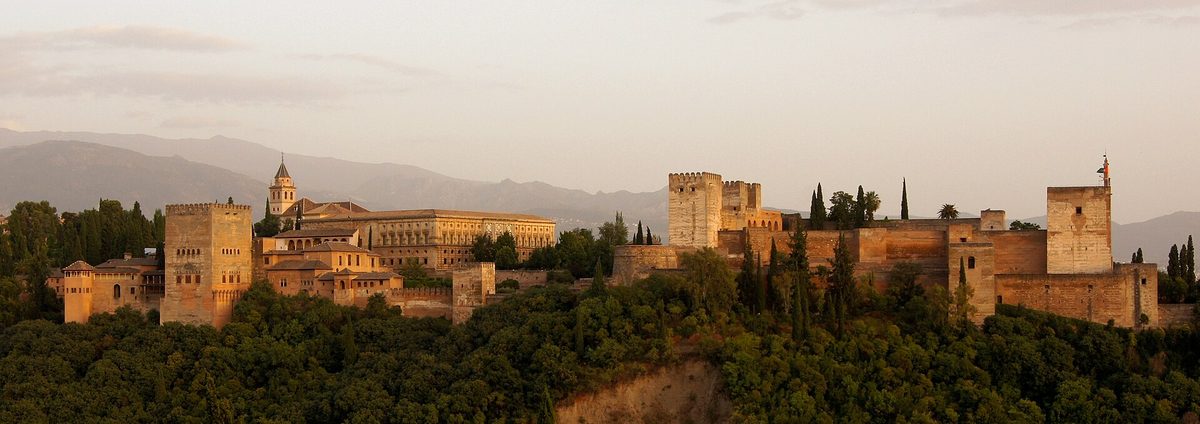
The Alhambra is the best-preserved medieval Islamic palace complex in the world and the Nasrid Palaces within it are the specific part that will stay with you: rooms of carved stucco and muqarnas vaulting so fine it looks like frost. Tickets are capped, sell out weeks ahead in high season, and carry a half-hour timed entry slot for the Nasrid Palaces specifically that you cannot be late for. Buy from the official site, not a reseller, and buy the moment you know your dates. This is the single most common trip-ruining booking failure in Spain.
The rest of Granada. The Albaicín, the old Moorish quarter opposite the Alhambra, with the view from the Mirador de San Nicolás at sunset. Sacromonte and its cave dwellings. And the free tapas: Granada is one of the last Spanish cities where ordering a drink brings a plate of food with it at no extra cost, which makes an evening here remarkably cheap.
Costs. €100-€120 a day. No municipal tourist tax currently. Alhambra general entry runs around €22.
When. March, April, October, November. Granada sits at 738m below the Sierra Nevada, so it is colder in winter than people expect and very hot in summer.
Nights: two.
24. Munich, Germany
Munich is Germany’s most conservative and most comfortable big city, and it is unusually good for combining an urban trip with mountains. The Alps start about an hour south by train. Salzburg is an hour and a half. Neuschwanstein is a two-hour day trip.
In the city itself: the Marienplatz and its glockenspiel, which is a fifteen-minute mechanical performance that everyone watches once; the Residenz, the Wittelsbach palace, which is enormous and much less visited than Schönbrunn; and the Pinakothek museums, three of them, covering old masters through to contemporary. The Englischer Garten is bigger than Central Park and has a standing wave on the Eisbach where surfers queue in wetsuits all year, which is one of the more surreal sights in Europe.
Beer gardens. A Bavarian institution with a specific rule that people do not know: at a traditional Biergarten you may bring your own food and buy only the beer. The Chinesischer Turm in the Englischer Garten and the Augustiner-Keller are the two I would choose.
Oktoberfest runs from mid-September into the first days of October, despite the name. It is enormous, it triples accommodation prices across the city, and tent tables need reserving months ahead. Come for it deliberately or avoid those dates deliberately.
Costs. €155-€175 a day, and Munich has no municipal accommodation tax, which is unusual for a city this size.
Nights: three.

25. Hamburg, Germany
Hamburg has more bridges than Venice, Amsterdam and London combined, a working port that is one of the largest in Europe, and almost no international tourists. It is the most underrated big city in Germany by a distance.
The Speicherstadt is the world’s largest warehouse district built on timber piles, red-brick neo-Gothic, UNESCO-listed since 2015, and best seen at night when it is lit and reflecting in the canals. The Elbphilharmonie, the concert hall on top of an old warehouse, has a public viewing plaza at 37 metres that is free with a timed ticket and gives you the whole harbour.
The other Hamburg. St Pauli and the Reeperbahn, which is a red-light district and also where the Beatles played 281 nights in 1960 and 1961 and learned to be a band. The Sunday morning Fischmarkt, which has run since 1703 and starts at five in the morning, where you can buy a bucket of eels from a man shouting at you and then go into the Fischauktionshalle for a beer and a live band at eight.
Costs. €135-€155 a day. Accommodation tax is tiered by room rate and comes to a few euro a night.
When. May, June, August and September. Hamburg is northern and grey outside those months.
Nights: two.

26. Dresden, Germany
Dresden was destroyed in February 1945 and the historic core has been painstakingly rebuilt, most famously the Frauenkirche, which sat as a pile of rubble until reconstruction began in the 1990s using original stones wherever they could be identified. The dark patches in the facade are the salvaged originals. Knowing that changes how the building looks.
The Zwinger palace complex, the Semperoper opera house and the Green Vault treasury are all within a few minutes of each other. The Historic Green Vault requires a timed ticket with a capped number of visitors and is worth the fuss; it is a Baroque treasure chamber displayed as it was originally arranged rather than in cases.
Costs and timing. €100-€120 a day, accommodation tax 6% of the room rate. Go in May, June, September, or December for the Striezelmarkt, which has run since 1434 and is the oldest documented Christmas market in Germany.
Nights: two, and Saxon Switzerland national park with its sandstone pinnacles is 40 minutes away by S-Bahn.

The next fourteen: 27 to 40
Most of these get far less international attention than the seventeen above, and several are the best-value entries in the whole guide. Two exceptions sit in here for structural reasons rather than obscurity: Dubrovnik and Split are both very well known and both included because the Dalmatian coast has to be represented, and because the advice about when to go matters more there than almost anywhere.
27. Valencia, Spain
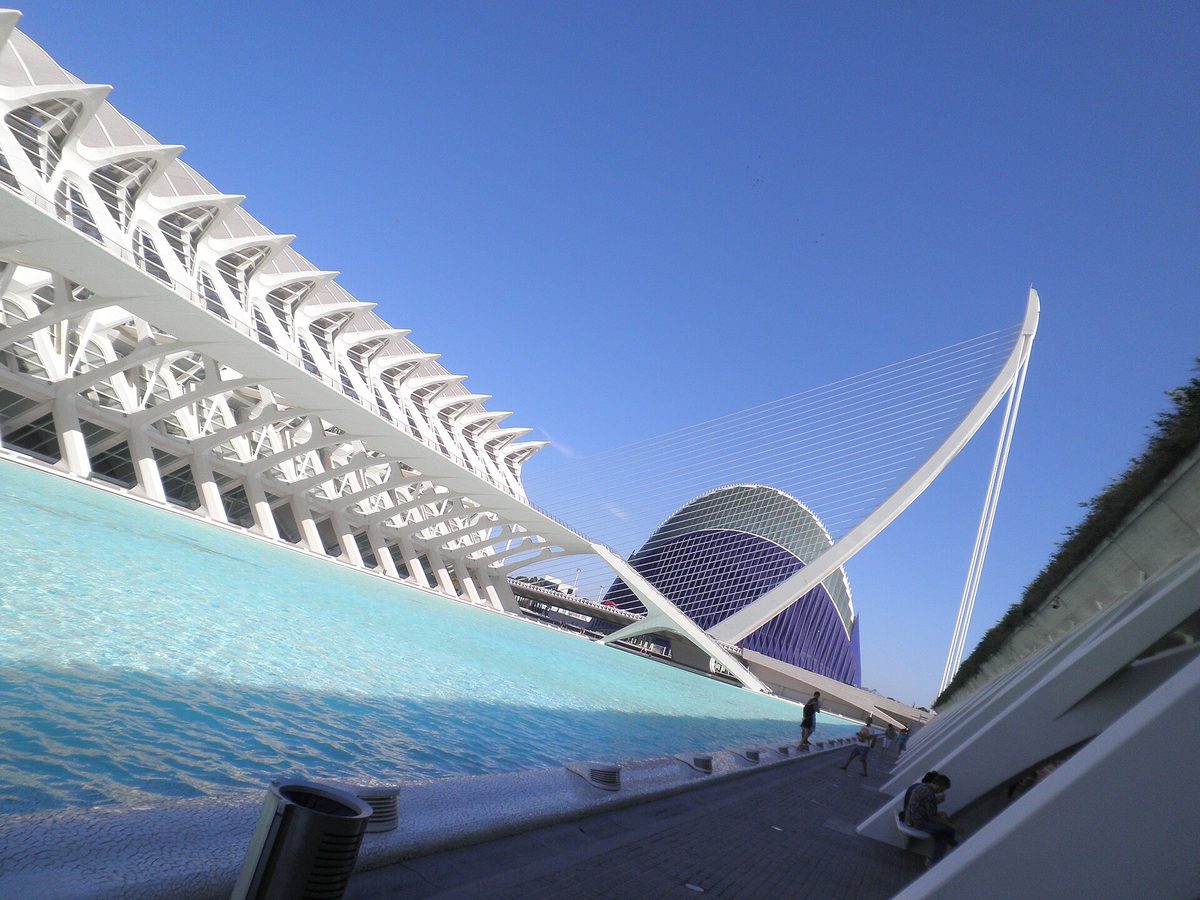
Spain’s third city has a medieval old town, a modernist market hall, three kilometres of city beach, and a nine-kilometre park running through a former riverbed that was diverted after a flood in 1957 and then, instead of becoming a motorway, became gardens. The Turia is a wonderful piece of urban planning and you can cycle its whole length.
At one end of it, Calatrava’s City of Arts and Sciences, which is a set of white concrete structures that look like something washed up from a future civilisation and which houses an aquarium, a science museum and an opera house. At the other, the Mercado Central, a 1928 iron-and-glass market with 1,200 stalls.
Paella comes from here, specifically from the rice fields of the Albufera lagoon just south, and Valencian paella contains chicken and rabbit rather than seafood. Eat it at lunchtime, which is when locals eat it, and preferably in El Palmar out at the lagoon.
Costs: €110-€130 a day, no regional tourist tax currently. When: March to May and October. Las Fallas in mid-March is a spectacular festival of giant sculptures burned in the street, and it fills the city completely.
Nights: three.
28. San Sebastián, Spain
A Belle Époque resort town on a shell-shaped bay in the Basque Country that happens to have one of the highest concentrations of Michelin stars per head anywhere in the world. That is the headline and it undersells the ordinary eating, which is the real reason to come. We have a full San Sebastián city guide covering the beaches, the day trips and what everything costs.
Pintxos are the Basque version of tapas and the format is specific: you go into a bar in the Parte Vieja, the counter is covered in small plates, you take what you want and tell them what you had at the end. Each bar has one or two things it does properly, so the correct approach is one pintxo and one small glass of txakoli per bar and then move on. Bar Nestor for the tortilla, of which they make two a day, Ganbara for the mushrooms, La Cuchara de San Telmo for the hot dishes cooked to order.
Between meals: La Concha beach, which is a proper crescent of sand in the middle of the city, and the funicular up Monte Igueldo for the view down the bay.
Costs: €155-€175 a day, and it is expensive for Spain. There is no visitor levy in 2026, though the Gipuzkoa province introduces one in January 2027. When: June and September. July and August are packed with French and Spanish holidaymakers and the Basque coast gets genuine Atlantic weather in winter.
Nights: three, with Bilbao and the Guggenheim an hour away.

29. Bordeaux, France
Bordeaux spent decades black with soot and traffic and then, from the late 1990s, cleaned every facade, pedestrianised the centre, put in a tram network and turned the riverbank into a promenade. The result is 350 protected buildings in a honey-coloured eighteenth-century core that is now UNESCO-listed as an entire urban ensemble, which is unusual.
The Place de la Bourse and its Miroir d’Eau, a two-centimetre-deep reflecting pool that alternates between mirror and mist, is the image everyone takes. La Cité du Vin, the wine museum in a building shaped like decanted wine, is properly good, and the ticket includes a tasting on the top floor with a view over the city.
The vineyards start twenty minutes out. Saint-Émilion is 40 minutes by train and is a medieval village with a church carved out of solid rock beneath it. Médoc châteaux mostly require a car or a tour.
Costs: €135-€155 a day. When: May, June, September, October, with harvest in late September. Paris is two hours away on the LGV.
Nights: two.

30. Ljubljana, Slovenia
A capital city of about 285,000 people with a castle on a hill, a river running through the middle lined with willows and cafés, and a car-free centre. It is the most pleasant small capital I know and it takes about twenty minutes to understand.
Jože Plečnik, the architect who shaped modern Ljubljana between the wars, is the thread that holds it together: the Triple Bridge, the central market colonnade, the National and University Library. His work was collectively added to the UNESCO World Heritage list in 2021 and it gives the city a coherence that most places this size do not have.
Ljubljana was European Green Capital in 2016 and it shows. Tivoli Park runs right into the centre, the river water is clean, and the whole place feels like it is run by people who like living in it.
Costs: €100-€120 a day, tourist tax about €3. When: May, June, September. Lake Bled is 40 minutes by bus and the Julian Alps start just past it.
Nights: two, and use it as a base.

31. Dubrovnik, Croatia
Dubrovnik has the most complete set of medieval city walls in Europe and the walk around them, two kilometres above terracotta roofs with the Adriatic on one side, is worth every bit of its reputation. The problem is scheduling.
On a heavy cruise day the old town takes several thousand extra people into a space you can cross in ten minutes, and it becomes unpleasant in a way that is hard to overstate. The city now limits cruise arrivals, but the limits are generous. Check the port’s published cruise schedule before you fix your dates. Then walk the walls at eight in the morning when they open, before the ships disembark and before the sun hits.
Beyond the walls: the cable car up Mount Srđ for the view, the Lokrum island ferry ten minutes offshore, and Cavtat down the coast, which is quiet and has boats back.
Costs: €165-€185 a day, which is high for Croatia. The walls ticket alone is around €40, which surprises people. When: May, June, September, October. Never July or August.
Nights: two. See the Croatia travel guide for the coast and islands.
32. Split, Croatia
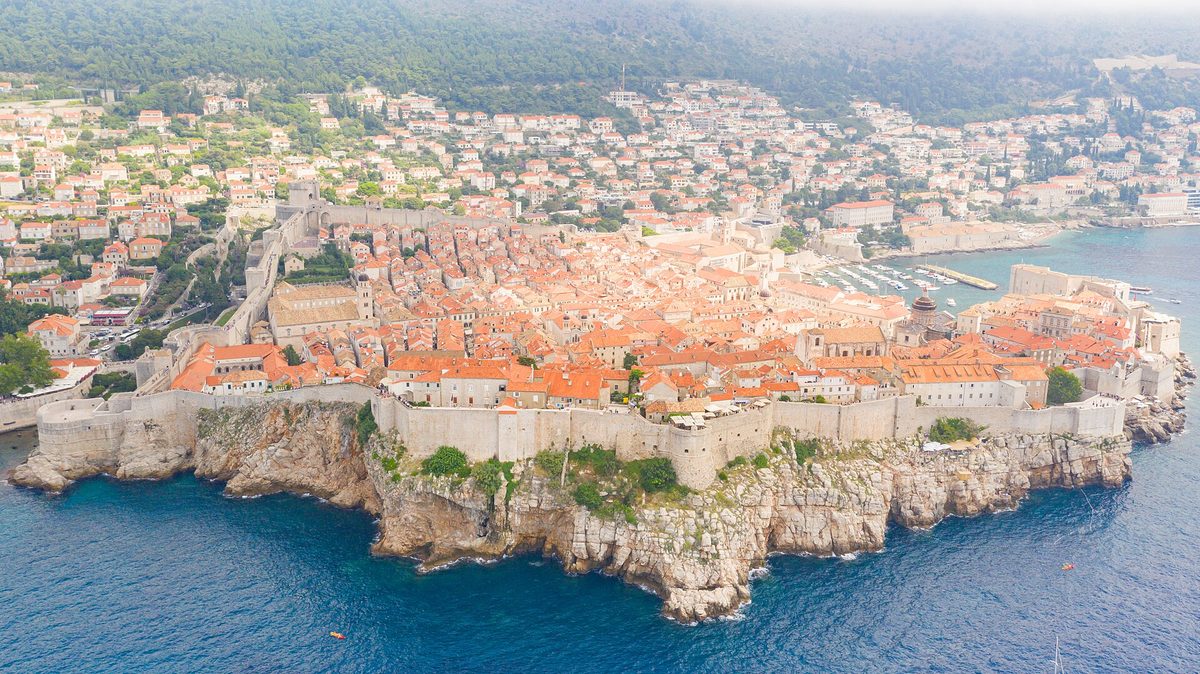
Split’s old town sits inside a Roman palace rather than beside one. Diocletian built his retirement palace here around AD 305, people never stopped living in it, and 1,700 years later the substructures are intact, the peristyle courtyard is a café, and there are apartments built into the imperial walls with washing hanging off them. Nothing else in Europe works quite like this.
It is also cheaper, larger and more lived-in than Dubrovnik, with a proper local population, a decent food scene along the Matejuška harbour, and the Marjan forest park rising behind the centre for a walk with views over both bays.
Split is the main ferry hub for the Dalmatian islands, so Hvar, Brač, Vis and Korčula all leave from here. That makes it the obvious base for a coastal trip rather than a destination you fly in and out of.
Costs: €125-€145 a day. When: May, June, September.
Nights: two in the city, more if you are island-hopping.
33. Ghent, Belgium
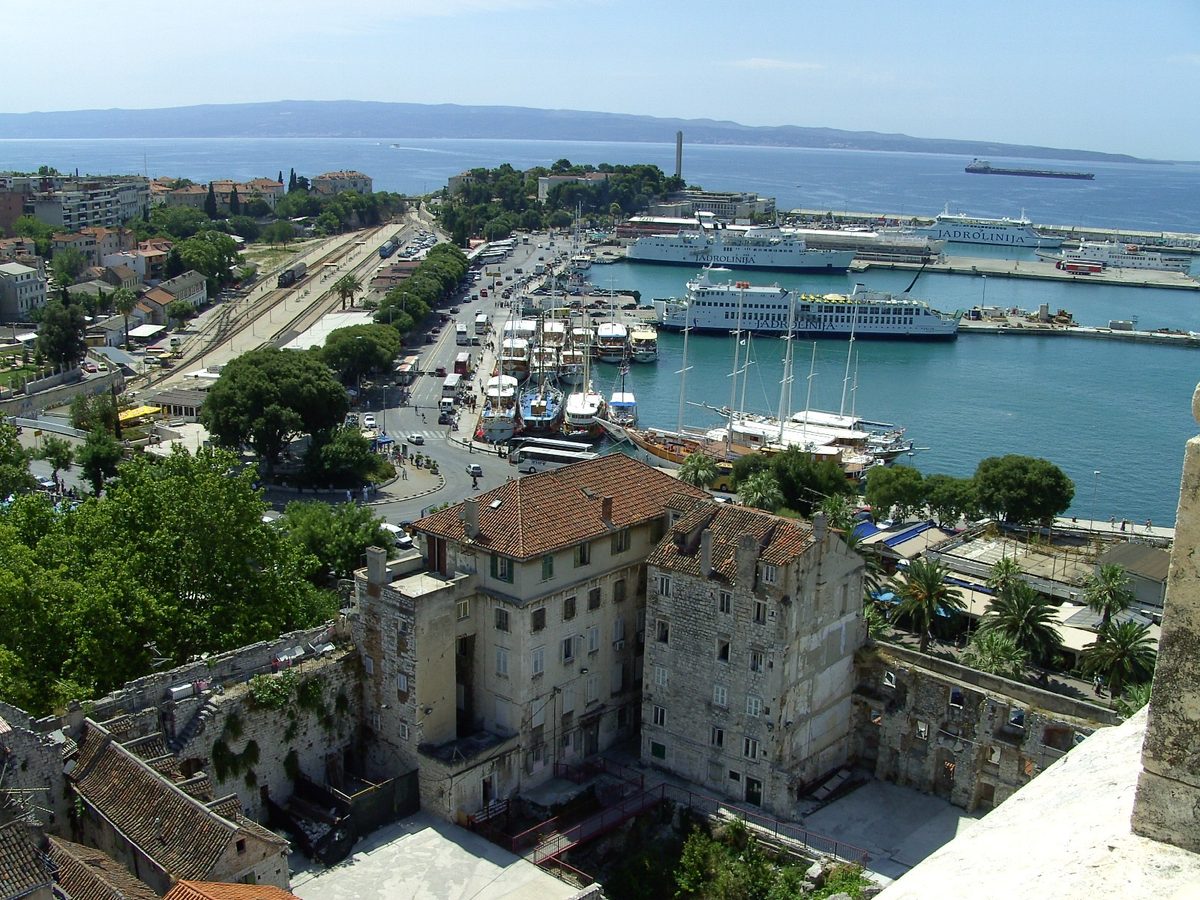
Bruges gets the visitors and Ghent gets my recommendation. They are 25 minutes apart by train, they share the same Flemish medieval bones, and the difference is that Ghent has a large university and therefore an actual population under thirty, which means the old town is a place people live rather than a preserved set.
The Graslei and Korenlei, facing guild houses along the old harbour, are the view, and at dusk with the lighting on it is one of the most beautiful urban scenes in northern Europe. St Bavo’s Cathedral holds the Ghent Altarpiece, the van Eyck brothers’ Adoration of the Mystic Lamb from 1432, which has been through a twenty-year restoration, was stolen more times than any artwork in history, and is now displayed in a purpose-built visitor centre with augmented reality. It is one of the most important paintings in the world and there is rarely a queue.
Ghent is also unusually good for vegetarians, having run a weekly meat-free day as city policy since 2009, which shaped the restaurant scene.
Costs: €125-€145 a day. When: April, May, September. Brussels is 30 minutes away, Bruges 25.
Nights: two.
34. Rotterdam, Netherlands
Rotterdam was flattened in May 1940 and rebuilt without nostalgia, which makes it the one major Dutch city with no old town and the densest run of modern architecture in the country. If you find canal-house prettiness a bit samey after a week in the Netherlands, this is the antidote.
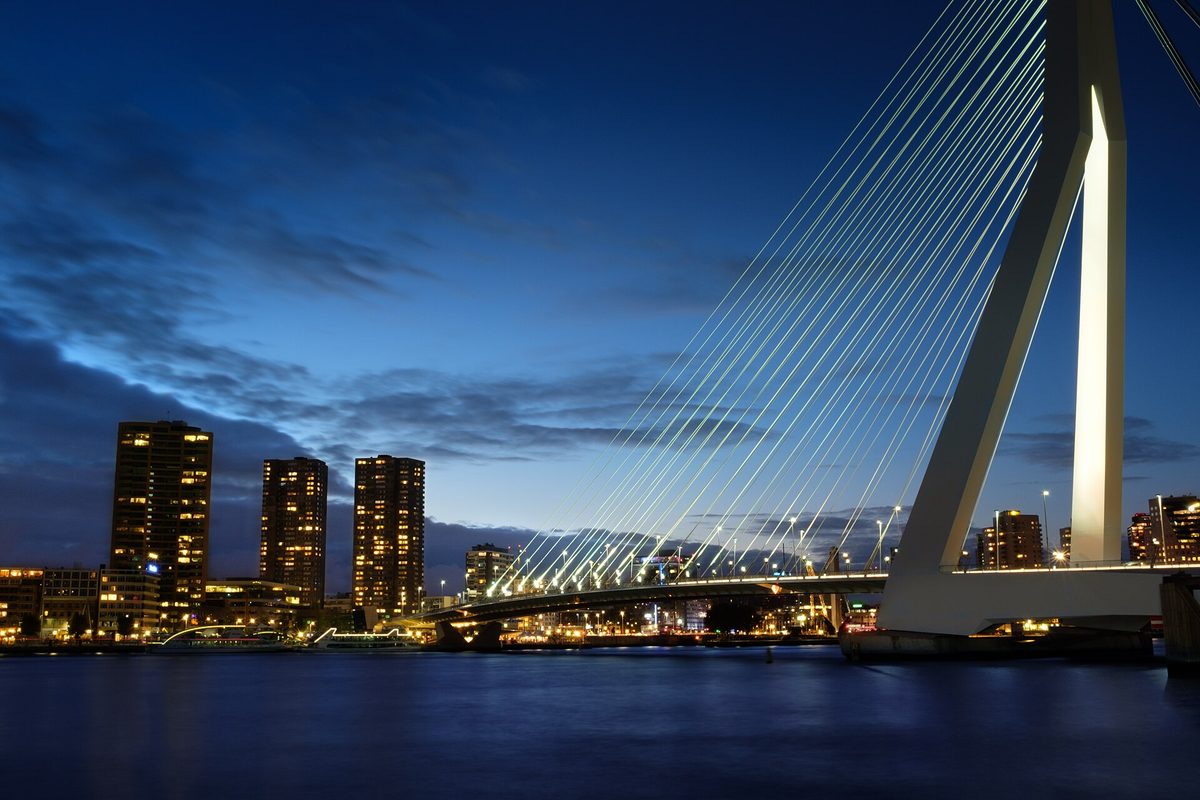
The Markthal is a horseshoe-shaped apartment block arched over a food market with an enormous painted interior ceiling. The Cube Houses are 1970s experiments you can go inside. The Erasmusbrug is a beautiful bridge. And the Depot Boijmans Van Beuningen is the world’s first fully accessible public art storage building: a mirrored bowl where you walk through the actual racking and see everything a museum normally keeps out of sight.
Europe’s largest port is here, and the harbour tours out through the container terminals give you a sense of industrial scale you cannot get anywhere else on the continent.
Costs: €140-€160 a day. When: May, June, September. Amsterdam is 40 minutes by intercity direct.
Nights: two.
35. Utrecht, Netherlands
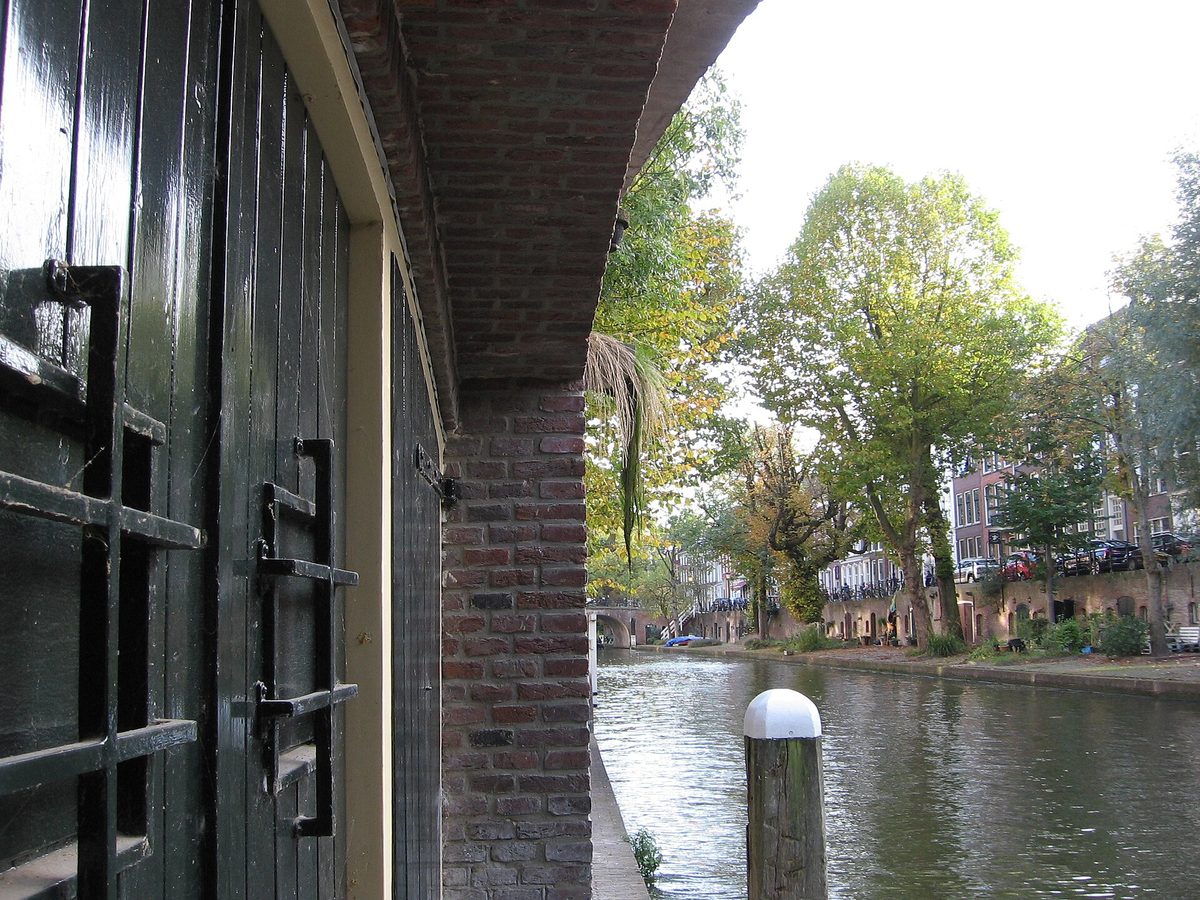
Utrecht has the canals that people go to Amsterdam for, with wharf cellars at water level converted into restaurant terraces, which is an arrangement unique in the Netherlands. It has the tallest church tower in the country, at 112 metres, which you can climb. And it has roughly a tenth of Amsterdam’s visitors while being 27 minutes away by train.
The Oudegracht is the main canal and the split-level design means you walk along the street above and then drop down steps to sit at the water. The Museum Speelklok, dedicated to self-playing musical instruments, is the sort of place you enter out of politeness and leave ninety minutes later. The Rietveld Schröder House, a 1924 De Stijl house that is UNESCO-listed, requires booking and is a genuine landmark of modern design.
Costs: €140-€160 a day. When: April, May, September.
Nights: two, or use it as a cheaper base for Amsterdam.
36. Bergen, Norway
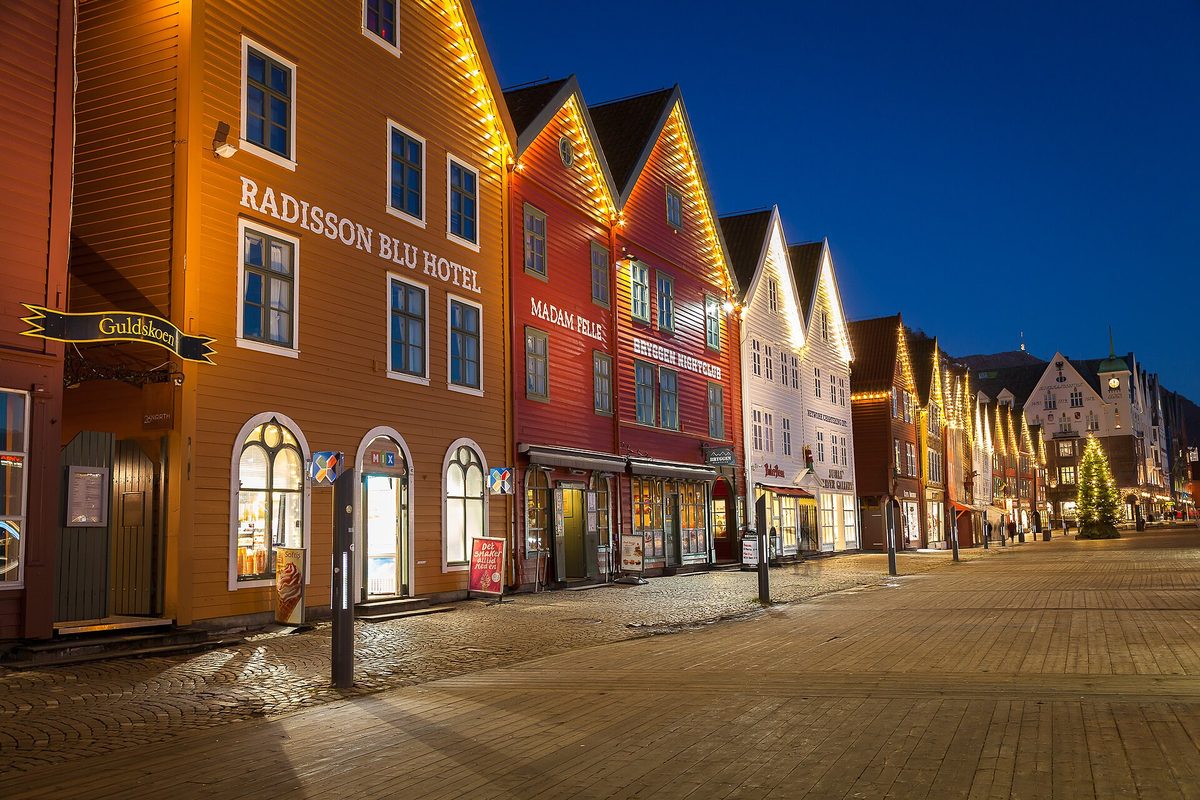
Bergen is the gateway to the western fjords and a proper city in its own right, which is a useful combination. Bryggen, the old Hanseatic wharf, is a row of leaning wooden trading houses that has been on the UNESCO list since 1979, and the passages behind the fronts are the interesting part.
The Fløibanen funicular takes seven minutes to a hilltop with the whole city, harbour and islands below it, and there are proper walking trails from the top rather than just a viewing platform. The fish market is touristy at the waterfront stalls and much better in the indoor hall.
Bergen is the departure point for the Norway in a Nutshell route and for Hurtigruten coastal ships heading north. It also gets around 200 days of rain a year, so this is not a place to gamble on weather. Bring a proper waterproof and accept it.
Costs: €180-€200 a day. Norway is expensive and alcohol is startling. When: May, June, August. Cruise days flood the small centre, so check the port schedule.
Nights: two, then get on a fjord.
37. Oslo, Norway
Oslo has changed more in fifteen years than any other Nordic capital. The waterfront went from container port to a continuous public promenade, and the buildings along it are the reason to come: the Opera House, whose sloping white marble roof you walk up onto for free, the new Munch museum, and the National Museum, which opened in 2022 as the largest art museum in the Nordics and holds The Scream.
The Fram and Kon-Tiki museums out on Bygdøy are both about Norwegian polar and ocean expeditions and both are better than expected. Vigeland Sculpture Park has 200 bronze and granite figures by a single artist and is free and open at all hours.
You can swim in the fjord in the middle of the city in summer, at Sørenga and Tjuvholmen, and the forest starts at the end of the metro line at Frognerseteren.
Costs: €185-€205 a day. Norway has legislated to let municipalities charge a visitor levy from January 2027 at the earliest, and Oslo has so far declined to introduce one. When: June, July, August.
Nights: two.

38. Reykjavík, Iceland
Reykjavík is a small, brightly painted, slightly scruffy northern town of about 140,000 people, and I want to be straightforward about that: it is not a great city by European standards. It is on this list because everything you came to Iceland for runs out of it, and because it is very likeable once you stop expecting a capital.
Hallgrímskirkja, the concrete church on the hill, has a tower lift and the view over the coloured rooftops to Faxaflói bay is the shot everyone takes. Harpa concert hall on the harbour has a glass facade designed with Ólafur Elíasson. The Sun Voyager sculpture on the seafront takes five minutes. That is most of the sightseeing.
What you actually do is drive out. The Golden Circle, Thingvellir and Geysir and Gullfoss, is a day. The south coast to Vík and the black sand beaches is a longer day. The Blue Lagoon needs pre-booking and is 20 minutes from the airport, which makes it a good arrival or departure activity rather than a day out of the city. Northern lights season runs roughly September to March.
Costs: €200-€230 a day, and Iceland is the most expensive country in this guide. The nightly accommodation charge is about ISK 800 per room. Tap water is excellent and free, alcohol is taxed heavily, and buying at the duty free on arrival is standard practice among Icelanders. When: June and July for midnight sun and the highlands, September for a balance of daylight and aurora, February and March for the lights with more reliable road access than midwinter.
Nights: three, and hire a car. The Iceland travel guide covers the Ring Road properly.

39. Tallinn, Estonia
Tallinn’s old town is one of the most complete medieval city cores in northern Europe: intact walls with about twenty surviving towers, a cobbled upper town on a limestone hill, and a merchant lower town beneath it, all UNESCO-listed since 1997.
The reason it stays interesting rather than becoming a film set is that Estonia is a thoroughly modern country layered on top. Estonia does more of its government online than almost any country in the world, the Telliskivi Creative City in a former industrial complex is full of design studios and good restaurants, and the Kalamaja district of wooden houses next to it is where the city’s actual life has moved.
Cruise ships and Helsinki day-trippers on the two-hour ferry can fill the old town in high summer. Come mid-week, or in December, when the Town Hall Square market is small, cold and lovely.
Costs: €95-€115 a day, no accommodation tax. When: June to August for warmth and long days, December for the market.
Nights: two.

40. Vilnius, Lithuania
Vilnius has the largest Baroque old town in eastern Europe, more than a thousand listed buildings, almost no international crowds, and prices that are the lowest of any capital in this guide at €75-€95 a day. On value it wins outright.
The old town is dense and hilly and full of churches, of which St Anne’s in red Gothic brick is the one Napoleon reportedly wanted to carry back to Paris in his palm. Užupis, across a small river, declared itself an independent republic in 1997 as an artists’ joke and has a constitution mounted on a wall in more than thirty languages, including the clause that everyone has the right to be happy and the clause that everyone has the right to be unhappy.
The Museum of Occupations and Freedom Fights, in the former KGB headquarters with the cells preserved in the basement, is the necessary counterweight and is very hard going.
Costs: €75-€95 a day, tourist tax about €2 a night. When: May, June, September. Baltic winters are long and dark.
Nights: three, which is more than the size of the place suggests, because it is so cheap to stay.

Sixteen more that only just missed the list
Cutting this at forty was arbitrary and these are the cities that fell off the edge. Several would rank higher than the bottom of the main list for the right traveller.
- Bruges, Belgium. Very beautiful and thoroughly overrun. Stay the night, because the day-trip coaches leave at five and the whole place transforms.
- Toledo, Spain. A walled city on a granite outcrop in a loop of the Tagus, 33 minutes from Madrid by high-speed train, with Christian, Jewish and Muslim monuments in the same few streets. Best as an overnight rather than the day trip everyone does.
- Bern, Switzerland. The Swiss capital, which surprises people, with six kilometres of covered medieval arcades and the old town in a loop of the Aare where locals swim downstream on summer evenings and climb out at the parliament building.
- Sofia, Bulgaria. Very cheap, thoroughly underrated, with Roman ruins visible through glass in the metro station and Vitosha mountain reachable by public transport in 40 minutes.
- Plovdiv, Bulgaria. One of the oldest continuously inhabited cities in Europe, with a Roman theatre from the second century that still stages performances, and a hillside old town of painted merchant houses.
- Sarajevo, Bosnia and Herzegovina. Ottoman bazaar, Austro-Hungarian boulevards, and a modern history that the city presents without flinching. Among the cheapest places on the continent.
- Bratislava, Slovakia. Small, pleasant and an hour from Vienna by train, which means most people give it four hours. A night is better.
- Nuremberg, Germany. The Christkindlesmarkt is the most famous in Germany, and the Documentation Centre on the Nazi party rally grounds is one of the most serious museums in the country.
- Cologne, Germany. The cathedral is the largest Gothic church in northern Europe and took 632 years to finish. Climb the 533 steps of the south tower.
- Galway, Ireland. The best small city in Ireland for music, with pubs where the trad sessions are not scheduled for tourists, and the Connemara coast half an hour away.
- Zadar, Croatia. Roman forum, and a sea organ built into the waterfront steps that plays constantly from wave motion. The sunsets here were described by Alfred Hitchcock as the finest in the world.
- Rovinj, Croatia. Istrian, Venetian in appearance, with a truffle and olive oil hinterland and half the price of the Dalmatian coast.
- Maastricht, Netherlands. More Burgundian than Dutch, with a bookshop in a thirteenth-century Dominican church and kilometres of underground tunnels.
- Naples, Italy. Chaotic, magnificent, the best pizza anywhere, and an hour and ten minutes from Rome. Pompeii and the Amalfi Coast are both on the doorstep.
- Milan, Italy. More business than beauty, but the Duomo roof terraces, the Brera district and the Last Supper are each worth a day, and it is Italy’s best rail hub.
- Brussels, Belgium. Undersold by everyone including the Belgians. Art Nouveau by Horta, the Magritte Museum, and the best beer selection on earth.
- Warsaw, Riga, Helsinki, Zurich, Glasgow, Bilbao and Nice all narrowly missed inclusion and would each repay two nights.
- Lugano, Switzerland. Italian-speaking Switzerland on a lake below wooded mountains, which is a combination that ought to be better known.
- Tirana, Albania. Painted apartment blocks, Cold War bunkers converted into museums, and Europe’s cheapest capital for eating and drinking.
- Corfu Town and Rhodes Town, Greece. Two island capitals that are proper historic cities: Venetian fortifications on Corfu, and the largest inhabited medieval town in Europe inside the Rhodes walls.
If this section is more your speed than the top ten, our guide to underrated destinations goes considerably further in this direction.

How to pair cities: rail times and the routes that actually work
Rail connections decide whether a multi-city trip flows or falls apart, and the map is a poor guide. Two cities that look close can be a four-hour journey with a change in a town neither of you wanted to see. Two that look far apart can be a two-hour direct.
Approximate fastest scheduled journey times by rail:
| Route | Fastest time | Notes |
|---|---|---|
| London to Paris | 2h 16m | Eurostar from St Pancras, border checks before boarding |
| London to Amsterdam | 3h 52m | Direct Eurostar |
| Paris to Amsterdam | 3h 20m | Eurostar, formerly Thalys |
| Paris to Bordeaux | 2h 04m | LGV Sud Europe Atlantique |
| Paris to Barcelona | 6h 35m | Direct high-speed, competitive with flying once you count airports |
| Paris to Brussels | 1h 22m | Then 30 minutes on to Ghent |
| Madrid to Barcelona | About 3h | Speed restrictions in place until December 2026; several operators compete, which keeps fares low |
| Madrid to Seville | 2h 30m | AVE |
| Madrid to Toledo | 33m | Easiest day trip in Spain |
| Seville to Granada | 2h 30m | Direct since the high-speed link opened |
| Lisbon to Porto | 2h 45m | Alfa Pendular |
| Rome to Florence | 1h 30m | Frecciarossa or Italo |
| Florence to Venice | 2h 05m | Direct |
| Rome to Naples | 1h 10m | Makes Naples and Pompeii a viable day out |
| Munich to Vienna | 4h | Direct Railjet |
| Vienna to Budapest | 2h 20m | Direct, hourly |
| Vienna to Bratislava | 1h | Frequent |
| Vienna to Prague | 4h | Direct Railjet |
| Prague to Berlin | 3h 55m | Scenic through the Elbe valley |
| Berlin to Dresden | 1h 35m | |
| Berlin to Hamburg | 1h 45m | |
| Berlin to Munich | 3h 55m | |
| Amsterdam to Rotterdam | About 40m | From Centraal. Utrecht is about 27m in the other direction |
| Copenhagen to Stockholm | About 6h | The direct service is suspended into autumn 2026. Malmö is 35 minutes over the bridge |
| Ljubljana to Zagreb | 2h 20m | Onward to the coast by bus is usually faster than rail |
| Split to Dubrovnik | No rail | Bus about 4h 30m, or a fast catamaran in summer |
New and returning routes for 2026
Several long-distance services launched or returned during 2026, which changes what is practical:
- Paris to Berlin via Brussels on European Sleeper, from 26 March 2026, with a Hamburg stop added from 13 July.
- Brussels to Milan, calling at Breda and Eindhoven, postponed from June to 9 September 2026. The originally announced Amsterdam start was dropped.
- Prague to Copenhagen via Berlin from 1 May 2026 and fully direct since mid-June, a little under twelve hours, replacing a connection that used to require two changes.
- Budapest to Belgrade still suspended for upgrade works, with autumn 2026 the earliest realistic return.
- Paris to Munich already runs as a direct daily TGV in about 5h45. The planned expansion of the service has slipped along with the German infrastructure work it depends on.
Book long-distance high-speed tickets as soon as the window opens, which varies a lot by operator: German Railways sells about twelve months ahead, Eurostar around eleven, French and Spanish operators typically six months or less, and some routes only open a month or two out. Fares on French, Spanish and Italian high-speed lines are yield-managed and the difference between booking three months out and booking on the day is routinely three or four times the price. Our train travel in Europe guide covers passes versus point-to-point tickets, and getting between cities compares rail against budget airlines and buses.

Four pairings that work particularly well
Rome, Florence and Venice in nine nights. The classic, and it is classic because the geography is perfect: two short train hops, three completely different cities, and no wasted days. Four nights Rome, three Florence, two Venice.
Vienna, Bratislava, Budapest in seven nights. The Danube capitals, all connected by short direct trains, covering imperial grandeur, a small pleasant capital and thermal baths, for well under what Italy costs. Three nights Vienna, one Bratislava, three Budapest.
Lisbon and Porto in six nights. Three in Lisbon with a day in Sintra, a 2h45 train, three in Porto with a day up the Douro. One country, two very different cities, and the best value in western Europe.
Amsterdam, Utrecht, Ghent and Bruges in eight nights. All within about an hour of each other, all reachable without a flight if you are coming from the UK by Eurostar and changing at Brussels, and the flattest walking in Europe.
What to book in advance, and how far ahead
More trips are spoiled by this than by anything else. A surprising number of Europe’s headline attractions now cap daily numbers, and the ones that do not cap numbers frequently sell out anyway. These are the booking windows I work to.
| Attraction | Book by | Why |
|---|---|---|
| Alhambra, Granada | 2-3 months in high season | Hard daily cap, timed 30-minute slot for the Nasrid Palaces. The most common booking failure in Spain. |
| The Last Supper, Milan | 2-3 months | 15-minute slots, 40 people at a time. Almost never available late. |
| Anne Frank House, Amsterdam | The morning tickets release | Released every Tuesday at 10:00 for the date six weeks ahead, and gone within minutes. No walk-up tickets. |
| Sagrada Família, Barcelona | 3-4 weeks, longer for tower access | Timed entry, and the towers sell out before the basilica does. |
| Uffizi and Accademia, Florence | 3-4 weeks | Otherwise it is a two-hour queue or nothing. |
| Brunelleschi’s dome, Florence | 3-4 weeks | Separate reservation from the cathedral ticket. |
| Colosseum and Forum, Rome | 2-3 weeks | Timed entry. The arena floor and underground add-ons go first. |
| Vatican Museums, Rome | 3-4 weeks | Early slots are the difference between a good and a miserable visit. |
| Acropolis, Athens | 1-2 weeks | Hourly caps in force. First and last slots are the cool ones. |
| Park Güell, Barcelona | 1-2 weeks | Capped and timed for the monumental zone. |
| Auschwitz-Birkenau, near Kraków | 2-3 months | Free but reserved. The busiest middle hours of the day are guided-tour only. |
| Historic Green Vault, Dresden | 2-3 weeks | Capped hourly numbers to control humidity. |
| Pena Palace, Sintra | 2-3 weeks | Timed entry, and the queue for the bus up the hill is separate. |
| Blue Lagoon, Iceland | 4-6 weeks | No walk-ups at all. |
| Neuschwanstein, Bavaria | 4-6 weeks | Interior is guided-tour only, timed, and small. |
| Eiffel Tower summit, Paris | 4-6 weeks | Lift to the top sells out long before the second-floor tickets. |
| Edinburgh in August | 6 months for accommodation | Fringe demand, not attraction demand. Prices triple. |
| Oktoberfest tent tables, Munich | 6+ months | Reservations open in spring and go quickly. |
Two general rules. Buy from the official site rather than a reseller, because resellers charge a markup for tickets you can get yourself and occasionally sell slots that do not exist. And where a monument offers an early or late slot, take it: the temperature, the light and the crowd are all better, and it costs the same.
Tourist taxes across Europe in 2026
Almost every major European city now charges an overnight visitor tax, and almost none of them show it in the price you compare on a booking site. For a family of four on a week-long trip this can be a couple of hundred euro that arrives as a surprise at checkout.
Four developments matter this year. Edinburgh became the first UK city to charge one, from 24 July 2026, at 5% of the accommodation cost and capped at five consecutive nights. Barcelona raised its combined regional and municipal charge to roughly €6-€12 a night from April 2026. Vienna went from 3% to 5% of the room rate in July 2026, with a further rise scheduled for 2027. Amsterdam still has the highest headline rate in Europe at 12.5% of the room rate, and raised its cruise-passenger day charge to €15.
A couple went the other way. Budapest replaced its percentage tax with a flat nightly charge of about 800 forint in most districts, which is cheaper for anyone in a mid-range hotel. Istanbul cut its accommodation tax from 2% to 1% for the rest of 2026.
Venice is a special case because it charges two different things. There is a normal overnight accommodation tax paid by people staying in the city, and a separate day-visitor access fee of €5 booked in advance or €10 at the last minute, applied on around sixty designated busy days between early April and late July 2026. If you are staying overnight you are exempt from the access fee, but you still have to register for an exemption code.
The cities in this guide with no overnight tax at the time of writing are London, Copenhagen, Stockholm, Dublin, Munich, Kraków, Tallinn, Bergen, Oslo, and the Spanish cities outside Catalonia, which includes Madrid, Seville, Granada, Valencia and San Sebastián. Two of those are on a clock: the Basque province of Gipuzkoa introduces a levy covering San Sebastián in January 2027, and Norwegian municipalities become able to charge one from the same date, though Oslo has declined so far.
Entry rules: what changed in 2026
The rules here changed twice in the last eighteen months and getting them wrong can cost you a flight, so it is worth five minutes.
The EU Entry/Exit System became fully operational on 10 April 2026. EES replaces passport stamping for non-EU nationals with a biometric register: facial image and fingerprints taken at first crossing, then a digital record of every entry and exit. In practice it means longer queues at busy land and air borders during the bedding-in period, particularly at the Channel crossings. Allow extra time for a first crossing under the new system.
ETIAS has slipped again. The European Travel Information and Authorisation System, the pre-travel authorisation that visa-exempt visitors will eventually need for the Schengen area, was previously indicated for late 2026. The EU removed that date from its own guidance in July 2026 and reporting since has pointed to 2027 at the earliest. Anything you read that tells you confidently when ETIAS starts should be treated with suspicion, including anything that says it is already live. It is not. Check the official EU site before you travel rather than relying on any third party, this one included.
The UK requires an Electronic Travel Authorisation from most visa-exempt visitors, including EU citizens, which came into force through 2025. It is applied for online, is valid for multiple trips over two years, and needs to be in place before you board. This catches out Europeans travelling to London and Edinburgh who have never needed anything before.
The 90/180 Schengen rule still governs everything else. Non-EU visitors get 90 days in any rolling 180-day period across the whole Schengen area, not per country. The UK, Ireland and Turkey are all outside Schengen, which makes them useful for resetting a long trip. Our guide to the Schengen visa and ETIAS rules works through the counting, which is less intuitive than it sounds.
What a day actually costs, broken down
The daily figures in the table above are composites. Here is what sits underneath them, so you can adjust for how you travel.
| City tier | Central 3-star double | Sit-down dinner | Coffee | Beer | Day transit | Major attraction |
|---|---|---|---|---|---|---|
| Nordic and Iceland Copenhagen, Oslo, Reykjavík, Stockholm, Bergen |
€170-240 | €35-55 | €4.50-6 | €8-12 | €8-12 | €15-25 |
| Western capitals Paris, London, Amsterdam, Dublin |
€150-230 | €30-45 | €3.50-5 | €6-8 | €6-10 | €16-30 |
| Southern majors Rome, Barcelona, Madrid, Florence, Venice |
€110-180 | €22-35 | €1.20-3 | €4-6 | €5-8 | €16-28 |
| Central Europe Vienna, Munich, Berlin, Prague |
€90-160 | €18-32 | €3-5.50 | €3-6 | €6-10 | €12-22 |
| Value tier Budapest, Kraków, Vilnius, Tallinn, Istanbul, Sofia |
€55-100 | €12-22 | €2-3.50 | €2-4 | €2-5 | €8-18 |
Three levers move these numbers more than anything else.
Timing. The same hotel room in Barcelona in late October and mid-August can differ by 60% or more. Shoulder season is the largest single discount available to you and it costs you nothing but flexibility.
Room splitting. Accommodation is the biggest line and it does not scale with the number of people. Solo travel in Europe costs roughly 35% more per person than travelling as a pair, which is why our solo travel in Europe guide leans so hard on hostels with private rooms and on the cheaper cities.
Lunch instead of dinner. The set lunch menu is the saving people most consistently overlook. In Spain the menú del día runs €14-€20 for three courses. In France the formule midi is often the same kitchen at half the evening price. In Italy the difference is smaller but real. Eat your big meal in the middle of the day and you can knock €20 a head off your daily spend without eating worse.
If you are working to a tight number, our budget guide and the cheapest places to travel in Europe both go deeper on this.
A note on currency
Nine of the cities in this guide are outside the eurozone: London and Edinburgh use sterling, Prague the Czech koruna, Budapest the forint, Kraków the złoty, Copenhagen the Danish krone, Stockholm the Swedish krona, Oslo and Bergen the Norwegian krone, Reykjavík the Icelandic króna, Istanbul the lira. Sweden and Norway are effectively cashless and a card works everywhere; Iceland is the same. Take a card that does not charge foreign transaction fees, and always decline the machine’s offer to charge you in your home currency, because dynamic currency conversion is a bad exchange rate dressed up as a convenience.
Closing days, which catch everyone
A surprising number of major museums close for one full day a week and it is not always the day you would guess. The Louvre closes on Tuesdays, as does the Orangerie. Most Italian state museums and archaeological sites close on Mondays, including the Accademia and the Uffizi in Florence and the Brera in Milan. The Vatican Museums close on Sundays apart from the last Sunday of the month, when entry is free and the queue is enormous. The Rijksmuseum and the Prado are open daily, which makes them unusual. Check the specific site before you build a day around it, because losing your only Monday in Florence to a closed Uffizi is an avoidable and very annoying way to waste a morning.
Flying between cities
Rail wins under about five hours of scheduled journey time. Beyond that, budget airlines are usually faster and often cheaper, with Ryanair, easyJet, Wizz Air and Vueling covering most of the continent. Three things to factor in. Secondary airports can be a long way out: Milan Bergamo is about 50 minutes from Milan, Paris Beauvais about 75 minutes from Paris, and Frankfurt Hahn is not really near Frankfurt at all. Baggage rules are where the cheap fare is recovered, so price the trip with the bag included before comparing. And the low-cost carriers concentrate on a set of hub airports, which means a route like Kraków to Lisbon may be much cheaper via a connection than direct.
When to go: a month-by-month crowd and price calendar
The single most valuable thing you can do for a European city trip is move your dates. Not by months, necessarily. Two weeks either side of the peak often halves the crowd and cuts a third off the room rate.
| Month | Go here | Avoid | Price and crowd |
|---|---|---|---|
| January | Vienna, Berlin, Reykjavík, Prague, London | Nordic capitals for daylight, Alpine cities during ski holidays | Cheapest month of the year almost everywhere |
| February | Venice for Carnival, Seville, Reykjavík for aurora | Nothing much, though the weather is a gamble | Low, apart from Carnival week and half-term |
| March | Lisbon, Seville, Valencia, Granada | Northern Europe, still cold and grey | Rising in the south, still low in the north |
| April | Rome, Amsterdam for tulips, Athens, Florence | Anywhere over Easter week without a booking | Good, but Easter is a sharp spike |
| May | Almost everywhere. The best all-round month in Europe | Little | Moderate crowds, moderate prices, best weather-to-crowd ratio |
| June | Nordic capitals, Scotland, Baltics, coastal Croatia | Southern Spain and Greece are heating up | Rising fast after mid-month |
| July | Stockholm, Oslo, Bergen, Tallinn, Iceland | Rome, Seville, Athens, Venice, Dubrovnik | Peak. Prices high, queues long, southern heat serious |
| August | Northern Europe. Berlin and Vienna cope well | Everywhere Mediterranean. Edinburgh unless you want the Fringe | Peak everywhere. Southern European cities partly shut |
| September | Almost everywhere. The second-best month | Munich during Oktoberfest unless intended | Falls sharply after the first week |
| October | Rome, Barcelona, Lisbon, Porto, Seville, Dubrovnik | Northern Europe, getting dark | Excellent value, warm south, thin crowds |
| November | Venice, Paris, London, Seville, Granada | Coastal resorts, mostly closed | The best value of the year in western Europe |
| December | Vienna, Prague, Dresden, Nuremberg, Budapest, Tallinn | Anywhere between Christmas and New Year on a budget | Christmas markets push weekend prices up sharply |
A few timing rules that hold across the continent. School holidays in the UK, France, Germany and the Netherlands do not align, so the summer peak stretches from late June to early September rather than concentrating. Ferragosto in Italy, around 15 August, empties cities of locals and closes a lot of good restaurants. And Sunday closing is real in Germany, Austria and Switzerland, where shops and many restaurants shut entirely, so plan a museum day rather than a shopping day. Our guide to the best time to visit Europe goes into the regional variation in much more detail, and we have separate guides to the best places to visit in Europe in summer and the best places to go in winter.

Accessibility: which of these cities actually work
European cities vary enormously here, and historic centres and step-free access are frequently in direct conflict. It is worth knowing which way a city falls before you book rather than after.
Best for step-free travel. Barcelona’s metro is close to fully accessible with lifts at almost every station and the city is largely flat. Berlin has excellent U-Bahn and S-Bahn lift coverage and wide pavements. Copenhagen, Amsterdam and Stockholm are all flat, with modern low-floor trams and buses. Vienna’s public transport is comprehensively accessible. Valencia and Rotterdam are both modern, flat and well-provisioned.
Workable with planning. London has step-free access at a growing but still incomplete set of Underground stations, though every bus in the fleet is wheelchair accessible and the Elizabeth line is step-free throughout. Paris has an almost entirely inaccessible metro apart from line 14, but the bus network is fully accessible and is the practical answer. Madrid, Munich and Hamburg all work reasonably well.
Genuinely difficult. Venice, which is a city of bridges with steps, though the vaporetti are accessible and some bridges have lifts. Lisbon and Porto, both steep and cobbled, where the trams are historic and not accessible. Edinburgh’s Old Town, which is built on a slope with closes and stairs. Dubrovnik and most Croatian old towns, which are stone and stepped. Prague’s old town cobbles are hard going on wheels.
Where a monument is concerned, most major sites in western Europe now publish detailed accessibility information and many offer free or discounted entry for a companion. The Acropolis has a lift on the north face. The Alhambra has an accessible route through most of the complex. The Colosseum has lift access to the first two levels.
Which of these cities suits you
First trip to Europe
Paris, Rome, London, Barcelona, Amsterdam, Prague. Pick two or three that connect well and resist the urge to add a fourth. The most common first-trip mistake is treating Europe like a checklist and spending a quarter of the holiday in transit. Two cities in ten days is a good trip. Five is a blur. See where to go in Europe for the first time for a longer version of this argument.
Travelling with children
Copenhagen for Tivoli and the harbour baths, Amsterdam for the boats and NEMO science centre, Munich for the Deutsches Museum and the Englischer Garten, London for the free museums, Valencia for the beach-plus-city combination, and Berlin for sheer amount of outdoor space. Avoid Venice with a pushchair and think hard about Florence in summer. Our family travel guide covers this properly.
Solo
Lisbon, Berlin, Kraków, Budapest, Ljubljana and Edinburgh all combine good hostel scenes, easy walkability, high safety and a culture of eating alone without it being odd. Southern Europe is generally more sociable and northern Europe more anonymous, which some people prefer.
Couples
Venice out of season, Seville in spring, Bruges in winter, Bergen for the fjords, Bordeaux for wine, and San Sebastián for eating. Our Europe honeymoon guide has more.
On a tight budget
Vilnius, Kraków, Sofia, Tirana, Sarajevo, Istanbul, Budapest. All of these are good cities in their own right rather than compromises, and all can be done well on €50-€70 a day if you stay in hostels or cheap guesthouses. Our backpacking round-up is the guide for that.
Food first
San Sebastián, Bologna, Lyon, Istanbul, Copenhagen, Lisbon, Naples. If eating is the actual point of the trip, these seven will not disappoint, and our guide to European food works through the regional specialities city by city.
Art and museums
Madrid for painting, Florence for the Renaissance, Paris for breadth, London for free access, Amsterdam for the Dutch Golden Age, Vienna for the Habsburg collections, Berlin for antiquities and modern history in the same weekend.
Short city break from the UK
Amsterdam and Paris direct by Eurostar, Bruges and Ghent with a change at Brussels; Dublin, Edinburgh, Copenhagen, Porto and Kraków by short flight. Our European city breaks guide is built around exactly this.

Four routes I would actually book
Ten days, first time in Europe: Paris, Amsterdam, London
Four nights Paris, three Amsterdam, three London. Eurostar Paris to Amsterdam in 3h20 and Amsterdam back to London in 3h52, so no flights at all once you have arrived. Three of Europe’s great museum cities, three completely different characters, and a route that runs on a single rail booking. Budget roughly €190-€215 a day per person mid-range, which is the expensive end of Europe, so this is the version to do if you have the money and only one trip.
Twelve days, best value in Europe: Kraków, Budapest, Vienna, Prague
Three nights each. Kraków to Budapest by night train or a short flight, Budapest to Vienna in 2h20, Vienna to Prague in 4h. Four historic capitals with more architecture per euro than anywhere on the continent, at roughly €100-€120 a day averaged across the trip, with Vienna dragging the figure up and Kraków pulling it back down. Go in May or September.
Nine days, Italy done properly: Rome, Florence, Venice
Four, three, two. Rome to Florence in 1h30 and Florence to Venice in 2h05, both on the high-speed line, so you lose no days to travel. Book every headline monument a month ahead. Go in April, May or October and do not attempt this in July. Roughly €165-€185 a day. If you have longer, our guide to the 36 best places to visit in Italy shows what to add.
Nine days, Iberia on the cheap: Lisbon, Porto, Seville
Three nights each. Lisbon to Porto is 2h45 by train; Porto or Lisbon down to Seville is easiest by a short flight, so build that in. Roughly €110-€130 a day, which for three cities of this quality is the best value in western Europe. March, April, October or November.
For longer routes across more of the continent, the Europe itinerary guide has two-week and month-long versions, and how to plan a trip to Europe covers the sequencing and budgeting from scratch.
Twelve mistakes I see people make
1. Too many cities. The single biggest one. Every city change costs you the back half of one day and the front half of another, plus a hotel check-in, plus the reorientation. Three nights is the minimum that feels like a visit rather than a raid.
2. Booking accommodation before checking the festival calendar. Edinburgh in August, Munich during Oktoberfest, Venice at Carnival, Seville during the Feria, Valencia during Las Fallas. All wonderful, all triple the price, all a disaster if you arrived expecting a quiet city break.
3. Assuming you can buy tickets at the door. The Alhambra, the Last Supper, the Anne Frank House and the Acropolis all now operate hard caps. Turning up is not a plan.
4. Staying in the prettiest district. The most photogenic part of most European cities is the part that has been fully converted to visitors. You will eat worse, pay more and see fewer locals. One neighbourhood out is almost always better.
5. Underestimating southern summer heat. Seville, Athens, Rome and Córdoba regularly exceed 38°C in July and August. This is not a mild inconvenience while you queue outdoors on stone. Move your dates or plan around a long afternoon indoors.
6. Ignoring the tourist tax. It is excluded from the price you compared, it is usually charged per person per night, and in a city like Amsterdam at 12.5% it comes to a meaningful number.
7. Buying point-to-point train tickets at the station. On yield-managed high-speed lines this can cost three or four times the advance fare. Book the moment your dates are fixed.
8. Paying in your home currency at the card machine. Dynamic currency conversion is offered constantly and always costs you money. Always choose to be charged in the local currency.
9. Treating “Europe” as one entry system. Schengen, the UK, Ireland and Turkey are four separate regimes with four separate sets of requirements. The UK now needs an ETA. Check each country you enter.
10. Overpacking. European cobbles, stairwells without lifts and small train luggage racks all punish large suitcases. Our Europe packing list is built around carry-on.
11. Not checking the closing day. The Louvre shuts on Tuesdays and most Italian state museums shut on Mondays, which is how people lose the one day they had for the Uffizi.
12. Not booking the first slot of the day. Almost every capped attraction opens with its quietest hour, at the same price. The Colosseum at 08:30, the Acropolis at 08:00 and Charles Bridge at 06:30 are completely different experiences from the same places at noon.
There are more of these in our collected travel tips, and our accommodation guide covers the neighbourhood question city by city.
Frequently asked questions
What is the most beautiful city in Europe to visit?
By popular vote, Edinburgh: Time Out’s 2026 global survey of more than 24,000 residents put it top in Europe and second worldwide behind Cape Town, with 84% describing their city as beautiful, and Lisbon next in Europe at 74%. By my own reckoning, Venice for sheer improbability, Prague for consistency across a whole old town, and Bergen for setting. All three are subjective and all three are defensible, and our roundup of the most beautiful places in Europe makes the case for several more.
How many days should I spend in Europe?
Ten to fourteen days is the sweet spot for a first trip, covering two or three cities without rushing. Under a week, restrict yourself to one city and a day trip. Over three weeks, you can start moving between regions rather than between neighbours.
What is the cheapest time of year to visit Europe?
January and February are the cheapest almost everywhere, followed by November. The exceptions are Alpine towns during ski season and any city hosting a Christmas market in December. For the best combination of price and weather, late October and early November in southern Europe are hard to beat.
Which European city is best for a first visit?
Paris or Rome. Both have enough depth that you cannot exhaust them, both are extremely well set up for visitors, and both connect easily onwards. If you want somewhere smaller and cheaper to start, Prague or Lisbon.
What are the best cities to visit in Europe on a budget?
Vilnius, Kraków, Sofia, Tirana, Sarajevo and Istanbul all come in at or under about €90 a day mid-range, and Kraków and Vilnius sit under €80. Budapest and Tallinn are a little above €100. None of them is a compromise: Kraków and Vilnius in particular have old towns that stand comparison with cities twice the price.
Do I need a visa or authorisation to visit Europe in 2026?
It depends on your nationality and which countries you are entering. The EU Entry/Exit System started full operation on 10 April 2026 and records biometrics at Schengen borders. ETIAS, the pre-travel authorisation, has not launched and the EU removed its previously indicated date in July 2026. The UK does require an Electronic Travel Authorisation from most visa-exempt visitors. Check official government sources close to your travel date, because this area is moving.
Is it better to travel around Europe by train or by plane?
By train for anything under about five hours of scheduled journey time, because the city-centre-to-city-centre time is comparable once you add airport transfers and check-in, and the experience is better. By plane for longer hops, particularly anything crossing from western to eastern Europe or over water.
Which European cities are the most crowded?
Venice, Dubrovnik, Barcelona, Florence, Amsterdam and Rome are the ones where crowding materially damages the experience in peak season. All six are worth visiting in April, May, October or November instead.
How much should I budget per day for a European city?
Roughly €70-€115 in the Baltics, the Balkans, Poland, Hungary and Turkey; €100-€175 across Spain, Portugal, Germany, Austria, Czechia, Slovenia and Croatia, with Venice, Florence and Dubrovnik at the top of that band and above it; and €165-€230 in France, the UK, the Netherlands, Ireland and the Nordics. Those are mid-range figures per person sharing a double room, and hostel travellers can run at about half.
Which cities can I visit without flying from the UK?
Paris in 2h16, Brussels in 2h and Amsterdam in 3h52, all direct on Eurostar from St Pancras. Ghent and Bruges take a little over three hours with a change at Brussels. From Paris and Brussels you can then reach Bordeaux, Lyon, Cologne and Frankfurt in under four hours, which puts a great deal of the continent within a day of London by rail.
What is the best European city for food?
San Sebastián for the highest concentration of quality, Istanbul for the range, Bologna for the tradition, Copenhagen for the modern end, and Lisbon for value. Naples for pizza, and that is not a close contest.
Are European cities safe?
Violent crime rates in most European cities are low by international standards. The realistic risk is pickpocketing, which is concentrated in specific, predictable places: Barcelona’s Ramblas, the Paris metro around Châtelet and Gare du Nord, Rome’s bus 64 to the Vatican, Lisbon’s tram 28, and the Prague castle approach. Keep valuables inaccessible in those places and the problem largely disappears.
Final thoughts
If I had to reduce forty cities to a single piece of advice, it would be this: go in May, September or October, book fewer cities than you want to, and stay one neighbourhood out from the postcard.
That is not a compromise. Rome in October at eight in the morning, with the light coming sideways down the Via dei Fori Imperiali and about eleven people on the street, is a better Rome than the July version by an enormous margin, and it costs less. Prague at dawn on Charles Bridge is a different city from Prague at noon on Charles Bridge. The whole continent works this way, and most of the frustration people report about European travel comes from meeting these cities at exactly the wrong hour of exactly the wrong month.
The other thing I would say is that the ranking above is mine and it should not be yours. I have put Paris at the top because I think it rewards curiosity better than anywhere else, but if you do not care about painting and you do care about mountains, Munich and Ljubljana should be at the top of your list and Paris should be nowhere near it. Use the table, work out what you actually want from a week away, and pick accordingly.
Then book the Alhambra tickets. Please book the Alhambra tickets.
Photo credits
All images are used under Creative Commons or public domain licences. In order of appearance:
- Best cities to visit in Europe: the Eiffel Tower rising over the Paris rooftops at dusk · Pierre Blaché from Paris, France (CC0) via Wikimedia Commons
- Cobbled street and cafe terraces in Montmartre, Paris · Terragio67 / CC BY-SA 4.0 via Wikimedia Commons
- The Colosseum in Rome lit by late afternoon sun · Wilfredor (CC0) via Wikimedia Commons
- Tower Bridge over the Thames in London · Peter Trimming / CC BY-SA 2.0 via Wikimedia Commons
- The Sagrada Familia towers rising above Barcelona · Didier Descouens / CC BY-SA 4.0 via Wikimedia Commons
- Canal houses and bridges in central Amsterdam · Basile Morin / CC BY-SA 4.0 via Wikimedia Commons
- Charles Bridge and Prague Castle across the Vltava · Godot13 / CC BY-SA 4.0 via Wikimedia Commons
- Schonbrunn Palace and gardens in Vienna · Thomas Wolf, www.foto-tw.de / CC BY-SA 3.0 de via Wikimedia Commons
- The Hungarian Parliament building on the Danube in Budapest · Ercsaba74 (CC0) via Wikimedia Commons
- The Brandenburg Gate in Berlin · Norbert Nagel / CC BY-SA 3.0 via Wikimedia Commons
- Rooftops of the Alfama district in Lisbon · Dale Cruse · 10M views from San Francisco, CA, USA / CC BY 4.0 via Wikimedia Commons
- Central Madrid architecture and street life · Daderot (CC0) via Wikimedia Commons
- The Parthenon on the Acropolis above Athens · Jebulon (CC0) via Wikimedia Commons
- The Istanbul skyline with minarets above the water · Hunanuk / CC0 via Wikimedia Commons
- Coloured houses along the Nyhavn waterfront in Copenhagen · Sven Lindner from Lund, Sweden / CC BY 2.0 via Wikimedia Commons
- Gamla Stan, the old town island of Stockholm · Andy Eick / CC BY 2.0 via Wikimedia Commons
- Edinburgh Old Town beneath the castle ridge · James Moore (CC0) via Wikimedia Commons
- The Temple Bar district in Dublin · Gordon Leggett / CC BY-SA 4.0 via Wikimedia Commons
- Florence and the dome of the cathedral from above · Max_Ryazanov / CC BY-SA 3.0 via Wikimedia Commons
- The Grand Canal in Venice · Didier Descouens (CC0) via Wikimedia Commons
- Plaza de Espana in Seville · Plaza de España, Seville · Ruperez74 / CC BY-SA 3.0 via Wikimedia Commons
- The Ribeira waterfront and Douro river in Porto · Michael Gaylard from Horsham, UK / CC BY 4.0 via Wikimedia Commons
- The medieval market square in Krakow · Ingo Mehling / CC BY-SA 4.0 via Wikimedia Commons
- The Alhambra palace complex above Granada · Jebulon (CC0) via Wikimedia Commons
- Marienplatz and the New Town Hall in Munich · LBM1948 / CC BY-SA 4.0 via Wikimedia Commons
- The Speicherstadt warehouse district in Hamburg · Dietmar Rabich / CC BY-SA 4.0 via Wikimedia Commons
- The rebuilt Frauenkirche in Dresden · Ronny Kreutel · Kausalkette (CC0) via Wikimedia Commons
- Valencia old town and its landmark architecture · CivArmy / CC BY-SA 4.0 via Wikimedia Commons
- La Concha bay at San Sebastian in the Basque Country · Javier Perez Montes / CC BY-SA 4.0 via Wikimedia Commons
- Eighteenth-century stone facades along the river in Bordeaux · Mariette (CC0) via Wikimedia Commons
- The Triple Bridge over the Ljubljanica in Ljubljana · Ben Snooks / CC BY-SA 2.0 via Wikimedia Commons
- Dubrovnik Old Town and its city walls from the air · Dubrovnik Old Town from the air · dronepicr / CC BY 2.0
- Split harbour below Marjan hill · Split harbour and ferry port · Martin Brož / CC BY 3.0
- Evening light on the Graslei waterfront in Ghent · Evening over the Graslei, Ghent · Giles Laurent / CC BY-SA 4.0 via Wikimedia Commons
- The modern Rotterdam skyline · Kristoffer Trolle from Copenhagen, Denmark / CC BY 2.0 via Wikimedia Commons
- Canal wharf terraces on the Oudegracht in Utrecht · Hansmuller / CC BY-SA 4.0 via Wikimedia Commons
- The wooden Bryggen wharf houses in Bergen · Smtunli / CC BY-SA 4.0 via Wikimedia Commons
- The Oslo Opera House on the waterfront · Pudelek (Marcin Szala) / CC BY-SA 4.0 via Wikimedia Commons
- Reykjavik rooftops and Faxafloi bay from the Hallgrimskirkja tower · The view over Reykjavik’s rooftops and Faxafloi bay from the Hallgrimskirkja tower · Jakub Hałun / CC BY-SA 4.0
- The old town square of Tallinn in winter · Ypsilon from Finland (CC0) via Wikimedia Commons
- The Baroque old town of Vilnius, Lithuania · Augustas Didžgalvis / CC BY-SA 4.0 via Wikimedia Commons
- The Roman theatre at Plovdiv in Bulgaria · Avishai Teicher (CC0) via Wikimedia Commons
- A Eurostar high-speed train at London St Pancras · FrogsLegs71 / CC BY-SA 3.0 via Wikimedia Commons
- Christmas market stalls in Prague’s Old Town Square · Lgerzsenyi at en.wikipedia (CC0) via Wikimedia Commons
- Eurostar trains under the arched roof of London St Pancras station · mattbuck (category) (CC BY-SA 3.0) via Wikimedia Commons
Hannah Brooks has spent fifteen years travelling, living and writing across Europe, from the Arctic tip of Norway to the south of Sicily. She has planned hundreds of European itineraries for readers and is Senior Europe Editor at EuropeanTourism.org.
1 comment