30 Best Things to Do in Athens in 2026
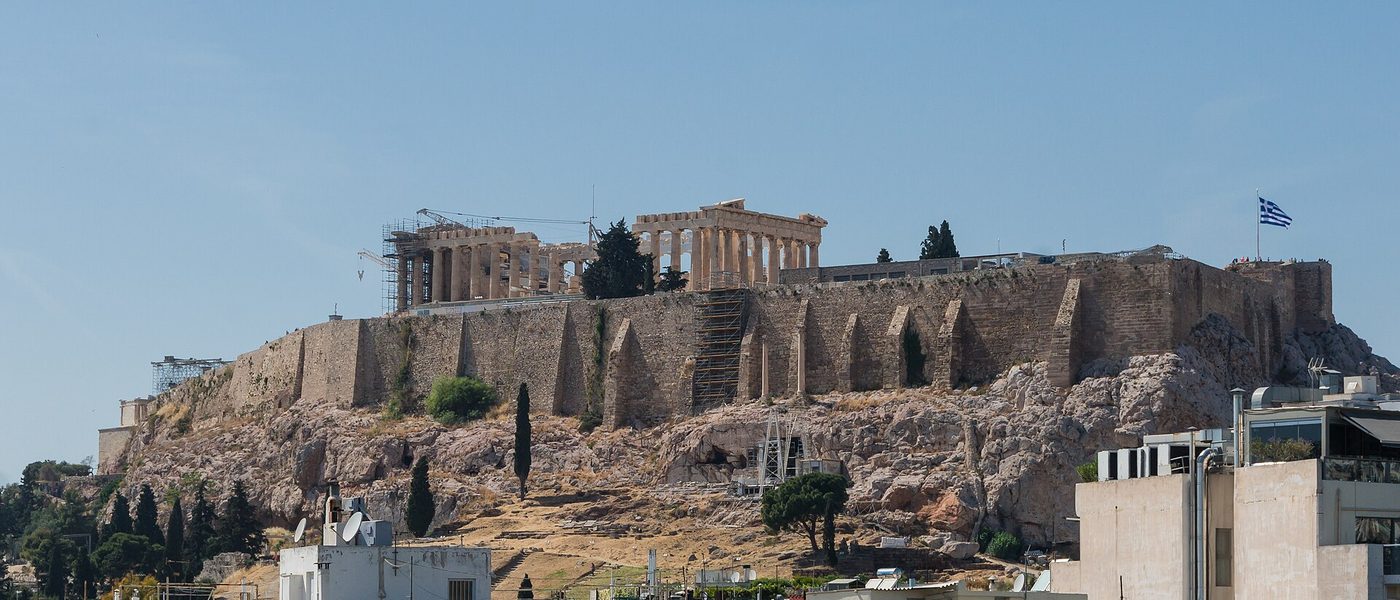
Most lists of things to do in Athens start with the Parthenon, and they are right to. Athens is the only European capital where you can stand on a hill in the middle of the city, in daylight, and look at a building that has been there for roughly two and a half thousand years. What those lists rarely tell you is that the practical business of visiting Athens changed more between 2024 and 2026 than in the previous twenty years, and a great deal of the advice still circulating online is quietly, expensively wrong.
The short version: the best things to do in Athens are the Acropolis at 08:00, the Acropolis Museum on a Friday evening, the Ancient Agora, the National Archaeological Museum, a slow morning in Plaka and Anafiotika, and sunset from Filopappou or the Areopagus. Two full days covers the essentials. Three lets you add the coast or a day trip.
I have been coming back to Athens for fifteen years, and the version of the city I first knew, cheap, chaotic, faintly shabby, has been steadily replaced by something more confident and considerably more expensive. The pedestrian walkway that loops the ancient sites is one of the great urban interventions in Europe. The metro is clean and fast. The food is better than it was. And the ticketing, which used to be an afterthought, is now the single thing most likely to ruin your first morning.
So this guide leads with the money and the mechanics, because that is where the real decisions are, and then works through the thirty things I would spend time on. Every price below is what I could source for the 2026 season, with the date I checked it. Where sources conflict, I say so rather than picking the tidier number.
Five things that changed in Athens between 2024 and 2026
1. The combined ticket is gone. Until 1 April 2025, €30 bought you a five-day pass covering the Acropolis plus the Ancient Agora, the Roman Agora, Hadrian’s Library, the Temple of Olympian Zeus, Kerameikos and Aristotle’s Lyceum. That ticket no longer exists. Buying the same seven sites individually now costs somewhere around €105. Greece kept joint tickets at Delphi, Olympia, Mycenae and Aigai, but not in Athens. Any page still selling you a €30 Athens combo is describing a product that was discontinued.
2. Prices roughly doubled or tripled at the second-tier sites. The Temple of Olympian Zeus went from €8 to €20. The Ancient Agora is €20. The Acropolis itself held at €30 but lost its winter discount, so a February visit now costs exactly what an August visit costs.
3. Entry to the Acropolis is capped and timed. Twenty thousand people a day, in hourly bands, with three thousand admitted in the first hour and two thousand in the second. You choose a slot when you buy. This is a real improvement on the free-for-all it replaced, but it means walking up on spec in July is a poor plan.
4. The heat now closes the site. The Acropolis has shut midday in each of the last three summers, usually from around noon until 17:00, and usually announced only the day before. Tickets are non-refundable. If you are visiting in July or August, this is the most important paragraph in this guide.
5. There is a new accommodation tax. The climate crisis resilience fee replaced the old stayover tax. It is charged per room per night, not per person, and it is collected at the hotel rather than included in your booking. From April to October it runs €2 for a one or two star hotel, €5 for three star, €10 for four star and €15 for five star. Short-term rentals pay €8 per property per night. In winter every band drops sharply, to between €0.50 and €4.
All 30 of the best things to do in Athens at a glance
Here is the whole list in one table, with what each one costs, how long it takes and whether I think it earns its price. My verdicts run: unmissable (I would rearrange a trip around it), worth paying for (good value at the asking price), free and worth it (costs nothing and still deserves the time), only with spare time (fine, but not on a two-day trip), and a few one-offs where the honest answer is more specific than a category.
| # | What | Where | Cost in 2026 | Time needed | Best moment | My verdict |
|---|---|---|---|---|---|---|
| 1 | The Acropolis | Acropolis | €30 | 2.5 to 3 hours | 08:00 slot | Unmissable |
| 2 | The Acropolis Museum | Makrigianni | €20 | 2 to 2.5 hours | Friday evening | Unmissable |
| 3 | The Ancient Agora and the Temple of Hephaistos | Thissio | €20 | 1.5 hours | Early morning | Unmissable |
| 4 | The Roman Agora and the Tower of the Winds | Monastiraki | €10 | 30 to 40 minutes | Any | Worth paying for |
| 5 | Hadrian’s Library | Monastiraki | €10 | 30 minutes | Any | Only with spare time |
| 6 | The Temple of Olympian Zeus | Between Syntagma and Mets | €20 | 30 to 40 minutes | Late afternoon | Look from the fence |
| 7 | Hadrian’s Arch | Vasilissis Amalias | Free | 5 minutes | Any | Free and worth it |
| 8 | Kerameikos | Kerameikos | €10 when open | 1 hour | Early morning | Check it has reopened |
| 9 | Aristotle’s Lyceum | Kolonaki | €5 | 20 to 30 minutes | Any | Only with spare time |
| 10 | The Odeon of Herodes Atticus | Acropolis south slope | In the Acropolis ticket; performances priced separately | 15 minutes from above | Summer evening show | Worth paying for |
| 11 | The National Archaeological Museum | Exarchia | €20 | 3 hours | Opening time | Unmissable |
| 12 | The Benaki Museum of Greek Culture | Kolonaki | €12, free Thursday evenings | 2 hours | Thursday 18:00 | Worth paying for |
| 13 | The Museum of Cycladic Art | Kolonaki | €14 | 1.5 hours | Any day but Tuesday | Worth paying for |
| 14 | The Byzantine and Christian Museum | Kolonaki | About €8 | 1.5 hours | Any | Only with spare time |
| 15 | The Panathenaic Stadium | Pangrati | €12 | 45 minutes | Opening time | Worth paying for |
| 16 | The changing of the guard at Syntagma | Syntagma | Free | 10 minutes, or 30 on Sunday | Sunday 11:00 | Free and worth it |
| 17 | Plaka and Anafiotika | Plaka | Free | 1 to 2 hours | Before 09:00 | Unmissable |
| 18 | Monastiraki flea market | Monastiraki | Free to walk; you pay only for what you buy | 1 hour | Sunday morning | Free and worth it |
| 19 | Varvakios central market | Athinas Street | Free | 45 minutes | Weekday morning | Free and worth it |
| 20 | Areopagus Hill | Below the Acropolis | Free | 20 minutes | Sunset | Free and worth it |
| 21 | Filopappou Hill | Koukaki | Free | 45 to 60 minutes | Sunset | Free and worth it |
| 22 | Mount Lycabettus | Kolonaki | Free on foot; roughly €10 to €13 return by funicular | 1 to 1.5 hours | Sunset | Worth paying for |
| 23 | The National Garden | Syntagma | Free | 45 minutes | Midday heat | Free and worth it |
| 24 | The Stavros Niarchos Foundation Cultural Center | Kallithea | Free | 2 hours | Late afternoon | Free and worth it |
| 25 | An evening in Psyrri | Psyrri | Free to walk | 2 to 3 hours | After 21:00 | Free and worth it |
| 26 | A street art walk | Psyrri, Exarchia, Metaxourgeio | Free | 1.5 hours | Morning | Free and worth it |
| 27 | The Athens Riviera and Lake Vouliagmeni | The coast | Public beaches free; Lake Vouliagmeni €17 to €19 | Half a day | Morning | Worth paying for |
| 28 | Cape Sounion and the Temple of Poseidon | South Attica | €20 in summer, plus transport | Half a day | Sunset | Worth paying for |
| 29 | A Saronic islands day cruise | From Piraeus | Roughly €110 to €145 | A full day | Any | Only if you are not island-hopping later |
| 30 | A day trip to Delphi or Meteora | Central Greece | Delphi €20; Meteora varies by tour | A full day | Any | Worth paying for |
Five unmissable, nine worth paying for, ten that cost nothing at all. That last number is the one to hold on to. Athens has become an expensive city to tick off and a cheap city to enjoy, and the gap between those two experiences is almost entirely a question of how you plan the first morning.
The Acropolis: how to actually do it
The Acropolis ticket is €30 for adults and €15 reduced, the same price in February as in August since the winter reduction was scrapped on 1 April 2025. Buy from tickets.hh.gr, the Ministry of Culture’s own e-ticketing service, which charges no booking fee. Resellers charge one. Tickets are also still sold at the two on-site kiosks, but the queue at 10:00 in October runs to roughly 45 minutes and can hit two hours in high season, which is a poor use of a morning in Athens.
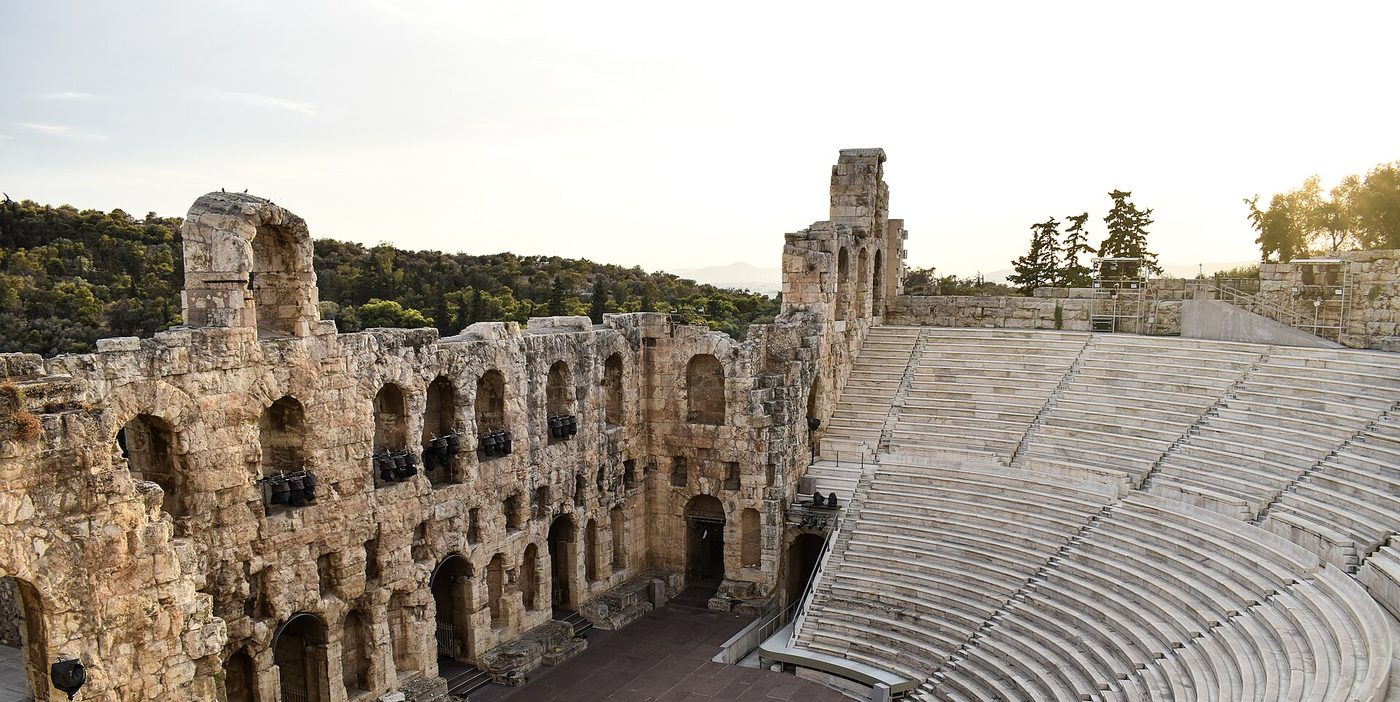
Your ticket covers the whole rock and both slopes: the Parthenon, the Erechtheion with its caryatid porch, the Temple of Athena Nike, the Propylaea, and on the way down the Theatre of Dionysus, the Stoa of Eumenes, the Asklepieion and the outside of the Odeon of Herodes Atticus. It does not cover the Acropolis Museum, which is a separate building with a separate €20 ticket, and it does not get you into a performance at the Odeon.
Which slot to book
Book the 08:00 band. I am not going to pretend there is a clever alternative. Crowds peak between 10:00 and 14:00 year-round, the coach groups land between 09:00 and 10:00, and the marble underfoot has been polished glassy by two centuries of visitors, which is unpleasant enough without a queue on it. The 08:00 band sells out first, then the late afternoon. In July and August book roughly two weeks ahead; a week is usually enough for spring and September; in winter you can often walk up.
One caveat worth knowing before you plan around it: the official booking window rolls forward rather than opening a year in advance, so if your dates are more than a few months out you may find nothing on sale yet. Check, then check again nearer the time.
Sources disagree about the exact shape of the slots. Some describe hourly intervals with a fifteen-minute grace period either side; others report the booking interface currently offering two and three-hour blocks. The checkout screen is the authority, so read what it says on the day before you commit. What is not in dispute: once you are inside there is no time by which you must leave, and the ticket is single entry, so leaving to find lunch ends your visit.
Which gate
There are two full entrances, about ten minutes’ walk apart. The main west gate is the one everyone uses. The south-east gate on Mitsaion, opposite the Acropolis Museum, is a proper entrance rather than a service door, and it takes far less of the traffic once the groups arrive. There is also a lift entrance beside the main gate for visitors who need it. If you are on an 08:00 slot it hardly matters. For anything after 09:00, go to Mitsaion.
The heat problem, and it is a real one
Greece does not publish a temperature at which the Acropolis closes. What happens in practice is that the Culture Ministry shuts open-air sites during the hottest part of the day, tracking the national pause on outdoor work rather than a site-specific threshold, and the closure window has consistently run from around midday until 17:00. It happened on 8 July 2025 and again on 22 July 2025. It happened on 13 June 2024, when temperatures hit 43C. It happened in July 2023 as well. Three summers running is a pattern, not a fluke, and there is nothing in the forecasts to suggest it stops.
The decision usually lands the day before, and tickets are non-refundable. So if you are visiting between mid-June and early September, an 08:00 slot is the only booking that is genuinely heat-proof. A 12:00 or 14:00 slot in a heatwave is thirty euros you may simply lose. There is no shade at all on the rock and no food or water sold up there, so bring a bottle and a hat regardless.
Opening and closing times
The Acropolis opens at 08:00 every day of the year. In winter, meaning 1 November to 31 March, it closes at 17:00 with last admission at 16:30. In summer it stays open considerably later, but the closing time shifts through the season rather than sitting at one figure: expect somewhere between 18:00 and 20:00 depending on the date, with the latest closes in high summer. The state-wide rule is that last admission is twenty minutes before closing, and every state site shuts on 1 January, 25 March, 1 May, Orthodox Easter Sunday, and 25 and 26 December.
How long it takes
Ninety minutes on the summit is enough for most people. Add the slopes and you are looking at two and a half to three hours. If you only have one morning, do the rock, walk down the south slope past the Theatre of Dionysus, and go straight into the Acropolis Museum, which is four minutes away and makes sense of everything you have just looked at.
The Acropolis Museum
The most rewarding museum in Athens and, on a hot afternoon, the most comfortable building in the city. General admission is €20 for adults and €10 reduced, the same all year. If you meet a €15 summer and €10 winter figure elsewhere, that is a pre-2025 structure.
Go on a Friday evening. It is the only long night of the week, the building stays open to 22:00, and the top-floor Parthenon Gallery, which is laid out to the exact dimensions and orientation of the temple you can see through the glass, empties out after 20:00. Standing in that room at dusk with the floodlit Parthenon framed in the window is the single best hour Athens offers, and it costs the same as standing in it at noon with four hundred other people.
You will also want to know about the empty spaces. Roughly half of the surviving Parthenon frieze is in the British Museum in London, removed by Lord Elgin in the early nineteenth century, and the Parthenon Gallery deliberately marks the gaps with plaster casts in a different colour so you can see exactly what is missing and where. Greece has campaigned for the return of the sculptures for decades. Whatever you think of the argument, the gallery makes it more effectively than any speech.
Allow two to two-and-a-half hours. One useful thing: the second-floor restaurant, which has the Acropolis view, can be visited without a museum ticket, though you do need to pick up a free admission ticket at the desk to reach it by lift. It stays open until midnight on Friday and Saturday, which makes it a serious alternative to a rooftop bar. The ground-floor cafe needs no ticket at all, but it looks over the excavation rather than the hill.
The Ancient Agora and the Temple of Hephaistos
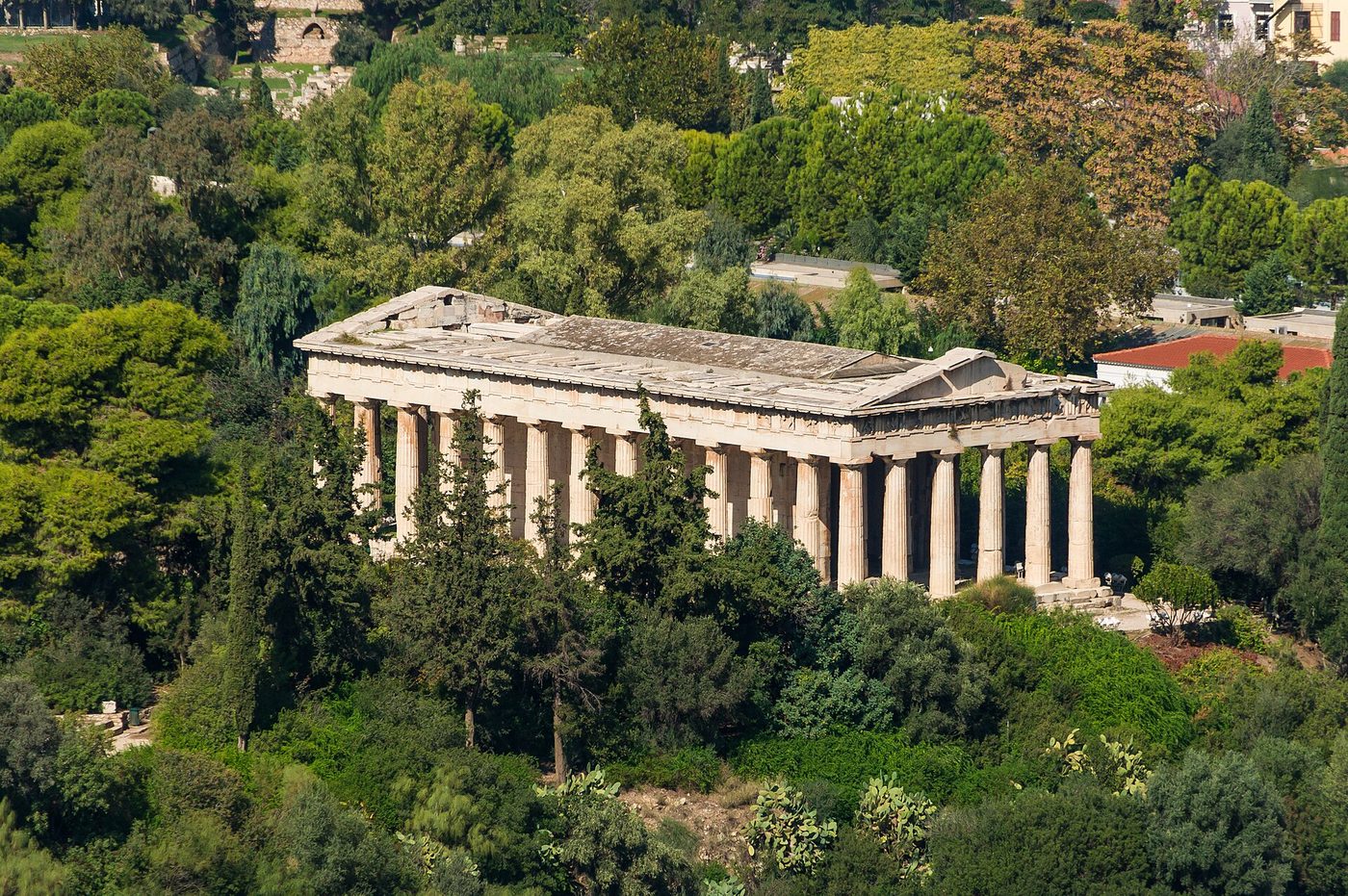
Twenty euros, and the best-preserved ancient Greek temple anywhere in the world sits in the middle of it. The Temple of Hephaistos has its roof, its colonnade and most of its frieze, which the Parthenon does not, and yet it is somehow the quieter stop. This is where Socrates argued, where the democracy did its administrative work, and where the reconstructed Stoa of Attalos now houses a small, excellent site museum that is included in the ticket.
A large EU-funded upgrade has been running across the Agora and neighbouring Kerameikos, described in early 2026 as being in its final stretch. The Adrianou Street entrance has been reported closed during the works, so enter from the Apostolou Pavlou gate near Thissio metro. Summer hours run 08:00 to 20:00, winter 08:00 to 17:00, with last admission twenty minutes before closing, which is the standard rule at every Greek state site.
The Roman Agora, Hadrian’s Library and the Temple of Olympian Zeus
These three sit in the awkward middle of the Athens ticket ladder, and how you handle them says a lot about how your budget goes.
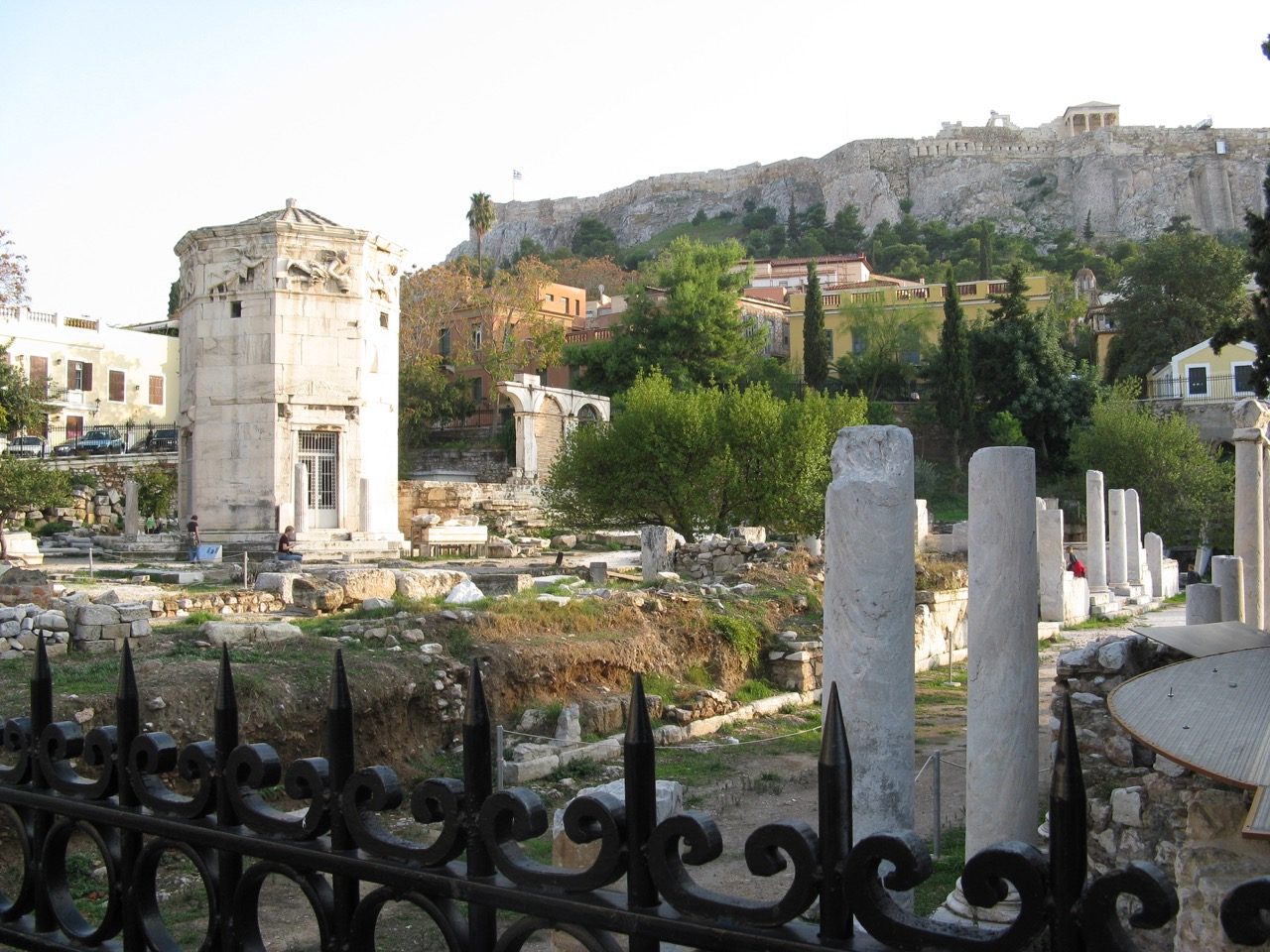
The Roman Agora is €10 and contains the Tower of the Winds, a first-century BC octagonal clock tower standing to its full height with all eight of its carved wind gods intact. It is a strange and rather lovely object. It is also visible, along with most of the enclosure, from the railings on Aiolou and Pelopida, free, at any hour. Pay if you want to stand under the tower. Do not pay twice for the view.
Hadrian’s Library, built in 132 AD, is also €10, is thirty minutes’ work, and has one spectacular surviving wall of Corinthian columns that you can see a good deal of from Areos Street. Winter hours here are shorter than at most Athens sites, reportedly closing at 15:00, so check before you build an afternoon around it.
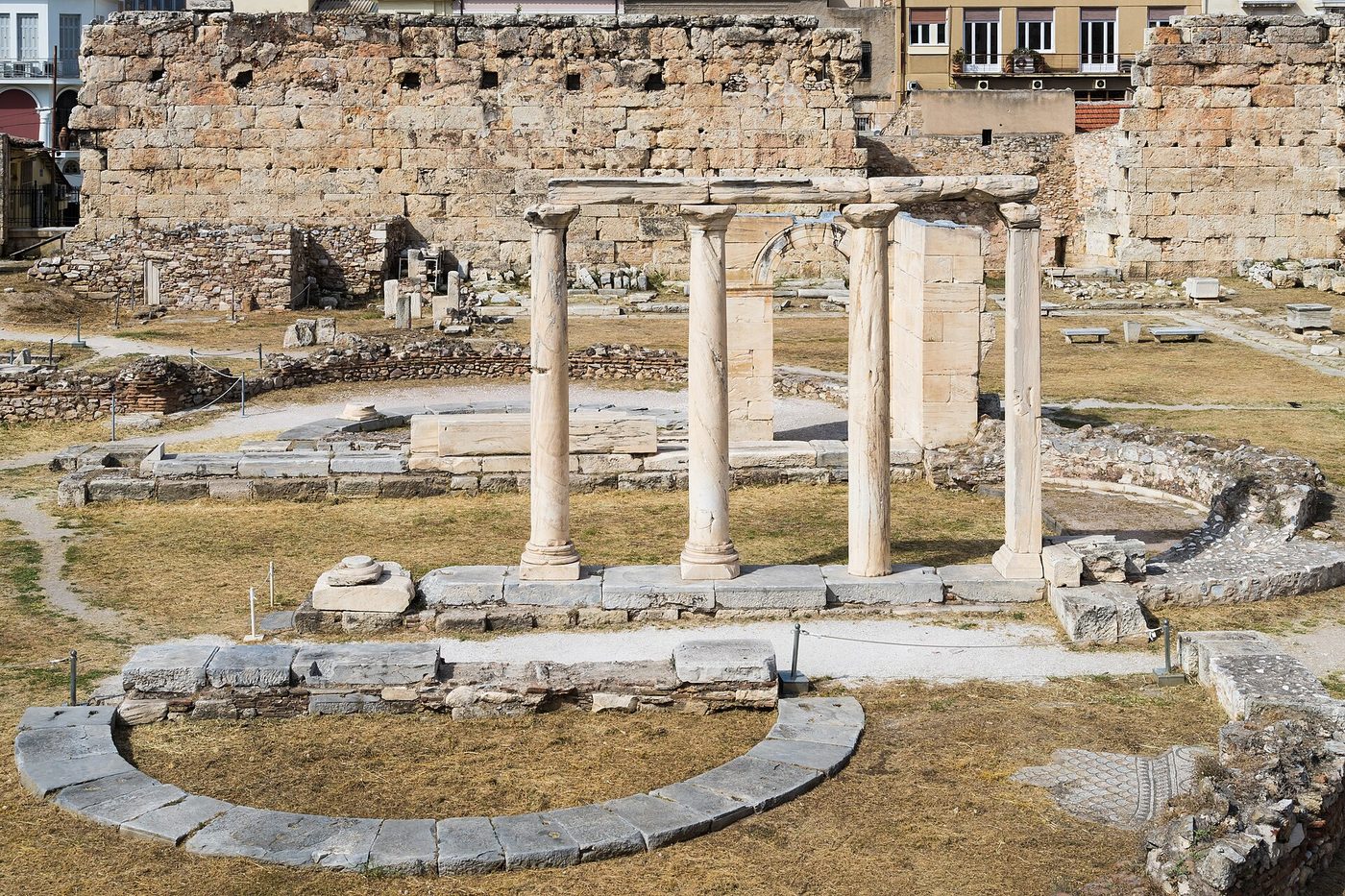
The Temple of Olympian Zeus is the one I would think hardest about. Fifteen of the original one hundred and four Corinthian columns still stand, they are enormous, and the site went from €8 to €20 in the 2025 reform, a rise of a hundred and fifty percent for an identical experience. All fifteen columns are visible from the perimeter fence on Vasilissis Olgas, and Hadrian’s Arch stands outside the fence entirely and is free. On a two-day trip with a tight budget I look from outside and put the twenty euros into the National Archaeological Museum instead. On a longer trip I go in, because standing at the base of those columns does something no view through railings can.
Kerameikos, and why you should check before you go
Kerameikos, the ancient cemetery and potters’ quarter north-west of the Agora, closed on Monday 5 May 2025 for an accessibility and infrastructure upgrade, announced as running until further notice. Reporting in March 2026 targeted summer 2026 for the reopening, and one source in June suggested July, but I could not confirm from an official announcement that it had reopened by late August 2026.
Two consequences. First, check the Ministry of Culture site before you walk over there. Second, several of the third-party bundle tickets sold as Athens combos still include Kerameikos in their site count, which inflates the apparent value of a bundle you may not be able to use in full. One widely sold six-site package at around €98 saves roughly two euros against buying the same tickets individually, and includes Kerameikos. That is not a saving worth the constraint.
Which raises the wider question of whether to buy any pass at all, one I get asked constantly and cover in more depth in our complete Greece travel guide. There is a privately run Athens museum pass at around €79 covering the Acropolis with an audio guide plus fourteen museums and two days of hop-on-hop-off bus. If you truly intend to visit six or more of those museums in forty-eight hours it is decent value. Most people visit three and lose money on it.
The museums worth your time beyond the Acropolis
Athens is a museum city that people treat as a ruins city, and the imbalance costs visitors the better half of the trip. Five are worth planning around, and two of them can be done for nothing if you time them right.
| Museum | Adult ticket | Time needed | The one thing to see | When to go |
|---|---|---|---|---|
| National Archaeological Museum | €20 | 3 hours | The Antikythera mechanism, and the bronze Artemision god | At opening, before the coaches |
| Acropolis Museum | €20 | 2 to 2.5 hours | The Parthenon Gallery on the top floor | Friday evening, after 20:00 |
| Benaki Museum of Greek Culture | €12, free Thursday 18:00 to midnight | 2 hours | Four thousand years of Greek life in one chronological sweep | Thursday evening, for nothing |
| Museum of Cycladic Art | €14 | 1.5 hours | The marble figurines that Picasso and Brancusi were looking at | Any day but Tuesday, when it closes |
| Byzantine and Christian Museum | About €8 | 1.5 hours | Icons and the thousand years between antiquity and now | Combine with the Benaki, five minutes away |
The National Archaeological Museum is the one that surprises people. It holds the finest collection of ancient Greek art in existence, it sits in a neoclassical pile on the edge of Exarchia rather than in the tourist core, and it is routinely skipped by people who have spent forty euros on two hours of foundations. Go at opening. Nearest metro is Omonia or Victoria on Line 1, about ten minutes on foot from Omonia. Hours run roughly 08:00 to 20:00 Wednesday to Monday in the summer season with a 13:00 start on Tuesdays, dropping to 08:30 to 15:30 in the winter window from 1 November to 31 March, with last admission half an hour before closing. Published summer and winter windows do overlap oddly at the edges of the season, so if your visit falls in late October or early November, confirm on the museum’s own site.
The Benaki Museum of Greek Culture is free every Thursday from 18:00 to midnight. That is a large, well-curated museum in Kolonaki, open late, at no cost, once a week, and I have watched people walk past it to queue for something they paid twenty euros for. It also opens free on 6 March, 18 May and 28 October.
The Museum of Cycladic Art is small, beautifully lit, and closed on Tuesdays, which catches people out. Its hours are 10:00 to 17:00 Monday, Wednesday, Friday and Saturday, until 20:00 on Thursday, and 11:00 to 17:00 on Sunday. Under-18s go free.
The Byzantine and Christian Museum fills the gap the other museums leave, which is the thousand years of Greek history that is neither classical nor modern. Its ticket sits outside the Ministry’s standard price bands, reported at around €8 in summer and half that in winter, so treat that figure as indicative. EU citizens under 25 go free with ID, as they do at every state site.
The Panathenaic Stadium, and a scheduling note
Twelve euros gets you into the only stadium in the world built entirely of marble: rebuilt by Herodes Atticus in 144 AD, excavated and rebuilt again in 1895 for the first modern Olympics of 1896, used again in 2004, and still the finish line of the Athens Marathon. The audio guide is included in the ticket and takes about fifteen minutes. Hours are 08:00 to 19:00 from March to October and 08:00 to 17:00 from November to February.
The thing people come for is walking on the track and sitting in the marble tiers, and that access was restricted from 26 June to 31 August 2026 while the running surface was resurfaced. That announced restriction has ended, but wider conservation work on the marble has been running through the year, so check the stadium’s own site before you build a morning around the track. I mention it because the stadium is run by the Hellenic Olympic Committee rather than the Ministry of Culture, which means it is not on the state ticketing site, the state free-admission days do not apply to it, and its closures get announced on its own site rather than anywhere you would think to look.
The changing of the guard, done properly
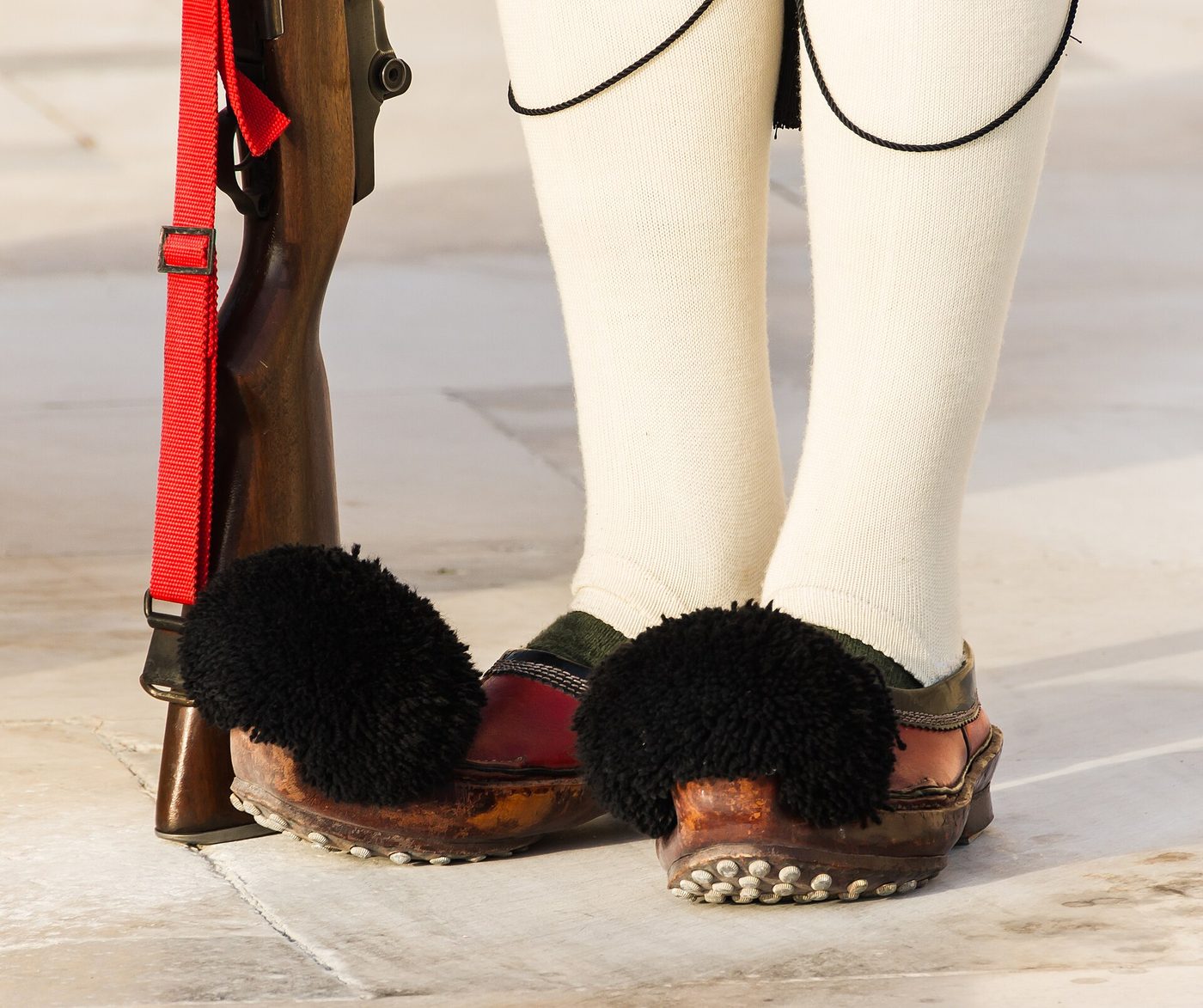
The Evzones change on the hour, every hour, all day and all night, all year, in front of the Tomb of the Unknown Soldier below the Hellenic Parliament on Syntagma Square. It is free. The hourly version takes a few minutes and is worth catching if you are passing.
The one to plan for is Sunday at 11:00, when the full-dress ceremony runs with a military band and a much larger formation. The Evzones are an elite army unit rather than a tourist attraction, and the tsarouchia, the shoes with the black woollen pom-poms, are heavier and more awkward than they look, which is part of why the walk is so slow and deliberate. Stand on the parliament side rather than the square side and you will see the whole approach rather than the backs of a crowd.
Walking Athens: the neighbourhoods that repay the time
Athens rewards walking more than almost any European capital I know, partly because the ancient sites are strung along one continuous pedestrian route and partly because the neighbourhoods change character every four streets. The centre is compact and most of the classical sites are within walking distance of each other. The caveat is that the pavements are uneven, frequently broken, and punctuated by staircases that appear without warning, which makes Athens a difficult city for anyone with mobility issues and a poor city for a wheeled suitcase.
Plaka and Anafiotika
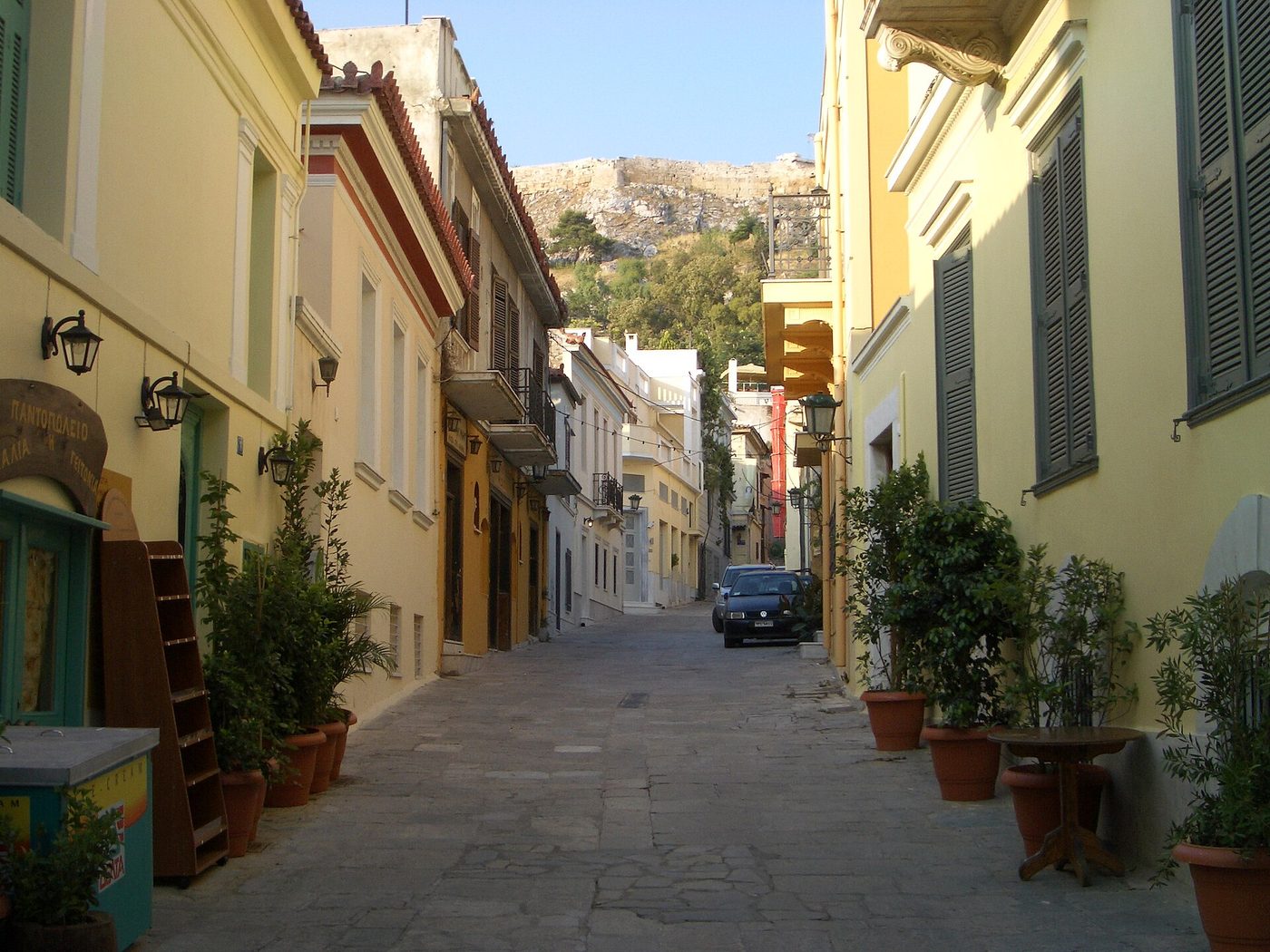
Plaka is the oldest district, running from the foot of the Acropolis up to Syntagma: cobbled alleys, neoclassical houses, small Byzantine churches, Ottoman-era survivals, and by ten in the morning a solid wall of people. The official city guide’s own line on it is that you should go and be prepared for the crowds, which is refreshingly honest. Go before 09:00 and it is a different place entirely.
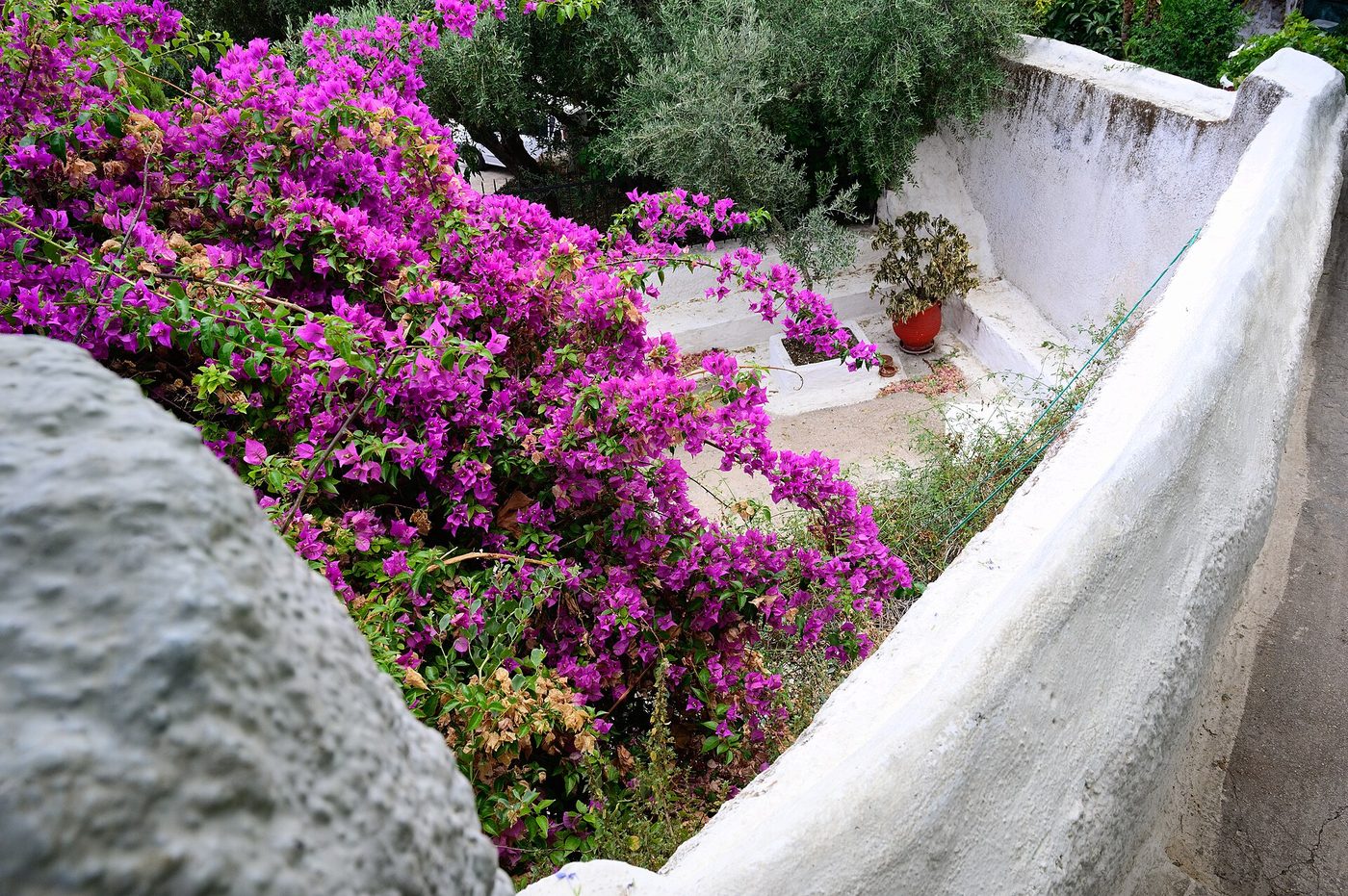
Anafiotika is the reason to make the effort. It is a pocket of whitewashed, flat-roofed, Cycladic-looking houses clinging to the northern slope of the Acropolis, built in the nineteenth century by construction workers brought from the island of Anafi to build the Royal Palace, who put up houses in the style of home. The alleys are barely a metre wide, the doors are painted, and the bougainvillea does most of the work. It is no longer a secret, but at eight in the morning you will have it more or less to yourself.
Monastiraki and the flea market
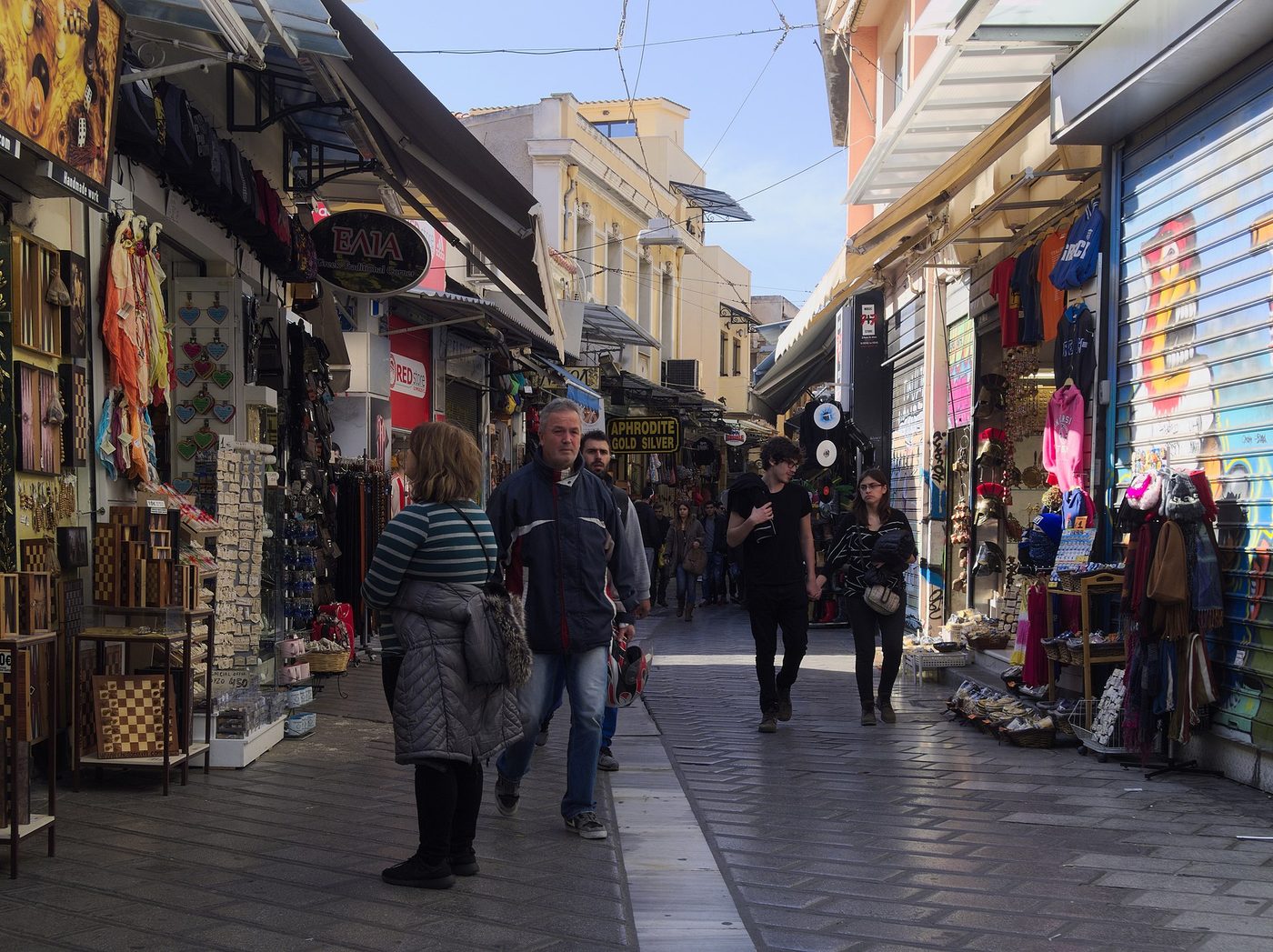
Monastiraki is where the layers of the city stack most visibly: a Byzantine church, an Ottoman mosque, the edge of the Roman Agora and a metro station all within sight of each other, with the Acropolis on top of the frame. The flea market sprawls west from the square towards Thissio and is at its most interesting on Sunday morning, when the proper junk sellers set up. During the rest of the week a good deal of it is souvenir stock. It costs nothing to walk through either way.
Psyrri, Exarchia, Koukaki and the rest
Psyrri, immediately north of Monastiraki, is where Athens does its drinking. It is scruffy, heavily painted, packed with small bars and mezedopoleia, and loud until three in the morning. That is either the appeal or the reason not to book a room there.
Exarchia is the student and counterculture quarter with a reputation that runs ahead of it. There are anarchist politics and there is graffiti, and there are also underground galleries, jazz basements and some of the best-value meze tavernas in the city, plus the National Archaeological Museum on its edge. Rooms are cheaper here than anywhere else this central.
Koukaki, south of the Acropolis and about twenty minutes on foot from Syntagma, is the one I recommend most often now. The arrival of the Acropolis Museum and the pedestrian walkway turned a plain residential district into one of the city’s most fashionable, and it has kept the residential part: bakeries, a laundrette, people who live there.
Kolonaki, below Lycabettus, is the smart end: boutiques, good hotels, and three of the museums in the table above. Pangrati, east of the stadium, is leafy, café-heavy, historically the neighbourhood of the Athenian intelligentsia, and largely tourist-free. Kypseli, further north, is the interesting one for a return visit: art-deco and neoclassical flats, a pedestrian avenue called Fokionos Negri running through the middle, and a 1937 municipal market regenerated in 2018 as a social-enterprise space full of small food producers and pop-ups.
Athens for nothing: the ten free things I would still do
Ten of the thirty entries in my table carry the free and worth it verdict, and several of them are better than things I paid for. Plaka and Anafiotika cost nothing to walk through either, but they earn a higher verdict than that, so they sit above. This is the list I hand to friends who arrive on a tight budget.
| Free thing | Where | Time | Best moment |
|---|---|---|---|
| Hadrian’s Arch | Vasilissis Amalias, outside the Olympieion fence | 5 minutes | Passing |
| The changing of the guard at Syntagma | Syntagma Square | 10 minutes, 30 on Sunday | Sunday 11:00 |
| Monastiraki flea market | West of Monastiraki Square | 1 hour | Sunday morning |
| Varvakios central market | Athinas Street | 45 minutes | Weekday morning |
| Areopagus Hill | Steps off Dionysiou Areopagitou | 20 minutes | Sunset |
| Filopappou Hill | Koukaki side of the Acropolis | 45 to 60 minutes | Sunset |
| The National Garden | Between Syntagma and the stadium | 45 minutes | The hottest part of the day |
| The Stavros Niarchos Foundation Cultural Center | Kallithea, towards the coast | 2 hours | Late afternoon |
| An evening in Psyrri | North of Monastiraki | 2 to 3 hours | After 21:00 |
| A street art walk | Psyrri, Exarchia and Metaxourgeio | 1.5 hours | Morning light |
Areopagus and Filopappou are the two viewpoints. The Areopagus is the bare rock immediately below the Acropolis entrance, reached by stone steps off Dionysiou Areopagitou, with no ticket and no closing time. It is slippery, it is always busy at sunset, and the view straight up at the Propylaea is remarkable. Filopappou, on the other side, is a proper pine-covered park rising to 147 metres, fifteen to twenty-five minutes’ walk to the monument at the top, and it gives you the postcard view of the Acropolis in profile with the sea behind it. If you do one, do Filopappou. If you do both, Areopagus first and Filopappou for the sunset.
The National Garden is fifteen and a half hectares of dense shade laid out in 1838 as Queen Amalia’s private garden. In July that shade is not a pleasant extra, it is a survival tool. It sits directly between Syntagma and the Panathenaic Stadium, so it is on your route anyway.
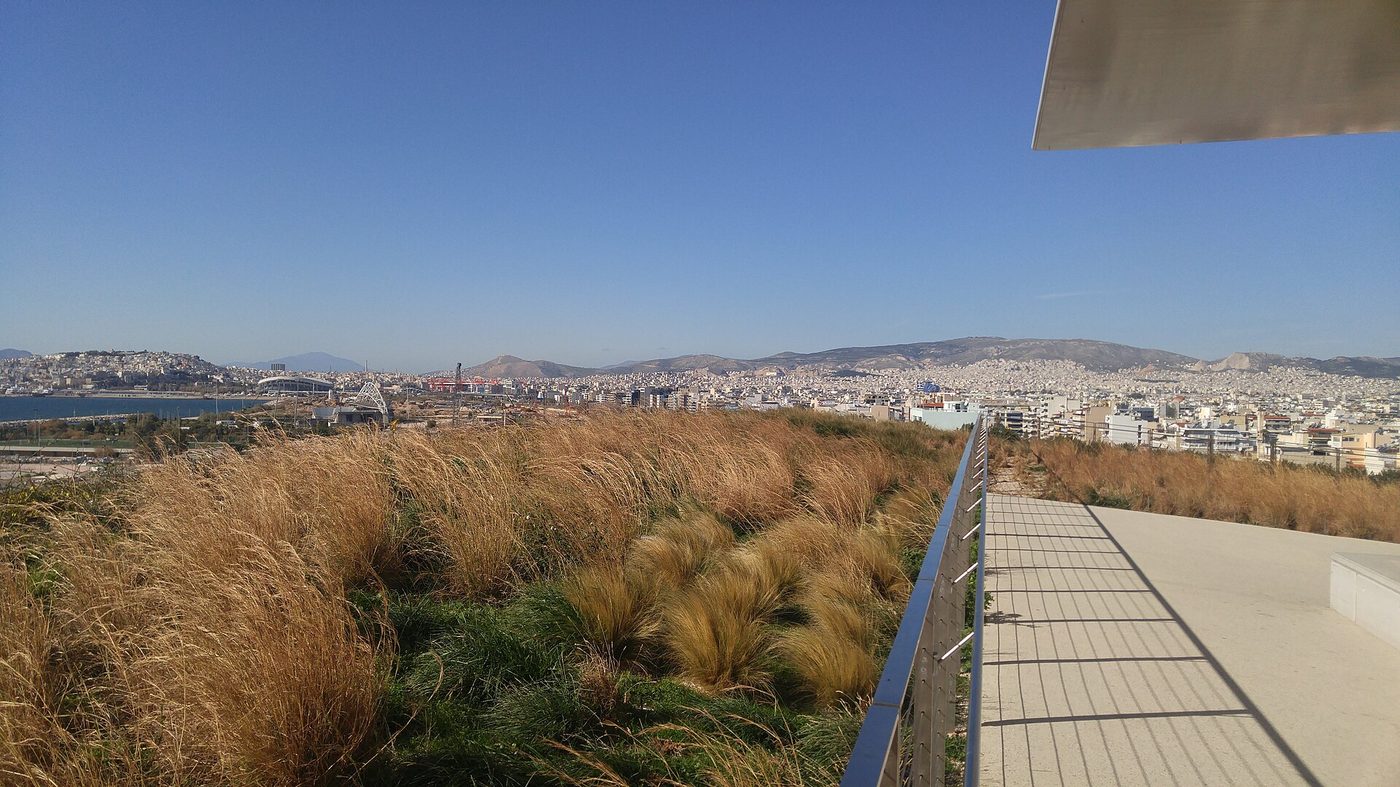
The Stavros Niarchos Foundation Cultural Center is the one most visitors never reach and the one that tells you most about contemporary Athens. Renzo Piano’s 2017 complex houses the Greek National Opera and the National Library of Greece under a planted, terraced park that runs down towards the sea, open from 06:00 to midnight, free, with no tickets and no booking. Go late in the afternoon, walk up the roof, watch the light go over Piraeus.
Mount Lycabettus, and the street art nobody sends you to see
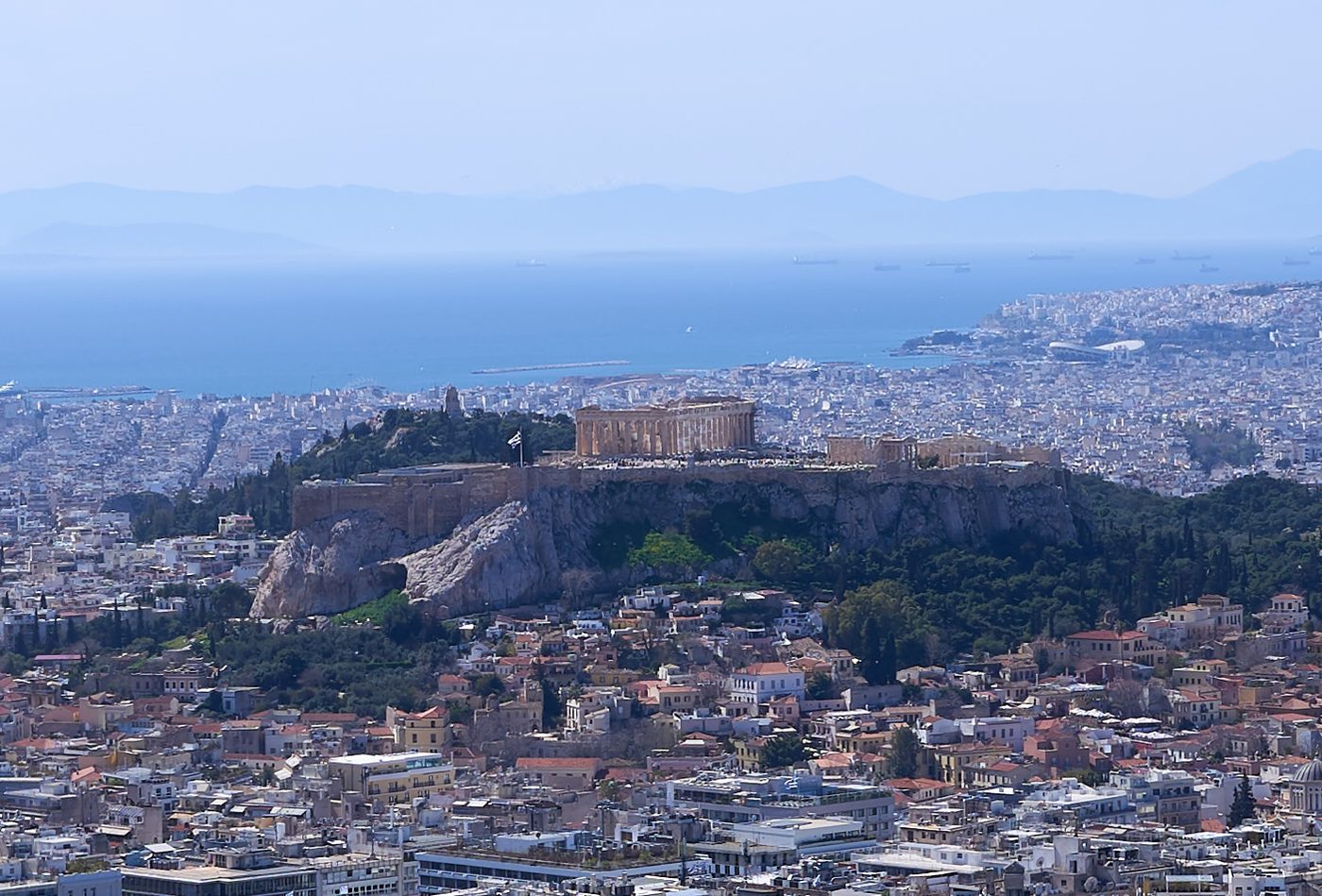
Lycabettus is the steep cone of pine and rock rising behind Kolonaki, and it is the highest point in central Athens. What it gives you that Filopappou does not is the reverse view: the Acropolis small and distant on its rock, the whole grid of the city spreading out around it, and the sea and the mountains closing the frame. On a clear evening you can pick out Piraeus and, on the best days, the outline of Aegina.
You can walk up the outdoor paths for nothing in about half an hour from Kolonaki, which is the version I prefer, or take the funicular from the top of Ploutarchou Street. The fare is quoted variously at around €10 return and at €10 one way with €13 return, so check the board before you buy. It runs from 09:00 to 02:30, roughly every half hour. There is a chapel, a cafe and a restaurant at the summit, and the restaurant charges what a monopoly on that view lets it charge.
Go for sunset, and go on a weekday if you can, because the summit terrace is small and gets crowded fast.
The other thing worth an unstructured morning is Athens street art, which is among the best in Europe and gets almost no space in the standard guides. The crisis years turned the city into one of the most heavily painted capitals anywhere, and the work ranges from tags to enormous, commissioned pieces on the sides of apartment blocks. The three neighbourhoods to walk are Psyrri, where the density is highest and it doubles as a bar crawl in daylight; Exarchia, where the work is most political and most likely to have been painted over since; and Metaxourgeio, west of Omonia, where the murals are largest. Go in the morning when the light is on the walls and the shutters are still down, because half the best pieces are painted on shop shutters and disappear at opening time.
What to do in Athens when it rains
Athens gets most of its rain between November and February, and December is the wettest month of the year. It is rarely a washout, but a wet day is a real possibility in winter and it will not be much fun on the marble at the Acropolis, which turns treacherous.
The good news is that Athens has an unusually strong wet-weather bench. The Acropolis Museum and the National Archaeological Museum will absorb five hours between them without effort. The Benaki, the Cycladic and the Byzantine museums sit within ten minutes of each other in Kolonaki, so you can move between them without getting properly wet. Varvakios market is covered. The Stoa of Attalos at the Ancient Agora is a fully roofed reconstructed colonnade housing the site museum, which means you can do at least part of that site in the dry. And the Stavros Niarchos Foundation Cultural Center has a library, an opera house and a great deal of indoor public space, all free.
If it is genuinely pouring, do what Athenians do and spend three hours over a freddo espresso. Nobody will move you on.
Eating in Athens without eating badly
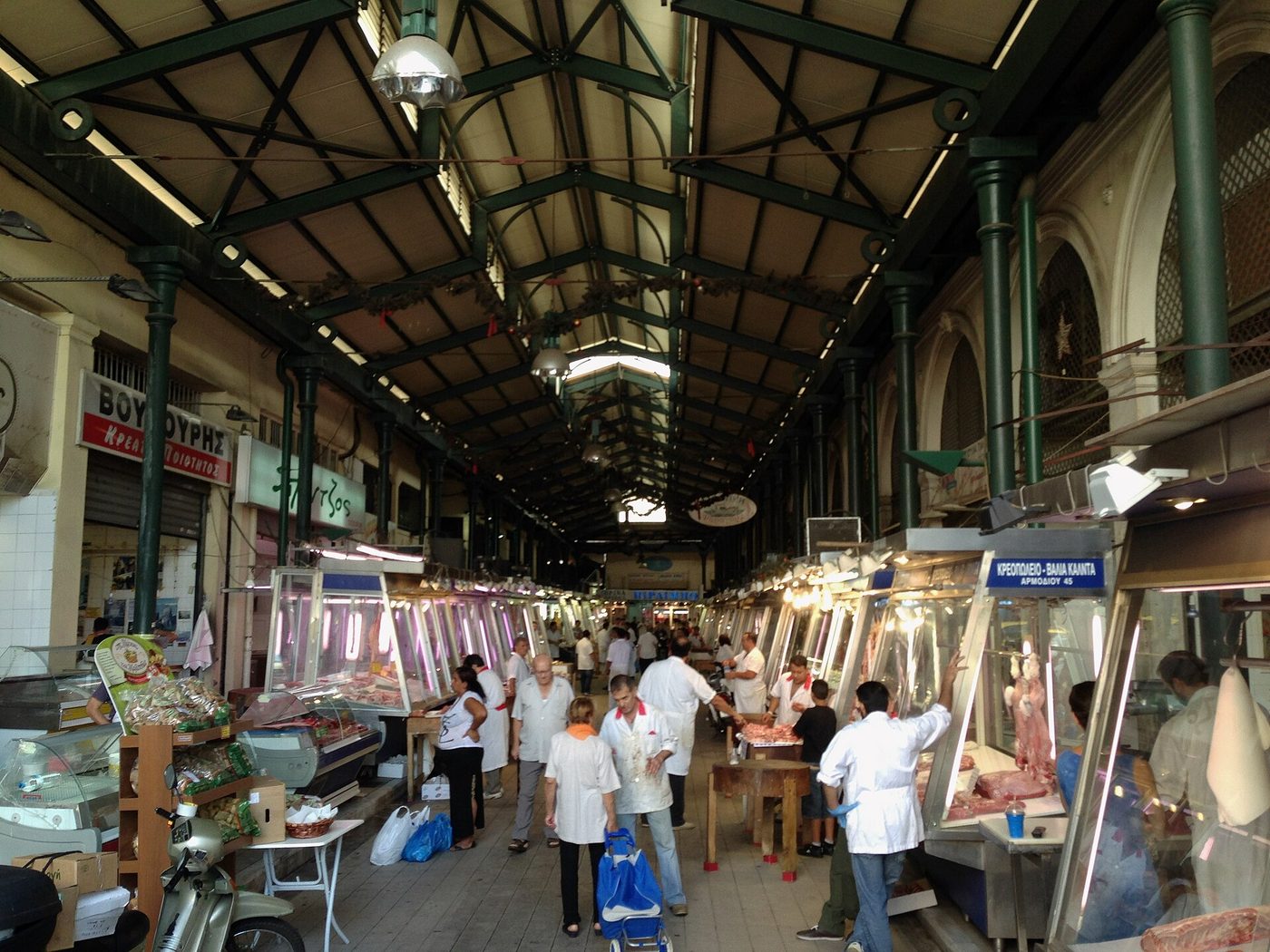
Athens food has improved sharply in a decade, and the gap between a good meal and a bad one is almost entirely geographic. Anywhere with a laminated photo menu and a man outside inviting you in is charging tourist prices for tourist food. Walk four streets in any direction and the same meal costs a third less and tastes better.
| What | Away from the tourist streets | In Plaka and Monastiraki |
|---|---|---|
| Pita souvlaki or gyros | €3.50 to €4.50 | €4.50 to €5.50 |
| Freddo espresso | €2.50 to €3.50 | Up to €5 |
| Draught or bottled beer | €3 to €5 | €5 to €6 |
| Taverna lunch, per person | €10 to €20 | Toward the top of that range and beyond |
| Dinner with a starter and a main, per person | €15 to €25 | €25 and up |
| Cover charge, per person | €1.50 to €3, usually bread and water | Same, but check the bill |
Start at Varvakios Agora, the central market on Athinas Street. It was built in 1884 and named after the philanthropist Ioannis Varvakis, and it is still a working market rather than a food hall: covered fish and meat halls, produce outside, butchers shouting, no concessions made to visitors at all. It opens Monday to Saturday and closes on Sundays and public holidays. Go on a weekday morning.
Three places I keep going back to, all still trading as of my last check. Diporto is a basement taverna behind the market on Sokratous Street with no sign, no menu and about five dishes. Ta Karamanlidika tou Fani, near the market, serves Byzantine and Cappadocian food and cures its own meat, with a second branch on Ermou. Kostas has been making souvlaki since 1950, closes when it sells out, and does not open at weekends or on holidays, so it is a lunch plan rather than a dinner plan.

What to order, if you want the Athens versions rather than the airport versions: moussaka, souvlaki, gyros, spanakopita, bougatsa for breakfast and baklava afterwards. On tipping, Greeks round up or leave five to ten percent. It is appreciated and never obligatory, staff are paid a wage, and cash is preferred because card tips often do not reach the person who served you. Some tourist-facing restaurants add a service charge of ten to fifteen percent, so read the bill before you add to it.
Athens after dark
The Acropolis is floodlit every night and visible from an absurd number of rooftops, which is why every hotel bar in the centre charges a premium for a terrace. Two free alternatives: the Areopagus after dark, and the walk along Dionysiou Areopagitou, which is pedestrianised, lit, and lined with people who live here doing their evening stroll.
For a drink, Psyrri is the obvious answer and it is a good one. Exarchia is cheaper and more interesting. Koukaki has the best neighbourhood wine bars. If your visit falls between June and August, check what is on at the Odeon of Herodes Atticus: the Athens Epidaurus Festival stages opera, ballet and Greek drama in a Roman theatre from 161 AD, and sitting in those stone tiers under the Acropolis is worth rearranging an evening for. Those performances are ticketed separately and are not covered by your Acropolis ticket.
The Athens Riviera
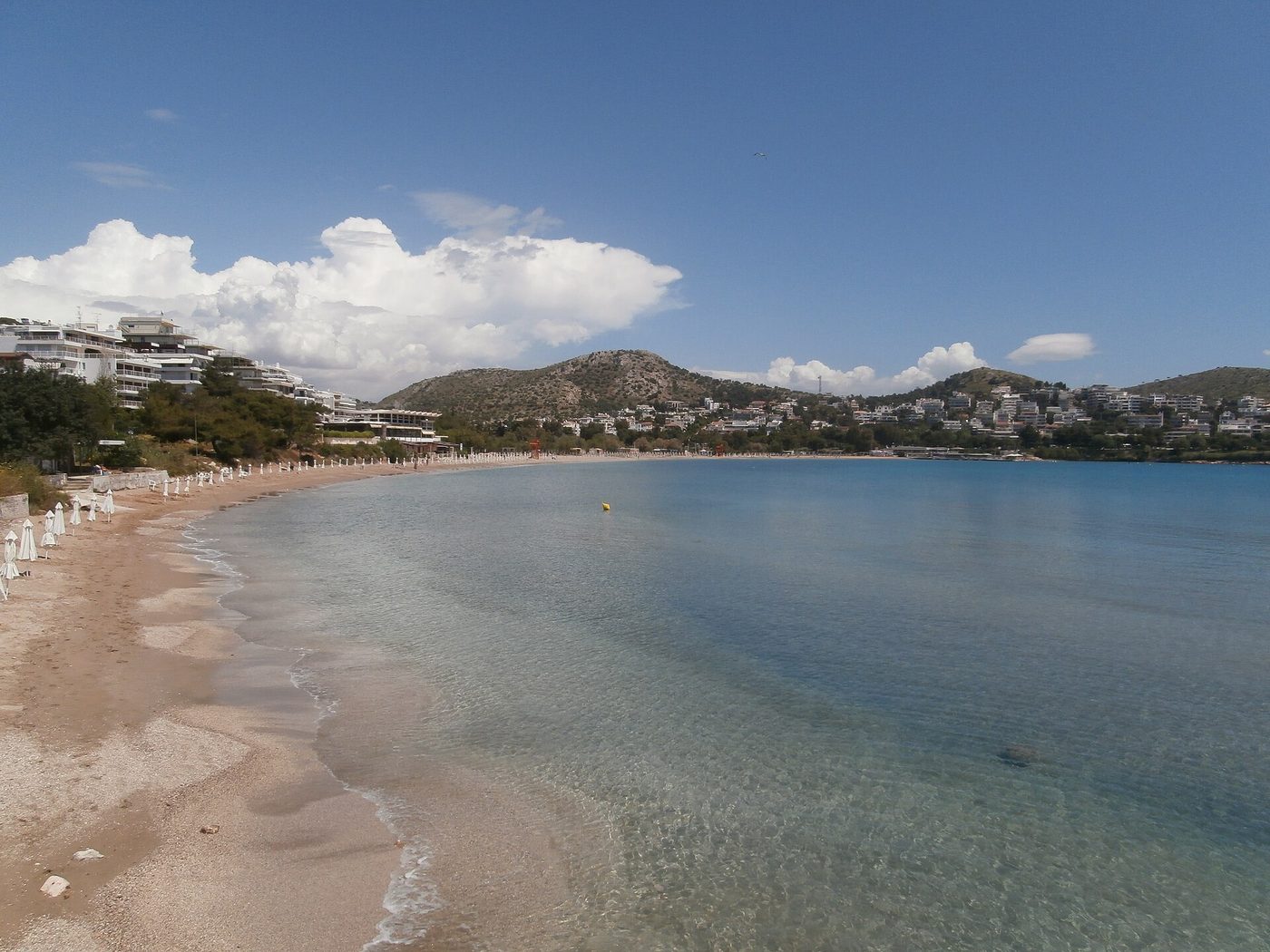
Most people do not realise Athens has a coast, let alone a swimmable one forty minutes from Syntagma. The tram gets you there for the price of a normal ticket: T6 from Syntagma to Pikrodafni, change to T7, and you are in Glyfada in thirty-five to forty-five minutes or Voula in fifty to sixty.
The coast has both free public stretches and organised beaches that charge for entry, loungers and facilities. Astir Beach at Vouliagmeni charges €17 on weekdays and €19 at weekends and public holidays for adults, with children aged six to twelve at €14 and €17 and under-fives free.
Lake Vouliagmeni is the one I would happily spend money on: a brackish thermal lake half an hour south of the centre, fed from underground, holding a steady 22C to 29C all year, backed by a cliff and connected to an undersea cave system whose full extent has never been mapped. Entry is €17 on weekdays and €19 at weekends. Swimming in it in November, when the sea is cold, is one of the odder pleasures Athens offers.
Day trips from Athens, ranked by whether they are worth the day
| Day trip | How long | Cost | Getting there independently | Worth a day? |
|---|---|---|---|---|
| Cape Sounion, Temple of Poseidon | Half a day | €20 entry in summer, plus bus | KTEL Attikis bus from Pedion Areos, roughly 1.5 to 2 hours | Yes, for sunset |
| Delphi | Full day | €20 for site and museum together | Long by bus; most people take a coach tour | Yes, on a third or fourth day |
| Meteora | Full day, long | Guided train day trips from around €35 to €65 | Train to Kalambaka, book at hellenictrain.gr | Yes, but consider staying overnight |
| Hydra, Poros and Aegina cruise | 11 to 12 hours | Roughly €110 to €145 | Ferries from Piraeus, from €9.50 to Aegina | Only if you are not island-hopping later |
| Aegina on your own | Half to full day | Ferry from €9.50, 30 to 40 minutes on the fast boat | Around 20 crossings a day from Piraeus | Yes, and far better value than the cruise |
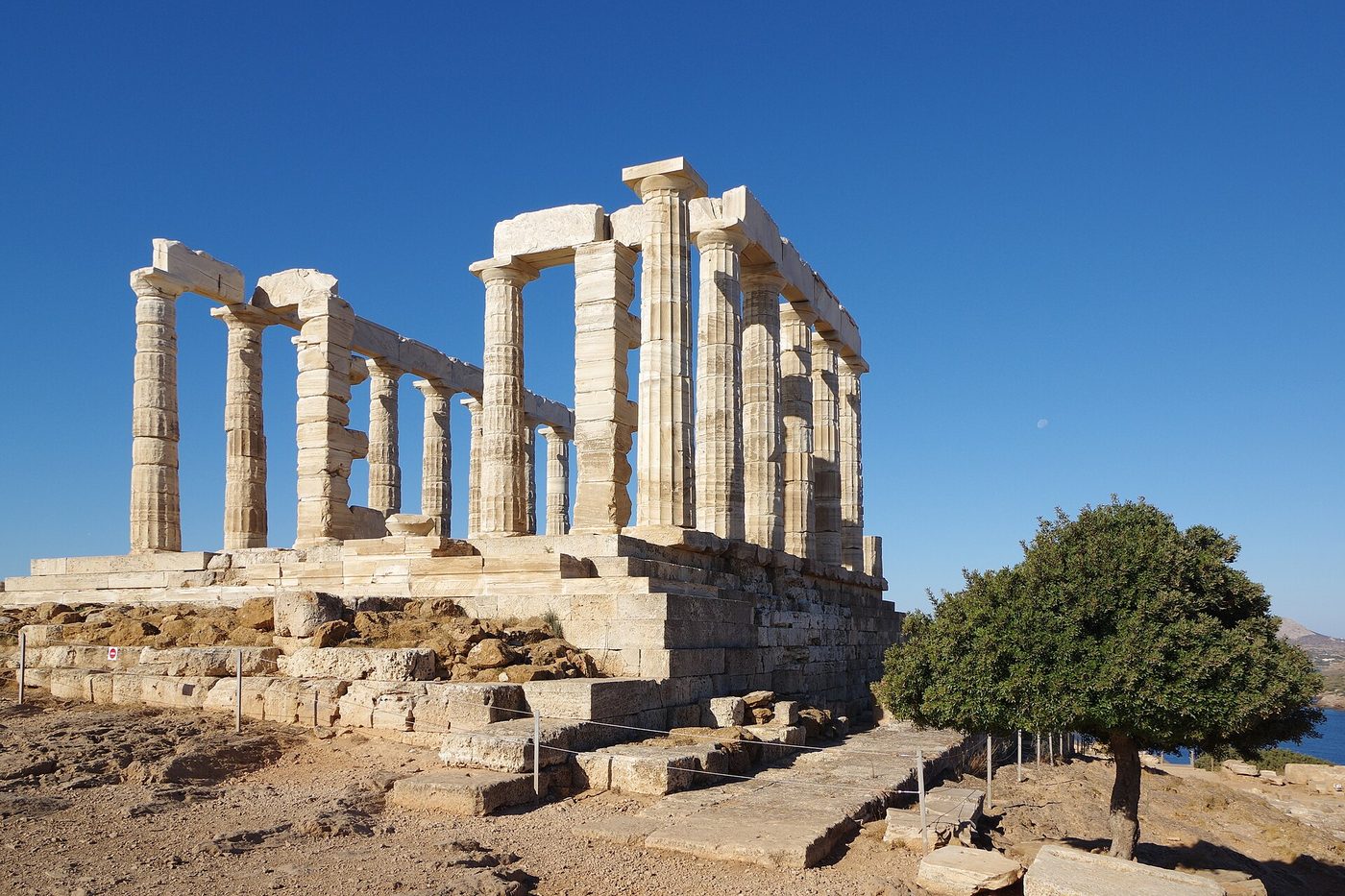
Cape Sounion is the one I would do first. The Temple of Poseidon stands on a headland at the southern tip of Attica with the Aegean on three sides, and the last hour of light there is the reason people come back to Athens with a rental car. Entry is reported at €20 in summer with a €10 winter rate, though that winter reduction sits oddly with the 2025 reform that abolished winter pricing elsewhere, so confirm at the gate. KTEL Attikis runs the Markopoulo, Lavrio and Sounio route from Pedion Areos, at the corner of Leoforos Alexandras and Patission, with a first departure around 07:05 Monday to Saturday and a last one around 19:00. I could not pin down a confirmed 2026 fare, so budget loosely and ask at the ticket window on the day.

Meteora is the most popular day trip from Athens and the one that suffers most from being squeezed into a day. The monasteries on their rock pinnacles are extraordinary, and it is a long way north. Guided train packages run from around €35 for a train-to-train tour where you buy your own rail tickets, to around €65 for a full day with lunch. If you have a spare night, go up and stay in Kalambaka instead.

On the Saronic cruise: it is an eleven or twelve hour day for three brief island stops, at roughly €110 to €145. If Athens is your only stop in Greece it does the job. If you are heading on to the islands afterwards, take the ferry to Aegina yourself for a fraction of the price and stay long enough to have lunch.
What a day in Athens actually costs in 2026
The abolition of the combined ticket changed this arithmetic more than any other single thing, so it is worth doing properly. Here is a realistic two-day sightseeing budget per person, excluding accommodation.
| Item | Careful | Middle | Comfortable |
|---|---|---|---|
| Acropolis | €30 | €30 | €30 |
| Acropolis Museum | €20 | €20 | €20 |
| Ancient Agora | Skipped | €20 | €20 |
| National Archaeological Museum | €20 | €20 | €20 |
| Second-tier sites (Roman Agora, Olympieion, Hadrian’s Library) | Viewed from outside, €0 | Roman Agora only, €10 | All three, €40 |
| Panathenaic Stadium | Skipped | €12 | €12 |
| Fourth museum | Benaki on Thursday evening, €0 | €12 | €14 |
| Transport, two days | 24-hour ticket plus singles, about €7 | About €7 | About €7 |
| Food and drink, two days | €45 | €80 | €140 |
| Two-day total | About €122 | About €211 | About €303 |
The gap between the careful column and the middle column is eighty-nine euros. Thirty-five of that is food, so it is not all sightseeing. The other fifty-four buys entry to four things you can otherwise see partly from outside or skip: the Ancient Agora, the Roman Agora, the stadium and a fourth museum. That is not a judgement on anyone who pays, and I pay on most trips. It is worth knowing the option exists, because before April 2025 it did not need to.
Add the climate crisis resilience fee to whichever column you land in: €2 to €15 per room per night from April to October depending on your hotel’s star rating, €8 per night for a short-term rental, and €0.50 to €4 from November to March. It is charged at the property, usually at check-in or check-out, and it will not appear in the price you booked.
The best time to visit Athens
| Month | Average high | Crowds | My take |
|---|---|---|---|
| January | 14C | Lowest | Cheap, wet, free Sundays at the state sites |
| February | 15C | Low | Same, with slightly longer days |
| March | 17C | Low | Free first and third Sundays run to 31 March; 6 March is free too |
| April | 21C | Rising | Excellent. Summer hours start, winter prices are gone anyway |
| May | 26C | Busy | The best month. Light until about 20:30 |
| June | 31C | Very busy | Hot by mid-month; heat closures become possible |
| July | 33C | Peak | 08:00 slots only. Expect midday closures |
| August | 33C | Peak | The driest month, around two rain days, and the hardest |
| September | 29C | Busy, easing late | Very good from the middle of the month |
| October | 25C | Moderate | Every bit as good as May, with lower hotel rates |
| November | 20C | Low | Free first and third Sundays resume on 1 November; wetter |
| December | 15C | Low | The wettest month of the year |
May and October are the answer, and it is not close. You get warm weather without the heat closures, daylight into the evening, hotel rates twenty to thirty percent below the summer peak, and an Acropolis you can walk around at two in the afternoon without wanting to lie down.
Winter has one specific argument in its favour. From 1 November to 31 March, entry to state archaeological sites is free on the first and third Sunday of every month, the 2025 reform having doubled it from the first Sunday alone. That puts free days on 1 and 15 November and 6 and 20 December in 2026. One important wrinkle: on free-admission days Acropolis tickets cannot be booked online at all. You collect a free ticket in person at the site, which means arriving early rather than arriving relaxed.
The other free days across the year are 6 March, 18 April, 18 May, the last weekend of September and 28 October. And on the August full moon, which fell on Friday 28 August in 2026, more than a hundred sites and museums across Greece open free into the evening, typically from around 20:00 until midnight, with satellite events either side. It has run for twenty-seven years and it is the best night of the Greek cultural calendar, so it is worth building a summer trip around.
Getting around Athens
| Ticket | Price | What it covers |
|---|---|---|
| Single | €1.20 | 90 minutes, unlimited transfers on metro, bus, trolleybus, tram and urban suburban rail. Not valid to the airport |
| 24 hours | €4.10 | Everything except airport services |
| 5 days | About €8 | Everything except airport services and the X80 bus |
| 3-day tourist ticket | €20 | 72 hours of travel plus one airport round trip |
| Airport metro | €9 one way | Line 3 to the centre; a return version exists at around €16 |
| Airport express bus | €5.50 | X93, X95, X96 and X97, running 24 hours |
| Airport taxi | €40 day, €55 night | Flat fare set by law, including tolls, luggage and surcharges |
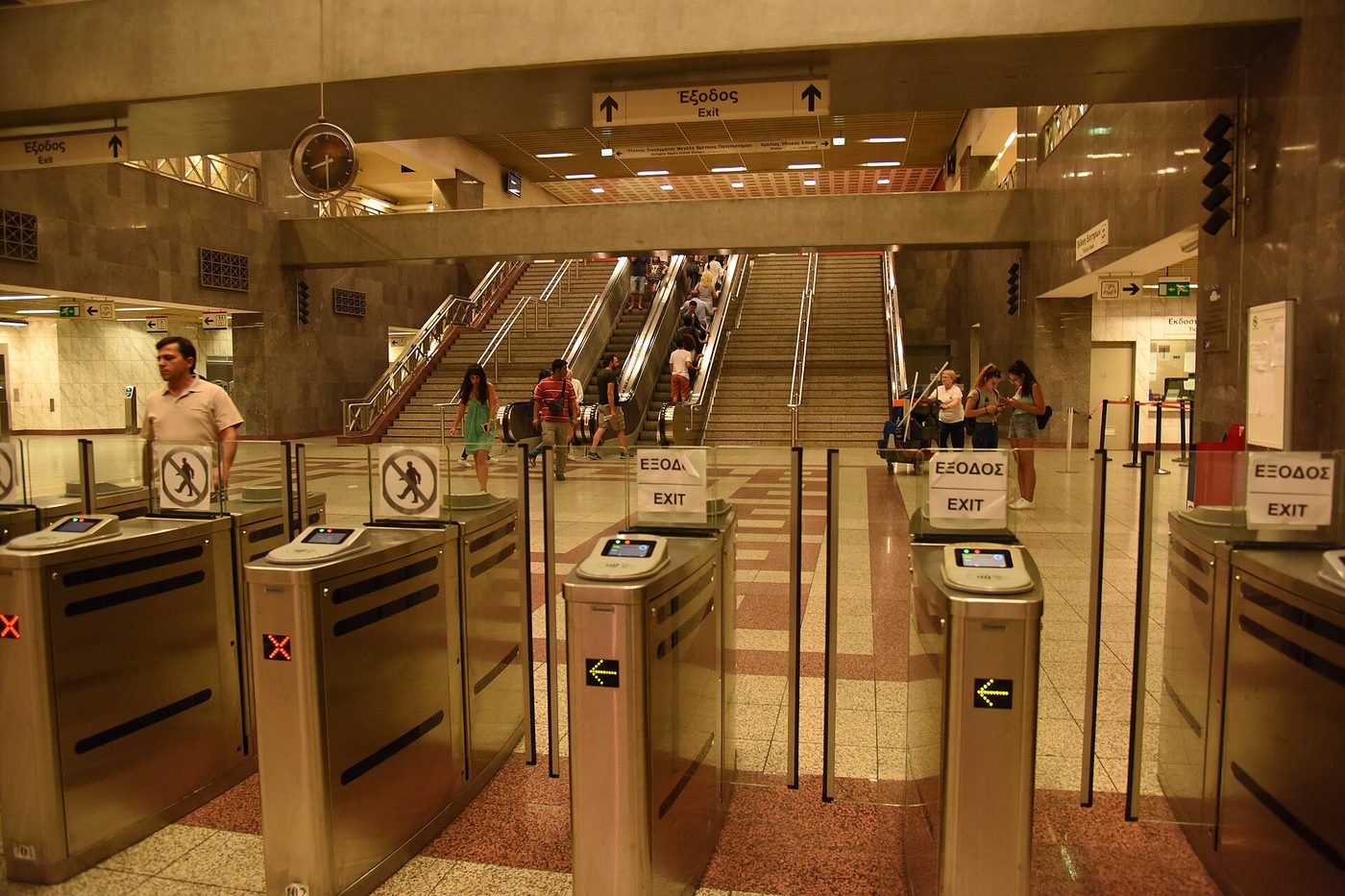
| Contactless | Tap and go | Tap2Ride takes Visa and Mastercard at the validators, with a €4.10 daily cap |
The airport is 33 km south-east of the city, a thirty to forty-five minute drive. Three ways in. The metro at €9 is the simplest if you are staying centrally, since Line 3 runs straight to Syntagma and Monastiraki. The X95 express bus to Syntagma at €5.50 runs twenty-four hours, which the metro does not, and is the right answer for a 04:00 flight. The taxi flat fare is €40 between 05:00 and midnight and €55 from midnight to 05:00, fixed by law, and for two or three people with luggage it is often the sensible choice. There is also the Proastiakos suburban railway, which reaches Larissis station in about forty-five minutes.
In the city, the metro runs 05:00 to midnight, with Lines 2 and 3 continuing to 02:00 on Fridays and all night on Saturdays. Trains come every five or six minutes at peak. The tram has two lines, T6 from Syntagma to Faliro and T7 from Voula to Piraeus, meeting at Pikrodafni, running 05:30 to midnight and all night on Saturdays.
One date to plan around: Metro Line 4 will not be open for your trip. It is under construction from Alsos Veikou to Goudi with fifteen stations, and the opening has been pushed to September 2032 at the earliest.
Finally, on pickpockets. Athens is a safe city and violent crime against visitors is rare, but petty theft is a real and concentrated problem: on metro trains, on station escalators, on platforms, and in the crush on Ermou and around Monastiraki. Front pockets, zipped bags, and particular attention as the doors close. That is the whole of the advice.
Where to stay in Athens
| Neighbourhood | Best for | The trade-off | Walk to the Acropolis |
|---|---|---|---|
| Plaka | First-time visitors and families | The most crowded and the most expensive per square metre | 5 to 10 minutes |
| Koukaki | A calmer central stay | Fewer landmark views from the window | 10 to 15 minutes |
| Psyrri | Nightlife within stumbling distance | Noisy until the small hours | 15 minutes |
| Exarchia | Budget, and being near the National Archaeological Museum | A rougher edge and occasional protest disruption | 25 minutes |
| Kolonaki | Boutique hotels and the museum cluster | Pricey and a little pleased with itself | 20 to 25 minutes |
| Pangrati | Living like a resident | You will use the metro rather than walk everywhere | 25 to 30 minutes |
If it is your first trip and you are staying two nights, book Plaka and accept the crowds, because the walk to everything is worth it. If you are staying longer, or you have been before, book Koukaki. If you are travelling on a budget and do not mind a slightly grittier street, Exarchia will save you a meaningful amount per night.
Three Athens itineraries
One day in Athens
08:00 Acropolis on a booked slot. Down the south slope. Acropolis Museum from about 11:00 for two hours. Lunch in Koukaki or Makrigianni, away from the walkway. Ancient Agora in the middle of the afternoon. Walk up through Monastiraki into Plaka in the late afternoon when the coach groups have gone. Sunset from Filopappou, which is ten minutes from where you started. Dinner in Psyrri. That is a full day and it covers four of the five unmissables, leaving only the National Archaeological Museum for another trip.
Two days in Athens
Day one as above, but move the Acropolis Museum to the evening if it is a Friday, and use the afternoon for the Ancient Agora and the Roman Agora instead.
Day two: the National Archaeological Museum at opening, three hours, no rush. Walk down through Exarchia for lunch. Varvakios market and Athinas Street in the early afternoon. The Panathenaic Stadium and the National Garden. Then either Filopappou for sunset or, if it is a Thursday, the Benaki Museum free from 18:00.
Three days in Athens
Days one and two as above. On day three, get out of the centre. In summer, take the tram to the coast in the morning, swim at Lake Vouliagmeni or a free public beach, and come back for a late lunch. Any time of year, take the KTEL bus to Cape Sounion for the afternoon and stay for sunset at the Temple of Poseidon. If it is winter and the sea is out of the question, do the Stavros Niarchos centre and Piraeus instead.
If you have a fourth day, that is when Delphi or Meteora starts making sense, and if you are combining Athens with the islands, our Italy and Greece itinerary and the wider Greece travel guide both cover how the ferry timings shape the rest of a trip, and the 10-day Greece itinerary shows exactly where Athens sits in the route.
Athens by traveller type
| If you are | Prioritise | Skip |
|---|---|---|
| On a tight budget | The ten free things, Benaki on Thursday evening, the perimeter views at the Olympieion and the Roman Agora | The second-tier paid sites and any bundle ticket |
| Travelling with children | The Panathenaic Stadium, the changing of the guard, the Stavros Niarchos park, the beach | Three museums in a day, and midday in July |
| Here for the archaeology | Acropolis, Acropolis Museum, Ancient Agora, National Archaeological Museum, Sounion | Nothing. Give it four days |
| Visiting in July or August | 08:00 slots, indoor museums from noon, the coast in the afternoon | Any open-air site between midday and 17:00 |
| Here on a long weekend from elsewhere in Europe | Two days in the centre, one on the coast | Delphi and Meteora, which need their own day |
| Coming back for a second visit | Kypseli, Pangrati, the Byzantine Museum, Aegina on your own | Plaka in the middle of the day |
| Travelling with limited mobility | The Acropolis lift entrance, the Acropolis Museum, the SNFCC | Anafiotika, Filopappou and the Areopagus, all of which are steps and loose rock |
Six mistakes I see people make in Athens
Booking a midday Acropolis slot in July. Covered above, and it is the expensive one. Take the first entry of the day.
Buying a combined ticket that no longer exists. If a page offers you seven Athens sites for €30, it is out of date. If a reseller offers you a bundle, price the individual tickets first, and check whether Kerameikos is padding the site count.
Leaving the Acropolis to find lunch. The ticket is single entry. Go in, do it properly, come out once.
Eating on the pedestrian walkway. The view costs about eight euros a head and the food is worse. Walk two streets uphill into Koukaki.
Doing only ruins. Athens has five museums worth a morning each and one of Europe’s better contemporary cultural complexes, and a lot of visitors leave having seen none of them.
Assuming two days is not enough. It is, if you book the first morning properly. Athens is compact, the metro is good, and the sites are close together. The people who run out of time are almost always the ones who lost a morning to a ticket queue.
Worth it and not worth it: five swaps
| Instead of | Do this | Why |
|---|---|---|
| €20 inside the Temple of Olympian Zeus | The fence on Vasilissis Olgas and Hadrian’s Arch, free | All 15 standing columns are visible from outside |
| A €110 to €145 three-island cruise | The ferry to Aegina from €9.50 | More time on one island instead of ninety minutes on three |
| A rooftop bar for the Acropolis view | The Areopagus after dark, or the museum’s second-floor restaurant on a Friday | Same view, no cover charge |
| A €79 museum pass | Individual tickets plus the Benaki on Thursday evening | Only worth it above roughly six museums in two days |
| A guided walking tour of Plaka | Plaka before 09:00 with a map | The streets are the point, and they are empty at eight |
What I could not pin down, and what is missing here
Three gaps worth naming rather than papering over. The Ephorate’s notice on Kerameikos still reads closed until further announcement, so I have flagged it rather than telling you it has reopened. I could not find a published 2026 fare for the KTEL bus to Sounion, so there is no euro figure in the table. And the Lycabettus funicular fare is quoted variously as €10 return and €10 one way with €13 return, so I have given a range rather than pick one.
On scope: this is a guide to Athens itself, so Piraeus gets a sentence and Marathon, Eleusis, Vravrona and the Attica wine country get none. That is a limit of what fits, not a verdict on any of them.
Practical questions people actually ask about Athens
How many days do you need in Athens?
Two full days covers the main sights properly. Three lets you add either the coast or a day trip without rushing. Four is right if you want Delphi or Meteora as well. One day is enough to see the Acropolis, the Acropolis Museum and the Ancient Agora, but you will feel it.
Is the Acropolis worth €30?
Yes, once. It is the single most important surviving building of the classical world and there is no substitute for standing on the rock. Whether the second-tier sites are worth their post-2025 prices is a genuinely different question, and my answer there is more mixed.
Do I need to book an Acropolis time slot in advance?
Yes in practice, no in theory. Tickets are sold at the kiosks, but entry is capped at 20,000 a day in hourly bands, and the on-site queue runs from about 45 minutes off-season to two hours in high season. Book online at tickets.hh.gr, which charges no fee.
Is there still a combined ticket for Athens archaeological sites?
No. The €30 five-day combined ticket was abolished on 1 April 2025 and there is no official Athens multi-site ticket in 2026. Private bundles exist but mostly repackage individual tickets at a saving of a euro or two.
When is entry to Greek archaeological sites free?
On 6 March, 18 April, 18 May, the last weekend of September and 28 October, plus the first and third Sunday of each month from 1 November to 31 March. EU citizens under 25 go free year-round with ID. Note that on free days Acropolis tickets are not sold online: you collect one in person at the site, so go early.
Does the Acropolis close in the heat?
It has closed midday in each of the last three summers, typically from around noon until 17:00, on days of extreme heat, usually announced only the day before. Tickets are non-refundable. In July and August, book the 08:00 slot.
What is the best time to visit Athens?
May or October. Warm without being dangerous, long evenings, hotel rates well below the summer peak, and no heat closures. April and late September are close behind. Winter is cheap, quiet and wet, with free Sundays at the state sites as compensation.
How do you get from Athens airport to the city centre?
Metro Line 3 for €9, about forty minutes to Syntagma. The X95 express bus for €5.50, slower but running twenty-four hours. Or a taxi at the legal flat fare of €40 by day and €55 between midnight and 05:00, which includes tolls and luggage.
Is Athens safe?
Yes, generally. Petty theft is the real risk and it clusters on metro trains, escalators, station platforms and crowded shopping streets. Plaka, Monastiraki, Syntagma, Kolonaki, Koukaki, Thissio and Psyrri are all comfortable day and night.
Is Athens walkable?
The historic centre is very walkable and the pedestrian walkway links most of the ancient sites. Pavements elsewhere are uneven and broken, with sudden steps, so it is a hard city for anyone with mobility difficulties and a bad city for wheeled luggage.
What are the best free things to do in Athens?
Filopappou Hill at sunset, the Areopagus, Plaka and Anafiotika before nine in the morning, the changing of the guard at Syntagma, Varvakios market, the National Garden, the Stavros Niarchos Foundation Cultural Center, and the Benaki Museum on a Thursday evening.
Do I need a visa or ETIAS for Greece in 2026?
Greece is in the Schengen Area and uses the euro. The EU Entry/Exit System became fully operational at Schengen external borders on 10 April 2026, so non-EU arrivals should expect passport, facial image and fingerprint registration on entry. ETIAS, the separate travel authorisation, is not yet in force and, as of late September 2026, has no start date: the EU says it will announce the date several months before launch, and trade reports point to 2027. Check before you travel, and see our guide to the Schengen visa and ETIAS rules.
Should I tip in Athens?
Round up or leave five to ten percent if the service was good. It is appreciated, never expected, and cash is better than adding it to the card. Watch for a service charge already on the bill in tourist-facing restaurants.
Final thoughts
Athens is a better city than its reputation and a more expensive one than its reputation, and both of those things became more true in the last two years. The ruins are no longer cheap. The city around them, the hills you can climb for nothing, the markets, the neighbourhoods that have nothing to do with antiquity at all, is as good as it has ever been.
So my advice comes down to one sentence: spend properly on the Acropolis and the three great museums, look at the second-tier sites from the street if the budget is tight, and put the difference into two more days in the city. Athens repays time far more than it repays tickets.
Book the 08:00 slot. Take a bottle of water. Go to Filopappou for the sunset, and leave the rooftop bar to someone else.
About the author
Hannah Brooks has spent fifteen years travelling, living and writing across Europe, from the Arctic tip of Norway to the south of Sicily. She has planned hundreds of European itineraries for readers and is Senior Europe Editor at EuropeanTourism.org.
Keep planning
Athens is the natural first stop in Greece, and where you go next changes what you should do here. Our Greece travel guide is the place to start, with the best Greek islands and a Greek island hopping itinerary for the ferry legs, plus the best time to visit Greece if you are still choosing dates. If Athens is one stop on a longer trip, see our Europe itinerary planner, the best Mediterranean destinations, and the best cities to visit in Europe. For the practical side there is getting around Europe, Europe on a budget, our Europe travel tips and the Europe packing list. Comparing city breaks? Try things to do in Rome, things to do in Barcelona, things to do in Madrid, things to do in Paris, things to do in Venice and things to do in Florence. For the season, see Europe in summer, shoulder season in Europe, the least crowded time to visit Europe and Europe weather by month. And for the coast and the food, the best beaches in Europe, European food, the best places to visit in Europe and the most beautiful places in Europe.
Photo credits
All photographs on this page are used under their stated free licences. Full attribution:
- Photo: Jebulon (CC0) via Wikimedia Commons
- Photo: Julian Lupyan (CC0) via Wikimedia Commons
- Photo: Yair Haklai (CC BY-SA 4.0) via Wikimedia Commons
- Photo: Jebulon (CC0) via Wikimedia Commons
- Photo: Jebulon (CC0) via Wikimedia Commons
- Photo: Jebulon (CC0) via Wikimedia Commons
- Photo: JFKennedy at English Wikipedia (Public domain) via Wikimedia Commons
- Photo: Zde (CC BY-SA 4.0) via Wikimedia Commons
- Photo: C messier (CC BY-SA 4.0) via Wikimedia Commons
- Photo: Strange Traveler (CC BY-SA 2.0) via Wikimedia Commons
- Photo: George E. Koronaios (CC0) via Wikimedia Commons
- Photo: athenswalk (CC0) via Wikimedia Commons
- Photo: Benoît Prieur (CC0) via Wikimedia Commons
- Photo: C messier (CC0) via Wikimedia Commons
- Photo: Berthold Werner (CC BY-SA 3.0) via Wikimedia Commons
- Photo: Jolovema / CC BY 4.0 via Wikimedia Commons
- Photo: Jean Housen / CC BY-SA 4.0 via Wikimedia Commons
- Photo: Rakoon (CC0) via Wikimedia Commons