Best Time to Visit Italy: Month by Month, Region by Region

I have been to Italy in every month of the year, and the trip I remember most fondly is the one I nearly cancelled: five days in Puglia in the second week of November, in a rented flat with tiled floors so cold I wore socks to bed. The olive harvest was on. Restaurants that turn away walk-ins in July had four tables occupied. It rained twice and I did not care.
That trip taught me the thing this whole article is built around: the best time to visit Italy is not one month, it is a different month for each kind of trip. Beaches and cathedrals want opposite weather. The Dolomites and Sicily run on opposite calendars. So before you book anything, work out which Italy you are going to.
The short version: the best time to visit Italy is late April to early June and all of September into mid-October, when temperatures sit in the low-to-mid twenties Celsius, the sea is still warm in autumn, and museums keep long summer hours. For lower prices and thinner crowds, go in November, January or February and accept short days and early closing times.
Best time to visit Italy at a glance: pick your trip type first
Start here. Find the row that matches what you want to do, and you have your answer in about ten seconds. Everything after this table is the reasoning, the numbers and the fine print.
| What you want to do | Best window | Good second choice | Avoid | Why |
|---|---|---|---|---|
| Rome, Florence, Venice sightseeing | Late Apr to early Jun | Mid-Sep to mid-Oct | Jul and Aug | Highs in the low 20s °C, long museum hours, walkable afternoons |
| Swimming and beach days | Sep to early Oct | Jul and Aug | Early Jun | The sea peaks in late August and stays warm through September; June water is still cool |
| Amalfi Coast and Capri | Mid-May to mid-Jun, or Sep | Early Oct | Aug | Ferries running, roads passable, prices below the August spike |
| Dolomites hiking | Late Jun to mid-Sep | Late Sep | Oct to May | Mountain huts open around 20 June and mostly close by late September |
| Skiing | Late Jan to early Mar | Dec | Apr onward | Best snow depth without the Christmas and New Year price peak |
| Food and wine, harvest season | Late Sep to Nov | Mar | Aug | Grape harvest, white truffles in Alba from October, new olive oil in November |
| Lowest prices | Nov, and mid-Jan to Feb | Early Mar | Jul, Aug, Christmas | Off-season airfares fall sharply and city hotels discount hard |
| Fewest crowds in the big three cities | Mid-Jan to Feb | Nov | May, Jun, Sep | The shoulder months are now busier than midsummer in Rome |
| Sicily and the deep south | Apr to early Jun, and Oct | Mar | Jul and Aug | Palermo averages 30 °C in August with sirocco spikes far higher |
| Christmas markets and winter cities | 1 Dec to 6 Jan | Late Nov | Mid-Jan | Bolzano and the Alto Adige towns run the best markets in the country |
| First trip, want everything open | Mid-May to mid-Jun | Sep | Feb | Every ferry, hut, lido and rooftop bar is operating simultaneously |
If you want the same logic applied across the continent rather than to one country, we have a companion piece on the best time to visit Europe, and this article sits inside our wider Italy travel guide.
Italy’s four travel seasons, defined properly
The usual split is high season, shoulder and low season. That framing has a hole in it, because Italy has two separate peaks that behave in opposite ways. In August the cities empty out and the coast fills up. In February the cities are dead and the Alps are full. Any model that treats “high season” as one thing gets August exactly backwards.
The version I use when planning has four.
| Season | Months | Crowds | Prices | What it is good for | What is closed or awkward |
|---|---|---|---|---|---|
| Peak city season | Late Apr, May, Jun, Sep, early Oct | Heaviest of the year in Rome, Florence, Venice | Highest hotel rates in the art cities | Sightseeing weather, long opening hours, everything running | Nothing closed; you simply queue for it |
| Peak coastal season | Jul and Aug, peaking 8 to 20 Aug | Resorts, islands and lakes jammed; cities noticeably quieter | Coastal rates spike, city rates soften | Warmest sea, latest ferries, every lido open | Family-run city restaurants close for ferie; heat is punishing inland |
| True shoulder | Mar, early Apr, late Oct, Nov | Thin | Low, with sharp airfare drops | Food and wine, museums without queues, harvest | Coastal ferries wind down; beach towns half shut |
| Winter, split in two | Dec to Feb | Cities empty from 7 Jan; Alps at their busiest in Feb | Cheapest in the cities, most expensive on the slopes | Christmas markets, skiing, museums to yourself | Short daylight, early museum closing, coastal resorts shut |

The August inversion, which trips up almost every first-timer
Italians take their holidays in August. Rick Steves puts the mechanism plainly: the big cities go quiet and discount their hotel rates while beach and mountain resorts are jammed and charge accordingly. So if your trip is Rome, Florence and Venice, August is not the disaster its reputation suggests, provided you can handle heat. Florence averages a 32.6 °C daily high in August, or 91 °F, and the city sits inland in a valley with no sea breeze at all.
Where August genuinely does fall apart is anywhere with a beach. National arrivals data makes the point: August alone accounted for 19.1 million arrivals and 85.2 million overnight stays in 2025, the single biggest month of the year, and those people are overwhelmingly at the coast and the lakes.

Why the shoulder season stopped being quiet
The advice to travel in May or September was excellent advice fifteen years ago. It has been repeated so often that it created its own problem. Some Italian destinations now see more visitors in May and September than they did in certain summer months a decade back, and Italy-based writers now argue that Rome’s May crowds can exceed its August ones. My own experience matches that. The Vatican Museums queue in mid-May is not shorter than the one in mid-August; it is just cooler to stand in.
The mechanism is simple: shoulder season now carries the peak-season demand that used to be spread across summer, minus the Italians, who are still at work in May. What you buy in May and September is comfortable weather, not solitude. If solitude is the goal, you want November or the second half of January.
Italy took 185 million arrivals in 2025, up 7.1% on the 173 million of 2024, and international visitors grew faster than domestic ones. It is comfortably one of the most visited countries in Europe, and demand keeps climbing. That growth is not being absorbed evenly across the calendar. It is landing on exactly the months everyone recommends.
Italy weather by month: the numbers behind the advice
Italy is 1,200 km long and runs from an Alpine climate to a North African one. A single “Italy in October” forecast is close to useless. Palermo in January is warmer than Milan in April. Here are the actual normals for seven cities that between them cover almost every trip people take.
Average daily high and low temperatures, by city and month.
| City | Jan | Feb | Mar | Apr | May | Jun | Jul | Aug | Sep | Oct | Nov | Dec |
|---|---|---|---|---|---|---|---|---|---|---|---|---|
| Rome | 11.9 / 3.5 53 / 38 |
13 / 3.8 55 / 39 |
15.7 / 6 60 / 43 |
18.8 / 8.8 66 / 48 |
23.3 / 12.6 74 / 55 |
28 / 16.8 82 / 62 |
31 / 19.4 88 / 67 |
31.4 / 19.8 89 / 68 |
26.5 / 16.1 80 / 61 |
22 / 12.6 72 / 55 |
16.8 / 8.6 62 / 47 |
12.8 / 4.7 55 / 40 |
| Florence | 11.2 / 2.2 52 / 36 |
12.7 / 2.6 55 / 37 |
16.3 / 5.4 61 / 42 |
20 / 8.1 68 / 47 |
24.5 / 12.2 76 / 54 |
29.1 / 16.2 84 / 61 |
32.3 / 18.5 90 / 65 |
32.6 / 18.7 91 / 66 |
27.1 / 15 81 / 59 |
21.6 / 11.2 71 / 52 |
15.7 / 6.9 60 / 44 |
11.5 / 2.8 53 / 37 |
| Venice | 7.6 / 0.4 46 / 33 |
9.3 / 1 49 / 34 |
13.4 / 4.6 56 / 40 |
17.6 / 8.8 64 / 48 |
22.3 / 13.6 72 / 56 |
26.3 / 17.5 79 / 64 |
28.9 / 19.3 84 / 67 |
28.8 / 19 84 / 66 |
24.1 / 14.9 75 / 59 |
18.7 / 10.6 66 / 51 |
13.1 / 5.9 56 / 43 |
8.4 / 1.2 47 / 34 |
| Milan | 7.4 / -0.4 45 / 31 |
10.3 / 0.6 51 / 33 |
15.6 / 4.5 60 / 40 |
19.3 / 8.4 67 / 47 |
24.2 / 13.1 76 / 56 |
28.3 / 17.3 83 / 63 |
30.7 / 19.3 87 / 67 |
30.3 / 19 87 / 66 |
25.4 / 14.8 78 / 59 |
19 / 10.3 66 / 51 |
12.4 / 5.2 54 / 41 |
7.7 / 0.6 46 / 33 |
| Naples (Amalfi gateway) | 13.5 / 4.7 56 / 40 |
14 / 5 57 / 41 |
16.5 / 7.3 62 / 45 |
19.5 / 9.9 67 / 50 |
23.8 / 14 75 / 57 |
28 / 18.1 82 / 65 |
30.6 / 20.4 87 / 69 |
31.2 / 21 88 / 70 |
27 / 17.2 81 / 63 |
23.2 / 13.5 74 / 56 |
18.5 / 9.4 65 / 49 |
14.4 / 5.9 58 / 43 |
| Palermo (Sicily) | 15.4 / 9.5 60 / 49 |
15.3 / 9.1 60 / 48 |
17.1 / 10.3 63 / 51 |
19.3 / 12.3 67 / 54 |
23 / 15.9 73 / 61 |
26.9 / 19.7 80 / 67 |
29.5 / 22.5 85 / 73 |
30.3 / 23.2 87 / 74 |
27.4 / 20.8 81 / 69 |
24.3 / 17.5 76 / 64 |
20.4 / 14 69 / 57 |
16.7 / 11 62 / 52 |
| Bolzano (Dolomites gateway) | 6.8 / -3.3 44 / 26 |
10.2 / -1 50 / 30 |
15.9 / 3.4 61 / 38 |
19.7 / 6.9 67 / 44 |
24.1 / 11.3 75 / 52 |
27.9 / 15.1 82 / 59 |
29.9 / 16.8 86 / 62 |
29.4 / 16.6 85 / 62 |
24.2 / 12.5 76 / 55 |
18.1 / 8.1 65 / 47 |
11.5 / 2.2 53 / 36 |
6.8 / -2.7 44 / 27 |
Four things in that table are worth pulling out.
Inland beats coastal for heat. Florence averages 32.6 °C in August against Palermo’s 30.3 °C, despite Palermo sitting some 600 km further south. Florence has no sea and sits in a bowl. Every year it sees days of 36 to 38 °C and occasionally 40; the record is 42.5 °C from July 1983. If you have a heat-sensitive traveller in the group, Florence in July is the single worst booking on the Italian map.
Sicily has no winter to speak of. Palermo’s coldest month, February, still averages a 15.3 °C daily high, and the temperature almost never drops below freezing there. The all-time low is minus 1 °C, set in January 1962. A February week in Palermo, Agrigento and the Val di Noto is one of the better-value trips in Europe.
The north gets properly cold. Milan averages a minus 0.4 °C low in January and Bolzano minus 3.3 °C. Add a detail Rick Steves flags and most guides skip: for energy-efficiency reasons, many Italian hotels are not permitted to switch the heating on until the coldest part of winter. A chilly March or November room is a real possibility. The same rule works in reverse in summer, when air conditioning in mid-range hotels is typically only available from June to September.
May is nearly identical across the country. Look along the May column: Rome 23.3, Florence 24.5, Venice 22.3, Milan 24.2, Naples 23.8, Palermo 23.0, Bolzano 24.1. Every one of those cities sits between 22 and 25 °C. That is why a multi-region May itinerary packs so easily, and why our Europe packing list works almost unchanged from the Alps to Sicily in that month.
Rainfall, and why November is not the wettest month everywhere
November is the usual answer, and it is right for Rome, Florence and Naples. It is wrong for Venice and Bolzano, and only half right for Milan, where October and November tie. If you are planning a Dolomites hiking trip on the strength of it, you will pack for the wrong season.
Average monthly rainfall and rain days, by city.
| City | Jan | Feb | Mar | Apr | May | Jun | Jul | Aug | Sep | Oct | Nov | Dec |
|---|---|---|---|---|---|---|---|---|---|---|---|---|
| Rome | 66 7 d |
63 7 d |
59 7 d |
69 7 d |
57 6 d |
30 3 d |
20 2 d |
30 2 d |
65 6 d |
88 7 d |
108 9 d |
98 9 d |
| Florence | 60 8 d |
65 7 d |
65 8 d |
85 10 d |
70 8 d |
55 6 d |
35 4 d |
55 5 d |
80 6 d |
105 9 d |
115 9 d |
80 8 d |
| Venice | 45 6 d |
50 5 d |
50 6 d |
70 8 d |
65 8 d |
80 9 d |
65 6 d |
65 6 d |
70 6 d |
75 7 d |
65 6 d |
50 6 d |
| Milan | 65 7 d |
65 7 d |
80 8 d |
80 8 d |
95 8 d |
65 8 d |
70 6 d |
95 7 d |
70 5 d |
100 7 d |
100 9 d |
60 6 d |
| Naples (Amalfi gateway) | 105 10 d |
100 10 d |
85 10 d |
75 9 d |
50 6 d |
35 4 d |
25 2 d |
40 4 d |
80 6 d |
130 8 d |
160 11 d |
120 11 d |
| Palermo (Sicily) | 90 12 d |
70 9 d |
60 9 d |
45 7 d |
25 4 d |
10 2 d |
5 1 d |
10 1 d |
40 5 d |
80 8 d |
85 10 d |
95 12 d |
| Bolzano (Dolomites gateway) | 25 4 d |
25 3 d |
35 5 d |
50 7 d |
75 9 d |
85 9 d |
90 9 d |
85 8 d |
70 7 d |
85 7 d |
50 5 d |
35 4 d |
Venice peaks in June at 80 mm. Bolzano peaks in July at 90 mm, because Alpine rainfall is driven by afternoon thunderstorms rather than Atlantic fronts, which inverts the Mediterranean pattern entirely: its driest months are January and February at 25 mm each. Milan ties its wettest at 100 mm in both October and November. Naples takes 160 mm in November across 11 rain days, the wettest month of any city here.
Rain days matter more than millimetres for a walking trip. Palermo records one rain day in July and one in August; Naples records two in July. Even in the wettest month, Naples averages 11 rain days out of 30, so a November week there is not a washout, it is a coin toss on any given afternoon with warm air either side of it.
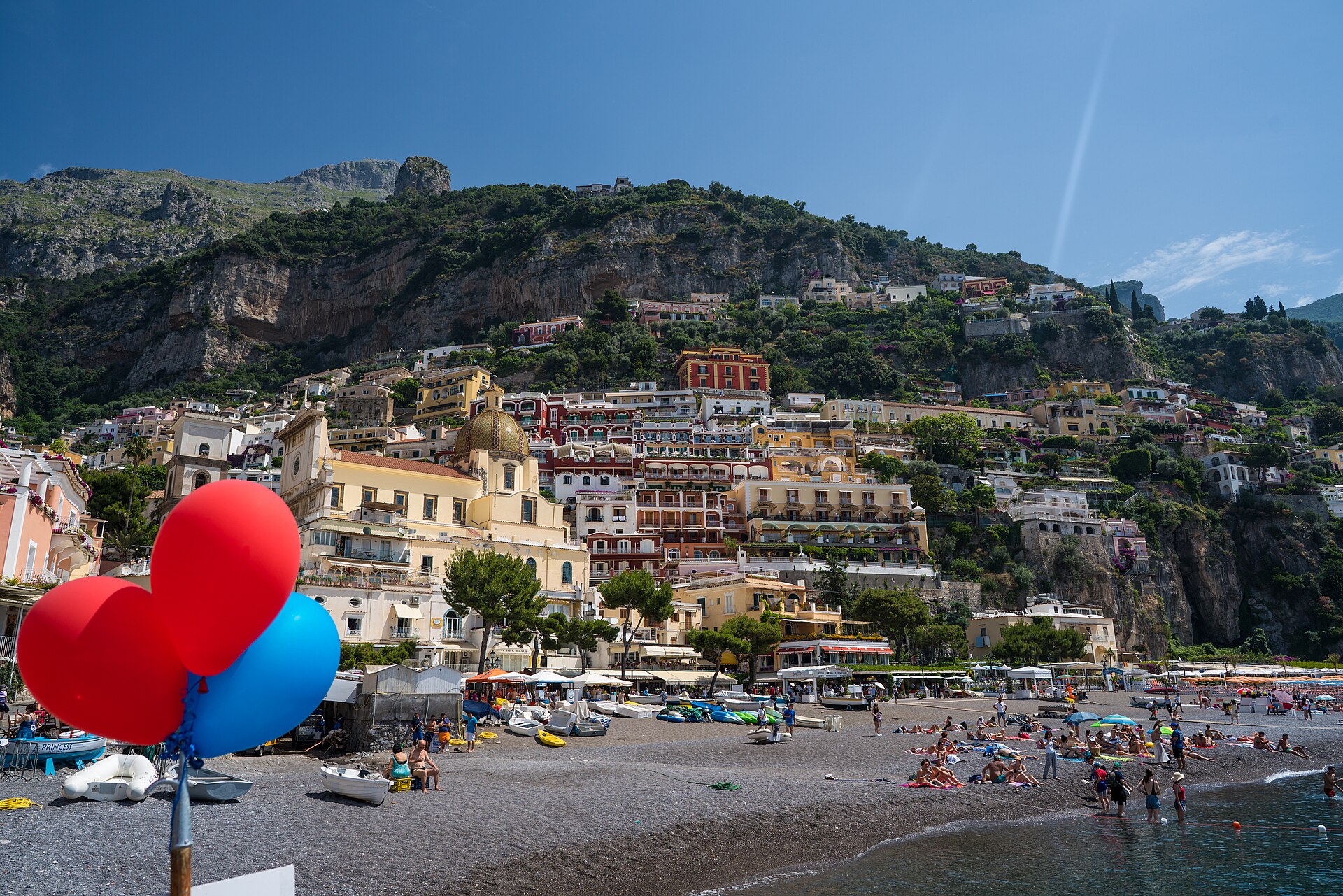
Sea temperature, the number that settles the June versus September argument
This is the most useful table in this article. If you are going to Italy to swim, air temperature is the wrong thing to plan around.
Average sea temperature by month, in °C and °F.
| Coast | Jan | Feb | Mar | Apr | May | Jun | Jul | Aug | Sep | Oct | Nov | Dec |
|---|---|---|---|---|---|---|---|---|---|---|---|---|
| Tyrrhenian coast at Rome (Ostia) | 15 59°F |
14 57°F |
14.5 58°F |
15.5 60°F |
18.5 65°F |
22 72°F |
25 77°F |
26 79°F |
24.5 76°F |
21.5 71°F |
19 66°F |
16.5 62°F |
| Northern Adriatic (Venice, Jesolo) | 11.5 53°F |
10 50°F |
10.5 51°F |
13.5 56°F |
18 64°F |
22.5 73°F |
25.5 78°F |
26 79°F |
23 73°F |
19.5 67°F |
16.5 62°F |
13.5 56°F |
| Bay of Naples (Amalfi, Capri) | 15 59°F |
14 57°F |
14.5 58°F |
15.5 60°F |
18.5 65°F |
22.5 73°F |
25.5 78°F |
27 81°F |
25 77°F |
22 72°F |
19 66°F |
16.5 62°F |
| Sicily (Palermo, Mondello) | 15 59°F |
14.5 58°F |
14.5 58°F |
15.5 60°F |
18.5 65°F |
22 72°F |
25.5 78°F |
26.5 80°F |
25 77°F |
22.5 73°F |
19.5 67°F |
16.5 62°F |
Read the June and September columns side by side. In the Bay of Naples the sea is 22.5 °C in June and 25 °C in September. Off Sicily it is 22 °C in June and 25 °C in September. On the Tyrrhenian coast near Rome, 22 °C against 24.5 °C. The water warms about a month behind the air and then holds its heat well into autumn, so September swimming beats June swimming by two to three degrees on every coast except the northern Adriatic, where the gap narrows to half a degree.
Combine that with the Italian school calendar, which sends children back to class between 31 August and 6 September depending on region, and September is the better beach month: warmer water, fewer Italian families, lower rates. June has one advantage, which is long daylight, and one disadvantage people discover on arrival, which is that the water is cold enough to make most swimmers gasp.
The northern Adriatic behaves differently from everywhere else. It drops to 10 °C in February, colder than anywhere in the south, then climbs to 26 °C in August, matching the Tyrrhenian coast at Rome. Shallow water heats and cools fast. If you are combining Venice with a beach at Jesolo or Lido, that seasonal swing is sharper than you would expect this far north. Our guide to the best beaches in Europe covers how Italy compares with Greece, Croatia and Spain on the same measure.
Italy month by month, with a verdict on each
Twelve honest assessments. I have given each month a one-line verdict, the headline weather, what is on, and who it suits. Prices quoted are 2026 figures from official sources and are worth re-checking before you book.
January: the cheapest, quietest month in the cities
Two different Januaries exist. Until 6 January, Epiphany, Italy is still in Christmas mode; the tree goes up on 8 December and stays up until the Befana arrives. Streets are busy, rates are high. After 7 January the whole thing switches off and the cities become genuinely empty.
Rome averages 11.9 °C by day, Florence 11.2 °C, Milan 7.4 °C, Venice 7.6 °C. Milan gets around two hours of sunshine a day in January, roughly 21% of available daylight, which is the gloomiest statistic in this article. Palermo, meanwhile, sits at 15.4 °C.
Verdict: mid-January to the end of February is the best value window of the year for Rome, Florence and Venice, and one of the strongest arguments for a winter city break in Europe, and the only time you will see the Uffizi without a scrum. In the Alps, January is peak ski season in Trentino-Alto Adige, Valle d’Aosta and Veneto, and priced accordingly.
Watch for: Milan Fashion Week menswear ran 16 to 20 January in 2026, which distorts hotel pricing across the city for that week.

February: Carnival, almond blossom and the last of the cheap cities
Cold in the north, mild in the south, and the month of Italy’s best winter event. Venice Carnival ran 31 January to 17 February in 2026, with its core programme from 7 to 17 February, themed “Olympus, at the origins of the game” to tie in with the Milano-Cortina Winter Olympics.
February 2026 came with an unusual distortion, and it matters if you are pricing a future February off last year’s numbers. The Milano-Cortina Winter Olympics pushed Milan hotel rates sharply above normal through February and March, with Florence and Venice absorbing the overflow, and Milan-bound airfares rose steeply alongside them. Milan has kept the higher tourist tax it introduced for the games, and raised it again on 1 April 2026, so four-star hotels now charge €10 per adult per night and five-star hotels €12.
Verdict: excellent for Sicily, Naples and Rome; excellent for skiing; poor for lakes and coast, which are shut. Carnival week in Venice is the exception to the cheap-February rule. Palermo does get rain in February, 70 mm across nine days, so this is a city-and-food trip rather than a beach one.
March: the turn, and the best value of the shoulder
March is where the country wakes up. Rome climbs to 15.7 °C, Florence 16.3 °C, Bolzano hits 15.9 °C in the valley while the slopes above are still skiing. Rain is moderate everywhere, and daylight lengthens quickly.
The Cinque Terre Card, which you need for the coastal path, only goes on sale for the season in mid-March, which is a decent proxy for when the Ligurian coast reopens for business. Amalfi ferries generally restart in late March or April.
March is also when Sicily throws its loveliest small festival. The Sagra del Mandorlo in Fiore, the almond blossom festival, ran 7 to 15 March in 2026 across Agrigento and the Valley of the Temples, in its 78th edition.
Verdict: my pick for a first-time city trip on a budget. Museums are quiet, restaurants have tables, and you are one month ahead of the crowd. Pack for daytime highs of 13 to 17 °C and bring a real coat for the north.
Watch for: Easter 2026 fell early, with Palm Sunday on 29 March, so the last days of March carried Holy Week crowds in Rome.
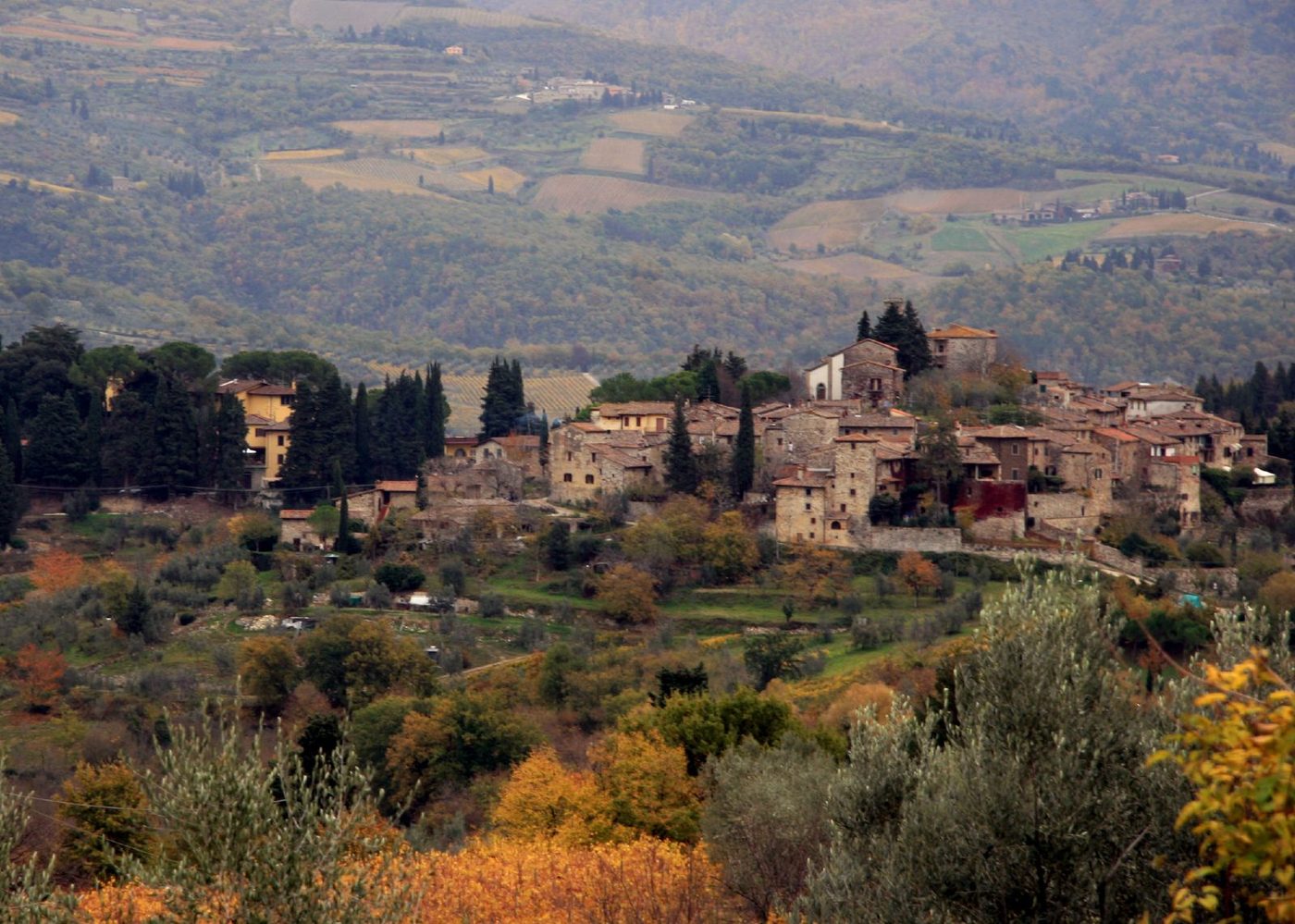
April: beautiful, and busier than the numbers suggest
April in Italy is lovely, and unusually uniform: everywhere from Bolzano to Palermo sits between 18 and 20 °C by day, so a single jacket covers the whole country. The catch is water. April is the wettest spring month in Florence, 85 mm across ten rain days, and that is the highest rain-day count of any Florentine month.
Two crowd events sit in April. Easter and Pasquetta bring enormous numbers to Rome; in 2026 the Via Crucis at the Colosseum was held at 21:15 on Good Friday, 3 April, and Easter Sunday Mass in St Peter’s Square at 10:30 on 5 April. Then 25 April, Liberation Day, is a national holiday that Italians reliably turn into a long weekend. Vinitaly, the big wine trade fair, ran 12 to 15 April 2026 in Verona and takes every hotel room in the city.
Verdict: the first half of April is one of the best two-week windows in the Italian year. The second half starts to feel like May.
May: the classic answer, and the crowded one
Every city in this article averages between 22.3 and 24.5 °C in May. The countryside is green, the wisteria is out, the sea is 18.5 °C and too cold for most people. It is the most recommended month in the Italian calendar, and it shows.
May carries two national holidays: 1 May, Labour Day, and the tail of the 25 April bridge. Domestic travel peaks around both.
Verdict: perfect weather, imperfect solitude. Book Uffizi and Colosseum slots the moment they open. The Uffizi’s own guidance is to book at least two weeks ahead in high season and a month ahead for April, May and June weekends.

June: long days, warm air, cold water
June is where the sea temperature table earns its keep. Air temperatures are summery: Rome 28 °C, Florence 29.1 °C, Naples 28 °C. The water is 22 to 22.5 °C, which is swimmable for the committed and unpleasant for everyone else.
Italian schools break up between roughly 7 and 11 June, so domestic beach demand switches on in the second week of the month. Before that, the coast is quiet and cheap; after it, neither. The Arena di Verona Opera Festival opened on 12 June in 2026 and runs to 12 September, around 50 performance evenings in a Roman amphitheatre, and it is worth structuring a trip around.
Verdict: the best two weeks of June are the first two, before the schools break up. Note that the high Dolomites huts have not opened yet, so this is not the month for hut-to-hut walking.
July: hot, expensive and relentlessly bright
July is the month Italy stops raining. Rome gets 11 hours of sunshine a day and 20 mm of rain across two days for the entire month; Palermo records 5 mm, on one day. The trade is heat that does not let up: 31 °C in Rome, 32.3 °C in Florence, 30.6 °C in Naples, 29.5 °C in Palermo, day after day.
The heat is not evenly distributed. Florence typically peaks around 37.5 °C on its hottest July days and touched 40.2 °C in July 2019. Sicily’s sirocco can push past 40 °C, and Palermo recorded 45.8 °C in July 2023.
The Palio di Siena runs on 2 July every year, the Palio della Madonna di Provenzano, and it is spectacular and mobbed in equal measure.
Verdict: good for the Dolomites, where the huts are finally open and Bolzano nights drop to 17 °C. Good for the northern lakes. Bad for Florence, Rome and anywhere inland. If you must do cities in July, start at 8am and stop at 1pm.
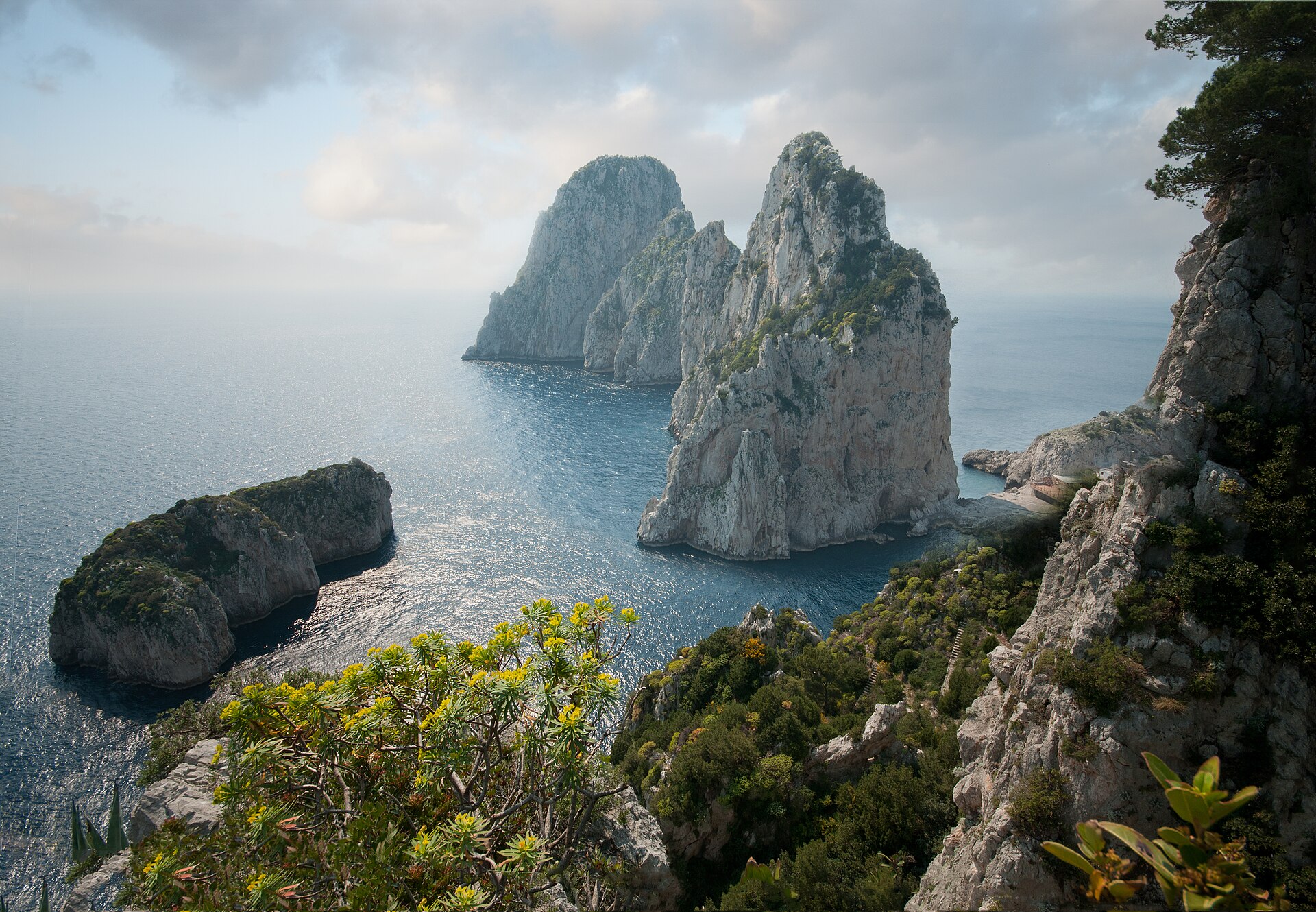
August: the month Italy goes on holiday
The hottest month across the centre and south: Rome 31.4 °C, Florence 32.6 °C, Naples 31.2 °C, Palermo 30.3 °C. In Venice, Milan and Bolzano, July edges it by a few tenths of a degree. It is also the month with the warmest sea of the year, 27 °C in the Bay of Naples and 26 to 26.5 °C elsewhere.
Ferragosto falls on 15 August, and in 2026 it lands on a Saturday, which will stretch closures across the surrounding week. Family-run trattorias post “chiuso per ferie” signs covering roughly 1 to 20 August or 7 to 28 August. Government offices, post offices, small independent shops, artisan workshops and many pharmacies and medical practices close. Tourist-area restaurants, hotels, gelaterie, beach establishments and city supermarkets stay open, often on reduced hours.
The Palio dell’Assunta runs on 16 August, and Siena is impossible to get into around it.
Verdict: avoid the coast, the lakes and the islands, where it is at maximum price and maximum density. The cities are hot but discounted and workable if you plan around the heat. This is the one month where Rome is cheaper than usual.
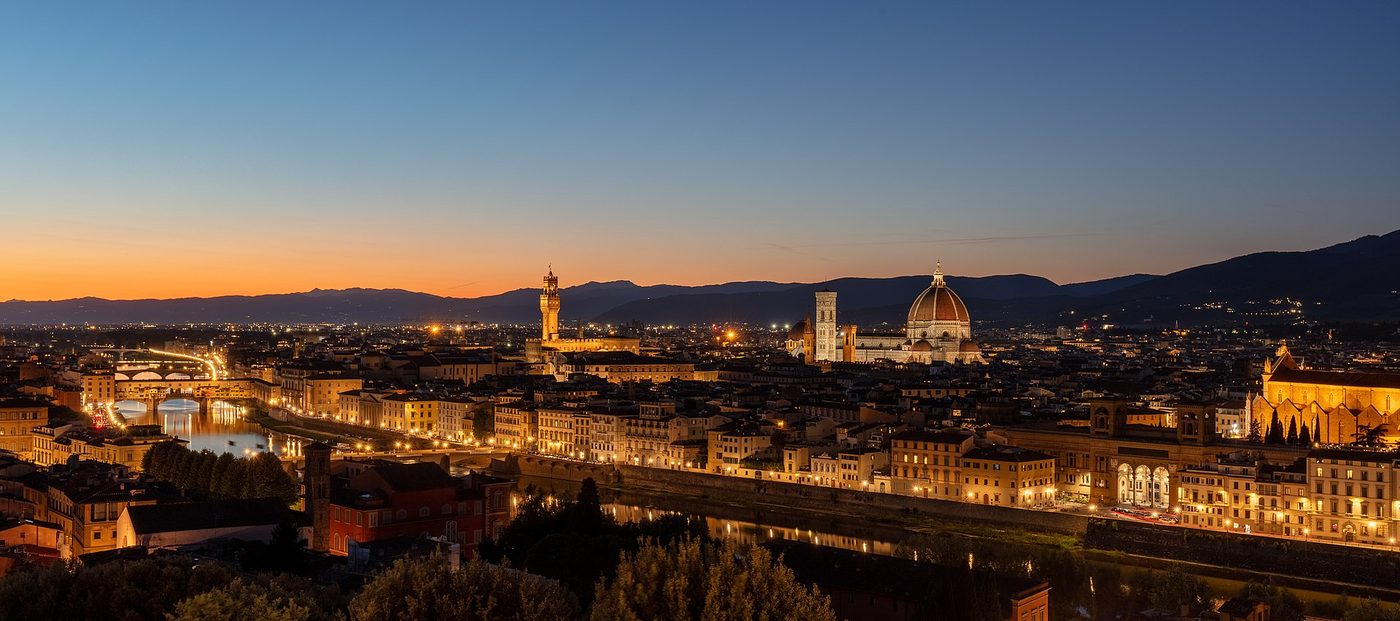
September: my overall pick
If someone gives me no other constraints, I send them in September. Every city here drops back into the mid to high twenties, which is walkable, while the sea holds 23 to 25 °C, warmer than it was in June. Italian schools go back between 31 August and 6 September, which pulls domestic families off the beaches in the first week of the month.
September is also the start of harvest. Vendemmia runs through the month in Tuscany, Piedmont and the Veneto, and it changes the mood of the countryside completely. Milan’s womenswear shows run 22 to 28 September in 2026, so avoid the city that week.
Verdict: the best single compromise in the Italian calendar. Warm sea, workable city temperatures, harvest food, everything still open. The first ten days still carry summer crowds; from about the 10th it eases.
October: the underrated one
Summer does not so much end in October as taper. Rome holds 22 °C, Naples 23.2 °C and Palermo 24.3 °C, and Sicily’s sea is still 22.5 °C, which is why locals are still swimming at Mondello on fine days. Rome has its ottobrate, the warm early-October spells that run 23 to 25 °C and occasionally touch 28 to 30 °C when the scirocco blows.
Note the shift in museum hours, though: the Colosseum’s last admission drops to 5.30pm from 1 October and again to 3.30pm from 25 October. Florence and Milan get their rain, 105 mm and 100 mm respectively.
The Alba International White Truffle Fair opens on 10 October 2026 and runs to 6 December, with the World Truffle Market every weekend in the Cortile della Maddalena. Organisers report over 600,000 visitors across the season, so go on a weekday. 4 October is a national holiday again: the Feast of St Francis of Assisi was reinstated by Law 151 of 8 October 2025 and came into force on 1 January 2026. In 2026 it falls on a Sunday, so the practical impact this year is close to nil.
Verdict: the first three weeks of October are the best-value good-weather window of the year. Note that the Cinque Terre season closes at the start of November, which is a fair marker for the Ligurian coast generally.
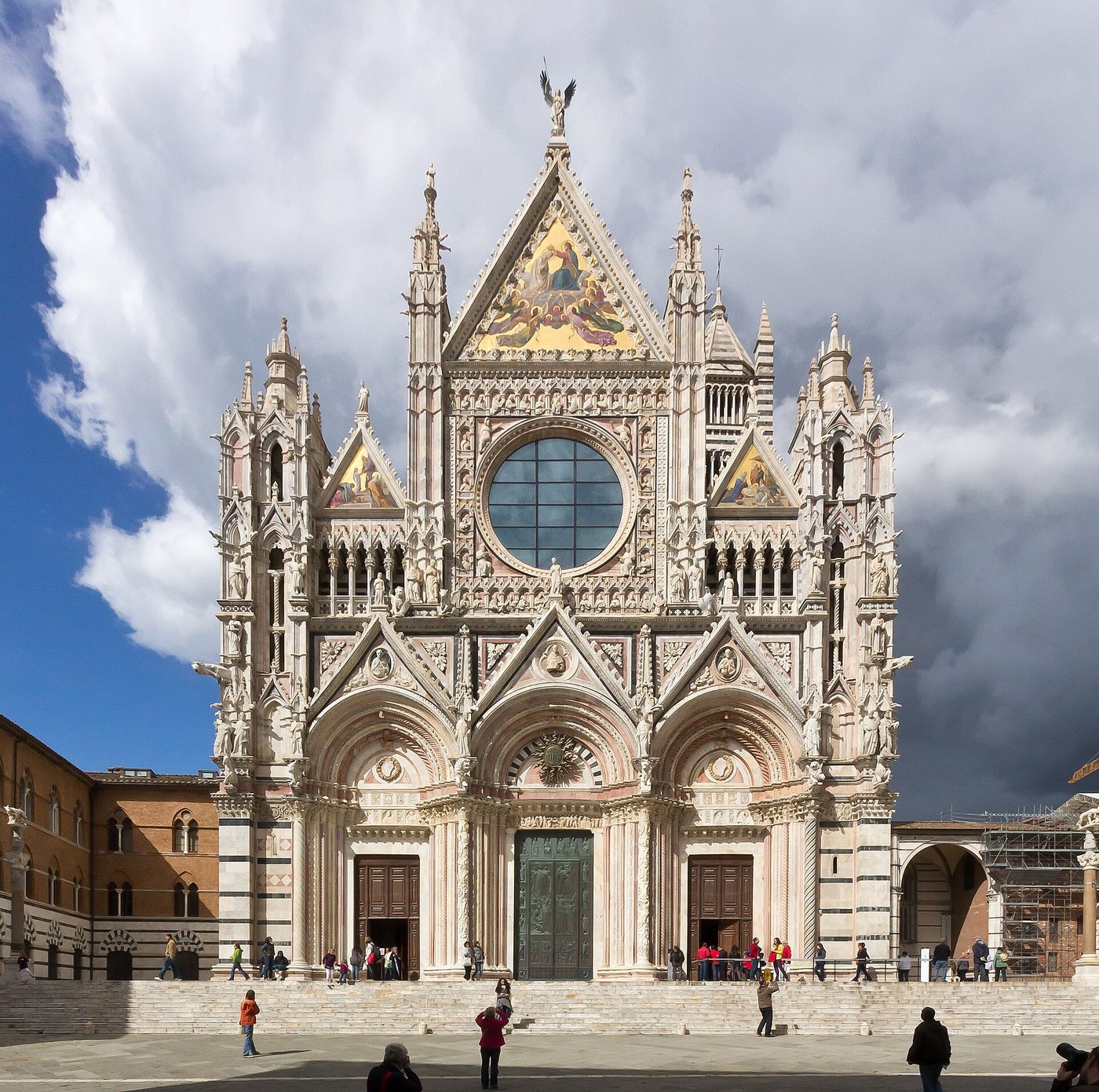
November: cheapest flights, wettest cities, best food
The rain arrives: Naples 160 mm, Florence 115 mm, Rome 108 mm, Milan 100 mm. Daylight shortens sharply. November and February are the two months most often named as the cheapest for flights to Italy, and off-season fares can run around half the summer level.
What you get for the weather is the new olive oil, white truffles at their peak, first snow on the Dolomites, and cities where you can walk into anywhere. Venice’s Festa della Salute on 21 November is a genuine local occasion rather than a tourist one. Acqua alta season is at its most active from November to January.
Verdict: my favourite month for eating. Bring proper waterproofs and expect early sunsets. Not the month for the Amalfi Coast or Cinque Terre, both of which are largely shut by then.

December: two months in one, again
Until about 8 December, when the Immaculate Conception holiday marks the traditional start of Christmas, December is a quiet, cheap month. From then to 6 January it is a busy, expensive one. Christmas and New Year spike flight and hotel prices as hard as July does.
Bolzano and the South Tyrol towns run the best Christmas markets in Italy, and the ski season across Dolomiti Superski typically opens in early December across 12 ski areas and more than 1,200 km of piste. Milan’s patron saint day, 7 December, closes the city; Sant’Ambrogio also opens La Scala’s season.
Verdict: the first week of December is a bargain. The rest is a premium product. If you want markets, go to Alto Adige rather than the big cities, and see our roundup of the best Christmas markets in Europe for how Italy’s compare with Germany’s and Austria’s.

Best time to visit Italy by region
Italy’s regions do not share a calendar. Booking a September trip that combines the Dolomites and Sicily means catching one of them at its best and the other at its second best. Here is where each region peaks.
| Region | Peak window | Best value | Effectively closed | The deciding factor |
|---|---|---|---|---|
| Rome and Lazio | Apr to early Jun, mid-Sep to mid-Oct | Mid-Jan to Feb | Never | Museum hours and heat, not rain |
| Florence and Tuscany | May, Sep | Mid-Jan to Mar, Nov | Never | Inland heat in Jul and Aug; harvest in Sep and Oct |
| Venice and the Veneto | Late Apr to Jun, Sep | Nov, mid-Jan | Never | Acqua alta Nov to Jan; fog until March |
| Amalfi Coast and Capri | Mid-May to Jun, Sep | Late Apr, early Oct | Nov to Mar | Ferry season, roughly Apr to Oct |
| Cinque Terre and Liguria | May, Sep | Mid-Mar to Apr, Oct | Nov to mid-Mar | Cinque Terre Card season, 14 Mar to 2 Nov 2026 |
| Dolomites and Alto Adige | Late Jun to mid-Sep for hiking; Jan to Mar for skiing | Late Sep, early Dec | Apr to May, Oct to Nov | Rifugio season, roughly late Jun to late Sep |
| Lake Como, Garda, Maggiore | May to Sep | Late Apr, early Oct | Reduced Nov to Mar | Ferry frequency drops to hourly and ends by 17:30 in winter |
| Milan and Lombardy | Apr to Jun, Sep to Oct | Jul, Aug | Never | Fashion weeks and trade fairs, not weather |
| Naples and Campania | Apr to Jun, Sep to Oct | Nov to Feb in the city | Coastal towns Nov to Mar | 160 mm of rain in November |
| Puglia and the heel | Late May to Jun, Sep | Oct, Nov | Coastal masserie Dec to Feb | Olive harvest Oct to Nov; brutal Aug crowds |
| Sicily | Apr to early Jun, Oct | Feb to Mar | Lidos Nov to Apr | Aug heat and sirocco spikes past 40 °C |
| Sardinia | Jun, Sep | Late May, early Oct | Most of the island Nov to Apr | Costa Smeralda clubs run Jun to Sep; ferries and flights thin out |
If you are trying to string several of these together, our 10-day Italy itinerary shows which combinations work in which months, and the Tuscany travel guide and Amalfi Coast travel guide go deeper on the two regions with the most seasonal variation.
Best time to visit Italy by traveller type
First-timers doing Rome, Florence and Venice
Mid-May to mid-June, or the second and third weeks of September. You want everything open, long daylight, and outdoor evenings. Accept that you will be sharing the cities. Book the big Rome sights, the Uffizi and Venice’s Doge’s Palace before you book flights, because the ticket slots are the binding constraint, not the airfare. Our guide to the best places to visit in Europe for first-timers has the wider context.
Families with school-age children
You are locked into July, August or the Christmas holidays, so play the geography instead of the calendar. In August, go north: the Dolomites, the lakes, Alto Adige, where highs sit in the high twenties and nights are cool. Bolzano drops to about 17 °C at night in July even when days hit 30 °C. Avoid Florence, Rome and the Amalfi Coast in August with young children; the combination of 32 °C, crowds and queues defeats most families by day three. More ideas in our guide to Europe with kids.
Beach and island travellers
Early September, without much argument. The sea is at 25 °C in the south, Italian families are back at school, lidos are still open, and rates fall from the 1st. Second choice is the last week of June, after the water has warmed past 22 °C but before schools break up in earnest. Our roundup of the best Mediterranean destinations puts Italy’s coast next to Greece’s and Croatia’s on the same seasonal measure.
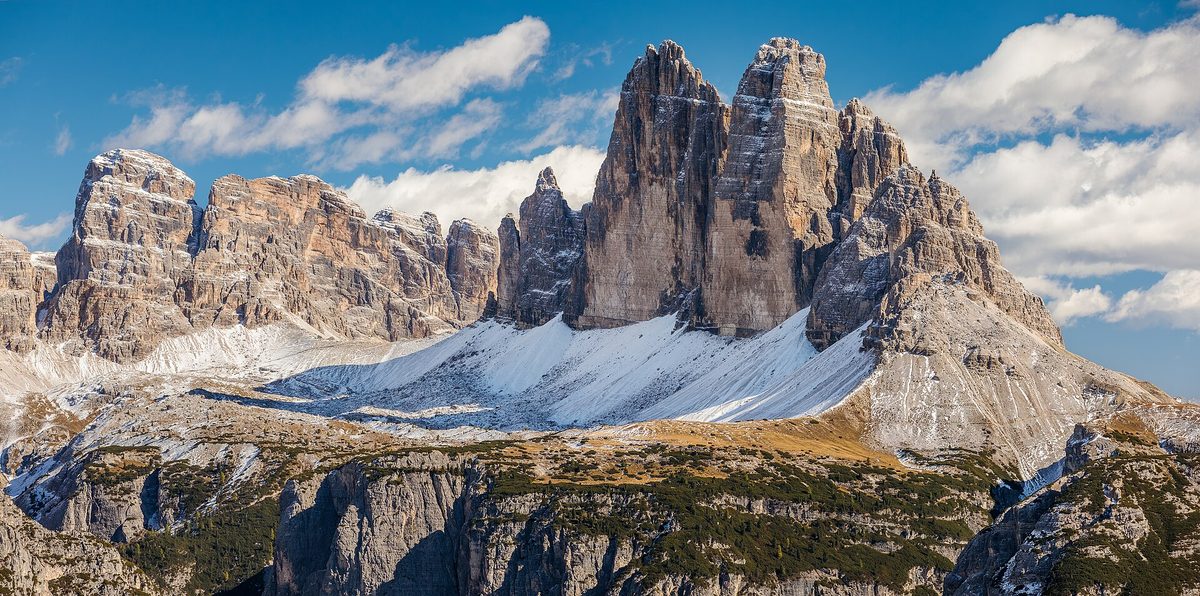
Hikers and mountain travellers
Late June to mid-September in the Dolomites, and no wider than that. Huts are expected to be open at least 20 June to 20 September, weather permitting; some in the western Dolomites run into early or mid-October, and privately run huts generally stay open longer than Alpine-club ones. The reason the season starts so late is that heavy snow persists above 2,500 m into May and June, avalanche risk stays high, and access paths are often impassable. Do not plan a June hut trip on the assumption that summer starts when the calendar says so. See our hiking in Europe guide for how the Dolomites season compares with the Alps and the Pyrenees.
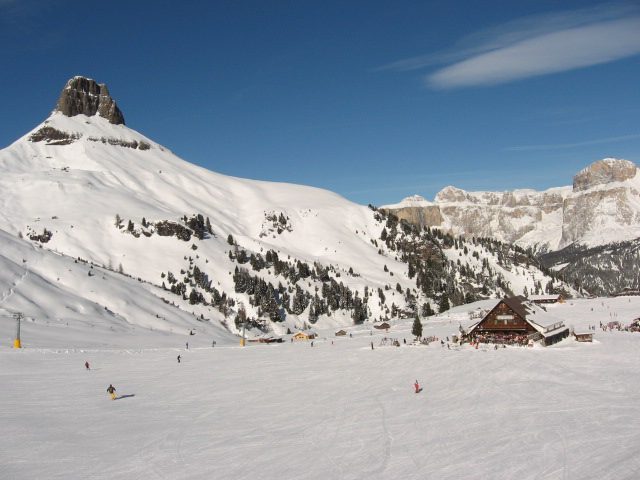
Skiers
Late January to early March. December carries the Christmas premium and April brings thin snow at the lower stations. Dolomiti Superski covers 12 areas and over 1,200 km of piste and typically opens in early December, though confirm dates with the resort rather than with an aggregator, because published projections have been inconsistent. Our skiing in Europe guide compares Italian resorts with French and Austrian ones on price and snow reliability.
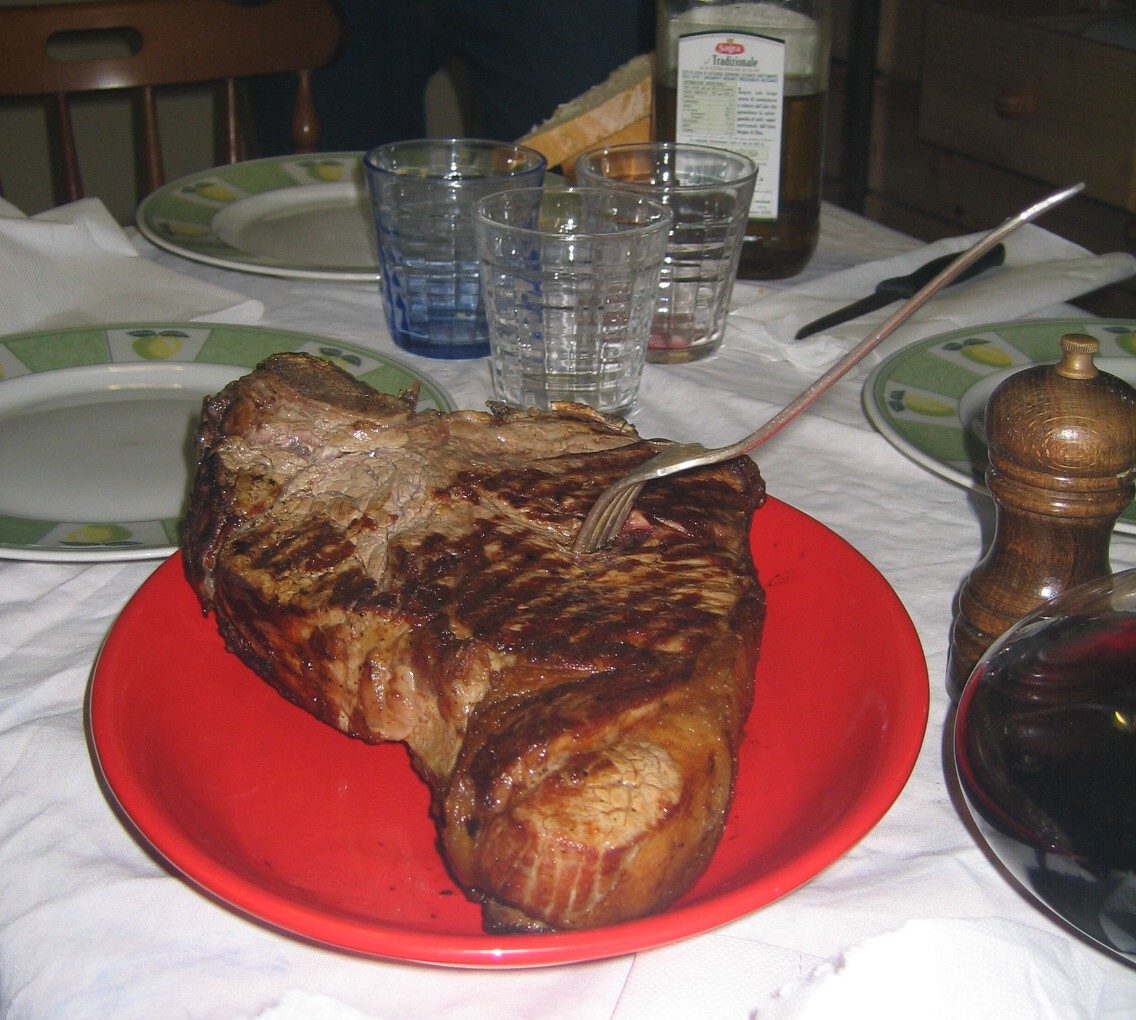
Food and wine travellers
Late September through November. Vendemmia in September and October, white truffles in Alba from mid-October, new olive oil pressed through November, chestnuts and porcini in the Apennines. Winter has its own case: February is artichoke season in Rome and citrus season in Sicily. Our European food guide sets Italy’s calendar against France’s and Spain’s.
Couples and honeymooners
Late May, or the last two weeks of September. Warm evenings, open rooftops, a swimmable sea in September, and the light in Tuscany and on the Amalfi Coast at its best. Avoid August on the coast, where you pay the highest rates of the year for the most crowded version of the same place. See Europe honeymoon for how Italy stacks up against Greece and Portugal.
Budget travellers
November, or mid-January to February. Airfares to Italy can run up to 50% cheaper from November to March than in summer, and one analysis puts peak-season flights and hotels 30 to 50% above shoulder rates. City hotel rates in Rome and Florence in early February are a different product entirely from the same rooms in May. Read alongside Europe on a budget and the cheapest places to travel in Europe.
Solo travellers
September and October. Warm enough for the evening passeggiata, busy enough that you are not eating alone in an empty room, quiet enough that single rooms are actually available at a sane rate.
What your timing actually costs in 2026: tickets, taxes and access fees
Season does not only change the weather. It changes what you pay, what you have to book, and on certain dates whether you can enter at all. These are 2026 figures taken from official sources in August 2026. Re-check before you travel, because Italy has been changing these rules faster than usual.
| Cost | 2026 figure | Season dependent? | What you need to know |
|---|---|---|---|
| Colosseum, Roman Forum and Palatine | €18 full, €2 reduced for EU citizens aged 18 to 24, €11.50 with Roma Pass | No, but hours are | Timed slot compulsory; sales open 30 days ahead; tickets are nominative and ID is checked |
| Uffizi Gallery | €25 at the ticket office, €29 booked in advance (the €25 ticket plus a €4 online booking fee), €2 reduced | No longer | The old high and low season split is gone; one year-round price. A late-entry ticket for visits from 4pm started on 1 January 2026 at €16 on site, €20 online |
| Uffizi + Vasari Corridor | €43 same day, €47 in advance; €20 / €24 Friday evenings | No | Museums closed Mondays; free on the first Sunday of each month |
| Pitti Palace / Boboli Gardens | €16 / €19 and €10 / €13; combined €22 / €25 | No | A new Boboli plus Bardini combined ticket at €15 launched 3 March 2026, ticket office only |
| Vatican Museums | €20 base, plus a €5 mandatory online reservation fee, so €25 booked online | No | Free on the last Sunday of the month, 9am to 2pm, with exceptions around Easter, 29 June and Christmas |
| Venice day-visitor access fee | €5 booked at least 4 days ahead, €10 booked later | Yes, sharply | Applied on 60 dates from 3 April to 26 July 2026, 8.30am to 4pm, to visitors aged 14+ not staying overnight |
| Rome tourist tax | €4 to €10 per person per night by hotel star rating | No | Capped after roughly 10 consecutive nights; under-10s exempt |
| Florence tourist tax | €1 to €8 per person per night | No | Under-12s exempt |
| Venice overnight tourist tax | €1 to €5 per person per night | No | Separate from and additional to the day-visitor access fee; under-6s free |
| Milan tourist tax | €2 to €5 generally; €10 per adult per night at 4-star and €12 at 5-star hotels after the 1 April 2026 rise | No | The higher rates began as a Milano-Cortina 2026 Winter Olympics measure and were then increased again; under-18s exempt |
| Cinque Terre Trekking Card | €7.50 / €14.50 / €21 for 1, 2 or 3 days on standard days; €15 / €29 / €42 on red days | Yes | Pricing valid 14 March to 2 November 2026; red days are peak-demand dates |
| Cinque Terre Train Card | €19.50 to €32.50 for one day depending on demand band | Yes | Three demand bands, A low to C high; two and three-day versions scale up |
The Venice access fee, in plain terms
Venice charges day visitors to enter the historic centre on selected peak dates. For 2026 that meant 60 dates between 3 April and 26 July, covering Easter week, national long weekends, major events and summer Saturdays. It applies from 8.30am to 4pm, to visitors aged 14 and over who are not staying overnight in the city. You book on the Venezia Unica site, at Venezia Santa Lucia station or at a tobacconist, and you get a QR code that is scanned at access points.
Three things people get wrong. It does not apply to Murano, Burano, Lido or Pellestrina. It does not apply if you are staying overnight in Venice, in which case you pay the separate accommodation tax instead. And the cheaper rate requires booking at least four days ahead; turn up and decide on the day and you pay double. Our Venice guide covers how to plan around the charged dates.
The new border queue that changes the summer arrival maths
The EU Entry/Exit System went live in stages from 12 October 2025 and became fully operational on 10 April 2026. It replaces passport stamping with a biometric record: typically four fingerprints from one hand plus a live facial photograph, taken on your first crossing. More than 60 million crossings were logged in its first six months, and border queues of two to five hours were reported at peak times, with some countries temporarily pausing the system at specific airports.
This is a genuinely new argument for shoulder-season travel. Arriving at Fiumicino or Malpensa on a mid-July Saturday now carries a biometric enrolment queue on top of the normal congestion. Arriving on a Tuesday in early October does not.
ETIAS, the separate travel authorisation, was still not live as of August 2026. Reporting suggests the Q4 2026 target is no longer considered feasible and 2027 is more likely. The fee has been confirmed at €20, revised up from the €7 figure that circulated for years, and is waived for applicants under 18 and over 70, who must still apply. It will cover visitors from 59 visa-exempt countries including the US, Canada, UK and Australia, and will be valid for three years or until the passport expires. One warning worth repeating: the official portal is not open, so any website currently taking ETIAS applications is fraudulent. We track the detail in our Schengen visa and ETIAS guide.
Short-term rentals changed in 2026 too
Every Italian short-term rental must now hold and display a Codice Identificativo Nazionale, the CIN, on its listing and at the property, with fines of €800 to €8,000 for not holding one. Airbnb, Booking.com and Vrbo are obliged to verify compliance and delist properties that fail. Your host must also report your identity to the Alloggiati Web portal within 24 hours of arrival, which is why you will be asked for passports on check-in. If a listing has no CIN visible, that is worth a question before you pay.
The real cost of winter: opening hours, not weather
The strongest argument against travelling to Italy in December or January is not that it is cold. Rome in January averages 11.9 °C by day, which is perfectly walkable in a coat. The argument is daylight and opening hours, and it is the thing that quietly ruins winter itineraries.
Take the Colosseum, which publishes its seasonal calendar precisely. From 29 March to 30 September 2026 it opens 8.30am and closes 7.15pm, with last admission at 6.15pm. From 1 to 24 October, last admission drops to 5.30pm. From 25 October 2026 to 28 February 2027, it closes at 4.30pm with last admission at 3.30pm. That is a loss of nearly three hours of visiting time per day between summer and winter.
Multiply that across every site on your list. In practice a December day in Rome gives you one major sight in the morning, lunch, one in the afternoon, and then it is dark by five. A June day gives you three sights and an evening walk. Rome runs on 15 hours 10 minutes of daylight in June against 9 hours 10 minutes in December.
Off-season also brings shorter hours generally, longer lunchtime breaks and fewer activities running from November through April. None of that is a reason to skip winter. It is a reason to plan two sights a day instead of four, and to build the trip around food, markets and neighbourhoods rather than a ticking list.
Free admission days, if you can time them
State museums open free on the first Sunday of every month, which includes the Colosseum and the Uffizi. The Colosseum also runs free days on 25 April, 2 June and 4 November. The Vatican Museums, which are not part of the Italian state system, are free on the last Sunday of the month from 9am to 2pm, with exceptions when that falls on Easter Sunday, 29 June, 25 or 26 December. Free days are heaving. If your priority is seeing the art rather than saving €25, pay and go on a Tuesday.
Italian public holidays and school terms, and why they matter more than the weather
Italian domestic travel is highly concentrated. If you can avoid the dates below, you will halve your crowd exposure without changing month.
| Date | Holiday | Travel impact |
|---|---|---|
| 1 January | New Year’s Day | Cities busy, most sights closed |
| 6 January | Epiphany | End of the Christmas season; things clear from the 7th |
| Easter Sunday and Monday | Pasqua and Pasquetta | Rome at maximum; Pasquetta is a big domestic day-trip day |
| 25 April | Liberation Day | Reliably bridged into a long weekend |
| 1 May | Labour Day | Major domestic travel peak |
| 2 June | Republic Day | Domestic travel peak; free entry at state museums |
| 15 August | Ferragosto | The single biggest closure day of the year |
| 4 October | Feast of St Francis of Assisi | Reinstated as a national holiday from 1 January 2026; falls on a Sunday in 2026 |
| 1 November | All Saints | Domestic travel peak; free entry at some state sites |
| 8 December | Immaculate Conception | Start of Christmas season; markets open, prices rise |
| 25 and 26 December | Christmas and St Stephen’s | Colosseum closed 25 December; most sights closed |
The patron saint days are the ones travellers never see coming, because they close one city while the rest of the country works normally. Rome shuts on 29 June for Saints Peter and Paul. Milan shuts on 7 December for Sant’Ambrogio. Florence takes 24 June for San Giovanni, Naples 19 September for San Gennaro, and Venice marks 21 November with the Festa della Salute. South Tyrol additionally observes Whit Monday.
When a holiday lands on a Tuesday or Thursday, Italians bridge it into a four-day weekend, the ponte, and schools usually close too. Domestic travel peaks reliably around 25 April, 1 May, 2 June, 15 August, 1 November and 8 December, and harder still when a ponte is available.
The school calendar, which explains September
Italian school summer holidays run roughly from 7 to 11 June until between 31 August and 6 September, set region by region across Italy’s 20 regions. Friuli-Venezia Giulia, Campania and Lombardy all returned on 6 September in the 2025 to 2026 year; Lazio on 3 September; Liguria broke up latest, on 11 June.
That is the mechanism behind the September advice. Italian beach demand switches on in the second week of June and switches off in the first week of September. Which is why the beaches are quieter in September than in June, despite the sea being three degrees warmer.
Ferragosto and the August shutdown, handled properly
Ferragosto on 15 August is the hinge of the Italian summer. In 2026 it lands on a Saturday, which pushes closures across the whole surrounding week.
What closes: government offices, post offices, small independent shops such as clothing and hardware stores, local services, some medical clinics, artisan workshops, tailors, cobblers, and many pharmacies and dental and medical practices. Family-run trattorias post chiuso per ferie signs covering roughly 1 to 20 August or 7 to 28 August. The broader chiusura estiva is a two to four-week stretch centred on Ferragosto when a large share of Italian businesses reduce hours or close entirely.
What stays open: restaurants and hotels in tourist areas, gelaterie, bars in tourist zones, beach establishments and supermarkets in the larger cities, usually on reduced hours.
How to handle it: if you are in Italy on 15 August, be somewhere that is set up for visitors rather than somewhere residential. Rome’s centro storico functions. A residential Milanese neighbourhood does not. Buy food the day before, book restaurants ahead, and treat the day itself as a beach or piazza day rather than an errands day.
Events worth planning around, or avoiding
| Event | Where | When | Plan around it or avoid it |
|---|---|---|---|
| Venice Carnival | Venice | 31 Jan to 17 Feb in 2026, core events 7 to 17 Feb | Plan around. It is the one reason to pay peak rates in February |
| Almond Blossom Festival | Agrigento, Sicily | 7 to 15 March 2026, 78th edition | Plan around. Pairs with the Valley of the Temples |
| Holy Week and Easter | Rome and the Vatican | Palm Sunday 29 Mar, Good Friday 3 Apr, Easter 5 Apr in 2026 | Plan around if you want the ceremonies; avoid otherwise |
| Vinitaly | Verona | 12 to 15 April 2026 | Avoid unless you are in the trade. It takes every room in Verona |
| Venice Biennale (Art) | Venice | 9 May to 22 November 2026 | Plan around. 2026 is an art year; architecture returns in 2027 |
| Arena di Verona Opera Festival | Verona | 12 June to 12 September 2026 | Plan around. Around 50 evenings across the season |
| Palio di Siena | Siena | 2 July and 16 August, every year | Plan around if you want it; avoid Siena entirely if you do not |
| Ferragosto | Nationwide | 15 August | Avoid transit and cities; be somewhere set up for visitors |
| Milan Fashion Week | Milan | 16 to 20 Jan, 24 Feb to 2 Mar and 22 to 28 Sep in 2026 | Avoid. Hotel rates across the city go vertical |
| Alba White Truffle Fair | Alba, Piedmont | 10 October to 6 December 2026 | Plan around, on a weekday. Organisers report over 600,000 visitors across the season |
| Festa della Salute | Venice | 21 November | Plan around. A local occasion rather than a tourist one |
| Christmas markets | Bolzano and Alto Adige | Late November to 6 January | Plan around, midweek |
What closes out of season, and when
The single costliest planning assumption is that because a place exists, it is operating. Large parts of coastal and Alpine Italy run a seasonal business and simply stop. Here is what to check before you commit to an out-of-season date.
| Service | Season | What happens outside it |
|---|---|---|
| Amalfi Coast ferries | Roughly late March or April to October | Only Sorrento to Naples, Capri, Ischia and Procida keep running, weather permitting. Amalfi Coast routes stop |
| SITA buses, Amalfi Coast | Year round | They keep running in winter when ferries stop, but the timetable changes several times a year and runs latest in June to August |
| Cinque Terre Card | 14 March to 2 November 2026 | The card itself is a seasonal product; trail access and shuttle arrangements change outside it |
| Dolomites rifugi | Expected open at least 20 June to 20 September | Most close by the end of September. Some western Dolomites huts run into early or mid-October; private huts run longer than Alpine-club huts |
| Lake Como ferries | Full service roughly April to October | November to March runs limited, mainly central routes, typically ending by about 17:30 and running every 40 to 60 minutes |
| Lake Como towns | April to October | Bellagio keeps a core of restaurants and shops open. Varenna and Menaggio go much quieter, with some businesses closed until spring |
| Sicilian and Sardinian lidos | Late spring to autumn, peaking June to September | Beach clubs close; Costa Smeralda in particular becomes very quiet |
| Ski lifts, Dolomiti Superski | Roughly early December to early April | Confirm dates directly with the resort, since published projections have been inconsistent |
| Hotel air conditioning | Typically June to September | Often unavailable outside that window even during a warm spell |
| Hotel heating | Coldest winter months only | Energy rules mean many hotels cannot switch heating on early; March and November rooms can be cold |
One practical note on visiting Lake Como specifically: because winter ferry frequency drops sharply and the last boat goes in the late afternoon, a rental car is more useful there in winter than at any other time of year. In summer the opposite is true and the ferries beat the road. Our best lakes in Europe guide has more on how the Italian lakes compare seasonally with the Alpine and Nordic ones.
Driving, ZTLs and the fines that do not care what season it is
Several hundred Italian towns and cities operate a Zona a Traffico Limitato, a restricted-access zone in the historic centre open only to residents, public transport, emergency vehicles and permit holders during posted hours. Rome, Naples, Florence, Pisa, Milan, Siena and Bologna all have prominent ones. Cameras at each entry gate photograph every plate, and fines commonly run €80 to €100 per gate, higher in some cities. Each gate crossed is a separate fine.
These operate year round. Winter does not switch them off. If your hotel is inside a ZTL, ask it to register your plate for the length of your stay, which is the legitimate way through. Electric cars can drive freely in many Italian ZTLs, and in some cities hybrids too. If you are in a rental, the fine goes to the rental company first, which charges an administrative fee to pass on your details, and the notice can arrive months later. Our Europe road trips and getting around Europe guides cover the alternatives, and for most Italian itineraries the answer is the train.

Acqua alta: when Venice floods, and why it matters less than it used to
Venice’s high water is caused by the sirocco wind holding back the lagoon’s outflow to the sea while a high tide pushes water in. The season runs from late October to early March, peaking in November and December, with the most sensitive stretch from November to January.
The MOSE system of 78 mobile barriers across the lagoon’s three inlets went into operation in November 2020 after nearly three decades of construction, and is raised when levels are forecast to exceed 110 cm. It works. Reporting from February 2026 noted that it is being raised increasingly often as sea levels rise, and that no individual tide had exceeded 140 cm. A November trip to Venice now carries a real but manageable risk of a few hours of raised walkways rather than the citywide flooding of the 2019 photographs. It remains one of the most beautiful places in Europe in any month, and the quietest version of it is the wet one.

The worst times to visit Italy, and what to do instead
No month is bad everywhere. But some combinations of place and date reliably disappoint. Here are the ones I would change, with a specific alternative rather than a vague warning.
| Instead of this | Do this | Why |
|---|---|---|
| Florence in late July | Florence in late September, or Bolzano in late July | 32.3 °C average highs and no sea breeze; Florence peaks near 37.5 °C on its hottest days |
| Amalfi Coast in August | Amalfi Coast in mid-September | Same sea temperature, ferries still running, a fraction of the road traffic and the rates |
| Beach trip in June | Beach trip in September | Sea at 22 °C in June against 25 °C in September in the south |
| Cinque Terre in November | Cinque Terre in mid-October | The season closes at the start of November and the villages wind down with it |
| Dolomites hut trek in mid-June | Dolomites hut trek in late July | The huts open late and snow lingers above 2,500 m well into June |
| Venice on a charged summer Saturday | Venice on a Tuesday in late September | No access fee, no day-tripper wave off the morning trains |
| Rome over Easter weekend | Rome in the second week of April | Same weather, far less pilgrim and holiday traffic |
| Verona during Vinitaly | Verona in late May | The fair fills every room in the city for four days |
| Milan during any fashion week | Milan in July or August | Rates collapse in summer and the city is a perfectly good hot-weather city break |
| Sardinia in November | Sardinia in late September | Most of the island’s tourism infrastructure closes for winter |
| Sicily in August | Sicily in October, or February for the cities | August sirocco spikes past 40 °C; the October sea is still 22.5 °C; February highs of 15.3 °C suit the temples and the towns |
| Christmas week in Rome | The first week of December in Rome | Same city, roughly half the price, and the Colosseum is closed on 25 December anyway |
Five timing mistakes that cost people real money
Booking flights before tickets. Colosseum sales open exactly 30 days before the visit date, with a compulsory time slot. Book the flight for a date you cannot get a slot for and you have a problem no amount of money solves.
Assuming shoulder season means quiet. It means comfortable. If you want quiet, the second half of January is your month, not May.
Treating Italy as one climate. A single packing list for Sicily and the Dolomites in the same week does not work. Bolzano in January averages a minus 3.3 °C low; Palermo averages a 9.5 °C low.
Ignoring the ponte. A Thursday holiday means a four-day domestic travel weekend, and every train, autostrada and coastal town fills.
Booking a residential neighbourhood in mid-August. The apartment will be lovely and everything around it will be shut. Stay somewhere that serves visitors during ferie.
Frequently asked questions about the best time to visit Italy
What is the best month to travel to Italy?
September, if you have to pick one. It gives you the warmest sea of the shoulder season at 23 to 25 °C, city temperatures in the mid to high twenties, harvest in the countryside, and Italian families back at school from the first week. May is the close second, with better wildflowers and greener landscapes, but colder water and heavier crowds.
What is the cheapest month to go to Italy?
November and February are the months most often named as the cheapest to fly, and off-season fares can run around half the summer level. Mid-January to February is the cheapest window for city hotels, though not for ski resorts, which are at their annual peak. Avoid the two weeks either side of Christmas, when prices spike as hard as July.
What is the best time to visit Italy to avoid the heat?
April, May, October and the winter months. If you are locked into summer, go north and up: Bolzano’s July nights drop to about 17 °C even when days reach 30 °C, and the Dolomites are comfortable when Florence is at 37 °C. Coastal Sicily runs cooler than inland Tuscany in August, at 30.3 °C against 32.6 °C, which surprises most people.
What is the rainiest month in Italy?
It depends where you are. November is wettest in Rome at 108 mm, Florence at 115 mm and Naples at 160 mm. But Venice peaks in June at 80 mm, Bolzano in July at 90 mm because Alpine rain comes from summer thunderstorms, and Milan ties October and November at 100 mm each. Naples takes the wettest single month in the country.
When is Italy least crowded?
The second half of January through February in the cities. Christmas runs to Epiphany on 6 January, and the streets clear noticeably from the 7th. November is the other quiet stretch. The catch in both cases is short daylight and reduced opening hours rather than the temperature.
Is the shoulder season still crowded in Italy?
Yes. Some destinations now see more visitors in May and September than they saw in certain summer months a decade ago, and Rome in May can feel as busy as Rome in August. Italy recorded 185 million arrivals in 2025, up 7.1% year on year, and that growth lands on the months everybody recommends. Shoulder season buys you good weather now, not solitude.
Is everything closed on 15 August in Italy?
Not everything, but a lot. Government offices, post offices, small independent shops, artisan workshops and many pharmacies and medical practices close, and family-run trattorias post ferie signs covering roughly 1 to 20 August or 7 to 28 August. Tourist-area restaurants, hotels, gelaterie, beach clubs and city supermarkets stay open, usually on shorter hours. Stay somewhere geared to visitors and you will barely notice; stay in a residential district and you will.
What is acqua alta and when does it happen?
It is Venice’s seasonal high water, caused by sirocco winds holding back the lagoon’s outflow while a high tide pushes in. It runs from late October to early March, peaks in November and December, and is most likely between November and January. The MOSE barrier system, operational since November 2020, is raised when forecasts exceed 110 cm and has substantially reduced the risk of serious flooding.
Do I need to pay the Venice entry fee?
Only if you are a day visitor aged 14 or over, arriving in the historic centre between 8.30am and 4pm on one of the charged dates. In 2026 that was 60 dates between 3 April and 26 July. You are exempt if you are staying overnight in Venice, and the charge does not apply on Murano, Burano, Lido or Pellestrina. Expect the same pattern to return each spring, so check the published date list before fixing a day trip.
Do I need ETIAS to visit Italy in 2026?
Not as of August 2026. ETIAS was not yet live, the application portal was not open, and reporting suggested a 2027 launch is now most likely. When it does start it will cost €20, be free for under-18s and over-70s who must still apply, and last three years or until your passport expires. The EU Entry/Exit System is a different thing and it is already live: since 10 April 2026 you give fingerprints and a facial photo at the border instead of getting a stamp.
How many days do you need in Italy?
Ten days is the sweet spot for a first trip covering two or three cities without commuting every other morning, and it is the length most of our Europe itineraries are built around. Seven works for two cities. Anything under five and you are choosing one place, which is a perfectly good trip. Our 10-day Italy itinerary lays out the version I recommend most often.
Is September or October better for Italy?
September for swimming and long evenings; October for food, prices and empty museums. The tipping point is the last week of October, when the Colosseum’s last admission drops to 3.30pm and daylight starts to bite. Sicily stretches the good weather furthest, holding 24.3 °C highs and a 22.5 °C sea through October.
When should I book?
The Colosseum is the binding constraint: tickets go on sale 30 days before the visit and no earlier, so that date is your hard deadline. For the Uffizi, allow at least two weeks in high season and a month for April, May and June weekends; from November to February a few days is usually enough. Accommodation in Venice, on the Amalfi Coast and in the Cinque Terre for May, June and September should be booked several months out. Everything else is more forgiving.
Final thoughts: pick the trip, then pick the month
If you take one thing from all of this, make it the sea temperature table. Once you know the water is 22 °C in June and 25 °C in September, the case for early summer collapses for anyone whose trip involves swimming, and the case for September becomes hard to argue with.
Beyond that, the pattern is straightforward. Cities want spring and autumn, and tolerate winter better than their reputation suggests. Coasts want September. Mountains want late summer or deep winter and nothing in between. Prices follow Italian holidays more than they follow the weather, which is why the first week of December and the second half of January are such good value while May is not.
A note on what this guide does not cover. There are no month-by-month figures for Bari, Turin, Genoa, Cagliari or Trieste, because I wanted every number here traceable to one consistent climate series rather than stitched together from different reference periods, and for the same reason the sea table covers four coasts rather than every stretch of Italian shoreline, so Puglia, the Ionian and Sardinia are absent. Tourist tax figures come from travel and legal publishers rather than individual comune websites, so treat those as ranges. And 2027 dates for Carnival, Easter and the ski season were not published at the time of writing, so I have left them out rather than guess.
Whichever month you land on, plan the tickets before the flights, check what is open before you book the coast, and read our wider guide to planning a trip to Europe and Europe travel tips if this is your first time.
Go in September if you can. Go in November if you like eating. Go in February if you want Rome to yourself and do not mind that it gets dark at five.
Hannah Brooks has spent fifteen years travelling, living and writing across Europe, from the Arctic tip of Norway to the south of Sicily. She has planned hundreds of European itineraries for readers and is Senior Europe Editor at EuropeanTourism.org.
Photo credits
- Best time to visit Italy: cypress trees and hills in the Val d'Orcia, Tuscany · Photo: Teseo / CC BY-SA 4.0 via Wikimedia Commons
- Crowds of tourists around the Trevi Fountain in Rome, at its worst in peak season · Crowds at the Trevi Fountain, Rome · Photo: Ypsilon from Finland (CC0) via Wikimedia Commons
- The Colosseum in Rome, where ticket slots open exactly 30 days before your visit · Photo: Wilfredor (CC0) via Wikimedia Commons
- Lake Como and the village of Varenna in northern Italy, where ferry service thins out in winter · Photo: Ray in Manila / CC BY 2.0 via Wikimedia Commons
- Umbrellas and sunbeds on Spiaggia Grande, the main beach at Positano on the Amalfi Coast · Photo: Nan Palmero from San Antonio, TX, USA · CC BY 2.0 · via Wikimedia Commons
- Elaborate blue masks and costumes at the Venice Carnival in February · Photo: Onderkokturk / CC BY-SA 4.0 via Wikimedia Commons
- A stone hill village above vineyards and olive groves in the Chianti hills of Tuscany · Photo: Rob and Lisa Meehan / CC BY 2.0 via Wikimedia Commons
- The colourful cliffside village of Vernazza in the Cinque Terre, Liguria · Photo: WikiLucas00 / CC BY-SA 4.0 via Wikimedia Commons
- The Faraglioni sea stacks off the island of Capri, at peak crowding in August · Photo: sneakerdog · CC BY 2.0 · via Wikimedia Commons
- Florence at dusk from Piazzale Michelangelo, with the Arno and the Duomo · Photo: Diego Delso / CC BY-SA 4.0 via Wikimedia Commons
- The striped marble facade of Siena Cathedral under a stormy autumn sky · Photo: Raimond Spekking / CC BY-SA 4.0 via Wikimedia Commons
- Steaming mulled wine in souvenir mugs at a European Christmas market in December · Photo: BKP / CC BY-SA 3.0 via Wikimedia Commons
- Hikers below Tre Cime di Lavaredo in the Dolomites, walkable only from late June to mid-September · Photo: Ximonic (Simo Räsänen) / CC BY-SA 4.0 via Wikimedia Commons
- Ski pistes winding beneath the jagged peaks of the Italian Dolomites in winter · Photo: Bunny (CC0) via Wikimedia Commons
- A bistecca alla fiorentina, the thick-cut Tuscan T-bone, at its best in autumn · Photo: Lucarelli / CC BY-SA 3.0 via Wikimedia Commons
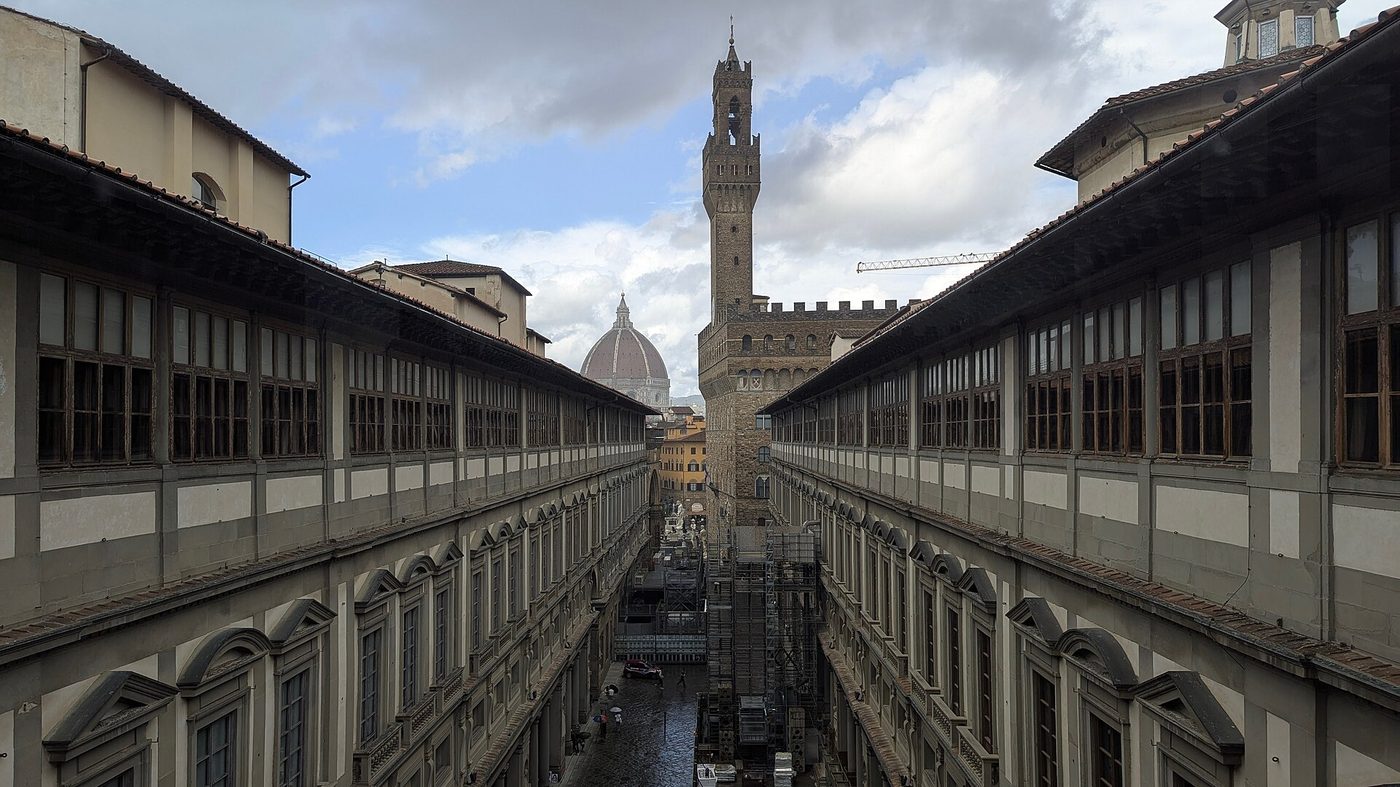
- The Uffizi courtyard in Florence, now priced the same all year round · Photo: Verum3414 / CC BY 4.0 via Wikimedia Commons
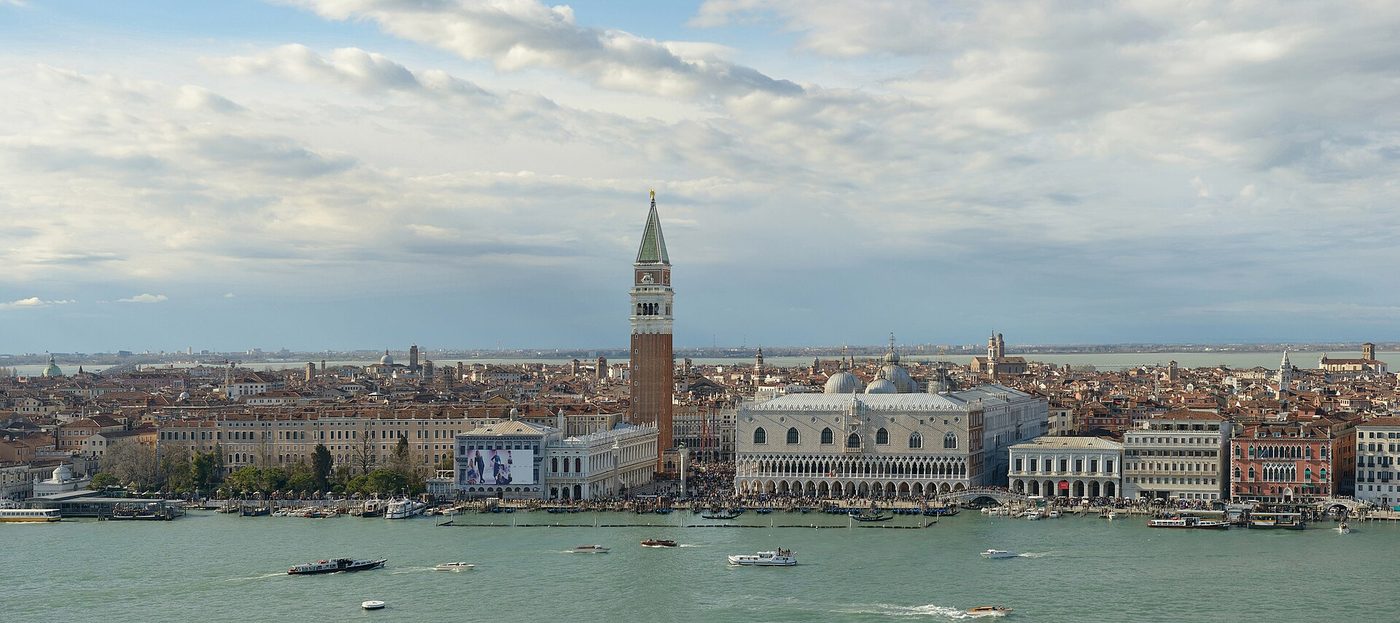
- The campanile, Doge's Palace and Marciana Library on the Piazza San Marco waterfront in Venice · Photo: Wolfgang Moroder / CC BY-SA 3.0 via Wikimedia Commons
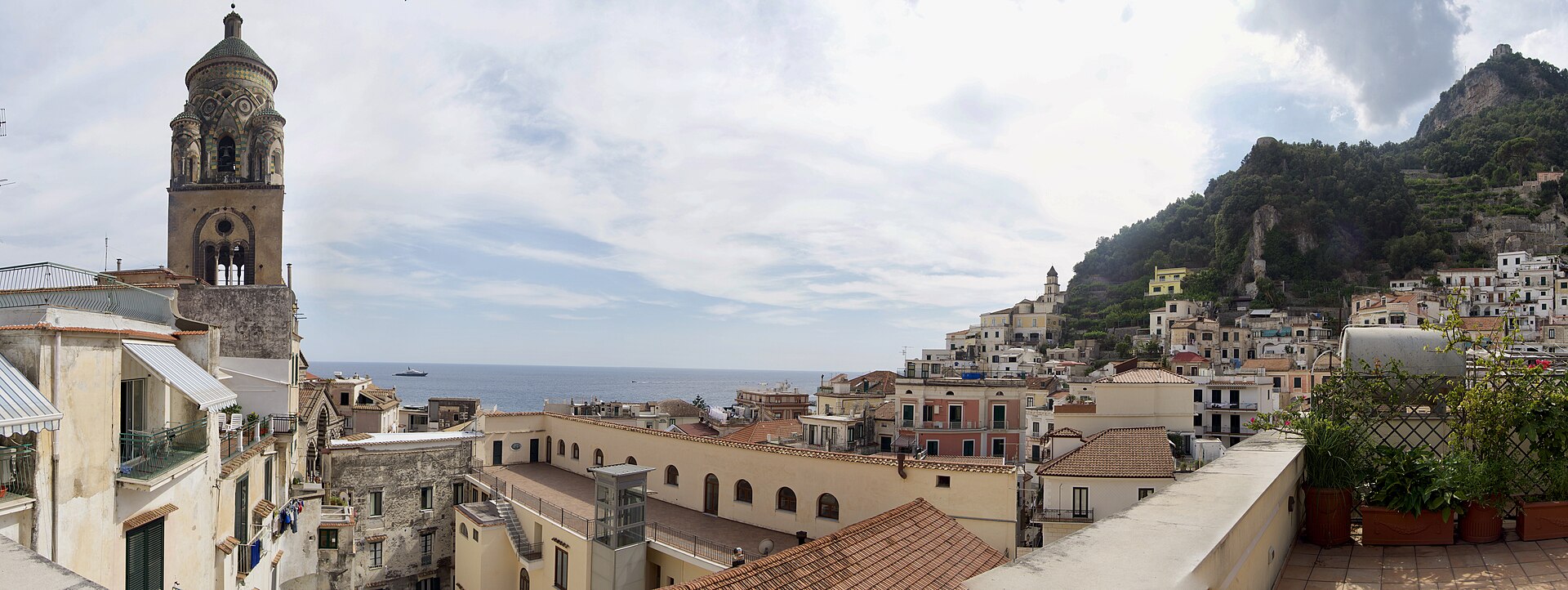
- The rooftops of Amalfi town below the cathedral bell tower, on a coast that runs on a seasonal timetable · Photo: Nick Amoscato · CC BY 2.0 · via Wikimedia Commons
- A vaporetto waterbus on the Grand Canal in Venice, which keeps running through acqua alta season · Photo: Jean-Pol GRANDMONT / CC BY 4.0 via Wikimedia Commons
- The ruins of Pompeii with Mount Vesuvius behind, best visited outside the July and August heat · Photo: Unknown authorUnknown author (CC0) via Wikimedia Commons
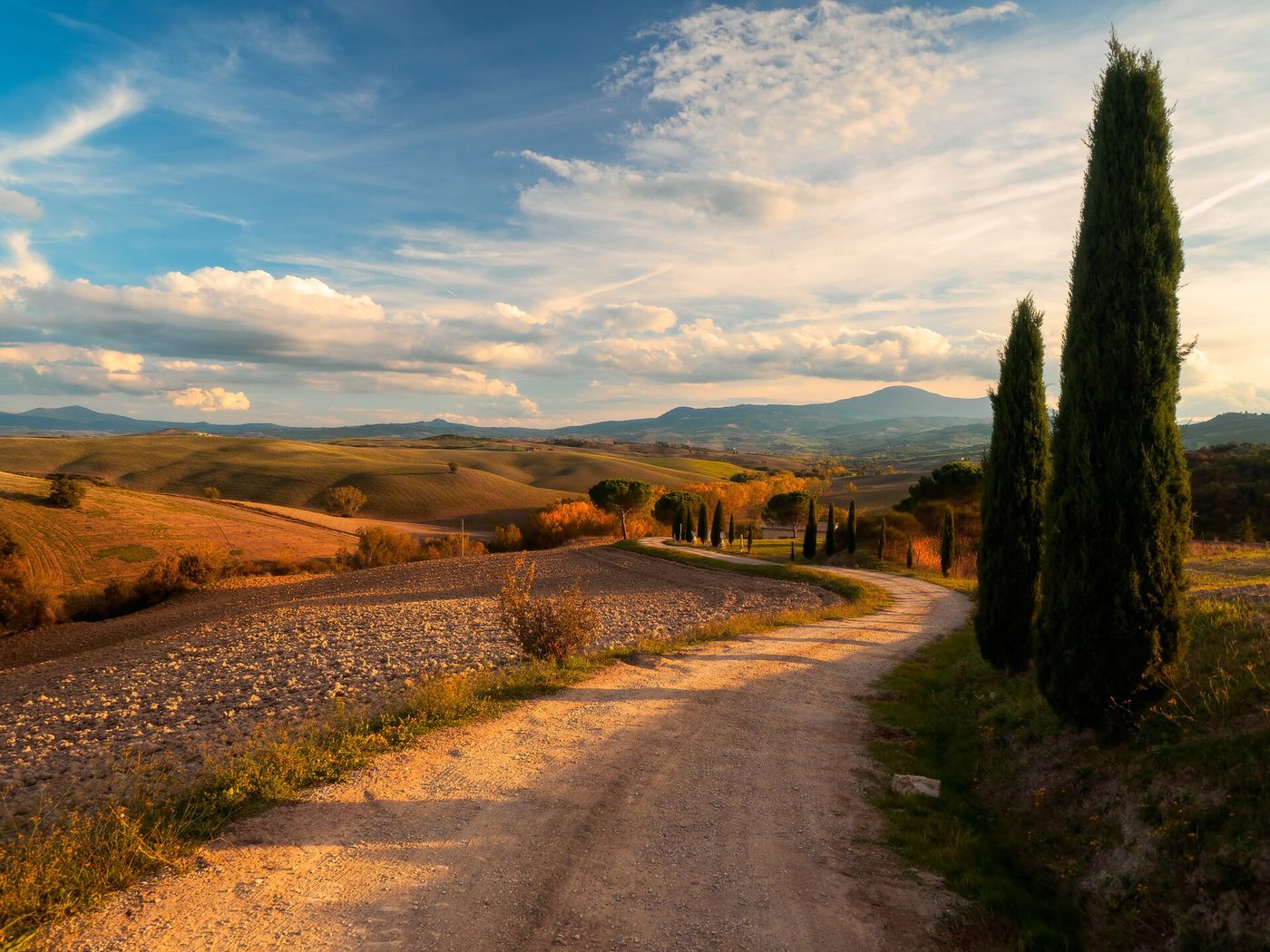
- A cypress-lined gravel road across the clay hills of the Val d'Orcia, Tuscany, in autumn · Photo: Fabrizio Lunardi / CC0 via Wikimedia Commons
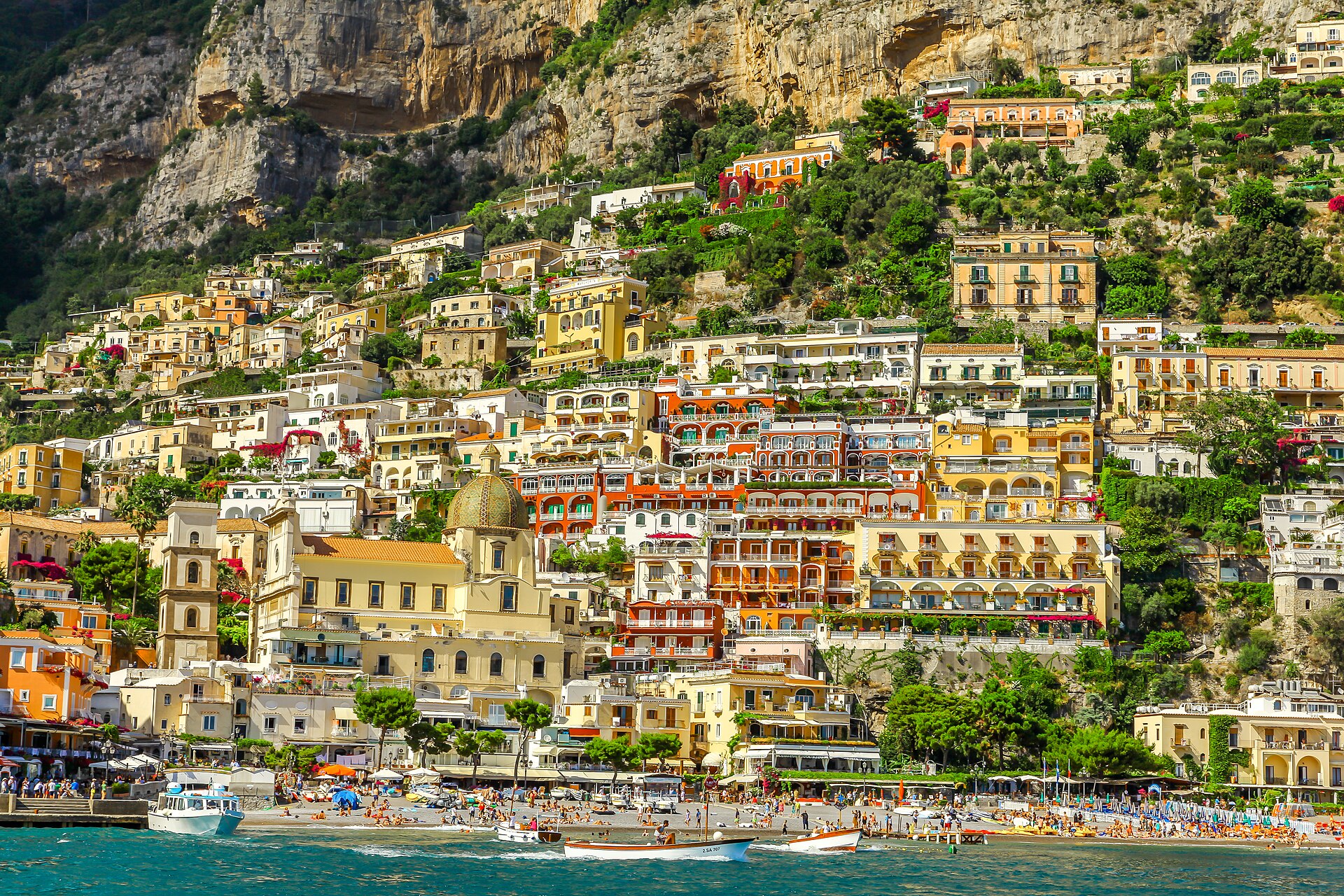
- The cliffside town of Positano on the Amalfi Coast, quietest in May and September · Photo: Cris Saur crisaur · CC0 · via Wikimedia Commons
2 comments