7 Days in Europe: Itinerary Ideas

The first Europe trip I ever planned was seven days long and covered five cities. I saw four railway stations properly and everything else through a window. That trip taught me the single most useful thing I know about planning a week in Europe, which is that the question is never how much you can fit in. It is what you are willing to leave out.
So this is a 7 day europe itinerary guide built around that idea. Twenty-four routes, each one tested against the same brutal constraint: seven nights, real transfer times, and the actual price of the trains and tickets you will need to book. No route below asks you to change cities more than twice, because the third move is where a week stops being a holiday.
The short answer, if you want it before the detail: a good 7 day europe itinerary covers one country and two or three cities, or two neighbouring capitals linked by a train under four hours. Seven nights realistically buys you five and a half usable days once flights and transfers are counted, so plan for two bases, not four.
How many cities fit into a 7 day europe itinerary
Here is the arithmetic that governs everything else on this page, and it is worth doing before you fall in love with a map.
A nominal two-hour train eats three to four hours of your day once you add getting to the station, arriving early enough not to panic, and getting from the arrival station to your accommodation. A nominal one-hour flight eats four to six hours door to door, once you count the airport transfer at both ends, the ninety minutes to two hours you are told to allow for check-in, boarding, and the inevitable slippage, as our guide to getting around Europe sets out. On top of the transport leg itself, changing hotels costs another two to three hours: packing, checking out, storing bags, checking in again. That overhead is fixed. It does not shrink because the train was fast.
Add it up and each move costs roughly half a day. Start from seven nights, subtract your arrival and departure days, and you have about five and a half usable days. One move leaves five. Two moves leave four and a half. Four moves, which is what a five-city week requires, leaves three and a half days spread across five cities, and at that point the arithmetic has stopped working.
There is a second cost that is easy to forget, which is that your first evening and last morning in any city are largely dead. You arrive tired, you leave early. A two-night stop gives you one real day. So when a route below says “Florence x2”, read it as one full day in Florence plus two half days of edges. That is enough for the Uffizi and a proper dinner. It is not enough for Florence.
My working rules, after fifteen years of getting this wrong and then slightly less wrong:
- Two bases is the sweet spot for seven nights. Three works if the legs are short and one of them is genuinely a one-night stop with a purpose, like Bruges or Cordoba.
- Keep every transfer under four hours. Above that you have lost a day, whatever the timetable says.
- Fly in and out of different airports. An open-jaw ticket removes the single most wasteful thing in a short trip, which is backtracking to where you started.
- Put the bigger city first. You arrive with energy and jet lag, and big cities absorb both better than small ones. Finish somewhere slow.
- Book one thing per day, maximum. Two timed tickets in a day turns a holiday into a schedule.
All 24 routes for a week in Europe at a glance
Pace here counts accommodation changes, because that is the cost that never shrinks. Slow means you never move. Steady means one move. Fast means two moves, and those routes are only listed where the legs are short enough to survive it.
The daily spend band is per person, per day, on the ground, excluding your flights to and from Europe, and it is worth reading alongside our guide to doing Europe on a budget. € is Central and Eastern Europe, where mid-range travel runs roughly $50 to $100 a day. €€ is most of Western and Southern Europe at roughly $120 to $180 a day mid-range. €€€ marks any route that includes Switzerland, the Nordics, Iceland or the UK, or a city carrying an unusually heavy tax load such as Amsterdam. I have not found a reliable separate figure for those places, so treat the top of the Western European band, around $180 to $250, as your starting point rather than your ceiling. Those bands come from travel-industry survey data rather than official statistics, so hold them loosely.
| Route | Countries | Where you sleep | Pace | Main transport | Best months | Daily spend band | Suits |
|---|---|---|---|---|---|---|---|
| 1. Paris, one base, seven days | France | Paris x7 | Slow | Metro and RER, one or two day trips | Apr-Jun, Sep-Oct | €€ | First-timers who hate packing |
| 2. Rome, one base, seven days | Italy | Rome x7 | Slow | Metro, bus, walking | Apr-May, Oct | €€ | History, food, no transit days |
| 3. London, one base, seven days | United Kingdom | London x7 | Slow | Tube, national rail day trips | May-Jun, Sep | €€€ | No-Schengen trips, English speakers |
| 4. Barcelona plus Catalonia day trips | Spain | Barcelona x7 | Slow | Metro, regional rail | May-Jun, Sep-Oct | €€ | Beach plus city, families |
| 5. London and Paris by Eurostar | United Kingdom, France | London x3, Paris x4 | Steady | Eurostar, 2h16 | Apr-Jun, Sep | €€€ | Classic first trip, two capitals |
| 6. Paris and Amsterdam | France, Netherlands | Paris x4, Amsterdam x3 | Steady | Eurostar, 3h20 | Apr-May, Sep | €€€ | Art, canals, easy rail |
| 7. Barcelona and Madrid | Spain | Barcelona x3, Madrid x4 | Steady | AVE, Ouigo or iryo, 2h30 | Apr-Jun, Sep-Oct | €€ | Food, galleries, nightlife |
| 8. Lisbon and Porto | Portugal | Lisbon x4, Porto x3 | Steady | Alfa Pendular, 2h50 | Apr-Jun, Sep-Oct | €€ | Value seekers, wine, coastline |
| 9. Copenhagen and Stockholm | Denmark, Sweden | Copenhagen x3, Stockholm x4 | Steady | SJ high-speed, 4h55-5h10, or a 1h flight | Jun-Aug | €€€ | Design, long summer evenings |
| 10. Vienna and Budapest | Austria, Hungary | Vienna x3, Budapest x4 | Steady | OeBB Railjet, 2h37 | May-Jun, Sep | € | Grand cities on a smaller budget |
| 11. Berlin and Prague | Germany, Czechia | Berlin x4, Prague x3 | Steady | Direct EuroCity rail | May-Jun, Sep | € | Modern history, nightlife, value |
| 12. Munich, Salzburg and the Bavarian castles | Germany, Austria | Munich x4, Salzburg x3 | Steady | Regional and Railjet, 1h43-2h04 | May-Jun, Sep, late Nov-Dec | €€ | Alps, castles, beer halls |
| 13. Rome, Florence and Venice | Italy | Rome x3, Florence x2, Venice x2 | Fast | Frecciarossa or Italo, 1h25 and 2h01 | Apr-May, Oct | €€ | The classic Italy first trip |
| 14. Prague, Vienna and Budapest | Czechia, Austria, Hungary | Prague x3, Vienna x2, Budapest x2 | Fast | Railjet, 3h55-4h10 and 2h37 | May-Jun, Sep | € | Three capitals, low daily spend |
| 15. Florence, Tuscany and Cinque Terre | Italy | Florence x4, Monterosso or Levanto x3 | Steady | Regional rail plus a hired car for one day | May-Jun, Sep | €€ | Hill towns, hiking, slow food |
| 16. Amsterdam, Bruges and Paris | Netherlands, Belgium, France | Amsterdam x3, Bruges x1, Paris x3 | Fast | Eurostar and Belgian rail | Apr-May, Sep | €€€ | Three countries without long legs |
| 17. Naples, Pompeii and the Amalfi Coast | Italy | Naples x2, Sorrento or Amalfi x5 | Steady | Circumvesuviana, SITA bus, ferries | May-Jun, Sep | €€ | Ruins, cliffs, boats |
| 18. Andalusia: Seville, Cordoba and Granada | Spain | Seville x3, Cordoba x1, Granada x3 | Fast | AVE and Avant regional high-speed | Mar-May, Oct | €€ | Moorish architecture, warm shoulder seasons |
| 19. Swiss Alps: Lucerne and Interlaken | Switzerland | Lucerne x3, Interlaken x4 | Steady | SBB and Zentralbahn, Luzern-Interlaken Express 2h | Jun-Sep | €€€ | Mountains without a car |
| 20. Provence and the French Riviera | France | Avignon or Aix x3, Nice x4 | Steady | TGV and TER regional | May-Jun, Sep | €€ | Markets, sea, light |
| 21. Croatia: Split, Hvar and Dubrovnik | Croatia | Split x3, Hvar x2, Dubrovnik x2 | Fast | Catamaran ferries and coach | Jun, Sep | €€ | Islands, swimming, old towns |
| 22. Athens and two Greek islands | Greece | Athens x2, island x3, island x2 | Fast | Ferries from Piraeus or Rafina | May-Jun, Sep | €€ | Ruins then beaches |
| 23. Iceland’s south coast and Golden Circle | Iceland | Reykjavik x2, south coast x3, Reykjavik x2 | Fast | Hire car on Route 1 | Jun-Aug, Sep | €€€ | Waterfalls, glaciers, road trippers |
| 24. Norway: Oslo, Bergen and the fjords | Norway | Oslo x2, Flam x2, Bergen x3 | Fast | Bergen Railway, Flam Railway, fjord ferry | Jun-Aug | €€€ | Scenery-first travellers |
One base, seven nights: the option most people dismiss too fast
Every year I meet people who spent their week on trains and came home with a blur. I have never met anyone who regretted giving a single city seven nights. You unpack once. You find a coffee place and become a regular in it. You get the second and third layer of a city, which is the layer worth flying for.
The catch is honest: if this is your one European trip of the decade and you want to say you saw three countries, a single base will not satisfy that. Everyone else should consider it seriously.
1. Paris, one base, seven days

Seven days is roughly the point at which Paris stops being a checklist. Days one to three take the obvious weight: the Louvre, which requires a mandatory timed slot for every visitor including the free-entry categories, and where peak-season walk-up slots regularly sell out. Adult admission runs €22 for EEA residents and €32 for everyone else, booked through ticket.louvre.fr. The Eiffel Tower is €36.70 to the summit by lift, €23.50 to the second floor, and €14.80 if you take the stairs to the second floor, which is my recommendation on any day when the queue for the lift is visible from the Champ de Mars. From 29 September 2026 even the stairs tickets require an advance reservation, so the old trick of turning up and walking is on its way out.
Days four to seven are where Paris pays you back: Belleville and the Canal Saint-Martin, the Marais on a Sunday when it is one of the few quarters that is properly awake, the Musee Rodin garden, a morning at Marche d’Aligre. Give one day to Versailles or Giverny and leave the rest loose.
Budget note that catches people: Paris charges a taxe de sejour that varies by category, around €4.40 per person per night for four-star classified furnished accommodation and €2.30 for a three-star hotel, with unclassified accommodation charged at 5% of the nightly rate per person up to €15.93. On top of that, an Ile-de-France Mobilites levy equal to 200% of the taxe de sejour applies, so the real charge is roughly triple the headline number. Read the small print on your booking, because it is often collected at the property in cash.
Also worth knowing: the Eiffel Tower is closed to the public on 13 July 2026 rather than 14 July, and summit access can be restricted in severe weather or at peak times. Build a spare afternoon into the week rather than treating a summit ticket as a fixed point.
2. Rome, one base, seven days

Rome rewards a week more than any other Italian city, partly because it is enormous and partly because the good bits of Italy are so densely stacked that you keep discovering you walked past something for four days. The ancient core is one day. The Vatican is another: €20 base admission to the Vatican Museums, or about €25 including the online reservation fee that secures your date and time slot, which is the version I would always buy.
The Colosseum is the ticket to think about hardest. The standard €18 ticket gives you 24 hours of access and covers levels one and two plus the Roman Forum and Palatine Hill. The arena floor and the underground both require the €24 Full Experience ticket or a guided tour, and underground visits are accompanied. Official tickets release 30 days before the visit date, and the underground allocation is effectively gone within minutes between April and October. Set an alarm for the 30-day mark. Guided tours start around €40 per person if you miss it. There is no rule requiring a guide for standard Colosseum entry, whatever a reseller may tell you at the point of sale.
New for 2026: the Trevi Fountain now has a €2 entry fee and requires pre-booking. It is a small sum that catches people out at the barrier.
Rome’s tourist tax runs €4 a night at one-star up to €10 at five-star, with four-star at €7.50 and Airbnb-style private rentals at a flat €6, capped at ten nights. Across a week in a four-star that is €52.50 per person you had not budgeted.
Use the spare days for Ostia Antica, the Appian Way on a Sunday when it closes to traffic, and at least one evening in Testaccio, where Romans actually eat.
3. London, one base, seven days

The strongest argument for London in 2026 is administrative rather than romantic. It sits outside the Schengen area, so a week there does not touch your 90-day Schengen allowance at all, and it is not affected by the EU’s new biometric entry system. If you have already spent time in Schengen countries this year, or you are travelling on a passport where the paperwork is fiddly, that matters.
Seven days lets you do the museums properly, which in London means the British Museum, the Tate Modern, the V&A and the National Gallery are all free to enter, as our UK travel guide sets out, so the cost of the week is accommodation, food and transport rather than tickets. Day trips reachable and back inside a day: Oxford, Cambridge, Bath, Brighton, Canterbury, and Windsor.
London sits in my most expensive band. Nothing about it is cheap except the museums, and those are free, and that changes the maths more than people expect.
4. Barcelona plus Catalonia day trips

Barcelona holds a week if you use it as a base rather than treating it as a two-day city-break stop. The Sagrada Familia is €26 for basic entry including the audioguide app, €36 with tower access, €30 with a guided tour and €40 with tour and towers. Under-30s and student cardholders pay €24 for basic entry, seniors €21, and under-11s go free. Every visitor needs a pre-booked timed slot and the official booking window opens up to 60 days ahead. There are reports of a small centenary surcharge of a few euro for May to December 2026 in Gaudi’s anniversary year, though I could not confirm that on the official prices page, so treat it as a possibility rather than a fact.
Two things about Barcelona in 2026 that will affect your booking. The tourist tax rose on 1 April 2026, and five-star hotels now carry €12 per night in total, made up of a €7 regional levy and a €5 municipal surcharge. The surcharge is scheduled to rise by €1 a year up to a legislative ceiling of €15 per night for five-star rooms by 2029. Separately, the city is phasing out all 10,101 licensed tourist apartments by November 2028. No new licences are being issued and existing permits are not being renewed, a policy upheld by Spain’s Constitutional Court in March 2025. The practical effect right now is that legal apartment supply is shrinking and hotel prices are firming, so book earlier than instinct tells you.
Day trips: Girona and Montserrat by regional rail, Sitges for one of Europe’s better city beaches, and the Costa Brava coastal path around Calella de Palafrugell if you have a car for a day.
Two cities, one train: the sweet spot for seven nights
If there is a single shape I would recommend to someone planning their first week in Europe, this is it. Two bases, one transfer, a train leg short enough that you keep most of the travel day. Every route in this group is a single move, and all but one have a rail link of four hours or less. Copenhagen to Stockholm is the exception, and it is the one leg here where flying is a fair question.

5. London and Paris by Eurostar
Nothing else in Europe links two capitals of this size as cleanly. The Channel Tunnel run is 2h16 on the fastest service and around 2h28 across the timetable, with up to 18 trains a day each way at peak and roughly 12 in winter. Because you check in at a terminal rather than a platform, allow an extra 45 to 60 minutes at St Pancras or Gare du Nord, which still leaves this comfortably the fastest way to link the two capitals, and a good illustration of why train travel in Europe beats flying on short legs.
Fares span a wide range, roughly £39 for a Standard advance up to £395 for peak Business Premier, with a realistic Standard advance around £52 one way when booked months out. Eurostar’s London routes open four to eight months ahead and sometimes ten or eleven, which is unusually generous by European standards. Book the moment your dates are fixed.
Split it three nights London, four nights Paris, and fly home from Paris. If you trim the Paris leg to three, follow our 3-day Paris itinerary as it stands. That way the Eurostar leg happens on day four, when you are rested and the novelty of the tunnel has not worn off.
6. Paris and Amsterdam

Eurostar runs Paris to Amsterdam in 3h20 direct, with around ten services a day calling at Schiphol and Rotterdam. Fares start at €35 one way in advance, and once that cheapest bucket goes you are typically looking at €55 to €135. This route opens for booking up to four months ahead rather than the ten you get on the London services, so the window is tighter than people assume.
Four nights Paris, three nights Amsterdam works well because Amsterdam is small and walkable and does not need more. The one ticket to plan the whole trip around is the Anne Frank House: €16.50 adult, €7 for ages 10 to 17, €1 for under-10s, released every Tuesday at 10:00 Amsterdam time exactly six weeks before the visit date, and gone within minutes. There are no legitimate resellers, no same-day door sales, and the I Amsterdam City Card is not accepted. Work out which Tuesday covers your dates and be at a screen.
Amsterdam is expensive in a way that is partly invisible until checkout. Tourist tax is 12.5% of the room price excluding VAT and tax, the highest rate in Europe, and national VAT on hotel stays rose from 9% to 21%, taking the combined tax burden on a room to roughly 33.5%. A further proposal to lift the tourism tax to 20% has been floated and is not in force. Budget for the room rate plus a third.
7. Barcelona and Madrid
Spain built its high-speed network around this corridor and it shows. Two and a half hours on the AVE, with around 30 departures a day between roughly 05:45 and 21:45, and three competing operators on the corridor: Renfe AVE, Ouigo and iryo. That competition is the good news, because advance fares start around €14 while flexible tickets run €80 and up. The bad news is Renfe’s booking horizon, which is erratic. Sometimes tickets open only 30 days out, sometimes 90 to 120 on the major corridors. Check weekly rather than assuming a fixed release date.
Give Madrid the longer half. That is the split I prefer, because Madrid’s museums and its day trips to Toledo and Segovia absorb more time than people expect, and because Madrid is markedly cheaper for dinner. Reverse it if beaches matter more than paintings.
8. Lisbon and Porto
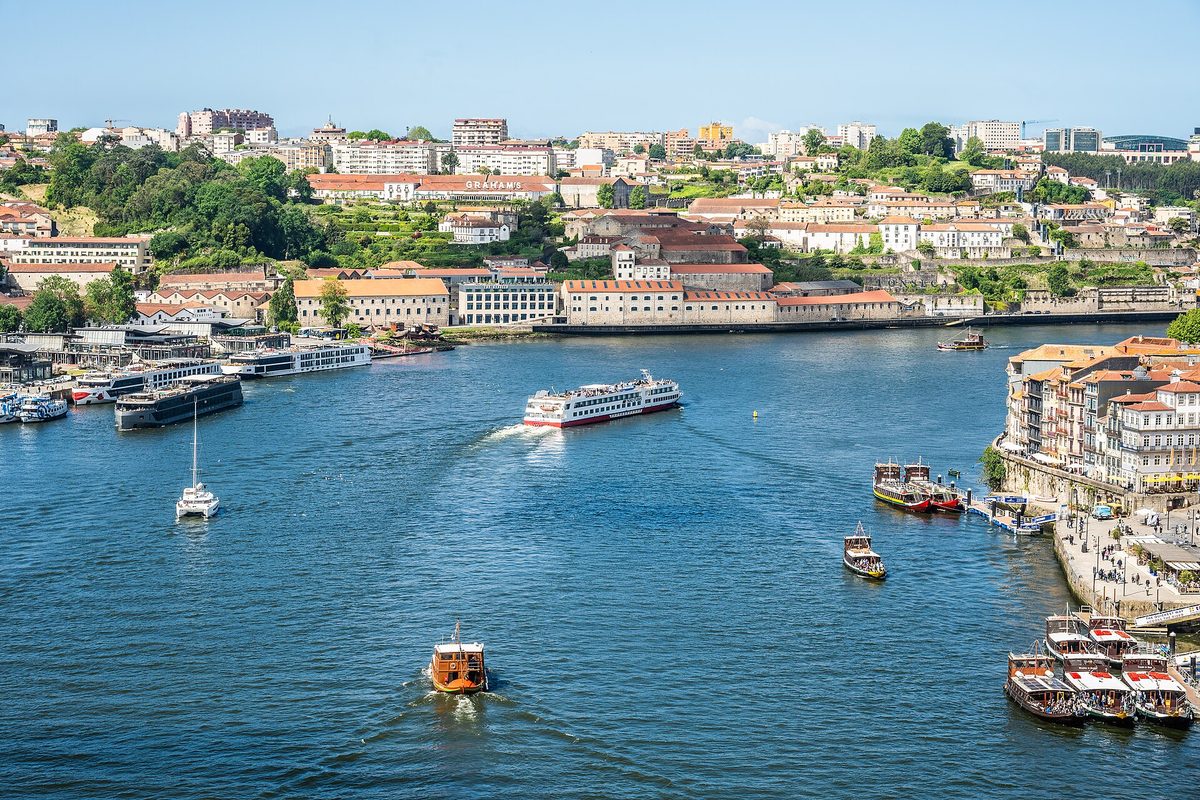
If you want the most trip for the least money, this is it. The Alfa Pendular does Lisbon to Porto in 2h50. The full 2026 tourist-class fare is €35.70, or €49.90 in Conforto class, but CP Promo fares start around €16 if you book within the 60-day window. Those promo tickets are non-refundable and they do sell out. Book only through CP itself or Omio, which are the only authorised sellers of Portuguese rail tickets.
This is the best-value route in this guide for a first trip to Europe. Portugal sits in the mid band for daily spend but consistently at its lower edge, and Lisbon’s tourist tax is a flat €4 per person per night capped at seven consecutive nights, so a maximum of €28 per guest for the whole week. Children under 13 are exempt.
Four nights Lisbon covers the city, Sintra and a day at Cascais or Setubal. Three nights in Porto covers the Ribeira, the port lodges in Vila Nova de Gaia and a Douro valley day. Fly home from Porto.
9. Copenhagen and Stockholm

This is the one pairing in this group where I would consider flying. SJ’s high-speed service covers the 650 km in 4h55 to 5h10 with around five to seven departures a day, though the direct X2000 has been suspended into autumn 2026, so for now you change at Malmoe C. The flight is about an hour. On paper the flight wins. Door to door, once you add the airport transfers at both ends and the check-in buffer, the flight eats most of a morning anyway, so the train’s five hours is closer to a draw than the timetable suggests, and it deposits you in the centre of the city.
Advance rail fares are quoted from around SEK 195, roughly €18, though with the direct service suspended the realistic floor is higher. Cheap seats commonly sit around €34, the average is nearer €72, and same-day purchases run around €114. The spread is enormous, which means this is a route where booking early changes the trip’s budget.
Timing matters more here than anywhere else on the list. Go in June or July. Scandinavian summer evenings are the entire point, and both cities are transformed by them. Three nights Copenhagen, four Stockholm, with a day out to the archipelago.
10. Vienna and Budapest

My most-recommended pairing in this guide, and the easiest to book. Two hours thirty-seven minutes on the fastest OeBB Railjet, roughly hourly, around 20 departures a day. Advance fares from OeBB start at €19.90 in second class, and buying the same journey from MAV, the Hungarian operator, can bring it down to around €13. OeBB opens booking 180 days ahead, the longest horizon of any operator in this guide, and it releases its cheapest Sparschiene fares earliest and in the largest quantities. If you like locking things in, this is your route.
The reason I recommend this pairing so often is the cost gradient. Vienna sits at the top of the lower band, Budapest well below it, and between them you get imperial grandeur and thermal baths for noticeably less per day than a week in France. Vienna’s tourist tax rose to 5% of the room rate on 1 July 2026, up from 3.2%, and is scheduled to reach 8% on 1 July 2027. Budapest charges 4% of the room rate per room per night for guests aged 18 and over.
Weight the week towards Budapest: three nights Vienna, four Budapest. Budapest has more to do in the evening and cheaper places to do it in.
11. Berlin and Prague

A direct EuroCity links the two in around four hours and twenty minutes through the Elbe valley, one of the more scenic mainline runs in central Europe and worth taking in daylight for that reason alone. Advance fares start from around €18 and booking opens roughly six months ahead, which is one of the longer horizons in this guide. Berlin is a four-night city minimum if you want the modern history to land: the Topography of Terror, the Stasi Museum, the Berlin Wall Memorial on Bernauer Strasse rather than the East Side Gallery, and a day in Potsdam.
Four nights Berlin, three nights Prague. Prague’s tourist tax is CZK 50 per person per night, about €2, for visitors aged 18 and over, with under-18s exempt. Czechia is not in the euro, so budget in koruna and check what your card charges you for the conversion. Prague sits in the lower daily-spend band and anchors most Eastern Europe itineraries. Berlin is Western European but priced at the gentle end of it, which is why this pairing lands in the middle band rather than the top one.
12. Munich, Salzburg and the Bavarian castles

Two handsome cities and the Alps between them. Munich to Salzburg is 1h43 at its fastest and around 2h04 on average. Advance tickets go from about €8, while the standard walk-up regional fare is €43.80 second class each way. If there are two or more of you, the Bayern-Ticket is the better instrument: €34 for the first traveller plus around €10 for each additional traveller up to five people, covering a same-day round trip on regional trains. It is not valid on Railjet, EC or ICE services, so read the platform boards carefully.
Neuschwanstein is the trip’s one hard booking. Admission is €21 regular and €20 reduced, under-18s go free but still need a ticket, and there is a €2.50 booking fee per online ticket. Every interior visit is a specific timed tour slot. Box office sales at the Ticketcenter Hohenschwangau are same day only, first come first served, and the official page’s own words are that they are “often sold out very early”. Reservations are generally not possible at the box office. If you see €15 quoted anywhere, that figure is out of date.
Four nights Munich, three nights Salzburg, with the castles as one of Europe’s genuine bucket-list days out from Munich and the Salzkammergut lakes from Salzburg.
Classic multi-stop routes
These are the routes people picture when they picture a week in Europe. Three of the four ask you to move twice, and they work only because the legs between stops are short. Do not import this shape onto a map where the trains are four hours apart. The fourth, Florence and the Ligurian coast, is the gentle version for people who want the same country at half the pace.
13. Rome, Florence and Venice
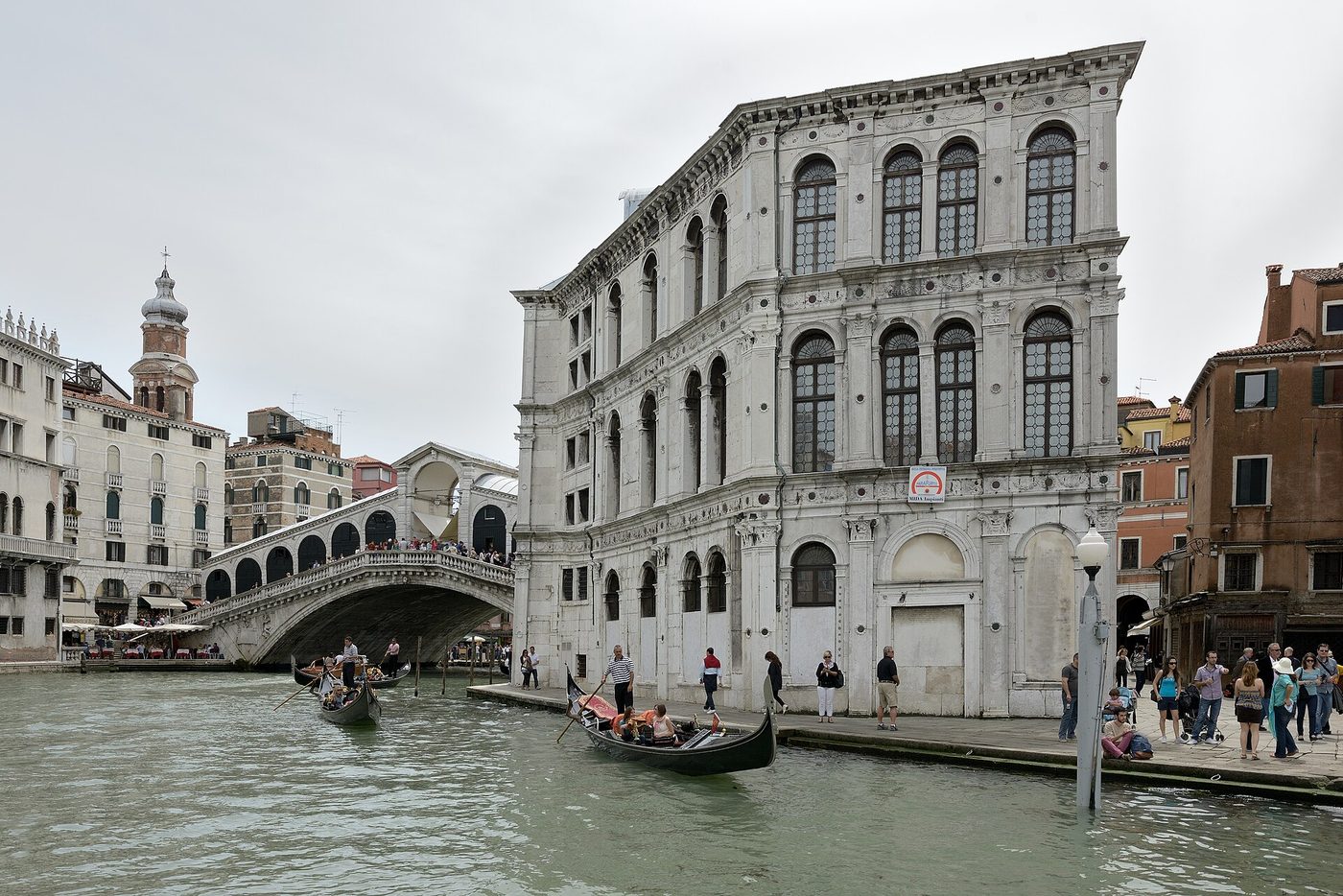
The most-booked week in Europe, and the core of almost every 10-day Italy itinerary. It survives the arithmetic because Italian high-speed rail is fast and frequent. Rome to Florence is 1h25. Florence to Venice is around 2h01 on the fastest Frecciarossa or Italo services. Two transfers, both short, both from city centre to city centre.
The fares reward planning to an almost absurd degree. Rome to Florence starts at €14.90 Super Economy when booked around 90 to 120 days out, and costs €50 or more if you buy it on the day. Florence to Venice starts at €18.90 in advance and runs €60 to €80 same day. Trenitalia opens booking around four months ahead. Two tickets bought early instead of late is the difference between roughly €34 and somewhere between €110 and €130 for the same two journeys.
Three nights Rome, two Florence, two Venice. Fly into Rome and out of Venice. Do not do it in reverse: Rome needs your freshest days.
Book the Uffizi before you go. It is €29 online or €25 same day at the ticket office, and a €4 reservation fee applies to every online purchase including free-admission bookings. From 1 January 2026 there is an afternoon discount for entry from 16:00, at €16 on site or €20 online, which is a real saving if you are happy to see the Botticellis in the last two hours of the day. I would take it.
The Venice detail worth getting right: the day-tripper access fee does not apply to you if you are sleeping in Venice. Overnight guests in registered accommodation are exempt because they already pay the overnight tourist tax, though you still need to register for a QR code. Venice’s own overnight tax is a modest €1 to €5 per person per night.
14. Prague, Vienna and Budapest
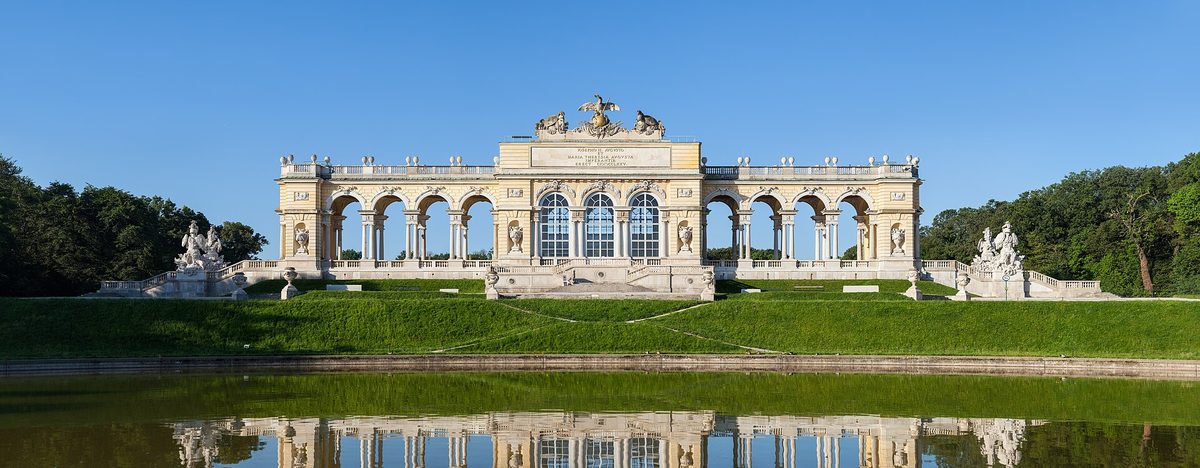
Three capitals, two trains, and the lowest daily spend of any route on this page. Prague to Vienna is 3h55 to 4h10 with OeBB Sparschiene fares from €14.90 in second class, €29.90 in first. Vienna to Budapest is 2h37. Run it in that direction and you never take a train over four hours.
What you should not do is close the loop. Budapest back to Prague direct is six to seven hours, which is the whole day gone. Fly home from Budapest instead, or accept that you are spending your last full day on a train.
Three nights Prague, two Vienna, two Budapest. Vienna is the one I would cut to two if pressed, because it is the most expensive of the three and its two headline sights sit close together.
15. Florence, Tuscany and Cinque Terre
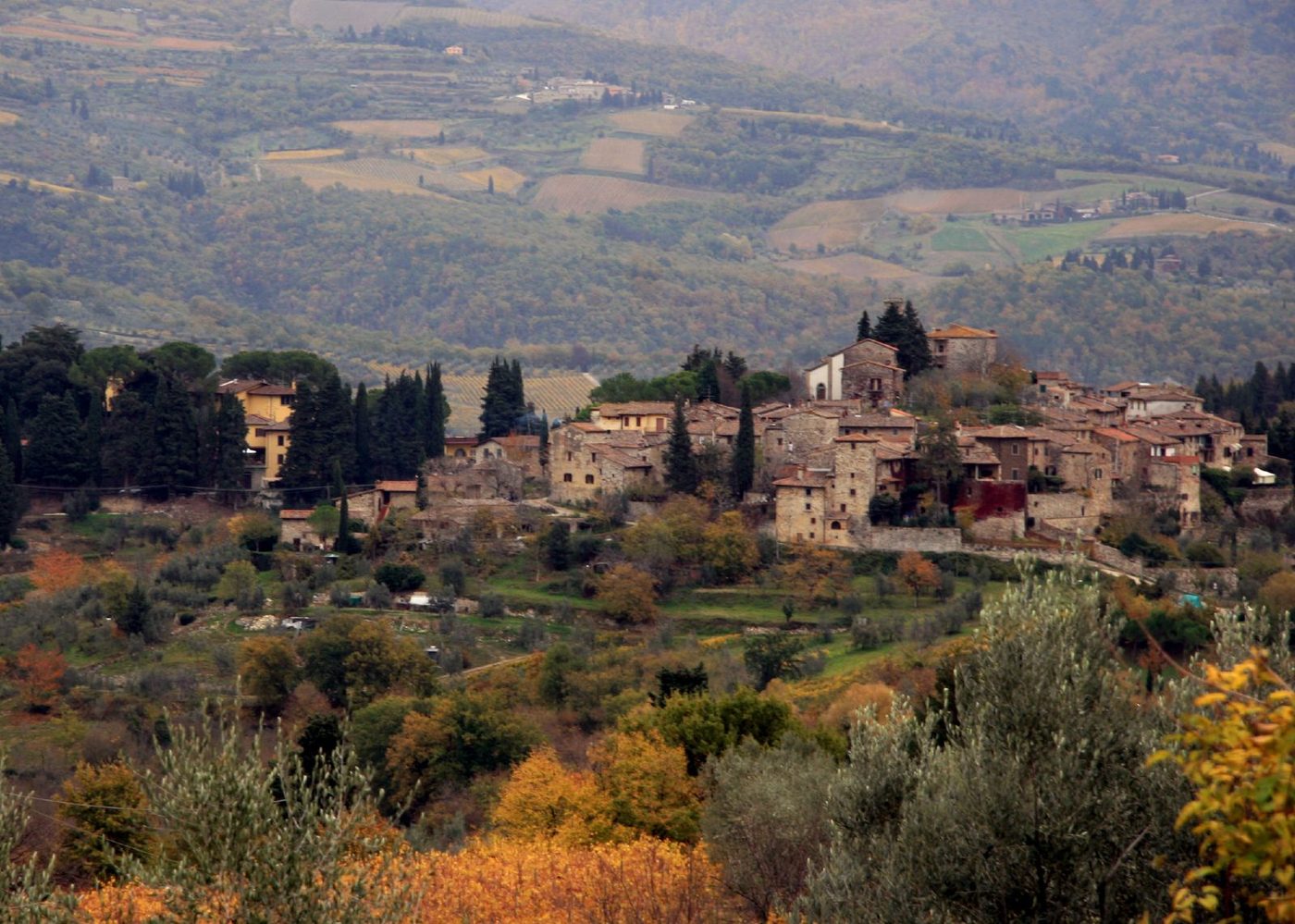
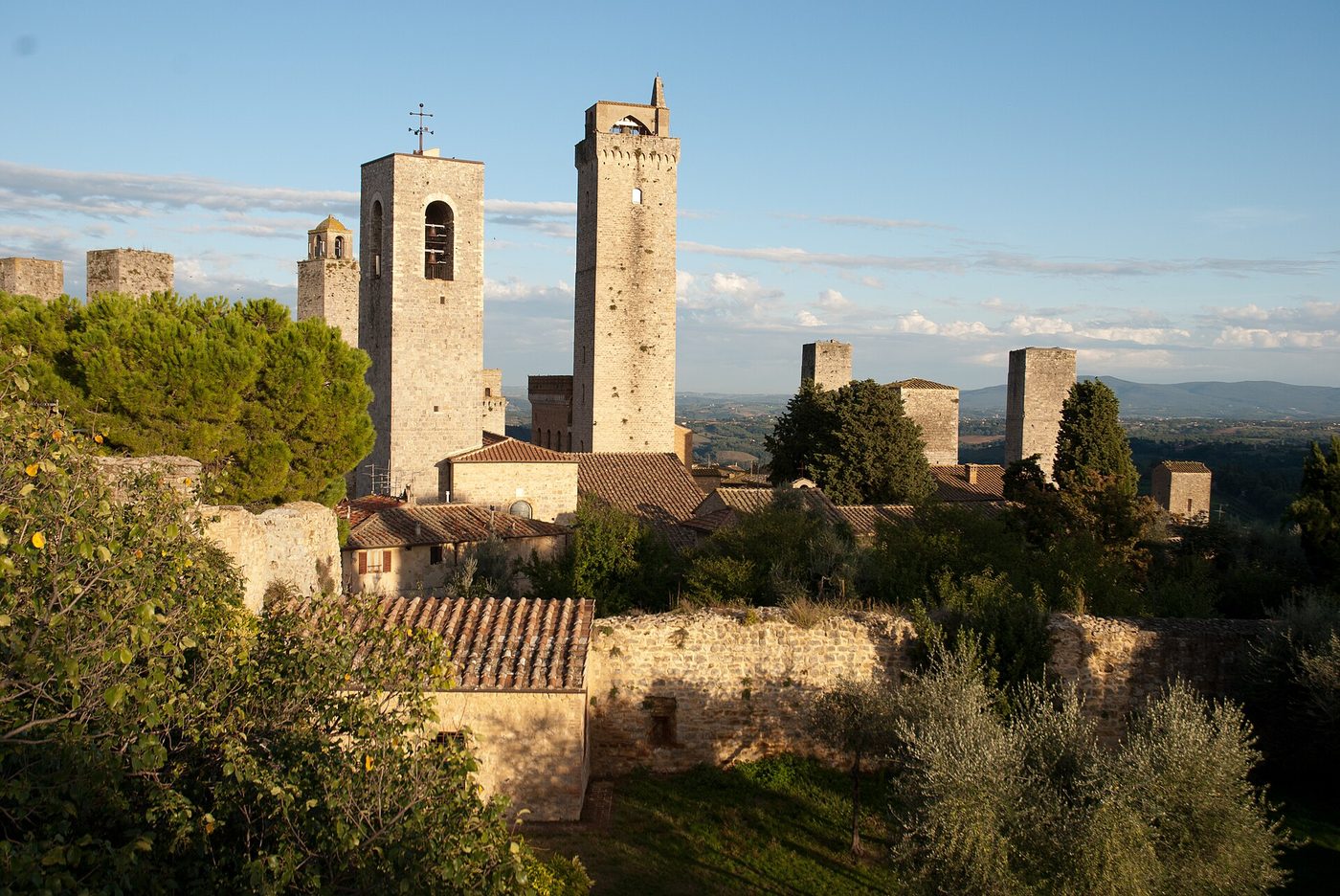
A gentler Italian week for people who have already done Rome, or who want hills rather than queues. Four nights in Florence gets you the city, the Uffizi and the Accademia, plus a hire-car day through Siena and the Tuscan hill towns, San Gimignano and the Val d’Orcia. Then three nights on the Ligurian coast at Monterosso or, for better value and a quieter evening, Levanto one stop up the line.
The Cinque Terre now runs a banded card system, and the bands matter. The Trekking Card is €7.50 for one day, €14.50 for two and €21 for three, covering the Sentiero Azzurro sections between Monterosso and Vernazza and between Vernazza and Corniglia, plus the village shuttle buses and station restrooms. The Train Card, which adds unlimited second-class regional trains between Levanto and La Spezia, is priced by demand: Band A at €19.50, €34 and €46.50 for one, two and three days; Band B at €27, €48.50 and €66.50; Band C at €32.50, €59 and €78.50. Check which band your dates fall into before you assume the card saves money, because on a low-demand day it usually does and on a high-demand three-day pass it is a large sum.
16. Amsterdam, Bruges and Paris

Three countries in seven nights, which sounds like exactly the mistake I warned about, except that the geography here is unusually forgiving. Amsterdam to Bruges and Bruges to Paris are both short, and Bruges is small enough that a single night is not a waste, it is the right length.
Three nights Amsterdam, one night Bruges, three nights Paris. The Bruges night is the trick: you arrive mid-afternoon when the day-trip coaches leave, you get the town at dusk and at breakfast, and you move on before it fills up again. It is the only one-night stop in this guide I would defend.
Cost warning: this route strings together three of the more expensive cities on the list, and Amsterdam’s combined tax burden on a hotel room of roughly 33.5% applies to your first three nights.
Coast, mountains and islands
These weeks are less about cities and more about a landscape. They tend to need a car or a ferry, and they are the ones most improved by going in the shoulder season.
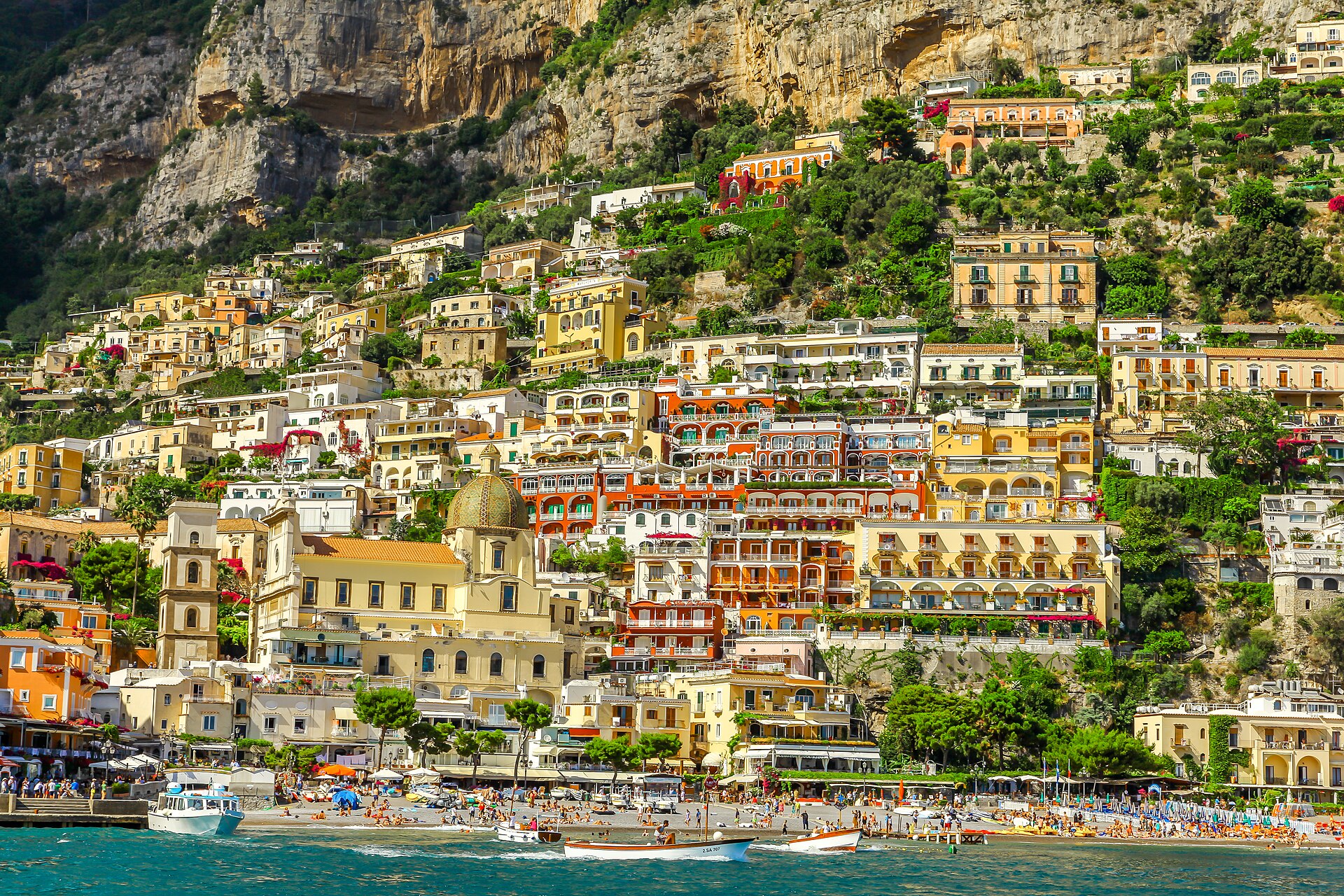
17. Naples, Pompeii and the Amalfi Coast
Two nights in Naples for the archaeological museum, the pizza and the intensity, then five on the Amalfi Coast at Sorrento or in Amalfi itself. Pompeii and Herculaneum sit on the Circumvesuviana line between the two, so you do them on the transfer day rather than losing a separate day to them.
The coast road is slow by design. SITA buses between Amalfi, Positano and Sorrento crawl in summer, and the ferries are usually faster, more comfortable and more pleasant. Plan around boats from June to September and you will have a much better week. Sorrento is the cheaper and better-connected base; Amalfi and Positano are prettier and cost more for it.
18. Andalusia: Seville, Cordoba and Granada

Three nights Seville, one night Cordoba, three nights Granada, linked by AVE and Avant regional high-speed services. March to May and October are the months. July and August in inland Andalusia are punishing.
The Alhambra is the booking that shapes the week. The general ticket is €21 plus a web service fee of roughly €1.30 to €1.75 depending on the ticket type, so call it €22 to €23 in total, purchasable up to a year before the visit date and up to two hours before your Nasrid Palaces slot. The Nasrid Palaces entry time is a hard timed entry, and missing it means missing the best part of the site. Buy only from tickets.alhambra-patronato.es. If you see €39 quoted for a “standard self-guided daytime” ticket, that is a reseller markup, not the official fare.
19. Swiss Alps: Lucerne and Interlaken

The most reliable mountain week in Europe for people without a car, because Swiss public transport goes everywhere and runs on time. Zurich to Lucerne is about 41 minutes and roughly CHF 27 standard one way. Lucerne to Interlaken Ost on the Luzern-Interlaken Express takes about two hours through the Brunig pass, and it does not need pre-booking. Same-day purchase on SBB.ch, the SBB Mobile app or a station machine is completely normal.
Supersaver fares on long-distance Swiss routes typically run CHF 25 to 50, and between 2 May and 1 November 2026 two extra daily Luzern-Interlaken Express services carry Supersavers discounted by up to 50%. SBB opens standard ticket sales 60 days before departure.
Three nights Lucerne, four nights Interlaken. From Interlaken you reach Lauterbrunnen, Murren, Grindelwald and the Jungfrau region on day trips. Switzerland is the most expensive country in this guide by some distance, so the compensation is that you spend nothing on entry tickets: the mountains are the attraction.
20. Provence and the French Riviera

Three nights in Avignon or Aix, four in Nice, linked by TGV and regional TER services. Provence gives you markets, Roman ruins at Arles and Nimes, and the Luberon villages. Nice gives you a beach, the old town, and easy TER hops to Antibes, Villefranche, Menton and Monaco.
May, June and September are the right months. August on the Cote d’Azur is the most crowded and most expensive it gets all year, and French domestic rail booking opens in tranches rather than on a rolling window, so summer seats are released in blocks several months out. Set a reminder rather than checking daily.
21. Croatia: Split, Hvar and Dubrovnik
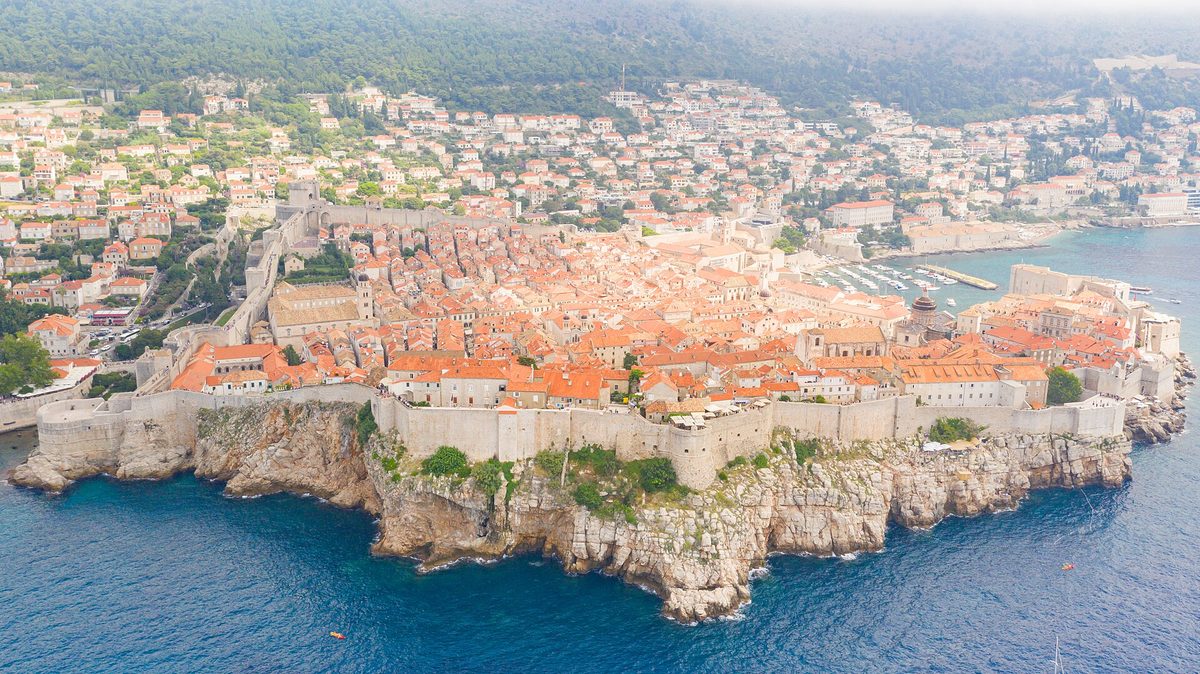
Three nights in Split, two on Hvar, two in Dubrovnik, moving by catamaran ferry and then coach or boat down the coast. June and September are the sweet spots. July and August are hot, full and priced accordingly.
Dubrovnik has tightened access considerably. No more than two cruise ships may be in port at any one time, down from five in 2016, each with a minimum eight-hour docking. There is a peak cap of 4,000 simultaneous visitors inside the Old Town walls, and from 2026 entry to the walls and the museums requires advance booking under the “Respect the City” programme. Book those before you arrive rather than at the gate.
22. Athens and two Greek islands

Two nights in Athens, three on one island, two on another, with ferries from Piraeus or Rafina. The temptation is three islands. Resist it: Greek ferry timetables are seasonal and delays are normal, and a third hop turns a holiday into a logistics exercise.
The Acropolis is €30 for adults in 2026 with no seasonal discount, free for EU citizens under 25 with ID and for children under six. Entry is by mandatory hourly slot booked through hhticket.gr, and the ticket is only valid in the slot you chose. The site runs a daily cap of around 20,000 visitors, with the 08:00 to 09:00 hour capped at 3,000 and the following hour at 2,000. Between April and October popular slots go several days ahead, and summer morning slots regularly sell out one to three weeks in advance. Book the first slot of the day, and mean it: by ten in the morning in August, when Athens averages a 32°C high, the marble is unpleasant to stand on.
Greece charges a climate crisis resilience fee that is seasonal and banded by accommodation type and star rating, running from €2 a night at the bottom to €15 at five-star in peak season. Unlike most of the taxes in this guide it is charged per room rather than per person. Standard short-term rentals pay €8 per property per night from April to October and €2 from November to March. It was introduced in 2024 to fund disaster relief and climate adaptation after the wildfires and floods, replacing the older hotel stay tax.
23. Iceland’s south coast and Golden Circle

Two nights Reykjavik, three moving east along Route 1 as far as Jokulsarlon, two back in Reykjavik. Seven days is not enough for the full Icelandic ring road at a pace worth having, and trying it is the classic Iceland mistake. The south coast alone gives you Seljalandsfoss, Skogafoss, Reynisfjara, Vik and the glacier lagoon.
Hire a car. The country is expensive and there is no cheap way around that, but the road is the experience. September is my pick: the summer coach traffic has thinned and the aurora becomes possible again. Pack for wet rather than cold. October drops to a range of about 2°C to 7°C and is among the wettest months of the year. May is the sunniest month at 201 hours, with temperatures broadly between 0°C and 10°C.
24. Norway: Oslo, Bergen and the fjords

Two nights Oslo, two at Flam, three in Bergen. The Bergen Railway across the Hardangervidda plateau and the Flam Railway down to the fjord are two of the great European train journeys, and they are the reason to take this route rather than fly between the two cities.
June to August only, unless you specifically want snow. Norway sits at the top of the expensive band along with Switzerland and Iceland, and the way to survive it is self-catering plus one restaurant meal every other day. Bergen’s fish market is a tourist attraction with tourist attraction prices; the supermarket two streets behind it is not.
What is missing from this list, and why
No Ireland, no Scotland, no Poland, no Baltic capitals, no Istanbul. That is not a verdict on any of them. Krakow and Warsaw, covered in our Eastern Europe travel guide, in particular make an excellent low-cost week, and the Dublin-plus-the-west route is one I have run happily myself. They are absent because I could not source current 2026 prices, taxes and booking rules for them to the standard I have applied everywhere else on this page, and I would rather leave a route out than guess at its numbers. If you want those weeks, the shape is the same: two bases, one transfer under four hours, book the one hard ticket early.
What the trains actually cost in 2026, and when to book them
The gap between the advance fare and the walk-up fare on a European high-speed train is not 20%. On several of these legs it is three or four times, and it is one of the few trip costs entirely within your control.
The general rule is that high-speed operators open booking 90 to 120 days ahead, but the variation around that rule is the whole game. OeBB opens 180 days out and releases its cheapest fares earliest and in the largest quantities. Renfe can open as little as 30 days out. SNCF releases French domestic seats in tranches rather than on a rolling window, so there is no single date to watch. Eurostar’s London routes can open ten or eleven months ahead, while its Paris to Amsterdam services open only four.
| Leg | Operator | Journey time | Cheapest advance fare seen | Late or flexible fare | Booking opens |
|---|---|---|---|---|---|
| London to Paris | Eurostar | 2h16 fastest, ~2h28 typical | from £39 Standard advance | £395 peak Business Premier | 4-8 months, sometimes 10-11 |
| Paris to Amsterdam | Eurostar | 3h20 direct | from €35 | €55-€135 once the cheap bucket goes | up to 4 months |
| Rome to Florence | Frecciarossa / Italo | 1h25 | €14.90 Super Economy | €50+ same day | around 4 months |
| Florence to Venice | Frecciarossa / Italo | ~2h01 fastest | €18.90 | €60-€80 same day | around 4 months |
| Barcelona to Madrid | AVE / Ouigo / iryo | 2h30 fastest | from €14 Renfe Promo | €80+ flexible | 30 days, sometimes 90-120 |
| Prague to Vienna | OeBB Railjet | 3h55-4h10 | €14.90 Sparschiene 2nd class | €29.90 1st class | 180 days |
| Vienna to Budapest | OeBB Railjet | 2h37 | €19.90 via OeBB, from €13 via MAV | varies with demand | 180 days |
| Lisbon to Porto | Alfa Pendular | 2h50 | around €16 CP Promo | €35.70 tourist class full fare | 60 days |
| Zurich to Lucerne | SBB InterRegio | ~41 min | around CHF 27 standard | no advance discount needed | 60 days |
| Lucerne to Interlaken Ost | Luzern-Interlaken Express | ~2h | CHF 25-50 Supersaver | standard fare, no reservation needed | 60 days |
| Berlin to Prague | EuroCity | around 4h20 | advance fares from around €18 | full flexible fare is several times that | around 6 months |
| Munich to Salzburg | Railjet / regional | 1h43 fastest, ~2h04 average | from around €8 | €43.80 walk-up regional 2nd class | varies by operator |
| Copenhagen to Stockholm | SJ, change at Malmoe C | 4h55-5h10 when direct services run | quoted from SEK 195, about €18 | around €114 same day | varies |
All figures are the cheapest advertised advance fares seen in August 2026 rather than a promise of what you will pay. Fare buckets are finite and demand-priced. If you take one thing from this table, take this: book high-speed rail at least four to six weeks out, and earlier on Paris to Amsterdam and Vienna to Prague, which sell out and climb fastest.
Is a rail pass worth it for a 7 day europe itinerary?
Usually not, and the arithmetic is worth walking through slowly.
An Interrail Global Pass covering seven travel days within one month costs approximately €381 for an adult in second class, or around €286 for a youth aged 12 to 27 on the start date, since the youth discount is 25%. Seniors aged 60 and over get around 10% off. First class adds roughly 25% to 30%. For non-European residents the equivalent Eurail seven-day flexi pass runs around $473. There is no standard continuous seven-day Global Pass. The flexi product is the one designed for a trip this length.
Now the part that breaks the maths. In France, Italy and Spain every high-speed train requires a paid seat reservation on top of the pass. French TGV reservations run €10 to €20, TGV Lyria services between Paris and Switzerland run €29 to €39 with limited passholder quotas that sell out days ahead in summer, Italian Frecciarossa reservations are €13, Spanish AVE €10 to €30, and Eurostar passholder reservations €35 to €40. Across a week combining France, Italy and Spain you can spend €80 to €150 on reservations alone, on top of the €381 pass.
Compare that with route 13 above. Rome to Florence at €14.90 and Florence to Venice at €18.90 books at €33.80 for the entire week’s rail. The pass costs more than ten times as much for the same two journeys.
So when does a pass win? When you are making five or more journeys across three or more countries on an itinerary you deliberately want to keep flexible, and particularly in Switzerland, Benelux, Germany and Austria, where walk-up fares are high and reservations are rarely compulsory. That is a real scenario, and it is a fortnight scenario more often than a week one. Interrail also sells a Global Plus Pass that covers seat reservation costs on most trains, which addresses the objection above, though I could not confirm its 2026 price. Note too that standard Interrail passes are refundable or exchangeable if returned unused, promotional ones may not be, and children under four travel free without a pass while those aged four to eleven travel free on a Child Pass, up to two per accompanying adult.
If you are set on a two-base week with fixed dates, buy point to point and book it early. That is the answer for maybe nine readers in ten.
Should you fly between cities instead?
Intra-Europe budget fares in 2026 typically run €10 to €80 one way, with Ryanair and Wizz Air promotional seats sometimes appearing around €15 to €20. easyJet usually prices 15% to 20% above Ryanair but flies into primary airports like Charles de Gaulle and Schiphol, which can save you more in transfer time and taxi fares than the fare difference.
Two things flatten the apparent advantage. The first is baggage. Across Ryanair, easyJet and Wizz Air the only free allowance is a small personal item that fits entirely under the seat in front, and Ryanair’s basic underseat dimension is 40 x 30 x 20 cm. Adding an overhead cabin bag at booking costs roughly €6 to €36; adding it after booking costs €20 to €60. Wizz Air’s 55 x 40 x 20 cm cabin bag runs €9.49 to €44 at booking and €23.99 to €44.99 later. A 20 kg checked bag with Wizz is €18.99 to €59.99 each way at booking. Turn up at the gate with an oversized bag and Ryanair or Wizz will charge €40 to €75 on the spot. A €10 base fare can realistically become around €45 by the time you have added a cabin bag, a seat and payment fees.
The second is time. A nominal one-hour flight consumes four to six hours door to door. On a seven-night trip that is a meaningful slice of one of your five and a half usable days, and it deposits you at an airport rather than in the middle of the city. Our guide to the best travel routes in Europe goes deeper on which legs are worth flying.
My rule: fly if the train is over five hours, take the train if it is under four, and think hard in between. If neither appeals, our guide to Europe road trips covers the driving alternative. Copenhagen to Stockholm is the one leg in this guide that genuinely sits in the middle.
Tourist taxes in 2026, city by city
These are charged per night on top of your room rate and are frequently collected at the property rather than at booking, which is why they surprise people at checkout. Factor them in when you decide where to stay. Over seven nights for two people they add up to real money: Rome’s four-star rate of €7.50 works out at €105 for a couple across the week.
| City | 2026 rate | Notes |
|---|---|---|
| Rome | €4 (1-star) to €10 (5-star) per person per night; 4-star €7.50; private rentals flat €6 | Capped at 10 nights |
| Florence | €1 to €8 per person per night by accommodation type, commonly €2.50-€5 | Varies by star rating |
| Venice | €1 to €5 per person per night | Overnight guests are exempt from the day-tripper access fee |
| Paris | 4-star furnished €4.40, 3-star hotel €2.30, camping €0.80 per person per night; unclassified 5% of the rate capped at €15.93 | Plus an Ile-de-France levy of 200% of the taxe de sejour |
| Amsterdam | 12.5% of the room price excluding VAT and tax | Hotel VAT rose from 9% to 21%, so roughly 33.5% total tax on a room |
| Barcelona | €12 per night at 5-star: €7 regional plus €5 municipal | Rose 1 April 2026; municipal part rises €1 a year toward a €15 ceiling by 2029 |
| Lisbon | €4 per person per night | Capped at 7 consecutive nights, so €28 maximum; under-13s exempt |
| Prague | CZK 50, about €2, per person per night | Charged in Czech koruna, not euro; ages 18 and over only |
| Vienna | 5% of the room rate per room per night from 1 July 2026 | Was 3.2%; rises again to 8% on 1 July 2027 |
| Budapest | 4% of the room rate per room per night | Ages 18 and over only |
| Athens and Greece | €2 to €15 per night, seasonal and banded by star rating; short-term rentals €8 April-October, €2 November-March | The climate crisis resilience fee, charged per room rather than per person |
Venice deserves its own paragraph because the rules changed in 2026. The day-tripper access fee applies to visitors aged 14 and over entering the historic centre between 08:30 and 16:00 on selected chargeable days, which in 2026 ran from 3 April to 26 July. It costs €5 if you pay by the fourth-last day before your visit, and €10 if you pay within three days of it. Overnight guests in registered Venice accommodation are exempt, because they already pay the overnight tourist tax, but the exemption still has to be registered to generate a QR code. So the practical advice for a week that includes Venice is simple: sleep in Venice and the fee disappears, or book your day trip at least four days ahead and halve it.
The tickets to book before you fly, and exactly when
The single most common way a European week goes wrong is not a missed train. It is arriving in Rome to find that the Colosseum underground sold out four weeks ago, or being in Amsterdam on the wrong Tuesday. Every entry below has a release rule, and the rules are not the same as each other.
| Ticket | City | 2026 price | Booking rule that matters |
|---|---|---|---|
| Eiffel Tower, summit by lift | Paris | €36.70 | Timed slot; from 29 Sept 2026 stairs tickets also need advance booking |
| Eiffel Tower, 2nd floor by stairs | Paris | €14.80 | The queue-beater on a busy day |
| Louvre | Paris | €22 EEA, €32 non-EEA | Timed slot mandatory for everyone, including free categories |
| Colosseum standard | Rome | €18 | 24h access, levels 1 and 2 plus Forum and Palatine |
| Colosseum Full Experience | Rome | €24 | 48h access; required for arena floor or underground. Releases 30 days ahead |
| Trevi Fountain | Rome | €2 | Live from 1 February 2026, pre-booking required |
| Vatican Museums | Rome | €20 base, about €25 with the booking fee | The fee buys a date and time slot |
| Uffizi | Florence | €29 online, €25 at the desk | €4 reservation fee online; €16 on site / €20 online after 16:00 from 1 Jan 2026 |
| Sagrada Familia | Barcelona | €26 basic, €36 with towers | Timed slot mandatory; booking opens 60 days ahead |
| Alhambra | Granada | €21 base plus a web service fee of roughly €1.30 to €1.75 | Nasrid Palaces is a hard timed entry; bookable up to a year ahead |
| Acropolis | Athens | €30 | Hourly slots; ~20,000 daily cap; morning slots go 1-3 weeks ahead in summer |
| Anne Frank House | Amsterdam | €16.50 adult, €7 ages 10-17 | Released Tuesdays around 10:00 Amsterdam time, six weeks ahead. Be ready by 09:55. No resellers |
| Neuschwanstein | Bavaria | €21 regular plus €2.50 booking fee | Timed tour slot; box office is same-day only and sells out early |
| Cinque Terre Trekking Card | Liguria | €7.50 / €14.50 / €21 for 1 / 2 / 3 days | Covers two Sentiero Azzurro sections plus shuttle buses |
A worked example: seven days in Rome, Florence and Venice, day by day
Twenty-four routes is a menu. Here is one of them written out properly, so you can see the shape of a week that respects the arithmetic above. This is route 13, the most-booked version of a European week, with three nights in Rome, two in Florence and two in Venice. Flights into Rome Fiumicino and out of Venice Marco Polo.
| Day | Where | The plan | Booked in advance |
|---|---|---|---|
| Day 1 | Rome | Land, Leonardo Express or taxi to the centre, drop bags, walk the Pantheon and Piazza Navona, eat early in Trastevere. Do not schedule anything with a ticket on this day. | Nothing |
| Day 2 | Rome | Ancient Rome. Colosseum on a morning slot, then the Roman Forum and Palatine Hill on the same ticket, then a long lunch and the Capitoline Museums if you still have legs. | Colosseum, released 30 days ahead. €18 standard or €24 Full Experience |
| Day 3 | Rome | Vatican Museums on the earliest slot you can get, Sistine Chapel, St Peter’s. Afternoon off. Evening in Testaccio. | Vatican Museums, about €25 with the booking fee |
| Day 4 | Rome to Florence | Mid-morning Frecciarossa, 1h25, arrive for lunch. Afternoon: the Duomo complex and a walk up to Piazzale Michelangelo for sunset. | Train, from €14.90 booked 90 days out |
| Day 5 | Florence | Uffizi, ideally on the 16:00 afternoon discount at €20 online. Morning free for the Mercato Centrale, the Bargello or the Oltrarno workshops. | Uffizi, plus the €4 online reservation fee |
| Day 6 | Florence to Venice | Morning train, around 2h01, arrive by lunch. Vaporetto down the Grand Canal rather than the bus, because it is the cheapest sightseeing in the city. Evening in Cannaregio. | Train, from €18.90 booked in advance |
| Day 7 | Venice | Early to St Mark’s before the day-trippers, then get lost in Dorsoduro or Castello. If you have the energy, a late boat to Torcello. | Nothing, though St Mark’s Basilica slots help |
Total pre-booked rail cost if you book roughly three months out: about €34. Total if you book in the last week: €110 or more. That single decision is worth more than any other saving in this itinerary.
Two things to notice about the shape. Day one has no tickets in it, because your flight will be late one time in five and a missed timed slot is not refundable. And the two transfer days both happen in the morning, so the afternoon still belongs to the new city. Move in the afternoon and you lose the day at both ends.
Book it in this order
- Flights, open-jaw. Into your first city, out of your last. Everything else depends on these dates.
- The one hard ticket. Colosseum underground at 30 days, Anne Frank House at six weeks on a Tuesday, Neuschwanstein or the Acropolis morning slot as soon as your dates are fixed. Work out which one your route has, and put it in your calendar.
- Accommodation. Earlier than usual for Barcelona, where legal apartment supply is shrinking, and for anywhere in June to August.
- Trains. Four to six weeks out at the absolute minimum, and earlier where the booking window allows it. Check the operator’s horizon first: OeBB at 180 days, Trenitalia at four months, CP and SBB at 60 days, Renfe sometimes at 30.
- The softer tickets. Uffizi, Sagrada Familia at 60 days, Louvre, Alhambra.
- Nothing else. Leave at least two afternoons with no plan in them. They will be the ones you talk about afterwards.
Three of these need setting a calendar reminder rather than just booking early. The Colosseum releases 30 days ahead and the underground allocation goes within minutes between April and October. The Anne Frank House releases every Tuesday at 10:00 Amsterdam time exactly six weeks before the visit date. Neuschwanstein sells at the box office same day only, first come first served, so if you have not booked online you need to be there for the 08:00 opening and accept the risk.
Entry rules for Europe in August 2026: EES and ETIAS
The rules here changed twice in eighteen months, so here is the current position as of August 2026.
The Entry/Exit System is live. The EU’s EES began operations on 12 October 2025 with a progressive rollout and, per the European Commission, became fully operational on 10 April 2026 across 29 European countries. It replaces passport stamping with a digital record of entries, exits and refusals for non-EU nationals on short stays, capturing your facial image, fingerprints and travel-document data. If you are arriving in the Schengen area this month, you are being biometrically registered rather than stamped. Allow extra time at the border on your first crossing, particularly at busy summer airports.
ETIAS is not live yet. You do not need one for a trip taken now. The European Commission’s position is that ETIAS will start operations at the end of 2026, with the fee entering into effect as soon as the system is operational, expected in the last quarter of 2026. The fee will be €20, raised from the €7 originally legislated, and applicants under 18 or over 70 are exempt from paying it. It will apply to visa-exempt non-EU nationals travelling to 30 European countries. There is a transitional period of six months after launch during which travellers may enter without one provided all other entry conditions are met, followed by a further grace period of at least six months. Secondary sources put full enforcement around April 2027, but I have not seen that date on an official EU page, so treat it as an estimate.
The 90/180 rule still governs everything. Non-EU nationals, as our Schengen visa and ETIAS guide explains, may spend a maximum of 90 days in any rolling 180-day period across the whole Schengen area combined, not per country. The window rolls daily, and both your entry and exit days count as full days. A seven-day trip uses seven of those 90, so this only matters if you have had other Schengen stays inside the same 180 days. If you have, count carefully, because EES now makes the count automatic and exact in a way that paper stamps never were.
One planning consequence worth noting: the UK is outside all of this. A week in London, or one of the classic UK city breaks, does not touch your Schengen allowance.
What a week actually costs
Nobody publishes an official euro-denominated daily budget for European travel, so everything below comes from travel-industry survey data rather than statistical agencies. Treat these as ranges to sanity-check your own plan against, not as forecasts.
| Style | Western Europe, per person per day | Central and Eastern Europe, per person per day |
|---|---|---|
| Budget or backpacker | $70 to $120, with a second source giving $90 to $150 | $25 to $50, with a second source giving $40 to $70 |
| Mid-range | $120 to $180, with a second source giving $120 to $200 | $50 to $100, with a second source giving $70 to $90 |
| Comfortable | $120 to $250 with 3-star hotels, two restaurant meals a day and occasional taxis | No separate sourced band; expect the Western mid-range figures to go a long way |
Two sources disagree at the edges of every one of those bands, which tells you something useful about how soft this data is. The Europe-wide range most often quoted is €35 to €200 per day depending on style, with mid-range averages of $100 to $150.
For a whole seven-day trip including international flights from the US, published estimates run $1,500 to $2,200 for budget travel, $2,700 to $4,100 mid-range, and $6,000 and up for luxury. One breakdown of an average $1,800 seven-day trip splits it as $750 flights, $455 accommodation, $378 food and activities, and $200 local transport, which is a useful shape even if your numbers differ.
The lever that moves the total most is not accommodation. It is region. Daily costs in Poland or Hungary run roughly half those in France or Switzerland, so route 14 and route 11 are not marginally cheaper than route 5, they are a different budget entirely. The second biggest lever is timing: flights and hotels can run 30% to 50% above shoulder-season rates from June to August.
When to go
Our full guide to the best time to visit Europe says May, June and September, with May and September giving the best balance of weather, crowds and price. July and August are the hottest, busiest and most expensive months, and in southern Europe the heat is now a genuine planning constraint rather than an inconvenience.
Some numbers for context. Rome averages 30°C to 31°C in early August, easing to 28°C to 29°C late in the month. Athens averages 32°C. Barcelona sits around 30°C. Paris averages 25°C, though the official Eiffel Tower site listed daily highs of 32, 35, 34, 32, 35 and 38°C for 8 to 13 August 2026, which is a useful reminder that the climatological average and the week you get are different things. Amsterdam is the outlier at 21.6°C, which is why northern routes hold up better in high summer.
For shoulder season, Prague runs a 20°C high in both May and September, dropping to 14°C in October, with May the wettest month at 77 mm against 60.8 mm in September and 45.2 mm in October. Lisbon runs 22°C in May with around 46 mm of rain over eight days, 25°C in September with about 32 mm over six days, then 21°C in October with 96.6 mm, which is a sharp jump. Reykjavik in September is around 12°C by day with roughly 145 mm of rain.
I could not source shoulder-season figures for Rome, Paris, Barcelona, Athens and Amsterdam to the same standard, so I have not invented them. If those cities and months are your plan, check a climate table for your specific dates.
Swaps: if your first choice is booked out or too expensive
| If you wanted | Try instead | Why it works |
|---|---|---|
| Rome, Florence and Venice in August | Route 15, Florence and Cinque Terre | Same country, one fewer transfer, coast instead of queues |
| Paris and Amsterdam | Route 10, Vienna and Budapest | Two grand capitals, a shorter train, and a much lower daily spend |
| Amalfi Coast in July | Route 21, Split, Hvar and Dubrovnik | Comparable coastline and swimming, generally lower prices |
| Barcelona when apartments are scarce | Route 18, Andalusia | Spain without the accommodation squeeze, and better in March to May |
| Switzerland on a tight budget | Route 12, Munich and Salzburg | Alpine scenery and lakes for meaningfully less per day than Switzerland |
| Iceland in one week | Route 24, Norway’s fjords | Similar drama, more rail, less driving |
| Anne Frank House when tickets are gone | The Resistance Museum and Museum Ons Lieve Heer op Solder | Both bookable near the date, both excellent |
| Colosseum underground when it sold out | The standard €18 ticket plus Ostia Antica | Ostia is emptier, larger and rarely needs booking at all |
Which route suits which traveller
- First trip to Europe, want the icons: route 5, London and Paris, or route 13, Rome, Florence and Venice. Both are well-trodden for a reason and both have excellent rail.
- Tight budget: route 14, Prague, Vienna and Budapest, or route 11, Berlin and Prague. The daily spend band does more work here than any other decision.
- Travelling with young children: route 1, 2 or 4. One base, no repacking. A single-city week with a park, a pool and a market is a far better holiday than three train days, which is also the line our guide to Europe with kids takes.
- Couples with one week and no jet lag budget: route 20, Provence and the Riviera, both staples of our Europe honeymoon planning, or route 15, Florence and Cinque Terre.
- Walkers and hikers: route 19, the Swiss Alps, or route 15 for the Sentiero Azzurro. See also our guide to hiking in Europe.
- Solo travellers who want company: route 14 or route 21. Both have strong hostel and small-group cultures, and both feature in our solo travel in Europe guide.
- You have already done the classics: route 18, Andalusia, or another of our underrated places in Europe, or route 23, Iceland’s south coast.
- Non-EU passport, already spent time in Schengen this year: route 3, London, which does not touch your 90-day allowance.
- Heat-sensitive travellers in July or August: routes 9, 23 and 24. Denmark, Sweden, Iceland and Norway are the only places on this list where August is comfortable by default, and Amsterdam on route 6 runs a mild 21.6°C average high if you want a city break instead.
Seven mistakes I keep seeing on week-long European trips
- Booking four cities. You will spend two and a half days in transit and remember railway stations. Two bases, three at most.
- Buying rail tickets in the last fortnight. Rome to Florence at €14.90 becomes €50 or more. The same trip, the same train, a different purchase date. Our Europe travel tips cover the rest of the avoidable ones.
- Assuming every operator opens booking at the same time. OeBB opens at 180 days, CP at 60, Renfe sometimes at 30, and SNCF in tranches with no fixed date.
- Ignoring the tourist tax at checkout. Amsterdam’s total tax burden on a room is around 33.5%, and it is rarely in the headline price.
- Treating the Colosseum underground and Anne Frank House like ordinary tickets. Both have release windows measured in minutes, not days.
- Flying a short leg to save time. The one-hour flight is most of a morning once you count both airports, and the train usually was not the slow option.
- Going in August because that is when the leave is. Sometimes unavoidable, and our list of the cheapest places to travel in Europe helps if the budget is the constraint. If so, choose routes 9, 23 or 24 rather than routes 2, 18 or 22, and book the first entry slot of the day for anything outdoors.
7 day europe itinerary FAQ
Is one week enough for Europe?
Enough for one country and two or three cities, comfortably. Not enough for “Europe” in any general sense. A week is a properly good trip if you scope it as a week rather than as a compressed fortnight.
How many cities should you visit in one week in Europe?
Two. Three if the legs are short and one stop has a specific purpose, like a single night in Bruges or Cordoba. Each extra city costs about half a day in transit and changeover, and your first evening and last morning in any city are largely lost anyway.
How many countries can you visit in Europe in seven days?
Two comfortably, three at a push where the borders are close together, as in route 16, Amsterdam to Bruges to Paris. More than three and the trip becomes about the moving.
What is the cheapest way to travel around Europe?
Advance-purchase point-to-point rail on a fixed itinerary, in almost every case. Budget flights look cheaper until you add a cabin bag at €6 to €36 and lose most of a day to the airports. Rail passes make sense for five or more journeys across three or more countries on a flexible plan, which is rarely what a one-week trip is.
How much does a seven-day trip to Europe cost?
Published estimates put a budget trip from the US at $1,500 to $2,200 per person including flights, mid-range at $2,700 to $4,100, and luxury at $6,000 and up. On the ground, budget on roughly $120 to $180 a day per person in Western Europe and $50 to $100 in Central and Eastern Europe at a mid-range standard. These come from travel-industry survey data, not official statistics, so use them as a sanity check.
Is a Eurail or Interrail pass worth it for seven days?
Usually not. A seven-days-in-one-month Interrail Global Pass is around €381 adult second class (the same maths over a longer trip is in my one month Europe itinerary), or around €286 for a youth aged 12 to 27, and a Eurail equivalent is around $473. On top of that, French, Italian and Spanish high-speed trains all require paid seat reservations, which can total €80 to €150 across a week. Two Italian legs bought in advance cost under €35. Buy point to point unless you are making five or more journeys across three or more countries.
How far in advance should you book trains in Europe?
Four to six weeks out as an absolute minimum, and considerably earlier on Paris to Amsterdam and Vienna to Prague. Booking horizons vary a lot: OeBB opens 180 days ahead, Trenitalia around four months, Eurostar’s London routes four to eight months and sometimes ten or eleven, CP in Portugal 60 days, SBB 60 days, and Renfe sometimes as little as 30. SNCF releases French domestic seats in blocks rather than on a rolling window.
Do I need an ETIAS for a trip in 2026?
Not right now. As of August 2026 ETIAS is not operational. The European Commission expects it to start at the end of 2026, in the last quarter, with a €20 fee and exemptions for applicants under 18 and over 70. A six-month transitional period follows launch, during which you may still enter without one if you meet all other entry conditions. The EES biometric border system, by contrast, is already fully operational as of 10 April 2026, so expect to be fingerprinted and photographed rather than stamped.
What is the best month for a week in Europe?
May or September. Both give you warm weather without the July and August price premium of 30% to 50% on flights and hotels, and without Athens at 32°C or Rome at 31°C. June is the best compromise if you need school holidays at one end.
Can I do Rome, Florence and Venice in seven days?
Yes, and it is one of the few three-city weeks that genuinely works, because Rome to Florence is 1h25 and Florence to Venice is around 2h01. Three nights, two, two, as in our best places to visit in Italy guide. Fly into Rome and out of Venice so you are not backtracking.
Should I book accommodation in the city centre?
On a seven-night trip with two bases, yes. You are paying for time, not just a room, and a 30-minute commute each way costs you an hour out of every day you have. The exception is Amsterdam, where the tax is charged as a percentage of the room rate, so a central room is taxed harder as well as priced higher.
What is the biggest single saving on a week in Europe?
Choosing the region. A week in Prague, Vienna and Budapest costs roughly half what the same week costs in France or Switzerland, and that gap, set out in our best countries to visit in Europe guide, is larger than anything you will claw back on flights, hotels or rail passes.
Final thoughts
The best week I have had in Europe recently was four nights in Lisbon and three in Porto, which is the least ambitious itinerary on this entire page. We took one train, ate well, and I came back knowing two cities instead of half-knowing five, which is the whole argument of our most beautiful places in Europe guide in miniature. The second best was seven nights in Rome, where I did nothing at all on the fifth day and it was the day I remember.
If you are choosing between two routes above, choose the one with fewer transfers. If you are choosing between two cities, choose the one you can fly home from directly, and check it against the best cities to visit in Europe. And whatever you pick, book the trains and the one hard ticket now rather than in the fortnight before you go, because that single habit is worth more than every other tip on this page combined.
For more on shaping the trip, our guide to Europe itineraries and how many days you need covers the longer versions, and if a week turns out not to be enough, the 10 day Europe itinerary and 2 weeks in Europe itinerary guides pick up exactly where this one stops. If you are still deciding where to go at all, start with the best places to visit in Europe.
Hannah Brooks has spent fifteen years travelling, living and writing across Europe, from the Arctic tip of Norway to the south of Sicily. She has planned hundreds of European itineraries for readers and is Senior Europe Editor at EuropeanTourism.org.
Photo credits
- The Eiffel Tower in Paris, the anchor of many a 7 day europe itinerary · Photo: Pierre Blaché from Paris, France (CC0) via Wikimedia Commons
- The terrace of Cafe de Flore in Paris · Café de Flore terrace, Paris · Photo: Alexemanuel / Public domain via Wikimedia Commons
- The Colosseum in Rome · Photo: Wilfredor (CC0) via Wikimedia Commons
- Big Ben and the Houses of Parliament from Westminster Bridge in London · Photo: Colin / CC BY-SA 4.0 via Wikimedia Commons
- Gaudi’s Sagrada Familia in Barcelona · Photo: Didier Descouens / CC BY-SA 4.0 via Wikimedia Commons
- A Eurostar high-speed train at London St Pancras, the fastest link between London and Paris · Photo: FrogsLegs71 / CC BY-SA 3.0 via Wikimedia Commons
- Canal houses along an Amsterdam waterway in the Netherlands · Photo: Basile Morin / CC BY-SA 4.0 via Wikimedia Commons
- Porto’s Ribeira district above the Douro River in Portugal · Photo: Michael Gaylard from Horsham, UK / CC BY 4.0 via Wikimedia Commons
- Colourful townhouses along Nyhavn harbour in Copenhagen · Photo: Sven Lindner from Lund, Sweden / CC BY 2.0 via Wikimedia Commons
- The Hungarian Parliament on the Danube in Budapest · Photo: Ercsaba74 (CC0) via Wikimedia Commons
- Charles Bridge and Prague Castle in Czechia · Photo: Godot13 / CC BY-SA 4.0 via Wikimedia Commons
- Neuschwanstein Castle above the Bavarian forest in Germany · Photo: Wilfredor (CC0) via Wikimedia Commons
- Gondolas passing the Rialto Bridge in Venice · Photo: Wolfgang Moroder / CC BY-SA 3.0 via Wikimedia Commons
- The Gloriette in the gardens of Schoenbrunn Palace, Vienna · Photo: Thomas Wolf, www.foto-tw.de / CC BY-SA 3.0 de via Wikimedia Commons
- A stone hill village above vineyards in the Chianti hills of Tuscany · Photo: Rob and Lisa Meehan / CC BY 2.0 via Wikimedia Commons
- A canal lined with medieval houses in Bruges, Belgium · Photo: InSapphoWeTrust from Los Angeles, California, USA / CC BY-SA 2.0 via Wikimedia Commons
- The cliffside town of Positano on Italy’s Amalfi Coast · Photo: Cris Saur crisaur · CC0 · via Wikimedia Commons
- The Alhambra palace above Granada in Spain · Photo: Jebulon (CC0) via Wikimedia Commons
- The Aletsch Glacier below the Jungfraujoch in the Bernese Alps, Switzerland · Photo: Frans-Banja Mulder (CC BY 3.0) via Wikimedia Commons
- The Baie des Anges and Promenade des Anglais in Nice on the French Riviera · Photo: Lspigon (CC0) via Wikimedia Commons
- Dubrovnik Old Town and its walls in Croatia · Dubrovnik Old Town from the air · Photo: dronepicr / CC BY 2.0
- The Parthenon atop the Acropolis in Athens · Photo: Jebulon (CC0) via Wikimedia Commons
- Seljalandsfoss waterfall on Iceland’s south coast · Seljalandsfoss, Iceland · Diego Delso, CC BY-SA 4.0
- The Flam Railway descending through Norway’s fjord scenery · Photo: Jorge Láscar from Melbourne, Australia / CC BY 2.0 via Wikimedia Commons
- The medieval tower skyline of San Gimignano in Tuscany, a day trip from Florence · Photo: Thomas Quine / CC BY 2.0 via Wikimedia Commons
2 comments