The 53 Best Lakes in Europe to Visit in 2026

I have been visiting the best lakes in Europe for fifteen years, and the first time I swam in Lake Bled I did it badly. I had read that the water hits 26 degrees in August, packed accordingly, and arrived in the third week of May to find something closer to a cold-water therapy session. Nobody had told me the number I had memorised was a July and August figure, or that the lake takes most of the spring to get there. That gap between the number and the water is the reason this article runs long. It is a companion to our pillar guide on the best places to visit in Europe.
The short version. The best lakes in Europe are led by Como and Garda in Italy, Bled and Bohinj in Slovenia, Plitvice in Croatia, Geneva and Lucerne in Switzerland, Hallstatt and the Attersee in Austria, Annecy in France, Balaton in Hungary and Ohrid in North Macedonia. Below I cover 53 of them with the surface area, the maximum depth, whether you can swim, the peak water temperature and what it costs to reach the water.
I have written this the way I plan my own trips. Prices in the currency they are charged in. Water temperatures where somebody publishes them, and an honest blank where nobody does. Access rules for 2026, because several of the most photographed lakes on this list now have booking systems, car bans and timed entry slots that did not exist five years ago. If you turn up at Lago di Braies at eleven in the morning in July without a reservation, you are not getting near the water, and that is worth knowing before you drive there.
All 53 of the best lakes in Europe at a glance
Read this table first. The numbering runs by region rather than by rank, so number 1 is not better than number 40. It is the fastest way to work out which lakes suit the month you are travelling, whether you want to get in the water, and what you should budget. Costs are the cost of reaching and using the lake itself, not accommodation. Where a lake is free but the car park is not, I have said so.
| Lake | Country | Best months | Can you swim? | What it costs to reach the water |
|---|---|---|---|---|
| 1. Lake Como | Italy | Apr to Jun, Sep, Oct | Yes, with care | Free shore access; central-lake ferry day pass EUR 15.20 |
| 2. Lake Garda | Italy | May, Jun, Sep | Yes | Free shore access; tourist tax EUR 1 to 4 per night |
| 3. Lake Maggiore | Italy and Switzerland | May, Jun, Sep | Yes | Free shore access; island ferries charged separately |
| 4. Lake Iseo | Italy | May, Jun, Sep | Yes | Free shore access; Monte Isola ferry charged separately |
| 5. Lake Orta | Italy | May, Jun, Sep | Yes | Free shore access; San Giulio boat charged separately |
| 6. Lago di Braies | Italy | Late Jun | Cold plunge only | Parking from EUR 7 (P2) to EUR 44 (P4 combined) |
| 7. Lago di Carezza | Italy | Jun to Sep | No, fenced off | Car park charged; lake viewed from a fenced path |
| 8. Lake Misurina | Italy | Jun to Sep | Not recommended | Free lakeside path; parking charged |
| 9. Lago di Dobbiaco | Italy | Jun to Sep | Bracing | Free shore access; parking charged |
| 10. Lake Bled | Slovenia | Late May, Jun, Sep | Yes | Free public shore; Castle Bathing Area EUR 13; pletna EUR 20 return |
| 11. Lake Bohinj | Slovenia | Jun, Sep | Yes, colder than Bled | Free lake access; parking charged; Vogel cable car EUR 33 return |
| 12. Plitvice Lakes | Croatia | Apr, May, Sep, Oct | No, swimming is banned | EUR 40 adult Jun to Sep; EUR 23.50 Apr, May, Oct; EUR 10 in winter |
| 13. Lake Geneva | Switzerland and France | Jun to Sep | Yes | Free shore access; CGN Geneva to Lausanne return CHF 64 |
| 14. Lake Lucerne | Switzerland | Jun to Sep | Yes | Free shore access; boat fares charged separately |
| 15. Lake Constance | Germany, Austria, Switzerland | May to Sep | Yes | Free shore access; ferries charged separately |
| 16. Oeschinensee | Switzerland | Jun to Sep | Cold plunge only | Gondola CHF 40 return in peak season, CHF 36 in shoulder |
| 17. Seealpsee | Switzerland | Jun to Sep | Cold plunge only | Free, but a one-hour hike from the Ebenalp car park |
| 18. Hallstätter See | Austria | May, Jun, Sep | Yes, bracing | Free; no village entry fee; coaches pay EUR 63 per day |
| 19. Attersee | Austria | Jun to Sep | Yes | Free public shore access at several points |
| 20. Wolfgangsee | Austria | Jun to Sep | Yes | Free public shore; boats and the cog railway charged |
| 21. Weissensee | Austria | Jun to Sep | Yes | Free public shore access |
| 22. Klopeiner See | Austria | Jun to Sep | Yes | Free and paid beach sections |
| 23. Königssee | Germany | May, Jun, Sep | Cold plunge only | Boat to St Bartholomae EUR 29 return; to Salet EUR 29.80 |
| 24. Eibsee | Germany | Jun to Sep | Yes, bracing | Free shore access; parking charged |
| 25. Walchensee | Germany | Jun to Sep | Yes, bracing | Free shore access; parking charged |
| 26. Chiemsee | Germany | Jun to Sep | Yes | Free shore access; island ferries charged |
| 27. Titisee | Germany | Jun to Sep | Yes | Free shore access; boat hire charged |
| 28. Lake Annecy | France | Jun to Sep | Yes | Free public beaches plus paid municipal beaches |
| 29. Lac du Bourget | France | Jun to Sep | Yes | Free public shore access |
| 30. Lake Balaton | Hungary | Jun to Sep | Yes | Free southern beaches; paid beaches from HUF 400 |
| 31. Lake Ohrid | North Macedonia and Albania | Jun to Sep | Yes | Free public shore; monasteries charged separately |
| 32. Lake Skadar | Montenegro and Albania | May, Jun, Sep | Yes | National park EUR 5 per day; boat tours from EUR 15 |
| 33. Lake Prespa | North Macedonia, Albania, Greece | Jun to Sep | Yes | Free public shore access |
| 34. Loch Ness | Scotland | May to Sep | Cold plunge only | Free shore access; cruises from GBP 40.75 |
| 35. Loch Lomond | Scotland | May to Sep | Cold plunge only | Park entry free; many car parks charged |
| 36. Windermere | England | May to Sep | Yes, bracing | Free shore access; Yellow Cruise GBP 20.20 return |
| 37. Buttermere | England | May to Sep | Cold plunge only | Free; 7.2 km circular gravel path |
| 38. Lough Leane | Ireland | May to Sep | Cold plunge only | Killarney National Park is free to enter |
| 39. Lake Saimaa | Finland | Jun to Aug | Yes | Free shore access |
| 40. Lake Inari | Finland | Jun to Aug | Cold plunge only | Free shore access |
| 41. Lake Vänern | Sweden | Jun to Aug | Yes, bracing | Free shore access |
| 42. Lake Vättern | Sweden | Jun to Aug | Yes, bracing | Free shore access |
| 43. Gjende | Norway | Jul, Aug | Cold plunge only | Free; Besseggen ridge hike and boat charged |
| 44. Blåisvatnet | Norway | Jul, Aug | Cold plunge only | Free; hiking boots needed |
| 45. Lake Tõhela | Estonia | Jun to Aug | Yes | Free; rowboats and a sauna house on the shore |
| 46. Mývatn | Iceland | Jun to Aug | No, use the Nature Baths | Lake free; Myvatn Nature Baths charged separately |
| 47. Jökulsárlón | Iceland | Jun to Sep | No | Amphibian boat ISK 7,100; zodiac from ISK 17,154 |
| 48. Lagoa das Sete Cidades | Portugal | May to Sep | Not encouraged | Free viewpoints and shore paths |
| 49. Lake Sanabria | Spain | Jun to Sep | Yes | Free public beaches |
| 50. Lake Banyoles | Spain | Jun to Sep | Yes | Free lakeside path; some facilities charged |
| 51. IJsselmeer | Netherlands | Jun to Sep | Yes, at designated beaches | Free public beaches |
| 52. Śniardwy | Poland | Jun to Aug | Yes | Free public beaches; sailing charter charged |
| 53. Lake Salda | Turkey | May, Jun, Sep | Restricted zones only | Free entry; access to the white shore is restricted |
A few notes on how to read that. “Free shore access” means there is no gate and no ticket to stand at the water, which is true of most European lakes and is worth stating because Plitvice is the loud exception. “Cold plunge only” means the water is swimmable in the sense that it is liquid, and people do swim, but it is glacial or high-Alpine and you will not linger. And “not published” is not laziness on my part. For several of the most photographed lakes on this list, including Braies and Oeschinensee, no authority publishes a surface area or a maximum depth I could source, and I would rather leave a blank than invent a number that then gets copied around the internet.
The numbers: size, depth and how warm the water actually gets
This is the table I wanted when I started planning lake trips. Depth matters more than you would think. Balaton bottoms out at 12.2 metres and hits 26 degrees in July. Lake Geneva goes down 310 metres and rarely passes 25 even in a heatwave. Shallow warms faster than deep, though altitude and latitude pull in the same direction, which is why the Attersee at 169 metres still reaches 25 and Windermere at 64 metres stays cool all August.
| Lake | Country | Surface area (km²) | Maximum depth | Peak summer water temperature |
|---|---|---|---|---|
| Lake Como | Italy | 146 | 410 m | 20 to 22 C in Jul to Sep |
| Lake Garda | Italy | 370 | 346 m | 24.4 C average in Aug |
| Lake Maggiore | Italy and Switzerland | 212 | 372 m | Low 20s C in Aug |
| Lake Iseo | Italy | 65.3 | 251 m | Low 20s C in Aug |
| Lake Orta | Italy | 18.2 | 143 m | Low 20s C in Aug |
| Lago di Braies | Italy | Not published | Not published | Alpine cold all summer |
| Lago di Carezza | Italy | Not published | 22 m in spring, 6 m in Oct | Alpine cold all summer |
| Lake Misurina | Italy | Not published | 5 m | Alpine cold all summer |
| Lago di Dobbiaco | Italy | Not published | Not published | About 16 C |
| Lake Bled | Slovenia | 1.44 | 30.6 m | 23 to 26 C in Jul and Aug |
| Lake Bohinj | Slovenia | 3.18 | 45 m | Cooler than Bled all summer |
| Plitvice Lakes | Croatia | Park about 30,000 ha | Not published | Not published |
| Lake Geneva | Switzerland and France | 580 | 310 m | 20 to 24 C in Jul and Aug |
| Lake Lucerne | Switzerland | 113.6 | 214 m | 18 to 22 C in Jul and Aug |
| Lake Constance | Germany, Austria, Switzerland | 536 | 251 m | 19 to 21 C in summer |
| Oeschinensee | Switzerland | Not published | Not published | Rarely above 20 C |
| Seealpsee | Switzerland | Not published | Not published | Alpine cold all summer |
| Hallstätter See | Austria | 8.55 | 125 m | Bracing, Alpine |
| Attersee | Austria | 46.2 | 169 m | Up to 25 C |
| Wolfgangsee | Austria | 13 | 114 m | Up to 24 C |
| Weissensee | Austria | 6.5 | 97 m | Up to 24 C |
| Klopeiner See | Austria | Not published | Not published | Up to 26 C |
| Königssee | Germany | 5.22 | 190 m | Alpine cold all summer |
| Eibsee | Germany | 1.77 | 35.4 m | About 20 C |
| Walchensee | Germany | 16.4 | 192.3 m | Cool even in Aug |
| Chiemsee | Germany | 79.9 | 72.7 m | Warmer than the Alpine lakes |
| Titisee | Germany | Not published | Not published | Warm in high summer |
| Lake Annecy | France | 27.59 | 82 m | About 27 C in Jul and Aug |
| Lac du Bourget | France | 44.5 | 145 m | Warm in Jul and Aug |
| Lake Balaton | Hungary | 592 to 600 | 12.2 m | 25 to 26 C in Jul |
| Lake Ohrid | North Macedonia and Albania | 358 | 288 m | Warm in Jul and Aug |
| Lake Skadar | Montenegro and Albania | 370 to 530 seasonally | Sources disagree, 8.3 to 44 m | Warm in Jul and Aug |
| Lake Prespa | North Macedonia, Albania, Greece | 318 | 54 m | Warm in Jul and Aug |
| Loch Ness | Scotland | 56 | 226.96 m | Cold year round |
| Loch Lomond | Scotland | 71 | About 190 m | Cold year round |
| Windermere | England | 14.8 | 64 m north basin, 42 m south | Cool even in Aug |
| Buttermere | England | Not published | Not published | Cold year round |
| Lough Leane | Ireland | 19 | 66 m | Cold year round |
| Lake Saimaa | Finland | 4,279 | 86 m | 18 to 22 C in shallow bays |
| Lake Inari | Finland | 1,040.28 | 92 m | Cold even in Aug |
| Lake Vänern | Sweden | 5,655 | 106 m | Cool in Jul and Aug |
| Lake Vättern | Sweden | 1,912 | 128 m | Rarely above 18 to 20 C |
| Gjende | Norway | 15.64 | Not published | Glacial, cold all summer |
| Blåisvatnet | Norway | Not published | Not published | Glacial, cold all summer |
| Lake Tõhela | Estonia | Not published | Not published | Warm in Jul |
| Mývatn | Iceland | 37 | Not published | Cold year round |
| Jökulsárlón | Iceland | Not published | Not published | Glacial meltwater |
| Lagoa das Sete Cidades | Portugal | 4.35 | Not published | Cool year round |
| Lake Sanabria | Spain | 3.48 | Not published | Warm in Jul and Aug |
| Lake Banyoles | Spain | 1.575 | Not published | Warm in Jul and Aug |
| IJsselmeer | Netherlands | 1,100 | Not published | Warm in Jul and Aug |
| Śniardwy | Poland | 113.8 | Not published | Warm in Jul and Aug |
| Lake Salda | Turkey | 43.7 | Not published | Warm in Jul and Aug |
What counts as a lake worth crossing Europe for
The term “best lakes in Europe” collapses about five different holidays into one phrase, and it is worth separating them before you book anything.
Swimming lakes. You want water above about 22 degrees, a shore you can walk into and somewhere to put a towel. Annecy, Balaton, the southern bays of Garda, the Attersee, Klopeiner See and Bled in high summer. Austria is the standout here, with the best lake bathing water quality in Europe and Finland close behind.
Scenery lakes. You are there for the view and possibly the photograph. Braies, Carezza, Königssee, Oeschinensee, Seealpsee, Blåisvatnet. Most are cold, several are fenced or boat-access only, and the trip is a walk rather than a swim.
Boating and town lakes. The lake is the transport network and the towns are the point. Como, Maggiore, Lucerne, Geneva, Constance, Windermere. You will spend more on ferries here than anywhere else on this list, and the ferry is the best part.
Wilderness lakes. Saimaa, Inari, Gjende, the Masurian lakes. Space, silence, a boat and a sauna. Finland turns up constantly in this category and almost never in the swimming one, for reasons of latitude rather than scenery.
Protected lakes you look at but do not touch. Plitvice above all, where swimming is banned everywhere inside the park to protect the travertine barriers that make it beautiful in the first place. Carezza is fenced. Mývatn is not a bathing lake. Knowing this in advance saves a lot of disappointment in swimwear.
Europe has over 500,000 lakes. The 53 below are the ones I think justify the journey, sorted by region so you can build a trip rather than tick off a list.
1. The Italian Lakes: Como, Garda, Maggiore, Iseo and Orta
Five lakes, one glacial trench system at the foot of the Alps, and a very wide spread of prices and crowds. If you only have time for one, the choice is really between Como for the drama and Garda for the swimming. Our Italy travel guide covers the wider country, and the European food guide is worth a look before you eat your way round Lombardy.
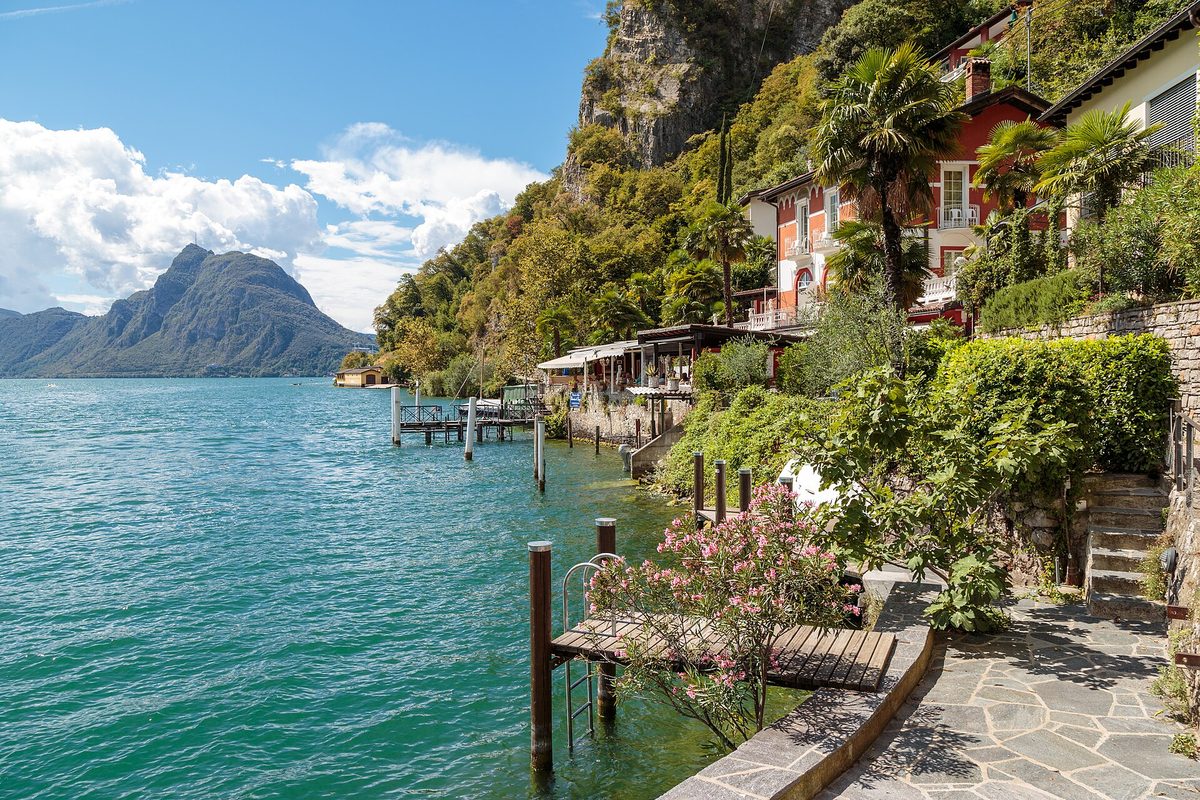
Lake Como, Italy
Como is 146 square kilometres of water in an upside-down Y, 410 metres deep at its lowest point, though some sources give 425. For the towns, ferries and villa prices in detail, see our full Lake Como travel guide. It sits at 198 metres above sea level and it is Italy’s third largest lake by area, behind Garda and Maggiore.
The thing to understand about Como is that the ferry is not a sightseeing extra, it is the road. The central lake triangle of Bellagio, Varenna, Menaggio and Cadenabbia is connected by a slow ferry that takes about fifteen minutes between Bellagio and Varenna. A one-way adult passenger fare on that crossing runs around EUR 4.60, with some central-area transfers quoted up to EUR 5.50. If you are going to make more than two crossings in a day, buy the central-lake day pass at EUR 15.20 for unlimited slow ferry travel across those four towns. The full-lake day pass, which adds the Como routes, is EUR 28.40. Fares went up roughly 15 per cent for 2026 and some July and August routes carry a peak surcharge, so check before you assume last year’s figure.
Getting there from Milan city centre takes about 40 minutes by train, and our guide to train travel in Europe explains the regional ticketing. From Malpensa airport allow about an hour and a quarter on average, though the Malpensa Express to Saronno with a regional connection to Como Lago can be done in 50 to 60 minutes if the timings line up.
Swimming: yes, and this is where I want to be careful. Como exceeds 20 degrees in July, August and September, typically sitting between 20 and 22 in the peak weeks. But the lakebed drops away steeply within metres of the shore and there are underwater currents in places. Swim from designated lidos rather than from a random patch of shingle, especially with children. Como charges a tourist tax of roughly EUR 0.80 to 2.00 per person per night in Como and Bellagio, added to your accommodation bill.
Lake Garda, Italy
Garda is the biggest lake in Italy at 370 square kilometres, 346 metres at its deepest, and sitting low at 65 metres above sea level. That low elevation and the broad shallow southern basin are why it is the best big-lake swim in the Alps. July averages 22.8 degrees, with a recorded range of 20 to 27.8. August averages 24.4 and is the warmest month, ranging from 19 up to 29 in the southern shallows.
Garda is two lakes in one. The north around Riva del Garda and Torbole is narrow, mountain-walled and windy, and one of the best windsurfing spots in Europe. The south around Sirmione, Lazise and Bardolino is open, warm and busy, with the olive groves and the lidos.
Budget for the tourist tax, which for 2026 runs EUR 1 to 4 per person per night depending on the municipality and the property category. Sirmione raised its hotel tariff by 20 per cent for 2026, and its vacation rental rate went from EUR 1.50 to EUR 2.80 per night. On a family of four staying a week, that is real money.
Lake Maggiore, Italy and Switzerland
Maggiore straddles the Italian and Swiss border, which makes it the most administratively confusing lake on this list and one of the most rewarding. It is the second largest lake in Italy at 212 square kilometres, running 372 metres deep at 193 metres of elevation.
The draw is the Borromean Islands off Stresa: Isola Bella with its baroque palace and terraced garden, Isola Madre, Isola dei Pescatori with the fishing village. Island ferries are charged separately from the main lake services, so factor them in. Water reaches the low 20s in August. It is a quieter, longer, less Instagram-driven lake than Como and I would send a first-timer here before Como if they wanted gardens rather than glamour.
Lake Iseo, Italy
Iseo is the one Italians go to when they want the Italian Lakes without the coach parties. It is a mid-sized lake, 65.3 square kilometres and 251 metres deep at 185 metres of elevation. Its centrepiece is Monte Isola, the largest lake island in southern Europe by most measures, car-free and reachable by a short ferry that is charged separately from the shore.
Water in the low 20s in August, free shore access, and a Franciacorta wine region on the doorstep making some of Italy’s best sparkling wine. If you have done Como and found it exhausting, book Iseo next time.
Lake Orta, Italy
Orta is small: 18.2 square kilometres, 143 metres deep, just over an hour by car from Milan. Its island, San Giulio, holds a basilica and a Benedictine monastery, and the boat across is charged separately.
Orta is the lake I recommend to people who want to sit still. Orta San Giulio, the town, is a few cobbled streets and a piazza that faces the island. There is not a great deal to do, which is the point. Low 20s in August, free shore access.
2. The Dolomite lakes: Braies, Carezza, Misurina and Dobbiaco

These four sit in northern Italy’s German-speaking South Tyrol, between 1,490 and 1,754 metres. They are cold, small and spectacular, and between them they have the most restrictive access rules of any lakes in Europe. Read the Braies section carefully even if you are only passing through. Several of these appear in our roundups of the most beautiful places in Europe and underrated places in Europe.
Lago di Braies (Pragser Wildsee), Italy
Braies sits at around 1,490 metres and is the single most photographed lake in the Dolomites, which is precisely why it now has a car ban. From 1 July to 15 September 2026, there is no vehicle access to the lake between 09:00 and 16:00 without a pre-booked parking reservation. Arrive before nine in the morning or after four in the afternoon and no reservation is required at all.
Parking for 2026 starts at EUR 7 at P2, which is about 800 metres from the lake, and rises to a EUR 44 combined ticket at P4, the closest lot at 100 metres, which bundles a EUR 22 food voucher. If you are coming by bus, tickets must be pre-booked online through Südtirolmobil during that same 1 July to 15 September window. Cash payment and the Mobilcard are not accepted in that period, which catches a lot of people out. The relevant services are bus 442 from Dobbiaco or Villabassa and bus 439 from Monguelfo. Arrive on foot or by bike and no reservation of any kind is needed.
Best photography window is late June, when the water level is highest and the reflection is best, and before the 1 July car ban starts. Neither the surface area nor the maximum depth is published anywhere I could source. The water is Alpine cold all summer, so treat it as a cold plunge rather than a swim.
Lago di Carezza, Italy
Carezza sits at 1,520 metres and is the emerald one, the lake that changes colour depending on the angle of the light. Its depth swings dramatically with the season, from a maximum of around 22 metres in spring down to about 6 metres by October.
Practical point worth knowing before you drive up: the lake is entirely fenced off. You cannot reach the water. Access is via a tunnel from the car park across the road, and you view the lake from a marked path behind a barrier. That is a conservation measure and it works, but if you were planning to picnic on the shore, plan differently.
Lake Misurina, Italy
Misurina is the highest of the four at 1,754 metres and the shallowest at 5 metres maximum depth. It sits below the Tre Cime di Lavaredo and is the classic base for that walk. There is a free lakeside path all the way round, and parking is charged.
The shallowness means it freezes hard in winter and warms a little in high summer, but I would not swim here. The air at that altitude is the draw. Misurina has a long history as a respiratory health resort for exactly that reason.
Lago di Dobbiaco (Toblacher See), Italy
Dobbiaco is the practical one. Peak water temperature is around 16 degrees, which is bracing but survivable for a proper swimmer, and it is the warmest of these four. Free shore access, charged parking, and a flat circular path suitable for a pushchair. With small children in the Dolomites, and no appetite for a booking system, Dobbiaco is where I would spend the afternoon.
3. The Julian Alps and Plitvice: Bled, Bohinj and the Croatian terraces

Slovenia and Croatia between them hold three of the most recognisable lakes in Europe, and all three are cheaper to reach than the Swiss and Italian equivalents. Our Croatia travel guide and Eastern Europe travel guide cover the surrounding trip.
Lake Bled, Slovenia
Bled is small: 144 hectares, or 1.44 square kilometres, measuring 2,120 metres long by 1,380 wide, with a maximum depth of 30.6 metres and sitting at 475 metres above sea level. That modest depth is why it swims so well. Peak summer water temperature runs 23 to 26 degrees in July and August, with an annual maximum around 26. In June you are looking at roughly 19 to 22, with a June average of 18.7 and a recorded maximum of 23. This is the number I got wrong on my first visit, and it is why the month matters more here than almost anywhere on this list.
Swimming is free at the public bathing sites, subject to the lake’s navigation regime and the marked entry and exit points. If you want a lounger, a diving board and a lifeguard, the Grajsko Kopališče, the Castle Bathing Area, charges EUR 13 for an adult day ticket in 2026.
The pletna, the flat-bottomed wooden boat rowed standing up, runs to Bled Island for EUR 20 per adult return and EUR 10 for children aged 4 to 12, paid in cash directly to the oarsman. Take the 99 steps up to the 16th-century church and ring the bell, which is said to grant a wish. If you would rather row yourself, a classic wooden rowboat is around EUR 20 to 25 an hour. Bled Castle above the lake charges EUR 19 for adults in 2026, with students at EUR 11.50, children aged 6 to 14 at EUR 7, seniors over 65 and disabled visitors at EUR 16, and under-sixes free.
Ljubljana Airport to Bled is about 35 to 40 minutes by private transfer, or roughly an hour and a half on public transport. Best months are late May, June and September for the balance of weather against crowds, with April, May, September and October the honest shoulder season.
Lake Bohinj, Slovenia
Bohinj is Bled’s larger, quieter, colder sibling, twenty minutes further into Triglav National Park. It covers 3.18 square kilometres, runs 45 metres at its deepest with a 30-metre average, and sits at 526 metres. It is more than twice Bled’s area and half again as deep, which is exactly why the water stays cooler all summer.
There is no general entrance fee for Triglav National Park that I could find published. The charges are for parking and lifts. Parking at Bohinj is charged in every car park fitted with a machine, with free short stays of one to two hours in Bohinjska Bistrica and free parking if you hold a Julian Alps: Bohinj parking card. The Vogel cable car above the lake costs EUR 33 return for adults in 2026, EUR 16.50 for children aged 6 to 14 and EUR 29.50 for youth and seniors, and the ticket includes free parking and the onward chairlift to Orlova Glava.
My honest advice: base at Bohinj, day-trip to Bled. You get the better lake to wake up next to and you still see the island.
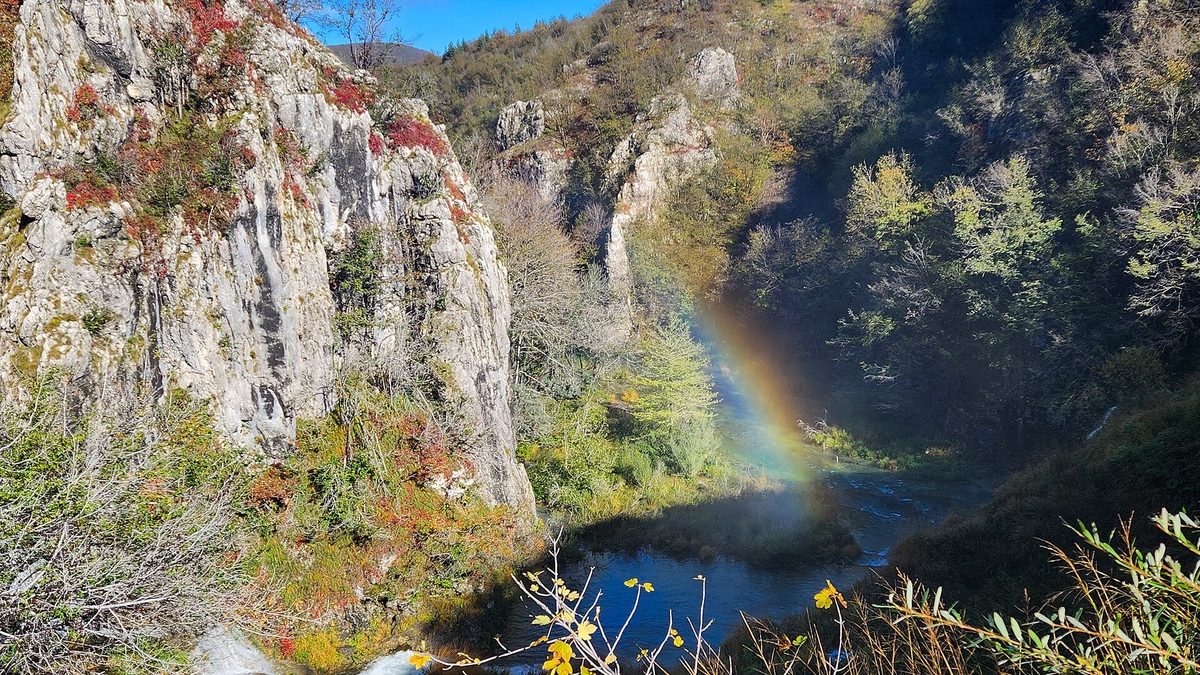
Plitvice Lakes, Croatia
Plitvice is 16 terraced lakes linked by waterfalls, inside a park of about 30,000 hectares, inscribed on the UNESCO World Heritage List in 1979. It is also the most expensive and most tightly controlled lake experience in Europe, so here are the 2026 numbers in full.
An adult one-day ticket costs EUR 40 from June to September, EUR 23.50 in April, May and October, and EUR 10 from January to March and November to December. Children aged 7 to 18 pay EUR 16 in peak season, EUR 6.50 in the shoulder months and EUR 4.50 in winter. Under-sevens are free. Entry after 16:00 in peak season is around EUR 25. That flat ticket includes the shuttle buses and the electric ferry across Lake Kozjak, both hop-on and hop-off, which is genuinely good value once you are inside.
Every ticket now carries a timed entry slot with a one-hour arrival window, and arriving outside your window can mean being refused. Daily numbers are capped, and from June to September online pre-booking is effectively mandatory because slots sell out. Book through the official platform at ticketing.np-plitvicka-jezera.hr, which sells at face value, up to one day before your visit. Dogs are allowed on a lead, including on the shuttle buses and the ferry.
Swimming is prohibited everywhere inside the national park. This is not a crowd control measure. The travertine barriers that create the terraces are living, growing formations and sunscreen and body oils damage them. If you want a swim on the same day, Rastoke on the Slunjčica river is about 25 minutes north by car and legal. Zagreb to Plitvice by bus averages 2 hours 19 minutes over about 136 kilometres. Croatia uses the euro, so every price above is in the currency you will actually be charged in.
4. Switzerland: Geneva, Lucerne, Constance, Oeschinensee and Seealpsee

Switzerland does lakes better than anywhere and charges accordingly. The saving grace is that the Swiss Travel Pass and the Half-Fare Card are accepted or discounted almost everywhere on the water, so if you are already carrying one the boats become close to free. See our Switzerland travel guide and our notes on transport.

Lake Geneva, Switzerland and France
At 580 square kilometres and 310 metres deep, Geneva is the largest lake in the Alps. July and August water sits around 20 to 24 degrees, with peaks near 25 in heatwave summers, which makes it a serious swimming lake despite the depth.
The CGN fleet, including its Belle Époque paddle steamers, is the way to see it. A Geneva to Lausanne return day ticket costs CHF 64 in second class and CHF 90 in first for 2026. The Swiss Travel Pass, Half-Fare and Junior cards are valid or discounted on CGN boats, which is the single biggest saving available on this lake. The Lausanne to Château de Chillon cruise takes just under two hours and is the one I would pick if you only have a morning.
On the north shore, the Lavaux vineyard terraces were inscribed by UNESCO in 2007, roughly 30 kilometres of stone-walled terraces running down to the water. Walk a section of it between Lutry and Saint-Saphorin and you will understand the listing.
Lake Lucerne, Switzerland
If Geneva is the grand one, Lucerne is the useful one. It is Switzerland’s fourth largest lake, 113.6 square kilometres and 214 metres deep, with water at about 18 to 22 degrees in July and August and sheltered bays touching 23.
The lake’s shape, a set of interlocking arms rather than a single basin, means the boat network is useful transport as well as scenery. Combine a crossing with the Rigi or Pilatus mountain railways and you have the best value day in Central Switzerland. Free shore access, with boat fares charged separately.
Lake Constance (Bodensee), Germany, Austria and Switzerland
Touching three countries is the whole personality of this lake. You can have breakfast in Germany, lunch in Austria and dinner in Switzerland without ever leaving the shore of a single 536 square kilometre body of water, 251 metres deep, sitting at about 19 to 21 degrees in summer.
The reason to come is the 260-kilometre circular cycle route around the shore, crossing Germany, Austria and Switzerland with ferries filling the gaps. It is flat, well signed and one of the best long-distance cycle rides in Europe for people who do not consider themselves cyclists. Prehistoric pile dwellings around this lake and others form part of a UNESCO listing inscribed in 2011 covering 111 locations across Austria, France, Germany, Italy, Slovenia and Switzerland.
Oeschinensee, Switzerland
Above Kandersteg at over 1,500 metres, Oeschinensee is the turquoise one under a wall of peaks. The water typically does not exceed 20 degrees, so a swim is a short, shrieking event rather than an afternoon.
The gondola from Kandersteg costs CHF 40 return for adults from 15 June to 21 September 2026, and CHF 36 from 9 May to 14 June and again from 22 September to 9 November. One way is CHF 24 for adults, CHF 13 with a discount card, and children pay CHF 16 return. With a Swiss travel pass the return drops to CHF 18.50, 22.50 or 18.50 depending on the season. The 2026 season opened on 9 May, running daily from 08:30 to 18:00. You can walk up instead and pay nothing, which takes a bit under two hours from the village.
Seealpsee, Switzerland
Seealpsee in Appenzell is free, and the reason is that you have to walk. It is about an hour on foot from the Ebenalp car park, and the payoff is the classic Alpstein reflection with the Wildkirchli cliffs behind it. Alpine cold water, a mountain inn on the shore, and no ticket barrier anywhere. This is my favourite lake in Switzerland and the cheapest.
5. Austria and the Salzkammergut: Hallstatt, Attersee, Wolfgangsee, Weissensee and Klopeiner See

If you want to swim in a mountain lake in clean water without a Swiss price tag, Austria is the answer. It ranks first in Europe for bathing lake water quality, with 96.5 per cent of its lake bathing waters rated excellent. Our Austria travel guide has the wider country, and the same region reappears in our ski guide come winter.
Hallstätter See, Austria
The lake is 8.55 square kilometres and 125 metres deep, and the village of Hallstatt on its western shore is inscribed within the Hallstatt-Dachstein Salzkammergut Cultural Landscape, listed by UNESCO in 1997.
Now the access question, because there is a lot of stale information about this. As of early 2026 there is no entry fee for Hallstatt and no visitor quota in force. The much-reported cap of 5,000 visitors a day remains unimplemented as of mid-July 2026, because the village does not have the provincial authority to enforce it. What has changed is coach management. Tourist coaches must pre-book a slot through peb-hallstatt.com, and the overnight bus fee rose to EUR 63 per day from 1 May 2026. Daily coach numbers have roughly halved and have not reached the 54-coach daily maximum. Overnight guests can arrange shuttle access from the P1 car park through their host, running daily from 09:00 to 19:00. The salt mine and Skywalk reopen on 1 September 2026 after a year-long closure, so if you are reading this in August they are still shut.
Salzburg to Hallstatt by train averages 2 hours 35 minutes, fastest 2 hours 13, changing at Attnang-Puchheim, and it finishes with a short ferry across the lake to the village, which is the best arrival in Austria. Fares start from about EUR 10 one way on the ÖBB regional express. The water is bracing rather than warm, so treat this as a scenery lake with an optional dip.
Attersee, Austria
This is the swimming lake of the Salzkammergut, less than an hour from Salzburg and reaching up to 25 degrees at peak, across 46.2 square kilometres and 169 metres of depth. Free public shore access at several points, sailing clubs everywhere, and clear enough water that people dive it recreationally. Klimt painted here for years, and once you have seen the colour of the water in late August you understand why.
Wolfgangsee, Austria
Wolfgangsee gives you the classic Salzkammergut package: free public shore, lake steamers, and the Schafbergbahn cog railway up to a summit view over the whole lake district. It runs to 13 square kilometres, 114 metres deep, and up to 24 degrees in peak summer. Boats and the railway are charged separately from the shore.
Weissensee, Carinthia, Austria
The Weissensee is 6.5 square kilometres, 97 metres deep, sitting at around 930 metres, and reaching up to 24 degrees in summer. That combination of altitude and warmth is unusual. Motorboats are heavily restricted here and much of the shore is undeveloped, so it is quieter than the Salzkammergut lakes and the water quality is exceptional. Free public shore access.
Klopeiner See, Carinthia, Austria
Klopeiner See is on this list for one reason: at 26 degrees it is among the warmest swimmable Alpine lakes in Europe. It is small and it gets busy in August, but if the trip is fundamentally about getting into warm water in mountain scenery, nothing in the Alps gets you there faster. There are both free and paid beach sections.
6. Bavaria and the Black Forest: Königssee, Eibsee, Walchensee, Chiemsee and Titisee

Germany’s best lakes cluster in two places: the Bavarian Alps along the Austrian border, where the water is cold and the walls are vertical, and the Black Forest in the south-west, where it is warmer and gentler. All five below are free to stand beside. What you pay for is the boat, the cable car or the car park.
Königssee, Germany
Königssee covers 5.218 square kilometres, drops to 190 metres and sits at 603 metres in the Berchtesgaden Alps. It is a fjord in everything but geology, walled in on both sides, and the only way down it is the electric passenger boat. Our Germany travel guide covers Bavaria in full, and Berchtesgaden makes a good stop on one of our Europe road trips.
For 2026, a return to St Bartholomä, the little red-domed chapel that appears in every photograph of this lake, costs EUR 29 for adults and EUR 14.50 for children aged 6 to 17. A family ticket covering two adults and up to four children is EUR 42.30, dogs are EUR 3 and under-sixes travel free. If you want the Obersee, the smaller upper lake that most day trippers never see, buy the return to Salet at EUR 29.80 and get off at the second stop, then walk on toward the Fischunkelalm. That extra 80 cents buys you the best hour on this lake.
Go in May, June or September. In July and August the boat queues are long and the boats sail full. The water is Alpine cold all summer.
Eibsee, Germany
Sitting directly below the Zugspitze, Eibsee is the most photogenic small lake in Germany: 177.4 hectares, or 1.774 square kilometres, with a maximum depth of 35.4 metres. Peak water temperature is around 20 degrees, which for a lake at this altitude is generous, and the shallow bays off the circular path are swimmable in August.
The circuit is about 7.1 kilometres and takes roughly an hour and 40 minutes at an average pace, with the islands and the small bays making it one of the best short lake walks in Germany. From Munich allow about two hours by train plus a bus or the cogwheel railway, or about two hours driving. Free shore access, charged parking.
Walchensee, Germany
Thermal winds funnel down off the ridges here almost every afternoon, which has made Walchensee a windsurfing and kitesurfing lake for decades. It covers 16.4 square kilometres and drops to 192.3 metres, among the deepest in Germany. The water is cool even in August, but people swim it happily. Free shore access, charged parking, and the Herzogstand cable car above it for the view down onto the water.
Chiemsee, Germany
The Bavarian Sea, as it is known locally, covers 79.9 square kilometres but only reaches 72.7 metres deep, so it warms considerably better than the Alpine lakes further south. Its two islands hold Ludwig II’s unfinished Herrenchiemsee palace and a Benedictine abbey on Frauenchiemsee. Island ferries are charged separately. Free shore access, and an easy day trip from Munich or Salzburg.
Titisee, Germany
Titisee is the Black Forest’s headline lake, about an hour and a half by car from Basel. It is small, warm in high summer, ringed by cuckoo clock shops and busy in a resort way that will either charm you or send you back to the forest. Free shore access, boat hire charged. Go for a half day, then walk the Feldberg above it.
7. France, Hungary and the Balkans: Annecy, Bourget, Balaton, Ohrid, Skadar and Prespa

Lake Annecy, France
If I had to name one lake in Europe for swimming, it would be Annecy, and it earns its place in our France travel guide for that alone. It covers 27.59 square kilometres, reaches 82 metres at its deepest with a 41-metre average, and sits at just under 447 metres. Peak summer water temperature is around 27 degrees in July and August, and it stays warm into September and October. That is warmer than Balaton and three to seven degrees above Lake Geneva, in Alpine scenery.
Annecy is widely described as the cleanest large lake in Europe, a reputation earned by strict environmental regulation dating from the 1960s when the town stopped discharging into it. Best swimming months are June to September. There are free public beaches and paid municipal beaches with facilities, and a flat cycle path down the western shore that is one of the great easy rides in France.
Getting there is easier than people assume. Geneva Airport to Annecy by bus averages 1 hour 18 minutes, with the fastest direct services at 50 minutes, and fares from around EUR 5 on BlaBlaCar Bus. From Lyon it is just under two hours by car.
Lac du Bourget, France
Twenty minutes from Annecy and about 60 per cent larger at 44.5 square kilometres, Bourget is the largest natural lake in France through the summer months, though Lac de Grand-Lieu near Nantes swells past it in winter. It reaches 145 metres deep with an 85-metre average and sits at 231.5 metres. It is warm in July and August, has free public shore access, and receives far fewer visitors than Annecy. The Hautecombe Abbey on the western shore is reachable by boat and worth the crossing. If you prefer to be moved between stops, our guide to European river cruises covers the waterborne alternative.
Lake Balaton, Hungary
Balaton is the largest freshwater lake in Central Europe, covering somewhere between 592 and 600 square kilometres depending on which source you take, and reaching just 12.2 metres at its deepest point, with an average depth closer to three. That shallowness is the whole story: it hits 25 to 26 degrees in July, warmer than any large lake in the Alps.
The two shores are different holidays. The southern shore shelves so gently that you can wade a long way out, which makes it the family shore, and free beaches are more common there. The northern shore has the volcanic hills, the Tihany peninsula, the wine, and more paying beaches with better facilities. For 2026, the cheapest adult beach tickets start at HUF 400 at Sajkod beach in Tihany, with Napsugár at HUF 500 and Átrium at HUF 750. Most operators put prices up by around 10 to 15 per cent for the 2026 season, so treat any figure you read as a floor rather than a ceiling. The Tihany to Szántód car ferry costs HUF 1,200 for a foot passenger and HUF 3,600 for a car, and the crossing takes about ten minutes.
Budapest to Balaton is about an hour and a half by car, with the lake lying roughly 80 kilometres south-west of the city. Hungary still uses the forint, so budget in HUF rather than euros. On water quality, 64 per cent of Hungary’s inland bathing waters are rated excellent, which is well behind Austria and Finland and worth knowing if that is your priority.
Lake Ohrid, North Macedonia and Albania
Ohrid is the oldest lake in Europe, believed to be somewhere between three and five million years old, though you will see 1.5 million quoted in popular sources. It covers 358 square kilometres, reaches 288 metres deep, and holds around 200 species found nowhere else on earth.
Its UNESCO history is layered. The North Macedonian side was inscribed on natural criteria in 1979, cultural criteria were added in 1980, and in 2019 the listing was extended to include the north-western Albanian part, the Lin Peninsula and the shoreline strip running to the Macedonian border. Very few World Heritage sites hold both natural and cultural status.
You can swim, and there are dedicated swimming areas. Ohrid Airport to the town is 9.8 kilometres, about 15 minutes, with a taxi at roughly EUR 12 or MKD 730 and no airport bus. North Macedonia uses the denar, so carry some.
Lake Skadar, Montenegro and Albania
Skadar is the largest lake in the Balkans, and its surface area fluctuates seasonally between 370 and 530 square kilometres, which is a range rather than a number because the lake genuinely changes size with the water table. Depth figures vary widely by source, from 8.3 metres up to 44, with an average around 5 metres.
It is a birdwatching lake above all, with over 260 species recorded including the Dalmatian pelican. National park entry is EUR 5 per day. Shared guided boat tours start from EUR 15 per person, with one-hour cruises at around EUR 17.15 per person and three-hour trips with a meal at approximately EUR 37.15. A private boat runs roughly EUR 45 to 50 an hour for two. Podgorica to Vranjina on the lake takes about 25 minutes by train, with services roughly every three hours and tickets between EUR 1 and 4.
Lake Prespa, North Macedonia, Albania and Greece
Prespa is Ohrid’s higher, quieter neighbour, sitting on a three-way border and covering 318 square kilometres in most sources, though some give 259 for the main lake alone. It reaches 54 metres deep. It drains underground through the karst into Ohrid, which is one of the more remarkable hydrological facts on this list. Free public shore access, warm in July and August, and almost no tourism infrastructure. Come here if Ohrid felt busy. Nearby, our Greece travel guide and the roundup of the best countries to visit in Europe both cover this corner of the Balkans.
8. Britain and Ireland: Loch Ness, Loch Lomond, Windermere, Buttermere and Lough Leane

Cold water, free access and the best value boat trips in Europe once you convert the currency. Britain uses the pound and Ireland the euro, which trips people up on cross-border itineraries. See our UK travel guide and Ireland travel guide for the full picture.
Loch Ness, Scotland
Forget the monster for a moment. Loch Ness holds more water than every lake in England and Wales combined, across 56 square kilometres and 226.96 metres of depth. That volume is why it never freezes and why the water stays cold year round.
The Ultimate Loch Ness Experience, which bundles a tour and a cruise, runs GBP 40.75 for adults in 2026, reduced from GBP 43, with children at GBP 34.15. Cruise and Urquhart Castle combinations departing from Inverness typically cost GBP 55 to 60 for around three and a half hours. Shore access is free everywhere and the drive down the southern B862 is far better than the busy A82 on the north side.
Loch Lomond, Scotland
Lomond is 71 square kilometres and around 190 metres deep, and it is the largest inland stretch of water in Great Britain by surface area. Lough Neagh in Northern Ireland is far larger at 383 square kilometres, but sits outside Great Britain. Loch Lomond and The Trossachs National Park is free to enter. There are no gates, permits or entry fees anywhere. Many of the car parks charge, and that is the only cost most visitors meet.
It is 40 minutes from Glasgow, which makes it the most accessible serious landscape in Britain. Climb Conic Hill from Balmaha for the view along the Highland Boundary Fault, which runs straight through the loch and explains why the northern half is narrow and deep and the southern half is broad and island-scattered.
Windermere, England
Windermere is England’s largest natural lake at 14.8 square kilometres, in two basins: the north reaches 64 metres and the south 42. The English Lake District was inscribed as a UNESCO Cultural Landscape on 9 July 2017, the first UK national park to hold the status. It is also the most visited national park in England, with something in the order of 18 million visitors a year.
Windermere Lake Cruises is the cheapest good boat trip in this article. The Yellow Cruise costs GBP 20.20 for adults, GBP 12.20 for children and GBP 58 for a family return, valid from 28 March to 1 November 2026. The shorter Green Cruise is GBP 14.80, GBP 7.40 and GBP 40. If you plan more than two trips, the Freedom of the Lake ticket at GBP 35 adult, GBP 17.50 child and GBP 95.50 family pays for itself quickly. Swimming is legal and popular, but the water is cool even in August.

Buttermere, England
Buttermere is the antidote to Windermere. The 7.2-kilometre circular gravel path around it takes about an hour and a half, is almost entirely flat, and is free. There is no ferry, no ticket office and one small village. The water is cold year round and the swimmers who use it know exactly what they are doing. One afternoon in the Lake District, and a wish for it to feel like the Lake District, points here.
Lough Leane, Ireland
Lough Leane is the largest of the Lakes of Killarney at 19 square kilometres and 66 metres deep, joined to Muckross Lake and the Upper Lake in a single interconnected system. Killarney National Park is free to enter, with individual attractions such as Muckross House charging separately.
Take the boat through the three lakes and under Brickeen Bridge, or walk to Torc Waterfall and up onto the Old Kenmare Road. The water is cold enough that swimming is a plunge rather than a session. May to September is the window, and September is the one I would pick.
9. The Nordics and the Baltic: Saimaa, Inari, Vänern, Vättern, Gjende, Blåisvatnet and Tõhela
This is where Europe’s lakes stop being destinations and start being landscape. Our Scandinavia travel guide covers the region, and lake cabins turn up throughout our notes on accommodation. Finland alone has over 185,000 of them, with the Lakeland region commonly credited with around 200,000. Finland ranks second in Europe for lake bathing water quality, at 95.2 per cent rated excellent.
Lake Saimaa, Finland
Calling Saimaa a lake undersells it. Finland’s largest, and the fourth largest natural freshwater lake in Europe at 4,279 square kilometres and 86 metres deep, it is less a lake than a labyrinth: thousands of islands, channels and bays that run into each other, best experienced from a boat or a rented cottage with a sauna on the shore.
Shallow bays reach 18 to 22 degrees by late July and August, and June to August is the swimming window. Free shore access everywhere under Finland’s right of public access. Helsinki to Savonlinna, the natural base, is just over three and a half hours by car to the north-east. The Saimaa ringed seal lives here and nowhere else, and the population is estimated at around 530 and rising.

Lake Inari, Finland
Inari covers 1,040.28 square kilometres and reaches 92 metres, up in Finnish Lapland well north of the Arctic Circle. It is a cold-plunge lake even in August. The reasons to come are the Sámi cultural centre at Inari village, the island of Ukonsaari, and the fact that in winter this becomes one of the better places in Europe to watch the aurora over open ice. Free shore access.
Lake Vänern, Sweden
This is the largest lake in the European Union, larger than Saimaa and beaten in Europe overall only by the Russian lakes, at 5,655 square kilometres and 106 metres deep. It is big enough to have its own weather and a proper horizon. Free shore access, bracing but swimmable in July and August, and the Dälderö and Läckö areas make the best bases.
Lake Vättern, Sweden
Vättern is 1,912 square kilometres and 128 metres deep, and it is famous for water so clear you can see the bottom at surprising depth. That clarity comes at a price: it rarely rises above 18 to 20 degrees even at the height of the Swedish summer. Stockholm to Motala on the eastern shore is about three and a half hours by car. Free shore access, and the Vätternrundan cycle event circles it every June.
Gjende, Norway
Gjende is 15.64 square kilometres of milky green glacial water in Jotunheimen, and it exists in most people’s minds as the thing you look down on from the Besseggen ridge. Around 60,000 people walk Besseggen each year, which makes it one of the busiest mountain routes in Norway. The standard approach is the boat up the lake and the walk back along the ridge. Water is glacial and cold all summer, July and August are the only realistic months, and the lake itself is free.
Blåisvatnet, Norway
Blåisvatnet in the Lyngen Alps is the bluest water in Europe, and the colour comes from glacial rock flour suspended in meltwater from the Lenangsbreen glacier at its head. It is free, it needs proper hiking boots, and the water is a cold plunge at best. July and August only.
Lake Tõhela, Estonia
Tõhela is two hours by car from Tallinn and is the quiet answer to the question of where Estonians go. There are rowboats and a sauna house on the shore, it warms properly in July, and it costs nothing. On a Baltic trip that has become a run of medieval old towns, Tõhela is the correction.
10. Eight more that break the mould: Mývatn, Jökulsárlón, Sete Cidades, Sanabria, Banyoles, the IJsselmeer, Śniardwy and Salda

These eight do not sit in any of the categories above. Two are volcanic, two are Iberian, one is a glacier lagoon, one was an arm of the North Sea until 1932, and one has a shoreline NASA has studied. They are the lakes I would send someone to once they have done the Alps.
Mývatn, Iceland
Mývatn covers 37 square kilometres in Iceland’s volcanic north, ringed by pseudocraters, lava pillars and steaming ground. It is not a bathing lake. The paid alternative is the Mývatn Nature Baths on the eastern side, which is the quieter northern answer to the Blue Lagoon. Come for the geology and the birdlife, which is among the densest concentrations of breeding ducks in the world. Bring repellent, because the midges that give the lake its name are relentless in July. Our Iceland travel guide covers the Ring Road that passes both Mývatn and the glacier lagoon.
Jökulsárlón, Iceland
Jökulsárlón is a glacier lagoon rather than a lake in the ordinary sense, filled with icebergs calving off Breiðamerkurjökull and drifting out to sea across Diamond Beach. For 2026 the amphibian boat tour costs ISK 7,100 for adults aged 13 and over, ISK 3,500 for children aged 6 to 12, free for under-sixes, and ISK 6,800 per person for groups of 12 or more. The zodiac tour, which runs 75 minutes and takes you around 8 kilometres into the lagoon, starts from ISK 17,154 for adults aged 15 and over and ISK 9,643 for children aged 8 to 14. Iceland uses the króna. Do not swim.
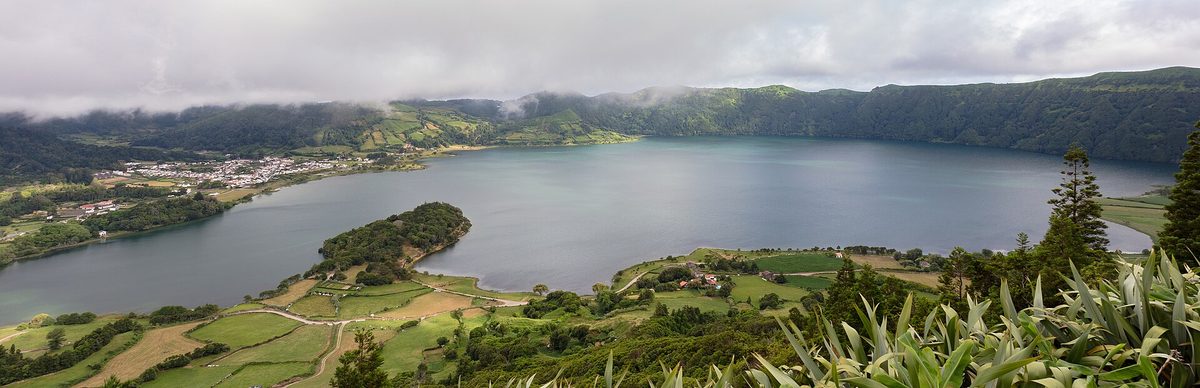
Lagoa das Sete Cidades, Portugal
The twin lakes of Sete Cidades sit in a dormant volcanic caldera on São Miguel in the Azores, covering 4.35 square kilometres at 259 metres above sea level. Lagoa Azul and Lagoa Verde sit side by side and, in the right light, read as two different colours, which is the whole reason people climb to the Vista do Rei viewpoint. Free viewpoints and shore paths. The Azores are cool year round, so this is a walking lake rather than a swimming one, and May to September is the reliable window. See our Portugal travel guide for the islands.
Lake Sanabria, Spain
Sanabria in Castile and León covers 3.48 square kilometres and is the largest lake of glacial origin on the Iberian Peninsula. It has free public beaches, warms properly in July and August, and sits in a natural park with almost no international visitors. Drivers heading between Madrid and Galicia who want a swim should plan a night here, and our Spain travel guide has the surrounding route.
Lake Banyoles, Spain
Banyoles is Catalonia’s largest natural lake at 1.575 square kilometres, an hour north of Barcelona, and it hosted the rowing events at the 1992 Olympics. There is a flat lakeside path the whole way round, free to walk, with some facilities charged. Warm in July and August, and an easy half-day from Girona.
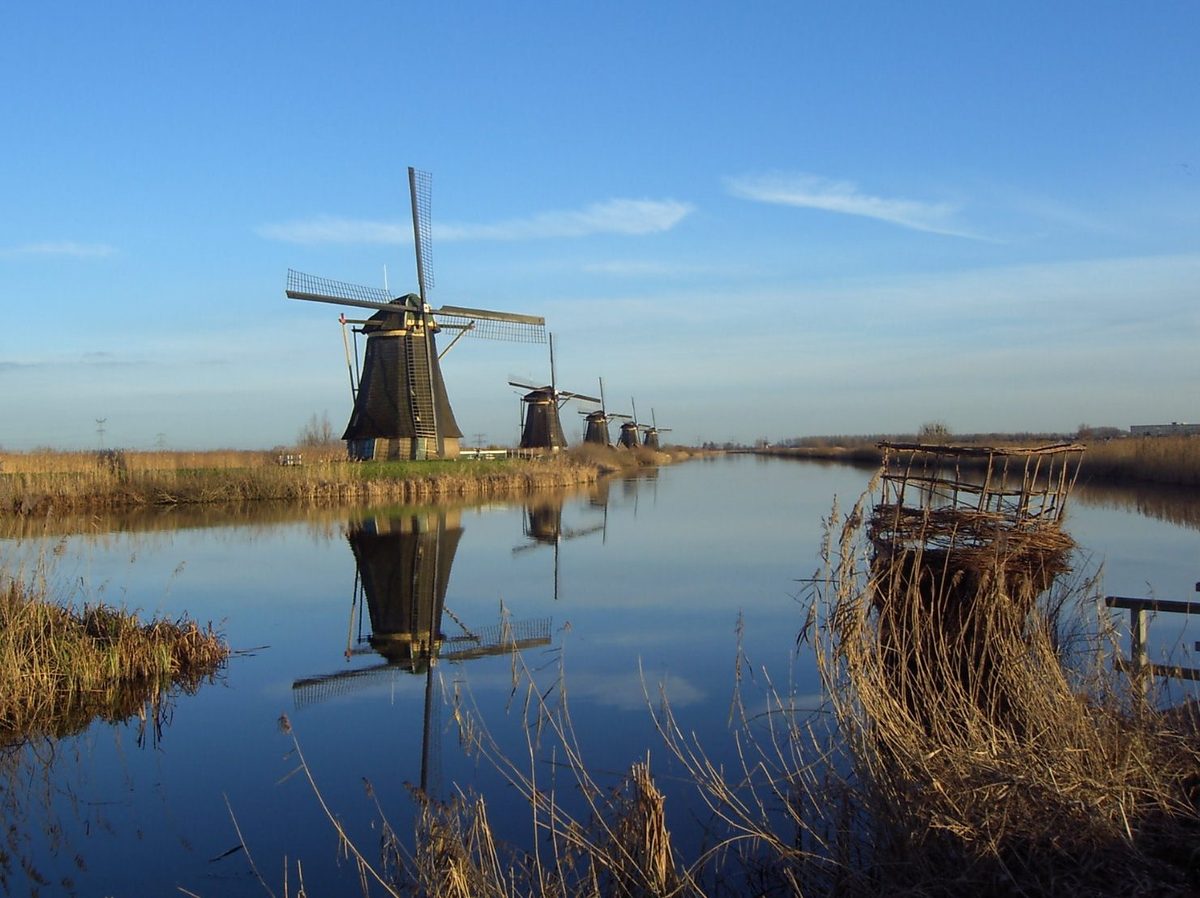
IJsselmeer, Netherlands
The IJsselmeer covers 1,100 square kilometres and is the largest lake in Western Europe, which surprises people, because it was the Zuiderzee, an arm of the North Sea, until the Afsluitdijk closed it off in 1932 and it turned fresh. It is now a sailing water above all, warm in July and August, with free public beaches. The old Zuiderzee ports of Hoorn, Enkhuizen and Volendam are the reason to be here, and our Netherlands travel guide covers them properly.
Śniardwy, Poland
Śniardwy is Poland’s largest lake at 113.8 square kilometres, the centrepiece of the Masurian Lake District, which is a connected system of hundreds of lakes joined by canals. It is a sailing region first and a swimming region second, though the beaches are free and the water warms well in July and August. Poland uses the złoty and is not adopting the euro any time soon, so budget in PLN.
Lake Salda, Turkey
Salda covers 43.7 square kilometres in south-western Turkey and is known for white magnesium-rich shores that NASA has studied as an analogue for a Martian crater lake. Entry is free, but access to the white shore is restricted to protect the mineral deposits, and swimming is permitted only in designated zones. Turkey uses the lira, and our Turkey travel guide covers the wider south-west. Go in May, June or September rather than the August peak.
Swap the famous lake for the better one
Most of the pain in a European lake trip comes from going to the right region at the wrong lake. These are the substitutions I make most often.
| If you were planning | Go here instead | Why |
|---|---|---|
| Lake Como in August | Lake Iseo or Lake Orta | Same region, same water temperature, a fraction of the coach traffic, and Monte Isola beats most of Como’s towns |
| Lake Bled as a base | Lake Bohinj as a base, Bled as a day trip | Bohinj is more than twice the area and nearly half again as deep, sits inside Triglav National Park, and Bled is 30 minutes away |
| Lago di Braies in July | Lago di Dobbiaco or Lake Misurina | No booking system, no 09:00 to 16:00 car ban, and Dobbiaco reaches about 16 degrees |
| Lake Geneva for a swim | Lake Annecy | Annecy hits about 27 degrees against Geneva’s 20 to 24, and it is an hour and 18 minutes from Geneva Airport by bus |
| Windermere in school holidays | Buttermere | A free 7.2 km flat circuit, no ferry queues, and the classic Lake District landscape without the 18 million visitors |
| Hallstatt for a day trip | Attersee or Wolfgangsee | Both are under an hour from Salzburg, both reach 24 to 25 degrees, and neither has a coach management scheme |
| Plitvice with small children | Lake Bohinj or Rastoke | Plitvice bans swimming and involves several hours of boardwalk with no shade; Rastoke is 25 minutes north and you can get in |
| Lake Ohrid in August | Lake Prespa | Same border region, 318 km² of almost untouristed water, and Prespa drains underground into Ohrid |
| Oeschinensee by gondola | Seealpsee on foot | Seealpsee costs nothing where the Oeschinensee gondola is CHF 40 return in peak season, and the walk is an hour |
| Loch Ness for the monster | Loch Lomond for the landscape | Lomond is 40 minutes from Glasgow, entirely free to enter, and Conic Hill gives a better view than any Ness cruise |
Which lake suits which traveller
First time in Europe, two weeks, no car. Como, Bled and Hallstatt. All three are reachable by train, all three have the postcard view, and the arrivals themselves are memorable. If you want more structure around that, our guide to the best places to visit in Europe for first-timers maps out the sequencing.
Travelling with children. Balaton’s southern shore, the Attersee, Lake Garda’s southern basin and Windermere. Warm or warmish water, gentle shelving, and facilities. Skip Plitvice, Braies and any of the glacial lakes. There is more of this thinking in our guide to travelling in Europe with kids.
Serious swimmers. Annecy at 27 degrees, Klopeiner See at 26, Balaton at 25 to 26, the Attersee at 25 and Bled at 23 to 26 in July and August. Austria’s bathing water quality is the best in Europe, so Carinthia and the Salzkammergut are where I would build a swimming trip.
Hikers. Gjende and the Besseggen ridge, Seealpsee, Oeschinensee, Buttermere, Eibsee and Blåisvatnet. Our hiking in Europe guide covers the routes properly.
Photographers. Braies in late June, Carezza mid-morning, Königssee from the Salet boat, Blåisvatnet on a clear July day and Sete Cidades from the Vista do Rei. Note the Braies car ban if you want the early light, because arriving before 09:00 is both free and the correct time to shoot it. Check drone rules before you pack one: most of these lakes sit inside national parks or nature reserves where flying is restricted or banned outright, and the rules are set locally rather than at EU level.
Travelling on a budget. Skadar at EUR 5 a day, Ohrid, Prespa, Balaton, Sanabria, Śniardwy and every lake in Scotland and the Lake District where the water itself is free. Our guide to travelling cheaply and the list of the cheapest places to travel in Europe both lean heavily toward the Balkans for the same reason.
Slow travellers and honeymooners. Orta, Bohinj, Prespa, Tõhela, Saimaa. Small, quiet, and nothing to tick off. See our Europe honeymoon guide for pairings.
Eleven mistakes people make on a European lake trip
1. Reading an August water temperature as a summer average. This is the one I got wrong at Bled. The lake reaches 23 to 26 degrees in July and August, but the June average is 18.7. A four-week difference in travel dates is worth five to seven degrees on most lakes on this list.
2. Turning up at Braies mid-morning in high summer. Between 1 July and 15 September 2026 there is no vehicle access from 09:00 to 16:00 without a pre-booked parking reservation, and the bus needs an online booking too. Arrive before nine or after four and the problem disappears entirely.
3. Booking Plitvice for the wrong hour. Every ticket carries a timed slot with a one-hour arrival window and you can be refused outside it. Book on the official site, arrive early in your window, and remember peak season sells out.
4. Packing swimwear for Plitvice. Swimming is banned across the entire national park to protect the travertine barriers. If a swim is part of the plan, build in a stop on the Slunjčica river to the north.
5. Buying single ferry tickets on Como. Two crossings gets you close to the EUR 15.20 central-lake day pass. Three and you are losing money. The full-lake pass at EUR 28.40 only makes sense if you are genuinely going down to Como town.
6. Assuming the currency. Croatia is on the euro, and so is Bulgaria since 1 January 2026 at a fixed rate of BGN 1.95583 to the euro. But Poland, Czechia, Hungary, Romania, Sweden and Denmark are not, and neither are Switzerland, Norway, Turkey, Albania, Serbia, North Macedonia or Iceland. That is a lot of separate cash to carry across a lakes itinerary.
7. Swimming off the wrong bit of Lake Como. The bed drops steeply within metres of the shore and there are underwater currents in places. Use the lidos.
8. Driving to Hallstatt on the assumption there is a quota. The proposed 5,000-a-day cap was still not in force as of mid-July 2026. What is in force is coach management, at EUR 63 a day for overnight buses since 1 May 2026. Train from Salzburg, then the ferry across, and skip the parking problem altogether.
9. Ignoring blue-green algae warnings. Shallow warm lakes bloom in late summer, and Balaton and the IJsselmeer both post cyanobacteria notices in some years. The signs go up at the beach entrance and they are worth reading, particularly with dogs and small children, because the toxins are not neutralised by rinsing off afterwards.
10. Underestimating cold water shock. Every lake on this list marked cold plunge only is cold enough to trigger an involuntary gasp reflex on entry. That is the mechanism that drowns strong swimmers. Enter slowly, stay close to shore, and do not jump in from a rock because the photograph will look good.
11. Ignoring the free option. Seealpsee, Buttermere, Loch Lomond, Killarney, most of Balaton’s southern shore, every Finnish and Swedish lake shore under the right of public access, and the Braies approach on foot are all free. Some of the best lake days in Europe cost nothing but a walk.
When to go, month by month
| Month | What it is good for | Where to go |
|---|---|---|
| April | Cheap Plitvice tickets at EUR 23.50, empty Italian lakes, no swimming | Plitvice, Como, Orta, Balaton shoulder |
| May | Alpine lakes opening, snowmelt at full flow, cool water | Königssee, Hallstatt, Bled, Loch Lomond, Salda |
| June | The best all-round month: warm enough to swim, before the peak crowds | Bled, Annecy, Attersee, Braies for the reflection, Saimaa |
| July | Warmest water, busiest everything, access restrictions at their tightest | Balaton, Annecy, Klopeiner See, Gjende, Blåisvatnet |
| August | Peak water temperature and peak prices; Garda averages 24.4 °C | Garda’s southern basin, Balaton, Attersee, Vänern |
| September | My pick: water still warm, crowds thinning, though Plitvice is still at peak EUR 40 until the end of the month | Annecy, Como, Bled, Ohrid, Killarney, Plitvice |
| October | Colour and quiet; Carezza drops to about 6 m depth | Plitvice, Bled, the Italian lakes, Lake District |
| Nov to Mar | Plitvice at EUR 10, aurora over Inari, and the Weissensee freezing into Europe’s largest natural ice rink | Plitvice, Inari, Weissensee |
Frequently asked questions about the best lakes in Europe
What is the largest lake in Europe?
Lake Ladoga in Russia, at 17,891 square kilometres. If you restrict the question to the European Union, the answer is Lake Vänern in Sweden at 5,655 square kilometres. The largest lake in Western Europe is the IJsselmeer in the Netherlands at 1,100 square kilometres, and the largest freshwater lake in Central Europe is Balaton at 592 to 600.
What is the deepest lake in Europe?
Hornindalsvatnet in Norway at 514 metres, the only European lake known to exceed 500 metres. On this list, the deepest are Lake Como at 410 metres, Lake Maggiore at 372, Lake Garda at 346, Lake Geneva at 310 and Lake Ohrid at 288.
Which is the purest or cleanest lake in Europe?
Lake Annecy in France is the one most often described as the cleanest large lake in Europe, thanks to strict environmental regulation from the 1960s. At national level, Austria ranks first in Europe for bathing water quality with 96.5 per cent of its bathing lake waters rated excellent, and Finland second at 95.2 per cent. On inland waters specifically, Bulgaria, Greece and Romania have tied with 100 per cent of their inland sites top-ranked.
Which is the oldest lake in Europe?
Lake Ohrid, on the North Macedonia and Albania border, believed to be between three and five million years old, though 1.5 million is widely quoted in popular sources. Its age is why it holds around 200 endemic species.
Which country has the most lakes in Europe?
Finland, with over 185,000 lakes and around 200,000 commonly cited for the Lakeland region. It is why Finland is called the Land of a Thousand Lakes, which is an undercount by two orders of magnitude.
Can you swim in Plitvice Lakes?
No. Swimming is prohibited everywhere inside Plitvice Lakes National Park in order to protect the travertine barriers that form the terraces. The nearest legal swimming is at Rastoke on the Slunjčica river, about 25 minutes north by car.
Can you swim safely in Lake Como?
Yes, but from designated lidos rather than anywhere on the shore. The water exceeds 20 degrees in July, August and September, but the lakebed drops steeply within metres of the shore and there are underwater currents and whirlpools in places.
Which is the warmest lake in Europe for swimming?
Among the lakes on this list, Lake Annecy in France at around 27 degrees in July and August, followed by Klopeiner See in Austria at 26, Lake Balaton at 25 to 26, Lake Bled at up to 26 and the Attersee at up to 25. Shallow lakes warm fastest, which is why Balaton at 12.2 metres deep beats Lake Geneva at 310 metres by several degrees.
What are the ten biggest lakes in Europe?
By surface area: Ladoga, Onega and the Kuybyshev Reservoir in Russia, Vänern in Sweden, the Rybinsk Reservoir in Russia, Saimaa in Finland, Peipus on the Estonia and Russia border, the Tsimlyansk Reservoir in Russia, and the Kremenchuk Reservoir in Ukraine. The Kakhovka Reservoir appears on most published versions of this list, but its dam was destroyed in June 2023 and it has largely drained since. Several of those are reservoirs rather than natural lakes, which is why the list of the biggest natural lakes looks quite different.
How many lakes are there in Europe?
Over 500,000 is the figure most often cited, and Finland accounts for a very large share of them.
What are the best things to do at European lakes?
Swimming from June to September, boat and ferry travel between lakeside towns, circular shore walks, cycling the flat routes such as the 260-kilometre Lake Constance circuit, sailing on Balaton and the Masurian lakes, birdwatching on Skadar with its 260 recorded species, and mountain hikes that use a lake as the turning point, such as Besseggen above Gjende.
Do you need to book European lakes in advance?
For most, no. The exceptions matter though. Plitvice requires a timed online booking from June to September and slots sell out. Lago di Braies requires a pre-booked parking reservation for arrivals between 09:00 and 16:00 from 1 July to 15 September 2026, and its buses must be booked online in that window. Königssee boats and the Oeschinensee gondola do not require booking but do queue badly in July and August, so go early.
Final thoughts
If you take one thing from this list, make it the month rather than the lake. Almost every lake here is better in June or September than in August, and the difference in cost is large: Plitvice alone drops from EUR 40 to EUR 23.50 between September and October, and the whole of the Italian Lakes empties out at the same time. The water at Annecy, Como and Balaton stays warm well into September.
If you take a second thing, make it the honest blanks. There are lakes on this list where nobody publishes a surface area, a depth or a water temperature, and the cell says so. There are also gaps worth naming. Lakes Thun and Brienz either side of Interlaken are absent because I could not source current BLS boat fares and did not want to guess at them. Neusiedl on the Austria and Hungary border, Achensee in Tyrol, Trasimeno in Umbria, Norway’s Mjøsa at around 362 square kilometres and Lough Neagh at 383 all deserve a place and did not get one this time. Nor did any Greek lake beyond a mention of Prespa, anything from Ukraine or Belarus, or any Russian lake despite Ladoga being the largest in Europe. Step-free access is barely published for any lake on this list, which is a real problem for anyone who needs it. Those are limits of what I could source, not verdicts on the places.
For everything that goes around a lake trip, our guides to the best places to visit in Europe, the best time to visit Europe and train travel in Europe are the ones I would read next.
Plan the rest of your Europe trip
A lakes itinerary sits well alongside a few other things. If you are building a longer route, our Europe itinerary planner and guide to how to plan a trip to Europe are the place to start, and the Schengen visa and ETIAS guide covers the paperwork now that several of these countries sit outside the zone.
For seasonal alternatives, see the best places to visit in Europe in summer, the best places in winter and the Christmas markets guide. If you would rather be by the sea, the best beaches in Europe and the best Mediterranean destinations cover the saltwater alternative, and this guide pairs naturally with our roundups of the most beautiful towns in Europe and the best cities to visit in Europe.
Practical reading before you go: the Europe packing list, our Europe travel tips, our backpacking guide, solo travel in Europe, European city breaks and the Europe bucket list.
Hannah Brooks has spent fifteen years travelling, living and writing across Europe, from the Arctic tip of Norway to the south of Sicily. She has planned hundreds of European itineraries for readers and is Senior Europe Editor at EuropeanTourism.org.
Photo credits
All photographs are used under their respective licences. In order of appearance:
- Photo: Ray in Manila / CC BY 2.0 via Wikimedia Commons
- Photo: Karsten Würth (@inf1783) inf1783 (CC0) via Wikimedia Commons
- Photo: Krzysztof Golik / CC BY-SA 4.0 via Wikimedia Commons
- Plitvice Lakes · Photo: OrionCro / CC BY-SA 4.0
- Photo: Maru Bern / CC BY-SA 4.0 via Wikimedia Commons
- Photo: Ank Kumar / CC BY-SA 4.0 via Wikimedia Commons
- Photo: public domain (CC0) via Wikimedia Commons
- Photo: Alexander Migl / CC BY-SA 4.0 via Wikimedia Commons
- Photo: Guilhem Vellut from Annecy, France / CC BY 2.0 via Wikimedia Commons
- Photo: Petersrockypics / CC BY-SA 2.0 via Wikimedia Commons
- Photo: Anthony Foster / CC BY-SA 2.0 via Wikimedia Commons
- Photo: Marcelo Quinan / CC BY 2.0 via Wikimedia Commons
- A harbor seal bobbing between icebergs in Jokulsarlon glacier lagoon, Iceland · Photo: Giles Laurent / CC BY-SA 4.0
- Photo: Diego Delso / CC BY-SA 4.0 via Wikimedia Commons
- Photo: Lucas Hirschegger / CC BY-SA 3.0 via Wikimedia Commons
- Photo: BECK François / CC BY-SA 4.0 via Wikimedia Commons
- Photo: JoachimKohler-HB (CC BY-SA 4.0) via Wikimedia Commons
1 comment