Best Countries to Visit in Europe: 38 Compared for 2026

The question I get asked more than any other is not where to go in Europe. It is which country to pick first, when you have twelve days of annual leave, one shot at it, and a shortlist that has grown to nine because everyone you know has an opinion.
The honest answer is that the best countries to visit in Europe are Italy for range, France for depth, Spain for value, Greece for coast, Portugal for the best price-to-beauty ratio on the continent, and Slovenia or Albania if you want the version nobody has ruined yet. Which of those is right for you comes down to four things: your budget per day, how many days you actually have, the month you are travelling, and how much friction you are willing to tolerate.
If you want the one-line answer: pick Italy if this is your first trip and you want the most variety for the least friction. Below are 38 countries assessed on all four criteria, with 2026 costs, the number of days each one genuinely needs, which pair well on a single trip, and the ones I would tell you to think twice about.
The best countries to visit in Europe at a glance
Costs are per person per day for a mid-range trip in 2026: a shared three-star room, a couple of paid sights, restaurant meals and local transport. Halve them for hostels, self-catering and free sights. Days needed is what a first visit deserves without a forced march.
| Country | Best for | Cost per day | Days needed | Best months | Easy for first-timers? |
|---|---|---|---|---|---|
| Italy | Range: art, coast, mountains, food | €100 to €150 | 10 to 14 | Apr to Jun, Sep, Oct | Very |
| France | Depth: regions that feel like countries | €110 to €160 | 8 to 12 | May, Jun, Sep | Very |
| Spain | Value, food, cities that stay up late | €90 to €130 | 8 to 12 | Apr, May, Sep, Oct | Very |
| Greece | Islands, ruins, swimming | €85 to €130 | 8 to 12 | May, Jun, Sep, Oct | Yes |
| Portugal | Best value in western Europe | €80 to €135 | 7 to 10 | Apr to Jun, Sep, Oct | Very |
| Switzerland | Mountains, and trains that work | €200 to €300 | 5 to 7 | Jun to Sep, Jan to Mar | Very |
| Austria | Alps plus imperial cities | €100 to €140 | 5 to 8 | May, Jun, Sep, Dec | Very |
| Germany | Underrated, varied, well run | €95 to €135 | 8 to 12 | May, Jun, Sep, Dec | Very |
| Czechia | A capital worth the whole trip | €70 to €105 | 4 to 5 | Apr, May, Sep, Dec | Yes |
| Slovenia | Alps, coast and karst in one small package | €80 to €120 | 4 to 6 | May, Jun, Sep | Yes |
| Croatia | Coastline and islands | €90 to €140 | 7 to 10 | May, Jun, Sep | Yes |
| Montenegro | A fjord-like bay at Balkan prices | €55 to €90 | 4 to 5 | May, Jun, Sep | Moderate |
| Albania | The Mediterranean, twenty years ago | €45 to €75 | 7 to 10 | May, Jun, Sep | Moderate |
| Bosnia | History that stays with you | €45 to €70 | 4 to 5 | May, Jun, Sep | Moderate |
| Norway | Fjords, and the best scenery in Europe | €165 to €230 | 7 to 10 | Jun to Aug, Jan to Mar | Yes |
| Iceland | Landscape at close range | €180 to €260 | 6 to 8 | Jun to Aug, Feb, Mar | Yes |
| Denmark | Design, cycling, one great city | €140 to €190 | 4 to 5 | May to Sep, Dec | Very |
| Sweden | Archipelago summers, forest and lakes | €120 to €160 | 5 to 7 | Jun to Aug | Very |
| Finland | Lapland, saunas, Arctic winter | €120 to €160 | 5 to 7 | Jun to Aug, Dec to Mar | Very |
| Ireland | Coastline, pubs, conversation | €120 to €165 | 7 to 10 | May, Jun, Sep | Very |
| United Kingdom | Four countries and a lot of castles | €110 to €160 | 10 to 14 | May, Jun, Sep | Very |
| Netherlands | Cycling, canals, museums | €110 to €150 | 4 to 6 | Apr, May, Sep | Very |
| Belgium | Three medieval cities, and the beer | €100 to €145 | 4 to 5 | May, Jun, Sep, Dec | Very |
| Malta | Temples, knights and a long season | €80 to €120 | 3 to 4 | Apr, May, Oct | Very |
| Poland | The best value city break in Europe | €60 to €95 | 6 to 8 | May, Jun, Sep, Dec | Yes |
| Hungary | Baths, ruin bars, grandeur for less | €60 to €95 | 4 to 5 | Apr, May, Sep, Dec | Yes |
| Romania | Mountains, castles, still genuinely cheap | €55 to €85 | 7 to 10 | May, Jun, Sep | Moderate |
| Bulgaria | Beaches, ski, Roman ruins, low prices | €50 to €80 | 5 to 7 | May, Jun, Sep | Moderate |
| The Baltics | Three capitals in one week | €65 to €100 | 7 to 10 | Jun to Aug, Dec | Yes |
| Türkiye | Two continents, non-euro prices | €75 to €120 | 8 to 12 | Apr, May, Sep, Oct | Moderate |
If you would rather start from places than countries, our guide to the best places to visit in Europe does exactly that, and the most beautiful places in Europe covers the scenery on its own terms.
How to choose: five questions that settle it
Most people choose a country from photographs and then discover the budget or the calendar does not agree. Work through these in order and the shortlist usually collapses to two.
- What is your daily budget? This is the biggest filter of all. The gap between Albania and Switzerland is a factor of four. A fortnight in Poland, Romania or the Balkans costs roughly what five days in Norway does.
- How many days do you have on the ground? Not including flights. Under six days, pick one country with one base. Six to ten, one country properly. Twelve or more, two neighbours or one big country.
- What month? This overrules almost everything. Greece in November is half-closed. Norway in January is dark by three. Italy in August is expensive and empty of Italians.
- How much friction can you take? Language, cash-only places, buses instead of trains, roads with opinions. Some of the best value in Europe comes with exactly this trade.
- What do you actually enjoy? Be honest. If galleries bore you, France is the wrong pick regardless of what the lists say, and Slovenia or Montenegro is the right one.
How I ranked these
Four things decide where a country lands in this guide, and none of them is how famous it is.
Value for what you get. Not cheapness. Switzerland is the most expensive country in Europe and still earns its place, because five days there delivers something you cannot get for less anywhere else. Albania is here for the opposite reason.
Range within one trip. How much variety can you reach without spending your holiday in transit? This is why Italy sits at the top and why Malta, which I like enormously, is a long weekend rather than a fortnight.
How well it works. Trains that connect, ferries that run, roads that are signposted, and enough English in the tourism trade that a first-timer is not stranded. This is where central Europe quietly beats a lot of better-known names.
Whether it is still enjoyable. Several famous places have tipped into being managed queues in high season. I have said so where it applies rather than pretending otherwise, and given you the month or the region that fixes it.
Prices were checked in August 2026 against current hotel and rail booking sites, national tourist board figures and my own recent trips, and they are per person per day for a mid-range trip. Treat them as planning numbers rather than quotes, and check current rates before you commit.
The classics: Italy, France, Spain, Greece and Portugal
These five absorb the overwhelming majority of first trips, and deservedly. They have the density, the infrastructure and the food, and none of them requires you to be a confident traveller to have a great time.
Italy: the best all-round country in Europe
Cost: €100 to €150 a day. Days: 10 to 14. Best months: April to June, September, October.
No other country gives you this much variation in this little space. In ten days you can stand in the Colosseum, eat in Bologna, walk a Tuscan ridge at sunrise, take a boat on Lake Como and swim off the Amalfi Coast, all connected by fast trains that mostly run on time. The food changes every 40km and the locals will tell you exactly how, at length.
The catch is that everyone knows this. Venice, Florence and the Cinque Terre in July are genuinely oversubscribed, and Rome’s centre now has a permanent scrum around three or four sights. The fix is the calendar, not avoidance: late September in Italy is one of travel’s great pleasures, and Puglia, Le Marche and Piedmont carry the same quality with a third of the crowd.
A good twelve days: Rome (4), Florence and a night in the Val d’Orcia (4), Venice (2), Milan or Lake Como (2). Fast trains link all of it and you never repack more than three times.
Pair it with: Slovenia and Croatia by car from Trieste, or Switzerland by train from Milan. Skip if: you hate queues and can only travel in July or August. Full detail in our Italy travel guide.

France: the country with the most depth
Cost: €110 to €160 a day. Days: 8 to 12. Best months: May, June, September.
France is not Paris with some countryside attached. It is a dozen regions that each behave like small countries: Alsace is half-German and drinks Riesling, Provence smells of pine and lavender, Brittany is Celtic and rains sideways, the Basque country plays its own sport. The TGV network means you can be in any of them within four hours of Paris.
It rewards slowness more than any country on this list. Two regions in ten days beats five. And it is the one place where the cliche about food is simply true at every price point: a €16 lunch menu in a small town will be better than most €40 dinners elsewhere.
A good ten days: Paris (4), then one region properly. Avignon and Provence by TGV in under three hours, or Normandy and the Loire by car, or Alsace and Burgundy for wine and half-timbered villages.
Pair it with: northern Spain by train to San Sebastián, or Switzerland from Lyon. Skip if: your trip is under six days and you want more than Paris. See our France travel guide.

Spain: more country than one trip can hold
Cost: €90 to €130 a day. Days: 8 to 12. Best months: April, May, September, October.
Spain gives you more per euro than any of its neighbours. A proper lunch with wine still runs €12 to €18 on the menú del día, high-speed trains cross the country for the price of a taxi ride in Zurich, and the standard of ordinary city life is extraordinarily high. Seville, Granada, San Sebastián and Valencia are all first-rate and none of them is Barcelona.
Two honest caveats. Barcelona is under real strain and the city has been actively discouraging some kinds of visitor; go, but stay outside the Gothic Quarter and behave well. And the interior in July and August is punishingly hot, which is why Spaniards themselves go north to the Atlantic coast.
A good ten days: Madrid (3), Seville (3), Granada (2), Córdoba as a stop between them, then Barcelona or Valencia (2). The AVE does Madrid to Seville in two and a half hours.
Pair it with: Portugal, easily, by train or a short flight. Skip if: you need cool weather and can only travel mid-summer. Our Spain travel guide has the regional breakdown.
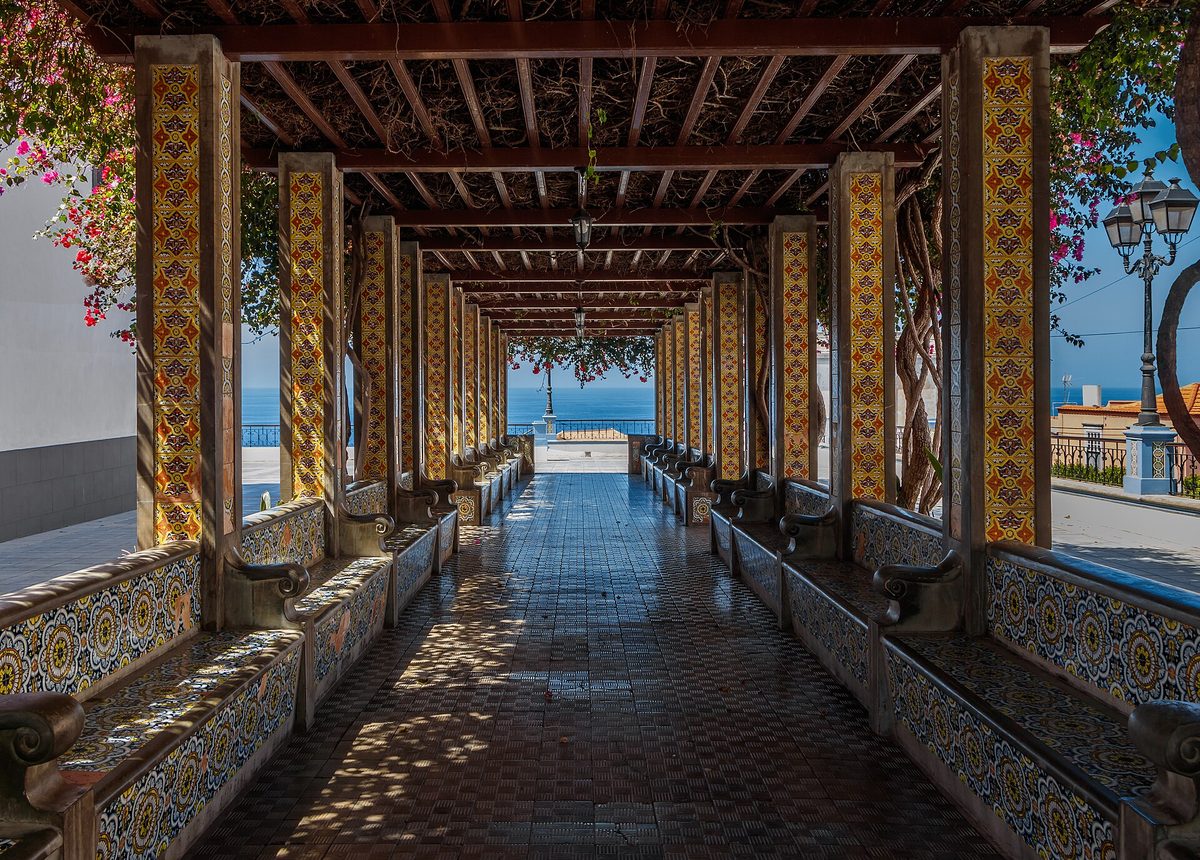
Greece: the best coastline in Europe
Cost: €85 to €130 a day. Days: 8 to 12. Best months: May, June, September, October.
Greece is two holidays wearing one name. There is the mainland, with Athens, Meteora and the Peloponnese, which is archaeology and mountains and almost no crowds outside the Acropolis. And there are roughly 220 inhabited islands, which range from Santorini’s caldera to islands where the ferry calls twice a week.
The mistake is trying to do too many islands. Two islands in ten days, chosen because a ferry actually links them, beats four with a day lost to each transfer. Naxos, Milos, Crete and Kefalonia all reward a longer stay. And go in June or late September: the sea is warm from June onwards and still warm in October, but August is peak in every sense.
A good ten days: Athens (3), then either two islands linked by a direct ferry, or Meteora and the Peloponnese by car if ruins and mountains interest you more than beaches.
Pair it with: nothing, usually. Greece is a whole trip. If you must, Türkiye is a short ferry hop from the eastern islands. See our Greece travel guide.

Portugal: the best price-to-beauty ratio on the continent
Cost: €80 to €120 a day. Days: 7 to 10. Best months: April to June, September, October.
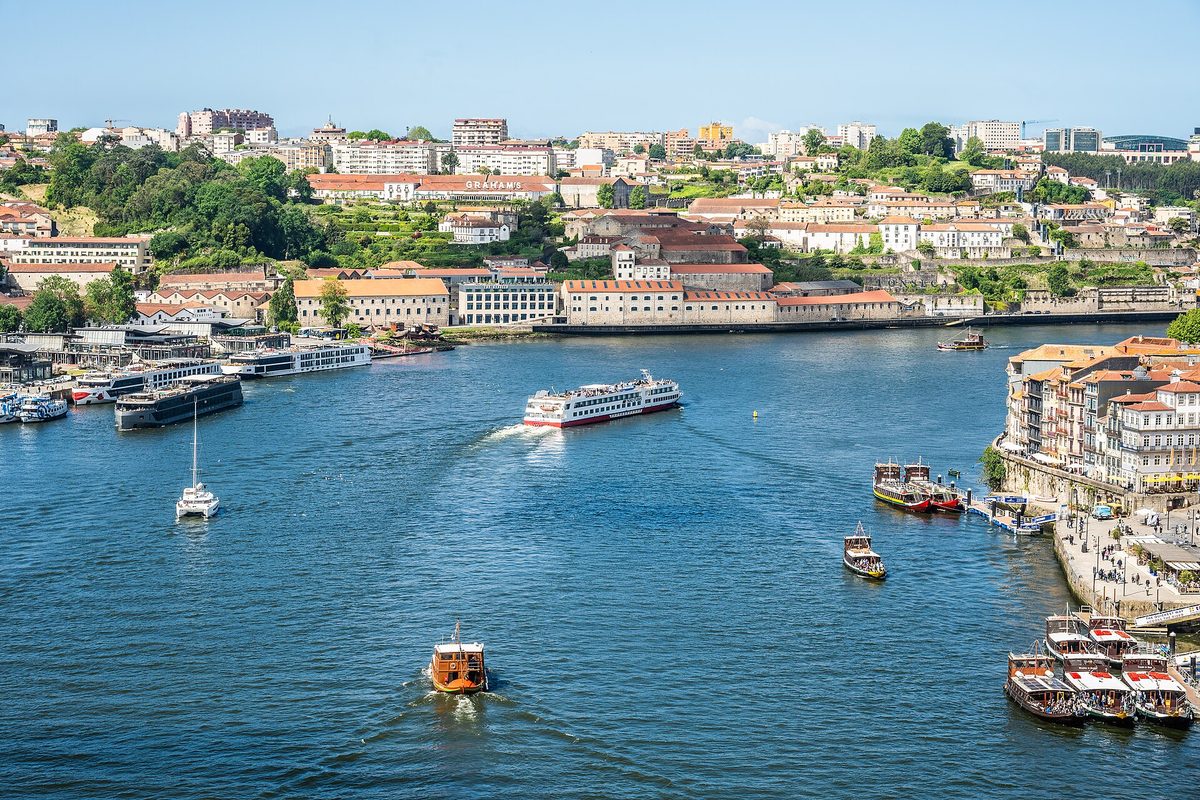
This is the country I recommend most often to people who want western Europe without western European prices, and it anchors the cheapest of our Western Europe itineraries. Lisbon and Porto are both genuinely beautiful and neither is expensive by the standards of Madrid or Barcelona. The Algarve has the best cliff coastline in Europe. The Douro is the most striking wine region I have been to. Madeira has become a serious hiking destination.
Prices have risen sharply since 2019 and Lisbon in particular is no longer the bargain it was, but a mid-range trip still lands well under Spain. English is widely spoken, the trains work for the main corridor, and distances are short.
A good nine days: Lisbon (3) with Sintra as a day trip, Porto (3), the Douro (2) by the riverside train, and a night in Óbidos or Coimbra on the way between them.
Pair it with: Spain, especially Seville to the Algarve, or on its own for a first trip. Skip if: you want reliable summer heat in the north; Porto is milder and wetter than people expect. Our Portugal travel guide covers the routing.
Alpine and central Europe: Switzerland, Austria, Germany, Czechia and Slovenia
This is the part of the continent that runs like clockwork. Trains connect, timetables hold, and you can plan tightly without being punished for it.
Switzerland: the most expensive country in Europe, and worth a few days of it
Cost: €180 to €250 a day. Days: 5 to 7. Best months: June to September, January to March.
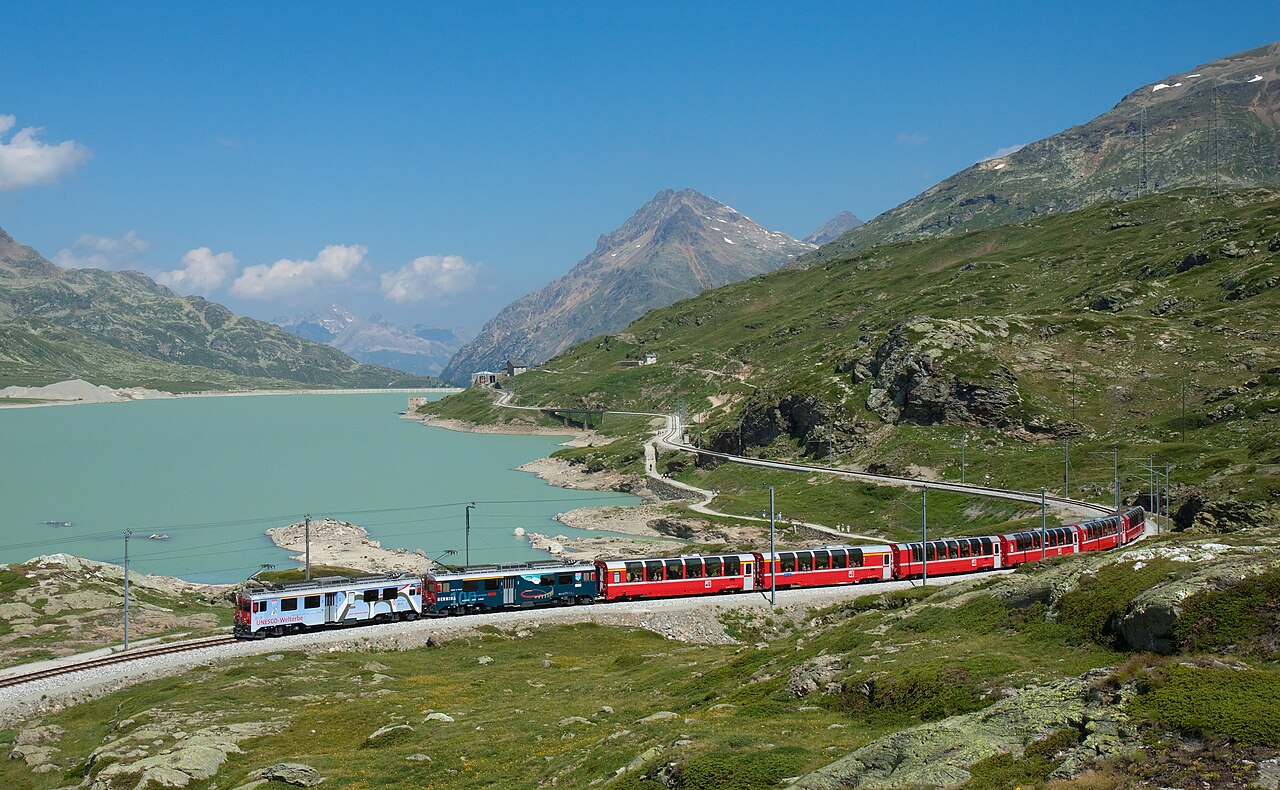
Switzerland and Iceland trade places at the top of Europe’s price tables, and Switzerland is still worth going to. The mountains are the best in Europe and the public transport is genuinely astonishing: a postbus will take you to a hamlet of forty people, on time, in a snowstorm. The Matterhorn, the Jungfrau region, the Bernina and Glacier Express lines, and Lauterbrunnen’s wall of waterfalls are all first-rank sights.
Manage the cost rather than avoiding the country. A Swiss Travel Pass pays for itself quickly if you are moving daily, supermarket picnics are normal and unembarrassing, and mountain huts cost a fraction of valley hotels. Five days is enough to see a great deal.
Pair it with: northern Italy. Zurich to Milan is a little over three hours by train and halves your average daily spend. Skip if: your budget is under €100 a day; you will spend the trip doing arithmetic. See our Switzerland travel guide.
Austria: Alps and empire in the same week
Cost: €100 to €140 a day. Days: 5 to 8. Best months: May, June, September, December.
Austria does roughly what Switzerland does at about sixty per cent of the price, and adds Vienna, which is one of the two or three great cities of Europe. Salzburg, Hallstatt and the Salzkammergut lakes are within easy reach of each other, Innsbruck puts a cable car at the end of a city street, and the Wachau valley is a day trip that people remember for years.
December is a serious argument for Austria specifically. Vienna and Salzburg run some of the best Christmas markets in Europe, and the whole country is set up for it.
Pair it with: Czechia and Slovakia by train, or Slovenia by car. Skip if: you want a beach. Our Austria travel guide has the week-long routing.

Germany: the most underrated country on this list
Cost: €95 to €135 a day. Days: 8 to 12. Best months: May, June, September, December.
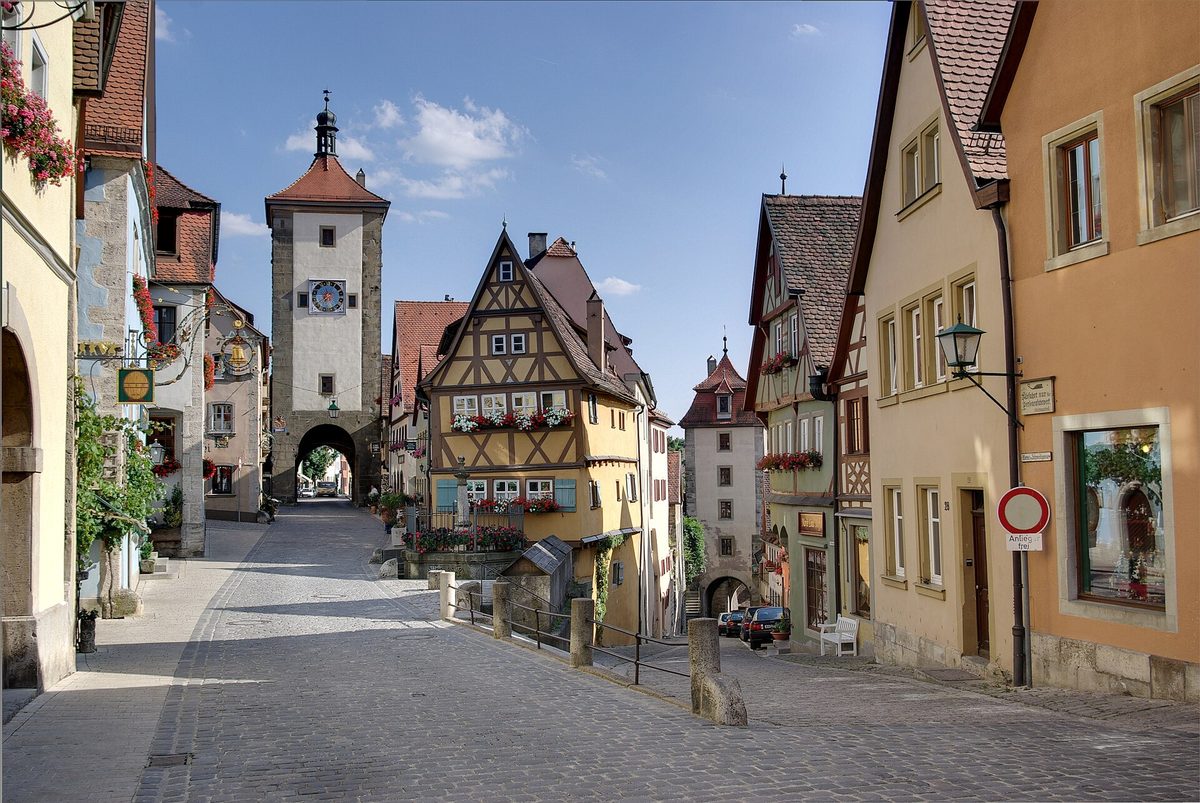
Germany suffers from being thought of as efficient rather than beautiful, which is unfair to a country with the Bavarian Alps, the Black Forest, the Rhine and Mosel valleys, the Baltic coast, and half-timbered towns like Rothenburg that look staged and are not. Berlin is unlike anywhere else in Europe. Munich, Dresden and Hamburg are all worth several days each.
It is also excellent value for what you get. The Deutschland-Ticket, at around €63 a month, covers every regional train and city transport network in the country, which is an absurd deal if you are moving around for two weeks.
Pair it with: Austria and Czechia, or the Netherlands from the northwest. Skip if: you are chasing sunshine. Full detail in our Germany travel guide.
Czechia: one capital worth the entire trip
Cost: €70 to €105 a day. Days: 4 to 5. Best months: April, May, September, December.
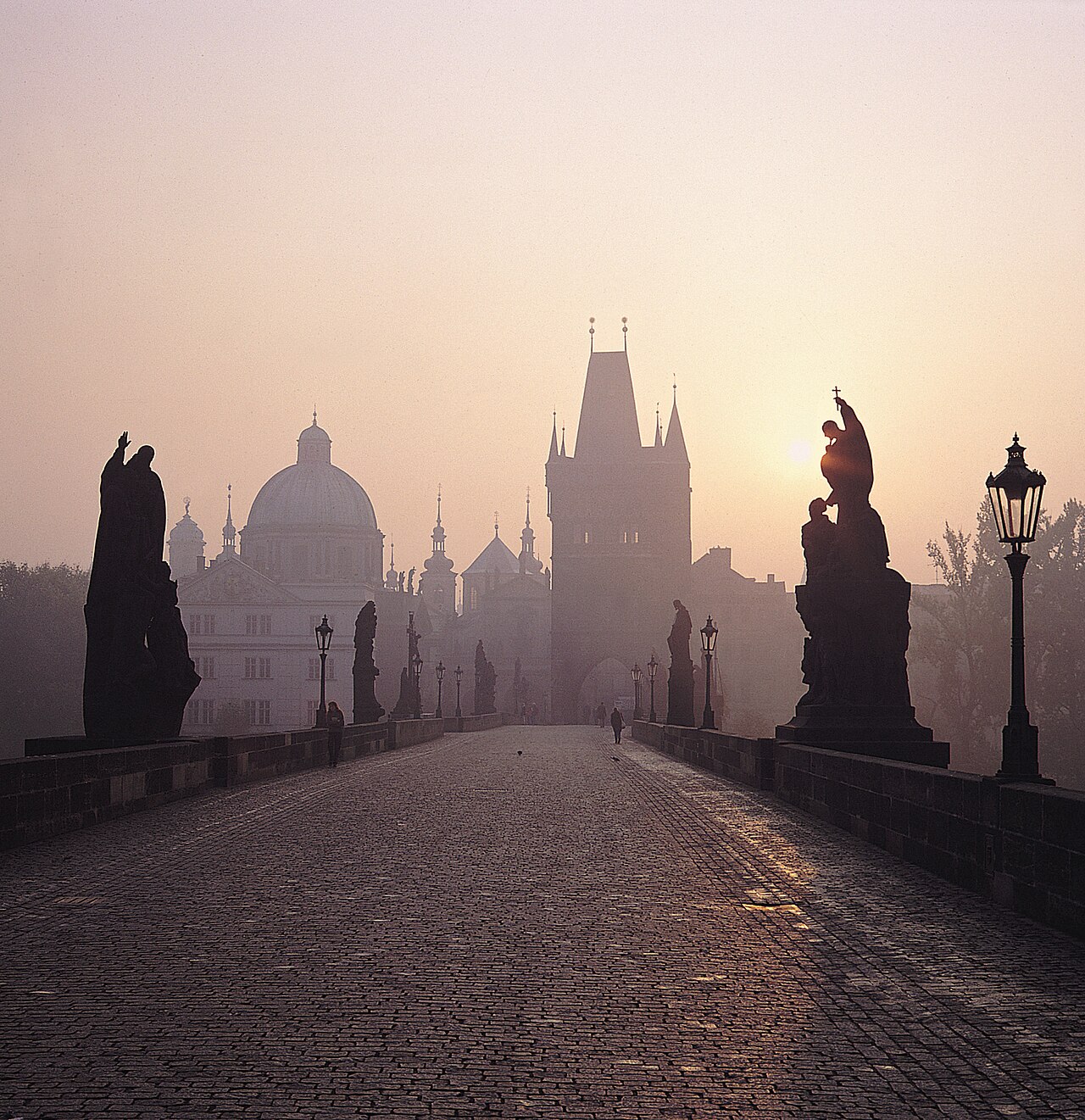
Prague’s centre came through the war largely intact, so the gothic, baroque and art nouveau layers are all still standing on top of one another. It is the most beautiful capital in central Europe and still costs meaningfully less than Vienna an hour up the line. Beyond it, Český Krumlov, Kutná Hora and the Bohemian beer towns fill a long weekend nicely.
Prague’s centre is very busy from May onwards and the exchange-rate scams around Old Town Square are persistent. Use bank ATMs, refuse dynamic currency conversion, and cross the river for dinner.
Pair it with: Vienna and Budapest, the classic central European triangle. Prague to Vienna is a little over four hours by train, Vienna to Budapest under two and a half. Skip if: you need more than one great city in four days.
Slovenia: the best small country in Europe
Cost: €80 to €120 a day. Days: 4 to 6. Best months: May, June, September.
Slovenia fits the Julian Alps, a karst cave system, a short Adriatic coast and one of Europe’s most likeable capitals into a country you can cross in three hours. Lake Bled gets the photographs and deserves them; Bohinj next door is bigger, wilder and quieter. Ljubljana is car-free in the centre, built along a river, and walkable in an afternoon.
It is also the easy answer for anyone who wants Alpine scenery without Swiss prices, and it is safe, green and almost entirely English-speaking in the tourism trade.
Pair it with: Croatia and Italy. Ljubljana to Zagreb is two hours by train; Ljubljana to Venice is best done by direct bus, at around three and a quarter hours, because the rail route involves a change and takes twice as long. Skip if: you want big-city variety. Slovenia is countryside with one small capital.

The Adriatic and the Balkans: Croatia, Montenegro, Albania and Bosnia
The best value on the Mediterranean, and the part of Europe changing fastest. Prices here have risen every year since 2019 and still undercut Italy and Greece.
Croatia: 1,200 islands and a coastline that earns its reputation
Cost: €90 to €140 a day. Days: 7 to 10. Best months: May, June, September.
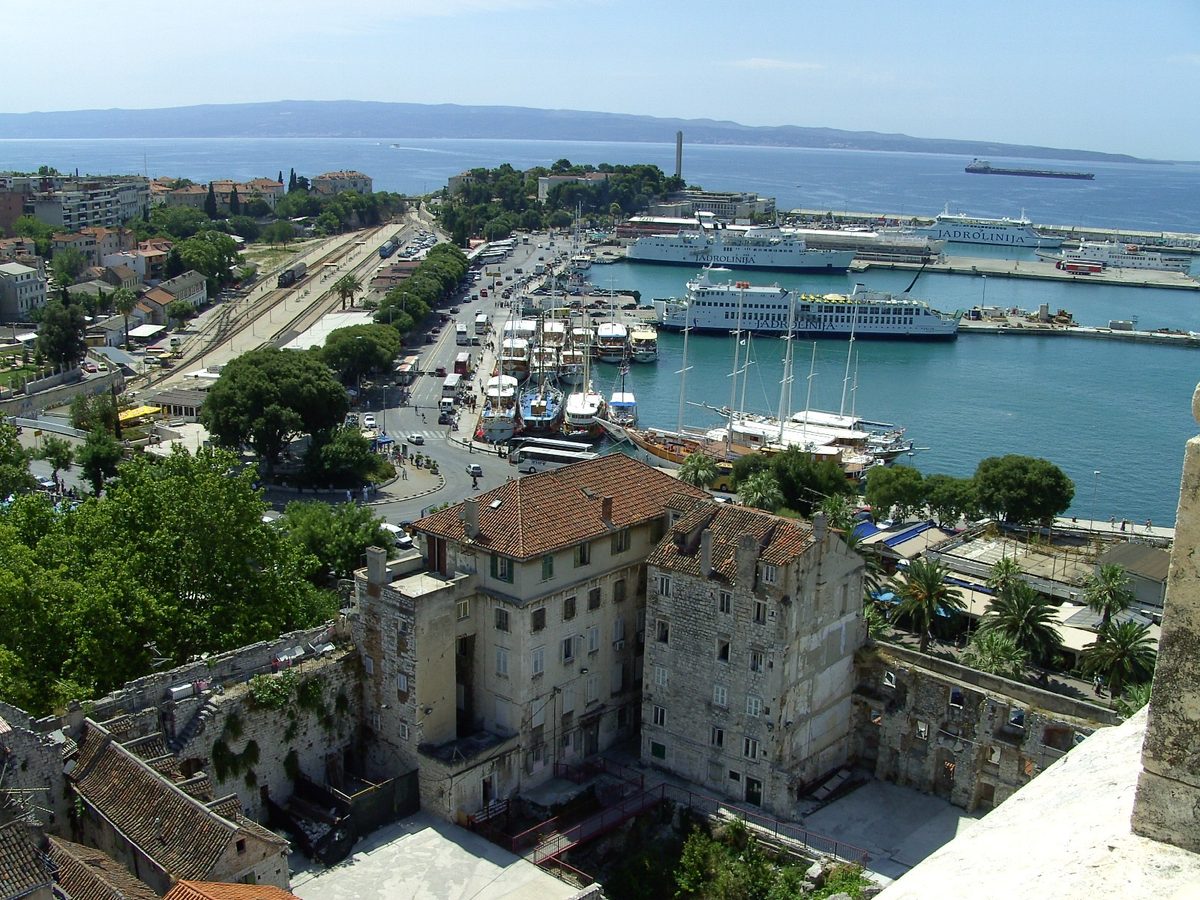
Dalmatia is the reason people come: Dubrovnik’s walls, Split built inside a Roman palace, and a ferry network linking Hvar, Korčula, Vis and Brač. Croatia counts more than a thousand islands and islets, though only 79 are islands proper and around 50 are inhabited. Inland, Plitvice’s sixteen lakes are one of the great sights of Europe, and Istria in the north is essentially Tuscany with truffles and better prices.
Croatia adopted the euro in 2023 and prices rose noticeably with it. August on the coast is now expensive and crowded, and Dubrovnik has capped cruise arrivals at two ships a day and has said it will move the city walls to advance timed booking. Come in June or September and the same coast is transformed.
Pair it with: Slovenia and Montenegro, all reachable by car in a single loop. Skip if: August is your only window. See our Croatia travel guide.
Montenegro: a bay that looks like a fjord, at Balkan prices
Cost: €55 to €90 a day. Days: 4 to 5. Best months: May, June, September.
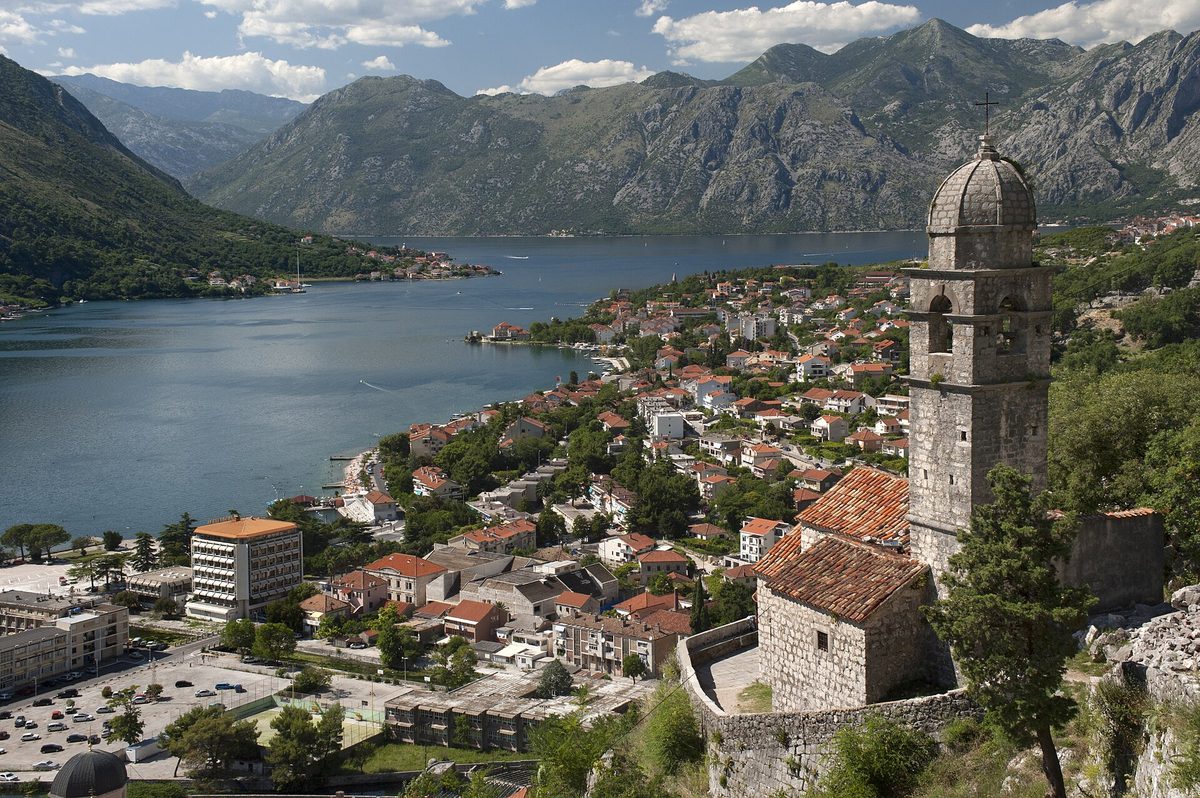
The Bay of Kotor is a drowned river canyon ringed by mountains, with a walled medieval town at the end of it and a fortress walk that leaves you wobbling. Behind the coast, Durmitor’s peaks and the Tara canyon give you a genuinely wild interior barely two hours from the sea.
It is small, which is the point: four days covers the bay, one mountain day and a beach. It uses the euro despite not being in the EU, and the coastal road in August is a slow-moving queue, so time it properly.
Pair it with: Croatia to the north and Albania to the south, on one road trip. Skip if: you want polish; the infrastructure is improving but uneven.
Albania: the Mediterranean about twenty years ago
Cost: €45 to €75 a day. Days: 7 to 10. Best months: May, June, September.
Albania is the biggest change story in European travel. Foreign arrivals reached roughly 12 million in 2025 in a country of 2.8 million people, and Lonely Planet published its first dedicated Albania guide in March 2026, which tells you where this is heading. The Ionian coast around Ksamil and Himarë has water that rivals anything in Greece, Berat and Gjirokastër are Ottoman hill towns under UNESCO protection, and the Albanian Alps in the north are proper hiking country.
Prices are the lowest in this guide by a clear margin. A seafront double in June costs what a Santorini dorm does. The trade-offs are real though: the bus network is informal, the roads outside the main corridors are slow, and the coast in August is now genuinely busy with Albanians and Kosovars as well as foreigners.
Pair it with: Montenegro, North Macedonia and Greece by road. Skip if: you need everything bookable online in advance.

Bosnia and Herzegovina: the most affecting few days in Europe
Cost: €45 to €70 a day. Days: 4 to 5. Best months: May, June, September.
Sarajevo is a city where the Austro-Hungarian and Ottoman halves of the centre meet at a literal line in the pavement, and where the war history, told through the Tunnel of Hope, is the most affecting museum experience I have had anywhere. Mostar’s bridge is the photograph; Počitelj and Kravica waterfalls are the reasons to have a car.
It is extremely cheap, the coffee culture is serious, and it is outside Schengen, which matters if you are managing a 90-day clock. It is also emotionally heavy in places, and worth reading about before you go rather than after.
Pair it with: Croatia, an easy drive from Split or Dubrovnik. Skip if: you want a light, uncomplicated week. Our Eastern Europe travel guide covers the wider region.
The north: Norway, Iceland, Denmark, Sweden and Finland
Expensive, extraordinary, and operating on a completely different seasonal logic from the rest of the continent.
Norway: the best scenery in Europe, and you will pay for it
Cost: €165 to €230 a day. Days: 7 to 10. Best months: June to August, January to March.
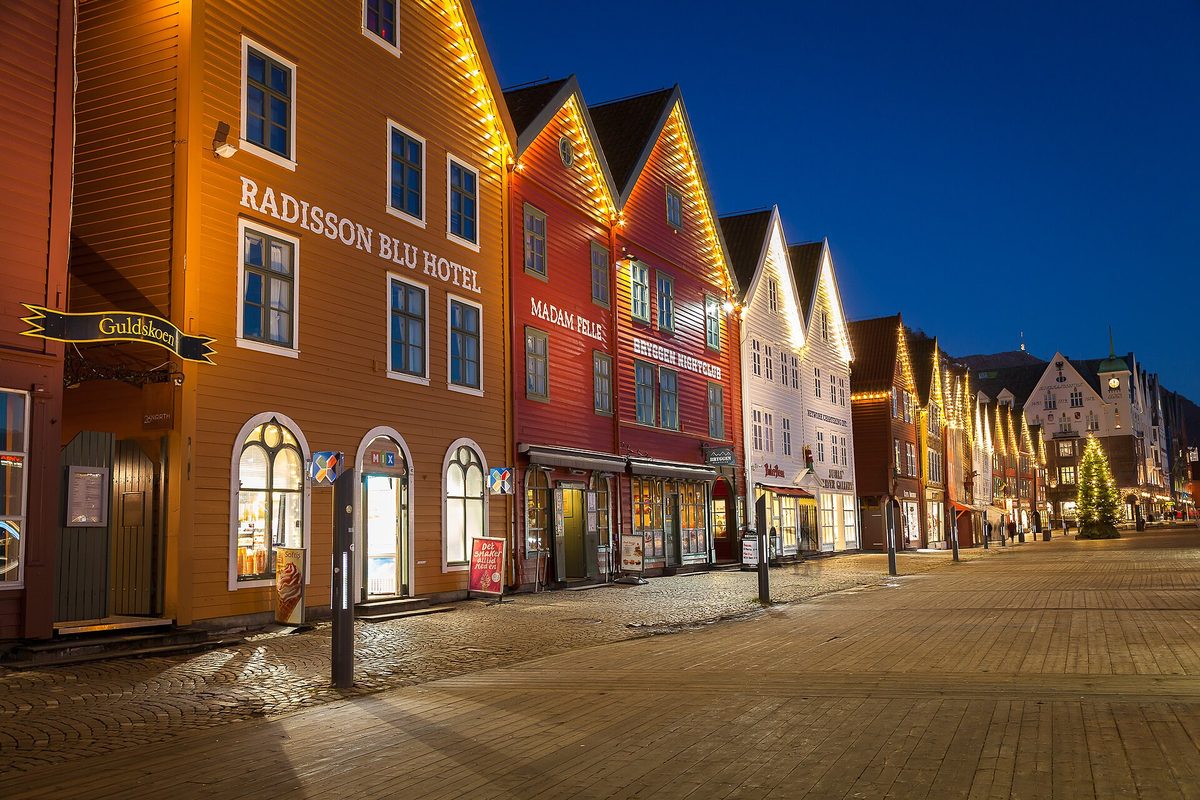
Nowhere else in Europe does landscape at this scale. The fjords, Lofoten, the Atlantic Road, Trolltunga and the Flam and Bergen railways are all first-rank sights, and the country is set up so that you can reach them on public ferries and trains rather than tours.
Costs are the obstacle. Alcohol is punitive, restaurants are eye-watering, and fuel is expensive. The counter is that camping is a legal right under allemannsretten, supermarket food is normal practice, and the scenery itself is free. January to March in the north for the northern lights is the alternative trip. The solar cycle passed its maximum in late 2024 and activity is easing, but this is still a strong stretch of winters for it.
Pair it with: Sweden by train from Oslo, or nothing. Skip if: your budget is tight and you cannot camp or self-cater. See our Scandinavia travel guide.
Iceland: the most landscape per hour of driving
Cost: €180 to €260 a day. Days: 6 to 8. Best months: June to August, February and March.
Iceland compresses waterfalls, glaciers, black beaches, geysers and volcanic fields into a ring road you can drive in a week. It is the easiest country in Europe to have a genuinely dramatic trip in a short time, and the infrastructure is excellent.
Two 2026 notes. A kilometre tax of just under 7 krónur per kilometre now appears itemised on rental cars, which adds up quickly on a ring road trip. And a total solar eclipse crosses western Iceland on 12 August 2026, with totality over the Westfjords, Snæfellsnes and Reykjavík; accommodation for that week went long ago.
Pair it with: a stopover en route to or from North America. Skip if: you want to eat out three times a day on a normal budget. Our Iceland travel guide has the full ring road plan.

Denmark, Sweden and Finland: the rest of the Nordics
Denmark (€140 to €190 a day, 4 to 5 days) is essentially Copenhagen plus a couple of easy excursions. It is one of the great cycling cities, the design and food are exceptional, and Tivoli in December is worth a trip on its own.
Sweden (€120 to €160, 5 to 7 days) is the most varied of the three: Stockholm spread across fourteen islands, an archipelago of thousands more, and forest and lakes going north for a very long way. Cheaper than Norway and Denmark, and the right-to-roam laws make wild camping straightforward.
Finland (€120 to €160, 5 to 7 days) is a winter destination first: Lapland, reindeer, saunas and the aurora. Oulu is a European Capital of Culture in 2026, which has put a programme of several thousand events across the north this year. Summer is lakes and very long light.

Central and eastern value: Poland, Hungary, Romania, Bulgaria and the Baltics
This is where a fortnight costs what a week costs further west, and where the quality gap has narrowed to almost nothing in the cities.
Poland: the best value city break in Europe
Cost: €60 to €95 a day. Days: 6 to 8. Best months: May, June, September, December.
Kraków has the largest medieval market square in Europe and an old town that came through the war intact, and it costs meaningfully less than Prague an hour’s flight west. Gdańsk on the Baltic is the most underrated city in the country. Warsaw is a rebuilt capital with a serious food scene. Auschwitz-Birkenau, 90 minutes from Kraków, is a difficult but important day.
The trains are decent and cheap, the food is heavier and better than its reputation, and English is widely spoken by anyone under 40.
Pair it with: Czechia and Slovakia, or the Baltics going north. Skip if: you want warm sea; the Baltic tops out around 20 degrees.

Hungary: grandeur for less
Cost: €60 to €95 a day. Days: 4 to 5. Best months: April, May, September, December.
Budapest is a genuinely grand capital that costs a fraction of the ones it resembles: a parliament building lit up along the Danube, thermal baths built for empire, ruin bars in the old Jewish quarter, and a hill full of viewpoints on the Buda side. Széchenyi on a cold weekday morning is one of Europe’s great cheap luxuries.
Outside the capital, Eger and the Tokaj wine region are pleasant but not essential on a first trip. Four days in Budapest is the right shape.
Pair it with: Vienna and Prague, three capitals on one rail spine. Skip if: you want variety beyond one city in a short trip.

Romania: mountains, castles and the last of the real bargains
Cost: €55 to €85 a day. Days: 7 to 10. Best months: May, June, September.
Transylvania is the draw: fortified Saxon churches, Brașov and Sibiu’s painted old towns, Bran and Peleș castles, and the Transfăgărășan, a mountain road closed by snow for most of the year and officially open from 1 July to 31 October, sometimes a little earlier. The Carpathians hold Europe’s largest brown bear population outside Russia, and the painted monasteries of Bucovina are unlike anything else on the continent.
Romania and Bulgaria both joined Schengen fully in January 2025, which removed the land border checks and made overland routes through the east much smoother.
Pair it with: Bulgaria to the south, or Hungary to the west. Skip if: you will not hire a car; the best of Romania is rural.

Bulgaria and the Baltics
Bulgaria (€50 to €80 a day, 5 to 7 days) is the cheapest full-service country in the EU: Plovdiv is one of the oldest continuously inhabited cities in Europe and has a Roman theatre still in use, the Rila Monastery is extraordinary, the Black Sea coast is inexpensive, and Bansko delivers some of the cheapest skiing in Europe. Bulgaria adopted the euro on 1 January 2026, replacing the lev at a fixed rate of 1.95583, so prices there are now quoted in euros.
The Baltics (€65 to €100 a day, 7 to 10 days for all three) work best as one trip: Vilnius, Riga and Tallinn are linked by comfortable buses, each has a walled or art nouveau old town, and Tallinn in December runs one of the loveliest Christmas markets on the continent. Estonia is the most digital country you will ever visit; Latvia has the best art nouveau architecture in Europe; Lithuania is the greenest and least visited of the three.

Islands, edges and the Low Countries
Ireland: the best coastline for a road trip
Cost: €120 to €165 a day. Days: 7 to 10. Best months: May, June, September.
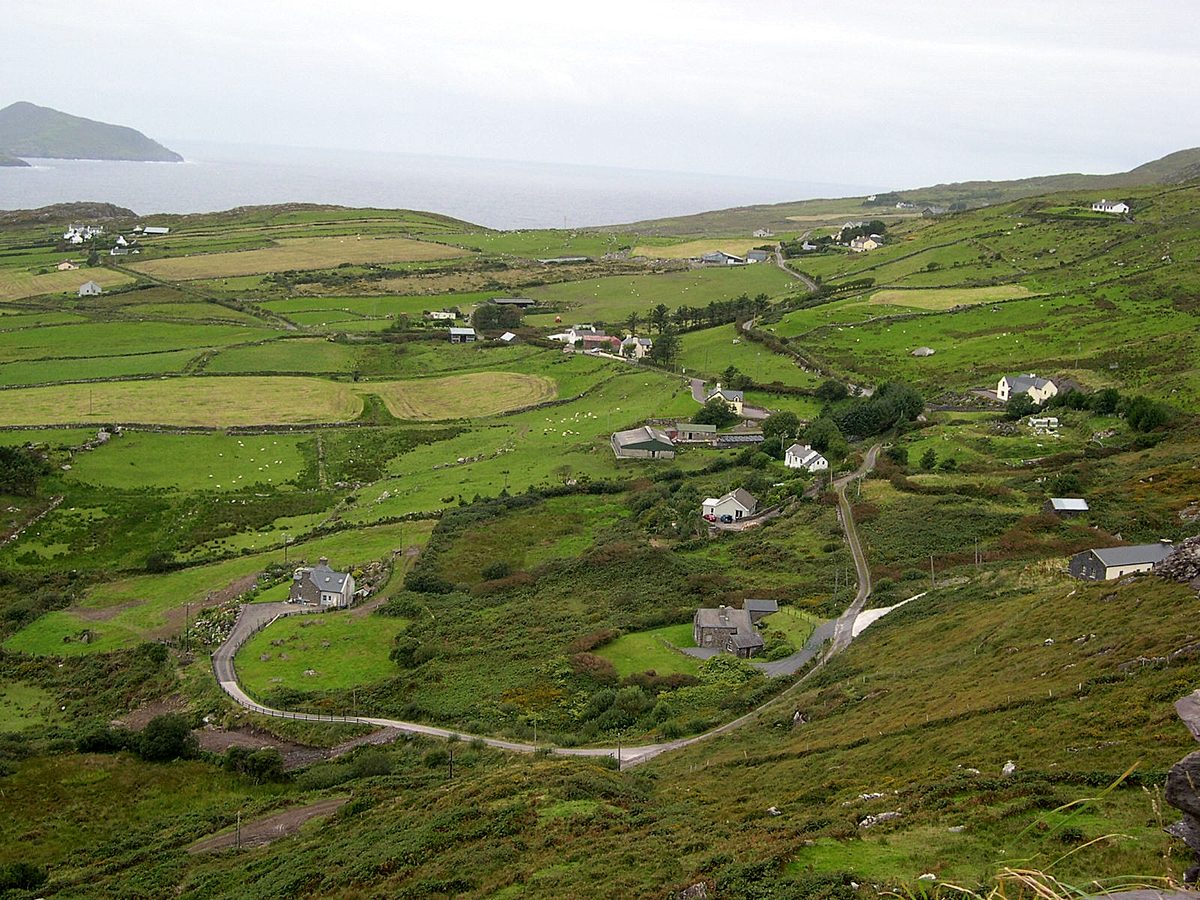
The Wild Atlantic Way is 2,500km of cliff, beach and headland, and the Ring of Kerry, Dingle, Slieve League and the Cliffs of Moher are all on it. Add Galway for music, Dublin for a couple of days, and the north for the Giant’s Causeway and Belfast.
Ireland is expensive, particularly Dublin hotels, and the weather is a genuine variable rather than a joke. It is also outside Schengen, which resets nothing but does mean separate entry rules, and Northern Ireland sits inside the UK with its own ETA requirement.
Pair it with: Scotland by ferry or a short flight. Skip if: you will not drive; the coast is not doable by public transport. See our Ireland travel guide.
The United Kingdom: four countries in one
Cost: €110 to €160 a day. Days: 10 to 14. Best months: May, June, September.
London alone justifies a week, and the free national museums make it cheaper to visit than its hotel prices suggest. Beyond it: the Cotswolds and Bath, the Lake District, York and the Yorkshire coast, Snowdonia and the Welsh castles, and the Scottish Highlands, which are the most dramatic landscape in Britain by a distance.
Visitors from the US, Canada, Australia and the EU now need a UK ETA, which costs £20 and lasts two years or until your passport expires, whichever comes first. Apply through the official app, not a reseller. The rail network is good between cities and expensive if you book late, so buy advance tickets the moment your dates are fixed.
Pair it with: Ireland, or France via the Eurostar. Skip if: you have under a week and want more than London. Our UK travel guide has the regional detail.

The Netherlands: small, flat, and extremely well organised
Cost: €110 to €150 a day. Days: 4 to 6. Best months: April, May, September.
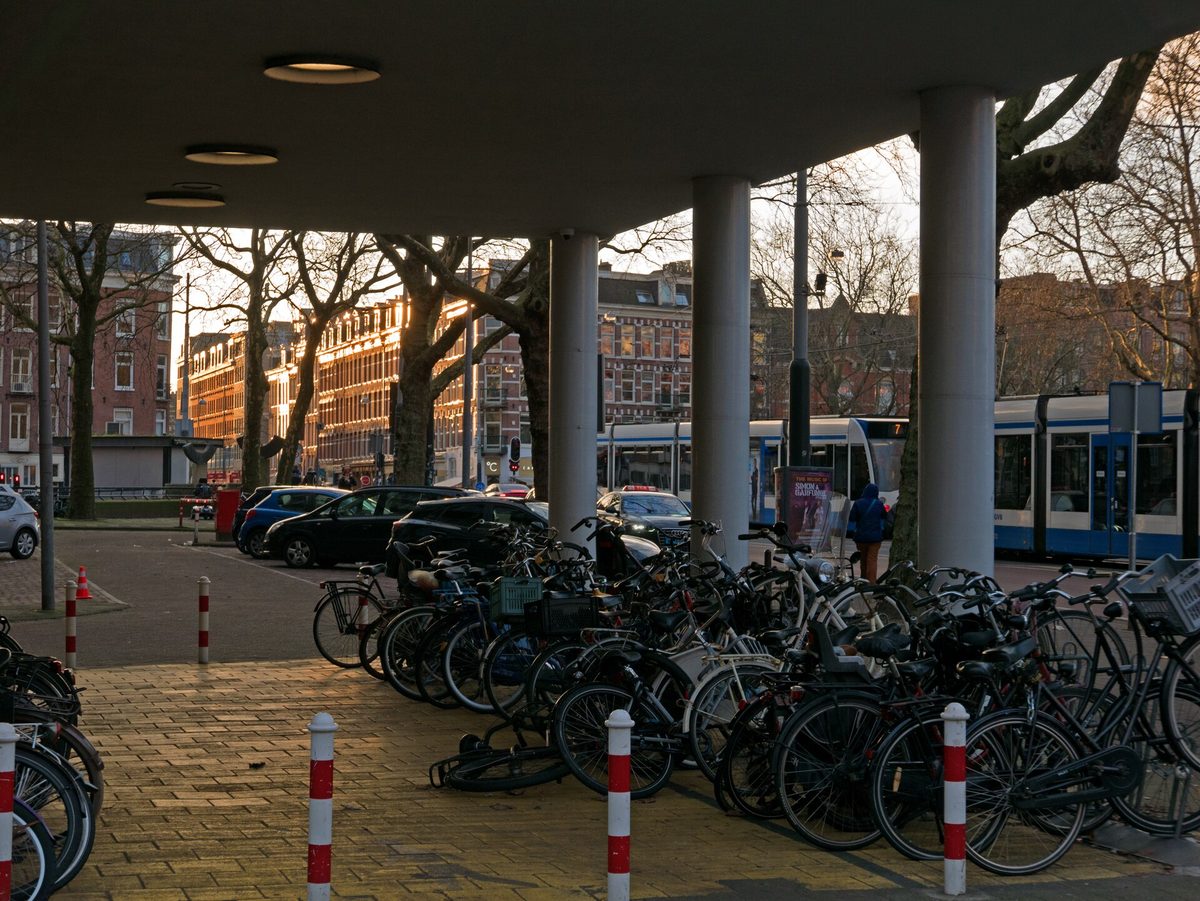
Amsterdam is the obvious draw and the least representative part of the country. Utrecht, Haarlem, Delft and Maastricht are all lovely and much calmer, Kinderdijk and Zaanse Schans deliver the windmills, and Giethoorn is a village with canals instead of roads. Most of the country is within two hours of Amsterdam by train, and cycling is genuinely the fastest way to move around a city.
Dutch VAT on accommodation rose from 9 to 21 per cent in January 2026, which has pushed hotel prices up across the country, and Amsterdam has spent several years discouraging stag-party tourism. Come for the museums and the canals, base yourself outside the centre, and use the trains.
Pair it with: Belgium, 90 minutes away, or Germany. Skip if: you want hills. See our Netherlands travel guide.
Belgium: three great cities in a very small country
Cost: €100 to €145 a day. Days: 4 to 5. Best months: May, June, September, December.
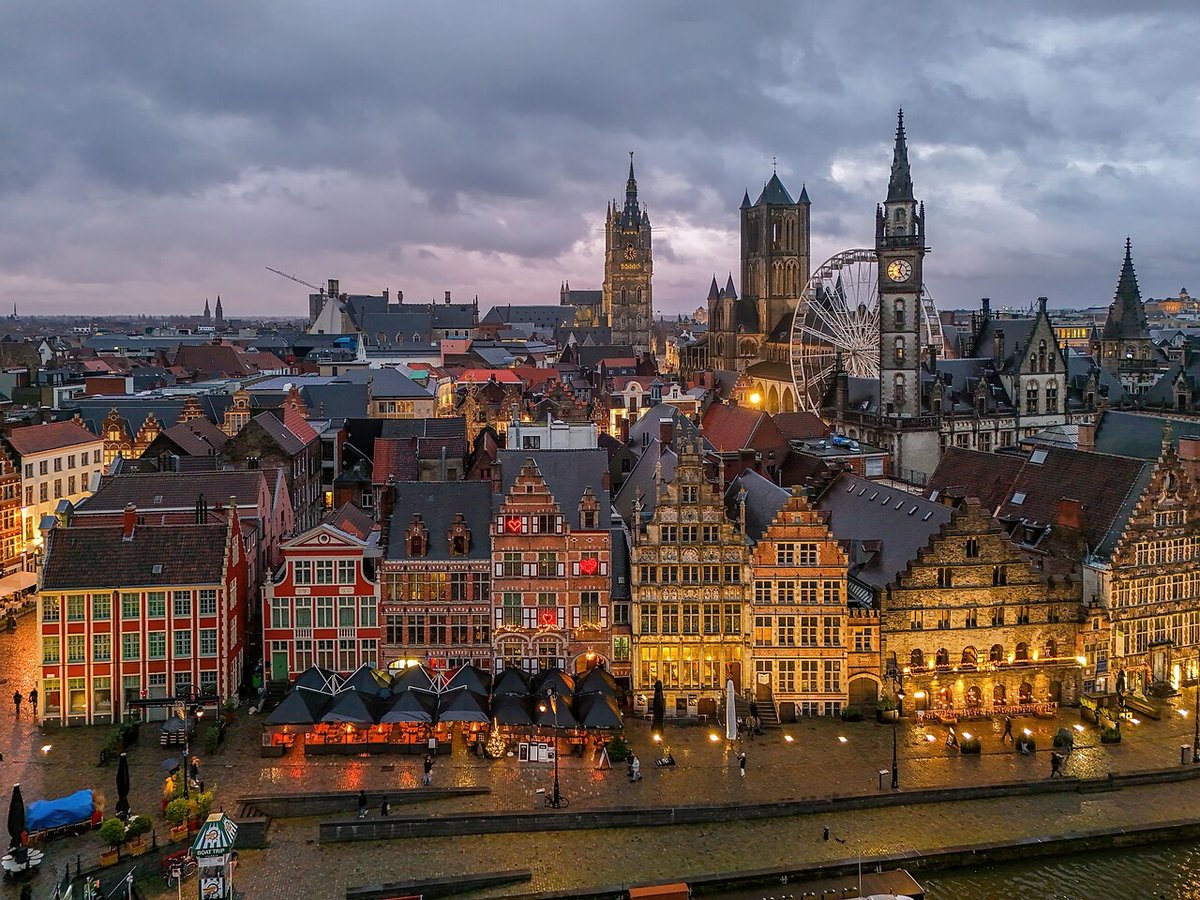
Belgium is one of the most efficient trips in Europe: Bruges, Ghent and Antwerp are each under an hour apart by train, and all three are genuinely beautiful rather than merely pleasant. Bruges is the postcard and gets the coaches; Ghent has the same medieval architecture with a student population and a better night out; Antwerp is the fashion and diamond city with a cathedral holding four Rubens altarpieces.
The food is the underrated part. Belgium takes beer more seriously than any country on earth, with Trappist breweries that have been at it for centuries, and the chips, waffles and moules are not tourist theatre but ordinary daily eating. Brussels itself divides opinion, but the Grand Place at night settles most arguments.
Pair it with: the Netherlands, 90 minutes away, or Paris on the Eurostar in under 90 minutes. Skip if: you want landscape; Belgium is cities and countryside in between.
Türkiye: two continents, non-euro prices
Cost: €75 to €120 a day. Days: 8 to 12. Best months: April, May, September, October.
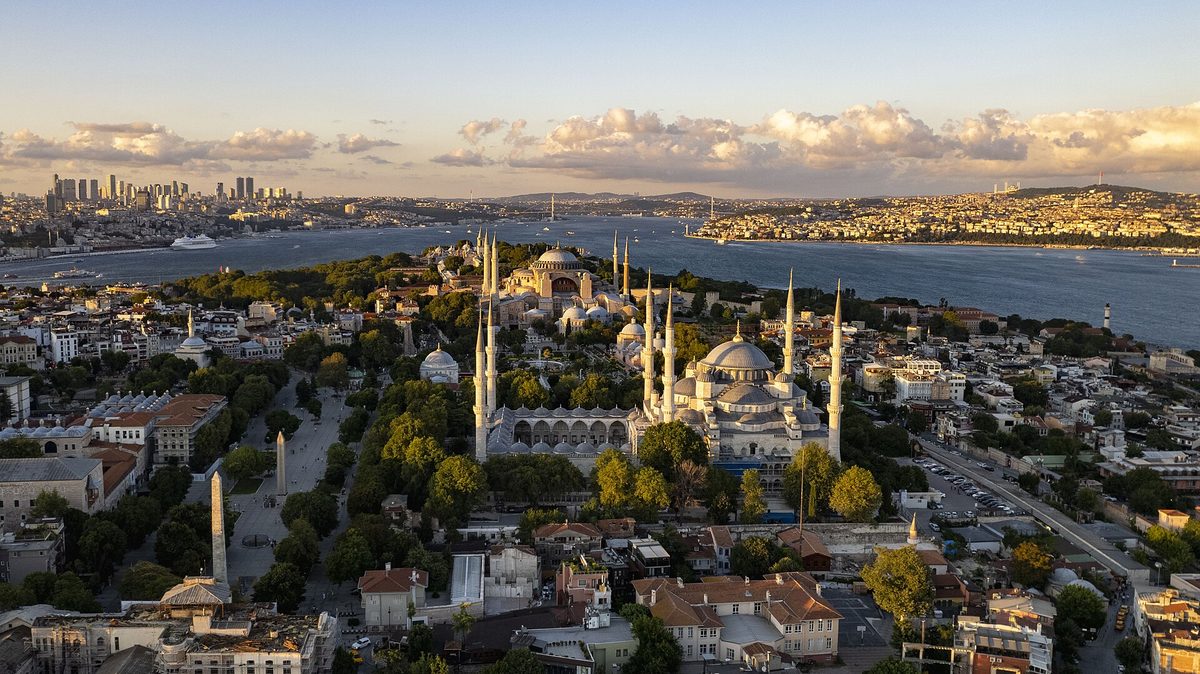
Istanbul is one of the great cities of the world and would be worth the flight alone. Beyond it: Cappadocia’s rock valleys and balloons, Ephesus, Pamukkale’s terraces, and a Turquoise Coast that offers Greek-island quality at a third of the price. The food is a serious reason to go on its own.
It sits outside the EU and Schengen, which means your 90-day clock does not tick while you are there, and the currency situation means prices in this guide should be treated as a ballpark and rechecked. Inflation has been rapid; check current rates before you budget.
Pair it with: the eastern Greek islands, a short ferry away. Skip if: you want everything within a short transfer; Türkiye is large. Our Türkiye travel guide has the routing.
Malta: a lot of history on a very small island
Cost: €80 to €120 a day. Days: 3 to 4. Best months: April, May, October.
Malta packs megalithic temples older than the pyramids, a walled capital built by the Knights of St John, and the Blue Lagoon on Comino into an island you can drive across in an hour. English is an official language, which makes it one of the easiest destinations in Europe for a first-time visitor. It bakes in July and August and the beaches are mostly rock rather than sand.
The rest of Europe, briefly
Not every country needs a full entry on a first shortlist. These are the ones that come up once you have done the obvious pick and want to know what else is out there.
- Slovakia (€60 to €90 a day, 3 to 4 days). Bratislava is an hour from Vienna by train and a fraction of the price, and the High Tatras give you genuine alpine hiking at Carpathian rates. Best used as an add-on to Austria or Czechia rather than a trip in itself.
- Serbia (€50 to €80, 4 to 5 days). Belgrade has the best nightlife in the Balkans, largely on barges moored in the rivers, and Novi Sad is a handsome Habsburg town an hour north. Outside Schengen, so it does not touch your 90-day clock.
- North Macedonia (€45 to €75, 4 to 5 days). Lake Ohrid is the reason: Europe’s oldest lake, ringed by churches, with a thirteenth-century chapel on a bluff that turns up on every list of the continent’s most beautiful views.
- Estonia (€70 to €105, 3 to 4 days). Tallinn’s walled old town is one of the best-preserved in northern Europe, and the country is so thoroughly digital that you can do almost everything from a phone. Two hours by ferry from Helsinki.
- Latvia (€65 to €100, 3 to 4 days). Riga has the largest collection of art nouveau architecture in Europe, a serious food market in old zeppelin hangars, and a Baltic beach half an hour away at Jūrmala.
- Lithuania (€60 to €95, 3 to 4 days). The greenest and least visited of the three: Vilnius has a baroque old town and a self-declared artists’ republic across the river, and the Curonian Spit is a sand-dune peninsula shared with Russia.
- Cyprus (€85 to €125, 5 to 7 days). A long beach season stretching into November, Byzantine churches in the Troodos mountains, and a divided capital that is a genuinely strange and interesting place to walk across. European Best Destinations, the Brussels-based travel poll, named Nicosia its best cultural destination in Europe for 2026.
- Luxembourg (€120 to €170, 2 days). Tiny, wealthy, and more dramatic than expected: the old city sits on cliffs above a gorge. Second-class public transport across the whole country is free, which is a novelty worth experiencing once.
- Kosovo (€40 to €65, 3 days). The cheapest country in Europe, with Ottoman-era Prizren as the highlight and a young, English-speaking population. Note that entry stamps can complicate onward travel to Serbia.
- Georgia (€40 to €70, 8 to 10 days). Geographically at the edge of Europe and worth the stretch: eight thousand years of winemaking, the Caucasus mountains, and Tbilisi, which is one of the most characterful capitals anywhere. Long visa-free stays for most nationalities, but note that since January 2026 every visitor must hold travel medical insurance covering the full stay, and it is checked at the border.
Head to head: the comparisons people actually agonise over
Most shortlists come down to two countries that do a similar thing. Here is how I would call each of the common ones.
Italy or France?
Italy if this is your first trip, France if it is your third. Italy is the more forgiving country: the sights are more famous, the food is impossible to get wrong, the trains are cheaper, and a mediocre day is still a good one. France rewards planning and slowness, and it punishes the traveller who tries to tick off five regions. France also has the better countryside, the better wine and the better set lunch; Italy has the better coastline and the greater density of things worth crossing a continent for. On price, France runs perhaps ten per cent higher day to day, mostly on accommodation.
Spain or Portugal?
Portugal if you have ten days or fewer, Spain if you have more. Portugal is small, coherent and cheaper, and Lisbon, Porto, the Douro and the Algarve form a natural line you can do without ever feeling rushed. Spain is four or five distinct countries in a trench coat, and doing it justice means either committing to one region or accepting a lot of high-speed rail. Spain wins on food variety, nightlife and sheer scale of choice; Portugal wins on value, on coastline drama, and on how little effort it takes to have a very good week.
Greece or Croatia?
Greece for islands and ruins, Croatia for a coastline you can drive. Greece has the better beaches, the better ancient sites, the longer season and the cheaper eating. Croatia is easier logistically because the whole coast is connected by road as well as ferry, which makes a ten-day trip simpler to assemble, and it is closer for anyone starting in central Europe. Croatia has become noticeably more expensive since it adopted the euro, and now sits above Greece on a mid-range day, so the price gap that used to favour it has gone into reverse. In August, avoid both.
Norway or Iceland?
Iceland for a short trip, Norway for a longer one. Iceland gives you the highest concentration of dramatic landscape per hour of driving anywhere in Europe, and six days is genuinely enough to see a lot. Norway is bigger, greener and more varied, with fjords, Arctic islands and proper cities, but distances are long and you need a week and a half to do more than one region. Costs are close to identical and close to the top of this list. Iceland has the better winter offer for a first-timer; Norway has the better summer.
Czechia or Hungary?
Prague is the more beautiful city and Budapest is the better value and the more enjoyable few days. Prague’s old town is architecturally extraordinary and now extremely busy; Budapest is grander in scale, has the thermal baths, and its centre absorbs visitors far better. Prices in Budapest run maybe fifteen per cent below Prague. If you can, do both, with Vienna in between: Prague to Vienna is a little over four hours by train and Vienna to Budapest under two and a half, which makes that triangle one of the best first trips in Europe.
Ireland or Scotland?
Ireland for the coastline and the conversation, Scotland for the mountains and the whisky. The landscapes rhyme but they are not the same: Ireland’s drama is at the edges, along the Atlantic cliffs and beaches, while Scotland’s is in the middle, in the Highlands and the glens. Ireland is friendlier in the immediate, doorstep sense; Scotland has the better cities in Edinburgh and Glasgow and the better long-distance walking. Both need a car. Scotland works out cheaper than Ireland on accommodation outside Edinburgh, though not by as much in August when the festival is on.
Switzerland or Austria?
Austria, for almost everyone. It delivers something like ninety per cent of the Alpine experience at about sixty per cent of the price, and it adds Vienna and Salzburg, which have no Swiss equivalent. Switzerland’s edge is real but narrow: the mountains are higher and more theatrical, the trains are the best on earth, and Zermatt and the Jungfrau region have no true rival. If you have five days and a healthy budget, Switzerland. If you have a week and a normal one, Austria.
What a day actually costs in 2026
Daily budgets are the single most useful number when you are choosing between countries. Here is what the same day looks like in four price tiers, per person, in 2026, so you can see where the money actually goes.
| Item | Nordic and Swiss | Western Europe | Southern Europe | Balkans and east |
|---|---|---|---|---|
| Hostel dorm bed | €45 to €70 | €35 to €60 | €25 to €45 | €12 to €25 |
| Mid-range double room | €180 to €280 | €120 to €200 | €90 to €160 | €45 to €90 |
| Coffee | €4.50 to €6 | €3 to €4.50 | €1.50 in an Italian bar, €3 to €4.50 for a Greek freddo | €1.20 to €2 |
| Casual sit-down main | €28 to €45 | €18 to €28 | €12 to €20 | €7 to €13 |
| Beer in a bar | €7 to €13 | €5 to €8 | €3 to €5 | €2 to €3.50 |
| City transport day pass | €9 to €13 | €7 to €12 | €5 to €10 | Free in Belgrade, €3 to €6 elsewhere |
| Intercity train, 3 hours | €40 to €90 | €25 to €80 | €20 to €60 | €8 to €25 |
| Realistic mid-range day | €150 to €250 | €100 to €160 | €80 to €130 | €45 to €90 |
Two things worth knowing for 2026. The euro has traded between about 1.13 and 1.21 to the dollar this year and sat near 1.15 at the end of July, so American visitors have none of the cushion they had a few years ago. And travelling in the shoulder months costs meaningfully less than July and August, which is a bigger saving than any amount of hostel-hunting. The full playbook is in our guide to travelling cheaply, and the country-by-country league table is in the cheapest places to travel in Europe.
Two worked budgets for a ten-day trip
Abstract daily figures are hard to act on, so here are two real shapes of trip, per person, excluding international flights.
Ten days in Portugal, mid-range. Four nights Lisbon, three Porto, three in the Douro and Sintra as day trips. Accommodation at €95 a night comes to €950. Food at €45 a day is €450. Trains and metros, including the Lisbon to Porto fast train, about €90. Sights, including Pena Palace, a Douro quinta visit and a couple of museums, around €120. City tourist tax, a flat €4 a night in Lisbon and €3 in Porto, adds about €37. Total: about €1,640, or €164 a day including accommodation.
Ten days in the Balkans, mid-range. Three nights Kotor, three Tirana and the Albanian Riviera, four Sarajevo and Mostar. Accommodation at €55 a night is €550. Food at €25 a day is €250. A rental car for seven days with fuel, around €350. Sights and entries, maybe €80. Total: about €1,230, or €123 a day, with a car included.
The gap widens sharply at the top end. The same ten days in Norway or Switzerland, with hotels at €200 and restaurant meals, lands between €2,800 and €3,500 without trying particularly hard.
Where your money goes furthest in 2026
Ranked by the midpoint of a mid-range day, cheapest first: Kosovo, Georgia, Albania, Bosnia, North Macedonia, Serbia, Bulgaria, Montenegro, Romania, Lithuania, Slovakia, Hungary, Poland, Latvia, Estonia, Czechia, Türkiye, Malta, Slovenia, Portugal, Greece, Spain, Germany, Croatia, Belgium, Austria, Cyprus, Italy, Netherlands, France, the UK, Sweden, Finland, Ireland, Luxembourg, Denmark, Norway, Iceland, Switzerland.
Two caveats on that order. Croatia has moved up it quickly since adopting the euro, and Bulgaria did the same in January 2026, when the lev was replaced at a fixed rate of 1.95583 to the euro. Prices there have not jumped the way Croatia’s did, but the era of Bulgaria as a rounding error on a budget is ending.
How many days each country actually needs
The most common planning mistake in Europe is not picking the wrong country. It is picking three of them for ten days.
As a rule: give any big city three to four days, any small city or town one to two, and assume every move between bases eats half a day once you count check-out, transit and check-in. Two countries in ten days is comfortable if they are neighbours. Three is a forced march unless they are very small and very close.
- A long weekend (3 to 4 days): Malta, Luxembourg, Estonia, Latvia, Lithuania, Slovakia, Cyprus at a push. One city, done properly.
- Four to six days: Czechia, Hungary, Denmark, Montenegro, the Netherlands, Belgium, Bosnia, Slovenia.
- A week (5 to 8 days): Switzerland, Austria, Iceland, Bulgaria, Sweden, Finland, Poland.
- Ten days to a fortnight: Italy, France, Spain, Greece, Portugal, Croatia, Norway, Ireland, Romania, Albania, Türkiye, Georgia, the Baltics as a set.
- Two weeks to do it justice: Germany, the United Kingdom, and Italy if you want both north and south.
Sample routes for each length are in our Europe itinerary guide, and the sequencing advice is in how to plan a trip to Europe.
Which countries pair well on one trip
Pairing matters more than the individual picks, because the wrong second country costs you two travel days. The rule is that a good pairing moves in a line, not a star, and each leg stays under about four hours.
- Italy and Slovenia and Croatia. Venice to Ljubljana is three hours, Ljubljana to Istria two more. Alps, Adriatic and Renaissance cities in one loop.
- Spain and Portugal. Seville to the Algarve by road, or Madrid to Lisbon by air in an hour. The best value-for-money fortnight in western Europe.
- Czechia, Austria and Hungary. Prague, Vienna and Budapest, all linked by trains of four hours or less. The classic first central European trip.
- Croatia, Montenegro and Albania. One rental car down the Adriatic, three currencies of value as you go south.
- Norway and Sweden. Oslo to Stockholm by train, or Bergen and the fjords then east.
- Ireland and Scotland. Similar landscapes, entirely different cultures, one short flight or ferry.
- The Baltics. Vilnius, Riga and Tallinn by bus, then the ferry to Helsinki. Four capitals in ten days without rushing.
Pairings that look sensible on a map and are not: France and Greece, Portugal and Croatia, Iceland with anything else. Each one puts a long flight in the middle of a short trip.
Month by month: which country is at its best when
| Month | Go here | Not yet |
|---|---|---|
| January | Finland, Norway, Austria, Switzerland for snow and aurora | Greece, Croatia, most of the Mediterranean coast |
| February | Norway and Finland for the lights; Alpine ski; Venice carnival | Anywhere you want daylight and a beach |
| March | Spain, Portugal, Malta, Türkiye’s coast starting to open | Northern Europe, still grey |
| April | Netherlands for tulips, Spain, Portugal, Greece, Türkiye | Alpine trails, still under snow |
| May | Almost everywhere. The best all-round month in Europe | Nothing much |
| June | Norway, Iceland, Croatia, Slovenia, Italy, Sweden | Southern Spain and Greece are heating up fast |
| July | Norway, Iceland, Finland, Sweden, the high Alps | Italy, Spain, Greece, Croatia: peak prices and crowds |
| August | Iceland, Scandinavia, Baltic coast | The entire Mediterranean, honestly |
| September | Everywhere. Warm sea, thinner crowds, harvest | Very little; book early |
| October | Italy, Greece, Portugal, Türkiye, Romania for autumn colour | Norway and Iceland turn wet and grey |
| November | Czechia, Hungary, Poland, Portugal’s Madeira | Alpine resorts between seasons |
| December | Austria, Germany, Czechia, Estonia, Denmark for markets | Anywhere needing daylight for photographs |
The region-by-region version is in our guide to the best time to visit Europe.
Twelve one-week trips, ready to book
If the country question is only hard because you cannot picture the trip, here are twelve weeks that work exactly as written. Each assumes seven nights on the ground.
- Portugal, north to south. Porto (3), the Douro by riverside train (1), Lisbon (3) with Sintra as a day trip. Around €1,100 mid-range, and the best-value week in western Europe.
- Andalusia, Spain. Seville (3), Granada (2) for the Alhambra, Córdoba (1) and a night in Ronda or Cádiz. All by train and bus, no car needed, best in April or October.
- Slovenia end to end. Ljubljana (2), Lake Bled and Bohinj (2), the Soča valley (1), Piran on the coast (2). A small country that feels like three.
- The central European triangle. Prague (3), Vienna (2), Budapest (2), linked by trains of four hours or less. The single best first trip for anyone who wants cities.
- Iceland’s ring road. Seven days of driving in a loop from Keflavík with two nights in the south and one each thereafter. Expensive, and worth every króna if you self-cater.
- The Amalfi Coast and Naples. Naples (2) for the food and Pompeii, then Ravello or Praiano (5) using ferries and the SITA buses. May or late September only.
- The Bay of Kotor and the Albanian Riviera. Kotor (3), then south by hire car to Ksamil and Himarë (4). Roughly €700 for the week including the car.
- Norway’s fjords. Bergen (2), the Flam railway and Nærøyfjord (2), Geiranger (3) by bus and public ferry. Book accommodation months ahead for July.
- The Peloponnese, Greece. Athens (2), then a car to Nafplio, Mycenae, Epidaurus and Monemvasia (5). Ruins and mountains, almost no crowds, excellent in October.
- Bavaria and the Alps. Munich (3), Neuschwanstein and the Romantic Road (2), Berchtesgaden and the Königssee (2). December turns this into the best Christmas market week in Europe.
- Istria and Plitvice, Croatia. Rovinj (3), Motovun and the truffle country (1), Plitvice (1), Zagreb (2). The half of Croatia that people skip, and the better half in summer.
- Scotland’s Highlands. Edinburgh (2), then a car north through Glencoe, Skye and the northwest (5). Long daylight in June, and midge repellent from July.
Each of these can be stretched to ten days by adding two nights to whichever base you liked most, which is nearly always the better move than adding a fourth place. Longer routes and multi-country versions are in our Europe itinerary guide, and if you would rather build your own from scratch, our accommodation guide covers picking the right base in each city.
A note on what actually makes a trip good
I have been doing this long enough to notice that the countries people rave about afterwards are rarely the ones they agonised over beforehand. What correlates with a good trip is not the destination. It is three nights minimum in each base, one thing booked that you were excited about, and enough unscheduled time that you can follow something interesting when you find it.
The traveller who spends eleven days in Portugal will almost always come home happier than the one who spent eleven days doing Portugal, Spain and Morocco. Depth beats breadth on every measure that matters, and it is cheaper as well, because moving is the expensive part.
The easiest countries for a first trip to Europe
What makes a country easy is not how famous it is. It is how legible the transport is, how far English gets you, whether cards work everywhere, and how much low-level hassle you will face, and that matters enormously on a first trip.
| Country | English gets you | Transport legibility | Cards accepted | Hassle level |
|---|---|---|---|---|
| Netherlands, Denmark, Sweden, Norway | Everywhere | Excellent | Universal, often card-only | Very low |
| Ireland, UK, Malta | It is the language | Good between cities | Universal | Very low |
| Switzerland, Austria, Germany | Very far | Excellent | Widely, carry some cash in Germany | Low |
| Portugal, Slovenia, Czechia, Poland | Far in tourism | Good | Widely | Low |
| Spain, Italy, Greece, Croatia | Far in tourism, less in villages | Good to fair | Widely, cash for small places | Low to moderate, watch pickpockets |
| France | Reasonably far, a hello in French helps | Excellent | Widely | Low to moderate |
| Hungary, Romania, Bulgaria, Baltics | Far with under-40s | Fair | Widely in cities | Moderate |
| Albania, Bosnia, Montenegro, Türkiye | Variable | Informal, bus-based | Cash still matters | Moderate |
If it is your first trip and you want the lowest possible friction, the answer is Italy, Spain, Portugal, Ireland or the Netherlands. If you want low friction and low prices, it is Portugal, Poland or Slovenia. More practical detail in our continent-wide travel tips.
Rail, car or flights: what works where
Choosing the wrong mode of transport for a country will cost you more time than any other planning mistake.
Countries where the train is obviously right: Switzerland, Austria, Germany, the Netherlands, Italy for the main corridor, Spain between big cities, France, Czechia, Hungary, Poland. In all of these you can plan a whole trip without touching a car, and the stations are in the centre of town. Our train travel in Europe guide covers passes and how far ahead to book.
Countries where you need a car: Iceland, Ireland, Romania, Albania, Montenegro, the Scottish Highlands, Sicily and Puglia, the Peloponnese, Norway if you are going beyond the fjord ferries. In these places the good stuff is rural and the buses are infrequent. The routes are in our Europe road trips guide.
Countries where ferries do the work: Greece and Croatia above all, plus the Norwegian fjords and the Baltic capitals. Book summer routes weeks ahead; the popular island crossings genuinely sell out.
When to fly: only when the alternative is more than six hours on the ground, or when you are crossing between regions with no rail link, like Lisbon to Athens. The full comparison is in our transport guide.
Entry rules, tourist taxes and the 2026 admin
This changes constantly, and it changed twice in the twelve months before I wrote this. Everything here was correct in August 2026; check official sources before you book.
- Schengen. Twenty-nine countries, including Romania, Bulgaria and Croatia. Most non-EU visitors get 90 days in any 180 across the whole area, not per country.
- The Entry/Exit System began rolling out in October 2025 and has been fully operational since 10 April 2026. Your fingerprints and photograph are taken at your first crossing and passport stamps are gone. It has caused real queues at busy airports, so allow extra time.
- ETIAS has slipped again. The €20 authorisation was pencilled in for late 2026, but the EU agency running it has concluded that is no longer feasible and 2027 is now the realistic window. It is not required today.
- Outside Schengen: the UK, Ireland, Cyprus, Türkiye, Albania, Bosnia, Montenegro, Serbia, North Macedonia, Kosovo and Georgia. Days spent in these do not count against your 90, which is how long trips get structured.
- The UK ETA costs £20, lasts two years, and is required for most visa-free visitors including Americans, Canadians, Australians and EU citizens. Use the official app.
- Tourist taxes have risen sharply. Barcelona’s municipal surcharge rose again in April 2026, after the Catalan parliament approved a further increase in February. The Netherlands put VAT on accommodation up from 9 to 21 per cent in January 2026, which shows up in every Dutch hotel bill. Venice charged day-trippers €5 or €10 on 60 dates between April and July. Mykonos and Santorini levy a cruise passenger fee in peak season. Budget roughly €2 to €7 per person per night in most cities, and more in Amsterdam and Venice.
The full picture is in our Schengen and ETIAS guide.
The countries I would think twice about
Not bad countries. Countries where the gap between the photographs and the experience has widened, or where the value has gone.
- Iceland, if you are on a normal budget and cannot self-cater. It is still magnificent, but the cost has outrun the value for a lot of travellers, and the new per-kilometre charge on rentals has made the ring road more expensive again.
- Croatia in August. The euro changeover pushed prices up, the coast is at capacity, and the same trip in June or September costs less and feels entirely different.
- The Amalfi Coast and the Cinque Terre in mid-summer. Both are beautiful and both are now managed queues in July. Go in May or October or go elsewhere in Italy.
- Amsterdam as a city break. The city has spent years actively discouraging a certain kind of visitor, the January 2026 VAT rise has pushed hotel prices up sharply, and Utrecht or Haarlem give you the same architecture with none of the friction.
- Santorini and Mykonos on a cruise day. If you can only travel in August, pick almost any other Greek island and you will have a better week.
The best country in Europe for…
- A first trip: Italy. Nowhere else gives a first-timer this much variety with this little friction. We rank 36 Italian destinations with sourced ticket prices and access rules.
- Value: Portugal in the west, Poland in the centre, Albania in the south. All three punch far above their cost.
- Food: Italy for consistency, France for the high end, Spain for the everyday, Türkiye for the surprise. See European food.
- Families: the Netherlands, Denmark and Austria. Short distances, excellent transport, and everything set up for children. More in our family travel guide.
- Solo travel: Slovenia, Portugal and Norway. Safe, easy to move around, and full of people doing the same thing. See our solo travel guide.
- Beaches: Greece for islands, Croatia for clear water, Albania for value, Portugal for drama. Our guide to the best beaches in Europe ranks them.
- Hiking: Switzerland, Italy’s Dolomites, Slovenia and Norway. Detail in the best hikes in Europe.
- A road trip: Iceland, Ireland, Romania and Norway.
- Winter: Austria and Switzerland for snow, Finland and Norway for the Arctic, Germany and Czechia for markets. See our ski guide.
- A honeymoon: Italy, Greece and Portugal, in that order. More in Europe honeymoon.
- LGBTQ+ travellers: Spain, Portugal, the Netherlands, Malta, Belgium and the Nordics rank at the very top of Europe’s equality indexes and are welcoming everywhere, including small towns. Most of the rest of western Europe is straightforwardly fine. Poland, Hungary and parts of the Balkans and Türkiye are legally and socially more restrictive, and while the big cities are far more relaxed than the politics suggests, it is worth reading current advice before booking.
- Backpacking: the Balkans and central Europe, where the money goes furthest. See how to backpack the continent.
Where to go on a second or third trip
If you have already done Italy, France and Spain, the interesting question is what comes next. These are the countries I steer returning travellers towards, and why.
- You loved Italy. Try Slovenia and Croatia for the same Adriatic light with better prices, or Greece’s Peloponnese for the ruins without the island logistics. Puglia and Sicily also count as an entirely different Italy from the north.
- You loved France. Belgium for the food and the medieval cities, Austria for the same civic grandeur with mountains attached, or Georgia if you want a wine culture nobody at home has heard of.
- You loved Spain. Portugal, obviously, then Türkiye for a Mediterranean that is genuinely unfamiliar, and Albania for the coastline Spain had in 1985.
- You loved Greece. Croatia and Montenegro for clear water and fewer flights, or Türkiye’s Turquoise Coast, which is the same sea at a third of the price.
- You want somewhere nobody has been. North Macedonia, Kosovo, Romania’s Maramureș region, the Faroe Islands, and the Azores. All still feel like discoveries rather than destinations.
- You want the opposite of a beach. Finland or Norway in February, Iceland in winter, or the Christmas market belt of Austria, Germany and Czechia in December.
Our list of underrated destinations goes further into the ones that have not been discovered yet, and European city breaks covers the short-trip versions.
Getting there: gateways and what flights cost in 2026
Which country you choose changes what you pay before you have booked a single hotel night, because the transatlantic and long-haul map is uneven.
Round-trip economy fares from North America to Europe have generally run somewhere between $900 and $1,200 for 2026 summer travel, with Lisbon, Madrid and Dublin consistently the cheapest entry points and shoulder-season fares dropping several hundred dollars below that. Frankfurt, Amsterdam, Paris and London have the most frequency, which is what you want if you are connecting onwards. Athens, Reykjavík and Istanbul are seasonal-heavy: excellent value in April and October, expensive in July.
Three practical rules that hold across every country here:
- Fly into one city and out of another. Open-jaw tickets usually cost the same as a return and save you a whole backtracking day. Lisbon in, Porto out. Rome in, Venice out. Split in, Dubrovnik out.
- Book the long-haul leg four to six months ahead for July and August, and two to three for the shoulder months. Moving your dates into May, June, September or October saves more than any amount of hotel-hunting.
- Use the cheap gateway, then a budget flight or train. A €40 Ryanair hop from Lisbon or Milan often beats a direct flight to the country you actually want by several hundred euros. Watch the baggage rules, which are strictly enforced and expensive at the gate.
Money, cards and staying connected
How you pay varies enormously between European countries, and getting it wrong is a slow leak on a two-week trip.
Cards versus cash. Scandinavia, the Netherlands, the UK and the Baltics are functionally cashless, and some Swedish and Danish businesses will not take cash at all. Germany and Austria remain surprisingly cash-friendly, and small restaurants and bakeries may be cash-only. In the Balkans, Türkiye and rural Greece and Italy, carry notes: markets, small pensions and rural taxis often want them.
Never accept dynamic currency conversion. When a card machine or ATM offers to charge you in your home currency, decline and pay in the local one. The exchange rate they apply is consistently worse, and this single habit will save you more than any loyalty scheme.
Currencies to expect. Twenty-one EU countries use the euro, plus Montenegro and Kosovo unofficially. You will need Swiss francs, pounds sterling, Czech koruna, Polish złoty, Hungarian forint, Romanian leu, Swedish and Norwegian and Danish kroner, Icelandic króna, Turkish lira and Serbian dinar. Bulgaria dropped the lev on 1 January 2026.
Connectivity. An EU or EEA SIM roams free across the EU, Norway, Iceland and Liechtenstein, and Moldova and Ukraine joined the arrangement in January 2026. The UK, Switzerland, Türkiye and most of the western Balkans sit outside it, so check before you cross. A travel eSIM is the simplest answer for most visitors, typically a few euros for a week of data.
Safety, health and the boring but important bits
Europe is, statistically, among the safest regions in the world to travel. Iceland, Ireland, Switzerland, Austria, Portugal, Slovenia and Finland sit at the very top of the 2026 global peace rankings, and violent crime against visitors is rare almost everywhere on this list. A few country-level differences are still worth knowing.
- Pickpocketing is the realistic risk, and it is concentrated in a handful of cities: Rome, Paris, Barcelona, Prague and Athens above all, on crowded metros and around the famous sights. A zipped bag worn in front handles it.
- The eastern flank. The war in Ukraine has not spread to any country in this guide. Poland, Romania, the Baltic states, Slovakia, Hungary and Finland all border the conflict zone or Russia and all remain safe, normal places to travel, with tourism running at or above pre-2022 levels. Ukraine, Belarus and Russia itself are a different matter, and government advice against travel to them stands.
- Flight compensation. If your flight departs from the EU, or arrives in it on an EU carrier, EU261 entitles you to between €250 and €600 for long delays and cancellations within the airline’s control. Airlines rarely volunteer this. Claim it.
- 112 is the emergency number across the EU and works from any phone, in English in most places.
- Tap water is safe throughout the EU and EEA, including places people assume otherwise like Greece and Portugal, though a few Greek islands rely on desalination and taste accordingly. In rural parts of the western Balkans and Türkiye, ask locally.
- Health cover. EU citizens should carry an EHIC, and UK citizens a GHIC, both of which cover state-provided treatment in EU countries. Neither is a substitute for travel insurance, especially in Switzerland, Norway and Iceland where a mountain rescue bill is genuinely frightening.
- Driving. Several countries require an International Driving Permit alongside your licence, and vignettes are mandatory on motorways in Austria, Switzerland, Slovenia, Hungary and Czechia. Italy’s ZTL zones in historic centres generate fines that arrive months later by post.
The full set is in our travel tips guide.
Etiquette, tipping and eating times, country by country
This is the stuff that separates a visitor who blends in from one who does not, and it changes completely every few hundred kilometres.
| Country | Tipping norm | Dinner starts | Worth knowing |
|---|---|---|---|
| Italy | Round up. A coperto of €2 to €3 per head is a cover charge, not a tip | 19:30 to 21:00 | Cappuccino after 11am is a visitor’s drink. Nobody will stop you |
| France | Service is included by law. Leave a couple of euros if it was good | 19:30 to 21:00 | Say bonjour on entering any shop. It is not optional politeness |
| Spain | Round up, or a euro or two per person | 21:00 onwards | Lunch is the big meal, from about 14:00. Kitchens close between services |
| Greece | Round up, or 5 per cent in nicer places | 21:00 onwards | A compulsory cover charge is illegal here. Unrequested bread can be sent back |
| Portugal | Round up, 5 per cent for a proper meal | 19:30 to 21:00 | The couvert of bread and olives is optional. Wave it away if you do not want it |
| Germany, Austria | 5 to 10 per cent, told to the server as you pay | 18:30 to 20:30 | Do not leave cash on the table. State the total you want to pay |
| Netherlands, Belgium | Round up | 18:00 to 20:00 | Dinner is early by southern standards and kitchens close by 21:30 |
| UK, Ireland | 10 to 12.5 per cent, often added to the bill already | 18:30 to 20:30 | Check for a service charge before tipping again. Never tip at a pub bar |
| Nordics | Not expected. Round up if you like | 18:00 to 20:00 | Card everywhere, cash almost nowhere. Shoes off in homes |
| Switzerland | Round up. Service is included | 18:30 to 21:00 | Quiet hours are taken seriously, in trains and apartment buildings alike |
| Czechia, Poland, Hungary | 10 per cent, in cash where possible | 18:00 to 20:30 | Check whether service has already been added in tourist-centre restaurants |
| Balkans, Türkiye | 5 to 10 per cent in cash | 19:00 to 21:30 | Coffee is a social occasion measured in hours, not minutes |
Two rules that travel everywhere. Learn hello, please and thank you in the local language, because the difference in how you are treated is out of all proportion to the effort. And dress modestly for churches, mosques and monasteries: shoulders and knees covered, and in Greek monasteries and Turkish mosques expect to cover more.
Accessibility: which countries are easiest with limited mobility
This makes an enormous difference to where you should go, and it is worth thinking about before you book the flights rather than after.
Easiest. The Netherlands, Denmark, Sweden, Norway, Finland, Germany, Switzerland and Austria. Modern transport fleets, step-free stations as the norm, kerb cuts everywhere, and accessible-room stock that actually exists. Scandinavian and Dutch cities are flat as well, which matters more than any single feature.
Good in cities, harder outside. Spain, France, Portugal and the UK. High-speed trains and modern metro lines are well equipped, but older metro stations in Paris and London are largely step-free-free, and historic centres are cobbled. Book assistance with the rail operator in advance and it is generally excellent.
Plan carefully. Italy and Greece. Both have wonderful accessible museums and terrible approaches to them: Rome’s cobbles, Venice’s bridges, the Acropolis’s ramp and lift which do work but are weather-dependent, and island ports where the ferry ramp is the least of your problems.
Difficult. Most of the Balkans, rural Romania and Bulgaria, and any hill town anywhere. This is not a reason to avoid them, but hire a driver rather than relying on public transport, and confirm everything directly with the property rather than through a booking site.
Travelling well in the countries that are feeling the strain
Several of the countries on this list have spent the last three years introducing caps, taxes and booking systems because visitor numbers outgrew the places absorbing them. None of that is aimed at thoughtful travellers, and a few small choices keep you on the right side of it.
- Go in May, June, September or October. This single decision does more than everything else combined: lower prices, thinner crowds, and your money arriving in a season that needs it.
- Stay overnight rather than day-tripping. Day-trippers are what tips a small place over. Overnight guests are exempt from Venice’s access fee for exactly this reason.
- Pick the second city. Ghent over Bruges, Porto over Lisbon, Utrecht over Amsterdam, Valencia over Barcelona, Split over Dubrovnik. In most cases it is the better trip anyway.
- Take the train where the train exists. Short-haul flights within Europe are the single biggest carbon line in most trips, and the rail alternative is frequently faster door to door.
- Book the things that need booking. Timed entry exists to spread load. Turning up and hoping now mostly means not getting in.
- Remember August closures. Italy shuts down around Ferragosto on 15 August, and family-run restaurants and shops across Spain, France and Italy close for two or three weeks that month. The tourist infrastructure stays open; the good local places often do not.
Five mistakes people make when choosing a country
- Choosing from photographs instead of a budget. Norway and Switzerland photograph better than anywhere on this list, and they cost three to four times what the Balkans do. Set the daily number first and the shortlist writes itself.
- Adding a third country to a ten-day trip. Each extra country costs you a travel day, a set of unfamiliar transport rules, and usually a currency. Two neighbours beats three strangers, every time.
- Ignoring the month. The right country in the wrong month is worse than the second choice in the right one. Greece in November and Norway in October are both bad trades.
- Treating the capital as the country. Amsterdam is not the Netherlands, Dublin is not Ireland, and Barcelona is emphatically not Spain. In most of these countries the second city is the better trip.
- Booking flights before checking ferry and train timetables. This is how people end up with four hours in a bus station on a Greek island. Check the connections first, then buy the flights.
Frequently asked questions
What is the best country to visit in Europe?
Italy, if you can only pick one. It has the widest range of anywhere on the continent: Alpine mountains, two coastlines, the greatest concentration of art in the world, and food that changes every 40 kilometres, all connected by fast trains. France is the closest rival on depth, Spain on value, and Greece if you mainly want coastline.
Which European country should I visit first?
Italy, Spain or Portugal. All three are easy to move around, widely English-speaking in the tourism trade, well supplied with flights, and forgiving if your planning is imperfect. Ireland and the Netherlands are equally easy if you would rather have cool weather than heat. Save Albania, Romania and Türkiye for a second or third trip.
What is the cheapest country in Europe to visit?
Kosovo, at around €40 to €65 a day, though Albania at €45 to €75 is the one most people actually go to, followed by Bosnia, North Macedonia and Bulgaria. Within the EU, Bulgaria and Romania are the cheapest full-service countries, and Poland and Hungary offer the best combination of low prices and easy travel. The full ranking is in the cheapest places to travel in Europe.
How many countries should I visit in two weeks?
Two, or one big one. Fourteen days gives you roughly twelve on the ground once you subtract arrival and departure. Two neighbouring countries with a short hop between them, like Spain and Portugal or Croatia and Slovenia, works comfortably. Three is possible only if they are small and adjacent, such as the Baltics or the Prague to Vienna to Budapest run.
Which European country is safest to visit?
Iceland has topped the global peace rankings for well over a decade, with Ireland, Switzerland, Austria, Portugal, Slovenia and Finland close behind in the 2026 edition. Violent crime against visitors is rare across nearly all of Europe, and the realistic risk almost everywhere is pickpocketing in a handful of tourist cities.
Do Americans need a visa to visit Europe in 2026?
No. US citizens can travel visa-free in the Schengen Area for 90 days in any 180-day period, and the same applies to Canadian, Australian, British, Japanese and around 60 other nationalities. The Entry/Exit System has been fully operational since April 2026, so you will give fingerprints and a photograph at your first crossing. ETIAS, the €20 authorisation, has been delayed and is now expected in 2027 at the earliest. The UK is separate and requires a £20 ETA. Travellers on Indian, Chinese, South African, Nigerian and many other passports do need a Schengen visa in advance, which takes several weeks and should be started early.
What is the best month to visit Europe?
May and September, comfortably. You get warm weather, everything open, sensible prices and roughly half the crowds of high summer. June and early October are close behind. July and August are worth it mainly in Scandinavia and Iceland, where the season is genuinely short, and in the high Alps.
Which European country has the best food?
Italy, because it is genuinely difficult to eat badly there. France has the greatest depth at the top end, Spain wins on everyday eating, and Türkiye and Greece are the two most underrated. More in our guide to European food.
Is it cheaper to visit eastern Europe?
Substantially, on the order of half to a third of western European prices. The quality gap in the cities has narrowed to almost nothing: Kraków, Ljubljana and Tallinn are as comfortable to visit as anywhere further west. The difference now shows up in rural transport and in how much is bookable online rather than in hotels or restaurants.
Which countries can I combine on one trip?
Spain and Portugal, Italy with Slovenia and Croatia, the Prague to Vienna to Budapest run, Croatia down through Montenegro to Albania, and the three Baltic states. The pairings section above has the detail on each. Avoid combinations that put a long flight in the middle of a short trip.
Which country in Europe is best for a week-long trip?
Slovenia, Switzerland, Iceland, Austria and Portugal all fit a week without compromise. Each one is either small enough to cross easily or has a natural loop that takes six or seven days. Avoid trying to fit Italy, France, Germany or the UK into a week unless you are content to see one region and leave the rest.
Which European countries use the euro?
Twenty-one EU countries use it, and Bulgaria became the most recent when it replaced the lev on 1 January 2026. Montenegro and Kosovo use it without being in the EU. The notable holdouts you are likely to visit are the UK, Switzerland, Czechia, Poland, Hungary, Romania, Sweden, Norway, Denmark, Iceland, Türkiye and Serbia, all of which keep their own currency.
What is the most beautiful country in Europe?
Italy for range, Norway for scale, Switzerland for polish, and Slovenia for the best beauty-per-kilometre on the continent. Greece wins on light and coastline. It is genuinely subjective, and our guide to the most beautiful places in Europe makes the case place by place rather than country by country.
Is one week enough for Europe?
For one country, yes, and it is the right call. For a multi-country tour, no. A week gives you five or six usable days after travel, which is one city done well plus a day trip, or one small country. The travellers who come home disappointed are almost always the ones who tried to fit three capitals into six nights.
What is the friendliest country in Europe?
Ireland and Portugal come up more than anywhere else in this conversation, followed by Greece, Georgia and Albania, where hospitality to visitors is close to a point of national pride. Friendliness is not the same as ease though: the Nordics can read as reserved while being extremely helpful, and a brusque Parisian waiter is usually just efficient rather than rude.
Which European country is best for a road trip?
Iceland’s ring road is the most dramatic, Ireland’s Wild Atlantic Way the most consistently beautiful, Norway’s fjord roads the most spectacular, and Romania’s Transfăgărășan the most fun to drive. Italy and Croatia both reward a car outside the cities. Avoid driving in the Netherlands, Switzerland and Austria, where the trains are better than the roads.
Is Europe expensive right now?
More than it was, and unevenly. The euro has been strong through 2026, so American visitors have lost the exchange-rate cushion they enjoyed a few years ago, and accommodation in the big western capitals has risen faster than anything else. But the spread across the continent is enormous: a mid-range day costs €45 to €90 in the Balkans and the eastern EU against €150 to €250 in Switzerland and the Nordics. Choosing the country carefully matters more than any other saving you can make.
Final thoughts
After fifteen years of this, the pattern I see most often is people agonising over the choice and then having a wonderful time regardless, because the thing that makes a trip is rarely the country. It is having enough days in one place to stop checking the map.
So pick the one that fits your budget and your month, give it more time than feels necessary, and leave the other eight on the list. They are not going anywhere, and you will be back.
Start with the whole picture in our guide to the best places to visit in Europe, then narrow down with the most beautiful places in Europe, the quiet corners of the continent, the best cities to visit in Europe, and the full Europe bucket list. When you have chosen, how to plan a trip to Europe takes you from shortlist to booked.
Hannah Brooks has spent fifteen years travelling, living and writing across Europe, from the Arctic tip of Norway to the south of Sicily. She has planned hundreds of European itineraries for readers and is Senior Europe Editor at EuropeanTourism.org.
Photo credits
Images via Wikimedia Commons. The Colosseum in Rome: Wilfredor (CC0). The Duomo and rooftops of Florence in Tuscany: Max_Ryazanov / CC BY-SA 3.0. The abbey of Mont-Saint-Michel rising from its tidal bay in Normandy: Jorge Láscar from Melbourne, Australia / CC BY 2.0. The Plaza de Espana in Seville: H. Zell / CC BY-SA 3.0. The Parthenon on the Acropolis above Athens: Jebulon (CC0). The Ribeira waterfront and Douro river in Porto: Michael Gaylard from Horsham, UK / CC BY 4.0. The Bernina Express crossing a viaduct in the Swiss Alps: Kabelleger / David Gubler (http://www.bahnbilder.ch) (CC BY-SA 3.0). The old town of Salzburg beneath its fortress: Jakub Hałun / CC BY 4.0. Half-timbered houses at the Plonlein in Rothenburg ob der Tauber: Berthold Werner (CC0). The old town and spires of Prague: Estec GmbH, Billig Hotel in Prag (CC BY 3.0). The Triple Bridge over the Ljubljanica river in Ljubljana: Ben Snooks / CC BY-SA 2.0. Split and its harbour seen from Marjan hill: Martin Brož / CC BY 3.0. The Bay of Kotor ringed by mountains in Montenegro: User:Ggia / CC BY-SA 3.0. The turquoise water and islets at Ksamil on the Albanian Riviera: Pudelek / CC BY-SA 4.0. The wooden Bryggen waterfront in Bergen: Smtunli / CC BY-SA 4.0. Seljalandsfoss waterfall on Iceland’s south coast: Diego Delso / CC BY-SA 4.0. Reindeer in the snow in Finnish Lapland: Tauno Lautamatti (CC0). The Cloth Hall and main market square in Krakow: Ingo Mehling / CC BY-SA 4.0. The Hungarian Parliament lit up along the Danube in Budapest: Ercsaba74 (CC0). The hairpins of the Transfagarasan mountain road in Romania: Dariusz Grosa (CC0). The baroque old town of Vilnius: Augustas Didžgalvis / CC BY-SA 4.0. The coast and mountains along the Ring of Kerry in Ireland: Jay Sturner from USA / CC BY 2.0. Glencoe in the Scottish Highlands: Gil Cavalcanti / CC BY-SA 3.0. Bicycles parked along a canal in Amsterdam: Fons Heijnsbroek (CC0). Evening light over the Graslei in Ghent: Giles Laurent / CC BY-SA 4.0. The Istanbul skyline and the Bosphorus in Turkiye: Hunanuk / CC0.
2 comments