Best Places to Visit in Europe for First-Time Visitors

The first time I flew to Europe I had a folder of printed confirmations, a plan to see nine countries in fourteen days, and no idea that the Colosseum needed booking. I spent an hour in a queue in August heat, gave up, and ate a sandwich on a wall instead. That trip taught me more about planning than the ten that followed.
So here is the short version. The best places to visit in Europe for first time travellers are the cities that are compact enough to walk, connected by fast trains, and forgiving when you get something wrong: Paris, Rome, London, Amsterdam, Prague, Barcelona, Vienna and Lisbon lead the field. Pick two or three, not nine.
What follows is the guide I wish someone had handed me. Eighteen destinations, each with what it actually costs to walk through the front door in 2026, how far ahead the tickets go on sale, what the city charges you per night in tourist tax, which months are pleasant rather than punishing, and, for most of them, how you get from the airport to your hotel without a taxi argument. Then the entry rules, because Europe changed them recently and most of the internet has not caught up.
How I picked these eighteen places to visit in Europe for a first time trip
Europe is beautiful more or less everywhere. The harder question is which places forgive a beginner, so I weighted four things.
Walkability. A city you can cross on foot in forty minutes teaches you more in three days than a sprawling one teaches you in a week. Prague, Florence, Edinburgh and Amsterdam all qualify. Berlin and Madrid do not, which is not a mark against them, only a reason to plan differently.
Rail connections. Everything here sits on a line that goes somewhere else useful. If your first trip involves a rental car, you have made it harder than it needs to be. Read our guide to train travel in Europe before you book a single flight between cities.
English on the ground. Not because you should not learn a few words, but because a first trip has enough friction already. Amsterdam, Dublin, Edinburgh, Copenhagen and Vienna are close to effortless.
Honest cost. Not the fantasy budget, the real one, including the tourist tax that appears on your hotel bill at checkout and the €30 you did not know the Acropolis charges.
If you want the broader shortlist rather than a first-timer filter, our pillar guide to the best places to visit in Europe covers the full spread, and our round-up of the best cities to visit in Europe goes deeper on the urban side.
All 18 best places to visit in Europe for first time travellers at a glance
Prices are 2026 adult rates from official sources where I could get them. Where a figure is missing, I have said so rather than invented one. Currency conversions move, so treat any euro equivalent of a koruna or franc price as a guide.
| Destination | Country | Currency | Best months | Nights I would give it | Flagship sight and 2026 adult price | Tourist tax | Ease for a first-timer |
|---|---|---|---|---|---|---|---|
| Paris | France | Euro (EUR) | May, late Sept to Oct | 4 | Eiffel Tower summit by lift, €36.70 | €8.45 pp/night in a four-star, €2.60 to €15.60 by class | Very easy |
| Rome | Italy | Euro (EUR) | April to May, October | 4 | Colosseum, Forum and Palatine combined, €18 | €4 to €10 pp/night by hotel star rating | Easy |
| London | United Kingdom | Pound sterling (GBP) | May to June, September | 4 | Tower of London, around £35 to £37 | None in force | Very easy |
| Amsterdam | Netherlands | Euro (EUR) | April to May, September | 3 | Anne Frank House, €16.50 | 12.5% of the room rate | Very easy |
| Vienna | Austria | Euro (EUR) | May, September | 3 | Schönbrunn Palace Ticket, €42 | 5% of room rate since 1 July 2026, 8% from July 2027 | Very easy |
| Dublin | Ireland | Euro (EUR) | May to June, September | 2 | Guinness Storehouse, dynamic, roughly €26 to €36 | None in force | Very easy |
| Edinburgh | Scotland, UK | Pound sterling (GBP) | May, September | 2 | Edinburgh Castle, £21.50 online | 5% visitor levy from 24 July 2026 | Very easy |
| Prague | Czechia | Czech koruna (CZK) | April to May, Sept to Oct | 3 | Prague Castle Main Circuit, 450 CZK (about €18) | About €2 pp/night, age 18 and over | Easy |
| Budapest | Hungary | Hungarian forint (HUF) | April to May, September | 3 | Hungarian Parliament tour, booked through the official partner | 4% of the net room rate | Easy |
| Lisbon | Portugal | Euro (EUR) | March to May, Sept to Oct | 3 | Jerónimos Monastery in Belém, price not confirmed for 2026 | €4 pp/night, capped at 7 nights, age 13 and over | Easy |
| Athens | Greece | Euro (EUR) | April to May, October | 3 | Acropolis, €30 | Climate resilience fee, €1.50 to €10, up to €15 in peak-season five-star hotels | Easy |
| Madrid | Spain | Euro (EUR) | May, Sept to Oct | 3 | Museo del Prado, €15 | None in force | Easy |
| Barcelona | Spain | Euro (EUR) | May, Sept to Oct | 3 | Sagrada Família basic entry, €26 | From about €6 to €12 pp/night since 1 April 2026 | Easy |
| Florence | Italy | Euro (EUR) | April to May, October | 3 | Uffizi Gallery, €25 same day or €29 booked ahead | Charged, 2026 rate not confirmed | Easy |
| Venice | Italy | Euro (EUR) | April to May, October | 2 | Doge’s Palace, €35 at the desk, about €30 booked 30 days ahead | About €3 pp/night, plus the day-tripper access fee | Moderate |
| Berlin | Germany | Euro (EUR) | May, September | 3 | Reichstag dome, free with advance registration | 7.5% of the net room rate | Easy |
| Munich | Germany | Euro (EUR) | May to June, September | 2 | Neuschwanstein Castle day trip, €21 plus €2.50 booking fee | None in force | Easy |
| Interlaken and the Bernese Oberland | Switzerland | Swiss franc (CHF) | June, September | 2 | Jungfraujoch return from Interlaken Ost, CHF 261.20 May to Oct | Charged locally, rate not confirmed | Moderate |
“Nights I would give it” assumes you want to see the headline sights without sprinting. Add a night to any of them if you like slow mornings.
Before you book anything: Europe’s 2026 entry rules
This is the part readers email me about most, and the part that changed while everyone was looking elsewhere. Two systems changed in the last eighteen months and a third is coming.
The EU Entry/Exit System is live. EES began a progressive rollout on 12 October 2025 and became fully operational across the 29 participating European countries on 10 April 2026. It replaces the old passport stamp with a digital record of your entries, exits and any refusals. At the border, non-EU travellers now have a facial image and fingerprints captured along with the data from the travel document. In practice: first crossing takes longer, subsequent ones are quicker, and your 90 days are now counted by a computer rather than a tired official squinting at ink.
ETIAS is not live yet. As of August 2026 the European Travel Information and Authorisation System has not launched. The EU removed its Q4 2026 target from the official ETIAS pages in July 2026 after the agency running it concluded that timeline was not feasible, and a revised date is expected after a board meeting in September 2026. As of August 2026 there is no published launch date and 2027 now looks likeliest. The fee is reported at €20, with exemptions for travellers under 18 and over 70, and a transition period of roughly six months before strict enforcement. Check the position close to your travel date rather than assuming either way. We keep our Schengen visa and ETIAS guide updated as this moves.
The 90/180 rule still governs everything. Visa-exempt visitors get 90 days in any rolling 180-day period across the whole Schengen area, not per country. Nobody on a two-week first trip needs to worry, but if you are stringing together a longer trip, count carefully. EES means the count is now automatic and unforgiving.
The UK sits outside all of this. Britain runs its own Electronic Travel Authorisation, currently £20, which most visa-exempt visitors need before boarding. It is separate from anything the EU does. Ireland is separate again: it is in the EU but not in Schengen, and it has its own arrangements with the UK. If your trip mixes London, Dublin and Paris, you are crossing three different regimes in a week, which is easier than it sounds but worth knowing.
Currency, briefly. Bulgaria adopted the euro on 1 January 2026 at 1.95583 lev to the euro, and the lev stopped being legal tender on 1 February 2026. Croatia has been on the euro since 2023. Czechia, Hungary, Poland, Romania and Sweden all still use their own currencies and none of them met the conditions for adoption in the European Commission’s 2026 convergence report, so do not turn up in Prague or Budapest with only euros. Denmark holds the only formal legal opt-out.
The three cities every first-timer shortlists
Most people arrive in Europe with at least one of these already on the list, and that is fine. They are famous because they deliver.
1. Paris, France
Paris rewards a first-timer more generously than its reputation suggests, and our rundown of the best Paris attractions is built for exactly that trip. The city that supposedly sneers at tourists is in fact laid out for them: the Seine gives you a spine, the Metro is dense and cheap, and the walk from the Marais to the Latin Quarter takes half an hour and passes about six things you have seen in photographs.
Give it four nights. Two is a highlights sprint, and Paris punishes sprinting. May averages a high of 20°C and July 25°C, so the summer heat is manageable compared with the Mediterranean, but the crowds in July are not.
The Eiffel Tower is the one that catches people out. A lift ticket to the summit is €36.70, to the second floor €23.50, and the stairs to the second floor €14.80. Online booking opens up to 60 days ahead and summit slots go first. If you are travelling with anyone who is fine on stairs, the stairs ticket is the best value in the city and the queue is shorter.
Paris runs a first-Sunday free scheme covering the permanent collections at the Louvre, Orsay, Pompidou, Rodin, Cluny and Quai Branly, among others. Since 10 March 2026 every free slot needs an advance reservation, including the first Sunday and the EU under-26 entry, so it is no longer a case of turning up. Book the moment slots open.
From Charles de Gaulle, the RER B runs to the centre in about 30 minutes for €14, every 10 to 15 minutes. Taxis are a fixed €56 to the Right Bank and €65 to the Left Bank, which is worth knowing so nobody can improvise a price at you. Buses 350 and 351 cost €2.50 and take 60 to 90 minutes, which is a genuine option if you land with time and no luggage worth wrestling.
The all-in tourist tax is €8.45 per person per night in a four-star hotel, ranging from €2.60 in a hostel or one-star to €11.38 in a five-star and €15.60 in a palace. Four nights for two in a four-star is about €68 that never appears in the room rate you compared online. Our France travel guide has the wider picture.

2. Rome, Italy
Rome is the city I send people to when they want their first trip to feel like an event. You walk out of a coffee bar and there is a 1,900-year-old temple in the road. The historic centre is compact enough that you can do most of it on foot, which is fortunate, because Rome’s buses have opinions of their own.
Budget four nights here too. April, May and October are the sweet spots: May averages 24°C, July hits 32°C, and Rome in high summer runs out of shade at about eleven in the morning.
The Colosseum ticket is €18 and covers the Roman Forum and Palatine Hill as well, which makes it one of the better-value big-ticket sights in Europe. The catch is the release window. Tickets go on sale 30 days before the visit date, and summer morning slots plus the Full Experience tickets that include the arena floor and underground go within minutes to a day or two of release. Set a calendar reminder for exactly 30 days out. This single piece of timing is the difference between walking in and standing outside.
Rome also runs the domenica al museo scheme: more than twenty state museums and archaeological sites are free on the first Sunday of every month, the Colosseum and Castel Sant’Angelo among them. Free does not mean unbooked, and it does mean busy, so decide whether you want the saving or the space.
From Fiumicino, the Leonardo Express runs to Termini in 32 minutes for about €14, every 15 minutes. The FL1 regional line costs around €8 if your hotel is nearer Trastevere or Ostiense. Taxis are a flat €55 to anywhere inside the Aurelian Walls, a fixed rate that exists precisely because of what used to happen.
Tourist tax scales with your hotel’s star rating, roughly €4 at one star to €10 at the top end, with most four-star hotels around €7.50, capped at ten consecutive nights. Pair Rome with Florence and Venice using our Italy travel guide and the sample routes in our Europe itinerary planner.

3. London, England
London is the softest landing in Europe for anyone whose first language is English, and it has one structural advantage nowhere else can match: the permanent collections at the British Museum, the National Gallery, the V&A, the Natural History Museum and the Tates are free, all year, no booking gymnastics required. You can fill three days with major museums for the price of the Tube.
Four nights. May, June and September are the best months; London averages 18°C in May and 23°C in July, which means you should pack a layer regardless of what the forecast promises.
The Tower of London is the paid sight most first-timers want, and it is one of a handful of prices in this guide I could not pin down cleanly: sources put the adult ticket between roughly £35 and £37, with a higher walk-up rate, and the official page would not load for me. Check the current rate on the day you book and expect timed slots to sell out in summer. Everything else in London is either free or priced clearly.
There is no tourist tax in London. A levy has been proposed but is not law, and neither the rate nor the timing is settled, so do not budget for one and do not be surprised if that changes. Note that Edinburgh has already gone ahead, which is covered below.
If London is your entry point, our UK travel guide covers the rest of the country, and remember the UK ETA sits outside the EU system entirely.
Cities that make a first trip to Europe feel easy
These four are the ones I recommend when someone is nervous. Small, legible, English everywhere, and none of them will eat a day of your holiday in logistics.
4. Amsterdam, Netherlands
Amsterdam is the easiest arrival in Europe. The train from Schiphol takes 16 to 18 minutes, costs €7.10 in second class including the single-use travel card, and runs every 10 to 15 minutes into Centraal. You are in the city before you have finished adjusting to the time zone.
Three nights is right. The canal ring is walkable end to end, and the museums cluster conveniently on Museumplein. April to May and September are the months: Amsterdam averages 17°C in May and 22°C in July, which is mild rather than warm, and the tulip season in April brings its own crowds.
The Anne Frank House is the booking that ruins first trips, so read this twice. Tickets are sold online only, never at the door, and the release works like this: every Tuesday at 10:00 Amsterdam time, all tickets for visits six weeks later go on sale. That is the entire mechanism. Adult entry is €16.50 including the €1 booking fee, €7 for ages 10 to 17, €1 for under-10s, and the I amsterdam Card gives no discount. The museum opens 09:00 to 22:00 daily, which means late slots exist and are worth taking. Tickets are non-refundable and non-transferable.
The Rijksmuseum is €25 for adults and free for under-18s. Amsterdam charges 12.5% of your room rate as tourist tax, which on a mid-range hotel is around €18 a night, the steepest proportional rate on this list. Budget for it. Our Netherlands travel guide covers Haarlem, Utrecht and the day trips.
5. Vienna, Austria
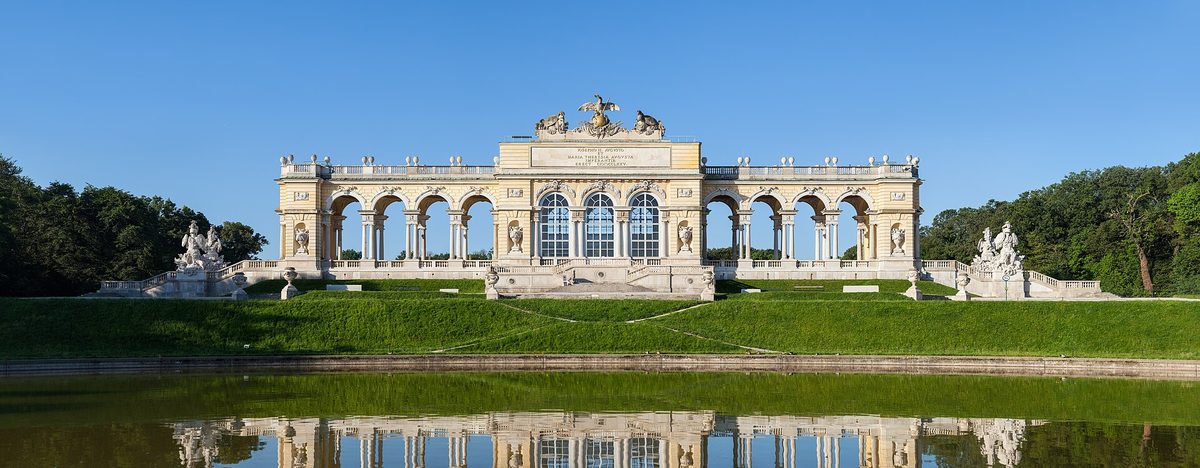
Vienna does grandeur without the crush. The Ringstrasse loops the old centre, trams run on it, and the whole historic core is smaller than people expect. It is also the most orderly city on this list, which if you are new to Europe is a real comfort.
May and September are the months to aim for, at an average 21°C against 27°C in July. Three nights is enough.
Schönbrunn Palace is the flagship. The 2026 official rate is €42 for the Palace Ticket and €49 for the Classic Pass, which adds the Gloriette, the Privy Garden, the Orangery Garden and the maze for €7 more. Students aged 19 to 25 pay €31.50. If you see €29 or €38 quoted for a “Grand Tour”, that pricing and that name are both out of date; the palace renamed and repriced its tickets.
The City Airport Train runs non-stop to Wien Mitte in 16 minutes for €11 to €14 every half hour, while the S7 regional service takes 25 to 35 minutes for roughly €2 to €4. One caveat for 2026: engineering works on the airport rail link are scheduled through 2026 and 2027, so check before you commit to a tight connection.
Vienna’s tourist tax rose from 3.2% to 5% of the room rate on 1 July 2026, and is scheduled to rise again to 8% in July 2027. See our Austria travel guide for Salzburg and the lakes.
6. Dublin, Ireland
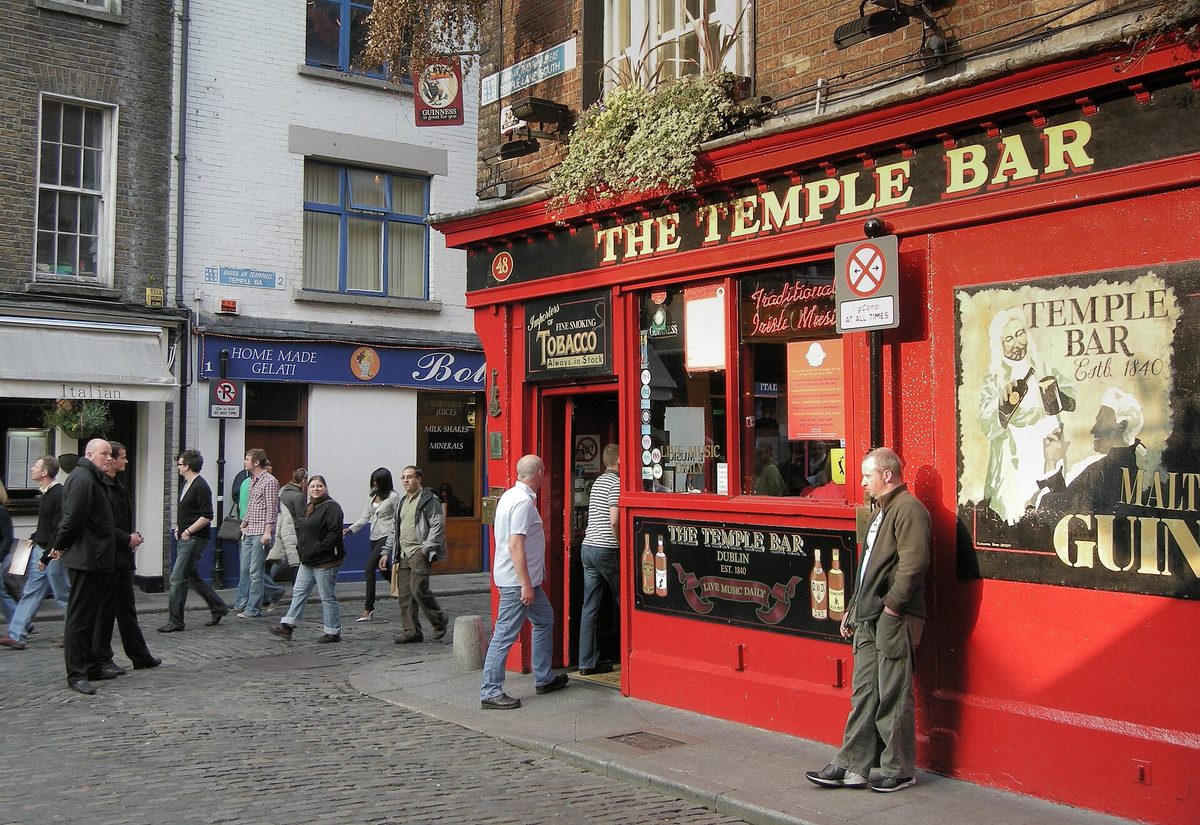
Dublin is small, which is its charm and its limitation. Two nights covers it comfortably, and the city works best as the front door to somewhere else: the Wicklow mountains, Galway, the west coast. May, June and September are the best months, with average highs of 15°C in May and 20°C in July. Bring a rain jacket in any month, including the ones that sound safe.
The Guinness Storehouse uses dynamic pricing, so the adult ticket moves with the day and time slot, roughly €26 to €36, with cheaper rates for off-peak weekday slots. Book ahead and pick a morning if you would rather not share the Gravity Bar with a stag party.
There is no tourist tax in Ireland, which after Amsterdam and Vienna feels like a small gift. Ireland is in the EU but outside Schengen, so a Dublin stop does not draw down your 90 Schengen days and does not currently require the UK ETA either. Our Ireland travel guide handles the road-trip half of the country.
Airport buses start around €2.30 on the public network. The journey is 25 minutes on the motorway and 50 to 60 in rush hour, a gap wide enough to matter if you have a flight to catch.

7. Edinburgh, Scotland
Edinburgh is the most photogenic city in Britain and one of the few places where the tourist route and the good route are the same route. The Old Town falls down a volcanic ridge from the castle to Holyrood, and you can walk it in an hour, or three if you keep stopping.
Two nights, or four if you are going in August for the festivals, in which case book accommodation about a year out and expect to pay for the privilege. May and September are the calm months, with highs around 15°C and 19°C in July using nearby Glasgow as the reference station.
Edinburgh Castle is £21.50 booked online and £24 at the gate, so book. The view from the esplanade is free and nearly as good, which is a decision worth making consciously rather than by default.
Here is the 2026 change to know about: Edinburgh introduced a 5% visitor levy on accommodation from 24 July 2026, applied to the first five consecutive nights. It is the UK’s first city-wide visitor levy, and if you booked before it came in you may still be charged. Factor it in. Our guide to the UK covers the Highlands beyond the city.
Where your money goes furthest
Two of these four are in Central Europe, where daily costs run at roughly half the Western European level, and two are the cheapest cities in Western Europe. A budget traveller in Prague or Budapest can work to $25 to $50 a day against $70 to $120 in Western Europe, and mid-range sits at $50 to $100 against $120 to $200. That is not a small difference over two weeks. Our guide to the cheapest places to travel in Europe goes further on this.
8. Prague, Czechia
Prague is the city I would send a nervous first-timer to before any other. It is small, it is beautiful in a way that photographs cannot flatten, a mid-range day here costs about half what one costs in Paris, and you cannot easily get lost because the river and the castle orient you from anywhere.
Three nights. April to May and September to October are the windows; May averages 18°C and July 23°C. Prague in high summer is busy in a way that the old town cannot absorb gracefully.
Prague Castle’s Main Circuit is 450 CZK, about €18, and covers St Vitus Cathedral, the Old Royal Palace, St George’s Basilica and Golden Lane. The ticket is valid for two consecutive days and lets you enter each interior once, which is unusually generous and worth using: do the cathedral one afternoon and the rest the next morning rather than force-marching through all four.
Czechia uses the koruna, not the euro, and has no target date for adoption. Do not turn up with only euros; you will get a poor rate everywhere that accepts them. Casual restaurant meals run around €9.50, and a mid-range hotel averages about $63 a night, which is roughly a fifth of the Paris average on the same measure.
Prague has no airport railway station, which surprises people. Trolleybus 59 connects to metro line A, or bus 100 to metro line B, and a single 90-minute PID ticket of 40 CZK, about €1.60, covers the whole journey of roughly 35 minutes. Tourist tax is about €2 per person per night for over-18s. Read our Eastern Europe travel guide for the wider region.


9. Budapest, Hungary
Budapest is two cities: hilly, quiet Buda on one bank and flat, loud Pest on the other, stitched together by bridges that are worth crossing on foot at dusk. It has the thermal baths, the ruin bars, and the most theatrical parliament building in Europe.
Come in April, May or September, when the average high sits at 22°C rather than July’s 27°C, and give it three nights.
Parliament tours are the flagship, and they are advance-booking only through the official ticketing partner. Non-EEA visitors pay a higher rate than EEA visitors, and the published figures vary widely depending on tour type, so I am not going to quote you a single number I cannot stand behind. Book directly through the official channel and take the price you see there, not the one an aggregator shows you.
Hungary uses the forint. It is not in ERM II and has no euro target date. Casual restaurant meals come in under €13 and mid-range hotels average around $63 a night, on a par with Prague. Tipping is more expected here than in most of Europe, as the table further down sets out.
The 100E Airport Express takes about 40 minutes from Terminal 2 to the centre for 2,500 HUF. Tourist tax is 4% of the net room rate.
10. Lisbon, Portugal
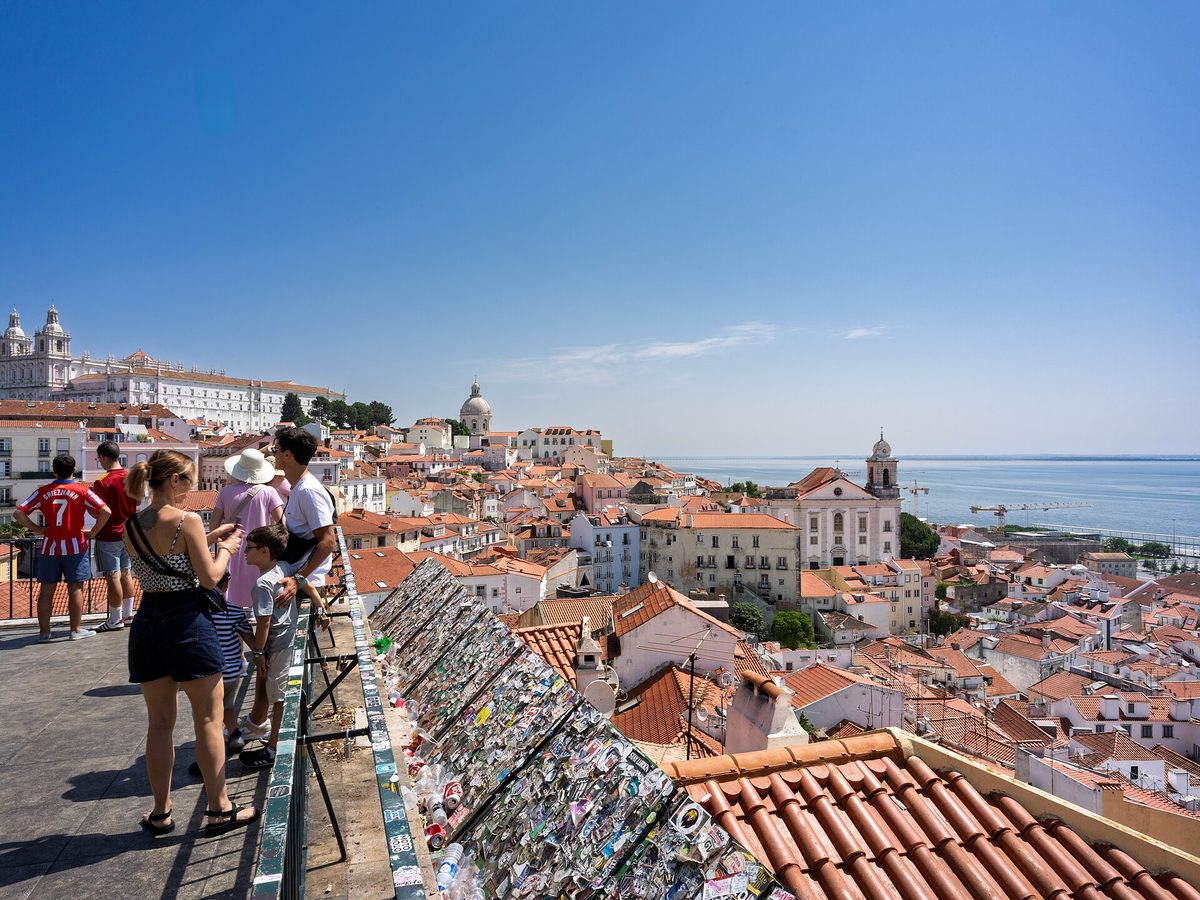
Lisbon has the best weather-to-price ratio in Western Europe. It is warm when the rest of the continent is not, the food is superb and inexpensive, and the light does something to the tiled buildings in the late afternoon that has spawned a thousand identical photographs, all of which undersell it.
The best stretches are March to May and September to October, at 21°C in May against 28°C in July. Three nights. The hills are steeper than the photos suggest, so pack shoes accordingly and use the funiculars without shame.
Belém is where the flagship sights are, the Jerónimos Monastery and the tower, and I could not confirm a 2026 admission price from a source I trust, so I am leaving it blank rather than guessing. Everything else in Lisbon is cheap: a three-course dinner for two runs around €50 in Lisbon or Porto, against roughly €60 in France.
The Metro red line runs from the airport to Baixa-Chiado or Alameda in 20 to 30 minutes for €1.90, valid an hour, every four to six minutes at peak. Only Prague beats it, at about €1.60. Tourist tax is €4 per person per night, capped at seven nights, for anyone aged 13 and over. See our Portugal travel guide for Porto and the Algarve.
11. Athens, Greece
Athens is the one first-timers underrate. The old assumption was that you land, see the Acropolis and get on a ferry, and that assumption has been wrong for about a decade. The city has an excellent food scene, walkable neighbourhoods in Plaka and Koukaki, and museums that make sense of the ruins rather than just displaying them.
Three nights, plus islands if you have them. April to May and October are the right months: Athens averages 24°C in May and 32°C in July, and the Acropolis has no shade whatsoever.
Acropolis entry is €30 year-round, with a €15 reduced winter rate and free entry for EU citizens under 25. There is a hard cap of 20,000 visitors a day, released in two-hour time slots with a 15-minute grace either side, and peak summer slots sell out five to seven days ahead. Book the first slot of the day in summer. That is not a preference, it is heat management.
The Metro runs from the airport to the centre in about 40 minutes for €9, the 24-hour bus is €5.50, and a taxi runs about €40. Greece charges a climate resilience fee of €1.50 to €10 per night depending on the property, rising to as much as €15 in five-star hotels in peak season. Our Greece travel guide handles the islands.
For art, architecture and the set-piece views
These four are where the queues live, and where advance booking stops being advice and becomes a requirement.
12. Madrid, Spain
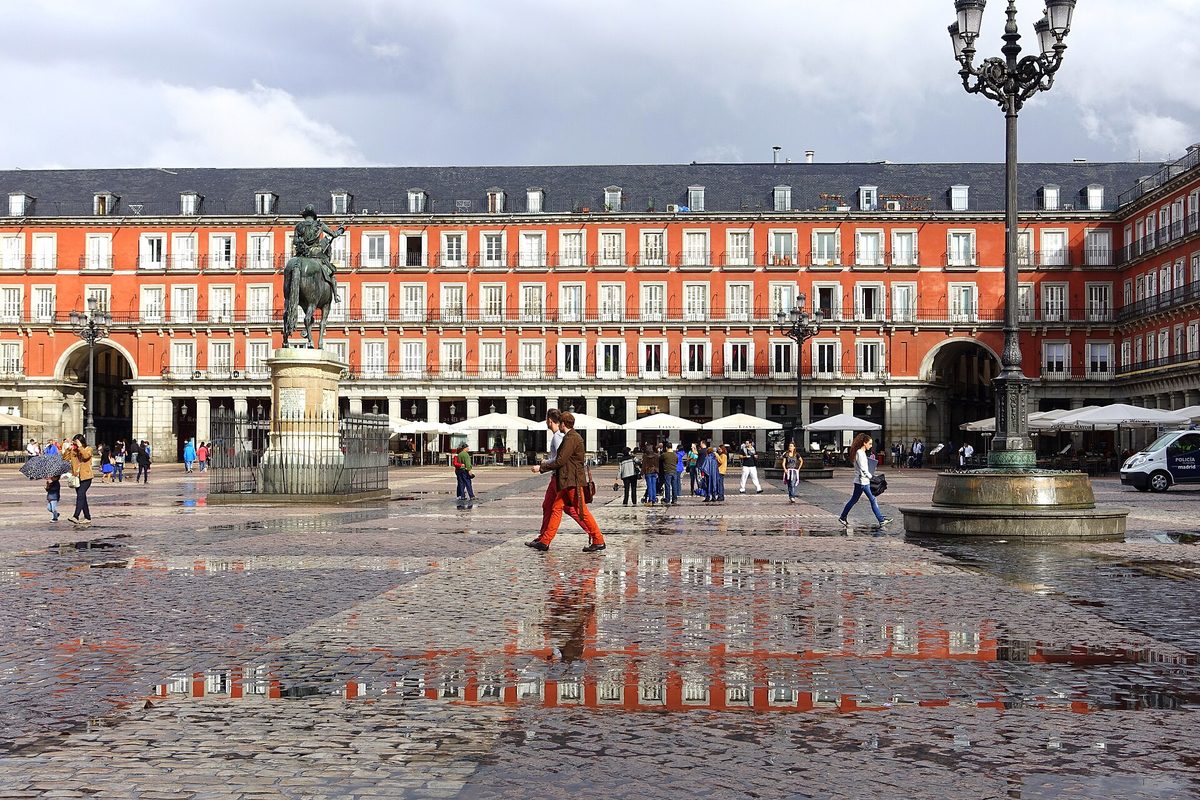
Madrid is Barcelona’s less-photographed sibling and, for a first trip, arguably the better one. It is a working capital rather than a tourism economy, which shows up in the prices, the restaurant hours and the general absence of people trying to sell you a selfie stick.
Three nights. May and September to October, because Madrid in July averages 31°C and the city empties out in August for good reason.
The Prado is €15, and free during the final two hours before closing, 18:00 to 20:00. That window is busy, but it is the single best free art offer in Europe if you are prepared to be strategic about which three rooms you want. The Thyssen has its own free window on Monday afternoons, 12:00 to 16:00. Madrid does not run a full free-day scheme, only these daily windows, so plan around them rather than around a calendar date.
Madrid charges no tourist tax as of 2026, which makes it meaningfully cheaper than Barcelona for the same hotel standard. Our Spain travel guide covers Andalusia and the north.

13. Barcelona, Spain
Barcelona has a beach, a mountain, Gaudí and a Gothic quarter, which is more variety than any other city on this list packs into a comparable footprint. It is also the most heavily touristed city in Spain, and the locals have made their feelings known, so go with some awareness of that.
Aim for May or the September to October window, when the average high is 21°C rather than 28°C. Three nights covers the Gaudí sites and the Gothic quarter without rushing.
The Sagrada Família is €26 for basic entry with the audioguide app, €36 with tower access, €30 with a guided tour and €40 for the guided tour with towers. Under-11s go free. It is timed-entry and tickets are nominative, so bring photo ID and arrive inside your 15-minute window. Buy from the basilica’s own site rather than a reseller; the resale markups on this particular ticket are among the worst in Europe.
Barcelona raised its tourist tax on 1 April 2026 to roughly €6 a night in a hostel, €8.40 in a four-star hotel, €9.50 in a tourist apartment and up to €12 in five-star accommodation, per person per night. Over three nights for two people in a four-star that is about €50.
From the airport, the Aerobús runs to Plaça Catalunya in 25 to 35 minutes for €7.45 single or €12.85 return, every 5 to 10 minutes, around the clock. The R2 Nord train is €4.60 and 19 to 26 minutes but only serves Terminal 2. Metro L9 is €5.90.
14. Florence, Italy
Florence is the most walkable city in this guide. The entire historic centre is about a mile across and you can see the Duomo from almost anywhere in it, which means you cannot really get lost, only distracted.
Three nights, in April, May or October. Florence sits in a bowl in the Arno valley and holds heat, so July is genuinely uncomfortable. Our what to do in Florence guide has the day-by-day version.
The Uffizi has an unusual pricing structure that first-timers get wrong in both directions. Adult entry is €25 if you buy on the day and €29 if you book in advance, because the advance reservation carries a premium. From 1 January 2026 there is a €16 afternoon rate for entry from 16:00 onwards, which is the best-value slot in the building. Tickets are named, timed and non-transferable. The Pitti Palace is €16 on the day or €19 ahead, Boboli Gardens €10 or €13, and the five-day PassePartout combining Uffizi, Pitti and Boboli is €40, which pays for itself if you are doing two of the three.
Florence takes part in the national first-Sunday scheme, with free entry to state museums including the Uffizi. Expect the queue to reflect that.
Rome to Florence takes 1 hour 16 minutes by high-speed train, and Florence to Venice 1 hour 53, which is why the Rome to Florence to Venice run is the most common first Italian trip there is. Advance fares from Florence to Venice start around €18.90 and walk-up tickets on the day run €60 to €80, a gap that repays about ten minutes of planning.
15. Venice, Italy
Venice is the one destination here I would call moderate rather than easy, not because it is difficult but because it has rules the others do not. It is still worth it. Two nights, staying on the islands rather than in Mestre, is the version people remember.
April to May and October. Venice is not on the temperature dataset I used, so treat the nearby northern Italian averages as a rough guide rather than a promise.
Two separate charges apply, and conflating them is the most common Venice mistake. First, the day-tripper access fee: €5 if you book at least four days ahead and €10 if you book late or on the spot, applying on 60 dates between 3 April and 26 July 2026, between 08:30 and 16:00, for visitors aged 14 and over. The charged days are every Friday, Saturday and Sunday in that window, plus 6 April, the whole of the week from 27 April and the whole of the week from 1 June. You book online, get a QR code, and it is checked at points around the city including the main station. Second, the ordinary hotel tourist tax of about €3 per person per night. If you stay overnight in the municipality, including Mestre, Marghera or the Lido, you are exempt from the access fee but still pay the hotel tax. Staying the night is therefore both nicer and cheaper than day-tripping on a charged Saturday.
The Doge’s Palace went up to €35 at the ticket desk on 1 January 2026, but books at about €30 on the official site if you reserve at least 30 days ahead. That €5 is the cheapest reward for forward planning in this guide.
Beer halls, bunkers and the Alps
Germany and Switzerland are the two countries first-timers most often skip and most often regret skipping. Between them they cover the twentieth century, the best beer culture in Europe and the best mountain railways in the world.

16. Berlin, Germany
Berlin is not pretty in the way Prague is pretty, and that is the point. It is a city that shows its history in its fabric, and for a first-timer who wants to understand twentieth-century Europe rather than just photograph it, there is nowhere better.
Three nights, and accept that you will use the U-Bahn constantly, because Berlin is enormous and the interesting parts are scattered. May averages 19°C and July 24°C.
The Reichstag dome is free, but it requires advance registration, and slots go. The Pergamon is partially closed for a long renovation, so check what is actually open before you build a day around it. Berlin’s Museumssonntag, the free first-Sunday scheme, ended after 1 December 2024 when its funding was cut and has not been relaunched. It is gone, and it is not coming back on current funding.
Berlin charges 7.5% of the net room rate as tourist tax on stays of up to 21 nights. Our Germany travel guide covers the rest.

17. Munich, Germany
Munich is Germany at its most immediately likeable: beer gardens under chestnut trees, a walkable old centre, and the Alps close enough to visit in a day. It is also the launch pad for Neuschwanstein, which is on more first-trip lists than any other castle in Europe.
Two nights, three if you are doing the castle properly. May to June and September; May averages 18°C and July 23°C. Oktoberfest runs in late September and early October, and if you are not going for it, avoid those dates entirely, because the hotel prices are extraordinary.
Neuschwanstein is €21 for adults and €20 reduced, plus a €2.50 online booking fee. Under-18s go free but still need a ticket, and the booking fee still applies. The official site is blunt about the risk: same-day box-office tickets are often sold out very early, reservations are generally not possible in the usual sense, and you should aim for the 08:00 opening. This is a castle where turning up hopefully does not work.
Munich charges no tourist tax, one of the few major cities on this list that does not.

18. Interlaken and the Bernese Oberland, Switzerland
I have included exactly one mountain destination, and this is it, because Interlaken is the rare Alpine base that works without a car and without any hiking competence. Trains run up the valleys, the villages at the top of them are absurd, and you can do the whole thing in walking shoes.
June and September are the best months, and two nights is plenty. The Zurich reference station averages 19°C in May and 25°C in July, and mountain weather does whatever it wants regardless.
Switzerland is expensive and you should know the number before you go. The Jungfraujoch return from Interlaken Ost is CHF 261.20 from May to October and CHF 224.40 in the other months, with a mandatory seat reservation of CHF 10 return between 1 May and 31 October. Daily costs in Switzerland run $180 to $280 against $120 to $200 for mid-range Western Europe generally. Switzerland uses the Swiss franc, not the euro.
That is a lot of money for one train. It is also, in clear weather, the single most spectacular thing in this guide, and in bad weather it is a very expensive view of cloud. Check the summit webcam on the morning and be willing to switch the day. Our Switzerland travel guide and our guide to hiking in Europe cover the alternatives if the budget will not stretch.
The booking calendar: when tickets actually go on sale
This is the table I most wish I had on my first trip. Every one of these sights has a release window, and missing it is the single most common way a first trip loses a headline sight.
The Alhambra in Granada is in here even though Granada did not make my eighteen, because its 90-day release is the most extreme example of the pattern and worth understanding before you meet a shorter one.
| Sight | City | When tickets are released | How fast it goes |
|---|---|---|---|
| Anne Frank House | Amsterdam | Every Tuesday at 10:00 local time, for visits six weeks later | Popular slots go the same morning. Online only, never at the door |
| Colosseum | Rome | 30 days before the visit date | Summer mornings and Full Experience slots go within minutes to 48 hours |
| Alhambra | Granada | 90 days ahead, at midnight Granada time | Holy Week, the May bridge holidays, July to August and Christmas go within minutes |
| Eiffel Tower | Paris | Up to 60 days ahead | Summit slots go first |
| Acropolis | Athens | Timed slots, 20,000 daily cap | Peak summer sells out five to seven days ahead |
| Neuschwanstein | Near Munich | Online in advance, €2.50 fee | Same-day box office often sold out very early |
| Doge’s Palace | Venice | Anytime, but 30 days ahead saves about €5 | Slots rather than sell-outs, but the discount is time-limited |
| Uffizi | Florence | Anytime, advance costs more not less | Named, timed and non-transferable |
| Sagrada Família | Barcelona | Anytime, timed entry | Nominative tickets, bring photo ID, 15-minute entry window |
| Reichstag dome | Berlin | Advance registration, free | Slots run out in summer |
| Eurostar | London, Paris, Amsterdam | Up to 330 days ahead | Cheapest six to eight months out, and it only goes up |

Getting between them: the classic first-trip train hops
Almost every good first Europe itinerary is two or three cities joined by trains of under four hours. Fly into one, fly out of another, and never go back on yourself. Fares below are the advance rates; the walk-up gap is the whole argument for booking early.
| Route | Fastest journey | Advance fare from | Notes |
|---|---|---|---|
| London to Paris | 2h 16m | About £52 one way, £78 return | Eurostar. Airport-style security, arrive 30 minutes early |
| London to Amsterdam | 3h 52m | About £60 to £70 one way | Eurostar direct |
| Paris to Amsterdam | 3h 21m | About €27.75 | The cheapest long hop on this table if booked early |
| Rome to Florence | 1h 16m | Varies by operator | Trenitalia and Italo both run it |
| Florence to Venice | 1h 53m | €18.90 | €60 to €80 if you buy on the day |
| Rome to Venice | 3h 25m to 3h 45m direct | About €19 | Trenitalia Super Economy or Italo Smart |
| Prague to Vienna | About 4h 12m | €12.90 | Railjet roughly every two hours. €60 to €80 walk-up |
| Prague to Budapest | About 6h 41m | Varies | 610 km, railjet and EuroCity every two hours |
| Barcelona to Madrid | 2h 25m to 2h 45m | From €7 on Avlo, €25 on AVE | Full-price AVE tourist class was €94.90 in January 2026 |
| Amsterdam to Berlin | 5h 30m fastest | €38 | Average journey is closer to 7h 37m, so check the specific train |
Should a first-timer buy a rail pass? Usually not. An Interrail or Eurail Global Pass covering seven travel days in a month runs around €381 for an adult in second class, and seat reservations are not included: they average €10 on domestic high-speed services, €15 on international ones and €20 on night trains, where they are always required. High-speed trains in France, Italy and Spain almost all require one. On a typical two-week, three-city first trip you will make three or four train journeys, and buying them individually in advance will nearly always come out cheaper. A pass earns its keep on a long, spontaneous, many-stop trip, which is not what most first trips are. Interrail does now sell a Global Plus variant that folds reservation costs in, which narrows the gap if you want the flexibility. Our guide to transport across the continent works through the maths.

What a day actually costs in 2026
Two people, two weeks, the difference between planning against the west and planning against the east is easily two thousand dollars. These are per person per day, excluding flights.
| Region | Budget | Mid-range | Typical dinner | Typical mid-range hotel |
|---|---|---|---|---|
| Western Europe (France, Italy, Spain, Netherlands, Germany, UK) | $70 to $120 | $120 to $200 | $25 to $50 per person | $120 to $250 per double room |
| Central and Eastern Europe (Czechia, Hungary, Poland) | $25 to $50 | $50 to $100 | $10 to $25 per person | Prague and Budapest both average about $63 |
| Switzerland and Iceland | Not realistic below the mid band | $180 to $280 | Well above the Western European range | Above the Western European range |
For reference on the hotel line: Paris averages about $306 a night and Rome about $220, against $63 for Prague and Budapest. That single row explains most of why a first trip to Central Europe feels generous and a first trip to Paris feels tight. Our guide to travelling cheaply has the tactics.

When to go: month by month temperatures
The consensus, and I agree with it, is that late April to May and mid-September to October are the two best windows for a first trip. Crowds thin sharply once European school holidays end around 15 September, and flights in late September typically run 20 to 35% below August levels, or 30 to 50% below the July peak.
| City | May avg high | July avg high | September avg high |
|---|---|---|---|
| Athens | 24°C | 32°C | 28°C |
| Rome | 24°C | 32°C | 28°C |
| Madrid | 21°C | 31°C | 26°C |
| Barcelona | 21°C | 28°C | 26°C |
| Lisbon | 21°C | 28°C | 26°C |
| Vienna | 21°C | 27°C | 21°C |
| Budapest | 22°C | 27°C | 23°C |
| Paris | 20°C | 25°C | 21°C |
| Zurich, as a guide to the Swiss lowlands | 19°C | 25°C | 20°C |
| Berlin | 19°C | 24°C | 19°C |
| London | 18°C | 23°C | 20°C |
| Prague | 18°C | 23°C | 19°C |
| Munich | 18°C | 23°C | 19°C |
| Amsterdam | 17°C | 22°C | 19°C |
| Dublin | 15°C | 20°C | 17°C |
| Glasgow, as a guide to Edinburgh | 15°C | 19°C | 16°C |
Florence, Venice and Interlaken are not in that dataset. Northern Italy generally sits a degree or two below Rome in July, but I would rather tell you that than print a figure I have not checked. Our guide to the best time to visit Europe goes month by month, and if you are locked into summer or winter dates, see the best places to visit in Europe in summer and the winter equivalent.
Airport to city centre, without the taxi argument
| Airport | Best option | Time | Price |
|---|---|---|---|
| Amsterdam Schiphol | Train to Centraal | 16 to 18 min | €7.10 second class, including the single-use card |
| Lisbon | Metro red line | 20 to 30 min | €1.90, valid one hour |
| Vienna | City Airport Train, or S7 for value | 16 min, or 25 to 35 min | €11 to €14, or about €2 to €4 |
| Barcelona | Aerobús to Plaça Catalunya | 25 to 35 min | €7.45 single, €12.85 return |
| Rome Fiumicino | Leonardo Express to Termini | 32 min | About €14, or about €8 on the FL1 regional |
| Paris CDG | RER B | About 30 min | €14, or €2.50 on bus 350 or 351 in 60 to 90 min |
| Prague | Bus 100 or trolleybus 59, then the metro | About 35 min | 40 CZK, about €1.60, covering both legs |
| Budapest | 100E Airport Express | About 40 min | 2,500 HUF |
| Athens | Metro, or the 24-hour bus | About 40 min | €9, or €5.50 by bus. Taxi about €40 |
| Edinburgh | Tram or bus to St Andrew Square | 35 min | £8.50 adult single |
| Dublin | Public bus | 25 min, 50 to 60 in rush hour | From €2.30 |
Fixed taxi rates worth knowing: Rome charges a flat €55 to anywhere inside the Aurelian Walls, and Paris a fixed €56 to the Right Bank or €65 to the Left Bank. Those are set prices, not opening offers.
Free museum days, and the ones that no longer exist
Free admission schemes are the biggest single saving available to a first-timer. They also move more often than most people expect. Here is where they stand in 2026.
- London. The strongest offer in Europe, and permanent. The permanent collections at the British Museum, the National Gallery, the V&A, the Natural History Museum and the Tates are free all year with no booking scheme to navigate.
- Paris. First Sunday of the month at the Louvre, Orsay, Pompidou, Rodin, Cluny, Quai Branly and several smaller national museums, permanent collections only. Since 10 March 2026 every free slot requires an advance reservation, which caught a lot of people out in the spring.
- Rome. First Sunday of every month at more than twenty state museums and archaeological sites, including the Colosseum, the Borghese, the Pantheon and Castel Sant’Angelo.
- Florence. Part of the same national scheme, so the Uffizi is free on the first Sunday of the month.
- Madrid. No full free days, but daily free windows: the Prado from 18:00 to 20:00 every day, and the Thyssen on Mondays from 12:00 to 16:00.
- Berlin. The Museumssonntag scheme ended after 1 December 2024 when its funding was cut and has not been relaunched as of mid-2026.
Tipping, by country
Nobody in Europe expects American-style tipping, and over-tipping marks you out more than under-tipping does. The general rule is that service is included by law or by convention, and you round up for good service.
| Country | Restaurant norm | The thing to know |
|---|---|---|
| France | Optional, round up or 5 to 10% | Service compris is legally included. Nothing expected for a coffee at a café |
| Italy | Optional, round up or 5 to 10% | The coperto is a cover charge, not a tip. Tip in cash to the server if you want to |
| Spain | Optional, round up or 5 to 10% | Rounding up is entirely normal, and nothing at a bar is fine |
| Germany | Round up, 10% is generous | Tell the server the total you want to pay. Do not leave cash on the table |
| Netherlands | Service included, round up or 5 to 10% | Small change at cafes and bars |
| Czechia | 5 to 10% in local cash | A service charge is often added automatically for parties of six or more |
| Hungary | 10 to 15% at sit-down restaurants | Higher than most of Europe. Tell the server as you settle |
| United Kingdom | Check the bill first | A service charge is frequently added automatically, and you should not tip twice |
In Greece there is no need to tip taxis. For Austria, Portugal, Ireland, Denmark, Switzerland and Croatia I could not find a source I would stand behind, so treat the general rounding-up rule as your default and watch what the table next to you does.

Three first-trip itineraries that actually work
The single most common first-trip mistake is too many cities. Every hop costs you half a day in packing, transit and re-orientation, and you feel it by day nine. Here is what I would build.
Seven nights: two cities, one train
Rome for four nights, Florence for three, joined by a 1 hour 16 minute train. Fly into Rome, out of Florence or Pisa. You will see the Colosseum, the Forum, the Vatican, the Uffizi and the Duomo, eat extremely well, and never once feel rushed. Total train cost: one ticket.
The alternative, if Italy is not your thing: Paris for four nights and Amsterdam for three, joined by a 3 hour 21 minute train from about €27.75 booked ahead.
Ten nights: three countries, three cities
Prague for three, Vienna for three, Budapest for three, plus a travel day. Prague to Vienna is about 4 hours 12 minutes from €12.90, and Vienna to Budapest is a short hop. Three capitals, three currencies, two of them at Central European prices, and none of the days lost to airports. This is the itinerary I recommend most often and the one people come back happiest from.
The Western equivalent: London for four, Paris for three, Amsterdam for three, all joined by Eurostar. It costs roughly double and is just as good.
Fourteen nights: four countries, four cities
Amsterdam for three, Berlin for three, Prague for three, Vienna for three, plus travel days. Amsterdam to Berlin is 5 hours 30 minutes at best from €38, so treat that as a full travel day and use the time. You cross from Western to Central Europe, watch the prices halve, and finish somewhere gentle.
For more routes, our Europe itinerary collection has the full set, and our guide to how to plan a trip to Europe covers the sequencing.
Swap this for that
If the obvious choice is too crowded, too expensive or sold out, here is what I would do instead.
| Instead of | Try | Why |
|---|---|---|
| Barcelona | Madrid | No tourist tax against up to €12 a night, fewer crowds, a better free-museum window at the Prado |
| Venice as a day trip | Venice overnight | Staying the night exempts you from the €5 to €10 access fee and gives you the city at 07:00, which is the version worth seeing |
| Paris | Lisbon | Similar walkability and better weather, and a three-course dinner for two runs about €50 against roughly €60 in France |
| Amsterdam in tulip season | Amsterdam in September | Same city, 19°C in September, and far fewer people in the flower queues |
| The Jungfraujoch at CHF 261.20 | A lower Bernese Oberland railway | The valley railways cost far less and the views from them are excellent |
| Rome in July at 32°C | Rome in September at 28°C | Four degrees cooler, thinner crowds, and cheaper flights |
| A rail pass | Three advance point-to-point tickets | €381 for a 7-day pass plus reservations against roughly €60 of advance fares on a three-city trip |
| The Eiffel Tower summit at €36.70 | The stairs to the second floor at €14.80 | Shorter queue, better value, and the view that matters is from the second floor anyway |
The practical things that catch first-timers out
None of this is glamorous and all of it has stranded somebody I know.
Passport validity. This is the one that ruins trips before they start. For entry to the Schengen area, your passport must have been issued within the last ten years on the day you arrive, and be valid for at least three months beyond your intended departure. The issue-date rule catches people whose old passport had extra months carried over from a renewal. Check both dates now, not the week before you fly.
Cards, cash and the currency trick. Cards work almost everywhere in the eighteen destinations here, but carry a little local cash for markets, small cafes and the occasional stubborn ticket machine. When a card terminal or ATM offers to charge you in your home currency rather than euros, koruna or forint, always decline. That is dynamic currency conversion, and the rate is set by the machine’s operator rather than your bank. Saying no and paying in local currency is consistently cheaper.
Get a currency for each country you enter. Czechia, Hungary, Poland, Romania, Sweden, Denmark, Switzerland and the UK all run their own money. Places that accept euros in those countries generally do so at a rate that punishes you for the convenience.
Data. An eSIM bought before you fly is the least painful option and removes any argument about roaming. If you are on an EU or UK plan, check whether your allowance already covers the countries on your route, because several do and several quietly do not.
Plugs. Most of continental Europe uses the two-pin Type C or F socket at 230V. The UK and Ireland use the three-pin Type G, and Switzerland uses its own Type J, which a standard European two-pin will usually still fit. If your trip mixes London and Paris, take an adapter that handles both.
Pickpocketing. Violent crime is rare in every city here. Pickpocketing is not, particularly on Rome’s bus 64, the Paris Metro around the tourist stations, Barcelona’s Ramblas and Prague’s Charles Bridge. Nothing exotic is required: a zipped bag worn in front in crowds, and no phone left on a cafe table.
Insurance. Get it, and read what it says about cancellation as well as medical cover, because on a trip with this many advance non-refundable bookings the cancellation cover is the part you are more likely to use.
Three 2026 changes worth knowing. Dutch hotel VAT rose from 9% to 21% on 1 January 2026, which sits on top of Amsterdam’s 12.5% tourist tax and makes the city noticeably pricier than it was in 2025. Barcelona’s tourist tax applies only to the first seven nights and exempts under-16s. And from 29 September 2026 the Eiffel Tower’s stairs tickets require advance reservation, so the old trick of turning up and taking the stairs no longer works.
Which of these places suits you
Travelling with children. Amsterdam, London and Munich. Amsterdam for the scale and the canals, London for the free museums, which matter enormously on a rainy afternoon with a bored eight-year-old, and Munich for the beer gardens, which are genuinely family spaces with playgrounds attached. Our guide to Europe with kids goes further.
A first trip as a couple. Florence and Venice, or Paris and Lisbon. Small cities, good dinners, and enough to look at that you do not have to fill every silence. See our Europe honeymoon guide if the occasion warrants it.
Travelling alone for the first time. Prague, Dublin and Edinburgh. All three are compact, safe, English-friendly and full of places where sitting at a bar on your own is completely unremarkable. Our solo travel guide has the practicalities.
On a tight budget. Prague and Budapest, in that order, at $25 to $50 a day on the budget band. Add Lisbon if you want warmth. Then read our backpacking guide.
Wanting to eat well above all. Lisbon, Florence and Madrid. All three have a food culture aimed at locals rather than visitors, and none of them makes you book a month ahead to eat properly. Our guide to European food has the regional detail.
Short on time, a long weekend only. Amsterdam, Edinburgh or Dublin. Each is a two-night city that does not feel truncated at two nights. See our European city breaks round-up.
Eight mistakes first-timers make
These are the ones I see most often, in rough order of how much damage they do.
1. Too many cities. Nine countries in fourteen days is not a holiday, it is a logistics exercise you pay for. Two or three cities in two weeks is the right density.
2. Missing a release window. The Colosseum at 30 days, the Anne Frank House on Tuesdays at 10:00 six weeks out, the Alhambra at 90 days. Put them in your calendar the week you book flights.
3. Budgeting for the hotel and not the tourist tax. Amsterdam at 12.5% of the room rate, Barcelona up to €12 a night, Edinburgh’s new 5% levy from 24 July 2026. On a two-week trip across three cities this comfortably clears €150 you did not plan for.
4. Assuming euros work everywhere. Eight of the countries a first-timer is likely to visit run their own currency, including Czechia, Hungary and Switzerland. Bulgaria switching to the euro in January 2026 has, if anything, made people more confident about this than they should be.
5. Buying a rail pass by reflex. Work out your actual routes first. On three or four journeys, advance point-to-point tickets usually win, and reservations on top of a pass cost €10 to €20 each.
6. Booking July because that is when the holidays are. If you have any flexibility, late September is 20 to 35% cheaper on flights, several degrees cooler in the south, and noticeably emptier after the 15th.
7. Buying big-name tickets from resellers. The Sagrada Família, the Colosseum and the Alhambra all have official sites, and the markups elsewhere can double the price for the same slot.
8. Not checking whether a free scheme still exists. Two of the best-known ones changed recently, in opposite directions, and both changes are recent enough to catch people out. Check the museum’s own site in the month you travel, not a round-up.
Our continent-wide travel tips and Europe packing list cover the rest of the preparation, and our accommodation guide handles the accommodation question properly.

Frequently asked questions
What is the best place to visit in Europe for first-time visitors?
Paris, if you want the full postcard version, and Prague if you want the same beauty at half the price with a gentler learning curve. Both are compact, walkable and well connected. If you have never travelled internationally at all, London or Dublin removes the language variable entirely.
What is the easiest European country to visit for the first time?
The Netherlands. The airport is 16 minutes from the centre of Amsterdam by train, English is close to universal, the country is small enough to cross in two hours, and the transport system is unusually forgiving of mistakes. Ireland and Austria come next.
How many days do you need in Europe for a first trip?
Ten to fourteen nights is the sweet spot. Seven nights works for one country and two cities. Under seven and the jet lag eats a meaningful share of the trip. If you have fourteen, use them on three or four cities rather than six.
How many countries should I visit on my first Europe trip?
Two, or three at the outside, on a two-week trip. Each border crossing that involves a flight costs you the best part of a day. Each one that involves a short train costs you a couple of hours, which is why train-linked itineraries let you fit more in without feeling it.
What is the cheapest place in Europe for first-time travellers?
Prague and Budapest, where mid-range hotels average about $63 a night and casual restaurant meals run under €13, against Paris at about $306 a night. Lisbon is the cheapest of the Western European options.
Is Europe hard to travel around?
No, and it is the part that worries first-timers most and turns out to matter least. The rail network is dense, fast and well signed in English at major stations, and city public transport is generally excellent. The genuinely hard parts of a first trip are advance booking and budgeting, not movement.
Do I need ETIAS to visit Europe in 2026?
Not as of August 2026, because ETIAS has not launched. The EU pulled its Q4 2026 target in July 2026 and has not replaced it, so 2027 is now the likeliest window. The fee is reported at €20, with a transition period of about six months afterwards. What is already in force is the Entry/Exit System, fully operational since 10 April 2026, which records your biometrics at the border. Check the position close to your travel date, because this is moving.
Do I need anything separate for the UK?
Yes. The UK Electronic Travel Authorisation is currently £20 and is required by most visa-exempt visitors before boarding. It is entirely separate from EU systems. Ireland is separate again, being in the EU but outside Schengen.
When should I book flights and trains?
Eurostar tickets go on sale up to 330 days ahead and are cheapest six to eight months out. High-speed rail in Italy and Spain releases advance fares that are three to four times cheaper than walk-up prices: Florence to Venice is €18.90 booked ahead against €60 to €80 on the day. Book the trains as soon as you have fixed dates.
What is the best European destination for families?
London, for the free national museums, the parks and the sheer volume of things that work for a range of ages under one roof when the weather turns.
Final thoughts
The honest advice about a first trip to Europe is that the destination matters less than the pace. I have watched people have a wonderful two weeks in Rome and Florence, and a miserable two weeks in nine cities they can no longer tell apart. The eighteen places here are all good. Pick the two or three that appeal to you, book the three or four tickets that have release windows, budget for the tourist tax, and go in May or September if you possibly can.
A note on what is missing. There is no Scandinavian city in the eighteen and no Polish one, which is not a verdict on Copenhagen, Stockholm or Krakow so much as a decision to keep the list to places I could price and time accurately for 2026. Dubrovnik and Copenhagen both nearly made it and both fell short on verified data rather than on merit. If a Nordic first trip appeals, our Scandinavia travel guide is the place to start, and for the quieter corners generally, try our round-up of underrated destinations or the most beautiful places in Europe.
If you already know you want coast and heat, our guide to the best Mediterranean destinations and the best beaches in Europe will serve you better than this one. If you want to narrow by country rather than city, start with the best countries to visit in Europe. And if the small-town version appeals more than the capitals, our guide to the most beautiful towns in Europe is the better fit.
Prices, taxes and entry rules in this guide were checked in August 2026 and every one of them can change. Verify anything that costs real money on the official site before you book.
Hannah Brooks has spent fifteen years travelling, living and writing across Europe, from the Arctic tip of Norway to the south of Sicily. She has planned hundreds of European itineraries for readers and is Senior Europe Editor at EuropeanTourism.org.
Photo credits
- The Eiffel Tower in Paris, one of the best places to visit in Europe for first time travellers · Photo: Pierre Blaché from Paris, France (CC0) via Wikimedia Commons
- The Colosseum in Rome, Italy · Photo: Wilfredor (CC0) via Wikimedia Commons
- Tower Bridge over the Thames in London, England · Photo: Peter Trimming / CC BY-SA 2.0 via Wikimedia Commons
- The Gloriette in the gardens of Schoenbrunn Palace, Vienna, Austria · Photo: Thomas Wolf, www.foto-tw.de / CC BY-SA 3.0 de via Wikimedia Commons
- The red facade of the Temple Bar pub in Dublin, Ireland · Photo: Gordon Leggett / CC BY-SA 4.0 via Wikimedia Commons
- Edinburgh Castle above the Old Town in Edinburgh, Scotland · Photo: James Moore (CC0) via Wikimedia Commons
- Charles Bridge and Prague Castle in Prague, Czechia · Photo: Godot13 / CC BY-SA 4.0 via Wikimedia Commons
- The Hungarian Parliament on the Danube in Budapest, Hungary · Photo: Ercsaba74 (CC0) via Wikimedia Commons
- Terracotta rooftops of the Alfama district above the Tagus in Lisbon, Portugal · Photo: Dale Cruse · 10M views from San Francisco, CA, USA / CC BY 4.0 via Wikimedia Commons
- Plaza Mayor in Madrid, Spain · Photo: Daderot (CC0) via Wikimedia Commons
- Gaudi’s Sagrada Familia basilica in Barcelona, Spain · Photo: Didier Descouens / CC BY-SA 4.0 via Wikimedia Commons
- The Brandenburg Gate in Berlin, Germany, at dusk · Photo: Norbert Nagel / CC BY-SA 3.0 via Wikimedia Commons
- A Bavarian beer garden under chestnut trees in Munich, Germany · Photo: Flo Sorg (CC0) via Wikimedia Commons
- The Aletsch Glacier below the Jungfraujoch in the Bernese Alps, Switzerland · Photo: Frans-Banja Mulder (CC BY 3.0) via Wikimedia Commons
- The Grand Canal in Venice, Italy · Photo: Didier Descouens (CC0) via Wikimedia Commons
- A Eurostar high-speed train at London St Pancras station · Photo: FrogsLegs71 / CC BY-SA 3.0 via Wikimedia Commons
- Canal houses along a waterway in Amsterdam, the Netherlands · Photo: Basile Morin / CC BY-SA 4.0 via Wikimedia Commons
- Florence and its Duomo in Tuscany, Italy · Photo: Max_Ryazanov / CC BY-SA 3.0 via Wikimedia Commons
- The Parthenon atop the Acropolis in Athens, Greece · Photo: Jebulon (CC0) via Wikimedia Commons