Costa del Sol Travel: The Complete Guide to All 19 Towns
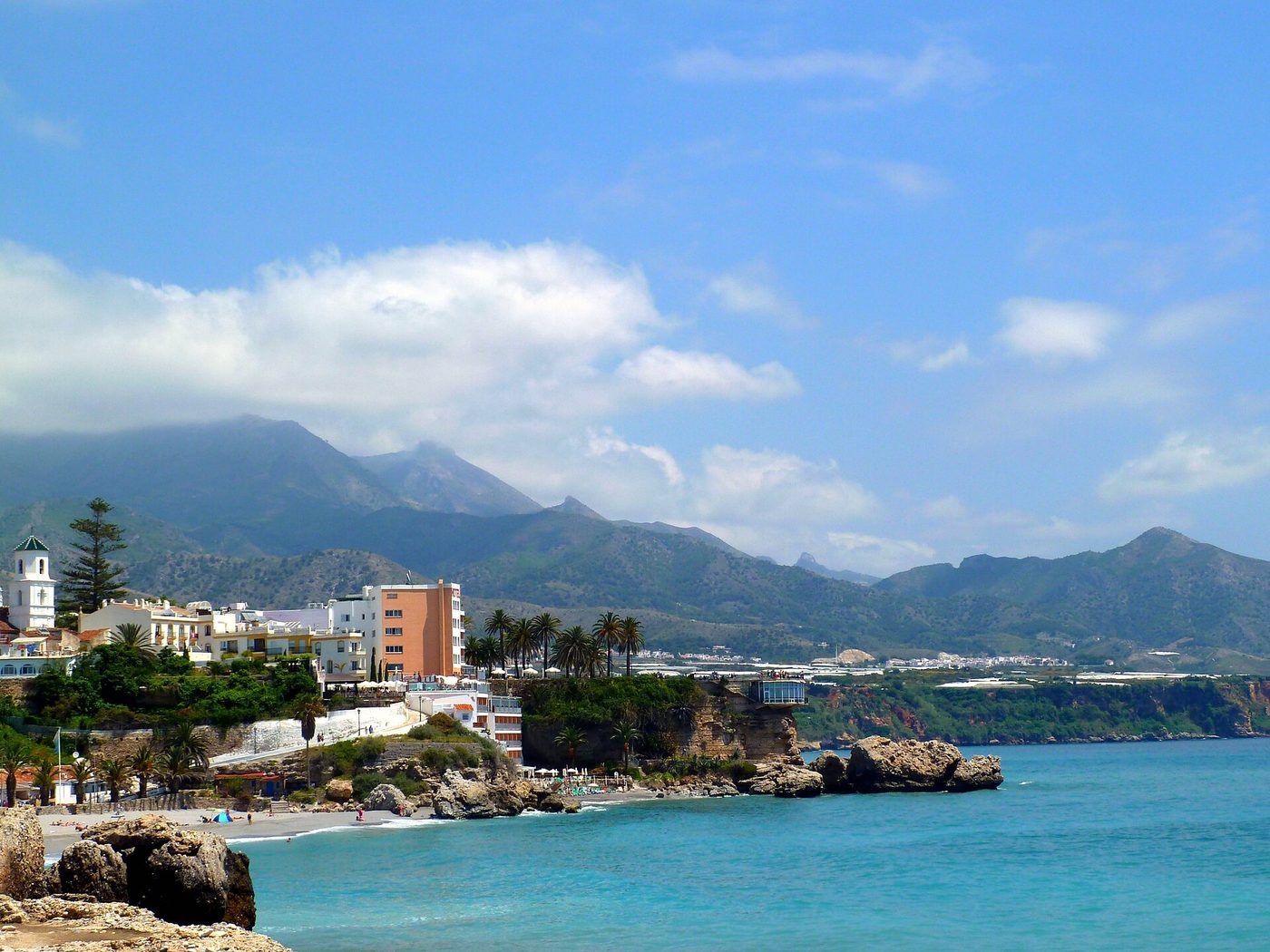
The first thing I tell anyone planning Costa del Sol travel is that the sand is grey. Not golden, not white: grey, coarse, and slightly slaty underfoot, because it washed down from the mountains behind the coast rather than off a coral shelf. Every brochure photograph is shot at an angle that hides this. I mention it first because it is the single most common disappointment I hear about, and because once you know it, the rest of the coast is very easy to love.
Costa del Sol travel means roughly 150 kilometres of Málaga province coastline, from Nerja in the east to Punta Chullera near Manilva in the west, plus the white villages in the hills behind it. Fly into Málaga, decide early whether you want the train corridor or a car, and you have the trip.
I have been coming here since I was small enough to be carried up the steps at Nerja, and I have watched the coast change shape three or four times over. It is the stretch of Spain I get asked about most, which is why it gets its own guide rather than a paragraph inside our Spain travel guide. What follows is nineteen towns compared side by side, every price I could source with a page behind it, the transport facts that change where you should book, and a straight answer on where the coast is wonderful and where it is simply somewhere warm to sit.
What the Costa del Sol actually is (and what it is not)
There is no official boundary. The name is a marketing term applied from the 1960s onwards to the coast of Málaga province, and different sources stretch it to different places. In practice it runs about 150 kilometres, and it splits into four quite different worlds that get lumped together under one name:
- The train corridor. Málaga city west to Fuengirola. Dense, developed, well connected, and the only stretch you can properly do without a car.
- The west coast. Marbella to Manilva. Wealthier, more spread out, no railway, more golf courses than the rest of the coast combined.
- The east coast, or the Axarquía. Rincón de la Victoria to Nerja. Rockier, prettier, more Spanish, and served by nothing but buses and the road.
- The hill villages. Ten to thirty minutes inland and a thousand metres away in atmosphere. Ten degrees of shade and a different century, and several of them belong on any list of the most beautiful towns in Europe.
The mistake most people make is booking one hotel for a week and assuming the coast is a single thing. It is not. Torremolinos and Frigiliana share a province and almost nothing else.
A word on what it is not: it is not one continuous strip of concrete, although the stretch between Torremolinos and Fuengirola comes close, and it is not the bargain it was in 2010. Prices on the western coast have caught up with the rest of southern Europe. It is still cheaper than the French Riviera by a wide margin, and it holds up well against the rest of the best Mediterranean destinations, but the days of a €30 room in Marbella are gone. If your budget is the binding constraint, our guide to the cheapest places to travel in Europe makes the comparison across the continent.
All 19 Costa del Sol travel bases at a glance
Here is the whole coast in one table. Populations are the official figures where they exist, with the year they were taken, and a blank where I could not find one.
| Town | Where | Population | Train? | Best for | The one thing |
|---|---|---|---|---|---|
| Málaga | Train corridor | 591,637 (2024) | Yes, C1 + all rail | Culture, food, a real city that happens to have beaches | Alcazaba, Roman theatre, Museo Picasso |
| Torremolinos | Train corridor | 71,329 (2025) | Yes | Nightlife, beach-bar dinners, cheap first trips | Playa de la Carihuela |
| Benalmádena | Train corridor | 75,801 (2023) | Yes, Arroyo de la Miel | Families with young children | Calamorro cable car, Benalmádena Stupa |
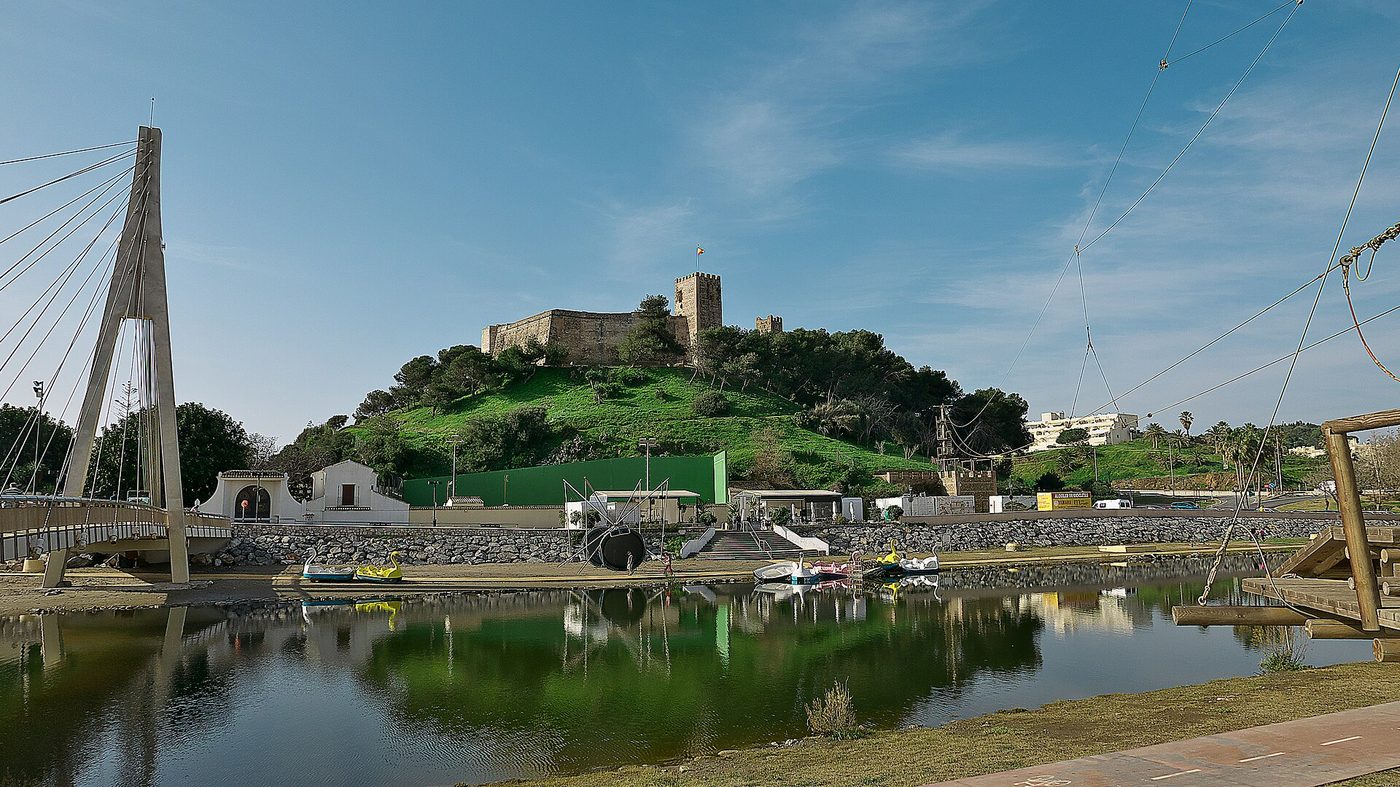
| Fuengirola | Train corridor | 85,598 (2023) | Yes, end of the line | A long flat promenade and a more Spanish weekday feel | Sohail Castle, Bioparc |
| Marbella | West coast | 173,420 (2025) | No | The best old town on the coast after Málaga | Casco antiguo, La Concha hike |
| Puerto Banús | West coast | A marina district of Marbella | No | Yacht-watching, designer shops, late nights | The 1970 marina itself |
| San Pedro de Alcántara | West coast | Not published | No | A quiet, ordinary Spanish base near Marbella money | The beachfront boulevard |
| Estepona | West coast | 76,975 (2023) | No | Old-town charm without Marbella prices | Plaza de las Flores, botanical promenade |
| Manilva and Sotogrande | West coast | 17,857 (Manilva, 2023) | No | Golf, polo and quiet money | Torreguadiaro beach |
| Rincón de la Victoria | East coast | 52,454 (2025) | No | Spanish families, low prices, close to Málaga | Cueva del Tesoro |
| Torre del Mar | East coast | Not published | No | The widest, cleanest beaches east of Málaga | 3 km promenade with a proper bike lane |
| Vélez-Málaga | East coast | Not published | No | History with almost no other tourists in it | Moorish walls and hilltop fortress |
| Torrox | East coast | Not published | No | A quieter, cheaper base near Nerja | Torrox Costa seafront |
| Nerja | East coast | Not published | No | The prettiest resort town on the coast | Balcón de Europa, Nerja Caves, Playa de Maro |
| Mijas Pueblo | Hill village | 95,104 (Mijas municipality, 2025) | No | The classic white-village half day | Ermita de la Virgen de la Peña |
| Frigiliana | Hill village, east | 3,383 (2025) | No | The prettiest village, full stop | The El Fuerte hike behind the village |
| Benahavís | Hill village | 9,244 (2023) | No | Mountain scenery and long lunches | Serranía de Ronda setting |
| Ojén | Hill village | Under 5,000 | No | Twenty quiet minutes above Marbella | Traditional village streets |
| Istán | Hill village | Under 5,000 | No | The same, with fewer people again | Reservoir and mountain views |
Getting to and around the Costa del Sol
Málaga Airport (AGP) handled 26.76 million passengers in 2025, up 7.4% on 2024’s 24.92 million and 34.7% above pre-pandemic 2019. In July and August it moves roughly 2.9 million people a month. It is a big, efficient, slightly overwhelming airport, and for summer 2026 it lists 151 destinations across 57 airlines with more than 550 flights a day at peak. That density is why the Costa del Sol slots so easily into a wider Europe itinerary.
Three terminals exist on paper. In practice T1 no longer runs scheduled passenger flights, and T2 and T3 are connected by a walkway you can stroll in five to ten minutes. Assume you will arrive at T3 and you will almost always be right.
The single most useful fact on this page
By the standards of train travel in Europe, the Costa del Sol is poorly served. It has one passenger railway: the Cercanías C1, which runs from Málaga Centro-Alameda to Fuengirola in 46 minutes, every 20 minutes or so, calling at 17 stations. Here they are, in order:
Málaga-Centro Alameda, Málaga M.Z., Victoria Kent, Guadalhorce, Málaga-Aeropuerto, Plaza Mayor, Los Álamos, La Colina, Torremolinos, Montemar Alto, El Pinillo, Benalmádena-Arroyo de la Miel, Torremuelle, Carvajal, Torreblanca del Sol, Los Boliches, Fuengirola.
Read that list again and notice what is missing. Marbella is not on it. Neither is Puerto Banús, Estepona, Nerja, Frigiliana, Mijas Pueblo, San Pedro, Sotogrande, Torre del Mar or Rincón de la Victoria. If your hotel is in any of those places, there is no train. You are booking a transfer, a bus, or a hire car, and that decision changes the shape and the cost of your whole trip. It is worth checking before you book the room, not after.
Trains run from about 05:20 to about 23:30 in the Málaga to Fuengirola direction. Airport to Torremolinos takes around 10 minutes, airport to Fuengirola around 35, and the Málaga to Fuengirola fare is about €4. The station at the airport sits a short covered walk from T3, and this is by a distance the cheapest way out of the airport.
Airport transfer options compared
| Route and method | Cost | Time | Worth it when |
|---|---|---|---|
| Airport to Málaga centre, C1 train | Cheapest option on the list; the full Málaga to Fuengirola fare is about €4 | Roughly 12 min | Almost always. Runs every 20 min |
| Airport to Málaga centre, Line A Express bus | Around €4 | 15 to 25 min | Late at night, or if you are staying near the bus station |
| Airport to Málaga centre, taxi | Commonly €20 to €25 daytime | 15 min | Three or more people with luggage |
| Airport to Fuengirola, C1 train | Around €4 | About 35 min | Any time, if you are staying on the corridor |
| Airport to Marbella, Avanza/Portillo coach | €6.15 | About 45 min non-stop | Couples and solo travellers. Excellent value |
| Airport to Marbella, taxi | €78 all-in, up to 4 people | About 45 min | Four people, late arrival, or lots of bags |
The Marbella coach at €6.15 is the best-value thing at that airport and hardly anyone books it. A family of four taking taxis instead pays €78 each way for a journey that costs €24.60 by coach.
Do you need a car?
This is the decision that shapes everything else, and it is worth reading alongside our wider guide to getting around Europe. My honest rule: if you are staying between Málaga and Fuengirola and plan to spend most days on a beach and in a town, skip the car. Parking is expensive, the train is frequent, and a hire car will sit unused. If you are staying west of Fuengirola, east of Málaga, or anywhere in the hills, get the car. There is no realistic alternative, and Nerja in particular has thin public transport for a town of its popularity.
Compact hire in summer runs around €35 to €50 a day with a major brand on-airport booked ahead, or around €20 to €35 a day with a local off-airport operator. Full-to-full is the fair fuel policy and the one to insist on. Keep the receipt from your final fill: missing fuel is charged on top of a refuelling service fee that commonly reaches €42.
AP-7 or A-7: the toll question
Two roads run west from Málaga. The AP-7 is the 105 km toll motorway, split into a Málaga to Estepona section and an Estepona to Guadiaro section. The A-7 is free, runs almost parallel, and is slower: curves, constant slip roads, 80 to 100 km/h limits, and serious congestion through Fuengirola, Marbella and San Pedro in July and August.
| AP-7 journey | Normal season | Summer rate |
|---|---|---|
| Málaga to Estepona (Calahonda + San Pedro tolls) | €9.55 | €15.50 |
| Málaga to Guadiaro (full run) | Not published separately | €19.55 |
My rule of thumb: pay the toll in July and August and on any Friday or Sunday afternoon, take the free A-7 the rest of the year. In February the A-7 is a pleasant drive with sea views. In August it is a car park with sea views. If you are building the coast into something longer, it links neatly with the routes in our guide to European road trips.
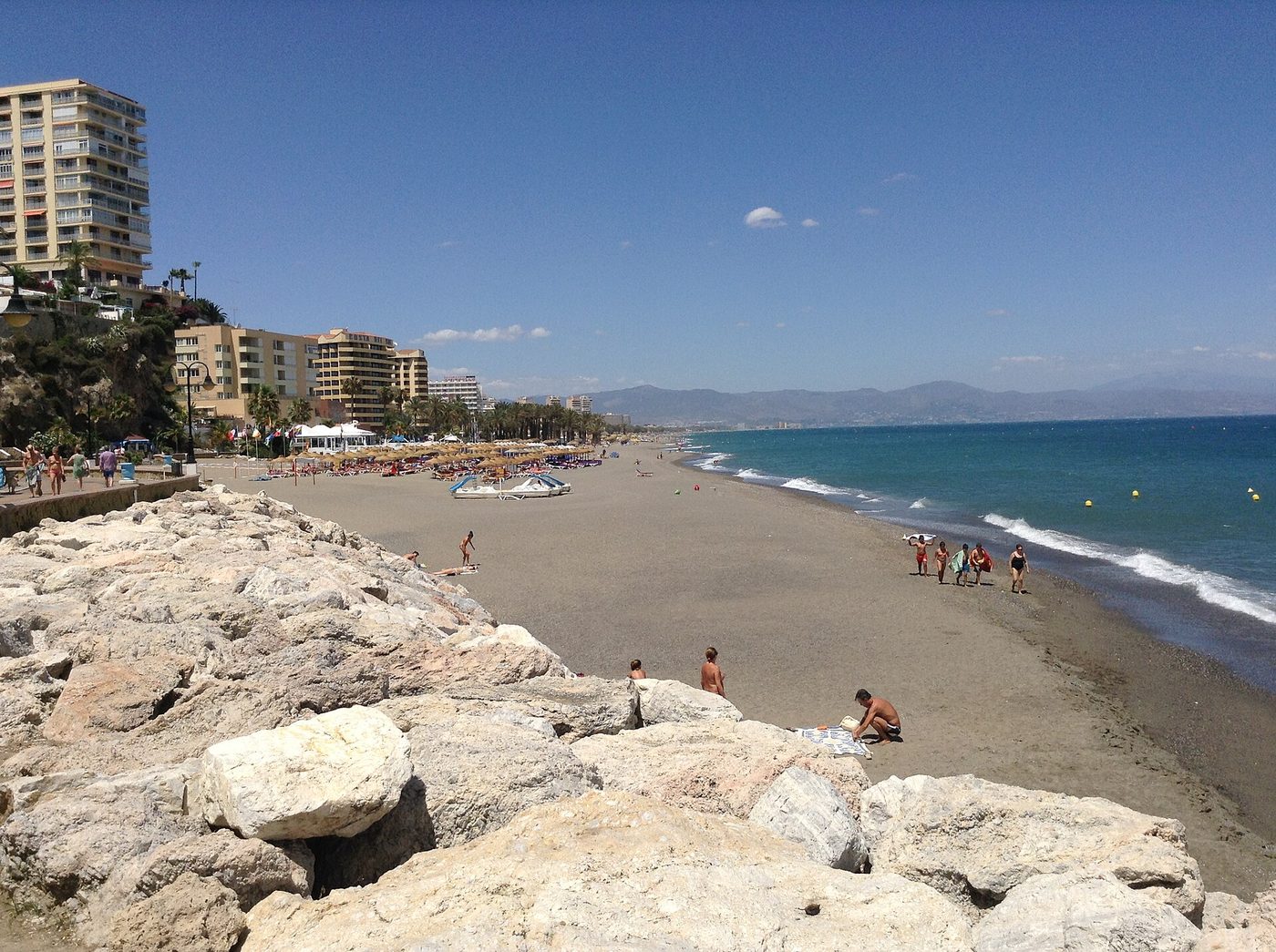
The train corridor: Málaga to Fuengirola
This is the Costa del Sol most people picture, and the only part of it you can do car-free. Four bases, all on the C1, all within an hour of each other.
Málaga: the base I recommend most often
Málaga has quietly become the best city break in southern Spain, and it is the base I steer most first-timers towards. You get an old town you can walk end to end, a one-towered cathedral that has been unfinished since the 18th century, a first-century BC Roman theatre sitting directly beneath an 11th-century Alcazaba, the 14th-century Gibralfaro castle on the hill above, a working port, city beaches, and more museums than any town on the coast has a right to. It does not have the sheer scale of Madrid or Barcelona, and it is far better for it: this is a city you can cover on foot in a long weekend, which is rare among Europe’s best city-break destinations.
The Alcazaba and Gibralfaro combined ticket costs €5.50 and is covering both monuments, which sit close enough together that most people walk from one to the other. Do the Alcazaba first: the climb to Gibralfaro is the harder half. The Alcazaba alone is €3.50. The Museo Picasso Málaga is €13, reduced to €11 for over-65s, students under 26 and European Youth Card holders, and free for under-17s and disabled visitors. It is also free for the last two hours every Sunday, plus 28 February, 18 May, 27 September and 27 October.
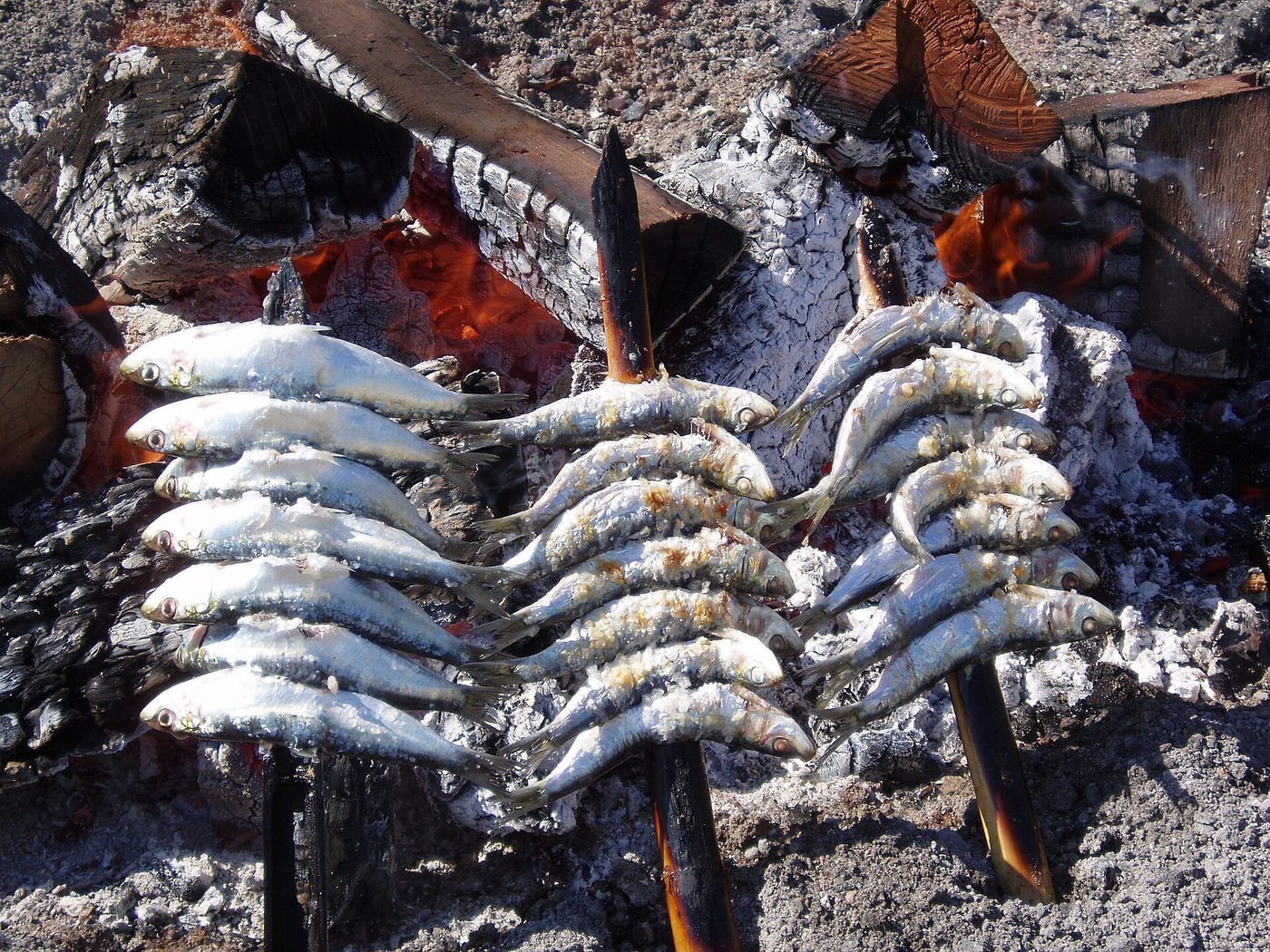
Eat in El Palo and Pedregalejo, the old fishing quarters east of the centre, where the espetos are cheapest and the sardines are cooked on a boat filled with sand on the beach. This is the coast’s defining dish, and one of the strongest arguments in our roundup of the best food in Europe. It costs €2 to €5 a skewer, or €4 to €6 for a proper six-sardine espeto. Do not order it in a smart restaurant on the promenade for triple that.
Málaga is also the only base from which every inland day trip works without a car. Granada, Ronda, Córdoba and the Caminito del Rey all connect by train or coach from here, which is why Málaga anchors so many Spanish itineraries.
Torremolinos: the one everybody has an opinion about
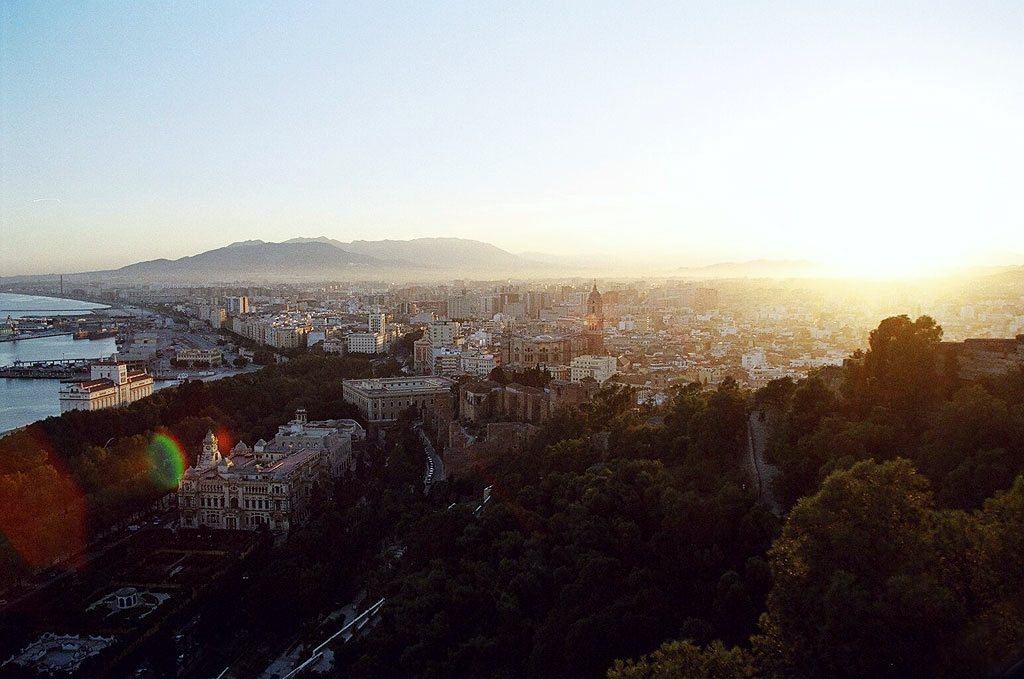
Torremolinos was the first Costa del Sol beach resort, a 1950s celebrity destination before it became a byword for package holidays, and it is still the most visited resort on the coast. It is high-rise, international and led by its nightlife. If you want a quiet fortnight of reading, it is not your town.
What it does have is La Carihuela, a two-kilometre run of restaurants and beach bars along the old fishermen’s quarter that remains one of the best eating strips anywhere on this coast. Prices are lower than anywhere west of Fuengirola, the train puts you in Málaga in about 20 minutes, and for a first cheap trip to Spain it does the job well. It is a reasonable landing point for travelling Europe on a budget and for solo travellers who want company without effort. Torremolinos has also been a significant and welcoming LGBTQ+ destination for decades, which is a genuine part of what the town is rather than a footnote.
Benalmádena: the family default
Benalmádena is really three towns stacked up a hillside, and knowing which one you have booked matters enormously. Arroyo de la Miel is the most populated part and the one with the train station. Benalmádena Costa is the promenade and the marina. Benalmádena Pueblo is the white village about ten minutes inland, on the hill, with the views.
For families this is the strongest base on the coast, purely on the density of things to do with children who are bored of sand: Sea Life, Selwo Marina, the Calamorro cable car up the mountain, Parque de la Paloma with its free-roaming rabbits and peacocks, the Castillo de Colomares, a butterfly park, and the Benalmádena Stupa, the highest Buddhist stupa in Europe. Nowhere else on the coast puts that many rainy-day options inside one bus ride, and it is one of the easier places in our guide to travelling Europe with kids to keep everyone happy for a week.
Fuengirola: the end of the line
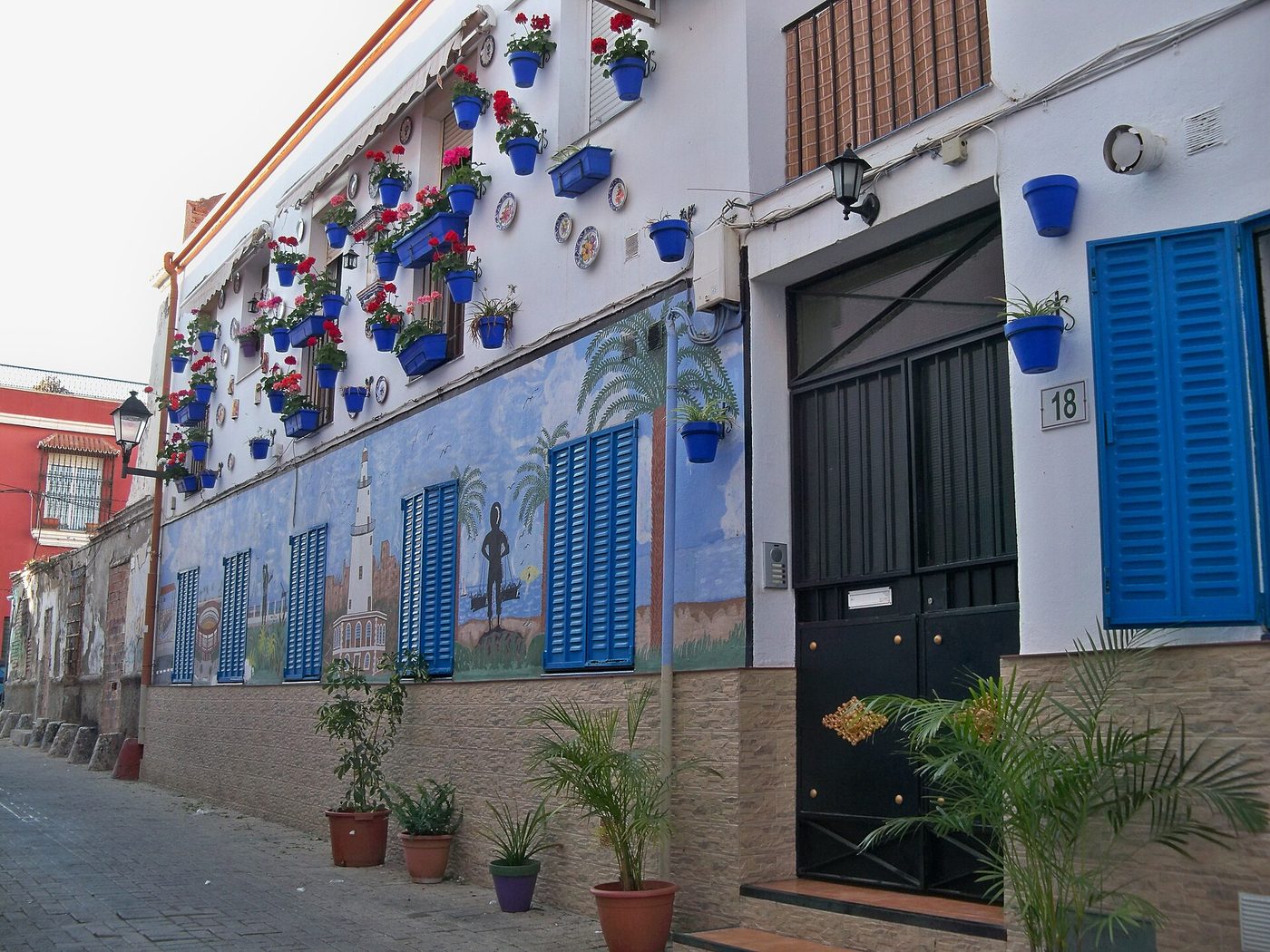
Fuengirola is the most Spanish-feeling of the three resort towns on the railway, especially midweek and out of season. It has fewer headline sights than Benalmádena and a longer, flatter seafront promenade, which is exactly what some people want and exactly what bores others.
Sohail Castle sits at the far end of the promenade and is worth the walk. Bioparc Fuengirola, a zoo built around immersive habitat enclosures rather than cages, charges €29.50 for adults and €23.00 for children aged 3 to 9 and over-65s at the gate. Promotional rates run at various points in the year, so check the official site for your dates before paying full price. Being the terminus, Fuengirola is also the natural jumping-off point for Mijas Pueblo in the hills above.
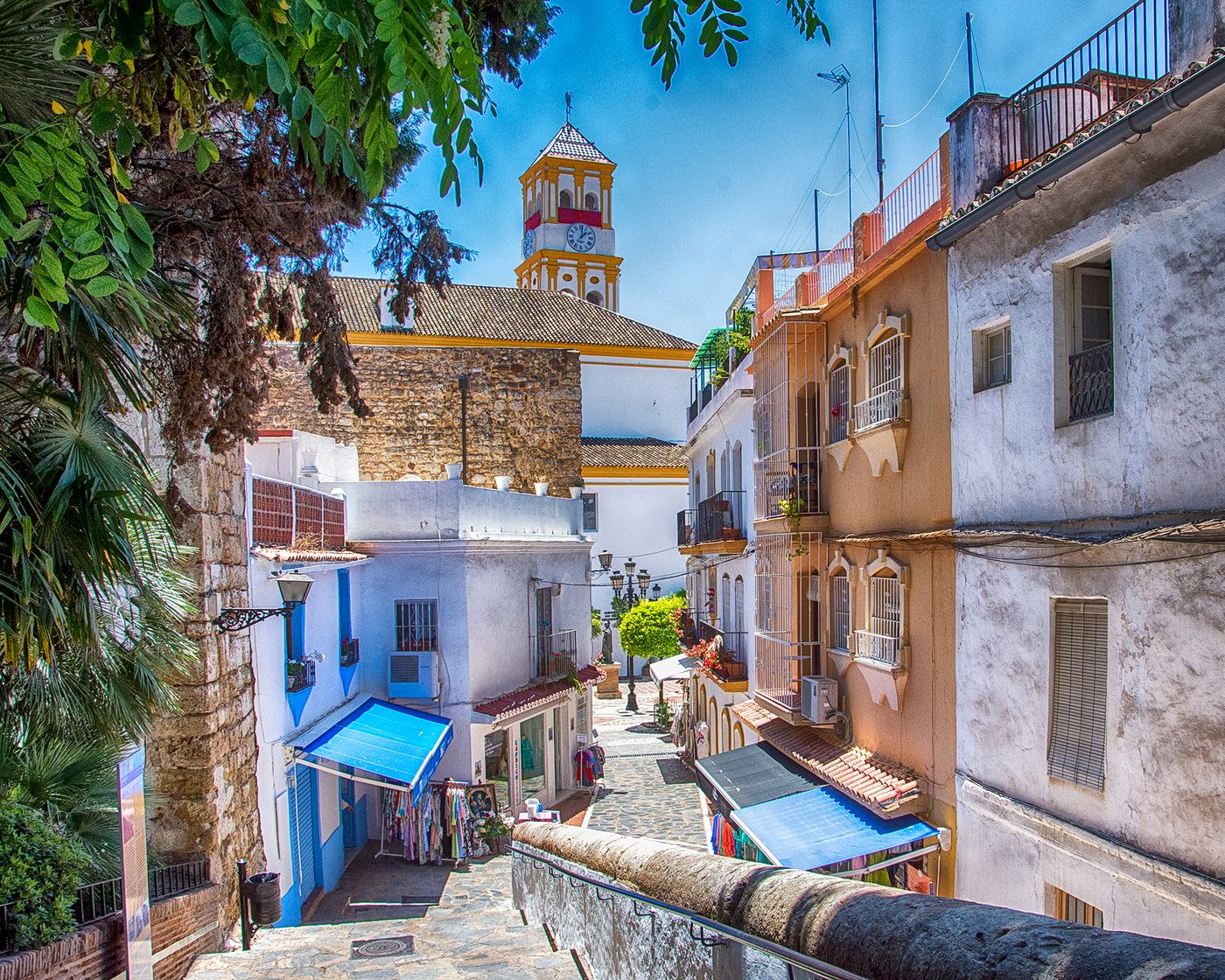
The west coast: Marbella to Manilva
West of Fuengirola the railway stops and the money starts. This stretch has the coast’s best old town, its most photographed marina, its widest beaches and its highest prices, and none of it is reachable by train.
Marbella: better than its reputation, in the parts nobody photographs
Marbella has a glamour problem, in the sense that the glamour is what everybody talks about and it is the least interesting thing about the town. The casco antiguo, the old quarter, is the most intact and interesting old town on the coast after Málaga: churches, fountain plazas, surviving fortress walls, and the Avenida del Mar with its Dalí sculptures leading down to the sea. Walk it early, before the day trippers.
Behind the town rises La Concha, the shell-shaped mountain, and the hike up it is the best half-day on the western coast. Go in spring or autumn. In August it is genuinely dangerous heat by mid-morning. It is one of the more underrated walks in our guide to hiking in Europe.
Getting here: the Avanza/Portillo coach from the airport is €6.15 and takes about 45 minutes non-stop. A taxi is €78. There is no train and there will not be one.
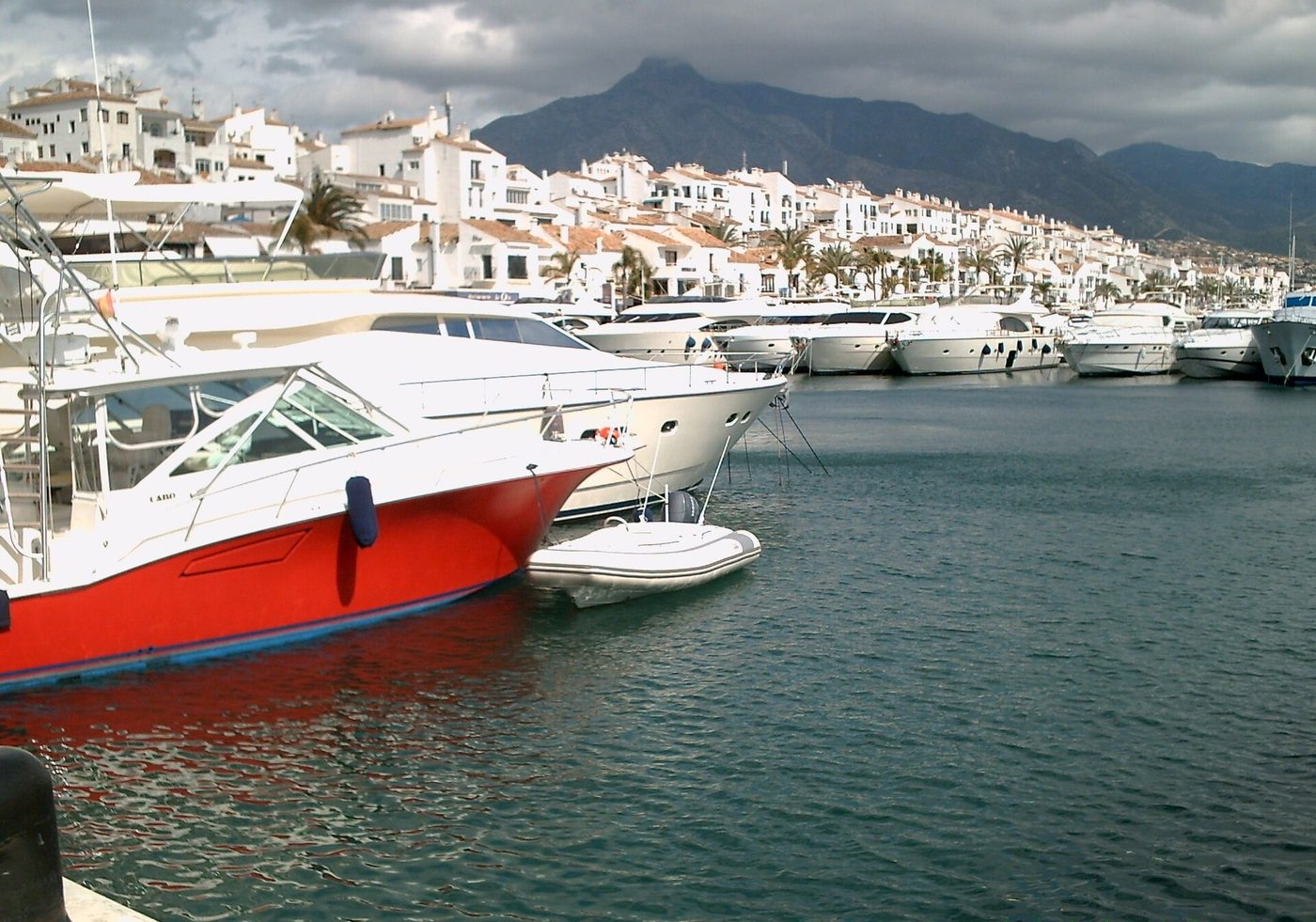
Puerto Banús: two hours, not two nights
Puerto Banús is a purpose-built luxury marina and shopping complex, opened in 1970 by the developer José Banús, about 10 km west of Marbella old town. Designer shops, moored yachts you can walk right up to, and a nightlife scene that runs very late in summer.
My advice is to visit and not to stay. It is an entertaining two hours: walk the quay, have one absurdly priced drink, look at the boats, leave. As a base it commits you to the most expensive food and the loudest nights on the coast, and you are 10 km from the only old town in the area worth walking.
San Pedro de Alcántara: the sensible one
San Pedro sits between Marbella and Estepona and is the quiet, ordinary, functional Spanish town in the middle of all that money. Real shops, schools, sports facilities, a good beachfront boulevard, and a large foreign resident population that has not turned it into a resort. If you want to be near Marbella without paying Marbella prices or hearing Puerto Banús at 3am, this is where you book.
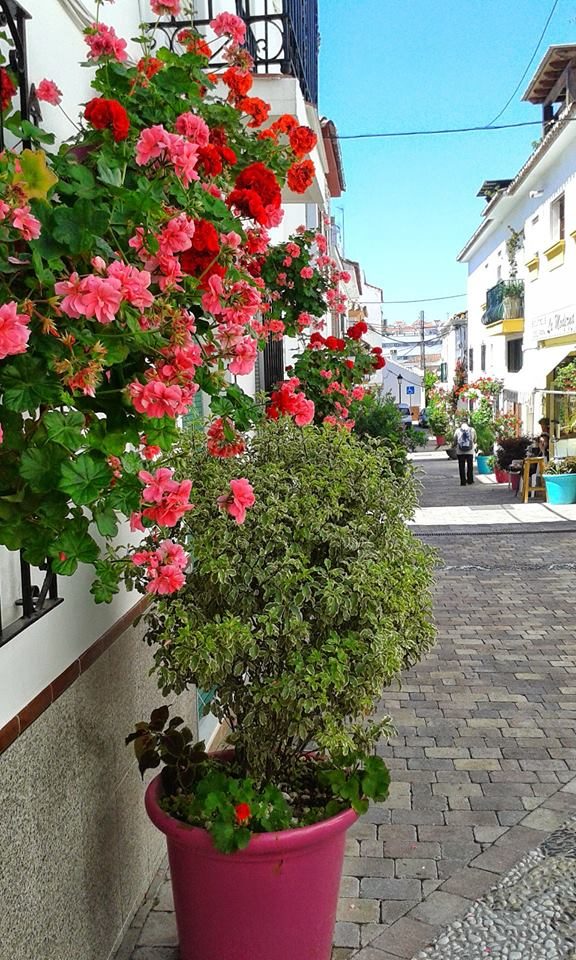
Estepona: my pick on the western coast
If I had one week on the western coast and no obligations, I would spend it in Estepona. It calls itself the Garden of the Costa del Sol and for once the nickname earns itself: the old town streets are lined with colour-coordinated flower pots, replaced and repainted by the council, and the seafront promenade is planted as a botanical garden rather than paved as a thoroughfare.
The beaches are long, wide and sandy. The Plaza de las Flores is the kind of square you end up sitting in for two hours without intending to. There is a large expat community and it has not swamped the place. Prices sit noticeably below Marbella for food and rooms, and the old town has the density that Marbella’s has lost to boutiques.
Manilva and Sotogrande: quiet money
The far western end of the coast, just before it becomes the province of Cádiz. Sotogrande is exclusive in a low-key way that Puerto Banús is not: polo, several serious golf courses, large private houses, and Torreguadiaro beach. Manilva itself is a small municipality of about 17,900 people. It is a good base if you want the western coast without the noise, and a poor one if you want anything to happen after 10pm. It also makes a plausible European honeymoon base for couples who want quiet over spectacle.
The east coast: the Axarquía, and where the coast gets pretty
East of Málaga the mountains come closer to the water, the development thins out, the beaches get rockier and more interesting, and the towns start speaking more Spanish. This is where I send people who have been to the Costa del Sol before and were not impressed, and it is the part of the coast that earns a place among Europe’s underrated places.
Nerja: the one everybody agrees on
Nerja is the star of the eastern coast and one of the few places here that nobody argues about. The old town is properly pretty, the Balcón de Europa is a viewpoint that earns its crowds, there are several distinct beaches rather than one long strip, and the restaurant and bar scene is far better than a town this size should manage. It sits at the gate of the Sierras de Tejeda, Almijara y Alhama natural park, so the hiking starts more or less at the edge of town. Playa de Maro, just east, is the best beach on this coast and it is not close. It holds its own against anything in our roundup of the best beaches in Europe.
Two warnings. First, Nerja’s beaches almost all require walking down steps or a steep slope, sometimes a lot of them. If anyone in your party has limited mobility, this matters more than anything else in this guide. Second, public transport here is poor for a town of Nerja’s popularity. Plan on a car.
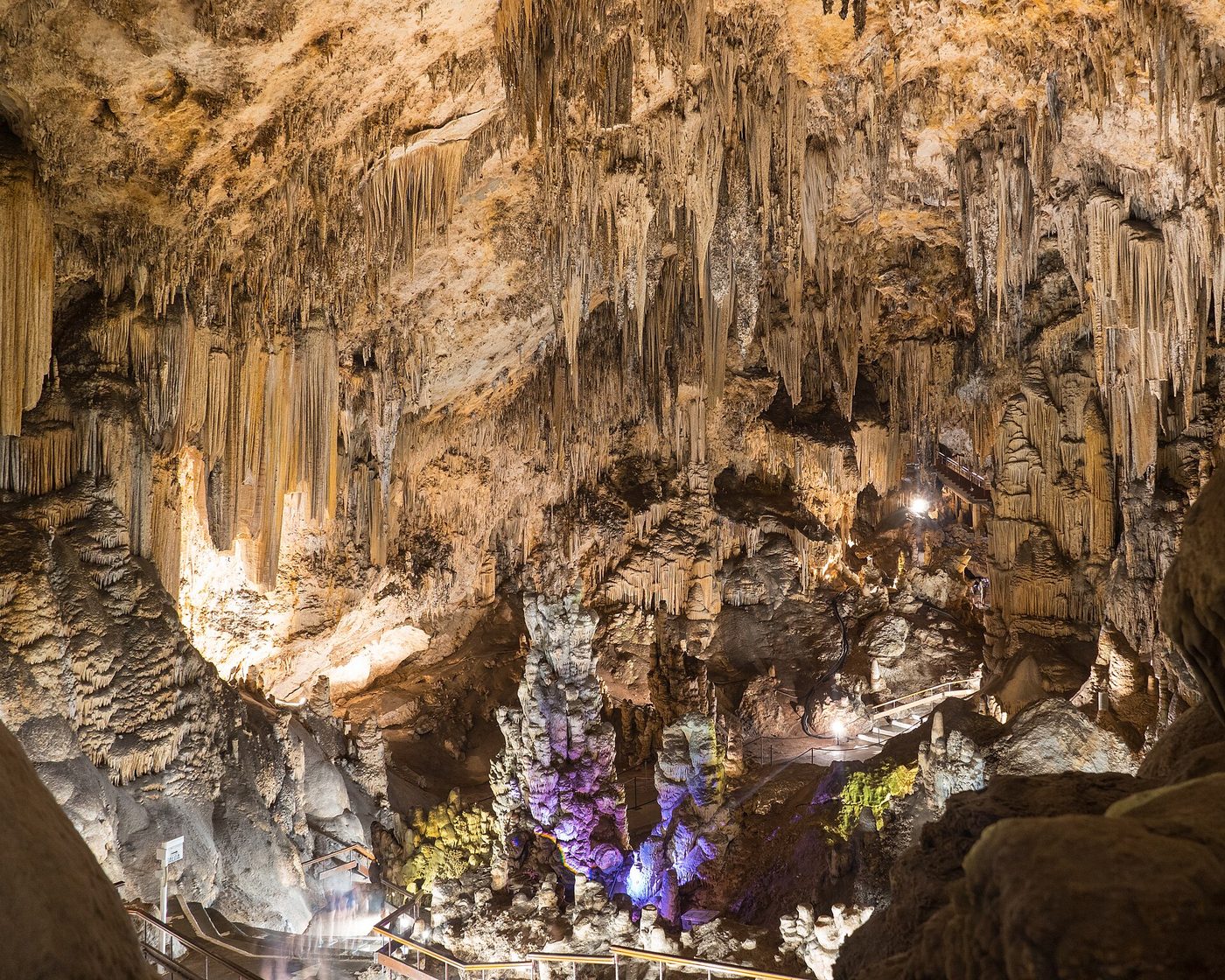
The Cueva de Nerja, the cave system in the hills just outside town, is the eastern coast’s headline attraction and its pricing has two seasons:
| Nerja Caves ticket | Period 1 (quieter) | Period 2 (June to September, Christmas, Semana Santa, holiday weekends) |
|---|---|---|
| Adult, booked online | €16.00 | €18.00 |
| Adult, bought at the gate | €18.00 | €20.00 |
| Child 6 to 11, booked online | €12.00 | Not published separately |
| Opening hours | 09:15 to 16:30, last entry 15:30 | 09:15 to 17:30, last entry 16:30 |
You will see lower prices quoted on ticket aggregator sites, sometimes €13.75 or “from €15”. Those figures are not on the official 2026 price table. Book direct.
Frigiliana: the prettiest village on the coast
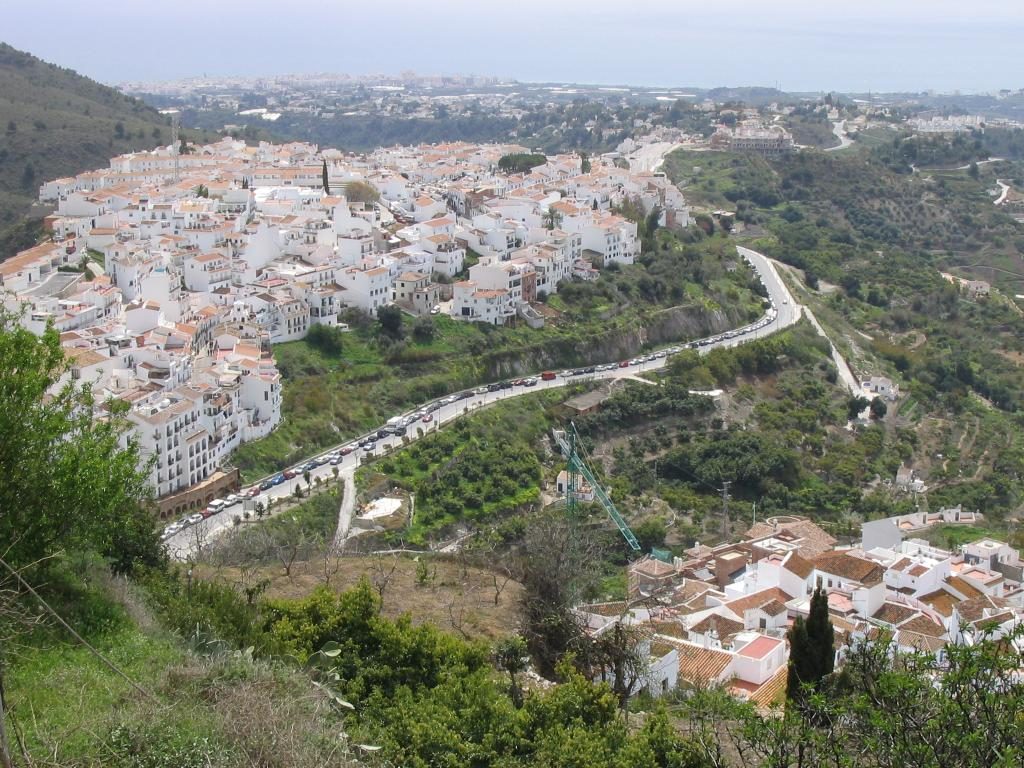
Ten minutes up the hill from Nerja, Frigiliana is a village of about 3,400 people and it is, to my eye, the most beautiful place in this guide. Cobbled lanes too narrow for cars, whitewash so bright it hurts in July, an old fountain, a church, plazas that open suddenly onto the valley. If you collect villages like this, it belongs alongside anything in the most beautiful places in Europe. The El Fuerte hike starts directly behind the village and takes you up to the ruins above it.
Frigiliana and Nerja are jointly the sunniest places on the Costa del Sol by number of sunny days a year. Go in the morning or after five. Between noon and four in summer, the village is both very hot and very full of coach parties.
Torre del Mar: the best beaches on the eastern coast
About 45 minutes from Málaga, Torre del Mar has the best sand for a full beach day anywhere east of the city, long and wide and clean, and a three-kilometre promenade with an actual dedicated bike path rather than a painted line. The town itself is unremarkable, and that is precisely the point: it is an ordinary Spanish seaside town where ordinary Spanish people go to the beach. If you want the beach day without the resort, come here.
Vélez-Málaga: history with nobody in it
Inland from Torre del Mar, Vélez-Málaga dates back to the Visigoths and has the churches, Moorish city walls, hilltop fortress and the Casa Cervantes museum to show for it. It receives very little tourism. Combine it with a Torre del Mar beach afternoon and you have one of the better full days on this coast for the price of nothing.
Rincón de la Victoria: where Málaga goes
A town of about 52,500, close enough to Málaga to be a suburb, popular with Spanish families, and noticeably cheaper than anywhere west of the city. Less English is spoken and there is less that photographs well, which are two ways of describing the same virtue. The Cueva del Tesoro, a rare marine-formed cave, is the local sight and gets a fraction of the Nerja crowds.
Torrox: quiet, and upfront about it
Torrox splits into Torrox Costa on the water and Torrox Pueblo in the hills. It is a lower-key alternative to Nerja, popular with long-stay German visitors in winter, and it is on this list because it works as a cheaper base within reach of the eastern coast’s best bits rather than because it will be the highlight of your trip.
The hill villages: where the coast keeps its best afternoons
Frigiliana is a hill village too, and I have covered it above because it belongs with Nerja in practice: you drive up from one to the other in ten minutes. The four below sit behind the western and central coast.
Every one of these is a short drive inland and every one of them is noticeably cooler in August than the beach below it. If you do one thing differently on this coast, make it this: spend your afternoons up here rather than lying on grey sand in 29°C heat.
Mijas Pueblo
The classic white village of the western coast, in the hills behind Benalmádena and Fuengirola: whitewashed houses, flower pots on every wall, and a long view down to the sea. The Ermita de la Virgen de la Peña, a chapel cut directly into the rock, and the old fortress ruins are the two things worth stopping at. Mijas is also the most visited of the white villages and it has the donkey taxis, souvenir shops and coach parks to prove it. Go early, go outside July and August, or go to Frigiliana instead.
Benahavís
The most mountainous village on the western coast, on the southern face of the Serranía de Ronda, with about 9,200 residents and a reputation for eating. It has kept the shape and feel of an Arabic white village better than most, and the drive up from San Pedro through the gorge is worth doing on its own.
Ojén and Istán
Two small mountain villages north of Marbella, and the only municipalities on the western Costa del Sol with fewer than 5,000 inhabitants. Tranquil, traditional, twenty minutes from the coast and about forty years from Puerto Banús. If Marbella has worn you out by day three, drive up to one of these for lunch and you will feel considerably better about the whole coast.
Casares: a gap I should name
I could not source anything reliable about Casares, the white village above Estepona, beyond its population of around 8,100. Several people whose taste I trust rate it highly. Its absence from the detail here is a limit of what I could verify, not a verdict on the village.
What Costa del Sol travel actually costs
Prices are the thing people most want before they book and the thing hardest to pin down, so here is every figure I could source with a page behind it, in euros, checked in August 2026.
| Item | Price | Notes |
|---|---|---|
| Caña of beer, Málaga | €2.00 to €2.50 | A caña is a small draught glass. Ordering “una cerveza” often gets you a larger, pricier one |
| Espeto de sardinas | €2 to €5 a skewer, €4 to €6 for a six-sardine espeto | Cheapest in El Palo and Pedregalejo |
| Menú del día, Málaga | €10 to €16 | Starter, main, bread, drink and dessert or coffee. Budget versions €8 to €12 |
| Menú del día, Marbella | Around €15 for four courses | Away from the centre and the marina |
| Sunbed and parasol, standard beach | €12 to €16 a day | From €6 to €8 a bed at cheaper chiringuitos, around €15 at smarter ones |
| Beach club day | €20 minimum spend to €200 | €20 at a relaxed chiringuito, €100 to €200 for a premium daybed at Nikki Beach or Ocean Club on a summer Saturday |
| Alcazaba + Gibralfaro, Málaga | €5.50 | Combined, valid 48 hours. Alcazaba alone €3.50 |
| Museo Picasso Málaga | €13 | €11 reduced, free for under-17s, free last two hours on Sundays |
| Nerja Caves, adult online | €16 to €18 | Depending on season. €2 more at the gate |
| Caminito del Rey, standard | €10 | €18 with a guide |
| Alhambra, Granada, general day tour | €22.27 online | €21 face value plus a €1.27 booking fee. Covers the Nasrid Palaces, Alcazaba and Generalife. Under-12s free but must be booked at the same time |
| Alhambra, gardens day tour | €12.73 online | Generalife and Alcazaba, no Nasrid Palaces. The night tour of the Nasrid Palaces is also €12.73 |
| Bioparc Fuengirola | €29.50 adult, €23.00 child 3 to 9 and 65+ | Gate prices. Promotional rates run at various points in the year, so check before you go |
| Selwo Aventura, Estepona | Dynamic pricing | Rates move with demand and online is consistently cheaper than the gate. Check the official site for your date |
| Hire car, compact, summer | €35 to €50 a day major on-airport | €20 to €35 a day with a local off-airport operator |
| Taxi flagfall, Málaga | €1.88 | Plus €5.50 airport supplement. Waiting time €24.15 an hour |
| Tourist tax | €0 | Andalucía has no regional or municipal overnight tourist tax as of 2026 |
Two things worth knowing about paying for things here. Tipping is not customary at cheaper restaurants, cafés or for a menú del día, and nobody will think anything of you leaving nothing. At smarter places up to 10% is welcome but not obligatory, and it should go in cash, because card tips frequently do not reach the staff.
And on tourist tax: there isn’t one. Andalucía has resisted introducing an overnight levy on competitiveness grounds while Málaga and Seville have both repeatedly debated it, so this is a live policy question rather than a settled one. It is worth a check before you travel, but as of August 2026 there is nothing to pay.
When to go: the climate in numbers
You will read that the Costa del Sol gets 300, 320 or 325 days of sunshine a year. I could not find a primary meteorological source for any of those numbers, and they disagree with each other. Here is one that is published: Málaga records 2,901 hours of sunshine a year, peaking at around 354 hours in July and bottoming out at around 167 in December. That is a great deal of sun by any European standard, and it does not need embellishing. It is a large part of why the coast features so heavily among the best places to visit in Europe in winter.
The mistake I see constantly is people reading the air temperature and assuming the sea matches it. It does not. Málaga’s sea runs from 16°C in February to 24°C in August on the 1991 to 2020 Copernicus climate averages, while the August air average high is 29°C. A 5°C gap at the warmest point of the year is a real difference when you walk in.
| Period | Air | Sea | Crowds and prices | My verdict |
|---|---|---|---|---|
| December to February | Daytime 12 to 18°C, January average low 10.1°C | Coldest in February at 16°C | Quietest of the year. Accommodation 40 to 50% below published rates in January and February | Excellent for walking, golf and cities. Not a beach holiday. Some beach bars shut |
| March to April | Warming, rainfall still concentrated to March | Still cold | Semana Santa is the big exception and books out | The best hiking window. La Concha and El Fuerte are pleasant rather than punishing |
| May to June | Comfortable | 19 to 20°C in May, above 20°C from mid-June | Prices typically 20 to 40% below July and August | My favourite window on the whole coast |
| July to August | Peak. Málaga August average high 29°C, Marbella 28°C. July is the driest month at 1.8 mm | Warmest, 24°C in August | Peak everything. The week around the 15 August holiday is the most expensive of the year | Hot, busy, expensive. Go if school terms force you, and take the afternoons inland |
| September to October | Still warm | Around 22°C in October | Crowds thin sharply after the first week of September | The other great window. Warm sea, half the people |
| November | Mild | Cooling fast | Very quiet | The wettest month at 71 mm. Still mild, but pick your week |
Our wider guide to the best time to visit Spain makes the same case for most of the south, and the continental picture is in when to visit Europe. If you want the sea and you have any flexibility at all, aim for mid-June or the second half of September. The water sits above 20°C from roughly mid-June to mid-October, which is a four-month swimming season, and only about six weeks of it are genuinely crowded.
A note on the eastern coast in winter: some restaurants in Nerja close for a couple of weeks in late November, December, January or February, most noticeably in beach areas like Burriana, and plenty stay open throughout. Beach venues that do shut generally reopen the weekend the clocks go forward, on the last Sunday in March. Marbella runs the same pattern more strongly: many beach bars close and outdoor dining largely disappears.
Festivals worth planning around, or avoiding
The Feria de Málaga is the coast’s biggest week by a distance. In 2026 it runs Saturday 15 to Saturday 22 August, opening at midnight on Friday 14 August with a fireworks and light show over the beaches. It follows the same shape most years: eight days in mid-August. It is spectacular and the city is completely full, so it is either the reason you booked or the week you should have avoided. August is the peak everywhere, which our guide to the best places to visit in Europe in summer covers in more detail.
Elsewhere: Marbella’s Feria de San Bernabé ran 8 to 14 June in 2026, with San Bernabé day on the 11th. Estepona’s feria falls in early July, and 2025’s ran 1 to 6 July, though 2026 dates were not officially posted when I checked. Semana Santa 2027 falls from Palm Sunday on 21 March to Easter Sunday on 28 March, which is early, and it is the one week outside August when the whole of Andalucía books out.
The four day trips that justify the trip
The Costa del Sol’s best feature is what sits within two hours of it. Andalucía’s headline sights are all day trips from here, and they are the strongest single argument for basing yourself on this coast at all. Pair this section with our 10-day Spain itinerary if you are building a longer trip.
Granada and the Alhambra
The Alhambra is the most visited monument in Spain and the reason many people come to Andalucía at all. The general day tour is €22.27 online, which is €21 face value plus a €1.27 booking fee, and it covers the Nasrid Palaces, the Alcazaba and the Generalife. Under-12s go free, but their tickets have to be booked at the same time as yours. A gardens day tour at €12.73 gets you the Generalife and the Alcazaba but not the Nasrid Palaces, which are the whole point. Reduced rates exist for EU over-65s, Youth Card holders and visitors with a disability of 33% or more, and you must bring the proof to the gate. Buy from the official Patronato site.
The critical thing: the Alhambra caps entry at 6,600 tickets a day and sells out weeks, sometimes up to 90 days, in advance. Book it before you book anything else about your trip. Your Nasrid Palaces slot is timed and unmovable, and the site is large enough that arriving late means missing it entirely.
Caminito del Rey
A walkway pinned to the wall of the Gaitanes gorge, about an hour inland, and the best value day out in the province at €10 standard or €18 guided. It is a one-way linear route, so factor in the shuttle bus at either end.
Book early. Spring dates from March to June routinely sell out six to eight weeks ahead, early-morning slots go fastest, and 68% of tickets sold within twelve hours of the most recent release. There is a maximum of ten tickets per booking and the official site is caminitodelrey.info.
Ronda and the white villages
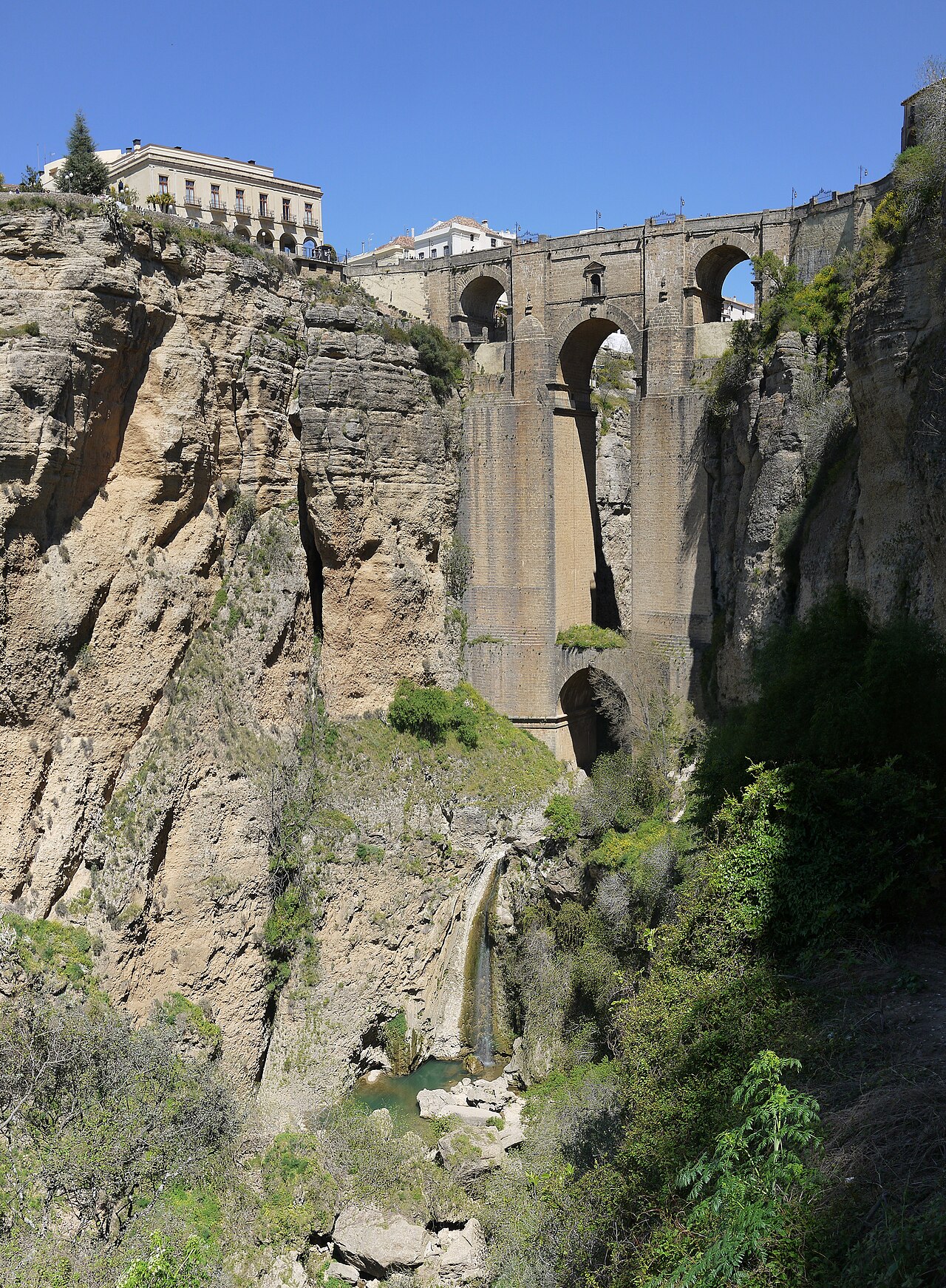
Ronda sits above the 120-metre Tajo gorge, split by an 18th-century bridge, an hour and a quarter to an hour and three quarters from Marbella through some of the best driving country in Spain. It is busy by lunchtime and lovely by six. If you have a car, string it together with the villages on the way rather than driving straight there and back.
Sierra Nevada, if your timing is odd
From about December to April you can genuinely ski in the morning and be on a Costa del Sol beach by late afternoon. It is roughly two hours and 170 kilometres from Málaga to Europe’s most southerly ski resort. It is a gimmick, it is a good gimmick, and it is one of the few places on the continent where the boast is true. Sierra Nevada is the southern outlier in our guide to skiing in Europe.
Where to stay, by who you are
| You are | Stay in | Because |
|---|---|---|
| First time on this coast | Málaga | Best food, best museums, every day trip connects, and you can skip the hire car entirely |
| Family, young children | Benalmádena | The highest density of non-beach things to do, plus the train |
| Family, teenagers | Fuengirola or Torremolinos | Long promenades, easy independence on the C1, cheaper food |
| Couple, want charm | Estepona or Nerja | Real old towns you will actually walk in the evening |
| Couple, want quiet | San Pedro de Alcántara or Torre del Mar | Ordinary Spanish towns with good beaches and no scene |
| Travelling on a budget | Torremolinos or Rincón de la Victoria | Cheapest rooms and food on the coast. Torremolinos is on the train, Rincón is a short bus or drive east |
| Here for golf | Sotogrande or Benahavís | More than 70 courses line this coast and the best cluster is at the western end |
| Here to hike | Nerja or Frigiliana | Straight into the Sierras de Tejeda, Almijara y Alhama natural park |
| Want to be impressed by yachts | Marbella, and visit Puerto Banús | Ten kilometres of separation buys you a much better old town and a much quieter night |
| Want a village, not a beach | Mijas Pueblo, Frigiliana, Ojén or Istán | All four are day trips from the coast and all four are cooler and quieter than it |
| Staying a month or a winter | Torrox or Torre del Mar | Long-stay northern European regulars have used both for decades. Low rents, mild winters, ordinary Spanish towns that stay open |
| Want history without crowds | Vélez-Málaga | Visigothic roots, Moorish walls, a hilltop fortress and almost no other visitors |
| Visiting in January | Málaga | The only base where a cold, quiet week is still a full week |
Swap this for that
| Instead of | Try | Why |
|---|---|---|
| Mijas Pueblo | Frigiliana | Same white village, a fraction of the coach parties, a better hike out the back |
| Staying in Puerto Banús | Staying in Marbella old town | You can walk to Banús in an evening and sleep somewhere with a soul |
| Marbella’s central beaches | Playa de Maro, near Nerja | Cliffs, clear water and a cove instead of a wall of sunbeds |
| A taxi from the airport to Marbella | The Avanza/Portillo coach | €6.15 against €78, and only about the same 45 minutes |
| The AP-7 toll road in February | The free A-7 | Same coast, better views, and you keep €9.55 |
| The free A-7 in August | The AP-7 toll road | €15.50 buys you back an hour of your day between Fuengirola and San Pedro |
| Espetos on the Marbella promenade | Espetos in El Palo or Pedregalejo | The same fish, cooked the same way, for a third of the price |
| Booking the Alhambra when you arrive | Booking the Alhambra before your flights | 6,600 tickets a day and up to 90 days of lead time |
| A week of beach in August | Mornings on the beach, afternoons in the hills | It is cooler up there and the villages empty out after four |
Nine mistakes I watch people make here
- Booking a hotel in Marbella and assuming there is a train. There is not. Check the C1 stop list before you book, not after.
- Packing for a beach holiday and nothing else. The hills, the caves and the evenings all want closed shoes and a layer. Our Europe packing list covers the rest.
- Expecting golden sand. It is grey and coarse, from the slate in the mountains behind. Beautiful coastline, unglamorous sand.
- Reading the air temperature as the sea temperature. August air averages 29°C, August sea averages 24°C.
- Leaving the Alhambra until you arrive. Capped at 6,600 a day and sold out as much as 90 days out.
- Doing the hill villages at midday in summer. The whitewash and the coach parks are both at their worst between noon and four.
- Paying the AP-7 toll out of season. The A-7 is genuinely pleasant when it is not August.
- Taking taxis from the airport by default. The train and the Marbella coach are among the best-value transfers in southern Europe.
- Hiking La Concha in August. It is a superb three-hour climb in April and a medical risk in August.
What has changed for 2026
Border formalities. The EU’s Entry/Exit System has been fully operational across all 29 Schengen countries since 10 April 2026, following a rollout that began on 12 October 2025. If you are a non-EU national on a short stay, your passport is no longer stamped. Instead your entry and exit are recorded digitally, with facial image and fingerprints captured at your first crossing after the system went live. Expect a slower first arrival at Málaga and a faster one thereafter. The full picture, including how the 90-day rule is now counted, is in our guide to the Schengen visa and ETIAS.
ETIAS is not in force. As of August 2026 the European Travel Information and Authorisation System has still not launched, and the EU has withdrawn its late-2026 target without setting a new date, saying only that it will announce one several months in advance. The expected terms are a €20 fee, validity of three years or until your passport expires, and an application requirement at all ages, with under-18s and over-70s applying but not paying. Ignore any site telling you it is live or selling you one, and check the official EU page before you travel.
Málaga’s tourist-flat rules. From 14 January 2025 the city froze new holiday-rental registrations in 43 districts where tourist accommodation already exceeded 8% of family housing, including the historic centre, El Ejido and La Merced. On 25 July 2026 that widened into a city-wide three-year ban on new tourist-accommodation licences, running to 2028 and blocking new tourist apartments and hotels on residentially zoned plots across the whole municipality. Existing legal lets are unaffected and you can still book a licensed holiday flat, but supply in central Málaga is now fixed, which points one way for prices. Our guide to where to stay in Europe covers how to read a licence number before you book.
Water. Andalucía’s drought has eased considerably. Regional reservoirs sat at about 48% in early 2026, up from the mid-thirties at the start of 2025, and the national figure reached 75.29% on 14 July 2026. The western Costa del Sol is classified “normal”, the best water-status category, with allocations of 250 litres per person per day and 225 in Málaga city, both above real consumption. Experts do not expect restrictions for the 2026 summer. The Axarquía on the eastern coast was hit hardest and is recovering more slowly, and four inland Málaga towns still cannot fill private or community pools.
Flights. Málaga keeps adding routes. Ryanair alone runs 91 routes and 589 weekly flights for summer 2026, around 30% of the airport’s traffic, with new services from Katowice, Košice, Bratislava and Pardubice. KM Malta Airlines started a twice-weekly Malta link on 27 May 2026, ITA Airways flies Rome Fiumicino daily from 1 June to 30 September, Transavia France runs Montpellier from 17 July to 9 September, Riyadh Air added three flights a week from 14 July to 8 September, and Gulf Air returned from 17 June to 25 September.
Money, parking and the small practical stuff
Currency. The euro, and Spain has been on it since 2002, so ignore anything you read about pesetas. Cards are accepted almost everywhere, including for small amounts, but carry €20 or €30 in cash for beach bars, market stalls, parking machines and tips, which should go in cash because card tips frequently do not reach staff.
Parking. This is the hidden cost of hiring a car here. Street parking in the blue zones is metered and time-limited, underground car parks in Málaga, Marbella and Nerja fill by mid-morning in summer, and hotels on the western coast routinely charge for a space on top of the room. I could not source a reliable current rate per hour, which is precisely why you should check with your accommodation before you book the car rather than after.
Emergencies. 112 across Spain and the whole of the EU, in English. Bring a GHIC or EHIC if you are eligible, and travel insurance regardless, because neither covers repatriation.
Beach etiquette. Chiringuitos expect you to order something if you are using their sunbeds, and the €12 to €16 you pay for a bed and parasol usually is the something. Blue Flag beaches are marked with a flag on the promenade. Topless sunbathing is legal and common on the resort beaches and much rarer on the town beaches east of Málaga.
A sample week: what I would actually do
Seven days, based in Málaga, no hire car until day five. This is the shape I recommend to most first-timers, and it flexes easily into our 10-day Spain itinerary if you have longer.
| Day | Plan | Rough cost |
|---|---|---|
| 1 | Arrive, C1 train into Málaga, walk the old town, espetos in Pedregalejo | Train fare plus dinner |
| 2 | Alcazaba and Gibralfaro in the morning, Museo Picasso in the afternoon | €5.50 + €13 |
| 3 | Caminito del Rey, booked six to eight weeks earlier | €10, or €18 guided |
| 4 | Granada and the Alhambra, timed Nasrid Palaces slot booked before your flights | €22.27 |
| 5 | Pick up the hire car, drive east to Nerja, swim at Playa de Maro, sleep in Nerja | Car from around €35 a day |
| 6 | Nerja Caves at opening, Frigiliana by late afternoon, dinner up in the village | €16 to €18 online |
| 7 | Drive back along the coast, beach morning at Torre del Mar, fly out | Sunbed €12 to €16 |
Costa del Sol travel: frequently asked questions
Is the Costa del Sol worth visiting?
Yes, with a caveat. If you judge it by the concrete strip between Torremolinos and Fuengirola, it will underwhelm you. Judge it by Málaga’s old town, Nerja’s coves, the villages in the hills and the fact that the Alhambra and the Caminito del Rey are day trips, and it is one of the best-value warm-weather destinations in Europe.
How many days do you need on the Costa del Sol?
Five to seven is the sweet spot. Two days in Málaga, one day trip inland, two beach or town days, and one afternoon in the hills. Ten days lets you split between the western and eastern coasts, which are different enough to justify it, and our guide to planning a trip to Europe has the sequencing. Under four days, stay in Málaga and do not move.
Which airport do you fly into for the Costa del Sol?
Málaga (AGP), which handled 26.76 million passengers in 2025 and serves 151 destinations across 57 airlines in summer. You will almost certainly land at Terminal 3.
Is there a train along the Costa del Sol?
Only one, and it is short. The Cercanías C1 runs Málaga Centro-Alameda to Fuengirola in 46 minutes with 17 stops, calling at the airport, Torremolinos and Benalmádena along the way. Nothing west of Fuengirola or east of Málaga has a station.
How do I get from Málaga airport to Marbella?
The Avanza/Portillo coach at €6.15, roughly 45 minutes non-stop, is the best option for one or two people. A taxi is €78 all-in for up to four passengers and takes about the same time. That is still more than three times what four coach fares cost, so you are paying for the door-to-door convenience rather than saving money.
Do you need a car on the Costa del Sol?
Not if you are staying between Málaga and Fuengirola. Yes if you are staying west of Fuengirola, east of Málaga, or in the hills. Nerja in particular has poor public transport for how popular it is.
Is there a tourist tax in Andalucía?
No. As of 2026 there is no regional or municipal tourist tax on overnight stays anywhere in Andalucía, including Málaga and Seville, although it has been repeatedly proposed and the Junta de Andalucía has so far resisted on competitiveness grounds.
When is the sea warm enough to swim?
Roughly mid-June to mid-October, when Málaga’s sea holds above 20°C. It peaks at 24°C in August and bottoms out at 16°C in February. May sits at 19 to 20°C, which most people find fine, and October is still around 22°C.
What is the best month to visit the Costa del Sol?
June or late September. Both give you sea above 20°C, prices 20 to 40% below the July and August peak, and crowds that thin sharply once European school terms restart in the first week of September.
What is the prettiest village on the Costa del Sol?
Frigiliana, ten minutes above Nerja. Mijas Pueblo is the more famous white village and it is the more crowded one for the same reason.
Is the Costa del Sol expensive?
It varies more within the coast than most destinations do. A menú del día is €10 to €16 in Málaga, a caña is €2.00 to €2.50, and there is no tourist tax. But a premium beach club daybed on a Marbella Saturday runs to €200, and rooms in Marbella and Puerto Banús in August are priced like the Riviera. Choosing the right town is worth more than any other saving you can make here.
What is the difference between Marbella and Puerto Banús?
Puerto Banús is a purpose-built marina and shopping complex opened in 1970, sitting about 10 km west of Marbella’s old town. Marbella is a real town with a genuine 16th-century core. Banús is where you go for an evening. Marbella is where you sleep.
Is the Costa del Sol safe?
Crime rates are low compared with much of Europe and the dominant issue is petty theft concentrated in a handful of predictable places: crowded promenades, beach bars where bags get left on chairs, and busy nightlife districts. Standard precautions cover it.
Costa del Sol or Costa Blanca?
Costa del Sol for culture, day trips and a proper city in Málaga. Costa Blanca for whiter sand and generally lower prices. Both sit below Portugal on price for a beach week, which is worth knowing before you commit. The single biggest differentiator is that Granada, Ronda, Córdoba and the Caminito del Rey are all day trips from the Costa del Sol, and nothing comparable sits behind the Costa Blanca.
Final thoughts
The Costa del Sol is easy to write off and hard to dislike once you are here. The high-rise stretch has given the whole coast a reputation it only half deserves, and the parts that redeem it are all within forty minutes of the airport: a city with one of Spain’s best food scenes, a mountain village where the streets are too narrow for cars, a gorge walkway for ten euros, and a sea that stays swimmable into October.
If you take one thing from this guide, make it the train map. Where you sleep here decides whether a family of four reaches the coast for €24.60 or for €78, and whether your evenings are spent walking an old town or waiting for a taxi. Everything else here is detail.
What I could not close: I have no sourced population for Málaga city, Nerja, Torrox, Vélez-Málaga or San Pedro, no month-by-month air and sea table beyond the annual extremes, no detail on Casares, and no 2026 bathing-water report. Rather than fill those with plausible numbers, I have left them open. If you want the wider Spanish context around this coast, our Spain travel guide is the place to start, and our Europe travel tips and backpacking Europe guides cover the practical layer underneath all of it.
Hannah Brooks has spent fifteen years travelling, living and writing across Europe, from the Arctic tip of Norway to the south of Sicily. She has planned hundreds of European itineraries for readers and is Senior Europe Editor at EuropeanTourism.org.
Photo credits
- The Balcon de Europa headland and the coastline at Nerja, the prettiest resort town for Costa del Sol travel · David van der Mark · CC BY-SA 2.0 · Wikimedia Commons
- Malaga city and the port seen at sunset from the Gibralfaro castle · Manfred Werner · CC BY-SA 3.0 · Wikimedia Commons
- Blue flower pots and painted tiles on a house front in the La Trinidad district of Malaga · Daniel Capilla · CC BY-SA 4.0 · Wikimedia Commons
- Sohail Castle on its hill at the end of the Fuengirola seafront · José Luis Filpo Cabana · CC BY-SA 4.0 · Wikimedia Commons
- The grey sand, sunbeds and high-rise seafront of La Carihuela beach in Torremolinos · ianpudsey · CC BY 3.0 · Wikimedia Commons
- A whitewashed lane in the old town of Marbella below the church clock tower · Milan Trninic (www.wedesignmarbella.com) · CC BY-SA 4.0 · Wikimedia Commons
- Motor yachts moored at Puerto Banus marina with La Concha mountain behind · R-E-AL (German Wikipedia) · CC BY-SA 3.0 · Wikimedia Commons
- Pink and red geraniums in pots along a cobbled street in the old town of Estepona · Turista Inglesa · CC BY-SA 4.0 · Wikimedia Commons
- The white houses of Frigiliana stacked on the hillside above the coast near Nerja · Samu73 · CC BY 2.0 · Wikimedia Commons
- Floodlit stalactite columns inside the Cueva de Nerja · Fernando · CC BY-SA 4.0 · Wikimedia Commons
- Sardine espetos on cane skewers grilling over an open wood fire on a Malaga beach · gildemax · CC BY-SA 2.5 · Wikimedia Commons
- The Puente Nuevo bridge spanning the Tajo gorge at Ronda, the best day trip inland from the Costa del Sol · Photo: Christopher Down (CC BY 4.0) via Wikimedia Commons