Best Time to Visit Spain: A Month-by-Month Guide
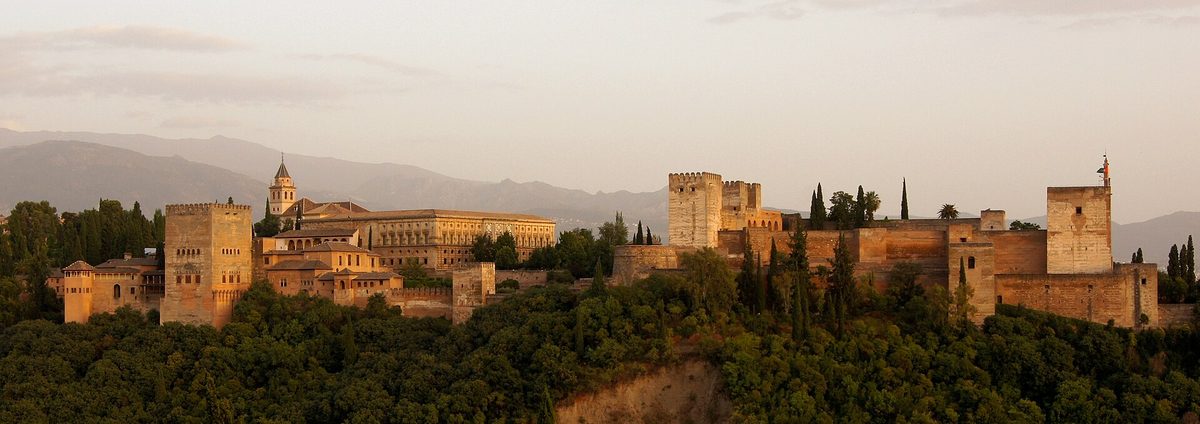
The first time I got Spain wrong, I was standing in the Patio de los Naranjos in Seville at two in the afternoon on the ninth of August, holding a bottle of water that had gone warm in eleven minutes, watching a Dutch family in matching sunhats give up and walk back to their hotel. The cathedral was open. The city was not. I had booked the trip in February, when 36 degrees was an abstraction.
The best time to visit Spain is May, or September into early October, when most of the country sits in the low-to-high twenties, most of the coast is warming up, and hotel rates run roughly a fifth below the August peak. But Spain is not one country climatically. The honest answer for Andalusia is different from the honest answer for the Basque coast, and different again for the Canaries.
I have spent fifteen years going back to Spain in every month of the calendar, including some I would not repeat. What follows is built on the numbers: AEMET climate normals for twelve cities, sea temperatures by month, Spain’s own hotel-rate statistics, arrival figures from the national statistics institute, and the festival dates that will decide whether your hotel costs eighty euros or three hundred.
One number to recalibrate on before we start. Spain’s visitor numbers are still widely quoted at around sixty million a year. The real figure for 2025 was 96.8 million, an all-time record and a 3.2% rise on 2024. That gap of nearly thirty-seven million people is roughly the population of Poland, and it changes what “shoulder season” means on the ground.
The short answer: when to visit Spain, month by month
Here is the whole year in one table. The verdict column is my own judgement; the temperature and price columns are sourced. Read the rest of the article if you want to know why, or just book off this and get on with your life.
| Month | Crowds | Cost | Verdict | Go here | Not here |
|---|---|---|---|---|---|
| January | Very low | Very low | Cold in the interior, glorious in the Canaries. Museums to yourself. | Canaries, Sierra Nevada, Madrid galleries | Green Spain, beach resorts |
| February | Very low | Lowest | The cheapest month by hotel rate. Carnival gives it a spike. | Cádiz, Tenerife, ski resorts | Coastal towns, most of which are shut |
| March | Low | Low | Andalusia turns the corner. Las Fallas takes over Valencia. | Seville, Córdoba, Valencia | Northern coast, still wet |
| April | Spiky | Medium | Gorgeous, but Semana Santa and the Feria distort prices for two weeks. | Andalusia, Madrid, Camino start | Seville during the Feria, unless that is why you came |
| May | Moderate | Medium | My pick for the whole country. Warm, dry, green, uncrowded. | Almost everywhere on the mainland | The ski resorts, which are closing |
| June | Rising | Rising | Excellent until about the 20th, then the school holidays land. | Coast, islands, northern Spain | Seville and Córdoba after mid-month |
| July | High | High | Hot, busy, expensive. Fine on the north coast, brutal inland. | Basque Country, Galicia, Asturias | Andalusian interior |
| August | Peak | Peak | The most expensive and most crowded month of the year. | Green Spain, Pyrenees, high altitude | Madrid, Seville, Córdoba, Toledo |
| September | Falling fast | Falling | The sea is a degree off its August peak and the crowds drop off a cliff after the 1st. | Balearics, Costa Brava, Barcelona | The first three days, still busy |
| October | Low | Low | The connoisseur’s month. Wine harvest, warm sea, cheap flights. | Rioja, Andalusia, Canaries | Barcelona in heavy rain weeks |
| November | Very low | Low | Wet in the north, quietly lovely in the south. Short days. | Canaries, Seville, Madrid | Atlantic coast, Pyrenees between seasons |
| December | Low, then spiky | Low, then high | Empty until about the 20th, then Christmas and Reyes. | Madrid at Christmas, Canaries | Anywhere between 24 December and 6 January without a booking |
If you want the one-line version: May and late September are the best time to visit Spain for the country as a whole, February is the cheapest, August is the one to avoid unless you are going north, and the Canary Islands ignore all of the above.
Spain is five climates, not one
This is the thing that trips people up. A country the size of Spain, with Mulhacén rising to 3,479 metres in Andalusia, the highest peak on mainland Spain, and an Atlantic coastline facing Iceland, does not have a single season. Booking Bilbao in July on the strength of a Seville weather forecast is how people end up buying emergency raincoats in Getxo.
Five broad zones, each with its own answer:
| Zone | Where | Character | Best months | Worst months |
|---|---|---|---|---|
| Mediterranean coast | Barcelona, Costa Brava, Valencia, Costa Blanca | Mild winters, hot humid summers, autumn downpours | May, June, September | August (crowds), October (heaviest rain) |
| Andalusia and the interior south | Seville, Córdoba, Granada, Jaén | The hottest place in Europe in high summer, superb in spring | March, April, May, October | July, August |
| Central meseta | Madrid, Toledo, Segovia, Salamanca | Continental. Cold winters, very hot dry summers, big daily swings | April, May, September, October | January, July, August |
| Green Spain | Galicia, Asturias, Cantabria, Basque Country | Atlantic. Mild, green, wet in every single month | June, July, August, September | November through February |
| Canary Islands | Tenerife, Gran Canaria, Lanzarote, Fuerteventura | Subtropical. The flattest temperature curve in Europe | All twelve. October to April for the escape value | None, though August is busy |
The scale of the difference is worth sitting with. In July, Seville’s average daily high is 36.0°C and Santiago de Compostela’s is 24.3°C. That is an 11.7 degree gap inside one country, on the same day, and it is the most useful fact in this article. If you are still choosing a country, our roundup of the best countries to visit in Europe is the place to start. Our Spain travel guide covers the regions in detail; this piece is about when to point yourself at each of them.
Spain’s weather by month: the actual numbers
The three tables below are AEMET’s published climate normals, station by station. One caveat that matters for accuracy: AEMET’s public tool still publishes the 1981 to 2010 reference period, not the newer 1991 to 2020 window most other national met services have moved to. Spain has warmed since 2010, so treat these as a conservative floor for summer heat rather than a forecast.
Read the maximum table for what daytime feels like, the minimum table for how cold the evenings get, and the rain-days table for whether you should build an indoor plan.
| City | Region | Jan | Feb | Mar | Apr | May | Jun | Jul | Aug | Sep | Oct | Nov | Dec |
|---|---|---|---|---|---|---|---|---|---|---|---|---|---|
| Madrid | interior | 9.8 | 12.0 | 16.3 | 18.2 | 22.2 | 28.2 | 32.1 | 31.3 | 26.4 | 19.4 | 13.5 | 10.0 |
| Barcelona | Med coast | 13.6 | 14.3 | 16.1 | 18.0 | 21.1 | 24.9 | 28.0 | 28.5 | 26.0 | 22.1 | 17.3 | 14.3 |
| Seville | Andalusia | 16.0 | 18.1 | 21.9 | 23.4 | 27.2 | 32.2 | 36.0 | 35.5 | 31.7 | 26.0 | 20.2 | 16.6 |
| Córdoba | Andalusia | 14.9 | 17.4 | 21.3 | 22.8 | 27.4 | 32.8 | 36.9 | 36.5 | 31.6 | 25.1 | 19.1 | 15.3 |
| Valencia | Med coast | 16.4 | 17.1 | 19.3 | 20.8 | 23.4 | 27.1 | 29.7 | 30.2 | 27.9 | 24.3 | 19.8 | 17.0 |
| Málaga | Costa del Sol | 16.8 | 17.7 | 19.6 | 21.4 | 24.3 | 28.1 | 30.5 | 30.8 | 28.2 | 24.1 | 20.1 | 17.5 |
| Palma de Mallorca | Balearics | 15.2 | 15.4 | 17.5 | 19.8 | 23.7 | 28.1 | 31.2 | 31.3 | 27.9 | 23.9 | 19.0 | 16.1 |
| Bilbao | Green Spain | 13.4 | 14.3 | 16.5 | 17.6 | 20.8 | 23.4 | 25.4 | 26.0 | 24.6 | 21.4 | 16.6 | 13.9 |
| San Sebastián | Green Spain | 11.0 | 11.5 | 13.4 | 14.5 | 17.7 | 20.0 | 21.8 | 22.5 | 21.1 | 18.5 | 14.0 | 11.6 |
| Santiago de Compostela | Green Spain | 11.2 | 12.5 | 15.0 | 16.1 | 18.6 | 22.2 | 24.3 | 24.7 | 22.8 | 18.1 | 14.1 | 11.9 |
| Gran Canaria (Las Palmas) | Canaries | 20.8 | 21.2 | 22.3 | 22.6 | 23.6 | 25.3 | 26.9 | 27.5 | 27.2 | 26.2 | 24.2 | 22.2 |
| Tenerife South | Canaries | 21.7 | 22.0 | 23.1 | 23.1 | 23.9 | 25.4 | 27.7 | 28.4 | 27.9 | 26.8 | 24.8 | 22.8 |
Three things jump out. Córdoba, not Seville, holds the hottest average July high of the twelve cities in this table at 36.9°C. San Sebastián’s warmest month tops out at 22.5°C, nine and a half degrees below Madrid in July and barely above Madrid in May. And the Canaries barely move: Gran Canaria swings from 20.8°C in January to 27.5°C in August, a spread of under seven degrees across the entire year, against Madrid’s 22.3.
| City | Region | Jan | Feb | Mar | Apr | May | Jun | Jul | Aug | Sep | Oct | Nov | Dec |
|---|---|---|---|---|---|---|---|---|---|---|---|---|---|
| Madrid | interior | 2.7 | 3.7 | 6.2 | 7.7 | 11.3 | 16.1 | 19.0 | 18.8 | 15.4 | 10.7 | 6.3 | 3.6 |
| Barcelona | Med coast | 4.7 | 5.4 | 7.4 | 9.4 | 12.8 | 16.8 | 19.8 | 20.2 | 17.4 | 13.5 | 8.6 | 5.7 |
| Seville | Andalusia | 5.7 | 7.0 | 9.2 | 11.1 | 14.2 | 18.0 | 20.3 | 20.4 | 18.2 | 14.4 | 10.0 | 7.3 |
| Córdoba | Andalusia | 3.6 | 4.9 | 7.4 | 9.3 | 12.6 | 16.5 | 19.0 | 19.4 | 16.9 | 13.0 | 7.8 | 5.5 |
| Valencia | Med coast | 7.1 | 7.8 | 9.6 | 11.5 | 14.6 | 18.6 | 21.5 | 21.9 | 19.1 | 15.2 | 10.8 | 8.1 |
| Málaga | Costa del Sol | 7.4 | 8.2 | 9.8 | 11.1 | 14.2 | 18.0 | 20.5 | 21.1 | 18.8 | 15.0 | 11.3 | 8.9 |
| Palma de Mallorca | Balearics | 3.8 | 4.0 | 5.2 | 7.4 | 11.3 | 15.4 | 18.3 | 18.9 | 16.5 | 13.1 | 8.3 | 5.4 |
| Bilbao | Green Spain | 5.1 | 5.1 | 6.4 | 7.6 | 10.6 | 13.4 | 15.4 | 15.7 | 13.8 | 11.4 | 8.1 | 5.9 |
| San Sebastián | Green Spain | 5.9 | 5.9 | 7.2 | 8.1 | 11.1 | 13.8 | 16.0 | 16.5 | 14.8 | 12.4 | 8.7 | 6.6 |
| Santiago de Compostela | Green Spain | 4.1 | 4.1 | 5.4 | 6.2 | 8.5 | 11.3 | 13.0 | 13.3 | 11.9 | 9.5 | 6.7 | 5.0 |
| Gran Canaria (Las Palmas) | Canaries | 15.0 | 15.0 | 15.7 | 16.2 | 17.3 | 19.2 | 20.8 | 21.6 | 21.4 | 20.1 | 18.1 | 16.2 |
| Tenerife South | Canaries | 15.2 | 15.0 | 15.6 | 16.0 | 17.0 | 18.8 | 20.2 | 21.1 | 21.1 | 20.0 | 18.2 | 16.5 |
The minimum column is where the meseta catches people out. Madrid’s January nights average 2.7°C, and Palma de Mallorca’s airport station records fifteen frost days a year despite the island’s permanently sunny reputation. If you are packing for a Mallorca winter break, pack for a cold snap.
| City | Region | Jan | Feb | Mar | Apr | May | Jun | Jul | Aug | Sep | Oct | Nov | Dec |
|---|---|---|---|---|---|---|---|---|---|---|---|---|---|
| Madrid | interior | 5.7 | 5.2 | 4.1 | 6.7 | 7.3 | 3.4 | 1.7 | 1.7 | 3.3 | 6.9 | 6.5 | 6.8 |
| Barcelona | Med coast | 3.7 | 4.0 | 4.5 | 5.1 | 4.7 | 3.6 | 1.8 | 4.5 | 5.2 | 6.3 | 5.1 | 4.4 |
| Seville | Andalusia | 6.1 | 5.8 | 4.3 | 6.1 | 3.7 | 1.3 | 0.2 | 0.5 | 2.4 | 6.1 | 6.4 | 7.5 |
| Córdoba | Andalusia | 7.2 | 6.1 | 4.9 | 6.7 | 4.9 | 1.4 | 0.4 | 0.6 | 3.2 | 6.9 | 5.9 | 8.1 |
| Valencia | Med coast | 4.4 | 3.9 | 3.6 | 4.8 | 4.3 | 2.6 | 1.1 | 2.4 | 5.0 | 5.0 | 4.3 | 4.8 |
| Málaga | Costa del Sol | 5.8 | 4.8 | 4.0 | 4.5 | 3.1 | 0.8 | 0.1 | 0.5 | 2.1 | 4.4 | 5.6 | 6.6 |
| Palma de Mallorca | Balearics | 5.7 | 5.1 | 4.5 | 4.8 | 3.8 | 1.8 | 0.5 | 1.7 | 4.3 | 6.1 | 6.1 | 6.4 |
| Bilbao | Green Spain | 12.6 | 10.6 | 10.5 | 12.5 | 10.5 | 7.2 | 7.0 | 7.9 | 8.3 | 10.8 | 12.7 | 12.3 |
| San Sebastián | Green Spain | 13.2 | 11.6 | 12.4 | 13.4 | 12.2 | 10.6 | 9.8 | 10.5 | 10.1 | 11.8 | 13.0 | 12.4 |
| Santiago de Compostela | Green Spain | 15.2 | 12.6 | 12.8 | 14.4 | 12.7 | 7.6 | 5.7 | 5.5 | 8.4 | 14.0 | 14.9 | 15.9 |
| Gran Canaria (Las Palmas) | Canaries | 3.1 | 3.0 | 2.3 | 1.3 | 0.3 | 0.1 | 0.0 | 0.1 | 1.1 | 2.3 | 3.9 | 4.5 |
| Tenerife South | Canaries | 1.8 | 2.2 | 1.9 | 1.1 | 0.3 | 0.0 | 0.0 | 0.2 | 0.6 | 1.6 | 1.9 | 3.5 |
This is the table that changes decisions. Two findings worth acting on:
- Barcelona’s wettest month is October, not a winter month. October averages 91 mm across 6.3 rain days; September is second at 81 mm. Barcelona in January is drier than Barcelona in October, which catches people out.
- San Sebastián’s driest month still gets rain on roughly ten days. July, its best month, averages 9.8 days of 1 mm or more, and 86 mm of rain. Green Spain is called green for a reason and no month exempts you from it. Pack for it: our Europe packing list has the wet-weather section.
Santiago de Compostela receives 1,787 mm of rain a year across 139.5 rain days. Gran Canaria’s airport receives 151 mm across 22.1 rain days. Those two places are in the same country, use the same currency, and are separated by about 1,750 kilometres of Atlantic.
Sea temperature: when Spain is actually swimmable
Air temperature is only half the beach question. Here is the water, month by month, and it contains a surprise.
| Coast | Jan | Feb | Mar | Apr | May | Jun | Jul | Aug | Sep | Oct | Nov | Dec |
|---|---|---|---|---|---|---|---|---|---|---|---|---|
| Costa del Sol (Málaga) | 16.1 | 15.6 | 15.6 | 16.8 | 18.4 | 20.9 | 22.8 | 23.4 | 21.8 | 20.4 | 18.2 | 16.6 |
| Costa Brava & Barcelona | 13.4 | 13.0 | 13.2 | 14.8 | 17.7 | 21.4 | 23.3 | 24.4 | 23.4 | 21.2 | 17.9 | 15.2 |
| Balearics (Ibiza) | 14.8 | 14.3 | 14.4 | 16.2 | 19.1 | 22.5 | 25.1 | 26.2 | 25.3 | 22.8 | 19.7 | 16.7 |
| Canaries (Tenerife) | 20.0 | 19.3 | 19.2 | 19.4 | 20.1 | 21.1 | 21.9 | 22.9 | 23.7 | 23.6 | 22.2 | 20.8 |
September beats July in the water on three of the four coasts here. Off Barcelona, September averages 23.4°C against July’s 23.3°C. In the Balearics, September’s 25.3°C edges past July’s 25.1°C. The Mediterranean is a large body of water with a lot of thermal inertia, so it holds its heat well into the autumn. This is why early June, which sounds like the clever beach choice, is not: June water off Barcelona averages 21.4°C, which is bracing rather than inviting. September water is warmer, the air is still in the high twenties, and half the crowd has gone home.
The Canaries run their own schedule again. The water there peaks in September and October at 23.7°C and 23.6°C, and never drops below 19.2°C in March. That is the coldest Canarian sea month, and it is warmer than the Costa del Sol in May.
If beaches are the whole point of the trip, our roundup of the best beaches in Europe includes several Spanish entries with their own seasonal quirks, and the best Mediterranean destinations guide covers how Spain compares with Italy, Greece and Croatia on timing.

Month by month: what Spain is really like
Twelve sections, one per month. Each gives you the weather in the places you are most likely to be, what is happening, and my honest verdict on whether to go.
January in Spain
Madrid averages 9.8°C by day and 2.7°C at night, and the Prado has no queue. That trade is better than it sounds. January is the month I recommend to people who want Spanish cities rather than Spanish weather: you can see the Prado, the Reina Sofía and the Thyssen in three unhurried days, which is the sort of trip our European city breaks guide is built around, eat a long lunch in a warm restaurant, and pay off-season rates for a hotel that will cost two or three times as much during Semana Santa.
The month opens with Reyes. Epiphany on 6 January is a national holiday and the Cabalgata de Reyes parades happen on the evening of the 5th, which is the real event for Spanish families. Book accommodation for the first week of January or accept what is left.
The Canaries in January average 20.8°C in Gran Canaria and 21.7°C in south Tenerife, with three rain days in the month. This is the single best winter-sun proposition in Europe within a four-hour flight of London, and the arrival numbers agree: the Canaries took 27.4% of all international arrivals to Spain in December 2025, the largest share of any Spanish region that month.
Verdict: excellent for cities and the Canaries, pointless for the coast. Sierra Nevada and Baqueira Beret are both open, having started their 2025/26 seasons on 29 November.
February in Spain
Nothing costs less than a Spanish February. The national hotel average daily rate for February 2026 was €116.30, against €155.70 in August 2025. That is roughly a 34% difference on the largest line in most trip budgets.
It is also Carnival. Santa Cruz de Tenerife and Cádiz run the two big ones, and they are proper multi-week affairs rather than a weekend. Shrove Tuesday in 2026 was 17 February. For 2027, Cádiz runs 4 to 14 February with the COAC competition heats starting on 8 January, and Tenerife’s street carnival runs 19 to 28 February with the Coso Apoteósico parade on 23 February.
Weather-wise, February is the low point for sea temperature everywhere on the mainland: 15.6°C off Málaga, 13.0°C off Barcelona. Nobody is swimming. Seville averages 18.1°C by day, which is pleasant walking weather and, for the Alcázar and the cathedral, a considerable improvement on the queues in April.
Verdict: the value month. Go if the budget matters more than the beach.
March in Spain
Andalusia turns the corner in March. Seville hits 21.9°C average daily maximum, Córdoba 21.3°C, and the orange trees in the Barrio de Santa Cruz are in blossom. This is the beginning of the best window for the Andalusian cities, and the season when Spain competes hard with the rest of the Mediterranean and it lasts until roughly the third week of June.
Valencia is a different proposition entirely because of Las Fallas, which runs 15 to 19 March every year without exception. The mascletà, a daytime percussive firework display that you feel in your chest, happens at 14:00 daily from 1 to 19 March. La Cremà, when the enormous satirical sculptures are burned, is around midnight on the 19th. It has been on UNESCO’s intangible cultural heritage list since 30 November 2016. Valencia in March averages 19.3°C by day with 3.6 rain days, which is close to perfect for standing in a street for six hours.
Book Valencia for Las Fallas at least four months ahead. The season formally opens with La Crida on the last Sunday of February.
Verdict: the south is excellent, the north is still wet, and Valencia is unmissable if you like noise.
April in Spain
April is beautiful and financially unpredictable, and the reason is Easter.
Semana Santa 2026 ran 29 March to 5 April. In 2027 Easter Sunday falls on 28 March, so Holy Week runs 21 to 28 March, eight days earlier. If you are planning ahead, that shift moves the price spike out of April and into March, which changes the calculus for anyone who was assuming late March would be quiet.
Seville’s Feria de Abril follows two weeks after Easter Sunday. In 2026 it ran Tuesday 21 to Sunday 26 April, opening with the pescaíto dinner on the Monday and the alumbrao at midnight. The 2027 dates are not confirmed: sources conflict between 12 to 18 April and 21 to 26 April, and Seville City Hall does not usually confirm until late summer of the preceding year. Do not book non-refundable flights against an unconfirmed Feria date.
Outside those two weeks, April is superb. Seville averages 23.4°C, Madrid 18.2°C, and Barcelona 18.0°C. The countryside in Andalusia and Extremadura is green in a way it will not be again until November. Córdoba’s Patios Festival, when private courtyards open to the public, falls in early May and is covered in the May section below.
Verdict: go, but check the festival calendar first and treat Semana Santa and Feria weeks as a separate, more expensive product.

May in Spain
If you make me pick one month, I pick May. Córdoba’s Patios Festival, when the city’s private courtyards open to the public and compete on their geraniums, falls in the first half of the month and is worth building a trip around.
Seville averages 27.2°C with 3.7 rain days. Madrid averages 22.2°C. Barcelona 21.1°C. Even San Sebastián manages 17.7°C. Almost every part of Spain is in its comfortable band simultaneously, which does not happen often, and May has the edge over September because the countryside is still green.
The national hotel rate for May 2026 was €123.70, only slightly above February’s floor and well under the August peak. Madrid’s San Isidro festival, the city’s patron saint celebration on 15 May, ran 7 to 17 May in 2026 with an extensive free programme; the 2027 dates have not been published yet.
The one thing May is not good for is swimming. Sea temperatures are 18.4°C off Málaga and 17.7°C off Barcelona. Warm enough for a determined British person, cold enough that most people will not repeat it.
Verdict: the best all-round month, with the beach as the only compromise. If you are building a route, our Spain itinerary options work best in exactly this window.
June in Spain
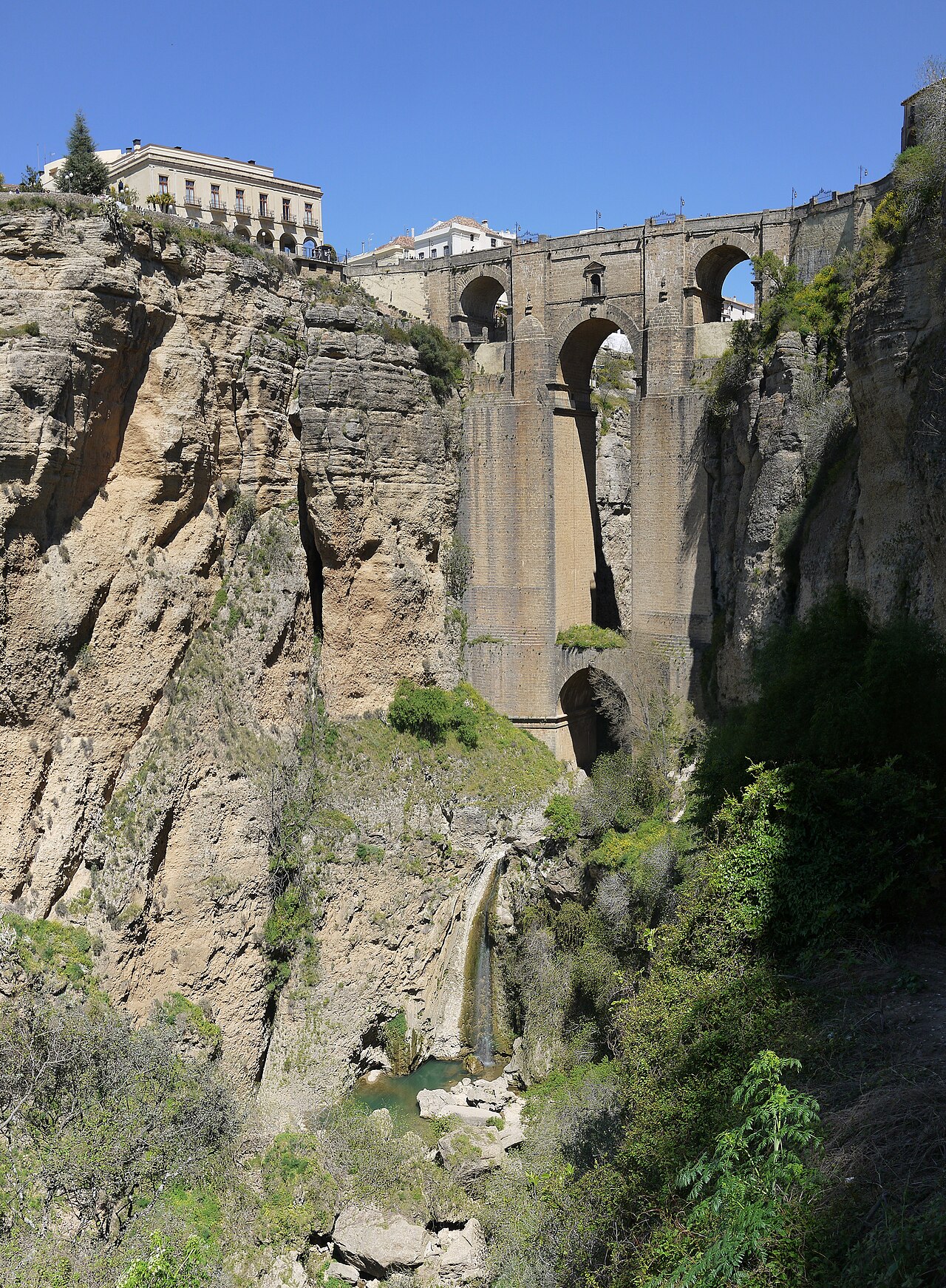
The month divides neatly in half. Up to about the 20th it is one of the best times of the year: Barcelona at 24.9°C, Valencia at 27.1°C, the sea warming through 21°C, and the schools still in session across most of Europe. After that, everything changes at once. Spanish schools break up from around 17 to 20 June, French grandes vacances started 4 July in 2026, and German Sommerferien began as early as 29 June in Rheinland-Pfalz, Hessen and Saarland.
Seville in June averages 32.2°C and Córdoba 32.8°C, which is the point at which sightseeing in the Andalusian interior becomes an early-morning-and-evening activity rather than a whole-day one. Plan for a 09:00 to 13:00 window, a long lunch, and a second push after 18:00. This is not a hardship; it is simply how Spanish cities work in summer, and fighting it is the mistake.
San Juan on 23 to 24 June is a wonderful thing to catch, with bonfires on beaches across Catalonia, Valencia, Galicia and the Basque Country. It is a regional public holiday in several communities.
Verdict: the first three weeks are excellent everywhere; the last ten days belong to the coast and the north.
July in Spain
July is when the geography of Spain stops being a curiosity and becomes the whole decision.
In the interior south, July means 36.0°C average daily highs in Seville and 36.9°C in Córdoba. These are averages, not peaks. Spain’s all-time record of 47.6°C was set at La Rambla in Córdoba province on 14 August 2021. Worth separating the average from the extreme here: Seville’s mean July maximum is 36°C. Forty-five degrees does happen, but it is a heatwave reading rather than a typical afternoon.
Meanwhile, on the north coast, July is the best month of the year. Bilbao averages 25.4°C with 7.0 rain days, San Sebastián 21.8°C, Santiago 24.3°C with its driest month at 43 mm. Green Spain’s driest month is July, not a spring month, which is the inverse of the rest of the country.
San Fermín in Pamplona runs 6 to 14 July every year. If you want to be there, book by January. If you do not, avoid Navarre entirely that week.
Verdict: excellent north of the Cantabrian mountains, difficult everywhere else.

August in Spain
August is the peak of everything: heat, crowds, prices and closures. It gets a full section further down, with the heat records, the wildfire risk and the closure figures. The short version: August 2025 brought 11.3 million international visitors, the busiest month of the year, a national hotel rate of €155.70, the annual high, and a 16-day heatwave.
What August is good for: the Basque coast, the Picos de Europa, the Pyrenees, Galicia and altitude generally. The Camino de Santiago is busy but the weather is at its most reliable, and August is one of the better months on our list of best places to visit in Europe in summer if you stay north. La Tomatina in Buñol falls on the last Wednesday of August, is capped at 20,000 ticketed participants, and costs €15 for entry-only through the official site.
Verdict: the worst month for most of Spain and the best month for a specific quarter of it.
September in Spain
September is the month I book most often, and the reason is a calendar quirk rather than the weather.
French school holidays ended 31 August in 2026, English and Welsh ones on the same date. The first week of September is the sharpest single drop-off in coastal crowding in the Spanish calendar, and the weather does not change to match. Barcelona still averages 26.0°C in September; the sea is at 23.4°C, its warmest point of the year outside August. The Balearics sit at 25.3°C in the water and 27.9°C in the air.
Barcelona’s La Mercè runs 23 to 27 September, with the feast day of the Mare de Déu de la Mercè on the 24th. The 2026 edition had Manchester as guest city. It is free, it is enormous, and it is still recognisably a city celebrating itself rather than a programme built for visitors.
The one warning: September is Barcelona’s second-wettest month at 81 mm. Autumn rain on the Mediterranean coast arrives in short, violent bursts rather than drizzle. Pack accordingly.
Verdict: the best beach month in Spain, and my pick for a first trip if May does not work.
October in Spain
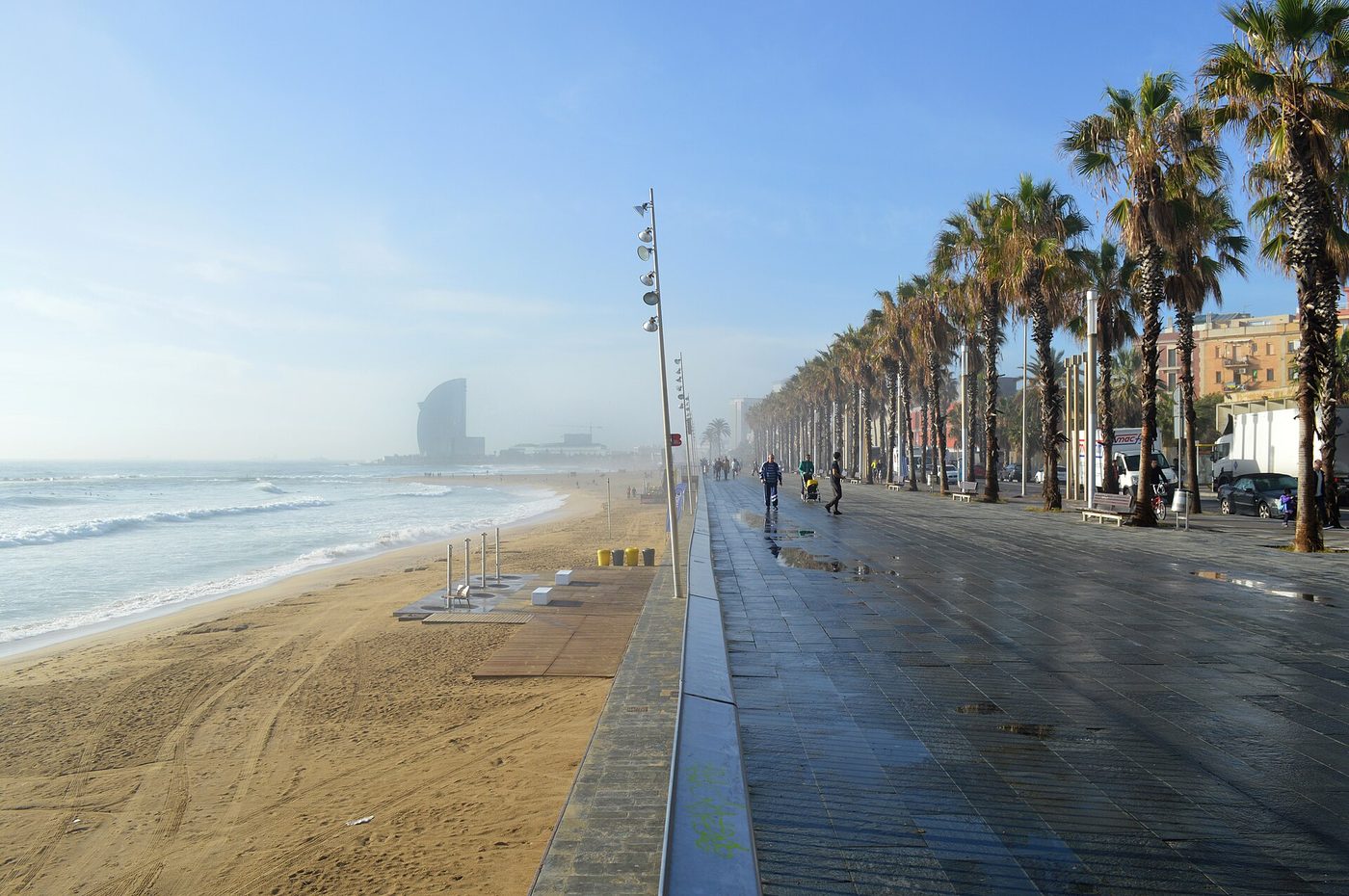
This is my favourite month in Spain and I recognise that is a minority position. Seville averages 26.0°C, which is shirt-sleeve weather with none of the July penalty. Málaga is at 24.1°C with the sea still at 20.4°C. The Rioja and Ribera del Duero harvests are in. Flights and hotels have dropped back toward the winter floor.
The catch is rain, and it is regionally specific. Barcelona’s wettest month is October at 91 mm across 6.3 days. Santiago gets 226 mm. The Andalusian coast and the Canaries are largely unaffected: Málaga sees 4.4 rain days, Gran Canaria 2.3.
The Alhambra switches to winter hours on 15 October, moving from 08:30 to 20:00 down to 08:30 to 18:00, and night visits shift from Tuesday to Saturday at 22:00 to Friday and Saturday at 20:00. If you are going for the night visit, that mid-October date matters.
12 October is Spain’s national day and a nationwide holiday.
Verdict: excellent in the south and the islands, a gamble in Catalonia and the north.
November in Spain
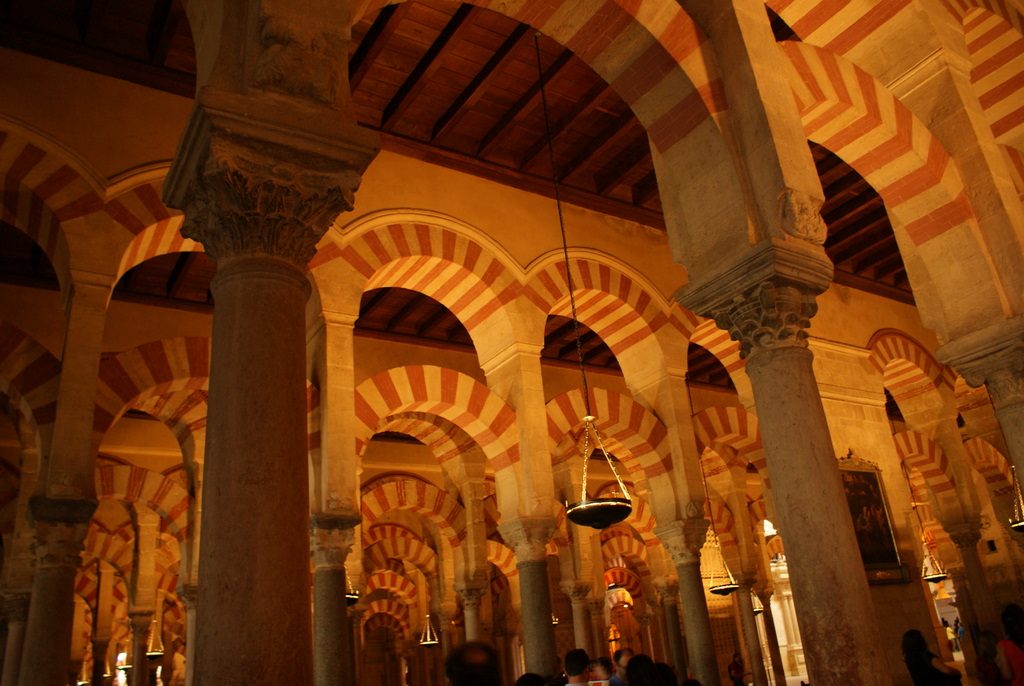
On the Basque coast, this is the wettest month of the year: San Sebastián gets 169 mm, Bilbao 147 mm. It ties with December as the wettest month in Málaga at 100 mm, which surprises people who think of the Costa del Sol as a desert. Madrid gets 58 mm, mostly in short spells.
What November has going for it is emptiness and price. It sits at the bottom of the arrival curve alongside December, January and February, and the cities are entirely yours. Seville at 20.2°C is a genuinely comfortable place to walk around, and you will get into the Alcázar without a timed ticket booked three weeks out.
1 November is All Saints, a national holiday, and the first week can be busier than the rest of the month as a result.
Verdict: good value in the south and the Canaries, poor in the north.
December in Spain
There are two entirely different Decembers. Up to about the 20th it is the quietest, cheapest time to be in Spain, with December 2025 recording 5.29 million international arrivals against August’s 11.3 million, roughly half. After the 20th, Christmas and Reyes push prices back up and Spanish families take over the transport network.
The 6 December Constitution Day and 8 December Immaculate Conception holidays fall two days apart, which in most years produces one of the longest puentes of the calendar. Spanish domestic travel spikes hard across that window. If your dates touch it, book early.
Madrid at Christmas is lovely: the Plaza Mayor market, the lights on Gran Vía, and a city that has not been designed around foreign visitors. It also averages 10.0°C by day and 3.6°C at night, so this is a coat trip, and it earns Madrid a place among the best places to visit in Europe in winter. Our guide to Christmas markets in Europe puts Madrid and Barcelona in context against the German and Austrian circuit.
December is the wettest month in Santiago at 261 mm across 15.9 rain days, and the warmest Canarian month for sea temperature relative to anywhere else in Europe at 20.8°C.
Verdict: excellent value before the 20th, expensive and busy after it, and the Canaries are at their most valuable.
Best time to visit Spain by region
The month-by-month view is useful for a general trip. If you already know where you are going, this is the faster route to an answer.
| Region | Best months | Good months | Avoid | The reason |
|---|---|---|---|---|
| Andalusia (Seville, Córdoba, Granada) | April, May, October | March, November | July, August | Seville averages 36.0°C in July and 27.2°C in May |
| Barcelona & Catalonia | May, June, September | April, October | August | September sea 23.4°C, October is the wettest month at 91 mm |
| Madrid & the meseta | May, September, October | April, November | July, August, January | 32.1°C in July, 2.7°C nights in January |
| Valencia & Costa Blanca | May, June, September | March (Fallas), October | August | Warm sea from July to September, and 4.3 rain days in May |
| Costa del Sol | May, June, September, October | April, November | August | Only 0.1 rain days in July, 2,905 sunshine hours a year |
| Balearic Islands | June, September | May, October | August | September sea 25.3°C beats July’s 25.1°C |
| Green Spain (Basque, Cantabria, Asturias, Galicia) | July, August | June, September | November to February | July is the driest month; San Sebastián still gets 9.8 rain days |
| Canary Islands | Any | Any | None | Gran Canaria ranges 20.8°C to 27.5°C across the year |
| Pyrenees & Sierra Nevada (skiing) | January to March | Late December, early April | May, June, October, November | Sierra Nevada’s 2025/26 season ran 29 Nov to 26 April |
| Picos de Europa & mountain hiking | June, September | July, August | December to March | High passes hold snow into late spring |
Andalusia: front-load or back-load the year
The Andalusian rule is simple. March to early June, and late September to November, which is the window used consistently throughout this article. Outside that, the interior cities are either too hot to enjoy or, in the depths of winter, running short daylight and reduced opening hours. Granada, one of the most beautiful places in Europe in my view, is the partial exception because it sits at around 740 metres with the Sierra Nevada behind it: it is meaningfully cooler than Seville and Córdoba in summer, and colder in winter.
Our Andalusia travel guide and the Seville travel guide go deeper on individual cities.
Barcelona: September, then May
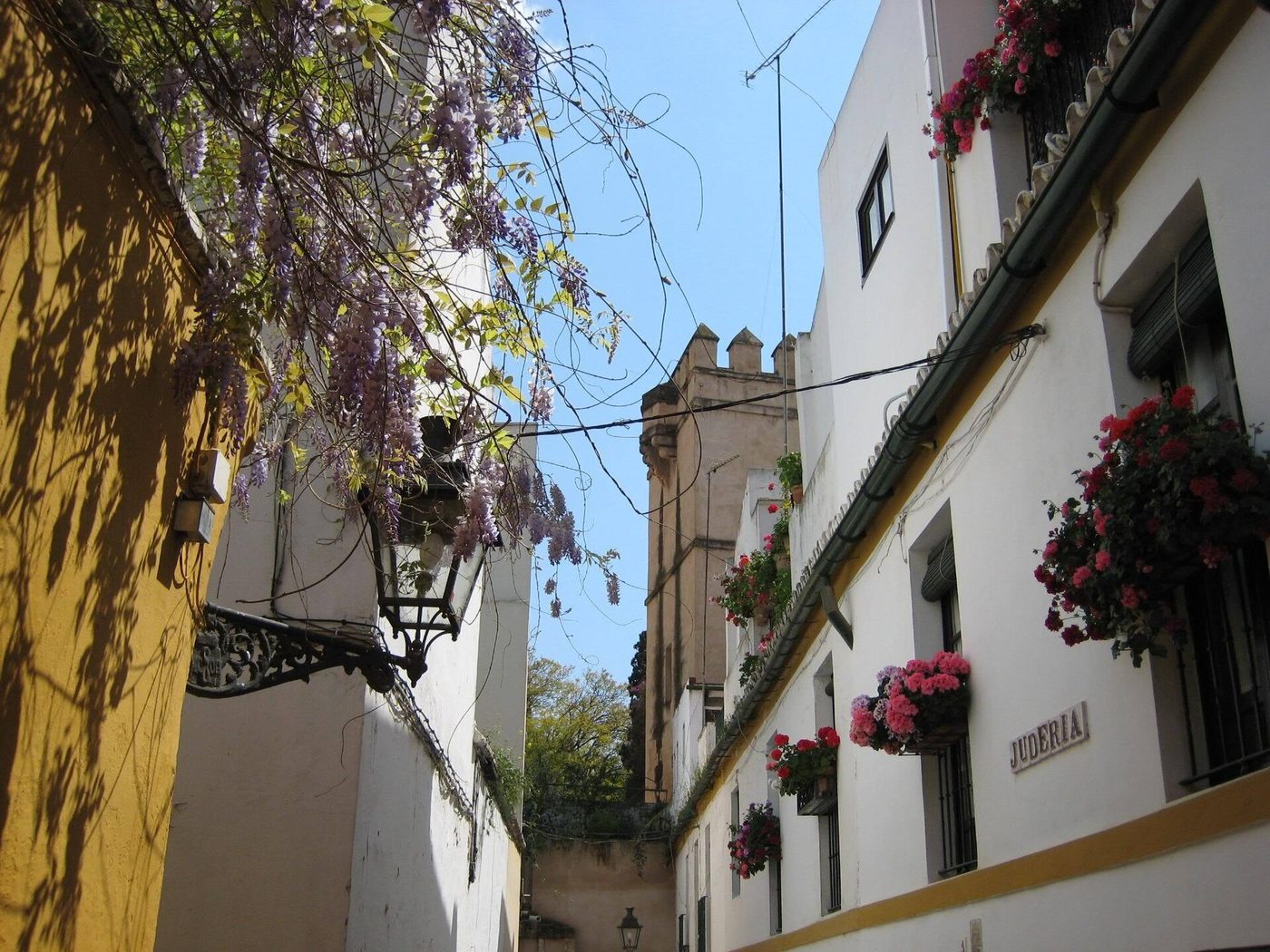
Barcelona’s best month is September and it is not close. The air is at 26.0°C, the sea a degree off its August peak, the beaches have emptied, and La Mercè falls on the 23rd to 27th. The counterargument is 81 mm of rain, which is real but arrives in a handful of heavy afternoons rather than a persistent grey.
May is the safer bet if you cannot handle rain risk: 21.1°C, 4.7 rain days, and the city not yet at summer volume. The things to do in Barcelona guide has the neighbourhood detail.
Two Barcelona-specific things to know before you pick dates. First, the tourist tax rose sharply on 1 April 2026: the combined regional and municipal charge is now €12.00 per person per night at 5-star hotels, up from €7.50 in 2025, with €8.40 at 4-star and €9.50 for tourist-use apartments. The municipal surcharge is on an escalator, rising a euro a year to 2029. Second, all 10,101 licensed tourist apartments in the city are being phased out by November 2028, a policy upheld by Spain’s Constitutional Court, so short-term rental supply is tightening year on year.
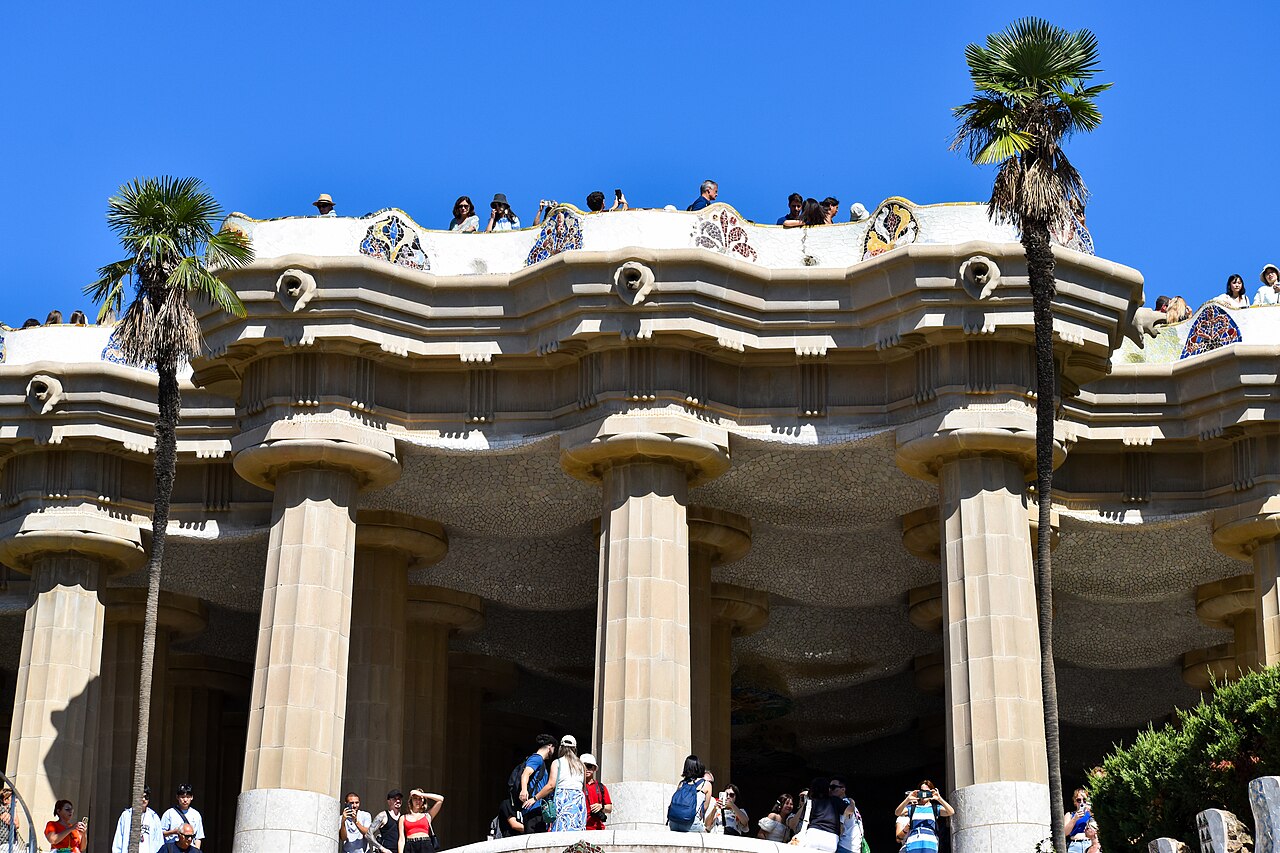
Madrid: everything except July, August and January
Madrid has a wide comfortable band and two hard exclusions. July and August are 32.1°C and 31.3°C with the city’s own residents largely absent. January is 9.8°C by day and near freezing at night. Everything else works, and the shoulder months work brilliantly because Madrid is a walking city with a park at its centre and three major art museums within twenty minutes of each other.
See the things to do in Madrid guide for what to build around.
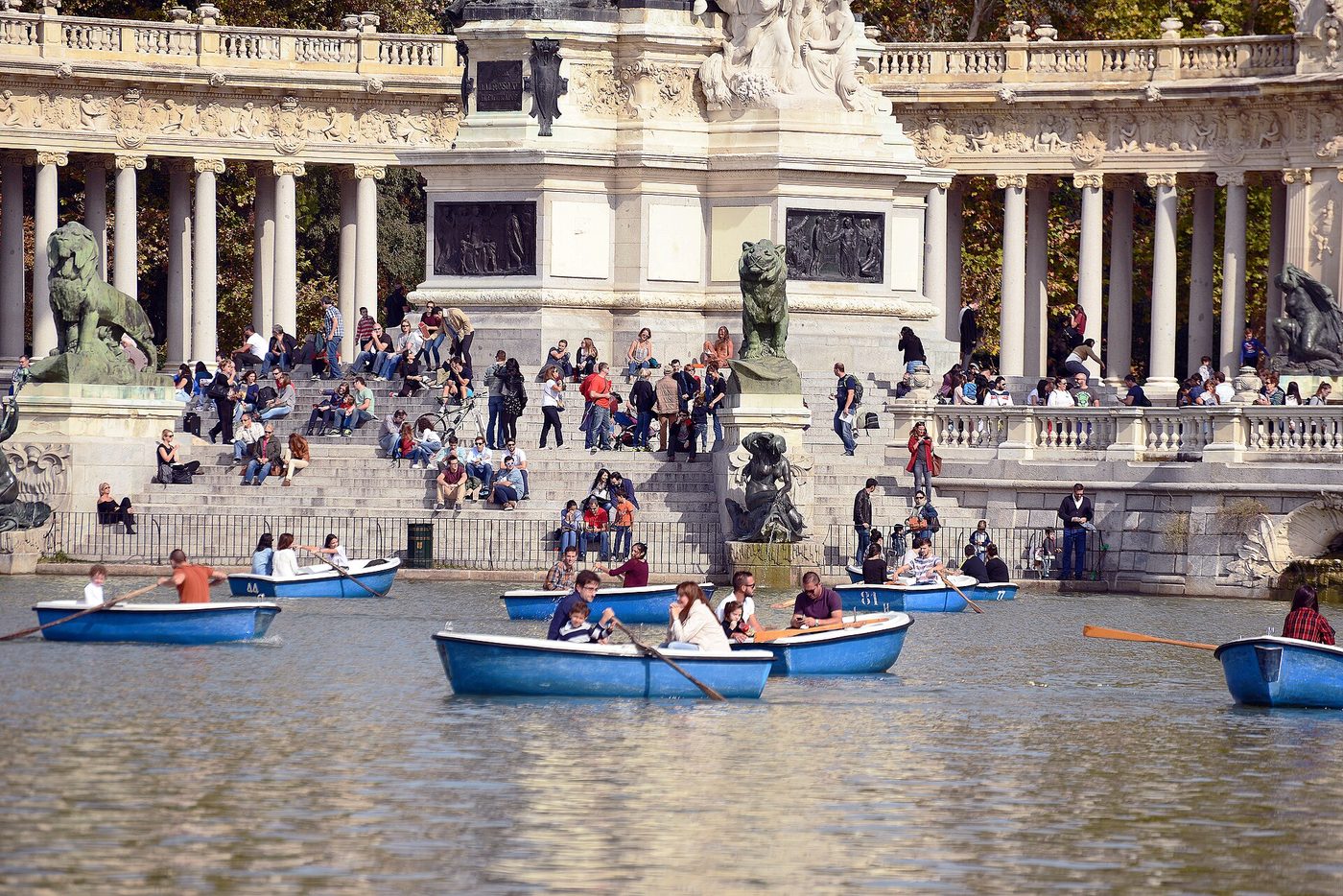
Green Spain: the inverse calendar
Galicia, Asturias, Cantabria and the Basque Country run backwards relative to the rest of Spain. Their best months are July and August, exactly when everyone tells you to avoid Spain, and their worst are November to February when Santiago collects 261 mm in December alone.
This is the best piece of planning arbitrage in the country. If your only available window is August, do not cancel: go north. San Sebastián at 22.5°C with pintxos bars, some of the best food in Europe and a city beach is a very different August from Seville at 35.5°C.
The Camino de Santiago is at its most walkable from May to September, with June and September offering the best balance of weather and trail crowding. Our hiking in Europe guide covers the route options.

Valencia and the Costa Blanca
Valencia has the flattest comfortable curve of the mainland Mediterranean cities: 23.4°C in May, 27.1°C in June, 27.9°C in September, and only 4.3, 2.6 and 5.0 rain days respectively. It never gets as hot as Seville and never as wet as Barcelona, which makes it the easiest Spanish city to time.
Two things bracket the year. Las Fallas takes March, and September and October bring the heaviest rain of the Valencian year at 70 mm and 77 mm, arriving as intense autumn storms rather than steady drizzle. Between those, from April to early July, the city is close to faultless.
The Costa del Sol
Our full Costa del Sol travel guide compares all 19 towns on that coast and sets out which ones have no train station.
Málaga has 2,905 sunshine hours a year and 42.3 rain days, the driest profile of any mainland city in these tables. July averages 0.1 rain days, which rounds to none at all. Daily maxima run 30.5°C in July and 30.8°C in August, meaningfully gentler than the Andalusian interior an hour inland because the sea moderates it.
The sea itself is the constraint. It reaches 20.9°C in June, peaks at 23.4°C in August, and holds 20.4°C through October. May, at 18.4°C, is not swimming water for most people. The Costa del Sol also has the strongest winter case on the mainland: January averages 16.8°C by day, which is not beach weather but is very good walking and golf weather, and the resorts stay partly open in a way the northern coasts do not.
The Balearic Islands
Mallorca, Menorca, Ibiza and Formentera peak later than people expect, and the month-by-month picture for Mallorca is worth reading alongside this. Ibiza’s sea reaches 26.2°C in August and 25.3°C in September, both above July’s 25.1°C, while Palma’s air holds 27.9°C in September. The islands are at their best in June and September, either side of the August crush that took the Balearics to 15.7 million international visitors in 2025.
Do not assume island means frost-free. Palma’s airport station records 15.0 frost days a year and a January mean minimum of 3.8°C. Winter on Mallorca is a hiking and cycling proposition, not a beach one, and a good many coastal businesses close between November and March.
The Balearic Sustainable Tourism Tax is explicitly seasonal, running higher between 1 May and 31 October, which is one more reason the shoulder either side of that window is good value.
The Pyrenees and Sierra Nevada
Spain’s mountains run a clean two-season calendar with two dead zones. Ski season is roughly late November to late April: Sierra Nevada opened on 29 November 2025 and was scheduled to close on 26 April 2026, and Baqueira Beret opened the same day with a 6 April close. Peak conditions are January to March.
Summer, July through early September, is the high-mountain walking season once the passes clear. May, June, October and November are the dead zones: too late for snow, too early or too late for reliable high-altitude walking. Sierra Nevada is the outlier that lets you ski in the morning and be on a Costa Tropical beach in the afternoon, which is a novelty worth doing once in March.
The Picos de Europa and the northern mountains
June and September are the sweet spots. The Cares Gorge, the region’s signature walk, is at its most comfortable when the summer crowds have not yet arrived or have just left. July and August work but are busier and, as 2025 showed, carry a wildfire risk that did not used to feature in the planning. December to March, the high routes hold snow and many refuges close.
The Canary Islands: the year-round exception
The Canaries are not really governed by seasons. Gran Canaria’s airport station shows monthly average highs between 20.8°C and 27.5°C, and the sea never falls below 19.2°C. The islands took 15.7 million international visitors in 2025, tied with the Balearics, and 27.4% of all December arrivals to Spain.
One nuance that matters more than the season: north versus south. Tenerife Norte records 520 mm of rain a year across 64.0 rain days; Tenerife Sur records 132 mm across 15.2. If your priority is guaranteed sun, book the south. If it is landscape and laurel forest, the north is the interesting half of the island.
Two 2026 changes to factor in. Mogán on Gran Canaria has introduced the first accommodation tourist tax in the Canaries, a municipal levy of €0.15 per person per day. And Teide National Park now charges for its most popular trails: €15 unguided or €10 guided for the Telesforo Bravo summit route, and €6 on weekdays or €10 at weekends and holidays for Montaña Blanca to Rambleta, with Tenerife residents and under-14s exempt.
Crowds and prices: what the numbers actually show
Spain publishes both crowd and price data monthly, for free, through its national statistics institute. Here is what it actually says.
Visitor numbers
Spain received 96,770,515 international tourists in 2025, an all-time record and 3.2% up on 2024’s 93.8 million. The trajectory since the pandemic has been steep: 18.9 million in 2020, 31.2 million in 2021, 71.7 million in 2022, 85.2 million in 2023, then 93.8 and 96.8. Visitor spending reached €134.7 billion in 2025, up 6.8%.
The monthly distribution is the useful part. August 2025 brought 11.3 million international visitors, just ahead of July’s 11.0 million. December 2025 brought 5.29 million. That is a factor of roughly 2.1 between the busiest and quietest months of the same year.
| Region | International tourists (millions) | Peak season character |
|---|---|---|
| Catalonia | 20.1 | Summer-weighted, city and coast |
| Balearic Islands | 15.7 | Sharply seasonal, May to October |
| Canary Islands | 15.7 | Counter-seasonal, winter-weighted |
| Andalusia | 14.5 | Spring and autumn weighted |
| Valencian Community | 12.4 | Summer-weighted |
| Madrid | 9.1 | Flattest curve of the mainland regions |
The source markets tell you when the pressure comes from. The UK sent 19.1 million visitors in 2025, France 12.8 million, Germany 12.0 million, Italy 5.7 million and the Nordic countries 5.2 million combined. Those first three calendars, and specifically their school holidays, are what fill the Spanish coast. Our guide to how to plan a trip to Europe covers how to work around them.
Prices
Spain’s national statistics institute publishes the average daily rate for hotel rooms every month. Here is the shape of the year in actual euros.
| Month | Average daily rate | Position |
|---|---|---|
| February 2026 | €116.30 | Off-season floor |
| April 2026 | €122.30 | Shoulder |
| May 2026 | €123.70 | Shoulder |
| Full year 2025 | €127.70 | Annual average |
| August 2025 | €155.70 | Annual peak, up 6.1% year on year |
One caveat on that comparison: those are August 2025 against February 2026, the latest published figures for each. With August rates running about 6% ahead year on year, the true 2026 gap is probably wider than the headline. August against February is €155.70 versus €116.30, about 34% higher. On a ten-night trip for two in a mid-range hotel, that is roughly €400 of pure timing. Broken down by category for August 2025: 5-star €339.60, 4-star €163.80, 3-star €134.40.
These are national averages, which smooths out the extremes. Seville during the Feria and Barcelona during Mobile World Congress will bear no relation to them. But as a planning heuristic, the 34% swing is the number to hold in your head.
On flights, I have to be honest about a gap: I could not find an authoritative month-by-month flight price index for Spain. The widely repeated claim that January and February are the cheapest months to fly is consistent with everything else in the data and with my own experience, but I am not going to quote you a specific euro figure I cannot source. If budget is the driving constraint, our Europe on a budget guide has the transferable tactics, and cheapest places to travel in Europe puts Spain in context.
The August problem, in detail
August is the month people ask about most, so here is the full picture rather than a blanket instruction to avoid it.
The heat is getting worse, and this is measurable
AEMET began keeping heatwave records in 1975. Since then it has recorded 77 heatwaves. Six of those were 4°C or more above average, and five of the six have happened since 2019. August 2025’s national average temperature of 25°C matched the record set in August 2024, making the two most recent Augusts the hottest months in Spanish records.
The August 2025 event ran 16 days, from 3 to 18 August, and AEMET described it as the most intense on record at 4.6°C above the average of previous events. The 10 days from 8 to 17 August were the hottest consecutive 10 days recorded in Spain since at least 1950. More than 1,100 deaths were attributed to the heat by the Carlos III Health Institute.
This is not an argument for never visiting Spain in summer. It is an argument for treating the interior south in August as a different proposition from the interior south in May, and planning your days around it if you go.
The other August risk: wildfires
This one is newer, and it bears directly on the advice in the next section, so I want to be upfront about it. August 2025 was Spain’s worst wildfire season since 1994. The European Forest Fire Information System put the year’s burned area at 382,607 hectares across 228 fires by 21 August, against 437,602 hectares in the whole of 1994.
The damage was concentrated in exactly the regions I recommend as the August escape. The fire at A Rúa and Larouco in Ourense burned 44,424 hectares, the largest wildfire in Galicia’s recorded history and the largest in Spain this century. Five of the ten most destructive Spanish fires of the century happened in the final fortnight of that August alone, including Uña de Quintana in Zamora at 40,781 hectares and Benuza in León at 32,596. Rail links were suspended and sections of the Camino were closed.
That does not undo the case for going north in August. Green Spain is still cooler, cheaper and less crowded, and 2025 was an outlier driven by a very dry spring followed by the heatwave. But if you are planning an August trip to Galicia, Asturias, León or Zamora, check the regional fire status in the fortnight before you travel and keep the itinerary flexible. That is a sentence I did not have to write five years ago.
What actually closes
Spain does not shut in August, but a meaningful slice of it does. The best-sourced figure, reported by The Local from a Grant Thornton estimate, is about 18% of businesses, roughly one in five, closing for some part of the month. What closes is specific: smaller independent shops, family-run cafés and neighbourhood services typically shut for two to four weeks. Chains, larger businesses and essentially all major tourist sites stay open.
The anchor date is 15 August, Assumption, a national holiday. Closures cluster around it. Madrid empties as madrileños head for the coast, which means the city is easier to move around and harder to eat well in, because the small neighbourhood places you actually wanted are the ones with the handwritten sign in the window.
I could not find an official Madrid-specific closure statistic from the city council or a chamber of commerce. The 18% national figure is the best-sourced number available, and everything more precise that circulates online appears to be estimation.
If you must travel in August
| Instead of | Go to | August daytime average | Why it works |
|---|---|---|---|
| Seville (35.5°C) | San Sebastián | 22.5°C | Beach, pintxos, 13 degrees cooler |
| Córdoba (36.5°C) | Santiago de Compostela | 24.7°C | 5.5 rain days, second only to July as the driest Galician month |
| Madrid (31.3°C) | Bilbao | 26.0°C | Guggenheim, coast in half an hour, real food |
| Toledo | Picos de Europa | Cooler with altitude, no station figure | The Cares Gorge is at its most walkable |
| Costa del Sol beaches | Rías Baixas & Cíes Islands | Santiago 24.7°C as a proxy | Atlantic water is cold, the beaches are empty and spectacular |
| Granada in the afternoon | Granada at 08:30 or on a night visit | Same city, half the heat | The Alhambra runs 08:30–20:00 in summer plus Tue–Sat night visits at 22:00 |

Spain’s festival calendar: the dates that move your prices
Knowing that Semana Santa is a wonderful time to be in Seville is no use on its own. Which week it falls in is the part you can act on, and it moves by up to a month.
| Festival | Where | Date rule | 2026 | 2027 | Booking impact |
|---|---|---|---|---|---|
| Reyes / Epiphany | Nationwide | Fixed, 6 January | 6 Jan (parades eve of 5th) | 6 Jan | Domestic, high |
| Carnival, Cádiz | Cádiz | Ten days around Shrove Tuesday | Peak 17 Feb | 4–14 Feb | Local, severe |
| Carnival, Santa Cruz | Tenerife | Feb, multi-week | Feb | Season 22 Jan to 28 Feb; street 19–28 Feb; Coso 23 Feb | Island-wide, severe |
| Las Fallas | Valencia | Fixed, 15–19 March | 15–19 Mar | 15–19 Mar | City-wide, severe |
| Semana Santa | Nationwide, biggest in Seville and Málaga | Palm Sunday to Easter Sunday | 29 Mar – 5 Apr | 21–28 Mar | National, severe |
| Feria de Abril | Seville | Two weeks after Easter Sunday | 21–26 Apr | Not confirmed | City-wide, severe |
| Córdoba Patios | Córdoba | Early May | Early May | Early May | City-wide, high |
| San Isidro | Madrid | Around 15 May | 7–17 May | Not yet published | Moderate |
| San Juan | Coastal Spain | Fixed, 23–24 June | 23–24 Jun | 23–24 Jun | Local, high |
| San Fermín | Pamplona | Fixed, 6–14 July | 6–14 Jul | 6–14 Jul | Regional, extreme |
| La Tomatina | Buñol, Valencia | Last Wednesday of August | 26 Aug | 25 Aug | Ticketed, capped at 20,000 |
| La Mercè | Barcelona | Around 24 September | 23–27 Sep | Not yet published | City-wide, high |
The Easter shift, and why it matters for 2027
Easter Sunday was 5 April in 2026 and falls on 28 March in 2027. That eight-day shift drags Semana Santa, and therefore the Feria de Abril two weeks later, earlier into the calendar. Anyone who has internalised “late March is quiet in Andalusia” from a 2026 trip will be wrong in 2027.
I want to be explicit about the limits here. The 2027 Feria de Abril dates are not confirmed. One source gives 21 to 26 April, another gives 12 to 18 April, and Seville City Hall does not typically publish until late summer of the preceding year. La Mercè 2027 and San Isidro 2027 are also unpublished. If your trip depends on any of these, check the official city site rather than relying on any secondary source, this one included.
La Tomatina, specifically
It has been ticketed since 2013 and capped at 20,000 participants in a town of about 9,000 people. The 2025 edition on 27 August was the 80th anniversary and drew more than 22,000. The official entry-only ticket is €15 per person via tomatina.es; packages with transport from Valencia run €40 to €100 and up. It sells out. It is not a turn-up event.
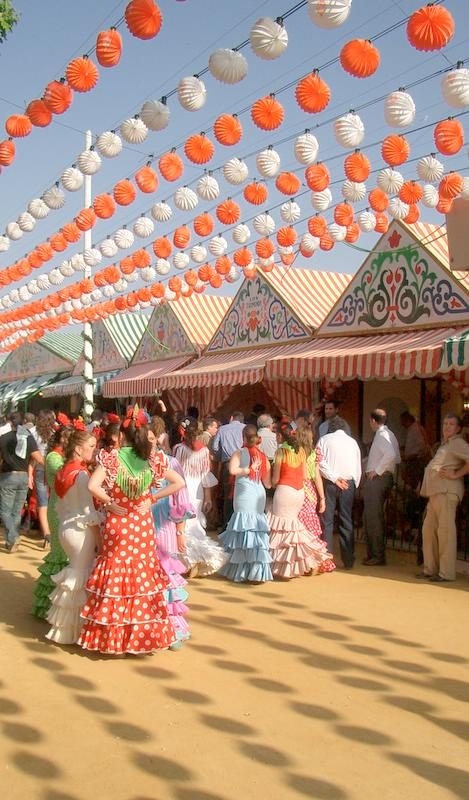
Public holidays and the puente effect
Spanish domestic travel is driven by a mechanism most visitors never learn about, and it will decide whether your train to Seville has seats.
Every Spanish municipality may set a maximum of 14 public holidays a year: up to nine are fixed nationally and at least two are chosen locally. When one of them lands on a Tuesday or a Thursday, large numbers of workers take the adjoining Monday or Friday off, creating a four-day weekend known as a puente, a bridge. Domestic hotel occupancy and rail bookings spike on puente weekends in a way that does not show up in international arrival statistics at all.
| Date | Holiday | Effect on travel |
|---|---|---|
| 1 January | New Year | Transport quiet, most things shut |
| 6 January | Epiphany (Reyes) | End of the Christmas travel surge |
| Good Friday | 3 April 2026, 26 March 2027 | Peak of the Semana Santa surge |
| 1 May | Labour Day | Strong puente potential; falls on a Saturday in 2027 |
| 15 August | Assumption | The anchor of the August shutdown |
| 12 October | National Day | Autumn puente, domestic city breaks |
| 1 November | All Saints | Strong domestic weekend |
| 6 December | Constitution Day | Pairs with 8 December for the year’s biggest puente |
| 8 December | Immaculate Conception | See above |
| 25 December | Christmas | Family travel, restaurants largely closed |
Regional days matter too, and they are easy to miss. 28 February is Andalusia Day, 1 March Balearic Islands Day, 19 March San José in Valencia and Murcia, 2 May Madrid Day, 30 May Canary Islands Day, 25 July Galicia Day, 11 September Catalonia’s national day and 9 October Valencian Community Day. Each of those fills hotels in its own region.
The full official list of Spain’s 2027 national holidays had not been published by the BOE at the time of writing; the state resolution normally appears each October. What is confirmed for 2027 includes 26 March (Good Friday), 1 May, 12 October, 1 November and 6 December. Two national holidays fall on a Saturday in 2027, including 1 May, which reduces the number of puentes and, marginally, domestic travel pressure.
Best time to visit Spain by traveller type
| If you want | Go in | Avoid | Note |
|---|---|---|---|
| Beaches and swimming | Late June to early October | May, the water is 17–18°C | September is warmer in the sea than July almost everywhere |
| City sightseeing | April, May, October, November | July and August in the interior | Winter city breaks are excellent value |
| Hiking and the Camino | May, June, September | July and August in the south, winter in the mountains | The northern routes are best in the summer months |
| Skiing | January to March | December (uncertain snow), late April | Sierra Nevada 2025/26: 29 Nov to 26 April |
| Food and wine | September and October | August, when small places close | Harvest season in Rioja and Ribera del Duero |
| Festivals | March, April, September | Depends entirely on which festival | Book six months out for the big four |
| Lowest possible cost | February, then November | August, then Easter week | €116.30 vs €155.70 average nightly rate |
| Fewest crowds | November to February | August | December arrivals are roughly half of August’s |
| Travelling with children | Late June, early September | Mid-July to late August | School calendars, not weather, drive the crowding |
| Winter sun | December to March in the Canaries | Mainland coast, which is closed and cold | Gran Canaria averages 20.8°C in January |
If you are travelling with children, our Europe with kids guide covers the timing trade-offs across the continent, and skiing in Europe compares Spanish resorts with the Alps.
What changed for 2026 and 2027
Timing decisions are not only about weather. Several things have shifted recently that affect when and how you should book.
Border formalities
The EU’s Entry/Exit System began a phased rollout on 12 October 2025 and completed it on 9 April 2026. EES has been fully operational across all 29 Schengen countries since 10 April 2026, which means biometric registration at the border for non-EU nationals on their first crossing. Expect longer queues at Spanish airports during peak arrival windows, particularly Sunday afternoons in July and August at Palma, Alicante and Málaga. Our getting around Europe guide covers the onward connections.
ETIAS, the travel authorisation itself, has been delayed and is scheduled to launch in the final quarter of 2026 according to the EU’s timetable as updated on 22 April 2026, with a grace period expected. Our Schengen visa and ETIAS explainer is the place to check current status before you book.
Tourist taxes
| Where | Charge | Seasonal? |
|---|---|---|
| Barcelona, 5-star hotel | €12.00 per person per night from 1 April 2026 (was €7.50) | No |
| Barcelona, 4-star hotel | €8.40 per person per night | No |
| Barcelona, tourist-use apartment | €9.50 per person per night | No |
| Barcelona, youth hostel | €6.00 per person per night | No |
| Barcelona cruise passengers | Up to €11 | No |
| Catalonia outside Barcelona | €0.80 to €4.50 per person per night by category | No |
| Balearic Islands (ITS) | €1.10 to €4.40 per person per night including VAT | Yes: high season 1 May to 31 October, lower outside it |
| Mogán, Gran Canaria | €0.15 per person per day | No |
Barcelona’s municipal surcharge is on a published escalator: €5 in 2026, rising by a euro a year to €8 in 2029, which would take the 5-star total to €15.00 per person per night. The Balearic Sustainable Tourism Tax is the one to watch for seasonality, since it is explicitly higher between 1 May and 31 October, and there is a live proposal to raise the top summer rate from €4 to a maximum of €6 in June, July and August, with the lowest category going from €1 to €2.50. The final amounts have not been confirmed, so treat that as a signal of direction rather than a number to budget against.
Accommodation supply
Barcelona is eliminating all 10,101 licensed tourist apartments by November 2028, with no new licences issued and existing permits not renewed. Seville has imposed density caps and mandatory registration under Andalusian Decreto Ley 5/2024 plus a municipal ordinance, and within the city centre protection ring, tourist rentals are permitted only in detached single-family homes rather than apartments. A projected 12 to 15% reduction in Seville’s short-term rental inventory by 2026 has been reported, though that is a projection rather than an outturn.
The practical consequence for timing: in both cities, apartment supply is shrinking while demand is not, so the booking lead time you needed in 2023 is no longer sufficient. Our guide to where to stay in Europe covers the alternatives.
Booking lead times and the tickets that sell out
Timing your trip is half the problem. Timing your bookings is the other half.
| What | Lead time | Notes |
|---|---|---|
| Alhambra, Granada | Up to 3 months in peak season | €22.27 general day ticket; online sales close at 23:59 the day before |
| Sagrada Família, Barcelona | 2 to 4 weeks, longer in summer | €26.00 base; €36.00 with towers |
| Semana Santa accommodation | 6 months | Seville and Málaga fill first |
| Feria de Abril accommodation | 6 to 9 months | Confirm the dates before you book anything non-refundable |
| San Fermín, Pamplona | 6 to 12 months | Rates multiply, not merely rise |
| La Tomatina | As soon as tickets open | €15 entry-only, 20,000 cap |
| August coastal hotels | 4 to 6 months | Balearics and Costa Brava are the tightest |
| Christmas and Reyes | 3 months | Domestic demand, not international |
The Alhambra, in detail
The Alhambra is the most commonly botched booking in Spain, so it earns the detail. The general day ticket for the Monumental Complex is €22.27. Gardens-only and the Nasrid Palaces night tour are both €12.73, the gardens night tour is €8.48, and the combined Dobla de Oro is €30.48. Opening is 08:30 to 20:00 from 1 April to 14 October and 08:30 to 18:00 from 15 October to 31 March, closed on 25 December and 1 January. Night visits run Tuesday to Saturday at 22:00 to 23:30 in summer and Friday and Saturday at 20:00 to 21:30 in winter. You may buy a maximum of ten tickets per person, card and month, and under-12s go free but must be booked at the same time as the paying adults.
The critical rule: the Nasrid Palaces can only be entered during the exact half-hour slot printed on your ticket. Miss it and you do not get in, which is where most Alhambra plans come apart. Note also that 39% of total annual ticket capacity is allocated to the authorised agents’ group channel, so the pool available to independent visitors is smaller than the headline capacity suggests.
The frequently quoted daily cap of 6,600 visitors, with 300 per 30-minute slot in the Nasrid Palaces, appears on third-party sites but not on the Patronato’s own pages. I would treat it as approximately right rather than official.

Mistakes people make with Spanish timing
- Treating Spain as one climate. Booking Bilbao in July on the basis of an Andalusian forecast, or Seville in August because the Balearics look manageable. The July gap between Seville and Santiago is 11.7 degrees.
- Going in early June for the beach. The air is lovely and the sea is 21°C. September gives you warmer water and fewer people.
- Ignoring the Easter shift. Semana Santa moves by up to a month. A date that was quiet last year can be the most expensive week of this one.
- Assuming winter means closed. Spanish cities run all year. It is the coastal resorts that shut, not Madrid, Seville or Barcelona.
- Booking the Alhambra late. Or booking the wrong ticket type, or missing the Nasrid Palaces slot.
- Planning full days in July and August. Spanish summer days are split: morning, long lunch, evening. Trying to sightsee from 14:00 to 17:00 in Córdoba is a mistake you make once. More of these in our Europe travel tips.
- Overlooking the puentes. The 6 and 8 December pairing, in particular, fills domestic trains and hotels while international arrival numbers stay flat.
- Assuming October is dry. It is Barcelona’s wettest month at 91 mm.
- Writing off August entirely. The Basque coast and Galicia are at their annual best in August.
- Forgetting that Barcelona’s tourist tax rose 60% in April 2026. At the 5-star rate of €12 per person per night, two people over a week pay €168 on top of the room.
Frequently asked questions about the best time to visit Spain
What is the best month to visit Spain?
May, for the country as a whole. Seville averages 27.2°C, Madrid 22.2°C and Barcelona 21.1°C in the same month, which is the widest simultaneous comfort band of the year. The national hotel rate in May 2026 was €123.70 against €155.70 in August. September is the close second and beats May if you want to swim.
What is the cheapest time to visit Spain?
February. Spain’s national hotel average daily rate was €116.30 in February 2026, the lowest of any month checked, against €155.70 at the August peak, a difference of about 34%. November and early December are close behind. Flights follow a similar pattern, though I could not find an authoritative published index to quote you a figure.
What is the worst time to visit Spain?
Mid-July to late August in the interior south. Seville averages 36.0°C in July and Córdoba 36.9°C, the crowds and prices are at their annual peak, and about 18% of businesses close for part of August. The heat is also intensifying: five of the six most extreme heatwaves in AEMET’s records since 1975 have occurred since 2019.
What is the rainiest month in Spain?
It depends on where you are. In Santiago de Compostela it is December at 261 mm. In San Sebastián and Bilbao it is November, at 169 mm and 147 mm. In Barcelona it is October at 91 mm. In Madrid it is October at 60 mm. In Málaga it is a tie between November and December at 100 mm each.
When is the sea warm enough to swim in Spain?
Late June to October on the Mediterranean, and all year in the Canaries. Off Barcelona the water reaches 21.4°C in June, peaks at 24.4°C in August, and is still 21.2°C in October. In the Balearics it peaks at 26.2°C in August. Canarian sea temperature never drops below 19.2°C.
Is Spain too hot in August?
In the south and the interior, for most people, yes. In Green Spain, no: San Sebastián averages 22.5°C in August and Santiago 24.7°C, and July and August are the driest months of the Atlantic year. The answer to “is Spain too hot in August” depends entirely on which Spain.
When is the best time to visit Barcelona?
September. The air averages 26.0°C, the sea is at 23.4°C, warmer than July and a degree off the August peak, the summer crowds have gone, and La Mercè falls on 23 to 27 September. May is the alternative if you want to minimise rain risk, since October is the city’s wettest month.
When is the best time to visit Madrid?
May, September or October. Madrid averages 22.2°C, 26.4°C and 19.4°C respectively in those months. Avoid July and August, when the city hits 32.1°C and its own residents leave, and January, when nights average 2.7°C.
When is the best time to visit Andalusia?
March to early June, or October to November. Seville is at 21.9°C in March, 27.2°C in May and 26.0°C in October. July and August, at 36.0°C and 35.5°C, restrict you to early mornings and evenings.
Can you visit Spain year-round?
Yes, but not the same Spain. The Canaries work in all twelve months. Mainland cities work all year with an adjusted plan. Coastal resorts largely do not operate between November and March, and mountain areas have their own two clear seasons.
Why does Spain shut down in August?
Around 18% of Spanish businesses close for some part of August, concentrated around the 15 August Assumption holiday. It is mostly small independent shops, family-run cafés and neighbourhood services closing for two to four weeks while owners take their annual holiday. Chains, large businesses and essentially all major tourist attractions remain open.
How far ahead should I book for Spain?
For August coastal accommodation, four to six months. For Semana Santa, six months. For the Feria de Abril or San Fermín, six to twelve. For the Alhambra in peak season, up to three months. For a February city break, a few weeks is fine.
Does Semana Santa make everything more expensive?
In Seville, Málaga and the Andalusian cities, prices rise significantly during Holy Week, and transport fills. I could not find a published percentage figure for the uplift, and I would rather leave the gap visible than estimate. Treat it as a materially more expensive week rather than a quantified premium.
When is ski season in Spain?
Roughly late November to late April. Sierra Nevada’s 2025/26 season opened on 29 November 2025 and was scheduled to close on 26 April 2026; Baqueira Beret opened the same day and was scheduled to close 6 April 2026. The 2026/27 opening dates had not been published at the time of writing.
Which Spanish region is best in winter?
The Canary Islands, without much competition. Gran Canaria averages 20.8°C in January and 22.2°C in December with three or four rain days a month. The Canaries took 27.4% of all international arrivals to Spain in December 2025, the largest share of any region that month.
Final thoughts
The best time to visit Spain is a genuinely regional question dressed up as a national one. If you take one thing from this article, make it the 11.7 degree gap between Seville and Santiago in July. Once you internalise that Spain contains both the hottest place in Western Europe and a rainy Atlantic coastline, the rest of the planning follows.
My own default, having tried most combinations: the second half of May for a first trip covering several regions, the second half of September if beaches are the priority, which is also when Spain looks best on any Europe bucket list, February if the budget is tight and you want cities, and any month at all for the Canaries. Solo travellers should also read our solo travel in Europe notes on Spanish shoulder seasons. The month I have most often regretted is August anywhere south of Madrid, and the month I have most often been surprised by is October in Andalusia, which is warm, cheap, empty and, by the standards of the wine regions, the most interesting time of year. Spain also compares well against Portugal and Italy in exactly that window.
One honest limit on the above. Everything here is built on published climate normals from a 1981 to 2010 reference period, and Spain has warmed measurably since then. Read the summer figures as a floor. And the 2027 festival dates listed as unconfirmed above really are unconfirmed; check the city’s own site before you commit money.
For the wider picture, our guide to the best time to visit Europe compares Spain’s seasons with the rest of the continent, and the best places to visit in Spain covers where to point yourself once you have picked your month.
About the author
Hannah Brooks has spent fifteen years travelling, living and writing across Europe, from the Arctic tip of Norway to the south of Sicily. She has planned hundreds of European itineraries for readers and is Senior Europe Editor at EuropeanTourism.org.
Photo credits
All images are used under their respective open licences via Wikimedia Commons.
- The Alhambra above Granada · Jebulon (CC0) via Wikimedia Commons
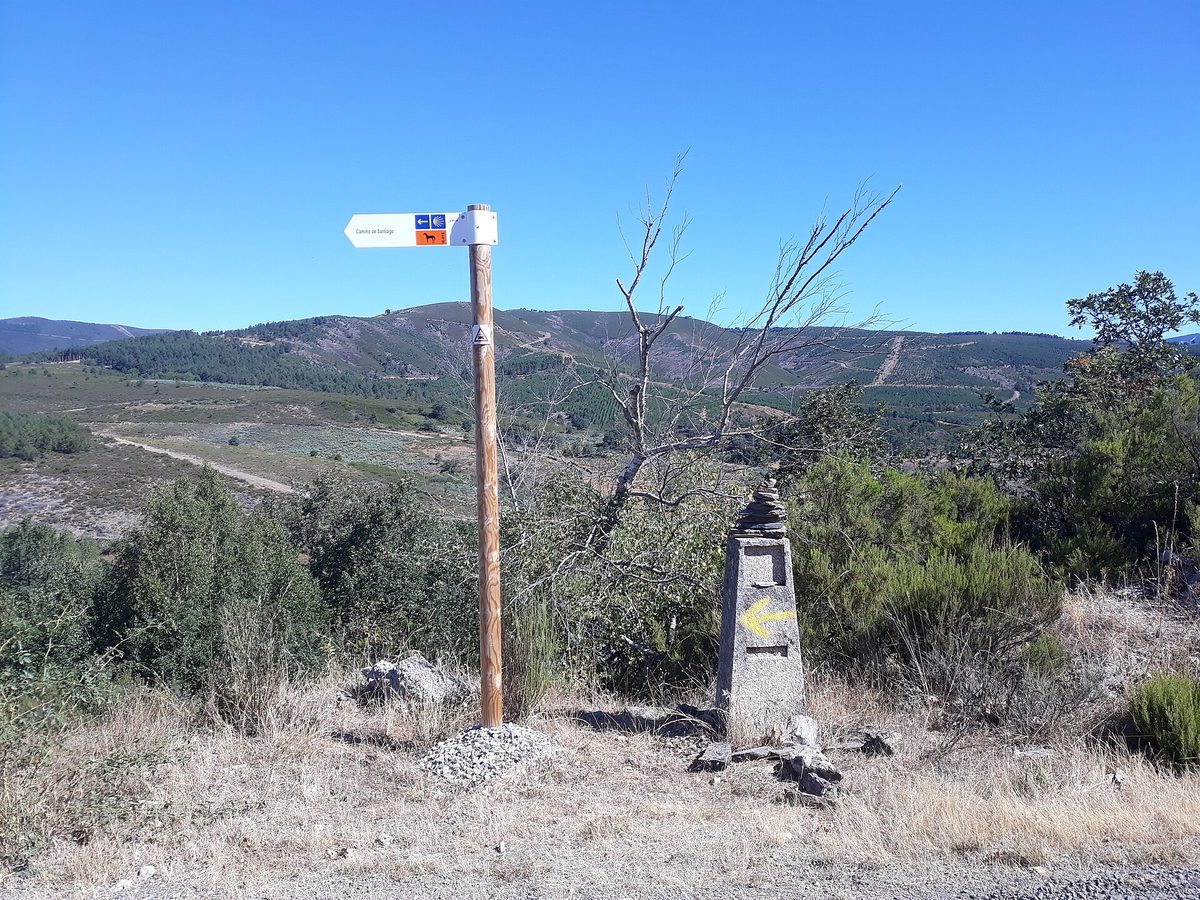
- A Camino de Santiago waymarker with its yellow arrow and scallop shell on the trail through the Spanish countryside · Simon Burchell / CC BY-SA 4.0 via Wikimedia Commons
- The pine-backed turquoise cove of Cala en Turqueta on Menorca’s south coast · Markus Trienke / CC BY-SA 2.0 via Wikimedia Commons
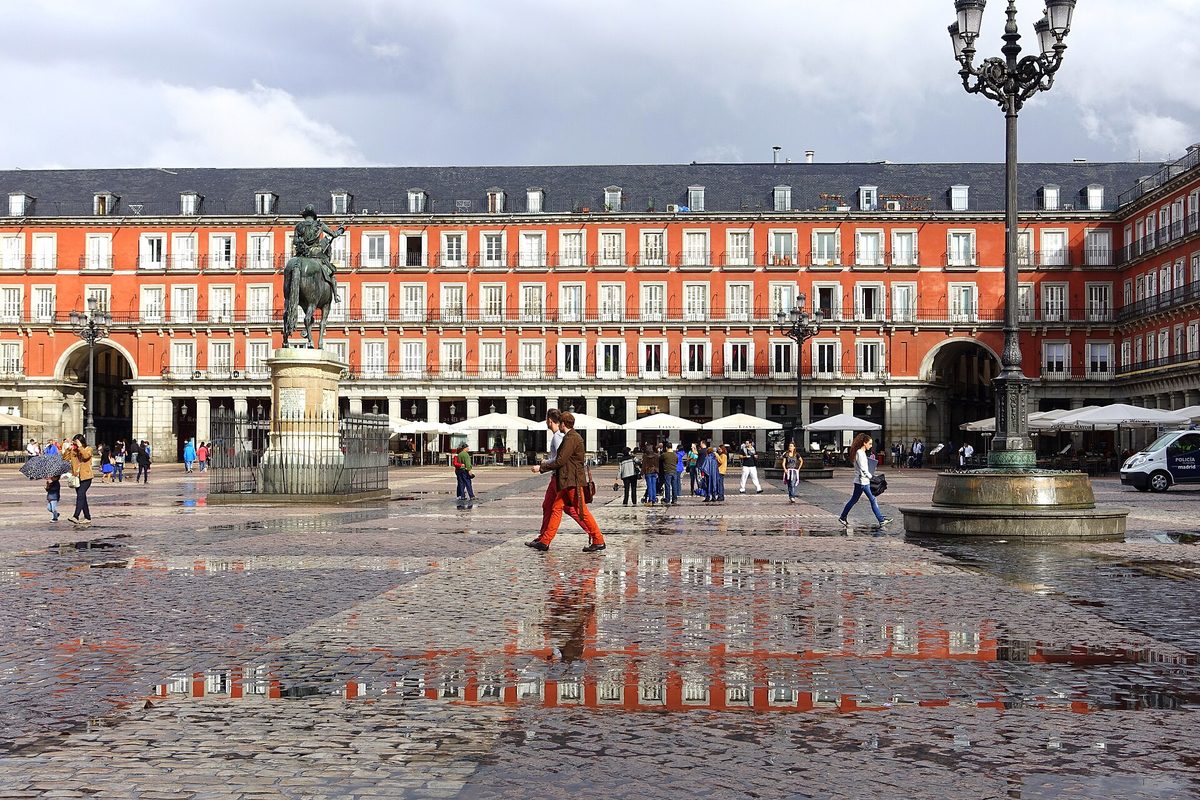
- Plaza Mayor in Madrid · Daderot (CC0) via Wikimedia Commons
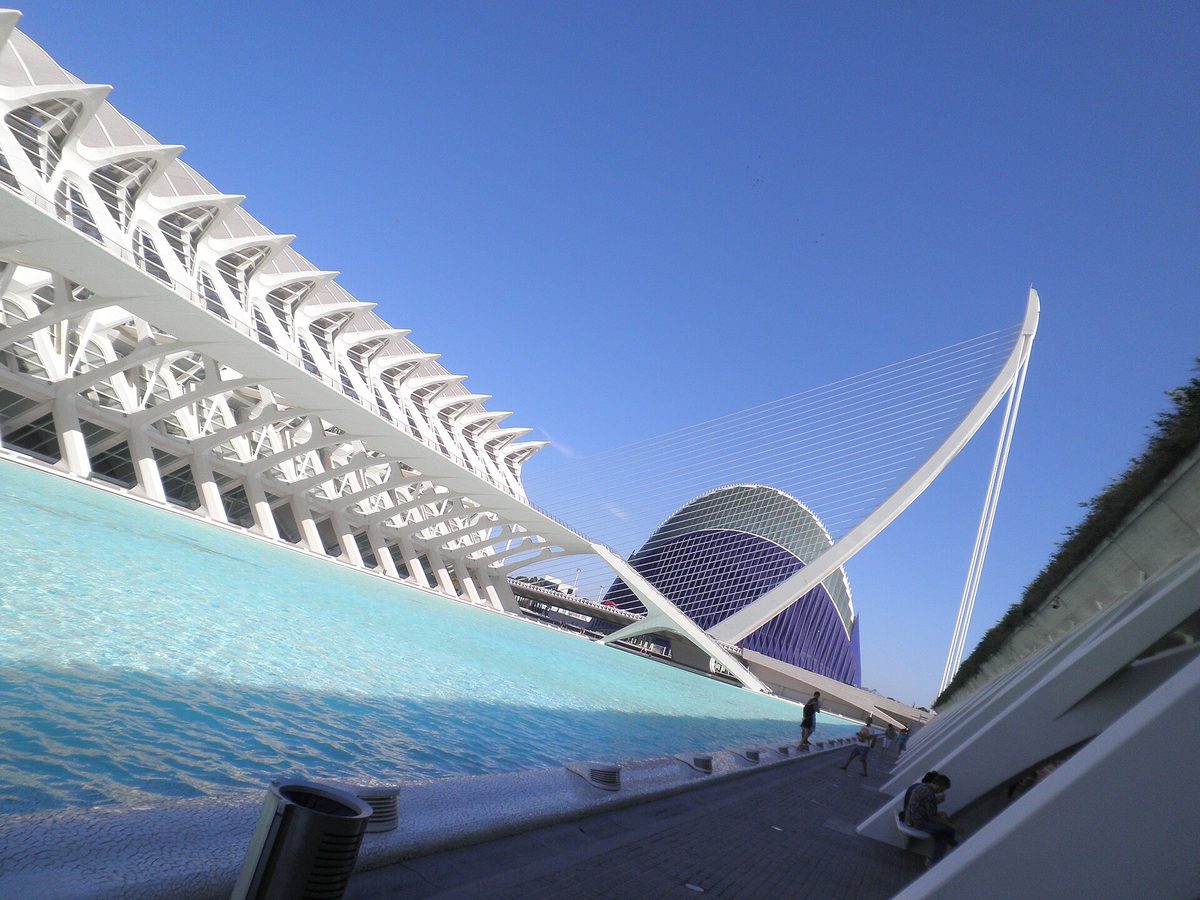
- The City of Arts and Sciences in Valencia · CivArmy / CC BY-SA 4.0 via Wikimedia Commons
- A Semana Santa paso carried through a crowded street in Seville during Holy Week · Cofrades 2020 sevilla / CC BY 4.0 via Wikimedia Commons
- The Puente Nuevo bridge spanning the El Tajo gorge at Ronda in Andalusia · Christopher Down (CC BY 4.0) via Wikimedia Commons
- La Concha beach in San Sebastian · Javier Perez Montes / CC BY-SA 4.0 via Wikimedia Commons
- The promenade and sand at Barceloneta beach in Barcelona · DimiTalen (CC0) via Wikimedia Commons
- The striped double arches inside the Mezquita of Cordoba · AdriPozuelo / CC BY-SA 3.0 es via Wikimedia Commons
- A whitewashed lane hung with wisteria in the Barrio de Santa Cruz · Heinz Joerg Kretschmer / CC BY 3.0 via Wikimedia Commons
- Gaudi’s mosaic terraces at Park Guell overlooking Barcelona · Julian Lupyan (CC0) via Wikimedia Commons
- The Estanque and Alfonso XII colonnade in Retiro Park · Harvey Barrison from Massapequa, NY, USA / CC BY-SA 2.0 via Wikimedia Commons
- The Cares Gorge trail carved into limestone cliffs in the Picos de Europa · Maria Cartas / CC BY-SA 2.0 via Wikimedia Commons
- The white crescent of Playa de Rodas on the Cies Islands · Jules Verne Times Two / CC BY-SA 4.0 via Wikimedia Commons
- Casetas and flamenco dresses at the Feria de Abril in Seville · EdTarwinski / CC BY 2.0 via Wikimedia Commons
- A spread of Spanish tapas · Takeaway / CC BY-SA 3.0 via Wikimedia Commons
- Gaudi’s Sagrada Familia in Barcelona · Didier Descouens / CC BY-SA 4.0 via Wikimedia Commons
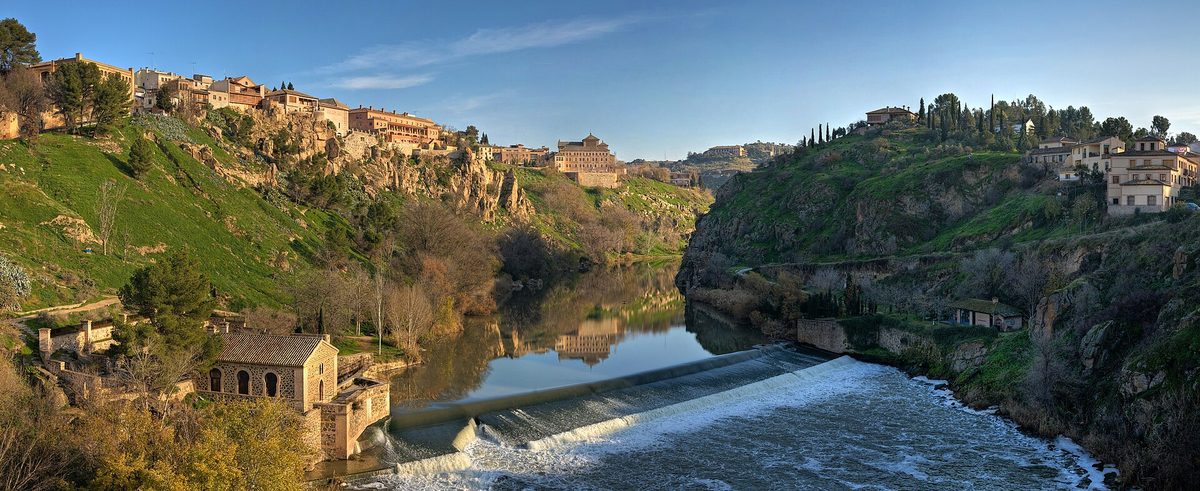
- The medieval skyline of Toledo above the Tagus river · Diliff / CC BY-SA 3.0 via Wikimedia Commons
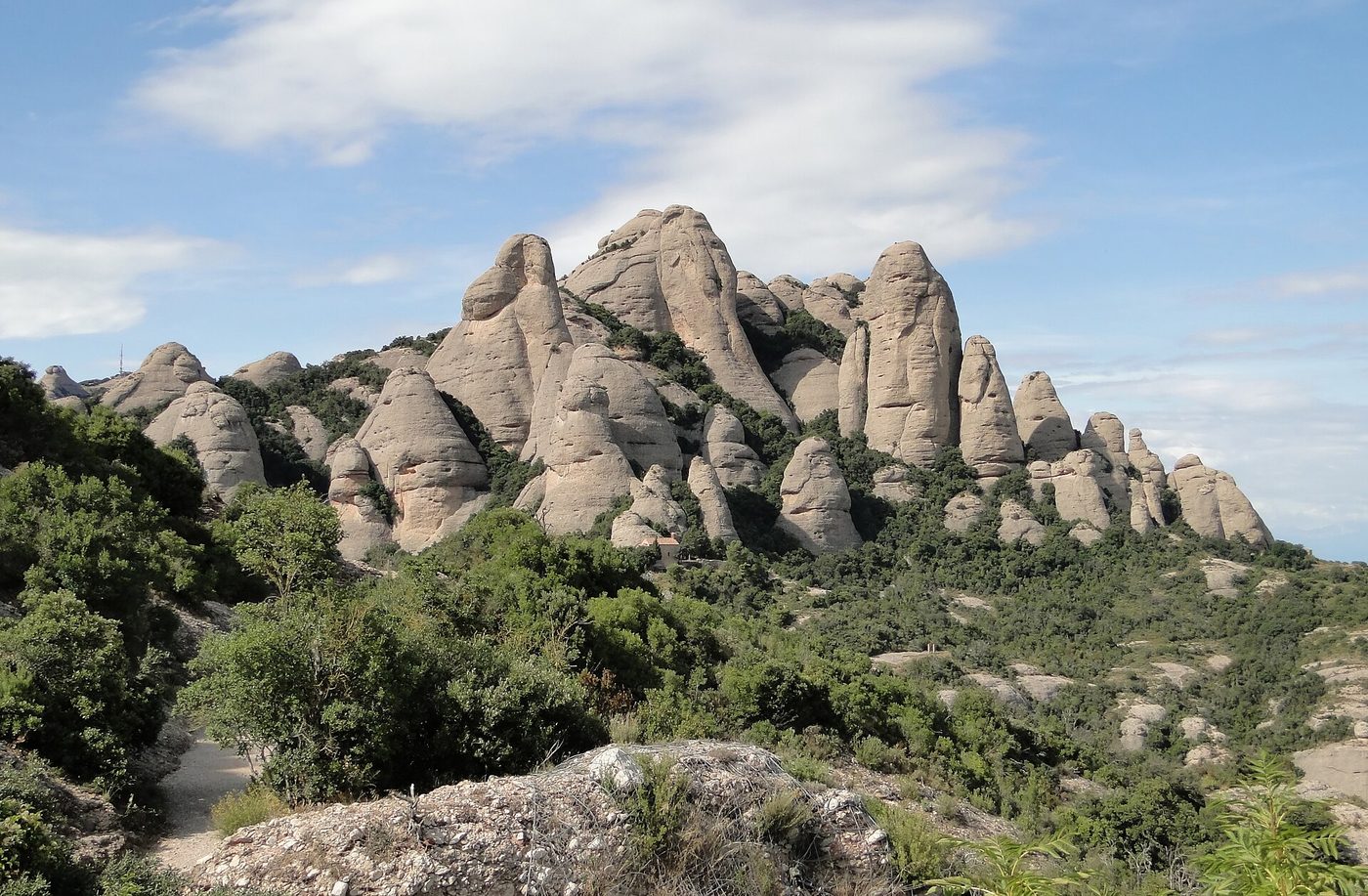
- The serrated rock pinnacles of the Montserrat massif in Catalonia · Bernard Gagnon / CC BY-SA 3.0 via Wikimedia Commons