Crete Travel Guide: Where to Stay, What It Costs and When to Go
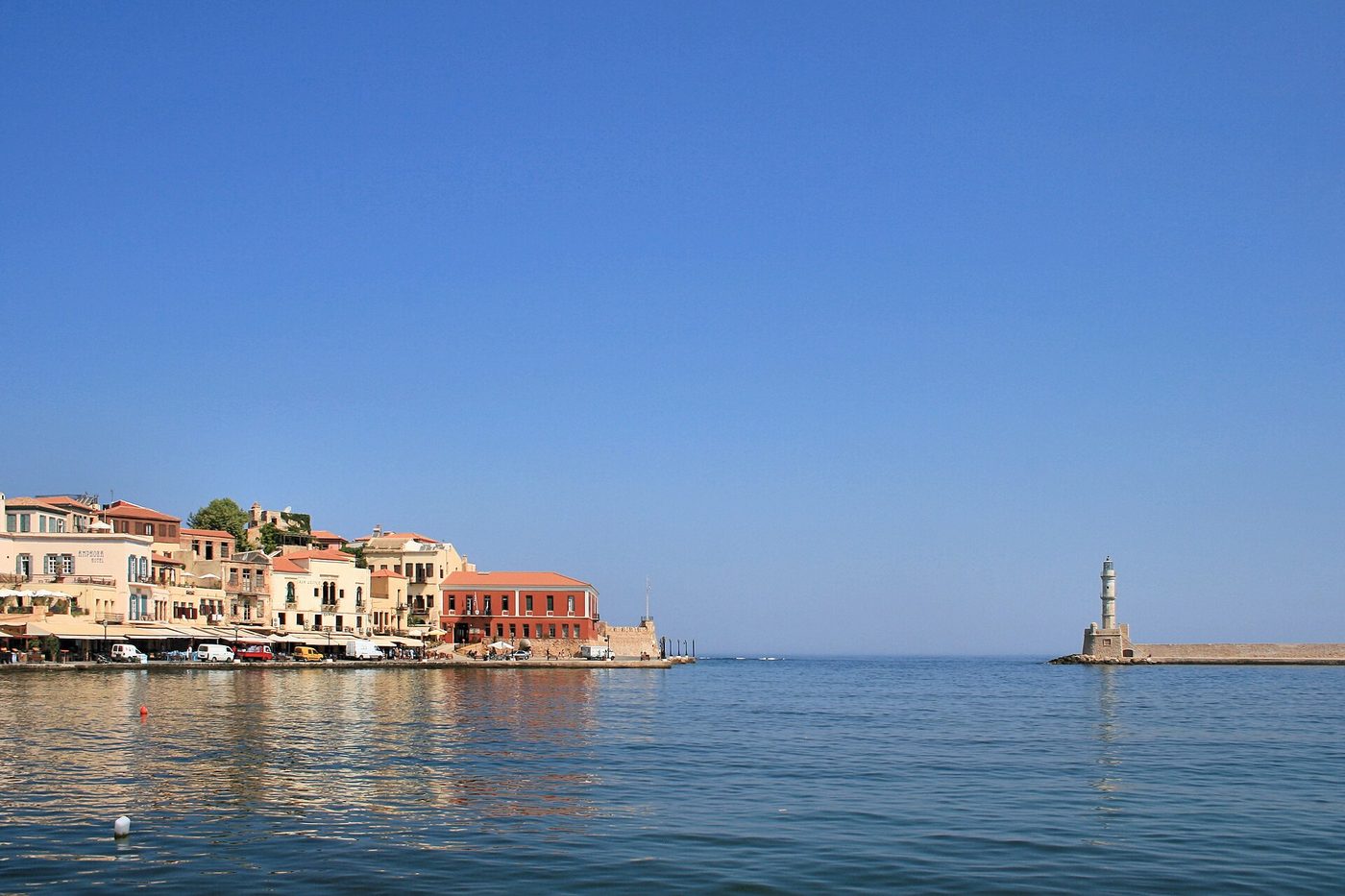
The first time I drove the length of Crete I did it in a day, because I had read that the island was “about the size of a large county” and I believed it. Five hours later, sunburnt and still an hour short of Sitia, I understood that Crete is not a Greek island in the way Paros is. It is a country that happens to be surrounded by sea.
This Crete travel guide is built around the two things I most wanted to know before that trip: what everything costs, and how long everything takes. Crete has its own mountains, its own dialect, its own cheeses and a driving culture that will confuse you for three days. Crete is 260 km from end to end, split into four regions with distinctly different characters, and the single most expensive mistake you can make is picking one hotel and assuming you will see the island from it. Below you will find real ticket prices, real ferry fares, the accommodation tax nobody mentions, current opening hours for the big sites, and honest advice about which beaches are worth the drive.
Crete at a glance
Crete is the largest of the Greek islands and the fifth largest in the Mediterranean. It sits closer to Africa than to Athens, which is why its summers are hotter and its winters milder than the mainland’s. In 2025 it took 6.51 million arrivals and 35.2 million overnight stays. It is not undiscovered. It is simply big enough to absorb the crowds if you know where they collect,, and it belongs on any shortlist of the best Mediterranean destinations.
| Question | Short answer |
|---|---|
| Where is it | Southern Aegean, about 1 hour by plane from Athens, 9 hours by overnight ferry from Piraeus |
| How long from end to end | About 260 km, roughly 5 hours of driving on the north-coast highway |
| Airports | Heraklion (HER) and Chania (CHQ); small Sitia (JSH) with limited service |
| Best months | May, June, September, early October |
| Minimum sensible stay | 4 nights for one region, 7 for two, 10 to 14 for a proper look |
| Do you need a car | Not if you stay in Chania, Rethymno or Heraklion town. Yes for almost everything else |
| Currency | Euro. Crete is in the Schengen area and uses the euro like the rest of Greece |
| Daily budget | Roughly €80 to €120 a day eating in tavernas and staying outside the luxury belt |
| Accommodation tax | €2 to €15 per room per night from April to October (details below) |
| Biggest single mistake | Booking one hotel and trying to day-trip the whole island from it |
Is Crete worth visiting?
Yes, and I would go further: if you are choosing one Greek island for a first trip, Crete is the one that gives you the widest range of things to do. Santorini gives you a view. Mykonos gives you a scene. Crete gives you a 3,500-year-old palace, a 16 km gorge that drops 1,230 m to the Libyan Sea, two of the loveliest old towns in the Mediterranean, a mountain range with snow on it into May, and food that is regional rather than pan-Greek. If you want to compare it against the alternatives before committing, our roundup of the best Greek islands puts it side by side with the Cyclades and the Ionians.
The honest caveats. Crete is not a place for people who want everything within a ten-minute walk of the pool. Distances are real, drive times are longer than the map suggests, and the north coast between Heraklion and Malia has stretches of package-holiday development that will disappoint anyone expecting whitewashed villages. August is hot, windy and expensive. And the two most photographed beaches, Balos and Elafonissi, are both a long drive from anywhere you are likely to be staying.
Where it is unbeatable is value and variety. Hotels, restaurants and car hire all cost meaningfully less than on Santorini or Mykonos, which is worth reading about in our guide to the cheapest places to travel in Europe. The trade-off is transport: you will spend more on fuel and car hire than you would on a small island, because the island is large enough to need a car.
The four regions of Crete, and which one is yours
Crete is administratively divided into four regional units, running west to east: Chania, Rethymno, Heraklion and Lasithi. They are not marketing labels. They look different, they feel different, and choosing the wrong one for your interests is the most common way people come home mildly disappointed.
| Region | Main base | Character | Best for | Weak on |
|---|---|---|---|---|
| Chania (west) | Chania town | Venetian harbour, pedestrian old town, White Mountains behind, wild beaches beyond | First-timers, food, hiking, the famous beaches | No big town beach; longest drives to the east |
| Rethymno (centre-west) | Rethymno town | Venetian and Ottoman old town with a long sandy town beach attached | All-rounders, families who want town plus sand, central positioning | Fewer headline sights of its own |
| Heraklion (centre) | Heraklion city | Working Greek city, not a resort. Museums, food scene, the airport and ferry port | History, Minoan sites, wine country, transport convenience | Least charming to stay in; resort strip east of it is generic |
| Lasithi (east) | Agios Nikolaos or Elounda | Mirabello Bay, luxury resorts, mountain plateau, the emptiest far east | Luxury, Spinalonga, quiet beaches, escaping the crowds | Three hours from Chania; thinner in shoulder season |
Chania and the west
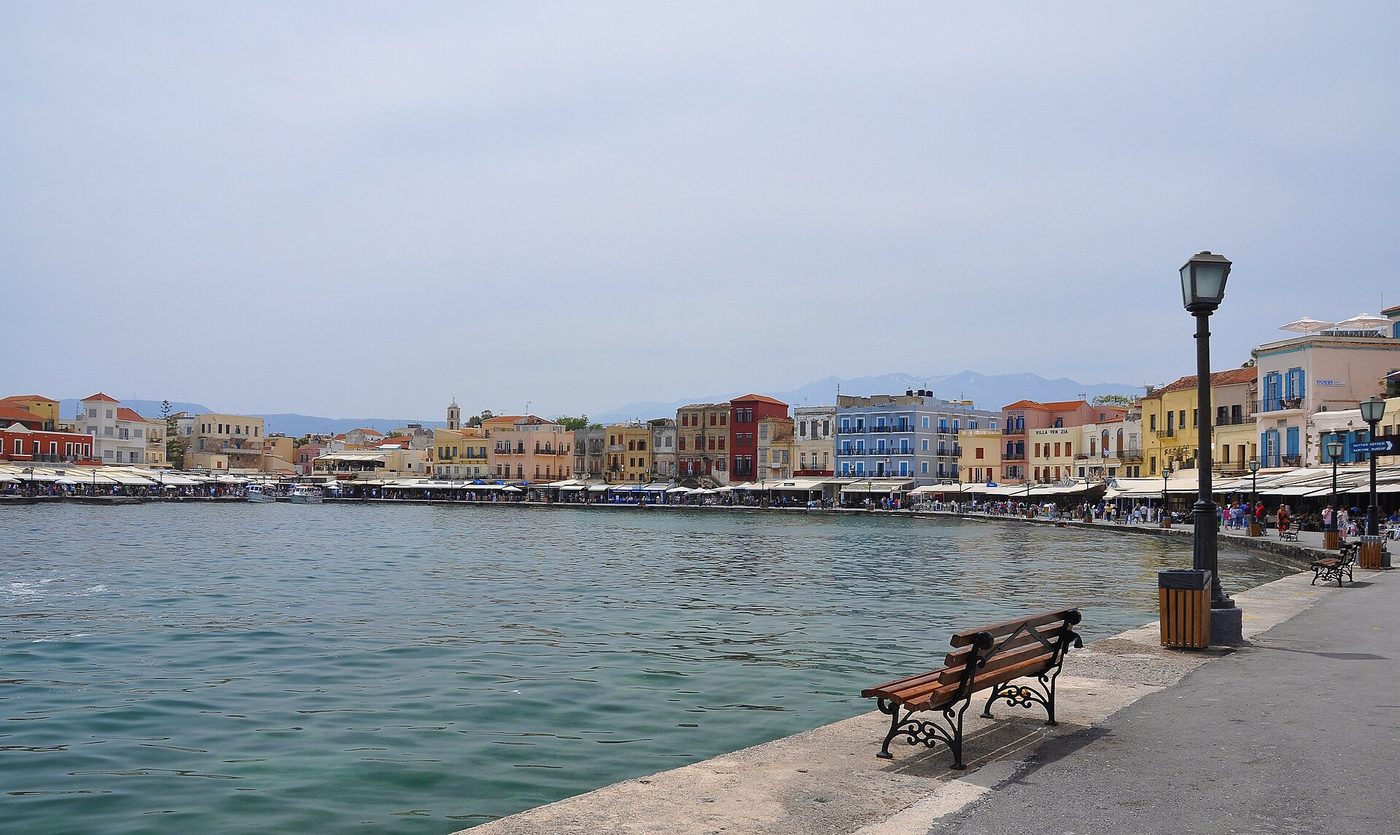
If someone asks me where to stay in Crete for a first trip and gives me no other information, I say Chania. The old town wraps around a Venetian harbour with a lighthouse at the end of the mole, the lanes behind it are a tangle of Venetian doorways and Ottoman balconies, and the restaurant scene is the best on the island by a clear margin. It is also the logical launch pad for the west: Elafonissi, Falasarna, Balos and the Samaria Gorge are all day trips from here.
What Chania does not have is a beach worth planning around. Nea Chora is walkable from the old town and perfectly pleasant for an evening swim, but it is a town beach. Families who want sand on the doorstep usually base themselves a little west at Agia Marina, Platanias or Kolymbari, which have the bigger family hotels and still put you 20 minutes from the old town for dinner.
Rethymno and the centre-west
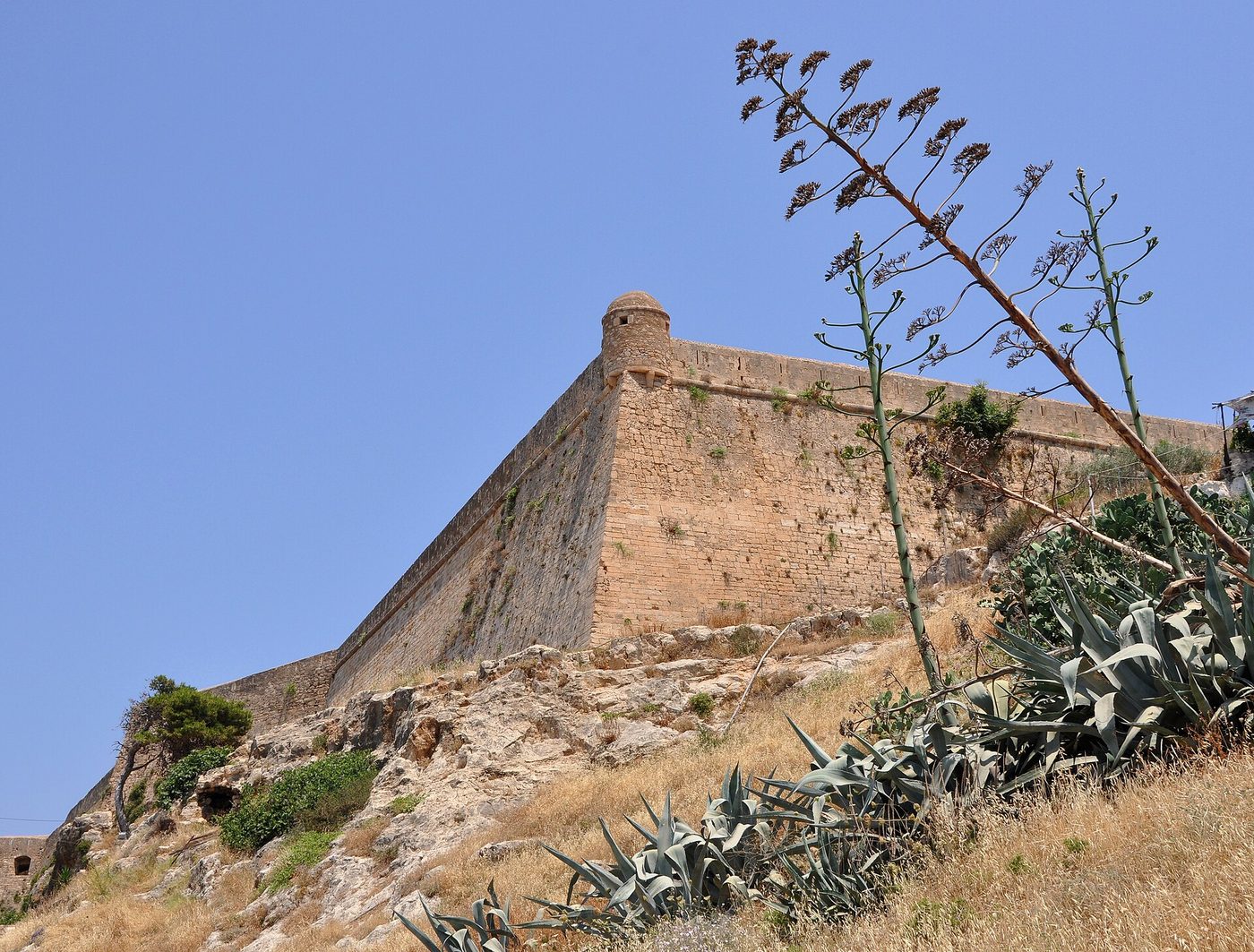
Rethymno is the compromise candidate and I mean that as a compliment. It has an old town nearly as good as Chania’s, crowned by the enormous Venetian Fortezza, and unlike Chania it has a proper sandy beach running east from the edge of it. It also sits almost exactly halfway between Chania and Heraklion, roughly an hour from each, which makes it the least stressful base if you want to see both ends of the island without moving hotels.
From Rethymno you reach Arkadi Monastery, the pottery village of Margarites, Lake Kournas and, over the mountains, Preveli and the central south coast. It is a good base for anyone building a broader Greece itinerary where Crete is one stop of several.
Heraklion and the centre
Heraklion is a city where people live and work, and visitors sometimes take against it for exactly that reason. I like it. It has the best food market energy on the island, a serious restaurant scene aimed at locals rather than tourists, the Archaeological Museum, the Venetian Koules fortress squatting at the harbour mouth for €4, Knossos five kilometres down the road, the busiest airport and the most useful ferry port. One or two nights is enough for most people. Give it longer if Minoan archaeology, Cretan wine or the Messara Plain are the reason you came.
East of Heraklion the coast turns into the package strip: Gouves, Hersonissos, Stalis and Malia. This is where the big family resorts, the water parks and the nightlife live. Hersonissos and Gouves suit families who want a pool, a kids’ club and a short transfer. Malia is the party town, though its inland old quarter is quieter than its reputation suggests. None of it is what you picture when you picture Crete, and that is fine as long as you know before you book.
Lasithi and the east
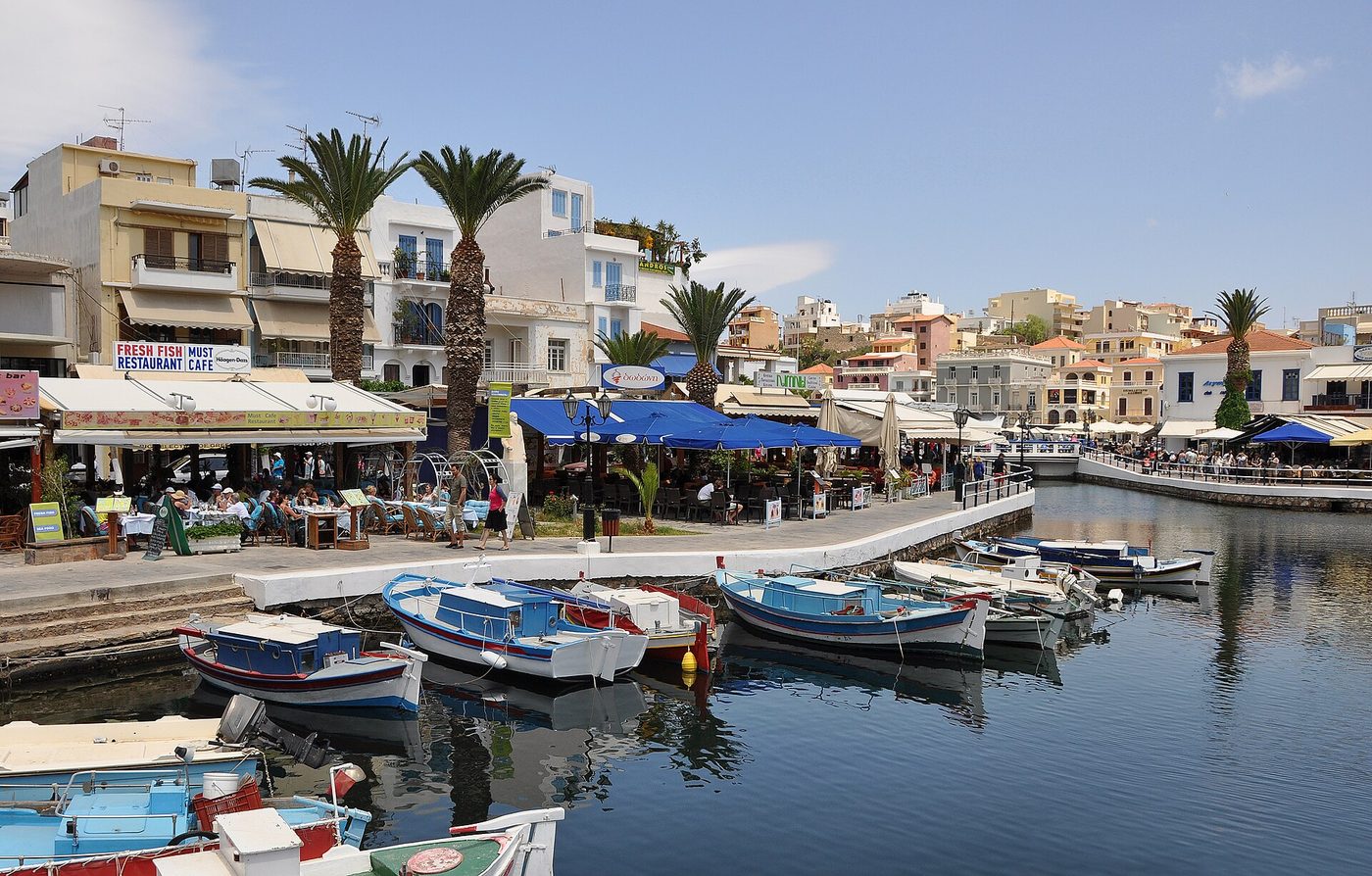
Agios Nikolaos is the best town in eastern Crete: compact, lively, built around a small deep lake called Voulismeni that sits improbably in the middle of the town, ringed with tavernas. It works without a car, which very little of eastern Crete does. Just up the coast, Elounda holds Crete’s densest concentration of luxury resorts, plus the boats to Spinalonga. Elounda town itself is less interesting than Chania, Rethymno or Agios Nikolaos, so stay there for the hotel rather than for the place.
Keep going east and the island empties out. Sitia is a working fishing harbour with a port and a small airport and almost no mass tourism. Beyond it are Vai, Toplou Monastery and Kato Zakros, and by then you are a long way from anywhere, in one of the more underrated places in Europe. Ierapetra, on the south coast, is the largest town on Crete’s southern shore and a base for the emptier southern beaches.
The south coast
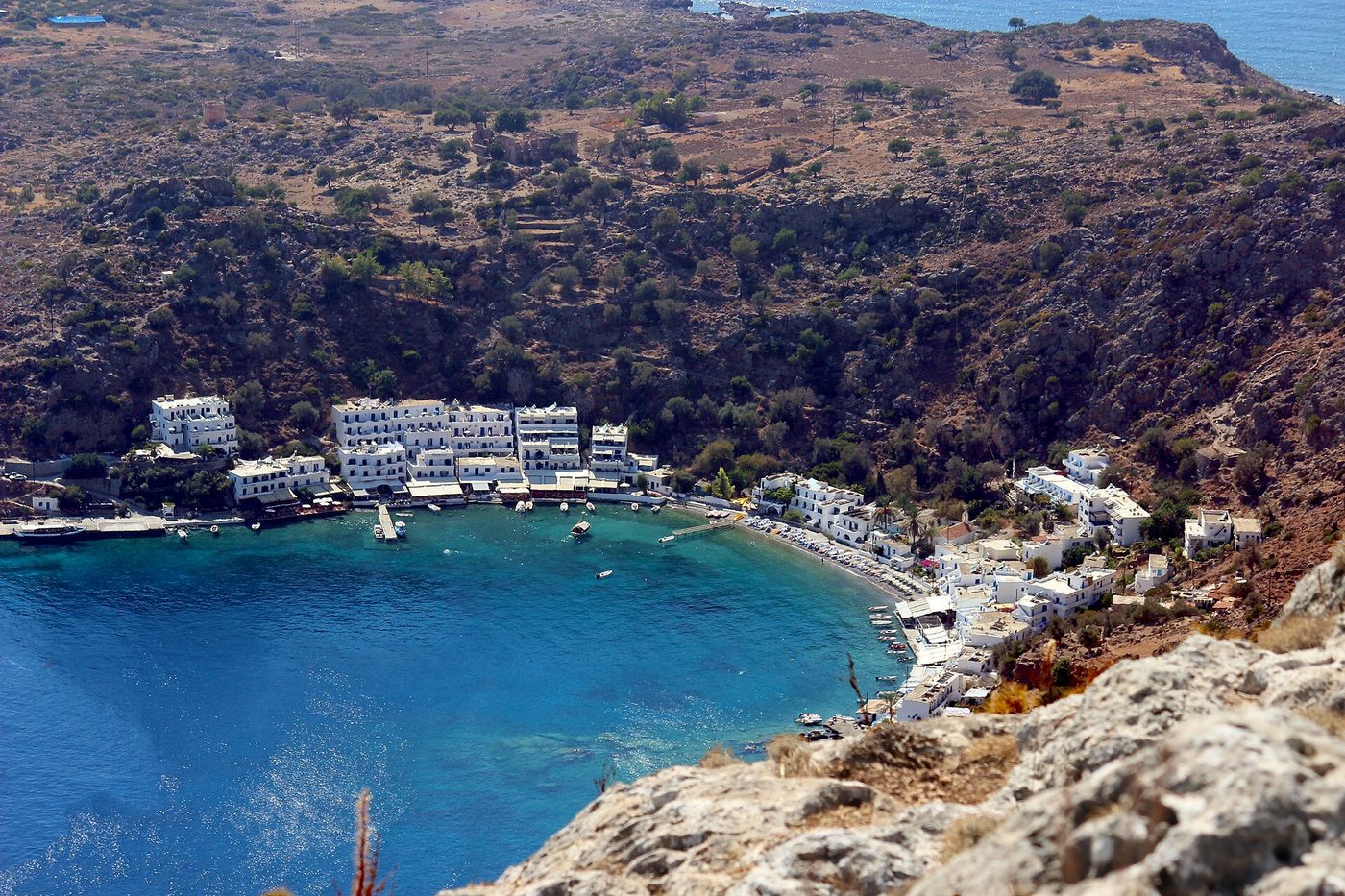
The south is its own category. Paleochora, Sougia, Agia Roumeli, Loutro, Hora Sfakion, Matala and Plakias face the Libyan Sea, and they are slower, hotter and less developed than anywhere on the north coast. Loutro is the outlier: it has no road at all, and you arrive by ferry, water taxi or on foot. It is wonderful for one or two nights and hopeless as a sightseeing base.
| Base | Nights I would give it | Car needed? | Best beach within 30 min | Who it suits |
|---|---|---|---|---|
| Chania | 3 to 5 | Only for day trips | Nea Chora (walkable), Agia Marina | First-timers, food, west-coast beaches |
| Rethymno | 2 to 4 | Only for day trips | Rethymno town beach (walkable) | All-rounders, central positioning |
| Heraklion | 1 to 2 | No | Ammoudara | History, museums, transport |
| Hersonissos / Gouves | 3 to 7 | No | Resort beaches on site | Families wanting pools and kids’ clubs |
| Malia / Stalis | 3 to 7 | No | Malia beach | Nightlife (Malia), quieter families (Stalis) |
| Agios Nikolaos | 2 to 4 | No | Ammoudi, Kitroplatia (walkable) | Eastern Crete without driving |
| Elounda | 3 to 7 | Helpful | Hotel beaches, Plaka | Luxury resorts, Spinalonga |
| Sitia | 2 to 3 | Yes | Sitia town beach | Far-east explorers, Vai and Zakros |
| Ierapetra | 2 to 3 | Yes | Long town beach | South-coast base, fewer visitors |
| Paleochora | 2 to 4 | Helpful | Pachia Ammos and Halikia (walkable) | South-west beaches, ferry hopping |
| Loutro | 1 to 2 | No, and there is no road to bring one on | Loutro bay, Glyka Nera by taxi boat | Total quiet, no cars at all |
| Matala | 1 to 2 | Yes | Matala beach (walkable) | Phaistos, Gortyn, the Messara |
How many days do you need in Crete?
The answer depends entirely on how many bases you are willing to use. Crete punishes single-base itineraries. From Chania, a return day trip to Knossos is four hours of driving plus two hours at the site, and you will arrive at the worst possible time of day for both crowds and heat.
| Trip length | Bases | What it realistically covers |
|---|---|---|
| 4 nights | One | One region properly. Chania town, one big beach, one gorge or one archaeological site |
| 5 nights | One, or two at a push | Chania plus the west, or Heraklion plus Knossos, Phaistos and the wine country |
| 7 nights | Two | West and centre: Chania then Rethymno or Heraklion. Enough for Samaria, two old towns and Knossos |
| 10 nights | Two or three | Add either the east (Agios Nikolaos, Spinalonga, Lasithi) or the south coast |
| 14 nights | Three | West, centre and east without rushing, with beach days built in rather than squeezed |
A seven-day route that works
This is the itinerary I give friends most often, because it takes the two best old towns, the island’s best hike and its most important archaeological site without a single day of more than two hours’ driving.
- Days 1 to 3, Chania. Arrive at Chania airport. Old town on the first evening. Day two, Balos by boat from Kissamos or Falasarna by car. Day three, Elafonissi, leaving by 08:00.
- Day 4, Samaria Gorge. Early bus to Omalos, walk down, ferry to Hora Sfakion, bus back to Chania. This is a full day and you will be finished by the end of it.
- Days 5 to 7, Rethymno or Heraklion. Drive east, stopping at Lake Kournas or Arkadi Monastery. Knossos and the Archaeological Museum on one day, the old town and a beach on another. Fly home from Heraklion.
Booking flights into one airport and out of the other is the single best planning decision you can make on Crete. It removes a two-hour drive from the end of your trip. If you are building a longer trip that pairs Crete with the mainland or other islands, our Greece travel guide covers how the pieces fit together, and the Italy and Greece itinerary shows how Crete slots into a wider Mediterranean route.
Getting to Crete
Flying
Crete sits high on most Europe bucket lists, and getting there is straightforward. Two airports matter. Heraklion “Nikos Kazantzakis” (HER) is the big one and handled 10.03 million passengers in 2025, up 6.9% on 2024 and above ten million for the first time. Chania (CHQ) is smaller, 14 km from Chania town, and serves the west. Sitia (JSH) exists but has limited domestic and seasonal service. Flights from Athens to either main airport take about an hour and run year-round.
The choice is straightforward. Fly into Chania for Chania, western Crete, Rethymno, Elafonissi, Balos, Samaria, Paleochora and Sfakia. Fly into Heraklion for Heraklion, Knossos, central Crete, Hersonissos, Agios Nikolaos, Elounda and the east. For anything covering more than one region, fly into one and out of the other.
Heraklion airport is about 5 km from the city centre, with a bus every ten minutes or so that takes around 20 minutes and costs €2.50 bought on board or €1.50 pre-bought. Chania airport is 14 km out, a 25 to 30 minute drive.
| Month, 2025 | Passengers at Heraklion (HER) |
|---|---|
| May | 1.06 million |
| June | 1.40 million |
| July | 1.70 million |
| August | 1.79 million |
| September | 1.47 million |
| October | 1.17 million |
Those numbers are worth a moment. August is not merely busier than May, it is 69% busier at the island’s main gateway. September, the month most experienced visitors prefer, still runs 39% above May.
The new airport at Kastelli
This one matters if you are booking for 2027. A new €1.5 billion international airport is under construction at Kastelli, inland from Heraklion, led by GEK TERNA. It passed 65% completion by the end of October 2025, with the terminal frame and the new link to the northern highway both well advanced. The announced opening is 6 February 2027, though slippage has been widely discussed and the airport’s own communications have at times pointed to 2028. It is projected to handle around 11 million passengers in its first year and will replace the existing Heraklion airport entirely.
For 2026, book HER without a second thought. For summer 2027, check the position before you book, because if Kastelli opens on schedule your transfer times, car hire pick-up point and airport code all change. Treat the February 2027 date as an intention rather than a promise.
Ferries from Athens
The overnight ferry from Piraeus is a genuinely good option, not a consolation prize. You board around 21:00, sleep, and wake up in Crete with a full day ahead and no early flight. Around 52 sailings a week connect Piraeus with Heraklion, run by ANEK-Superfast and Blue Star, Minoan Lines and Seajets.
| Route | Operators | Crossing time | Indicative fare |
|---|---|---|---|
| Piraeus to Heraklion (conventional) | ANEK-Superfast / Blue Star, Minoan | About 9 to 9.5 hours, two overnight departures around 21:00 | From about €33 foot passenger, up to around €90 |
| Piraeus to Heraklion (fast ferry) | Seajets | About 7 hours 55 minutes | Varies by season |
| Piraeus to Heraklion, 4-berth inside cabin | All conventional operators | Overnight | €65 to €95 per berth |
| Piraeus to Heraklion, 2-berth inside cabin | All conventional operators | Overnight | €90 to €145 per berth |
| Piraeus to Heraklion with a car | All conventional operators | Overnight | Roughly €85 to €123 for a standard car |
| Piraeus to Chania (Souda) | ANEK Lines conventional vessels | About 8 to 9.5 hours, typically around 9h25, roughly one sailing a day | From about €37 foot passenger |
One detail that catches people out: ferries to Chania do not dock in Chania. They dock at Souda, about 7 km east of the old town. Budget a taxi or bus at each end. Crete’s other ferry ports are Kissamos in the far west and Sitia in the east, with a seasonal Athens to Rethymno service. Fast ferries link Heraklion with Santorini in roughly 1.5 to 2 hours in season, with a thinner winter timetable, which makes a Crete plus Santorini pairing straightforward in summer and awkward in January.
If you arrive by cruise ship
Greece now charges a per-passenger fee at its cruise ports. In peak season, 1 June to 30 September, it is €20 at Santorini and Mykonos and €5 at all other Greek ports, Crete’s included. In April, May and October it is €12 and €3, and from November to March €4 and €1. It is usually folded into your fare rather than collected at the gangway.
Getting around Crete
Do you need a car?
If you are staying in Chania, Rethymno or central Heraklion and are content with the town, its restaurants, its beach and the odd organised excursion, no. Those three cities work perfectly on foot and are well connected to each other by bus. For everything else, and I mean the beaches, the mountain villages, the wineries, the south coast and any itinerary that touches two regions, a car changes the trip completely.
| Vehicle | August peak, per day | 2026 annual average, per day |
|---|---|---|
| Small car | €65.00 | €38.93 |
| Large car | €95.10 | €60.81 |
| SUV | €120.80 | €83.87 |
| Van | €137.40 | €86.18 |
In low season a small car drops to roughly €25 to €40 a day. Cars sell out in July and August. Book the car at the same moment you book the flights, not later. And fuel is not cheap: unleaded 95 was running at about €2.03 per litre in late August 2026, roughly 11% above the EU average of €1.825. Island and tourist-area stations sit at the top of that range, and motorway stops typically add another 5 to 10 cents a litre.
The hard-shoulder thing
This is the single most disorienting part of driving in Crete, and it takes about a day to get used to. On the north-coast highway and on many two-lane roads, slower drivers pull almost entirely onto the hard shoulder so that faster traffic can pass down the middle. A two-lane road becomes an informal three-lane road. If a car behind you flashes its lights, it is not aggression, it means “I am coming through, please move right”.
Two cautions. The shoulders are narrow, they end without warning, and they can be blocked by rock fall, so drifting onto one without looking is genuinely dangerous. And your rental insurance almost certainly does not love the manoeuvre. Move over when it is safe and wide, hold your lane when it is not.
Beyond that, driving here is manageable. The E75 north-coast highway links Chania, Rethymno, Heraklion, Agios Nikolaos and the east, and it is the fastest road on the island, but it is not a uniform motorway. Widths change, overtaking is enthusiastic, and construction crops up. Mobile coverage disappears in the mountains and on parts of the south coast, so download offline maps before you set off. And do not drive into the historic centres of Chania or Rethymno; both are largely pedestrianised and the nearby car parks fill by mid-morning in summer.
Buses
The KTEL bus network is very good between the major north-coast cities and close to useless for everything else. Chania, Rethymno and Heraklion can be strung together without a car at all. Rural sights in a single day, mountain villages, late evenings at a beach and much of the south and east are effectively out of reach.
| Bus route | Fare | Journey time | Frequency |
|---|---|---|---|
| Chania to Heraklion | €15.00 (some sources €15 to €16) | About 2h30. A daily express introduced on 4 May 2026 covers the 140 km in 2 hours with no intermediate stops, leaving Heraklion at 09:30, 12:30, 15:30 and 18:30 | 39 departures, first 04:30, last 22:30. Summer roughly every 60 to 90 min from 06:00 to 20:00; winter every two hours |
| Chania to Omalos (Samaria trailhead) | €7.50 | 60 to 90 minutes | Daily 07:45; also 05:00 Monday to Saturday in season |
| Chania to Elafonissi | Around €10 one way (one source quotes €10.90) | Just over 2 hours | Daily in season from May, departs 09:00, returns 16:00 |
| Heraklion airport to city centre | €2.50 on board, €1.50 pre-bought | About 20 minutes | Roughly every 10 minutes |
| Heraklion to Knossos (bus 2) | €1.70 each way | About 20 minutes | Every 20 minutes from 07:30 |
Drive times you can plan around
These are the numbers that matter more than any list of attractions, because they determine what is genuinely doable from your base.
| Journey | Driving time |
|---|---|
| Chania to Rethymno | About 1 hour |
| Rethymno to Heraklion (80 km) | About 1 hour to 1h15 |
| Chania to Heraklion (150 km via the E75) | About 2 hours, and 1h45 on a clear run |
| Heraklion to Knossos (5 km) | About 15 minutes by taxi, 20 by bus 2 |
| Heraklion to Agios Nikolaos (70 km) | About 50 minutes to 1 hour |
| Chania to Kissamos (for Balos boats) | About 45 minutes |
| Chania to Elafonissi | 1.5 to 2 hours each way |
| Chania to Omalos (Samaria trailhead) | About 1 hour |
| Chania to Elounda | Around 3 hours |
| Chania to Sitia (end to end, about 260 km) | About 5 hours |
Treat every one of those as a floor rather than a ceiling. Mountain roads, beach access tracks, summer traffic, roadworks and the hunt for parking add up fast. I plan on the assumption that any drive with a beach at the end of it takes 30 minutes longer than the app says. For the wider picture on transport across the continent, our guide to getting around Europe covers the trains, buses and ferries that connect Greece to everywhere else.
What things actually cost in Crete
Every figure below carries a date, because Greek site and transport pricing moves fast enough that a number without one is worth very little.
| Item | Price | Notes |
|---|---|---|
| Knossos, adult | €20 | €10 reduced. Ministry of Culture e-ticket service |
| Heraklion Archaeological Museum, adult | €20 | €12 reduced |
| Samaria Gorge entry | €10 | Free under 18 and, for EU nationals, over 65 |
| Rethymno Fortezza | €4 | |
| Koules Fortress, Heraklion | €4 | |
| Agia Roumeli to Hora Sfakion ferry, adult | €17.00 one way, €25.00 return | €12.80 student, €8.50 child 5 to 12 |
| Agia Roumeli to Sougia ferry, adult | €17.00 | |
| Agia Roumeli to Loutro ferry, adult | €14.00 | |
| Agia Roumeli to Palaiochora ferry, adult | €25.00 | |
| Balos day boat from Kissamos | From about €24 to €27 per person | Gramvousa plus Balos. Plus a €1 municipal fee for passengers over 13 |
| Elafonissi parking | €5 per day | Elafonisi Mega Parking, about 650 m walk to the sand |
| Preveli parking | €2 per day | Free parking at Dionyssos beach for the easier approach |
| Vai beach entry | Free, open year-round | Parking fee reported at €2.50 to €3.50, sources disagree |
| Elafonissi beach entry | Free | Protected public area |
| Sunbed pair with umbrella, Falasarna | €15 to €25 | Elafonissi has its own, conflicting figures. See the beach section |
| Unleaded 95 petrol | About €2.03 per litre | 24 August 2026. Roughly 11% above the EU average |
| Small car hire, August | €65.00 per day | €25 to €40 in low season |
| Chania to Heraklion by bus | €15.00 | |
| Overnight ferry from Piraeus, foot passenger | From about €33 | Cabins €65 to €145 per berth depending on class |
| Daily budget, mid-range | €80 to €120 per day | Eating local, outside luxury zones, buses and walking |
| Week-long trip | From about €600 budget to about €2,500 premium | Excluding flights |
The accommodation tax that is not in your booking total
Greece replaced its old overnight stay tax with the Climate Crisis Resilience Fee, and the revenue goes to a natural-disaster emergency fund. It is charged per night per room, apartment, villa or rental, not per person, and it is collected by the property when you leave, against a separate receipt. It is not in your booking total. On a week in a four-star hotel in July it adds €70, which is enough to matter.
| Accommodation type | April to October, per night | November to March, per night |
|---|---|---|
| 1 to 2 star hotel | €2.00 | €0.50 |
| 3 star hotel | €5.00 | €1.50 |
| 4 star hotel | €10.00 | €3.00 |
| 5 star hotel | €15.00 | €4.00 |
| Furnished rooms or apartments for rent | €2.00 | €0.50 |
| Short-term rental (apartment) | €8.00 | €2.00 |
| Short-term rental, detached house over 80 m² | €15.00 | €4.00 |
| Furnished tourist villa | €15.00 | €4.00 |
| Furnished holiday home under 80 m² | €8.00 | €2.00 |
| Furnished holiday home 80 m² and above | €15.00 | €4.00 |
Accommodation in listed architectural heritage buildings, youth hostels and campsites is exempt. The rates that took effect on 1 January 2025 still apply for 2026 with no announced change. Bring some cash for it, because small properties often want it that way. Our Europe on a budget guide has more on the city and tourist taxes that turn up across the continent.
The Minoan sites: Knossos, Phaistos and the Archaeological Museum
In July 2025 UNESCO inscribed the “Minoan Palatial Centres” on the World Heritage List, a serial property covering six sites: Knossos, Phaistos, Malia, Zakros, Zominthos and Kydonia, spanning roughly 1900 to 1100 BCE. The listing was made at the 47th session of the World Heritage Committee under criteria (ii), (iii), (iv) and (vi), and covers 29.5 hectares with a buffer zone of nearly 1,569 hectares. It is a useful reminder that Crete’s Bronze Age is not a single palace with a gift shop attached, and it puts the island among the most beautiful places in Europe for reasons that have nothing to do with beaches.
Knossos
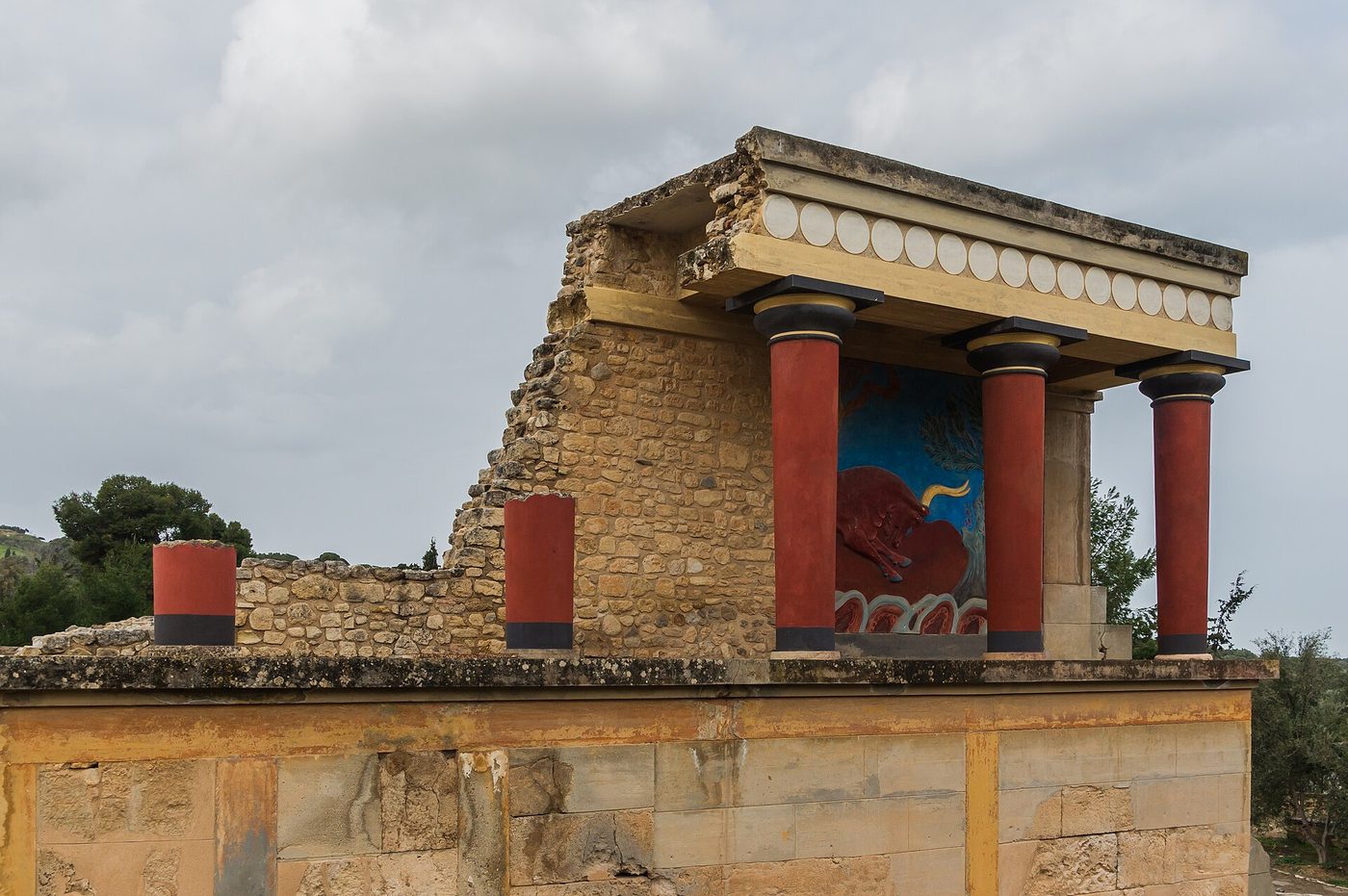
Knossos is the largest preserved Minoan palatial centre, dated 2000 to 1350 BC, and it sits 5 km south of Heraklion. The adult ticket is €20, reduced €10, bought through the Hellenic Ministry of Culture e-ticket service. Bus 2 runs from Heraklion every 20 minutes from 07:30 for €1.70 each way, taking about 20 minutes. Allow an hour and a half to two hours on site.
The thing to settle before you go is how you feel about Arthur Evans. Roughly 30 to 40% of what you walk through reflects Evans’ reconstructions between 1900 and 1935: the red columns, the concrete lintels, the repainted frescoes. Purists find it a Bronze Age theme park. I find it the only Minoan site where a non-specialist can read the space, understand the light wells and grasp how the storeys stacked. Go to Knossos to see how it worked, then go to Phaistos to see what an unreconstructed palace looks like.
| Period | Knossos opening hours | Last admission |
|---|---|---|
| From 1 April | 08:00 to 20:00 | 19:45 |
| From 1 September | 08:00 to 19:30 | 19:15 |
| From 16 September | 08:00 to 19:00 | 18:45 |
| From 1 October | 08:00 to 18:30 | 18:15 |
| From 16 October | 08:00 to 18:00 | 17:45 |
| From 1 November | 08:30 to 17:00, every day | 16:45 |
Five different schedules between April and November, which is exactly why arriving on the basis of a hours listing you read in March is a bad idea. Knossos is closed on 1 January, 25 March, Easter Sunday, 1 May, 25 December and 26 December. Admission is free on 6 March, 18 April, 18 May, the last weekend of September and 28 October.
One more thing to plan around. On 22 July 2026 the Ephorate of Antiquities of Heraklion closed the site between 12:00 and 17:00 because of high temperatures. That is now a routine summer measure across Greek archaeological sites during heat waves. In July and August, go at opening or plan for the possibility of a midday closure. I could not find any published timed-entry system or daily visitor cap for Knossos, which is not the same as saying one does not exist, so check the e-ticket site when you book.
Heraklion Archaeological Museum
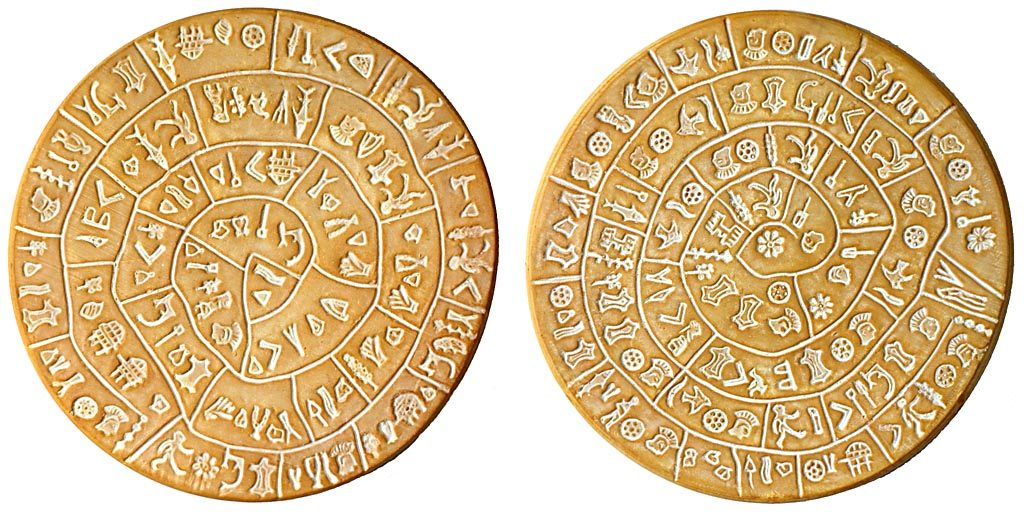
This is where the actual objects live, and it is the better half of the pairing. The adult ticket is €20, reduced €12, with last entry 20 minutes before closing. The star holdings are the Phaistos Disc, the Snake Goddess figurines, the original Bull-Leaping Fresco and the Linear B tablets.
| Season | Monday, Tuesday, Thursday to Sunday | Wednesday |
|---|---|---|
| 1 April to 31 October 2026 | 08:00 to 20:00 | 13:00 to 20:00 |
| 1 December 2025 to 31 March 2026 | 08:30 to 15:30 | 10:00 to 17:00 |
Note the Wednesday anomaly in both seasons, and note that the museum is open on Mondays. The “closed Mondays” line that circulates widely is wrong: the museum’s own opening-hours table lists Monday in both seasons. Free admission runs on the first and third Sunday of every month from 1 November to 31 March. Closed dates match Knossos: 1 January, 25 March, Easter Sunday, 1 May, 25 and 26 December.
Accessibility is better than most Greek museums: public areas are wheelchair accessible, there is a ramp at the Xanthoudidou 2 entrance, a lift, and a free wheelchair on request. Amateur photography is allowed except where signed, with no flash and no professional equipment, and mobile phone use is forbidden in the exhibition areas.
On the combined ticket, I have to be straight with you. Sources contradict each other completely. The Ministry page lists a “special ticket package” at €20 full and €10 reduced; one Crete site states a €25 combined ticket valid three days; another states the combined ticket was discontinued for 2026. I could not resolve it, so I am not printing a figure. Check hhticket.gr on the day you buy, and budget €40 for the two if the package has gone.
Phaistos and the Messara
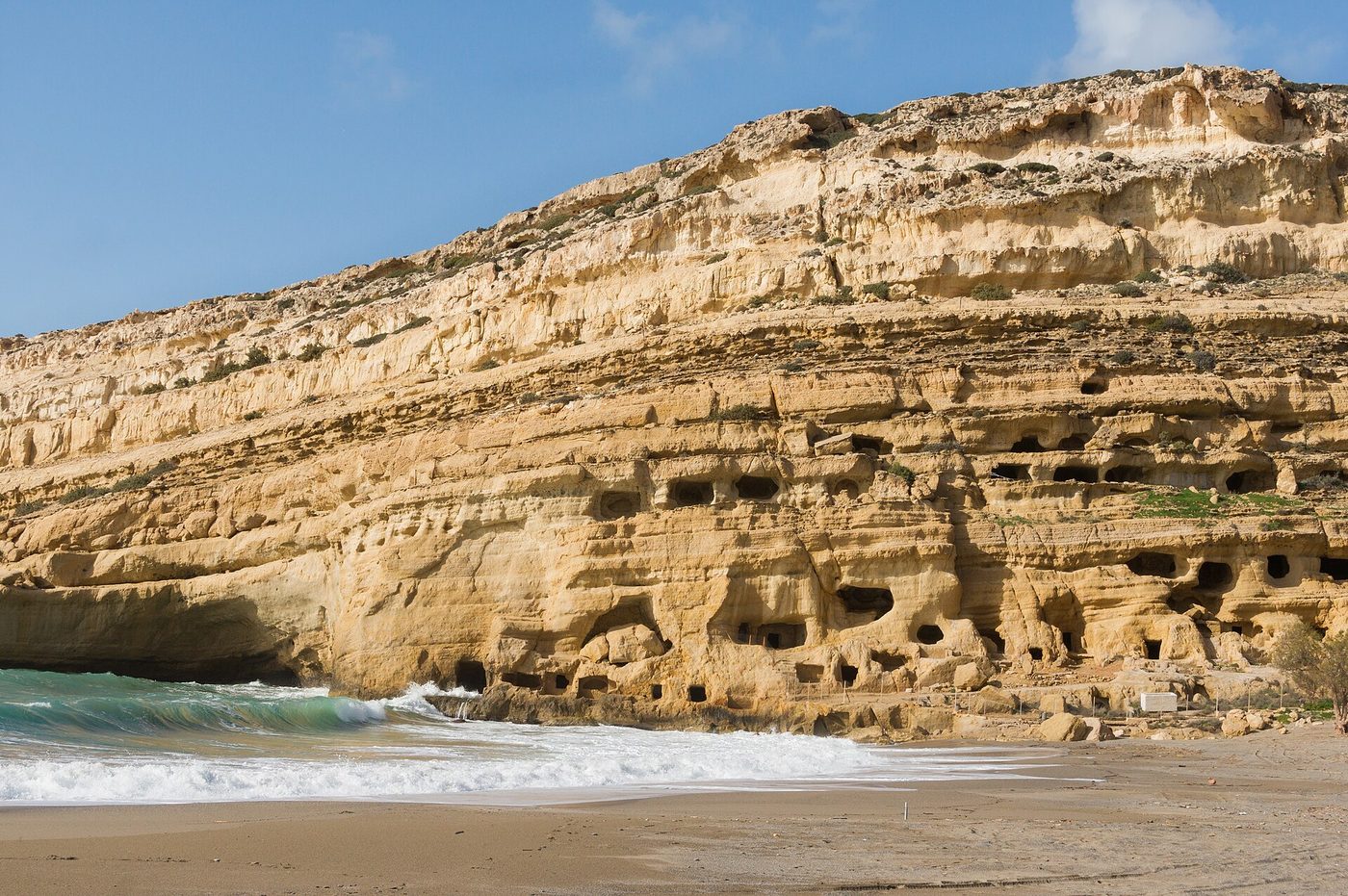
Phaistos is the site I recommend to anyone who has done Knossos and wants the other half of the story. It sits above the Messara Plain, it is barely reconstructed, and it is quiet in a way Knossos never is. It pairs naturally with the Roman site at Gortyn and the beach at Matala, which makes an excellent full day from Heraklion or from a night at Matala itself.
The Samaria Gorge, properly explained
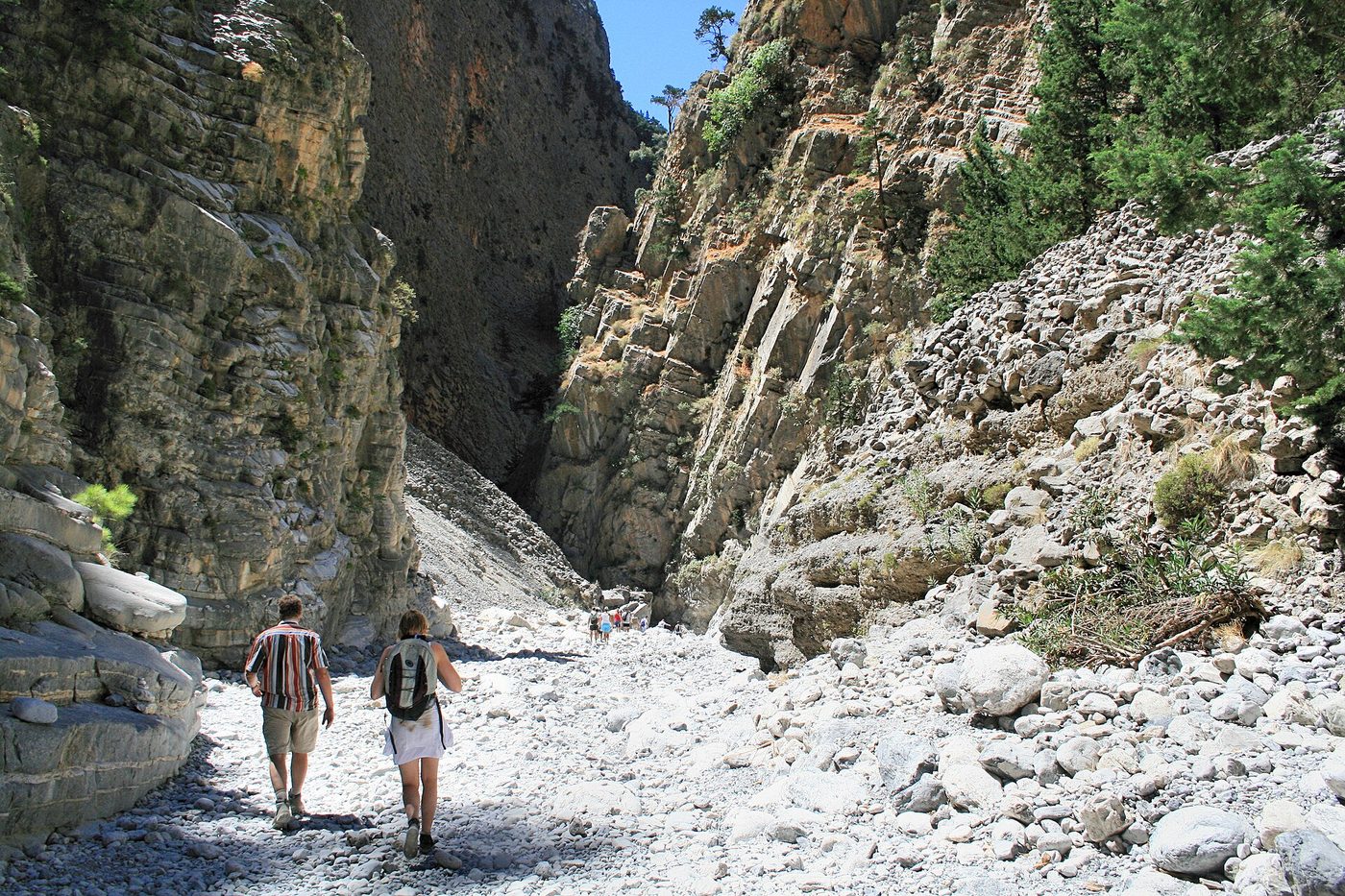
Samaria is the best day out on Crete and the one most often botched by people who arrive without the details. It is not a hike in the sense of a loop you can turn around on. It is a one-way descent from 1,230 m at the Xyloskalo trailhead to the Libyan Sea, and the way back is a boat.
| Detail | The facts |
|---|---|
| Entry fee | €10 per adult. Free for under 18s and, for EU nationals, over 65s |
| 2026 opening date | 19 May 2026 |
| Typical season | Traditionally opens at the start of May, closes at the end of October. May close earlier if autumn rains damage the path |
| Length | 16 km total: 13 km inside the National Park plus 3 km from the park exit to Agia Roumeli |
| Walking time | 5 to 7 hours on rough terrain |
| Start altitude | 1,230 m at Xyloskalo, descending to sea level |
| Afternoon cut-off | Entry after about 14:00 permits only the first quarter of the walk, then you must return the way you came |
| Narrowest point | The Iron Gates, walls about 3 m apart rising around 300 m |
| Daily numbers | Over 1,000 on a normal day, more than 1,500 on a very busy one |
| Managing body | NECCA, Management Unit of Samaria National Park and Protected Areas of Western Crete, Chania |
| Official tickets | samaria-tickets.necca.gov.gr |
| Protection status | UNESCO Biosphere Reserve, Council of Europe European Diploma for Protected Areas, Natura 2000 site GR4340014 |
Three details are worth pinning down, because older figures circulate widely. The fee rose to €10 and the €5 you may have seen is obsolete. The gorge is 16 km, not 18; the 18 km figure measures Omalos settlement to Agia Roumeli. And samaria.gr is an archived site belonging to a former management body and is no longer updated, so book through NECCA.
The “longest gorge in Europe” line is marketing rather than fact. The Verdon Gorge in France is longer. Samaria is spectacular regardless, and it does not need the superlative.
How to do it
The bus from Chania to Omalos leaves daily at 07:45, with an additional 05:00 departure Monday to Saturday in season. The fare is €7.50 and the ride takes 60 to 90 minutes. The first tour coaches reach Xyloskalo around 07:30, and there is an uninterrupted stream of them until roughly 10:30 or 11:00. If you want the top section without a queue, take the 05:00 bus.
At the bottom you walk the final 3 km to Agia Roumeli, which has no road access at all, and take an ANENDYK ferry out. Agia Roumeli to Hora Sfakion is €17.00 one way and takes about an hour; from Hora Sfakion, buses run back to Chania. Alternatives are Agia Roumeli to Sougia at €17.00, to Loutro at €14.00, or all the way west to Palaiochora at €25.00. Once Samaria is open, the Hora Sfakion to Loutro to Agia Roumeli service runs two or three times a day and the Paleochora to Sougia to Agia Roumeli route once a day.
The ferry is not optional. The south-west coast has no coastal road, and both Agia Roumeli and Loutro are unreachable by car. Timetables also change suddenly, so check anendyk.gr on the morning you walk rather than relying on a printout from home.
Practical notes from having done it badly once: the path is maintained, wardens are in radio contact along the route, and there are maintained springs, toilets and bins, so you do not need to carry six litres of water. You do need proper footwear, because the surface is loose rock for hours. The gorge closes on rainy days when there is any danger of rock fall, and it is impassable in winter. And I could find no published hard numerical daily cap for 2026, though the NECCA booking system is the place that would impose one. If you want more walking on the island and across the continent, our hiking in Europe guide covers the routes worth building a trip around.
For 2026 the park authority has been reported as adding free helmets at the entrance, an on-site medical presence from opening day and a nowcasting weather-alert system to help decide when to close the route. If that is in place when you go, take the helmet; rock fall is the reason the gorge shuts on wet days.
Keep an eye out for the kri-kri, Crete’s native wild goat, which lives in the gorge and is more likely to be seen early in the morning before the crowds arrive.
The beaches, and what it takes to reach them
Crete’s famous beaches are famous for good reason and difficult to reach for the same reason. Here is the access reality for each, which is the part the photographs do not show.
| Beach | Where | Getting there | Parking / fees | Effort |
|---|---|---|---|---|
| Elafonissi | South-west Chania region | 1.5 to 2 hours by car from Chania; daily bus in season, 09:00 out and 16:00 back | Entry free. Elafonisi Mega Parking €5 per day, about 650 m walk | Moderate: the drive is the hard part |
| Balos | Gramvousa peninsula, far west | Day boat from Kissamos (about 45 min from Chania), or unpaved road from Kaliviani then a walk down | Boat from about €24 to €27 plus €1 municipal fee. Road parking fee reported at €1 to €3, sources disagree | High by road, easy by boat |
| Falasarna | West coast | Easiest of the big western beaches from Chania | Sunbed pair with umbrella €15 to €25. Parking beside the beach reportedly withdrawn in 2024 | Low |
| Preveli | South coast, Rethymno region | About 45 minutes from Rethymno | Parking €2 per day; free parking at Dionyssos beach | High from the main car park: over 400 steps, 15 to 20 min each way. Low via Dionyssos, about 8 minutes |
| Vai | Far east, Lasithi | Long drive from anywhere except Sitia | Entry free, open year-round. Parking €2.50 to €3.50 depending on source | Low, but arrive before 10:00 or the lot fills |
| Seitan Limania | Akrotiri peninsula near Chania | Narrow mountain road with blind hairpins and loose rock; recently improved but still intimidating | Parking above the cove | High: steep scramble down from the car park |
| Glyka Nera | South coast near Loutro | Water taxi from Loutro or Hora Sfakion, or a coastal footpath | Water taxi fare | Moderate |
| Matala | South coast, Messara | Drive from Heraklion via Phaistos | Town parking | Low, walkable from the village |
Elafonissi
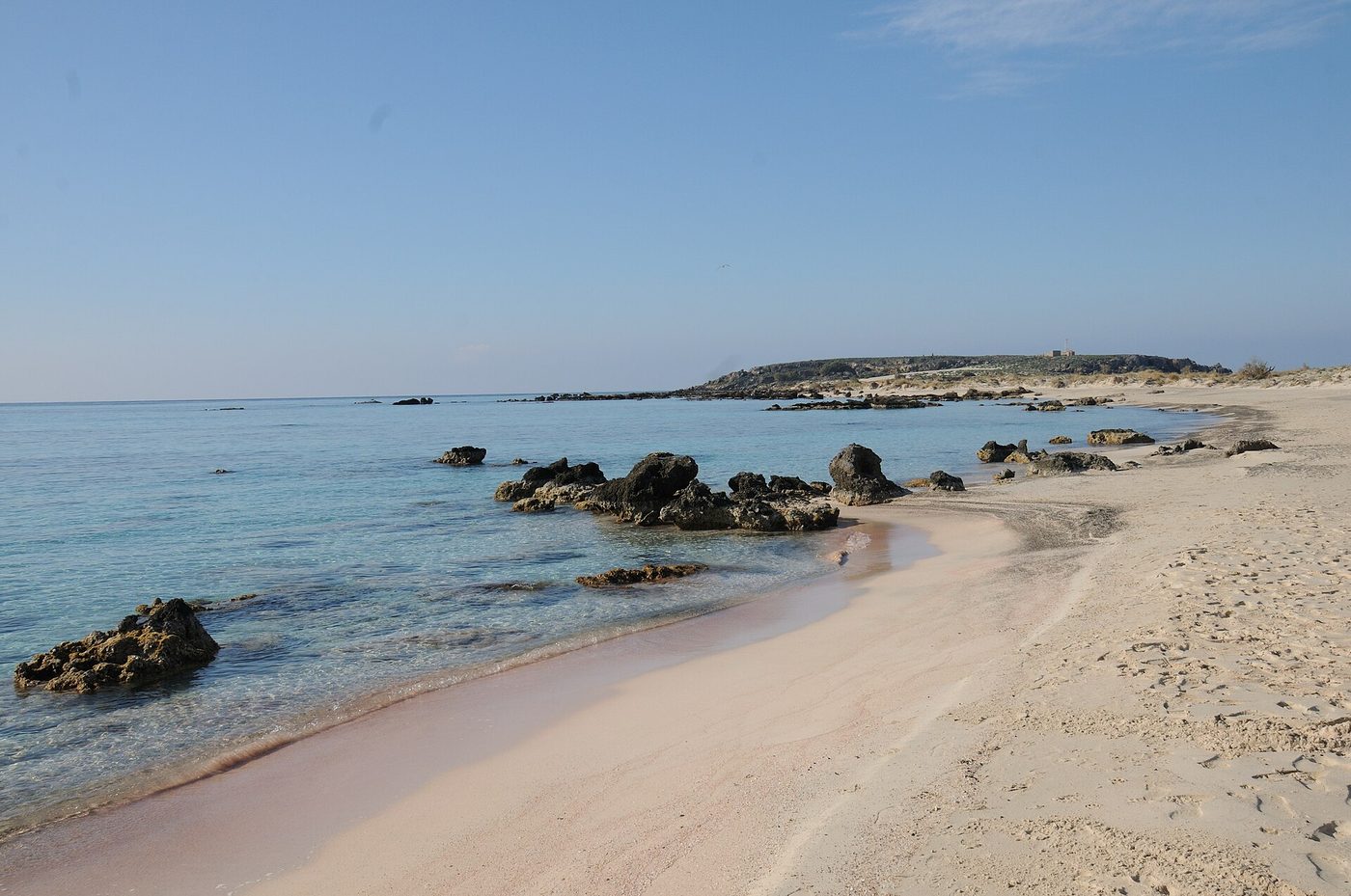
The pink sand is real, though it is pink in patches and in certain light rather than uniformly rose-coloured, and it comes from crushed shell fragments. The lagoon is shallow enough to wade across to the islet. Entry is free, because it is a protected public area, and cars can no longer drive to the sand under Natura 2000 protection.
The rules are strict and worth respecting: this is Natura 2000 site GR4340002, “Nisos Elafonisos and coastal marine zone”. No jet skis, no motorised water sports, no permanent beach bars, no loud music. Loggerhead turtle nesting areas are fenced off. And do not take the sand home, which is both illegal and the reason the pink is thinning.
On Elafonissi sunbed prices I have to hedge. Numbers are deliberately limited under the conservation rules, and the figures published for a set of two with an umbrella range from €8 to €12 at one source to €15 to €25 at another. They disagree too widely for me to pick one. What every source agrees on is that they are frequently gone before 09:00, so bring your own shade if you arrive later.
Balos
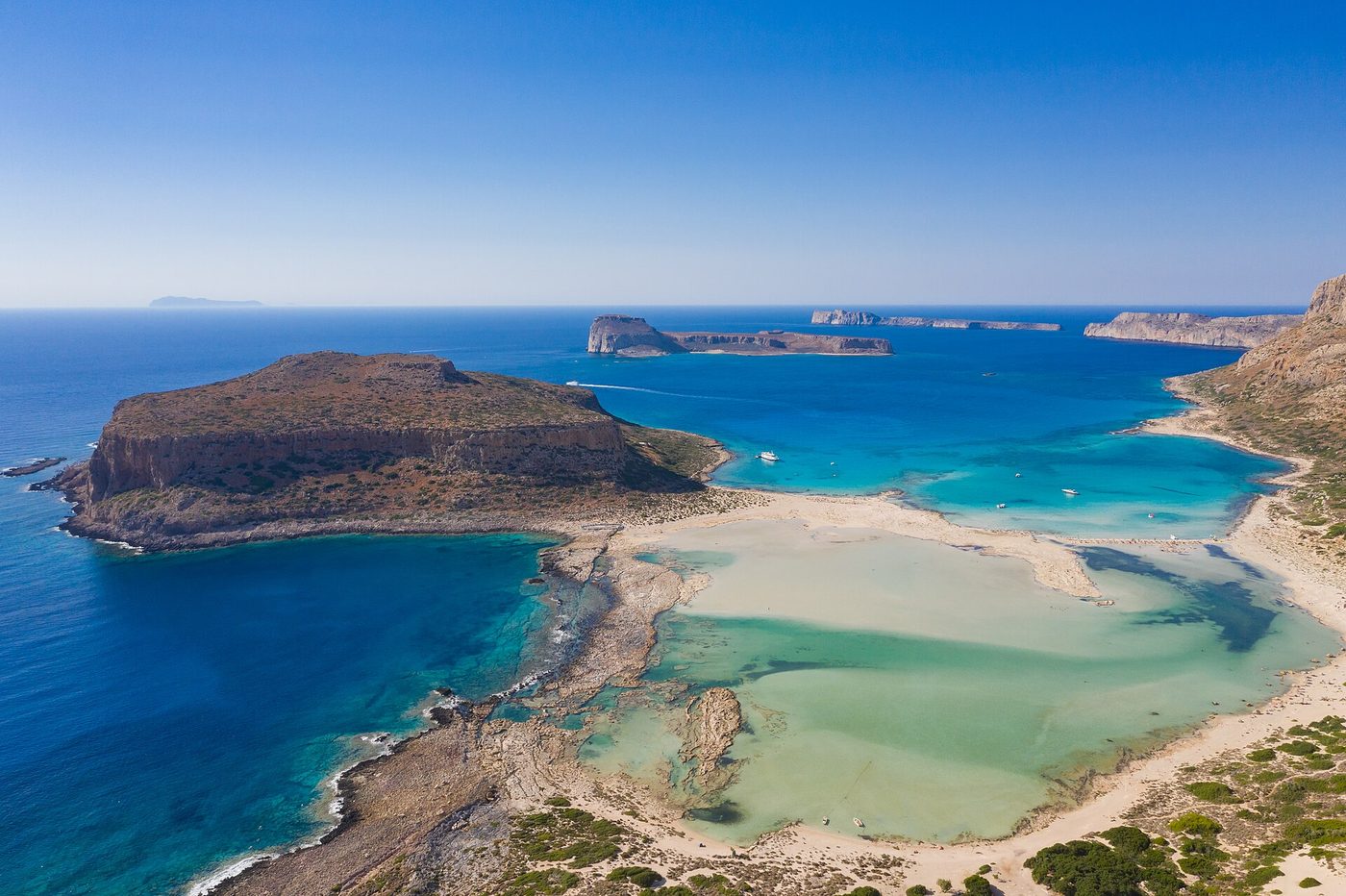
Balos is the aerial photograph everyone has seen: a shallow lagoon between the mainland and Gramvousa islet, with sand bars that shift through turquoise into white. The boat from Kissamos is the civilised way in, usually combined with a stop at the Venetian fortress on Gramvousa, from about €24 to €27 per person plus a €1 fee levied by the Municipality of Kissamos on passengers over 13.
Driving is where people come unstuck, and not for the reason they expect. The unpaved road from Kaliviani along the peninsula is described as navigable by an ordinary passenger car, so a 4×4 is not the requirement. The real barrier is your rental contract. Many Cretan hire agreements explicitly prohibit driving to Balos or exclude damage sustained on the access road, with contracts often marked “(No Balos)”. Off-road driving voids the insurance outright. Read the agreement before you set off, because a punctured sump on that track is entirely on you.
The 2024 beach law, and why it matters
Greece’s 2024 beach law requires 70% of a beach to be kept free of sunbeds, rising to 85% inside Natura 2000 areas. Concessions are allocated by online auction and drone monitoring was announced. This is the reason Elafonissi has so few sunbeds and why they vanish so early.
Enforcement is a different matter. A 2024 Hellenic Court of Audit report found oversight was rarely administered, fines were delayed by years and checks were being done by hand rather than by drone. In practice that means you will still find beaches where the loungers creep well past their allotted line. Knowing the rule at least tells you what the free stretch of sand is supposed to look like. Our roundup of the best beaches in Europe puts Elafonissi in context against the rest of the continent.
Where to swim when the wind is up
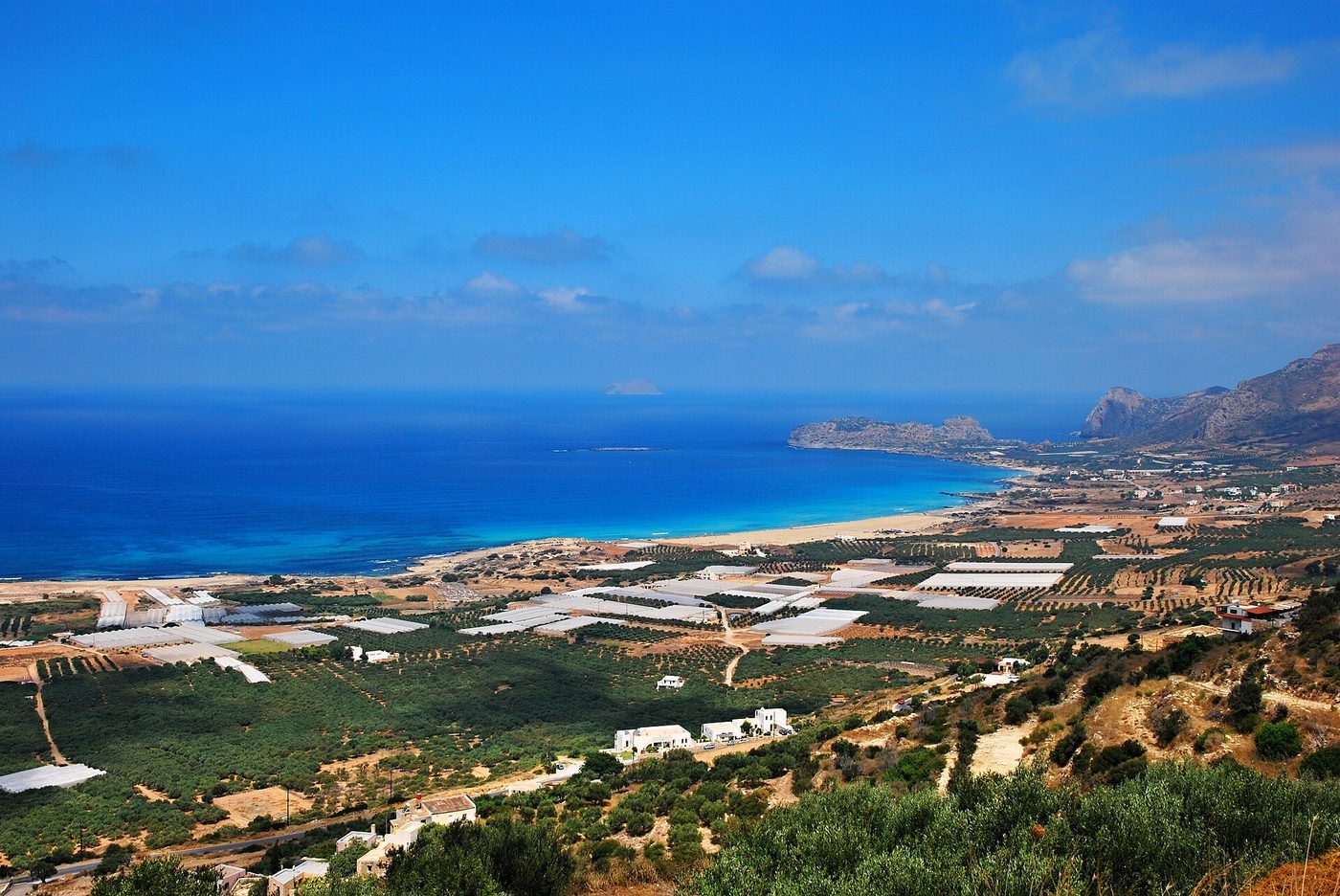
The meltemi blows from the north, which means the north coast takes the brunt of it. When Chania’s beaches are choppy and the sand is moving sideways, drive south. Preveli, Plakias, Matala, Frangokastello and the Libyan Sea coast are usually calm on exactly the days the north is not. Falasarna, which faces west, gets rough when the wind is up despite being one of the loveliest beaches on the island.
When is the best time to visit Crete?
May, June, September and early October. September is the connoisseur’s month: the sea has had all summer to warm up, the crowds have thinned, and the light is better than in August.
| Month | What it is like | Verdict |
|---|---|---|
| January to March | Wettest stretch of the year. Chania averages about 142 mm of rain in January, the wettest month. Snow on the White Mountains. Chania, Rethymno and Heraklion carry on as normal working cities; beach resorts are shut | City breaks and hiking only |
| April | Wildflowers, low prices, quiet sites. Some museums on reduced hours, many seasonal businesses not yet open, Samaria likely closed | Good for sightseeing, not for swimming |
| May | Warm days, very few crowds, everything reopening. Sea around 19°C island-wide, which is cool for regular swimming | Excellent for gorges and archaeology |
| June | Reliable heat before the true peak. Hotel occupancy 69.9% in 2025 | One of the best months |
| July | Hottest month, mean about 25°C at Heraklion with highs near 28.6°C and heat waves to 35°C. Meltemi at its strongest. Occupancy 77.2% | Hot, windy, busy, expensive |
| August | Peak of everything. 1.79 million passengers through Heraklion airport in 2025. Sea at its warmest, 26.3°C at Heraklion | Only if the school calendar forces it. See our summer guide for alternatives |
| September | Warm sea, thinning crowds, softer light. 1.47 million through HER, still 39% above May | My pick |
| Early October | Around 22 to 23°C air and sea. Weather less predictable as the month goes on; seasonal hotels and tours close from late October | Excellent, with a booking caveat |
| November | Local and relaxed with occasional rain. No guarantee of beach weather | For the towns, not the coast |
| December | Around 100 mm of rain at Chania. Mild by northern European standards, 10 to 15°C | Quiet city trip |
Temperature and sea, in numbers
| Measure | Heraklion | Chania |
|---|---|---|
| Average high, coolest month | 15.2°C in January | 13.3°C in January |
| Average high, warmest month | 28.6°C in July | 28.5°C in July |
| Mean temperature, hottest month | About 25°C in July | Not published separately |
| Mean temperature, coldest month | About 12°C in January | Not published separately |
| Typical summer highs | Regularly 33 to 35°C in August heat | 25 to 30°C, June to September |
| Typical winter highs | Mid-teens | 10 to 15°C, December to February |
| Sea, coldest | 15.7°C in February | 15.9°C in February |
| Sea, warmest | 26.3°C in August | 26.1 to 26.2°C in August |
| Sea in May | Around 19°C island-wide | 19.1°C |
| Sea in early October | Around 23°C | Around 23°C |
| Wettest month | January, within a wet stretch running November to January | January, about 142 mm |
| Driest months | June to August | June to August, often under 10 mm a month |
That May-versus-October sea temperature gap is the most useful number here. Both months look identical in a brochure, and one of them has water at 19°C while the other has it at 23°C. If swimming is the point of your trip, October beats May comfortably. If gorges and archaeological sites are the point, May wins on wildflowers, cooler walking and emptier ruins.
The meltemi
The meltemi is the dry northerly that sweeps the Aegean from mid-July to late August, peaking between mid-July and mid-August, and turning up occasionally in June or September. It typically starts after 10:00 or 11:00 and eases after 18:00, with episodes lasting two to five days. Along Crete’s north coast between Chania and Heraklion it can reach Force 7 or even 8 on the Beaufort scale.
What that means in practice: exposed north-coast sandy beaches become uncomfortable, afternoons are windier, evenings are cooler than the temperature suggests, and the skies are extraordinarily clear. Plan north-coast beach mornings and south-coast beach afternoons in high summer, and do not book a boat trip you cannot move.
Crowds and the shape of the season
In 2025, July to October alone accounted for 56.7% of Crete’s arrivals and 63.7% of its overnight stays. Annual hotel bed occupancy was 54.9%, peaking at 77.2% in July and 69.9% in June. The productive season now runs April to October, with spring and autumn taking a meaningful share, which is why shoulder-season prices are no longer the bargain they were a decade ago. Even so, hotel rates in April, May and October run roughly 30 to 50% below August. Our guides to the shoulder season in Europe and the least crowded time to visit Europe go into the wider pattern, and the best time to visit Greece covers the rest of the country.
Cretan food, and where each dish belongs
Cretan cooking is not Greek cooking with a sea view. It has its own dishes, its own cheeses and its own geography, and the mistake visitors make is ordering the same taverna menu in Chania that they would in Athens.
| Dish | What it is | Where it belongs |
|---|---|---|
| Dakos | Barley rusk briefly soaked, topped with grated fresh tomato, crumbled mizithra or feta, olive oil and dried oregano | Island-wide, the default starter |
| Kalitsounia | Small cheese or herb pies, usually filled with myzithra and herbs, sweet or savoury | Most associated with the Chania prefecture |
| Sfakianopita | Thin round pie of dough filled with mizithra, pan-fried, served with honey | Sfakia, on the south coast |
| Gamopilafo | “Wedding rice”, cooked in rich lamb or chicken broth and finished with butter | Traditional at Cretan weddings, found island-wide |
| Apaki | Pork tenderloin marinated in vinegar then smoked over sage, thyme and bay | Island-wide, mountain villages do it best |
| Staka | Cream made from sheep or goat’s milk, usually served with eggs or fried potatoes | Mountain villages, especially around Anogia |
| Antikristo lamb | Lamb cooked upright around an open fire | Mountain villages and shepherds’ tavernas |
| Stamnagathi | Spiny chicory and other wild greens, dressed with lemon and oil | Everywhere, best in spring |
| Graviera and mizithra | The two Cretan cheeses you will meet constantly, hard and fresh respectively | Island-wide |
| Raki / tsikoudia | Grape-pomace spirit, usually brought to the table free at the end of a meal | Island-wide, refusing it is impolite |
| Vidiano and Kotsifali | The white and red grapes worth seeking out | Wineries around Archanes and Peza, near Heraklion |
Geographically: the north coast near Heraklion has the widest seafood variety, the mountain villages around Anogia are the place for lamb, dairy and staka, kalitsounia belong to Chania, and sfakianopita to Sfakia. Cretan restaurants expect you at 21:00 or 22:00, and turning up at 19:00 usually means eating alone among other visitors. If food is a big part of why you travel, our guide to European food is a good companion read, and Sicily is the closest thing the Mediterranean has to a rival for regional cooking on a big island.
Beyond the headline sights
Spinalonga
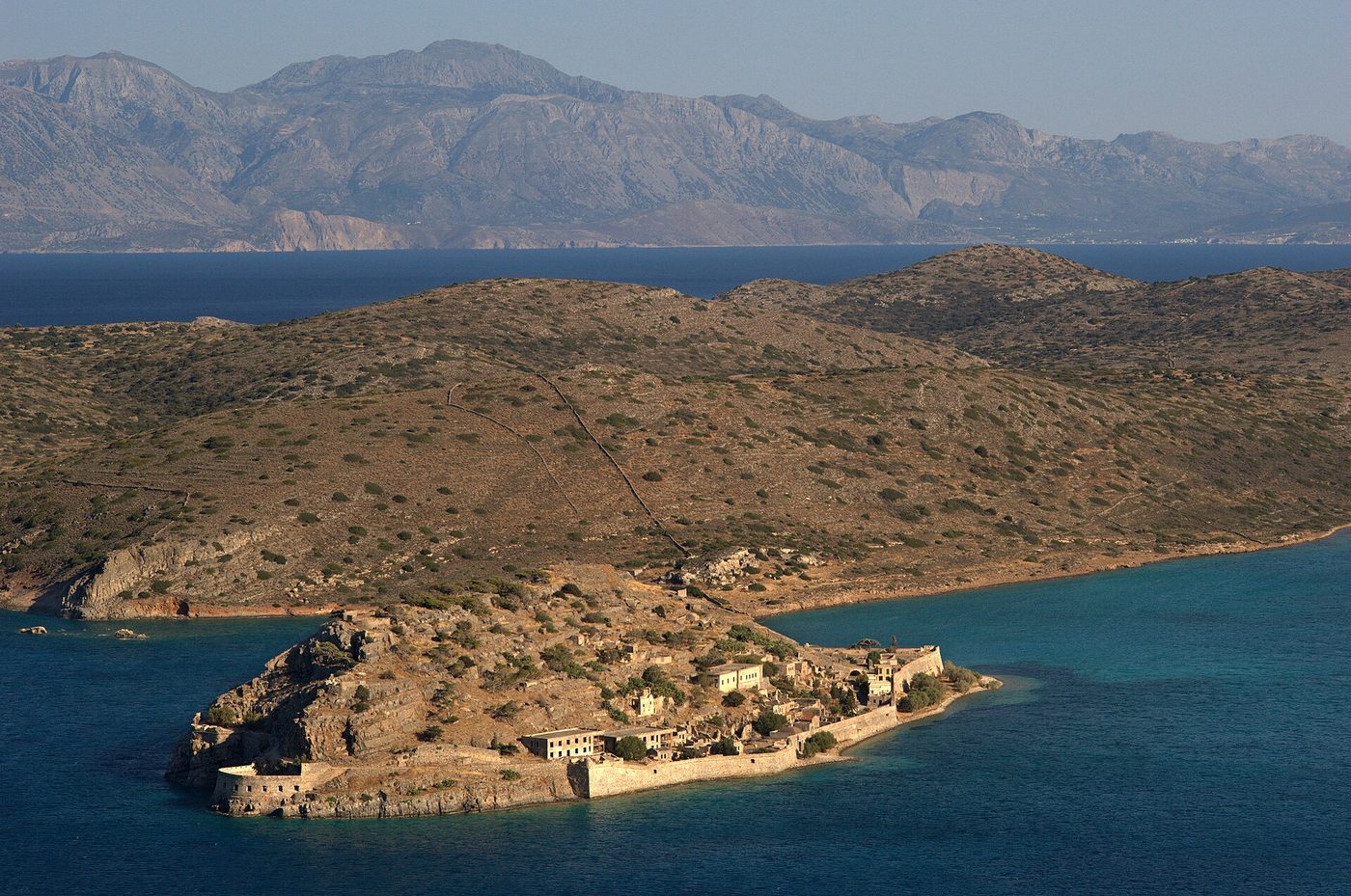
A Venetian fortress island in Mirabello Bay that served as a leprosy settlement until 1957, which gives the visit a weight that the photographs do not prepare you for. Boats run from Agios Nikolaos, Elounda and Plaka; Plaka has the shortest crossing, anywhere from 5 to 20 minutes depending on the departure point. Allow one to two hours on the island.
Arkadi Monastery
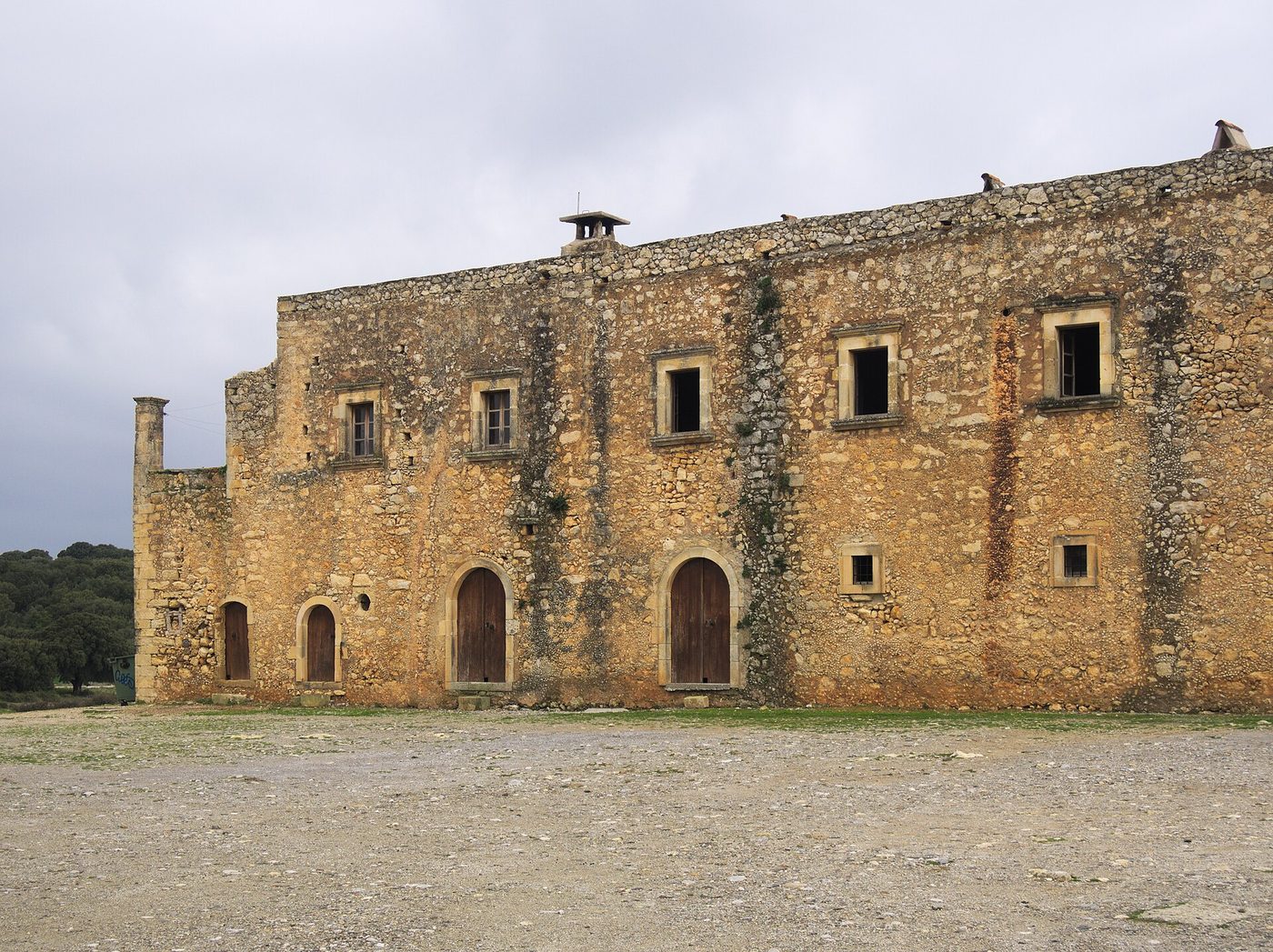
South-east of Rethymno, and the emotional centre of Cretan national memory. During the 1866 siege, rather than surrender to Ottoman forces, those sheltering inside detonated the powder magazine. It is a quiet, handsome place and the story is told plainly rather than theatrically.
Lake Kournas
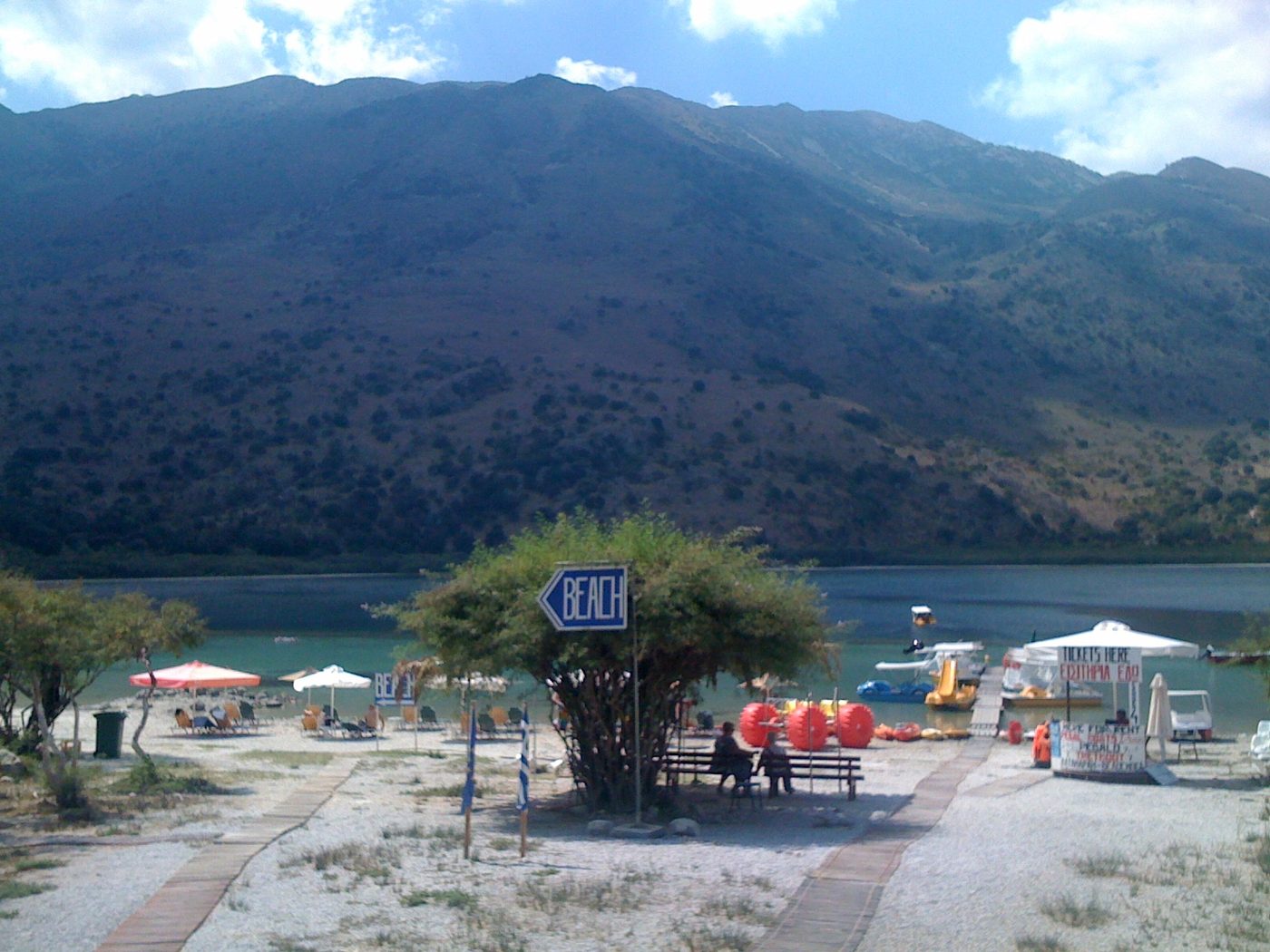
The only freshwater lake on Crete, between Chania and Rethymno, ringed by pedal boats and tavernas. It is a pleasant hour rather than a destination in itself, and it makes a good stop when you are moving between the two towns. If lakes are your thing, our best lakes in Europe guide covers the ones worth a longer detour.
Margarites and the mountain villages
Margarites is a pottery village about 30 minutes east of Rethymno, where workshops still throw and fire on site. Mobile reception is patchy and card machines are not universal, so bring cash. The same is true of most mountain villages, which is worth remembering before you drive an hour into the hills for lunch.
The Lasithi Plateau
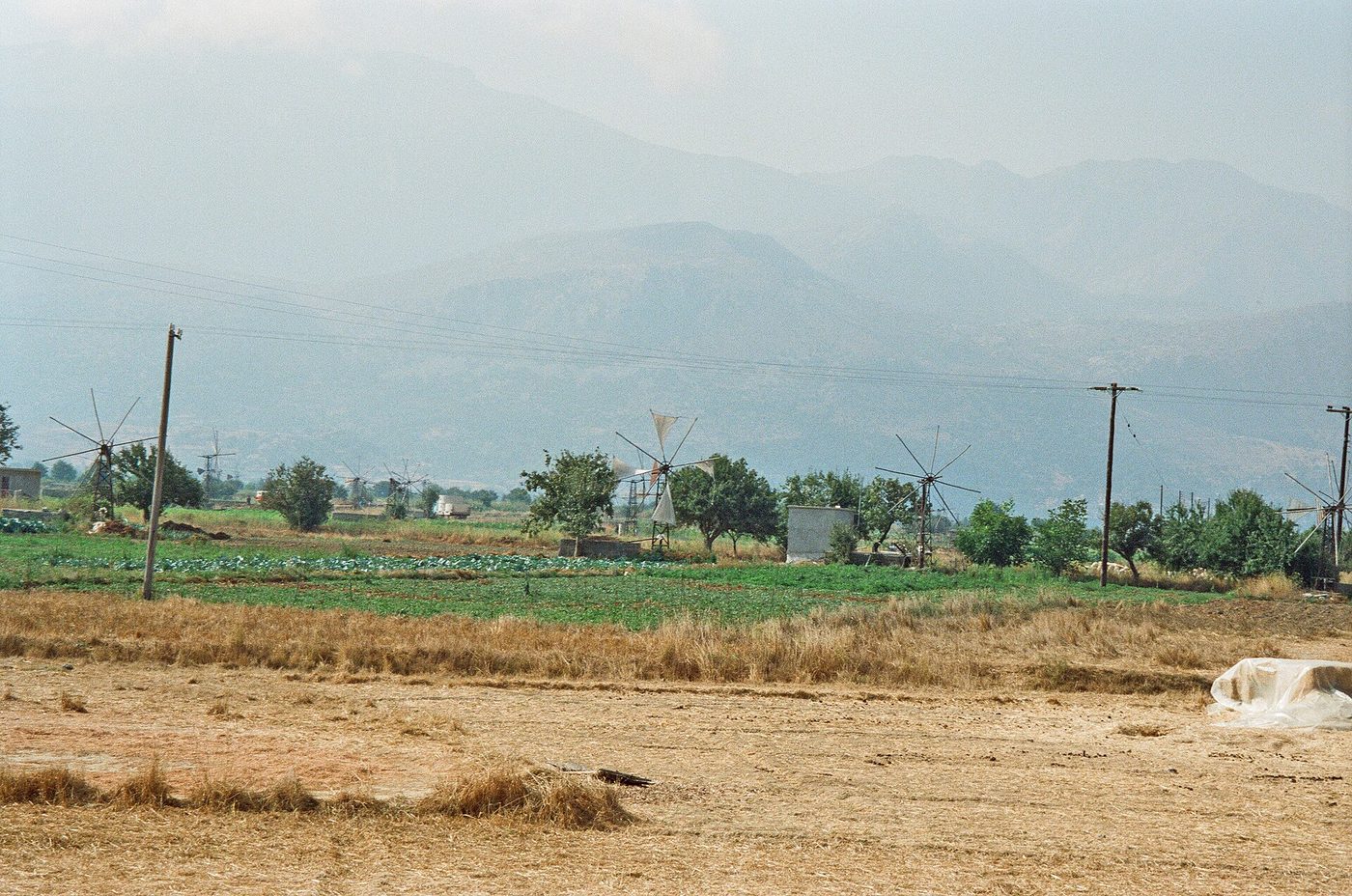
A high, flat, cultivated bowl in the eastern mountains, historically dotted with thousands of cloth-sailed windmills for irrigation. Most are gone now, though the frames remain and a handful have been restored. Psychro Cave, traditionally identified as the birthplace of Zeus, is up here too. It is a long, winding drive from the coast and a wholly different Crete when you arrive.
Water parks, if you have children
WaterCity at Anopolis near Heraklion is the biggest with more than 30 attractions. Acqua Plus and Star Beach are both at Hersonissos, Star Beach with free entry. Limnoupolis serves Chania and Aqua Creta is at Kissamos. Our Europe with kids guide has more on travelling with children across the continent.
Practical details worth five minutes now
Entry requirements
Greece is in the Schengen area, so EU, EEA and Swiss nationals need only an ID card. UK, US, Canadian, Australian and most other visa-exempt visitors get 90 days in any 180 across the whole Schengen zone, and will need ETIAS authorisation once the scheme is live, though as of late September 2026 it has no start date. The EU Entry/Exit System has been fully operational at external borders since 10 April 2026, which means biometrics at passport control rather than a stamp. Our guide to the Schengen visa and ETIAS rules has the current position.
Emergencies and health
112 is the pan-European emergency number and works from any phone in Greece, including a locked one. Heraklion and Chania both have general hospitals; smaller towns have health centres and pharmacies with a rotating out-of-hours duty roster posted in the window. EU visitors should carry a European Health Insurance Card, and everyone should carry travel insurance that covers hiking, because a rescue out of the Samaria Gorge is not a short walk for anyone involved.
Scooters, ATVs and taxis
Quad bikes and scooters are rented on every resort street on the island, and they are also the single biggest source of holiday injuries here. Helmets are legally required, hire insurance is frequently minimal, and the roads are exactly as described above. If you are not an experienced rider, hire a small car instead.
Taxis are metered in the cities and often fixed-price on longer runs, and it is normal to agree the fare before setting off for anything intercity. Airport transfers are widely available and worth pre-booking in August.
Tipping and cash
Service is not automatically included and tipping is modest rather than obligatory: rounding up, or five to ten per cent for a proper meal, is normal and appreciated. Cards are accepted almost everywhere on the coast, but mountain villages, some beach car parks, small ferry offices and the accommodation tax itself frequently want cash. Carry €50 to €100 in notes and top it up in town rather than at a beach ATM.
Crete by traveller type
| You are | Base yourself | Do this | Skip this |
|---|---|---|---|
| First-timer with a week | Chania, then Rethymno or Heraklion | Old towns, Samaria, Knossos, one western beach | The far east. There is not time |
| Family with young children | Hersonissos, Gouves or Agia Marina | Resort pools, water parks, Kournas, short beach days | Samaria, Balos by road, Seitan Limania |
| Family with teenagers | Chania or Rethymno | Samaria, kayaking, Balos by boat, old-town evenings | The package strip, which they will find dull |
| Couple on a first Greek trip | Chania | Harbour dinners, Elafonissi early, a winery day | Cross-island day trips |
| Honeymoon or special occasion | Elounda | Resort time, Spinalonga, a private boat afternoon | Anything involving three hours in a hire car |
| Walkers and hikers | Chania, Sfakia or Loutro | Samaria, Imbros, the coastal path between Loutro and Agia Roumeli | July and August, when it is too hot to walk safely |
| History and archaeology | Heraklion | Knossos, the Archaeological Museum, Phaistos, Gortyn, Malia | The western beaches, which are two hours the wrong way |
| Food-led travellers | Chania or Heraklion | Heraklion market, Anogia for lamb, Archanes wineries | Hotel half-board, which locks you out of the good tavernas |
| Solo travellers | Chania or Agios Nikolaos | Both work on foot, both have sociable old towns | Remote south-coast villages if you want company |
| Off-season visitor | Chania, Rethymno or Heraklion | Old towns, museums, mountain drives, empty archaeological sites | Booking a beach resort; most of them are closed |
| Budget traveller | Rethymno or Heraklion | KTEL buses, town beaches, free-admission Sundays in winter | August car hire, which more than doubles the low-season rate |
For a wider view on picking a base, our where to stay in Europe guide covers the same question across the continent, solo travel in Europe goes deeper on travelling alone, and Europe honeymoon covers the special-occasion end of the market.
If it is too crowded, go here instead
| The famous one | The swap | Why it works |
|---|---|---|
| Elafonissi | Falasarna | Also in the west, far easier to reach from Chania, huge sweep of sand and the best sunsets on the island |
| Balos | Seitan Limania or Menies | Both on the Akrotiri peninsula, both dramatic, both a fraction of the journey. Seitan Limania needs nerve on the road and legs on the scramble |
| Samaria Gorge | Imbros Gorge | Around 8 km rather than 16, no ferry required, open longer in the season, and walkable in a morning. You will need a taxi from Komitades at the bottom back to your car, usually €25 to €30 |
| Knossos | Phaistos | Unreconstructed, far quieter, spectacular setting above the Messara Plain |
| Chania old town in August | Rethymno old town | Nearly as beautiful, noticeably less crowded, and it has a beach attached |
| Hersonissos | Georgioupoli or Kalyves | Sandy and far less developed. Georgioupoli has a rip-current record and is exposed to north winds, so swim east of the river mouth and take the red flags seriously |
| Agios Nikolaos in peak week | Sitia | A working harbour town in the far east, almost untouched by mass tourism |
| Matala | Plakias or Frangokastello | South-coast beaches with fewer day-trip coaches |
| Crete in August | Crete in late September | Sea still warm, air still warm, prices and crowds both well down |
Mistakes people make in Crete
- One hotel for the whole trip. The most expensive mistake on the island. Crete is too big for repeated cross-island day trips: two bases for a week, three for a fortnight.
- The same airport in and out. Covering the west and the centre? Book into Chania and out of Heraklion, and your last day loses a two-hour drive.
- Trusting the mapping app. It assumes empty roads and instant parking. Neither applies in July.
- Leaving the car until later. Rentals sell out in July and August. Book them with the flights.
- Driving to Balos without reading the rental contract. Many agreements are marked “(No Balos)” and off-road driving voids the insurance.
- Midday at Knossos in July. Hottest, busiest, and increasingly at risk of a heat closure between 12:00 and 17:00.
- Assuming the Archaeological Museum is closed on Mondays. It opens on Mondays in both seasons.
- A budget with no accommodation tax in it. Two to fifteen euros per room per night, collected on departure, often in cash.
- Expecting Samaria to be open in April. It opened on 19 May in 2026, and it closes on rainy days.
- Planning a Samaria walk without checking the ferry. There is no road out of Agia Roumeli. Timetables change without notice.
- Dinner at 19:00. Cretan kitchens hit their stride at 21:00 or 22:00.
- Mobile data in the mountains. Large stretches have no coverage at all. Download offline maps before you leave the coast.
- Turning up at Vai or Elafonissi at 11:00. Both car parks fill before that in season.
What I could not pin down
A few things resisted verification, and I would rather name them than print a confident number I cannot stand behind.
- The Knossos plus Archaeological Museum combined ticket. Three sources, three different answers: a €20 “special ticket package” on the Ministry page, a €25 three-day combined ticket elsewhere, and a claim that it was discontinued for 2026. Check hhticket.gr before you travel.
- Elafonissi sunbed prices. Quoted at both €15 to €25 and €8 to €12 for a pair with an umbrella. Too wide a gap to average honestly.
- Balos and Vai parking fees. Balos road parking is quoted at €1 per visitor in older sources and €3 per car in newer ones. Vai is quoted at €2.50 and €3.50. All small sums, none confirmable.
- A hard daily cap for Samaria. No published numerical limit found. The NECCA booking system is where one would appear.
- Falasarna parking. One source reports that parking directly beside the beach was withdrawn in 2024. I could not corroborate it.
Two things this guide does not cover in depth, and should not pretend to. The far south-east around Kato Zakros and Xerokambos, and the Amari valley inland from Rethymno, both deserve more space than I can give them here. That is a limit of the trip and the sourcing rather than a verdict on either.
Crete travel guide FAQ
Is Crete worth visiting?
Yes, particularly if you want more from a Greek island than a view and a beach. It has the Minoan palaces, the best gorge walk in the country, two outstanding old towns, real mountains and a distinct regional cuisine. The caveat is size: it rewards a car and at least two bases.
How many days do you need in Crete?
Four nights covers one region properly. Seven across two bases covers the west and centre. Ten to fourteen lets you add the east or the south coast. Below four nights you are choosing between the beaches and the archaeology, not doing both.
What is the best month to visit Crete?
September, closely followed by June, early October and May. September keeps most of August’s sea warmth while shedding a good deal of its crowd, and the light is better. Early October still holds around 23°C in the water. May is markedly cooler for swimming, around 19°C, but better for hiking, wildflowers and empty archaeological sites.
Do you need a car in Crete?
Only for what lies outside the three main towns: beaches, mountain villages, wineries, the south coast and any multi-region trip. Reckon on €65 a day for a small car in August, €25 to €40 in low season, plus petrol at about €2.03 a litre. Scooter and ATV hire is everywhere and is also the main source of holiday injuries here, so weigh it accordingly.
Is Chania or Heraklion better?
Chania for atmosphere, food and beaches; it has the better old town by a wide margin and is the base I recommend for a first trip. Heraklion for history and logistics; it has the Archaeological Museum, Knossos on its doorstep, the busiest airport and the best ferry connections. Many people do both, and the drive between them is about two hours.
Is Crete expensive?
Less than Santorini or Mykonos for hotels, restaurants and longer stays. Budget roughly €80 to €120 a day eating in tavernas and staying outside the luxury zones, or from about €600 for a budget week up to around €2,500 for a premium one, excluding flights. The offsetting cost is transport, because the island’s size means car hire and fuel.
Do you need to book Knossos tickets in advance?
It is sensible in July and August, and tickets are sold through the Hellenic Ministry of Culture e-ticket service. I found no published timed-entry system or daily cap, but the site can close between 12:00 and 17:00 during heat waves, as it did on 22 July 2026, so check on the day as well as booking ahead.
How long does a visit to Knossos take?
About an hour and a half to two hours. Add another two hours if you are pairing it with the Heraklion Archaeological Museum, which is 5 km back up the road and holds the objects excavated from the site.
Is the reconstruction at Knossos authentic?
Partly. Roughly 30 to 40% of what you see reflects Arthur Evans’ interpretations from 1900 to 1935, including the red columns and the repainted frescoes. Archaeologists have argued about it for a century. For an unreconstructed comparison, visit Phaistos.
How much does the Samaria Gorge cost and when is it open?
Entry is €10 for adults, free for under 18s and EU nationals over 65. It traditionally opens at the start of May and closes at the end of October; in 2026 it opened on 19 May. It closes on rainy days when there is rock-fall risk, and after roughly 14:00 you are only allowed as far as the first quarter of the walk.
Where should I stay in Crete for the first time?
Chania. The old town is the loveliest on the island, the food is the best, and the west’s headline sights are all within day-trip range. Split the week with Rethymno or Heraklion if you also want Knossos.
Which airport should I fly into?
Chania (CHQ) for the west, Heraklion (HER) for the centre and east, and open-jaw for anything covering both. A new airport at Kastelli, inland from Heraklion, has an announced opening of 6 February 2027 and will eventually replace HER, so check before booking anything for 2027 onward.
What is the tourist tax in Crete?
The Climate Crisis Resilience Fee, charged per room per night and collected on departure. From April to October it runs €2 for one and two star hotels, €5 for three star, €10 for four star and €15 for five star, with short-term rentals at €8 or €15 depending on size. Winter rates run a quarter to a third of those. Campsites, hostels and listed heritage buildings are exempt.
Where should I avoid in Crete?
Nothing is off-limits, but manage expectations along the developed strip east of Heraklion through Gouves, Hersonissos, Stalis and Malia. It is built for package holidays and does very well at that, and it looks nothing like the Crete in the photographs. Malia specifically is the nightlife town.
What is the biggest mistake travellers make in Crete?
Treating it as a small island. Day-tripping to everything from a single base means four hours in a car on the days you had earmarked for beaches.
Can you visit Crete in winter?
Yes, for the towns. Chania, Rethymno and Heraklion are real working cities with year-round restaurants, shops and local life, and archaeological sites are almost empty. Beach resorts and seasonal businesses close, January is the wettest month at around 142 mm of rain in Chania, and there is snow in the White Mountains.
Is Crete good for a first trip to Greece?
It is one of the best options, because it contains most of what people come to Greece for in a single place. If you want to see Athens as well, Crete pairs easily with the mainland by a one-hour flight or a nine-hour overnight ferry.
Final thoughts
Crete rewards a specific kind of planning: fewer places, more time in each, and a realistic sense of how far apart things are. The visitors who come home disappointed are almost always the ones who spent four of their seven days in a hire car and never once ate dinner at 22:00 in a lane behind the harbour.
Do it the other way round. Give Chania three nights and walk it in the evening when the day-trippers have gone. Take the early bus to Samaria and let the gorge empty out ahead of you. Book Knossos for opening time and the museum for the same afternoon. Move east to Rethymno or Heraklion rather than driving back and forth. And leave one day entirely unplanned for whatever beach the wind is not blowing on. Our general Europe travel tips apply here as much as anywhere.
For the wider country, our Greece travel guide is the hub this article belongs to, and the best Greek islands comparison will tell you whether Crete or somewhere smaller suits the trip you have in mind. If you are still shaping the plan, how to plan a trip to Europe and our Europe packing list cover the logistics, Schengen visa and ETIAS covers the paperwork, and our Europe itinerary hub has routes that pair Greece with the rest of the continent. Athens is an hour away by plane if you want to add things to do in Athens to the trip, and the Europe bucket list has the rest of the continent’s headline acts.
Hannah Brooks has spent fifteen years travelling, living and writing across Europe, from the Arctic tip of Norway to the south of Sicily. She has planned hundreds of European itineraries for readers and is Senior Europe Editor at EuropeanTourism.org.
Photo credits
- Crete travel guide: the Venetian lighthouse and waterfront of Chania old harbour · Photo: Lapplaender / Wikimedia Commons (CC BY-SA 3.0 de)
- The waterfront promenade along the old harbour in Chania, Crete · Photo: Moonik / Wikimedia Commons (CC BY-SA 3.0)
- The walls of the Venetian Fortezza above Rethymno, Crete · Photo: Marc Ryckaert (MJJR) / Wikimedia Commons (CC BY 3.0)
- Tavernas around Lake Voulismeni in the centre of Agios Nikolaos, eastern Crete · Photo: Marc Ryckaert (MJJR) / Wikimedia Commons (CC BY 3.0)
- The reconstructed north entrance and charging bull fresco at the Minoan palace of Knossos · Photo: Jebulon / Wikimedia Commons (CC0)
- The Phaistos Disc, the star exhibit of the Heraklion Archaeological Museum · Photo: Unknown / Wikimedia Commons (CC BY-SA 3.0)
- The carved sandstone caves in the cliff above the beach at Matala, southern Crete · Photo: Jebulon / Wikimedia Commons (CC0)
- The gorge walls and dry riverbed inside Samaria National Park in western Crete · Photo: Lapplaender / Wikimedia Commons (CC BY-SA 3.0 de)
- The shallow turquoise lagoon and sandbar at Balos on the Gramvousa peninsula, Crete · Photo: dronepicr / Wikimedia Commons (CC BY 2.0)
- The shallow water and pale shell sand at Elafonissi beach in south-west Crete · Photo: Josep M. Gracia / Wikimedia Commons (CC BY-SA 4.0)
- The bay and coastal plain at Falasarna on the west coast of Crete · Photo: Pavel Špindler / Wikimedia Commons (CC BY 3.0)
- Cultivated fields and mountains on the Lasithi Plateau in eastern Crete · Photo: Herbert wie / Wikimedia Commons (CC BY-SA 4.0)
- The Venetian fortress walls of Spinalonga island in Mirabello Bay, Crete · Photo: Ggia / Wikimedia Commons (CC BY-SA 3.0)
- The stone monastery buildings at Arkadi, south-east of Rethymno, Crete · Photo: C messier / Wikimedia Commons (CC0)
- Pedal boats on Lake Kournas, the only freshwater lake on Crete · Photo: Sorin Craciun / Wikimedia Commons (CC BY-SA 3.0)
- The white houses of Loutro around its bay on the south coast of Crete · Photo: Maesi64 / Wikimedia Commons (CC0)
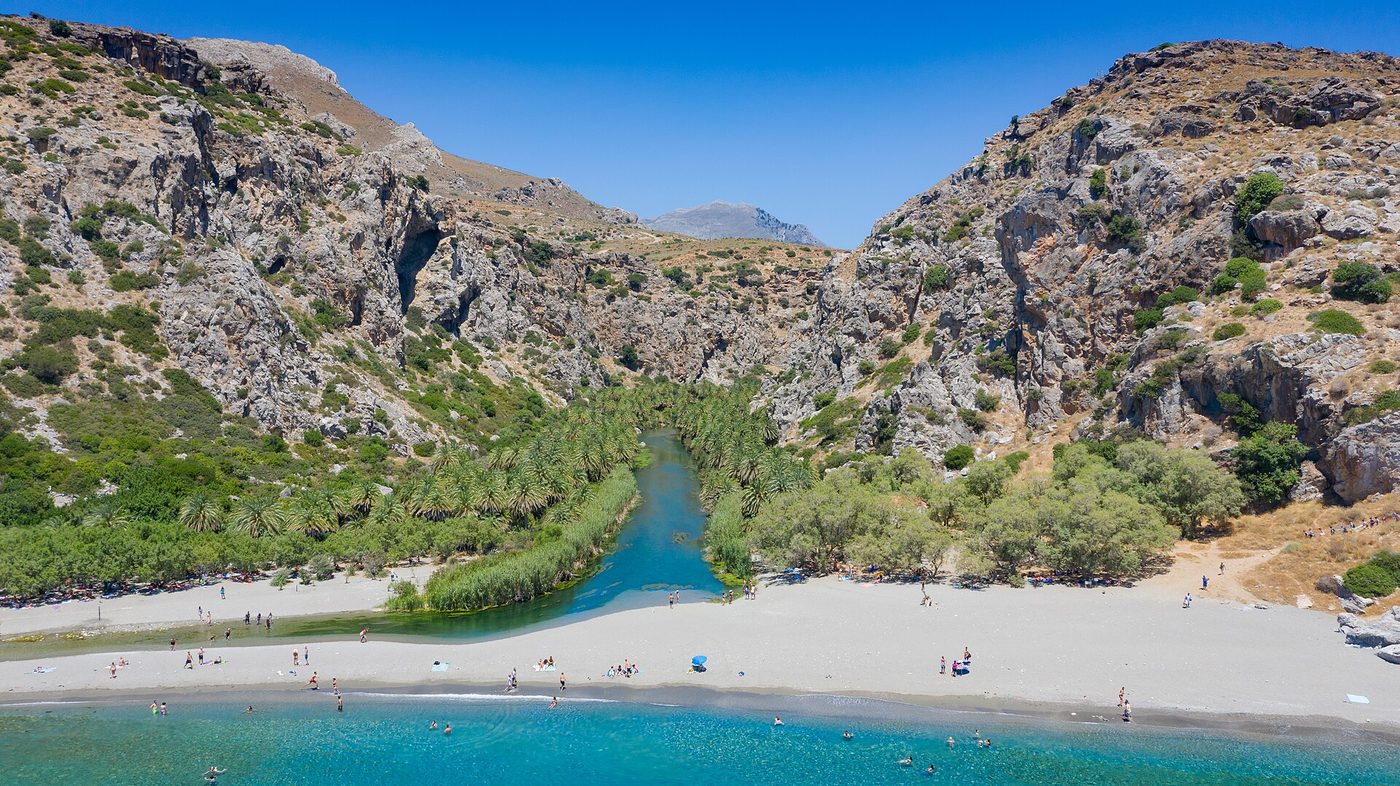
- Palm trees along the Kourtaliotis river where it meets the Libyan Sea at Preveli, Crete · Photo: dronepicr / Wikimedia Commons (CC BY 2.0)