Best Places to Visit in Italy

I have been travelling in Italy for fifteen years and I still cannot answer “where should I go?” in a sentence. This is a country that fits Greek temples, Byzantine mosaics, Renaissance galleries, an erupting volcano and seven thousand Bronze Age towers into an area smaller than California. Every one of those things has its own price, its own booking rule, and its own month when it is at its best.
The short answer: the best places to visit in Italy on a first trip are Rome, Florence and Venice, with Pompeii and the Amalfi Coast added if you have ten days. Aim for April to June or September to October. Once you have done that run, Puglia, Sicily and the Dolomites give you far more room for considerably less money.
What this guide does that the others do not
I read the five guides currently ranking for this search before I wrote a word. Between them they list about 25 places, and they are perfectly pleasant to read. None of them gives you a euro figure, or mentions that Venice charged day-trippers on 60 specific dates in 2026, that Pompeii caps entry at 20,000 people a day and puts your name on the ticket, or that the Amalfi Coast road runs on alternating number plates for most of August.
So that is what I have built here. Thirty-six places, each with a realistic length of stay, the months I would actually go, and, where I could source one from an official or primary page, a 2026 price and the rule that catches people out. All the prices sit in one table further down, so you can compare a day in Florence against a day in Agrigento without scrolling through nine sections.
Two honest caveats before we start. First, I could not source a current ticket price for every place on the list. Verona’s arena, Siena’s cathedral, Ravenna’s mosaic circuit and several others are missing from the price table, because I would rather leave a gap than print a number I did not see on a page. Second, this list leans towards places I have spent real time in. There is no Trieste, no Lecce, no Bergamo and no Turin, all of which turn up in our roundup of underrated places in Europe, and that is a limit of what I can write about usefully, not a verdict on any of them. If you want the wider frame, our complete Italy travel guide covers the country region by region.
All 36 of the best places to visit in Italy at a glance
Booking pressure in the last column is my own judgement, not an official measure. Critical means specific tickets sell out weeks ahead and your trip is built around them. High means book accommodation and any timed entries several weeks out in season. Medium means sort it out the same week. Low means turn up.
| # Place | Region | Best for | Best months | How long to give it | Booking pressure |
|---|---|---|---|---|---|
| 1. Rome | Lazio | Ancient ruins and the Vatican in one walkable centre | April to May, September to October | 3 to 4 days | Critical |
| 2. Tivoli | Lazio | Renaissance water gardens and a Roman emperor’s villa | April to June, September to October | Half a day to a day | Low |
| 3. Florence | Tuscany | Renaissance painting and sculpture at close range | April to May, September to October | 2 to 3 days | Critical |
| 4. Siena | Tuscany | A medieval city that never got a Renaissance makeover | April to May, September to October | 1 to 2 days | Medium |
| 5. Val d’Orcia | Tuscany | The cypress-and-clay landscape people picture when they picture Tuscany | April to June, September to October | 2 to 3 days | High |
| 6. Pisa | Tuscany | One of the most improbable buildings in Europe | April to May, September to October | Half a day | Medium |
| 7. Venice | Veneto | Canals, Byzantine gold and a lagoon full of islands | September to November, April to May | 2 to 3 days | High |
| 8. Verona | Veneto | A Roman arena still used for summer opera | April to June, September | 1 to 2 days | High |
| 9. Padua | Veneto | Giotto’s frescoes and Italy’s second-oldest university | March to June, September to October | 1 to 2 days | High |
| 10. Vicenza | Veneto | Palladio’s architecture in the city he rebuilt | April to June, September to October | 1 day | Low |
| 11. Milan | Lombardy | Design, opera, and the one Leonardo you have to plan around | March to June, September to November | 2 days | Critical |
| 12. Mantua | Lombardy | A Renaissance court city ringed by three artificial lakes | April to June, September to October | 1 to 2 days | Medium |
| 13. Lake Como | Lombardy | Villas, ferries and mountains falling straight into water | May to June, September to early October | 2 to 3 days | High |
| 14. Lake Garda | Lombardy, Veneto and Trentino | Italy’s largest lake, with a warm south and an alpine north | May, September to early October | 2 to 4 days | Medium |
| 15. The Dolomites | Trentino-Alto Adige and Veneto | The best mountain walking in Italy, and arguably in Europe | Late June to mid-September; December, January and March for skiing | 4 to 7 days | Critical |
| 16. Genoa | Liguria | A working port city with a UNESCO-listed street of palaces | April to June, September to October | 2 days | Low |
| 17. Cinque Terre | Liguria | Five cliff villages linked by trails, trains and boats | April to June, September to October | 2 to 3 days | High |
| 18. Bologna | Emilia-Romagna | Italy’s best eating city, under 62 kilometres of porticoes | April to June, September to November | 2 days | Medium |
| 19. Ravenna | Emilia-Romagna | Byzantine mosaics that outclass anything else in western Europe | April to June, September to October | 1 to 2 days | Low |
| 20. Ferrara | Emilia-Romagna | A Renaissance city plan you can still read from the saddle of a bike | April to June, September to October | 1 day | Low |
| 21. Urbino | Marche | A hilltop ducal palace that shaped Renaissance taste | May to June, September | 1 day | Low |
| 22. Assisi | Umbria | A pilgrimage town with a basilica full of Giotto | April to June, September to October | 1 to 2 days | Medium |
| 23. Naples | Campania | The loudest, best-fed city in Italy, and the gateway to everything south | March to May, October | 2 to 3 days | Medium |
| 24. Pompeii | Campania | The most complete Roman town anywhere | March to May, October | Half a day to a full day | High |
| 25. Herculaneum | Campania | Smaller than Pompeii, better preserved and far quieter | March to May, October | Half a day | Low |
| 26. The Amalfi Coast | Campania | A cliff road, lemon terraces and towns stacked above the sea | April to May, September to October | 3 to 5 days | Critical |
| 27. Capri | Campania | A limestone island that empties out completely after the last ferry | May to June, September | 1 to 2 days | High |
| 28. Paestum | Campania | Three Greek temples standing almost intact on a coastal plain | March to May, October | Half a day | Low |
| 29. Matera | Basilicata | Cave dwellings continuously inhabited for thousands of years | April to May, September to early October | 2 days | High |
| 30. Alberobello | Puglia | Whole streets of conical stone trulli | May to June, September to October | Half a day | Low |
| 31. Palermo | Sicily | Arab-Norman architecture and some of the best street food in Italy | April to June, October | 2 to 3 days | Medium |
| 32. Agrigento | Sicily | Greek temples on a ridge above the sea | April to May, October | Half a day to a day | Low |
| 33. Val di Noto | Sicily | Baroque towns rebuilt in one go after a 1693 earthquake | April to June, October | 3 to 4 days | Medium |
| 34. Mount Etna and Taormina | Sicily | An active volcano and a Greek theatre with a volcano view | April to June, September to October | 2 to 3 days | High |
| 35. The Aeolian Islands | Sicily | Seven volcanic islands, one of them permanently erupting | June, September | 3 to 5 days | High |
| 36. Sardinia | Sardinia | Water the colour of the Caribbean and 7,000 Bronze Age towers | May to early October | 5 to 10 days | High |
Central Italy: Rome, Florence and the Tuscan hills
This is the stretch most people do first, and there is a good reason for it: three of Europe’s densest historic cities sit within two hours of each other by train, and the countryside in between is the countryside on the postcards. If you have a week in Italy, spend it here and do it properly.
1. Rome
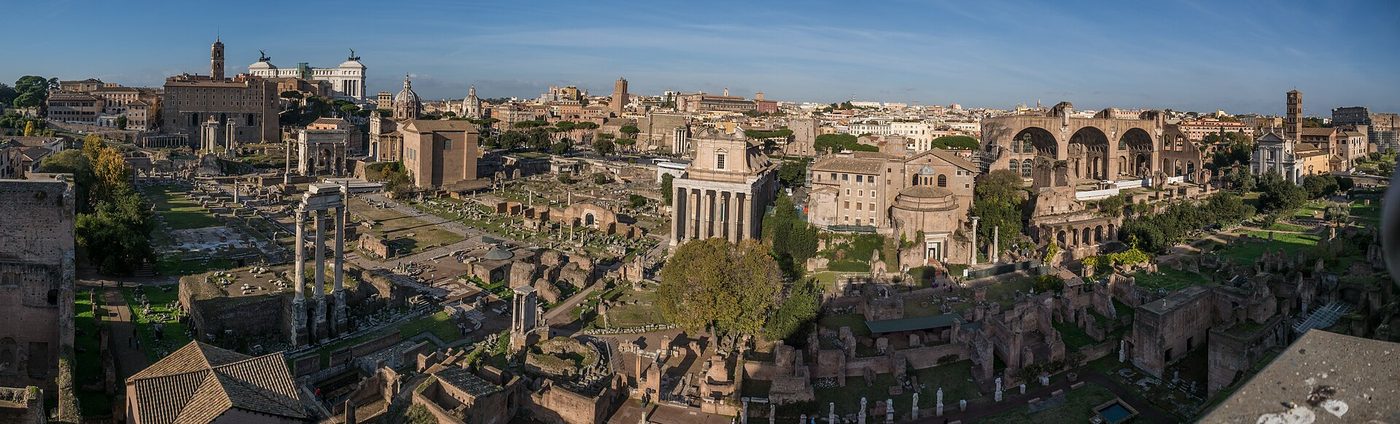
Nowhere else in Italy can you walk from a 2,000-year-old amphitheatre past the Pantheon and the Trevi Fountain to the largest church in Christendom in about forty minutes, with all of it full of people doing exactly the same thing. That density is the point. It is also the problem, and the fix is timing rather than avoidance.
The combined Colosseum, Roman Forum and Palatine Hill ticket is €18 and covers all three for 24 hours from your first entry, which is more generous than most people realise. Tickets are released exactly 30 days ahead at 09:00 Rome time, and the arena floor and underground add-on at €24 is gone within a couple of minutes on peak dates. The Vatican Museums are €20, or €25 with the online skip-the-line booking, and free on the last Sunday of the month between 09:00 and 14:00. Free sounds appealing until you see the queue, which starts forming before dawn.
One 2026 change to note: Rome introduced a €2 access charge at the Trevi Fountain from 1 February, reported rather than confirmed on an official page, so carry small change. The thing I would change about most people’s Rome is the Borghese Gallery. It is €18, entry is a hard two-hour slot with no walk-ups, and it holds the Bernini sculptures that make everything else in the city look static. Book it the day you book your flights. Trastevere is where I stay, and our guide to where to stay in Europe explains why neighbourhood beats star rating in Italian cities. For the full run of neighbourhoods, markets and lesser sites, see our guide to things to do in Rome.
Give it: 3 to 4 days · Go in: April to May or September to October · Book: Colosseum 30 days out, Borghese and Vatican as early as you can.

2. Tivoli
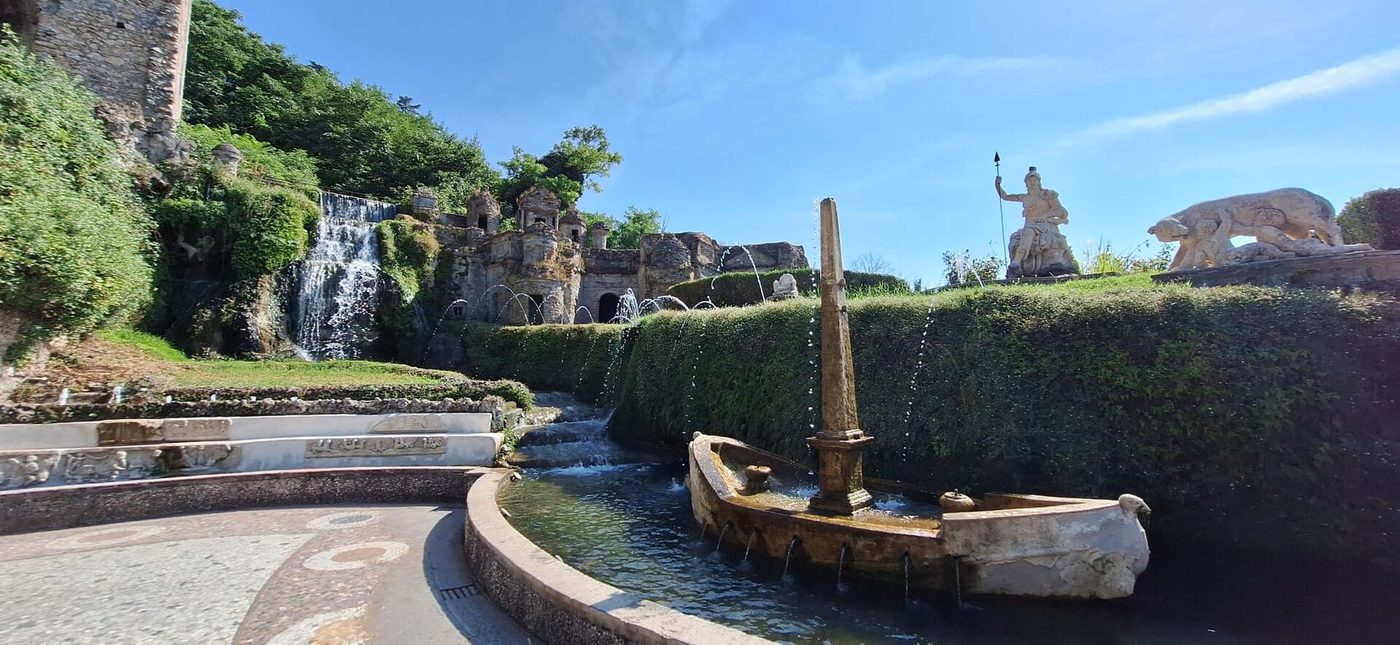
Half an hour east of Rome, Tivoli holds two things worth the trip. Villa d’Este is a sixteenth-century garden built entirely around water: hundreds of fountains, all of them gravity-fed, none of them pumped. The standard ticket is listed at €15, with €2 reduced and free entry for under-18s, though I have seen €23 quoted elsewhere, so check before you go. Hadrian’s Villa, a few kilometres away, is the sprawling country estate of an emperor with unusually good taste, and a combined Villae pass covering both plus two smaller sites runs somewhere between €30 and €34.
Hadrian’s Villa was inscribed by UNESCO in 1999 and Villa d’Este in 2001, and together they make the most rewarding easy day trip from Rome. Go early. The gardens are at their best when the light is still low and the coach groups have not arrived.
Give it: Half a day to a day · Go in: April to June or September to October · Book: Not usually necessary.
3. Florence
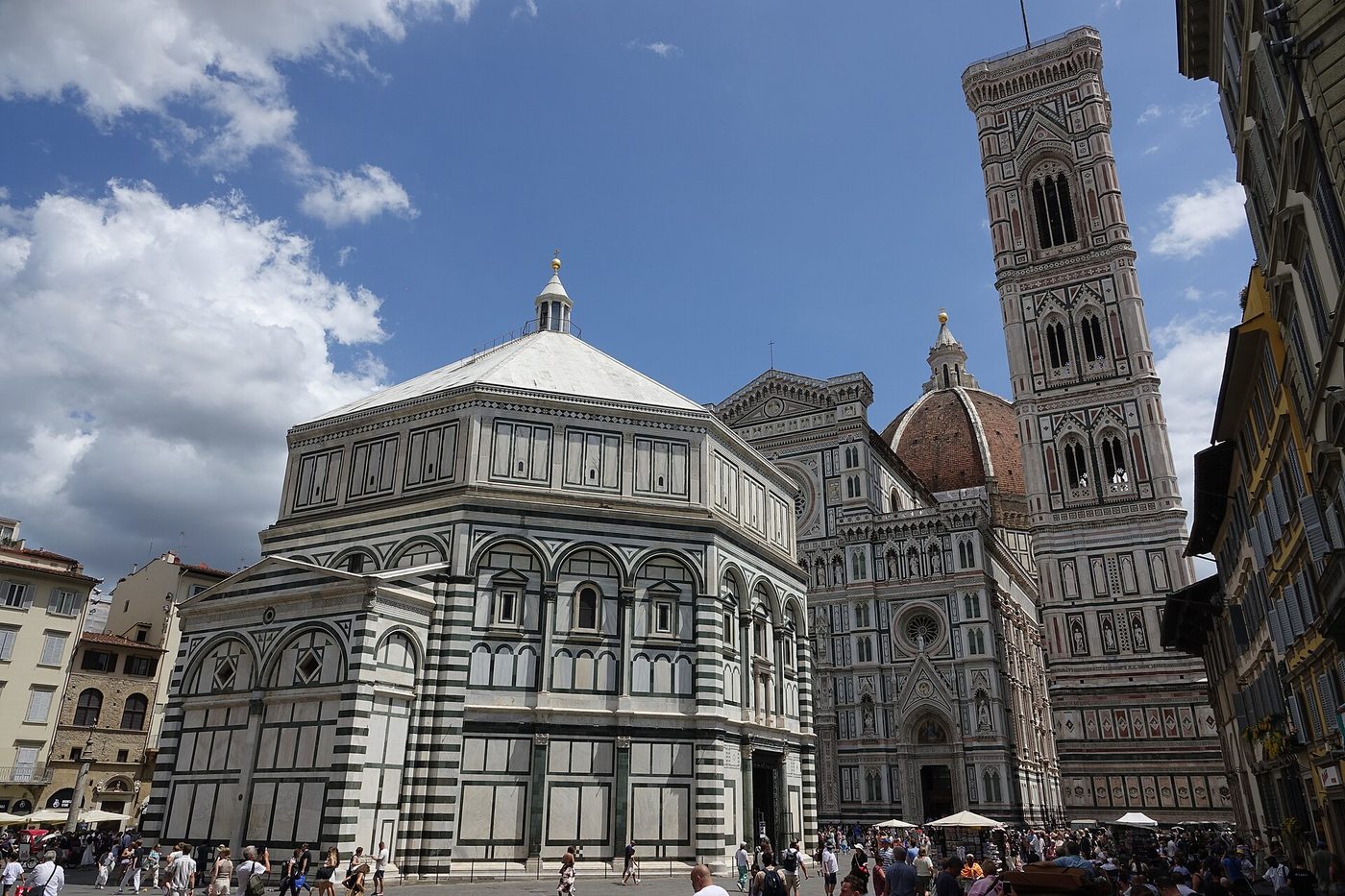
Start with the size, because everything else follows from it. Florence packs the entire Renaissance into a centre you can cross on foot in twenty minutes. In April or October it is one of the great walking cities in Europe. In August it is a slow-moving crowd on hot stone.
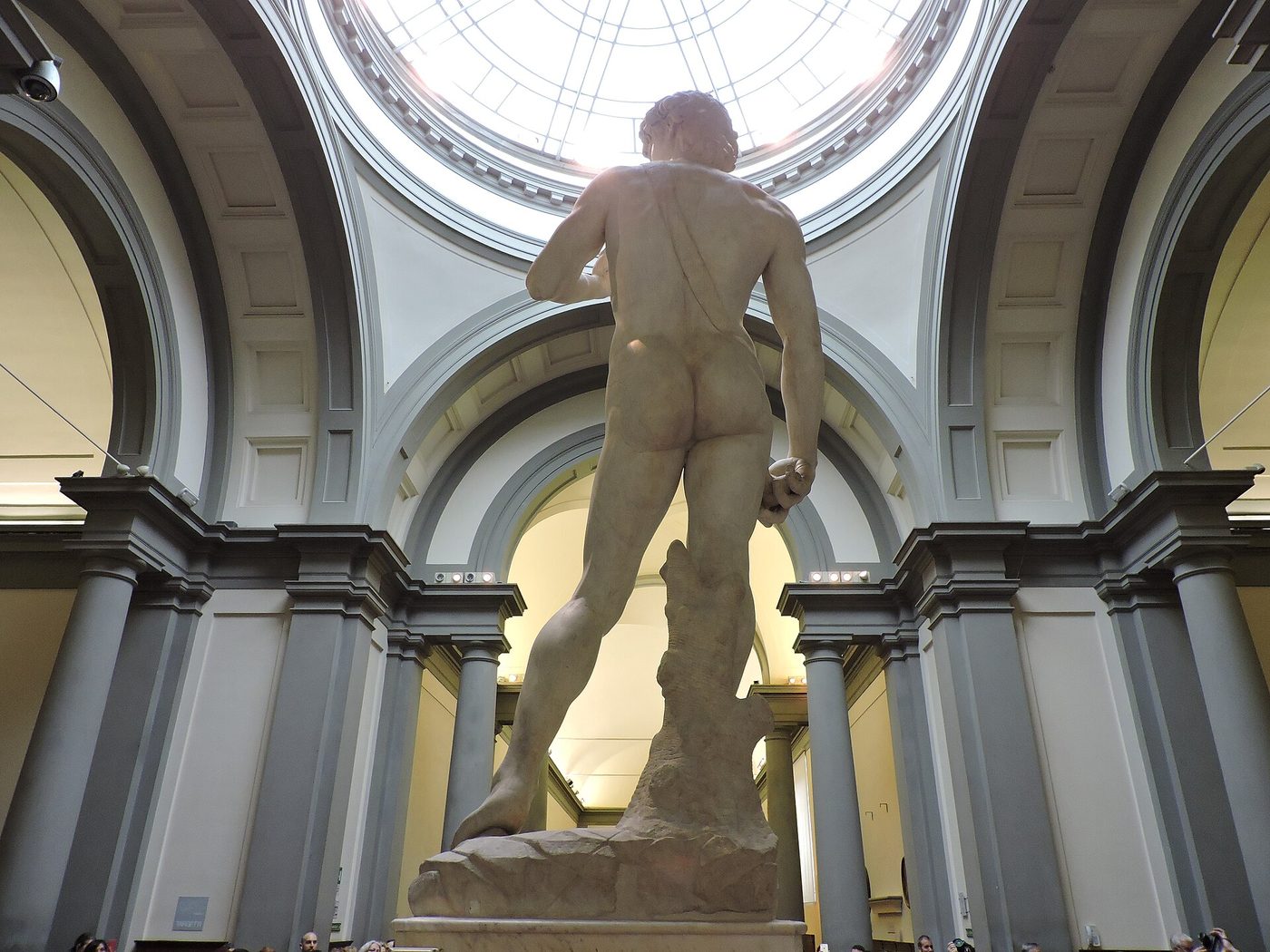
The ticketing here rewards planning more than anywhere else in Italy. The Uffizi is €25 if you buy on the day and €29 in advance, which sounds backwards until you understand you are paying €4 for a guaranteed slot. New for 2026, entry from 16:00 onwards drops to €16, which is the best deal in the city. The Accademia, where the David stands, is €20 all in, with fifteen-minute arrival windows that staff enforce. The Brunelleschi Pass at €30 covers the dome climb, Giotto’s bell tower, the baptistery and the museum for three calendar days, but the dome slot is fixed to the first day and cannot be moved once issued. Since March 2025 you need photo ID to climb it.
The cathedral nave itself is free, which surprises people who have just paid €30 for the pass. And the first Sunday of the month is free at the Uffizi and at around 500 state museums nationwide, which is either a gift or a warning depending on your tolerance for crowds. Our guide to things to do in Florence goes deeper on the Oltrarno, where I would actually stay.
Give it: 2 to 3 days · Go in: April to May or September to October · Book: Uffizi, Accademia and the dome, all in advance.
4. Siena
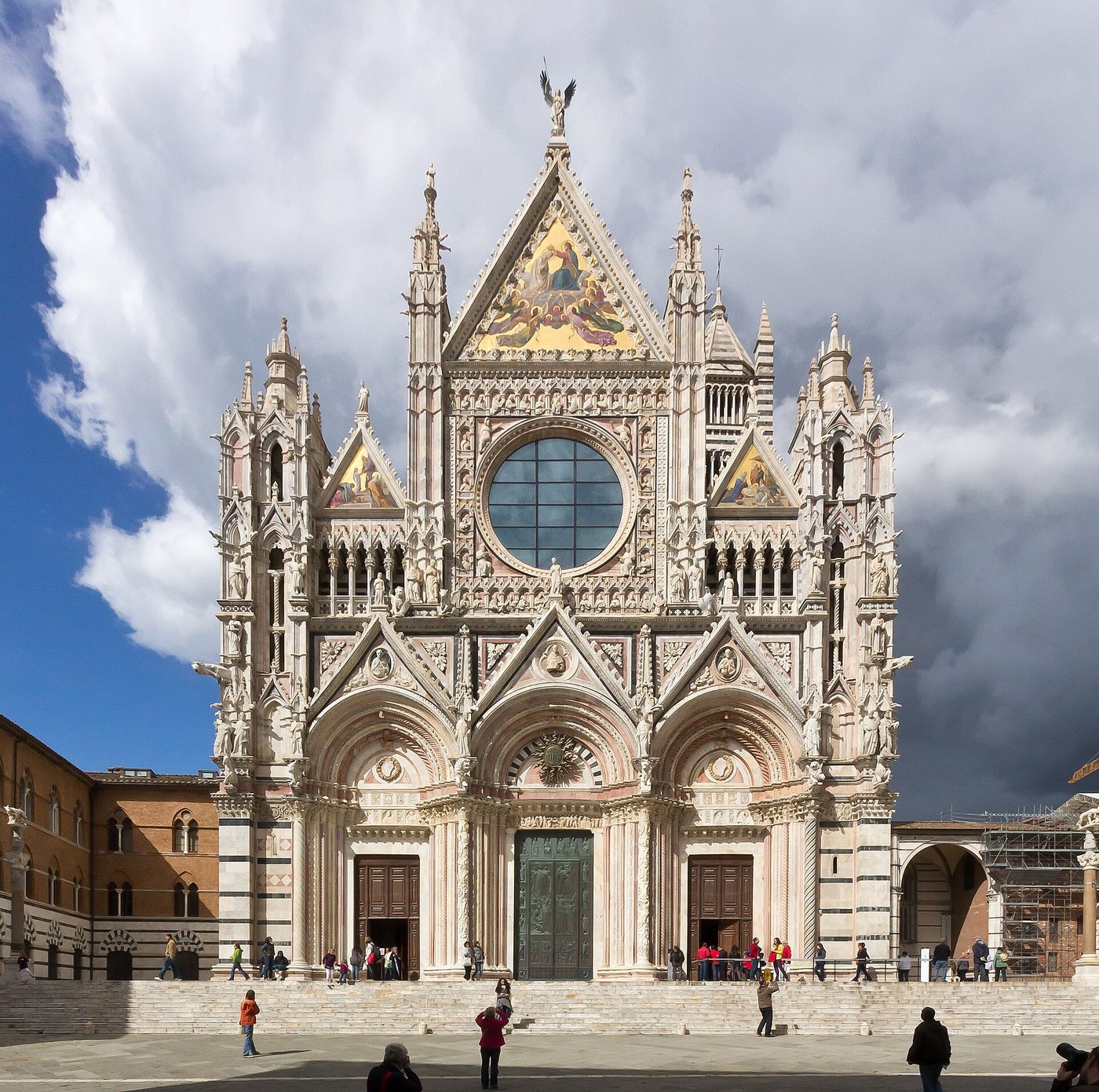
Siena lost its war with Florence in 1555 and then, in a sense, won the long game: because it never got rich again, it never got rebuilt, and the centre you walk through today is essentially medieval. Piazza del Campo is the best public square in Italy, shell-shaped, sloping, and free to sit in for as long as you like. The cathedral’s striped marble is the other reason to come.
Most people do Siena as a day trip from Florence, which works but sells it short. The city is at its best in the evening, once the buses have gone and the Campo fills with people who live there. Stay a night. Siena’s historic centre has been UNESCO-listed since 1995.
Give it: 1 to 2 days · Go in: April to May or September to October · Book: Nothing critical, though beds inside the walls are limited.
5. Val d’Orcia
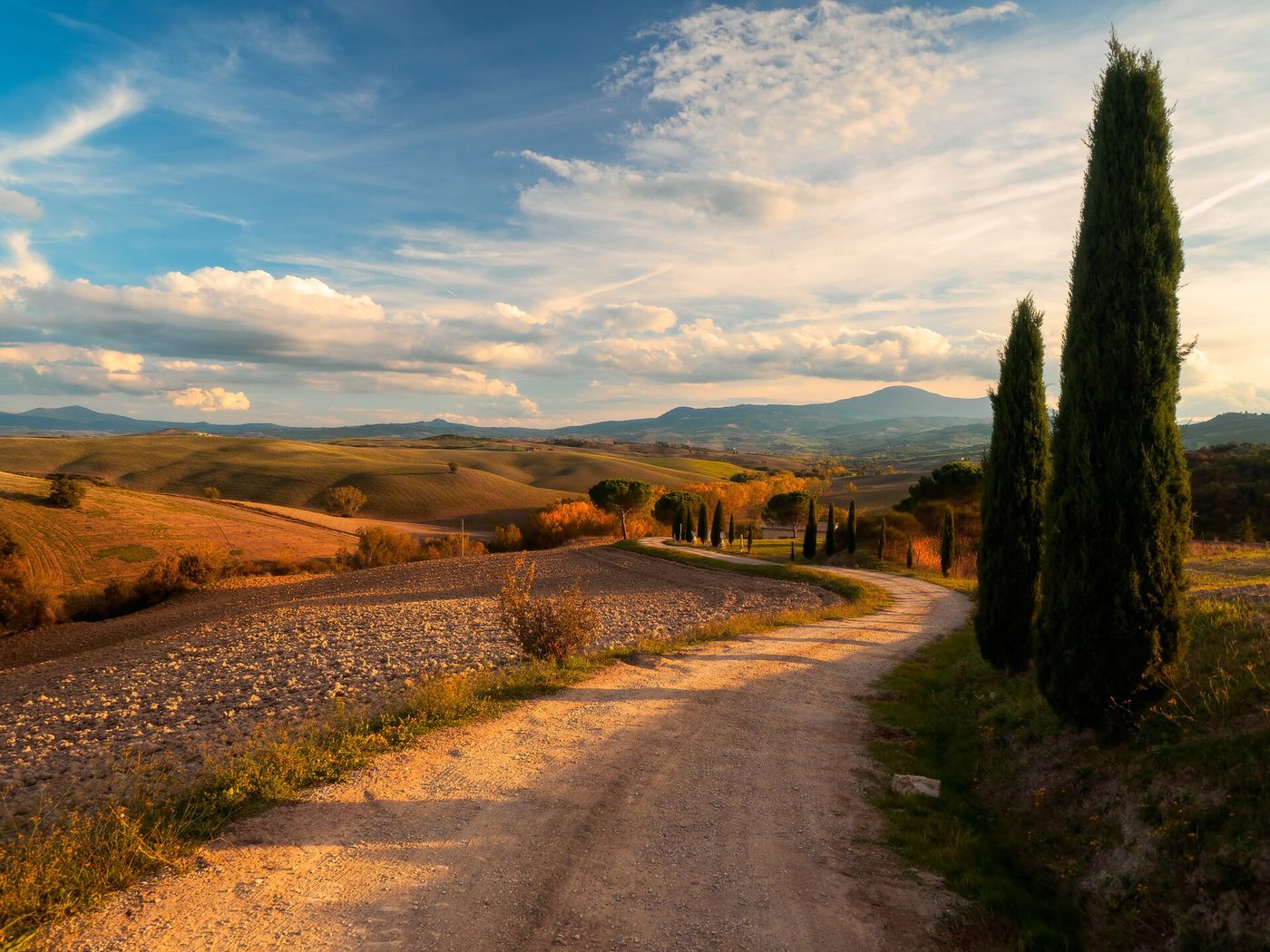
The Val d’Orcia is the reason people rent cars in Tuscany. Clay hills, cypress avenues, isolated farmhouses on ridgelines: it is a landscape so consistently photographed that arriving feels like recognition rather than discovery, and it is still worth every hour. UNESCO inscribed it in 2004, unusually, as a designed cultural landscape rather than a monument.
Base yourself in Pienza or Montalcino and drive. Late September into October is the best window, when the vendemmia grape harvest is on and the truffle season starts. Spring is greener but the light is flatter. Our Tuscany travel guide maps out the driving routes properly.
Give it: 2 to 3 days · Go in: April to June or September to October · Book: The car, months ahead for autumn.
6. Pisa
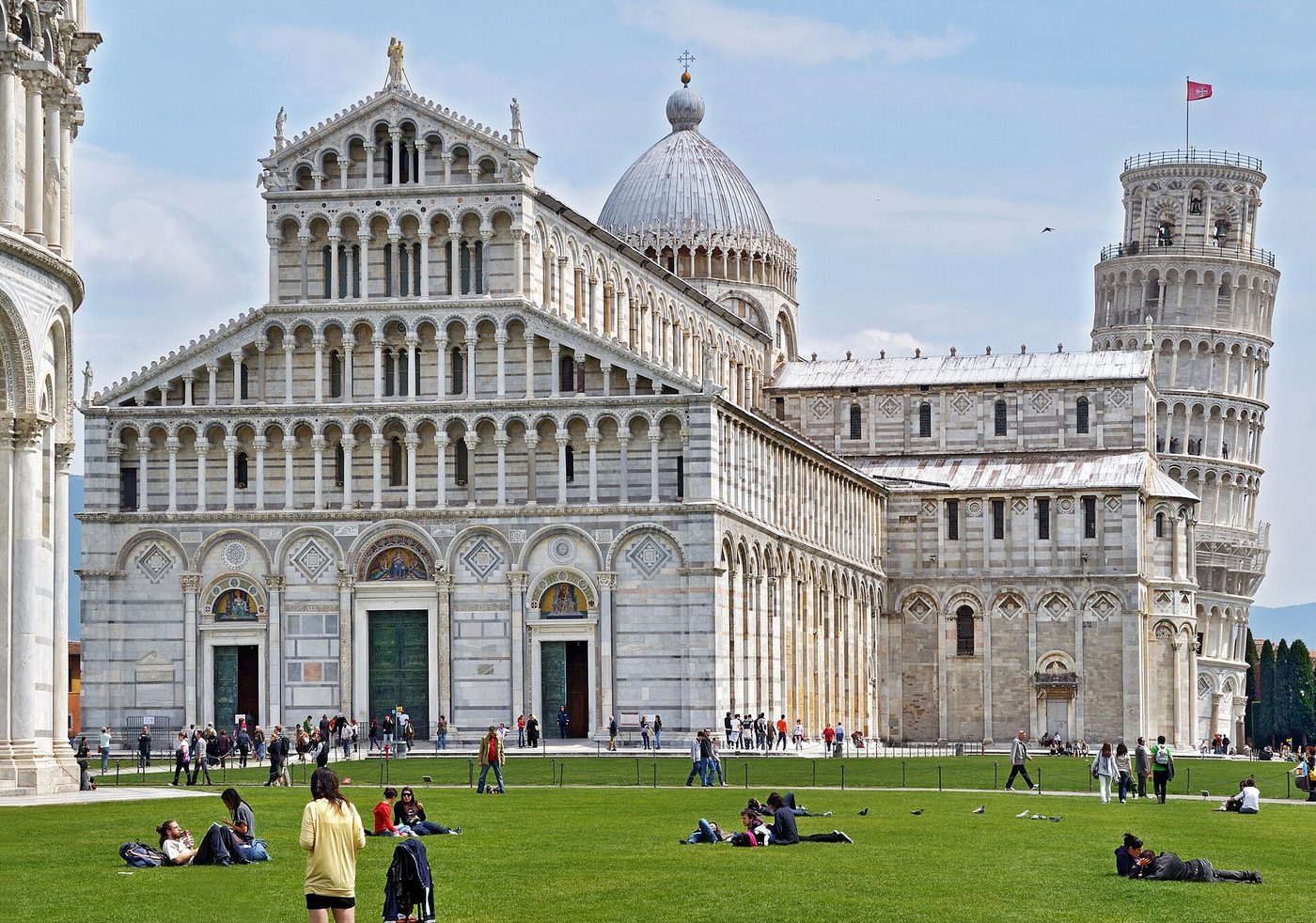
Pisa gets dismissed as a photo stop and that is roughly fair, but it is a very good photo stop with one of the strangest buildings in Europe at the centre of it. Piazza dei Miracoli is free to walk into. The tower climb is €20 for adults and €10 for children aged 8 to 18, with slots every 30 minutes; under-8s are not admitted at all, which surprises families regularly.
The whole square has been UNESCO-listed since 1987. It is an hour and a quarter from the Cinque Terre by train, so the sensible move is to treat Pisa as a hinge between Tuscany and the Ligurian coast rather than a destination in itself.
Give it: Half a day · Go in: April to May or September to October · Book: The tower climb in summer.
The Veneto and the north-east
Venice dominates this corner and deserves to, but the three cities behind it are among the most rewarding and least crowded in Italy. All are within an hour of each other by train, which makes the Veneto the easiest region in the country to do without a car.
7. Venice
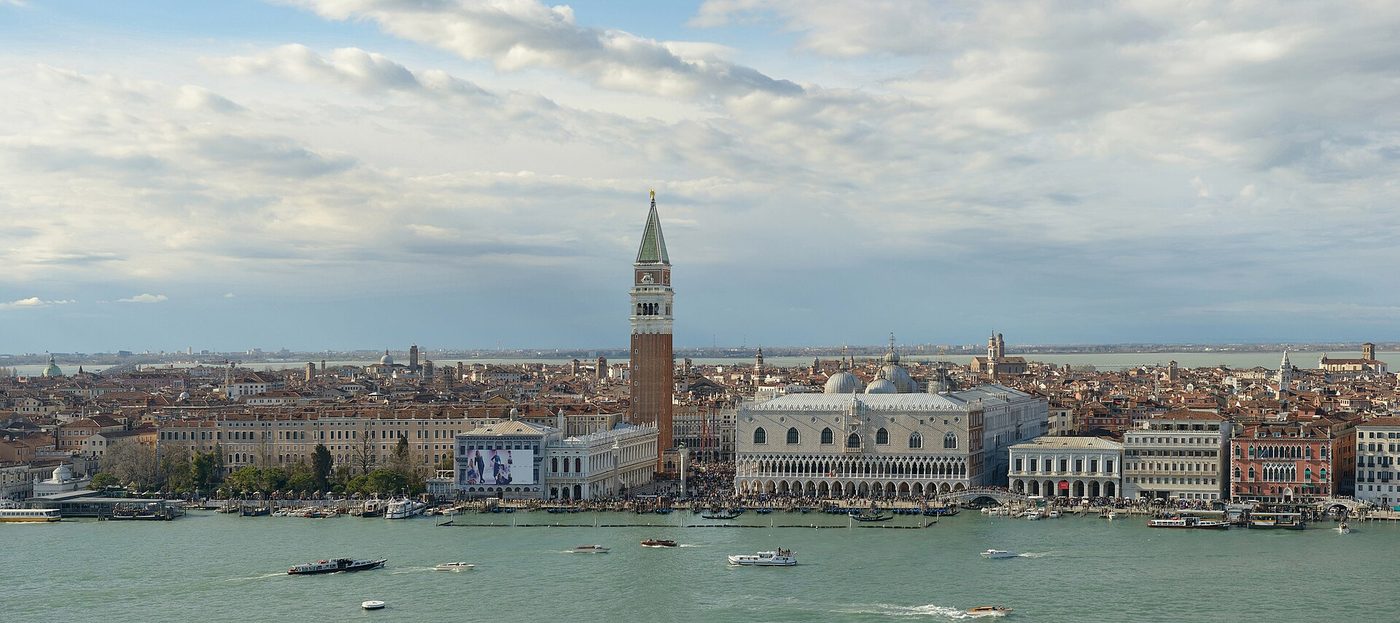
Venice is the place where 2026’s rules matter most, so start with them. The day-tripper access fee ran on 60 designated dates from 3 April to 26 July 2026, mostly weekends and holidays: €5 if you booked at least four days ahead, €10 if you left it later, enforced between 08:30 and 16:00 at seven checkpoints, with fines of €50 to €300 for turning up without a QR code. It applies to visitors over 14 who arrive and leave the same day. If you sleep in the municipality you are exempt, but you still need to generate a free exemption code. Overnight guests pay the separate accommodation tax of €1 to €4.50 a night, capped at five nights.
Then St Mark’s Basilica. Since July 2025 there are no same-day sales at the door at all. Entry is €10, booked online only, with tickets understood to be released around 45 days ahead and a new date opening each night. Adding the Pala d’Oro, or the museum and the Horses Loggia, takes it to €24. The Doge’s Palace is €35 at the door or €30 if you book at least 30 days out, and that price includes the Museo Correr and the Marciana Library.
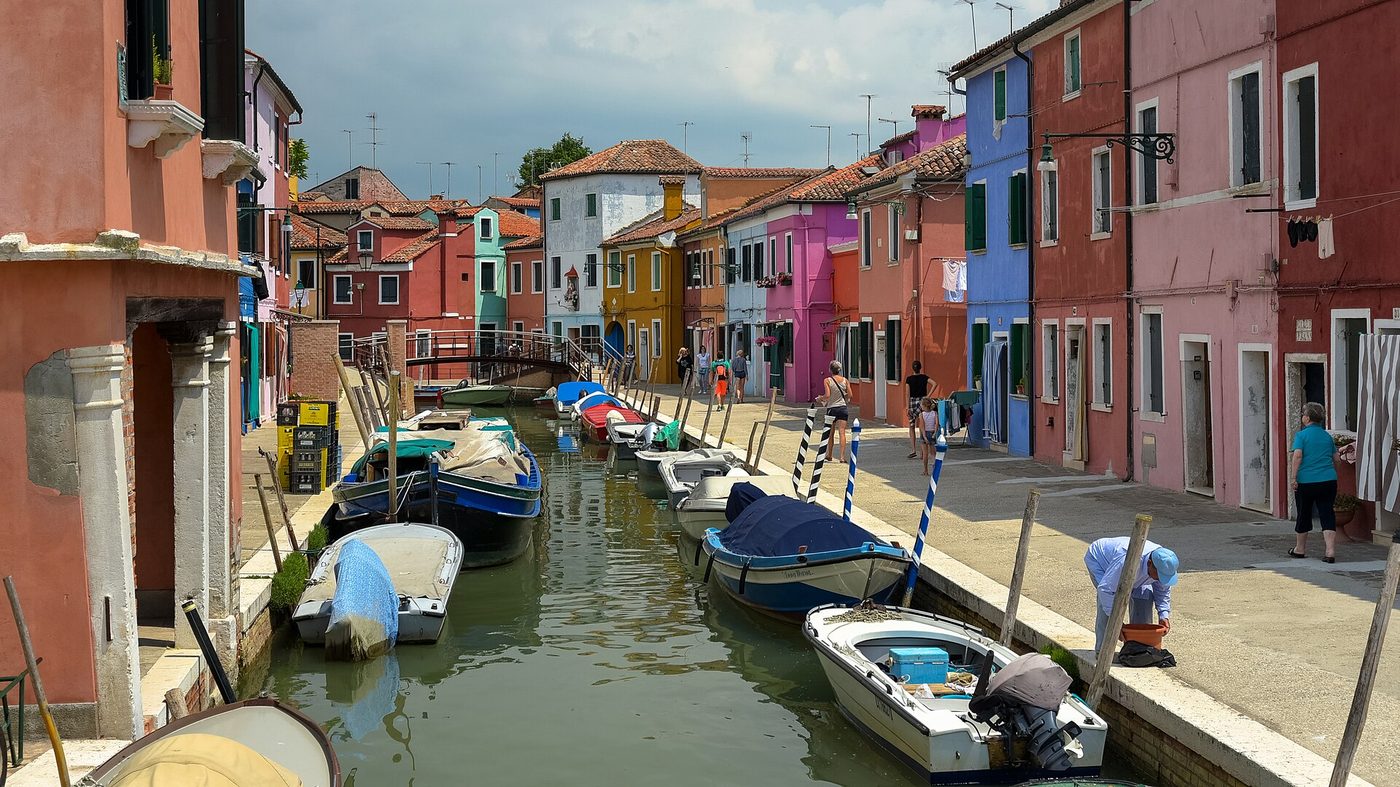
All of which makes Venice sound like an administrative exercise. It is not. Get off the San Marco to Rialto axis, walk Cannaregio or Dorsoduro in the early morning, take the vaporetto out to Burano, one of the most beautiful towns in Europe, and it becomes the strangest and quietest city in Europe again. September to November is my honest recommendation: the light is extraordinary, the access fee has finished for the year, and the acqua alta risk is a fair trade. See things to do in Venice for the neighbourhood detail.
Give it: 2 to 3 days · Go in: September to November, or April to May · Book: St Mark’s is compulsory online; Doge’s Palace 30 days out for the cheaper rate.
8. Verona
Verona has a first-century Roman amphitheatre in the middle of its main square that is still in use, which is a sentence worth reading twice. The summer opera season runs in the Arena, outdoors, with audiences of thousands sitting on stone steps that have held audiences since before the Colosseum was finished. It is one of the great experiences in Italy, and it does not feel like a heritage exercise.
The rest of the city is compact, pink-stoned and pleasant to walk, and it has been UNESCO-listed since 2000. The Juliet’s balcony business is entirely invented and you can safely skip it. Verona sits on the Milan to Venice line, so it slots into a northern itinerary at almost no cost in travel time.
Give it: 1 to 2 days · Go in: April to June, or September · Book: Opera tickets months ahead for the good nights.
9. Padua
Come here for the Scrovegni Chapel, where Western painting starts turning into something recognisably modern. Giotto frescoed it between 1303 and 1305, and the fourteenth-century fresco cycles across the city were inscribed by UNESCO in 2021. Entry is timed and capped for conservation reasons, so this is one to sort out before you arrive.
The city also has Italy’s second-oldest university, the oldest surviving anatomical theatre in the world, and one of the largest squares in Europe. It is 25 minutes from Venice by train and considerably cheaper to sleep in, which makes it a serious option as a base.
Give it: 1 to 2 days · Go in: March to June, or September to October · Book: The Scrovegni Chapel, in advance, always.
10. Vicenza
Andrea Palladio rebuilt this city in the sixteenth century and in doing so more or less invented the architectural language that later produced the White House, half of Georgian London and a great many American courthouses. The city and its surrounding Palladian villas were UNESCO-listed in 1994 and extended in 1996.
The Teatro Olimpico is the reason to come: the oldest surviving indoor theatre in the world, with a permanent trompe l’oeil stage set of a receding street that still works from every seat. Vicenza gets a fraction of Verona’s visitors and it is forty minutes further down the same line.
Give it: 1 day · Go in: April to June, or September to October · Book: Nothing in particular.
Lombardy, the lakes and the mountains
Northern Italy runs from a business capital to alpine walking country in about two hours, which is why it works so well as a single trip. The lakes sit in between and are, in my view, the most underrated part of the whole country for anyone who has already done the classic cities.
11. Milan
Milan is a working city that happens to hold the Last Supper, La Scala and a cathedral roof you can walk on. It is also the hardest place in Italy to visit well, because the thing most people come for needs the most planning.
The Last Supper admits 40 people every fifteen minutes for a fifteen-minute viewing, with no same-day sales. Tickets are reportedly released quarterly, three months ahead, and go within hours for peak dates, with a further weekly release each Wednesday at noon for the following week, which is how most people actually get in. Check the official booking site rather than trusting any published schedule, mine included. Prices quoted for 2026 vary between €15 and €17 depending on the source, and I could not confirm which is current from an official page, so treat that as the band rather than the figure.
The Duomo rooftop is the other essential: €16 if you take the 251 stairs, €18 for the lift, and €22 or €26 for the combination with the cathedral and museum. Note that Milan raised its tourist tax for one year from 1 January 2026, to roughly €3 at a one-star and €12 at a five-star, applying to accommodation within 30 km of Milano-Cortina Olympic venues.
Give it: 2 days · Go in: March to June, or September to November · Book: The Last Supper the moment the quarterly release opens.
12. Mantua
Mantua sits in flat Lombard farmland, ringed by three artificial lakes dug in the twelfth century, and was run for nearly four hundred years by the Gonzaga family, who spent their money on artists. The Palazzo Ducale is enormous and holds Mantegna’s Camera degli Sposi, a frescoed room that plays with perspective a century before anyone else was doing it. UNESCO listed Mantua and nearby Sabbioneta together in 2008.
Almost nobody outside Italy comes here, which is the appeal. It is under an hour from Verona and about two from Milan.
Give it: 1 to 2 days · Go in: April to June, or September to October · Book: Palazzo Ducale slots at weekends.
13. Lake Como

Picture an inverted Y of deep glacial water with mountains dropping straight into it and a string of villages along the shore that have been fashionable since the Romans. The way to see it is by ferry, not by car; the lakeside road is narrow, slow and mostly walled, and you will spend the day looking at stonework.
Varenna, Bellagio and Menaggio form the central triangle and the boats between them run all day. Villa Carlotta and Villa del Balbianello are the two gardens worth paying for. May to June and September into early October are the months: July and August bring day-trip coaches from Milan and the ferry queues get unpleasant. Our roundup of the best lakes in Europe puts Como in context against Bled, Bohinj and the Salzkammergut.
Give it: 2 to 3 days · Go in: May to June, or September to early October · Book: Accommodation early; the good lakefront rooms are finite.
14. Lake Garda
Treat Garda as two destinations, because that is what it is, and it is the largest of the Italian lakes. The southern end is warm, shallow, vine-covered and family-oriented, with Sirmione’s peninsula and Roman ruins at the centre of it. The northern end, above Riva del Garda, is a steep-walled trench with reliable afternoon wind, which has made it one of the best windsurfing and sailing spots in Europe and a serious rock climbing area besides.
It gets a lot of German and Austrian traffic in high summer and comparatively few visitors from further afield, which keeps prices sane. May and September to early October are the sweet spots.
Give it: 2 to 4 days · Go in: May, or September to early October · Book: Nothing critical outside August.
15. The Dolomites
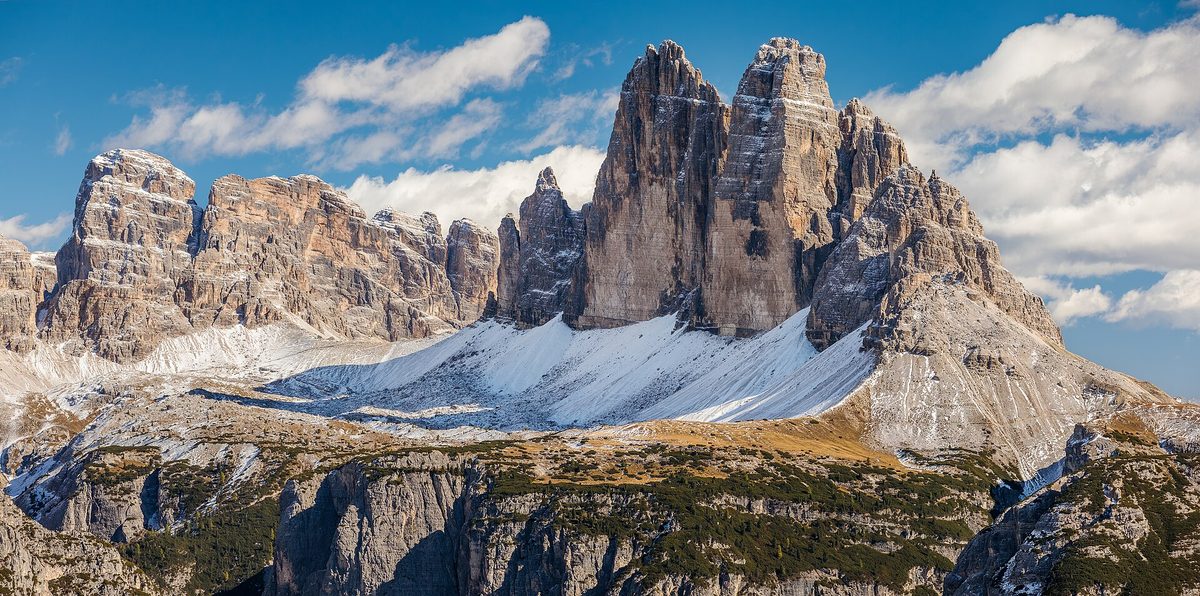
The Dolomites are the best mountain walking in Italy and I would argue the best in Europe. Pale limestone towers, meadows, a network of mountain huts that serve real food and beer, and a culture that is as Austrian as it is Italian. UNESCO inscribed them in 2009. Temperatures rarely top 25 degrees from July to September, which makes them the obvious answer to an Italian August.
Late June to mid-September is the hiking season, once the higher trails clear. December before the holidays, January after them, and March are the good ski windows. The rifugi book out months ahead for July and August, and that is the single constraint that shapes a Dolomites trip. Our hiking in Europe guide has the Alta Via routes, and skiing in Europe covers the Sellaronda circuit.
Give it: 4 to 7 days · Go in: Late June to mid-September for walking; December, January and March for snow · Book: Rifugi as soon as they open, which is usually spring.
Liguria and the Italian Riviera
Liguria is a thin strip of coast pinned between mountains and sea, which explains everything about it: the terracing, the compressed towns, the fact that the region invented pesto because basil was what would grow on a slope.
16. Genoa
A working port with a rough edge, and a UNESCO-listed street of Renaissance palaces running through the middle of it. Le Strade Nuove and the Palazzi dei Rolli were inscribed in 2006, and the system behind them is delightful: the city required its grandest families to host visiting dignitaries on a rota, so the palaces were built to compete.
The old town is one of the largest medieval centres in Europe, and properly labyrinthine. It is also, hands down, the best place in Italy to eat focaccia. Most people pass through Genoa on the way to the Cinque Terre. Give it two days instead.
Give it: 2 days · Go in: April to June, or September to October · Book: Nothing in particular.
17. Cinque Terre

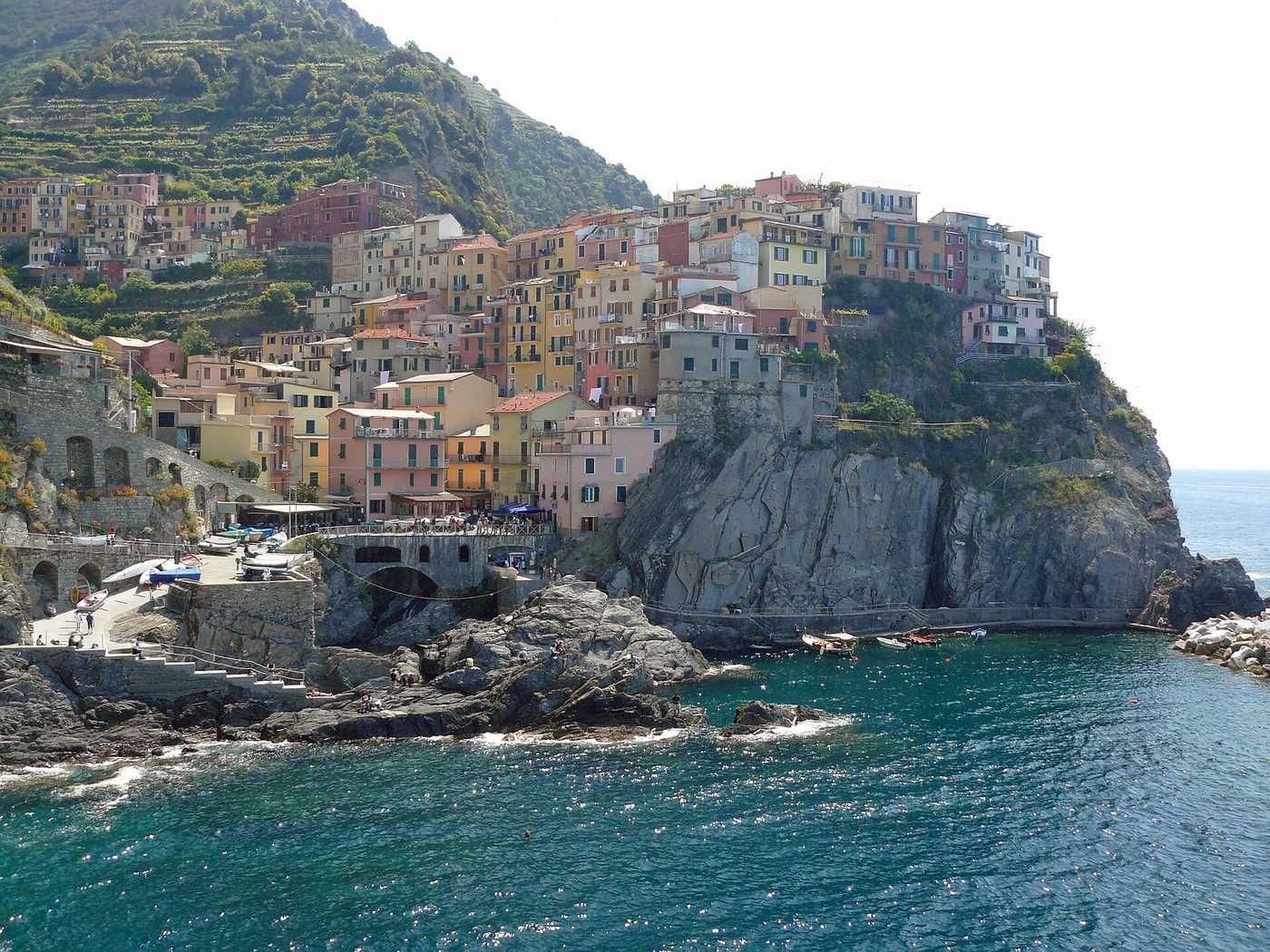
Five villages on a cliff coast, linked by a railway that runs mostly through tunnels, a footpath network above, and ferries below. Portovenere, the Cinque Terre and the offshore islands were UNESCO-listed in 1997. It is beautiful and it is busy, and the pricing structure tells you exactly how busy, because it is banded by demand.
The Cinque Terre Trekking Card is €10 on standard days and €15 on peak days. The Treno Card, which adds unlimited trains between the villages, runs €22 in low season, €29.50 in medium and €35 at peak, valid 14 March to 1 November 2026. Peak means public holidays and weekends in July and August. Low means March, early April, and weekdays in May and October. That single fact should decide when you go. From 2 November to 12 March all trails except the Via dell’Amore are free, the winter Treno Card drops to €17.30 a day, and a single hop between villages costs about €3.
The Via dell’Amore reopened in 2024 after twelve years closed following a landslide. Access is now included in either card, but you still have to reserve a time slot. It is a flat, paved kilometre from Riomaggiore towards Manarola, one way only, open 09:00 to 21:00 from 29 March to 24 October 2026. One useful piece of trivia: the cards never sell out, so you can buy on the day at any station. Full detail in our Cinque Terre travel guide.
Give it: 2 to 3 days · Go in: April to June, or September to October, and on a weekday · Book: A Via dell’Amore slot; the cards themselves need no booking.
Emilia-Romagna, the Marche and Umbria
The middle of Italy is where the coach tours thin out. All five of the places below are UNESCO sites and none of them requires a queueing strategy.
18. Bologna
No Italian city eats better than Bologna, and by some way. Tagliatelle al ragù, tortellini in brodo, mortadella, and a market culture that has not been prettified for visitors. Twelve stretches of its porticoes were UNESCO-listed in 2021, part of a covered network running to some 62 kilometres, which means you can cross the city in heavy rain without getting wet.
It is also a university town, so it is young, cheap by northern Italian standards, and open late. Two hours from Milan, forty minutes from Florence. If you are choosing between a second day in Milan and a day in Bologna, take Bologna. Our European food guide explains why this region punches so far above its size.
Give it: 2 days · Go in: April to June, or September to November · Book: Restaurants at weekends.
19. Ravenna
Ravenna holds the finest Byzantine mosaics in western Europe, and by some distance. The Basilica of San Vitale and the Mausoleum of Galla Placidia contain sixth-century work of a quality that simply does not exist elsewhere outside Istanbul. The early Christian monuments were UNESCO-listed in 1996.
The city was the capital of the Western Roman Empire in its final decades and then the Byzantine foothold in Italy, which is why all this is here rather than in Rome. It sits off the main tourist routes and it shows in the crowd levels. An hour and a bit from Bologna.
Give it: 1 to 2 days · Go in: April to June, or September to October · Book: A combined monuments ticket on arrival is enough.
20. Ferrara
Ferrara was the first city in Europe planned on modern principles, in the 1490s, and the layout survives: wide straight streets, a walled circuit you can cycle in an afternoon, and a moated castle in the centre with water still in it. UNESCO listed it in 1995 and extended the inscription to the Po Delta in 1999.
It is a bicycle city in the Dutch sense, flat and full of them, which makes it one of the easier stops on any European road trip through the north. Half an hour from Bologna, an hour from Venice. Very few foreign visitors get here, which is difficult to explain and easy to enjoy.
Give it: 1 day · Go in: April to June, or September to October · Book: A bicycle.
21. Urbino
Up on a ridge in the Marche sits a ducal palace, built for Federico da Montefeltro in the fifteenth century, that was one of the most influential buildings of the Renaissance. Raphael was born here. The historic centre was UNESCO-listed in 1998.
Getting here needs a car or patience with buses, which is precisely why it stays quiet. If you are driving between Tuscany and the Adriatic it is an obvious stop, and the palace’s studiolo, a tiny room panelled in trompe l’oeil marquetry, is worth the detour on its own.
Give it: 1 day · Go in: May to June, or September · Book: Nothing; do check palace closing days.
22. Assisi
Pink stone on the flank of Monte Subasio, and inside the Basilica of San Francesco, the Giotto and Cimabue cycle that effectively founded Italian narrative painting. The Franciscan sites were UNESCO-listed in 2000.
It is a pilgrimage destination as much as a tourist one, which changes the atmosphere: quieter, more purposeful, and busiest around religious festivals rather than school holidays. Sleep here if you can. The town after the day visitors leave, with the Umbrian plain going dark below, is the whole point.
Give it: 1 to 2 days · Go in: April to June, or September to October · Book: Accommodation around 4 October, the feast of St Francis.
Naples, Vesuvius and the Amalfi Coast
Campania is the densest concentration of things worth seeing in Italy after Rome, and it is the region where the practical rules bite hardest. Read the driving section further down before you book a car here.
23. Naples
Naples is loud, chaotic, covered in graffiti and the best place in the south to eat cheaply and well, and it belongs on any serious Europe bucket list. It has a UNESCO-listed historic centre, inscribed in 1995, a national archaeological museum holding everything portable that was dug out of Pompeii, and pizza that has ruined pizza for me everywhere else. It is also the transport hub for the entire south.
People are still nervous about Naples and I think that nervousness is about thirty years out of date. Ordinary urban sense is enough. March to May and October are the best months; the city tax runs roughly €1.50 to €5 a night by property type, though one source gives a higher band of €4 to €6 for mid-2026, so budget at the top of that.
Go to the archaeological museum before Pompeii rather than after. The mosaics and bronzes in that building are what the ruins are missing, and seeing them first makes the site legible.
Give it: 2 to 3 days · Go in: March to May, or October · Book: Nothing critical, but reserve at the famous pizzerias.
24. Pompeii

The scale is what surprises everyone about the most complete Roman town in existence. This is not a ruin you walk around in an hour: 44 hectares have been excavated, of streets, shops, bakeries, bars with the counters still in place, and houses with their frescoes intact.
Two rules matter. Since November 2024 the site has capped entry at 20,000 visitors a day, split between a morning band of up to 15,000 from 09:00 to 12:00 and an afternoon band of up to 5,000 from noon, on the April to October schedule. And every ticket is now personalised: your name is on it, and it has to match the ID you show at the gate. Buying a ticket in someone else’s name does not work.
On price I have to be straight with you. The official ticketing pages would not load when I checked, and secondary sellers quote both €18 and €20 for the standard 2026 ticket, with Pompeii Plus quoted at both €25 and €36. What I can verify is the combined Pompeii and Herculaneum ticket at €22, valid three consecutive days, which is the best value archaeology ticket in Italy by a distance.
Give it: Half a day minimum, a full day to do it justice · Go in: March to May, or October · Book: A named ticket in advance, always.
25. Herculaneum
Herculaneum was buried by a different mechanism from Pompeii: a pyroclastic surge that carbonised rather than crushed, which means upper floors, wooden furniture, roof beams and even food survived. It is smaller, denser, better preserved and vastly quieter. If you only have time for one, plenty of people who know the material would pick this one.
Prices quoted for 2026 range from €13 to €16 and I could not settle it from an official page. The €22 combined ticket makes the question mostly academic. It is twenty minutes from Naples on the Circumvesuviana line.
Give it: Half a day · Go in: March to May, or October · Book: Worth booking in summer, rarely essential otherwise.
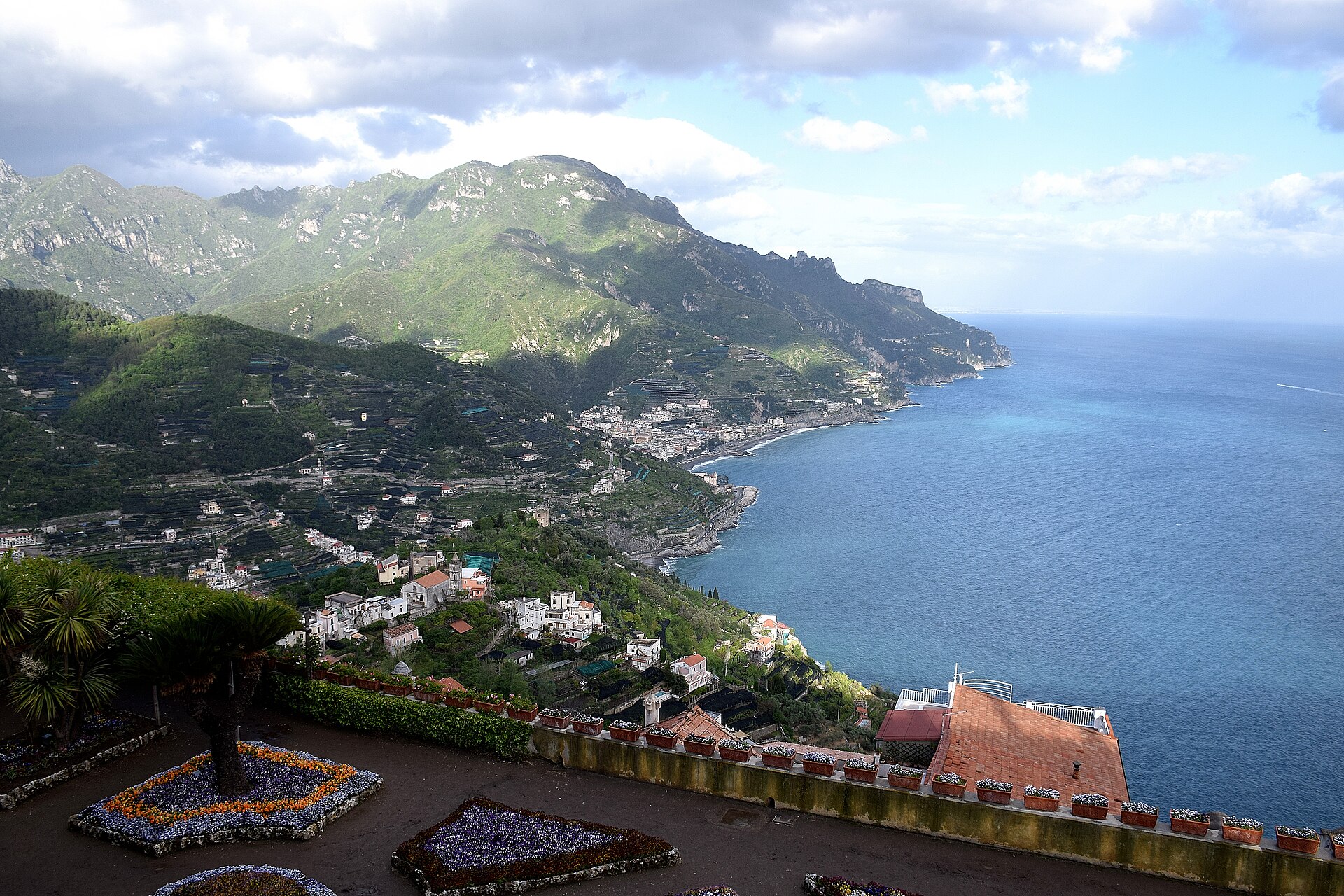
26. The Amalfi Coast
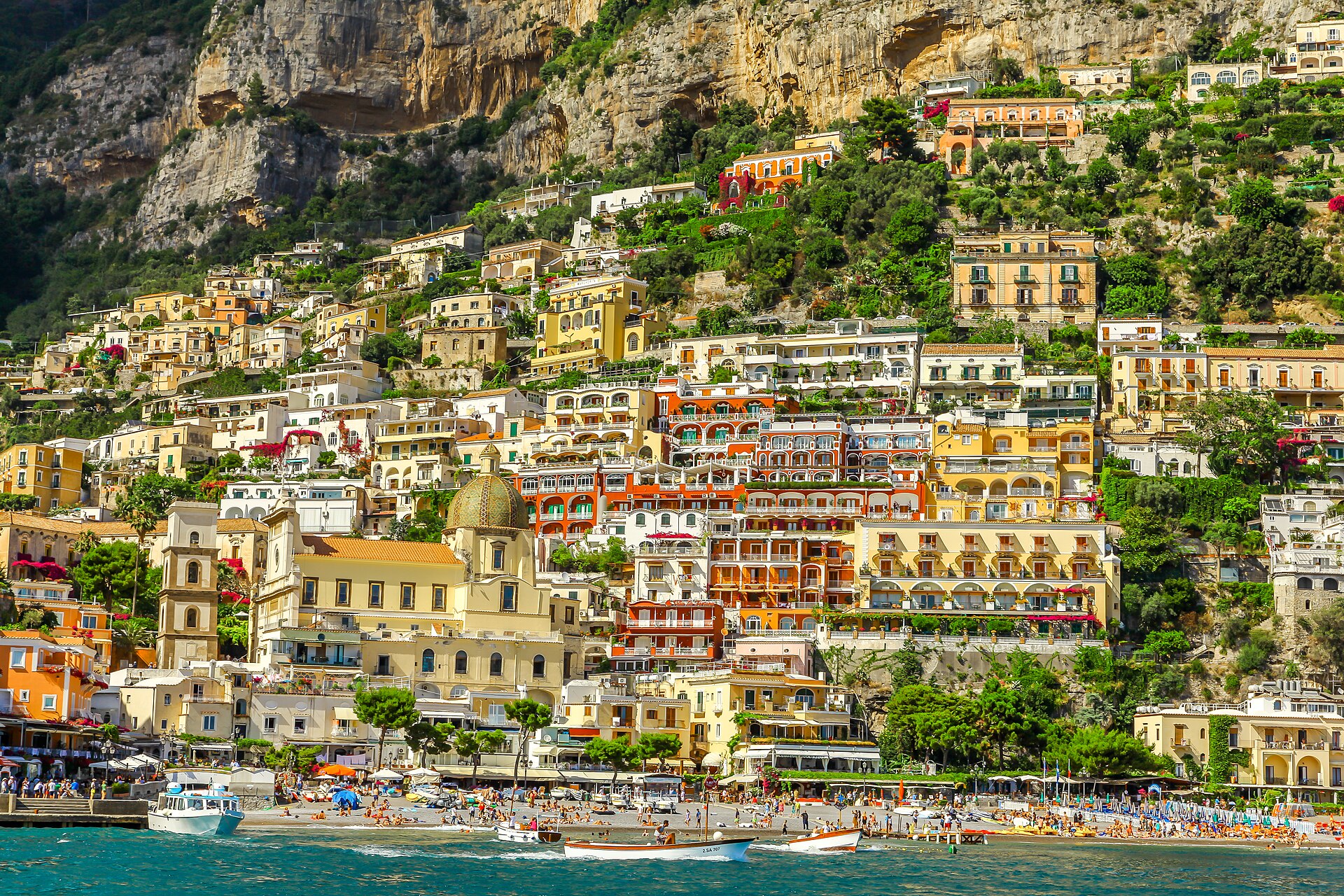
Forty kilometres of cliff, one road, and a UNESCO listing since 1997. It is as good as its reputation and considerably more difficult to travel than most people expect.
The driving situation is the thing to understand. The alternating plate scheme on the SS163 runs daily from 30 March to 6 April 2026, daily from 24 April to 2 May, weekends and public holidays only through June and July, and then daily from 1 August to 30 September. Odd calendar days for plates ending in an odd digit, even days for even, from 10:00 to 18:00, across fourteen municipalities from Vietri sul Mare to Positano. Residents, taxis and disability permit holders are exempt permanently; hotel guests only on arrival and departure days, with proof.
So take the bus or the boat. SITA runs the coast road from Sorrento to Salerno, with fares from €1.80 for two successive towns and €2.60 for Positano to Amalfi, and a €10 24-hour COSTIERASITA pass that pays for itself in four journeys. Tickets must be bought before boarding, at tobacconists or bars, never on the bus. Ferries run April through October and are more comfortable, more scenic and less prone to the road’s traffic.
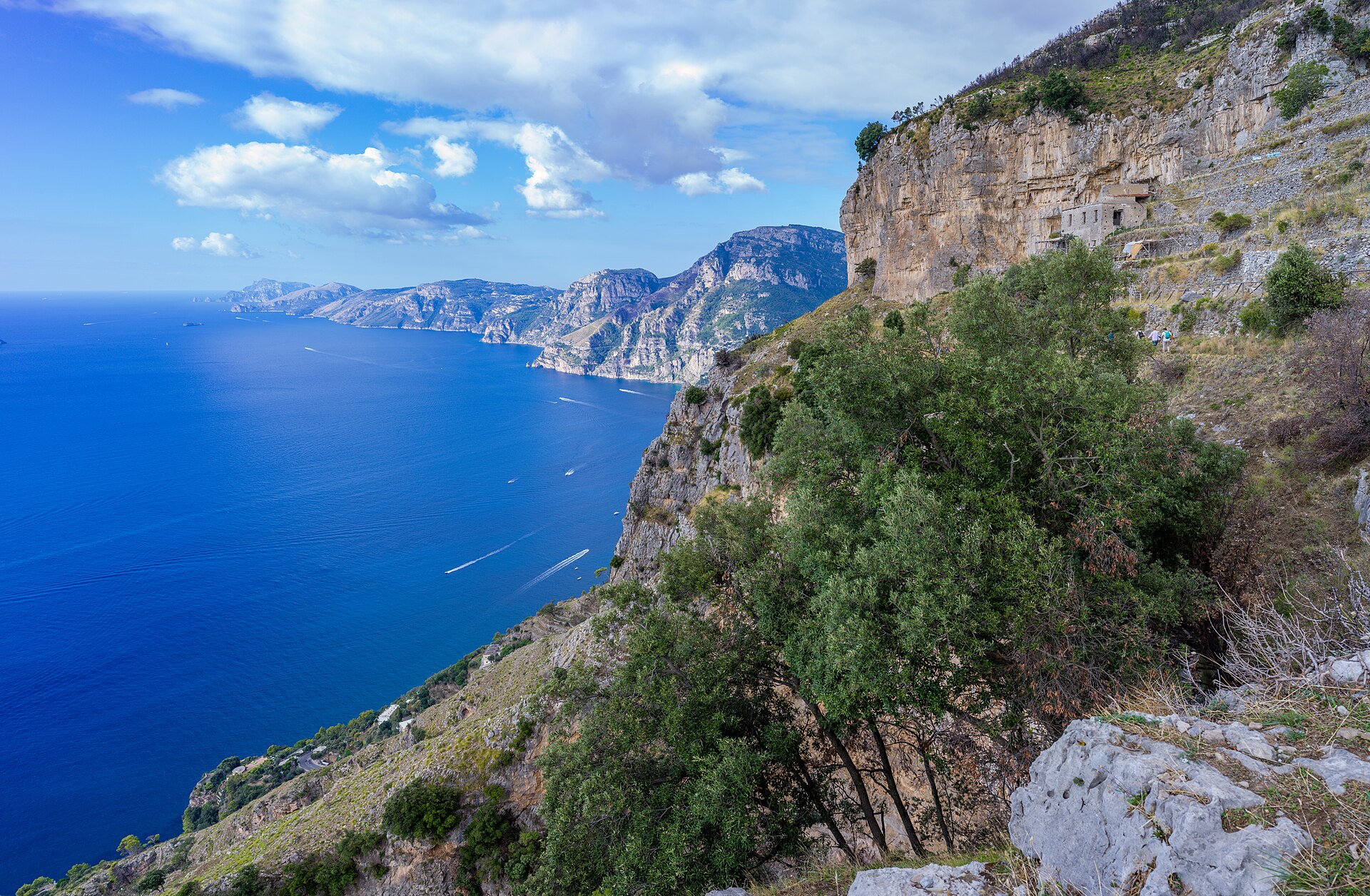
The Path of the Gods is the best walk on the coast: about 8 km from Bomerano down to Nocelle, three to four hours, high above the sea the whole way. It is free most of the year but requires a compulsory booking of around €5 in July and August. Ravello, 350 metres up, is where I would actually stay. Our Amalfi Coast travel guide covers each town in turn.
Give it: 3 to 5 days · Go in: April to May, or September to October · Book: Accommodation months ahead; skip the rental car entirely.
27. Capri
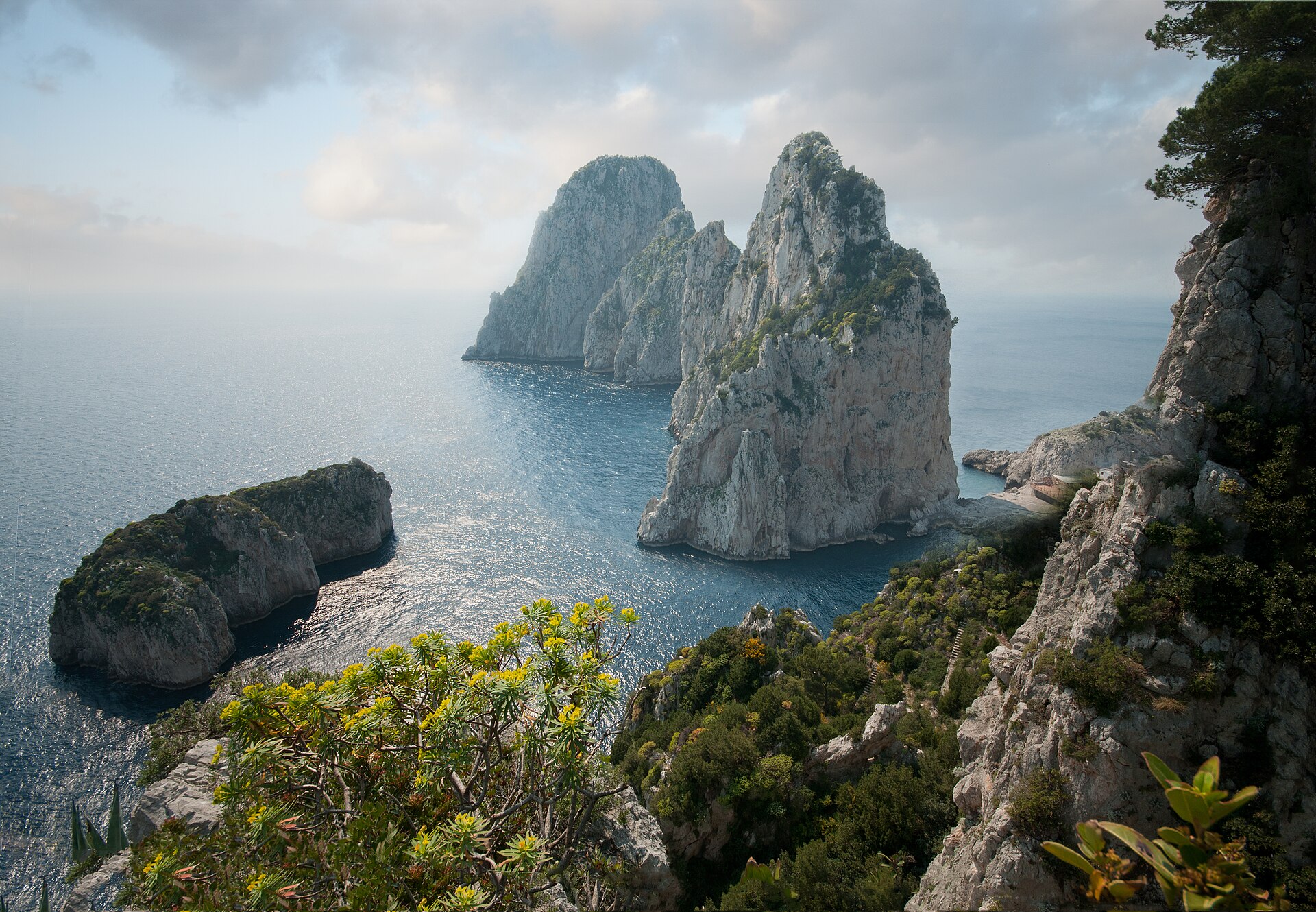
Capri has a reputation as a day-trip conveyor belt and on a July afternoon that is exactly what it is. Overnight, it becomes something else entirely. Once the last hydrofoil leaves, the Piazzetta empties, the lanes go quiet, and the island reverts to the place people have been writing about since Tiberius retired here.
Non-resident cars, motorcycles and mopeds are banned for most of the year, on dates that shift annually and that in 2026 ran roughly from the start of April to early November, so arrive on foot. Sorrento is the fastest crossing at about 25 minutes, typically €15 to €25, and it runs all year. From Naples it is about 45 minutes by hydrofoil or 1 h 15 by conventional ferry, from around €19 out of Calata Porta di Massa. Check the funicular from the port up to the Piazzetta before you travel, as it shuts for maintenance over the winter.
Give it: 1 to 2 days, and make one of them an overnight · Go in: May to June, or September · Book: Accommodation early; there is not much of it.
28. Paestum
An hour and a half south of Naples, three Doric temples from the sixth and fifth centuries BC stand on a coastal plain in a state of preservation that beats almost anything in Greece. They were built by Greek colonists, forgotten for centuries under malarial marsh, and rediscovered in the eighteenth century.
Entry is quoted at €15 from March to November and €10 from December to February, and it includes the museum and the Elea-Velia park down the coast. The site was UNESCO-listed in 1998 as part of the Cilento inscription. Almost nobody goes, and the Cilento coast just beyond it gives you the same sea for a great deal less money.
Give it: Half a day · Go in: March to May, or October · Book: Nothing.
The deep south: Basilicata and Puglia
The heel and the instep of Italy have become fashionable in the last decade and are still, by any northern European standard, cheap. Trains are slower here and a car helps.
29. Matera
Carved into a ravine, Matera housed people in caves continuously from prehistory until the Italian government forcibly evacuated the Sassi in the 1950s on public health grounds. It stood empty for decades, was UNESCO-listed in 1993, and has since been repopulated with hotels, restaurants and residents. Some of those hotels are in the caves.
The result is unlike anywhere else in Europe: an entire townscape of stone the same colour as the rock it is cut from, best seen at dusk from the opposite side of the gorge. Get there from Bari by the private FAL railway via Altamura, about 1 h 40 with a change, or by direct bus in about 1 h 15. Note the FAL is not part of Trenitalia and is not on the national ticketing system.
Give it: 2 days · Go in: April to May, or September to early October · Book: A cave hotel, early; there are not many good ones.
30. Alberobello
Whole streets of trulli: conical drystone houses with limewashed walls and grey stone roofs, built without mortar. UNESCO listed them in 1996. Rione Monti alone has more than a thousand.
It is free to walk the trulli districts and about €5 for the interpretation centre. The critical piece of advice is timing: coaches arrive between 10:00 and 14:00, and Alberobello is small enough that they fill it completely. Be there before 09:00, ideally before 08:00, and you will have the streets to yourself.
Give it: Half a day · Go in: May to June, or September to October · Book: Nothing; just set an alarm.
Sicily and Sardinia
The two big islands are separate countries in every sense that matters to a traveller: different food, different history, different pace. Sicily has more to see; Sardinia has better water. Both need more time than people give them, and both make the shortlist in our guide to the best Mediterranean destinations.
31. Palermo
Phoenician, Greek, Roman, Byzantine, Arab, Norman, Swabian, Spanish, Bourbon: Palermo has been all of them, and the architecture records every layer, sometimes in the same building. The Arab-Norman churches with their red domes and Byzantine mosaics are the clearest expression of that layering anywhere in the Mediterranean.
The street food is the other reason to come: panelle, sfincione, arancine, and the markets at Ballarò and Capo, which are functioning food markets rather than displays. Palermo Falcone-Borsellino airport serves the north and north-west of the island. April to June and October are the comfortable months, because inland Sicily regularly passes 35 degrees in August.
Give it: 2 to 3 days · Go in: April to June, or October · Book: Nothing critical.
32. Agrigento
The Valley of the Temples is a ridge above the sea holding a line of Doric temples from the fifth century BC, the Temple of Concordia among the best preserved anywhere. UNESCO listed the archaeological area in 1997.
Entry is €14 for adults, €7 for EU citizens aged 18 to 25, and free for under-18s, with a €3 exhibition supplement between 23 July and 31 October 2026. There is essentially no shade on the ridge, so in summer this is an early-morning or late-afternoon visit and nothing else. It is about two hours from Palermo and a little less from Catania.
Give it: Half a day to a day · Go in: April to May, or October · Book: Nothing.
33. Val di Noto
An earthquake flattened south-eastern Sicily in 1693, and the towns were rebuilt from nothing in a single sustained burst of late Baroque. Noto, Ragusa, Modica, Scicli and five others were UNESCO-listed together in 2002 precisely because they form one coherent architectural moment rather than eight separate ones.
Add Syracuse and Ortigia, its island old town, and you have the most rewarding corner of Sicily. Modica makes chocolate to an Aztec recipe brought over by the Spanish, unconched and gritty, which is worth the stop by itself. An hour and a half inland, the Villa Romana del Casale at Piazza Armerina holds the finest Roman floor mosaics anywhere, UNESCO-listed in 1997 and easy to fold into the same trip. This is a car region. Catania is the airport.
Give it: 3 to 4 days · Go in: April to June, or October · Book: A car, and restaurants in Noto at weekends.
34. Mount Etna and Taormina
Etna is the tallest active volcano in continental Europe and it erupts often enough that eruptions are part of the local weather rather than an event. UNESCO inscribed it in 2013. You can drive to Rifugio Sapienza at 1,900 metres and take a cable car and 4×4 higher, or walk the lower craters and the lava fields, which is the better day.
Taormina sits on a terrace 200 metres above the sea with a Greek theatre framing the volcano, and it is the single most touristed spot in Sicily. In August it is unbearable, and I would not go. In April, May or October it is lovely, and hotel rates roughly halve. Catania Fontanarossa is the airport for both.
Give it: 2 to 3 days · Go in: April to June, or September to October · Book: Etna guides ahead in summer; Taormina hotels well ahead.
35. The Aeolian Islands
Seven volcanic islands off Sicily’s north coast, UNESCO-listed in 2000. Stromboli has been erupting more or less continuously for two thousand years and you can watch it from a boat at night. Vulcano has mud baths and a crater you can walk into. Salina is green and quiet and makes the capers. Lipari is the practical base.
Ferries thin out sharply outside summer and the islands close down substantially in winter. June and September are the months: warm water, running boats, and none of the August scramble for beds.
Give it: 3 to 5 days · Go in: June, or September · Book: Accommodation early; island beds are finite.
36. Sardinia
Sardinia has the best water in Italy, and it is not a close contest: the coast around the Costa Smeralda, the Golfo di Orosei and the south-west runs to an improbable turquoise over white sand. Our roundup of the best beaches in Europe gives several of them a place.
What people miss is the interior. Sardinia has around seven thousand nuraghi, drystone towers built between roughly 1900 and 700 BC by a civilisation that left no writing. Su Nuraxi di Barumini was UNESCO-listed in 1997, and the island’s prehistoric domus de janas rock-cut tombs were added in 2025.
Ferries run from Civitavecchia to Olbia in about seven hours, Livorno to Golfo Aranci in about the same, and Genoa to Porto Torres in about eleven, with roughly 66 sailings a week from the mainland. Flying is faster and often cheaper unless you want a car. Getting between Sicily and Sardinia is awkward: the only ferry is Palermo to Cagliari, Sundays only, twelve hours. Fly.
Give it: 5 to 10 days · Go in: May to early October · Book: Car hire months ahead for July and August, and ferries earlier still if you are bringing a vehicle.
What it costs to get in: 2026 prices for the best places to visit in Italy
The figures below come from official ticketing pages wherever those pages would load for me in August 2026, and from the best secondary sources available where they would not. Where sources disagreed I have given you both numbers rather than picking one. Prices move, so treat these as the shape of the budget rather than a quote.
| What | Where | 2026 price | The rule that catches people out |
|---|---|---|---|
| Colosseum, Roman Forum and Palatine Hill, combined | Rome | €18 adult, valid 24 hours from first entry | Tickets released exactly 30 days ahead at 09:00 Rome time |
| Colosseum "Full Experience" with arena floor and underground | Rome | €24 | Underground slots go in a minute or two in peak season |
| Borghese Gallery | Rome | €18 (€16 admission plus €2 reservation) | Mandatory two-hour timed slot, no walk-up sales |
| Vatican Museums and Sistine Chapel | Vatican City | €20, or €25 with the €5 skip-the-line booking | Free last Sunday of the month, 09:00 to 14:00, last entry 12:30 |
| Villa d’Este | Tivoli | Listed at €15 full and €2 reduced, under-18s free; €23 is quoted elsewhere | Combined Villae pass with Hadrian’s Villa, around €30 to €34 |
| Uffizi Gallery | Florence | €25 on the day, €29 in advance, €16 from 16:00 (new for 2026) | Free on the first Sunday of the month |
| Accademia Gallery, for Michelangelo’s David | Florence | €20 (€16 admission plus €4 booking) | Fifteen-minute arrival windows, strictly enforced |
| Brunelleschi Pass, the full Duomo complex | Florence | €30, valid three calendar days | Dome climb is tied to one exact slot and cannot be changed |
| Palazzo Pitti, all collections | Florence | €16 on the day, €19 in advance | €22 or €25 combined with the Boboli Gardens |
| Boboli Gardens | Florence | €10 on the day, €13 in advance | Five-day PassePartout with Uffizi and Pitti is €40 |
| Florence Cathedral nave | Florence | Free | Only the dome, tower, baptistery and museum need a pass |
| Leaning Tower climb | Pisa | €20 adult, €10 ages 8 to 18 | Under-8s not admitted; slots every 30 minutes |
| Piazza dei Miracoli, outdoors | Pisa | Free | You pay only to go inside or up |
| St Mark’s Basilica | Venice | €10 | Online booking compulsory since July 2025, no door sales |
| St Mark’s plus the Pala d’Oro, or plus museum and Horses Loggia | Venice | €24 either way | Museum and Loggia alone, Sunday mornings only, €17 |
| Doge’s Palace | Venice | €35 at the door, €30 online 30 or more days ahead | Includes the Museo Correr, the National Archaeological Museum and the Marciana Library |
| Milan Duomo rooftop terraces | Milan | €16 by the 251 stairs, €18 by lift | €22 or €26 combined with cathedral and museum |
| The Last Supper | Milan | Sources disagree: €15 and €17 are both quoted for 2026 | Quarterly releases three months ahead, plus a weekly drop on Wednesdays at noon |
| Pompeii, standard ticket | Campania | Sources disagree: €18 and €20 are both quoted for 2026 | Named ticket matching your ID, 20,000 daily cap |
| Herculaneum, standard ticket | Campania | Sources disagree: €13 and €16 are both quoted | Far quieter than Pompeii at any hour |
| Pompeii and Herculaneum combined | Campania | €22, valid three consecutive days | The best value archaeology ticket in Italy |
| Valley of the Temples | Agrigento | €14 adult, €7 for EU citizens 18 to 25, under-18s free, plus a €3 exhibition supplement from 23 July to 31 October 2026 | Go at opening or after 17:00 in summer; there is no shade |
| Paestum archaeological park | Campania | €15 March to November, €10 December to February | Includes the museum and the Elea-Velia park |
| Cinque Terre Trekking Card, one day | Liguria | €10 standard days, €15 peak days | Never sells out, buy it on the day at any station |
| Cinque Terre Treno Card, one day | Liguria | €22 low season, €29.50 medium, €35 peak | €17.30 a day from 2 November 2026 to 12 March 2027 |
| Via dell’Amore | Cinque Terre | Included in either Cinque Terre Card | You still have to reserve a time slot |
| Path of the Gods | Amalfi Coast | Free most of the year; about €5 compulsory booking in July and August | Roughly 8 km, three to four hours, Bomerano to Nocelle |
| Alberobello trulli districts | Puglia | Free to walk; €5 for the interpretation centre | Be there before 09:00, ideally before 08:00 |
A few patterns worth noticing. Advance booking usually costs more, not less, in Italy, because the surcharge is a reservation fee rather than a discount for commitment; the Uffizi’s €25 on the day against €29 in advance is the clearest example. Italian state museums are free on the first Sunday of every month, at around 500 sites nationally, with 2026 dates falling on 4 January, 1 February, 1 March, 5 April, 3 May, 7 June, 5 July, 2 August, 6 September, 4 October, 1 November and 6 December. And a real gap in this table: I could not source current prices for Verona’s Arena, Siena’s cathedral, Ravenna’s mosaic circuit, Palermo’s Arab-Norman sites or the Palazzo Ducale in Mantua. Budget around €10 to €20 for each and check on arrival.
The 2026 access rules that catch people out
These are the ones that turn a good day into a wasted morning.
The Venice access fee. Day-trippers paid on 60 designated dates from 3 April to 26 July 2026, mostly weekends and public holidays, at €5 booked four or more days ahead and €10 booked later. Enforced 08:30 to 16:00 at seven access points, applying to visitors over 14, with fines of €50 to €300. Overnight guests are exempt but still need a free exemption QR code. Expect a similar scheme in 2027 and check the dates before you fix a date.
Pompeii’s cap and named tickets. Twenty thousand visitors a day maximum, in force since 15 November 2024. Between April and October the day splits into a morning band capped at 15,000 and an afternoon band capped at 5,000. Tickets carry the visitor’s name and are checked against ID at the gate.
St Mark’s Basilica. No door sales since July 2025. Online only, released 45 days out, with a new date opening at midnight each night.
The Last Supper. Quarterly releases three months ahead, plus a weekly drop every Wednesday at noon for the following week. Forty people every fifteen minutes. Nothing at the door.
Amalfi Coast alternating plates. Daily 30 March to 6 April and 24 April to 2 May, weekends and holidays through June and July, then daily 1 August to 30 September, on the SS163 between 10:00 and 18:00. Odd plates on odd calendar days, even on even.
Capri’s car ban. No non-resident cars, motorcycles or mopeds from roughly 1 April to 2 November, plus a winter window over the holidays.
ZTL zones. Almost every Italian historic centre is a limited traffic zone monitored by camera. Fines typically run €80 to €300 per entry, Florence’s range is €80 to €335, and each separate entry can generate its own fine. They arrive months later through your rental company with an administration fee attached. This is the most expensive avoidable mistake visitors make in Italy. Park outside the walls.
None of which means you should not drive in Italy. Away from the historic centres it is a pleasure, and the alpine passes in the far north, the Stelvio above all, are among the great driving roads in Europe.

Tourist taxes: what you pay per night on top
Italian cities charge an accommodation tax per person per night, usually collected at checkout in cash and almost never included in the price you booked, which is worth factoring into any Europe trip plan. For a couple spending ten nights across Rome, Florence and Venice, it is a real number.
| City | 2026 rate, per person per night | Note |
|---|---|---|
| Rome | €4 at a one-star up to €10 at a five-star; €6 flat for short-term rentals and Airbnbs; €3 campsites | Charged for a maximum of ten consecutive nights |
| Florence | €1.00 to €8.00, scaling by star rating | Single-source figure, confirm at booking |
| Venice | €1.00 to €4.50, capped at five nights, under-10s free | Completely separate from the day-tripper access fee |
| Milan | Roughly €3 at a one-star up to €12 at a five-star | Raised for one year from 1 January 2026, within 30 km of Milano-Cortina Olympic venues |
| Naples | €1.50 to €5, by property type | One source gives a higher mid-2026 band of about €4 to €6 |
One clarification worth spelling out: Venice’s day-tripper access fee and Venice’s overnight accommodation tax are two entirely different charges. If you sleep in the city you pay the second and are exempt from the first.
Getting between them: real journey times and fares
Italy’s high-speed network is the best reason to skip a rental car for a city trip. Frecciarossa runs at up to 300 km/h and Italo competes on the same routes, which keeps advance fares low if you book early.
| Route | Service | Fastest journey | Fare and notes |
|---|---|---|---|
| Rome to Florence | Frecciarossa | Just under 1 h 40 | From €14.90 about a month out; €15 to €20 typical advance; €50 or more last minute |
| Milan to Rome | Frecciarossa | 2 h 59 on the fastest direct trains | From around €19 to €30 booked two to three months ahead |
| Milan to Rome | Italo | 2 h 52 fastest, usually 2 h 55 to 3 h 15 | From €29.90 |
| Rome to Naples | High speed | About 1 h 16 on average | Frequent all day; no need to book far ahead outside holidays |
| Florence to Venice | Frecciarossa | 2 h 05 fastest | From €15; more than 30 departures a day from Firenze SMN |
| Florence to Naples | High speed | 3 h 12 to 3 h 52 depending on service | Direct, no change needed |
| Pisa to Cinque Terre | Regional and Cinque Terre Express | About 1 h 15 | €9 to €18 |
| Milan to Cinque Terre | Rail via La Spezia | About 2 h 30 | Around €25 |
| Florence to Cinque Terre | Rail, change at La Spezia | About 3 hours | €15 to €25 |
| Rome to Cinque Terre | Rail via La Spezia Centrale | 3 h 30 to 4 h 30 | €40 to €50 |
| Venice to Cinque Terre | Rail | 5 to 6 h 30 | €40 to €50 |
| Bari to Matera | FAL train via Altamura, or direct bus | About 1 h 40 by train, about 1 h 15 by bus | The FAL is a private line, not part of Trenitalia |
| Sorrento to Capri | Ferry or hydrofoil | About 25 minutes, the fastest crossing | Typically €15 to €25 one way; runs all year |
| Naples to Capri | Hydrofoil or ferry | About 45 minutes, or 1 h 15 by conventional ferry | From around €19 from Calata Porta di Massa |
| Civitavecchia to Olbia | Ferry | About 7 hours | Livorno to Golfo Aranci is also about 7 hours |
| Palermo to Cagliari | Ferry | About 12 hours, Sundays only | The only Sicily to Sardinia ferry; flying is usually the sane option |

On rail passes. For a standard Rome, Florence and Venice trip, point-to-point advance tickets win almost every time. A pass day can cost around €50 before you add the compulsory €10 to €15 high-speed seat reservation, against a €19 advance ticket from Rome to Florence. A pass only makes sense if you are making five or more long-distance journeys in eight days, travelling spontaneously, or crossing multiple countries. Trenitalia’s cheapest Supereconomy fares are released roughly 90 to 120 days before departure and tickets generally go on sale three to six months ahead, so the booking window matters more than the ticket type. Our guide to train travel in Europe has the pass maths in full, and getting around Europe compares rail against flying and driving.
When to go: the month-by-month reality
April to June and September to October are the best months in Italy overall. The catch is that May, June, September and October are now also the busiest and most expensive of the shoulder months, because everyone has read the same advice. The genuine bargains are late March, early April and the first half of November.
August is the month to think hardest about. Southern Italy runs 28 to 35 degrees, inland Sicily regularly passes 35, Foggia in Puglia hits about 34, and Naples averages around 29. Sea temperatures peak at the same time: Amalfi averages about 26 degrees, topping out near 26.3 in late August, which is the warmest swimming of the year. So August is a very good beach month and a poor city month. Rome in August is a stone oven with very little shade.
Winter closes the coast. This surprises people every year. The Amalfi Coast, Capri and the Cinque Terre effectively shut at the beginning of November and do not reopen until spring. Most Amalfi and Capri hotels close. Ferries stop, and Capri to Amalfi Coast routes go first because Positano has a pier rather than a real port. In the Cinque Terre, trains drop to one or two an hour between villages from November to mid-March and ferries do not run at all.
What stays good in winter. Rome, Florence, Venice, Naples, Bologna and Palermo are all better in January than in July, if you can accept short days. Sicily stays mild enough for comfortable city breaks all winter, and it holds up well against the rest of our European city breaks shortlist. And the Dolomites simply swap seasons: December before the holidays, January after them, and March are the good ski windows. See the best time to visit Italy for the month-by-month breakdown, and Europe in winter for the wider picture.
The UNESCO World Heritage Sites behind these places, with inscription years
Italy has more World Heritage Sites than any other country. The dates are more interesting than the label: Rome in 1980 and Florence in 1982 came early, while Bologna’s porticoes and Padua’s fresco cycles only arrived in 2021.
| Site | Year inscribed |
|---|---|
| Historic Centre of Rome and the properties of the Holy See | 1980, extended 1990 |
| Church and Dominican Convent of Santa Maria delle Grazie, Milan, with Leonardo’s Last Supper | 1980 |
| Historic Centre of Florence | 1982 |
| Venice and its Lagoon | 1987 |
| Piazza del Duomo, Pisa | 1987 |
| The Sassi and the Park of the Rupestrian Churches of Matera | 1993 |
| City of Vicenza and the Palladian Villas of the Veneto | 1994, extended 1996 |
| Historic Centre of Siena | 1995 |
| Ferrara, City of the Renaissance, and its Po Delta | 1995, extended 1999 |
| Historic Centre of Naples | 1995 |
| The Trulli of Alberobello | 1996 |
| Early Christian Monuments of Ravenna | 1996 |
| Archaeological Area of Agrigento | 1997 |
| Archaeological Areas of Pompei, Herculaneum and Torre Annunziata | 1997 |
| Costiera Amalfitana | 1997 |
| Portovenere, Cinque Terre and the Islands | 1997 |
| Su Nuraxi di Barumini | 1997 |
| Villa Romana del Casale, Piazza Armerina | 1997 |
| Historic Centre of Urbino | 1998 |
| Cilento and Vallo di Diano with Paestum and Velia | 1998 |
| Villa Adriana, Hadrian’s Villa at Tivoli | 1999 |
| City of Verona | 2000 |
| Assisi, the Basilica of San Francesco and other Franciscan sites | 2000 |
| Isole Eolie, the Aeolian Islands | 2000 |
| Villa d’Este, Tivoli | 2001 |
| Late Baroque Towns of the Val di Noto | 2002 |
| Val d’Orcia | 2004 |
| Genoa: Le Strade Nuove and the Palazzi dei Rolli | 2006 |
| Mantua and Sabbioneta | 2008 |
| The Dolomites | 2009 |
| Mount Etna | 2013 |
| Arab-Norman Palermo and the cathedral churches of Cefalù and Monreale | 2015 |
| Padua’s fourteenth-century fresco cycles | 2021 |
| The Porticoes of Bologna | 2021 |
| Funerary tradition in the prehistory of Sardinia, the domus de janas | 2025 |
Twelve swaps that make an Italian trip better
Most of the misery in Italian travel comes from being in the right place at the wrong time rather than from being in the wrong place. These are the substitutions I make.
| Instead of | Try | Why it works |
|---|---|---|
| Rome in July | Rome in late October | Same city, roughly ten degrees cooler, and the Forum stops feeling like a griddle |
| The Colosseum underground | The Baths of Caracalla | Roman-scale ruins, a fraction of the ticket scramble, and you can usually walk in |
| Florence’s Accademia queue | The Bargello | Donatello’s David and Michelangelo’s early marbles, with room to stand back |
| Venice on an August weekend | Venice in mid-November | Fog, empty campi, and no access fee, since the 2026 fee ends on 26 July |
| The Amalfi Coast in August | The Cilento coast, just south of Paestum | Same Tyrrhenian water, Greek temples included, a good deal cheaper |
| Capri as a day trip | Capri as an overnight | The island changes completely once the last hydrofoil leaves |
| Cinque Terre on a summer weekend | Cinque Terre on a Tuesday in May | Card drops from €35 to €22, and the trails are walkable again |
| Pompeii at midday | Herculaneum at opening | Better preserved, roofed houses, and you will not queue |
| Lake Como’s Bellagio ferry crush | Lake Orta or the north end of Lake Garda | Villages and water without the coach parties |
| Tuscany’s San Gimignano | Volterra, or the Val d’Orcia villages | Hill-town silhouettes without the tour-bus timetable |
| Sicily’s Taormina in August | Val di Noto in October | Baroque towns, still warm, and a hotel bill you will recognise |
| Milan for shopping | Bologna for eating | Two hours apart by train and, for most people, a better day |

Where to go by the kind of trip you are taking
First time in Italy, seven to ten days. Rome, Florence and Venice, in that order, connected by high-speed train. Add Pompeii as a day trip from Naples if you can stretch to ten days. Do not attempt the Amalfi Coast on a seven-day first trip; the transport eats the time.
Second trip. Naples and the Amalfi Coast, or Puglia and Matera, or Sicily. Pick one region and stay in it. Our 10-day Italy itinerary maps a couple of these out day by day.
Travelling with children. Rome works better than people expect, because gladiators and volcanoes are an easy sell. The Cinque Terre, Lake Garda and Sardinia are the easiest logistically. Skip Venice in summer with a pushchair; the bridges are all steps. Our Europe with kids guide has the practical detail.
On a budget. Puglia, Sicily and the Marche, staying outside the historic centres and eating at lunch rather than dinner. Bologna is the cheapest of the northern cities. Free entry on the first Sunday of the month across 500 state museums is a genuine saving if you plan around it. See Europe on a budget and the cheapest places to travel in Europe.
Walking and mountains. The Dolomites, no contest, followed by the Path of the Gods on the Amalfi Coast and the Cinque Terre trail network. The Sentiero degli Dei is the best single day’s walk in southern Italy.
Beaches. Sardinia first, then the Cilento coast south of Paestum, then Puglia’s Salento, all of which feature in our guide to the best places to visit in Europe in summer. The Amalfi Coast has spectacular scenery and mostly pebble beaches, which is a mismatch people discover on arrival.
Food. Bologna, Naples, Palermo, in that order. Then Modica for chocolate and Alba in Piedmont for truffles in autumn.
Romance. Venice out of season, Ravello, and the Val d’Orcia. Our Europe honeymoon guide covers the pairings that work.
Solo travel. Bologna, Florence and Palermo are the easiest Italian cities to be alone in, because all three have a strong bar and market culture where eating alone is unremarkable. See solo travel in Europe.
Three itineraries that fit the time you have
Seven nights: the classic run
Rome three nights, Florence two nights, Venice two nights. Rome to Florence is just under 1 h 40 by Frecciarossa from around €15 booked a month out; Florence to Venice is 2 h 05 with more than thirty departures a day. Fly into Rome and out of Venice so you are not backtracking. Book the Colosseum thirty days ahead, the Uffizi and Accademia as soon as your dates are fixed, and St Mark’s online because there is no alternative.
Ten nights: adding the south
Rome three nights, Naples three nights with Pompeii and Herculaneum on the combined €22 ticket, Amalfi Coast four nights based in Ravello or Amalfi town, then back to Rome or out of Naples. Rome to Naples is about 1 h 16. Do not hire a car for the Amalfi section; use SITA buses and the ferries.
Fourteen nights: two regions, properly
Either Sicily end to end, flying into Palermo and out of Catania with Agrigento, the Val di Noto and Etna in between, or a northern loop of Milan, Lake Como, the Dolomites, Verona and Venice. Both give you a fortnight in a single coherent place rather than a fortnight on trains. For the wider frame, see our Europe itinerary planner.
Eight mistakes I still see people make in Italy
1. Driving into a historic centre. The ZTL cameras do not care that you were looking for your hotel. Fines of €80 to €300 per entry, and multiple entries mean multiple fines. Park outside the walls and walk. Our Europe travel tips cover the rest of the rental car small print.
2. Booking the Amalfi Coast with a rental car in August. The alternating plate scheme runs daily through August and September, which means half of all days you cannot legally drive the coast road at all between 10:00 and 18:00.
3. Treating “advance ticket” as optional in Florence. The Uffizi, the Accademia and the dome climb all sell out. The dome slot in particular cannot be changed or cancelled once issued.
4. Turning up at St Mark’s Basilica. There have been no door sales since July 2025 and staff cannot make an exception.
5. Leaving the Last Supper to the last minute. Quarterly releases three months ahead. If you have missed those, the Wednesday noon weekly drop is your only realistic route in.
6. Assuming coastal Italy is open in winter. The Amalfi Coast, Capri and much of the Cinque Terre close from November until spring. Hotels shut, ferries stop, and the Cinque Terre ferry season does not restart until the end of March.
7. Being surprised by the coperto. The cover charge is typically €2 to €3 a head and up to about €5 at smarter places, with the Venice tourist circuit reaching €4 to €6. It is legal, there is no national cap, and it has to be printed on the menu before you order. Treat it as part of the price of the table, not as a scam.
8. Not budgeting for the accommodation tax. Up to €10 a night in Rome and €12 in Milan, per person, collected at checkout, usually in cash.

Frequently asked questions
How many days do you need in Italy?
Seven days covers Rome, Florence and Venice at a reasonable pace. Ten gets you one region beyond that, usually Naples and the Amalfi Coast. Fourteen lets you do two regions properly, or one island end to end. Below five days, pick a single city and stop trying to add things. Our guide to the best cities to visit in Europe will help you narrow it down.
What is the best time to visit Italy?
April to June and September to October, for the balance of weather and crowds. Late March, early April and the first half of November are the value windows, because the classic shoulder months have become busy and expensive in their own right. August is excellent for beaches and difficult for cities.
Where should I go in Italy for the first time?
Rome, Florence and Venice, connected by high-speed train, flying into one end and out of the other. If it is your first trip to the continent as well as to Italy, our guide to Europe for first-time visitors is a useful companion. It is the standard answer because it works: three completely different cities, under two hours apart, with the best transport links in the country between them.
Is seven days enough for Italy?
Enough for one classic run, yes. Not enough to add the Amalfi Coast on top, which is the mistake most seven-day itineraries make. The travel time from Rome to Positano and back will cost you the better part of two days.
Which is the most beautiful city in Italy?
Venice, and for me it is not close. Nowhere else in Europe looks like it, and no photograph of it prepares you. Florence is the more comfortable city to spend time in and Siena the most intact, but Venice is the one that stops you in the street.
What is the best month to visit Rome?
May, if you want one answer. Warm enough for long days outside, past the Easter crush, and before the July and August heat that makes the Forum and the Palatine genuinely punishing. October is a close second.
Is the Amalfi Coast or the Cinque Terre nicer?
Different problems. The Amalfi Coast is grander, more expensive, harder to move around, and better for a slow week with a view. The Cinque Terre is smaller, cheaper, easier to reach by train and better for walking, but the villages are tiny and get overwhelmed. If you want to hike, Cinque Terre. If you want to sit still somewhere spectacular, Amalfi.
How much is the Venice tourist tax?
Two separate charges. The day-tripper access fee was €5 booked four or more days ahead or €10 booked later, on 60 dates from 3 April to 26 July 2026. The overnight accommodation tax is €1 to €4.50 per person per night, capped at five nights, with under-10s free. You pay one or the other, never both.
Do you need to book the Colosseum in advance?
Yes. Tickets are released exactly 30 days ahead at 09:00 Rome time, and the €24 Full Experience with the arena floor and underground disappears within a couple of minutes on peak dates. The standard €18 combined ticket with the Forum and Palatine is easier but still worth booking.
What is the coperto in Italy?
A per-person cover charge, typically €2 to €3 and up to about €5 at smarter restaurants, that covers bread, linen and the table. It is not a service charge and not a tip. There is no national cap on it, but it must be printed on the menu before you order.
Is a rail pass worth it in Italy?
Usually not. Point-to-point advance tickets beat a pass on almost any standard itinerary, because a pass day can cost around €50 plus a compulsory €10 to €15 high-speed seat reservation, against a €19 advance ticket from Rome to Florence. A pass earns its keep only with five or more long-distance journeys in eight days, spontaneous travel, or a multi-country trip.
What is the single most visited attraction in Italy?
The Colosseum, consistently and by a wide margin: roughly 14.7 million visitors in 2024, against about 6.8 million for the Vatican Museums, 5.3 million for the Uffizi and 4.3 million for Pompeii. That is also, more or less, the ranking of how far ahead you need to book them.
Final thoughts
If I had to compress everything above into one piece of advice, it would be this: pick fewer places and go at the right time. The difference between the Cinque Terre on a July weekend and the Cinque Terre on a Tuesday in May is thirteen euros on the card, an empty trail and a completely different holiday. The difference between Rome in August and Rome in October is twelve degrees. Those choices matter far more than which of these thirty-six places you end up choosing.
And be honest with yourself about the transport. Almost every over-ambitious Italian itinerary I have seen fails on the same thing: it treats the Amalfi Coast, or Sicily, or the Dolomites as a bolt-on to a city trip, when each of them is a trip. Italy is small on a map and slow on the ground the moment you leave the high-speed line.
Start with our Italy travel guide for the regional overview, then the best places to visit in Europe if you are still deciding between countries. If you want to see how Italy compares with the rest of the continent for value, the best countries to visit in Europe puts it side by side with Spain, Portugal and Greece.
Hannah Brooks has spent fifteen years travelling, living and writing across Europe, from the Arctic tip of Norway to the south of Sicily. She has planned hundreds of European itineraries for readers and is Senior Europe Editor at EuropeanTourism.org.
Photo credits
All images are used under their stated licences. In order of appearance:
- The Colosseum in Rome, one of the best places to visit in Italy · Photo: Wilfredor (CC0) via Wikimedia Commons
- The Roman Forum seen from the Palatine Hill in Rome · Photo: Matt Brisher from Madison, WI, USA / CC BY 2.0 via Wikimedia Commons
- St Peter's Basilica and Square in Vatican City, Rome · Photo: Wouter Engler / CC BY-SA 4.0 via Wikimedia Commons
- The fountains and terraces of Villa d'Este at Tivoli near Rome · Photo: Cruz.croce / CC BY-SA 4.0 via Wikimedia Commons
- The Baptistery, Giotto's campanile and the dome of Florence Cathedral · Photo: Gzen92 / CC BY-SA 4.0 via Wikimedia Commons
- Michelangelo's David under the skylight of the Tribuna in the Accademia Gallery, Florence · Photo: Dimitris Kamaras from Athens, Greece / CC BY 2.0 via Wikimedia Commons
- The striped marble facade of Siena Cathedral in Tuscany · Photo: Raimond Spekking / CC BY-SA 4.0 via Wikimedia Commons
- A cypress-lined gravel road across the clay hills of the Val d'Orcia, Tuscany · Photo: Fabrizio Lunardi / CC0 via Wikimedia Commons
- The cathedral and Leaning Tower on the lawn of the Piazza dei Miracoli in Pisa · Photo: Ввласенко / CC BY-SA 3.0 via Wikimedia Commons
- The campanile, Doge's Palace and Marciana Library on the San Marco waterfront in Venice · Photo: Wolfgang Moroder / CC BY-SA 3.0 via Wikimedia Commons
- Brightly painted fishermen's houses along a canal on Burano in the Venetian lagoon · Photo: Jorge Franganillo / CC BY 2.0 via Wikimedia Commons
- Lake Como and the village of Varenna in northern Italy · Photo: Ray in Manila / CC BY 2.0 via Wikimedia Commons
- Hikers below the Tre Cime di Lavaredo in the Italian Dolomites · Photo: Ximonic (Simo Räsänen) / CC BY-SA 4.0 via Wikimedia Commons
- The cliffside village of Vernazza in the Cinque Terre, Liguria · Photo: WikiLucas00 / CC BY-SA 4.0 via Wikimedia Commons
- Manarola stacked above its harbour in the Cinque Terre · Photo: Davcio / CC BY-SA 3.0 via Wikimedia Commons
- A plate of fresh Italian pasta · Photo: stu_spivack / CC BY-SA 2.0 via Wikimedia Commons
- The ruins of Pompeii with Mount Vesuvius behind · Photo: Unknown authorUnknown author (CC0) via Wikimedia Commons
- The cliffside town of Positano on the Amalfi Coast · Photo: Cris Saur crisaur · CC0 · via Wikimedia Commons
- The Amalfi Coast seen from the gardens of Ravello, 350 metres above the sea · Photo: gian luca bucci · CC BY 3.0 · via Wikimedia Commons
- The Path of the Gods footpath running high above the sea on the Amalfi Coast · Photo: This Photo was taken by Wolfgang Moroder . Feel free to use my photos, but please mention me as the author and send me a message . This image is not in the public domain . Please respect the copyright protection. It may only be used according to the rules mentioned here. This specifically excludes use in social media , if applicable terms of the licenses listed here not appropriate. Please do not upload an updated image here without consultation with the Author. The author would like to make corrections only at his own source. This ensures that the changes are preserved. Please if you think that any changes should be required, please inform the author. Otherwise you can upload a new image with a new name. Please use one of the templates derivative or extract . · CC BY-SA 3.0 · via Wikimedia Commons
- The Faraglioni sea stacks off the island of Capri · Photo: sneakerdog · CC BY 2.0 · via Wikimedia Commons
- Hairpin bends of the Stelvio Pass road in the Italian Alps · Photo: Raul Taciu raultaciu (CC0) via Wikimedia Commons
- A vaporetto waterbus on the Grand Canal in Venice · Photo: Jean-Pol GRANDMONT / CC BY 4.0 via Wikimedia Commons
- Crowds of tourists around the Trevi Fountain in Rome · Photo: Ypsilon from Finland (CC0) via Wikimedia Commons
- Restaurant terraces on Piazza di Santa Maria in Trastevere, Rome · Photo: Jorge Franganillo / CC BY 2.0 via Wikimedia Commons