European Food: A Traveler’s Guide to the Best Dishes

I have eaten my way across this continent for the better part of two decades, and I still can’t answer the question I get asked most: “So what’s the best thing you’ve ever eaten in Europe?” It changes every time. Some days it’s a paper cone of fried anchovies on a Lisbon backstreet; some days it’s the first forkful of cacio e pepe in a Trastevere trattoria where the owner shouted at me for asking for parmesan. That impossibility is the whole point. European food is not one cuisine. It’s forty-odd cuisines packed into an area smaller than the United States, each shaped by its own climate, history and stubborn local pride.
This guide is the one I wish someone had handed me on my first trip: not a listicle of thirty dishes to photograph, but a real map of how to eat well here — what to order, where, what it costs, and the small customs that separate a tourist meal from a great one.
European food in 60 seconds: the short answer
European food spans Mediterranean (olive oil, seafood, tomatoes, pasta), Western (butter, bread, cheese, wine), Central (pork, dumplings, beer), Eastern and Balkan (hearty stews, grilled meats, paprika) and Nordic (fish, rye, foraged everything) traditions. The icons — Italian pizza and pasta, Spanish tapas and paella, French pastries, German sausage, Greek mezze — are the gateway. The real reward is regional: every valley has a dish worth crossing a border for.
Who this guide is for: first-timers who want to know what to order without feeling lost, repeat visitors ready to eat past the greatest hits, and anyone planning a trip around their stomach. If that’s you, you’re in the right place. For the bigger picture of where these meals fit into a trip, our hub on the best places to visit in Europe pairs neatly with everything below.
Europe’s food regions at a glance
Before we go country by country, here’s the lay of the land. I’ve grouped Europe into five broad food regions — rough, and locals will argue the borders, but it’s how I think about planning a trip around what’s on the plate.
| Region | Flavour signature | Dishes to start with | One must-try | Typical sit-down meal* |
|---|---|---|---|---|
| Southern / Mediterranean | Olive oil, tomato, seafood, herbs | Pasta, paella, mezze, grilled fish | Neapolitan pizza in Naples | €15–30 |
| Western | Butter, cream, bread, wine, cheese | Coq au vin, moules-frites, fish & chips | A real French croissant | €18–35 |
| Central | Pork, potato, cabbage, beer | Schnitzel, bratwurst, goulash, fondue | Wiener schnitzel in Vienna | €12–25 |
| Eastern & Balkan | Paprika, soured cream, grilled meat | Pierogi, ćevapi, sarma, börek | Pierogi in Kraków | €8–18 |
| Nordic | Fish, rye, dairy, foraging | Smørrebrød, meatballs, cured salmon | Smørrebrød in Copenhagen | €25–45 |
*Rough cost of a main at a casual local restaurant, as of mid-2026. Always check current menus — prices climbed across Europe in the last couple of years, and cities run well above these figures.
What makes European food so diverse?
If you want one idea to carry through this guide, it’s this: in Europe, food is local before it is national. The continent never had a single empire long enough or wide enough to flatten the regional kitchens, so they survived — fiercely. Italy didn’t even become one country until 1861, which is exactly why “Italian food” is a fiction the moment you cross a regional line, as our guide to Italian food by region sets out in detail. Bologna does rich, meaty ragù; Naples does pizza that looks nothing like the Bologna version; Sicily does almost North African sweets. Same flag, different planets.
Three forces did most of the shaping. Climate decided the fats — olive oil in the sunny south, butter and lard in the cooler north, with a blurry “olive oil line” running roughly across central France. Geography decided the proteins — seafood on the coasts, pork and freshwater fish inland, reindeer and game in the far north. And history decided the spices — the Ottomans left paprika, yogurt and stuffed vegetables across the Balkans and Hungary; the Moors left almonds, saffron and citrus in Spain; the colonial spice trade left nutmeg and cinnamon baked into Dutch and Portuguese baking to this day.
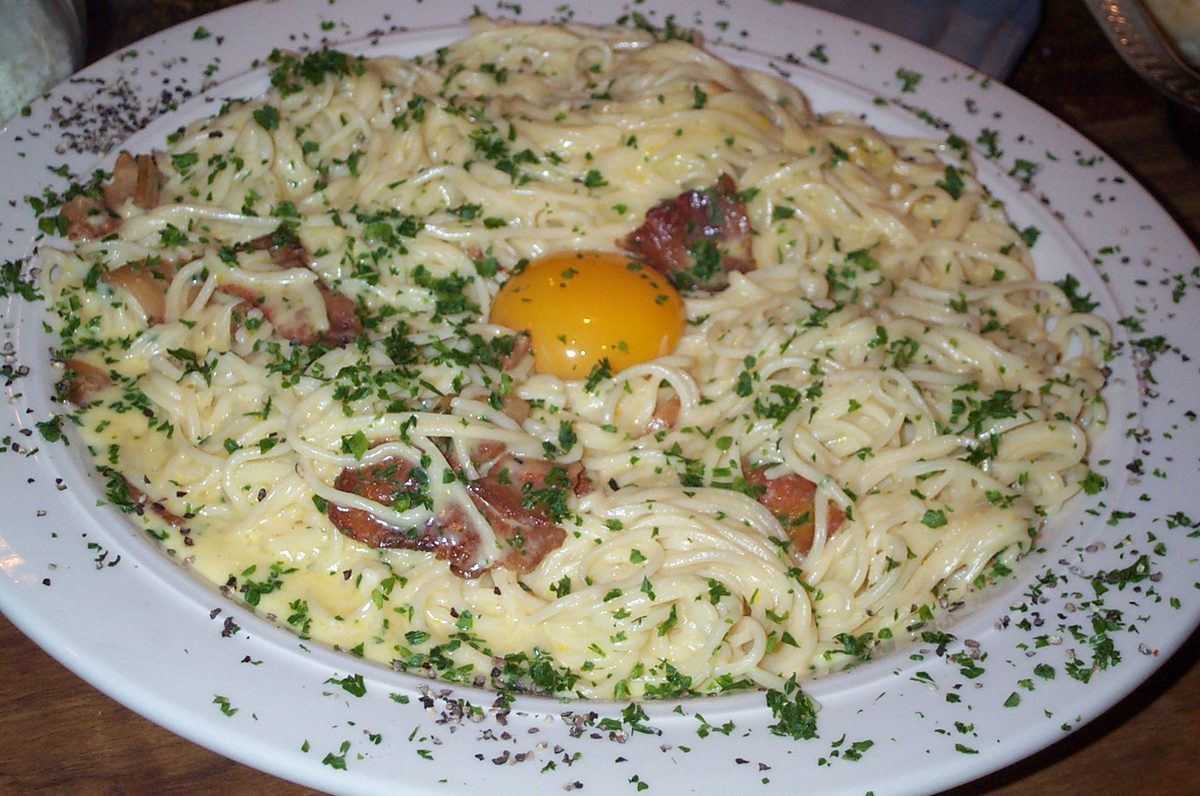
The practical upshot for you as a traveler: don’t eat “European food,” eat where you are. Ordering carbonara in Venice or a Wiener schnitzel in Lisbon is how you end up with a mediocre meal and a story about how Europe is overrated. Order the thing the region is obsessive about, and it’s almost impossible to eat badly.
The best European food, region by region
Here’s the working map. I’ve kept it to the dishes I’d actually steer a friend toward, with the cities or regions where they’re done best.
Southern Europe & the Mediterranean
This is the Europe most people picture, and for good reason — it’s where eating is most reliably joyful. Italy is the heavyweight: pasta that changes shape and sauce every hundred kilometres, pizza in Naples (chewy, blistered, eaten folded), risotto in the north, and the world’s best gelato as a daily right rather than a treat. If you only deep-dive one country’s food, make it this one — our companion guide to what to eat in Italy goes region by region, and the broader Italy travel guide ties it to where to go.
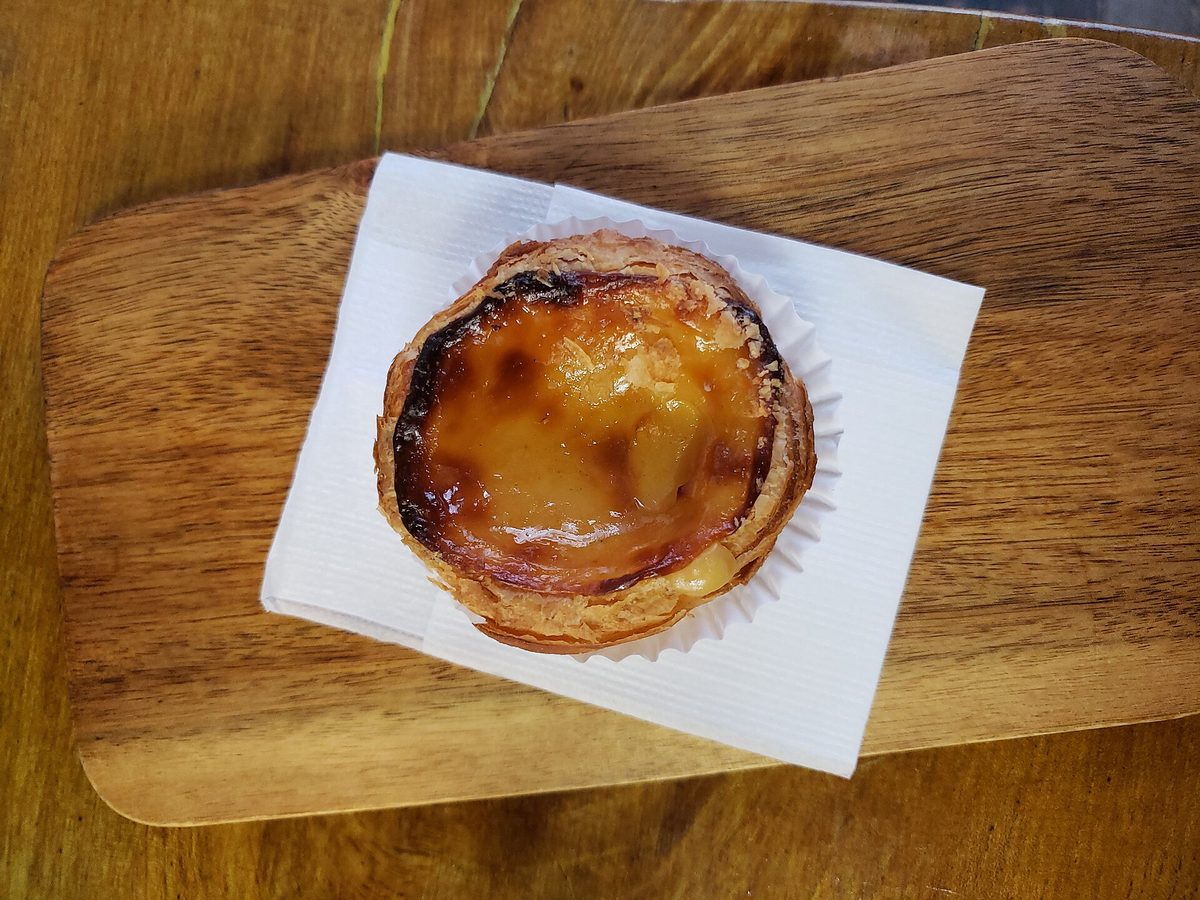
Spain runs on small plates and late hours. Tapas (called pintxos in the Basque north, where they’re skewered on bread and you pay by the toothpick) turn dinner into a crawl from bar to bar. Don’t miss real Valencian paella — rice, not a seafood dumping ground — jamón ibérico sliced tissue-thin, and a bowl of cold gazpacho in summer heat. Greece is mezze culture: shared plates of tzatziki, grilled octopus, dolmades and a slab of feta on a horiatiki salad, ideally at a seaside taverna where the fish was swimming that morning. And Portugal punches absurdly above its size — bacalhau (salt cod) cooked a reputed 365 ways, grilled sardines in summer, and the pastel de nata, the custard tart that has quietly conquered the world.

Western Europe
France is the grammar that the rest of fine dining is written in, but the food I crave is the simple stuff: a croissant that shatters, a steak-frites at a corner brasserie, a runny wedge of cheese from a market stall, coq au vin or boeuf bourguignon in a Burgundy bistro. Eat where the menu is short and handwritten. The France travel guide has more on the regions worth building a trip around.
Belgium does three things better than anyone — moules-frites (mussels with fries), proper twice-fried chips with mayonnaise, and beer that belongs in a wine cellar. The Netherlands is underrated: raw haring eaten by the tail with onions, stroopwafels warm off the griddle, and bitterballen with a beer. And the UK and Ireland have shed the old jokes — yes, fish and chips and a full cooked breakfast, but also Sunday roasts, Indian food good enough to be a national cuisine of its own, and Irish soda bread with a bowl of seafood chowder on the Atlantic coast. London, as it happens, was just ranked among the best food cities on earth.
Central Europe
Hearty, porky, built for cold weather, and a brilliant antidote to a week of delicate Mediterranean plates. Germany is sausage country — bratwurst, currywurst (a Berlin invention: sausage, curry ketchup, fries), Bavarian weisswurst with sweet mustard and a pretzel. Austria gives you the Wiener schnitzel (veal, pounded thin, fried gold) and a café culture where cake is a serious institution — Sachertorte in Vienna with a strong coffee is a rite of passage. Switzerland is all about melted cheese: fondue and raclette, ideally after a day in the mountains when you’ve earned it. Pair these countries with our Germany, Austria and Switzerland guides.
Don’t skip Hungary and Czechia: Hungarian gulyás (the real thing is a paprika-rich soup, not a thick stew) and lángos — deep-fried dough heaped with sour cream and cheese — from a market stall, plus Czech roast pork with dumplings and a half-litre of the best lager in the world for the price of a coffee.
Eastern Europe & the Balkans
This is where your money goes furthest and, frankly, where I’ve had some of my most memorable meals. Poland means pierogi — dumplings stuffed with potato and cheese, meat, or sweet fruit — and steaming bowls of żurek, a sour rye soup. The Balkans (Croatia, Serbia, Bosnia, North Macedonia) share a grilled-meat heaven: ćevapi (little minced-meat sausages), burek (flaky filled pastry eaten for breakfast), and sarma (stuffed cabbage rolls). Croatia’s coast layers in Italian-Adriatic seafood — black risotto, fresh-grilled fish, truffles in Istria. Our Croatia and Eastern Europe guides go deeper. And Turkey, straddling two continents, deserves its own pilgrimage — kebabs that bear no resemblance to the late-night version back home, mezze, pide, and baklava dripping with syrup; start with the Turkey travel guide.
The Nordics & Scandinavia
Expensive, yes, but distinctive in a way that’s worth one splurge. Denmark gave the world smørrebrød (open rye sandwiches, beautifully composed) and, in Copenhagen, the New Nordic movement that reset fine dining globally. Sweden has its meatballs with lingonberry and the institution of fika — a coffee-and-cinnamon-bun pause that’s practically law. Across the region you’ll find cured and smoked salmon (gravlax), pickled herring, and a genuine foraging culture. The Scandinavia travel guide covers how to do it without emptying your account.
Iconic dishes you have to try at least once
If you’re a first-timer and you just want the greatest-hits list — the dishes that show up on every “best famous European foods” roundup for a reason — here it is, with the honest version of where and how to eat each one.

- Neapolitan pizza (Italy) — in Naples, eat it at a no-frills pizzeria, blistered and floppy in the middle. A Margherita should cost around €5–8.
- Pasta, done regionally (Italy) — carbonara in Rome, ragù in Bologna, pesto in Genoa, cacio e pepe anywhere it’s made with love. Skip anywhere with photos on the menu.
- Tapas / pintxos (Spain) — crawl, don’t sit. In San Sebastián, pile a plate from the bar top and pay on the honour system.
- Paella (Spain) — the Valencian original is rabbit and chicken, not seafood; order it at lunch, never from a place with a giant pre-made pan out front.
- Croissant & pain au chocolat (France) — from a boulangerie with a queue of locals, ideally still warm. Around €1.20–2.
- Moules-frites (Belgium/France) — a steaming pot of mussels with fries and a Belgian beer.
- Wiener schnitzel (Austria) — veal, thin as paper, with a wedge of lemon and a potato salad.
- Bratwurst & currywurst (Germany) — street food at its best; eat it standing up at a market.
- Goulash & lángos (Hungary) — paprika soup and fried dough, the soul of a Budapest market hall.
- Pierogi (Poland) — order the ruskie (potato and cheese) and a sweet fruit version to finish.
- Fish & chips (UK) — from a proper chippy, with mushy peas and malt vinegar, eaten outside.
- Moussaka & grilled octopus (Greece) — at a taverna, with a carafe of house wine and the sea in view.
- Fondue / raclette (Switzerland) — communal melted cheese, a cold-weather Alpine treat.
- Pastel de nata (Portugal) — the custard tart; in Lisbon, the Belém original has a queue worth joining.
- Smørrebrød (Denmark) — an open rye sandwich, eaten with a knife and fork, prettier than it has any right to be.
That’s fifteen meals and a serious start. None of them require a fancy restaurant — in fact most are at their best at a market stall, a bakery, or a back-street spot with paper napkins.
Europe’s best food cities
Some cities are simply built for eating — the kind of place where you can show up with no reservation and no plan and still have three brilliant meals a day. When Time Out polled 24,000-plus locals and its editors for its 2026 ranking of the world’s best food cities, four European names landed in the global top ten: London, Barcelona, Athens and Lisbon. TasteAtlas, which crunches hundreds of thousands of dish ratings, regularly crowns Italian cities, with Naples at or near the very top. Here are the ones I’d point a hungry traveler toward first.
- Naples, Italy — the home of pizza and a city that eats with more passion than anywhere I know. Cheap, chaotic, sublime.
- Bologna, Italy — nicknamed “La Grassa” (the fat one). Tortellini, mortadella, ragù; the gastronomic capital of the country that already runs the table.
- San Sebastián, Spain — pintxos bars cheek by jowl in the old town, plus more Michelin stars per capita than almost anywhere on earth.
- Lisbon, Portugal — seafood, pastéis, and the curated Time Out Market as an easy first stop.
- Paris & Lyon, France — Paris for the breadth, Lyon (the bouchon city) for the soul of French home cooking.
- Athens, Greece — a souvlaki-and-mezze city that has quietly become one of Europe’s most exciting places to eat.
- Barcelona, Spain — tapas, seafood, and the theatre of the Boqueria market.
- London, UK — not traditional “British,” but arguably the most diverse eating city in Europe, from Borough Market to the best curry houses outside South Asia.
- Vienna, Austria — coffee houses, schnitzel, and cake as a way of life.
- Istanbul, Turkey — where Europe meets Asia on a plate; kebab, mezze, breakfast spreads and baklava.
Want the full breakdown with neighbourhoods and specific addresses? That’s the job of our dedicated guide to the best food cities in Europe. If you’re more of a city-hopper, pair it with our take on the best European city breaks.
Markets, street food and food tours: how to actually eat well
Here’s the single best piece of advice in this whole guide: when you arrive somewhere new, find the central food market before you find a restaurant. Markets are where locals shop, where the prices are honest, and where you can taste your way through a region in an hour for the cost of one sit-down lunch.

My short list of markets worth crossing a city for: Mercado San Miguel and the grittier Mercado de la Cebada in Madrid; La Boqueria in Barcelona (go early, before the tour groups); Borough Market in London, trading on the same spot since at least the 1200s; the curated Time Out Market in Lisbon; the intense Mercato di Porta Nolana fish market in Naples; and the Mercado da Ribeira stalls and Naschmarkt in Vienna. Most have stand-up counters where you eat then and there.
Street food is the other half of eating like a local, and Europe’s version is criminally underrated — currywurst in Berlin, a bicky burger or fresh-cut fries in Belgium, lángos in Budapest, simit and balık ekmek (fish sandwiches) in Istanbul, arancini in Palermo, a crêpe from a Paris cart. We dig into the regional best of it in our guide to the best street food in Europe.
And if you want a shortcut to understanding a city’s food in a single afternoon, take a food tour in Europe. I was a sceptic for years — it felt touristy — until a three-hour morning tour of a Bologna market taught me more about Emilian cooking than a guidebook ever did. Book a small-group, locally-run tour, do it early in your trip, and go hungry. Morning tours are best in market cities like Rome, Bologna, Athens, Vienna and Lyon, when the stalls are full and busy with people actually shopping.
Drinks: coffee, wine and beer culture
You can’t separate European food from what’s in the glass beside it. Get the drinking customs right and you’ll blend in fast.

Coffee
Coffee here is a ritual with rules, and they change at every border. In Italy, a cappuccino is a morning-only drink (order one after lunch and you’ll get a look), an espresso is downed standing at the bar for around a euro, and you pay less standing than sitting. In Vienna, the coffee house is a living room — order a melange, get a glass of water with it, and linger for hours over a newspaper. In Scandinavia, fika is the sacred coffee-and-bun break. We unpack all of it, country by country, in our guide to European coffee culture.
Wine
Europe is the birthplace of wine as we know it, and drinking it where it’s grown — cheap, young and local — is one of the continent’s great affordable luxuries. Tuscany and Piedmont in Italy, the Bordeaux vineyards, Burgundy and the Rhône in France, Rioja in Spain, and Portugal’s Douro Valley (home of port) are the headline regions, but the house carafe at a village trattoria is often all the wine education you need. For trips built around the vineyards, see our guide to the best wine regions in Europe.
Beer
Three beer cultures are worth a dedicated thirst: Germany (Bavarian beer halls, the purity law, Oktoberfest), Belgium (Trappist ales brewed by monks, lambics, beers stronger than wine), and Czechia, which drinks more beer per head than anywhere on earth and serves the original Pilsner for less than a soft drink.
Save room for dessert
Europe’s sweets deserve their own trip. The hits: Italian tiramisu and gelato, Portuguese pastel de nata, Austrian Sachertorte and apple strudel, French macarons, éclairs and crème brûlée, Spanish churros dunked in thick hot chocolate, Belgian waffles, Hungarian kürtőskalács (chimney cake), and Turkish baklava. My rule: in any pastry-proud country, eat a mid-morning sweet with your coffee and a proper dessert after dinner, and consider it research. Our full European desserts guide maps out the best of each country.
Dining like a local: etiquette and customs
The food is only half the experience — the rhythm of the meal is the other half, and it’s where well-meaning visitors most often trip up. A few things I wish I’d known sooner:
- Meals run late in the south. In Spain, lunch is 2–4pm and dinner often starts after 9pm; turn up at a Spanish restaurant at 7pm and you’ll be dining alone or find the kitchen shut. Italy and France eat late-ish too. Kitchens close between services, so you can’t always eat at any hour.
- Meals are long, and that’s the point. Across Spain, France, Italy and Greece a proper meal is a social event that can run two to four hours. Servers won’t rush you; they’re being polite, not slow.
- You have to ask for the bill. Bringing it unprompted is considered rude, like shooing you out. Catch your server’s eye and mime a signature, or say “l’addizione” / “l’addition” / “la cuenta.”
- Tipping is modest. European staff earn a real wage, so tips aren’t the lifeline they are in the US. A service charge is sometimes added for larger tables; otherwise rounding up or leaving 5–10% in cash for good service is plenty. In Italy you may see a coperto (a small per-person cover charge) on the bill — that’s normal, not a scam.
- Water and bread aren’t always free. Tap water isn’t automatically served; you’ll usually be asked still or sparkling, and it’s billed. Bread may carry a small charge too.
- Mind the small signals. Keep both hands above the table (not in your lap), eat in the Continental style with fork in the left hand, and place your cutlery together at an angle on the plate to show you’ve finished.
None of this is a test you can fail badly — locals are forgiving of visitors who are clearly making an effort. Learning even a few food words in the local language goes a remarkably long way. For more of these unwritten rules across the continent, our etiquette and travel tips and broader getting around Europe guides are good companions.
What European food costs (and how to eat well for less)
Food can be the most flexible line in your travel budget — you can spend €8 or €80 on dinner in the same city and eat brilliantly at either end. As a rough planning figure for 2026, budget travelers manage on around €30–40 a day for food, mid-range travelers €60–80, before you start adding fine dining.

Typical restaurant prices, casual local places, mid-2026:
| What | Western Europe | Eastern Europe |
|---|---|---|
| Cheap/quick meal (street food, bakery) | €8–12 | €4–8 |
| Casual sit-down main | €15–25 | €8–15 |
| Three-course dinner with wine | €35–60+ | €20–35 |
| Coffee at the bar | €1–3 | €1–2 |
| Local beer (0.5L) | €4–7 | €1.50–3 |
Prices rose sharply across Europe over the past two years and major-city centres run well above these; treat them as ballpark and check current menus.
How to eat well for less, learned the hard way:
- Lunch is the value meal. Many restaurants run a fixed-price lunch — the French formule, the Spanish menú del día (often two or three courses with wine for around €12–18), the Italian lunch menù. Eat your big meal at midday and the same kitchen costs half as much.
- Shop the markets. A picnic of bread, cheese, cured meat, olives and fruit from a market is one of the best (and cheapest) meals you’ll have, and very European.
- Head east. Poland, Hungary, Czechia and the Balkans deliver enormous, delicious meals for a fraction of Paris or Copenhagen prices — see our guides to Europe on a budget and the cheapest places to travel in Europe.
- Avoid the obvious traps. Restaurants on the main square with photo menus and a tout at the door charge more for worse food. Walk three streets back.
Eating with dietary restrictions in Europe
Good news first: Europe has gotten dramatically easier for special diets, and the EU requires restaurants and packaged foods to declare the 14 major allergens, so the information is there if you ask. The UK, Germany and the Netherlands are among the easiest for vegetarian, vegan and allergy-aware eating, and big food cities like London, Paris, Berlin, Milan and Florence are well stocked with dedicated spots.
That said, it still varies a lot by country — vegetarianism is mainstream in northern cities but can baffle a traditional tavern in rural Central Europe, where “vegetarian” sometimes still arrives with ham. My practical tips: learn the key phrases (“I am vegetarian/vegan,” “I am allergic to…”) in the local language, carry a printed allergy translation card for anything serious (celiac and nut allergies especially), and lean on naturally suitable dishes — much of Mediterranean and Middle Eastern–influenced cooking (mezze, falafel, pasta al pomodoro, grilled vegetables) is vegetarian by default. Self-catering from markets is your safety net on the harder days.
European food by traveler type
The “best” food trip looks completely different depending on who you are and who you’re with. A few honest steers:
First-timers
Stick to the south for your first food trip — Italy, Spain, Greece, Portugal — where the food is forgiving, familiar enough to be comforting, and reliably excellent even at cheap places. Order the regional specialty, eat where locals eat, and don’t over-plan; the best meals tend to be the unbooked ones.
Families with kids
Italy is the great equaliser — there is no fussy child on earth who won’t eat pasta or pizza, and Italian restaurants genuinely welcome kids. Spain’s small plates let children graze, and gelato or a crêpe solves most late-afternoon meltdowns. Our Europe with kids guide has more on eating out with little ones.
Couples
This is where Europe shows off: a candlelit trattoria in Rome, a Paris bistro, a seaside taverna in the Greek islands, a vineyard lunch in Tuscany or the Douro. Build a couple of memorable dinners into the trip and keep the rest spontaneous. For inspiration on the most romantic destinations, see our Europe honeymoon guide.
Budget backpackers
Eastern Europe and the Balkans are your friends, street food and markets are your staples, and the lunch menu is your secret weapon. You can eat extremely well in Kraków, Budapest, Belgrade or Lisbon for less than the price of a sandwich in Zurich. Our backpacking Europe guide pairs well here.
Serious foodies
Build the trip around the table: San Sebastián for pintxos and stars, Bologna and Modena for the Emilia-Romagna golden triangle, Copenhagen for New Nordic, Lyon for bouchons, Istanbul for sheer breadth. Book the special meals months ahead and structure your days around the markets.
When to go for the best food
Europe eats seasonally to a degree that surprises North American visitors, and timing your trip to a season or a festival can transform what’s on the plate.
- Spring brings white asparagus (a genuine obsession in Germany and the Netherlands — “Spargelzeit”), wild garlic, and the first artichokes in Rome.
- Summer is tomatoes, stone fruit, grilled sardines in Portugal (the June festivals in Lisbon are a riot), and long seaside lunches — though it’s also peak crowds and peak prices.
- Autumn is the gourmet’s season: the grape harvest and new wine, white truffles in Piedmont’s Alba (October–November), wild mushrooms, chestnuts, and game across Central Europe. My favourite time to eat here.
- Winter is hearty-food season — fondue and raclette in the Alps, rich stews, and the magical Christmas markets in Europe, where mulled wine, roasted chestnuts, and regional sausages turn a cold evening into a feast.
For the full month-by-month picture, including weather and crowds, see our guide to when to visit Europe.
How to build a food-focused trip
If you want food to be the spine of your trip rather than an afterthought, a few principles I plan by:
Go slow and go narrow. Two regions eaten deeply beats six countries skimmed — a week between Emilia-Romagna and Tuscany will feed you better than a week racing across five capitals. Base yourself in food cities and day-trip out. Anchor each destination with one market visit, one food tour or cooking class early on, one special dinner, and a lot of unplanned wandering for the rest.
For the logistics — routing, pace and how it all fits together — build on our Europe itinerary planner and the step-by-step how to plan a trip to Europe guide. Getting between the great food regions is half the fun, and often best done by rail; our train travel in Europe guide covers the scenic routes. And for the broad strokes of where to point yourself in the first place, return to the best places to visit in Europe.
Frequently asked questions about European food
What food is Europe most famous for?
Italian food — pizza and pasta above all — is the most globally famous and beloved European cuisine, followed by French pastries and fine dining, Spanish tapas and paella, and German sausage and beer. But “famous” sells Europe short: the continent’s real strength is its astonishing regional variety, from Portuguese custard tarts to Hungarian goulash to Danish smørrebrød, each a local specialty rather than a national export.
Which European country has the best food?
It’s genuinely subjective, but Italy tops most rankings and most travelers’ hearts, thanks to its regional depth, consistency and value — it claims several of the world’s top food cities. France runs a close second for technique and pastry, and Spain for its bar and small-plates culture. Honestly, the “best” country is whichever region you take the time to eat in properly, because Europe rewards depth over breadth.
What are the must-try foods in Europe for first-timers?
Start with the icons: Neapolitan pizza and regional pasta in Italy, tapas and paella in Spain, a fresh croissant and steak-frites in France, schnitzel in Austria, moussaka and grilled octopus in Greece, fish and chips in the UK, pierogi in Poland, and a pastel de nata in Portugal. Eat each one where it’s a local specialty rather than a tourist menu item, and it’s hard to go wrong.
Is food expensive in Europe?
It varies enormously. Western Europe and the Nordics are pricey — a casual main runs around €15–25 in cities, more in Scandinavia — while Eastern Europe and the Balkans are excellent value, with full meals for €8–15. You can eat brilliantly on a modest budget anywhere by using markets, street food and fixed-price lunch menus. Budget travelers manage on roughly €30–40 a day for food in 2026; check current prices, as they’ve risen recently.
Do you tip at restaurants in Europe?
Much less than in the US. European hospitality staff earn a proper wage, so tipping is a small gesture rather than an obligation. Rounding up the bill or leaving around 5–10% in cash for good service is generous; a service charge is sometimes already included for larger groups, and in Italy a small per-person coperto cover charge is normal. Carry coins — many card machines don’t have a tip line.
Is it easy to eat vegetarian or vegan in Europe?
Increasingly, yes — especially in cities and in the UK, Germany and the Netherlands, which lead on plant-based options. EU rules require the 14 major allergens to be declared, so the information is available if you ask. It’s harder in rural and traditional Central/Eastern European kitchens, where meat is assumed. Learn the local phrases, carry an allergy card for serious needs, and lean on naturally veg-friendly Mediterranean dishes.
What is the best food city in Europe?
For my money, Naples (the birthplace of pizza) or Bologna (Italy’s gastronomic capital) for traditional depth and value. In Time Out‘s 2026 ranking, London, Barcelona, Athens and Lisbon made the global top ten. San Sebastián is unbeatable for pintxos and Michelin stars per square mile. The “best” depends on your taste — our best food cities in Europe guide breaks down each one in detail.
Final thoughts
If there’s one thing I want you to take from all this, it’s to stop chasing a checklist of dishes and start eating where you are. The best meal of your trip probably won’t be the one you researched for weeks — it’ll be the tiny place you stumbled into because it was full of locals, the market stall whose name you never caught, the carafe of rough red that tasted perfect because of the view. Europe makes that kind of magic easy. Show up hungry, order what the region is proud of, take your time, and let the continent feed you. It always delivers.
Now go figure out where to point yourself first — and build the rest of the trip around the table.
About the author: Hannah Brooks is the Senior Europe Editor at europeantourism.org and has spent the better part of twenty years eating her way across the continent — from Michelin rooms to roadside grills — with a particular weakness for Italian markets and Balkan barbecue. This guide draws on those trips plus current data from tourism boards, Time Out‘s 2026 food-cities ranking, TasteAtlas dish ratings, and on-the-ground reporting on prices and customs.
Last updated: June 2026. Food prices, opening hours and customs change — treat costs as ballpark and check current local information before you travel.
Sources: national tourism boards; Time Out World’s Best Food Cities 2026; TasteAtlas; Rick Steves’ Europe (tipping and dining customs); EU food-allergen labelling rules.
Photo credits
All images are used under their respective Creative Commons licenses via Wikimedia Commons:
- european-food-hero.jpg — Photo: Toben / CC BY-SA 4.0 via Wikimedia Commons
- european-food-mediterranean-meze.jpg — Photo: Benoît Prieur (CC0) via Wikimedia Commons
- european-food-market.jpg — Photo: MartinThoma (CC0) via Wikimedia Commons
- european-food-italian-pasta.jpg — Photo: stu_spivack / CC BY-SA 2.0 via Wikimedia Commons
- european-food-wine-vineyard.jpg — Photo: Grand Parc – Bordeaux, France / CC BY 2.0 via Wikimedia Commons
- european-food-dessert.jpg — Photo: Andy Li (CC0) via Wikimedia Commons
- A plate of Valencian paella variations: saffron rice with chicken, shrimp and inky arroz negro — Photo: Sunnya343 (CC BY-SA 4.0) via Wikimedia Commons. Source
- Marble tables and vaulted ceilings inside Cafe Central, Vienna’s grand coffee house — Photo: Jebulon (CC0) via Wikimedia Commons. Source