Nice France Travel Guide: Costs, Beaches and 11 Day Trips
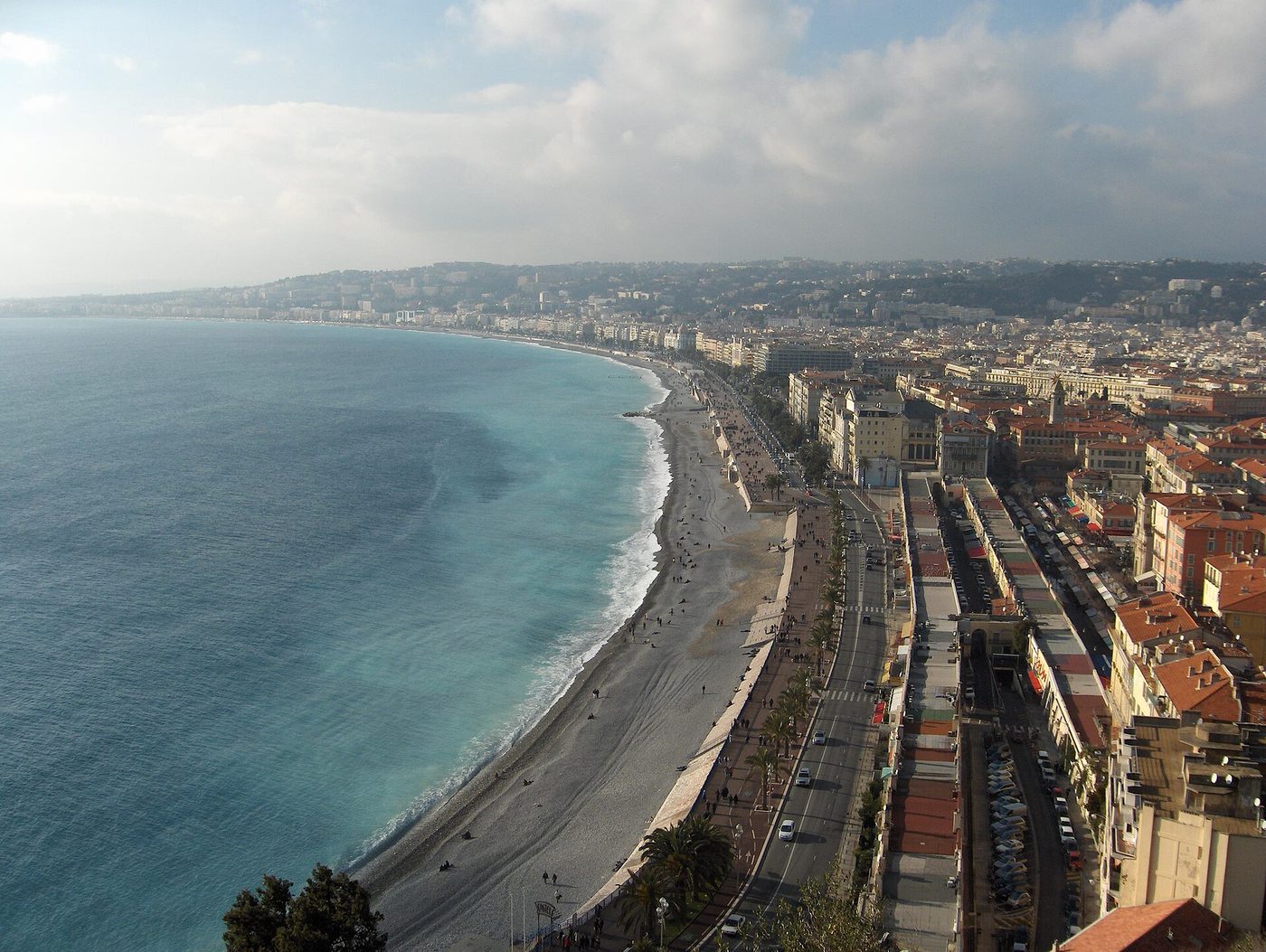
I have arrived in Nice at every hour a person can arrive: on the 06:20 flight from London with the sea still grey, on a night train that dumped me at Gare Thiers at some indefensible hour, and once by bus from Menton in a February rainstorm that turned the Promenade into a car wash. It is the only city on the French Riviera that works in all of those conditions, because it is a real city first and a resort second. That distinction shapes everything else in this guide.
This nice france travel guide covers what a first visit actually costs and how to spend it: 2026 museum admissions, tram and bus fares, the tourist tax by hotel rating, month-by-month climate and sea data, which beaches fly the Blue Flag, and the eleven day trips you can reach without renting a car. Nice deserves three to four days on its own, or a week if you want the coast either side of it.
Your Nice France travel guide at a glance
The short version, before the detail.
| Question | Answer |
|---|---|
| Where is it | South-east France, on the Baie des Anges, about 15 miles from the Italian border, and about six hours from Paris by TGV |
| How long to stay | 3 to 4 days for the city; about a week if you want Monaco, Menton, Èze and the hill villages too |
| Airport | Nice Côte d’Azur (NCE), third busiest in France after Paris-Charles de Gaulle and Paris-Orly, 15.23 million passengers in 2025 |
| Airport to centre | Tram Line 2, about 25 minutes to Jean Médecin |
| Getting around | Four tram services (1, 2, 3 and B) plus buses. Single ticket €1.70, valid 74 minutes |
| Language | French. English is widely spoken in the centre and along the seafront |
| Currency | Euro |
| Beaches | Pebble. 23 public beaches, 14 private concessions, 7 with the 2026 Blue Flag |
| UNESCO status | Inscribed 2021 as “Nice, Winter Resort Town of the Riviera”, 522 hectares |
| Warmest month | August, average high 24.8°C, sea 23.7°C |
| Wettest month | November, 125mm across 12.7 rain days |
| Tourist tax | €1.07 to €6.43 per adult per night depending on your hotel’s rating |
| Do you need a car | No. Parking is scarce and every major day trip runs on rail or bus |
| Entry rules (Aug 2026) | EES biometric registration is live. ETIAS is not, and has no launch date |
Why Nice, and the honest case against it
Nice was built to be visited. British aristocrats wintering here in the 1820s wore a path along the shingle they called the Camin dei Ingles, and by 1860, when Nice was ceded to France by the Kingdom of Piedmont-Sardinia, that path had become a promenade with hotels behind it. UNESCO inscribed the whole 522-hectare centre in 2021 under criterion (ii), the one about the interchange of human values, on the grounds that Nice is where British, Italian, French and Russian tastes collided and produced an architecture that exists nowhere else. There is a 4,243-hectare buffer zone around it.
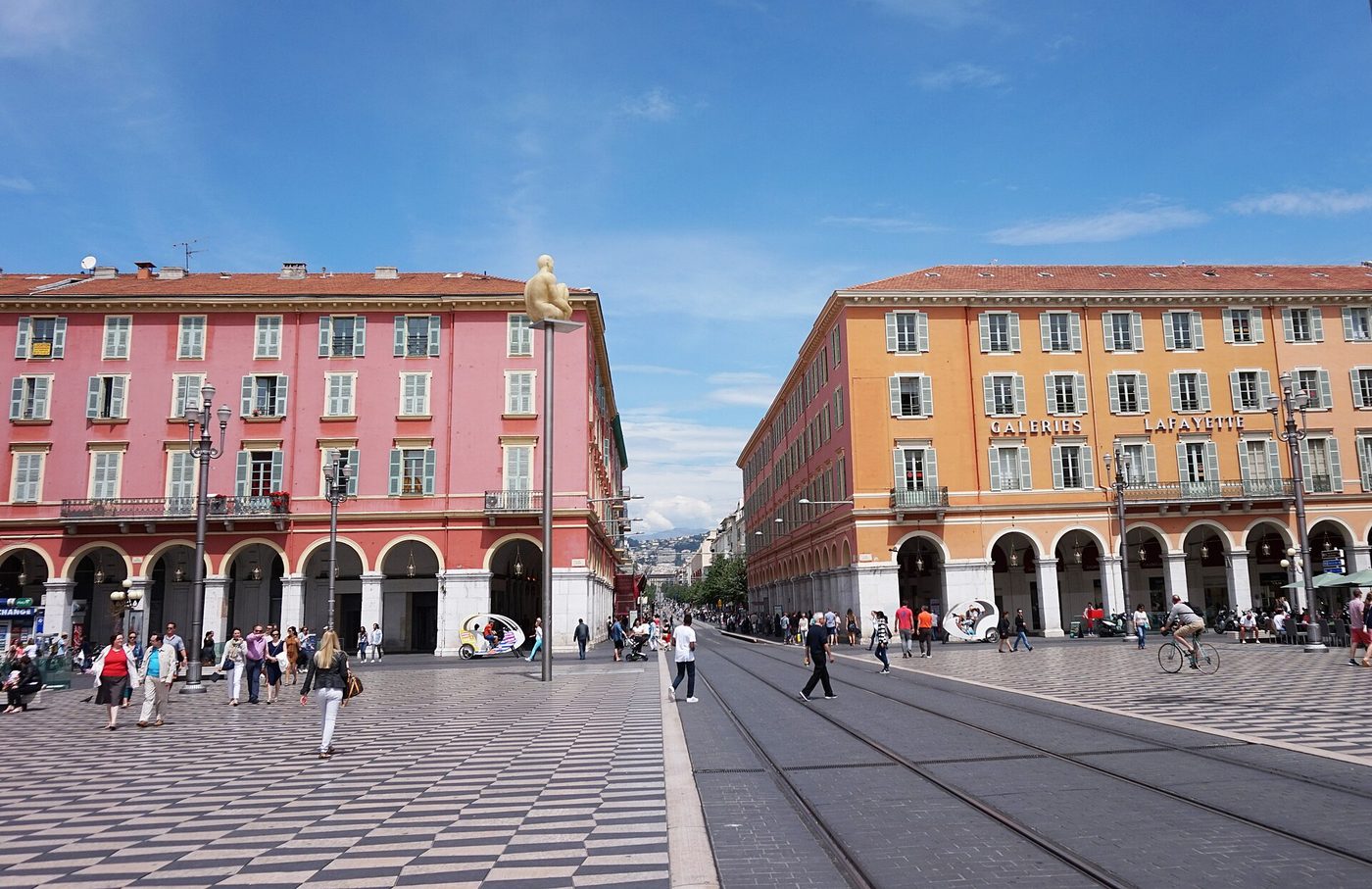
What that means on the ground is that the city reads like a legible document once you know the code. The straight, wide, ochre-fronted streets west of Place Masséna are the work of the Consiglio d’Ornato, a town-planning board set up in 1832 while Nice still answered to Turin. The Belle Époque wedding cakes along the Promenade are the winter-capital years, roughly 1860 to 1920. The clean-lined blocks behind them are the 1920s and 1930s. Nothing after 1939 counts, which is why the listing stops there.
Now the case against. Nice is a working city of a few hundred thousand people, and it looks like one: there is traffic, there are ugly 1960s blocks north of the station, and the stretch of Avenue Jean Médecin between the station and Place Masséna is a shopping street like any other. The beaches are pebble, which surprises people every single summer. Cours Saleya in August is a scrum with inflated prices. And the city gets seriously hot now: Météo-France put Alpes-Maritimes under orange heatwave vigilance from 30 July 2026, and it was still running in mid-August.
None of that is a reason to skip it. It is a reason to go in May or late September instead, and to walk five minutes off the seafront for lunch.
Getting to Nice and into the city
Nice Côte d’Azur has two commercial terminals, T1 and T2, plus a separate private aviation terminal that you can safely ignore unless your life has gone unusually well. It handled 15.23 million passengers in 2025, up 3.2% and an all-time record, and the expanded T2 now aims the airport at 18 million a year. Practically, it means the arrivals hall in July is busy and the tram is the sane way out of it.
Airport to city centre: the four options
| Option | Cost | Time to Jean Médecin | Worth it? |
|---|---|---|---|
| Tram Line 2, “Aéro” ticket | €10, return only | ~25 min | Only if you are certain you will fly back out of NCE. It covers one return journey with one connection at each end, and has no expiry date |
| Tram Line 2, the free hop | €1.70 | ~25 min | Yes, for most people. See below |
| Tram Line B | Same fares | Goes north to CADAM, not into town | No, unless you are visiting the administrative centre |
| Taxi | Metered from €2.60/km daytime, €3.30/km nights, Sundays and holidays, €7.50 minimum | 15 to 40 min depending on traffic | With luggage, small children, or after midnight |
The free hop. The tram between the terminals and Grand Arénas, the first stop outside airport grounds, is free. Ride it one stop, get off, buy a standard €1.70 ticket at the machine on the platform, get back on the next tram. You save €6.60 against a return and the whole manoeuvre costs about four minutes each way. If you are travelling as a couple and returning to the airport, do the maths both ways: two Aéro tickets are €20 against roughly €6.80 for four hopped singles.
There is no direct tram to Nice-Ville, the main SNCF station, also called Gare Thiers. Take Line 2 to Jean Médecin, then Line 1 one stop north. Line 2 runs at about every eight minutes on weekdays; from September to May the last tram leaves Terminal 2 at 23:51 Sunday to Thursday and 00:51 on Friday and Saturday, and from June to August at 00:51 every night.
Arriving by train
Nice sits on the coastal line that runs from Marseille to Ventimiglia in Italy, so it is unusually well connected for a city its size. The TGV from Paris takes about six hours; flying takes about ninety minutes in the air and roughly the same again in airports, which is why the train is not the obviously worse choice it looks. If you are building a longer trip, our guide to train travel in Europe covers reservations, passes and the routes worth planning a trip around, and the Europe train itinerary puts Nice in a wider loop.
Getting around Nice
Nice is walkable. Vieux Nice, the Promenade, Castle Hill, Place Masséna and Cours Saleya are all within twenty minutes of each other on foot, and you will walk more than you plan to. Public transport exists for the two journeys walking does not solve: the airport, and the climb up to Cimiez for the Matisse and Chagall museums, which is a tram ride plus a short bus.
One detail worth having straight before you plan a route: Nice runs four tram services. Line 1 runs Henri Sappia to Hôpital Pasteur through Place Masséna and Jean Médecin. Line 2 runs Airport Terminal 2 to Port Lympia. Line 3 runs Saint-Isidore to Port Lympia. Line B runs CADAM to Airport Terminal 2 roughly every ten minutes on weekdays.
Lignes d’Azur fares, 2026
| Ticket | Price | Notes |
|---|---|---|
| Single (ticket unitaire) | €1.70 | 74 minutes of unlimited same-direction travel, transfers included |
| Pass 1 jour | €7 | 24 hours, urban-fare lines |
| Pass 2 jours | €13 | 48 hours |
| Pass 7 jours | €20 | Breaks even against singles at about 12 journeys |
| Pass 14 jours | €36 | |
| Pass 30 jours | €60 | |
| “La Carte” smartcard | €2 deposit | Refundable at Arénas Presse, 455 Promenade des Anglais |
| Airport “Aéro” ticket | €10 | Return only, no expiry, one connection each end |
Do the arithmetic before you buy a pass. Singles at €1.70 beat the €7 day pass until you make five journeys in a day, and beat the €20 week pass until about twelve. Most visitors walk far more than they ride, so singles usually win. Lignes d’Azur used to sell a 10-journey carnet at €1 a trip, and the prices still circulating for it disagree with one another, so check the machine rather than trusting a figure you read anywhere, including here.
Regional buses and the death of the €1 fare
For years the regional ZOU! network charged a flat €1 to get almost anywhere in the Alpes-Maritimes, and it is still quoted all over the internet as though it were true. It is not. The June 2026 tariff sets ZOU! proximity buses at €2.20 per journey, or €2.60 if you buy from the driver. Still absurdly cheap for a bus to a clifftop village, but not €1.
The most useful part of that tariff is the Mini-Groupe fare, which few visitors use: €4.60 for three people, €5.20 for four, €5.60 for five, €6.60 for six and €9.90 for up to nine. A family of four riding to Èze and back pays €10.40 for the day rather than €17.60. There is also a 10-journey carnet at €15.40, and a “ZOU! Malin” card at €20 a year that takes 30% off single bus and train tickets for you and one companion.
Bikes, scooters and cars
Vélo Bleu, the old municipal bike share, is gone. Since early 2024 the operators are Lime and Pony, with around 2,000 bikes, most of them electric-assist, spread across Nice and a dozen surrounding communes.
Free-floating electric scooter rental is banned in Nice, so do not arrive expecting to unlock one. If you bring your own, note that a prefectural order in force across the Alpes-Maritimes since April 2026 makes both a helmet and a reflective vest compulsory, including in town, with a fine of around €35.
Do not rent a car for Nice itself. Parking is limited, the old town is pedestrianised, the one-way system is hostile and every day trip in this guide runs on public transport. Rent one for a day if you want the inland hill villages, and return it. If you do want to drive the coast properly, that belongs in a different trip: see our Europe road trips guide and the south of France travel guide.
All 24 of the best things to do in Nice, France at a glance
The numbers below are for reference only. Everything is grouped by the kind of afternoon it makes, because a ranked countdown tells you nothing about how to build a day. Prices are 2026 adult admissions taken from the venues’ own pages, and museum tariffs do change, so check before you travel.
| # | What | Where | Cost 2026 | Time needed | Best time |
|---|---|---|---|---|---|
| 1 | Walk the Promenade des Anglais | Seafront | Free | 1 to 2 hrs | Sunrise or dusk |
| 2 | Climb the Colline du Château | East end of the bay | Free (lifts free too) | 1 hr | Late afternoon |
| 3 | Get lost in Vieux Nice | Old town | Free | 2 to 3 hrs | Early morning |
| 4 | Place Masséna and the Sept Statues | Centre | Free | 20 min | After dark |
| 5 | Promenade du Paillon park | Centre | Free | 30 min | Midday, for the mist fountain |
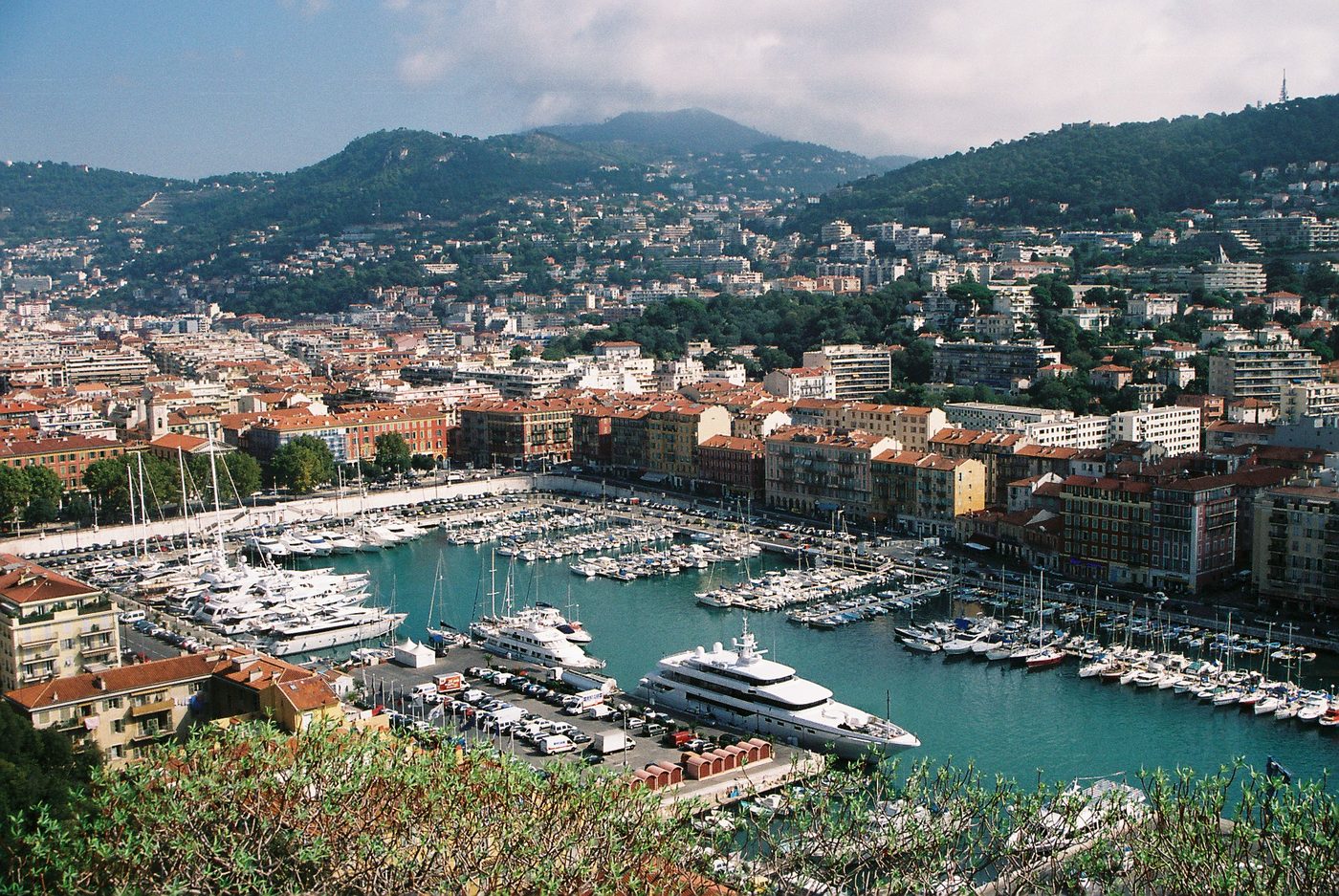
| 6 | Port Lympia and the Sentier du Littoral | East | Free | 1 to 2 hrs | Morning |
| 7 | Cathédrale Saint-Nicolas | Near Gare Thiers | Free entry; guided tour approx. €10 | 30 to 45 min | Any |
| 8 | Cimiez: monastery gardens and Roman arena | Cimiez | Gardens free | 1 hr | Morning |
| 9 | Musée Matisse | Cimiez | €12 | 1.5 hrs | Opening time |
| 10 | Musée national Marc Chagall | Cimiez | €10 | 1 to 1.5 hrs | Opening time |
| 11 | Palais Lascaris | Vieux Nice | €10 | 45 min | Any |
| 12 | Musée des Beaux-Arts Jules Chéret | West | €10 | 1 hr | Any |
| 13 | Villa Masséna | Promenade | €10 | 1 hr | Any |
| 14 | Musée d’Archéologie de Cimiez | Cimiez | €5 | 45 min | Pair with Matisse |
| 15 | Musée de la Photographie Charles Nègre | Vieux Nice | Covered by the Pass Musées | 45 min | Any |
| 16 | Muséum d’Histoire Naturelle | Centre | Covered by the Pass Musées | 1 hr | Rainy day |
| 17 | Swim off a public beach | Anywhere on the bay | Free | Half a day | Before 11am |
| 18 | Book a sunbed at a private beach | Promenade | Approx. €30 to €35 a day | Half a day | Weekday |
| 19 | Cours Saleya flower and produce market | Vieux Nice | Free to browse | 1 hr | Tue to Sun, before 11am |
| 20 | Cours Saleya Monday antiques market | Vieux Nice | Free to browse | 1 hr | Monday only |
| 21 | Marché de la Libération | Libération | Free to browse | 1 hr | Tue to Sun mornings |
| 22 | Eat socca straight from the oven | Port or Vieux Nice | Approx. €3 to €6 | 20 min | Lunchtime |
| 23 | Nice Carnival | Place Masséna | Free in costume; paid grandstands | An evening | February |
| 24 | Ride the Train des Merveilles to Tende | From Nice-Ville | €20 day pass | Full day | June to early October |
Nice for free: the eight things I would do first
1. Walk the Promenade des Anglais. It runs roughly 7 km, from the airport to the Quai des États-Unis, and it started life in 1824 as the Camin dei Ingles, a modest path the British winter colony paid to have laid along the shingle. Walk the eastern half, from the Negresco to Castle Hill, at either end of the day. In the middle of an August afternoon it is a hot, exposed strip of tarmac and you will not enjoy it.
2. Climb the Colline du Château. There has been no castle up there since Louis XIV had it demolished, which confuses people, but the view over the terracotta roofs of Vieux Nice and the whole curve of the Baie des Anges is the single best thing in the city and it costs nothing. The lifts up from the east end of the Quai des États-Unis, by the Hôtel Suisse, are free. Go at about an hour before sunset.
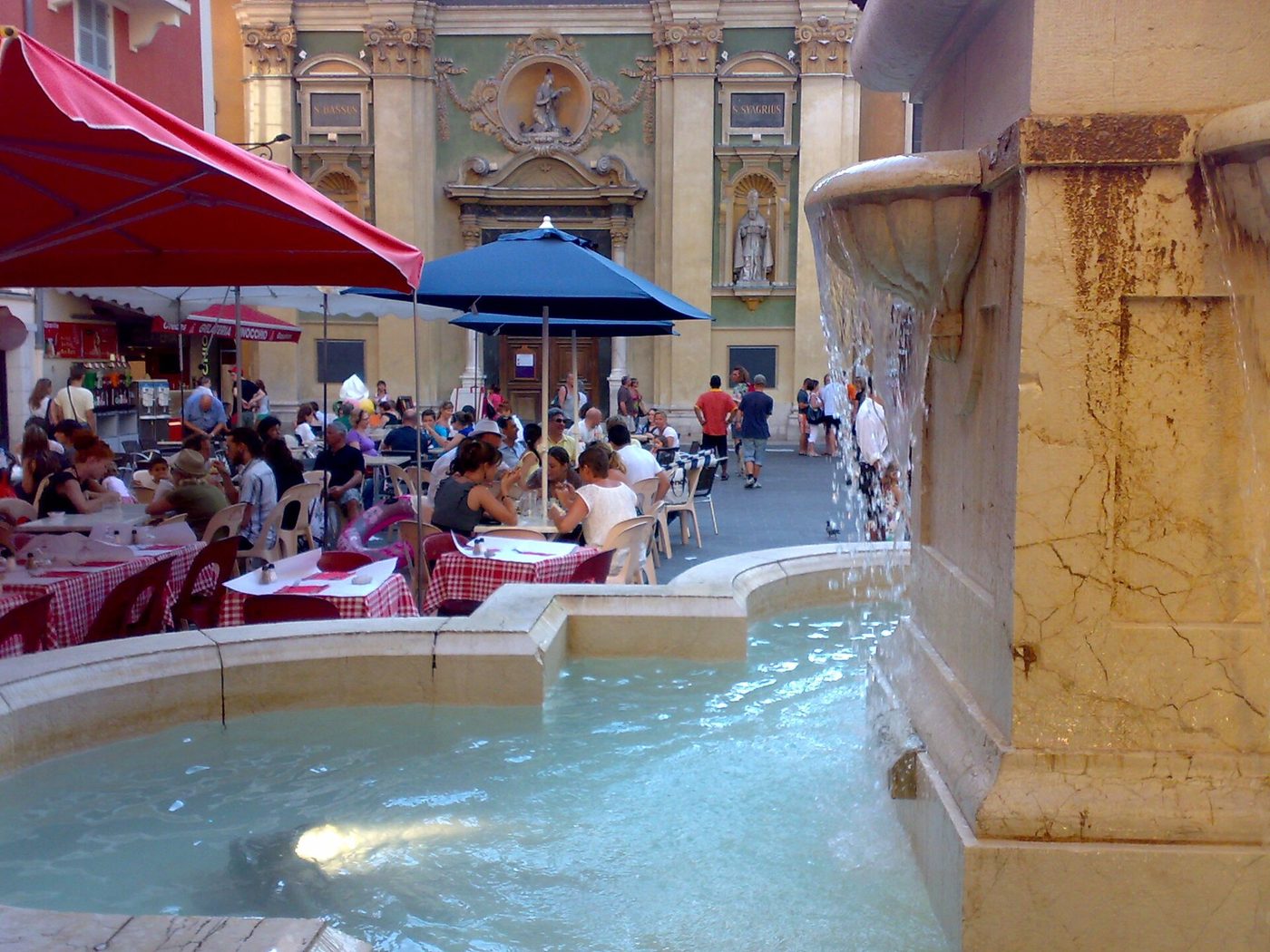
3. Get lost in Vieux Nice. The old town is Italian, not French, in its bones, and the further you get from Cours Saleya the more that shows. Aim vaguely for Place Saint-François and let yourself go wrong on the way. Mornings are best: the streets are in shade, the fish market is running, and the bars have not started putting out sandwich boards in four languages.
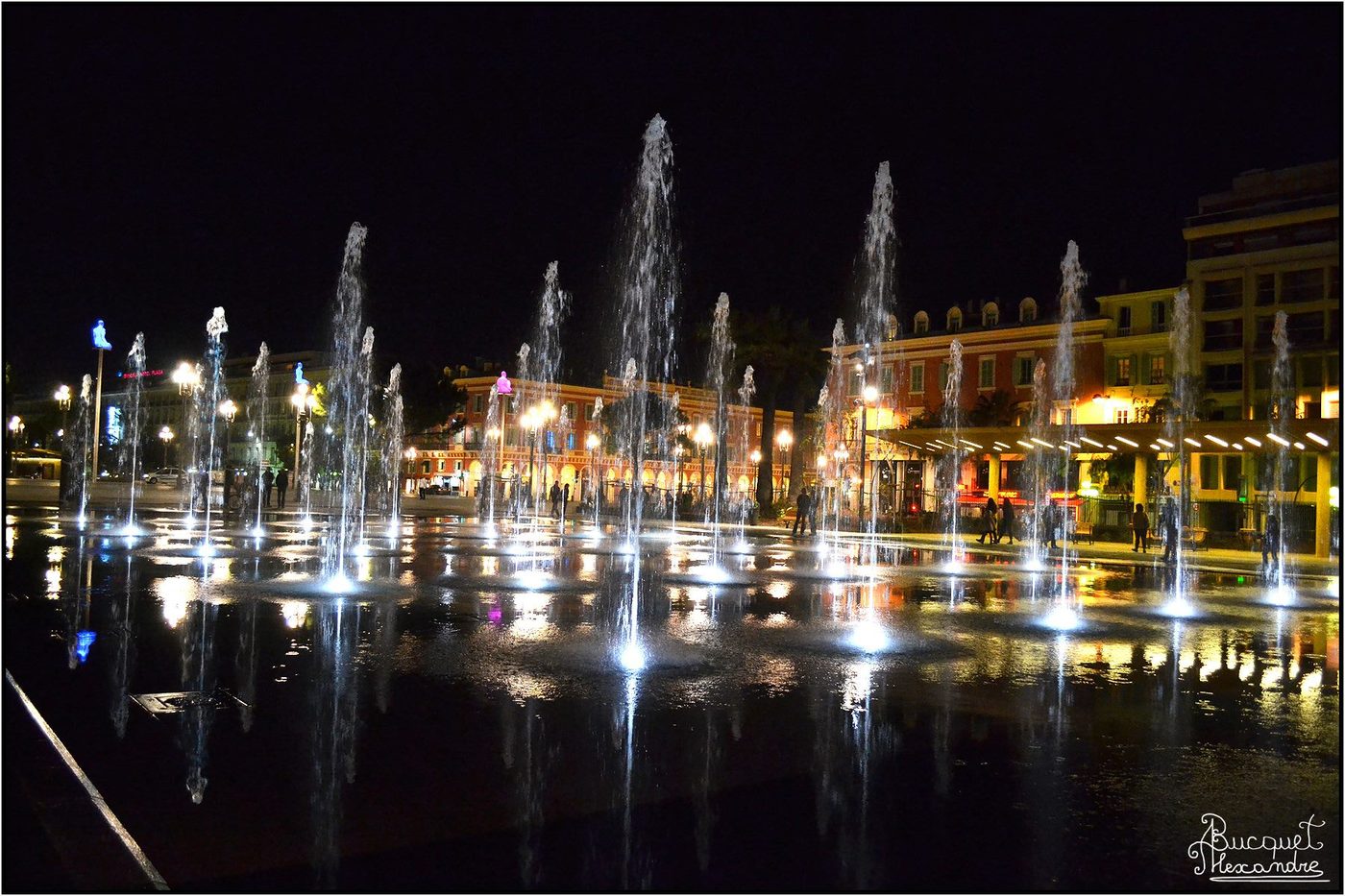
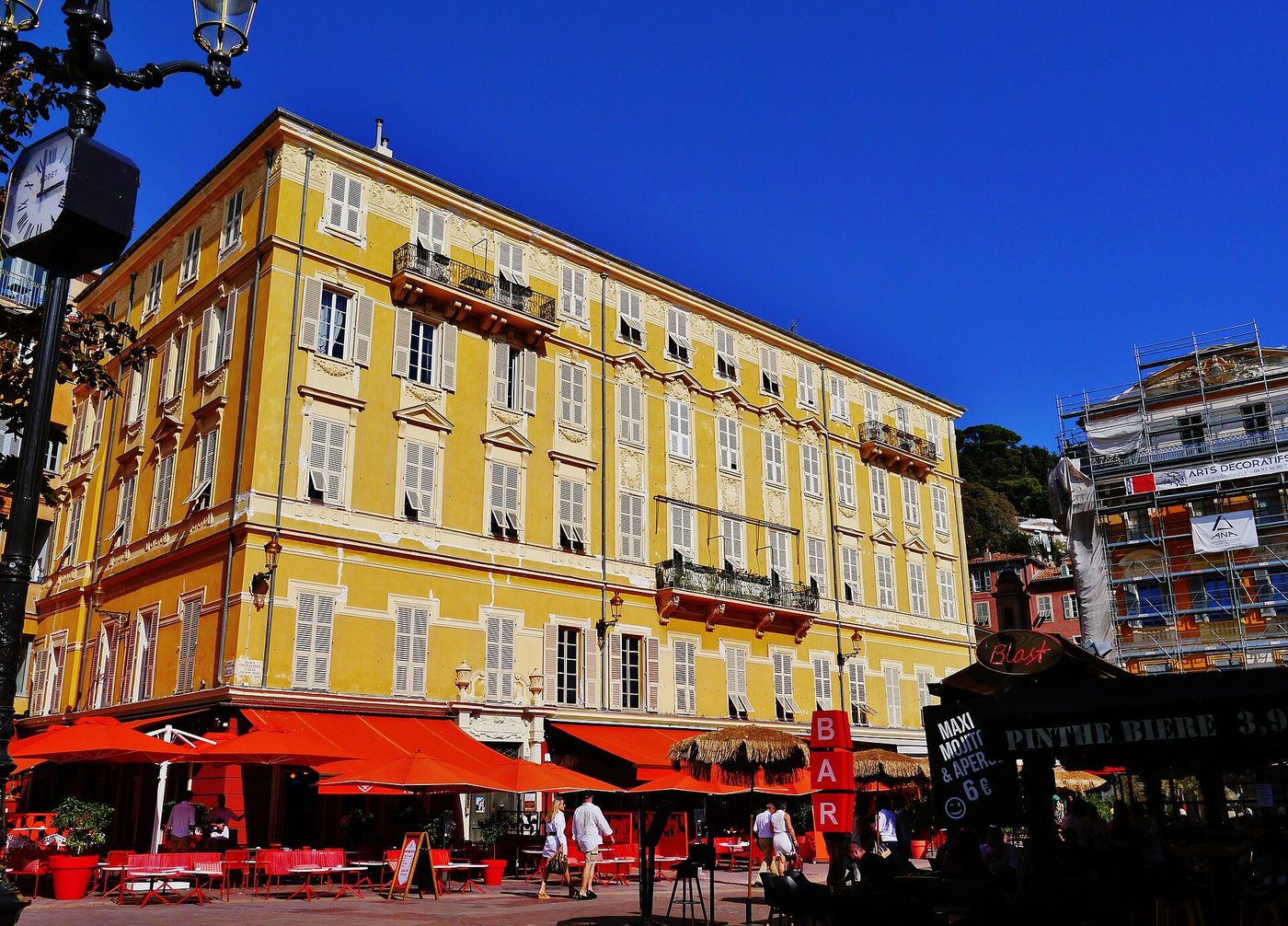
4. Stand in Place Masséna after dark. The ochre-and-red arcades are Consiglio d’Ornato work from the 1830s, and the seven kneeling figures on poles above the tram tracks are Jaume Plensa’s Conversation à Nice, which change colour slowly all night. It takes twenty minutes and it is the best thing to do in Nice after dark for nothing.
5. Walk the Promenade du Paillon. The linear park that replaced a covered river and then a bus station runs from the Théâtre de Verdure up to the Musée d’Art Moderne, with a mirror-fountain that fires mist at children at unpredictable intervals. It is where locals actually spend their evenings. Note that the park’s second-phase works are also the reason MAMAC is currently shut, on which more below.
6. Follow the Sentier du Littoral from Port Lympia. Walk east past the pastel warehouses of the port, round the headland below Mont Boron, and you reach Coco Beach, a small rocky cove that locals swim off and tourists mostly do not find. The coastal path continues to Villefranche if you have the legs and the water.
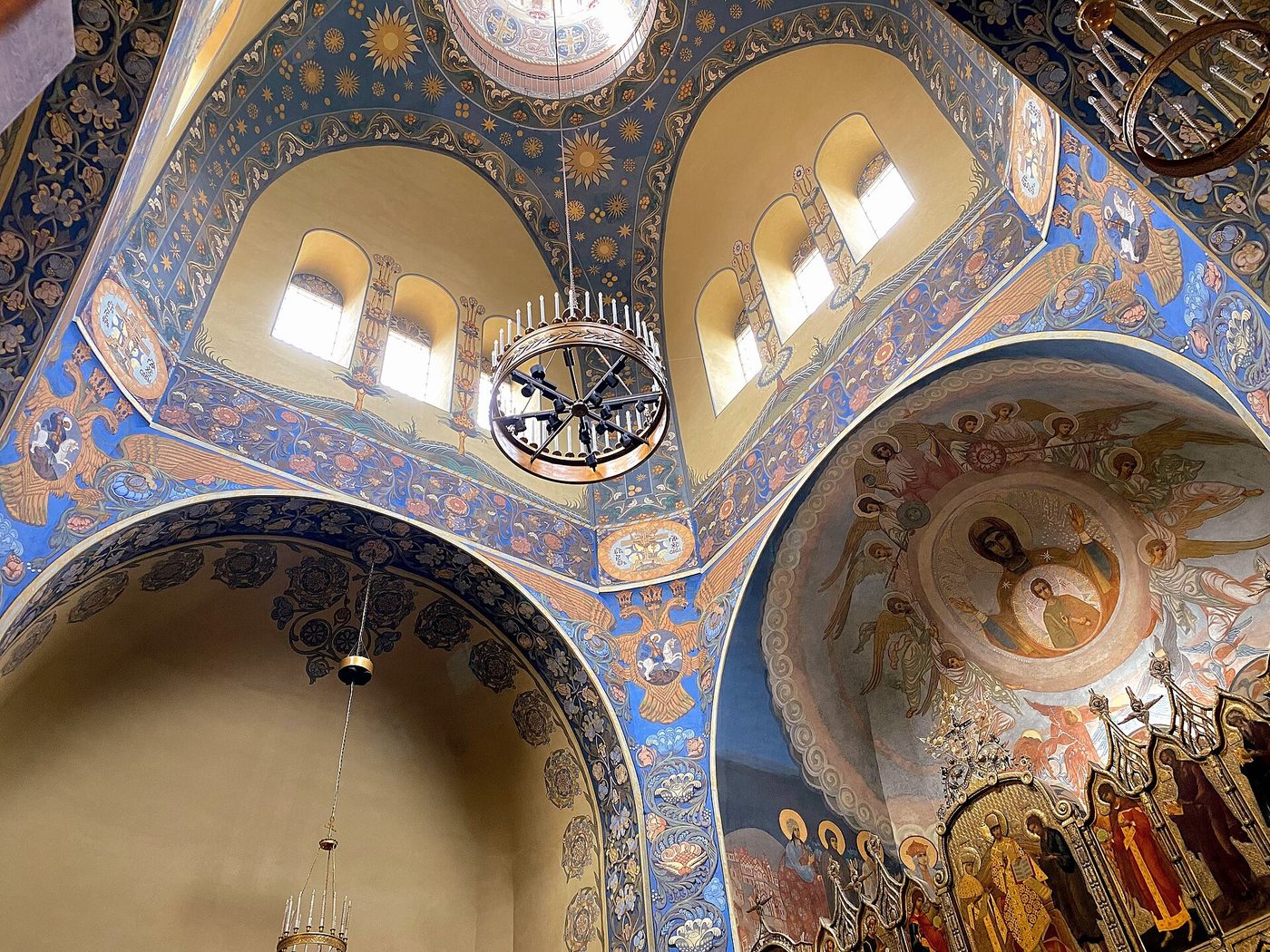
7. Step inside the Cathédrale Saint-Nicolas. Six onion domes, built for the Russian aristocracy who wintered here before 1917, and the largest Eastern Orthodox cathedral in Western Europe. Entry to the cathedral is free; a guided tour of about 35 minutes runs daily in French, English and Japanese for around €10, free under 14. It is an active place of worship, so cover up: no bare chests, no very short skirts. Hours are roughly 09:00 to 12:00 and 14:00 to 18:00 from April to October, closing half an hour earlier in winter.
8. Go up to Cimiez for the gardens and the arena. Above the Chagall and Matisse museums sit the Roman remains of Cemenelum and the gardens of the Franciscan monastery, where Matisse and Dufy are buried. The gardens are free and almost always empty. Tram Line 1 plus a short bus, or a twenty-five minute uphill walk you will feel.
The museums, ranked by whether they justify the ticket
Start with the one that is not open. MAMAC, the Museum of Modern and Contemporary Art, has been closed since 7 January 2024 for a major renovation tied to the Promenade du Paillon works, and as of August 2026 no reopening date has been published. The collection is touring under the name “MAMAC hors-les-murs”. The building itself, a striking marble quadrilateral at the top of the Paillon, is still worth a look from outside.
Nice’s municipal museums are ticketed, not free. Free entry applies to under-18s and to residents of the Métropole holding the free resident card, the Pass Musées de Nice, which visitors cannot get. Students and jobseekers are among the other named exempt categories. Municipal museums are reported to be free to everyone on the first Sunday of the month, which is worth confirming locally if your dates land on one.
| Museum | Adult 2026 | Closed | My verdict |
|---|---|---|---|
| Musée Matisse | €12 | Tuesdays | Yes. The strongest single collection in the city, in a 17th-century Genoese villa above the Roman arena |
| Musée national Marc Chagall | €10 | Tuesdays | Yes, and go first thing. The Biblical Message cycle was built for this building |
| Palais Lascaris | €10 | Check locally | Yes if you like Baroque interiors and historic instruments; it is the best surviving aristocratic house in Vieux Nice |
| Musée des Beaux-Arts Jules Chéret | €10 | Check locally | Only with the pass, or if you have four days |
| Villa Masséna | €10 | Check locally | Worth it for the Belle Époque rooms and the garden more than the exhibits |
| Musée d’Archéologie de Cimiez | €5 | Tuesdays | Yes, but only bundled with Matisse. It is fifty metres away and gets you the arena and baths |
| MAMAC | Closed | Since 7 Jan 2024 | Do not plan around it |
The visitor pass, confusingly named the 4-day Museums Pass, is the obvious buy. €15 for an adult, valid four days, which is 96 hours rather than the 72 some listings state, covering eleven municipal sites: Matisse, Beaux-Arts Jules Chéret, Photographie Charles Nègre, Archéologie Cimiez, Terra Amata, Masséna, Jakovsky naive art, Palais Lascaris, the Muséum d’Histoire Naturelle, L’artistique, and MAMAC when it reopens. Two municipal museums pay for it. Note that the Chagall is a national museum and is not included, so budget its €10 separately. Groups of ten or more pay €10 a head.
There is also a separate French Riviera Pass sold by the tourist office, which covers Matisse among many regional sites. It is a different product from the municipal pass and worth comparing if your trip is heavy on day trips rather than city museums.
Opening hours, in the pattern the municipal museums use. Matisse runs 10:00 to 17:00 from 1 November to 31 March and 10:00 to 18:00 from 1 April to 31 October, closed Tuesdays, with the ticket office shutting thirty minutes early, and closed on 1 January, Easter Sunday, 1 May and 25 December. The Archéologie museum uses slightly different seasonal dates, 10:00 to 17:00 from 1 November to 30 April and 10:00 to 18:00 from 2 May to 31 October. The Chagall closes Tuesdays plus 1 January, 1 May and 25 December.
The beaches, and the pebble problem
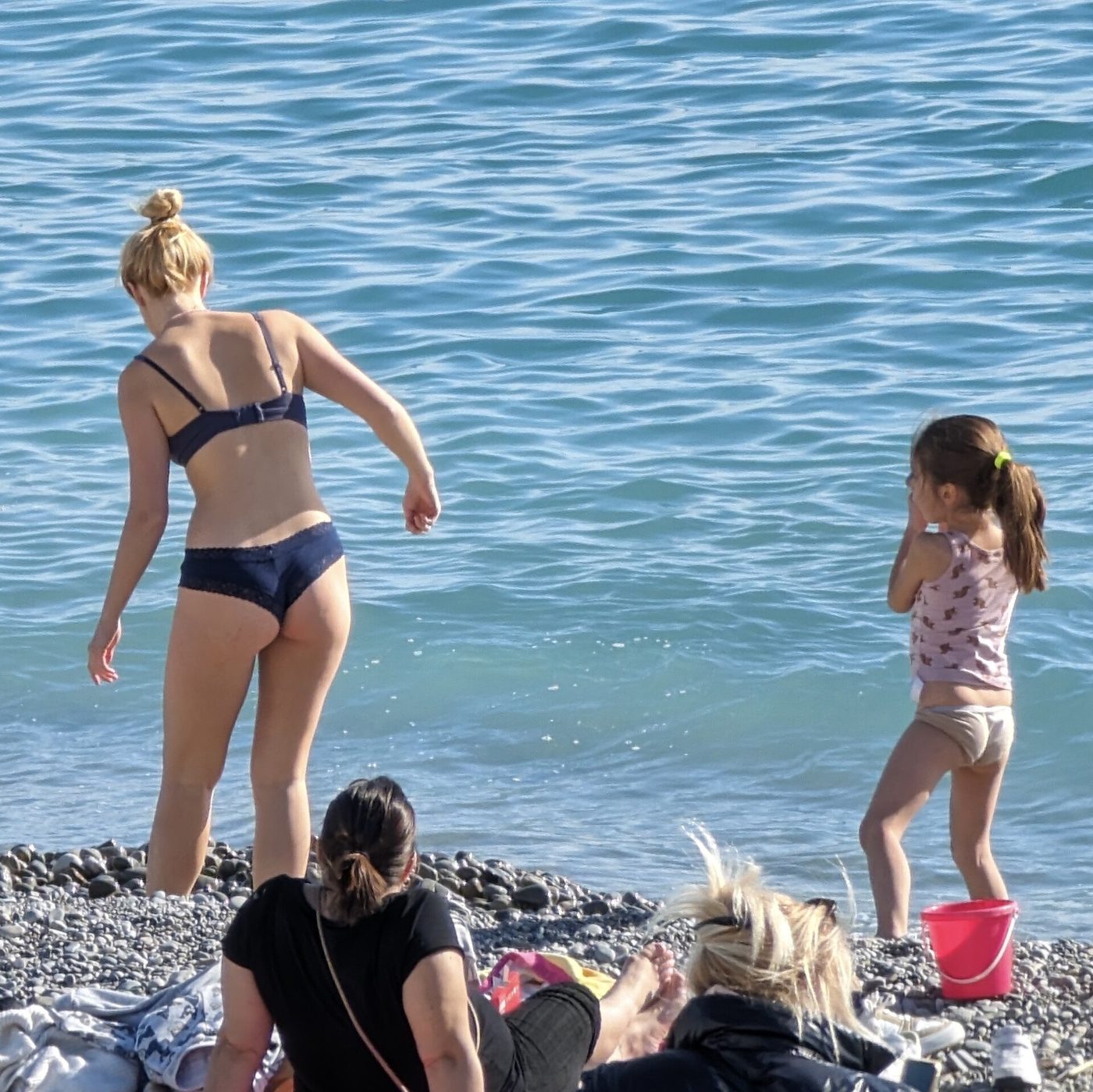
Nice’s beaches are galets: smooth grey and white river stones, some of them the size of a fist. They are not sand and they are never going to be sand. This is the number one source of disappointment among first-time visitors, and it is entirely solvable with two decisions. Buy water shoes, which every pharmacy and beach shop on the Promenade sells for a few euros. And bring a proper mat rather than a towel, because a towel over pebbles is a towel over pebbles.
Once you accept that, the trade is a good one. Pebble means the water is startlingly clear, because there is no sand to churn up, and it means the beach does not blow into your lunch.
The City of Nice lists 23 named public beaches along the Promenade des Anglais and Quai des États-Unis, plus 14 private sub-concessioned beaches and two nautical bases. Seven Nice beaches hold the 2026 Blue Flag: Bambou, Carras, Castel, Forum, Poincaré, Sainte Hélène and Galion. The label is awarded a year at a time and requires excellent bathing-water quality across five tests a season. There are also two adapted beaches with accessible facilities, at Carras (285 Promenade des Anglais) and du Centenaire (1 Promenade des Anglais).
Public or private?
| Public beach | Private concession | |
|---|---|---|
| Cost | Free | Roughly €30 to €35 a day for a sunbed and umbrella in Nice; up to €70 elsewhere on the Riviera in peak season |
| Example rates | Ruhl Plage quotes €32 for a sunbed with umbrella and €125 for a double bed; Castel Plage around €35 full day, €30 half day | |
| What you get | Pebbles, showers, lifeguards in season | A mattress, an umbrella, a waiter, a lavatory you would use |
| Booking | Turn up | Book ahead in July and August, especially at weekends |
| Worth it | Every time if you are swimming for an hour | Once, for a full lazy day, if the budget stretches |
Named concessions include Régence, Les Canailles, Cocoon, La Véla, Hôtel Amour à la Plage, N la Plage at the Negresco, Blue Beach, Le Temps d’un Été, Bocca Mar, Ruhl, Le Galet, Beau Rivage, Opéra and Castel.
Smoking is banned on every public beach in Nice. All of them have carried the “Plage sans tabac” label since summer 2024, with signage at each entrance. Nice got there first: the Plage du Centenaire became France’s first smoke-free beach in 2012, under a convention signed with the Ligue nationale contre le cancer on 20 February that year.
If you want sand
You have to leave the city. Villefranche-sur-Mer has coarse sand rather than pebbles, and Antibes, Juan-les-Pins and Cannes have proper sand. All are reachable by train in under an hour. One correction worth making, because it circulates widely: there is no sandy beach at Èze. Èze-sur-Mer is pebble, exactly like Nice. For a wider view of where the good sand actually is, see our guide to the best beaches in Europe and the best Mediterranean destinations.
Markets and the food you should be eating
Niçois food is its own cuisine, closer to Ligurian than to anything you would call French, and it is cheap. Restaurants carrying the Cuisine Nissarde label serve certified traditional Niçois cooking, which is a useful filter in a city with this many tourist menus.
| Dish | What it actually is | Rough cost | Where |
|---|---|---|---|
| Socca | A wide, thin, unleavened chickpea-flour pancake baked in a wood oven and served scalding, crisp on top, torn into pieces with black pepper | €3 to €6 | Chez Pipo by the port, serving since 1923; Lou Pilha Leva and René Socca in Vieux Nice |
| Pissaladière | A bread-dough tart under slow-cooked onions, anchovies and Niçoise black olives. No cheese, no tomato | By the slice | Any Vieux Nice bakery |
| Pan bagnat | Literally “wet bread”: a round roll soaked in olive oil with tuna or anchovy, raw vegetables and more olive oil. Never contains anything cooked | Sandwich money | Kiosque Tintin in the Libération district |
| Salade niçoise | Raw and preserved ingredients only. See below, because this one matters | Starter to main | Cuisine Nissarde restaurants |
| Petits farcis | Tomatoes, courgettes, aubergines, peppers and onions hollowed out and stuffed with sausage meat, breadcrumbs, garlic, parsley and parmesan. Eaten cold or warm, never hot | Main course | Family restaurants in Vieux Nice |
| Daube niçoise | Slow-braised beef and carrot; often turns up the next day as the sauce for ravioli or gnocchi | Main course | Winter menus |
| Tourte de blettes | Swiss chard pie, made both savoury and sweet. The sweet one adds dried fruit, apple, pine nuts and cheese, dusted with icing sugar | Around €2.50 a slice | Bakeries and market stalls |
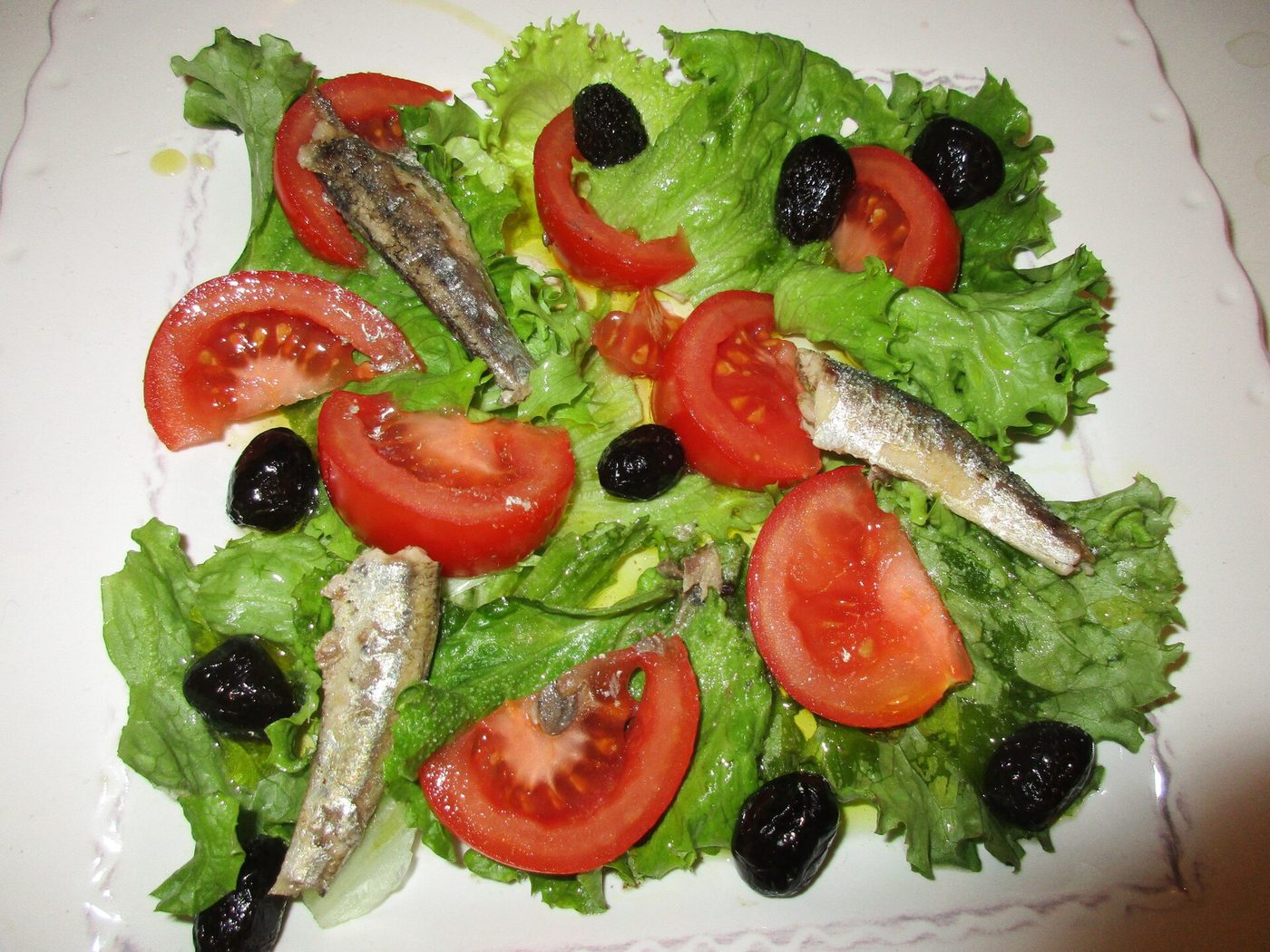
The salade niçoise rule
A real salade niçoise contains no cooked vegetables at all. No boiled potatoes. No blanched green beans. The obligatory ingredients, according to the Cercle de la Capelina d’Or, which has campaigned on this for decades, are tomatoes, cébettes (spring onions), hard-boiled eggs, salted anchovies, Nice black olives and basil. Potatoes appear in no historic Niçois recipe; they arrived via Escoffier, who added both potatoes and beans, and the version he popularised is now what most of the world thinks the dish is. Since 2019 the salad has been covered by a “charte de l’identité niçoise” backed by the city. Order one anywhere with the Cuisine Nissarde label and you will see the difference immediately.
The three markets
| Market | When | Go for |
|---|---|---|
| Cours Saleya flower and produce | Tuesday to Sunday, roughly 06:00 to 13:30; flower stalls until about 17:30, not Sunday afternoons or public holidays | The photographs, the flowers, the socca stands. Not the groceries: it is heavily touristed and prices show it |
| Cours Saleya antiques (brocante) | Monday only, roughly 07:00 to 18:00 | A completely different market that replaces the food stalls. The best reason to be in Vieux Nice on a Monday |
| Marché de la Libération | Tuesday to Sunday, roughly 06:00 to 12:30, closed Monday. The covered Docks de la Riviera section opens daily including Monday, 06:00 to 13:30 | Where people who live here shop. Avenue Malausséna, tram Line 1 to Libération |
There is also a fish market on Place Saint-François in Vieux Nice every morning except Monday, and a summer artisan night market on Cours Saleya from 17 May to 15 September, roughly 18:00 to 00:30. For the wider context of what to eat where in Europe, our European food guide and Italian food by region cover the neighbouring traditions Niçois cooking borrows from.
One practical note that catches people out constantly: most kitchens in Nice close between roughly 15:00 and 19:00. Lunch runs about 12:00 to 14:00, dinner about 19:00 to 21:00. If you land at four in the afternoon and want a proper meal, you will be eating socca, which is not the worst outcome.
Two things that only work at certain times of year
Nice Carnival. France’s biggest carnival and the Riviera’s biggest winter event, running two weeks in February with daytime and illuminated night corsi and the Batailles de Fleurs, the flower battles. The 2026 edition was the 153rd. The 2027 theme is confirmed as Vive l’Amour; dates have been reported as 20 and 27 February 2027 for the main corsi, but the official programme was not published when I checked, so treat those as provisional. The hack worth knowing: anyone in full costume, head to toe, gets free access to the illuminated corsi in the standing pedestrian zones, subject to capacity. Accessories alone do not count, and it does not apply to grandstand seats. Zone A is at Place Masséna, Zone B between Avenue de Verdun and the Promenade, with a Carnival Village on the Promenade du Paillon.
The Train des Merveilles. One of the great European rail days out, climbing from the sea at Nice-Ville up the Roya valley to Tende at 800 metres, through tunnels and spirals on a line that Storm Alex nearly destroyed in 2020 and that has been progressively restored since. The 2026 season ran daily from 1 June to 2 October and weekends through October, departing Nice-Ville at 09:32 and returning from Tende at 12:59, 15:02 and 16:38. Check the current TER timetable before you build a day around it, because this line has been rebuilt in stages. A day pass is €20; a standard TER ticket to Tende is €16.80 adult and €8.40 for children aged 4 to 12. A free guide gives commentary in French and English on board, so refuse anyone selling you a “paid guide service” on the train.
Eleven day trips from Nice without a car
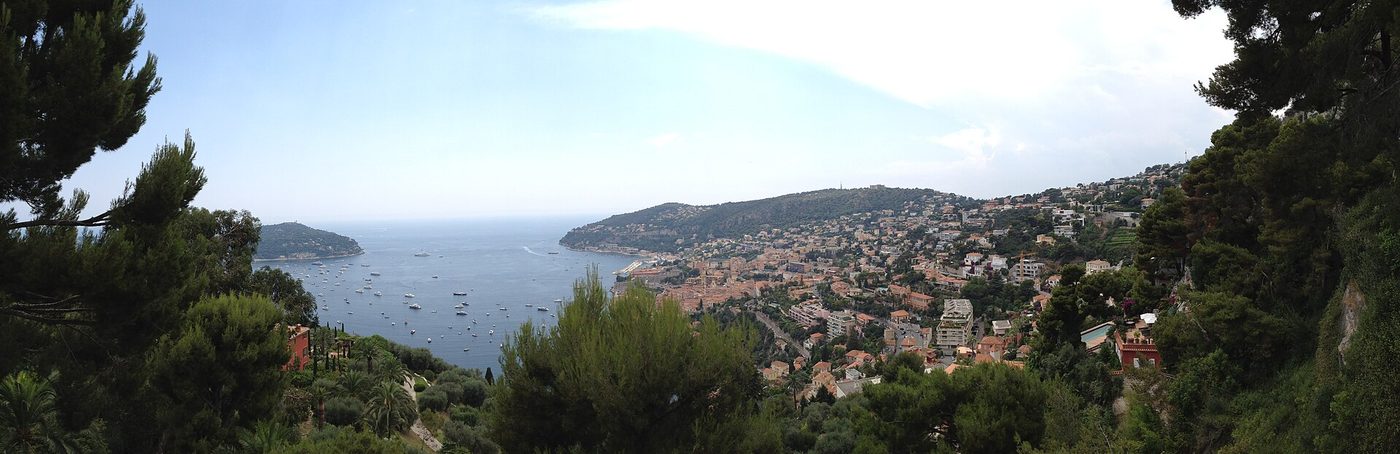
This is the strongest argument for basing yourself in Nice rather than in a prettier, smaller place along the coast. Nice is the transport hub. The coastal railway runs roughly every fifteen minutes at peak, calling at Villefranche-sur-Mer, Beaulieu-sur-Mer, Èze-sur-Mer and Cap d’Ail on the way to Monaco, and continuing east to Menton and the Italian border.
| Destination | How | Journey | Fare guide | Go for |
|---|---|---|---|---|
| Villefranche-sur-Mer | Coastal train | About 7 to 10 min | Local train fare | The prettiest harbour on the coast, and coarse sand rather than pebbles |
| Èze Village | Bus 82 (Lignes d’Azur) or bus 602 (ZOU!, the old 112) | About 30 min | €1.70 on bus 82; €2.20 on bus 602 | The clifftop village and its exotic garden. Go early, it is small and it fills |
| Èze-sur-Mer | Coastal train, then the Nietzsche path or the shuttle up | ~15 min plus a hard climb | Local train fare | Arriving in Èze the way it deserves. Pebble beach, not sand |
| Monaco | Coastal train | About 22 to 25 min, roughly 63 services a day | Around €4 to €7 one way; from about €3.10 a head on a ZOU! mini-group of five | The Oceanographic Museum, the old town, the casino square |
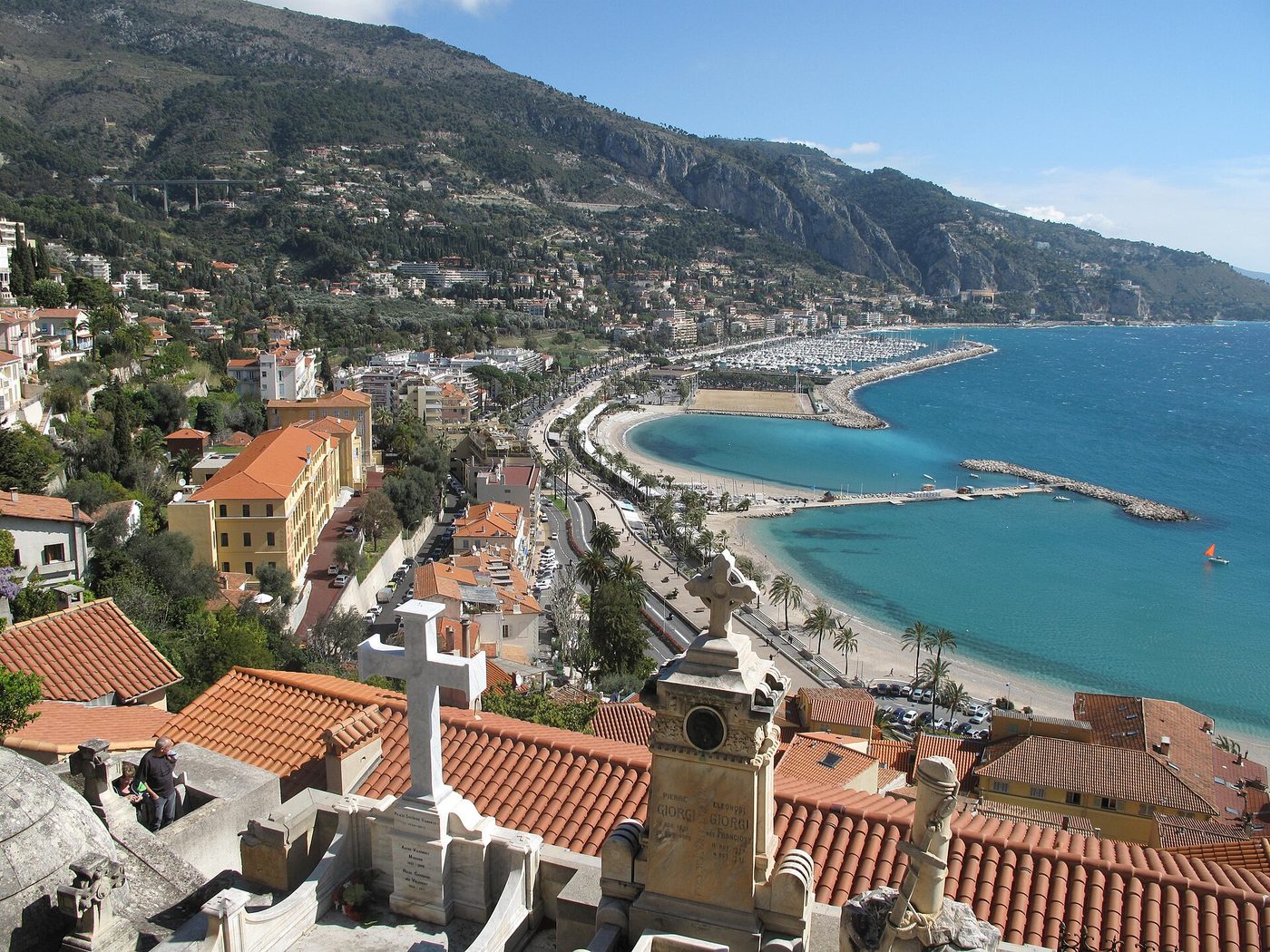
| Menton | Coastal train | Under an hour | €5.40 one way; €3.90 a head on a five-person mini-group | Lemons, gardens, the last French town before Italy |
| Antibes | Train west | About 25 min | €4.90 one way | The Picasso museum, the ramparts, and sand at Juan-les-Pins |
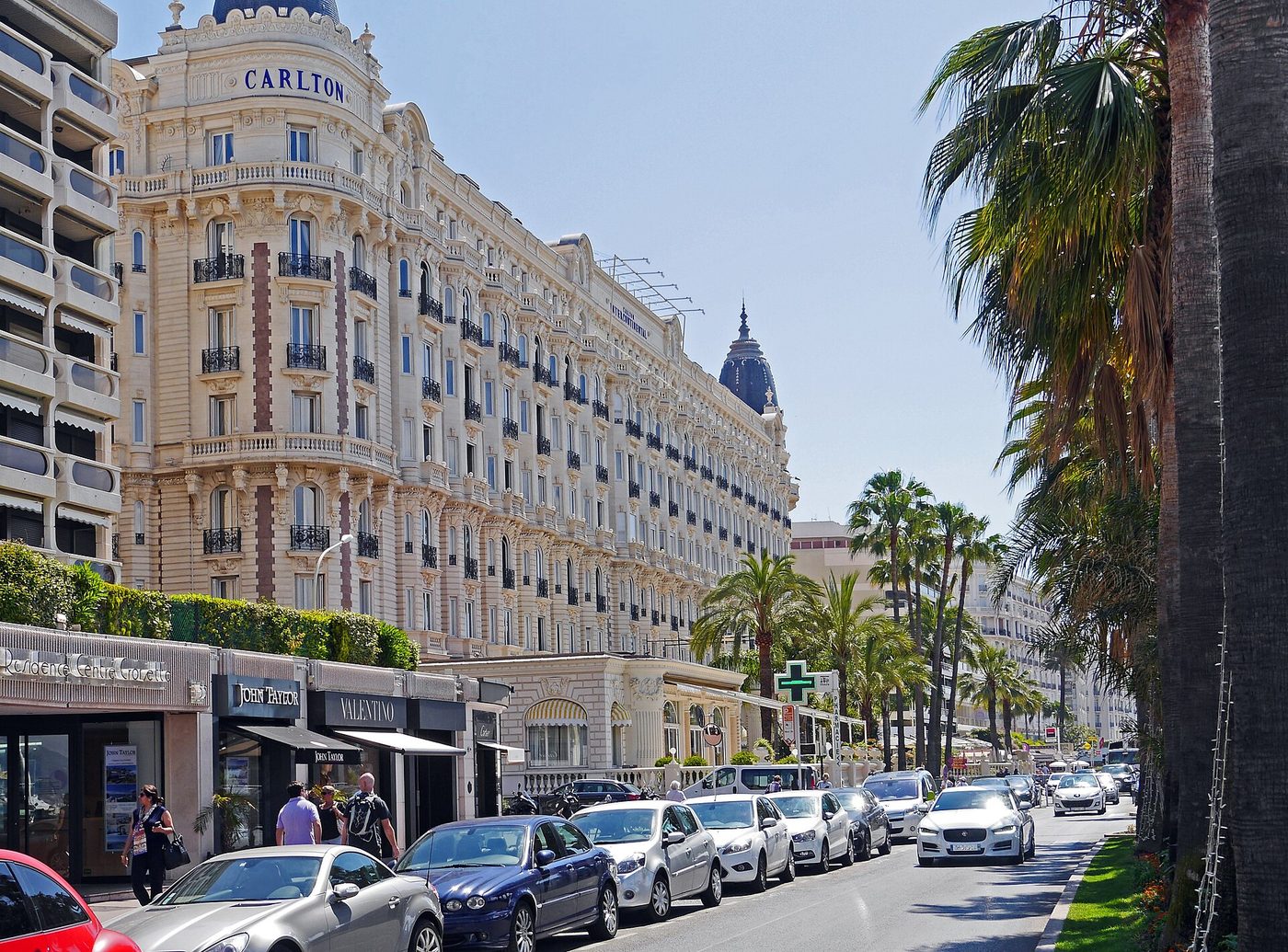
| Cannes | Train west | About 30 to 40 min | Check the current TER fare; Cannes to Antibes is around €3.50 | La Croisette, Le Suquet, the boat to the Îles de Lérins |
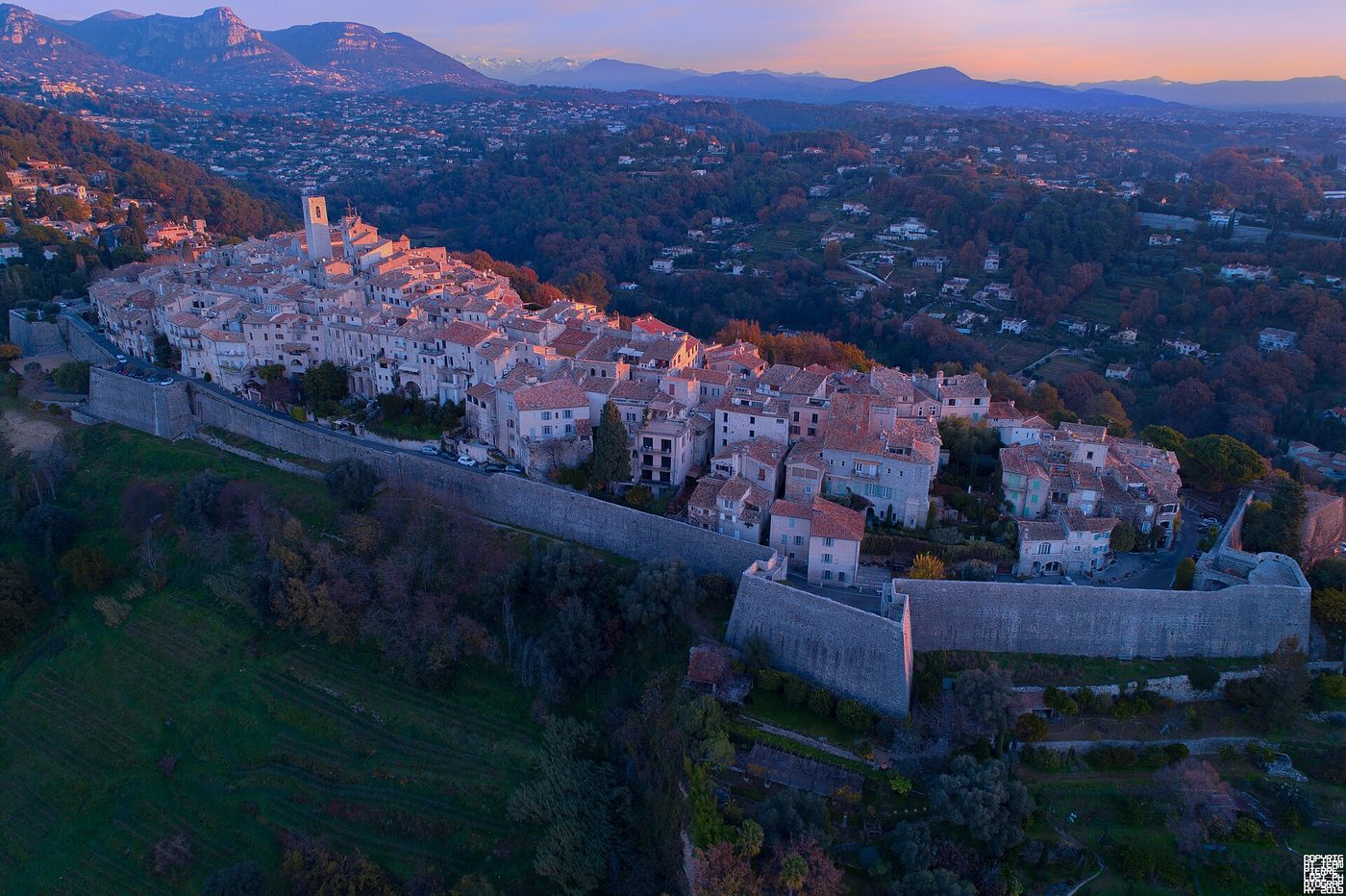
| Saint-Paul-de-Vence | Bus 655 via Cagnes-sur-Mer. The old bus 400 no longer exists | About an hour | €2.20; €4.40 for a three-person mini-group | The Fondation Maeght (€18 adult, €14 reduced, free under 16) and the ramparts walk |
| Saint-Jean-Cap-Ferrat | Train to Beaulieu, then bus or the coastal path | About 12 min by train, plus a bus or a walk | Local train fare | Villa Ephrussi de Rothschild: €18 adult, €12 reduced, daily 10:00 to 19:00, audioguide in nine languages included |
| Beaulieu-sur-Mer | Coastal train | About 12 min | Local train fare | Villa Kérylos, a full-scale Ancient Greek house built in 1902, around €13 |
| Tende and the Roya valley | Train des Merveilles from Nice-Ville | Full day, departs 09:32 | €20 day pass | Mountains, Bronze Age rock carvings, a completely different Alpes-Maritimes |
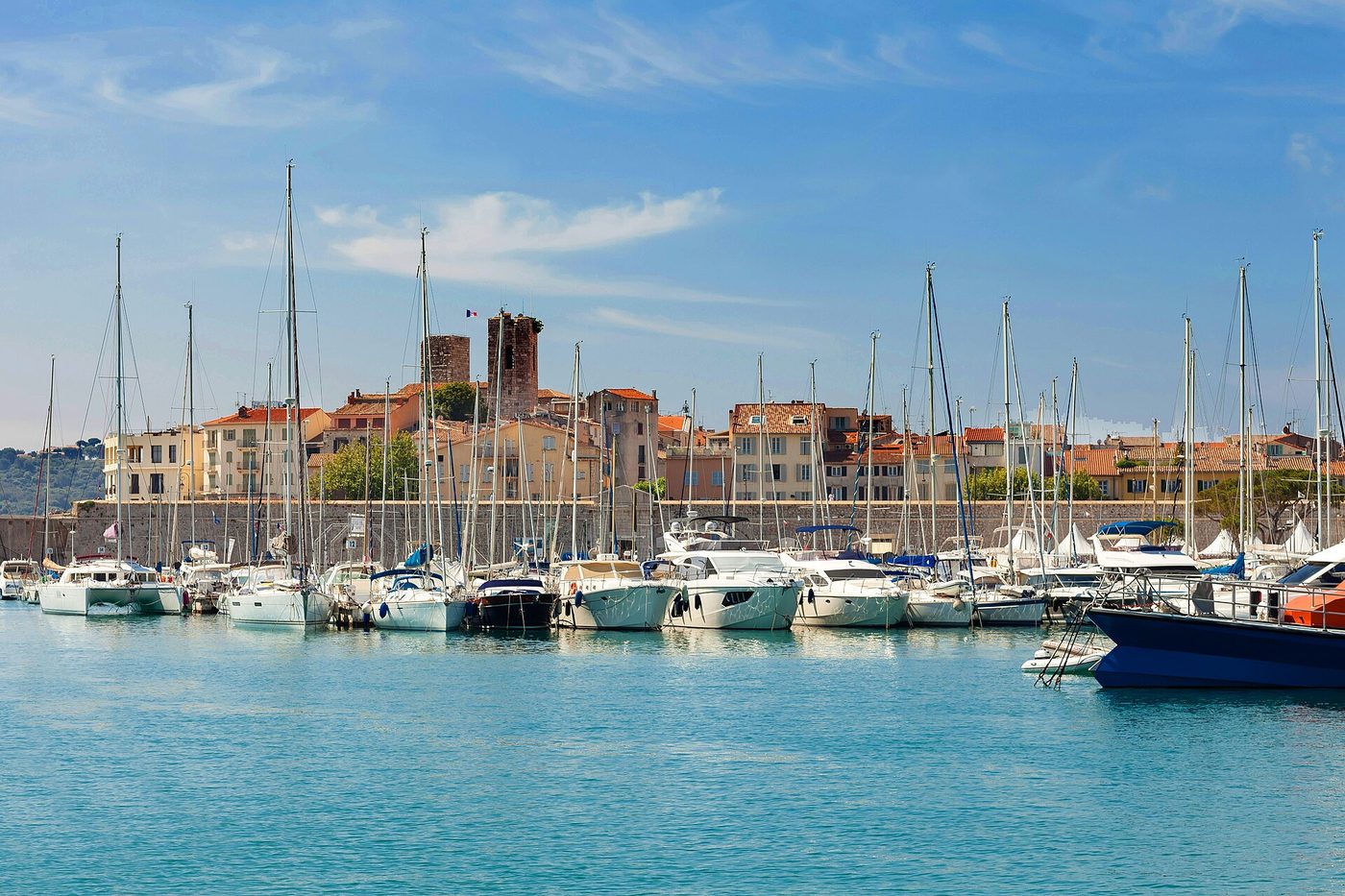
Two fare notes before you go. The ZOU! Mini-Groupe prices quoted in the buses section apply to buses; the regional trains run a separate mini-group scheme, which is where the roughly €3.10 a head to Monaco and €3.90 to Menton come from. And rail fares on this coast move, so treat every figure above as a guide and check at the machine.
The combined ticket worth knowing: Villa Ephrussi de Rothschild and Villa Kérylos sell a joint ticket at €24 full price and €20 reduced (ages 7 to 25). It is sold on site only and is valid for eight days from purchase, so you can do one villa on a Tuesday and the other the following Sunday. Buying them separately costs about €31, so the saving is real but modest.
There is also a regional Pass Sud Azur giving unlimited train, tram and bus travel across the Alpes-Maritimes and Monaco, sold in 3, 7, 14, 30 and 365-day versions. I could not pin down a reliable 2026 price for it, so ask at the counter at Nice-Ville rather than trusting a number you read somewhere. On the same logic, the ZOU! Pass Journée for trains starts from €20 plus €5 per accompanying person for up to eight people, which for a group is often the cheapest way to do a day on the coast.
If you are timing a trip around an event: the Monaco Grand Prix runs Thursday 3 June to Sunday 6 June 2027, with the race at 15:00 CEST on the Sunday, and Cannes hosts its 80th Film Festival from Tuesday 11 May to Saturday 22 May 2027. Both make Nice hotels expensive and both are worth avoiding unless you are going for them specifically.
Where to stay in Nice
| Neighbourhood | Best for | The trade-off |
|---|---|---|
| Vieux Nice | First-timers. You walk out of your door into the good part | Genuinely noisy at night. Ask for a courtyard room and mean it |
| Carré d’Or | The smartest hotels, between Rue de France and Boulevard Victor Hugo | Priciest square in the city, and slightly characterless |
| Promenade des Anglais | Sea views and the grand hotels | You pay a premium for the view and cross a busy road to reach the water |
| Le Port / Riquier | Better restaurants, more locals, quieter evenings | A fifteen-minute walk or a tram ride from the old town |
| Cimiez | Elegant, leafy, next to the Matisse and Chagall museums | Uphill and away from everything else. Better on a second visit |
| Libération / Gambetta / Les Musiciens | Best value. Walkable, residential, next to the market | Not scenic. You are staying in a normal French neighbourhood, which is rather the point |
Where not to stay: the streets immediately around Gare Thiers, which are noisy and grubby, and anywhere out by the airport, which is twenty-five minutes on the tram and has no evening life whatsoever. Our wider guide to where to stay in Europe goes through the same logic city by city.
Best time to visit Nice
The honest answer is late May, or the second half of September. The data behind that contains one surprise.
| Month | Avg high | Avg low | Sea | Rainfall | Verdict |
|---|---|---|---|---|---|
| January | 9.4°C | Coldest month by day, least sunshine of the year at 6h 24min | |||
| February | 9.4°C | 5.5°C | 13.1°C | 10.4 rain days | Coldest sea and coldest nights, but Carnival and the Menton lemon festival |
| March | 11.7°C | 7.6°C | 13.4°C | Warming up, sea still unswimmable | |
| April | Gardens at their best, prices still reasonable | ||||
| May | 16 rain days, the most of any month | Lovely, but the wettest month by frequency. Pack a jacket | |||
| June | 21.6°C | 17.0°C | 21.8°C | Sunniest month: 12h of sunshine, 15h 24min of daylight | |
| July | 24.3°C | 19.6°C | Hot, crowded, expensive | ||
| August | 24.8°C | 20.0°C | 23.7°C | 30mm, the driest month | Warmest air and warmest sea, worst crowds, real heatwave risk |
| September | 21.3°C | 16.9°C | 22.3°C | 36mm | The best month. The sea is warmer than in June and the crowds have gone |
| October | 10.4 rain days | Still swimmable early on, and quiet | |||
| November | 13.7°C | 9.8°C | 17.4°C | 125mm across 12.7 days, the wettest month | The month to avoid |
| December | 10.5°C | 7.1°C | 9.6 rain days, the fewest | Mild, dry, cheap, and the lights are up |
The surprise is September. The sea holds its heat for weeks after the air starts cooling, so the water in September averages 22.3°C against 21.8°C in June. September is warmer for swimming than June, cheaper than August, and quieter than both. The wet season is later than most people assume, too: November is the wettest month, with rainfall climbing from 36mm in September to 125mm in November. Across the year Nice gets 639mm over roughly 149 rain days, and 1.6 snow days.
Two more numbers worth holding onto. The UV index peaks at 6 from June to August, which is high enough to burn on a cloudy day by the water. And the heat is not theoretical: Alpes-Maritimes was under orange heatwave vigilance from 30 July 2026 and still was in mid-August. If you are travelling with small children in high summer, plan mornings and evenings outdoors and write off the middle of the day. Our guides to the best time to visit Europe and the best places to visit in Europe in summer apply the same seasonal logic across the continent.
What Nice costs in 2026
Nice is not a budget destination, but it is a lot cheaper than its reputation if you stay off the seafront for meals. The figures below are indicative market averages rather than official statistics, so treat them as ranges.
| Item | Typical 2026 cost |
|---|---|
| 3-star hotel, per night | Around €98 average, nearer €120 for a double in high season |
| 4-star hotel, per night | Around €118 |
| 5-star hotel, per night | Around €236 average, up to about €600 for a standard double in high season |
| The landmark hotels | Le Negresco and Hôtel La Pérouse run well into the high hundreds a night in summer, and roughly half that in autumn |
| Realistic floor for a central hotel | Do not expect to pay under €100 a night in the centre |
| Mid-range restaurant meal | €20 to €30 a head; the plat du jour at lunch is typically around €20 |
| Upscale restaurant | €40 to €60+ a head with wine |
| Espresso / cappuccino | About €2.40 / €3.40 |
| Draught beer | About €7 in a local bar, €10 to €12 at a beach club or seafront terrace |
| Socca | €3 to €6 |
| Eating well, per day | €60 to €90 |
| Tram single / 1-day pass / 7-day pass | €1.70 / €7 / €20 |
| Pass Musées, 4 days | €15 |
| Private beach sunbed | €30 to €35 |
I have deliberately not given you a single “cost of a week in Nice” figure, because the honest range is so wide that the number would be useless. Build it from the rows above: a couple staying in a 3-star, eating one restaurant meal a day, buying carnets and one museum pass each, lands in a very different place from a couple at the Negresco with a daily sunbed. If you are travelling on a tight budget, our Europe on a budget guide and the list of cheapest places to travel in Europe will tell you honestly where Nice sits.
Tourist tax, and what it adds to your bill
The Métropole Nice Côte d’Azur charges a taxe de séjour per adult per night, on top of your room rate, collected at checkout. It includes a 34% departmental additional tax that funds the new Provence Côte d’Azur rail line. Rates took effect on 1 January 2026 and are unchanged from 2025. Under-18s are exempt.
| Accommodation type | Base | Additional | Total per adult per night |
|---|---|---|---|
| Palaces | €4.80 | €1.63 | €6.43 |
| 5-star hotels, residences, furnished lets | €3.50 | €1.19 | €4.69 |
| 4-star | €2.60 | €0.88 | €3.48 |
| 3-star | €1.70 | €0.58 | €2.28 |
| 2-star, and 4/5-star holiday villages | €1.00 | €0.34 | €1.34 |
| 1-star, 1-3-star holiday villages, B&Bs, hostels | €0.80 | €0.27 | €1.07 |
| 3-5-star campsites, motorhome pitches | €0.60 | €0.20 | €0.80 |
| 1-2-star campsites, marinas | €0.20 | €0.07 | €0.27 |
| Unclassified (most short lets, unrated hotels) | 6.70% of the pre-tax nightly cost per person | Capped at €6.43 | |
That last row is the one that catches people. The official worked example: two people in an unclassified let at €80 a night excluding tax means €40 per person, 6.70% of which is €2.68 each, so €5.36 a night on the room. Two adults in a 4-star for five nights pay €34.80 in tax. Two adults in a palace for five nights pay €64.30. Small money against a hotel bill, but it is almost never included in the price you booked.
Entry rules and paperwork in 2026
This changed in 2026, so check the date on anything you read about it.
EES is live. The EU Entry/Exit System became fully operational on 10 April 2026, after a progressive rollout that began on 12 October 2025 across 29 European countries. It has replaced passport stamping. On your first entry as a non-EU visitor you register fingerprints and a facial image at the border, and the system tracks overstays automatically. More than 45 million crossings have been registered, and a formal review is scheduled for 6 September 2026. At Nice airport in July this means longer queues at peak arrival times. Build in the extra half hour.
ETIAS is not live, and has no launch date. The EU removed the Q4 2026 target from the official ETIAS page in mid-July 2026 after eu-LISA concluded a 2026 launch was not feasible. A revised timeline is expected after eu-LISA’s September 2026 board meeting, and independent reporting points to 2027. The official position is that a start date will be announced several months in advance. So: you do not need an ETIAS to visit France right now, and there is nothing to apply for. Our Schengen visa and ETIAS guide tracks this and is updated when the position moves.
Three itineraries
Three days in Nice
Day 1. Vieux Nice in the morning, starting at Cours Saleya before 11:00 (or the brocante if it is a Monday). Socca for lunch. Castle Hill in the late afternoon for the view, then Place Masséna after dark.
Day 2. Tram Line 1 north, then the bus up to Cimiez. Chagall at opening, walk up to Matisse, add the Archéologie museum and the arena for €5, then the monastery gardens. Back down for a swim off a public beach and dinner in Le Port.
Day 3. Coastal train east. Villefranche for the harbour and the sand, on to Èze-sur-Mer and up to the village if your legs are willing, or straight to Monaco. Home in time for a last walk on the Promenade.
Five days
The three above, plus a full day in Antibes and Juan-les-Pins (Picasso museum, ramparts, actual sand), and a day given to Saint-Paul-de-Vence on bus 655 with the Fondation Maeght, returning via Saint-Jean-Cap-Ferrat for the Villa Ephrussi if you have the stamina.
A week
Add Menton and its gardens, and give one whole day to the Train des Merveilles up the Roya valley, which is the single most memorable thing you can do from Nice and which almost no one does. Keep one day completely empty: a private beach, a long lunch, no museums. If you are stitching Nice into something longer, see our Europe itinerary planner, the western Europe itinerary, and the France itinerary for a one-week national loop.
Nice by traveller type
| If you are | Stay | Prioritise | Skip |
|---|---|---|---|
| A first-timer with 3 days | Vieux Nice, courtyard room | Castle Hill, Cours Saleya, Chagall, one coastal train ride | Trying to fit Cannes in as well |
| A couple on a special trip | Carré d’Or or the Promenade | Villa Ephrussi, a private beach day, dinner in Le Port | August. Go in late September |
| A family with young children | Libération, for space and a kitchen | The Paillon mist fountain, the adapted beaches, the Train des Merveilles | Museum-heavy days. Under-18s are free, but attention spans are not |
| Travelling on a budget | Libération or Les Musiciens | The eight free things, single tickets rather than passes, market lunches | Seafront restaurants and anything sold as a tourist package |
| Solo | Vieux Nice or Le Port | Walking the Sentier du Littoral, market breakfasts, day trips by rail | Nothing. Nice is an easy solo city |
| Travelling with reduced mobility | Promenade des Anglais, flat and paved | The two adapted beaches at Carras and du Centenaire; the tram, which is level-boarding | Vieux Nice’s cobbles, Èze village, and Castle Hill on foot. The lifts are free and they work |
| Coming for the food | Le Port or Libération | Cuisine Nissarde restaurants, Marché de la Libération, Chez Pipo | Cours Saleya restaurant terraces |
| Here in winter | Anywhere, it is cheap | Carnival, the Menton lemon festival, museums, December’s dry days | Swimming. The sea is 13.1°C in February |
If Nice is not quite right, try these instead
| If Nice is too… | Go to | Because |
|---|---|---|
| Big and urban | Menton or Villefranche-sur-Mer | Same coast, same trains, a fifth of the size |
| Stony underfoot | Antibes and Juan-les-Pins | Sand, 25 minutes west by train |
| Expensive in summer | Nice in late September or December | Half the July rate for better swimming; December is cheapest of all |
| Coastal, when you wanted mountains | Tende and the Roya valley | Reachable on a €20 day pass from Nice-Ville |
| French, when you wanted Italian | Ventimiglia, or Nice’s own old town | The Italian border is about 15 miles away and Vieux Nice was Italian until 1860 |
| Busy, when you wanted rural | Provence, inland | See our Provence travel guide |
Mistakes I see people make in Nice
Buying the €10 Aéro ticket without checking. It is return-only. If you are leaving by train, or flying home from another airport, you have paid €10 for a €1.70 journey.
Planning a day around MAMAC. Closed since January 2024, with no reopening date.
Expecting sand. Buy water shoes on day one. They cost a few euros and they change the holiday.
Shopping at Cours Saleya. Photograph it, eat socca there, then buy your actual food at the Marché de la Libération where the prices are normal.
Turning up hungry at 16:30. Kitchens close between roughly 15:00 and 19:00. Plan lunch for 12:30 or accept a bakery.
Renting a car for a city stay. It will cost you money and a parking space you will not find.
Looking for bus 400 to Saint-Paul-de-Vence. It is 655 now, and the 112 to Èze is 602.
Leaving a bag on the back of a chair. Violent crime in Nice is low; pickpocketing and bag-snatching are the real risk, concentrated on the Promenade, in Vieux Nice, at the markets, on the beaches and on public transport. When eating outside, loop the strap under your leg. Locals also advise against wandering west of the airport late at night.
Assuming you need an ETIAS. You do not, as of August 2026.
Booking a cruise stop expecting to dock in Nice. The metropolis now allows ships of up to 2,500 passengers to disembark at Villefranche-sur-Mer only, one vessel at a time, capped at roughly 65 calls a year.
The practical things nobody puts in a guide
Tipping. Service is included by law in French restaurant prices, so there is no obligation. Rounding up, or leaving a couple of euros on a good lunch and five to ten on a proper dinner, is normal and appreciated. Nothing bad happens if you leave nothing.
Sundays and Mondays. These are the two days that quietly break itineraries. Almost every municipal museum closes on Tuesday, which people do plan for. Fewer people plan for Monday, when the Marché de la Libération and the Place Saint-François fish market are shut and Cours Saleya turns into an antiques market instead of a food one. On Sundays the flower stalls at Cours Saleya close in the afternoon, along with a lot of ordinary shops. Build a Monday around the brocante, Castle Hill and a museum, and you will not notice.
Monaco is a different country. It is not part of the EU, though it uses the euro and there is no border check on the train. Its own rules apply once you step off at Monaco-Monte-Carlo, including a dress code at the Casino de Monte-Carlo and a general intolerance of beachwear away from the beach.
The Menton lemon festival. The Fête du Citron runs in Menton every February and is exactly what it sounds like: enormous sculptures built from citrus fruit, plus parades. The 2027 edition runs 13 to 28 February on the theme “Douce France”, which overlaps with Nice Carnival, so a single February trip can take in both. Menton is under an hour east by train.
Evenings. Nice is a going-out city rather than a clubbing one. The bars in Vieux Nice around Rue Droite and Place Rossetti fill from about nine, the Port has the better wine bars and a slightly older crowd, and the Promenade du Paillon is where families and teenagers spend warm evenings. Nothing much starts before ten and the tram stops running around midnight, or a little after one on summer weekends, which is worth knowing before you plan a late night in Cimiez.
Water and heat. Tap water is safe and free, public fountains along the Promenade and in the Paillon park are refillable, and in a July heatwave you will want two litres a day. The UV index hits 6 from June to August and the reflected light off pale pebbles is worse than it looks.
Frequently asked questions about visiting Nice, France
Is Nice, France worth visiting?
Yes, and more so than its neighbours if you want a place that functions as a city rather than a resort. You get a UNESCO-inscribed centre, two first-rank museums, a genuine regional cuisine, a swimmable sea from June to October, and eleven day trips reachable by train or bus. The caveats are that the beaches are pebble and July and August are hot and crowded.
How many days do you need in Nice?
Three to four days covers the city properly. A week lets you add Monaco, Menton, Èze, Antibes and Saint-Paul-de-Vence without rushing, and still leaves a day for doing nothing.
What is Nice known for?
The Promenade des Anglais, the Belle Époque architecture that earned the city its 2021 UNESCO inscription, the pebble beaches of the Baie des Anges, the Matisse and Chagall museums, socca and salade niçoise, and February’s Carnival.
Is Nice walkable?
Very. Vieux Nice, the Promenade, Cours Saleya, Place Masséna and Castle Hill are all within about twenty minutes of one another on foot. You will only need the tram for the airport and for Cimiez.
Do you need a car in Nice?
No, and you should actively avoid one. Parking is limited, the streets are narrow and one-way, and every day trip in this guide is reachable by train or bus. Hire a car for a single day only if you want the inland hill villages.
Is Nice safe for tourists?
Yes, with the usual city caveat. Violent crime is low. Pickpocketing and bag-snatching are common on the Promenade, in Vieux Nice, at the markets and on public transport. Keep bags closed and in front of you, and looped under your leg when you eat outside.
Are the beaches in Nice sandy?
No. They are pebble, and always have been. Water shoes solve most of the problem. For sand, take the train to Antibes, Juan-les-Pins or Cannes.
What is the best area to stay in Nice for a first visit?
Vieux Nice, for the location, with a courtyard-facing room because the old town is loud after midnight. Libération is the best-value alternative and Carré d’Or the smartest.
What is the best time of year to visit Nice?
Late May or the second half of September. September has the stronger case: the sea averages 22.3°C, warmer than June’s 21.8°C, and the August crowds have gone. Avoid November, the wettest month at 125mm.
Is Nice expensive?
Moderately. A central 3-star averages around €98 a night, a mid-range meal €20 to €30, a coffee about €2.40 and a tram trip €1.70. The seafront is where the money goes: a beer costs about €7 in a local bar and €10 to €12 at a beach club.
What food is Nice famous for?
Socca above all, plus pissaladière, pan bagnat, petits farcis, daube niçoise, tourte de blettes and the real salade niçoise, which contains no cooked vegetables. Look for the Cuisine Nissarde label.
How do you get from Nice airport to the city centre?
Tram Line 2, about 25 minutes to Jean Médecin, roughly every eight minutes on weekdays. Either buy the €10 return-only Aéro ticket, or ride one free stop to Grand Arénas and buy a €1.70 single there.
What day trips can you do from Nice without a car?
Villefranche-sur-Mer, Beaulieu-sur-Mer, Èze, Monaco, Menton, Antibes, Cannes, Saint-Jean-Cap-Ferrat, Saint-Paul-de-Vence and Tende on the Train des Merveilles. All by train or bus.
Is Nice better than Cannes?
For a stay of more than one night, yes. Nice has the museums, the old town, the food culture, the transport links and the range of hotel prices. Cannes is a good afternoon and an expensive week.
Final thoughts
What keeps me coming back to Nice is that it is not curated. There are hill villages along this coast that are prettier per square metre, and there is a stretch of Monaco where the money is more concentrated than anywhere in Europe, and neither of them has a Tuesday-morning fish market or a bus that costs €1.70 to a clifftop. Nice has both, plus the museums, plus a sea that stays warm into October.
Go in September if you possibly can. Buy single tickets unless you are genuinely riding five times a day. Eat the socca standing up, at the counter, before it cools. And spend the last hour of a day up on Castle Hill, which costs nothing, and from which the entire argument for this city is visible at once.
Nice sits inside a wider silo of French coverage: our France travel guide is the hub, and it links out to the best places to visit in France, things to do in Paris, the 3-day Paris itinerary, the Loire Valley, and the best time to visit France. For the wider continent, start with the best places to visit in Europe, how to plan a trip to Europe, getting around Europe, European city breaks, the most beautiful places in Europe, Europe travel tips, the Europe packing list, the best cities to visit in Europe, Europe with kids, solo travel in Europe, the Europe honeymoon guide, underrated places in Europe, and the most beautiful towns in Europe. If you are heading over the border afterwards, our Italy travel guide and Spain travel guide pick up where this one stops.
Hannah Brooks has spent fifteen years travelling, living and writing across Europe, from the Arctic tip of Norway to the south of Sicily. She has planned hundreds of European itineraries for readers and is Senior Europe Editor at EuropeanTourism.org.
Photo credits
All images are used under their stated licences. Credits in order of appearance:
- Nice France travel guide: the Promenade des Anglais and the pebble shore of the Baie des Anges · Photo: Lspigon / Public domain (via Wikimedia Commons)
- The ochre arcades of Place Massena in Nice, where the tram lines cross the square · Photo: Tiia Monto / CC BY-SA 4.0 (via Wikimedia Commons)
- The fountain and cafe terraces on Place Rossetti in Vieux Nice · Photo: Marco Assini / CC BY-SA 2.0 (via Wikimedia Commons)
- The illuminated fountains of Place Massena in Nice after dark · Photo: Alexandre Bucquet / CC BY-SA 3.0 (via Wikimedia Commons)
- Painted vaulting inside the Russian Orthodox Cathedrale Saint-Nicolas in Nice · Photo: Amin / CC BY-SA 4.0 (via Wikimedia Commons)
- Swimmers on the pebble beach below the Promenade des Anglais in Nice · Photo: Spielvogel / CC BY-SA 4.0 (via Wikimedia Commons)
- Cafe awnings and market stalls along the Cours Saleya in Nice · Photo: Zairon / CC BY-SA 4.0 (via Wikimedia Commons)
- A salade nicoise of tomatoes, anchovies, olives and lettuce · Photo: Arnaud 25 / CC BY-SA 4.0 (via Wikimedia Commons)
- The waterfront houses of Villefranche-sur-Mer, the first stop east of Nice on the coastal railway · Photo: mphb45 / CC BY 3.0 via Wikimedia Commons
- The ramparts and old town of Antibes above the Mediterranean, a day trip west of Nice · Photo: Новиков Евгений Александрович / CC BY-SA 4.0 via Wikimedia Commons
- Yachts moored in Port Lympia below the hills east of Nice · Photo: Sudzie / CC BY-SA 4.0 (via Wikimedia Commons)
- The palm-lined Boulevard de la Croisette and beachfront at Cannes · Photo: hpgruesen (CC0) via Wikimedia Commons
- A narrow stone lane inside the walled village of Saint-Paul-de-Vence · Photo: Jean-Pierre Lozi / CC BY-SA 4.0 via Wikimedia Commons
- The pastel old town of Menton above its harbour near the Italian border · Photo: Tangopaso (CC0) via Wikimedia Commons