France Itinerary: 8 Perfect Routes for One Week in 2026

The first France itinerary I ever wrote for a reader was a disaster. Seven days, five towns, a hire car collected at Charles de Gaulle at eight in the morning after an overnight flight, and a plan that had them driving from the Loire to Provence on day four. They did it. They also told me afterwards that their clearest memory of France was a service station near Beaune.
I have written a few hundred of these since, and the single biggest improvement to almost every one of them was subtraction. So this is a France itinerary guide built around a rule I now apply without apology: two bases in seven days, three only if the trains do the work for you.
The short answer
A good one-week France itinerary uses two bases and one train. Give Paris three nights, then take a single TGV to Avignon, Nice, Strasbourg or Bordeaux and stay put for four. Book the train four months out, pay around ten to fifteen pounds instead of a hundred and forty, and spend the days you saved actually being somewhere rather than getting there.
Below are eight full itineraries built that way, with verified 2026 train times and fares for every leg, current ticket prices for every major site, and the things that changed in France this year. If you only take one number away, make it this one: the Paris to Nice fare is roughly €140 walk-up on the day and from about €25 if you book as soon as tickets go on sale. Nothing else you decide about this trip will save you more.
How many days do you need in France?
France is 550,000 square kilometres and it is not shy about it. Paris to Nice is 687 km, which the fastest train covers in 5h42m and the average one in 6h56m. That is not a day trip, and treating it as a “hop” is how people end up with the service-station memory.
The honest arithmetic on a seven-night trip runs like this. Your arrival day is not a full day, because you land, queue at the border, ride into town and want a shower. Your departure day is not a day either. So seven nights gives you roughly five and a half usable days. Every base change costs you a morning: checkout, transfer, check-in, orientation. Two bases means one lost morning and about five usable days. Three bases means two lost mornings and about four and a half.
Ten days is where France starts to open up, because a third base stops feeling like a tax. Fourteen days is where you can do a genuine loop, or two regions properly with a city at each end. Anything under five nights and I would stay in one place, no exceptions, and I would probably make that place Paris.
If you are still deciding between countries rather than regions, our Europe itinerary planner covers the multi-country version of this same maths, and the France travel guide is the parent to everything below.
All 8 France itinerary routes at a glance
Every route here is seven nights. Every intercity train leg named in them was checked on 15 August 2026 and appears with its time and cheapest advance fare in the rail table further down. Pick the row that matches how you actually like to travel, not the one with the most pins on the map.
| Itinerary | Bases and nights | Intercity moves | Hire car needed? | Best months | Who it suits |
|---|---|---|---|---|---|
| 1. Paris, the Loire Valley and Normandy | Paris 3, Tours 2, Bayeux 2 | Two | Two days, in the Loire only | April to June, September, October | First-timers who want the postcard version done properly |
| 2. Paris and Provence | Paris 3, Avignon 4 | One | Optional, two days for the Luberon | May, June, September, early October | Anyone who wants a city, then a slow and hot food-led base |
| 3. Paris and the French Riviera | Paris 3, Nice 4 | One | None at all | Late May, June, September | People who hate logistics and want a sea at the end of it |
| 4. Lyon, Marseille and Nice | Lyon 2, Marseille 3, Nice 2 | Two | None, though a day in the Luberon rewards one | May, June, September, October | Repeat visitors who have done Paris and want to eat better |
| 5. Paris, Strasbourg and Colmar | Paris 3, Strasbourg 2, Colmar 2 | Two | Optional, one day for the wine route | May, June, September, late November for the markets | Half-timbered towns, riesling and Christmas markets |
| 6. Paris, Bordeaux and the Dordogne | Paris 2, Bordeaux 3, Sarlat 2 | Two | Two days, for the Dordogne valley | May, June, September, October | Wine drinkers, and anyone who thinks a week of Paris is too much Paris |
| 7. Paris, Saint-Malo and Mont-Saint-Michel | Paris 2, Saint-Malo 3, Rennes 2 | Two | One day, for Mont-Saint-Michel | June, July, September | Families, walkers, and people who like their coast cold and dramatic |
| 8. Paris, and only Paris | Paris 7 | None, you never move | None, and do not even think about it | Any month at all, and February is a bargain | Repeat visitors, art people, and anyone travelling with a toddler |
Route 1: Paris, the Loire Valley and Normandy
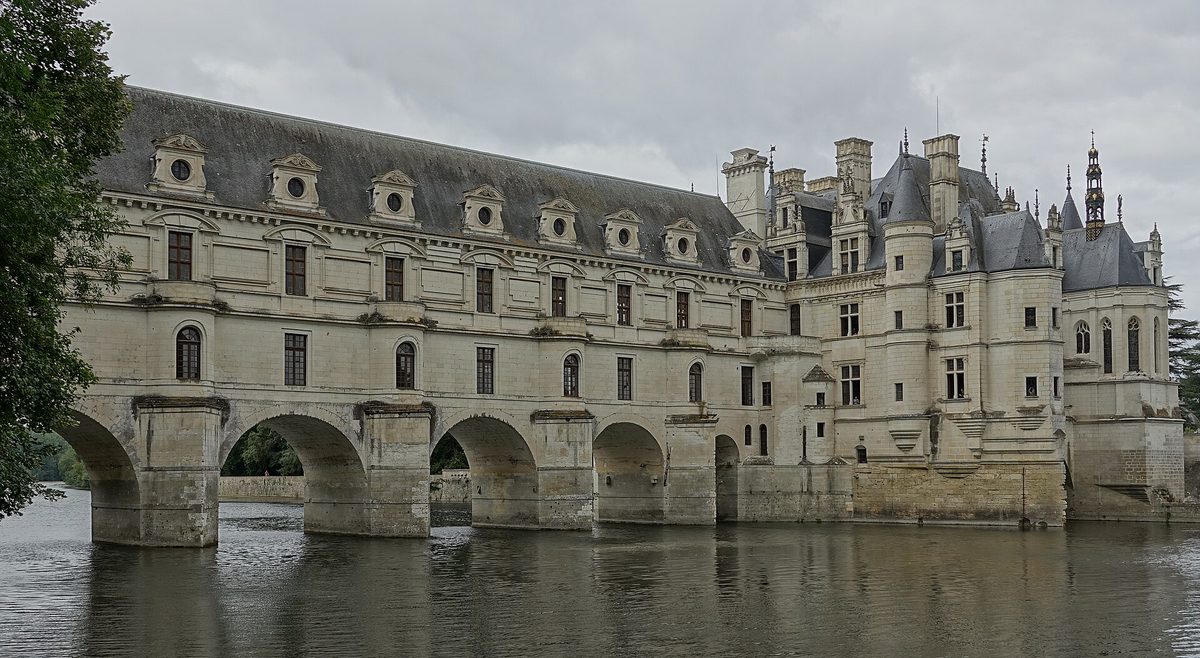
This is the week most people picture when they picture France, and it earns its reputation. Three nights in Paris, two in the Loire, two in Normandy. It is the only route here with two intercity moves that I would still call relaxed, because the first leg is 1h17m and the second, though it routes back through Paris, ends somewhere small.
Days 1 to 3, Paris. Land, get into town, and do nothing ambitious on the first afternoon. Day two is your museum day: the Louvre or the Musee d’Orsay, not both, and check the day of the week first because the Louvre closes on Tuesdays and the Orsay on Mondays. Day three is Versailles in the morning and the Marais in the afternoon, or the reverse. Our guide to things to do in Paris goes deeper than I can here, and if you want the hour-by-hour version there is a full 3-day Paris itinerary.
Day 4, to the Loire. Paris to Tours takes 1h17m at its fastest, from Montparnasse, usually changing at Saint-Pierre-des-Corps, with about twenty trains a day and advance fares from around £11.67. There are also direct Intercites from Paris Austerlitz that take about 2h17m and land you in Tours itself, which some people prefer for the lack of faff. Pick up a hire car in Tours that afternoon.
Day 5, chateaux. Two is the right number. Chenonceau is €19, or €24 with the audioguide, and it photographs the way you hope. Villandry is €14 for the chateau and gardens, and the gardens are the point. Chambord is the biggest and the most expensive at €21 for EEA visitors and €31 for everyone else, plus €8 to park, so decide whether you want scale or intimacy. I would take Chenonceau and Villandry and skip Chambord unless you have a child who needs a castle to look like a castle. The Loire Valley guide has the full run.
Day 6, to Normandy. The part worth planning for: the Loire to Normandy hop realistically goes back through Paris. Drop the car in Tours, train to Paris, cross to Saint-Lazare, then Paris to Caen in 1h54m at its fastest with about twenty-one trains a day, fifteen of them direct, from around £23.89. Caen to Bayeux is a fifteen-minute TER with roughly twenty-seven a day, first at 05:53 and last at 22:20. It is a travel day. Accept that and book somewhere in Bayeux with a decent dinner.
Day 7, the D-Day coast. The Normandy American Cemetery at Colleville-sur-Mer is free and open daily, 9,387 graves on the bluff above Omaha Beach, and it will take you longer than you planned. The Memorial de Caen is €20.80, or €53 for a family, and it is the best museum on the subject in France. One thing to know for 2026: the Bayeux Tapestry museum has been closed since 1 September 2025 for a €38m renovation and is not due to reopen until October 2027, and the tapestry itself is on loan to the British Museum in London from September 2026 to July 2027, so plans built around seeing it need rewriting. The Normandy travel guide covers what to do instead.
The honest verdict. Two moves in seven nights is at my limit, and this route only works because both legs are short and the Normandy leg lands you somewhere small. If you want to cut it back, drop the Loire and give Normandy four nights.
Route 2: Paris and Provence

My favourite of the eight, and the one I recommend most often. One train, two completely different countries, no hire car unless you want one.
Days 1 to 3, Paris. Exactly as Route 1. Museum, neighbourhood, Versailles, in whichever order suits your weather.
Day 4, to Avignon. Paris Gare de Lyon to Avignon is 2h37m at its fastest, about twenty-seven trains a day, advance fares from around £14.40. Note the average journey time is 3h59m, which tells you how wide the spread is between the direct TGVs and everything else. Book a direct one.
Day 5, Avignon. The Palais des Papes is €16, or €19.50 combined with the Pont d’Avignon, and it comes with a free Histopad tablet that does the reconstruction work for you. From 1 May 2026 there is a new visitor route through rooms that were previously closed, with works continuing into spring 2027. It opens 09:00 to 19:00 from 1 March to 1 November, last entry an hour before. The Avignon City Pass is €24 for 24 hours or €32 for 48, which pays off quickly if you are museum-inclined.
Day 6, Pont du Gard and the Luberon. Pont du Gard costs nothing to see. Parking is €9 regardless of how many of you there are or how long you stay, the museum is €8, and the parking ticket converts to a free annual pass if you claim it within fourteen days. If you have hired a car, the Luberon villages are the better use of the day. If you have not, the local buses and the tourist office day trips work fine.
Day 7, slow. Market, lunch, a swim if it is warm enough. This is the day the route exists for. Our Provence guide and the wider south of France guide both go further into the villages.
Would I take it? If you have never been to France and you want one week that does not feel like a checklist, take this one. Late September is the sweet spot: same light, warm sea, harvest under way, roughly a third off the June room rate.
Route 3: Paris and the French Riviera
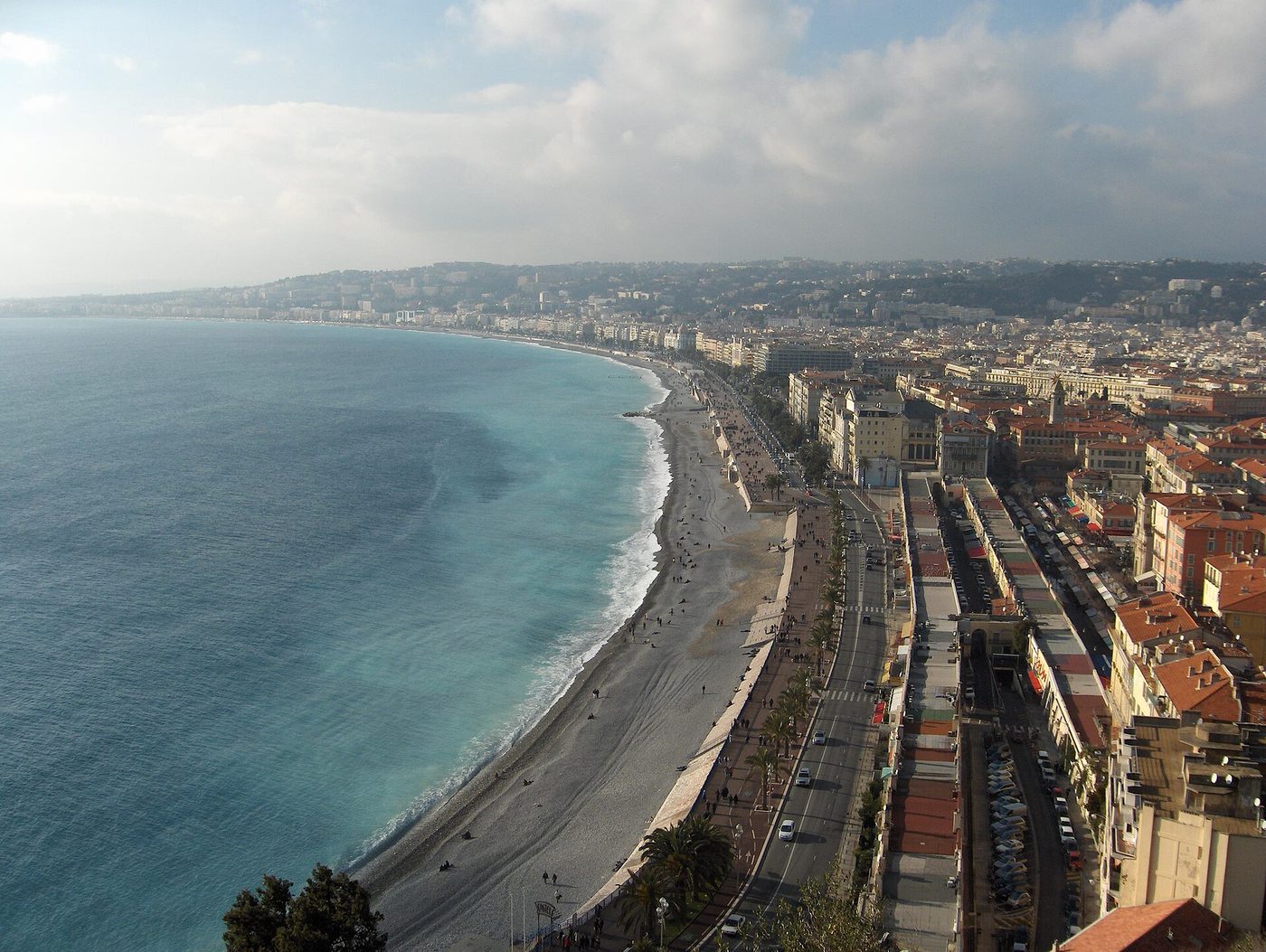
The easiest week in this article to book, and the most expensive train ticket. Nice is a proper city with an airport, so you can also fly out of it and skip a leg entirely.
Days 1 to 3, Paris. As Route 1, and if you have been before, spend one of the three days somewhere you have not: Belleville, the 13th, the Canal Saint-Martin.
Day 4, to Nice. Paris Gare de Lyon to Nice is 5h42m at its fastest with about fourteen trains a day, and the average is 6h56m, so the difference between booking well and booking badly is over an hour. Full-flex on the day runs to roughly €140, against advance fares from about €25 when booking first opens. On the day I checked, well into the selling window, the lowest fare showing was about £65.56, which is what happens if you leave it. Book it the moment your dates are fixed.
Day 5, Nice itself. Vieux Nice in the morning, the Cours Saleya market, socca standing up, and the Promenade in the late afternoon when the light does its thing. The airport tram into town is €10 and must be validated as you board, and inspectors work the airport stops hard.
Day 6, along the coast. This is where the route pays. Nice to Monaco is twenty-two minutes on a direct train, roughly sixty a day, from about £5.48, running from before six in the morning until eleven at night. Nice to Cannes is twenty-seven minutes with around ninety trains a day. A regional day pass at €15 covers unlimited coastal trips and they run every fifteen to twenty minutes. Entry to the Monte-Carlo casino is €17 and they give it back to you as chips.
Day 7, one villa and one beach. Villa Ephrussi de Rothschild at Saint-Jean-Cap-Ferrat is €18 and free with the French Riviera Pass. Fondation Maeght at Saint-Paul-de-Vence is also €18, €14 reduced and free under 16, and is the better call if you would rather look at Giacometti than at gardens.
The honest verdict. Zero car, zero navigation, and every day trip is a train that runs four times an hour. If travel logistics stress you out, this is the route. See the Nice guide for where to eat, and the best beaches in Europe for how the Riviera actually stacks up against the competition, because Nice’s beaches are pebbles and people are regularly surprised by this.
Route 4: Lyon, Marseille and Nice, with no Paris at all
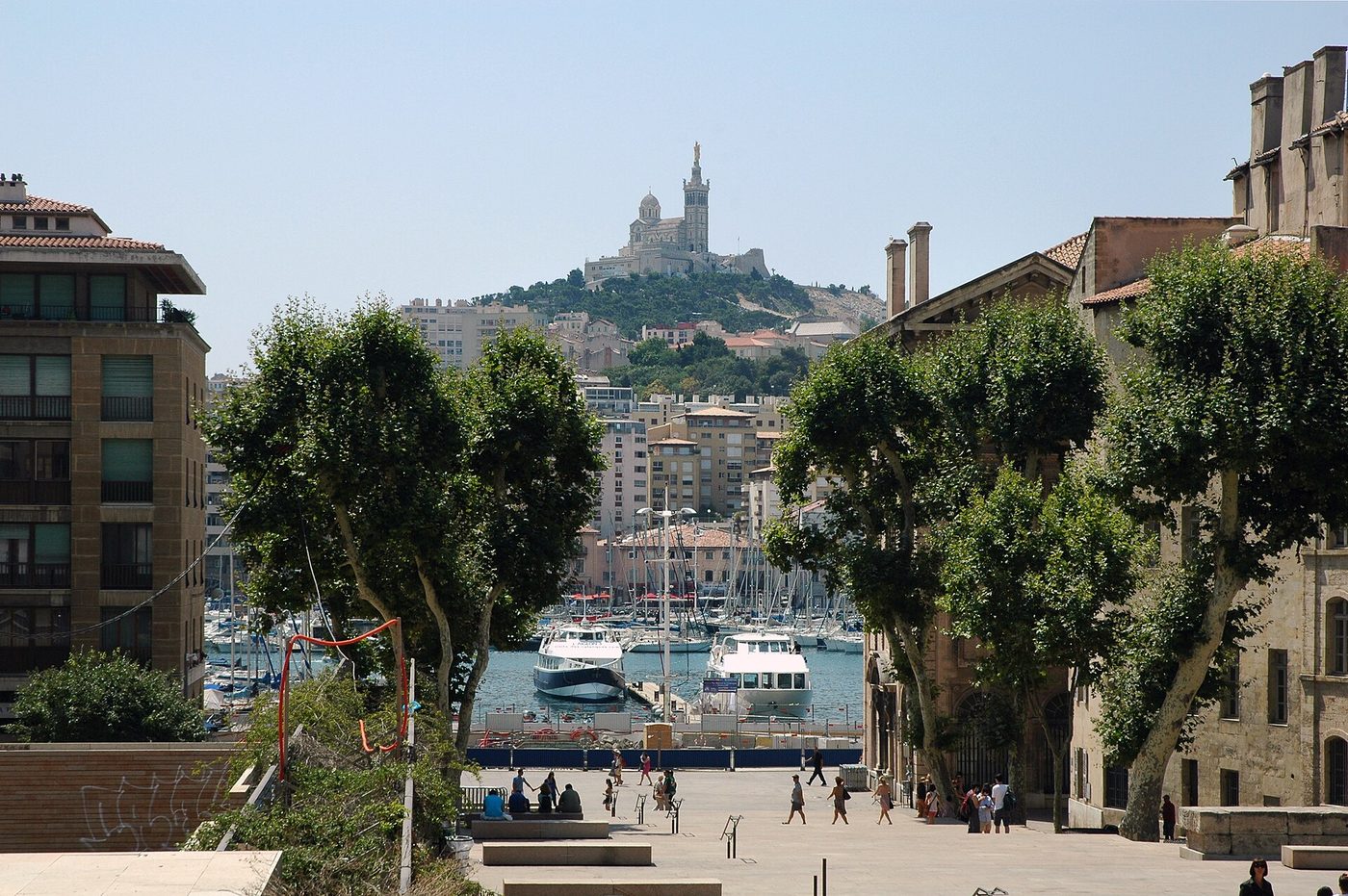
For the second or third visit. Fly into Lyon, out of Nice, and never see a capital city. It is the best eating week in this article by a distance.
Days 1 and 2, Lyon. The bouchons, the traboules, Les Halles Paul Bocuse, and the funicular up to Fourviere for the view. Lyon is where French food stopped being an abstraction for me. Our European food guide explains why the city has the claim it does.
Day 3, to Marseille. Lyon to Marseille is 1h39m at its fastest with about sixteen trains a day. The route page I checked did not display a from-fare, so budget by comparison with Paris to Marseille, which starts around £14.35. Optional detour: Lyon to Avignon is 1h05m from around £9.06, which makes a very easy day trip in either direction if you want Provence in the mix.
Days 4 and 5, Marseille. The Vieux Port, Le Panier, the MuCEM, and a boat or a hike into the Calanques. Marseille is scruffier than Nice and better fed, and it divides people in a way I find quite useful: if you like it, you will like France.
Days 6 and 7, Nice. Marseille to Nice is 2h36m at its fastest, about twenty-seven trains a day, from around £23.15 over 160 km. Two nights is enough to do the old town, one coastal day trip and a proper last dinner.
So who is it for? Three bases in seven nights breaks my own rule, and I make the exception here because the two moves total just over four hours of train and both land in city centres. Open-jaw flights make it work. If you cannot get them, cut Lyon and give Marseille four nights.
Route 5: Paris, Strasbourg and Colmar

Alsace is the part of France that looks least like the rest of it, and half-timbering aside it has more in common with the Black Forest than with Provence. It is also the only route here that gets better in late November.
Days 1 to 3, Paris. As Route 1. Three nights is the minimum that lets you see the city rather than photograph it.
Day 4, to Strasbourg. Paris Gare de l’Est to Strasbourg is 1h45m at its fastest, average 1h52m over 396 km, about sixteen trains a day. That tight gap between fastest and average is unusual and it means almost every train is a good train. Advance fares start around £40.41, which is high for the distance.
Day 5, Strasbourg. The cathedral, the astronomical clock, and Petite France, which is lovely, and mobbed by eleven in the morning, so go at eight. The European Parliament is worth an hour if institutions interest you.
Day 6, to Colmar. Twenty-six minutes, roughly thirty-seven trains a day over 64 km, from around £5.39. It is the cheapest leg in this entire article and one of the most frequent, which is why I base in both rather than day-tripping from one. There are also two to three direct trains a day from Paris to Colmar in 2h25m, but the starting fare of about £69.78 is the highest single-leg figure on my table, so going via Strasbourg is usually cheaper as well as more interesting.
Day 7, the wine route. Eguisheim and Riquewihr are the two I would pick, and you can walk either of them end to end in an hour. A hire car for one day makes this easy; the wine-route buses make it possible without one. If you are here between late November and Christmas, this is one of the strongest weeks in Europe: see our guide to the Christmas markets in Europe for how Colmar and Strasbourg compare with the German competition.
One local quirk: Alsace-Moselle keeps two public holidays the rest of France does not, Good Friday and 26 December. In 2026 Good Friday is 3 April. Shops close.
The honest verdict. The prettiest week on this list, and the one where two bases beat one outright, because the connecting train is twenty-six minutes.
Route 6: Paris, Bordeaux and the Dordogne

The route with the best-value long leg in the country, and the one I would take if food and wine are the reason for the trip rather than a bonus.
Days 1 and 2, Paris. Two nights only. Do one museum and one neighbourhood and leave the rest for another trip.
Day 3, to Bordeaux. Paris Montparnasse to Bordeaux is 2h08m at its fastest over 499 km, about twenty-one trains a day, and advance fares start from around £9.00. That is 499 kilometres for the price of a sandwich if you book early, and it is the single best value leg in France.
Day 4, Bordeaux. The 18th-century centre is a UNESCO-listed unit and walkable end to end. La Cite du Vin if you want the museum treatment, the Marche des Capucins if you would rather eat.
Day 5, vineyards. Saint-Emilion is the famous one and it knows it. Margaux and Pessac-Leognan are closer, easier as a half day, and far less coached. Whichever you choose, book the tastings rather than turning up. The Bordeaux guide has the appellation-by-appellation version.
Days 6 and 7, the Dordogne. Bordeaux to Sarlat is 2h19m at its fastest with about six trains a day, roughly five of them direct from Bordeaux Saint-Jean, from around £30.80. Six trains a day means the timetable, not your preference, decides your departure, so check it before you book the room. Sarlat itself is a medieval town centre with a Saturday market that is worth planning around. Lascaux IV is €23 for an adult, €22 reduced, and you should book the English guided tour well ahead. Rocamadour is the other headline: five paid car parks, and a lift that costs €2.80 one way or €4.40 return, with most of the site accessible except the Notre-Dame chapel and the Saint-Sauveur basilica.
What it costs you. Two moves, both cheap, both under two and a half hours, and a genuine change of register between city and countryside. If you only have five nights, cut Paris to one and give the Dordogne three.
Route 7: Paris, Saint-Malo and Mont-Saint-Michel

The family route. Tides, ramparts, oysters, and the shortest time in a car of any itinerary that includes Mont-Saint-Michel.
Days 1 and 2, Paris. Two nights.
Day 3, to Saint-Malo. Paris Montparnasse to Saint-Malo is 2h30m at its fastest with about twelve trains a day and direct services available, from around £32.37. Twelve a day is the thinnest service of any leg on my table apart from Bordeaux to Sarlat, so book both directions.
Day 4, Saint-Malo. Walk the ramparts, which takes under an hour and is free, then let everyone loose on the beach. The tidal range here is among the largest in Europe and the water goes out a very long way, which children find more interesting than any museum.
Day 5, Mont-Saint-Michel. This is the day you need a car, and it earns the hire. The abbey is €16 from 1 April to 30 September and €13 from 1 October to 31 March. The mainland shuttle, called Le Passeur, is free all year, runs about twelve minutes with a maximum twelve-minute wait, and drops you 350 metres from the ramparts. Parking is the only thing you pay for, roughly €12 to €25 for 24 hours depending on the season, and the 2026 to 2027 tariffs were not published when I checked. Shuttle hours are long, from early morning to around midnight, and stretch further in July and August. Go early or go late; the middle of the day is the part people describe badly afterwards.
Days 6 and 7, Rennes. Rennes is a short TER ride from Saint-Malo, and it is a proper city with a student population, good bars and the best-preserved medieval quarter in Brittany. Paris to Rennes on the way home is 1h25m over 308 km, about twenty trains a day, from around £9.10, so the return leg is cheap and quick. Our Europe with kids guide covers the wider version of this style of trip.
Who it is really for. The best route on this list for anyone under twelve, and the only one where the weather is a gamble in any month. Pack for rain and treat sun as a bonus.
Route 8: Paris, and only Paris
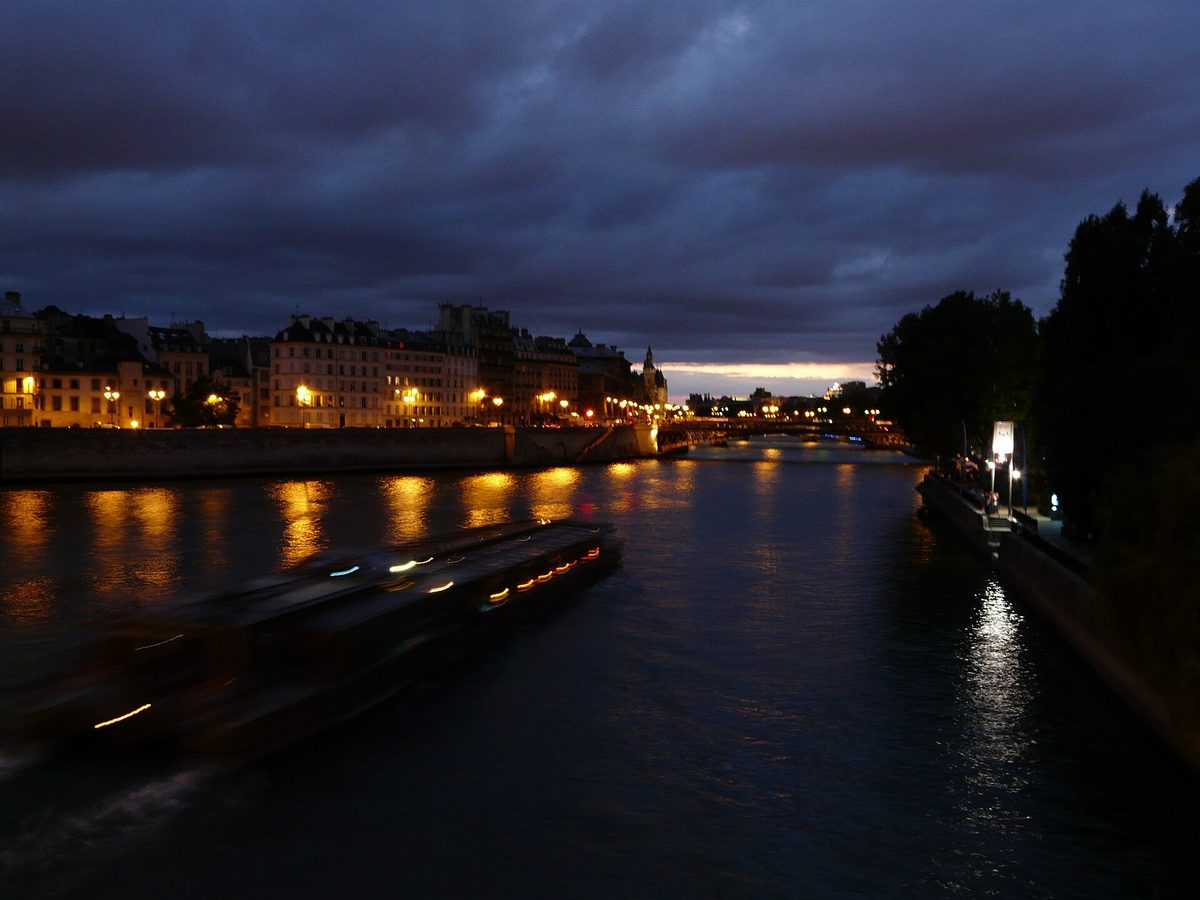
I put this last because it is the hardest sell and the one I most often talk people into. Seven nights, one hotel, no packing, no platforms.
Days 1 to 3. The greatest hits, paced properly rather than crammed. One major museum a day and nothing more. The Louvre is €22 for EEA nationals and residents and €32 for everyone else, closed Tuesdays, open until 21:00 on Wednesdays and Fridays. The Musee d’Orsay is €16, closed Mondays, and €12 on Thursday evenings after 18:00 when it stays open to 21:45. That Thursday evening slot is the best-value ticket in the city.
Day 4, Versailles. The Passport ticket is €32 for EEA visitors and €35 for everyone else in high season, which runs 1 April to 31 October, dropping to €22 and €25 in low season. It is the only Versailles ticket that includes a timed Palace slot, and you must enter within the half hour after your chosen time. The Estate of Trianon on its own is €15, or €12 for EEA visitors, all year. The gardens are free in low season and €15 in high season on Musical Fountains days.
Day 5, Reims and champagne. Paris Gare de l’Est to Reims Ville is forty-six minutes on the direct TGV, about seventeen trains a day, from around £20.63. Cathedral, a house tour, back for dinner. For forty-six minutes each way, it is the best-value day out of the city.
Day 6, the arrondissements nobody photographs. Belleville, the Canal Saint-Martin, the 13th for the street art and the best Asian food in the city, Buttes-Chaumont for the afternoon.
Day 7, whatever you liked most. This is the entire argument for a single base: you get a second go at the thing that worked.
The honest verdict. If it is February, if you have a toddler, if you have been to France four times, or if the idea of a train station makes you tired, take this one. Paris rewards a week in a way very few cities do. See our European city breaks guide for how it compares with the alternatives.
Every train leg in this France itinerary guide, with times and fares

I checked all 25 legs on 15 August 2026. Two caveats before you use the table, both of which matter.
First, the booking site I checked served me prices in pounds, so that is how they appear here. The euro fares on SNCF Connect track closely but are not identical, and exchange rates move. Treat these as the shape of the market, not as a quote.
Second, and more usefully: the “cheapest advance fare seen” column is the lowest fare showing on the day I looked. It is not a typical fare, and it may not exist at all for your dates. The gap between it and a walk-up ticket is enormous. Paris to Nice is roughly €140 full-flex on the day against advance fares from about €25 at the moment booking opens, and the £65.56 in the table is what was left months later.
Note the “average” column too. Where fastest and average are close, as on Paris to Strasbourg at 1h45m and 1h52m, almost any train is fine. Where they diverge sharply, as on Paris to Nantes at 2h02m and 4h07m, you are looking at a timetable with a few direct TGVs and a lot of slow connecting services, and booking carelessly will cost you two hours.
| Route | Fastest | Average | Trains per day | Cheapest advance fare seen | Notes |
|---|---|---|---|---|---|
| Paris to Lille | 1h07m | 1h48m | ~20 | from £17.06 | Gare du Nord · 204 km |
| Paris to Reims | 46m | 2h07m | ~17 | from £20.63 | Gare de l’Est, direct to Reims Ville |
| Paris to Tours | 1h17m | 2h03m | ~20 | from £11.67 | Montparnasse, usually changing at Saint-Pierre-des-Corps |
| Paris to Rennes | 1h25m | 2h04m | ~20 | from £9.10 | Montparnasse · 308 km |
| Paris to Dijon | 1h32m | 2h43m | ~18 | from £11.65 | n/a |
| Paris to Saint-Malo | 2h30m | 3h18m | ~12 | from £32.37 | Montparnasse, direct services available |
| Paris to Lyon | 1h53m | 1h58m | ~26 | from £8.96 | n/a |
| Paris to Caen | 1h54m | 2h35m | ~21 | from £23.89 | Saint-Lazare, 15 of them direct |
| Paris to Strasbourg | 1h45m | 1h52m | ~16 | from £40.41 | Gare de l’Est · 396 km |
| Paris to Nantes | 2h02m | 4h07m | ~22 | from £8.94 | Montparnasse · 342 km |
| Paris to Bordeaux | 2h08m | 3h00m | ~21 | from £9.00 | Montparnasse · 499 km |
| Paris to Colmar | 2h25m | 2h40m | ~15 | from £69.78 | Gare de l’Est, 2 to 3 direct daily |
| Paris to Avignon | 2h37m | 3h59m | ~27 | from £14.40 | Gare de Lyon |
| Paris to Marseille | 3h04m | 3h39m | ~24 | from £14.35 | Gare de Lyon |
| Paris to Nice | 5h42m | 6h56m | ~14 | from £65.56 | Gare de Lyon · 687 km |
| Strasbourg to Colmar | 26m | 31m | ~37 | from £5.39 | 64 km |
| Caen to Bayeux | 15m | 18m | ~27 | not shown | TER, all direct, first 05:53 and last 22:20 |
| Nice to Monaco | 22m | n/a | ~60 | from £5.48 | direct, first 05:53 and last 23:00 |
| Nice to Cannes | 27m | n/a | ~90 | not shown | no fare shown on the page I checked |
| Lyon to Avignon | 1h05m | 1h24m | ~17 | from £9.06 | n/a |
| Lyon to Marseille | 1h39m | 1h50m | ~16 | not shown | no fare shown on the page I checked |
| Bordeaux to Sarlat | 2h19m | 3h36m | ~6 | from £30.80 | about 5 of the 6 run direct |
| Bordeaux to Toulouse | 2h20m | 2h57m | ~16 | from £16.61 | Intercites, not high speed · 212 km |
| Marseille to Nice | 2h36m | 2h45m | ~27 | from £23.15 | 160 km |
| Avignon to Nice | 3h00m | 4h08m | ~21 | from £34.43 | 199 km |
How French train fares work
SNCF sells on a yield model, so the price rises as the train fills. Booking opens up to four months ahead for TGV and Intercites services, and between three and five months for regional TER depending on the region. For summer 2026 the window stretched further than usual: from 11 March 2026, SNCF Connect was selling travel dates all the way to 12 December 2026.
Fares rose an average of one percent from 2 January 2026, which was deliberately kept below the expected 1.3 percent inflation. The average TGV INOUI ticket now runs around €48. The low-cost OUIGO brand averages €34.70, up from €19.80 seven years ago, and its maximum fare rises to €119 in 2026, so the gap between the two brands is narrower than the marketing suggests. OUIGO entry fares still start from €10 for adults and €5 for children if you book early enough.
A few rules worth knowing:
- Every TGV is all-reserved. There is no such thing as turning up and standing. Your ticket includes the seat.
- Children are cheap. Under-12s travel half price on TGV INOUI and under-4s go free on your lap. On OUIGO it is a flat €5 on a Train Classique or €8 on a high-speed service.
- The Carte Avantage costs €49 for twelve months and gives up to 30 percent off TGV INOUI and Intercites with capped maximum fares, plus 25 to 50 percent on TER depending on the region. There are three versions, Jeune for 12 to 27s, Adulte for 27 to 59s and Senior for 60-plus, all at the same price. On a week with two long legs and a couple of regional hops it usually pays for itself.
Is a rail pass worth it for one week in France?
Usually not, and the reason is the reservation fee. Pass holders still have to pay a compulsory TGV reservation of €10, and there is only a limited quota of €10 seats per train, after which it becomes €20 until the train is full. OUIGO Classique services have accepted passholders since July 2026 at €10, rising to €15 once the quota goes.
So the maths is: divide the pass price by the number of travel days, add €10 to €20 for every TGV you board, and compare that against the actual advance fares in the table above. On a two-base week with one or two long legs, point-to-point advance tickets win comfortably. A pass starts to make sense when you are moving most days, travelling spontaneously, or booking late enough that advance fares have gone.
One structural note: the One Country Pass cannot be bought for your country of residence and is not valid for travel into or out of it. And from 9 September the Eurail brand is being folded into Interrail. I could not read current 2026 France pass prices from any official page, because both pass sites render their pricing in JavaScript that a plain fetch cannot see. Check them directly and do the division yourself. Our guide to train travel in Europe covers the pass question across the continent.
What everything costs in 2026, and the price change that landed in January
On 14 January 2026, several major French sites introduced two-tier pricing: visitors from outside the European Economic Area now pay more than EEA nationals and residents. The Louvre went from €22 to €32 for non-EEA visitors, a 45 percent rise, expected to raise an extra €17.5m a year against €216m of culture-ministry cuts. Versailles, Chambord, Sainte-Chapelle and the Conciergerie followed with their own splits.
If you are American, British, Canadian, Australian or from anywhere else outside the EEA, that is you, and the higher figure is the one to budget for. Note it is residence or nationality in the EEA that counts, and they ask for proof, so bring ID. Note also that it does not apply everywhere: Chenonceau, Pont du Gard and the Palais des Papes charge one price to everyone.
| Site | EEA nationals and residents | Everyone else | Notes |
|---|---|---|---|
| Louvre, Paris | €22 | €32 | Closed Tuesdays. The non-EEA price rose 45 percent on 14 January 2026 |
| Palace of Versailles, Passport ticket | €32 | €35 | High season, 1 April to 31 October. Low season €22 and €25 |
| Chateau de Chambord | €21 | €31 | Parking a further €8 per car per day |
| Sainte-Chapelle, Paris | €16 | €22 | Combined with the Conciergerie, €23 and €30 |
| Eiffel Tower, lift to the top | €36.70 | €36.70 | One price for everyone. Stairs to the second floor are €14.80 |
| Musee d’Orsay, Paris | €16 | €16 | Closed Mondays. €12 on Thursdays after 18:00 |
| Chateau de Chenonceau | €19 | €19 | €24 with the audioguide. No nationality split here |
| Chateau de Villandry | €14 | €14 | Chateau and gardens. The gardens open year round |
| Palais des Papes, Avignon | €16 | €16 | €19.50 with the Pont d’Avignon. New route from 1 May 2026 |
| Pont du Gard | Free | Free | Parking €9, museum €8, and the parking converts to a free annual pass |
| Carcassonne, castle and ramparts | €19 | €19 | April to September. €13 from October to March |
| Mont-Saint-Michel abbey | €16 | €16 | 1 April to 30 September, €13 in winter. Shuttle free, parking roughly €12 to €25 |
| Memorial de Caen | €20.80 | €20.80 | Family ticket €53. The single best D-Day museum |
| Normandy American Cemetery | Free | Free | Open daily. 9,387 graves above Omaha Beach |
| Lascaux IV, Dordogne | €23 | €23 | €22 reduced. Book the English guided tour well in advance |
| Villa Ephrussi de Rothschild | €18 | €18 | Free with the French Riviera Pass |
| Fondation Maeght, Saint-Paul-de-Vence | €18 | €18 | €14 reduced, free under 16 |
| Paris Museum Pass, 2 days | €85 | €85 | Runs 48 consecutive hours from first use, not two calendar days |
A few things buried in that table that are worth pulling out. Under-18s go free at most national monuments, and EEA nationals or residents under 26 go free at the Louvre, Versailles and Chambord, which is a substantial saving for a family with teenagers. The Eiffel Tower charges one price to everyone: €36.70 for the lift to the top, €23.50 for the lift to the second floor, and €14.80 for the stairs to the second floor, which is the best-value way up and also the one that gets you there fastest at busy times. From 29 September 2026 you have to reserve stairs tickets in advance, which used to be the walk-up option. The tower is also closed to the public on 13 July 2026, the day before Bastille Day rather than the day itself.
Is the Paris Museum Pass worth it?
It costs €85 for 48 hours, €105 for 96 hours and €125 for 144 hours, and it covers more than fifty museums and monuments including the Louvre, the Orsay, Versailles, Sainte-Chapelle, the Conciergerie, the Arc de Triomphe, the Pompidou, the Notre-Dame towers, Chantilly and Fontainebleau. The Eiffel Tower is not included.
Two things determine whether it pays. First, it activates on first use and runs 48, 96 or 144 consecutive hours, not calendar days, so first-using it at four in the afternoon burns half a day. Second, the break-even is roughly the fourth visit on the 2-day pass, the fifth on the 4-day and the sixth on the 6-day. Since January 2026 it has become a much stronger buy for non-EEA visitors, because it is priced the same for everyone while the individual tickets it covers are not.
Daily budgets for a France itinerary
Sources vary more than I would like on this, so treat these as bands rather than forecasts. Outside Paris, budget travel runs roughly €80 to €120 a day and mid-range €150 to €250. In Paris the same tiers run about €120 to €160 and €200 to €350. A second source frames it lower, at €85 to €100 a day per person in the regions and €100 to €230 in Paris excluding flights, which is closer to what I actually spend. Rough Guides puts budget at €150 to €200 and mid-range at €250 to €350 a day, and reckons Paris runs 20 to 30 percent above the rest of the country.
On accommodation, the median Paris double in July 2026 was €192 a night across nearly 1,200 monitored hotels: about €130 for a two-star, €180 for a three-star, €274 for a four-star and €685 for a five-star. Outside Paris, allow roughly €150 to €200 for a three-star room before tax.
On food, the lunchtime menu du jour averages about €15 nationally, ranging roughly €10.50 to €25 by city and season, and it is the best value in French eating. A boulangerie breakfast formule runs €3.50 to €4.50 for a hot drink and a viennoiserie, or €4.90 to €6.50 for the version with juice. Eat your main meal at lunch and you will spend a third less for better food. For the wider picture, see Europe on a budget and the cheapest places to travel in Europe.
On tipping: French law has required a 15 percent service charge to be included in menu prices since 1985, so tipping is neither a legal nor a social obligation. Round up or leave a euro or two at a cafe, about five percent or a few euros a head at a mid-range restaurant, five to ten percent in fine dining. Many card terminals have no tip line, so carry a little cash if you want to leave something.
The taxe de sejour, and the number to use for 2026
France charges a taxe de sejour per adult per night, collected by your accommodation. For 2026 the national range runs from €0.20 to €15.93 per adult per night. The range still circulating widely, €0.65 to €15.60, is the 2025 Paris figure and using it will leave you short.
The reason the top of the range looks so high is Paris. The national ceiling for a palace-category hotel is €4.90 as a municipal charge, but Paris adds a 10 percent departmental part, a 15 percent regional part and a 200 percent Ile-de-France Mobilites part, which is 325 percent of the base. Multiply €4.90 by 3.25 and you get €15.93.
In practice, the Paris rates you pay, all parts included, are €15.93 for a palace, €11.70 for a five-star, €8.45 for a four-star, €5.53 for a three-star, €3.25 for a two-star, €2.60 for a one-star or chambre d’hotes, and €0.65 for a one or two-star campsite. Unclassified accommodation, which includes most short-term rentals, is charged at 5 percent of the per-person nightly cost, capped at €15.93 in Paris. Only the palace and five-star categories went up for 2026, by ten cents on the municipal part, tracking a 1.8 percent index. Everything else is unchanged. Outside Paris the numbers are far smaller, and the official DGFiP lookup at taxesejour.impots.gouv.fr gives the rate for any commune, though it shows the municipal part only.
For a couple spending four nights in a Paris three-star, that is about €44 you were not expecting. It is usually collected at checkout, in cash or on a separate card transaction.
When to go, and the 2026 dates that will catch you out
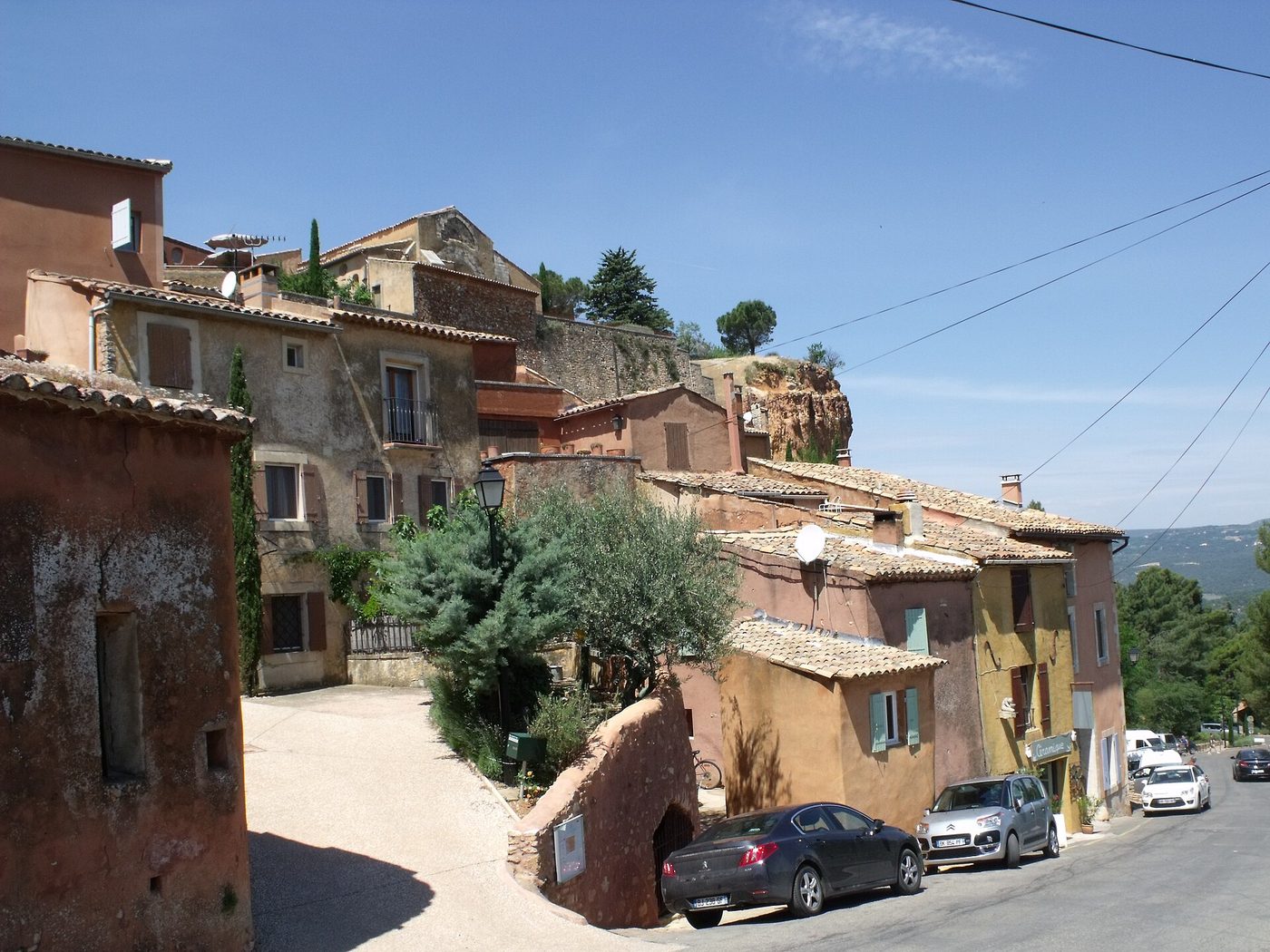
Spring from April to June and autumn in September and October are the two good windows, which is not a controversial position. What is worth spelling out is how differently the regions behave inside those windows.
| City | January average high | July average high | Annual rainfall | What the numbers hide |
|---|---|---|---|---|
| Paris | 5.9°C | 24.6°C | 746 mm | September is the driest month, about 52 mm |
| Nice | 9.4°C | 26 to 27°C | 885 mm | July is bone dry at 28 mm. November is the wettest at 137 mm |
| Lyon | 6.4°C | 27.7°C | 1,043 mm | Hottest of the five in July, and the wettest across the year |
| Bordeaux | 9.8°C | 26.9°C | 833 mm | July rainfall of 17 mm is the lowest figure on this table |
| Strasbourg | 4.3°C | 27°C | 964 to 971 mm | Coldest winter of the five, and a genuinely hot July |
Strasbourg has the coldest January of the five at an average high of 4.3°C, and yet a July average high of 27°C, which surprises people who file Alsace under “northern”. Lyon is the hottest in July at 27.7°C and also the wettest across the year at 1,043 mm. Nice has the mildest winter, 9.4°C in January, and a July that is genuinely arid at 28 mm of rain, but its wettest month is November at 137 mm, so a late-autumn Riviera trip is a gamble in a way a late-autumn Paris trip is not.
July and August are high season. On the Riviera, in Brittany, in the Basque Country and across Provence, accommodation runs 30 to 50 percent above off-peak. That premium is the strongest single argument for late September, when the sea is still warm and the harvest is on.
The August problem, with actual dates
French restaurants and shops close for the fermeture annuelle, and the custom traces back to the 1936 law that gave every French worker paid holiday: two weeks then, five weeks now. In Paris the closures cluster in roughly the three weeks from 3 to 23 August. Neighbourhood restaurants in residential arrondissements close for two to four weeks, and so do plenty of bakeries and shops.
This is less catastrophic than it sounds. Even at the quietest point, more than fifty well-known Paris restaurants stay open, and anywhere catering to visitors largely stays open throughout. But if your plan involves eating where locals eat in the 11th on 12 August, adjust it. The flip side is that August is one of the two cheap windows for Paris hotels, along with January into February: a four-star at €300 in June can go for €220 in February, and top-tier rates run 30 to 40 percent lower in January, February and August.
French public holidays in 2026
There are eleven: 1 January, Easter Monday on 6 April, 1 May, 8 May, Ascension on 14 May, Whit Monday on 25 May, 14 July, Assumption on 15 August, 1 November, 11 November and 25 December. Alsace-Moselle adds Good Friday, 3 April in 2026, and 26 December.
The traps are the ponts. Both 1 May and 8 May fall on Fridays in 2026, giving two consecutive three-day weekends. Ascension on Thursday 14 May makes Friday 15 May a classic bridging day and effectively creates a four-day weekend that half the country takes: trains and coastal hotels fill months ahead. And 14 July is a Tuesday, so Monday 13 July is a likely pont, which is also the day the Eiffel Tower has announced it will be closed to the public.
Our guides to the best time to visit France and the best time to visit Europe go month by month.
Train or hire car for a France itinerary?
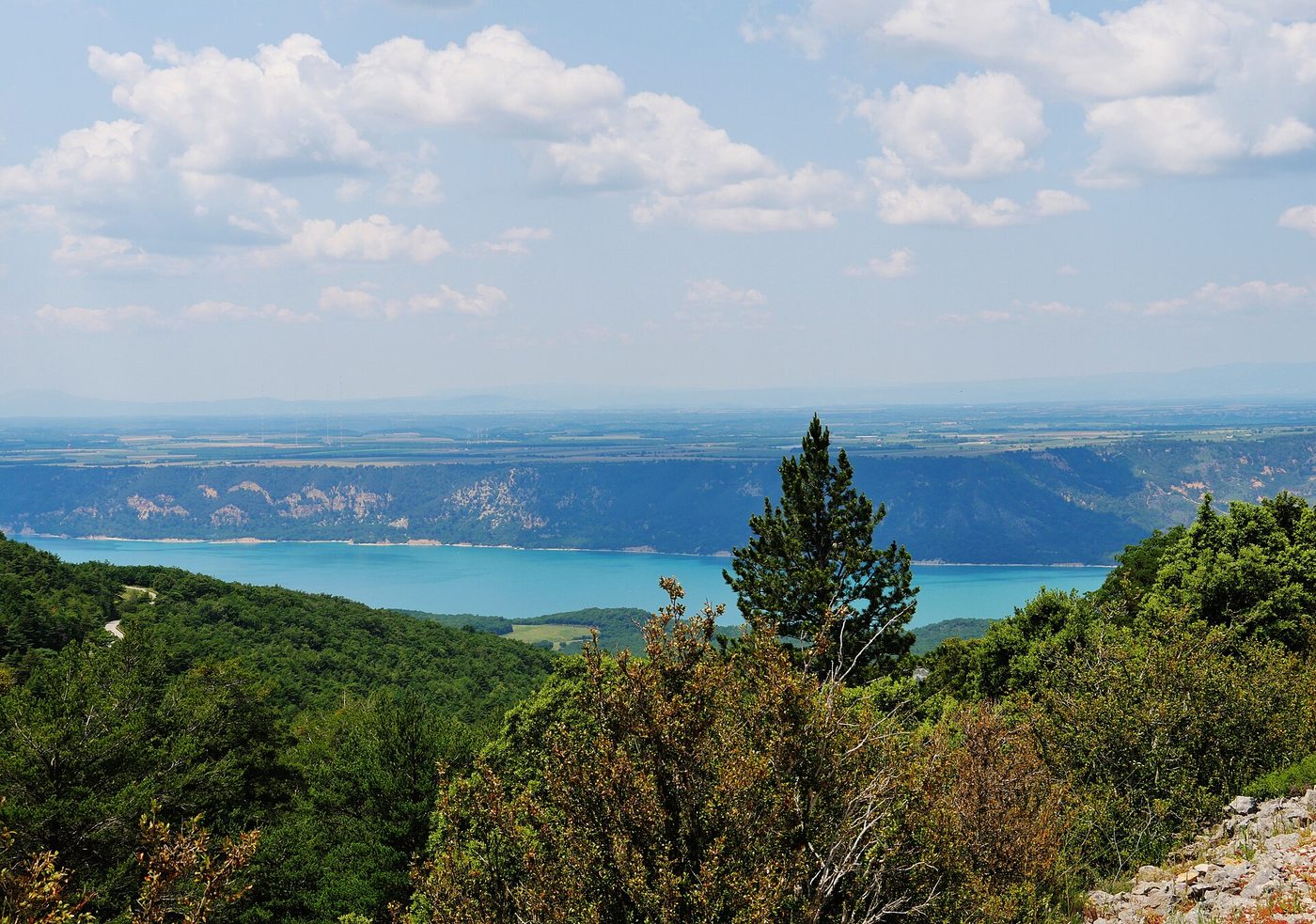
My rule is simple. Take the train between cities. Hire a car only for the days you are somewhere rural, and hire it locally rather than at the airport. On six of the eight routes above that means either no car at all or a car for one or two days.
The reason is cost and friction rather than snobbery. Car hire in France runs roughly €36 a day in the low season and €46 in July nationally, but about €80 a day for an economy car in Paris and around €45 in a smaller city like Nantes. Then come the tolls. Paris to Lyon on the A6 is about €41 for a standard car over 465 km. Paris to Nice is around €75 to €95 depending on the route, over about 930 km. The rule of thumb is roughly €7 to €15 per 100 km, and tolls rose again on 1 February 2026 by between 0.9 and 1.4 percent depending on the concession.
Fuel is the third cost. Unleaded 95 was running around €1.80 to €2.00 a litre in mid-August 2026, with diesel a little cheaper, and supermarket stations at Leclerc, Carrefour, Intermarche, Systeme U and Auchan typically undercut branded forecourts by 10 to 20 cents a litre.
Low-emission zones, and why they matter to a hire car
France now has low-emission zones, the ZFE, in 42 urban areas in 2026, up from 25 at the start of 2025. Entry depends on your vehicle’s Crit’Air sticker class. In Paris, Crit’Air 3 vehicles are banned inside the zone Monday to Friday from 08:00 to 20:00. Lyon bans Crit’Air 3 with stricter rules on diesels. Marseille has banned Crit’Air 3 since 1 January 2025. Strasbourg bans Crit’Air 4, 5 and unclassified, with Crit’Air 3 restrictions not arriving until 2027. Grenoble has had restrictions since July 2023.
Enforcement is automated. Camera systems have been active in Paris, Lyon, Marseille, Strasbourg, Toulouse and Grenoble since March 2026. There is no exemption for foreign-registered vehicles: if you are driving your own car in from another country, you need a sticker, and it costs €3.85 for a French-registered vehicle, a little more for a foreign-registered one once international postage is added. If you are renting in France, ask the rental company to confirm the car carries a valid sticker before you drive off, because it is your problem at the camera, not theirs.
If a driving trip is the point rather than a means, our Europe road trips guide is built for it, and getting around Europe compares the modes properly.
Arriving: airports, and the Paris ticket that catches everyone
Paris abolished its fare zones on 1 January 2025, and the flat structure was restated for 2026. A single metro, RER or train ticket is €2.55 across the whole Ile-de-France network, and a bus or tram is €2.05. Paper t+ tickets were discontinued in 2025; you now use Navigo Easy, which costs €2 for the card itself, or contactless.
The exception is the airports, and this is the mistake I see most often. Airport journeys need a dedicated Paris Region to Airports ticket at €14 for adults and €7 for children aged 4 to 9. It covers the RER B to and from Charles de Gaulle, Metro line 14 to and from Orly, and Orlyval plus the RER B to Orly, along with connecting travel across the network for up to two hours. Buying a €2.55 single and hoping is a fine, not a saving.
Two further things. The Orlybus stopped running on 3 March 2025 and passengers are directed to Metro line 14 instead. And the CDG Express, the direct airport rail link that has been promised for years, is still not open and is now due by mid-2027, so do not plan around it.
If you are staying a week and using the metro daily, the Navigo Semaine weekly pass is €32.40 for all zones from 1 January 2026, plus a non-refundable €5 for the physical card, and it runs Monday to Sunday regardless of when you buy it. That last detail decides whether it is worth it: arrive on a Thursday and you are buying five days of use. Arrive on a Monday and it is comfortably the cheapest way to move around.
Getting to France, and the Eurostar question
If you are coming from London, Eurostar into Gare du Nord is almost always the right call over flying: city centre to city centre, no airport transfer at either end, and you keep the whole of your first afternoon. Book it the same way you book a TGV, which is early, because the pricing model is the same and the cheap fares go first. The border formalities happen in London before you board rather than on arrival, which is worth knowing now that the Entry/Exit System is running.
If you are flying in from further afield, the useful decision is which airport rather than which airline. Charles de Gaulle connects to almost everywhere and puts you on the RER B into the city. Orly is smaller, calmer and now connected by Metro line 14. But look hard at flying into or out of a regional airport instead: Nice, Marseille, Lyon, Bordeaux and Nantes all take long-haul or connecting traffic, and an open-jaw booking that lands you in Paris and takes you home from Nice removes an entire five-and-a-half-hour train leg from Route 3. On Route 4 it is not an optimisation, it is the thing that makes the route work at all.
One practical note for either: the Entry/Exit System applies at Charles de Gaulle, Orly, Lyon, Marseille, Nice, Toulouse, Bordeaux and Nantes, so allow a little extra at the border on your first crossing regardless of where you land.
Border rules in 2026: EES is live, ETIAS is not
Two separate systems, at two very different stages, and people routinely conflate them. Getting this straight before you fly is worth ten minutes.
The Entry/Exit System is operational. It rolled out progressively from 12 October 2025 and has been fully operational since 10 April 2026. It replaces manual passport stamping with an electronic record of every entry and exit for non-EU and non-Schengen nationals on short stays, meaning a maximum of 90 days in any 180. It records your travel document data, the place, time, date and purpose of each crossing, a facial image and fingerprints, with fingerprints not taken from children under 12. In France it applies at Charles de Gaulle, Orly, Lyon, Marseille, Nice, Toulouse, Bordeaux and Nantes. There is nothing you need to do before travelling. Allow a little extra time at the border on your first crossing.
ETIAS is not yet in force. As of August 2026 it is expected in the last quarter of the year, with some commentators suggesting April 2027 is more realistic. When it arrives it will cost €20, will be free for under-18s, over-70s and family members of EU citizens, will last three years or until your passport expires, and will be issued within a maximum of 96 hours. There is also expected to be a transitional period of at least six months during which travellers should apply but will not be refused entry for not having one.
The important part: no website currently issues ETIAS authorisations, so any site charging you for one today is taking your money for nothing. Our Schengen visa and ETIAS guide tracks this as it changes.
Eight swaps for when the obvious choice is too busy
Every route above has a version that works better if your dates fall in July, or if you have been before, or if you simply cannot face another coach park.
| Instead of | Try | Why it works |
|---|---|---|
| The Loire Valley | Burgundy, based in Dijon | The same chateau-and-vineyard rhythm, better wine, fewer coaches. Paris to Dijon is 1h32m |
| Nice | Marseille | Bigger, rougher, far better food, and the Calanques on the doorstep |
| Mont-Saint-Michel | Rocamadour | The same vertical-village drama in the Dordogne, with a lift costing €2.80 one way |
| Versailles | Chateau de Fontainebleau | Also on the Museum Pass, also close to Paris, and nothing like the queue |
| Bayeux for the tapestry | Bayeux for the D-Day beaches | The tapestry is in London until July 2027, so go for Omaha and the Memorial instead |
| Colmar | Eguisheim or Riquewihr | The same Alsatian half-timbering, and you can walk the whole village in an hour |
| Saint-Emilion | Margaux or Pessac-Leognan | Closer to Bordeaux, easier as a half day, far less coach traffic |
| Provence in July | Provence in late September | Same light, warmer sea, the grape harvest, and roughly a third off the room rate |
The Bayeux swap is the one to act on this year. The D-Day coast, the Memorial de Caen and the American Cemetery are all unaffected and all still extraordinary, so the fix is to adjust your expectations rather than your destination.
Which France itinerary suits which traveller
| If this is you | Take | Because |
|---|---|---|
| First time in France | Route 1 or Route 3 | Route 1 gives you the three images you already have in your head. Route 3 is the same idea with less packing |
| Travelling with children under 10 | Route 7 | Beaches, tides, a walled city they can run around, and the shortest average day in the car |
| Second or third visit | Route 4 or Route 6 | Route 4 skips Paris altogether. Route 6 gives it two nights and then leaves. Both are built around eating rather than queueing |
| Food and wine as the point | Route 6 | Bordeaux, Saint-Emilion and the Dordogne in one line, with one 2h19m train doing all the work |
| No car, no exceptions | Route 2, 3, 5 or 8 | Every base on all four is a walkable centre reached by a single train |
| Travelling in November or December | Route 5 or Route 8 | Alsace for the markets, Paris because it does not care what month it is |
| Honeymoon or a big anniversary | Route 3 or Route 2 | Riviera for glamour, Provence for quiet. Both work without a hire car |
| On a tight budget | Route 6 or Route 8 | The cheapest advance fares in the country, and a single base cuts your accommodation admin to one booking |
If you are travelling alone, Routes 3, 4 and 8 are the easiest, because all three put you in cities with proper evening life and no car to park. Our solo travel in Europe guide has more on this, and backpacking Europe covers the hostel-and-night-train version.
Ten mistakes I see on France itineraries

- Booking three bases into seven days. You lose most of three mornings to packing, checkout and platforms. Two bases is the honest maximum for a week, and one is often better.
- Buying walk-up train tickets. Paris to Nice is roughly €140 as a full-flex fare on the day and from about €25 booked ahead. That one decision is worth more than any hotel discount.
- Assuming your museum ticket price is the price you read online. Since 14 January 2026 the Louvre, Versailles, Chambord and Sainte-Chapelle charge non-EEA visitors more than the figure most listings still show. Most guides still quote the EEA figure.
- Planning a Tuesday around the Louvre or a Monday around the Musee d’Orsay. They are closed on those days respectively.
- Driving into a city centre without a Crit’Air sticker. Forty-two French urban areas run low-emission zones in 2026, with camera enforcement, and foreign plates are not exempt.
- Treating the Paris Museum Pass as two calendar days. It runs 48 consecutive hours from the moment you first use it. Activate it at 16:00 and you have burned an afternoon.
- Going to Bayeux for the tapestry in 2026. It has been closed since 1 September 2025 and the tapestry itself is in London from September 2026 to July 2027.
- Booking the first three weeks of August in Paris without checking. Neighbourhood restaurants close for two to four weeks around 3 to 23 August. Rooms are cheap for a reason.
- Ignoring the pont. Ascension falls on Thursday 14 May 2026 and half of France takes the Friday. Trains and coastal hotels fill months ahead.
- Arriving at CDG without an airport ticket. Paris abolished fare zones in 2025, but airports are the exception. You need the €14 Paris Region to Airports ticket, not a €2.55 single.
To that list I would add one attitude rather than an error: the instinct to fill every hour. France is a country where sitting still is a legitimate activity. There is more of this sort of thing in our Europe travel tips.
Stretching to 10 or 14 days
If you have ten days rather than seven, the best use of the extra three is almost never a third region. It is a third base inside the same trip that removes a long travel day.
The 10-day version
Ten days is Route 2 or Route 3 with the pressure taken off. My preferred build: three nights Paris, three nights Avignon, three nights Nice, one night wherever you need to be for the flight. Paris to Avignon is 2h37m, Avignon to Nice is 3h00m at its fastest from around £34.43, and you end at an airport. Nothing is rushed and you never backtrack.
The alternative ten-day build, if you would rather have countryside than coast: two nights Paris, three nights Bordeaux, three nights Sarlat, two nights Toulouse. Bordeaux to Toulouse is 2h20m over 212 km from around £16.61, on Intercites rather than a high-speed service because the LGV does not continue past Bordeaux.
The 14-day version
At a fortnight you can do a genuine one-way loop with no repeated legs: Paris three nights, Loire two, Bordeaux two, Toulouse one, Carcassonne one, Avignon two, Nice three, flying home from Nice. Carcassonne’s castle and ramparts are €19 from April to September and €13 from October to March. That is the trip I would take if someone gave me two weeks and told me to stop planning other people’s.
If two weeks feels like it should stretch further than one country, it can, and our Europe itinerary guide handles the version where France is one leg of three.
On Route 1, add two nights in Rouen or Honfleur so Normandy stops being a two-night dash. On Route 2, add three nights in Nice and use Avignon to Nice, which is 3h00m at its fastest and from around £34.43. On Route 6, add Toulouse. On Route 4, open with two nights in Dijon, 1h32m from Paris and from around £11.65, and pick up Burgundy before dropping to Lyon.
If France is one leg of something larger, our best places to visit in Europe guide and the how to plan a trip to Europe walkthrough handle the wider version, and neighbours worth pairing with France include Spain, Italy, Switzerland, Germany and the UK.
France itinerary FAQ
Is one week enough for France?
Seven nights gives you about five and a half usable days once you subtract arrival and departure, which is enough for two bases done properly. Ten days lets you add a third base without it costing you a whole morning. Under five nights, stay in one place.
What is the best time to visit France?
April to June and September to October. Late September is my pick: warm sea on the coast, the harvest in the wine regions, and roughly a third off high-season room rates. July and August bring 30 to 50 percent accommodation premiums in Provence, Brittany, the Basque Country and on the Riviera, plus the Paris restaurant closures from roughly 3 to 23 August.
How do you get around France?
Trains between cities, feet inside them, and a hire car only for rural days. The TGV network makes almost every city-to-city leg in this article under three hours, and every TGV is all-reserved so your ticket includes a seat. Book four months out for the cheap fares.
Should I rent a car or rely on trains?
Trains, with a car hired locally for one or two days if your route includes the Loire, the Luberon, the Dordogne or Mont-Saint-Michel. A car in Paris costs about €80 a day and solves nothing. Between cities you are paying roughly €7 to €15 per 100 km in tolls plus roughly €1.80 to €2 a litre for fuel, on top of the hire, to arrive slower than the train.
How much does a week in France cost?
Budget roughly €80 to €120 a day outside Paris and €120 to €160 in Paris at the lower end, or €150 to €250 and €200 to €350 respectively at mid-range. Add the taxe de sejour, which runs from €0.20 to €15.93 per adult per night and is €5.53 for a Paris three-star. Advance train fares are the main variable you control.
How many museums before the Paris Museum Pass pays for itself?
It breaks even at about the fourth visit on the 2-day pass, the fifth on the 4-day and the sixth on the 6-day. Since January 2026 it is a stronger buy for non-EEA visitors, because the pass costs everyone the same while the individual tickets no longer do. Remember it runs in consecutive hours from first use, not calendar days, and it does not cover the Eiffel Tower.
Do I need an ETIAS to visit France in 2026?
Not yet. As of August 2026 ETIAS is not operational and no website can issue one, so treat any site selling them as fraudulent. It is expected in the last quarter of 2026, with some observers suggesting 2027. The Entry/Exit System is a different thing and it is live: since 10 April 2026 your entry and exit are recorded electronically with a facial image and fingerprints, and there is nothing to do in advance.
Should I prioritise cities, countryside or coast?
Pick two of the three for a week, not all of them. The combination that works best on a first visit is one city and one of the other two, which is exactly what Routes 2, 3, 5, 6 and 7 do.
Should I buy a France rail pass for seven days?
Usually not for a single week. Pass holders still pay a compulsory TGV reservation of €10, and only a limited quota per train is available at that price before it becomes €20. Divide the pass cost by your travel days, add the reservation fees, and compare with the advance fares in the table above. Passes win when you are moving most days or booking late.
Do I need to speak French?
No, but the effort changes how the trip feels. Bonjour when you enter a shop, merci and au revoir when you leave, and the difference in warmth is out of all proportion to the vocabulary. Walking in and opening in English is the thing that gets read as rude, not your accent.
Can I visit Bayeux to see the tapestry in 2026?
No. The museum closed on 1 September 2025 for a €38m renovation and reopens in October 2027, and the tapestry is on loan to the British Museum in London from September 2026 to July 2027. The D-Day beaches, the Normandy American Cemetery and the Memorial de Caen are unaffected.
What is the cheapest way to do a week in France?
Route 6 or Route 8. Paris to Bordeaux advance fares start around £9.00 for 499 km, which is the best value leg in the country, and a single base removes both the transfer costs and the second booking. Eat your main meal at lunch from the menu du jour at around €15, and travel in February or late September rather than July.
Final thoughts
The best France itinerary I ever put together was four days in Paris and three in a village in the Luberon whose name I will not print because it is still quiet. No chateau. No coast. One train. The couple who took it sent me a photograph of a table under a plane tree and told me it was the first holiday in years where they had not felt behind.
Every route above is built on that idea. The trains are fast enough that you do not need to compromise on distance, but they are not so fast that four moves in seven days stops costing you something. Pick two places. Book the train early. Eat at lunchtime. Leave one afternoon completely empty, and let the trip tell you what to do with it.
A note on the limits of what is here: I have not covered Corsica, the Alps, the Basque Country or Lille in the routes above, and each of them could carry a week on its own. That is a choice about what fits in one guide, not a verdict on any of them. And three figures in the rail table came back without a fare showing on the day I checked, which I have marked rather than filled in with a guess.
Wherever you land, the parent France travel guide is the place to go deeper, and the best places to visit in France covers everything that did not make a route here.
Hannah Brooks has spent fifteen years travelling, living and writing across Europe, from the Arctic tip of Norway to the south of Sicily. She has planned hundreds of European itineraries for readers and is Senior Europe Editor at EuropeanTourism.org.
Photo credits
- Photo: Pierre Blaché from Paris, France (CC0) via Wikimedia Commons
- Photo: Gzen92 / CC BY-SA 4.0 via Wikimedia Commons
- Photo: Laurent Virzi / CC BY-SA 3.0 via Wikimedia Commons
- Photo: Lspigon / Public domain (via Wikimedia Commons)
- Photo: DimiTalen (CC0) via Wikimedia Commons
- Photo: M.Strīķis / CC BY-SA 3.0 via Wikimedia Commons
- Photo: Mariette (CC0) via Wikimedia Commons
- Photo: Jorge Láscar from Melbourne, Australia / CC BY 2.0 via Wikimedia Commons
- Photo: bigup21 / CC BY 3.0 via Wikimedia Commons
- Photo: Ermell / CC BY-SA 4.0 via Wikimedia Commons
- Photo: Elliott Brown from Birmingham, United Kingdom / CC BY 2.0 via Wikimedia Commons
- Photo: Zairon / CC BY 4.0 via Wikimedia Commons
- Café de Flore terrace, Paris · Photo: Alexemanuel / Public domain via Wikimedia Commons