Things to Do in Rome

I have been coming to Rome for fifteen years and I still get the same thing wrong. I plan too much. The city rewards the opposite: three or four anchors, booked properly, with long unstructured hours in between.
The best things to do in Rome fall into three groups: five monuments that need advance booking and a plan, a much larger set of museums and churches you can walk into on the day, and the free layer of piazzas, gardens and viewpoints that most people remember longest. Get the first group right and the rest looks after itself.
The accidents are the point: a cat asleep on a fallen column, a church you ducked into for shade that turns out to hold a Caravaggio, a bar where the espresso costs a euro and the man behind the counter has been making it since 1987. Rome anchors our Italy travel guide, and it lands near the top of almost every list we run, from the best cities to visit in Europe to the ultimate Europe bucket list.
This guide is long for a reason. The details that change a Rome trip are logistical: arena-floor tickets are released exactly thirty days ahead and gone in minutes, the Pantheon went from five euros to seven on 1 July 2026, there has been a two-euro charge to stand at the Trevi Fountain basin since February, and there is now a metro station at the Colosseum that did not exist eighteen months ago. Every price below carries a date, and where I could not verify something I say so.
All 40 things to do in Rome at a glance, with 2026 prices
Start here. This is the full reference table: forty places, what an adult pays right now, whether you need to book, and roughly how long to allow. Prices were checked in the first week of August 2026 against official sites wherever one exists. Italian museums adjust fares more often than they announce them, so treat these as accurate-to-the-week rather than carved in travertine, and check the official page before you buy. If you are still deciding where Rome sits in a wider trip, our roundup of the best places to visit in Italy is the place to weigh it up.
| Place | Adult price, August 2026 | Booking | Time to allow | Closed / hours | My verdict |
|---|---|---|---|---|---|
| Colosseum, Roman Forum and Palatine | €18 standard; €24 Full Experience; €11.50 with Roma Pass | Compulsory timed slot, released 30 days ahead | 3 to 4 hrs for all three | 25 Dec and 1 Jan only | Unmissable, but only if you book the moment slots drop |
| Vatican Museums and Sistine Chapel | €20, or €25 with the €5 online booking fee | Book at tickets.museivaticani.va | 3 hrs minimum | Sundays, except the last of the month | Overwhelming and worth it. Go at 08:00 or late afternoon |
| St Peter’s Basilica | Free | None, but expect a security queue | 1 hr, plus 15 to 90 min queueing | Restricted 07:00 to 12:30 on audience Wednesdays | The best free thing in Rome, and it is not close |
| St Peter’s dome climb | €10 stairs only, €15 with the lift | Buy at the kiosk in the courtyard | 1 hr | As per the basilica | 551 steps in total. The lift saves 231 of them, not the hard ones |
| Pantheon | €7 since 1 July 2026; free on the first Sunday | Optional online booking. No skip-the-line either way | 30 to 45 min | Open daily, 09:00 to 19:00 | Still the most astonishing interior in Rome |
| Galleria Borghese | €16 plus a compulsory €2 reservation fee | Mandatory two-hour timed slot, 180 people per shift | 2 hrs, capped | Mondays, 25 Dec and 1 Jan | My favourite museum in Italy. Book before you book flights |
| Castel Sant’Angelo | €15 | Recommended in summer | 1.5 to 2 hrs | Hours vary seasonally, confirm before you go | Go for the ramparts and the view down the Tiber, not the collection |
| Capitoline Museums | €15 ordinarily, €20.50 when exhibitions are running | Walk-up is usually fine | 2 to 3 hrs | Open daily, 09:30 to 19:30 | Underrated. The Dying Gaul and the she-wolf, with almost no queue |
| Trajan’s Markets and Museo dei Fori Imperiali | €19.50 for non-residents | Walk-up | 1.5 hrs | Open daily, 09:30 to 19:30 | The best surviving Roman commercial building anywhere |
| Baths of Caracalla | €8, plus €5 when an exhibition is running | Walk-up | 1 to 1.5 hrs | Hours vary seasonally, confirm before you go | Vast, empty and gloriously under-visited |
| Domus Aurea | Guided visit with VR, around €26 | Essential. Fridays to Sundays only | 1.25 hrs | Monday to Thursday, and first Sundays | Nero’s buried palace, hard hats and all. Book weeks out |
| Palazzo Barberini | €12 | Walk-up | 2 hrs | Mondays | Caravaggio’s Judith, and a Borromini staircase most people never see |
| Galleria Doria Pamphilj | €16, audio guide included | Walk-up | 1.5 hrs | Confirm on the official site | A private palace still lived in. The Velázquez alone justifies it |
| Ara Pacis Museum | €14 | Walk-up | 1 hr | Open daily, 09:30 to 19:30 | Augustus’s altar in a Richard Meier box. Divisive building, superb object |
| Museo Nazionale Romano, four sites | €12 combined, valid three days | Walk-up | 2 hrs per site | Mondays | Palazzo Massimo holds the best Roman frescoes in existence. Nearly empty |
| Centrale Montemartini | €11 ordinarily, more with an exhibition on | Walk-up | 1.5 hrs | Open daily, 09:30 to 19:30 | Classical marbles in a decommissioned power station. Rome’s strangest museum |
| MAXXI | €15 at the door, €14 online | Walk-up | 2 hrs | Confirm on the official site | Zaha Hadid’s building is the exhibit. Not free on first Sundays |
| Basilica di San Clemente, lower levels | Upper church free; underground around €10 | Book the underground ahead | 1 hr | Check before you go | Three cities stacked on top of each other. The best hour in Rome |
| The three Caravaggio churches | Free | None. Bring coins for the light boxes | 2 hrs for all three | Closed over lunch, roughly 12:30 to 16:00 | Six Caravaggios for the price of a handful of change |
| Santa Maria in Trastevere | Free | None | 30 min | Open daily | Twelfth-century mosaics that glow at golden hour |
| Catacombs of San Callisto | Around €10, guided tour only | Turn up, tours run continuously | 1 hr | Tour times vary, confirm before you go | Twenty kilometres of tunnels. No self-guided wandering |
| Villa Farnesina | Around €12 | Walk-up | 1 hr | Confirm on the official site | Raphael frescoes with about eleven other people in the room |
| Case Romane del Celio | Around €8 | Walk-up | 45 min | Check before you go | Painted Roman houses under a church on the Celian Hill |
| Capuchin Crypt, Via Veneto | Around €10 | Walk-up | 45 min | Confirm on the official site | Four thousand friars’ bones arranged as decoration. Not for everyone |
| Trevi Fountain, basin area | €2 since 1 February 2026 | Ticket booth beside the fountain | 20 min | Open daily | Pay to stand at the water, or view the whole thing free from the piazza |
| Spanish Steps | Free | None | 20 min | Open daily | Beautiful, and you may not sit on them. The fine is real |
| Piazza Navona | Free | None | 30 min | Open daily | Bernini versus Borromini, staged in a Roman stadium |
| Circus Maximus | Free to walk; small charge for the excavated section | None for the open ground | 30 min | Open daily | A grass oval where 150,000 people once watched chariot races |
| Bocca della Verità | Free, small donation expected | None. Expect a queue | 20 min | Daylight hours | A drain cover that ate Gregory Peck’s hand. Twenty minutes, tops |
| Campo de’ Fiori market | Free to browse | None | 30 min | Sunday afternoons quiet | More souvenir stalls than produce now. Go early or skip |
| Villa Borghese gardens | Free | None | 1 to 2 hrs | Open daily | Rent a rowing boat on the lake. Rome’s best cheap hour |
| Orange Garden and the Aventine keyhole | Free | None | 45 min | Open daily | Sunset over the whole city, and a keyhole that frames St Peter’s |
| The Gianicolo terrace | Free | None | 45 min | Open daily | The other great viewpoint. A cannon fires at noon, every day |
| Trastevere | Free | None | An evening | Open daily | Go for dinner, not lunch. Cross the river at Ponte Sisto |
| Testaccio Market | Free to browse | None | 1 hr | Sundays and afternoons | Where Romans do their shopping and eat lunch |
| Appian Way regional park | Free to walk; catacombs charged | None for the road itself | Half a day | Best on Sundays, when it is car-free | Two thousand years of paving, umbrella pines and almost no one |
| Jewish Ghetto | Free to walk | None | 1 to 2 hrs | Saturdays quiet | The oldest Jewish community in Europe, and the best fried artichokes |
| Ostia Antica | €18, valid 8 days | Walk-up | Half a day | Hours vary seasonally, confirm before you go | Pompeii without the day-trippers, on a metro-and-train ticket |
| Villa d’Este, Tivoli | €23, or €34 with Hadrian’s Villa | Walk-up | 2 hrs | Mondays typically | Five hundred fountains, all gravity-fed, none pumped |
| Hadrian’s Villa, Tivoli | Around €15; sources vary, check villae.cultura.gov.it | Walk-up | 2 to 3 hrs | 25 Dec and 1 Jan | An emperor’s private world, the size of a small town |
A few notes on reading that table. “Check before you go” means I could not confirm a stable weekly closure on an official page, not that the place never closes. Rome’s civic museums, meaning the Capitoline, Ara Pacis, Trajan’s Markets and Centrale Montemartini, run 09:30 to 19:30 daily; Italian state museums such as Palazzo Barberini and the Museo Nazionale Romano sites close on Mondays. Prices marked “around” come from a single source I could not corroborate on an official page. The free-entry days have more moving parts than they appear to, which is the next thing worth understanding.
Five changes in 2026 that will affect your planning
Rome changed more between 2024 and 2026 than in the decade before it, partly because of the 2025 Jubilee and partly because the city finally started charging for things it used to give away. Five changes matter enough to affect your planning.
The Trevi Fountain now costs two euros, but only sort of. Since 1 February 2026 there is a €2 charge to enter the basin area, meaning the stone steps directly in front of the water where everyone takes the photograph. Viewing the fountain from the surrounding piazza is still free. Rome residents, people with disabilities and children under five are exempt. The crowd-control system that came in during 2025, with barriers and a one-way route capping the basin at roughly four hundred people, is still running underneath it. There is a small ticket booth to the side and the queue backs up along Via della Stamperia in the afternoons.
There is a metro station at the Colosseum that opened in December 2025. Colosseo/Fori Imperiali and Porta Metronia opened on 16 December 2025 on a new 2.4 kilometre stretch of Line C. If you last visited before then, your mental map of getting across the centre is out of date. Piazza Venezia is still a building site and will be for years.
The Pantheon went up to seven euros on 1 July 2026. Italy’s Ministry of Culture announced the rise in April 2026, from €5 to €7, with the revenue split under a revised agreement with the Diocese of Rome. Under-18s, residents of the Comune di Roma, and people with disabilities and their companions remain exempt, and EU citizens aged 18 to 25 pay €2. If you priced this trip earlier in the year, add two euros.
Colosseum tickets are now nominative and checked against photo ID. Tickets carry the holder’s name and you must be able to show a matching document at the entrance. For visit dates from 9 May 2026 the name can be changed once only, by midnight on the seventh day before the visit, and only for a clerical error, the wrong ticket type within one transaction, or a serious documented impediment. This has largely killed the resale market, which is the point, but it also means you cannot casually hand a spare ticket to a friend.
Rome’s civic museums became free for residents in February 2026. The Capitoline, Ara Pacis, Trajan’s Markets and Centrale Montemartini are all free to residents of Rome and the Metropolitan City on production of ID. Visitors still pay. It is worth knowing because it explains why a Roman friend will tell you the Capitoline is free and be genuinely surprised when you are charged fifteen euros.
The five things in Rome that need booking, and how the booking actually works
If you do nothing else before you fly, do this part. Five places in Rome operate on capped, timed entry, and each has its own quirks that catch people out.
1. The Colosseum, Roman Forum and Palatine Hill
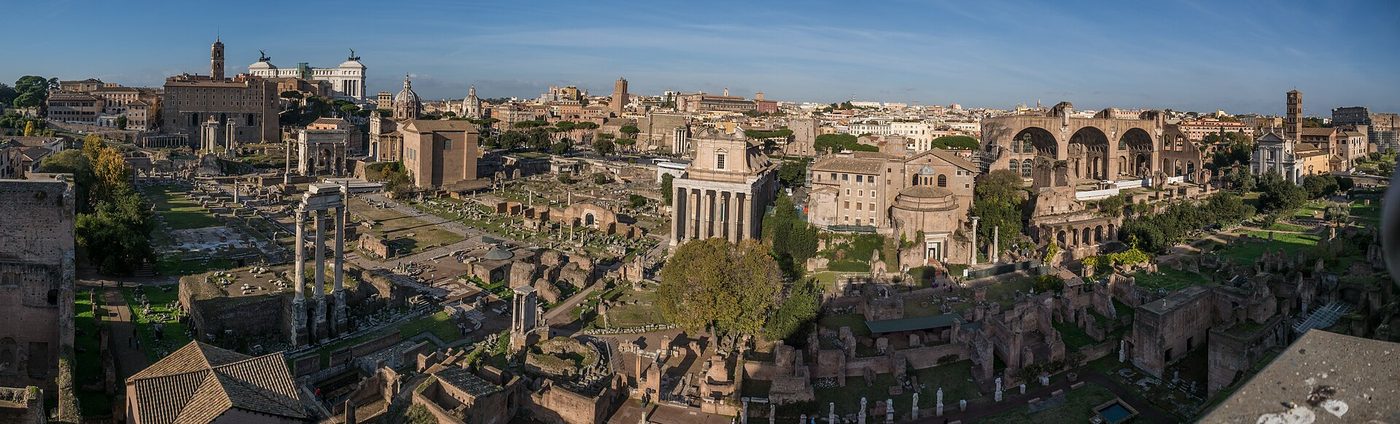
One ticket covers all three, and understanding what that means saves you both money and a wasted morning. The standard €18 ticket is valid twenty-four hours: one entry to the Colosseum at your booked time, and one entry to the Forum and Palatine within twenty-four hours either side of it. You cannot enter the Colosseum at a different time from the one you booked. Not “you probably should not”. You cannot.
You also get seventy-five minutes inside the Colosseum on the standard ticket, which is written into the visitor regulations, not a suggestion. Depending on ticket type the cap runs from seventy-five to ninety minutes. In practice seventy-five is plenty unless you are photographing every arch.
The tiers are: the standard Colosseum/Forum/Palatine ticket; Forum Pass SUPER, which covers the Forum and Palatine plus the restricted SUPER sites but not the Colosseum; Only Arena, which gets you twenty minutes on the arena floor within a twenty-four hour window; Full Experience Arena; Full Experience Underground and Arena, which adds the hypogeum, the tunnel network beneath the floor where the animals and the machinery lived; and Full Experience Attic, which takes you up through the intermediate gallery to the third level and the attic via a panoramic lift. The Full Experience tickets are valid two consecutive days. The Full Experience tiers are €24, against €18 for the standard ticket.
The booking mechanics. Tickets go on sale exactly thirty days before the visit date on ticketing.colosseo.it, and only there. In peak season, roughly April to October, the Underground and Arena slots go within days of release, and one operator claims the Underground specifically disappears in under two minutes. I would not bet a trip on getting them a week out in July. Free-entitlement tickets cannot be booked online at all and must be collected at the ticket offices at Piazza del Colosseo or Largo della Salara Vecchia, in order of arrival, which on a free first Sunday means a long wait.
Arrive fifteen minutes before your slot at the Valadier Spur entrance near the Arch of Constantine. Download the free MyColosseum app for the audio guide rather than paying for one. Groups are capped at twenty-five including the guide, and whisper systems are compulsory above ten people, which is why the site is quieter inside than it looks from outside.
Hours shift with the season. From 29 March to 30 September 2026 the site runs 08:30 to 19:15 with last admission at 18:15. From 1 to 24 October it closes at 18:30, and from 25 October it closes at 16:30 with last admission at 15:30. The Colosseum opens at 08:30, the Forum and Palatine at 09:00. It is closed on 25 December and 1 January and open every other day of the year, including Mondays, which surprises people.
Two evening options exist and only one is running. A Night at the Roman Forum operates on Fridays from 19:30 to 22:00 with last admission at 20:30. A Night at the Colosseum is currently listed as temporarily suspended.
2. The Vatican Museums and the Sistine Chapel
Entry is €20, or €25 if you book online, because the €5 booking fee is what buys you the skip-the-line entry rather than being an administrative sting. Pay it. The reduced rate is €10, children under seven are free, and ICOM cardholders get in free. Visitors with certified invalidity of at least 67 per cent, or a European Disability Card, enter free with a companion, with guaranteed priority entry, and those tickets are issued on site rather than online.
Opening hours are 08:00 to 20:00 Monday to Saturday with final entry at 18:00. Use the official schedule rather than an aggregator, which may carry the older 9am to 6pm hours. It is closed on Sundays with one exception: the last Sunday of the month, 09:00 to 14:00, final entry 12:30, free.
That last-Sunday rule trips up more visitors than anything else in Rome, so let me separate the two schemes cleanly. Italian state museums are free on the first Sunday of the month. The Vatican Museums are free on the last Sunday of the month. They are different countries running different policies. Turning up at the Vatican on the first Sunday expecting free entry means finding the place shut.
Tickets are valid only on the day of issue and cannot be refunded. Buy them at tickets.museivaticani.va and nowhere else. The Museums publish an explicit warning about lookalike domains charging significantly more, which tells you how common that is.
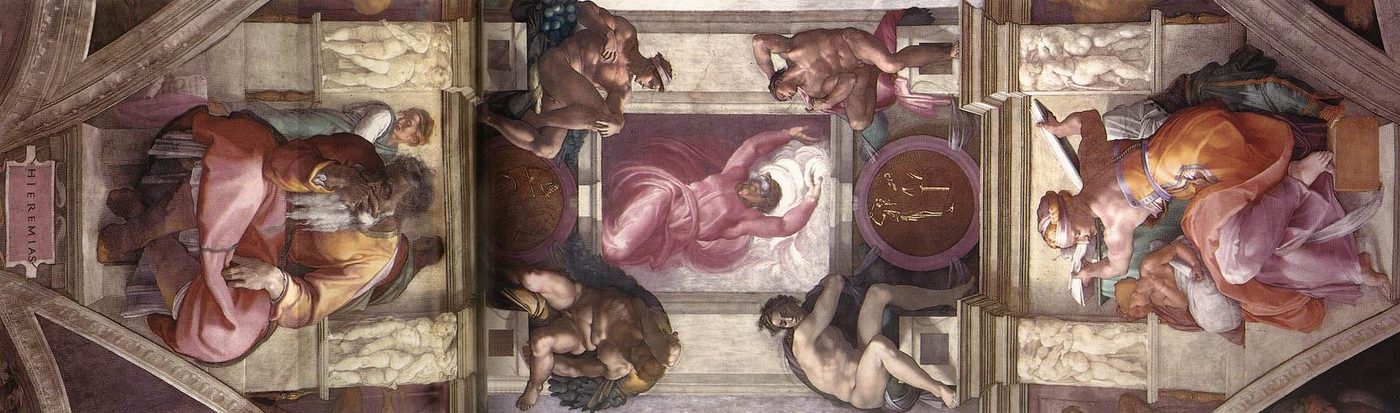
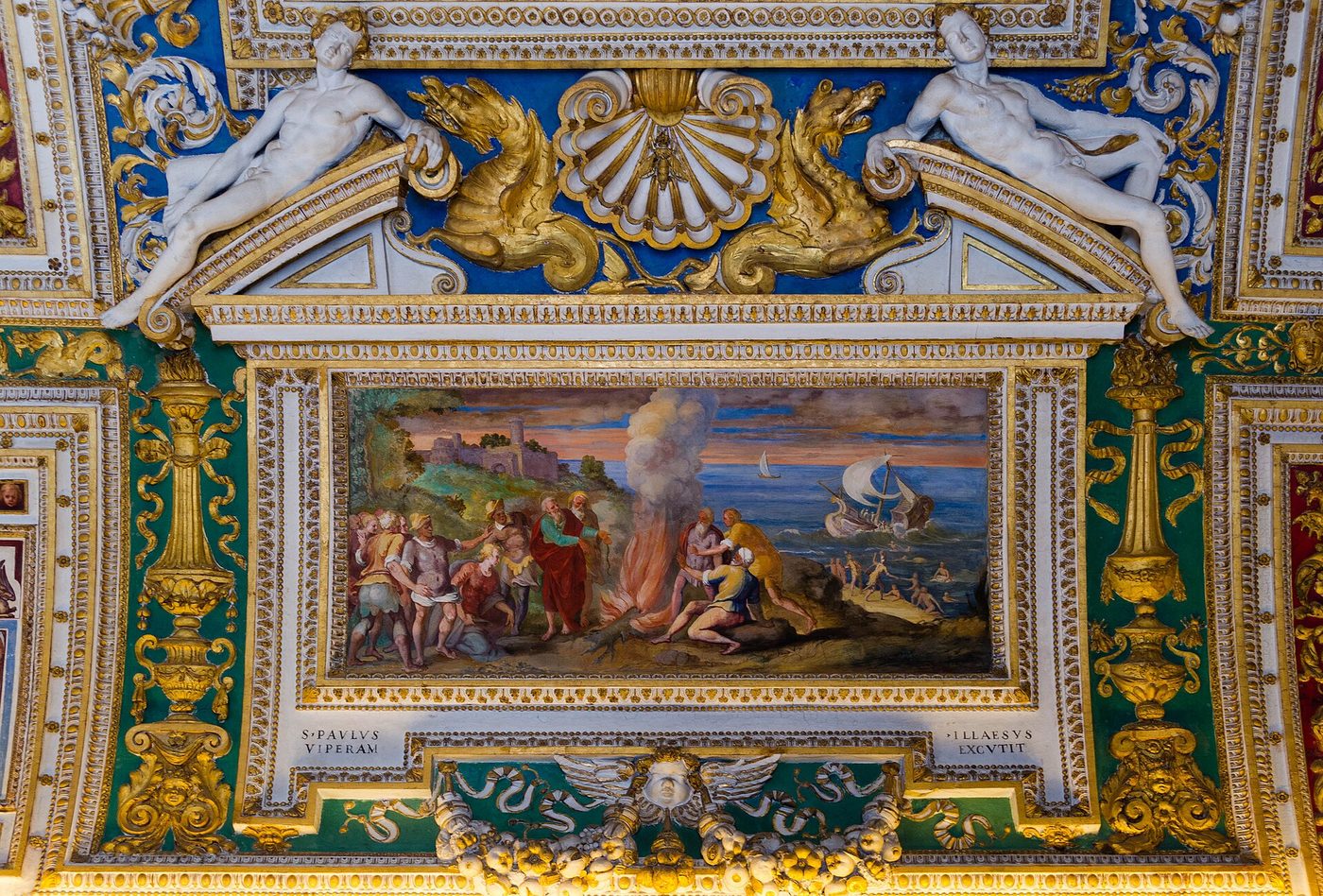
On the visit itself: the route to the Sistine Chapel is roughly a mile and a half of galleries and it is one-directional, so the Chapel comes at the end when you are already tired. My advice is to walk briskly through the tapestries, spend your energy on the Gallery of Maps and the Raphael Rooms, and arrive at the Chapel with something left. The Hall of Constantine reopened in mid-2025 after restoration and the Giulio Romano frescoes are closer to their original colour than they have been in living memory. No photography in the Chapel, and the guards mean it.
3. Galleria Borghese
This is the one I would book first, before flights if that were possible. Bernini’s Apollo and Daphne and The Rape of Proserpina are in one room, and the marble in both does something that photographs cannot convey: Pluto’s fingers press into Proserpina’s thigh and the stone yields.
Entry is €16 plus a compulsory €2 reservation fee, so €18 in practice. The last slot of the day drops to €11. The reservation is mandatory on every ticket type including the free ones. The official wording is unambiguous: free of charge does not exempt you from reserving. Under-18s are free but must still book. Shifts run hourly and the visit lasts two hours, with 180 people admitted per shift, and the 17:45 slot is shorter.
Open Tuesday to Sunday, 09:00 to 19:00, last entrance 17:45, closed Mondays plus 25 December and 1 January. Maximum five tickets per purchase. Book through gebart.it, the official channel. On institutional free days, meaning the first Sunday, 25 April, 2 June and 4 November, tickets are released only ten days before and the €2 fee is still payable, so there is no walking up on the day.
The Roma Pass includes Borghese on both the 48-hour and 72-hour versions, but you still have to reserve separately by phone or through the Roma Pass ticketing site. Prices can rise when a temporary exhibition is running.
4. The Domus Aurea
Nero’s golden house, buried under a hill after his death and rediscovered when Renaissance artists lowered themselves through holes in the ceiling to copy the frescoes. It opens Fridays, Saturdays and Sundays only, with guided visits every fifteen minutes from 09:00 to 16:30 and last admission at 15:30, entering from Via della Domus Aurea. The guided tour with the VR headset is quoted at around €26; I could not confirm that on the official park site, so check before you commit.
Note the trap: the Domus Aurea opens on ordinary Sundays but closes entirely on the first Sunday of the month, so it takes no part in the free-entry scheme. Book weeks ahead in season.
5. St Peter’s Basilica, which is free but still needs a plan
Entry to the basilica is free, including the Vatican Grottoes with the papal tombs. What you are managing is the queue and the dress code, and the two interact expensively.
Shoulders and knees must be covered, for men and women equally, and it is enforced at the security checkpoint before the metal detectors. Sleeveless tops, shorts above the knee, miniskirts and low-cut garments are refused. This is the strictest checkpoint in Vatican City and men are effectively expected in long trousers; long shorts have been turned away. The cost of getting it wrong is not the embarrassment, it is that leaving the queue to change can mean another sixty to ninety minutes in peak season. At 08:15 the queue runs around fifteen minutes. By late morning it can wrap the entire square.

The dome climb is €10 for stairs only or €15 with the lift, bought at the kiosk in the courtyard; booked online it runs higher and usually bundles an audio guide. There are 551 steps in total. The lift bypasses the first 231, leaving 320 on foot, and those remaining 320 are the ones inside the dome shell where the wall curves in over your shoulder and the staircase narrows. If you are claustrophobic, the lift does not solve your problem. Dome hours are roughly 07:30 to 18:00 in summer and 07:30 to 17:00 in winter.
One scheduling note: the Papal General Audience is on Wednesday mornings in St Peter’s Square, or the Paul VI Audience Hall in winter. Tickets are free from the Prefecture of the Papal Household. On audience Wednesdays the basilica and grottoes close roughly 07:00 to 12:30. The Museums stay open but the internal passage from the Sistine Chapel through to the basilica is suspended until the afternoon. Plan Wednesdays around it or go to the audience, which is a genuinely striking piece of theatre whatever you believe.
Ancient Rome beyond the Colosseum
The archaeological park around the Colosseum recorded more than 14.7 million visits in 2024, and the rest of ancient Rome absorbs the leftovers. That imbalance is your opportunity. Everything in this section can be done on the day, without a booking, and several of them are better experiences than the thing everyone queues for.
6. The Baths of Caracalla
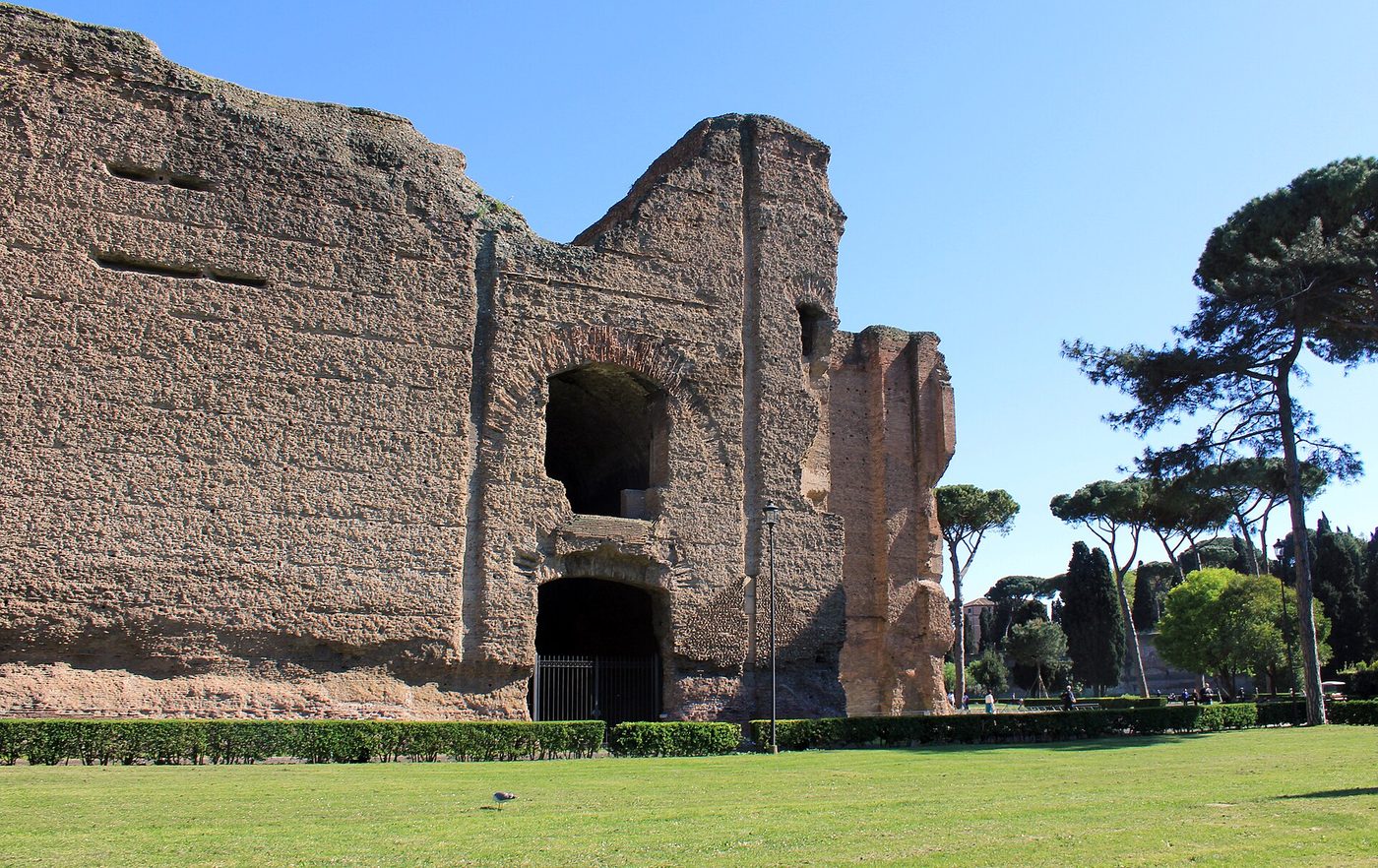
Entry is eight euros, plus five more when a temporary exhibition is running. The brick walls still stand thirty metres high and the scale is difficult to process: this was a public bath complex that handled thousands of people a day, with libraries, gardens and a stadium attached. Mosaic floors survive in patches. On a weekday morning in spring you can have long stretches of it effectively alone, which is not a sentence you will write about anywhere else on this list. Allow an hour, more if the audio guide grabs you.
7. Trajan’s Markets and the Museo dei Fori Imperiali
Non-residents pay €19.50 for what is the most complete surviving Roman commercial building anywhere in the world. Six levels of brick vaulting curving around the Forum of Trajan, with a museum threaded through it explaining the Imperial Fora that Mussolini bulldozed a road across. The terrace views over the Forum are better than most of the paid viewpoints in the city. Ninety minutes.
8. Palazzo Massimo and the Museo Nazionale Romano
A €12 combined ticket covers four sites for three days: Palazzo Massimo, Palazzo Altemps, the Baths of Diocletian and Crypta Balbi. Add €2 if you book online. Palazzo Massimo is the one to prioritise and it is the most underrated museum in Rome by a distance. The second-floor rooms hold the frescoes lifted from the Villa of Livia at Prima Porta: an entire garden painted around four walls, birds and fruit trees and a low fence, done around 30 BC and still fresh enough to feel like a window. There is rarely a queue. I have been on a Saturday afternoon in June and shared the room with four people.
9. Centrale Montemartini
The strangest museum in Rome, and eleven euros when no exhibition is on. In the 1990s the Capitoline collections needed overflow space during renovations, so classical marbles were moved into a decommissioned power station in Ostiense. The temporary arrangement stuck. Roman gods and emperors now stand in front of diesel engines and turbine housings, and the juxtaposition, which sounds like a gimmick, turns out to make you look at both properly. Take Metro B to Garbatella.
10. The Appian Way
The Via Appia Antica runs south out of the city on basalt paving that in stretches is the original Roman surface, rutted by cartwheels. It is free to walk. Sundays are the day to do it, when long sections are closed to traffic and Roman families cycle out with picnics. Rent a bike near the park entrance or take a bus down and walk back. The catacombs open off it, tombs line the verges, and the umbrella pines do the thing umbrella pines do. Half a day, and one of the few places in Rome where you can hear birds.
11. The catacombs
San Callisto is the largest, with something in the order of twenty kilometres of tunnels on multiple levels, and entry is around €10 with a concession rate near €7. Access is by guided tour only; there is no self-guided wandering, which is sensible given that people have got lost in these things. San Sebastiano is nearby and quieter, though sources disagree on its price depending on whether a guide is bundled, so check on the day. It is cool underground in August, which is not a trivial advantage.
12. Ostia Antica
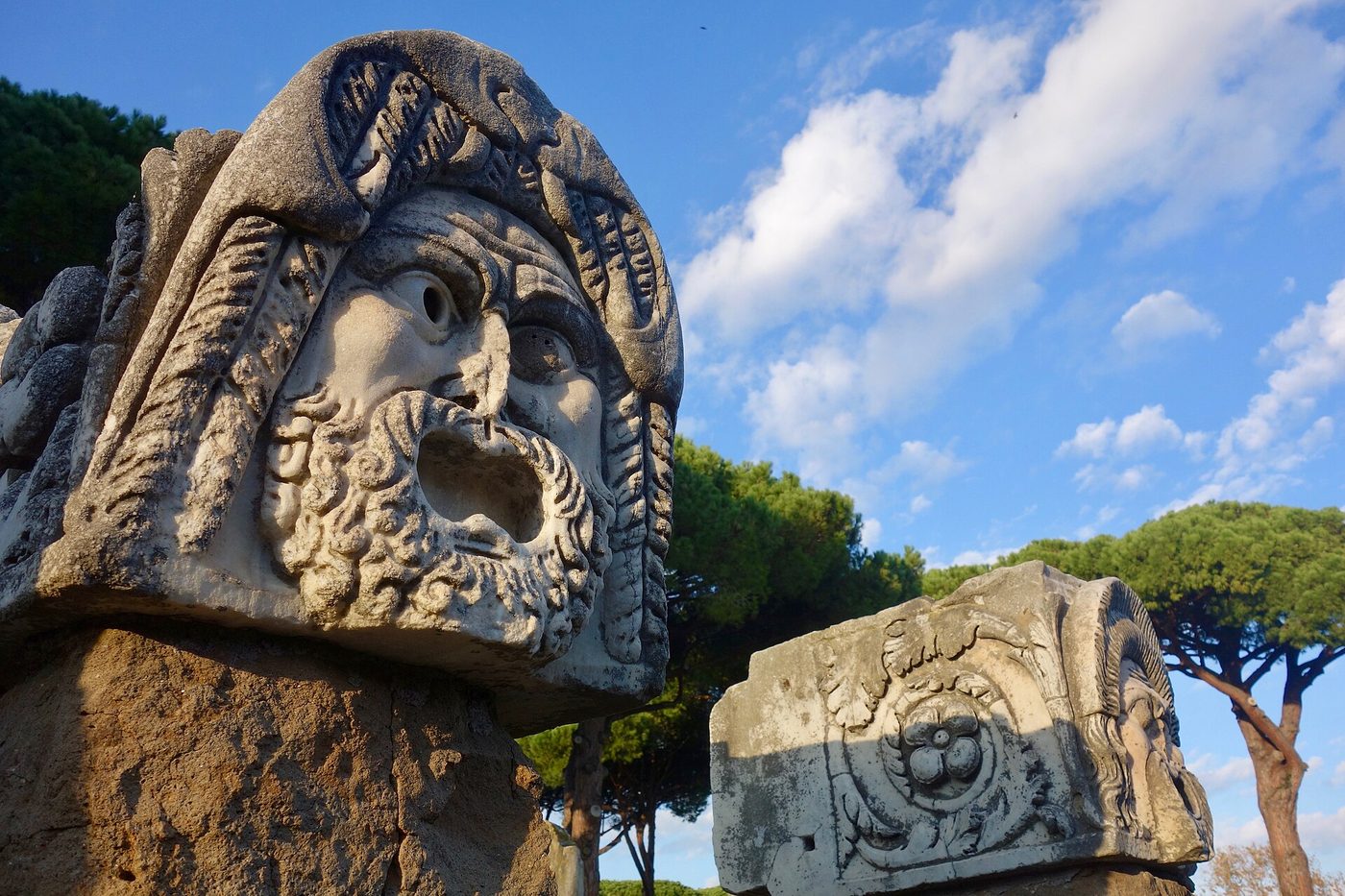
Rome’s port city, abandoned rather than destroyed, and the closest thing to Pompeii you can reach on a city transport ticket. Metro Line B to Piramide, then the Roma Lido commuter train to Ostia Antica, all covered by an ordinary €1.50 Metrebus ticket because it sits inside the Rome urban area. Entry is €18 and the ticket is valid eight days. You get streets, apartment blocks, a theatre, bath houses with intact mosaics, and bars with the marble counters still in place. It is enormous and you will not see all of it. Half a day, and take water. It is the strongest entry in the underrated places file we keep.
Churches, art and the free layer
Rome has around nine hundred churches and a meaningful number of them contain paintings that would be the centrepiece of a national gallery elsewhere. Almost all are free. This is the part of Rome that costs nothing and that people remember longest.
13. San Clemente, the three-layer basilica
The upper church is a twelfth-century basilica with a gold apse mosaic, free to enter. Below it is a fourth-century basilica. Below that is a first-century Roman street with a Mithraeum, a temple to Mithras, and you can hear water running through a channel that has never been diverted. The underground levels cost around €10 and want booking ahead. Descending through it is the single most efficient hour of history in Rome: you go down through a thousand years in about four minutes of stairs.
14. The Caravaggio trail, for free
Three churches hold Caravaggios and charge nothing. San Luigi dei Francesi, near Piazza Navona, has the three Matthew paintings in the Contarelli Chapel; bring coins for the light box or wait for someone else to feed it. Santa Maria del Popolo has the Conversion of Saint Paul and the Crucifixion of Saint Peter facing each other in the Cerasi Chapel. Sant’Agostino has the Madonna di Loreto, with the pilgrims’ dirty feet in the foreground that scandalised people at the time. Doing all three in an afternoon costs the price of your coins.
15. Santa Maria in Trastevere
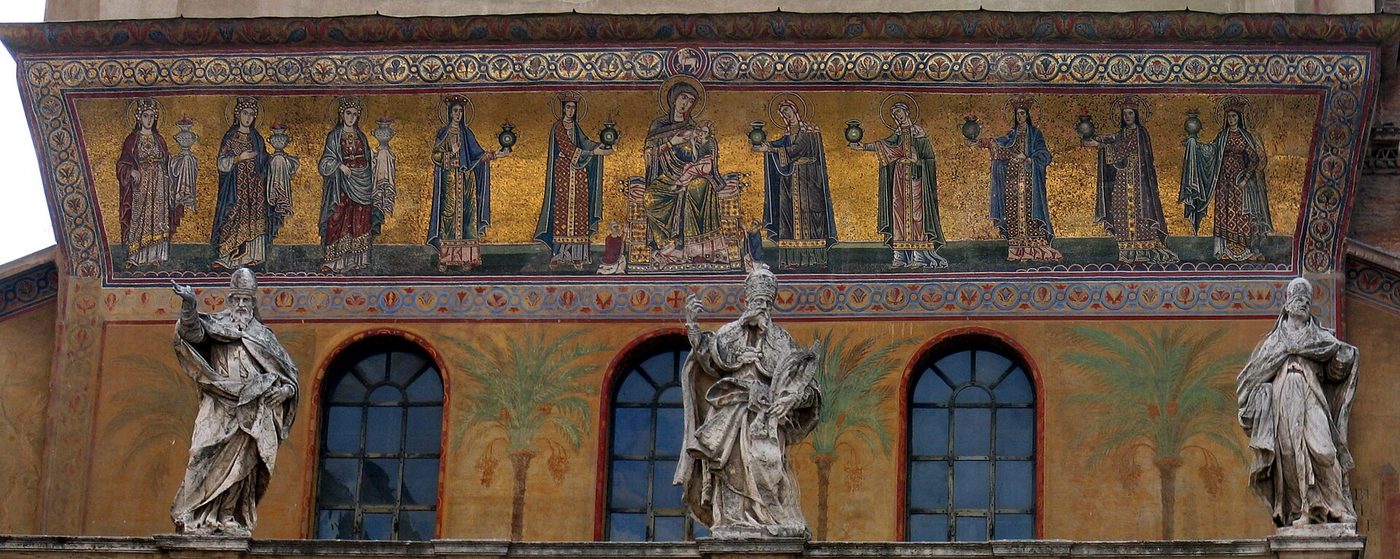
Possibly the oldest church in Rome dedicated to the Virgin, with a twelfth-century mosaic across the facade that glows properly at golden hour, and Cavallini mosaics inside. The piazza in front, with its fountain steps, is where Trastevere gathers in the evening. Free, and one of the sights that earns Rome its place among the most beautiful places in Europe.
16. Palazzo Barberini and Galleria Doria Pamphilj
Two palace collections that people skip because they have already spent their museum budget. Barberini is €12, closed Mondays, and holds Caravaggio’s Judith Beheading Holofernes, plus competing staircases by Bernini and Borromini which is worth the ticket on its own. Doria Pamphilj is €16 including an audio guide narrated by a member of the family who still lives in part of the building, which makes it the least stuffy audio guide in Italy, and it holds the Velazquez portrait of Innocent X that Bacon spent decades painting over.
17. Villa Farnesina
A Renaissance villa across the river in Trastevere, frescoed by Raphael and his workshop, for around €12. The Loggia of Cupid and Psyche and the Galatea are the reasons to come. There is almost never a crowd, which for Raphael is remarkable.
Piazzas, fountains and walking Rome
You will spend more time doing this than anything else, and it is free apart from one recent exception.
18. The Pantheon
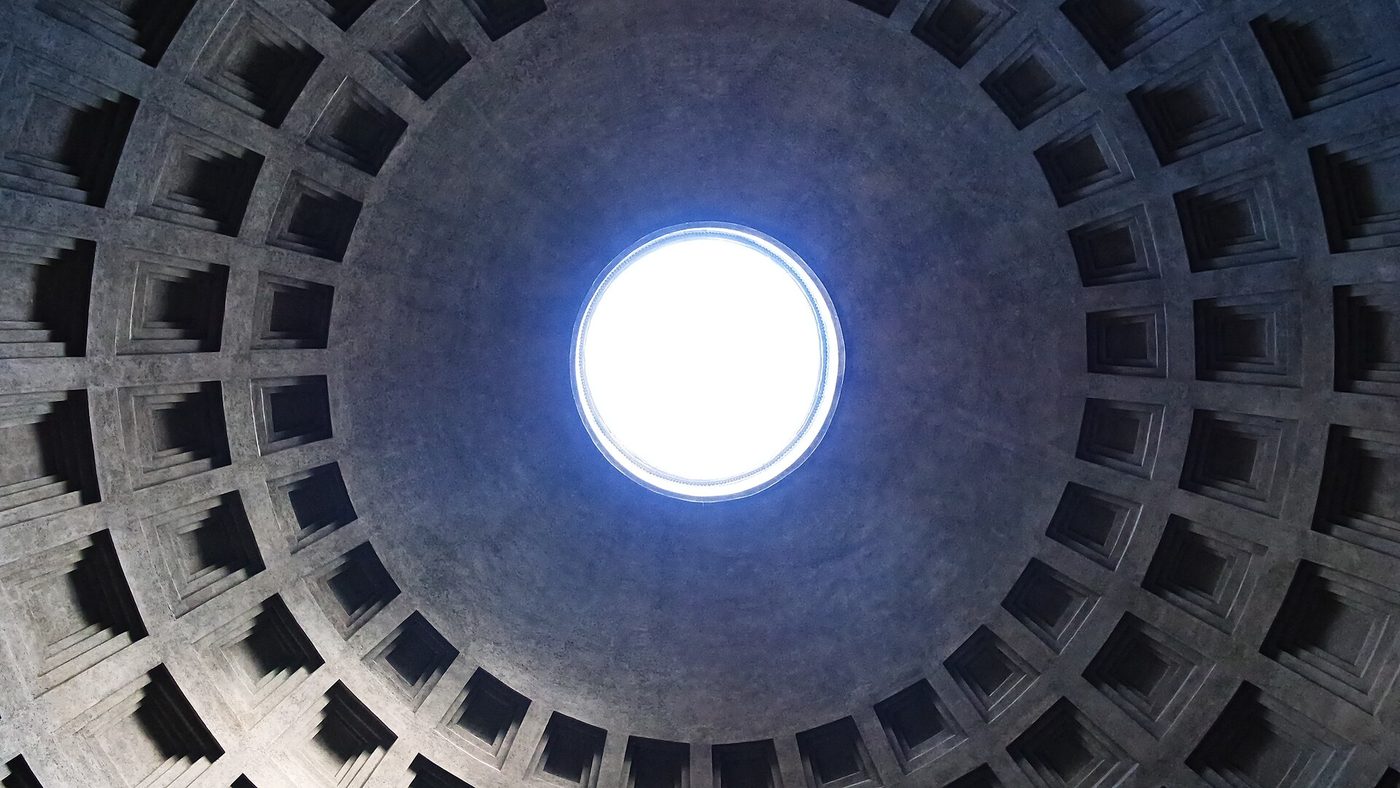
The price rose to seven euros on 1 July 2026. It is free on the first Sunday of the month, and open daily 09:00 to 19:00 with last entry at 18:30. It is not in the Roma Pass or the Omnia Card, and official tickets do not include skip-the-line, so the queue is the queue. On free days there is no online reservation at all; you join the line for a non-nominal ticket.
It is still worth every cent. Nearly two thousand years old, the largest unreinforced concrete dome in the world, and the oculus is open to the sky, which means when it rains inside the Pantheon the water falls in a column onto the drained floor and the whole building explains itself in about four seconds. Go in rain if you get the chance. It is also a functioning basilica, Santa Maria ad Martyres, not just a monument, which is why it survived.
19. Piazza Navona
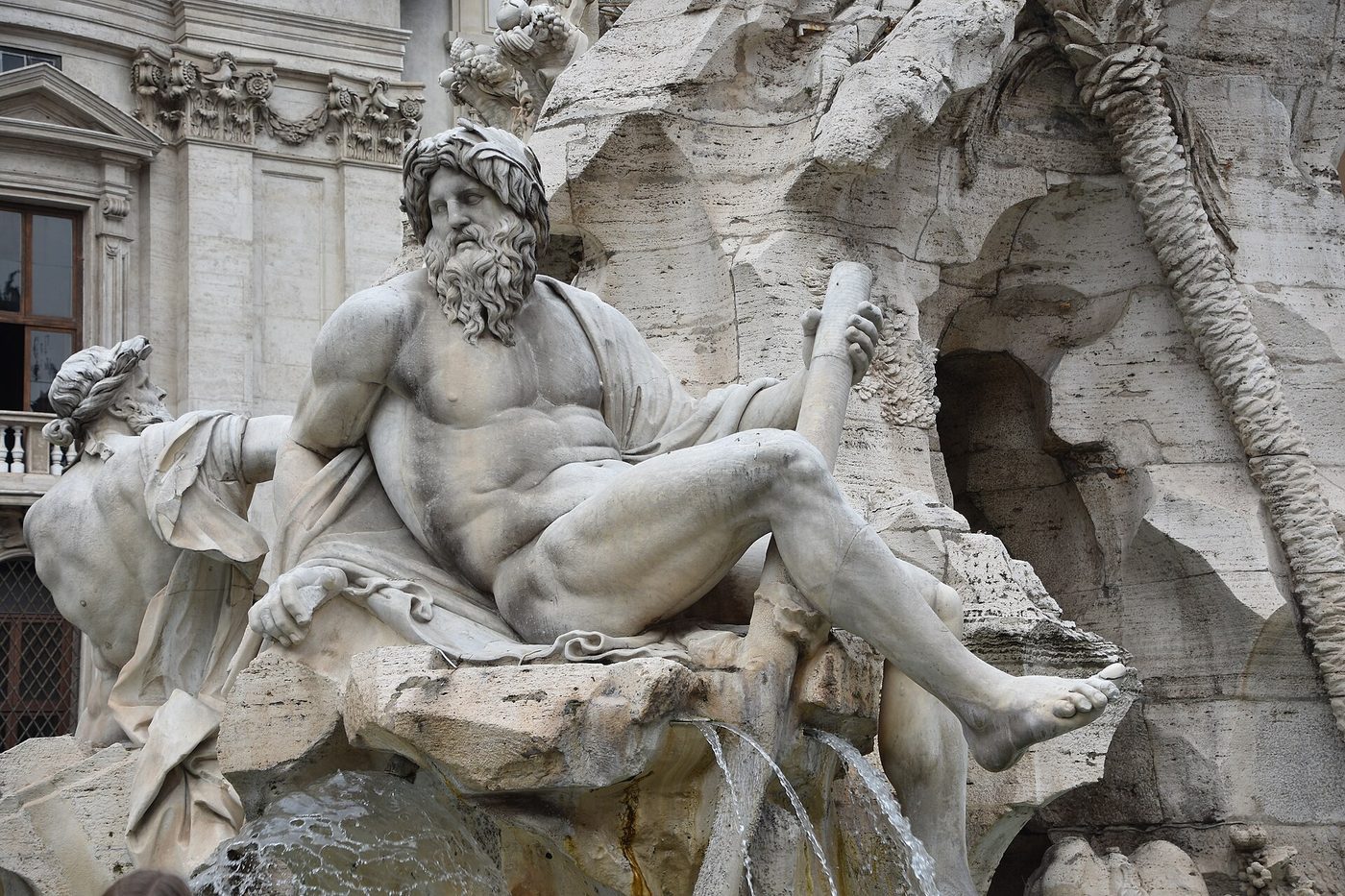
Built on the footprint of Domitian’s stadium, which is why it is that shape. Bernini’s Fountain of the Four Rivers sits in the middle, restored for the Jubilee along with the Neptune Fountain and the Fontana del Moro at either end. The old story that the river god shields his eyes from Borromini’s church facade opposite is a good story and not true, since the fountain was finished first. Sit on the fountain steps, refuse the restaurant terraces, and walk two streets east for coffee at a third of the price.
20. The Trevi Fountain

Since February 2026 it costs two euros to enter the basin area, and nothing at all to look from the piazza. My honest take: pay it once, early, then come back at 7am on another day when the light is good and the crowd is a dozen people. The fountain was restored for the Jubilee and the travertine is noticeably brighter than it was. Throwing a coin over your left shoulder with your right hand is the ritual; the money is collected and goes to charity.
21. The Spanish Steps
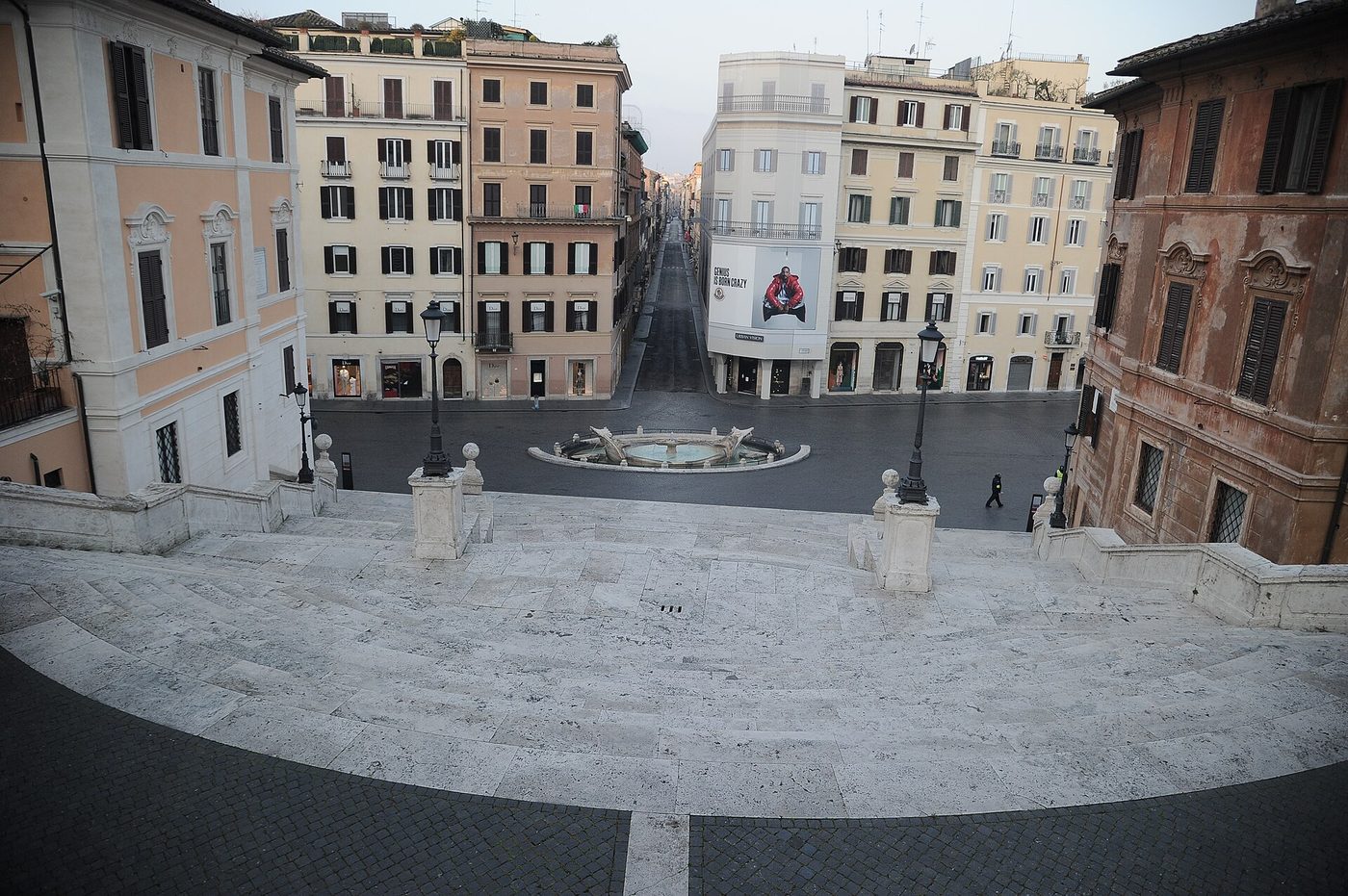
Free to visit, and you cannot sit on them. The ban carries a €250 fine, rising to €400 if you dirty or damage the steps, and it is enforced by officers who walk up and down. Come at dawn if you want the picture without the crowd. Bernini’s father made the boat fountain at the bottom, which most people photograph without noticing.
22. Castel Sant’Angelo
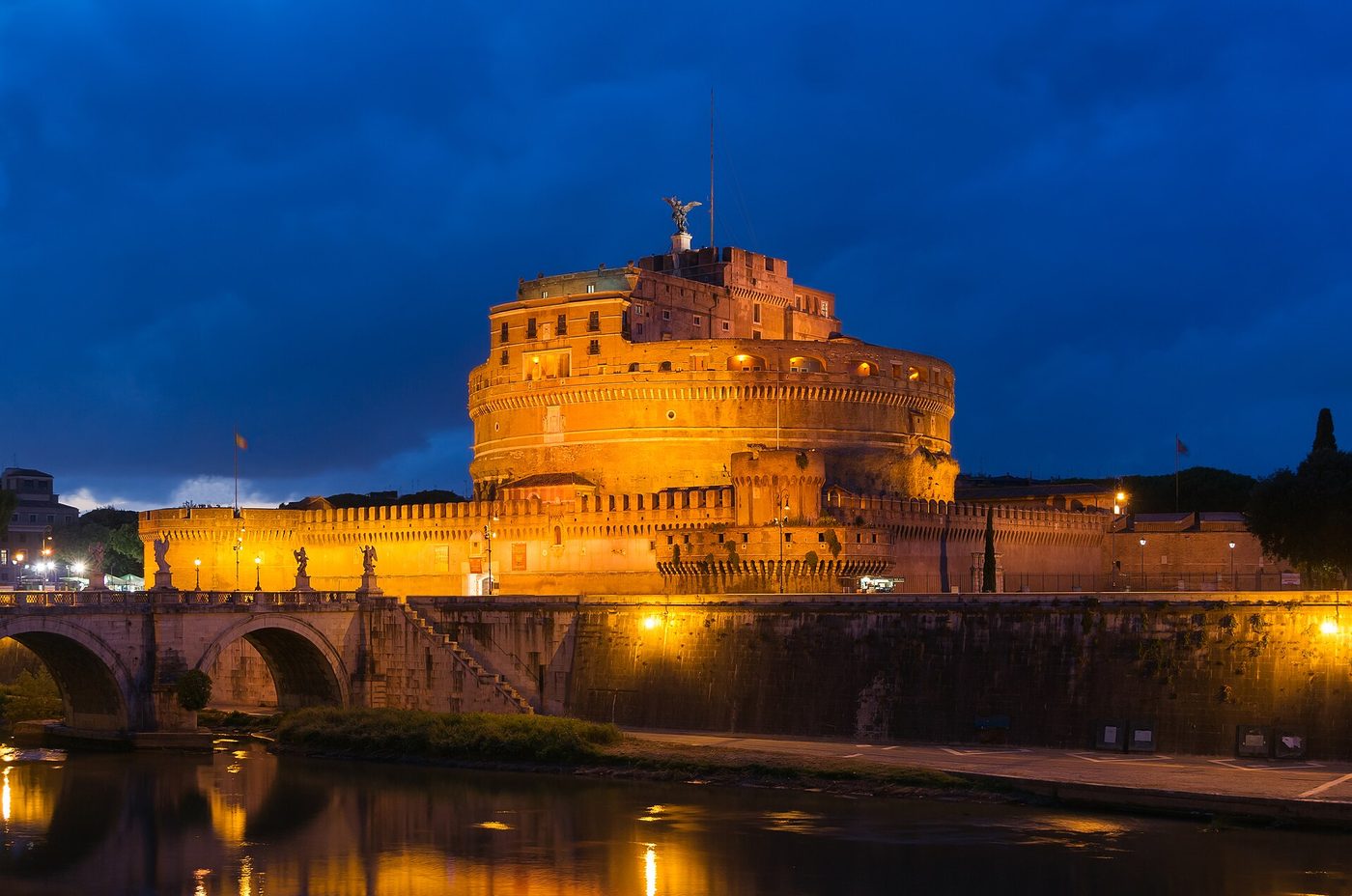
Fifteen euros gets you into what Hadrian built as his own mausoleum. The popes turned it into a fortress and connected it to the Vatican by the Passetto di Borgo, the walled escape corridor that popes used in earnest in 1527 and that has now reopened after Jubilee works. Go for the spiral ramp and the terrace, which gives you the best view down the Tiber and across to St Peter’s. The bridge in front, lined with Bernini angels, is the best short walk in Rome at dusk.
23. The Aventine keyhole and the Orange Garden
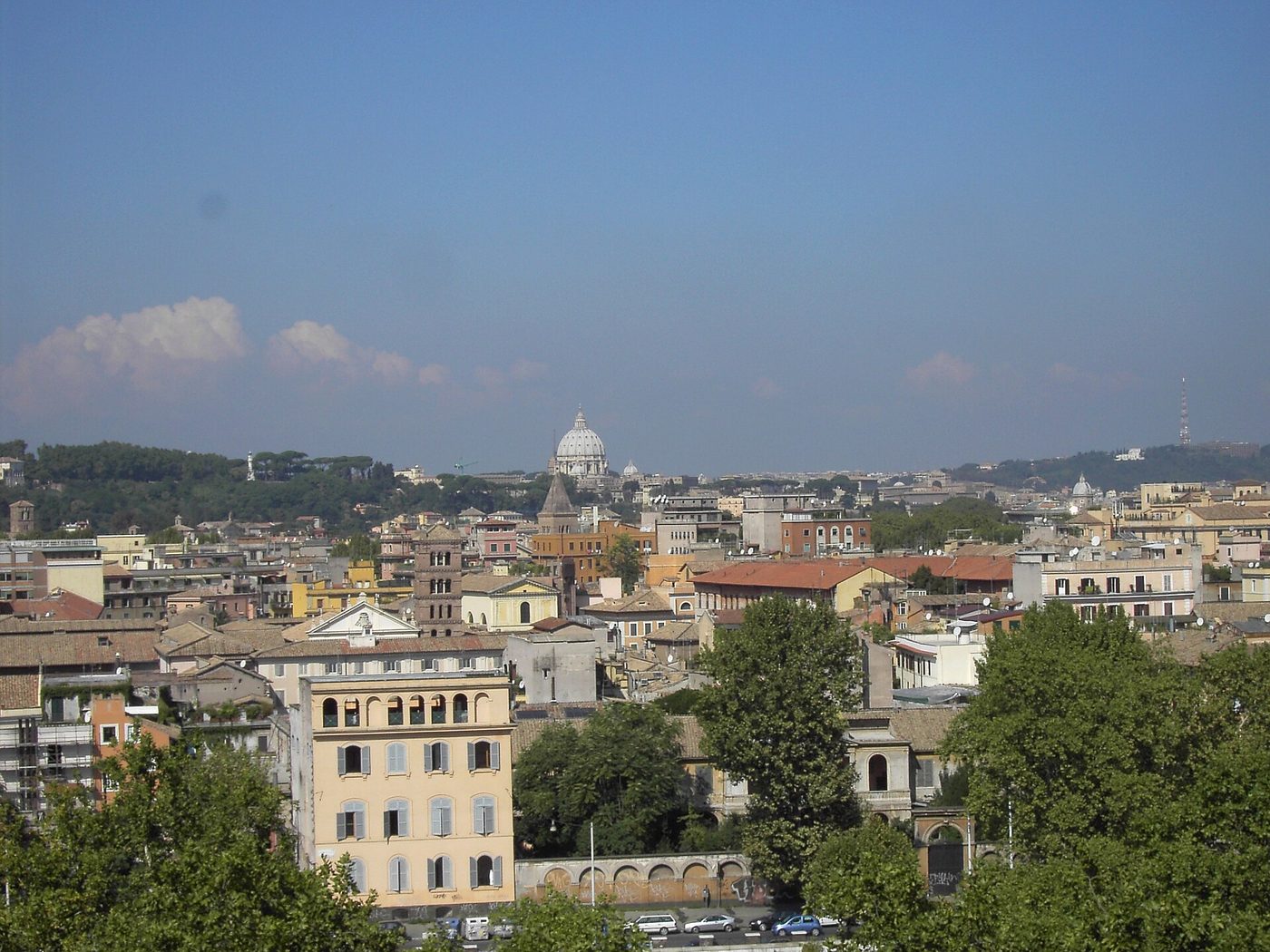
Two free stops on a quiet residential hill above Testaccio. The Giardino degli Aranci looks out over the whole city and is the sunset spot I send people to instead of the Pincio. Around the corner, the keyhole in the door of the Priory of the Knights of Malta frames the dome of St Peter’s down an avenue of clipped hedges, perfectly, deliberately. There will be a small queue and it moves fast.
24. Villa Borghese gardens
Eighty free hectares above the Spanish Steps with a boating lake, a small temple, and the Pincio terrace looking down over Piazza del Popolo. Renting a rowing boat for half an hour is the cheapest good time in central Rome. The Galleria Borghese sits inside the park, so pair them.
25. The Jewish Ghetto
Free to walk, and home to the oldest Jewish community in Europe, continuously here since the second century BC. The Portico d’Ottavia frames a fish market that ran on that spot for centuries. There are brass stolpersteine set into the paving outside the buildings people were taken from in October 1943, and reading them is not optional if you are going to eat here. Which you should: this is where carciofi alla giudia, the flattened deep-fried artichokes, are done properly.
26. Four more short stops that are worth the detour
Circus Maximus. Free, and mostly a grass oval now, which is exactly why it works: 150,000 people once watched chariot races here and standing at one end you can feel the length of it. There is a small charged section where the excavated seating and shops have been exposed. Twenty minutes, and it is on the walk between the Colosseum and the Aventine.
The Bocca della Verità. A first-century drain cover carved as a river god’s face, set into the portico of Santa Maria in Cosmedin, which ate Gregory Peck’s hand in Roman Holiday. Free with a small donation expected, and there is always a queue for the photograph. Go inside the church afterwards, which almost nobody does and which is lovely.
The Capuchin Crypt on Via Veneto. Around €10 for six small chapels decorated with the bones of some four thousand friars, arranged into chandeliers and arches over two hundred years. A plaque reads, roughly, what you are now we once were. It is not macabre so much as unnervingly calm, and it is not for children or for anyone who would rather not think about it.
The Gianicolo terrace. Free, and Rome’s other great viewpoint, on the hill above Trastevere. A cannon fires at noon every day, a tradition kept since 1847 so the city’s church bells could synchronise. Come up for sunset, walk down into Trastevere for dinner.
Rome by neighbourhood, from the centre outwards
Rome has ten neighbourhoods worth an afternoon, and the further out you go the more you see people living rather than visiting.
| Neighbourhood | Character | Go for | Getting there |
|---|---|---|---|
| Centro Storico | The core: Pantheon, Navona, Trevi, Campo de’ Fiori, the Ghetto. Inside the ZTL, so almost car-free | The monuments, and getting lost between them | Walk. Metro A to Barberini or Spagna |
| Trastevere | Village-like former working-class quarter west of the Tiber, ivy and ochre and cobbles. Dense nightlife, heavily touristed after dark | Dinner, the evening passeggiata, Santa Maria in Trastevere | Walk over Ponte Sisto. Tram 8 |
| Monti | Chic and central, wedged between the Forum and Termini. Vintage shops, small boutiques, aperitivo culture | Shopping that is not a souvenir stall, and the best-value central dinner | Metro B Cavour |
| Testaccio | Rome’s honest food neighbourhood, built around a market and a hill made of smashed amphorae | Testaccio Market, offal cooking, the Non-Catholic Cemetery | Metro B Piramide |
| Prati | Ordered and elegant, laid out on a grid north of the Vatican | Eating within reach of the Vatican without the tourist mark-up, shopping on Via Cola di Rienzo | Metro A Ottaviano or Lepanto |
| Pigneto | Hip and scruffy just outside Porta Maggiore, the Rome that gets compared to Brooklyn. Street art, vintage, cheap wine | Nightlife with almost no visitors in it. Via del Pigneto pedestrianises at night | Tram 5, 14 or 19 |
| Garbatella | A 1920s garden suburb of whimsical lotti built around communal courtyards. Peaceful and very photogenic | Wandering, and the sense of a Rome that was designed rather than accumulated | Metro B Garbatella |
| Aventine | Quiet, green and residential, high above the river | The Orange Garden at sunset and the Knights of Malta keyhole | Metro B Circo Massimo, then uphill |
| Quartiere Coppedè | A small Art Nouveau fantasy quarter, unlike anything else in the city and easy to miss entirely | Twenty minutes of architecture that looks like a fever dream | Tram 3 or 19 to Buenos Aires |
| EUR | Mussolini-era rationalist district south of the centre, all white marble and right angles | The Palazzo della Civiltà Italiana, the “Square Colosseum” | Metro B EUR Magliana or EUR Palasport |
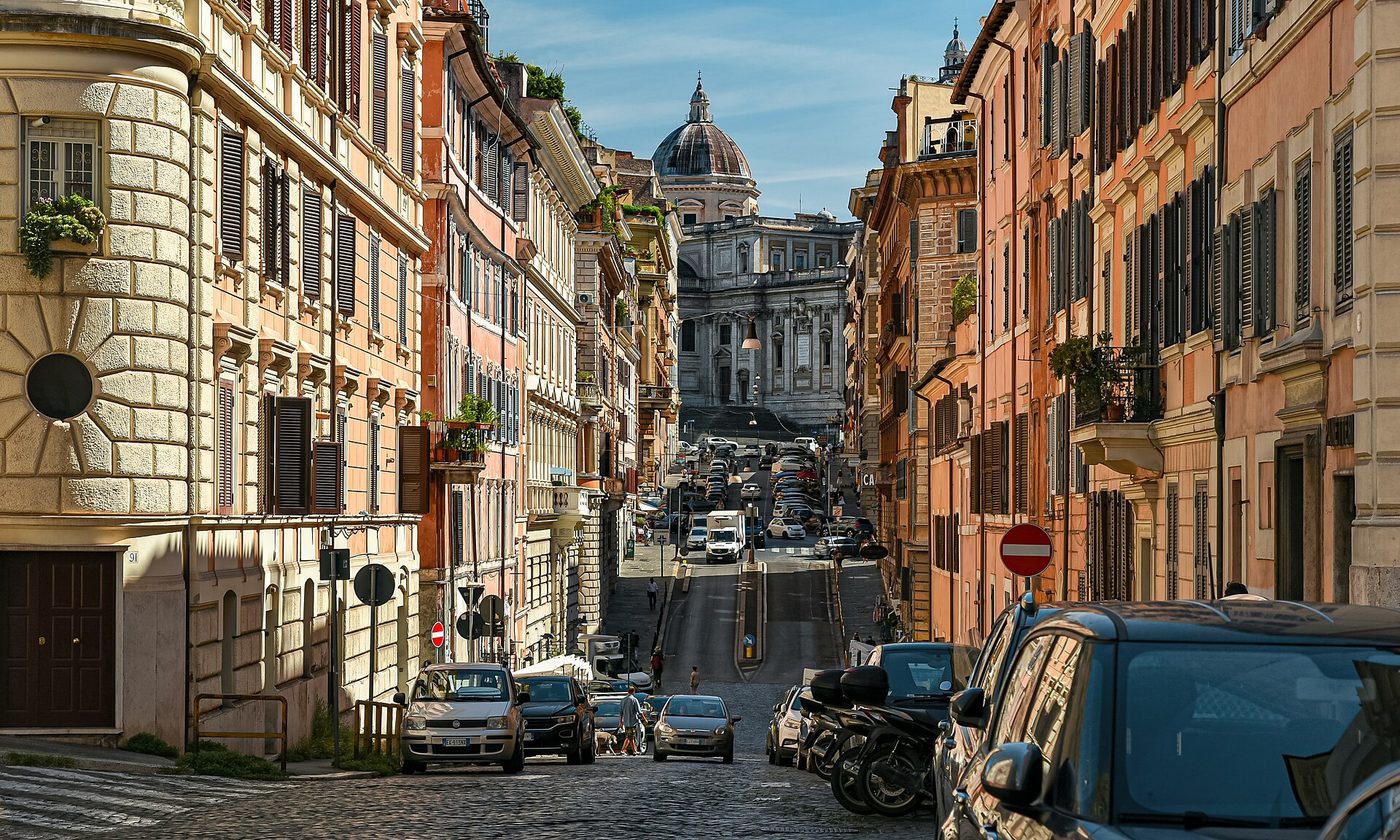
If you have one afternoon to spend outside the centre, make it Testaccio into the Aventine: market at eleven, lunch, then up the hill for the keyhole and sunset over the city. If you have two, add Pigneto in the evening. For how Rome compares with other short-break cities on walkability and cost, see our guide to European city breaks.
Eating in Rome, and what things actually cost
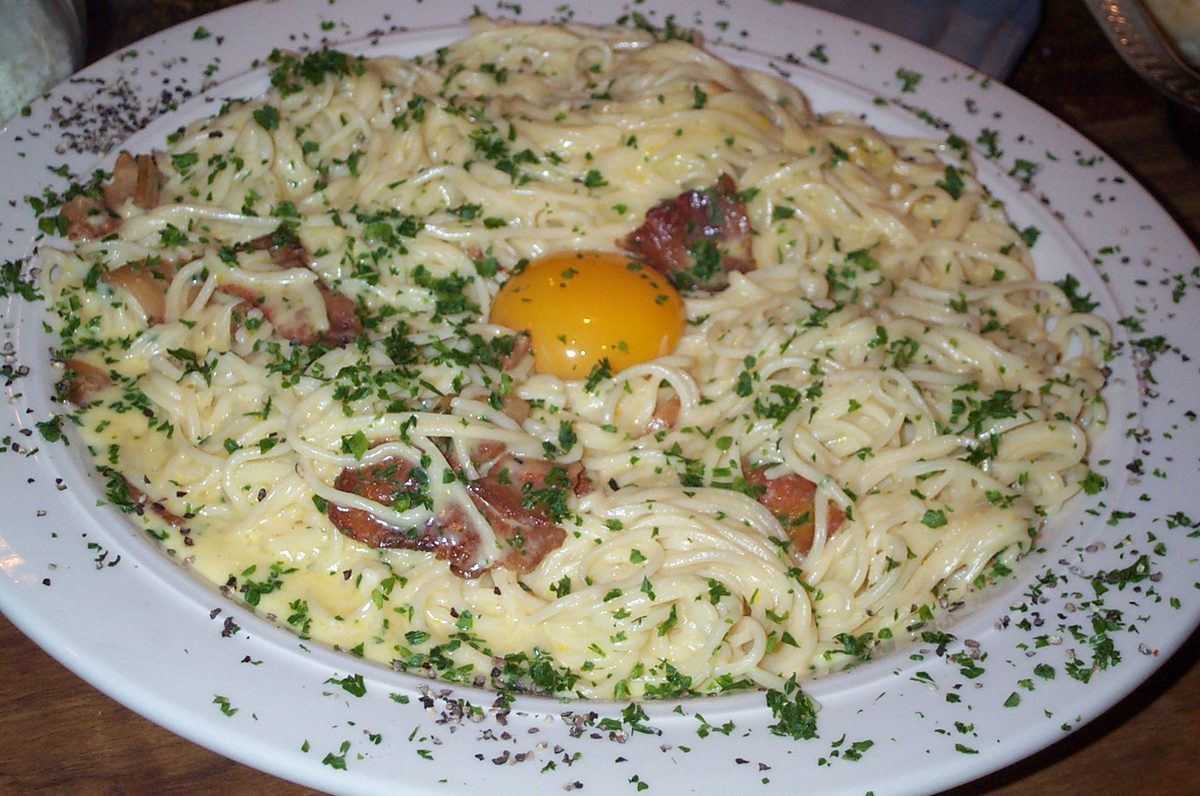
Roman cooking is narrow and deep. The pasta canon is four dishes, all built from the same short list of ingredients: carbonara with egg, pecorino, guanciale and pepper; amatriciana, which adds tomato and drops the egg; gricia, which is amatriciana without the tomato; and cacio e pepe, which is just pecorino, pepper and pasta water emulsified into a sauce by technique alone. Learning the difference between those four is most of what you need to order well.
| What | Typical price, 2026 | Worth knowing |
|---|---|---|
| Espresso, standing at the bar | €1.00 to €1.80 | The default. Order, drink, pay, leave |
| Same coffee, seated at an indoor table | Add roughly €0.50 to €1.00 per item | Legally posted. Not a scam, just a different price list |
| Same coffee, outdoor terrace with waiter service | Can roughly double. In a prime piazza a coffee and pastry can reach €5 to €10 or more | You are renting the view. Fine if you know you are doing it |
| Cornetto | €1.00 to €2.00 | Breakfast is a cornetto and a cappuccino, standing up, done in four minutes |
| Pizza al taglio | €3 to €6 a portion | Priced by weight. Point at the length you want and they cut and weigh it |
| Trattoria primo, a pasta course | €9 to €14 | A plate of cacio e pepe should not cost twenty euros |
| Trattoria secondo | €12 to €20 | You are not obliged to order one. Romans often do not |
| Menù del giorno, primo, secondo and wine | €10 to €18 | The best-value lunch in the city, usually chalked outside |
| Trattoria dinner, two courses with house wine | €22 to €40 a head | Off the tourist streets. On them, double it |
Two conventions to know. Coperto is a per-person cover charge, usually one to three euros, that pays for bread and the table setting rather than being a tip. In Lazio, the region Rome sits in, regional law prohibits the coperto outright, so what you see instead is either a charge for the bread basket, which you can decline when it arrives, or a servizio line of ten to fifteen per cent, which is legal and is charged widely. Whatever appears on the bill should be posted on the menu; if it is not, say so.
Tipping is not expected in Italy the way it is in the United States. A couple of euros left in cash for good service is generous and normal. Five to ten for something exceptional or a large table. Service is not added, and rounding up is entirely acceptable. Any tip needs to be cash, because the card machine will not offer you the option.
On gelato: the tell of a good gelateria is what you cannot see. Real gelato is stored in covered steel pozzetti, not piled into technicolour mountains above the counter, and pistachio should be a dull khaki-brown rather than bright green. Expect €2.50 to €4 for a small cone. Anywhere charging by the scoop within sight of a monument and refusing to quote a price first is where the sixteen-euro-per-scoop stories come from.
Where to eat, in the loosest terms: Testaccio for the classic Roman repertoire, the Ghetto for artichokes and fried things, Trastevere for atmosphere with a mark-up, Monti for value in the centre, Prati if you are near the Vatican and do not want to be robbed. Avoid anywhere with a photographic menu, anyone standing outside inviting you in, and any restaurant with a direct view of a major monument. Those three filters will do more for your eating than any list of names I could give you, because trattorie change hands faster than any list can track. Roman cooking sits inside a much bigger regional picture, which our regional Italian food guide maps out, and it is one of the strongest chapters in European food generally.
Getting around Rome, with the fares
Rome is walkable in the centre and awkward beyond it. The metro is small for a city this size because you cannot dig here without hitting something archaeological, which is also why Line C has taken decades.
| Ticket | Price | What it does |
|---|---|---|
| BIT single | €1.50 | 100 minutes, unlimited surface transfers, one single metro or urban rail journey |
| MULTIBIT, ten singles | €15.00 | No discount, just convenience |
| ROMA 24H | €8.50 | 24 hours from first validation |
| ROMA 48H | €15.00 | 48 hours from first validation |
| ROMA 72H | €22.00 | 72 hours from first validation |
| CIS weekly | €29.00 | To midnight on the seventh day, including the day you validate |
| Contactless tap and go | Capped at €8.50 | After the fifth single within 24 hours you are charged the €8.50 day rate and travel free thereafter |
| Children under 10 | Free | Accompanied by a paying adult |
| BIRG regional day ticket | €4.00 to €16.50 | By zone, for trips outside the city such as Tivoli |
The single fare held at €1.50 through the July 2025 restructure while every extended-validity ticket rose, which quietly makes the singles better value than they used to be relative to the passes. If you are walking most of the day and taking two or three rides, buy singles or just tap a contactless card and let the daily cap do the work.
Metro runs roughly 05:30 to 23:30, extended to 01:30 on Friday and Saturday nights, across all three lines: A in orange, B and B1 in blue, C in green. Night buses nMA, nMB and nMC shadow the metro routes when it is shut, and under the Piano Roma Notte programme Atac expanded night services from July 2026, with more frequent Thursday to Saturday running and travel assistants on duty.
Live works to check before you travel in August 2026: Lepanto station on Line A is closed for refurbishment from 18 July to 30 August 2026. Major tramway modernisation from 3 August affects lines 2, 3, 5, 8, 14, 19 and 514. Bus stops and departure points at Piazza dei Cinquecento outside Termini changed between 29 July and 14 August for roadworks. Rome does this constantly, so check the Atac site the week you travel rather than relying on a page written weeks earlier, this one included. Our guide to transport across the continent covers ticketing conventions across the continent, and train travel in Europe handles the intercity legs.
From the airports
| Route | Cost | Time | Notes |
|---|---|---|---|
| Fiumicino to Termini, Leonardo Express | €14 one way | 32 min, non-stop | Every 15 minutes, roughly 05:38 to 23:27 |
| Fiumicino to Trastevere / Ostiense / Tiburtina, FL1 regional | Roughly half the Leonardo Express | Varies by stop | Does not serve Termini. Every 15 min weekdays, 30 min weekends |
| Fiumicino to central Rome, taxi | €55 fixed | 40 to 60 min | Flat fare to anywhere inside the Aurelian Walls |
| Fiumicino to Termini, Terravision bus | From €7 | 55 min or so | Ticket valid for any same-day departure |
| Ciampino to central Rome, taxi | €40 fixed | 25 to 30 min | Roughly 18 km |
| Ciampino to Termini, Terravision bus | From €6 | 40 min or so | Ciampino has no rail link, so it is bus or taxi only |
The flat airport fares are the important line in that table. If a driver at Fiumicino tells you the meter is broken, or quotes you eighty euros, or approaches you inside the terminal rather than waiting at the rank, walk away. Use the official white taxis with the Roma Capitale shield on the door, from the marked rank, and either the meter or the posted flat fare applies. Unlicensed touts working the arrivals hall are the single most common way visitors lose money in Rome. Our continent-wide travel tips guide collects the equivalent traps in other cities.
Is the Roma Pass worth it? Let me do the maths
The official prices, from Roma Capitale’s own tourism site as of April 2026, are €38 for 48 hours and €62.90 for 72 hours. The transport operator’s listing shows €32 and €52, and resellers show €58; the city’s own page is the one I would trust, and it is the figure I have used below.
The 72-hour pass gives free entry to two attractions of your choice from more than a hundred participating sites, discounts on the rest, unlimited public transport for the duration, and free use of the P.Stop public toilet network. The 48-hour version gives one free entry.
Here is the catch. The Colosseum is not free on the Roma Pass unless it is one of your chosen entries. If you use your free entries elsewhere, the Colosseum drops to €11.50, not zero. And the Vatican Museums, the Sistine Chapel, St Peter’s and the Pantheon are not included at all, because the Vatican is a different country and the Pantheon is a basilica.
| Three-day plan | Paid separately | With the 72h Roma Pass at €62.90 | Verdict |
|---|---|---|---|
| Colosseum, Borghese, Capitoline, Castel Sant’Angelo, plus three days of transport | €18 + €18 + €15 + €15 + €22 = €88 | €62.90 for the pass, using the two free entries on Borghese and the Colosseum, plus Borghese’s €2 booking fee and discounted entry to the other two, so roughly €80 to €85 | Pass wins, but by five to eight euros rather than twenty-five |
| Vatican Museums, St Peter’s, Pantheon, plus walking everywhere | €25 + €0 + €7 = €32 | €62.90 and none of the three covered | Do not buy the pass |
| Colosseum, Pantheon, one museum, plus three days of transport | €18 + €7 + €15 + €22 = €62 | €62.90 for the pass plus €7 for the Pantheon, which it does not cover, so €69.90 | The pass loses by about eight euros. Buy tickets separately |
The rule of thumb: the pass earns its keep on a two or three day stay with four or five paid state and civic attractions plus daily transport, and the margin is usually smaller than the marketing implies. If your trip is Vatican-heavy, or you are walking everywhere, or you only want two big sites, buy tickets individually. The Omnia Vatican and Rome Card at €149 for 72 hours does bundle the Vatican Museums with the Colosseum and a hop-on bus, but at that price you need to be visiting nearly everything in it for the numbers to work.
Free entry days, and the traps in them
There are two separate free schemes in Rome, and they are easy to mix up, so once more, plainly:
| Scheme | When | Covers | Does not cover |
|---|---|---|---|
| Domenica al Museo, the Italian state scheme | First Sunday of every month, plus 25 April, 2 June and 4 November | Colosseum, Forum, Palatine, Galleria Borghese, Castel Sant’Angelo, Palazzo Barberini, Galleria Spada, Palazzo Venezia and the four Museo Nazionale Romano sites, among nearly 500 nationwide | Vatican Museums, Rome’s civic museums, MAXXI, and the Domus Aurea, which shuts entirely |
| Vatican Museums free Sunday | Last Sunday of the month, 09:00 to 14:00, final entry 12:30 | Vatican Museums and Sistine Chapel | Everything Italian. Different country, different scheme |
The 2026 first Sundays fall on 4 January, 1 February, 1 March, 5 April, 3 May, 7 June, 5 July, 2 August, 6 September, 4 October, 1 November and 6 December, though that list comes from a single secondary source, so confirm it before building a trip around one.
Now the traps. Galleria Borghese releases its free-day tickets only ten days ahead and still charges the €2 reservation fee, so there is no turning up. Colosseum free tickets cannot be booked at all and are collected in person in order of arrival, which on a summer first Sunday means queueing early. And the crowds on free Sundays are what you would expect, which is why my honest advice is that free Sundays are excellent if you live in Rome and mediocre if you have three days. Pay the eighteen euros, book a 09:00 slot, and have the place to yourself instead. If you are counting every euro, the cheapest places to travel in Europe makes the case that Rome is not one of them.
The Pantheon, incidentally, is free on the first Sunday too, confirmed by the basilica itself. That one is worth taking, because it is a twenty-minute visit and the queue moves.
When to go, and what the weather actually does
Peak season runs roughly April to October, and the difference it makes is less about weather than about availability. In winter you can often book a Colosseum slot a few days out; in July you cannot. The exception is the week between Christmas and New Year, which is busy.
August is the interesting trade-off. It is the warmest month by average daytime maximum, at around 28°C, while July edges it on mean temperature at around 26°C. Nights sit around 20°C. But August is also when the night ZTL restrictions pause, when many Roman-owned businesses close for Ferragosto and the city empties of Romans, and when the sky is reliably clear. You get a quieter, hotter, less authentic Rome. Whether that is a bargain depends on your tolerance for heat.
January and February are the coolest months, at around 14°C by day and 8°C at night in February. November is the wettest, roughly 164 mm across about fifteen rainy days. July is the driest, around 17 mm across about four. Annual rainfall figures vary a lot by source, from about 750 mm to about 943 mm, so I would not lean on a precise number. Autumn is the wet season, followed by winter.
My own preference, for what it is worth, is the second half of October: warm enough for outdoor dinner, cool enough for six hours of walking, and the light on travertine at that time of year is worth the trip on its own. April is the other answer, with the added benefit of wisteria on half the courtyards in Trastevere. Rome is a strong summer city too if you plan around the heat, which our guide to the best places to visit in Europe in summer goes into. For a wider view of European timing, our guide to the best time to visit Europe sets Rome against the rest of the continent, and there is a dedicated best time to visit Italy guide for the country as a whole.
Where to stay, and the tourist tax nobody budgets for
Rome charges a contributo di soggiorno on top of your room rate, per person per night, and it is almost always collected at the property rather than included in your online booking total. It caught me out on my first trip and it catches out most people. The rates were set in July 2023 and took effect that October.
| Accommodation | Per person, per night |
|---|---|
| 5-star hotel | €10.00 |
| 4-star hotel | €7.50 |
| 3-star hotel | €6.00 |
| 2-star hotel | €5.00 |
| 1-star hotel | €4.00 |
| Airbnb and private short-lets | €6.00 flat, whatever the property |
| Youth hostels | €3.50 |
| Campsites | €3.00 |
It is charged for a maximum of ten consecutive nights at one property, and children under ten are exempt. For a couple in a four-star hotel for four nights that is €60 you had not planned for. The pre-October-2023 schedule, which had five-star at €7 and one-star at €3, is superseded.
On where to base yourself: Monti and the Centro Storico if you want to walk everywhere and do not mind paying for it; Prati if you want quiet, good food and easy Vatican access; Trastevere if evenings matter more than mornings and you can sleep through noise; Testaccio or Ostiense if you want value and do not mind a metro ride. Termini is cheap and convenient and grim, and I would only do it for one night. Rome is a classic romantic base as well, and features in our Europe honeymoon planning guide. Our wider guide to choosing a base works through the same logic for other cities.
Itineraries: one, two, three and four days
Three to four days covers Rome’s headline sights without sprinting. Three full days realistically means five or six major sites plus proper wandering. Here is what I would actually do.
| Length | Plan |
|---|---|
| One day | Colosseum at 08:30 on a booked slot, then Forum and Palatine. Lunch in Monti. Walk to the Pantheon, Piazza Navona and the Trevi Fountain in that order. Dinner in Trastevere. You will be exhausted and you will have seen Rome |
| Two days | Day one as above. Day two: Vatican Museums at opening, St Peter’s, the dome if your knees allow, lunch in Prati, Castel Sant’Angelo and the Ponte Sant’Angelo at dusk |
| Three days | Add Galleria Borghese on a booked morning slot, the Villa Borghese gardens after it, Palazzo Massimo in the afternoon, then the Aventine keyhole and Orange Garden for sunset, dinner in Testaccio |
| Four days | Give day four to something outside the walls: Ostia Antica, or the Appian Way with the catacombs, or Tivoli for Villa d’Este and Hadrian’s Villa. Come back for an early dinner in the Ghetto |
The one structural piece of advice I would add: put your two booked, timed entries on different days. Two hard time constraints in one day turns a holiday into a logistics exercise, and the gap between them is always either too short to use or too long to enjoy. If you are stitching Rome into a longer trip, our Europe itinerary guide and the 10-day Italy itinerary both handle the sequencing.
Day trips from Rome
| Where | Getting there | Cost | Worth it? |
|---|---|---|---|
| Ostia Antica | Metro B to Piramide, then Roma Lido train. Covered by a normal city ticket | Around €19 entry | Yes. The best value day trip from Rome by a distance |
| Tivoli | Cotral bus from Ponte Mammolo on Metro B, or from Tiburtina | Villa d’Este €23, Hadrian’s Villa around €15, or €34 for the Villae Pass covering both | Yes, but pick one villa if you only have half a day. They are not close together |
| Orvieto | Train, about 80 minutes | Around €12 regional, €18 to €20 Intercity, plus €1.30 each way on the funicular | Yes if you want an Umbrian hill town and a cathedral facade that stops you dead |
| Naples | Frecciarossa or Italo, about 1 hr 10 min | From roughly €9 to €15 booked ahead | Yes, but stay overnight. Naples deserves more than six hours |
| Pompeii | High-speed to Naples, then Circumvesuviana, about 36 minutes | Rail as above, plus site entry | Only if you must. Reckon on 12 to 13 hours door to door for a proper visit |
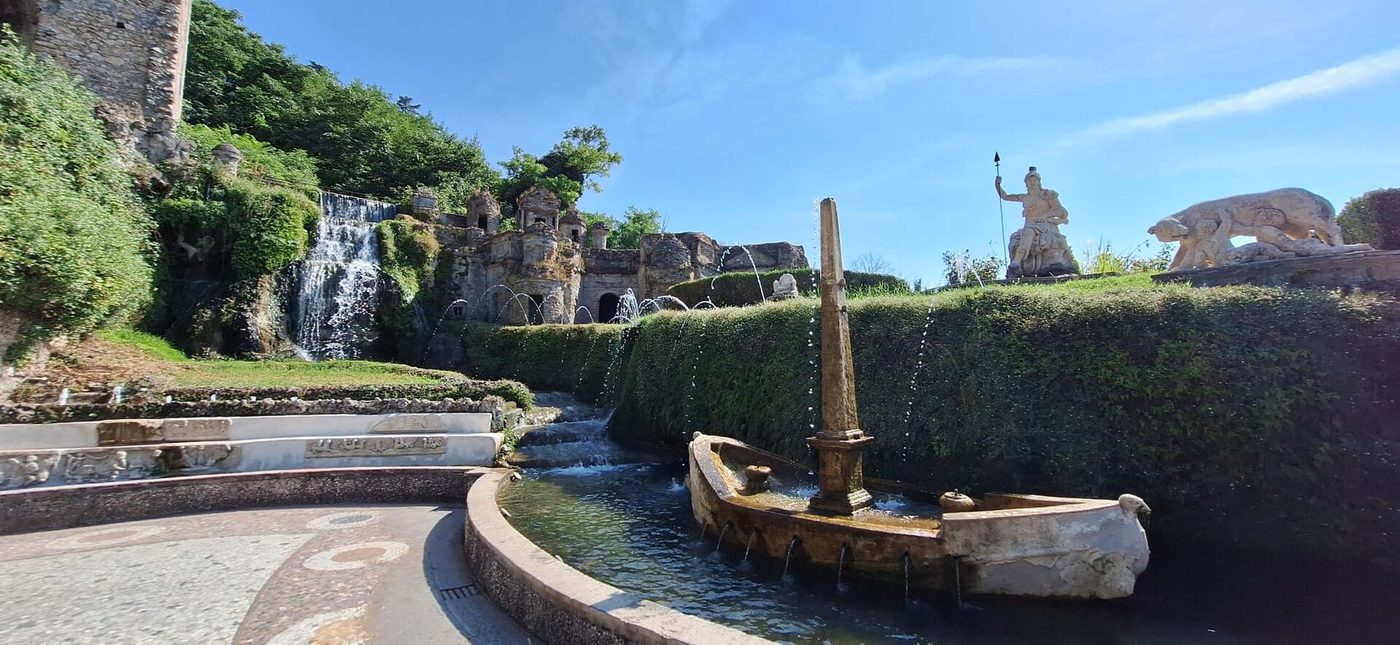
Villa d’Este deserves a sentence of its own. Five hundred fountains across a terraced hillside, and not one of them is pumped. The whole system runs on gravity from the Aniene river, engineered in the 1560s, and it has been working ever since. The Fountain of the Organ plays music using nothing but water pressure and air. It is the single most impressive piece of Renaissance engineering I have stood in front of.

On Pompeii: I include it because everyone asks, and I discourage it because the arithmetic is brutal. Twelve to thirteen hours door to door, of which perhaps four are spent at the site, in order to see something you could see more comfortably at Ostia Antica for the price of a metro ticket. Do Pompeii from Naples or Sorrento, not from Rome. If the coast is calling, the Amalfi Coast travel guide and our roundup of the best Mediterranean destinations are the logical next reads.
Rome by traveller type
| If you are | Prioritise | Skip |
|---|---|---|
| A first-timer with three days | Colosseum, Vatican, Pantheon, Borghese, one long evening in Trastevere | Day trips. Rome will fill the time |
| Coming back for the second or third time | Palazzo Massimo, Centrale Montemartini, the Appian Way, Ostia Antica, Garbatella and Pigneto | The Trevi basin ticket. See it from the piazza |
| Travelling with children | Colosseum with the app audio guide, the Villa Borghese boating lake, gelato as a structural element of the day, Ostia Antica where they can climb on things | Long gallery museums. Two hours in the Vatican is the ceiling |
| On a tight budget | St Peter’s, the Caravaggio churches, San Clemente’s upper level, the Aventine, the Appian Way, Villa Borghese, Testaccio market lunch | The Omnia Card. Roma Pass only if the maths works for your list |
| Here for the art | Borghese, Palazzo Massimo, Barberini, Doria Pamphilj, Villa Farnesina, the three Caravaggio churches | Rushing the Vatican. Give it a whole morning or do not go |
| Travelling solo | Anything ticketed and timed, which is easier alone. Bar counters, where eating alone is normal. Evening passeggiata in Trastevere | Nothing. Rome is one of the easiest solo cities in Europe |
| Mobility limited | The Vatican Museums, which guarantee priority entry and free companion tickets with a European Disability Card. Pantheon, Piazza Navona, Villa Borghese | The dome climb, the catacombs, and the Forum, where the ground is uneven throughout |
| Visiting in high summer | 08:30 openings, the catacombs and San Clemente for the cool, long lunches indoors, evenings out late | Midday on the Palatine. There is no shade and people faint there every August |
If you are travelling with children, our family travel guide has more on pacing city days, and our solo travel guide covers the practicalities of eating and moving alone. If this is a first trip to the continent, start with how to plan a trip to Europe and check the entry rules in our Schengen visa and ETIAS guide.
Swap this for that
Some of Rome’s famous experiences have quieter, cheaper or simply better equivalents a few streets away. These are the trades I make.
| Instead of | Do this | Why |
|---|---|---|
| Paying €2 for the Trevi basin at 2pm | Viewing it free from the piazza, then returning at 7am | Same fountain, no fee, no crowd, better light |
| Queueing for the Colosseum interior with no booking | The Baths of Caracalla, or the Colosseum booked 30 days out | Caracalla gives you Roman scale with nobody in it, for €8 |
| A day trip to Pompeii | Ostia Antica | Same experience of a Roman town, four hours saved, and it is on your city ticket |
| The Pincio terrace at sunset | The Giardino degli Aranci on the Aventine | Wider view, a quarter of the people, and the keyhole is next door |
| Lunch on Piazza Navona | Lunch two streets away in any direction | Half the price, twice the food, and often the same kitchen supplier |
| The hop-on hop-off bus | Bus 118 down the Appian Way, or just walking | Rome’s centre is 3 km across. The bus spends its life in traffic you could outwalk |
| Campo de’ Fiori market | Testaccio Market | Campo is largely souvenirs now. Testaccio is where Romans actually shop |
| A Vatican Museums “skip the line” reseller at €60 | The official site at €25 including the booking fee | The €5 official fee is the skip-the-line. You are paying €35 for nothing |
Mistakes, scams and the things that will cost you money
Rome is a safe city for violent crime and an expensive one for inattention. Pickpocketing is the real risk and it is concentrated in predictable places.
The named hotspots are Termini station, Metro Line A, the Trevi Fountain crush, the Colosseum queue, the approaches to the Vatican, and bus lines 40 and 64. The 64, which runs Termini to the Vatican, is known widely enough as the “pickpocket express” that the nickname appears in mainstream travel press. The 40 is the express version of the same route with the same profile. Line A is the metro line that matters because it serves Termini, Ottaviano for the Vatican, Barberini for Trevi and Spagna for the Spanish Steps, which is to say it connects every place a tourist stands still with a phone out. I should be straight that this hotspot list comes from travel media rather than from a published police source; I could not find an official Comune or Polizia di Stato document naming specific lines.
The practical version: bag in front of you and zipped on the 64 and on Line A, phone in a front pocket, nothing in a back pocket, and be actively suspicious of anyone who creates a distraction in a doorway or on a step. That is the whole defence and it works.
The other reliable money-losers:
Airport taxi touts. Covered above, but worth repeating because it is the most expensive mistake available. Official white taxi, marked rank, €55 from Fiumicino and €40 from Ciampino to anywhere inside the Aurelian Walls.
Fake Vatican ticket sites. The Vatican Museums publish a warning about lookalike domains charging significantly more than the official price. Book at tickets.museivaticani.va. If a site is charging €50 to €70 for standard entry, that is the difference going in someone’s pocket.
Colosseum touts. People near the Colosseum selling “skip the line” access and posing as accredited guides. The nominative ticket and photo ID regime has made straightforward resale largely unusable, which is exactly why it exists, but the touts have not all got the message.
The friendship bracelet and the roses. Someone ties a bracelet on your wrist or presses a rose into your partner’s hand, then demands payment. Keep your hands down and keep walking.
Sitting on the Spanish Steps. €250, rising to €400 if you dirty or damage them. It is enforced.
Driving into the ZTL. The historic-centre limited traffic zone is closed to unauthorised vehicles Monday to Friday 06:30 to 18:00 and Saturday 14:00 to 18:00, excluding holidays, plus Friday and Saturday nights 23:00 to 03:00. Only the night zones pause in August; the daytime restriction runs all summer. From 15 January 2026 a 30 km/h limit applies throughout the zone, and from 2 February 2026 transit permits must be applied for online or in person by appointment. Access rules for electric and hydrogen vehicles changed again on 1 July 2026. The cameras are automatic and the fine arrives at your rental company months later with an administration charge on top. The short answer is: do not drive in central Rome. Our Europe road trips guide covers the ZTL problem across Italian cities generally, and our Europe packing list has the one item that matters most in Rome, which is shoes you can walk fifteen kilometres a day in.
And two mistakes that are not scams, just avoidable: booking the Colosseum for the same day as the Vatican, which gives you two timed entries and no room to breathe; and assuming everything closes on Mondays. The Colosseum, Forum and Palatine are open every day except 25 December and 1 January. Galleria Borghese closes Mondays. The House of Augustus on the Palatine closes Mondays and the House of Livia closes Tuesdays. The Vatican closes Sundays except the last of the month. There is no single rule, which is why the table at the top of this guide has a closures column.
What I could not verify, and what this guide does not cover
A guide this long should be honest about its edges. A handful of figures above come from a single source I could not corroborate on an official page: the €26 Domus Aurea guided visit, the San Clemente underground price, the Case Romane del Celio and Villa Farnesina prices, the Capuchin Crypt price, the Trajan’s Markets and MAXXI fares, and the 2026 first-Sunday date list. Hadrian’s Villa is worse than that: I found €10, €12 and €15 quoted across different pages within a week, so I have given the highest and told you to check. I have flagged each in place. Prices for Italian civic museums in particular move without announcement.
Nor have I covered everything. There is no nightlife section, because Rome’s is thinner than Milan’s or Naples’. There is no shopping section beyond a line on Via Cola di Rienzo. And I have said nothing about the football, which for a certain kind of visitor is the entire reason to come, and which needs its own guide rather than a paragraph. Nor have I covered the rest of the country: Tuscany, the Cinque Terre, Sicily and Lake Como each have their own guide.
Frequently asked questions about things to do in Rome
How many days do you need in Rome?
Three to four days covers the highlights without rushing. Three full days realistically gets you five or six major sites plus proper wandering time. Two days is enough for the Colosseum, the Vatican and the historic centre if you book both timed entries in advance. One day is possible and will be a sprint.
What should I not miss in Rome?
If I had to reduce it to five: the Colosseum with the Forum, the Vatican Museums and Sistine Chapel, St Peter’s Basilica, the Pantheon, and Galleria Borghese. If I could add a sixth, it would be San Clemente, where you descend through three cities in one building.
Do you need to book the Colosseum in advance?
Yes. Entry is by compulsory timed slot and tickets are released thirty days before the visit date on ticketing.colosseo.it. In peak season the Arena and Underground tiers go within days of release. Tickets are issued in your name and you must show matching photo ID at the entrance.
Is the Roma Pass worth it?
It depends entirely on your list. The 48-hour pass is €38 and the 72-hour is €62.90 according to Roma Capitale’s own tourism site. It pays for itself on a two or three day trip taking in four or five paid state and civic attractions plus daily transport. It does not pay if your trip is Vatican-heavy, because the Vatican Museums, Sistine Chapel and St Peter’s are not included, and neither is the Pantheon. Note also that the Colosseum only costs you nothing if it is one of your chosen free entries; otherwise it drops to €11.50 rather than zero.
Is the Pantheon free to enter?
Not any more, except on free days. Standard entry rose from €5 to €7 on 1 July 2026. Under-18s, residents of the Comune di Roma and people with disabilities are exempt, and EU citizens aged 18 to 25 pay €2. It is free on the first Sunday of every month, when there is no online booking and you queue for a ticket at the door.
Are Rome’s museums free on the first Sunday of the month?
Italian state museums are, under the Domenica al Museo scheme, which covers close to five hundred sites nationwide including the Colosseum, Galleria Borghese, Castel Sant’Angelo and the Museo Nazionale Romano venues. Rome’s own civic museums are not part of it and run their own pricing. The Domus Aurea closes entirely on first Sundays, and MAXXI does not participate.
Are the Vatican Museums free on the last Sunday of each month?
Yes, from 09:00 to 14:00 with final entry at 12:30. This is a separate scheme from the Italian first-Sunday one, because Vatican City is a different country. The Museums are otherwise closed on Sundays altogether, so turning up on a first Sunday expecting free entry means finding the doors shut.
Can you sit on the Spanish Steps?
No. Sitting has been banned since 2019 and carries a €250 fine, rising to €400 if you dirty or damage the steps. Officers patrol them and move people on. You can walk up and down them freely.
What can you do in Rome for free?
A great deal, and it is the best part of the city. St Peter’s Basilica including the papal tombs. The Caravaggios in San Luigi dei Francesi, Santa Maria del Popolo and Sant’Agostino. The upper church at San Clemente. Santa Maria in Trastevere. Piazza Navona, the Trevi Fountain from the piazza, the Spanish Steps, the Villa Borghese gardens, the Orange Garden and the Aventine keyhole, the Appian Way, the Jewish Ghetto, Testaccio market, and every one of Rome’s roughly nine hundred churches. You could fill three days without paying an entry fee.
Is Rome expensive?
Less than you would think for food and transport, more than you would think for accommodation and entry fees. An espresso at the bar is €1 to €1.80, a metro ride €1.50, a lunchtime menù del giorno €10 to €18. Where it adds up is tickets, at €18 to €25 a major site, and the tourist tax at up to €10 per person per night on top of the room. Budget roughly €60 to €90 a day per person excluding accommodation if you are visiting two paid sites and eating properly. Our guide to travelling Europe cheaply has the wider comparison, and Rome appears throughout our list of the best places to visit in Europe.
Is Rome safe?
Yes for violent crime, and you should be alert for pickpocketing. The named hotspots are Termini, Metro Line A, the Trevi crush, the Colosseum queue, the Vatican approaches and buses 40 and 64. Bag zipped and in front of you on those routes solves most of it. The airport taxi touts and fake ticket sites will cost you more than any pickpocket.
What is Rome most famous for?
Being the capital of an empire that ran the Mediterranean for five centuries, and then the centre of the Catholic Church for most of the fifteen hundred years since. The Historic Centre of Rome is on the UNESCO World Heritage List, and the inscription unusually includes the extraterritorial properties of the Holy See and San Paolo Fuori le Mura. In practical terms: the Colosseum, the Vatican, the Pantheon, and the fact that you cannot dig a metro tunnel here without hitting a Roman wall.
What is Rome known for food-wise?
Four pasta dishes, all from the same small set of ingredients: carbonara, amatriciana, gricia and cacio e pepe. Beyond that, carciofi alla giudia in the Ghetto, supplì as street food, pizza al taglio sold by weight, saltimbocca, and offal cooking in Testaccio that goes back to the old slaughterhouse. Rome does not do elaborate. It does four ingredients handled correctly. Our guide to European food puts it in context, and there is a dedicated regional food guide too.
How do you get from Fiumicino Airport to Rome?
The Leonardo Express runs non-stop to Termini in 32 minutes for €14, every fifteen minutes from roughly 05:38 to 23:27. The FL1 regional train is cheaper, at around half the price, but it serves Trastevere, Ostiense, Tuscolana and Tiburtina rather than Termini. A taxi is a fixed €55 to anywhere inside the Aurelian Walls, from the official rank only. The Terravision bus starts around €7. From Ciampino there is no rail link at all, so it is a €40 fixed-fare taxi or a bus from around €6.
What is the best time to visit Rome?
Late October or April, in my view. Warm enough to eat outside, cool enough to walk for six hours, and far easier to book timed entries than in summer, which our best time to visit Italy guide breaks down month by month. August is warmest at around 28°C by day, and it empties of Romans for Ferragosto. January and February are the coolest, at around 14°C in February. November is the wettest month and July the driest.
Final thoughts
The mistake I made for years in Rome was treating it as a checklist, and the city punishes that. Every hour you spend queueing for something you did not book is an hour not spent in the thing Rome is best at, which is the accidental. The Pantheon in rain. A brass plate in the Ghetto pavement. A room in Palazzo Massimo where somebody painted a garden onto four walls two thousand years ago and you are the only person looking at it.
So book the five things that need booking, thirty days out for the Colosseum and as early as you can manage for Borghese, and then leave the rest of your days loose. Walk more than you plan to. Eat lunch at one o’clock like a Roman rather than at noon like a tourist. Go into churches you have not heard of. And when you find the place with the good espresso, go back to it every morning instead of finding a new one, because that is how a city stops being a destination and starts being somewhere you know.
For more of Italy, our Italy travel guide is the place to start, and the city guides to things to do in Venice and things to do in Florence pick up where this one stops. If Rome is one stop on a longer route, train travel in Europe covers getting between them.
Hannah Brooks has spent fifteen years travelling, living and writing across Europe, from the Arctic tip of Norway to the south of Sicily. She has planned hundreds of European itineraries for readers and is Senior Europe Editor at EuropeanTourism.org.
Photo credits
- The Colosseum in Rome, the first of the great things to do in Rome · Photo: Wilfredor (CC0) via Wikimedia Commons
- The Roman Forum seen from the Palatine Hill in Rome · Photo: Matt Brisher from Madison, WI, USA / CC BY 2.0 via Wikimedia Commons
- A gilded and frescoed ceiling bay in the Vatican Museums in Rome · Photo: Jebulon (CC0) via Wikimedia Commons
- Michelangelo’s ceiling frescoes in the Sistine Chapel at the Vatican · Fresco by Michelangelo, public domain reproduction via Wikimedia Commons
- St Peter’s Basilica and Square in Vatican City, Rome · Photo: Wouter Engler / CC BY-SA 4.0 via Wikimedia Commons
- The towering brick walls and umbrella pines of the Baths of Caracalla in Rome · Photo: Karelj (CC0) via Wikimedia Commons
- Carved theatrical masks at the archaeological park of Ostia Antica near Rome · Photo: Sonse / CC BY 2.0 via Wikimedia Commons
- The medieval mosaic facade of Santa Maria in Trastevere, Rome · Photo: Bjsamelsonjones at English Wikipedia (CC0) via Wikimedia Commons
- The coffered dome and open oculus inside the Pantheon in Rome · Photo: T. Le Berre / CC BY-SA 4.0 via Wikimedia Commons
- A river god on Bernini’s Fountain of the Four Rivers in Piazza Navona, Rome · Photo: Timothy A. Gonsalves / CC BY-SA 4.0 via Wikimedia Commons
- Crowds around the Trevi Fountain in Rome · Photo: Ypsilon from Finland (CC0) via Wikimedia Commons
- The Spanish Steps in Rome, empty at first light, looking down to Via dei Condotti · Photo: European Commission / CC BY 4.0 via Wikimedia Commons
- Castel Sant Angelo and the Ponte Sant Angelo lit at dusk over the Tiber in Rome · Photo: Jebulon (CC0) via Wikimedia Commons
- The rooftops of Rome and the dome of St Peter’s seen from the Aventine Hill · Photo: user:Lalupa (CC0) via Wikimedia Commons
- A street in the Monti district of Rome looking towards Santa Maria Maggiore · Photo: Jorge Franganillo / CC BY 2.0 via Wikimedia Commons
- A plate of fresh Italian pasta, the heart of Roman cooking · Photo: stu_spivack / CC BY-SA 2.0 via Wikimedia Commons
- Fountains and cascades in the gardens of Villa d’Este at Tivoli near Rome · Photo: Cruz.croce / CC BY-SA 4.0 via Wikimedia Commons
- The ruins of Pompeii with Mount Vesuvius behind, a long day trip from Rome · Photo: unknown author (CC0) via Wikimedia Commons