Underrated Places in Europe: 32 That Are Still Quiet
Every list of underrated places in Europe I have read in the last two years has included at least one city with a dedicated overtourism policy. Dubrovnik caps its cruise ships. Ljubljana has a housing crisis driven partly by short-term rentals. Albania recorded more than twelve million foreign border entries last year, in a country of 2.3 million people. These are many things, but they are not undiscovered.
So here is a version built on numbers instead of adjectives. The genuinely underrated places in Europe are the ones with low tourism intensity, meaning few visitor nights relative to the people who actually live there: inland Croatia and Istria, the Peloponnese, Bulgaria’s Rhodopes, northern Spain’s Picos de Europa, the Azores, Slovakia, Bosnia, the Baltics beyond their capitals, and the whole of the Portuguese interior. Below are 32 of them, sorted into three honest tiers, with how to get there, when to go and what they cost. For one country in far more depth, we list forty places worth planning a Spanish trip around.
What “underrated” actually means, measured
The word is almost never defined, which is how Bologna and Edinburgh keep being described as overlooked. Eurostat does define it, in two ways worth knowing.
Tourism intensity is nights spent per thousand residents. The EU average is roughly 6,600, and it tells you how much a place is carrying relative to its own population. Tourism density is nights per square kilometre, around 700 across the EU, and it tells you how concentrated the pressure is on the ground.
Run any famous destination through those and the picture clarifies fast. On 2024 figures Croatia records more than 24 tourist nights per inhabitant per year, Malta around 20 and Cyprus 18.5, against an EU average under 7. The European Commission reported in 2026 that close to a fifth of all tourist nights in the EU land in just seven regions. That is the imbalance this guide is trying to correct, and it is why a place can be well known and still genuinely under-visited: the Picos de Europa are in every Spanish guidebook and see a fraction of Andalusia’s traffic.
So I have used three tiers, and I have been honest about which is which. Costs below are per person per day for a mid-range trip, sampled against hotel and restaurant prices in mid-2026. Treat them as planning numbers rather than quotes.
- Tier one: statistically quiet. Low intensity, low density, few foreign visitors, and infrastructure that is still built mainly for locals.
- Tier two: overshadowed. Well documented, perfectly easy to reach, but standing next to something so famous that almost everyone drives past.
- Tier three: already tipped. Places the internet called underrated for so long that they stopped being it. I have kept them in, because you deserve to know before you book.
The 30 at a glance
| Place | Country | Tier | Why go | Best months | Cost per day |
|---|---|---|---|---|---|
| Istria’s hill towns | Croatia | One | Tuscany with truffles, for a good deal less | Sep, Oct, May, Jun | €75 to €110 |
| The Peloponnese | Greece | One | Ruins, mountains and empty beaches | Apr to Jun, Sep, Oct | €70 to €110 |
| Picos de Europa | Spain | One | Green Spain, gorges and cheese caves | Jun to Sep | €80 to €120 |
| The Azores | Portugal | One | Volcanic lakes and whales, mid-Atlantic | May to Sep | €85 to €125 |
| The Rhodopes | Bulgaria | One | Gorges, villages and almost no foreigners | May, Jun, Sep | €45 to €70 |
| Slovakia’s High Tatras | Slovakia | One | Alpine hiking at Carpathian prices | Jun to Sep | €55 to €85 |
| Bosnia beyond Mostar | Bosnia | One | Waterfalls, Ottoman towns, hard history | May, Jun, Sep | €45 to €70 |
| Alentejo | Portugal | One | Cork oaks, walled towns, wine, silence | Apr, May, Sep, Oct | €70 to €105 |
| Maramureș | Romania | One | Wooden churches and pre-industrial farming | May, Jun, Sep | €50 to €80 |
| Bitola and Lake Prespa | North Macedonia | One | Ohrid’s quieter neighbour in every sense | May, Jun, Sep | €45 to €70 |
| Milos and the small Cyclades | Greece | Two | Santorini’s geology, a tenth of the crowd | May, Jun, Sep, Oct | €85 to €130 |
| Abruzzo and Molise | Italy | One | Mountains, wolves and hill towns, two hours from Rome | May, Jun, Sep, Oct | €70 to €105 |
| Basilicata | Italy | One | Matera’s region, and nobody stays for it | Apr to Jun, Sep, Oct | €70 to €105 |
| Saxon Transylvania | Romania | One | Fortified churches and a medieval farmed landscape | May, Jun, Sep | €50 to €80 |
| Toledo and Extremadura | Spain | Two | Roman and medieval Spain, no queues | Apr, May, Oct | €70 to €105 |
| Óbidos and central Portugal | Portugal | Two | Walled towns between Lisbon and Porto | Apr to Jun, Sep | €70 to €105 |
| Maastricht and the south | Netherlands | Two | The Dutch city that feels Burgundian | May, Jun, Sep, Dec | €95 to €135 |
| Dresden and Saxony | Germany | Two | Rebuilt baroque and sandstone canyons | May, Jun, Sep, Dec | €80 to €120 |
| Hamburg | Germany | Two | Warehouses, water and Germany’s best nightlife | May to Sep, Dec | €95 to €135 |
| Donegal and the far northwest | Ireland | Two | Cliffs three times the height of Moher | May, Jun, Sep | €100 to €140 |
| Snowdonia and north Wales | United Kingdom | Two | Mountains, castles and a slate coast | May, Jun, Sep | €95 to €135 |
| Annecy and the Haute-Savoie | France | Two | An alpine lake town with canals | Jun, Sep | €110 to €150 |
| Vilnius and the Lithuanian lakes | Lithuania | Two | The least visited Baltic capital | Jun to Aug, Dec | €60 to €95 |
| Trencín | Slovakia | Two | A European Capital of Culture in 2026 | May to Sep | €55 to €85 |
| Oulu and Finnish Lapland’s south | Finland | Two | The other 2026 Capital of Culture | Jun to Aug, Feb | €110 to €150 |
| Gdynia and the Tricity | Poland | Two | Modernist port, Baltic beaches, Gdańsk next door | Jun to Aug | €60 to €95 |
| Rhodes old town, off season | Greece | Two | The best-preserved medieval town in the Med | Apr, May, Oct | €70 to €110 |
| Kotor’s back bay | Montenegro | Three | Beautiful, and now very busy in August | May, Jun, Sep | €60 to €95 |
| Plovdiv | Bulgaria | Three | Superb, and no longer a secret | May, Jun, Sep | €50 to €80 |
| Ghent | Belgium | Three | Better than Bruges, and increasingly known for it | May, Jun, Sep | €100 to €140 |
| Ljubljana | Slovenia | Three | Lovely, and straining under rentals | May, Jun, Sep | €85 to €125 |
| Albania’s Riviera | Albania | Three | Twelve million arrivals a year is not a secret | May, Jun, Sep | €50 to €80 |
If you would rather start from the famous places and work outwards, our guide to the best places to visit in Europe covers those, and the best countries to visit in Europe compares all 38 on cost and season.
Tier one: the genuinely quiet places
These are the ones where you will hear more local voices than foreign ones, where the restaurant at eight in the evening is full of people who live there, and where the tourist office may close for lunch.
Inland Istria, Croatia
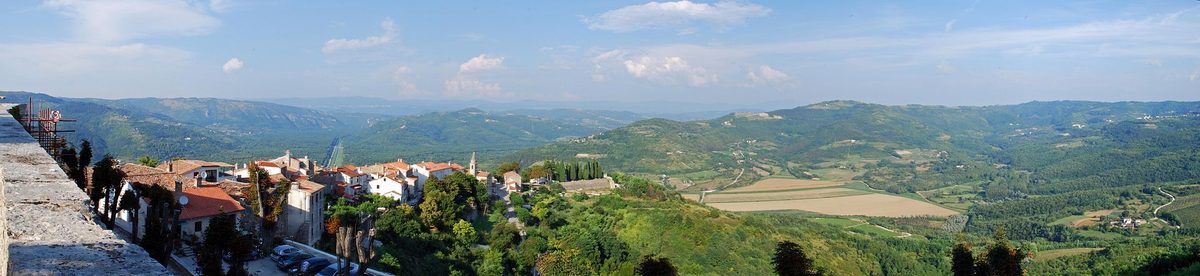
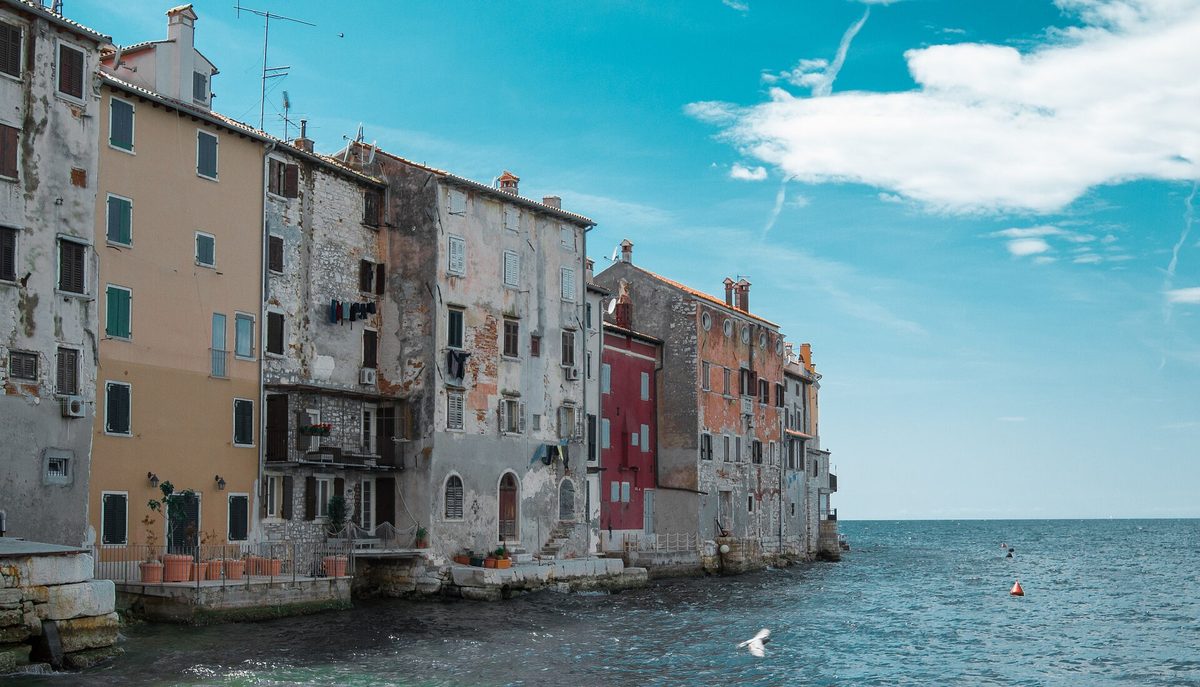
Everyone goes to Dalmatia. Istria, the heart-shaped peninsula at the top of the Adriatic, gets a fraction of it, and the interior gets a fraction of that. Motovun and Grožnjan are hill towns of the kind that would have a two-hour queue in Tuscany, ringed by oak forest that produces some of the best white truffles in Europe. Hum has long billed itself as the smallest town in the world, and with a population of about 50 the claim is not far off.
Base yourself in Motovun or Rovinj on the coast, hire a car, and spend three days driving between villages, konobas and truffle hunts. Autumn is the season: the white truffle harvest opens in early September and runs into January, peaking in October and November, and the whole region smells of it. A truffle lunch here costs a fraction of the Piedmont equivalent.
Getting there: fly to Pula or Trieste, or drive two hours from Ljubljana. Cost: €75 to €110 a day. Our Croatia travel guide has the wider coast.
The Peloponnese, Greece
The Greek mainland’s southern hand has more archaeology than the islands, better beaches than most of them, and almost none of the traffic. Ancient Olympia, Mycenae and the theatre at Epidaurus, whose acoustics still carry an unamplified voice to the upper rows, are all here. So is Monemvasia, a Byzantine town built into the flank of a rock connected to the mainland by a causeway, which is as close to a film set as anywhere in Greece.
The Mani peninsula further south is stark and beautiful, all stone tower houses and empty coves, and it stays warm into November. Nobody island-hops here, which means you can drive the whole thing in a week without booking a single ferry.
Getting there: hire a car in Athens; Nafplio is under two hours. Cost: €70 to €110 a day. See our Greece travel guide.

The Picos de Europa, Spain
Green Spain confuses people who think the country is all sun and tapas. The Picos are limestone peaks rising to 2,600 metres less than 20km from the Atlantic, with gorges, glacial lakes and cable cars, and villages that make cheese in caves. The Cares Gorge walk, cut into a cliff face along an old maintenance path, is one of the finest day walks in Europe and a fraction as busy as anything in the Alps.
Combine it with Asturias and Cantabria for cider houses, seafood and a coastline of small sandy coves. The weather is genuinely Atlantic, which is the price of the green, so bring a jacket in any month.
Getting there: fly to Asturias, Santander or Bilbao, then hire a car. Cost: €80 to €120 a day. Our Spain travel guide covers the north.

The Azores, Portugal
Nine volcanic islands 1,400km out in the Atlantic, and still, remarkably, not overrun. São Miguel has crater lakes in improbable blues, hot springs you can cook a stew in, and some of the most reliable whale watching in the world, with resident sperm whales and migrating blues in spring. Pico has a volcano you can climb and a UNESCO-listed landscape of vineyards grown inside lava-stone walls.
Direct flights from Lisbon are short and cheap, and there are seasonal services from North America. The weather does what it likes, which keeps the crowds honest.
Getting there: fly to Ponta Delgada, two hours from Lisbon. Cost: €85 to €125 a day. See our Portugal travel guide.
The Rhodope mountains, Bulgaria
Bulgaria’s south is a long green wall of gorges, karst and villages that look carved rather than built. The Trigrad and Buynovo gorges are dramatic in a way that would be ticketed and queued anywhere further west. Shiroka Lăka and Kovachevitsa are villages of stone and timber where you can stay in a family guesthouse for €35 and eat better than you have any right to.
It is one of the least-visited mountain regions in the EU, and it has the bagpipe music, the yoghurt and the sense of somewhere still fundamentally itself.
Getting there: fly to Sofia or Plovdiv, hire a car; the roads are slow but fine. Cost: €45 to €70 a day.
Slovakia’s High Tatras
The High Tatras are among the most compact high-alpine ranges anywhere, packed into a short ridge on the Polish border, with 2,600-metre peaks, glacial tarns and a hut network. You can walk hut to hut for a week for what three nights in Zermatt costs. Below them, the spa towns and the wooden churches of Slovakia’s east are almost entirely unvisited by foreigners.
Add the eastern wine country and the spa towns and Slovakia has a genuine case for a full week, which almost nobody gives it.
Getting there: train from Bratislava or Kraków, both straightforward. Cost: €55 to €85 a day.

Bosnia beyond Mostar
Mostar’s bridge gets the coaches and empties by five. The rest of the country barely registers. Kravica waterfalls fan out across 120 metres of travertine and cost a few euros to visit. Počitelj is an Ottoman village stacked up a hillside above the Neretva. Jajce has a waterfall in the middle of town. Sarajevo itself is one of the most affecting cities in Europe, where the Austro-Hungarian and Ottoman halves meet at a line in the pavement.
It is outside Schengen, which means the days do not count against your 90, and it is among the cheapest countries in Europe.
Getting there: fly to Sarajevo, or drive from Split in three hours. Cost: €45 to €70 a day. More in our Eastern Europe travel guide.

The Alentejo, Portugal
A third of Portugal’s land and a tiny share of its visitors. The Alentejo is cork oaks, wheat, whitewashed villages and megalithic stone circles older than Stonehenge. Évora has a Roman temple and a chapel lined with human bones. The coast at the Costa Vicentina has the best surf beaches in the country and a fraction of the Algarve’s development, and Praia de Monte Clérigo topped European Best Destinations’ 2026 beach ranking.
Go in spring when the plain is green and the wildflowers are out, or in autumn for the harvest. In August the interior is brutally hot and even the locals go to the coast.
Getting there: hire a car in Lisbon; Évora is 90 minutes. Cost: €70 to €105 a day.
Maramureș, Romania
The far north of Romania is the most pre-industrial landscape in the EU: hay stacked by hand, horse carts on the roads, and wooden churches whose shingled spires climb to 50 metres at Şurdești, eight of them UNESCO-listed. The Merry Cemetery at Săpânța marks graves with painted wooden crosses carrying comic verses about how the occupant died, which tells you a great deal about the place.
It is a long drive from anywhere, which is precisely why it has stayed as it is.
Getting there: fly to Cluj-Napoca or Baia Mare, then hire a car. Cost: €50 to €80 a day.

Abruzzo and Molise, Italy
The Italian entry on lists like this is always Bologna, Genoa or Puglia, all of which are now thoroughly discovered. The genuine answer is the middle of the country. Abruzzo is a third national park, with wolves, bears and the Gran Sasso massif rising to 2,900 metres barely two hours from Rome. Its hill towns, Santo Stefano di Sessanio, Scanno, Civitella del Tronto, are the equal of anything in Umbria and have a fraction of the visitors, and the coast at the Trabocchi has fishing platforms turned into restaurants.
Molise next door is the region Italians joke does not exist, which tells you everything. Between them they are the cheapest part of mainland Italy and the least changed.
Getting there: two hours by car or train from Rome, or fly to Pescara. Cost: €70 to €105 a day. Our Italy travel guide covers the rest of the country.
Basilicata and the Italian deep south
Matera’s cave dwellings have been UNESCO-listed since 1993 and became properly famous after the 2019 Capital of Culture year and the Bond film. They are worth every bit of the attention. What almost nobody does is spend the rest of the week in the region around it: the Lucanian Dolomites with their villages perched on rock spines, the Pollino national park, and a Tyrrhenian coast at Maratea that is as good as Amalfi with none of the traffic.
Getting there: fly to Bari or Naples, then a car. Cost: €70 to €105 a day.
Transylvania’s Saxon villages, Romania
Bran Castle gets the coaches, and twenty minutes away are fortified Saxon churches in villages that have barely altered since the fifteenth century. Viscri, Biertan and Prejmer are among the seven villages UNESCO lists, hay is still cut by scythe on the surrounding hills, and you can stay in restored village houses for €50 a night. It is, to my eye, the most complete medieval farmed landscape left in Europe.
Getting there: fly to Sibiu or Bucharest, then a car; the villages are on unsurfaced lanes. Cost: €50 to €80 a day.
Bitola and Lake Prespa, North Macedonia
Ohrid is the famous lake, and it is now busy in August. Prespa, over the ridge, is a shared lake between three countries with pelicans, island monasteries and almost nobody. Bitola nearby has a nineteenth-century consular quarter, an evening promenade taken seriously, and the Roman ruins of Heraclea Lyncestis on its edge.
Getting there: fly to Skopje or Ohrid; Wizz Air added a Palermo to Skopje route in July 2026. Cost: €45 to €70 a day.
Tier two: overshadowed by a famous neighbour
These are not secrets. They are simply standing next to something so famous that most people never look sideways. In several cases they are the better trip.
Milos and the small Cyclades, Greece
Milos is three hours from Santorini by ferry and has the same volcanic geology in stranger forms: Sarakiniko is a moonscape of white rock scoured smooth by the sea, and the island has something like seventy beaches, several reachable only by boat. Folegandros, Sifnos and the tiny Koufonisia are quieter again, and Sifnos is the best place to eat in the Cyclades by a distance.
The trick is picking islands that a single ferry links, then staying put. Two islands in ten days beats four.

Toledo, Extremadura and inland Spain
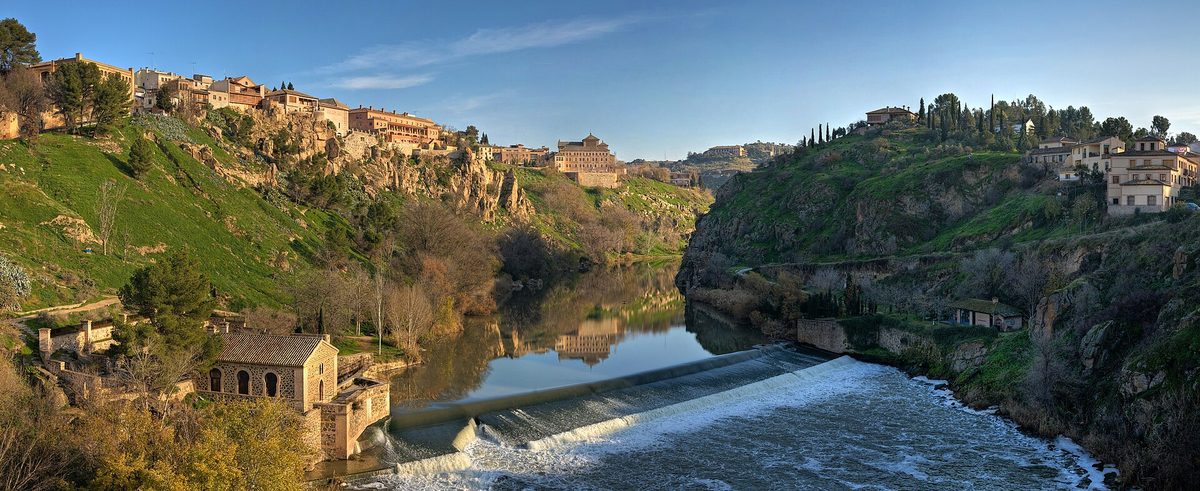
Toledo, an hour from Madrid by train, is a walled city on a granite spur inside a river bend, where Christian, Jewish and Muslim Spain physically overlap in the same streets. Further west, Extremadura has Cáceres and Trujillo, two of the best-preserved medieval towns in the country, and Mérida has Roman ruins that would be a national headline anywhere else.
It is hot in summer and quiet all year. Spring and October are the windows.
Óbidos and central Portugal
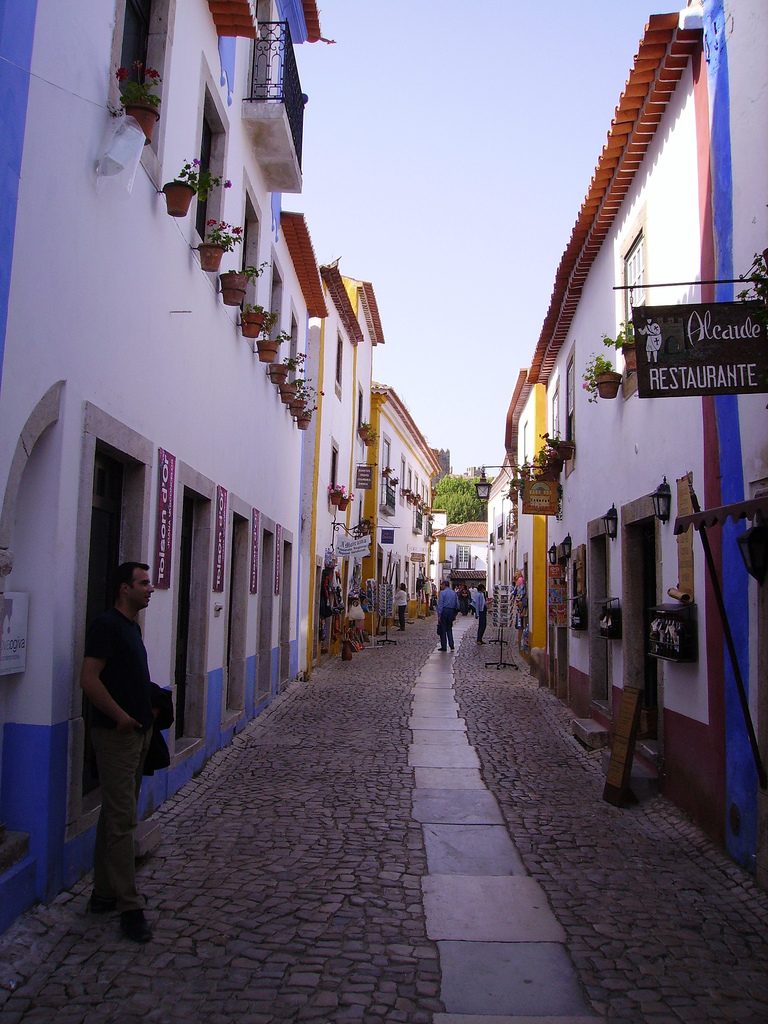
Everyone runs Lisbon to Porto in three hours and sees nothing in between. Óbidos is a walled village of whitewash and bougainvillea where you can walk the ramparts for free. Coimbra has one of the oldest universities in Europe and a baroque library that rivals anything in Vienna. Alcobaça and Batalha are vast Gothic monasteries, and Nazaré’s winter waves are the biggest surfed anywhere on earth.
All of it is a short detour off the main line, and almost nobody takes it.
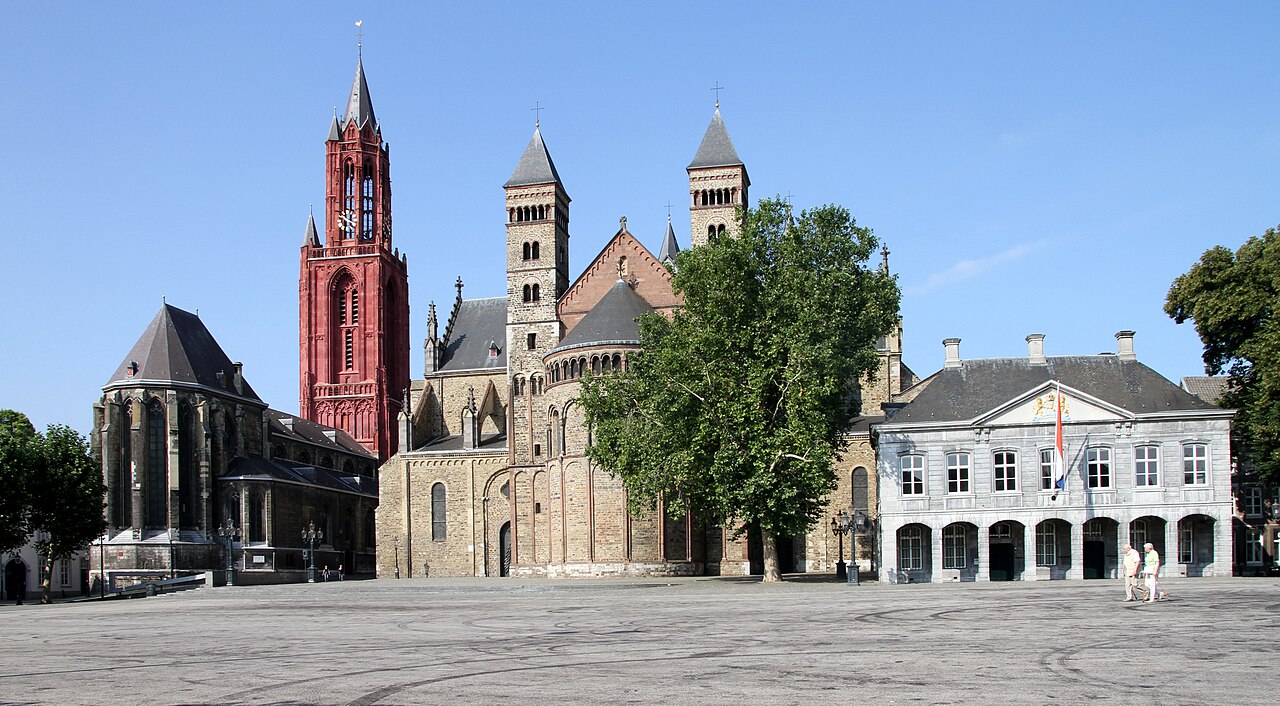
Maastricht and the Dutch south
The Netherlands is Amsterdam to most visitors and a great deal more to everyone who lives there. Maastricht sits in the southern tail, closer to Brussels and Cologne than to Amsterdam, and it feels it: a Roman-founded city of squares, hills and a bookshop inside a Gothic church. Utrecht is the canal city Amsterdam was before the crowds, though Lonely Planet putting it on its 2026 list means that window is closing.
Getting there: two and a half hours by train from Amsterdam. See our Netherlands travel guide.
Dresden, Saxony and Saxon Switzerland
Dresden was flattened in 1945 and has been painstakingly rebuilt over eight decades, and the Frauenkirche, reassembled partly from its own rubble, is genuinely moving. An hour upriver, Saxon Switzerland is a national park of sandstone towers and arches with a bridge, the Bastei, spanning them.
Add Leipzig for music and Meissen for porcelain and you have a week that most visitors to Germany never consider. Our Germany travel guide covers the wider country.

Hamburg
Germany’s second city has more bridges than Amsterdam, London and Venice put together, a UNESCO-listed warehouse district in red brick, a concert hall built on top of a cocoa store, and the best nightlife in the country. It draws far fewer foreign visitors than Munich and is, to my mind, the more interesting city.

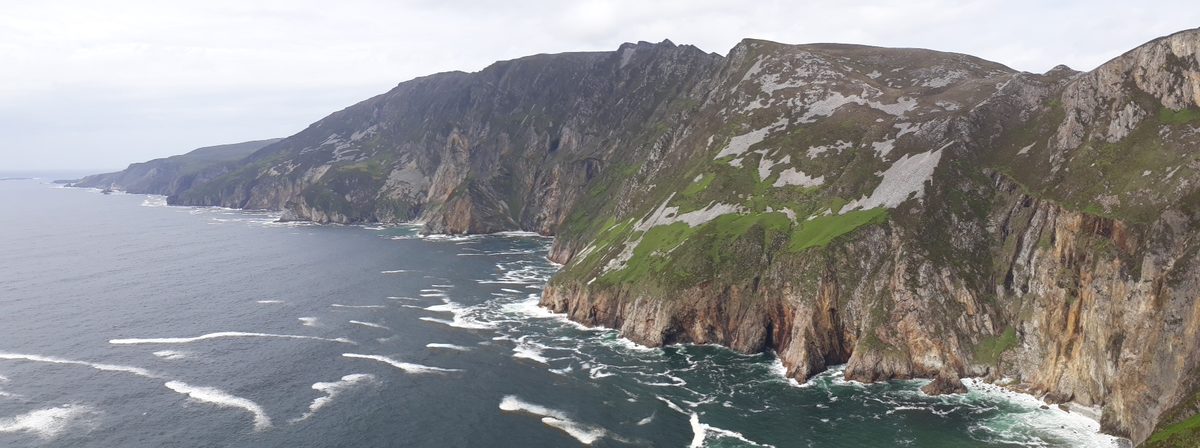
Donegal and Ireland’s far northwest
Slieve League in Donegal is nearly three times the height of the Cliffs of Moher and you will share it with a handful of people. The county has Glenveagh National Park, an Atlantic coastline of empty strands, and a strong Irish-speaking tradition. It is the furthest corner of the Wild Atlantic Way and the least driven.
See our Ireland travel guide for the full route.
Snowdonia and north Wales
Eryri, or Snowdonia, has better mountains than the Lake District, a narrow-gauge railway network, and more castles per square mile than anywhere in Europe, strung along the coast at Conwy, Caernarfon and Harlech. Add the slate landscape of the interior, UNESCO-listed since 2021, and it is a serious week.

Annecy and the Haute-Savoie
Chamonix gets the climbers and Annecy gets rather less than it should: a lake with water clean enough to drink, an old town threaded with canals, and the Alps rising behind. It is an hour from Geneva airport and works in both summer and winter. Our France travel guide covers the region.

Vilnius and the Lithuanian lakes
Tallinn takes the Baltic day-trippers off the Helsinki ferries and Riga takes the stag parties. Vilnius, which has the largest baroque old town in central and eastern Europe, takes neither. Add Užupis, a self-declared artists’ republic with its own constitution nailed to a wall, and the lake district around Trakai with its island castle, and it is the most likeable of the three capitals.

Trencín and Oulu, the 2026 Capitals of Culture
Two towns nobody had on a list are running Europe’s biggest cultural programme this year. Trencín in western Slovakia, a town of 55,000 under a castle, opened its year in February under the theme of curiosity. Oulu in northern Finland opened in January with around 500 events under the theme of cultural climate change. Between them they are running hundreds of projects across dozens of municipalities.
Capital of Culture years are the single most reliable signal of a place about to become better known, and the year itself is the best time to go: the programme is on, and the crowds have not caught up.

Gdynia and the Polish Tricity
Gdańsk is rightly celebrated and its neighbours are not. Gdynia is a purpose-built port begun in the 1920s and filled with 1930s modernism, all clean lines and sea air, and UNESCO inscribed its modernist centre in July 2026, which will not keep it quiet for long. Sopot between them has the longest wooden pier in Europe. The three run into each other along a commuter line, so you can stay in one and use all three.
Rhodes old town, out of season
In August this is a cruise-ship queue. In April, May or October it is the largest inhabited medieval town in Europe, with a Street of the Knights that has barely changed since the fifteenth century, and you will have long stretches of it alone. The lesson generalises: several famous places become underrated for six months of the year.

Tier three: places that have already tipped
Every one of these is genuinely good. None of them is undiscovered. Here is where they actually stand, because the gap between their reputation and their visitor numbers has closed.
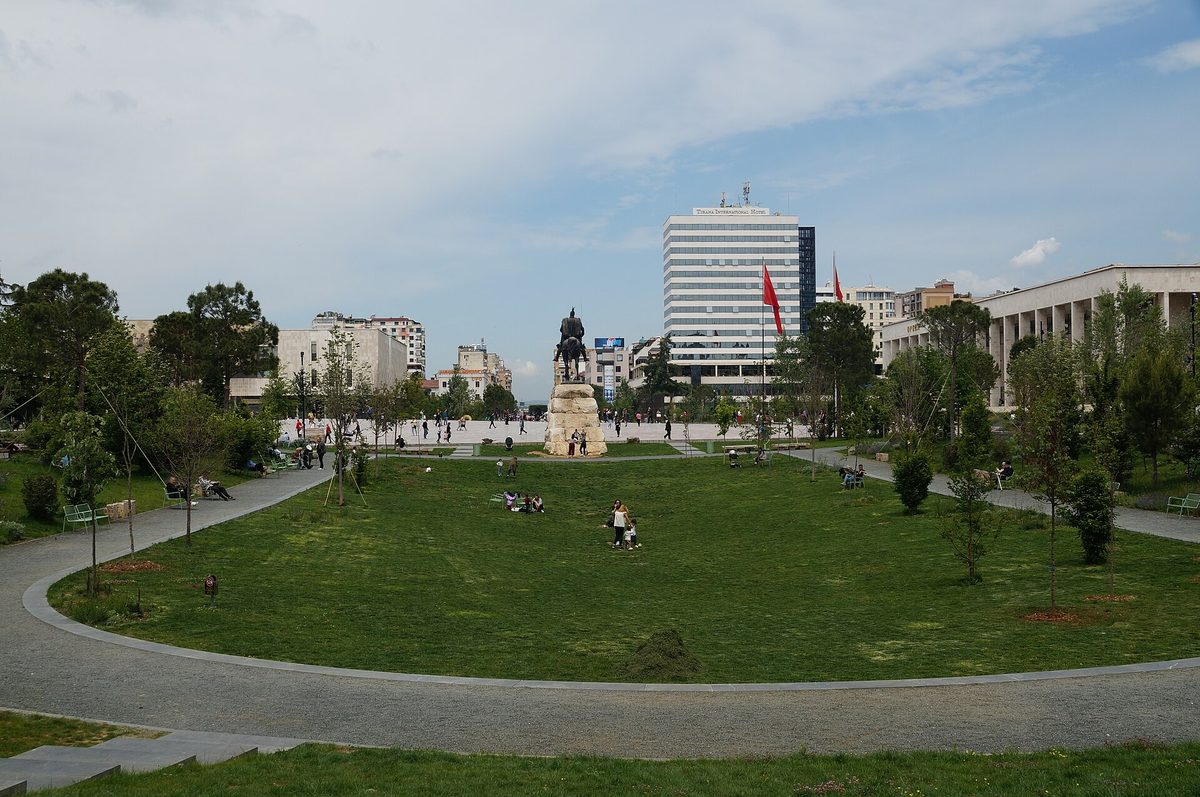
Albania
Albania recorded roughly 12.5 million foreign border entries in 2025, up from about 6.4 million in 2019, and the first five months of 2026 were up another eight per cent. That is more than five for every resident, though a large share are short crossings from Kosovo rather than holidays. Ryanair opened a Tirana base at the end of March 2026 with four aircraft and 44 routes. Albanian officials have started saying out loud that capacity is the constraint.
Go, because it is still excellent value and the Ionian coast is beautiful. But go in June or September, go to the Albanian Alps and Berat rather than Ksamil in August, and stop calling it a secret.
Ljubljana and Lake Bled, Slovenia
Slovenia is small, and its two headline destinations absorb an enormous share of its visitors. Ljubljana has a documented housing problem driven partly by short-term rentals, and Bled’s car parks fill by nine in the morning in July. The country is still a joy. The answer is Bohinj instead of Bled, the Soča valley instead of the Julian Alps’ honeypots, and a hotel rather than an apartment.
Plovdiv, Bulgaria
Plovdiv was a European Capital of Culture in 2019 and has been widely written about ever since. It thoroughly deserves the attention: a Roman theatre still hosting performances, a hill of nineteenth-century merchant houses, and the Kapana creative quarter. It is simply no longer a discovery, and the Rhodopes an hour south are where the quiet is now.

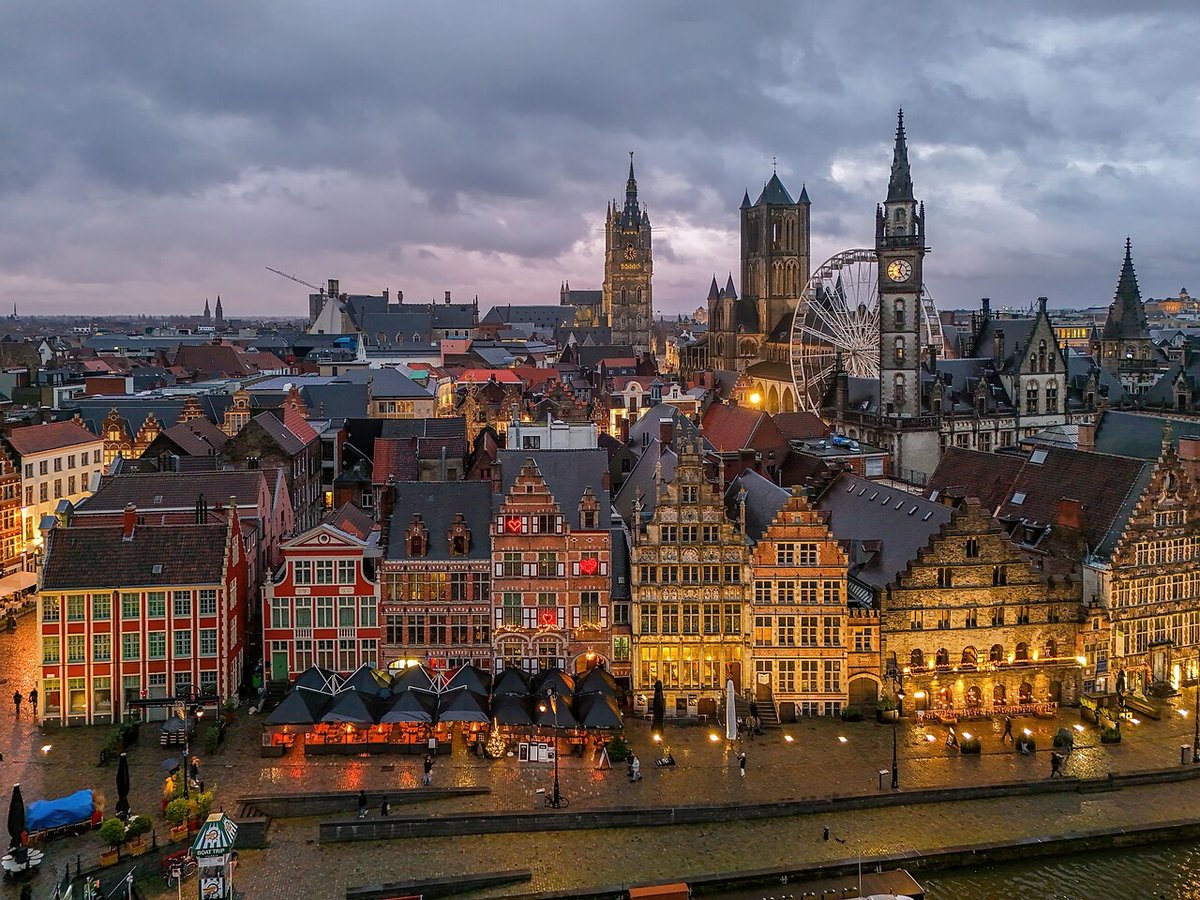
Ghent, Belgium
Ghent has spent a decade as the answer to “where instead of Bruges”, and enough people took the advice. It remains the better city, with a student population that keeps it alive after the day-trippers leave, but it is not quiet. Mechelen and Leuven are where that argument has moved.
Kotor, Montenegro
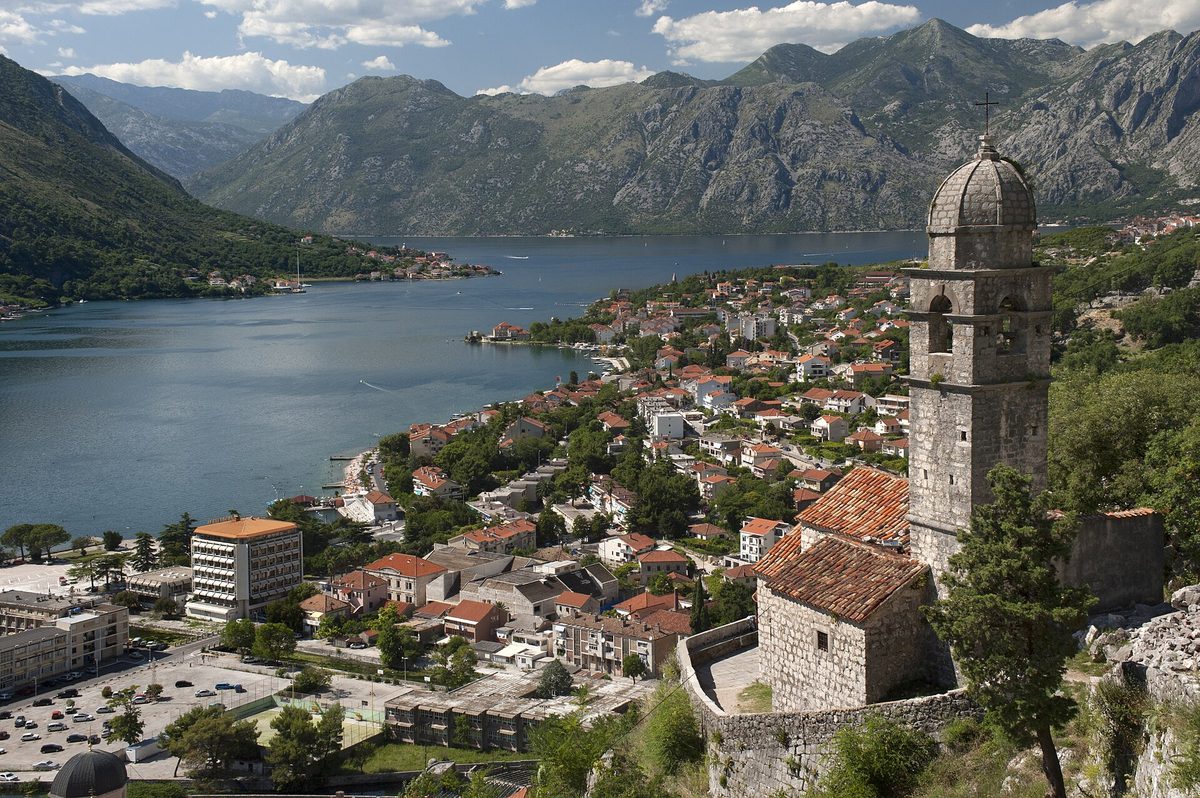
The Bay of Kotor is spectacular and the old town is tiny, which is a difficult combination when two cruise ships are in. Perast and the back of the bay are calmer, and the Durmitor massif inland is genuinely under-visited. Time it outside August and it is still one of the best few days in the Adriatic.
The ones about to join this list
If you want to be ahead rather than behind, watch what the big publishers name each autumn. Lonely Planet’s 2026 selection put Cádiz, Sardinia, Utrecht, Tipperary and Finland in front of a very large audience, with Belgrade singled out for its nightlife, and the pattern is reliable: a place on one of those lists is busier the following summer. Go this year or wait five.
How to actually get to them
The reason these places stay quiet is usually logistical, and 2026 has quietly improved several of them.
Night trains, with a caveat. European Sleeper restored the Paris to Berlin sleeper in March 2026, and a Brussels to Milan service via Zürich and the Gotthard is due to begin in September. Two other much-trailed routes did not happen: a Basel to Malmö service was cancelled when its Swiss subsidy was cut, and the Amsterdam to Milan sleeper has slipped again. Check that a night train exists before you plan around it. When they do run they change the maths on places like Saxony and northern Italy, because the journey replaces a hotel night. Our train travel in Europe guide covers passes and booking windows.
New flight routes. Ryanair opened a Tirana base at the end of March 2026 with four aircraft and 44 routes. Gdańsk gained links to Tirana, Dubrovnik, Palermo, Rome and Bucharest. Poznań picked up Podgorica and Tirana. Wizz Air started Palermo to Skopje in July. Each of these makes a tier-one region a great deal easier to reach, and each of them starts the clock on how long it stays quiet.
Where you still need a car. The Peloponnese, the Picos, the Rhodopes, Maramureș, Saxon Transylvania, Abruzzo, the Alentejo, inland Istria and Donegal are all rural, and the bus networks are built for residents rather than visitors. Budget €35 to €60 a day for a small hire car and check whether your licence needs an International Driving Permit. The routes are in our Europe road trips guide.
Where the train is enough. Toledo, Dresden, Hamburg, Maastricht, Vilnius, Gdynia, Trencín, Annecy and Rhodes town are all reachable and walkable without driving. That matters more than it sounds: hiring a car for a city trip is the most common way people waste money in Europe. See getting around Europe.
The paperwork. Most of this list sits inside the Schengen Area, where non-EU visitors get 90 days in any 180 across the whole zone rather than per country. Romania and Bulgaria have been full members since January 2025, so the Rhodopes and Maramureș are now border-free overland. Bosnia, North Macedonia and Montenegro sit outside it, and days spent there do not count against your 90. The EU’s biometric Entry and Exit System has been fully operational since April 2026, so expect fingerprints and a photograph at your first crossing, and allow extra time at busy airports. ETIAS has been delayed again and is not required yet. Full detail in our Schengen and ETIAS guide.
When to go
Underrated places have a different seasonal logic from famous ones, because they are quiet anyway. You are optimising for weather and for things being open rather than for avoiding queues.
- April to June is the sweet spot almost everywhere on this list: warm enough for the Mediterranean entries, green in the mountains, and everything running.
- July and August are worth it in the Tatras, the Picos, Snowdonia, Donegal, the Azores, Oulu and the Baltic coast, where the season is short and the heat is not a problem.
- September and October are the best window of all for Istria’s truffles, the Alentejo harvest, the Peloponnese and Rhodes, when the sea is still warm and the crowds have gone.
- November to March is when several famous places become genuinely underrated. Rhodes old town, Dubrovnik’s walls, Venice and Prague in February are all a different proposition, and half the price.
One warning specific to quiet places: out of season, small towns close. In the Peloponnese, the Rhodopes and rural Portugal, a village in January may have one taverna open and no bus. Check before you commit, and prefer a base with a year-round population. The regional detail is in our guide to the best time to visit Europe.
What they cost
The financial case for going quiet is the strongest argument in this guide. The same money buys a substantially better trip.
| Famous option | Quiet alternative | Rough saving per day |
|---|---|---|
| Santorini in July | Milos or Sifnos in June | 40 to 55 per cent |
| Tuscany in September | Inland Istria in October | 35 to 45 per cent |
| The Amalfi Coast | The Peloponnese coast | 40 to 50 per cent |
| The Algarve | The Costa Vicentina and Alentejo | 25 to 35 per cent |
| Interlaken or Zermatt | The High Tatras | 60 to 70 per cent |
| Prague or Vienna | Dresden or Bratislava | 20 to 35 per cent |
| Dubrovnik in August | Kotor’s back bay in September | 35 to 45 per cent |
| The Lake District | Snowdonia or Donegal | 15 to 30 per cent |
Three caveats. These are my own comparisons of mid-range hotel and restaurant prices in 2026 rather than a published dataset, so treat them as directional. Rural quiet places often have fewer budget beds, not more, because there is no hostel infrastructure. And you will usually need a hire car, which claws back some of the saving. The full cost picture is in Europe on a budget and the country league table is in the cheapest places to travel in Europe.
Go here instead: fourteen straight swaps
If you already have a destination in mind, this is the fastest way to use this guide. Each swap keeps what you actually wanted and drops the queue.
| If you wanted | Go instead to | Because |
|---|---|---|
| Santorini | Milos or Sifnos | Same volcanic drama, a tenth of the cruise traffic |
| Tuscany | Inland Istria or Abruzzo | Hill towns, wine and truffles for 35 to 45 per cent less |
| The Amalfi Coast | Maratea or the Mani | Cliffs and sea without the single coastal road |
| Dubrovnik | Kotor’s back bay or Korčula | Walled towns on the same sea, fewer ships |
| Lake Bled | Lake Bohinj | Bigger, wilder, swimmable, ten minutes further |
| Hallstatt | Gosau or Altaussee | The same lake district without the coach parties |
| Bruges | Mechelen or Leuven | Medieval Flanders with a resident population |
| Prague | Dresden or Wrocław | Baroque cities, similar beer, a third fewer visitors |
| The Cliffs of Moher | Slieve League, Donegal | Nearly three times the height, almost nobody |
| The Lake District | Snowdonia or the Yorkshire Dales | Better mountains, more castles, easier parking |
| The Swiss Alps | The High Tatras or the Julian Alps | Real alpine walking at a third of the cost |
| The Algarve | The Costa Vicentina | The same coastline, undeveloped, better surf |
| Munich | Hamburg or Leipzig | More interesting cities, fewer foreign visitors |
| Tallinn or Riga | Vilnius, or Tartu in Estonia | Baroque and student cities without the ferry and stag traffic |
Europe’s most underrated second cities
A reliable rule: in almost every European country, the second city is better value, more lived-in and less photographed than the capital, and often the more enjoyable few days.
- Hamburg over Berlin for water, brick and nightlife.
- Gothenburg over Stockholm for seafood, canals and a friendlier scale.
- Thessaloniki over Athens for the best eating in Greece and a waterfront built for walking.
- Bilbao over Madrid for the Guggenheim, the Basque coast and pintxos.
- Wrocław over Warsaw for a rebuilt market square and a hundred bronze dwarves hidden around the city.
- Aarhus over Copenhagen for design and a rainbow-roofed art museum at a third of the price.
- Ghent over Brussels for medieval architecture that is actually inhabited.
- Porto over Lisbon, though this one is now widely known and priced accordingly.
- Cluj-Napoca over Bucharest for a student city with the best food scene in Romania.
- Novi Sad over Belgrade for Habsburg calm and a fortress above the Danube.
Our guide to European city breaks has the logistics for the better-known ones.
The quieter islands
Islands are where Europe’s crowding is most extreme, because the capacity is fixed and the season is short. They are also where the gap between the famous and the quiet is widest. A couple of these, Gozo and the Aeolians, are well known and simply less trampled than their neighbours.
- The Azores, Portugal. Nine of them, mid-Atlantic, with crater lakes, whales and vineyards grown inside lava walls. Two hours from Lisbon and still nothing like the Algarve.
- Vis and Lastovo, Croatia. Vis was closed to foreign visitors until 1989, which spared it the development that hit Hvar. Lastovo beyond it has a few hundred residents and some of the darkest skies in the Adriatic.
- Sifnos and Folegandros, Greece. Sifnos is where Greeks go to eat; Folegandros has a cliff-top main town with one of the best evening walks in the Cyclades.
- Vestmannaeyjar, Iceland. A volcanic archipelago half an hour by ferry from the south coast, with a town half-buried by a 1973 eruption and the largest Atlantic puffin colony in the world.
- Gozo, Malta. Malta’s quieter sister, with megalithic temples, salt pans cut into the rock and a slower pace that Malta itself lost years ago.
- The Aeolian Islands, Italy. Seven volcanic islands off Sicily, including Stromboli, which erupts mildly and reliably enough that you can watch it from a boat after dark.
- Bornholm, Denmark. A Baltic island of round churches, smokehouses and cycle paths, closer to Sweden than to Copenhagen.
- The Cies Islands, Spain. Off the Galician coast, with a beach that regularly tops European rankings and a free permit system that caps daily numbers, which is exactly why it stays good.
Three ready-made weeks
If you would rather not assemble a trip from a list, here are three that work as written.
Istria and the Slovenian interior, 7 nights. Fly into Trieste or Pula and out of Ljubljana, and take the one-way drop fee on the chin. Rovinj (2 nights) for the old town and the coast, Motovun (2) for hill towns and truffles, the Soča valley in Slovenia (2) for the river and the mountains, then Ljubljana (1). Budget around €1,000 per person including the car and the drop fee. Best in late September or October, in truffle season.
The Peloponnese loop, 8 nights. Fly to Athens, hire a car and go straight out. Nafplio (3) as a base for Mycenae and Epidaurus, Monemvasia (2), the Mani (2), then a night near Ancient Olympia on the way back. Around €900 per person with the car. Best in May or early October, and the sea is swimmable in both.
Saxony and the Tatras by train, 9 nights. Dresden (3) with a day in Saxon Switzerland, train to Prague (1) and on to Bratislava (1), then the High Tatras (4) for hut walking. Around €850 per person, no car needed at any point, and one of the best-value mountain weeks in Europe. Best from late June to September.
The uncomfortable part: what publishing this list does
There is an obvious tension in an article like this. Every place named here becomes marginally more visited for having been named, and the places that most deserve visitors are often the least able to absorb a sudden influx.
I do not think the answer is to keep quiet. Tourism is one of the few industries that puts money directly into rural economies that have been losing people for fifty years, and the villages of the Rhodopes, Maramureș and inland Istria need visitors far more than Venice does. The problem was never that people travel. It is that they all travel to the same handful of regions at the same time of year.
What does help, and costs you nothing:
- Stay overnight rather than day-tripping. The economics of a small town depend almost entirely on beds, not on footfall. A day-tripper uses the infrastructure and leaves the money elsewhere.
- Book direct, or at least book a hotel or guesthouse. Short-term rentals are what turned Ljubljana’s housing market, and Lisbon’s, and Barcelona’s. A family-run guesthouse keeps the money in the village and does not remove a home from the market.
- Go outside July and August. The same trip in May or October spreads the load across the year, which is what these places actually need, and it is cheaper for you.
- Spend locally and specifically. Eat where you are, buy the cheese from the person who made it, pay for the guide. This is not sentimentality; it is the difference between tourism that supports a place and tourism that merely passes through it.
- Learn ten words. In places with few foreign visitors, the effort registers far more than it does in a capital city.
How to find your own underrated place
The method matters more than any list, including this one, because lists go stale within two seasons. This is the process I actually use.
- Start with a famous place you want, then look one valley over. Almost every honeypot in Europe has a near-identical neighbour with a tenth of the visitors: Bled and Bohinj, Hallstatt and Gosau, Cinque Terre and the Ligurian coast east of Levanto, Bruges and Mechelen.
- Check the second city of any country you like. Porto, Lyon, Hamburg, Gdańsk, Thessaloniki, Bilbao. Second cities are consistently better value and more lived-in than capitals.
- Follow the rail lines and ignore the airports. Anywhere with a good train and no international airport filters out most short-break traffic automatically. This is why Dresden, Maastricht and Trencín stay quiet.
- Look at the Capital of Culture list two years out. The titles are announced years in advance, the money goes in first, and the crowds arrive later. Chemnitz held it in 2025, Oulu and Trencín have it now, and 2027 goes to Évora in Portugal and Liepāja in Latvia.
- Ask what the country’s own people do in August. Spaniards go north to the Atlantic. Italians go to the Dolomites and Puglia. Greeks go to islands you have not heard of. Locals have already solved the crowding problem in their own country.
- Read the tourism numbers, not the blogs. National statistics offices publish arrivals by region, free. If a region’s overnight stays are flat while the national figure climbs, that is your answer.
Underrated places in Europe by traveller type
- First trip to Europe: stay tier two. Dresden, Toledo, Maastricht, Nafplio and Rhodes are all easy, well-served and forgiving, which tier one is not. Start with how to plan a trip to Europe.
- Couples: inland Istria in truffle season, the Alentejo, Annecy, and Nafplio. Our Europe honeymoon guide has more.
- Families: the Tricity beaches in Poland, Snowdonia’s railways and castles, the Azores, and Saxon Switzerland. See Europe with kids.
- Walkers: the Picos’ Cares Gorge, the High Tatras hut network, the Rhodope gorges, Donegal’s headlands and Snowdonia. The full set is in the best hikes in Europe.
- Solo travellers: Vilnius, Dresden, Hamburg and Bratislava are safe, sociable and easy to move around alone. See solo travel in Europe.
- Tight budget: the Rhodopes, Bosnia, Maramureș and Bitola will give you a fortnight for the price of four days in the Alps. Backpackers should read backpacking Europe.
- Beach people: the Costa Vicentina, Milos, the Mani, and Poland’s Baltic coast in July. More in the best beaches in Europe.
- Winter: Oulu for the Arctic programme, the Tatras and Bansko for cheap skiing, and Dubrovnik or Prague in February for a famous place with nobody in it. See skiing in Europe.
Five mistakes people make chasing underrated places in Europe
- Believing a list without checking the date. A great many of these articles were written in 2019 and have simply had their timestamp refreshed. Albania, Plovdiv and Ghent were all genuinely quiet then. Look for a figure or a date in the text, and if there is not one, assume it is stale.
- Going somewhere quiet in the dead season. Quiet places are quiet because they are small, and small places close. A village in the Peloponnese in January is not an off-season bargain, it is shut.
- Underestimating the transfer. Maramureș is five hours from Cluj on roads with horse carts. The Picos are two hours from the nearest useful airport. Build a travel day in and it is a pleasure; try to squeeze it and it is the worst day of the trip.
- Assuming quiet means cheap. Norway’s Lofoten are under-visited by European standards and cost as much as Switzerland. The Azores are quiet and not especially cheap. Quiet and cheap correlate, but they are not the same thing.
- Treating “undiscovered” as the point. The goal is a better trip, not a rarer one. Some famous places are famous because they are extraordinary, and skipping Rome to prove something is a poor trade.
Frequently asked questions
What is the most underrated place in Europe?
Inland Istria, if I had to name one: hill towns the equal of Tuscany’s, white truffles to rival Piedmont’s, and a small share of the visitors who fill the Croatian coast an hour away. For a whole region rather than a corner, the Peloponnese, which has more archaeology than the Greek islands and almost none of the traffic.
What is the most underrated city in Europe?
Hamburg among the big ones, which draws far fewer foreign visitors than Munich and is, to my mind, the better few days. Among smaller ones, Vilnius, which has the largest baroque old town in central and eastern Europe and sees less traffic than Tallinn. Dresden and Maastricht are close behind.
Which is the least visited country in Europe?
By foreign arrivals relative to size, the least-visited corners of the EU are in the interior: parts of central and eastern Poland, inland Romania and Bulgaria, and rural Slovakia. Among whole countries, Moldova, Bosnia, North Macedonia and Kosovo see a small fraction of the traffic that their neighbours do, and Bosnia in particular is far better set up for visitors than its numbers suggest.
Is anywhere in Europe still undiscovered?
Not in the form people imagine. There is no undiscovered coastal town with perfect weather and no visitors, because Europe has been thoroughly travelled for two centuries. What genuinely exists is places that are well documented and simply not busy: mountain regions, inland provinces, second cities and famous places out of season. That is where the quiet actually is.
What is the best time to visit these places?
May, June, September and early October for almost all of them. July and August are genuinely good in the northern and mountain entries, where the season is short, and the seasonal section above has the month-by-month detail. The one trap is the deep off-season, when small towns simply close.
Do I need a car for underrated destinations in Europe?
For the rural entries, yes, because the buses that exist run to a local timetable rather than a visitor’s. For the cities and towns, no. The transport section above lists which is which.
Are underrated places cheaper?
Usually, and sometimes dramatically: the High Tatras run 60 to 70 per cent below the Swiss Alps for a comparable week, and Milos in June costs roughly half what Santorini does in July. But quiet does not automatically mean cheap. The Azores, Lofoten and rural Ireland are all under-visited and not inexpensive, and rural areas often have fewer budget beds than cities do.
Is it safe to travel to less-visited parts of Europe?
Yes. The countries on this list, including Bosnia, North Macedonia, Romania and Bulgaria, all record low rates of violent crime against visitors, and in most cases you are safer in a village than in the tourist quarter of a major capital, where pickpocketing is the real risk. The practical difficulties are logistical rather than dangerous: fewer buses, less English, and more cash.
Final thoughts
The best day I had in Europe last year was in a village in the Rhodopes whose name I had to look up twice, eating a plate of beans in the only place open, while three men at the next table argued about a football match from 1994. It cost nine euros. Nothing about it was remarkable enough to photograph, and I have thought about it more than any cathedral.
That is the actual argument for the places in this guide. Not that they are secret, because most of them are not, and not that they are cheaper, though most of them are. It is that in a quiet place you are a person having a day rather than one of four thousand people having the same day. Pick one, give it longer than you think it needs, and go before the flight route opens.
For the wider picture, start with our guide to the best places to visit in Europe, compare countries in the best countries to visit in Europe, and see the scenery on its own terms in the most beautiful places in Europe. When you have chosen, Europe itinerary has the day-by-day routes and where to stay in Europe covers picking a base.
Hannah Brooks has spent fifteen years travelling, living and writing across Europe, from the Arctic tip of Norway to the south of Sicily. She has planned hundreds of European itineraries for readers and is Senior Europe Editor at EuropeanTourism.org.
Photo credits
Images via Wikimedia Commons. Motovun: Alex Smith (public domain). old town of Rovinj on the Istrian coast: Nils Söderman (CC0). Nafplio and its fortress on the Peloponnese coast: Ava Babili / CC BY-SA 4.0. Cares Gorge path cut into the cliffs of the Picos de Europa: Maria Cartas / CC BY-SA 2.0. old town of Bratislava: Andrei Bobrovskiy / CC BY 3.0. Rooftops and minarets in Sarajevo: Julian Nyca / CC BY-SA 3.0. walled village of Obidos in central Portugal: lele3100 / CC BY 2.0. hairpins of the Transfagarasan road in the Romanian Carpathians: Dariusz Grosa (CC0). white volcanic rock of Sarakiniko on Milos: dronepicr / CC BY 2.0. Toledo above the Tagus river in central Spain: Diliff / CC BY-SA 3.0. old centre of Maastricht in the southern Netherlands: Gerd Eichmann (CC BY-SA 4.0). rebuilt baroque centre of Dresden: Daderot (CC0). red-brick Speicherstadt warehouse district in Hamburg: Dietmar Rabich / CC BY-SA 4.0. Slieve League cliffs in County Donegal: Joli Rumi / CC BY-SA 4.0. Mountains and lakes in Eryri: Petersrockypics / CC BY-SA 2.0. Canals and old houses in Annecy: Guilhem Vellut from Annecy, France / CC BY 2.0. baroque old town of Vilnius: Augustas Didžgalvis / CC BY-SA 4.0. Reindeer in the snow in northern Finland: Tauno Lautamatti (CC0). medieval walled old town of Rhodes: Nikolay Gromin from Moscow, Russia / CC BY 2.0. painted facades of central Tirana: albinfo (CC0). Roman theatre at Plovdiv: Avishai Teicher (CC0). Evening light over the Graslei in Ghent: Giles Laurent / CC BY-SA 4.0. Bay of Kotor in Montenegro: User:Ggia / CC BY-SA 3.0.
3 comments