Tuscany Travel Guide
The first time I drove out of Florence towards Siena I made the mistake almost everybody makes: a list of towns, a hire car from the airport, and four days to “see Tuscany”. I spent most of it in the car and collected two traffic fines that reached me by post in London eleven weeks later.
This Tuscany travel guide covers 28 places worth your time, what every major 2026 ticket costs, when you need a car and when it becomes a liability, which wine appellation means what, and the specific local rules that catch visitors out. Every figure here was checked this month, and where the official source was unreadable or sources disagreed, I say so rather than pick a number and hope.
Tuscany rewards slowness more than almost any region in Europe, and it punishes the itinerary that treats it as a checklist. What follows is the version of this guide I wish someone had handed me before that first trip.
What counts as Tuscany, and what does not
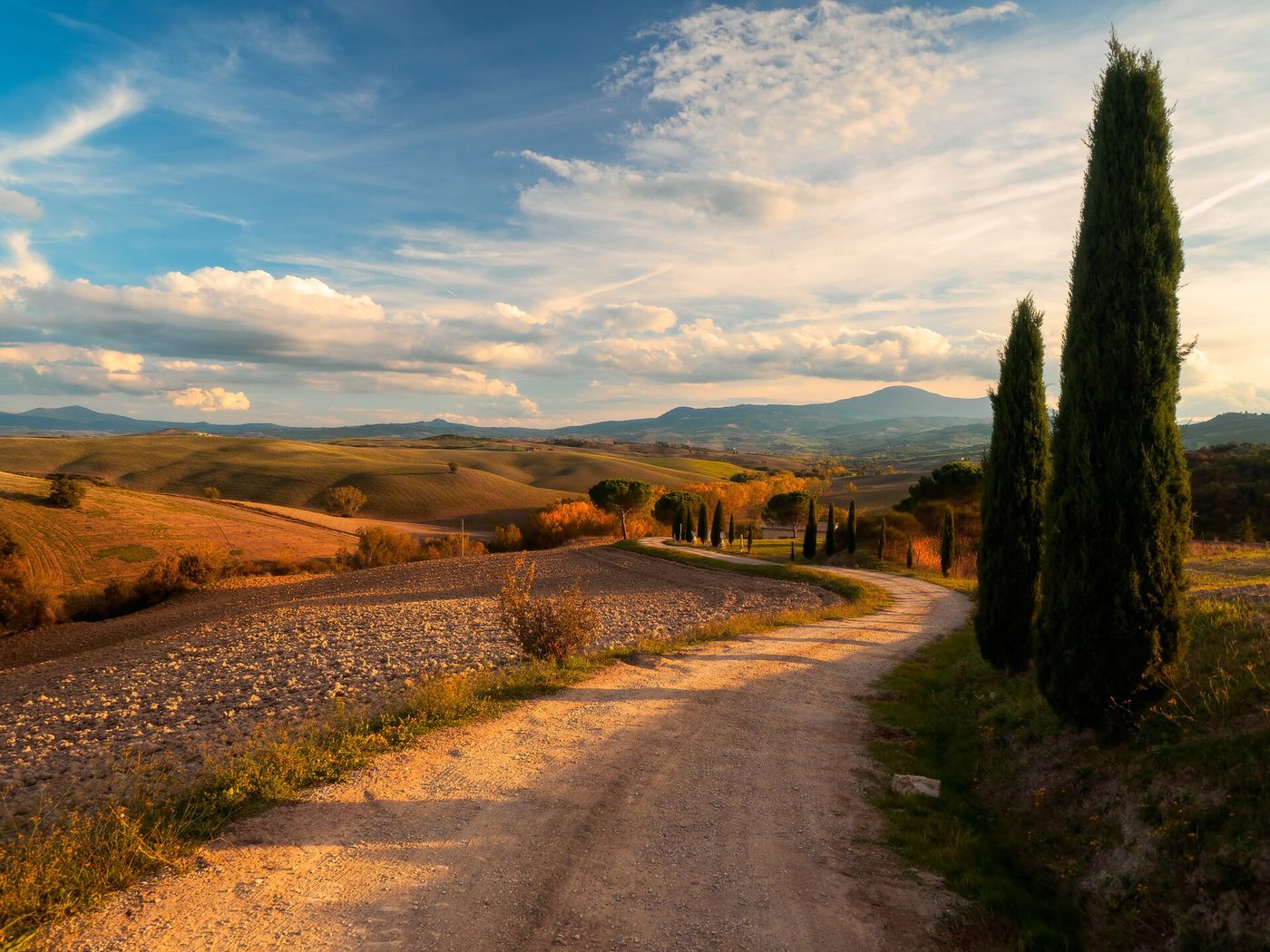
Tuscany is a region of about 23,000 square kilometres in central Italy, running from the Apennine ridge in the north down to the Tyrrhenian coast and the marshy Maremma in the south. It has nine provinces plus the Metropolitan City of Florence, one very famous capital, and a landscape that changes character every forty minutes of driving, which is why it turns up on almost every list of the most beautiful places in Europe. The postcard version, cypress avenues on rolling clay hills, is really just the Val d’Orcia and the Crete Senesi, two small areas south of Siena. Most of the region looks like something else entirely.
Three things routinely get filed under Tuscany that do not belong there. Cinque Terre is in Liguria, not Tuscany, though it is day-trippable from Florence and no one will correct you at dinner, and we cover it separately in our Cinque Terre travel guide. Perugia and Assisi are Umbria, the region next door. And the Italian Riviera resorts north of Carrara sit over the Ligurian border too. If you are building a route, the practical Tuscan boundary is roughly: Lunigiana in the far north-west, the Apennines above Florence, the Val di Chiana and Cortona in the east, and Capalbio near the Lazio line in the south.
The region holds seven UNESCO World Heritage Sites entirely within its borders: the historic centres of Florence (inscribed 1982), Pisa’s Piazza del Duomo (1987), San Gimignano (1990), Siena (1995) and Pienza (1996), plus the Val d’Orcia landscape (2004) and the Medici Villas and Gardens (2013). No other Italian region has that density in such a small space, and the fact that four of the seven are walkable town centres tells you something useful about how to travel here.
All 28 places in this Tuscany travel guide at a glance
Read this table first and cross off two thirds of it. The single most common planning error I see is trying to fit the whole list into a week. Pick a base, pick a radius, and accept that you will come back.
| Place | What it is | Why you go | Time needed | Getting there without a car |
|---|---|---|---|---|
| Florence | Regional capital, Renaissance city | Uffizi, Accademia, Brunelleschi’s dome, the best museum concentration in Italy | 2 to 3 days | Direct high-speed trains from Rome, Milan and Venice; tram T2 from FLR airport |
| Siena | Walled Gothic city, 17 contrade | Piazza del Campo, the striped Duomo and its uncovered marble floor, the Palio | 1 to 2 days | Tiemme 131R bus from Florence, roughly 1h15 non-stop |
| Pisa | University city on the Arno | Piazza dei Miracoli, the Tower, the Camposanto frescoes | Half a day | Direct regional trains from Florence, about an hour, EUR 8.50 |
| Lucca | Walled town in the Serchio plain | Cycling the intact Renaissance ramparts, Piazza dell’Anfiteatro | Half a day to a day | Regional trains from Florence, 1h19 to 1h45 |
| San Gimignano | Hill town of medieval tower houses | Fourteen surviving towers, Torre Grossa, Vernaccia white wine | Half a day | Bus from Poggibonsi, itself on the Florence to Siena rail line |
| Volterra | Etruscan walled town on a ridge | Alabaster workshops, Roman theatre, the Volterra A.D. 1398 festival | Half a day | Bus via Colle di Val d’Elsa or Saline di Volterra; awkward, a car helps |
| Monteriggioni | Tiny intact walled village | The complete ring of walls and towers Dante wrote about | 1 to 2 hours | Bus from Siena or Poggibonsi |
| Arezzo | Provincial city in the upper Arno | Piero della Francesca’s fresco cycle, the monthly antiques fair | Half a day | Direct trains from Florence, 58 minutes on the faster services |
| Cortona | Hill town above the Val di Chiana | Etruscan museum, long views over Lake Trasimeno | Half a day | Train to Camucia-Cortona then a short bus or taxi up the hill |
| Pienza | Renaissance model town in the Val d’Orcia | Pope Pius II’s planned piazza, pecorino cheese shops | 2 to 3 hours | Bus from Siena via Buonconvento; infrequent, plan the return |
| Montalcino | Fortress hill town | Brunello di Montalcino, the fortress enoteca, cellar visits | Half a day | Tiemme buses from Siena, about 1h15 |
| Montepulciano | Ridge town of Renaissance palazzi | Vino Nobile cellars cut into the rock under the town | Half a day | Bus from Siena or train to Chiusi-Chianciano then bus |
| Greve in Chianti | Market town, unofficial Chianti Classico capital | The funnel-shaped arcaded piazza, wine shops, Saturday market | Half a day | SITA buses from Florence, roughly an hour |
| Radda and Castellina | Chianti Classico hill villages | Vineyard roads, small estates, quiet evenings | 1 to 2 days as a base | Poor bus links; this is car country |
| Val d’Orcia | UNESCO agricultural landscape south of Siena | Cypress avenues, sunflowers in July, the postcard Tuscany | 2 days | Buses reach the towns but not the views; a car is close to essential |
| Crete Senesi | Grey clay badlands south-east of Siena | The biancane hills, white truffles, near-empty back roads | 1 day | Bus to Asciano; the landscape itself needs a car or a bike |
| Bagno Vignoni | Val d’Orcia thermal village | A Renaissance piazza filled by a thermal pool over the Roman spring; bathing not permitted, foot-soaking only | 2 hours | Bus from Siena to San Quirico d’Orcia then a short local connection |
| Bagni San Filippo | Free hot springs in a wooded gorge | The Balena Bianca, a white calcium carbonate cascade, 48C at source | 2 hours | Very limited buses; effectively a driving stop |
| Saturnia | Maremma thermal site | Cascate del Mulino, free travertine pools at 37.5C, open 24 hours | 2 to 3 hours | Bus to Saturnia town then roughly 6km; a car or taxi is realistic |
| Elba | Tuscan Archipelago island | Beaches, Napoleon’s exile villas, mountain roads | 3 days plus | Ferry from Piombino to Portoferraio, 40 to 57 minutes |
| Forte dei Marmi and Versilia | Long sandy beach strip below the Apuan Alps | Beach clubs, Italian summer social life, marble mountains behind | 1 to 3 days | Train to Forte dei Marmi-Seravezza-Querceta on the coastal line |
| Carrara and the Apuan Alps | Marble quarry country | Jeep tours into the Colonnata, Torano and Fantiscritti basins, lardo di Colonnata | Half a day | Train to Carrara-Avenza then a bus or tour pickup |
| Maremma | Flat pasture, pine forest and coast in Grosseto province | Butteri cowboy country, Etruscan sites, uncrowded beaches | 2 to 3 days | Coastal trains serve Grosseto and Follonica; inland needs a car |
| Bolgheri | Coastal wine zone on the Cabernet side of Tuscany | Sassicaia, Ornellaia, the cypress avenue to Bolgheri village | Half a day | Train to Castagneto Carducci-Donoratico then a bus or taxi |
| Garfagnana | Chestnut mountain valley north of Lucca | Chestnut flour cooking, Devil’s Bridge, cool summer air | 1 to 2 days | Regional trains up the Serchio valley from Lucca |
| Casentino | Upper Arno valley north-east of Arezzo | Forest monasteries at La Verna and Camaldoli, castles, few tourists | 1 to 2 days | Local railway from Arezzo to Bibbiena and Pratovecchio |
| Lunigiana | Northernmost Tuscan valley | Stone statue-steles, castles, cheap rustic food | 1 to 2 days | Trains on the Parma to La Spezia line stop at Aulla and Pontremoli |
| San Miniato | Hill town between Florence and Pisa | The white truffle fair over the last three weekends of November | Half a day | Train to San Miniato-Fucecchio then a bus up the hill |
A quick note on what is missing. There is no Livorno section here, because for most visitors it is a ferry port and a plate of cacciucco rather than a destination. There is no Prato or Pistoia either, both of which deserve better than I have given them. And Elba gets one entry when it could carry an article of its own. Those are limits of space, not verdicts on the places.
Florence: the city you have to get right
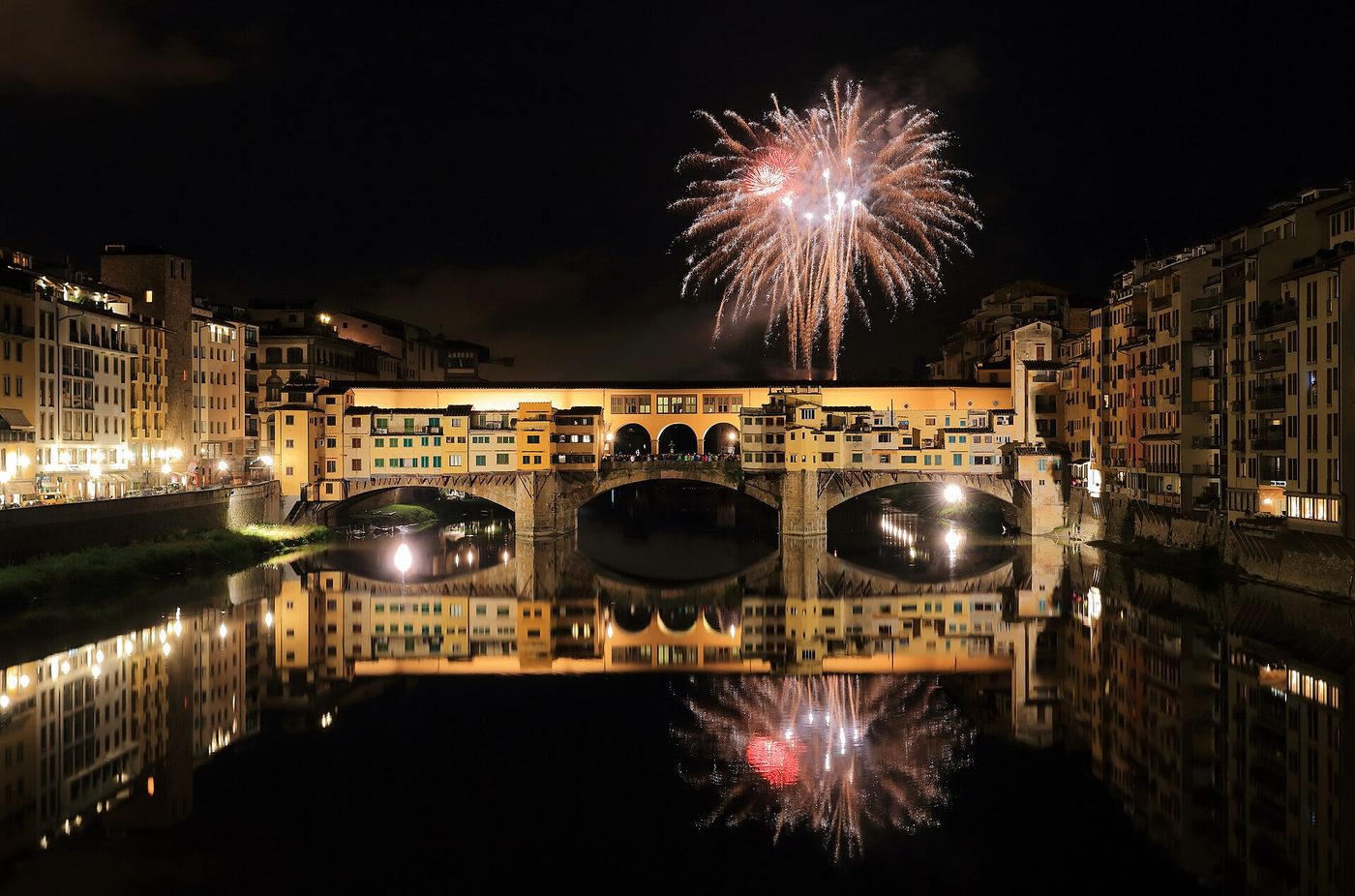
Florence is small. The historic centre is barely two kilometres across, which means you can walk from the station to the Duomo to the Ponte Vecchio to Palazzo Pitti in under half an hour, and it also means the crowds have nowhere to disperse to. Between April and October, Piazza del Duomo at eleven in the morning is a slow-moving scrum. At half past seven, before the coach parties arrive, it is one of the best pieces of urban theatre in Europe, and a fair reason Florence sits near the top of our best cities to visit in Europe list.
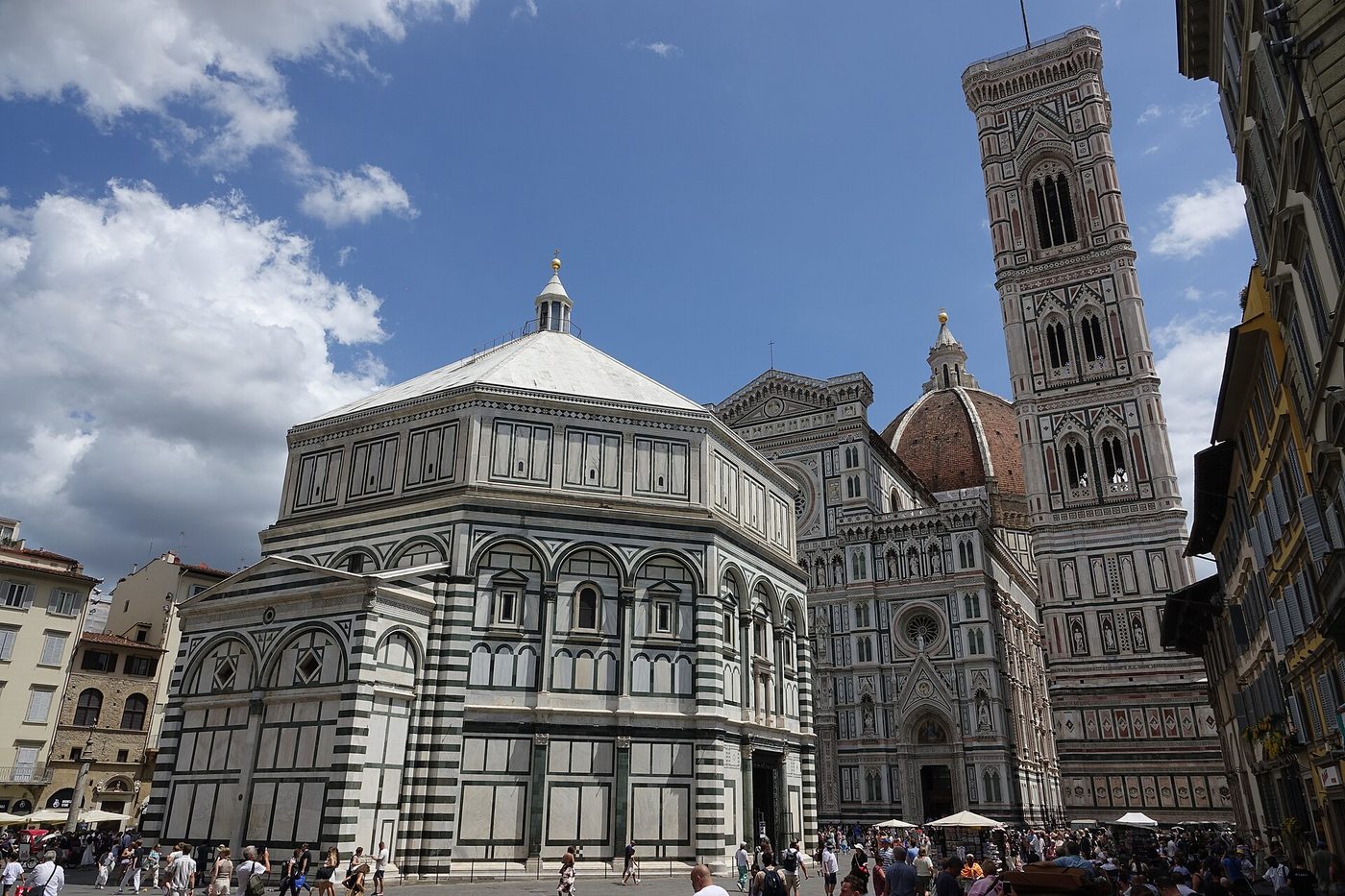
The cathedral complex works on a pass system rather than individual tickets, and the passes confuse people because only one of them includes the thing everybody wants. The Brunelleschi Pass at EUR 30 (EUR 12 for ages 7 to 14) is the only ticket that includes the dome climb, along with Giotto’s bell tower, the Baptistery, the Opera del Duomo museum and the Santa Reparata crypt. The Giotto Pass at EUR 20 and the Ghiberti Pass at EUR 15 cover the other monuments and specifically exclude the dome. The cathedral nave itself is free to enter. The dome climb is 463 steps with no lift and photo identification is required at the door, a rule that has been in place since March 2025 and still surprises people at the barrier.
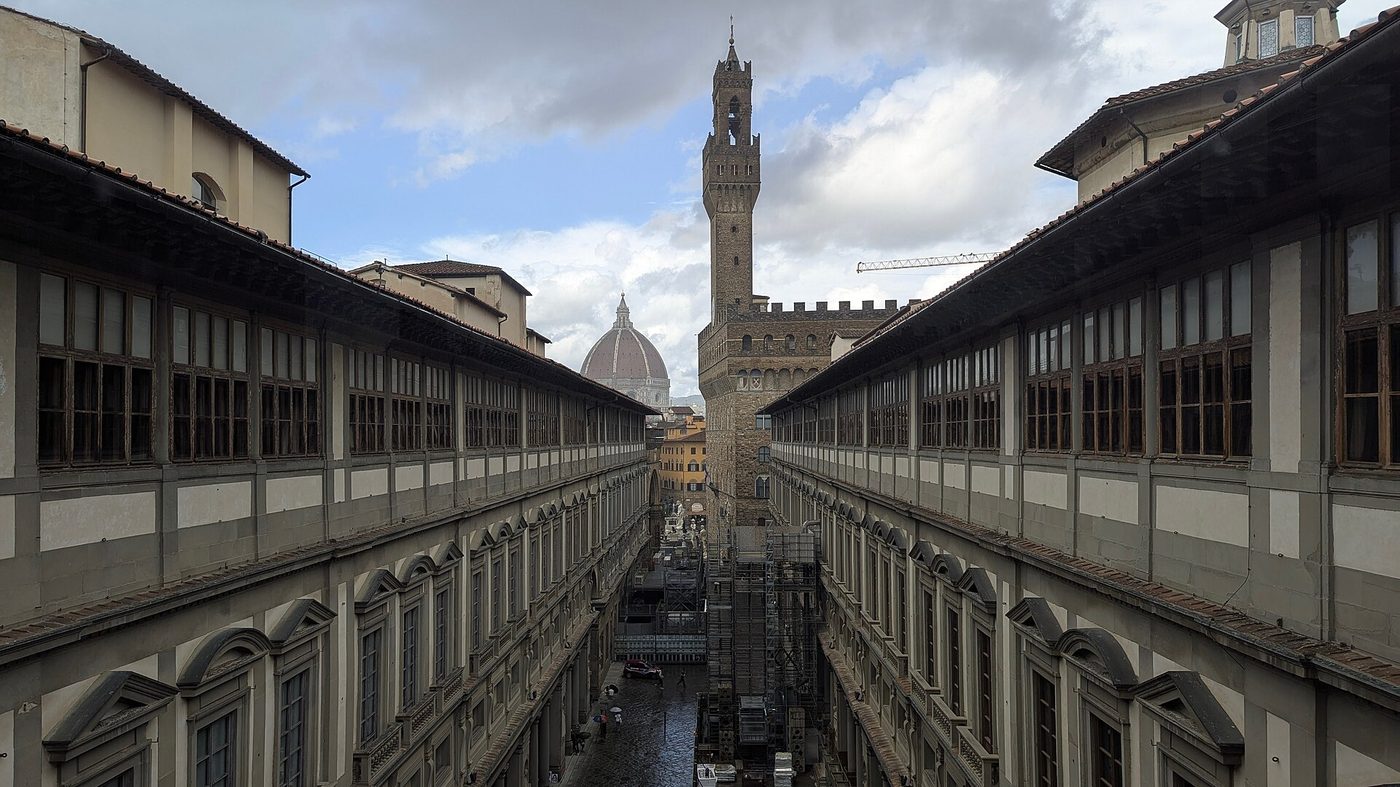
Then there is the Uffizi, where the pricing runs backwards to every instinct you have about booking ahead. A same-day adult ticket bought at the gallery costs EUR 25. The same ticket bought in advance for a future date costs EUR 29. And since 1 January 2026 there has been an afternoon ticket at EUR 16 for entry from 4pm onwards, which is the cheapest legitimate adult entry to one of the world’s great collections. If you are willing to visit late and take your chances on the day, you save EUR 13 a head against the advance price. If you are travelling in July with a fixed schedule, pay the EUR 29 and stop thinking about it. Tickets are nominative, meaning they carry your name and cannot be passed on.
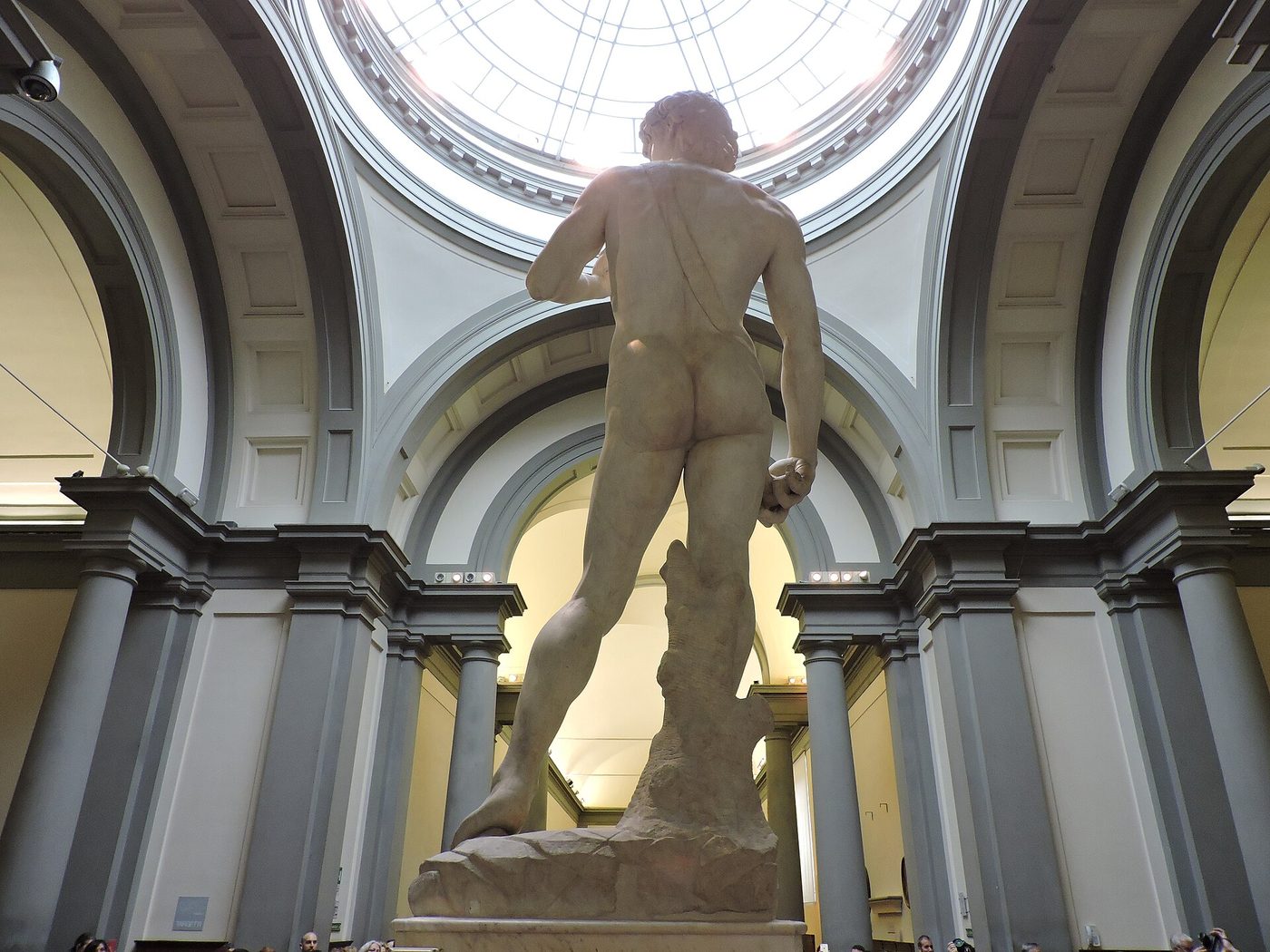
The Accademia, which exists in most visitors’ minds solely as the building containing Michelangelo’s David, raised its adult entry to EUR 20 from 1 February 2026, with a EUR 4 advance booking fee on top. It uses a different ticketing platform from the Uffizi, which is the sort of detail that costs people an hour of confusion. A combined Accademia and Bargello ticket at EUR 26 is valid 48 hours, and a five-museum ticket covering the Accademia, Bargello, Medici Chapels, Orsanmichele and Palazzo Davanzati costs EUR 38 over 72 hours. Given that the Accademia alone is EUR 20, the five-museum option is hard to beat for anyone staying three nights who wants more than the David.
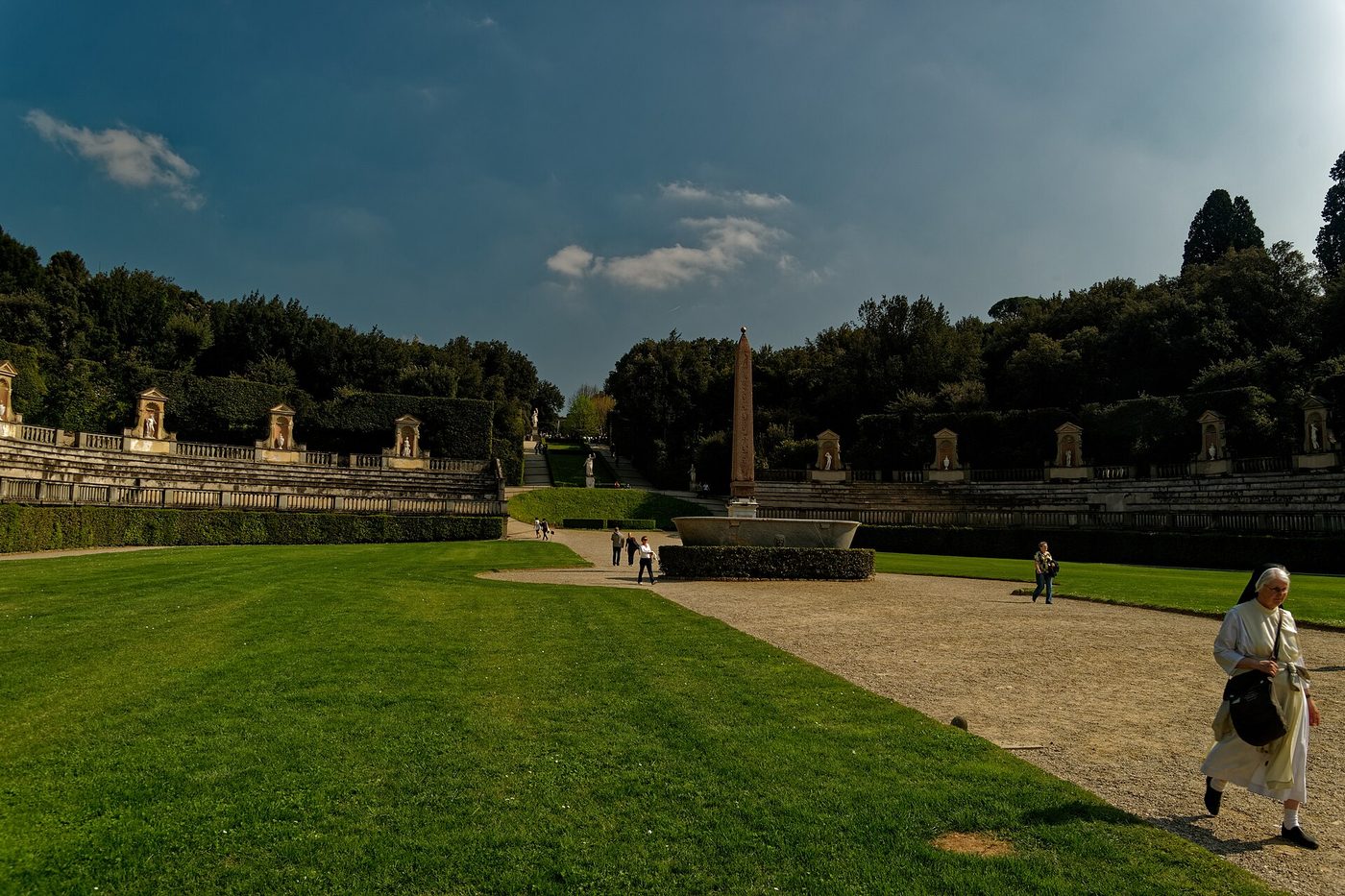
Across the river, the Pitti Palace costs EUR 16 same-day or EUR 19 in advance, the Boboli Gardens EUR 10 or EUR 13, and the two together EUR 22 or EUR 25. From 3 March 2026 there is also a combined Boboli plus Bardini gardens ticket at EUR 15, available only at the ticket offices on the day of admission. The PassePartout 5 Days at EUR 40 bundles the Uffizi, Pitti and Boboli over five consecutive days, and stretches to a sixth day if your five days include a Monday, when the state museums are closed.
Entry to Italian state museums, the Uffizi included, is free on the first Sunday of every month. I would not plan a trip around it. The queues on those days are exactly what you would expect, and Firenze Card priority access is suspended during free-admission slots.
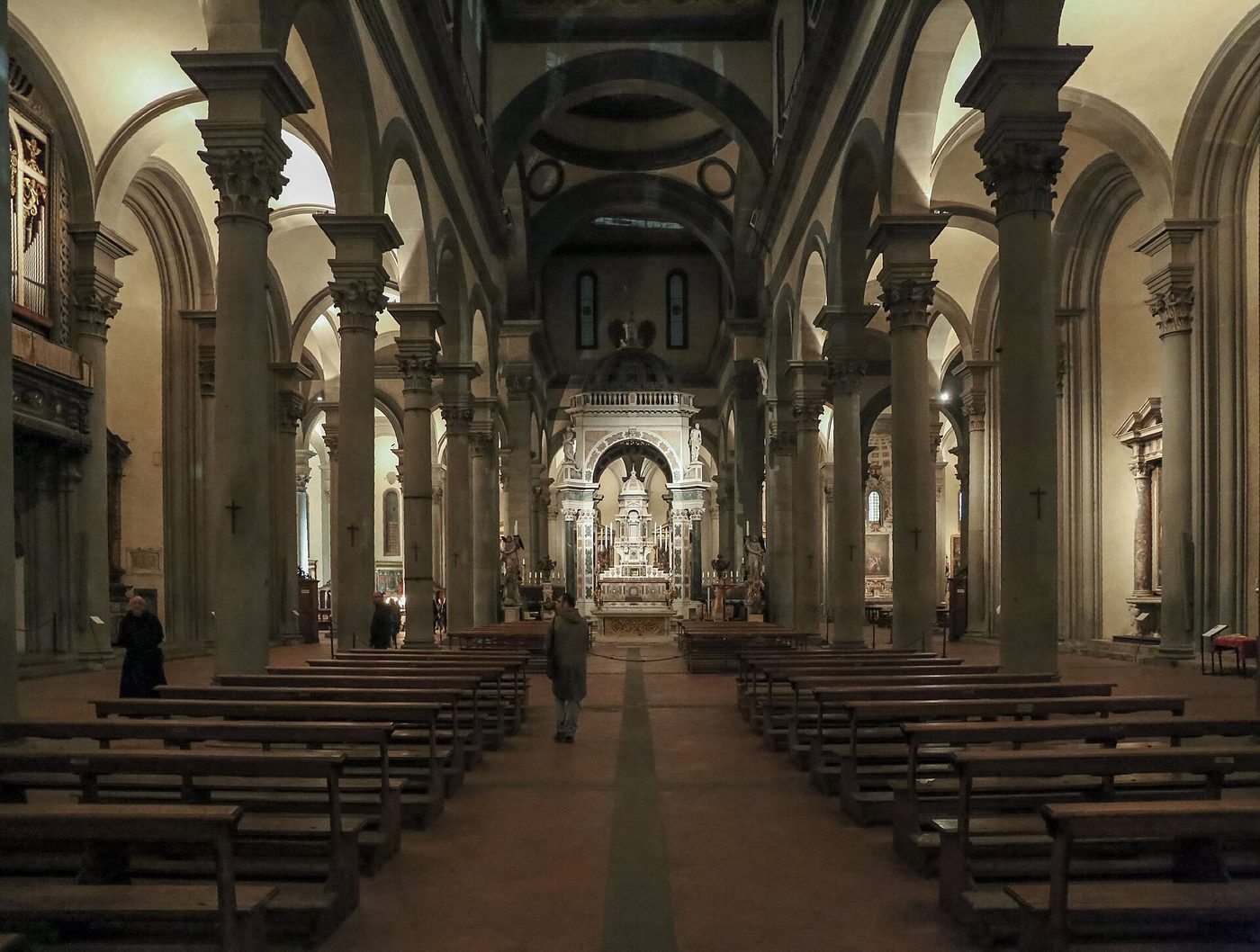
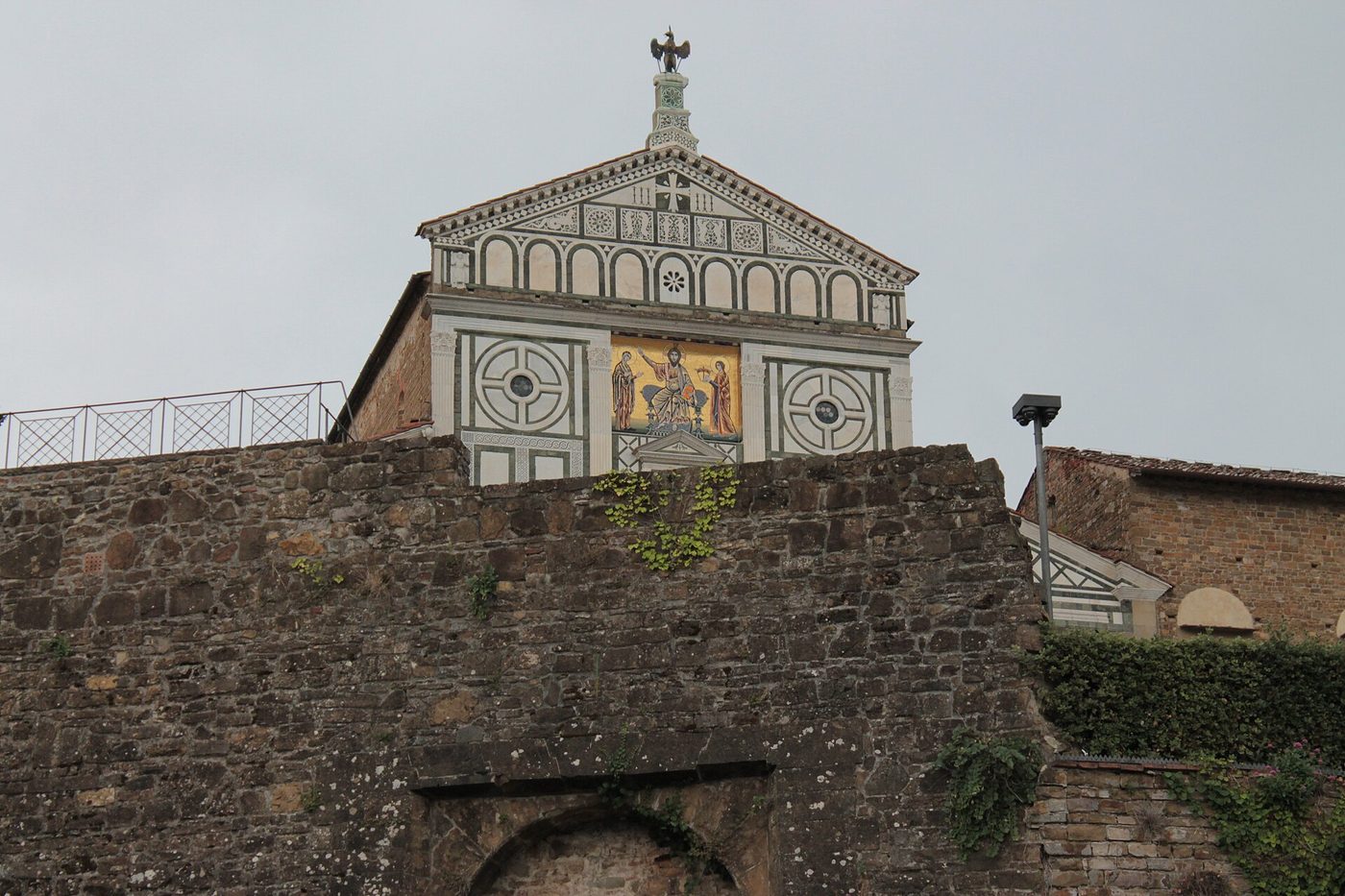
Beyond the ticketed heavyweights, the Florence I keep going back to is the Oltrarno, the left bank, where the workshops still make things and the Santo Spirito piazza fills up in the evening without feeling like a set. Climb to San Miniato al Monte at six in the evening rather than Piazzale Michelangelo just below it: the same view, a Romanesque church with a mosaic gable, and perhaps a tenth of the crowd. There is far more detail in our guide to things to do in Florence, which goes neighbourhood by neighbourhood.
The Florence trap: driving into the ZTL
The historic centre is a Zona a Traffico Limitato, a restricted traffic zone open only to residents, taxis, buses, deliveries, emergency vehicles and permit holders. Enforcement runs Monday to Friday 07:30 to 20:00 and Saturday 07:30 to 16:00 through the September to June period. Cameras read your number plate automatically.
The part that catches people is the structure. Florence’s centro storico ZTL is divided into five separately monitored sectors, A, B, O, F and G, and each camera issues its own independent fine. Cross into two sectors on one wrong turn and you collect two fines, not one. The standard penalty is reported at around EUR 83 per camera, with quoted ranges reaching EUR 335 once administrative costs are added, and the notice reaches your home address weeks or months after you have flown home, usually via the hire company, who add their own handling fee.
The legitimate route in is to book a hotel inside the zone that registers your number plate with the comune in advance, or to obtain a temporary access pass. Otherwise, park outside and walk. Better still, do Florence at the start of your trip on foot and collect the hire car on the morning you leave the city. You avoid paying for days the car sits idle in a garage and you remove the ZTL risk entirely.
Siena: the best day in Tuscany, if you time it
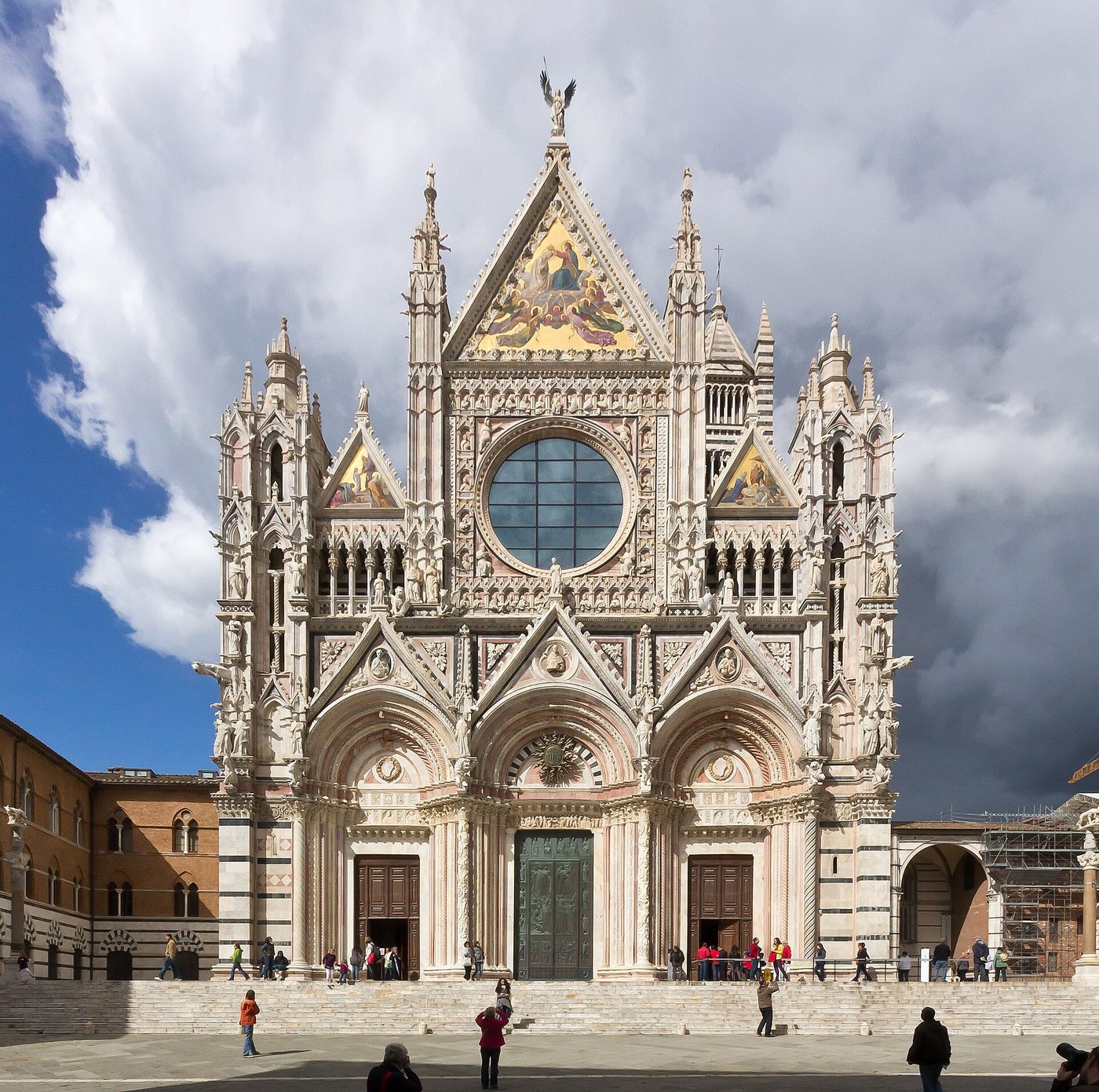
Siena lost its long medieval war with Florence and then stopped, architecturally speaking, some time around 1348, when the Black Death took somewhere between a third and a half of its people. That failure is why it looks the way it does. Where Florence is Renaissance, Siena is Gothic brick, and the shell-shaped Piazza del Campo sloping down towards the Palazzo Pubblico is, for my money, the finest public square in Italy.
The cathedral is the reason to come. It is a striped Romanesque-Gothic pile holding work by Nicola and Giovanni Pisano, Donatello, Michelangelo and Bernini in one building, with Duccio’s Maestà next door in the Museo dell’Opera. What makes the timing matter is the floor. Siena’s cathedral pavement is a set of 56 inlaid marble panels that spend most of the year covered by protective boarding, and is unveiled for a few weeks each year. In 2026 the floor is uncovered from 27 June to 31 July and again from 18 August to 15 November. If your dates are flexible at all, move them to land inside one of those windows. It is the single best reason to prefer one Siena date over another.
The OPA SI Pass is the combined ticket, covering the cathedral, the Piccolomini Library, the crypt, the Baptistery, the Museo dell’Opera, the Facciatone panorama over the city and the Oratorio di San Bernardino, with a free digital audio guide pushed to your phone. Prices quoted by resellers vary between EUR 16 and EUR 21 depending on whether the floor is uncovered, and the official site does not publish a clean figure I could verify, so budget around EUR 20 and buy at the Piazza Duomo ticket office or the Dear Guests visitor centre on via di Città rather than through an intermediary. The Gate of Heaven (Porta del Cielo), the roof-level walkway above the nave, is a separate paid ticket at around EUR 21, not included in the pass, and slightly more expensive than the pass itself. It runs from 1 March to 6 January and slots are limited, so book rather than turning up.
Main-season hours, 1 April to 31 October, are 10:00 to 19:00, with the museum open 09:30 to 19:30. In winter, 7 January to 31 March and 1 November to 24 December, it is 10:30 to 17:30. On Sundays and public holidays the cathedral opens only at 13:30. Last admission is 30 minutes before closing. From April to October 2026 there is also Il Clavigero, an early opening from 07:15 that lets a small number of people into the cathedral before the day starts.
The Torre del Mangia, the slender brick tower on the Campo, costs around EUR 10 on its own or EUR 15 combined with the Civic Museum below it. Climb it early; the staircase is narrow and single-file, and the queue in August is longer than the climb.
The Palio, and whether you should try
Siena’s Palio is a bareback horse race around the Campo, run twice a summer on fixed calendar dates: 2 July, the Palio di Provenzano, and 16 August, the Palio dell’Assunta. Ten of the city’s 17 contrade race each time, made up of the seven that missed the corresponding race the previous year plus three drawn by lot. It is three laps, roughly 90 seconds, and a horse that loses its jockey can still win, which happens often enough to have its own name.
Standing in the centre of the Campo is free to everyone. That is the good news. The catch is that the centre is sealed about 45 minutes before the start and you need to be inside it six to eight hours ahead, packed shoulder to shoulder, with no shade, no seating, no toilet and no way out. In August heat that is a real physical undertaking. The alternative is a balcony, window or wooden stand place sold privately by the owners of the surrounding palazzi, which is expensive: quotes circulate in the high hundreds and beyond, and there is no official tariff because the sellers are private householders. The prize, in any case, is a painted silk banner, the drappellone, and four days of civic delirium around each race.
If you want the atmosphere without the ordeal, come for one of the trial runs in the days before, or simply be in Siena during the festival week and skip the race itself.
Pisa, Lucca and the western towns
Pisa gets treated as a photo stop, and to be fair most people do stop for ninety minutes, take the pushing-the-tower picture and leave. That is a defensible use of an afternoon, but it misses the point of the Piazza dei Miracoli, which is not really about the lean. The square is a coherent set of four white marble buildings on a green lawn, deliberately laid out beyond the medieval city walls, and the Camposanto with its enormous fourteenth-century Triumph of Death fresco is more interesting than the tower.
The square itself is free to enter. The tower climb runs about EUR 20, and a combined ticket covering the tower, cathedral, Baptistery, Camposanto and Sinopie Museum is around EUR 27. The Opera della Primaziale publishes its price table only as an image file rather than machine-readable text, which is why those two figures come with a caveat: check at the ticket office on the day. Everything on the square opens every day of the year, and during Art Nights, 17 June to 31 August 2026, the monuments and museums stay open until 22:30. A summer evening on that lawn with the marble going gold is a completely different experience from the same square at midday.
Two practical notes. The Baptistery reopened after restoration but scaffolding remains at ground level. And the square is a known pickpocket spot, specifically at the moment when everybody has their arms in the air and their eyes on a camera.
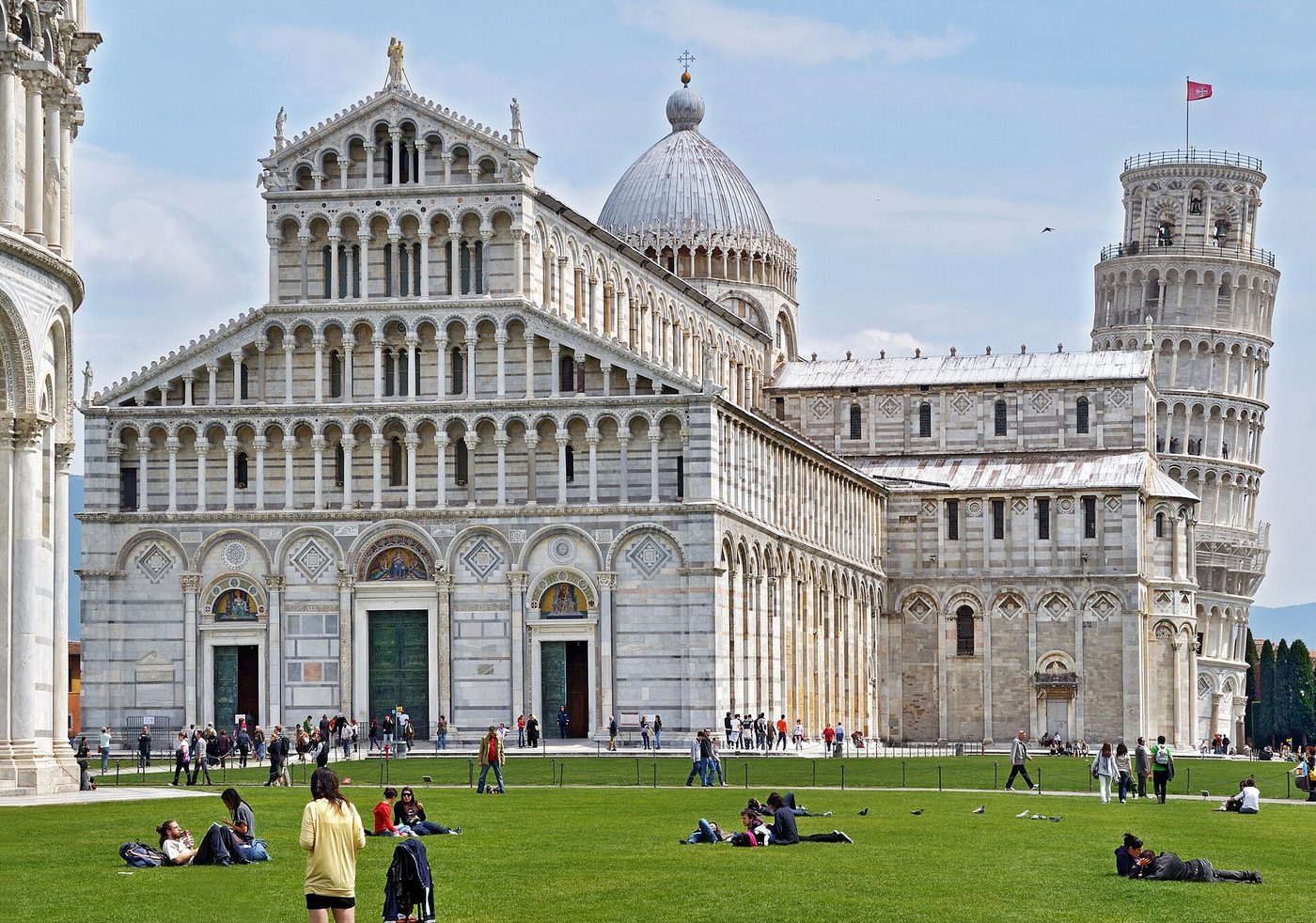
Lucca, forty minutes away, is the one I would give the extra day to. The town sits inside a complete ring of sixteenth and seventeenth-century ramparts that were never needed for a war and were therefore never demolished. They are broad enough on top to hold a tree-lined promenade about four kilometres round, and hiring a bike to circle them is one of the most pleasant hours you can buy in Tuscany. Inside, the Piazza dell’Anfiteatro is a ring of houses built into the footprint of a Roman amphitheatre, and the centre is flat and largely pedestrianised, which after a week of hill towns is its own kind of luxury.
Regional trains from Florence to Lucca take 1h19 to 1h45 and cost around EUR 8.40 each way, with one or two an hour. Pisa to Lucca by road is about thirty minutes, so the two pair naturally into one day.
San Gimignano, Volterra and Monteriggioni
San Gimignano is the tower town. Of the seventy-odd tower houses that once stood here, built by rival families as vertical displays of wealth, fourteen survive, and the silhouette they make from the approach road is the reason the historic centre was inscribed by UNESCO in 1990. Torre Grossa, the tallest, costs around EUR 9 to climb, and a San Gimignano Pass at EUR 15 covers all the civic museums including the tower, plus the Duomo and the Museum of Religious Art, valid two consecutive days.
The honest problem with San Gimignano is this: between ten and five in high season it holds more coaches than the streets can absorb, and the shops on the main axis sell wild boar salami to people who will not eat it. Stay the night, or come after six. The town at eight in the evening, with the day-trippers gone and the towers lit, is a different place entirely. It is also the home of Vernaccia di San Gimignano, one of the few Tuscan whites worth crossing a room for.
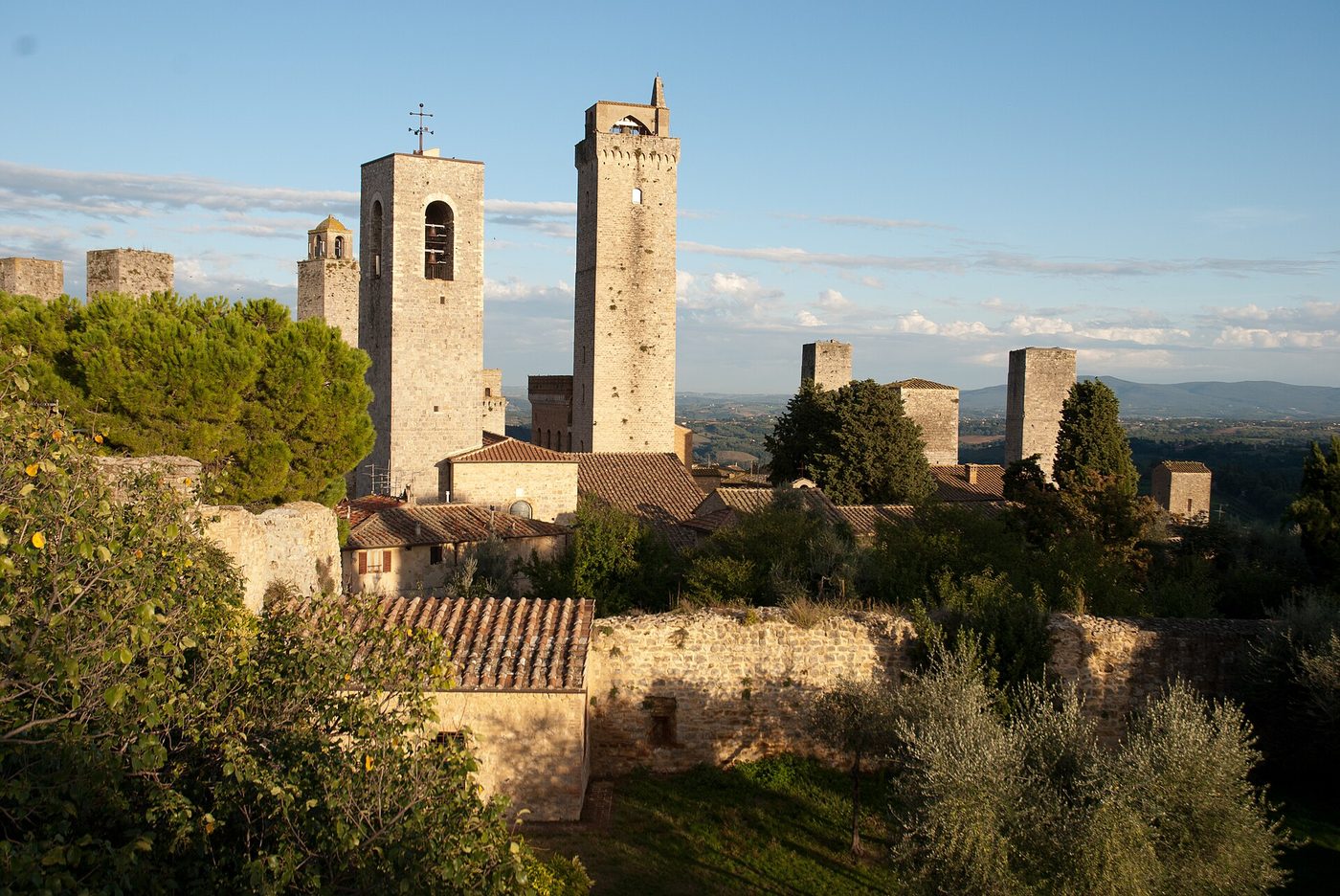
Volterra is the counterweight: an Etruscan walled town on a windy ridge, with a Roman theatre below the walls, alabaster workshops that still cut stone, and none of San Gimignano’s coach traffic. Getting there by bus is awkward, which is exactly why it stays quiet. If you are there in late August, the Volterra A.D. 1398 festival takes over the last two weekends of the month and the whole town goes medieval, more convincingly than that description suggests.
Monteriggioni takes an hour and deserves it. It is a small circular walled village on a hill between Siena and Poggibonsi, its ring of fourteen towers intact enough that Dante used it as a simile for the giants ringing the pit of hell in the Inferno. Walk the wall section, have a coffee in the piazza, drive on. It is one of the few places in Tuscany where an hour is the right amount of time. It appears in our roundup of Europe’s most beautiful towns for good reason.
Chianti: the country between the two cities
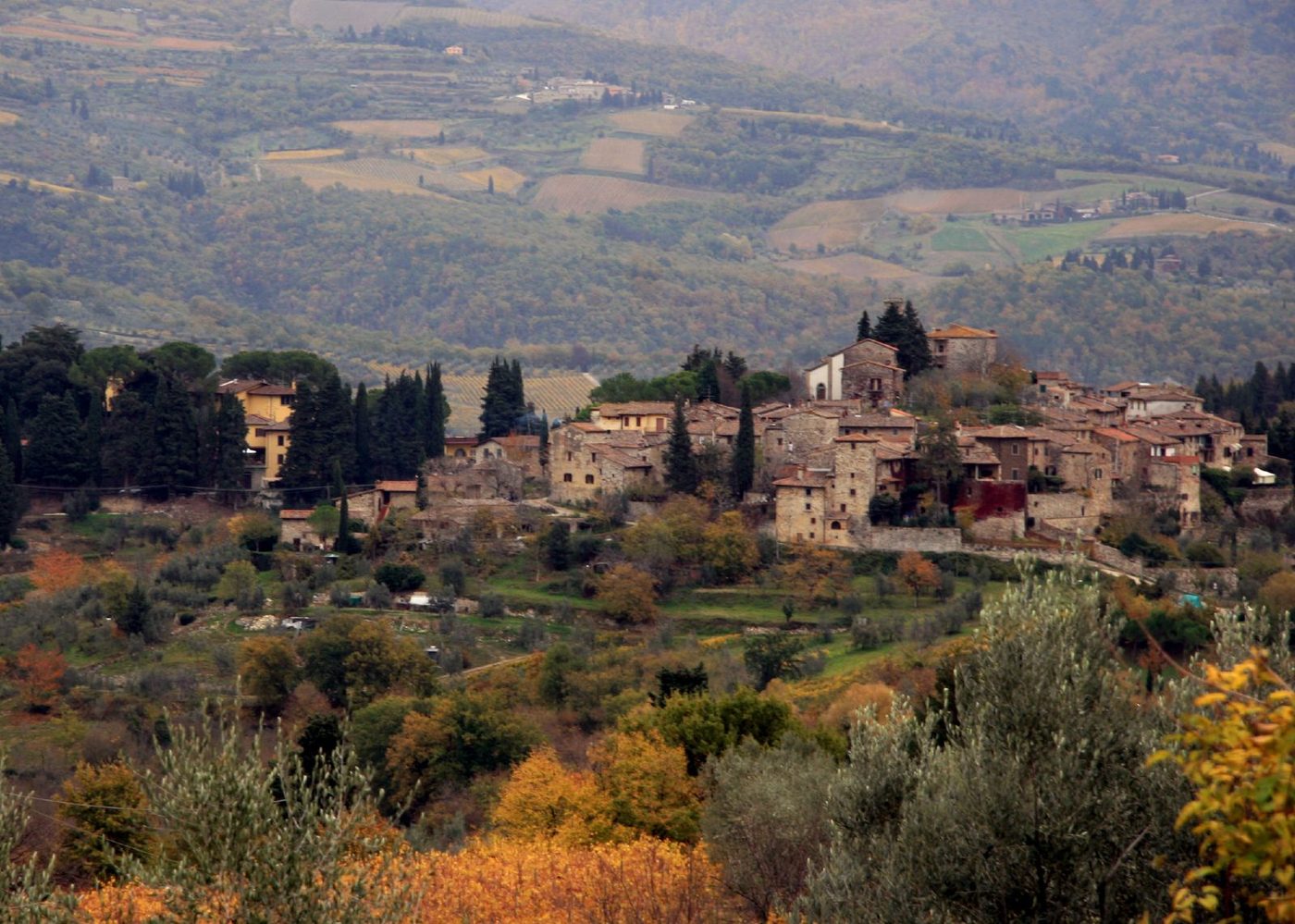
Chianti is the band of wooded hills and vineyard between Florence and Siena, and the principal villages are Greve, Panzano, Radda, Castellina and Gaiole. The road that links most of them, the SR222 or Chiantigiana, is one of the great European drives, and it is also the reason Chianti is the part of Tuscany where a car earns its keep. Bus links between the villages are poor to non-existent.
Greve is the working centre, with a funnel-shaped arcaded piazza and a Saturday market. Panzano has a famous butcher and a view over the Conca d’Oro vineyard bowl. Radda and Castellina are quieter bases for a few nights, and quietness here is the product, not a compromise. If you can only walk one thing, the ridge road between Radda and Volpaia in late afternoon light does more for the soul than another gallery.
Wine tasting in Chianti Classico runs cheaper than people expect at the bottom end. A two-wine tasting in a village enoteca costs around EUR 12, or about EUR 18 with cheese, salami and bruschetta. A proper estate tour with tasting at an established producer runs to about EUR 38 a head. Book the estate visits ahead; almost nowhere in Chianti takes walk-ins in season, and the ones that do are usually the ones you would not choose.
The Val d’Orcia, Pienza, Montalcino and Montepulciano
This is the Tuscany of the photographs: the UNESCO-listed agricultural landscape south of Siena, inscribed in 2004 for being an idealised farmed countryside that Renaissance painters used as a model. Cypress avenues on clay ridges, isolated farmhouses, the Chapel of Vitaleta, the sunflower fields that peak in July.
Pienza is the intellectual centre of it, a village that Pope Pius II had rebuilt around 1460 as a model Renaissance town, giving it a piazza laid out on principles rather than habit, and a small perfect cathedral. It is also the pecorino capital: sheep’s milk cheese sold fresh, semi-aged and aged, and worth buying a piece of the aged version to eat on a hillside with bread.
Montalcino, on a fortress hill to the west, is Brunello country. Montepulciano, on a long ridge to the east, is Vino Nobile country. The two are frequently confused and the wines are genuinely different, which I get into below. Both towns are steep, both have cellars cut into the rock beneath the streets, and both are more pleasant in the hour after the tour buses leave.

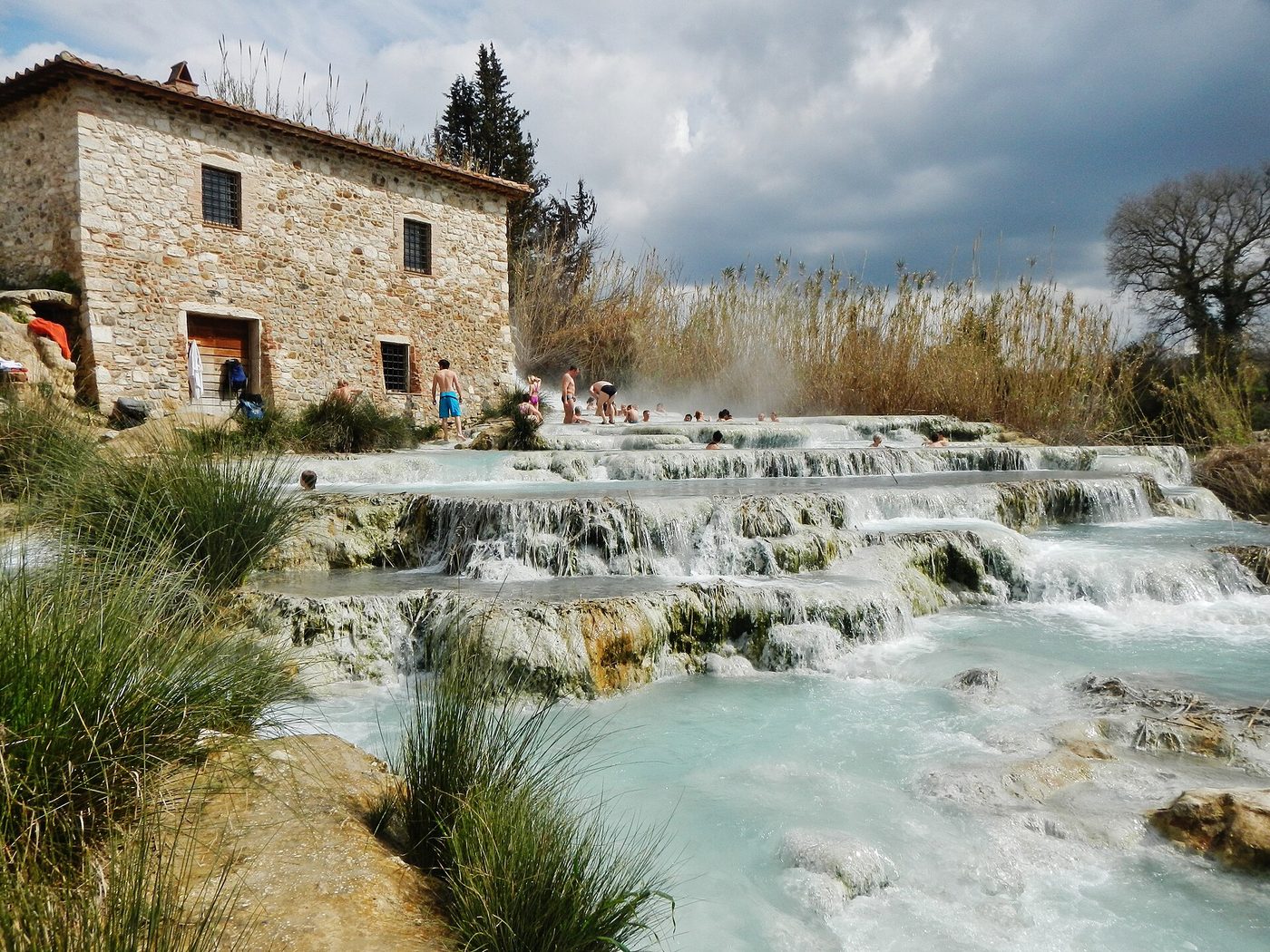
Between and around them sit the thermal sites. Bagno Vignoni has a Renaissance piazza occupied entirely by a thermal pool built over a Roman spring, source water at 52C, among the hottest in Tuscany. You cannot bathe in the piazza pool, and full immersion in the lower pools of the Parco dei Mulini has been banned by mayoral ordinance since 2010, with fines running from EUR 25 to 500. Soaking your feet in the little channels, the gorelli, is fine. Come for the sight of the place, not for a swim. Bagni San Filippo, twenty minutes south, is free at all hours: a wooded gorge where hot calcium-rich water has built a white cascade known as the Balena Bianca, the White Whale, with water reported at around 48C at source. Parking along Via Fosso Bianco costs roughly EUR 1.50 to 2.50 an hour from mid-March to October. Further south in the Maremma, Saturnia has the best known of the free sites: the Cascate del Mulino, a staircase of travertine pools under a ruined mill about 6km outside the town, water at 37.5C, no gate, no ticket and open 24 hours a day all year. It is not a secret and it is often busy, but at seven in the morning in November, with steam coming off the water, it is one of the few things in Tuscany that lives up to the photographs. All three are better in autumn and winter, when hot water in cool air is the whole point.
The Crete Senesi
South-east of Siena the clay turns grey and the trees give out. The Crete Senesi is a landscape of bare rolling ridges and biancane, low white hills furrowed by erosion, that looks nothing like the green Tuscany in the brochures and is arguably more striking for it. It is white truffle country in autumn, centred on San Giovanni d’Asso and Asciano, and its back roads are usually empty. If you have a car and one free morning, this is where I would spend it.
The east: Arezzo, Cortona and the Casentino
Eastern Tuscany is where the coach traffic thins out. Arezzo is a working provincial city with one extraordinary thing in it: Piero della Francesca’s Legend of the True Cross fresco cycle in the Basilica di San Francesco, painted between 1452 and 1466 and among the most quietly radical works of the fifteenth century. The city also holds a large antiques fair in and around Piazza Grande on the first weekend of each month, which is a good enough reason to time a visit. Trains from Florence take 58 minutes on the faster services, from around EUR 9.
Cortona sits high above the Val di Chiana with long views towards Lake Trasimeno in Umbria. It has an Etruscan museum that punches above the town’s size, steep stepped lanes, and a reputation inflated by a bestselling memoir that has, if anything, made it busier than its infrastructure enjoys. It is about an hour and a half from Florence by road. By train you go to Camucia-Cortona in the valley and take a bus or taxi up the hill, which is one of those small logistical facts that determines whether the trip is pleasant.
North of Arezzo the Casentino is the upper Arno valley, austere and forested, with the monasteries of La Verna and Camaldoli in the woods and a scattering of castles. A local railway runs from Arezzo up to Bibbiena and Pratovecchio. Almost nobody on a first Tuscan trip goes, which is precisely the argument for it on a second.
The coast, Elba and the Maremma
Tuscany has a long stretch of Tyrrhenian coastline and most visitors never see any of it. That is partly a marketing accident: the region sells itself on hills. But the coast is where Tuscan families themselves go in August, and it holds a couple of entries in our guide to the best beaches in Europe. It has three quite different characters.
Versilia, the strip north of Pisa around Forte dei Marmi and Viareggio, is a long flat sand beach with the marble-streaked Apuan Alps rising directly behind it. It is organised almost entirely into bagni, private beach clubs that rent you a sun lounger, umbrella, changing cabin and shower, usually with a bar attached. In July and August expect roughly EUR 35 to 60 a day for an umbrella and loungers at a standard club, around EUR 40 to 50 for two loungers and an umbrella at a mid-range one, and anything from EUR 50 to over EUR 300 at the prestige addresses. Prices fall thirty to fifty per cent in June and September. Free beach in Forte dei Marmi is essentially non-existent, so budget for the bagno rather than hoping.
Elba is the largest island of the Tuscan Archipelago and the best three-day detour in the region: mountain roads, small coves, a chairlift up Monte Capanne, and two villas where Napoleon spent his ten months of exile in 1814 and 1815. Ferries run from Piombino to Portoferraio with Moby, Toremar and Blu Navy, crossing in 40 to 57 minutes, with something like 295 weekly connections across the operators and up to 33 sailings a day at peak. Foot passenger fares run roughly EUR 16.50 to 39.50 one way before booking fees. Take a car if you want the island properly; the bus network exists but the good coves do not have bus stops.
The Maremma, the flat southern coastal province around Grosseto, is the least Tuscan-looking part of Tuscany: pasture, umbrella pine, marsh and lagoon, with a cowboy tradition of its own in the butteri, Etruscan tombs cut into tufa, and beaches that stay usable into late September. Coastal trains reach Grosseto and Follonica; inland you will want a car.
North of Grosseto along the coast, Bolgheri is Tuscany’s Cabernet country, and the cypress avenue leading to the village is famous enough in Italy to have a poem attached. Tastings here cost more than in Chianti, averaging around EUR 50 with a range of EUR 25 to 75, and prestige estates charge EUR 80 to 120, occasionally far more.
Carrara, the Apuan Alps and the marble
The white scars you can see from the Versilia beach are quarries that have been worked for more than two thousand years. Michelangelo came here to choose blocks. The three main basins above Carrara are Colonnata, Torano and Fantiscritti, and you can go up into them: basic Apuan Alps jeep runs start from around EUR 15, while a standard small-group tour of roughly three hours including a tasting of lardo di Colonnata, the pork fat cured in marble troughs, costs from about EUR 100. Short guided quarry tours run about 30 minutes with the first stretch by tour bus.
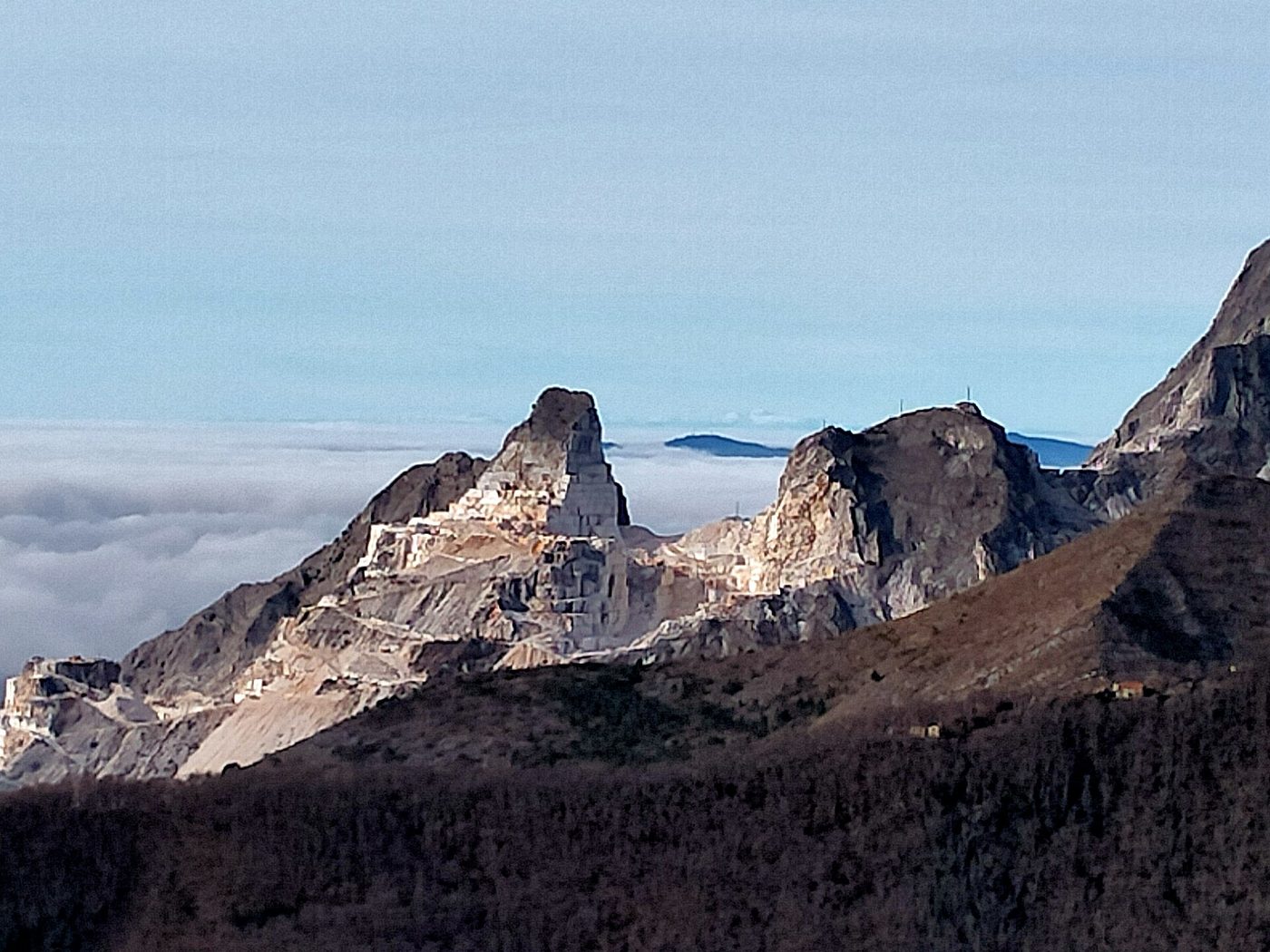
It is an unusual half-day and a useful corrective to the idea that Tuscany is entirely about art and wine. This is heavy industry in a landscape of extraordinary violence and beauty, and the towns below it are working towns.
The north: Garfagnana and Lunigiana
Above Lucca the Serchio valley climbs into the Garfagnana, a chestnut-forest mountain valley where the cooking runs on chestnut flour and the summer air is ten degrees kinder than the Florentine basin. The Ponte della Maddalena, known as the Devil’s Bridge, arches absurdly over the river near Borgo a Mozzano. Regional trains run up the valley from Lucca, which makes this one of the few deeply rural parts of Tuscany reachable without a car.
Further north still, Lunigiana sits between the mountains and the Ligurian border, a valley of stone castles and prehistoric statue-steles with some of the cheapest good eating in the region. Trains on the Parma to La Spezia line stop at Aulla and Pontremoli. Neither of these valleys will appear on a first trip, and both are on my own list of places I would go back to before I saw Florence again.
What Tuscany costs: every major ticket price for 2026
I built this table because I could not find one when I was planning. Every figure was checked against the institution’s own website in August 2026, and where the official source was unreadable or the sources disagreed, I have said so in the notes rather than picking a number and hoping. Prices in Italy tend to move in January and February, so treat anything here as accurate for 2026 and verify before you pay.
| Where | Ticket | Adult price, 2026 | Concessions and variants | What to know |
|---|---|---|---|---|
| Florence | Uffizi Gallery | EUR 25 same day / EUR 29 advance | EUR 16 from 4pm; reduced EUR 2 | Closed Mondays. Named tickets. Advance costs more than on the door. |
| Florence | Uffizi + Vasari Corridor | EUR 43 same day / EUR 47 advance | Corridor alone Friday evenings EUR 20 / EUR 24 | Friday evening corridor openings 7pm to 11pm, 4 July to 26 December. |
| Florence | Brunelleschi Pass (Duomo complex) | EUR 30 | EUR 12 ages 7 to 14 | The only pass including the 463-step dome climb. Photo ID required. |
| Florence | Giotto Pass | EUR 20 | EUR 7 reduced | Bell tower, Baptistery, museum, crypt. No dome. |
| Florence | Ghiberti Pass | EUR 15 | EUR 5 reduced | Museum, Baptistery, crypt. No dome, no tower. |
| Florence | Florence Cathedral nave | Free | n/a | The passes cover the dome, tower, Baptistery, museum and crypt. |
| Florence | Accademia (David) | EUR 20 | EUR 2 reduced, plus EUR 4 booking fee | Price raised 1 February 2026. Separate ticketing platform from the Uffizi. |
| Florence | Accademia + Bargello | EUR 26 | n/a | Valid 48 hours. |
| Florence | Five-museum ticket | EUR 38 | n/a | Accademia, Bargello, Medici Chapels, Orsanmichele, Palazzo Davanzati. 72 hours. |
| Florence | Pitti Palace | EUR 16 same day / EUR 19 advance | n/a | All collections. |
| Florence | Boboli Gardens | EUR 10 same day / EUR 13 advance | n/a | Pitti and Boboli together EUR 22 / EUR 25. |
| Florence | Boboli + Bardini Gardens | EUR 15 | n/a | New from 3 March 2026. Ticket offices only, on the day. |
| Florence | PassePartout 5 Days | EUR 40 | EUR 58 including the Vasari Corridor | Uffizi, Pitti, Boboli over five consecutive days; six if a Monday falls inside. |
| Florence | Uffizi annual pass | EUR 80 single / EUR 120 family | Boboli annual pass EUR 25 | Pays for itself on a third visit. |
| Siena | OPA SI Pass | Around EUR 20, quoted between EUR 16 and EUR 21 | n/a | Cathedral, library, crypt, Baptistery, museum, Facciatone, San Bernardino. Buy at the ticket office; resellers disagree on price. |
| Siena | Gate of Heaven (Porta del Cielo) | Around EUR 21 | n/a | Separate ticket, not in the pass. Season 1 March to 6 January. |
| Siena | Torre del Mangia | Around EUR 10 | EUR 15 with the Civic Museum | Narrow single-file stair. Go early. |
| Pisa | Leaning Tower climb | Around EUR 20 | n/a | Official prices published only as an image; confirm at the ticket office. |
| Pisa | Piazza dei Miracoli combined | Around EUR 27 | n/a | Tower, cathedral, Baptistery, Camposanto, Sinopie Museum. Square itself free. |
| San Gimignano | Torre Grossa | Around EUR 9 | n/a | The tallest of the fourteen surviving towers. |
| San Gimignano | San Gimignano Pass | EUR 15 | n/a | All civic museums plus Duomo and Religious Art Museum, two consecutive days. |
| Val d’Orcia | Bagni San Filippo hot springs | Free | Parking EUR 1.50 to 2.50 per hour | Mid-March to October parking charges along Via Fosso Bianco. |
| Maremma | Saturnia, Cascate del Mulino | Free | n/a | Open 24 hours, year round, water at 37.5C. |
| Region-wide | State museum free days | Free | n/a | First Sunday of every month. Priority access schemes suspended. |
Three warnings about buying tickets online. First, a large number of sites that look official are resellers, and several of them publish prices that contradict the museums. If a page quotes the Accademia at EUR 25 or Pitti at EUR 22, it is not reading the official tariff. Second, the Florence Duomo, the Accademia and the Opera della Primaziale in Pisa all serve pages that are difficult for search engines and price comparison tools to read, which is part of why bad numbers circulate so freely. Third, the Uffizi call centre is a real and useful thing: 800 615 615 toll-free in Italy, or +39 055 0354135 from abroad, daily 8am to 7pm.
The Firenze Card is quoted at EUR 85 for 72 hours across 60-plus museums in the Florence metropolitan area, with a EUR 28 “Restart” supplement introduced in March 2026 that extends an existing card by 48 hours. I could not verify those figures on an official domain, and there is a catch that is verified: Firenze Card holders still have to reserve an Uffizi entry slot separately. Do the arithmetic against the five-museum ticket at EUR 38 and the PassePartout at EUR 40 before you buy. For most three-night visitors, the individual passes work out cheaper.
Getting around Tuscany: trains, buses and the car question
The honest answer to “do I need a car in Tuscany” is: for the cities, no, and a car is actively a liability. For the countryside, mostly yes. The best trips split the difference, doing Florence, Siena, Pisa and Lucca on rails and picking the car up only for the days you are in Chianti or the Val d’Orcia. That also removes the ZTL problem and the cost of a car sitting in a Florentine garage.
Trains and buses, with real numbers
| Route | Mode | Journey time | Typical fare | Notes |
|---|---|---|---|---|
| Rome to Florence | Frecciarossa / Italo high speed | 1h25 to 1h30 | From EUR 14.90 booked early; EUR 70 to 80 on the day | Booking opens around 90 to 120 days ahead. The fare spread is the largest of any journey here. |
| Florence SMN to Pisa Centrale | Regionale Veloce | About 1 hour, direct | EUR 8.50 fixed | Every 15 to 30 minutes. No advantage to booking ahead. |
| Florence SMN to Lucca | Regional | 1h19 to 1h45 | Around EUR 8.40 | One to two per hour. |
| Florence SMN to Arezzo | Regional and fast regional | 58 minutes on faster services | From around EUR 9 | Also on the Rome high-speed line at higher fares. |
| Florence to Siena | Tiemme bus 131R Rapida | About 1h15, non-stop | Around EUR 9.50 one way | The right choice. Drops you inside the walls. |
| Florence to Siena | Train | 1h11 fastest, about 1h42 average | From around EUR 10 to 13 | Most services change at Empoli, and Siena’s station sits below the old town. |
| Pisa Airport to Pisa Centrale | PisaMover automated shuttle | About 5 minutes | EUR 6.50 | Runs 06:00 to midnight. |
| Florence Airport to city | Tram T2 | 20 minutes to Alamanni; 22 to Unita | EUR 2.00 from 1 August 2026 | No airport surcharge. Ticket valid 90 minutes across tram and bus. |
| Piombino to Portoferraio (Elba) | Ferry, Moby / Toremar / Blu Navy | 40 to 57 minutes | EUR 16.50 to 39.50 foot passenger | Up to 33 sailings a day in season. |
The Florence to Siena finding is the one worth acting on. The default advice is to take the train. In practice the Tiemme 131R bus is faster door to door and better placed: it runs non-stop in about 1h15 and sets you down near the walls, while the train usually requires a change at Empoli and arrives at a station below the old town, from where you need escalators or a local bus to reach the Campo. The train’s headline 1h11 applies only to the handful of direct services. The bus also costs less.
Two ticketing rules that generate fines for visitors every single day. Regional train tickets are open-ended and must be validated in the small machines before you reach the platform. An unvalidated paper ticket is treated as no ticket, and the on-the-spot penalty is not negotiable. Digital tickets issued for a specific named train do not need validating. Bus tickets must be validated on board, in machines by the front and rear doors, immediately on boarding.
Driving, tolls and the ZTL beyond Florence
Comparison sites put average hire rates in Tuscany at around USD 58 a day for a small car and USD 66 for a medium one, with June the cheapest month at about USD 38 and August around USD 50. Collecting in central Florence pushes that average up to roughly USD 99 a day. Those are aggregate figures rather than quotes, so treat them as a shape rather than a price, which is one more argument for picking the car up on your way out of town. Our guide to Europe road trips covers the wider driving picture.
The main roads are a mix. The A1 autostrada runs down the spine past Florence, Arezzo and Montepulciano and is tolled, as is the A11 from Florence through Pistoia, Lucca and Pisa to Viareggio and the coastal A12. Italian tolls work by ticket: take one on entry, keep it, pay on exit by distance, cash or card. The important exception is the road most visitors actually use. The Florence to Siena superstrada is the Raccordo autostradale RA 3, locally the Autopalio, a 56.3km dual carriageway opened in 1964 and managed by ANAS rather than a motorway concessionaire, which means it is toll-free. You join it from the A1 at the Firenze Certosa-Impruneta exit.
Florence has the ZTL described above, but it is not the only one. Siena, Lucca, San Gimignano, Volterra, Cortona and dozens of smaller towns all restrict their historic centres, usually with the same automated cameras and the same delayed fines. The safe habit is to assume every walled town has one, park in the signposted lots outside the gate, and walk in. It is rarely more than ten minutes uphill, and the walk into a hill town on foot is a better arrival anyway.
| Drive | Distance | Time |
|---|---|---|
| Florence to Siena (RA 3, toll-free) | About 70km | 1h to 1h15 |
| Florence to Pisa | About 85km | 1h to 1h15 |
| Florence to San Gimignano | About 60km | Just over an hour |
| Florence to Cortona | About 110km | 1h30 to 1h45 |
| Florence to Sansepolcro | About 115km | About 1.5 hours |
| Siena to San Gimignano | 43km | About 42 minutes |
| Siena to Montalcino | 41km | About 52 minutes |
| Pisa to Lucca | About 25km | About 30 minutes |
Which airport
Tuscany has two, and the choice is usually made for you by which airline you fly. Florence Amerigo Vespucci (FLR), also called Peretola, is a city airport with non-stop flights to around 48 destinations in 17 countries, dominated by Vueling and ITA Airways alongside the legacy European carriers, serving London, Barcelona, Paris, Madrid, Amsterdam, Athens, Nice, Hamburg and Catania among others. It is small, close to the city, and connected by the T2 tram in about 20 minutes. A major expansion is under way, reported at over EUR 400 million, with a new 50,000 square metre terminal and a re-laid 2,200 metre runway aiming at around six million passengers a year.
Pisa Galileo Galilei (PSA) is where the low-cost traffic lands. Ryanair alone runs 58 routes from Pisa in summer 2026, adding Rabat and Bratislava and increasing frequencies to Brussels, Copenhagen, Edinburgh, Malta, Manchester, Marrakech, Palma de Mallorca, Skiathos, Tirana and Trapani. The busiest route is Tirana at around 33 flights a week. From the terminal, the PisaMover shuttle reaches Pisa Centrale in five minutes for EUR 6.50, and from there Florence is an hour by direct regional train.
The practical rule: if you are flying with a budget carrier, you are almost certainly landing at Pisa, and Pisa is a perfectly good place to start a Tuscan trip. Our guide to moving around the continent covers the wider transport picture, and train travel in Europe goes deeper on the rail passes and booking windows.
Tuscan wine, explained properly
Wine is the reason a lot of people come to Tuscany, and it is also where the guides stop short. Everybody tells you to drink Chianti. Almost nobody tells you what the words on the label mean, which is a shame, because the rules here are unusually clear and knowing them changes what you order and what you pay.
| Appellation | Where | Grape rules | Minimum ageing | What it tastes like in practice |
|---|---|---|---|---|
| Chianti DOCG | Broad zone across central Tuscany, seven subzones including Rufina, Colli Senesi and Colli Fiorentini | Minimum 70% Sangiovese | Annata and Riserva (2 years) only; no Gran Selezione tier | The everyday one. Bright, sour-cherry, food wine. Quality varies enormously by producer. |
| Chianti Classico DOCG | The older, smaller zone between Florence and Siena | Minimum 80% Sangiovese | Annata 12 months; Riserva 24 months including 3 in bottle; Gran Selezione 30 months including 3 in bottle, estate-grown fruit only | A separate appellation, not a better grade of Chianti. Look for the Gallo Nero black rooster seal. |
| Brunello di Montalcino DOCG | Hills around Montalcino, south of Siena | 100% Sangiovese, locally Sangiovese Grosso | Cannot be released until 5 years after harvest; at least 2 years in oak plus 4 months in bottle | The serious one, and among the very first Italian wines awarded DOCG status. Structured, long-lived, priced accordingly. |
| Rosso di Montalcino DOC | Same zone as Brunello | Sangiovese | Released young | The affordable way into Montalcino, often from the same vineyards as the Brunello. |
| Vino Nobile di Montepulciano DOCG | Around the ridge town of Montepulciano | Minimum 70% Sangiovese, up to 30% Canaiolo, Colorino, Mammolo and others | Minimum 2 years, at least 1 in wood | Softer and more perfumed than Brunello. Nothing to do with the Montepulciano grape, which is from Abruzzo. |
| Bolgheri DOC and Bolgheri Sassicaia DOC | Coastal Maremma near Castagneto Carducci | Cabernet Sauvignon, Cabernet Franc and Merlot rather than Sangiovese | Varies by estate | The Super Tuscan heartland. Sassicaia has held its own single-estate DOC since 2013. |
| Vernaccia di San Gimignano DOCG | San Gimignano | Vernaccia | Varies | Tuscany’s serious white. Dry, almondy, good with the local pecorino. |
| Morellino di Scansano DOCG | Maremma, inland from Grosseto | Sangiovese-based | Varies | Warmer, rounder, cheaper. A good house-wine discovery. |
| Vin Santo | Region-wide | Dried Trebbiano and Malvasia grapes | Long barrel ageing | Amber dessert wine, served with cantucci to dip. Order it at the end of a meal and you will be treated well. |
Two things follow from that table. The first is that “Super Tuscan” is not a quality tier, it is a historical accident: estates like Sassicaia planted Bordeaux varieties that fell outside the DOC rules, so their wines were declassified to Vino da Tavola and later Toscana IGT, and then became more expensive than the wines that had the rules on their side. The second is that Gran Selezione’s minimum Sangiovese rises from 80% to 90% from 2027, and Chianti Classico’s additional geographic units, the UGAs, are for now available only to Gran Selezione wines. If you are buying to keep, that is worth knowing.
The practical ordering rule is simple: drink what is local to where you are standing. Ordering Chianti Classico in Montalcino is like ordering Rioja in Burgundy, a point our Italian food by region guide makes at greater length. Nobody will be rude about it, but you are paying for transport and missing the point.
| Where | Format | Typical cost per person |
|---|---|---|
| Chianti Classico | Two-wine tasting in a village enoteca | Around EUR 12; around EUR 18 with cheese, salami and bruschetta |
| Chianti Classico | Estate tour with tasting | Around EUR 38 |
| Montalcino | Entry-level one-hour cellar visit and tasting | From EUR 25 to 30 |
| Montalcino | Vineyard and cellar tour | EUR 50 to 60; EUR 60 to 80 with lunch or the winemaker |
| Montalcino | Average across producers | Around EUR 63 |
| Bolgheri | Tasting with winery visit | Around EUR 50, range EUR 25 to 75 |
| Bolgheri | Prestige estates | EUR 80 to 120 and upwards; some reach EUR 250 |
Book ahead, and if you are driving, work out in advance who is not tasting. Italian drink-drive limits are lower than the UK’s and the Carabinieri run checkpoints on the Chiantigiana at weekends.
What to eat, and the small rules around eating it
Tuscan food is peasant food that got famous. It is built on bread, beans, olive oil, pork and whatever the hillside produced, and its defining characteristic is restraint: four ingredients, treated properly.
| Dish | What it actually is | Where to eat it |
|---|---|---|
| Bistecca alla fiorentina | A thick T-bone cut on the bone between sirloin and tenderloin, traditionally 5 to 6cm thick, weighing 1 to 1.5kg, sold by the kilo and shared. Seared 3 to 4 minutes a side and served rare. | Florence, and the Chianina country around the Val di Chiana |
| Pici all’aglione | Hand-rolled thick fresh spaghetti dressed with aglione, the big mild garlic of the Val di Chiana | Siena, Montepulciano, the Val d’Orcia |
| Ribollita | Cavolo nero, cannellini beans and stale bread. The name means “reboiled”: it is deliberately made the day before and reheated | Everywhere inland, best in winter |
| Lampredotto | The cow’s fourth stomach, simmered and served in a bun with salsa verde. The Florentine street sandwich | Florence, from a street cart |
| Cacciucco | Livorno’s fish stew of crustaceans, molluscs, octopus, cuttlefish and scorpion fish. Viareggio has its own version | Livorno and the coast |
| Pappa al pomodoro and panzanella | Two more bread dishes: one a thick tomato and bread soup, the other a cold summer bread salad | Region-wide, summer |
| Peposo del Valdarno | Beef slow-cooked in red wine and an aggressive quantity of black pepper, said to have fed the Duomo’s kiln workers | Impruneta and the Valdarno |
| Pecorino di Pienza | Pure sheep’s milk cheese, sold fresh, semi-stagionato and stagionato | Pienza, obviously |
| Panforte and ricciarelli | Panforte is a dense Sienese cake of honey, sugar, almonds and hazelnuts, dried fruit, cinnamon, nutmeg and cloves. Ricciarelli are soft almond biscuits | Siena |
| Cantucci and Vin Santo | Twice-baked almond biscuits, sliced from warm loaves and re-baked, served with the dessert wine to dip them in | Region-wide, end of every meal |
| Lardo di Colonnata | Pork back fat cured in marble troughs in the quarry village above Carrara | Colonnata and the Apuan Alps |
| Castagnaccio | Flat chestnut-flour cake with rosemary and pine nuts, an autumn mountain thing | Garfagnana and Lunigiana |
Now the small rules. The coperto is a compulsory cover charge for bread and the place setting, listed on the menu, and it is not a tip. Tipping has no fixed percentage here: rounding up or leaving a few euro for good service is welcome and never expected. An espresso standing at the bar is typically under EUR 1.50 and a cappuccino under EUR 2; sitting down at a table costs more, sometimes considerably, and this is normal rather than a scam.
Meal times are firmer than in northern Europe. Lunch is around 1pm and kitchens close at 2:30 or 3pm; dinner starts around 7 or 8pm and can run to midnight. In smaller towns the riposo closes shops from roughly 1pm to 3:30 or 4pm, reopening until 7:30 or 8pm, with Sundays and Monday mornings shut. Turning up in a hill town at 2:15pm hungry is one of the classic Tuscan mistakes.
For gelato, look for the words gelato artigianale and be suspicious of shops with brightly coloured mounds heaped above the tubs. Real gelato is stored covered and sits flat. Our guide to European food puts Tuscan cooking in a wider context if you are eating your way across several countries.
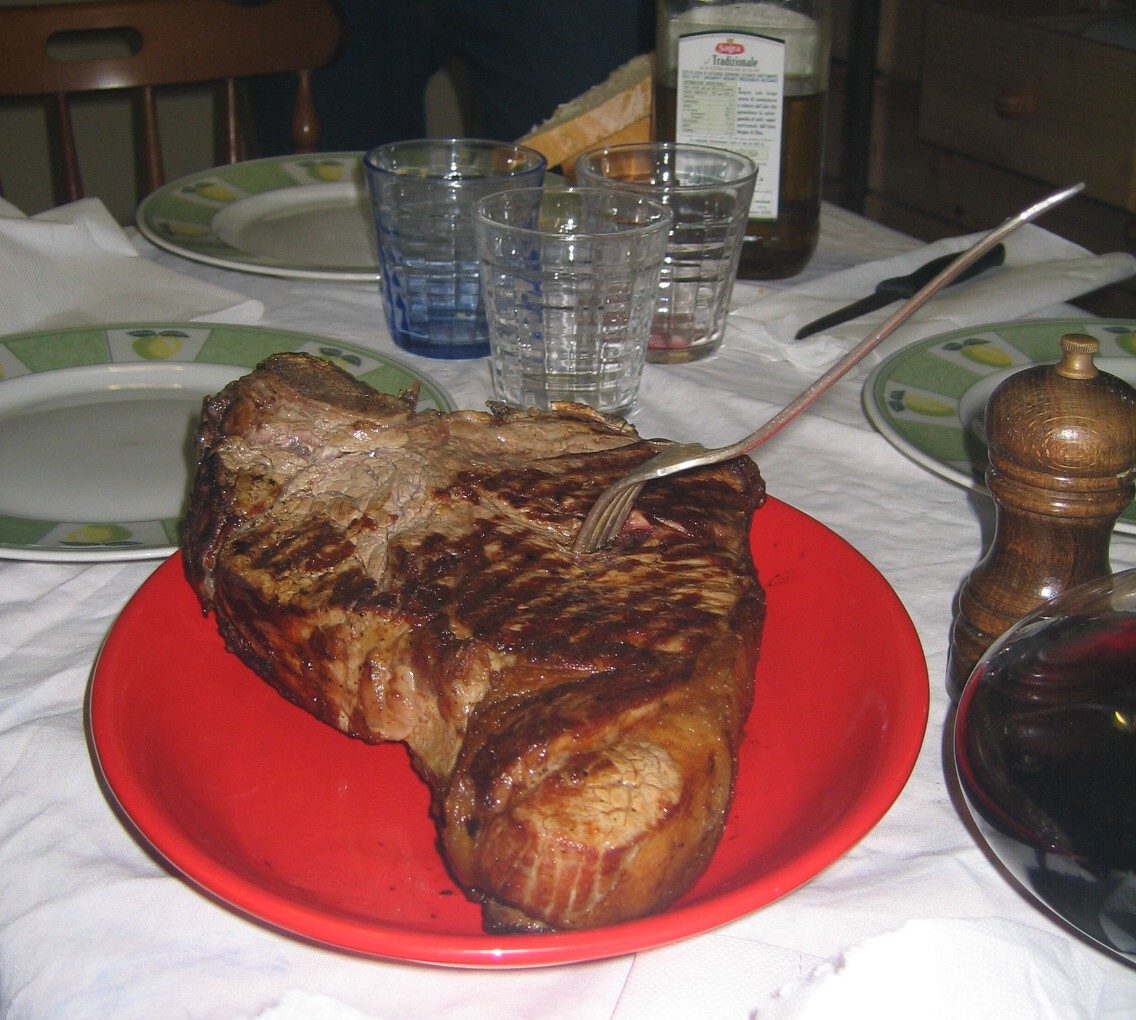
On the bistecca, prices are the thing to understand before you sit down, because it is sold by weight and a shared steak arrives as a number on a bill, not a menu price. The 2025 to 2026 Florentine average runs around EUR 50 per kilo, with a normal range of EUR 40 to 60. Certified Chianina, from the enormous white cattle breed documented in Tuscany since Roman times, whose bulls reach around 1,700kg, costs roughly EUR 60 to 65 per kilo, and EUR 80 is not unusual in the historic centre. Dry-aged Chianina runs EUR 70 to 95. A 1.2kg steak for two at EUR 55 a kilo is EUR 66 before anything else, which is either good value or a shock depending on whether you knew. And do not ask for it well done. The dish is defined by being served rare.
When to go to Tuscany
Mid-to-late spring and early autumn, if you have the choice. April, May, September and October give you workable temperatures, open countryside hotels, and museums that are busy rather than impossible. That is the consensus across every serious source and it is also, inconveniently, what everyone else has read.
The thing to understand about Tuscan climate is that Florence sits in an inland river basin and the coast does not. Florence in August is punishingly hot and humid in a way that Grosseto, a short drive from the sea, is not. Air conditioning is not universal in Tuscan accommodation, particularly in converted farmhouses, which rely on thick stone walls, elevation and the evening breeze instead. That is why the old farms are on hilltops.
| Measure | Florence (inland) | Grosseto (coastal Maremma) | Livorno (coast) |
|---|---|---|---|
| Coldest month daytime high | 9C (48F) in January | 12C (54F) in February | 12C in January |
| Warmest month daytime high | Over 30C (86F) in August, peaks around 35C (95F) | 30C (86F) in August | 28C in August |
| Coldest month night low | 2C (36F) in January | 6C (43F) in February | 7C in January |
| Warmest month night low | 18C (64F) in August | 21C (70F) in August | 22C in August |
| Driest month | July, 31 to 37mm | July, 19mm over 5 days | July, 25mm over 5 days |
| Wettest period | Autumn into early winter | November, 129mm over 14 days | November, 151mm |
| Annual rainfall | Not published in the sources I checked; rain falls mainly October to January | 807mm | 997mm |
| Sea temperature | n/a | Warm from June to September | 13C January to 24C August |
Winter daytime temperatures run roughly 5 to 15C from December to March, milder than northern Europe, though inland nights drop close to freezing, and the cities are at their best: Florence without queues is a revelation, and it earns its place among the best places to visit in Europe in winter, and hotel rates in Florence are widely reported to run 30 to 50 per cent below the April to October level outside Christmas and New Year. The trade-off is that many rural hotels and agriturismi close over winter and reopen in April, so a countryside base in January is harder to arrange than a city one.
The seasonal calendar that should shape your dates
| When | What happens | Worth planning around? |
|---|---|---|
| April to May | Green hills, wildflowers, comfortable walking weather, everything open | Yes. The best all-round window. |
| June to early August | Sunflower bloom, starting June and at full stretch through July into early August, roughly a six-week window | Yes, if the Val d’Orcia photographs are the point of the trip. |
| 2 July | Palio di Provenzano, Siena. A fixed calendar date every year. | Only if you commit to the logistics. |
| 27 June to 31 July, and 18 August to 15 November 2026 | Siena Cathedral marble floor uncovered | Yes. The strongest single argument for a specific Siena date. |
| 17 June to 31 August 2026 | Art Nights in Pisa: Piazza dei Miracoli monuments open until 22:30 | Yes, and it costs nothing extra to time. |
| July and August | Peak heat, peak crowds, peak prices, coastal bagni at full rate | Avoid if you can. If you cannot, base on the coast or in the mountains. |
| 16 August | Palio dell’Assunta, Siena | Same caveats as July. |
| Last two weekends of August | Volterra A.D. 1398 medieval festival | A genuinely good reason to be in Volterra. |
| Late September to mid-October | Vendemmia, the grape harvest. Exact dates set yearly by the weather. | Yes. Estates are busy but alive, and the light is superb. |
| Late September to November | Olive harvest, earlier than most of Italy, which is why Tuscan oil is greener and more peppery | Yes, for the new oil. |
| November | White truffle season peaks. San Miniato’s National White Truffle Market Fair runs over the last three weekends of November. | Yes, and it is the best reason to visit in a wet month. |
| December to March | Cities quiet, rates down 30 to 50 per cent, hot springs at their best, many rural hotels closed | Yes for Florence, Siena and Lucca. Less so for the countryside. |
San Miniato is the town to know for that last one: a hill town on the ridge between Florence and Pisa that is unremarkable for eleven months of the year and then becomes the centre of the Italian white truffle trade. One note on the truffle fair: the 2026 dates had not been published anywhere I could find when I wrote this, but the pattern is fixed at the last three weekends of November, and in 2025 that meant 15 to 16, 22 to 23 and 29 to 30 November. Check the Comune di San Miniato listing before booking around it. Our guide to the best time to visit Europe sets Tuscany against the rest of the continent if you are combining countries.
Where to stay, and what a bed costs
The three realistic models are a city hotel, a rural agriturismo, or a small hotel in a hill town. They suit completely different trips and mixing them within one week is usually a mistake, because the packing and unpacking eats the days.
| Type | Typical rate | Best for | Watch out for |
|---|---|---|---|
| Agriturismo, entry level | Around EUR 40 to 60 per person per night | Slow trips, families, people with a car | Often a working farm. Minimum stays in high season are common. |
| Agriturismo, mid-range with pool | Around EUR 120 to 200 per night | The classic Tuscan week | Air conditioning is not a given. Ask directly. |
| Agriturismo, luxury | EUR 300 and up | Honeymoons, milestone trips | Frequently 15 to 30 minutes down a gravel road. |
| Florence 2-star hotel | Around USD 98 per night average | Short city stays | Small rooms, often no lift. |
| Florence 3-star hotel | Around USD 148 to 208 per night | Most city visitors | Sources vary widely; shoulder-season rates are much lower. |
| Florence 4-star hotel | Around USD 302 per night | Comfort in the centre | Check whether the address is inside the ZTL before you drive. |
| Florence 5-star hotel | Around USD 507 per night | The big-occasion trip | Tourist tax at EUR 8 per adult per night on top. |
Tourist tax is charged per person per night on top of the room rate, and in Florence it scales with the star rating: EUR 8.00 at 5-star down to EUR 3.50 at the bottom of the scale, with under-12s exempt and a maximum of seven consecutive nights charged. Short lets and apartments are charged at their own rate, so allow a few euro a head per night. Siena charges EUR 2.50 at 1 to 2-star up to EUR 5.00 at 5-star, capped at four nights, from age 12. Bring some cash: plenty of small properties still collect it at checkout.
One planning fact that has changed. Florence banned new short-term tourist lets in the UNESCO historic centre in 2023, a decision upheld on appeal, and on 26 May 2026 the city voted to extend that ban well beyond the centre, adding around 67,000 dwellings and taking the covered total past 100,000 units across roughly 16 square kilometres. Existing lets are not closed and the moratorium protecting them runs to 31 May 2028. What this means for a visitor in practice is that the supply of legal short lets in Florence is now fixed and will not grow, so apartment prices in the centre are unlikely to soften. Our accommodation guide covers the accommodation types in more depth.
Three itineraries that actually work
These assume you land at Pisa or Florence. All three are built around the principle that changes of base cost you half a day each, so there are as few as possible.
Five days, no car
- Days 1 to 3, Florence. Duomo complex on the Brunelleschi Pass first morning, Uffizi on the 4pm ticket the same afternoon or the next, Accademia and Bargello on the combined ticket, an evening in the Oltrarno, San Miniato al Monte at sunset.
- Day 4, Siena. Tiemme 131R bus out early, cathedral and pass, Torre del Mangia before the queue builds, lunch on the Campo, late bus back. If your dates fall in the floor-unveiling window, give this a full day.
- Day 5, Pisa and Lucca. Regional train to Pisa, Piazza dei Miracoli in the morning, on to Lucca for the afternoon and a bike ride round the walls. Back to Florence or straight to Pisa airport.
Seven days, car from day three
- Days 1 to 2, Florence on foot. No car, no ZTL exposure, no garage bill.
- Day 3. Collect the car on the way out of the city. Drive the Chiantigiana south through Greve and Panzano to Radda or Castellina. Estate tasting booked in advance. Sleep in Chianti.
- Day 4, Siena and San Gimignano. Park outside the walls at both. San Gimignano late in the afternoon once the coaches have gone.
- Days 5 to 6, Val d’Orcia. Base in or near Pienza or Montalcino. Pienza and its pecorino, a Brunello cellar visit, Bagno Vignoni or Bagni San Filippo in the late afternoon, the Crete Senesi back roads on the second morning.
- Day 7. Drive back via Monteriggioni, drop the car at the airport rather than in town.
Ten days, the full region
- Days 1 to 3, Florence. As above, plus a Medici villa or the Boboli and Bardini gardens combined ticket.
- Day 4, Lucca and Pisa by train, or by car if you are collecting it here.
- Day 5, Versilia or Carrara. A beach day at a bagno, or a jeep tour into the marble basins above Carrara with lardo di Colonnata at the end.
- Days 6 to 7, Chianti. Two nights in one place, one tasting a day, no more.
- Day 8, Siena and Monteriggioni.
- Days 9 to 10, Val d’Orcia and the Crete Senesi. Pienza, Montalcino, Montepulciano, the hot springs, and an unplanned morning driving nowhere in particular, which is the part people remember.
If you have two weeks, add Elba or the Maremma rather than more hill towns, and see our 10-day Italy itinerary if you want to leave the region. If you want to combine Tuscany with the rest of the country, our complete Italy travel guide handles the regional sequencing, and the Europe itinerary guide covers multi-country routing.
Swaps: what to do instead of the obvious thing
| Instead of | Try | Why |
|---|---|---|
| Piazzale Michelangelo at sunset | San Miniato al Monte, five minutes further up | Same view, a Romanesque church with a mosaic gable, far fewer people |
| Booking the Uffizi weeks ahead | The EUR 16 after-4pm ticket bought on the day | Saves EUR 13 a head and the late galleries are calmer |
| The train from Florence to Siena | The Tiemme 131R bus | Faster door to door, cheaper, and it stops by the walls rather than below them |
| San Gimignano at midday | San Gimignano after 6pm, ideally overnight | The coaches leave and the town becomes itself |
| Chianti Classico everywhere | Whatever is local: Vino Nobile in Montepulciano, Morellino in the Maremma, Vernaccia in San Gimignano | Cheaper, fresher, and it is what the kitchen cooked for |
| Terme di Saturnia spa resort | Cascate del Mulino, 6km outside Saturnia town | Free, open 24 hours, 37.5C, and the more memorable of the two |
| A hire car for the whole trip | Trains for the cities, a car for the countryside days only | Removes the ZTL risk and the idle-day cost, which in Florence is around USD 99 a day |
| Cinque Terre as a Tuscany day trip | Elba, or the Versilia coast | Cinque Terre is in Liguria, three hours each way, and rammed. The Tuscan coast is nearer and emptier. |
| Another gallery on day four | An afternoon walking a ridge road in Chianti or the Crete Senesi | Museum fatigue is real and the landscape is half of what you came for |
Tuscany by traveller type
First timers. Florence, Siena, San Gimignano, one day in Chianti. Do not attempt the Val d’Orcia and the coast in the same week. Five to seven nights, two bases at most. See also our guide to the best places to visit in Europe for first timers.
Couples. A mid-range agriturismo with a pool between Siena and Montalcino, a car, and no plan for two of the days. Book one long lunch at an estate. Tuscany is a fixture on most Europe bucket lists for exactly this kind of day. The Europe honeymoon guide has more if this is the big trip.
Families. The coast and an agriturismo beat the art cities for anyone under about ten. Elba, Versilia, a farm with animals and a pool, all of which fit the wider Mediterranean destinations picture. In the cities, the dome climb, the Torre del Mangia and Torre Grossa all work well with children who can manage stairs, and the Boboli Gardens are a release valve after a morning of paintings. See Europe with kids.
Solo travellers. Florence, Siena and Lucca are all easy and safe alone, and the enoteca tasting format at EUR 12 to 18 is far more sociable than a restaurant table for one. Buses and trains cover everything you need. Our solo travel in Europe guide goes further.
Walkers. The Via Francigena enters Tuscany at the Cisa Pass in the Lunigiana and runs roughly 400km in 16 stages through Pontremoli, Lucca, San Miniato, San Gimignano, Monteriggioni, Siena, San Quirico d’Orcia and Radicofani. Sections of it make excellent day walks with public transport at each end. The Apuan Alps above Carrara are proper mountain walking. Hiking in Europe covers the wider routes.
Budget travellers. Come in November or February, use the EUR 16 Uffizi afternoon ticket and the EUR 38 five-museum ticket, eat lampredotto and pizza al taglio at lunch, drink the house Sangiovese, and stay in a hill town rather than Florence. A careful week here costs less than three days in Venice, though it will never rival the cheapest places to travel in Europe. Our Europe on a budget guide has the wider tactics.
Practical things nobody tells you until you are standing there
- Dress code in churches. Shoulders and knees covered, and it is enforced at both Florence and Siena cathedrals, not merely suggested. In July that means carrying a light scarf or a shirt in your bag rather than planning your outfit around the morning temperature. Attendants turn people away every day.
- Dome and tower slots sell out. The Brunelleschi Pass includes the dome climb, but the climb itself is a timed reservation and summer slots go days ahead. Buy the pass and book the slot in the same transaction, not later.
- Ferragosto, 15 August. The Italian holiday around which the whole country shuts. Family-run restaurants close for a week or more either side, small shops close, and the coast fills with Italians. Museums generally stay open. Plan for reduced service rather than none.
- Cash still matters. Cards work almost everywhere, but tourist tax is often collected in cash at checkout, small hill-town bars sometimes have a minimum, and market stalls are cash-only. Draw from a bank ATM inside a branch rather than a standalone machine in a tourist street, and always decline the machine’s offer to convert to your home currency.
- Water is free and good. Public fountains in most towns run drinkable water, and asking for acqua del rubinetto in a restaurant is normal in some places and quietly resented in others. Bottled water is cheap enough that this is not a hill to die on.
- Sunday and Monday. State museums close on Mondays, many shops close Sunday and Monday morning, and rural restaurants take one day off a week that is often Monday or Tuesday. Build a driving day around it rather than fighting it.
- Hill towns are hills. Cortona, Montalcino, Volterra and San Gimignano all involve a steep climb from wherever you parked. Footwear matters more here than in most of Italy, and see our Europe packing list if you are packing for a mix of cities and countryside.
- The strade bianche. The white gravel roads that make the Val d’Orcia photographs are public and drivable, but they are hard on a small hire car and most rental agreements have opinions about them. Take them slowly and check what your excess covers.
What changed in 2026, and what to check before you go
Several things moved this year, and a few of them are the sort that quietly ruin a plan.
- Entry requirements. The EU Entry/Exit System (EES) began a progressive rollout on 12 October 2025 and has been fully operational at all borders since 10 April 2026, across 29 European countries including Italy. That means biometric registration at the border for non-EU travellers. ETIAS is not in force. Its launch has slipped again and is now indicated for 2027 with no confirmed date, as our best time to visit Italy guide also notes. For the rest of 2026, visa-exempt travellers need a valid passport and nothing more. Plenty of published advice still has this the wrong way round. Our Schengen visa and ETIAS guide tracks the timeline.
- Uffizi afternoon ticket. EUR 16 from 4pm, introduced 1 January 2026.
- Accademia price rise. EUR 20 from 1 February 2026, plus a EUR 4 advance booking fee.
- Boboli and Bardini combined ticket. EUR 15, from 3 March 2026, ticket offices only.
- Florence transport fare. The urban tram and bus ticket rose to EUR 2.00 on 1 August 2026, from EUR 1.70. Valid 90 minutes.
- Florence outdoor dining. Tables were banned on 60 historic-centre streets in early 2026, including Ponte Vecchio, Piazzale degli Uffizi, Via Roma and Via Maggio, with 73 more streets under stricter rules and fines being issued since March. If you had a particular terrace in mind, check it still exists. Our Europe travel tips page tracks this sort of change across the continent.
- Short lets. The 26 May 2026 vote extended Florence’s ban on new short-term rentals well beyond the UNESCO centre.
- Siena Cathedral floor. Uncovered 27 June to 31 July and 18 August to 15 November 2026.
- Pisa Art Nights. 17 June to 31 August 2026, monuments open to 22:30.
- Cinque Terre, if you are adding it on. A Cinque Terre Card is required on certain trails, and flip-flops and open sandals are banned on them, with fines quoted up to EUR 2,500.
There is no Venice-style entry fee for Florence or any other Tuscan city, and no region-wide visitor cap, though both Florence and Cinque Terre are experimenting with timed entry and tour-group restrictions at individual sites.
Mistakes worth avoiding
- Driving into a walled town. Assume every historic centre in Tuscany has a ZTL. Park outside the gate and walk.
- Booking the Uffizi in advance out of habit. It costs EUR 4 more than the door price and EUR 13 more than the afternoon ticket.
- Basing yourself somewhere remote without checking the road. Plenty of agriturismi sit at the end of 20 minutes of white gravel strada bianca. Fine in a hire car in daylight, less fine at 11pm in rain.
- An unvalidated regional train ticket. Paper regional tickets are open-ended and must be stamped before boarding. The fine is immediate.
- Air conditioning taken on trust. In August, in a stone farmhouse, this matters. Ask before booking.
- Planning around the free first Sunday. It is free, and it is chaos, and priority-access schemes are suspended that day.
- Arriving in a hill town at 2:15pm. Kitchens close at 2:30 or 3pm and the shops shut for riposo until about 4pm.
- Ninety minutes in Pisa. The Camposanto frescoes are the best thing on that square and take twenty minutes.
- The whole region in a week. Two bases, maximum. Every move costs you half a day.
- Buy from the museum’s own domain. Check any price you are quoted against the institution’s site before you pay.
Frequently asked questions
How many days do you need in Tuscany?
Five days covers Florence plus two day trips at a comfortable pace. Seven is the number I would give anyone doing it for the first time, because it lets you add Chianti or the Val d’Orcia as an actual stay rather than a drive-through. Ten days covers the region properly, including the coast. Under four days, stay in Florence and take one day trip rather than trying to move around.
Do you need a car in Tuscany?
Not for Florence, Siena, Pisa, Lucca or Arezzo, all of which are well connected by train or bus, and where a car is a liability because of the ZTLs. Yes for Chianti, the Val d’Orcia, the Crete Senesi and the Maremma, where bus services are sparse and the point is the landscape between the towns. The efficient answer is a car for part of the trip only.
When is the best time to visit Tuscany?
April to May and September to October. Spring gives you green hills and wildflowers, autumn gives you the grape and olive harvests and the truffle season. July delivers the sunflowers and the Palio but also the heat and the crowds. Winter is excellent for the cities and hot springs and poor for the countryside, since many rural hotels close.
Is Tuscany worth visiting?
Yes, with one qualification: it is worth visiting slowly. The region’s reputation is built on seven UNESCO sites, the densest concentration of Renaissance art anywhere, and a landscape that has been farmed into beauty over eight centuries. None of that rewards a four-city sprint. If your instinct is to see everything, Tuscany will feel like a queue. If you pick two bases and let the days breathe, few regions in Europe give you more.
What is the best way to travel between Florence and Siena?
The Tiemme 131R Rapida bus. It runs non-stop in about 1h15 for around EUR 9.50 and drops you close to the walls. The train takes 1h11 at best but usually 1h42 with a change at Empoli, costs EUR 10 to 13, and arrives at a station below the old town from which you need escalators or a local bus.
How do you get from Florence to Pisa?
Direct Regionale Veloce trains from Firenze Santa Maria Novella to Pisa Centrale, about an hour, EUR 8.50 fixed fare, every 15 to 30 minutes. From Pisa Centrale the Piazza dei Miracoli is a 25-minute walk or a short bus. If you are flying out of Pisa, the PisaMover shuttle links Centrale to the airport in five minutes for EUR 6.50.
How do you reach San Gimignano without a car?
Train from Florence or Siena to Poggibonsi, then a local bus up to San Gimignano. It is straightforward but the last connections back are early, so check the return before you commit to an evening there. By road it is about an hour from Florence and 42 minutes from Siena.
What is Tuscany most famous for?
Renaissance art and architecture in Florence, Siena and Pisa, three of the reasons Italy dominates our best countries to visit in Europe ranking; Sangiovese wine in Chianti, Montalcino and Montepulciano; and the farmed landscape of the Val d’Orcia. Add bistecca alla fiorentina, the Leaning Tower, the Palio, and the fact that modern Italian largely descends from the Tuscan dialect of Dante and Boccaccio.
Where are the sunflower fields in Tuscany?
Mainly across the Val d’Orcia and the Val di Chiana, south and east of Siena, with scattered fields throughout the agricultural south. The bloom starts in June and is at full stretch through July into the first days of August, giving a window of roughly six weeks. Fields are rotated year to year, so the exact spot that appeared in a photograph may be wheat this season.
Should you visit Cinque Terre from Tuscany?
You can, and plenty of people do, but be clear that it is in Liguria and not in Tuscany at all. From Florence it is around three hours each way by train, which makes for a very long day at one of Italy’s most congested destinations. If the appeal is coastline, Elba and the Versilia beaches are nearer and quieter. If it is specifically Cinque Terre you want, give it an overnight rather than a day trip.
Where should you eat bistecca alla fiorentina?
Florence and the Chianina cattle country in the Val di Chiana around Cortona and Arezzo. Look for a menu that prices it by the kilo, expect EUR 40 to 60 per kilo for standard beef and EUR 60 to 65 for certified Chianina, and order for two or more. A steak thinner than about 3cm is not the dish, whatever the menu calls it.
Is Tuscany expensive?
It is mid-priced by Western European standards and considerably cheaper than Venice or the Amalfi Coast. Florence hotels are the main cost, museums are moderate, and food and wine are good value if you eat where residents eat. A budget week in the shoulder season with an entry-level agriturismo, regional trains and enoteca tastings is achievable. The same week in August in a Florence 4-star is a different budget entirely.
Final thoughts
The mistake I made on that first trip was treating Tuscany as a list of places to collect. What the region actually offers is a set of small, dense, walkable towns separated by countryside that is worth driving slowly, and the pleasure of it is almost entirely in the pace. Two nights in one hill town will give you more than six towns in six days.
If you take three things from this Tuscany travel guide, make them these. Buy the Uffizi ticket after 4pm on the day and save yourself EUR 13. Take the bus to Siena, not the train. And build the trip around the Siena cathedral floor being uncovered if your dates allow it, because 56 inlaid marble panels that are visible for a few weeks a year are a better organising principle for a holiday than any list of top ten sights.
The rest is bread, oil, Sangiovese and a road with cypresses on it, the sort of thing that keeps turning up in our best places to visit in Italy shortlist. Which is, as far as I can tell, the whole point.
For more on the country as a whole, start with our Italy travel guide, or read on for things to do in Rome, things to do in Venice and the Amalfi Coast travel guide. If you are still choosing where to go, our lists of the most beautiful towns in Europe, best places to visit in Europe and underrated places in Europe are the places to start, and how to plan a trip to Europe covers the practical groundwork.
Hannah Brooks has spent fifteen years travelling, living and writing across Europe, from the Arctic tip of Norway to the south of Sicily. She has planned hundreds of European itineraries for readers and is Senior Europe Editor at EuropeanTourism.org.
Photo credits
All images are used under their stated licences. Full attribution below.
- A cypress-lined gravel road across the clay hills of the Val d’Orcia, the landscape at the heart of any Tuscany travel guide · Photo: Fabrizio Lunardi / CC0 via Wikimedia Commons
- The Baptistery, Giotto’s campanile and the dome of Florence Cathedral on Piazza del Duomo · Photo: Gzen92 / CC BY-SA 4.0 via Wikimedia Commons
- The Uffizi courtyard in Florence looking toward the tower of Palazzo Vecchio and the cathedral dome · Photo: Verum3414 / CC BY 4.0 via Wikimedia Commons
- Michelangelo’s David under the skylight of the Tribuna in the Accademia Gallery, Florence · Photo: Dimitris Kamaras from Athens, Greece / CC BY 2.0 via Wikimedia Commons
- The amphitheatre and Egyptian obelisk in the Boboli Gardens behind Palazzo Pitti in Florence · Photo: Txllxt TxllxT / CC BY-SA 4.0 via Wikimedia Commons
- The stone colonnade of Brunelleschi’s Santo Spirito in the Oltrarno district of Florence · Photo: Giovanni Battista Caccini / CC BY 3.0 via Wikimedia Commons
- The mosaic gable and marble facade of San Miniato al Monte on the hill above Florence · Photo: John Samuel / CC BY-SA 4.0 via Wikimedia Commons
- The striped marble facade of Siena Cathedral under a stormy sky in Tuscany · Photo: Raimond Spekking / CC BY-SA 4.0 via Wikimedia Commons
- The cathedral and Leaning Tower on the lawn of the Piazza dei Miracoli in Pisa, Tuscany · Photo: Ввласенко / CC BY-SA 3.0 via Wikimedia Commons
- The medieval tower skyline of San Gimignano in Tuscany · Photo: Thomas Quine / CC BY 2.0 via Wikimedia Commons
- A stone hill village above vineyards and olive groves in the Chianti hills of Tuscany · Photo: Rob and Lisa Meehan / CC BY 2.0 via Wikimedia Commons
- Cypress trees on the rolling hills of the Val d’Orcia in southern Tuscany · Photo: Teseo / CC BY-SA 4.0 via Wikimedia Commons
- The travertine thermal pools of the Cascate del Mulino at Saturnia in the Tuscan Maremma · Photo: qwesy qwesy / CC BY 3.0 via Wikimedia Commons
- White marble quarries cut into the Apuan Alps above Carrara in Tuscany · Photo: Gabriele85 / CC BY-SA 4.0 via Wikimedia Commons
- A bistecca alla fiorentina, the thick-cut Tuscan T-bone, served rare · Photo: Lucarelli / CC BY-SA 3.0 via Wikimedia Commons
- The Ponte Vecchio lit over the Arno at night in Florence · Photo: Martin Falbisoner / CC BY-SA 3.0 via Wikimedia Commons