Solo Travel in Europe: The Complete 2026 Guide
Last updated: June 2026 — entry rules, prices and safety rankings checked this month.
Solo travel in Europe is the easiest way to travel alone anywhere on earth. Compact, safe, stitched together by trains, and full of hostels and cafés where eating or wandering alone is completely normal, Europe rewards solo travelers with total freedom. This solo travel Europe guide covers where to go, what it costs, staying safe and meeting people — everything I wish I’d known before my first trip alone.
By Hannah Brooks, Senior Europe Editor. I’ve crossed Europe alone more times than I can count — by night train, budget airline and one regrettable 14-hour bus — and this guide distills what actually matters.
Why Europe Is Made for Solo Travel
I took my first solo trip to Europe with a phone full of offline maps and a stomach full of nerves, and by day three I was wondering what I’d been so worried about. Nobody cares that you’re alone. The waiter in Lisbon doesn’t blink when you ask for a table for one. The Czech grandmother on the Prague tram will talk to you precisely because you’re on your own. And when you decide at 4pm that you’d rather skip the museum and sit by the river with a pastry, there is no committee to consult. That, more than any landmark, is the point of solo travel in Europe.
You’re also in good company, statistically speaking. The 2026 TravelBoom leisure study found that 59% of travelers have taken a solo trip in the past five years, up from 46% just a year earlier, and solo travel content has gone from niche to mainstream. This is no longer a gap-year phenomenon either: roughly 39% of solo travelers are now over 40, and women make up the overwhelming majority of the solo market. The industry has noticed — single supplements are quietly disappearing, hostels have evolved into design-led social hubs with private rooms, and restaurants from Madrid to Copenhagen treat solo diners as regulars rather than oddities.
Europe specifically stacks the deck in your favor in four ways. Distances are short: Paris to Amsterdam is 3h20 by train; Vienna to Budapest is 2h30. If a city isn’t working for you, the fix is an hour away. It’s safe: most of the continent ranks in the top tier of the Global Peace Index, and the genuine risks (pickpocketing, mostly) are manageable with habits, not paranoia. The infrastructure assumes independence: contactless metro fares, English signage, eSIMs from a few dollars, and a rail network that makes a car unnecessary. And the culture of public life — café terraces, plazas, promenades — means being alone in public is the norm, not a spectacle.
If you’re brand new to this, start with my step-by-step guide to your first solo trip to Europe, and read on for the big picture.
Best Solo Travel Destinations in Europe at a Glance
Every city below gets a fuller treatment later in this guide and in my dedicated roundup of the best places for solo travel in Europe, but here’s the honest comparison I give friends:
| Destination | Best for | Realistic daily budget (solo) | Why it works alone |
|---|---|---|---|
| Madrid, Spain | First-timers, food, nightlife | €90–130 | Named Europe’s best solo destination in 2026; tapas culture built for counter dining |
| Prague, Czechia | Beauty on a budget | €70–100 | Walkable core, cheap beer, effortless trams |
| Lisbon, Portugal | Easy charm, mild winters | €80–110 | Friendly locals, great hostels, low harassment levels |
| Copenhagen, Denmark | Safety, design, cycling | €140–200 | Top of the Women, Peace and Security Index 2025/26 |
| Kraków, Poland | Value, history | €55–85 | Eastern European prices, big hostel scene |
| Budapest, Hungary | Thermal baths, nightlife | €60–90 | Baths are perfect solo activities; ruin bars are social |
| Amsterdam, Netherlands | Museums, canals, ease | €130–180 | Compact, bike-friendly, everyone speaks English |
| Edinburgh, Scotland | Atmosphere, walking | €110–160 | Storybook setting, famously chatty pubs |
| Reykjavik, Iceland | Nature, total safety | €160–230 | #1 on the Global Peace Index for 14 straight years |
| Athens, Greece | Ancient sites, café life | €75–105 | Cheap, sociable hostels, easy ferry escapes |
Budgets assume a private hostel room or budget hotel, sit-down lunches, transit and one paid sight per day. Dorm-bed travelers can cut 30–40% — see my full Europe on a budget guide for the line-item math.
Where to Go: Picking Your First (or Fifth) Solo Destination
The right answer depends on what kind of alone you want to be — anonymous in a big city, chatty in a hostel bar, or genuinely off by yourself on a trail. Here’s how I’d slice it.
The confidence-builders: Madrid, Lisbon and Prague
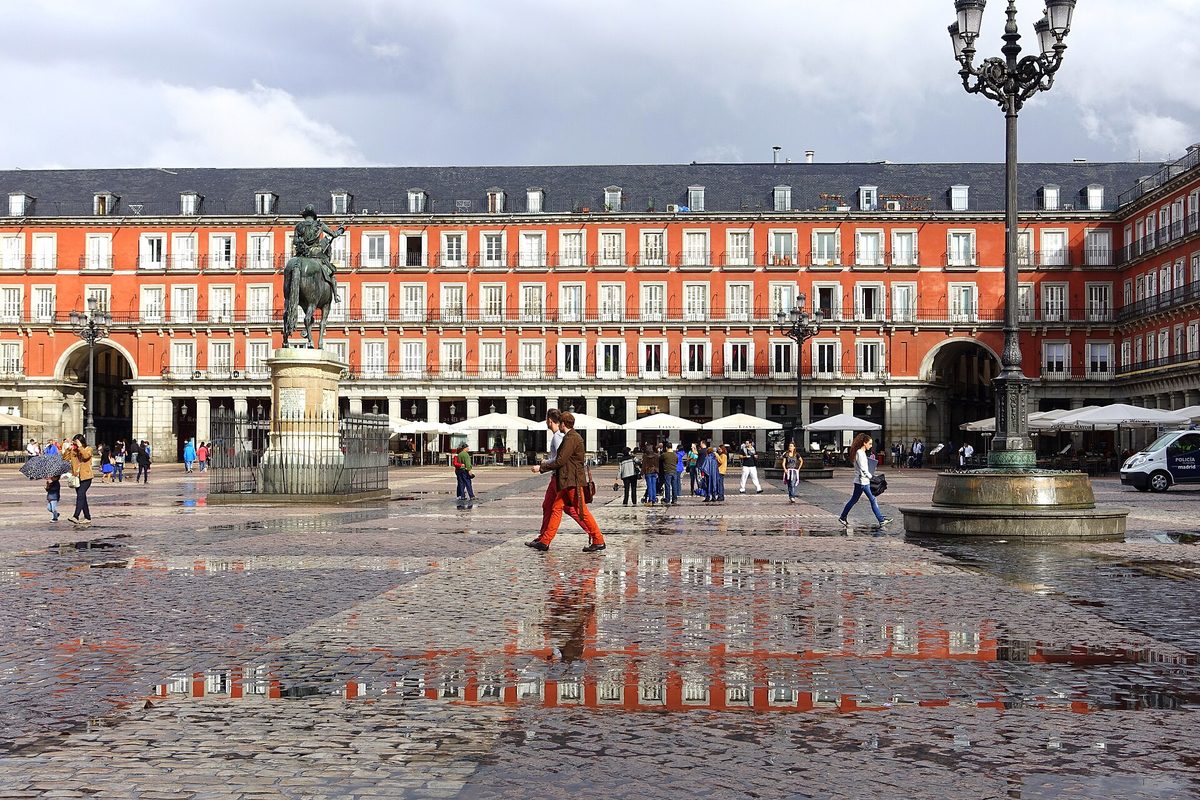
Madrid earned its 2026 crown as Europe’s best solo travel destination for reasons you feel within an hour of arriving: the city eats at the bar, drinks standing up, and stays out late in groups that absorb strangers. Order a caña at Mercado de San Miguel, take the €2.55-a-ride metro everywhere (a 10-trip carnet drops it further), and lose an afternoon alone in the Prado — solo museum time is one of life’s underrated luxuries. The rest of Spain works the same way; the menú del día (a three-course set lunch for €12–16) is the single best solo-dining institution in Europe.

Lisbon is the gentlest landing I know. Portugal consistently ranks among Europe’s five safest countries, street harassment is notably lower than elsewhere in southern Europe, and the hostel scene is world-class — half of Lisbon’s best-rated hostels feel like boutique hotels that happen to host family dinners for €15. Ride the 28 tram early (pickpockets love it at rush hour), eat your body weight in pastéis de nata, and take the train to Sintra when you want a solo day trip that organizes itself.

Prague gives you the most beauty per euro in central Europe. Walk Charles Bridge at 7am before the crowds, climb to the castle, then spend your savings on Czech beer that still costs less than bottled water in Norway. The compact center means you’re never more than 20 minutes’ walk from your bed — a detail solo travelers learn to value at midnight.
The Nordic option: Copenhagen and Reykjavik

If your main worry is safety, go north. Denmark topped the Women, Peace and Security Index for 2025/26, and Copenhagen is the most frictionless city I’ve ever navigated alone: rent a bike, follow the locals, and nobody will so much as glance at your table for one. Yes, it’s expensive — budget €140+ a day — but smørrebrød lunches and free-entry churches and harborside swims keep it sane.
Iceland has held the #1 spot on the Global Peace Index for 14 consecutive years, and it shows: solo women hitchhike the Ring Road here. Reykjavik works as a base for self-driving or day tours — and tours in Iceland are full of other solo travelers, especially around the total solar eclipse crossing the island on August 12, 2026 (book impossibly far ahead).
The value picks: Kraków and Budapest

Kraków is my answer when someone says solo travel in Europe is too expensive. Dorm beds from €15, a magnificent old town, sobering and essential day trips to Auschwitz, and pierogi dinners for €6. Poland now sits comfortably in the top tier of European safety rankings, and the hostel common rooms here are some of the most sociable on the continent.

Budapest pairs grand-city looks with eastern prices, and it hands solo travelers a perfect built-in activity: the thermal baths. Nobody is alone at Széchenyi — everyone is just floating. Add ruin bars that function as giant communal living rooms and a walkable Danube embankment, and you have a city that fills three solo days effortlessly. Both cities anchor my wider backpacking Europe route if you’re stringing a longer trip together.
The classics: Amsterdam and Edinburgh

Amsterdam is both peaceful and social — canalside mornings alone, brown-café evenings where conversation finds you. The museums (book the Rijksmuseum and Anne Frank House well ahead) are ideal solo territory. It’s pricier since the 2026 tax changes pushed room rates up, so consider basing in Haarlem, 15 minutes away by train.

Edinburgh might be the easiest English-speaking solo city in Europe. The UK requires its own paperwork now (the ETA, £20), but rewards you with pubs where sitting alone at the bar is an invitation to the best conversations of your trip. August’s festivals turn the whole city into a solo-friendly carnival — and a third of Fringe-goers seem to be there alone.
Want more options ranked and compared — including a solo-friendly Seville, Ghent, Ljubljana and Valencia? That’s exactly what my guide to the best European cities for solo travelers is for, and the continent-wide list lives in best places to visit in Europe.
Is Europe Safe for Solo Travelers?
Short answer: yes — safer than almost anywhere else you could go alone, and in most cities, statistically safer than large parts of North America. The longer answer is that Europe’s risks are real but specific, and they’re overwhelmingly crimes against your wallet, not your person.
Pickpocketing is the actual threat. Rome logged more than 33,000 theft incidents in 2024, and Paris, Rome and Barcelona regularly top global pickpocketing rankings. The hotspots are predictable: metro lines to major sights, the Trevi Fountain crush, Las Ramblas, any crowded tram. My system, refined over years: phone on a wrist leash or zipped front pocket, one card and a day’s cash in a front pocket, everything else locked at the accommodation, and a bag strap looped around a chair or table leg whenever I sit down. Do that and your odds drop to near zero. My full solo travel safety tips for Europe run through the common scams city by city — the petition clipboard, the friendship bracelet, the “gold ring” — all of which dissolve the moment you keep walking.
A few habits cover 90% of solo-specific risk. Arrive in new cities in daylight — book the morning train, not the 11pm one. Stay central even when it costs €20 more; the walk home matters more than the room. Keep your phone charged (a 10,000mAh power bank is non-negotiable kit) and your accommodation pinned offline. Don’t post your location in real time; tag the bar after you’ve left it. And practice the look-like-you-belong walk: purposeful, head up, earbuds out in unfamiliar areas at night.
Solo female travel in Europe
Women make up roughly 84% of solo travelers globally, and Europe is the most popular region on earth for them — for good reason. The top of every 2026 safety ranking is a wall of European flags: Iceland, Ireland, Switzerland, Denmark, Finland, Norway, Sweden and Austria form the “frictionless” tier, with Portugal, Slovenia, Estonia and Croatia close behind. Catcalling exists in parts of southern Europe but is rarer than first-timers fear, and the practical playbook — central accommodation, daylight arrivals, watching your drink, a doorstop alarm if it helps you sleep — is the same one local women use. I’ve written a dedicated, honest guide to solo female travel in Europe covering country-by-country differences, what I actually carry, and how to calibrate trust without armoring yourself against every conversation.
One more reassurance for the over-40 crowd, because I hear this weekly: you will not be the oldest person in the room. Nearly four in ten solo travelers are now 40+, hostels increasingly cater to every age (or skip them entirely — private rooms and guesthouses work fine), and walking tours, food tours and day trips are full of solo travelers of every decade.
What Solo Travel in Europe Costs in 2026
The honest number for a comfortable solo trip — private room, real meals, trains, a paid sight most days — is €100–150 a day in western Europe, €60–90 in central and eastern Europe, and €150–230 in Scandinavia and Switzerland. Hostel-dorm backpackers can run €40–60 and €30–45 respectively; my budget guide breaks down a real month under €2,500.
Solo travel does carry a structural tax: rooms are priced for two. A €120 double costs a couple €60 each; it costs you €120. Four ways I beat it:
- Hostel private rooms split the difference — €45–70 gets you privacy plus a social common room, the best solo value in Europe.
- Single-room hotels still exist across Europe (a habit America lost); filter for “single” on booking sites and you’ll find €60–80 rooms in cities where doubles run €110.
- Shoulder season — May and late September — cuts room rates 25–40% and crowds in half. My guide to the best time to visit Europe maps it month by month.
- Single supplements are dying. Tour operators and river cruise lines now regularly waive them on select departures; if you’re booking a group tour, ask directly — the discount frequently isn’t advertised.
Everything else costs the same alone or accompanied, and some things cost less: you’ll happily eat a €4 bakery lunch standing up, take the €19 advance-fare train a couple would veto, and skip the €70 dinner that’s really about the company. Food specifics worth knowing: the Spanish menú del día (€12–16), Italian aperitivo (a €10–12 spritz that comes with enough snacks to be dinner in Italy), French bakery culture, and central Europe’s milk bars and market halls. An eSIM (Airalo and friends, from about $4.50 for a week of data) replaces any connectivity worry, and contactless tap-to-ride transit in London, Rome, Paris and most capitals means you never queue for tickets.
Where to Stay When You’re Traveling Alone
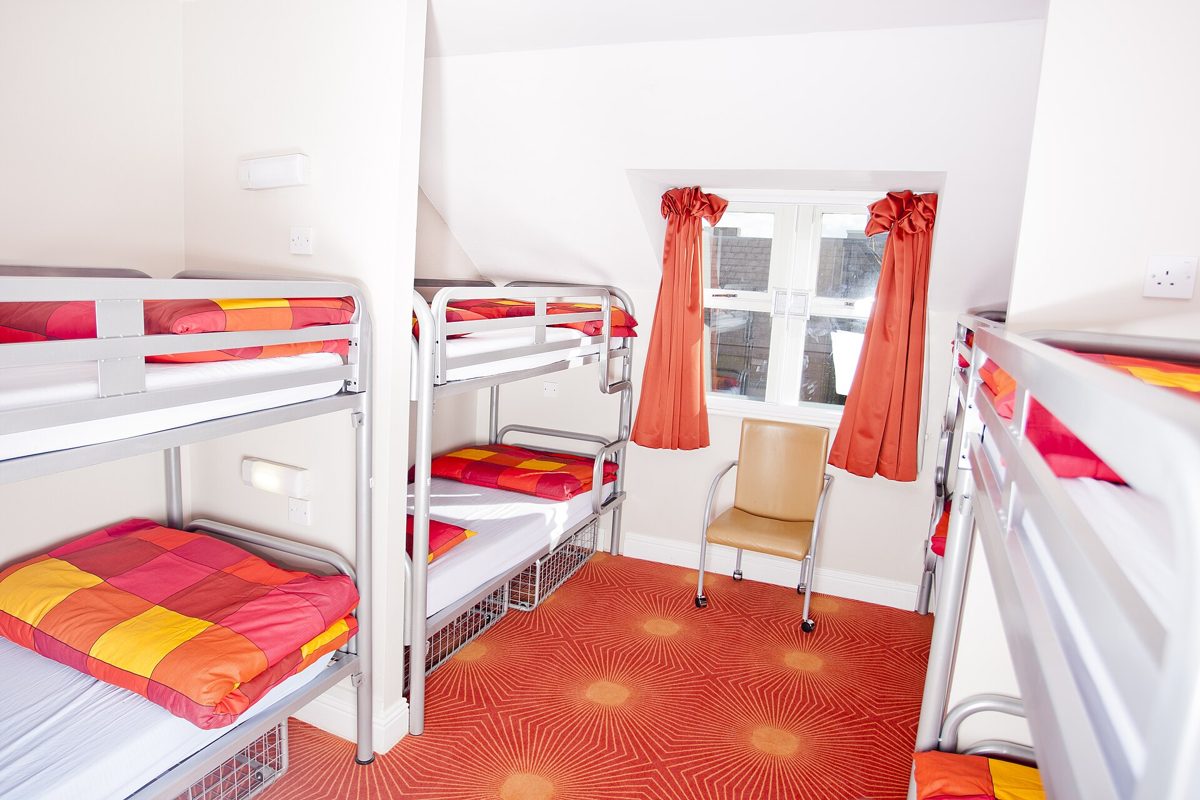
Accommodation is the biggest solo decision because it sets both your budget and your social life. The modern European hostel deserves its rebrand: the best ones — and Lisbon, Kraków, Vienna and Copenhagen have world-leaders — offer designer interiors, female-only dorms, curtained pods with reading lights, and bars where the evening organizes itself. Hostelworld’s research found 71% of solo travelers actively want to meet people, and fewer than 4% of those who tried met no one. You do not have to be 22. You also don’t have to sleep in a dorm: nearly every good hostel sells private rooms that cost less than a hotel and come with a built-in common room.
If hostels aren’t your speed, my rules for solo hotel and guesthouse booking are simple: pay for location (central and well-lit beats charming and remote), check the night-time walk from the nearest station on Street View before booking, prize 24-hour reception (solo arrivals go wrong when there’s nobody to call), and read recent reviews from other solo travelers — they flag exactly the things couples don’t notice. B&Bs and family-run guesthouses, especially in Greece, Croatia and rural France, are secret weapons: hosts adopt solo guests, and breakfast conversation comes free. For the full decision tree — neighborhoods, booking timing, tourist taxes — see how to choose your accommodation.
How to Meet People (When You Want To)

The paradox of solo travel is that you’ll talk to more strangers than you would with a companion — company is a choice you make daily, not a default. The reliable mechanisms, roughly in order of effectiveness:
- Free walking tours, available in every European city, are solo-traveler magnets. Take one your first morning: you get oriented and you’ll have lunch plans by the end. (Tip the guide — €10–15 is fair.)
- Hostel common rooms and events — family dinners, pub crawls, rooftop quiz nights — do the work for you. Even hotel sleepers can book a hostel bar crawl.
- Food tours and cooking classes seat you with eight strangers and a glass of wine. I’ve kept friends from a Bologna pasta class for years.
- Day trips and small-group tours — wine in the Loire, island boats in Croatia — are disproportionately full of solo travelers.
- Apps and meetups: city expat meetups, language exchanges, parkrun on Saturday mornings, and traveler apps for shared dinners all work better in Europe than anywhere.
And when you don’t want company? Alone is the entire luxury. Museums at your own pace, the second pastry with no witnesses, the 6am photo walk. I’ve collected the full playbook — scripts for joining a table included — in how to meet people while traveling solo in Europe.
Eating alone in Europe without the awkwardness
The fear of the table for one dies fast here. Bar and counter dining is the native format in Spain; café terraces across France and Italy are designed for solo people-watching (a coffee rents a table for an hour, even at Café de Flore prices); market halls from Barcelona’s La Boqueria to Budapest’s Great Market Hall make lunch a browsing activity; and northern Europe’s café culture barely distinguishes between laptop workers and travelers. My habits: eat your big meal at lunch (cheaper, busier with solo locals), sit at the bar when offered, bring a book or don’t — watching a piazza is not a lesser activity — and book the occasional nice dinner for 7pm when restaurants are relaxed about singles. A few cities still treat solo diners shabbily at peak hours; if a host parks you by the kitchen, leave. There are forty better meals within two blocks.
Getting Around Europe Alone

Trains are the solo traveler’s best friend: city-center to city-center, no luggage fees, power sockets, and a rotating cast of seatmates. Book high-speed routes 2–3 months out for advance fares (Paris–Barcelona from ~€39; ICE Sparpreis from ~€18) and leave regional hops spontaneous. A Eurail pass only pays off for fast-moving itineraries — do the math against point-to-point fares before buying. My full getting-around guide compares trains, buses and budget flights honestly.
Three solo-specific notes. Night trains: the Nightjet network keeps expanding, and a couchette (€50–80) merges a hotel night with a travel day — book a women-only compartment if you prefer, and keep valuables in your berth, not the luggage rack. Buses: FlixBus advance fares of €5–15 make mistakes cheap, and daytime buses are perfectly pleasant; I avoid overnight buses — the savings aren’t worth arriving wrecked and unguarded. Driving: road trips work solo (Iceland’s Ring Road is full of single drivers), but city driving is pointless and ZTL fines in Italy are a €80+ tax on confusion — stick to rails between cities and rent wheels only for the rural stretches.
A Two-Week Solo Route That Actually Works
You can point a first solo trip almost anywhere, but pacing matters more than route: solo travel burns more decision-energy than traveling with someone, so build in slack. My field-tested two-week structure — three bases, trains between them, no flight after arrival:
- Days 1–5, Madrid: land, take the walking tour on day one, day-trip to Toledo or Segovia, settle into the bar-dining rhythm. Five nights in the first city is deliberate — it absorbs jet lag and the solo adjustment curve at the same time.
- Days 6–10, Lisbon (overnight train or 1h15 flight if you must): hills, hostel dinner, Sintra day trip, an Atlantic sunset at Cabo da Roca with a hundred strangers and no one you have to talk to.
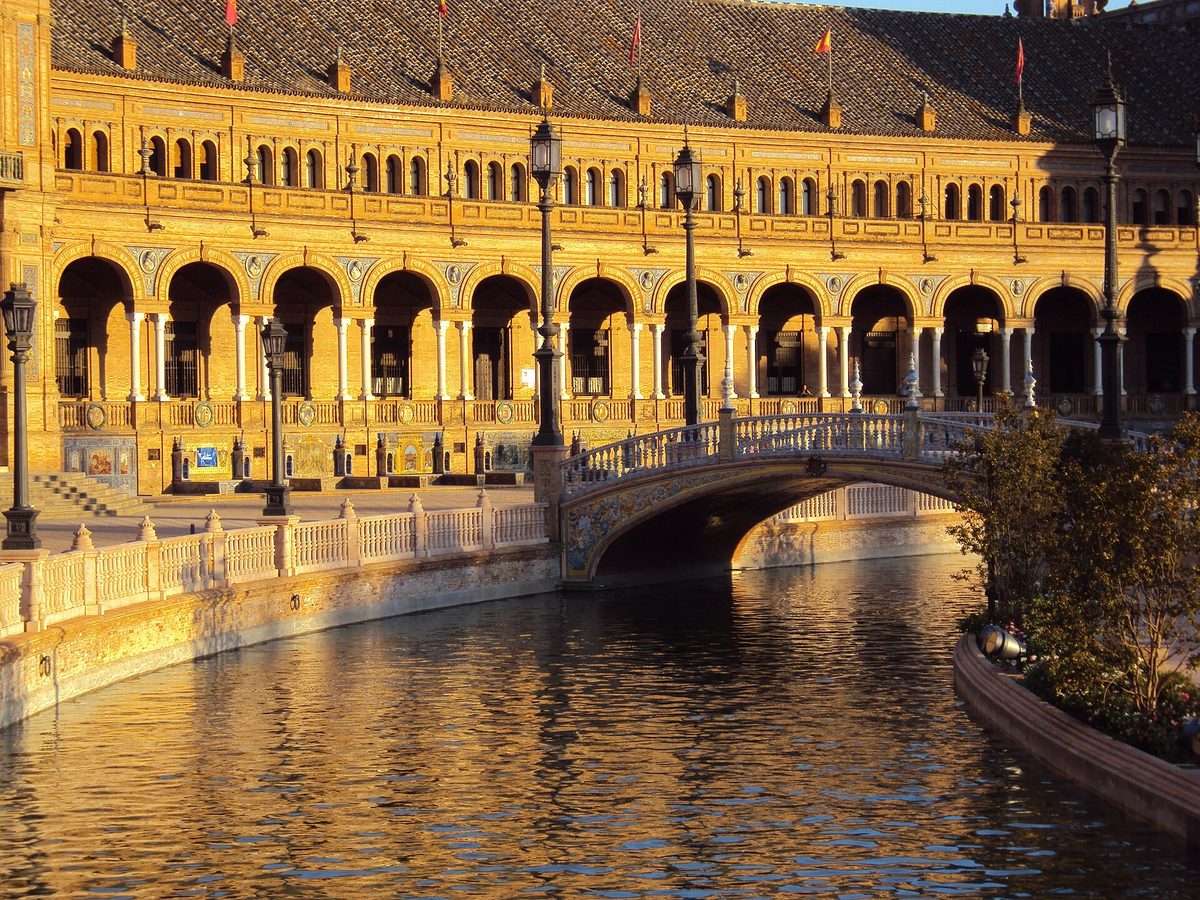
- Days 11–14, Seville (direct train from Madrid on the return leg, or swap for Porto): small enough to feel mastered in three days, which is exactly the confidence note to end on.
The same skeleton transplants anywhere: Prague–Vienna–Budapest is the classic central European version (2h30–3h trains, combined daily costs under €90), and Amsterdam–Berlin–Prague suits museum-and-nightlife travelers. Resist the five-cities-in-ten-days itinerary — every travel day costs half a day of logistics and all of your spontaneity. I’ve built complete day-by-day versions, with timings and exact trains, in my solo Europe itinerary guide, plus broader routes in Europe itineraries.
Mistakes I Made So You Don’t Have To
I overplanned the first trip into a spreadsheet prison. Booking every museum slot and dinner three weeks out kills the entire advantage of being alone. Book the first two nights’ accommodation and anything genuinely scarce (Alhambra, Anne Frank House, eclipse-week Iceland); leave the rest loose.
I packed for hypothetical versions of myself. Alone, every kilo is yours on every staircase in every metro station with a broken escalator. One carry-on. Europe has pharmacies and laundromats. My Europe packing list is the one I actually use.
I treated loneliness as failure. Around day four of a long trip, an evening of wanting company arrives. It’s weather, not a verdict. Book a food tour for the next night, call home, take yourself to a proper dinner. It passes — and the self-reliance that replaces it is the souvenir.
I drank like I had a designated adult. Two drinks with new hostel friends is a great night. Five, in a city you’ve known for nine hours, removes the margin that solo travel quietly depends on. The morning version of you, navigating a strange tram network, will be grateful.
I let the itinerary bully me. The best day of my traveling life was an unplanned Tuesday in Ghent because a Belgian grandmother on a train insisted. When a city isn’t working, leave early; when one is, stay. There’s no one to outvote you — that’s the whole product. More hard-won lessons live in my Europe travel tips roundup.
Paperwork in 2026: What Solo Travelers Need to Enter Europe
Entry rules changed meaningfully this year, and solo travelers field the border questions alone, so know the script. The EU’s biometric Entry/Exit System (EES) went fully live on April 10, 2026 — first arrival into the Schengen area now means fingerprints and a photo instead of a passport stamp; allow a few extra minutes. ETIAS, the €20 online travel authorization, is still NOT required as of June 2026 — it’s expected to launch in late 2026 with a grace period, so check the official EU site before a late-2026 or 2027 trip. The Schengen rules themselves are unchanged: visa-exempt nationals (Americans, Canadians, Australians, Brits among them) get 90 days in any 180 across 29 countries. The UK sits outside all of this and requires its own £20 Electronic Travel Authorisation, applied for via app. Border officers may ask for proof of onward travel and accommodation — have your first booking and exit ticket downloadable offline. Full, current detail (with the edge cases): my Schengen visa and ETIAS guide.
Two boring essentials that matter double when alone: travel insurance (no one else’s policy is covering you; medical-plus-theft coverage runs €40–80 for two weeks) and document copies — passport photo page and insurance details in cloud storage plus one paper copy packed separately. The EU-wide emergency number is 112, everywhere, from any phone.
When to Go Solo
Any month works, but the calendar changes the solo experience more than people expect. Shoulder seasons (April–May, September–October) are the solo sweet spot: hostels and tours are full enough to be social but not booked out, rooms cost 25–40% less than July, and the queues that eat a solo traveler’s flexible time shrink to minutes. Summer maximizes the social scene — every walking tour and hostel rooftop is buzzing — at the cost of heat, crowds and the year’s highest single-room prices; if you go, go north (Scandinavia, Scotland, the Baltics) where July is glorious. Winter is the introvert’s reward: museums to yourself, opera tickets for the price of a summer cocktail, and the Christmas market circuit from late November, which is surprisingly lovely alone — mulled wine is a one-handed, crowd-friendly social lubricant. The month-by-month logic, destination by destination, is in my best time to visit Europe guide.
One 2026-specific note: the August 12 total solar eclipse crosses Iceland and northern Spain, and eclipse-week accommodation in both has been selling out since last year. Brilliant solo event — shared awe with ten thousand strangers — but only with bookings made months ahead.
Trips That Organize Themselves: Trails, Tours and Other Solo Cheats
Some formats do the social and logistical work for you, and they’re worth knowing about even if you’re a committed independent traveler. The Camino de Santiago is Europe’s great solo institution: walk any stretch of the Camino Francés or the Portuguese route and you’re alone exactly as much as you choose, with a rolling community of pilgrims and €10–15 albergue beds every few kilometers. May, June and September are the sweet months. Nobody who walks it alone describes it as a lonely experience.
Hut-to-hut hiking works the same magic in the Alps and Dolomites — mountain refuges seat strangers together at dinner by design, and trails like the Tour du Mont Blanc or Switzerland’s Bernese Oberland classics are busy enough in season that a solo hiker is never far from help or company. Book huts months ahead; bring cash and earplugs.
Small-group tours have quietly become solo-traveler products: on many European departures more than half the guests are traveling alone, operators increasingly waive single supplements on selected dates, and a one-day truffle hunt in Tuscany or kayak trip in Croatia buys you a temporary travel family with a built-in expiry date — the best of both worlds. River cruises and rail journeys serve the older end of the market the same way. None of this is cheating. The skill of solo travel isn’t enduring solitude; it’s choosing your ratio.
The solo tech stack
My phone setup, refined to the essentials: an eSIM installed before departure (from ~$4.50/week; buy a regional Europe plan, not country-by-country); offline Google Maps for every city plus the train apps for each country I’m crossing; a banking app with instant card-freeze and a second card stored separately; location sharing with one person at home, set and forgotten; booking apps with my reservations downloadable offline; and a translation app with the local language pack downloaded. Add a 10,000mAh power bank and a doorstop alarm if it buys you sleep, and that’s the whole kit. Everything else is just luggage — and the lighter version of you, taking stairs two at a time past the couple wrestling a matching set of hardshells, is the version this guide has been about all along.
Solo Travel Europe FAQ
Is Europe good for solo travel?
It’s the best continent for it, full stop. Short distances between cities, the world’s densest rail network, top-tier safety rankings, hostel and café cultures built around independent travelers, and English spoken nearly everywhere tourism reaches. If you’re choosing between regions for a first trip alone, Europe removes the most obstacles.
Which European country is best for traveling alone?
For first-timers I recommend Spain or Portugal: affordable, warm, extremely safe by global standards, with food cultures that make solo dining a pleasure. For maximum safety, Iceland and Denmark lead every index. For value, Poland, Hungary and Czechia deliver western-quality experiences at 60% of the price. The full ranked list is in my best solo travel destinations in Europe guide.
How much does two weeks of solo travel in Europe cost?
A realistic range: €1,500–2,100 on the ground in western Europe with private rooms and restaurant meals (€100–150/day), or €850–1,300 backpacker-style or in central/eastern Europe — plus flights. Two weeks in Prague–Vienna–Budapest comes in noticeably cheaper than the same fortnight in Paris–Amsterdam–Copenhagen.
Is solo travel in Europe safe for women?
Yes — Europe occupies eight of the top ten spots in 2026’s global safety rankings for women travelers, led by Iceland, Denmark and Ireland. Standard precautions (central accommodation, daylight arrivals, drink awareness) cover the genuine risks, and pickpocketing — the continent’s main crime — targets bags, not people. See my dedicated solo female travel in Europe guide.
Will I be lonely traveling alone in Europe?
Occasionally, briefly — almost everyone hits one flat evening per week or two of travel. But Europe makes company unusually easy to find: hostel events, free walking tours, food tours and meetups mean fewer than 4% of solo travelers who want connection fail to find it. The realistic playbook is in how to meet people traveling solo.
Am I too old for solo travel in Europe?
No. Roughly 39% of solo travelers are over 40, and the fastest-growing solo demographic is women over 50. Skip dorms if you like — guesthouses, single hotel rooms and small-group day tours serve the same social function — and you’ll find solo peers on every food tour and river cruise on the continent.
How long should a first solo trip to Europe be?
Ten to fourteen days, two or three cities, trains between them. Long enough to get past the adjustment curve (day three, usually) and feel the freedom; short enough that planning stays fun. A long weekend city break works as a test run closer to home. My first solo trip guide walks through the whole sequence, booking by booking.
The Bottom Line
Solo travel in Europe is not a compromise version of a “real” trip — it’s the format that teaches you what you actually like. Start somewhere forgiving (Madrid, Lisbon, Prague), keep the first itinerary short and slack, spend properly on a central bed, and say yes to one social thing per city. Plan the skeleton with my step-by-step Europe planning guide, then go book the ticket nobody else gets a vote on.
Photo credits
- Evening over the Graslei, Ghent — Photo: Giles Laurent / CC BY-SA 4.0 via Wikimedia Commons
- Plaza de España, Seville — Photo: Ruperez74 / CC BY-SA 3.0 via Wikimedia Commons
- Plaza Mayor, Madrid — Photo: Daderot (CC0) via Wikimedia Commons
- A yellow tram in Lisbon’s Alfama district — Photo: Jorge Franganillo / CC BY 2.0 via Wikimedia Commons
- Charles Bridge and Prague Castle — Photo: Godot13 / CC BY-SA 4.0 via Wikimedia Commons
- Nyhavn harbour, Copenhagen — Photo: Sven Lindner from Lund, Sweden / CC BY 2.0 via Wikimedia Commons
- Kraków’s Main Market Square and Cloth Hall — Photo: Ingo Mehling / CC BY-SA 4.0 via Wikimedia Commons
- The Hungarian Parliament from the Danube, Budapest — Photo: Ercsaba74 (CC0) via Wikimedia Commons
- Amsterdam canal houses — Photo: Basile Morin / CC BY-SA 4.0 via Wikimedia Commons
- Edinburgh Castle, Scotland — Photo: James Moore (CC0) via Wikimedia Commons
- Café de Flore terrace, Paris — Photo: Alexemanuel / Public domain via Wikimedia Commons
- Hostel dorm bunk beds — Photo: Barnacles Budget Accommodation / CC BY 2.0 via Wikimedia Commons
- Scenic train in the Swiss Alps — Photo: User:Möchtegern (CC0) via Wikimedia Commons