Best Time to Visit France: Month by Month, Region by Region

The first time I tried to answer this question properly, I was standing in a Valensole lavender field in the second week of August, looking at stubble. The rows had been cut ten days earlier. I had booked the trip around a photograph taken in late June, and I had arrived six weeks late for it.
That is the trap. The best time to visit France is never one date, because “May, June, September” treats a country of 550,000 square kilometres as if it had a single weather system, a single crowd pattern and a single price curve. It has none of those. The answer depends almost entirely on which France you mean: Brittany in August is 21°C and drizzly, Corsica in August is 29°C with a warm sea, and Chamonix in August gets rain on twelve days out of thirty-one. Those are three completely different holidays and three completely different answers.
The short version: for a first trip covering Paris plus one or two regions, mid-May to late June and the first three weeks of September give you the best combination of long days, workable weather and tolerable crowds. Late June is the single strongest week of the year if you can only pick one. Avoid the first two weeks of August unless you are going specifically to the coast, and even then, do not drive on the first Saturday of the month.
Below I have put actual numbers behind all of that: temperature normals for eight places and rainfall for seven of them, sea temperatures for four coasts, the French school holiday zones that drive domestic crowding, ski pass and hotel prices by season, and a dated events calendar.
The best time to visit France at a glance
Here is the whole year in one table. “Crowds” is a judgement call based on French school zone holidays, international arrival patterns and my own experience of queueing; the price direction is based on the hotel and flight sources listed further down.
| Month | Weather | Crowds | Prices | Best for | Verdict |
|---|---|---|---|---|---|
| January | Cold and grey nationwide, snow reliable in the Alps | Very low outside resorts | Cheapest month of the year alongside February | Skiing, museums, soldes sales, truffle markets | Good value, bad light |
| February | Still cold, Riviera mimosa in bloom | Low in cities, brutal in ski resorts | Cheapest flights of the year | Nice Carnival, Menton lemons, skiing if you dodge the zones | Great for the south, poor for the north |
| March | Wildly variable, first warm days | Low until the spring holidays | Still low, though Paris rates spike on event weeks | Cities, Mont-Saint-Michel equinox tides, late skiing | Underrated, bring layers |
| April | Paris around 17°C, gardens waking up | Building, Easter and spring zones bite | Rising | Loire gardens, Versailles fountains restart, Paris | Lovely, book ahead |
| May | Warm inland, sea still cold | Moderate, with sharp event spikes | High on event weeks, moderate otherwise | Everything except beaches | Excellent, watch the bank holidays |
| June | Long days, Paris high 23.7°C, Med hits 20°C | Rises steeply through the month | High and climbing | Lavender starts, Fête de la Musique, D-Day, first swims | The best month overall |
| July | Hot, dry in the south, storms in the mountains | Very high from the 4th onward | Peak | Lavender peak, beaches, festivals | Expensive but the south delivers |
| August | Hottest, Corsica sea at 25°C | Maximum, plus French domestic peak | Peak, 30 to 50% above off-season | Beaches and Corsica, nothing else | The month to plan around, not into |
| September | Warm and settled, sea still 22°C at Nice | Drops off sharply after the first week | Falling from mid-month | Wine harvest, cities, swimming without the crowds | Nearly as good as June, quieter |
| October | Autumn colour, Nice’s wettest month at 135 mm | Low except the Toussaint break | Low | Vineyards, cities, Alsace, art fairs | Strong value, take a coat |
| November | Grey and wet, Corsica shuts down | Lowest of the year | Lowest alongside January | Beaujolais Nouveau, museums, food | The one month I would only visit cities |
| December | Cold, Paris sunset at 16:55 | Low, then very high from the 19th | Low, then a Christmas spike | Alsace Christmas markets, ski season opening | Two different months in one |
If that table is all you needed, take June or September and stop reading. If you want to know why, and what the numbers actually are, keep going.
France is five climates, not one
Before any of the month advice makes sense, you need the shape of the country. France sits across five distinct climate zones, and they peak at different times.
- Oceanic north and west (Brittany, Normandy, the Atlantic coast up to Nantes). Mild, wet, small annual range. Brest swings from a 7.2°C mean in January to 17°C in July and August, a spread of under 10°C. Rain falls on 159 days a year.
- Semi-continental east (Alsace, Lorraine, Franche-Comté, Burgundy). Cold winters, hot summers, and the rain arrives in summer as thunderstorms rather than in winter. Strasbourg averages a January minimum of −0.2°C, the only major French city on this list to go below freezing on the monthly average.
- Mediterranean south (Provence, Languedoc, Côte d’Azur, Corsica). Hot dry summers, mild wet winters, and a rainfall pattern inverted from what northern Europeans expect. Nice gets 10 mm of rain in July and 135 mm in October.
- Alpine and Pyrenean. Altitude overrides latitude. Chamonix sits at 1,000 m and has five months with a below-freezing average minimum, yet reaches 24.2°C in July.
- The middle, roughly the Loire, the Massif Central fringe and the Rhône corridor, which behaves like a blend and gets hotter as you go south. Lyon is the hottest of the mainland cities in this survey in July, at 28.2°C, hotter than Nice and hotter than Bordeaux.
Once you have that, the single-month answer collapses. Nobody should be planning Brittany and Provence around the same weather forecast.
Temperature, rain and sea: the numbers
These are 1991 to 2020 normals, the current thirty-year reference period. Figures based on the older 1981 to 2010 period run a few tenths cooler across the board, so a small discrepancy against another source is usually a reference-period difference rather than an error.
| Place | Jan | Feb | Mar | Apr | May | Jun | Jul | Aug | Sep | Oct | Nov | Dec |
|---|---|---|---|---|---|---|---|---|---|---|---|---|
| Paris (Île-de-France) | 7.6 / 1.7 | 8.8 / 1.6 | 12.8 / 3.8 | 16.6 / 6 | 20.3 / 9.6 | 23.7 / 12.8 | 26.3 / 14.7 | 26.1 / 14.4 | 21.8 / 11.2 | 16.7 / 8.2 | 11.2 / 4.6 | 8.1 / 2.2 |
| Nice (Côte d’Azur) | 13.3 / 5.8 | 13.5 / 6.1 | 15.4 / 8.3 | 17.4 / 10.8 | 21 / 14.6 | 24.7 / 18.2 | 27.5 / 20.8 | 27.9 / 21.1 | 24.8 / 17.7 | 21 / 14 | 17 / 9.7 | 14.1 / 6.6 |
| Lyon (Rhône) | 7.1 / 1.1 | 9 / 1.4 | 13.9 / 4.2 | 17.4 / 7.2 | 21.5 / 11.2 | 25.6 / 15 | 28.2 / 17 | 28 / 16.6 | 23.1 / 12.8 | 17.8 / 9.6 | 11.4 / 4.9 | 7.7 / 2 |
| Bordeaux (Aquitaine) | 10.5 / 3.8 | 12 / 3.6 | 15.5 / 5.9 | 18 / 8 | 21.7 / 11.4 | 25 / 14.6 | 27.2 / 16.2 | 27.6 / 16.3 | 24.2 / 13.3 | 19.6 / 10.7 | 14.1 / 6.7 | 11 / 4.4 |
| Strasbourg (Alsace) | 5.3 / -0.2 | 7.3 / 0 | 12.1 / 2.6 | 17 / 5.7 | 20.9 / 10.1 | 24.5 / 13.5 | 26.4 / 14.9 | 26.2 / 14.5 | 21.6 / 10.7 | 15.8 / 7.2 | 9.4 / 3.3 | 5.9 / 0.8 |
| Brest (Brittany) | 9.7 / 4.6 | 10 / 4.3 | 11.9 / 5.4 | 13.9 / 6.3 | 16.8 / 9 | 19.1 / 11.5 | 20.8 / 13.2 | 20.9 / 13.2 | 19.3 / 11.5 | 16 / 9.6 | 12.5 / 7.1 | 10.3 / 5.1 |
| Chamonix (Alps, 1,000 m) | 3 / -6.7 | 5.5 / -5.9 | 10.3 / -2.5 | 14 / 0.9 | 18.4 / 5.1 | 22.1 / 8.1 | 24.2 / 9.4 | 23.8 / 9.1 | 19.4 / 6.2 | 15.1 / 2.8 | 8.2 / -1.5 | 3 / -5.2 |
| Ajaccio (Corsica) | 14.1 / 4.7 | 14.2 / 4.3 | 16 / 5.9 | 18.5 / 8.4 | 22.1 / 11.8 | 25.9 / 15.4 | 28.6 / 17.7 | 29.2 / 18.1 | 26.1 / 15.4 | 22.8 / 12.6 | 18.3 / 9 | 15.1 / 5.8 |
Three things jump out of that table. Lyon is hotter than Nice in July and August, and Bordeaux is within a few tenths of it, which is not what most people expect from a Riviera-versus-inland comparison. Strasbourg swings from a 5.3°C January high to a 26.4°C July high, the sharpest seasonal contrast of the mainland cities alongside Lyon. And Ajaccio in Corsica hits 29.2°C in August, the highest figure anywhere in this survey.
| Place | Jan | Feb | Mar | Apr | May | Jun | Jul | Aug | Sep | Oct | Nov | Dec | Year |
|---|---|---|---|---|---|---|---|---|---|---|---|---|---|
| Paris (Île-de-France) | 50 / 10 | 40 / 9 | 50 / 10 | 50 / 9 | 65 / 10 | 50 / 9 | 60 / 8 | 55 / 7 | 50 / 8 | 60 / 9 | 50 / 10 | 60 / 11 | 640 mm / 110 d |
| Nice (Côte d’Azur) | 70 / 6 | 45 / 5 | 40 / 5 | 70 / 7 | 45 / 5 | 35 / 4 | 10 / 2 | 20 / 2 | 70 / 5 | 135 / 7 | 105 / 7 | 95 / 6 | 740 mm / 61 d |
| Lyon (Rhône) | 45 / 9 | 45 / 8 | 50 / 8 | 75 / 9 | 90 / 11 | 75 / 8 | 65 / 7 | 60 / 7 | 90 / 8 | 100 / 10 | 80 / 9 | 55 / 9 | 830 mm / 104 d |
| Bordeaux (Aquitaine) | 90 / 13 | 85 / 11 | 70 / 11 | 80 / 12 | 85 / 12 | 65 / 9 | 55 / 7 | 60 / 8 | 90 / 10 | 95 / 11 | 105 / 13 | 105 / 13 | 985 mm / 130 d |
| Strasbourg (Alsace) | 35 / 8 | 35 / 8 | 45 / 9 | 45 / 9 | 80 / 12 | 70 / 11 | 75 / 11 | 60 / 10 | 65 / 9 | 60 / 10 | 45 / 9 | 50 / 10 | 665 mm / 116 d |
| Brest (Brittany) | 145 / 18 | 110 / 14 | 95 / 15 | 90 / 13 | 80 / 11 | 60 / 9 | 65 / 10 | 65 / 10 | 85 / 10 | 130 / 16 | 135 / 17 | 150 / 17 | 1,210 mm / 159 d |
| Chamonix (Alps, 1,000 m) | 95 / 10 | 85 / 8 | 85 / 10 | 90 / 10 | 120 / 14 | 130 / 13 | 120 / 12 | 125 / 12 | 105 / 10 | 115 / 10 | 100 / 10 | 110 / 11 | 1,280 mm / 128 d |
The rain table is where the real planning value sits. Nice in July gets 10 mm of rain across two days, which is close to a guarantee. Nice in October gets 135 mm, more than any winter month, because Mediterranean autumn storms are violent and concentrated. Brest gets 1,210 mm over 159 days, so close to three days in seven have rain on them, though Breton rain tends to be showers rather than all-day grey. Strasbourg’s wettest months are May and July, not December, and if you are planning an Alsace summer you should expect afternoon thunderstorms rather than steady drizzle.
Chamonix is the counterintuitive one. Its wettest months are June at 130 mm and August at 125 mm. Alpine summer hiking is not a dry-weather activity, and the standard pattern is a clear morning that clouds over by two in the afternoon. Start early.
Sea temperature, the fact that decides a beach trip
This is the number that decides a beach trip, so it gets its own table.
| Coast | Jan | Feb | Mar | Apr | May | Jun | Jul | Aug | Sep | Oct | Nov | Dec | Year |
|---|---|---|---|---|---|---|---|---|---|---|---|---|---|
| Nice (Côte d’Azur) | 13.5 | 13.5 | 13.5 | 14.5 | 17 | 20 | 23 | 24 | 22 | 19.5 | 17 | 14.5 | 17.7 |
| Ajaccio (Corsica) | 14 | 13.5 | 14 | 15 | 17.5 | 21 | 23.5 | 25 | 23 | 21 | 18 | 15.5 | 18.4 |
| Aquitaine (Atlantic, Bordeaux coast) | 12.5 | 12 | 12 | 13 | 15.5 | 18.5 | 20.5 | 21.5 | 20.5 | 18 | 15.5 | 13.5 | 16.1 |
| Brest (Brittany) | 11 | 10.5 | 10.5 | 11 | 12.5 | 15 | 17 | 17.5 | 17 | 15 | 13.5 | 12 | 13.6 |
Read that as three separate coasts. The Mediterranean is swimmable from June to October, comfortably warm from July to September, and peaks in August at 24°C off Nice and a degree higher in Corsica. The Atlantic around Bordeaux and the Landes only reaches 20°C or above in July, August and September, and it has surf and rip currents that the Med does not. And Brittany never gets warm: the August peak is 17.5°C, which is a wetsuit temperature for most people rather than a swimming one. Breton beaches are magnificent and the water will take your breath away, in the literal sense.
Sunshine and daylight, which nobody thinks about until they lose it
On annual sunshine, Paris gets under 1,700 hours a year, Strasbourg about 1,700 and Brest about 1,530. Paris runs at roughly two hours of sun a day in January and seven in July and August. Brest, which you might expect to be gloomier, actually manages 2 hours in January and 6.5 in June, though its best months are early summer rather than high summer.
Paris has 16 hours 14 minutes of daylight on 21 June 2026 and 8 hours 18 minutes on 21 December, a difference of 7 hours 56 minutes. In late June the sun does not set until 22:00, and the long blue evenings are half the reason June feels like the best month. In December the sun sets at 16:55 at its earliest, which means a winter city break gives you roughly one useful sightseeing block before the lights come on. Brest, further north and west, averages 16 hours 5 minutes in June and 8 hours 25 minutes in December.
Plan winter itineraries around three or four hours of decent light, not eight. It changes how many things you can put in a day.
The crowd calendar: French school zones and why they matter

Foreign visitors plan around their own school holidays. French crowding is driven by the French calendrier scolaire, which splits the country into three zones that take their winter and spring breaks on staggered dates. This is the single most useful piece of timing information in this article.
| Holiday | Zone A | Zone B | Zone C |
|---|---|---|---|
| Toussaint 2026 | Sat 17 October to Mon 2 November 2026, all zones | ||
| Christmas 2026 | Sat 19 December 2026 to Mon 4 January 2027, all zones | ||
| Winter (ski) 2027 | Sat 13 Feb to Mon 1 Mar | Sat 20 Feb to Mon 8 Mar | Sat 6 Feb to Mon 22 Feb |
| Spring 2027 | Sat 10 Apr to Mon 26 Apr | Sat 17 Apr to Mon 3 May | Sat 3 Apr to Mon 19 Apr |
| Summer 2027 | From Sat 3 July 2027, all zones | ||
Which zone is where:
- Zone A: Lyon, Bordeaux, Besançon, Clermont-Ferrand, Dijon, Grenoble, Limoges, Poitiers.
- Zone B: Aix-Marseille, Lille, Nantes, Rennes, Strasbourg, Amiens, Normandie, Nancy-Metz, Nice, Orléans-Tours, Reims.
- Zone C: Paris, Créteil, Versailles, Montpellier, Toulouse.
The practical consequence is stark. Because Zone C breaks first on 6 February 2027 and Zone B finishes last on 8 March, French ski resorts are busy across a continuous four-week block from 6 February to 8 March 2027. There is no gap. If you want the Alps in winter without paying school-holiday rates, you are looking at January, or the second half of March, and nothing in between.
The same logic applies in reverse to cities. Paris is a Zone C académie, so when Zone C is on holiday, Parisian families leave and Parisian attractions fill with visiting French families from elsewhere. It is a wash. The bigger city effect is the summer one.
The two dates you must not drive on
Bison Futé, the French government’s traffic forecasting service, publishes a colour-coded calendar every year and it is the most honest crowd data France produces. For 2026 the standout is Saturday 1 August 2026, classified black nationally in the outbound direction. Black is the top category. The official advice is not “leave early”, it is to shift your journey to a different day. The heavy flows run from Friday 31 July through Monday 3 August.
The second date is Saturday 15 August 2026, red nationally and black in Auvergne-Rhône-Alpes, which is the Assumption public holiday colliding with the mid-August changeover. If you are collecting a hire car or crossing the country, do it on a Tuesday. Our guide to road trips in Europe has more on French motorway tolls and driving rules. The worst window on any départ Saturday is 09:00 to 13:00; leaving before 07:00 or after 21:00 cuts journey times sharply.
This chassé-croisé, the crossover of one fortnight’s holidaymakers going home as the next fortnight’s arrive, is why “avoid August” has become received wisdom. It is not the heat. It is the roads.
What actually closes in August
The August shutdown is real but widely exaggerated. It traces back to the 1936 law granting paid holiday to all French workers, later extended to five weeks, and it survives as a habit. What that means on the ground in Paris: closure notices start appearing in windows from mid-July, and neighbourhood restaurants in residential arrondissements shut for two to four weeks. Bakeries stagger their closures by arrangement so that only one per neighbourhood shuts at a time, which is a small piece of civic decency I have always liked.
What stays open: the major museums, the department stores, the cafés in tourist areas, and essentially everything you would visit as a first-time traveller. The version of Paris that closes in August is the version that locals use. If you are staying in the 11th or the 20th and planning to eat where the neighbourhood eats, check opening hours before you walk. If you are doing the Louvre and the Marais, you will barely notice.
One caveat: I could not find any published figure for the percentage of Paris businesses that close in August. The pattern is well documented; the proportion is not.
How concentrated is the peak, really
July and August together account for roughly 34% of all annual domestic overnight stays in France, and peak-summer international arrivals run above 350,000 a day. On 2022 figures, July took 14% of annual arrivals and August another 14%. So a little over a quarter of the year’s visitors compress into two months that are one sixth of the year. That ratio is the whole argument for going in June or September.
Heat, which has changed the calculation for July and August
This is the part of French seasonal planning that has moved fastest, and the thirty-year normals above do not capture it. Normals are averages. Heatwaves are what happens on top of them.
France’s all-time temperature record is 46.0°C, set at Vérargues in the Hérault on 28 June 2019 and later confirmed by Météo-France after review. More telling than any single station reading is the national thermal indicator, a Météo-France composite averaged across 30 weather stations. On 23 June 2026 it reached 29.8°C, the highest nationally averaged temperature in French records, beating both July 2019 and August 2003. It was broken again the next day, 24 June 2026, at 30.0°C. Two all-time national records in 24 hours.
2026 also produced France’s first heatwave of the year on 24 May, unprecedented that early in the season and six days earlier than 2025’s first, and by mid-August the country was into its fifth heatwave of the year.
What that means practically. A June trip is no longer automatically the temperate option; the 2026 record was set in June, not August. Air conditioning is not standard in French hotels outside the chains and the newest buildings, and if you are travelling with anyone vulnerable to heat it is worth confirming rather than assuming. Southern cities without sea breeze, Avignon, Nîmes, Toulouse, Carcassonne, are harder work in a canicule than the coast is. And a heatwave changes what is open: some outdoor sites reduce hours or close on red-alert days.
None of this makes summer France a bad idea. It does mean that “go in June to avoid the heat” is advice from a decade that has ended.
Strikes, and how much warning you actually get
Grèves are a genuine feature of French travel planning, and the reassuring part is that the system is designed to warn you. Workers in essential transport roles must file an individual declaration of intent at least 48 hours before joining a strike, which is what allows SNCF to plan a minimum service. SNCF should notify affected passengers between 48 and 72 hours before departure, and must publish revised timetables no later than 17:00 on the day before.
If a strike cancels your train, you can claim a refund even on a non-refundable, non-exchangeable ticket. The exception to the notice rule is the grève inopinée, a surprise strike called over a safety matter, which carries no notice requirement.
The practical advice is simple: check the SNCF app or site 72 hours before any train you have booked, keep one flexible day in a rail-based itinerary, and do not schedule a same-day connection between a strike-prone TGV and a non-refundable flight.
What France costs by season
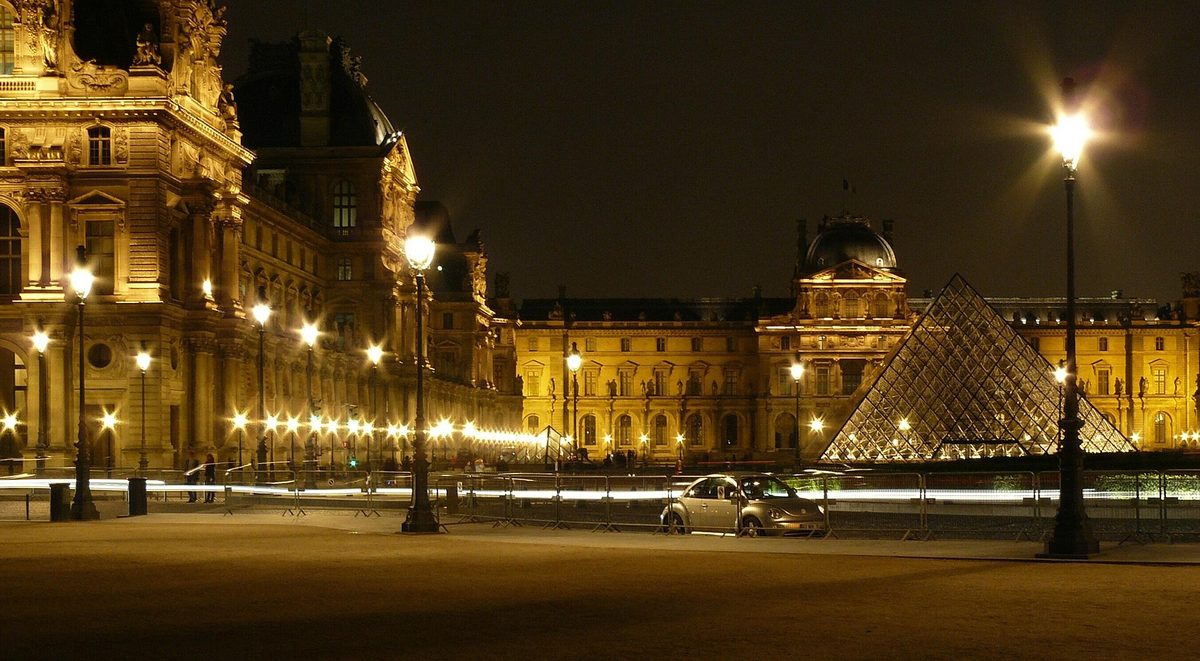
Prices are where the case for shoulder season gets concrete. I have kept every figure below labelled with its season or year, because travel prices go stale faster than anything else in a guide.
| What | Figure | Period | Note |
|---|---|---|---|
| Paris hotel average daily rate | €212 | Full-year 2026 | Single-source annual average |
| Paris hotel ADR, March 2026 | €351.64 | March 2026 | A record for the month |
| Paris hotel ADR peak, Roland-Garros | €485.90 | Sun 31 May 2026 | Highest May ADR on record |
| Paris hotel ADR, June 2026 | €514.05 | June 2026 | Up 7.3% year on year; peaked at €595.33 on 16 June |
| Off-peak hotel and flight discount | 20 to 40% below peak | Jan, Feb, Mar, Nov | Single-source |
| Peak-season hotel premium | 30 to 50% above off-season | Jul to Aug | Single-source |
| Cheapest month to fly to Paris | $350 to $500 roundtrip from North America | February, January close behind | Economy |
| Year-round average US or Canada to Paris fare | About $650 roundtrip | Annual | Economy |
| Peak US to Paris fare | Above $1,200 | Summer, major holidays | Economy |
| Eurostar lowest advertised return | From £59 | Booking about 120 days ahead | UK residents; Tue and Wed are cheapest |
| Paris Museum Pass | €85 / €105 / €125 | 2026, for 2 / 4 / 6 consecutive days | Official site; resellers add fees |
| Louvre, EU and EEA visitors | €22 | 2026 | Unchanged |
| Louvre, most non-EU visitors | €32 | From 14 January 2026 | A 45% increase |
| Eiffel Tower, summit by lift, adult | €36.70 | 2026 | Age 25 and over |
| Eiffel Tower, second floor by lift | €23.50 | 2026 | Stairs to second floor €14.80 |
| Chamonix Mont Blanc Unlimited, 6-day adult | €480 | High season, 20 Dec 2025 to 27 Mar 2026 | Ages 15 to 64 |
| Chamonix Mont Blanc Unlimited, 6-day adult | €360 | 5 Jan to 6 Feb and 9 Mar to 5 Apr 2026 | Same pass, shoulder dates |
| Chamonix Mont Blanc Unlimited, 6-day adult | €284 | First snow and spring 2025/26 | Same pass, edge of season |
| Les 3 Vallées, 6-day adult solo pass | €421 | 2026/27, from 19 Dec 2026 | Six days sold at the five-day price |
Two of those rows deserve a sentence. The Paris Museum Pass at €85 for two consecutive days only pays for itself if you are doing three or more major sites, since the Louvre alone is €22 for EU visitors and €32 for everyone else, and it does not cover the Eiffel Tower. And the Les 3 Vallées six-day adult pass at €421 for 2026/27 is sold at the five-day price from 19 December 2026, which makes six days cheaper per day than five almost anywhere else in the Alps.
The ski pass rows are the clearest illustration of seasonal pricing anywhere in French travel. The identical six-day Mont Blanc Unlimited pass costs €480 in high season and €284 at the edges of the season, a premium of 69% for the same lifts and the same mountain. Chamonix has already advertised 2026/27 early-bird pricing from €148.50 for two days in the windows 4 January to 5 February and 8 March to 9 April 2027, which maps almost exactly onto the gaps either side of the school-zone block.
Two caveats on the Paris hotel figures. The €212 annual average and the €514 June figure are measuring different things: the first is a full-year blend across all categories, the second is a monthly average distorted upward by a trade fair. A complete month-by-month Paris ADR series for 2026 sits behind a paywall and I could not obtain it, so treat these as spot readings rather than a curve. What they do show reliably is that Paris rates respond to events more than to season. A March trade fair can cost more than an August week.
Four rule and price changes worth knowing for 2026 and 2027
All four landed recently enough to be worth checking against whatever you booked from.
- The Louvre now charges non-EU visitors €32, up from €22, from 14 January 2026. The higher rate applies to anyone who is neither a citizen nor a resident of the EU, Iceland, Liechtenstein or Norway. US visitors are over 10% of Louvre attendance and Chinese visitors about 6%, and the museum expects an extra €17.5 million a year from the change.
- The tourist tax range for 2026 is €0.20 to €15.93 per person per night, not the €0.65 to €15.60 figure still circulating widely. The €0.20 is the statutory national floor; the €15.93 is the Paris ceiling for palace-category and unclassified accommodation once the surcharges stack up. Those surcharges are worth understanding: a 10% departmental tax, a 15% Île-de-France regional tax for the Société du Grand Paris, and since 2025 an Île-de-France Mobilités levy equal to 200% of the base rate. The 2027 barème is identical to 2026’s.
- The EU Entry/Exit System has been fully operational since 10 April 2026. Non-EU travellers now have fingerprints and a facial image registered at the border on first entry. Member states may partially suspend checks for up to 90 days, extendable by 60, to manage queues at peak periods, so the summer experience may differ from the winter one.
- ETIAS is not live yet. It is expected to become mandatory from April 2027, with full implementation not expected until October 2027, at €20 per application, for visa-exempt nationals including US, Canadian and UK travellers entering 30 European countries. The EU will announce the exact date several months in advance. If you are travelling before spring 2027, you do not need it.
For the wider context on entry rules across the continent, our guide to the Schengen visa and ETIAS goes into the paperwork in more depth.
Access rules that now depend on when you go
Two French sites have moved to timed or capped entry, and both caps are seasonal.
The Louvre required reservations for all visitors from 1 July to 31 August 2026, with limited exemptions for certain cardholders and groups, and also imposed the requirement from 1 to 19 April 2026 and over the 20 December 2025 to 4 January 2026 period. The museum caps entry at 30,000 visitors a day. It took over 9 million visitors in 2025, up from 8.7 million in 2024, and remains the most visited museum in the world. July is its busiest month at roughly 750,000 visitors, ahead of April at 720,000 and June at 700,000. Popular summer slots start selling out six to eight weeks ahead, 09:00 slots and weekends go first, and midweek holds availability longest. The Wednesday and Friday late openings until 21:45, last entry 21:00, are the easiest way around all of that.
The Calanques National Park caps Sugiton at 400 people a day, down from peaks of up to 2,500 before the system came in. For 2026 the free booking was mandatory on 20 and 21 June, every day from 27 June to 30 August, and on 5, 6, 12 and 13 September. You book from three days before your visit until 18:00 the day before, and a QR code is emailed to you to show on arrival. Turn up in October and you can simply walk in.
Worth stating plainly, because I get asked: Mont-Saint-Michel has no reservation requirement and no visitor quota. The village, main street, ramparts, alleys and gardens are free and open 24 hours a day. Local authorities partner with Waze to steer arrivals away from peak times rather than capping numbers. The abbey itself has its own ticket and hours, but the rock does not turn you away.
France month by month
Each month below gets the same treatment: what the weather actually does, who else is there, what it costs, and the one thing that month does better than any other.
January: the cheapest month, and it shows in the light
Paris averages 7.6°C by day and 1.7°C at night, with 50 mm of rain over ten days and about two hours of sunshine a day. That last figure is the one that matters. January in northern France is not especially cold by continental standards, it is dim, and two hours of sun a day changes how a city feels.
The compensations are real. Flights and hotels bottom out in January along with February, typically 20 to 40% below peak. The soldes, France’s statutory winter sales, run for four weeks from the first or second Wednesday of January, which is 6 January to 2 February in 2027. The four-week limit was set by the loi PACTE in 2020, so older guides quoting six weeks are out of date. Alpine snow is at its most reliable, and the first week of January sits in the gap before the school zones start, which makes 4 January to 5 February the single best value window for skiing all season. Provence runs truffle markets: Richerenches every Saturday morning from mid-November to mid-March, Carpentras on Fridays from mid-November to the end of March, and Sarlat in the Dordogne on Wednesday and Saturday mornings alongside the marché au gras.
Skip: Corsica, most of the Riviera coast outside Nice and Cannes, anywhere on our best lakes in Europe list that sits above 800 m, and any itinerary that depends on being outdoors after four in the afternoon.
February: the south wakes up before the north does
February is the cheapest month to fly to Paris, with roundtrips from North America in the $350 to $500 range. It is also the month when the Riviera stops being a closed resort strip and starts being worth a trip on its own.
Nice Carnival runs 9 to 28 February 2027 under the theme “Vive l’Amour”, drawing over a million visitors across roughly two weeks. The Menton Fête du Citron runs 13 to 28 February 2027 on the theme “Douce France”, though one source gives an end date of 1 March. The two overlap in the second half of February 2027, which makes a combined Riviera fortnight straightforward. Mimosa is in full bloom along the Route du Mimosa. Nice itself averages 13.5°C by day in February, which is not swimming weather but is comfortably shirtsleeves in the sun.
The catch is the mistral, which is most frequent in winter and spring and strongest in the transition between the two. It blows on something like 100 to 150 days a year in exposed areas, averages around 74 km/h and gusts past 90 to 100 km/h, and a spring mistral can run for over a week. It also scrubs the sky clean, which is why Provence looks like that in photographs. Pack a proper windproof layer, not a fashion coat.
Avoid the Alps unless you have no choice: 6 February to 8 March 2027 is the continuous school-zone block.
March: the most variable month of the year
March is where the country starts to split. Paris climbs to a 12.8°C average high, Nice to 15.4°C, Bordeaux to 15.5°C, while Strasbourg is still at 12.1°C and Chamonix has a −2.5°C average minimum. You can have a genuinely warm lunch outdoors in Bordeaux and be scraping ice off a windscreen in Alsace the same week.
What March does uniquely well is the equinox tides at Mont-Saint-Michel. The bay has one of the largest tidal ranges in continental Europe, up to roughly 14 metres on the biggest days. A grande marée is declared when the tidal coefficient exceeds 90, and the strongest are anchored to the March and September equinoxes. The Mount only becomes a true island again when the coefficient passes about 110 on the French 20 to 120 scale, when water floods the bridge approaches. Check the published coefficient tables before you commit to a date, because a coefficient of 85 and a coefficient of 112 are visually different events.
March is also the tail of the ski season, and the second half of the month is properly cheap: Chamonix’s shoulder pricing applied from 9 March to 5 April in 2026.
April: gardens, fountains, and the first crowd surge
Paris reaches 16.6°C by day. The Versailles Grandes Eaux Musicales run 3 April to 1 November in 2026, on all Saturdays and Sundays plus all Tuesdays from 5 May to 30 June, and on 14 July, with shows from 09:00 to 19:00. The Loire gardens come into their own. Bordeaux hits 18°C.
April is also when the Louvre first imposes reservations, which it did from 1 to 19 April 2026, and when it takes 720,000 visitors, its second-busiest month. The spring school holidays stagger through April, and Easter moves the peak around from year to year. So: lovely weather, and the first month where showing up without a booking costs you.
Two showers in three days is a normal April in the north. Paris gets 50 mm over nine days. Bring a jacket you are willing to carry.
May: brilliant, and full of long weekends
May is the month I recommend most often to people who cannot do June. Paris averages 20.3°C, Lyon 21.5°C, Bordeaux 21.7°C, and the countryside is at its greenest before the summer burns it off. The Mediterranean is still only 17°C, so this is not a swimming month.
What you have to navigate is the French bank holiday cluster. In 2027, 1 May and 8 May both fall on a Saturday, which removes two weekday closures, but Ascension is Thursday 6 May 2027 and creates a four-day pont for anyone taking the Friday. Ascension and Armistice on 11 November are the two best pont opportunities of 2027, each turning one day of leave into four days off. Expect the roads, the TGVs and the coastal hotels to reflect that.
May is also the most expensive event month in Paris. Roland-Garros pushed Paris hotel ADR to €485.90 on 31 May 2026, the highest May figure on record. Cannes 2027 runs 11 to 22 May for the 80th edition, with the selection announced in April, and the Riviera prices accordingly.
June: the best month of the year, with one caveat
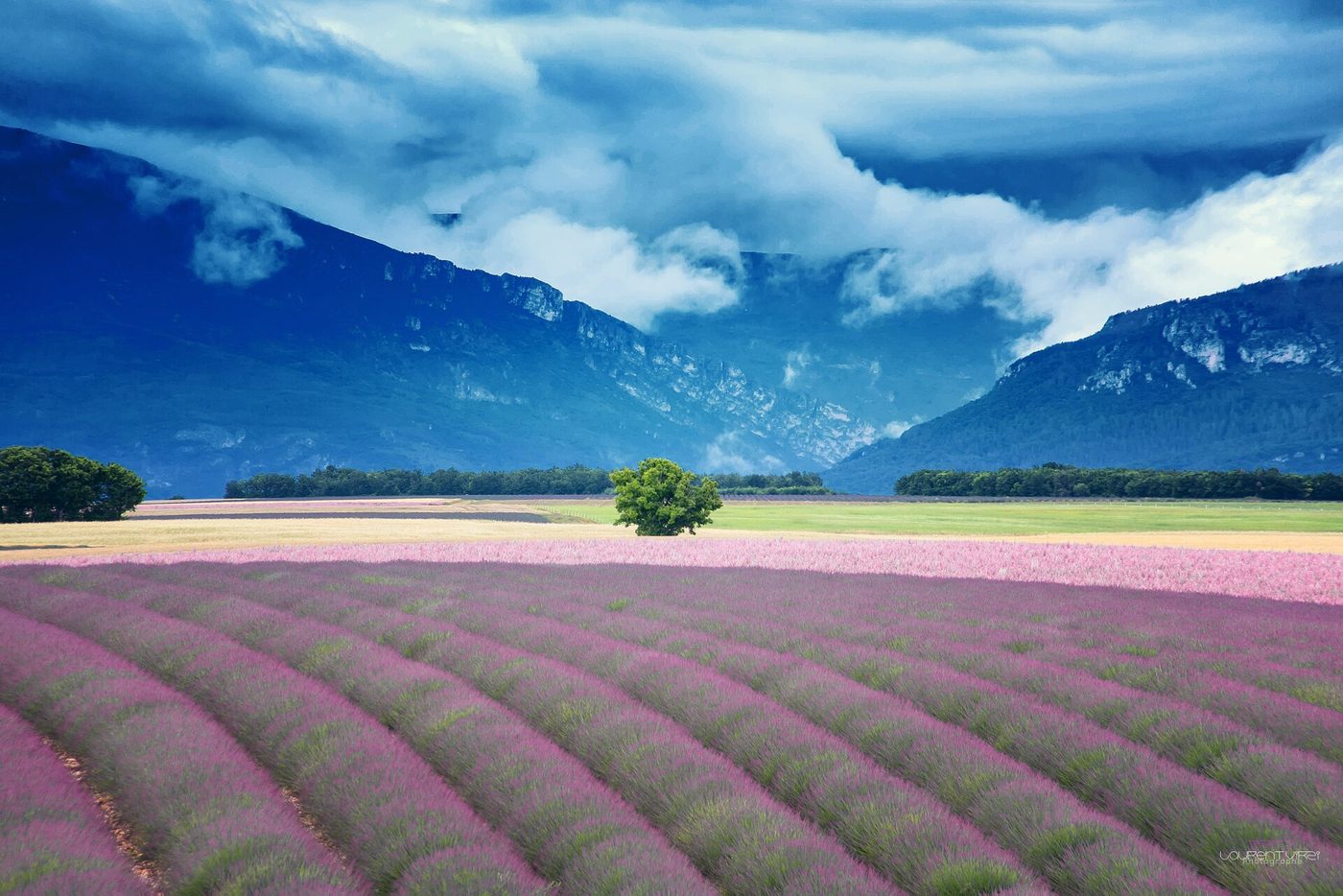
Long days, warm but not hot, the sea finally usable, and the crowds not yet at full strength in the first half of the month. Paris averages 23.7°C, the Med reaches 20°C, and Paris gets 16 hours 14 minutes of daylight at the solstice with sunset as late as 22:00 on 26 June.
June is stacked with reasons to be there. D-Day is commemorated on 6 June along the whole Normandy coast from Pegasus Bridge to Sainte-Mère-Église, taking in Ouistreham, Arromanches, Pointe du Hoc and the five landing sectors of Utah, Omaha, Gold, Juno and Sword. The 2026 international ceremony was at Langrune-sur-Mer on Sword Beach, and only six Normandy veterans were confirmed to attend, the smallest number since the memorial opened in 2021. Go while you still can.
Fête de la Musique falls on 21 June every year, a nationwide evening of free concerts on every square and street corner. It is not a public holiday, so the shops are open and the trains run normally, and I would call it the single best free night out in France. Lavender begins on the Valensole plateau in mid-June, with the strongest colour from late June into the first week of July. The Versailles Grandes Eaux Nocturnes ran 6 June to 19 September in 2026.
The caveat: Nuit Blanche has moved. The 2026 edition, the 25th, ran on Saturday 6 June into Sunday 7 June, not in its traditional early-October slot. Several major guides still print the October date. Check the current year before you plan around it.
June also collides with events in 2027: Roland-Garros finishes on 6 June and the Monaco Grand Prix runs 3 to 6 June with the race on Sunday the 6th. Both squeeze accommodation in Paris and on the Riviera on the same weekend.
July: hot, crowded, and unbeatable in the south
Nice gets 10 mm of rain across two days in July. That is the single most persuasive statistic for a Riviera summer. Lyon hits 28.2°C, Bordeaux 27.2°C, Ajaccio 28.6°C, and the Mediterranean is at 23°C.
French school summer holidays start in early July, so from roughly the 4th onward you are travelling with the whole country. Paris Plages ran 4 July to 30 August in 2026, turning the Seine banks into a beach strip. The Festival Off Avignon ran 4 to 25 July in 2026, and the main Festival d’Avignon’s 2027 dates had not been announced when I checked, though it is always July. Bastille Day on 14 July brings parades, concerts and fireworks nationwide, and it is a public holiday every year regardless of which day it falls on.
Lavender peaks in July, but where depends on altitude. Valensole is at its best from late June to the first week of July, with harvest usually starting around mid-July and some fields cut by roughly 25 July in a hot dry year. Sault, at 700 to 900 m on the flank of Mont Ventoux, blooms later, from early July to mid-August, with mid-to-late July the safest bet and harvest generally starting in the first or second week of August. Near Avignon and Aix, the beginning of July is the sweet spot. Flowering shifts every year with rainfall and temperature, so treat all of this as a window, not a date. That is exactly the mistake I made.
One thing about July in the Alps: Chamonix gets 120 mm of rain over 12 days, mostly as afternoon storms. Alpine hiking in July means being off the ridge by early afternoon.
August: plan around it, not into it
August is the hottest month in most of the south. Ajaccio averages 29.2°C, Nice 27.9°C, and Corsica’s sea reaches 25°C, the warmest water in France. If your holiday is a beach and a boat, August delivers something no other month does.
Everything else about August is a cost. Hotel rates run 30 to 50% above off-season. The roads are at their worst on 1 August, black nationally, and 15 August, red nationally and black in the Alps. Jellyfish blooms peak between July and August when the sea hits 24 to 26°C, and the dominant species on the French Med coast is Pelagia noctiluca, the mauve stinger, which is particularly common in August along the Riviera and causes painful burns lasting several days. The worst-affected stretch runs from the Riviera down to Corsica, including beaches from Marseille to Monaco.
And the neighbourhood France that you probably came for is partly shut. If you must go in August, go to Corsica, go to Brittany where the crowds are French rather than international and the weather is mild at 20.9°C, or go to the Alps where altitude does the cooling for you.
September: June’s quieter twin

French schools go back on 1 September 2026. Give it a few days for the roads to empty, and the country hands itself back to you with the sea still at 22°C in Nice and 23°C in Corsica. Paris averages 21.8°C. Bordeaux is at 24.2°C, which is warmer than Paris in June.
September is harvest season, and 2026 has been extraordinary. Champagne’s official ban des vendanges was set at 12 August 2026, an absolute record for the appellation, and the Languedoc began harvesting on 16 July 2026, the earliest date ever recorded in French wine history. Bordeaux typically runs mid-September to early October, Burgundy around 10 September, Alsace not before mid-September and into early October for Gewurztraminer. Real dates move by up to ten days either way depending on vintage, variety and altitude, and 2026 is the most precocious vintage ever recorded in France. If you are planning a vineyard trip around seeing the harvest, contact the domaine directly rather than trusting a published date.
The equinox tides return to Mont-Saint-Michel in September, and Paris Fashion Week womenswear runs 28 September to 6 October 2026 and 27 September to 5 October 2027, which is worth knowing if you are booking Paris hotels in that window.
October: the value month
Autumn colour, empty vineyards, and prices back down. Paris is at 16.7°C, Bordeaux 19.6°C, Ajaccio still at 22.8°C with a 21°C sea, which means Corsica is still swimmable in October if you are not fussy.
The warning is Nice, which gets 135 mm of rain in October, more than any winter month and thirteen times its July figure. Mediterranean autumn storms are short and violent. They are not a reason to avoid the Riviera in October, but they are a reason not to plan a beach week around it.
Toussaint school holidays run 17 October to 2 November 2026 across all zones, which is the one crowded fortnight of the month. The Tignes glacier is usually partially open to skiers and pedestrians in October over that half-term. Most Alpine passes close mid-to-late October, earlier if the weather forces it. Art Basel Paris, which took over the Grand Palais slot after FIAC ended in 2021, runs in late October, and the Fête des Vendanges de Montmartre falls in the autumn harvest festival season.
November: the quietest month in France
Lowest crowds of the year, lowest prices alongside January, and the weather to match. Brest gets 135 mm over 17 days. Bordeaux gets 105 mm over 13. Paris sunsets are drawing in fast. In Corsica, most tourist-facing hotels, restaurants and shops close during November and many do not reopen until Easter, with ferries continuing on a much reduced schedule mainly to Bastia and Ajaccio, and chains or snow tyres mandatory in many zones from November to March. Ajaccio and Bastia stay alive year-round; the rest of the island does not.
What November has: Beaujolais Nouveau, released on the third Thursday of November, which is 19 November 2026, a date fixed by INAO in 1985. Alsace Christmas markets open at the end of the month. Ski resorts start turning: Tignes and Val Thorens both open on 21 November 2026, with the season typically running to 2 May 2027, and Chamonix opens on 28 November 2026. Armistice on 11 November 2027 falls on a Thursday and creates one of the year’s two best ponts.
This is the one month where I would restrict myself to cities, and eat very well in them.
December: two different months in one

Up to about the 18th, December is cheap, quiet and dark, with Paris sunset at 16:55 at its earliest on 11 December. From the 19th it turns into one of the busiest and most expensive periods of the year. Christmas school holidays run 19 December 2026 to 4 January 2027 across all zones.
The reason to come is Alsace. The Strasbourg Christkindelsmärik dates to 1570 and is the oldest Christmas market in France, with over 100 stalls at Place Broglie alone. The 2026 market runs 26 November to 24 December. Opening is tied to the start of Advent rather than a fixed date, so it shifts by a few days each year and the closing date can move too. Check the official tourist office listing before booking flights around it. Strasbourg in December averages a 5.9°C high and a 0.8°C low, so dress for standing still outdoors in the cold, which is what a Christmas market amounts to.
If Alsace is booked out, our guide to Christmas markets in Europe covers the alternatives across the continent, several of them a short train ride from Strasbourg.
The best time to visit France by region
Eleven regions, eleven different answers.
| Region | Best window | Second best | Avoid | Why |
|---|---|---|---|---|
| Paris | Late May to late June | Mid-September to mid-October | First half of August | Long days, 23.7°C in June, before the summer emptying |
| Côte d’Azur | Mid-June and September | February for carnival season | October for a beach week | Sea at 20 to 22°C without August prices; October brings 135 mm of rain |
| Provence inland | Late June to late July | Late September | August | Lavender window, before the fields are cut and the roads jam |
| French Alps, winter | 4 Jan to 5 Feb | 9 Mar to early April | 6 Feb to 8 Mar | Continuous school-zone block; identical pass costs 69% more inside it |
| French Alps, summer | Mid-June to mid-September | Late September | November and May | Passes shut, lifts between seasons, 130 mm of June rain but clear mornings |
| Brittany | June to early September | May | December to February | Sea peaks at just 17.5°C; December brings 150 mm over 17 days |
| Normandy | May, June, September | Early October | January and February | Same oceanic pattern as Brittany, with the 6 June commemorations |
| Bordeaux and Aquitaine | September to early October | May and June | November to January on the coast | Harvest, 24.2°C in September, sea still 20.5°C; 105 mm of rain in Nov and Dec |
| Alsace | Late November to 24 December | September for vendanges | May to July, its wettest spell | Christmas markets are the point; summer rain arrives as thunderstorms |
| Pyrenees | Late June to September | January for skiing | April to May | Snowmelt and closed high roads in late spring; September is the settled month |
| Loire Valley | April to June | September | December to February | Gardens and châteaux; many properties reduce hours in winter |
| Corsica | June and September | Early October | November to March | Warmest sea in France at 25°C in August; most of the island shuts in November |
Paris
Paris works all year, which is why it is the one place where “when” matters least. June gives you 23.7°C and light until ten. September gives you 21.8°C and a city that has just come back to work. Both beat July and August, when the residents leave and the queues do not. Paris also holds up as well in winter as any city on our European city breaks list.
The real Paris timing question is not the month, it is the event calendar. A March trade fair drove ADR to €351.64. Roland-Garros pushed it to €485.90 on a single night. Eurosatory pushed it to €595.33 on 16 June 2026. Check whether a major fair, tournament or fashion week overlaps your dates before you assume a shoulder month is cheap. If you are building a short trip, our three-day Paris itinerary and the round-up of things to do in Paris both work in any season, though the outdoor sections need the light that April to September gives you.
The Côte d’Azur and the Riviera

Nice’s numbers tell the whole story: 27.9°C in August with a 24°C sea and 20 mm of rain, against 21°C in October and nearly seven times the rainfall. The swimming window is June through October, and the sweet spot is the second half of June or all of September, when the water is above 20°C and the prices are not at their August peak.
February deserves more attention than it gets down here. Carnival season, mimosa in bloom, 13.5°C days and almost nobody about. That is not a beach holiday, but it is a very good week. Our guide to Nice and the wider south of France guide go deeper on the coastal towns.
Provence and the lavender
Altitude is everything. Valensole sits low and blooms first; Sault sits at 700 to 900 m and blooms three to four weeks later. If you are chasing photographs, book late June for Valensole or mid-to-late July for Sault, and accept that a hot dry spring pulls both forward. Our Provence travel guide covers the villages between them.
The mistral is a Provence-specific consideration that is easy to underestimate. Roughly 100 to 150 days a year in exposed areas, most frequent in winter and spring, strongest in the transition. If you are cycling Ventoux or eating outdoors in April, it is a factor.
The Alps, summer and winter
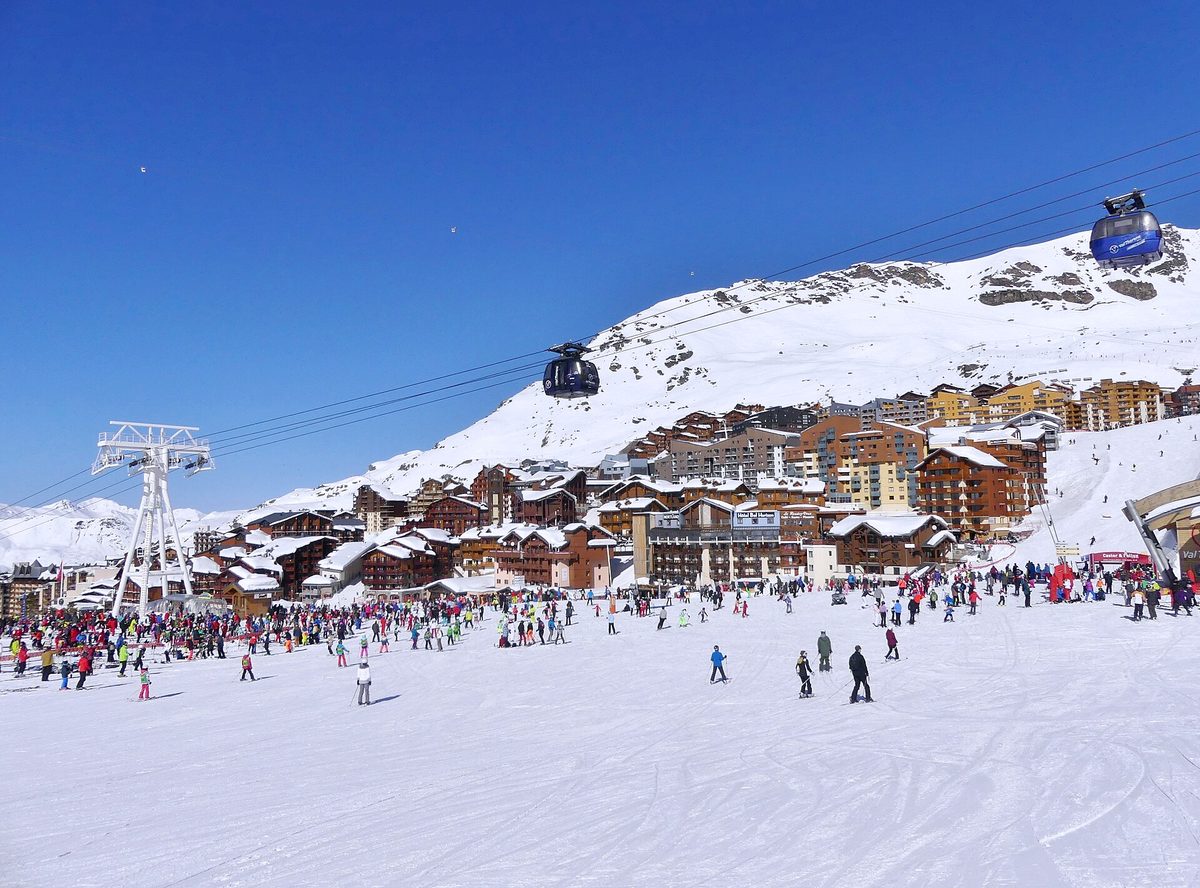
Winter is entirely a school-zone question. The four-week block from 6 February to 8 March 2027 is when resorts are full and passes cost most, and the windows either side are when they cost €284 to €360 rather than €480. Resorts open around 21 to 28 November 2026 and run to early May.
Summer in the Alps is defined by when the high passes open. The Col de l’Iseran, at 2,770 m the highest road pass in the Alps and the highest point on the Route des Grandes Alpes, is scheduled to open on the first Friday in June each year, which was 12 June in 2026, and closes usually on the first Monday of November, which is 2 November in 2026, with earlier closure possible from September after snowfall. Most Route des Grandes Alpes passes open early to mid-June, the highest can slip to late June, and closing runs mid-to-late October. If you are planning that drive, do not book the last week of May.
For the broader picture, we cover skiing in Europe and hiking in Europe separately.
Brittany and Normandy
Brest has the narrowest annual temperature range in this survey, from a 7.2°C mean in January to 17°C in July and August, a spread of under 10°C. That mildness is the region’s charm and its limit: it never gets very cold and it never gets hot. Summer is realistically the only season for it, and even then the sea peaks at 17.5°C.
The upside is that Brittany in August is the best-value coastal option in France. The crowds are French rather than international, the temperature sits at a civilised 20.9°C, and the seafood is at its best. Normandy adds the 6 June commemorations, which are worth building a trip around.
Bordeaux, Alsace, the Loire and Corsica
Bordeaux peaks in September: 24.2°C, harvest underway, the Atlantic still at 20.5°C, and some of Europe’s best beaches along the Landes coast an hour south. Its winters are wet, at 105 mm in both November and December over 13 days each, second only to Brest among the cities here.
Alsace is a Christmas region first and a wine region second. Strasbourg’s wettest months are May at 80 mm and July at 75 mm, which is the opposite of what most visitors expect, and its summer rain arrives as thunderstorms.

The Loire is an April to June proposition, when the gardens are at their best and the châteaux are on full hours. Our Loire Valley guide has the château-by-château detail.
Corsica is the sharpest seasonal cliff in France. June and September are close to perfect, August is spectacular but at maximum price and maximum jellyfish, and from November most of the island simply closes. Ferries keep running to Bastia and Ajaccio on a reduced winter schedule, and the wettest months are November, January, February and March. November and January are the cheapest, for exactly that reason.
The best time to visit France for what you actually want to do

| What you want | Go | The actual constraint |
|---|---|---|
| Swim in the Mediterranean | June to October | Sea at or above 20°C from June to September at Nice (20, 23, 24, 22); October at 19.5 is borderline |
| Swim in the Atlantic | July to September only | Aquitaine reaches 20°C or above in just those three months |
| Swim in Brittany | Bring a wetsuit | Peaks at 17.5°C in August; classed cold for swimming even at peak |
| Lavender at Valensole | Late June to first week of July | Bloom from mid-June, harvest from mid-July, cut by ~25 July in a dry year |
| Lavender at Sault | Mid-to-late July | Blooms early July to mid-August at 700 to 900 m; harvest from early August |
| Ski on a budget | 4 Jan to 5 Feb, or 9 Mar to early April | Chamonix 6-day pass €284 to €360 vs €480 in high season |
| Ski with the best snow odds | Late January to early March | Overlaps the 6 Feb to 8 Mar school-zone block, so most of it is expensive |
| Ski early season | From 21 Nov 2026 | Tignes and Val Thorens 21 Nov, Chamonix 28 Nov; all snow-dependent |
| Drive the Route des Grandes Alpes | Late June to mid-October | Col de l’Iseran opened 12 Jun 2026, closes 2 Nov 2026 |
| See the wine harvest | Mid-July to early October, by region | Champagne opened 12 Aug 2026, Languedoc 16 Jul 2026, Bordeaux mid-Sep |
| Alsace Christmas markets | 26 November to 24 December 2026 | Opening is tied to Advent, so it shifts a few days each year |
| Mont-Saint-Michel as an island | March and September equinoxes | Needs a tidal coefficient above ~110; grande marée declared above 90 |
| Hike the Calanques at Sugiton | October to May | 400/day cap with mandatory booking through the summer months |
| Cheapest flights | February, then January | $350 to $500 roundtrip from North America vs $650 annual average |
| Cheapest hotels | January, February, March, November | 20 to 40% below peak |
| Avoid jellyfish | Before June or after September | Blooms peak July to August at 24 to 26°C sea temperature |
| Long evenings outdoors | Mid-June to mid-July | Paris sunset 22:00 on 26 June; 16 h 14 min of daylight at the solstice |
The French events calendar, with dates
Everything here is either a fixed annual date or a confirmed date for the season ahead.
| Event | Where | Dates |
|---|---|---|
| Nice Carnival 2027 | Nice | 9 to 28 February 2027, theme “Vive l’Amour” |
| Fête du Citron 2027 | Menton | 13 to 28 February 2027, theme “Douce France” |
| Paris Fashion Week, womenswear AW27/28 | Paris | 1 to 9 March 2027 |
| Versailles Grandes Eaux Musicales | Versailles | 3 April to 1 November in 2026; weekends plus Tuesdays 5 May to 30 June |
| Cannes Film Festival 2027, 80th edition | Cannes | 11 to 22 May 2027, selection announced April |
| Roland-Garros 2027 | Paris | Qualifying 17 to 21 May, main draw from Sunday 23 May, final 6 June 2027 |
| Monaco Grand Prix 2027 | Monaco | 3 to 6 June 2027, race Sunday 6 June at 15:00 CEST |
| D-Day commemorations | Normandy | 6 June annually |
| Fête de la Musique | Nationwide | 21 June annually, not a public holiday |
| Tour de France 2027 Grand Départ | Edinburgh | Friday 2 July 2027; first three stages in Scotland, England and Wales |
| Paris Plages | Paris | 4 July to 30 August in 2026 |
| Bastille Day | Nationwide | 14 July annually, public holiday |
| Festival d’Avignon 2027, 81st edition | Avignon | July 2027, exact dates not yet announced |
| Tour de France Femmes 2027 | Leeds | From 30 July 2027, first stages in Britain |
| Assumption | Nationwide | 15 August annually, public holiday and peak travel date |
| Beaujolais Nouveau | Nationwide | Third Thursday of November: 19 November 2026 |
| Strasbourg Christkindelsmärik | Strasbourg | 26 November to 24 December 2026 |
Two entries there are worth flagging. The Tour de France starts in Edinburgh in 2027, the first time the race has not begun in France or a neighbouring continental country. For anyone planning a French July, that removes a source of road closures from the opening week. The French portion of the 2027 route and the finish date had not been published when I checked.
And Roland-Garros and the Monaco Grand Prix both finish on Sunday 6 June 2027, which squeezes Paris and the Riviera on the same weekend. If your 2027 trip touches either, book early or move by a week.
If you can only travel in one month, here is what to do with it
| You can only go in | Do this instead |
|---|---|
| January or February | Nice, Menton and the Riviera for carnival season and mimosa, or the Alps in the 4 Jan to 5 Feb window |
| March | Mont-Saint-Michel for the equinox tides, plus Bordeaux at 15.5°C and late-season Alps at shoulder pricing |
| April | Loire châteaux and gardens, Versailles fountains from 3 April, Paris before the summer rates |
| May | Everywhere except the beaches. Book around Ascension and the 1 and 8 May holidays |
| June | Nothing. This is the month everyone else is trying to get. Book Normandy for 6 June or Provence for the lavender opening |
| July | Provence for lavender and the Riviera for the 10 mm of rain, but book six to eight weeks out for the Louvre |
| August | Corsica for the 25°C sea, or Brittany at 20.9°C where the crowds are domestic. Do not drive on 1 or 15 August |
| September | Also nothing. Take the second and third weeks for the harvest, the empty cities and a sea still above 20°C |
| October | Bordeaux and Burgundy vineyards, Alsace before the markets, Corsica while the sea is still 21°C |
| November | Cities only: Paris, Lyon, Bordeaux, Strasbourg. Beaujolais Nouveau on 19 November 2026 |
| December | Alsace for the markets before the 19th, or the Alps from opening weekend |
Best time to visit France by traveller type
First-timers doing Paris plus one region. Late May to late June, or the second and third weeks of September. You want long days for walking, weather that lets you eat outside, and enough availability that a missed booking is not a disaster. Our France travel guide covers the route options; the best places to visit in France round-up is the shortlist.
Families tied to school holidays. You are going in July, August, or a half-term, so optimise within that. Late August is measurably better than early August: the roads have calmed after the 15th, the sea is at its warmest, and by the last week the French are heading home. Brittany and Normandy handle families better than the Riviera does, and they are among the better European summer destinations for avoiding the worst of the heat, and the Europe with kids guide has the practicalities.
Couples and honeymooners. Mid-June for the light and the lavender, or the second half of September for the harvest and warm sea without the crowds. Both give you the long evenings that make the trip. See our Europe honeymoon guide for pairing France with a second country.
Budget travellers. February for flights, January and November for hotels. If you can be flexible on both, the last two weeks of January are the cheapest useful window in the French year: post-Christmas, pre-school-holiday, with the soldes running. Europe on a budget and the cheapest places to travel in Europe go further.
Solo travellers. September and early October. Cities are lively, hostels and small hotels have space, and the weather still supports spending whole days outside. See solo travel in Europe.
Food and wine travellers. September and October for the vendanges, November for Beaujolais Nouveau, and December to mid-March for Provence and Périgord truffle markets. The European food guide has the wider regional map.
Hikers and cyclists. Mid-June to mid-September in the Alps, once the passes are open. Late September for the Pyrenees and the Massif Central. Avoid July afternoons at altitude. If you are building a longer walking trip, the most beautiful places in Europe round-up covers what sits either side of the French border.
Rail travellers. Any month, though booking behaviour changes. Eurostar opens booking up to 11 months ahead with seats generally on sale six to eight months out, Tuesdays and Wednesdays are the cheapest days, and summer and festive seats sell out fast. The lowest advertised return for UK residents is from £59 booking about 120 days ahead. Our guides to train travel in Europe and getting around Europe cover the passes and the booking mechanics.
Eight timing mistakes I see people make
- Booking lavender from a photograph. Valensole and Sault bloom three to four weeks apart, and a hot dry spring pulls the whole window forward. Mine was cut by the second week of August. Ask the tourist office the week before you fly.
- Planning the Alps around your own school holidays and not France’s. The 6 February to 8 March 2027 block is continuous across the three zones. There is no quiet week inside it.
- Driving on 1 August. Black nationally, in the outbound direction, with the official advice being to travel on a different day entirely.
- Assuming shoulder months mean cheap Paris. March hit €351.64 ADR on the strength of a trade fair. Check the convention calendar, not just the season.
- Expecting the Atlantic to feel like the Med. Aquitaine reaches 20°C in only three months, and Brittany never gets past 17.5°C.
- Turning up at the Louvre in July without a reservation. It was mandatory from 1 July to 31 August 2026, and popular slots sell out six to eight weeks ahead.
- Planning October around the Riviera beach. Nice gets 135 mm of rain in October, more than any winter month.
- Budgeting the old tourist tax. The 2026 ceiling is €15.93 per person per night in Paris for the top categories, not €15.60, and the 2027 barème is identical. On a week for two in a top-tier Paris hotel that is a real line item.
Frequently asked questions
What is the best month to go to France?
June, on balance. Paris averages 23.7°C, daylight runs to 16 hours 14 minutes at the solstice, the Mediterranean reaches 20°C, and the lavender starts. September is a close second and quieter after the first week.
What is the cheapest time to go to France?
February for flights, with roundtrips from North America in the $350 to $500 range against an annual average of about $650. January, February, March and November are the cheapest for hotels, typically 20 to 40% below peak. The last two weeks of January combine both.
What is the best time to visit France to avoid crowds?
November is the quietest month, then January outside the ski resorts. If you want quiet plus decent weather, the second half of September and the first half of October are the answer: French schools are back, international arrivals have dropped, and the Mediterranean is still above 20°C.
Is August a good time to visit France?
For Corsica and the Mediterranean coast, yes: the sea reaches 25°C in Corsica and 24°C at Nice, the warmest of the year. For everything else, it is the hardest month. Rates run 30 to 50% above off-season, the roads are at their worst on 1 and 15 August, jellyfish blooms peak, and neighbourhood restaurants in residential Paris close for two to four weeks.
When is high season in France?
July and August, which together take roughly 34% of all domestic overnight stays and, on 2022 figures, 14% of international arrivals each. Peak-summer arrivals run above 350,000 a day. Shoulder season is May, June, September and October; low season is November through March, excluding ski resorts and the Christmas fortnight.
What is the worst time to visit France weatherwise?
November, on balance. December and January are wetter in several places, Brest included, but they at least come with Christmas markets and a ski season. November has neither. Brest gets 135 mm over 17 rain days, Bordeaux 105 mm over 13, Corsica largely shuts, and the light is short. If you must travel then, stay in cities.
Where in France has the best weather?
Corsica, on the numbers: Ajaccio has an annual average high of 20.9°C, an August high of 29.2°C and the warmest sea in France. On the mainland, Nice has an annual average high of 19.8°C and only 61 rain days a year, the fewest of the seven locations with rainfall data here.
When should I avoid Paris because of school holidays?
Paris sits in Zone C, which takes its 2027 winter break from 6 to 22 February and its spring break from 3 to 19 April. But the bigger effect is inbound: when other zones are off, French families visit Paris. The Toussaint fortnight of 17 October to 2 November 2026 and the Christmas period from 19 December are the two most crowded non-summer windows.
What is the best time to visit the French Riviera?
The second half of June or all of September, when the sea is above 20°C and prices are off their August peak. February is the underrated alternative if you are not swimming: Nice Carnival runs 9 to 28 February 2027 and Menton’s lemon festival 13 to 28 February 2027.
When is the best time for wine tasting in France?
September and October for the harvest atmosphere, though the dates have moved dramatically. Champagne opened its 2026 harvest on 12 August, a record, and the Languedoc on 16 July, the earliest ever recorded in France. Bordeaux typically runs mid-September to early October and Burgundy around 10 September. Contact the domaine directly rather than relying on published dates.
How far ahead should I book?
Eurostar opens 11 months out with seats generally on sale six to eight months ahead. Louvre summer slots begin selling out six to eight weeks ahead. Eiffel Tower summit slots go days ahead in season, and the walk-up queue runs 1.5 to 3 hours from April to October. For August coastal accommodation, think in months rather than weeks.
Do I need ETIAS to visit France?
Not yet. ETIAS is expected to become mandatory from April 2027 with full implementation not expected until October 2027, at €20 per application. The EU will announce the precise date several months in advance. The Entry/Exit System, which registers fingerprints and a facial image at the border, has been fully operational since 10 April 2026 and does apply now.
Final thoughts
If I had to compress all of the above into one line: go in the last two weeks of June or the middle three weeks of September, and if you cannot, pick the region that suits the month you have rather than forcing the month to suit the region.
What I would push back on is the idea that August is a write-off. It is a bad month for a Paris-and-châteaux trip and a very good one for Corsica, where the water is at its warmest and the island is at its best. The mistake is not going in August. The mistake is going in August and expecting June.
One honest limit on this article: the price data is thinner than I wanted. A full twelve-month Paris hotel rate series is not publicly available without a paid subscription, so I have given the months that were published and labelled them as spot readings. I could not find sourced figures for Verdon Gorge access, Tignes summer glacier dates, Festival d’Avignon’s 2027 dates, and Verdon Gorge access rules, and I have left those blank.
Everything else here has a source behind it, checked in the late summer of 2026. Prices and dates move. Check the official page before you book anything that matters.
For the wider continental picture, our guide to the best time to visit Europe sets France against its neighbours, and Italy and Spain get the same treatment. If you are combining France with a longer trip, start with how to plan a trip to Europe and the Europe itinerary options.
Hannah Brooks has spent fifteen years travelling, living and writing across Europe, from the Arctic tip of Norway to the south of Sicily. She has planned hundreds of European itineraries for readers and is Senior Europe Editor at EuropeanTourism.org.
Photo credits
- Mont-Saint-Michel rising from its bay in Normandy: the best time to visit France depends entirely on which region you mean · Photo: Jorge Láscar from Melbourne, Australia / CC BY 2.0 via Wikimedia Commons
- A TGV high-speed train, the service that carries most of the French summer holiday traffic · Photo: Ermell / CC BY-SA 4.0 via Wikimedia Commons
- The glass pyramid lit at night in the courtyard of the Louvre in Paris · Photo: cocoparisienne (CC0) via Wikimedia Commons
- Rows of lavender in flower across the Valensole plateau in Provence, at their peak in late June · Photo: Laurent Virzi / CC BY-SA 3.0 via Wikimedia Commons
- Place de la Bourse and the water mirror in Bordeaux, at its best during the September harvest · Photo: Mariette (CC0) via Wikimedia Commons
- The Strasbourg Christmas market at night with its illuminated tree, the oldest Christmas market in France · Photo: francois (Strasbourg) / CC BY 2.0 via Wikimedia Commons
- The Promenade des Anglais and the Baie des Anges in Nice on the Côte d’Azur · Photo: Lspigon (CC0) via Wikimedia Commons
- Skiers on a groomed piste above Val Thorens in the French Three Valleys · Photo: Florian Pépellin / CC BY-SA 4.0 via Wikimedia Commons
- The Renaissance Château de Chambord in the Loire Valley, at its best from April to June · Photo: Carsten Steger / CC BY-SA 4.0 via Wikimedia Commons
- The Chamonix valley and the snow-capped Mont Blanc massif in the French Alps · Photo: Ximonic, Simo Räsänen / CC BY-SA 3.0 via Wikimedia Commons