Spain Itinerary: Three Perfect 10-Day Routes
The first Spain trip I ever planned was a disaster of ambition. Nine cities, ten days, a rail ticket for every morning and a suitcase that spent more time on luggage racks than in hotel rooms. I saw a great deal of Spain through a train window and almost none of it from a bar stool, which is where Spain actually happens.
A good Spain itinerary for 10 days moves three times, not eight. Three bases, two travel days folded into sightseeing days, and enough slack that a long lunch does not wreck the afternoon. Below are three routes built that way, with the train times, ticket prices and booking lead times that decide whether the plan survives contact with reality.
I have planned some version of this trip for readers a few hundred times now, and the same two mistakes come up. The first is treating ten days as ten days. It is not. Take off the arrival afternoon, when you will land jet-lagged and eat something forgettable near the hotel, and the departure morning, when you will be checking a clock instead of a menu. You have eight usable days. Everything below is built around that number, not the one on your flight confirmation.
The second mistake is planning the sightseeing before the transport. Spain has one of the best high-speed rail networks on earth and three competing operators fighting over it, which means the difference between a €9 seat and a €95 seat is often just when you clicked. Book the trains first, in the right order, and the rest of the itinerary falls into place around them. Do it the other way round and you will pay several times over for the privilege.
Which Spain itinerary should you actually book?
Three routes, all ten days, all built around timetables that exist. Pick by what you want out of the trip, not by what sounds most complete.
| Route | Bases | Shape | Best for | Train time in total | Rough transport cost |
|---|---|---|---|---|---|
| A. The Classic Triangle | Madrid 3n, Seville 3n, Barcelona 3n | Open jaw: fly into Madrid, out of Barcelona | First trip to Spain. The three cities everyone means when they say Spain | approx. 8h across two journeys | €40 to €190 depending on how early you book |
| B. The Andalusian Deep Dive | Seville 4n, Granada 3n, Málaga 2n | Loop or open jaw via Seville and Málaga | Second trip, or anyone who wants Moorish Spain rather than a highlights reel | approx. 4h across two journeys | €35 to €120 |
| C. The Mediterranean and the North | Barcelona 3n, Valencia 2n, Madrid 2n, San Sebastián 2n | Open jaw: into Barcelona, out of Bilbao | Food-led travel, cooler summers, fewer crowds | approx. 9h 40m across three journeys | €60 to €220 |
Four questions that pick the route for you
Is this your first time in Spain? Take Route A. There is no shame in the obvious route when the obvious route is genuinely the best introduction to a country. Madrid, Seville and Barcelona are three completely different Spains, and the contrast between them teaches you more in ten days than four Andalusian towns will.
Are you travelling in July or August? Think hard about Route B. Seville in August averages a high of about 35.5°C and regularly clears 40°C, and Córdoba’s July and August highs average around 37°C. That is not sightseeing weather, it is survival weather. Route C exists partly for this reason: San Sebastián in August averages 24°C, which is the same month in a different country.
Do you care more about food than monuments? Route C, without hesitation. The Basque Country and Valencia are where Spain’s cooking gets genuinely interesting, and neither city asks you to queue for two hours before lunch.
Do you hate packing and unpacking? Route B. Two moves in ten days, the same as Route A, but with the shortest legs of any route here: Seville to Granada and Granada to Malaga barely register as travel days.
If you want a wider view before committing, our guide to the best places to visit in Spain covers the twenty-odd destinations these three routes draw from, and the complete Spain travel guide sits above all of it with the practical groundwork.
The rules that make a 10-day Spain itinerary work
Before the day-by-day plans, five decisions that matter more than which museum you pick.
1. Fly an open jaw, always
Flying into one city and out of another is called an open jaw or multi-city fare, and airlines price it almost identically to a return, which makes it substantially cheaper than buying two one-way tickets. Search it on the “Multi-city” tab of Google Flights or Skyscanner, leave the ground leg blank, and let the train fill the gap.
On a Madrid-to-Barcelona route, this saves you roughly half a day of pure backtracking. Half a day out of eight usable ones is a big number. There is no route in this article that is improved by returning to your arrival airport.
2. Book high-speed rail 30 to 60 days out, not on the day
Spain deregulated its high-speed lines and now has three operators running the same tracks: state-owned Renfe with its AVE and budget Avlo brands, French-owned Ouigo España, and Iryo. They undercut each other constantly, and fares are dynamic in the airline sense, meaning the seat gets more expensive as the train fills.
Ouigo advertises fares from €9. On Madrid to Barcelona, a Renfe promo fare starts around €14 booked ahead, while a flexible AVE Turista single on the day sits near €95 and Preferente near €180. Same train, same two and a half hours, close to seven times the price. Book early.
3. Two nights is not enough for a city you flew to see
Two nights gives you one full day. In Seville, one full day means the Cathedral and the Alcázar and nothing else, no Triana, no evening in Santa Cruz, no sitting still. Three nights gives two full days and turns a checklist into a visit. This is why every route above has at least one three-night base, and why Route C, the only one with four stops, gives two of them just two nights and asks you to accept that trade.
4. Buy the Alhambra ticket before you book anything else
This is the one hard constraint in Spanish travel. The Alhambra’s Nasrid Palaces run on strict timed entry, the slot is fixed at purchase and cannot be changed, and demand routinely exhausts the calendar. For April to June, plan on two to three months ahead. July and August need six to eight weeks. Peak dates can need three or four months. In January, February and December you can often get away with ten to twenty days.
If Granada is on your route, that ticket is the first thing you buy and everything else arranges itself around the date and time on it. I have watched more Spain itineraries collapse over this than over anything else.
5. Do not rent a car for any of these routes
All three routes are city-to-city on high-speed rail, and a car is worse than useless for them: parking in Seville and Barcelona is expensive and awkward, and both Madrid and Barcelona now run low-emission zones with automatic camera enforcement and €200 fines. There is a full section on that below if you are set on driving, but the short version is that a car earns its keep in rural Andalusia and the Picos de Europa, not on this trip.
Route A: the Classic Triangle, day by day
Madrid 3 nights, Seville 3 nights, Barcelona 3 nights. Fly into Madrid, out of Barcelona.
This is the route I recommend to roughly seven out of ten people who ask, and it earns that through contrast rather than convenience. Madrid is a capital that behaves like a big provincial city: unhurried, indoor, obsessed with lunch. Seville is theatrical, Moorish and best after dark. Barcelona is Mediterranean, design-obsessed and barely Spanish in its own estimation. Ten days across the three gives you an argument about what Spain is, which is more interesting than a consensus.
Two train journeys hold it together: Madrid to Seville in about 2h 30m, and Seville to Barcelona, which is the one long haul at roughly five and a half hours. If that last leg puts you off, reverse the route and fly Barcelona to Seville instead, though you will spend the savings on airport time.
Day 1: Arrive Madrid
Land, get into town, eat something, sleep. That is the whole plan and it should stay the whole plan.
From Barajas, Metro Line 8 reaches Nuevos Ministerios in under twenty minutes, with a €3 airport supplement on top of the normal fare. The Cercanías C-1 train runs from Terminal 4 to Atocha and Chamartín in 25 to 35 minutes for roughly €2.60 to €3.50, every twenty minutes. The Airport Express bus 203 takes about forty minutes for €5 and runs around the clock, which makes it the answer for anything landing after midnight.
Stay in Barrio de las Letras, Malasaña or La Latina, not around Sol. Sol is central in the way that a train station is central: everything is nearby and nothing is pleasant.
For dinner, remember that Spanish kitchens generally do not open before 20:30 and that the average dinner sits around 21:00. If you arrive starving at 19:00, the answer is a bar and a plate of croquetas, not a restaurant.

Day 2: Madrid’s art and the Retiro
Start at the Prado at opening, 10:00. General admission is €15 and the collection is arranged so that you can do it badly in ninety minutes or properly in four hours. Do it properly: the Velázquez rooms, the Goya black paintings, and Bosch’s Garden of Earthly Delights, which repays twenty minutes on its own.
If your budget is tight, the Prado is free Monday to Saturday from 18:00 to 20:00 and Sundays and public holidays from 17:00 to 19:00. Be honest with yourself about whether two hours at the end of a day, in a queue, with tired feet, is the same experience. It is not, but €15 is €15.
Walk east into the Retiro afterwards. The Estanque with its Alfonso XII colonnade is the picture everyone takes, and the Rosaleda rose garden behind it is better. The Palacio de Cristal is the loveliest building in the park when it is open, so check before you walk over.
Late afternoon, the Reina Sofía for Guernica, €12, free Monday to Saturday 19:00 to 21:00 and Sundays 12:30 to 14:30. If you plan to do all three of the big museums, the Paseo del Arte combined ticket is €32 for one visit each to the Prado, Reina Sofía and Thyssen, valid a full year, which beats €40 bought separately.
Evening: tapas in La Latina, working down Cava Baja. Order a caña, which is a small draught beer of around 250 ml and typically €2.00 to €2.50, and keep moving between bars instead of settling into one. That is the entire technique.
Day 3: Toledo or Segovia as a day trip
Madrid’s two great day trips are half an hour away by train and completely different in character.
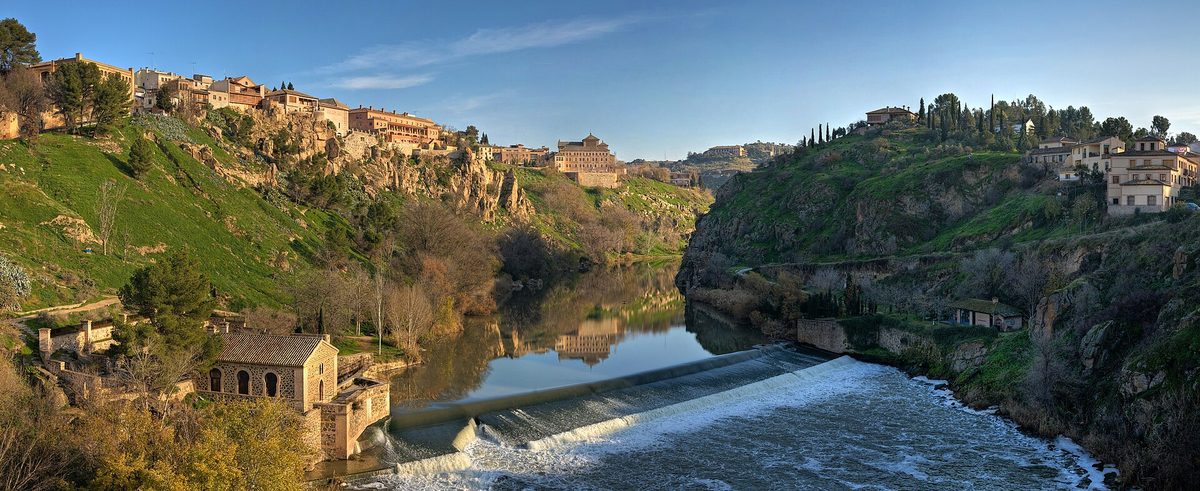
Toledo is the heavier, more rewarding one: a walled medieval city on a rock in a loop of the Tagus, with a cathedral worth €10 of anyone’s money and a genuine layering of Christian, Jewish and Muslim building. It is also relentlessly steep and gets very hot in summer.
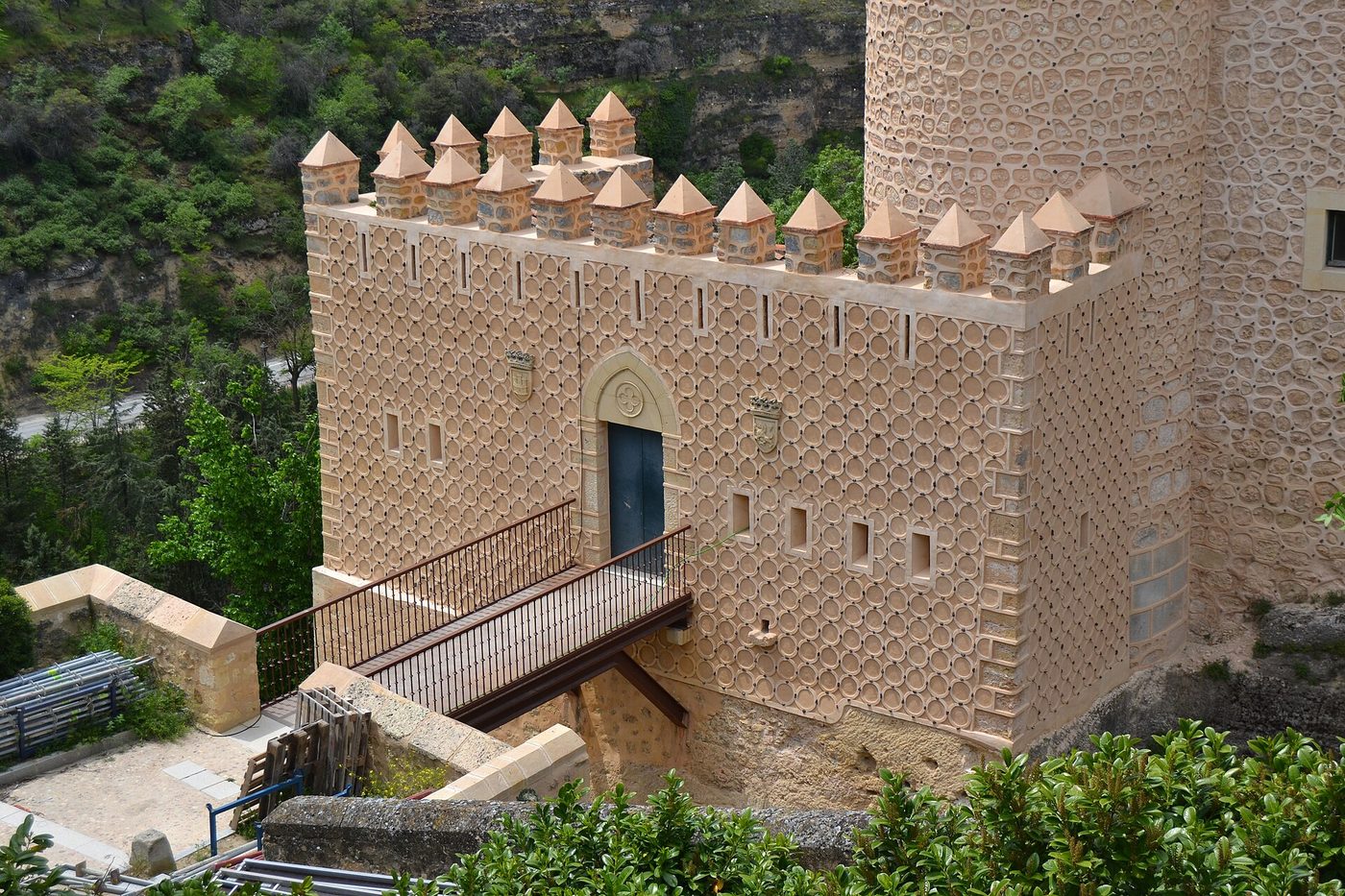
Segovia is lighter and stranger: a complete Roman aqueduct running straight through the middle of town, and the Alcázar, a fairy-tale castle at €7 adult and €5 reduced, with a paid add-on for the panoramic tower if you want the climb. Segovia also has the better lunch, cochinillo asado, roast suckling pig, which is one of the few genuinely regional dishes near Madrid.
Pick one. Doing both means two days of trains and no evening in Madrid, and Madrid at night is the point of Madrid.
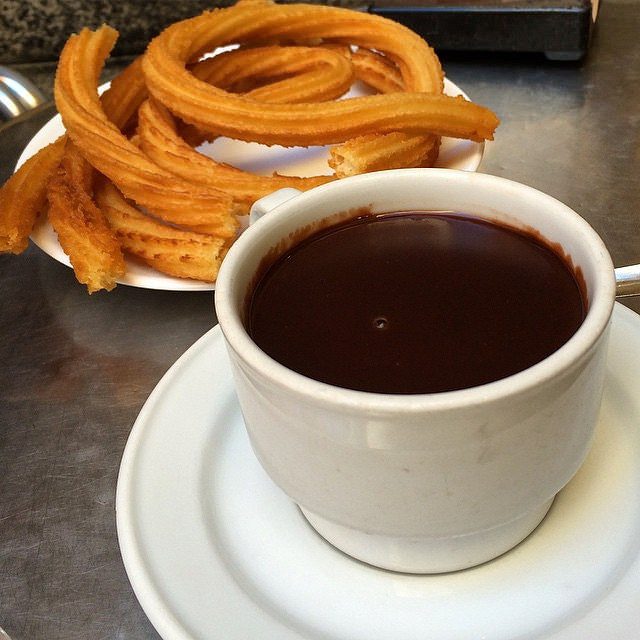
Back in the city, spend the evening on the things that do not need a ticket: the Mercado de San Miguel for a drink even though it is touristy, Plaza Mayor, Gran Vía at dusk, and churros con chocolate at Chocolatería San Ginés at whatever hour you finish. San Ginés is open absurdly late and has been doing this since 1894.
Day 4: Madrid to Seville, and the first afternoon
Take a mid-morning train from Madrid Puerta de Atocha. The fastest AVE services do Madrid to Seville Santa Justa in about 2h 30m, with roughly 24 trains a day, so there is no need to be at the station at dawn. Renfe advance fares start around €25 and Iryo has been selling the same route from €9 to €15 when booked early.
Arrive for a late lunch. Spanish lunch runs 14:00 to 16:00 and is the main meal of the day, which makes a 12:00 train arriving at 14:30 close to perfect.
Stay in Santa Cruz for atmosphere, Alfalfa for nightlife or Triana across the river for the version of Seville that Sevillanos actually live in. Santa Cruz is a maze and your taxi will not be able to reach the door; pack accordingly.
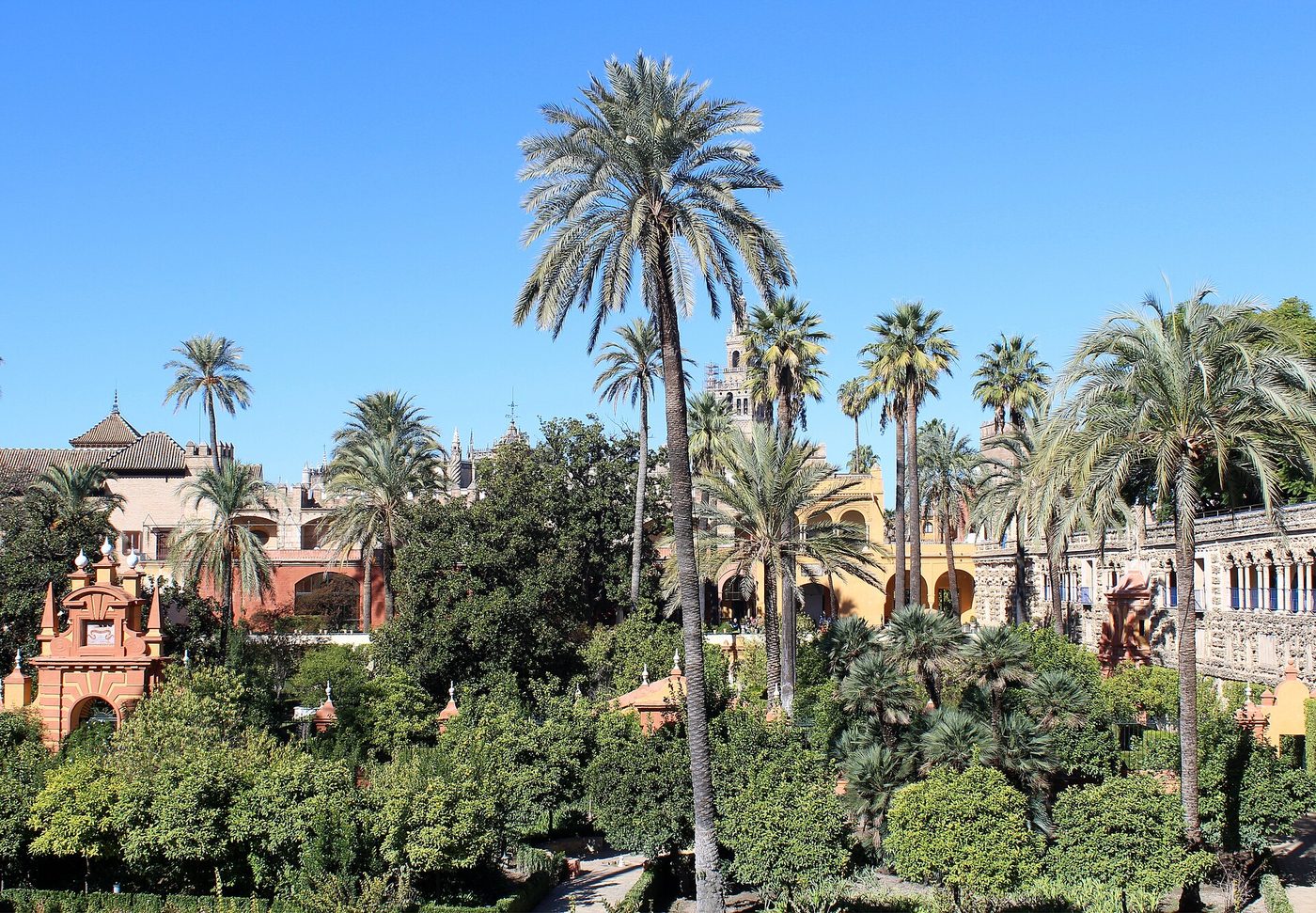
Spend the afternoon walking, not ticketing. The Barrio de Santa Cruz, the Plaza de España in the Parque de María Luisa, and the riverside by the Torre del Oro. Plaza de España is free, enormous and best in the last hour of light, when the tiled alcoves for all fifty Spanish provinces go gold.
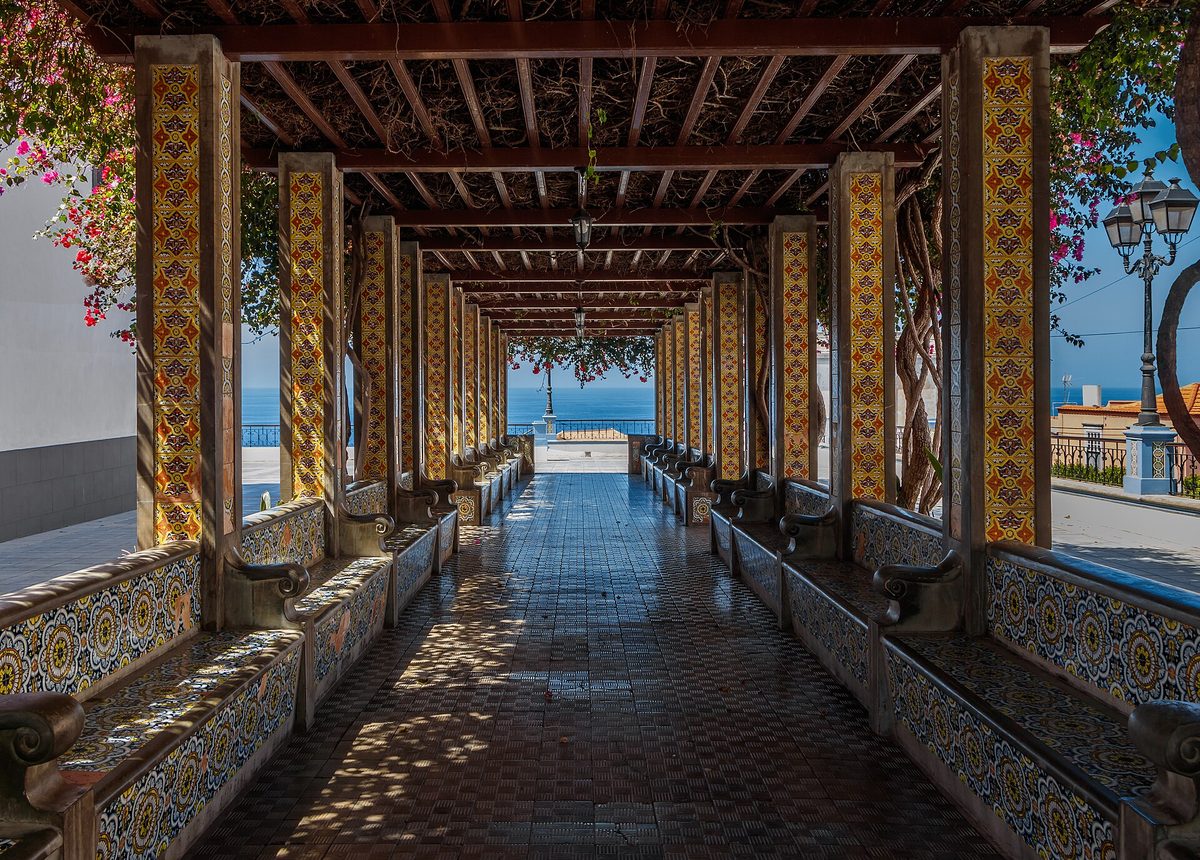
Day 5: The Alcázar, the Cathedral and Triana
Book both of the big tickets before you leave home. The Real Alcázar is €15.50 general admission, which includes the Antiquarium, the Triana Ceramic Centre and the Mariano Bellver Donation, with a €5.50 supplement for the Royal Apartments and €8 reduced for students aged 14 to 30, retirees and European Youth Card holders. There is free entry on Mondays at 18:00 and 18:30 with an online reservation, and those slots go instantly.
Go at opening. The Patio de las Doncellas, the Ambassadors’ Hall and the gardens need two hours and the gardens are the part people rush. Do not rush the gardens.
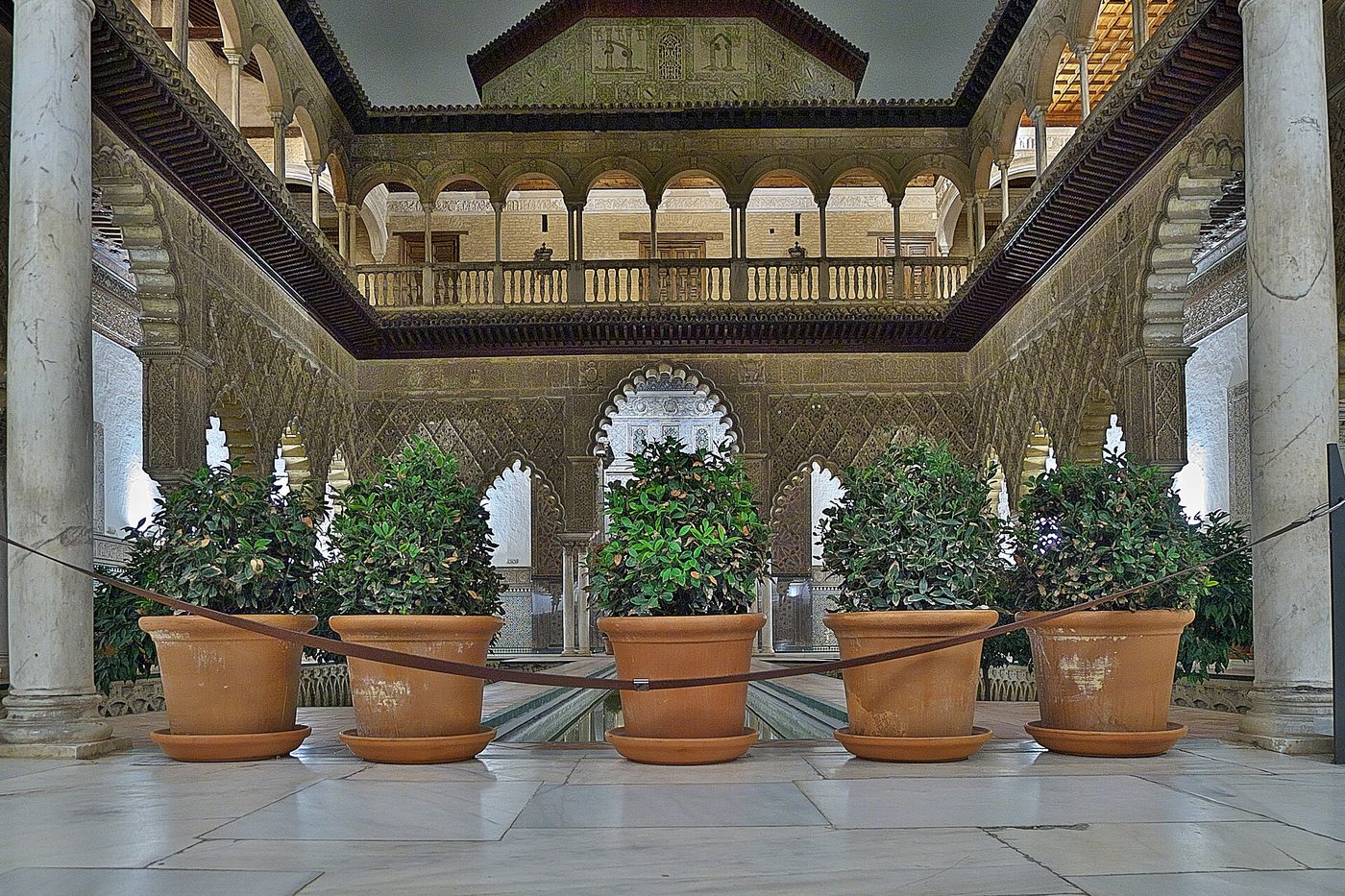
The Cathedral and the Giralda are €14 on the door or €13 online, including the Salvador Church, with a €21 rooftop ticket if you want the stained glass and the roof structure. Tickets frequently sell out days or weeks ahead in season. The Giralda is climbed almost entirely by 35 shallow ramps built for a man on horseback, with a short flight of steps only at the very top, which makes it one of the easier great towers in Europe to get up.
Afternoon: cross the Puente de Isabel II into Triana, eat in the Mercado de Triana, and look at the ceramic workshops. Evening: flamenco, and be selective, because Seville sells a lot of bad flamenco to people in a hurry. The small peñas and the Casa de la Memoria style venues are worth the effort of booking; the dinner-and-show packages generally are not.
Day 6: Córdoba as a day trip
Seville to Córdoba is 40 to 43 minutes on the AVE, with up to 24 trains a day and fares from about €7 booked ahead. It is the single best-value day trip in Spain.
The Mezquita-Catedral is the reason you go: a forest of 856 columns and red-and-white striped double arches, with a Renaissance cathedral dropped through the middle of it in the sixteenth century, which is either vandalism or the most interesting building in Europe depending on your mood. Adult admission is €13, the bell tower is a separate €3 timed ticket, and the audio guide is €5.
Here is the move: the Mezquita is free Monday to Saturday from 08:30 to 09:20, with no ticket and no booking. It is not available on Sundays or public holidays, and the bell tower and audio guides are excluded during the free window. Take the first train out of Seville, walk in at 08:40 with almost nobody there, and you have seen it in the best light of the day for nothing.
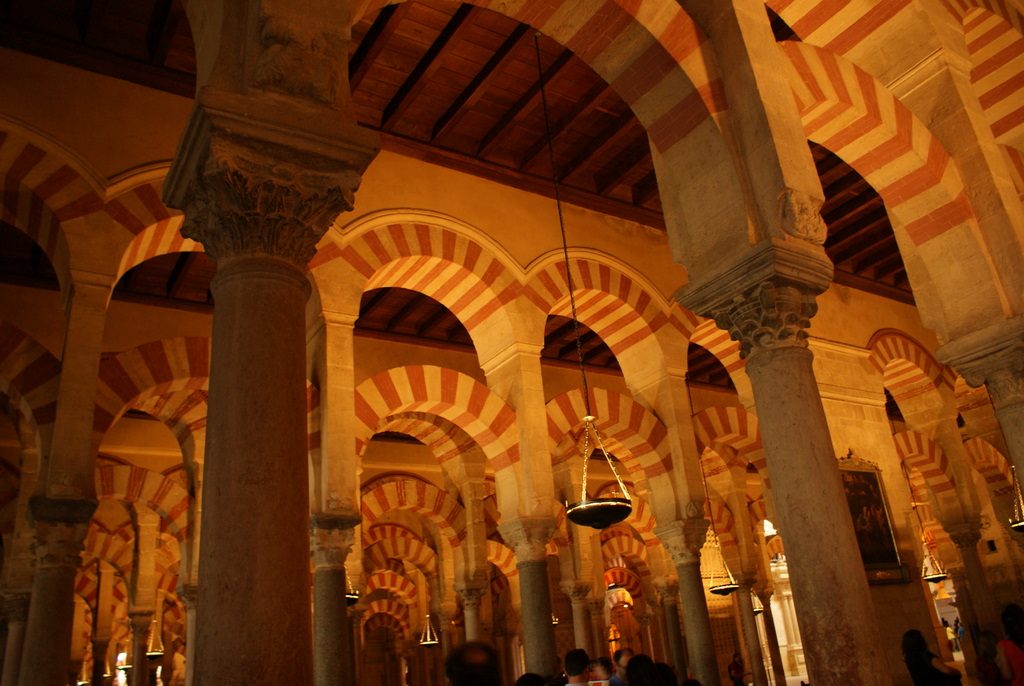
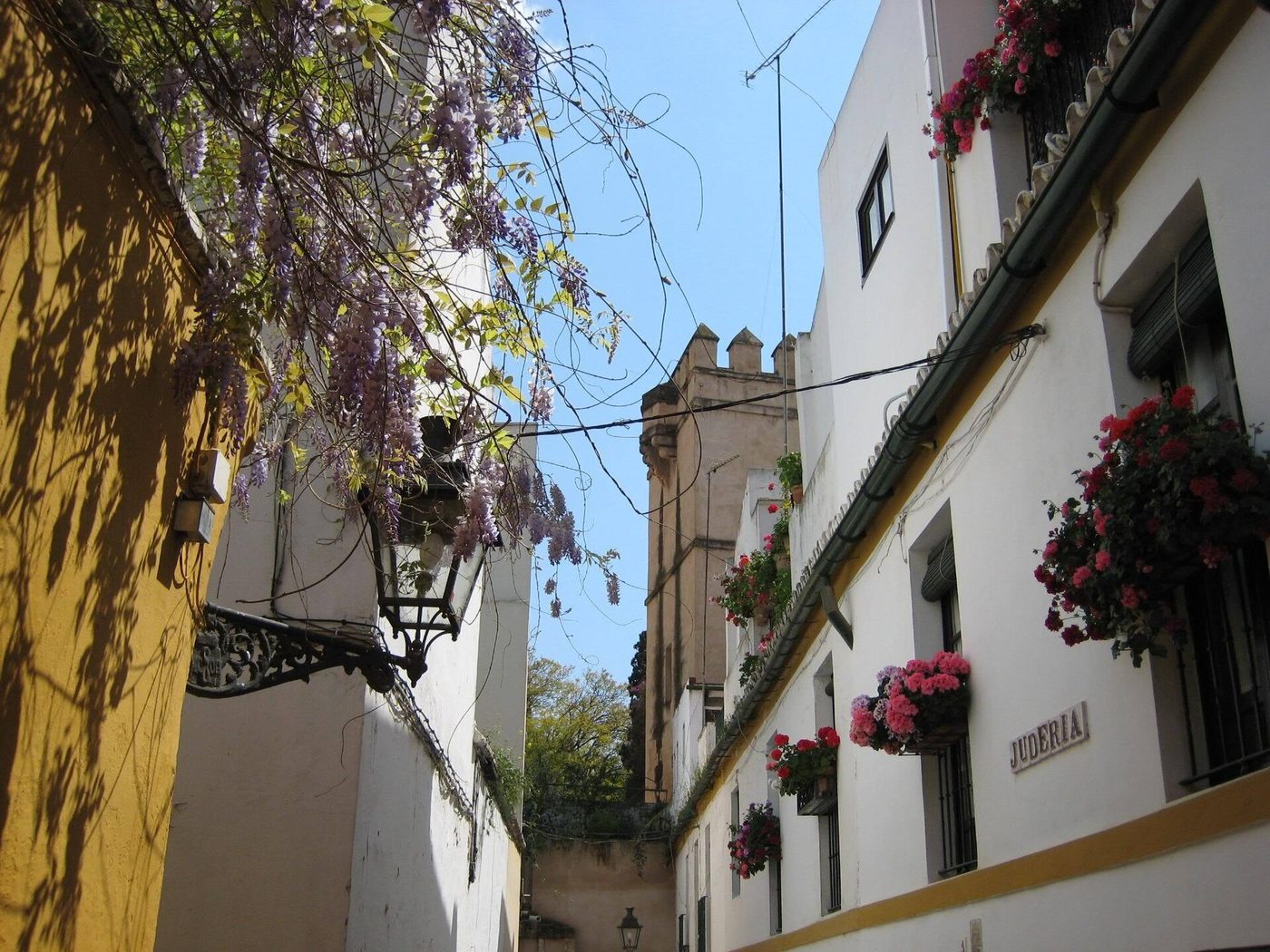
Then the Judería, the Alcázar de los Reyes Cristianos, and lunch. If you are there in early May, the Fiesta de los Patios opens private courtyards across the old town, which is one of the loveliest things in the Spanish calendar and also means you will not find a hotel room.
Day 7: Seville to Barcelona
This is the long one, roughly five and a half hours by direct high-speed train, or a two-hour flight plus three hours of airport. I take the train and treat it as a rest day: you get a seat, a table, wifi and a coffee, and you arrive in the centre of Barcelona rather than in El Prat.
Book a morning departure, eat lunch on board or at Sants on arrival, and use the afternoon for the Barri Gòtic, which needs no tickets and rewards aimless walking better than anywhere else in Spain. The Cathedral cloister with its thirteen geese, Plaça del Rei, Carrer del Bisbe and the balconies on Carrer dels Arcs.
Stay in the Eixample for space and Modernisme, the Gothic Quarter for atmosphere and noise, or Gràcia for the version of Barcelona that has not been fully surrendered to visitors. Avoid anything advertised as “steps from La Rambla”.
Barcelona now charges a tourist tax of €9.50 per person per night in a tourist apartment and up to €12 in a five-star hotel, after the municipal surcharge rose to €5 on 1 April 2026. For two people over three nights, that is €57 to €72 you have not budgeted for. It is collected at checkout, in cash or on the card, and it surprises people every single time.
Day 8: Gaudí day
Barcelona’s Modernisme is the reason most people come, and it is now expensive enough that you should choose, not collect.
The Sagrada Família is non-negotiable. Basic entry with the audio guide app is €26, €24 for under-30s and student card holders, €21 for seniors, and free for under-11s. Tower access takes it to €36, a guided tour to €30, and both together to €40. Tickets are sold online only and are nominative, so you need photo ID or a passport matching the name on the booking, and you must arrive inside the fifteen-minute window on the ticket.
Two things worth knowing for 2026. The Tower of Jesus Christ was structurally completed on 20 February and inaugurated on 10 June, taking the basilica to its full height of 172.5 metres and finally making it the tallest church in the world; interior work runs through 2027 and 2028, and the Glory Façade is projected for somewhere around 2034 to 2035. And since February there has been a daily Quiet Hour from 09:00 to 10:00, when visitors use earphones and keep the noise down. It is the best hour to be in the building.
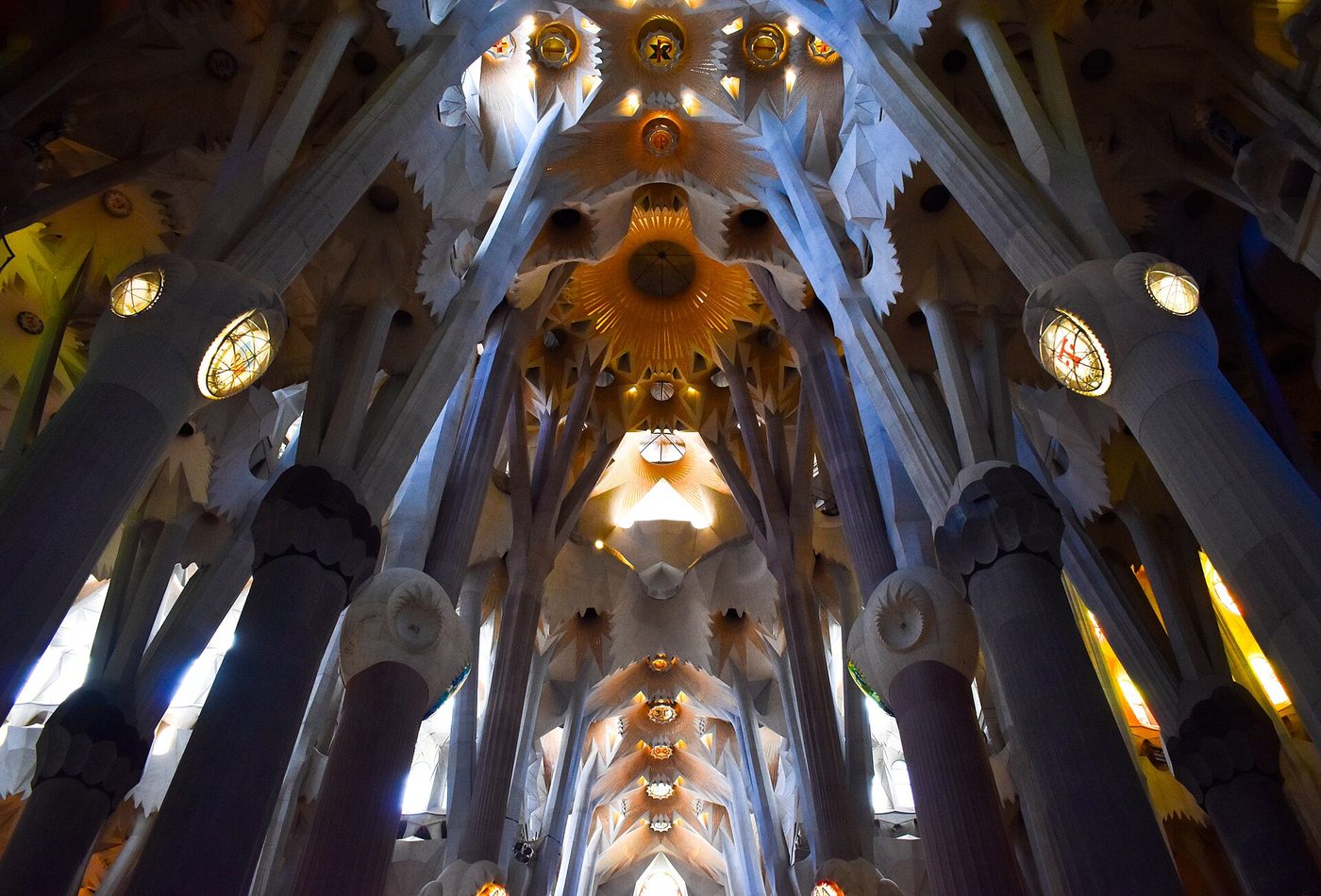
Park Güell is €21.90, and it is the one Barcelona ticket I would think twice about. The Monumental Zone is beautiful and small, and you are paying €22 for perhaps forty minutes of it plus a view you can get free from the Bunkers del Carmel. If you have children, go. If you are choosing between Park Güell and Casa Batlló, choose Casa Batlló.
Casa Batlló runs a dynamic tiered system: Blue from €29, Silver from €34, Gold from €39, Platinum from €53, with prices climbing as your visit date approaches. The Blue ticket is enough. The €50 “Be the First!” 08:30 entry is a genuine luxury if you hate crowds and have the money.
La Pedrera, properly Casa Milà, is €28 for the Essential ticket and about €39 for the night and early-morning experiences. If you only do one Gaudí house, pick La Pedrera for the rooftop chimneys and Casa Batlló for the interior colour.
A realistic Gaudí day is Sagrada Família at 09:00, lunch, one house in the afternoon, and the Hospital de Sant Pau if you have energy left, which is a Modernista complex quieter and cheaper than everything above.
Day 9: Barcelona beyond Gaudí
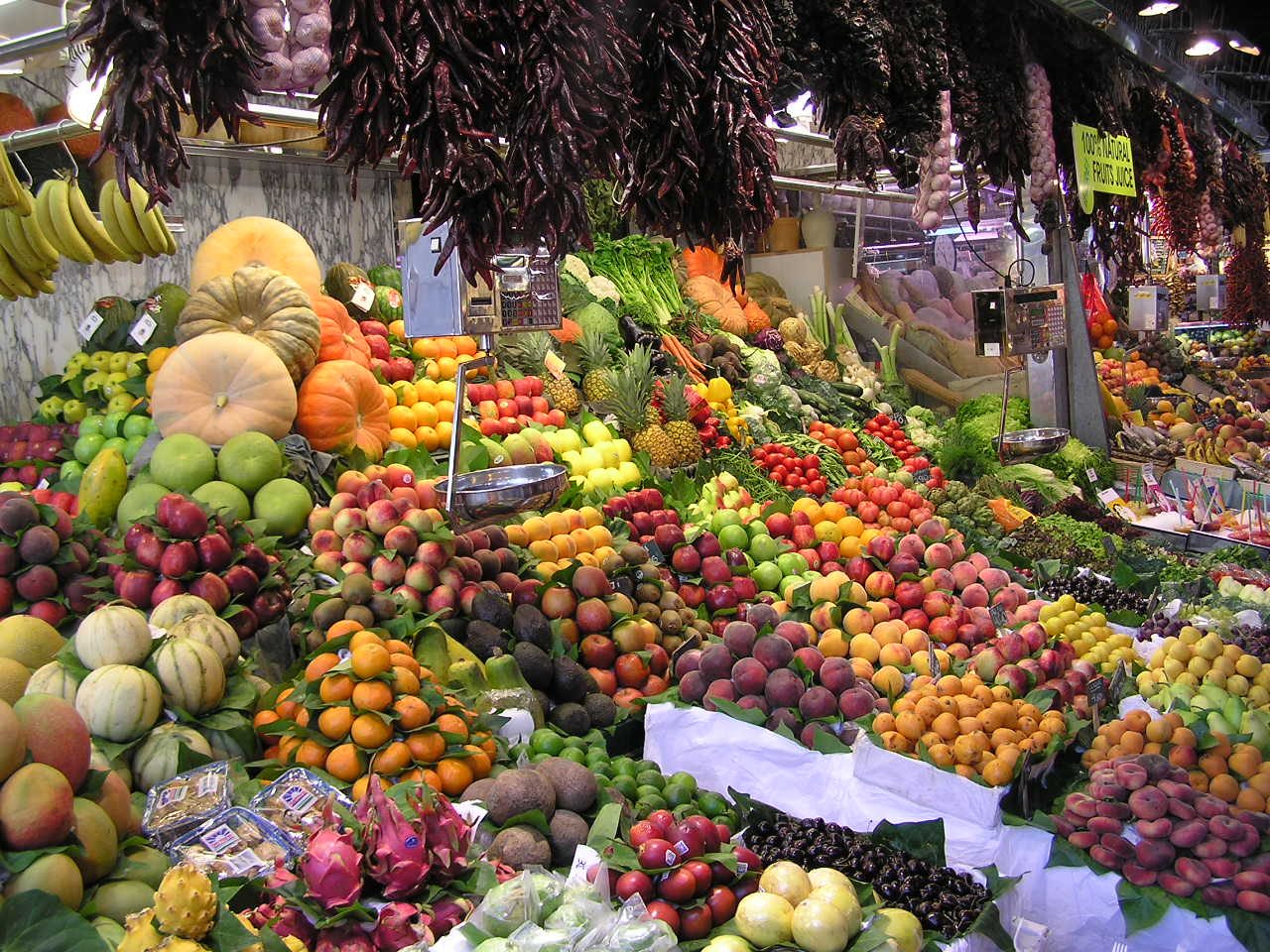
Spend the morning at the Mercat de la Boqueria before ten, when it is still a market and not yet a food court. Then pick a direction.
Montjuïc for the MNAC and its Romanesque frescoes lifted whole from Pyrenean churches, plus the Mies van der Rohe Pavilion and the view back over the city. El Born for Santa Maria del Mar, the Picasso Museum and the best shopping in the city. Barceloneta for the beach and a long lunch, which in September is still very much a beach day.
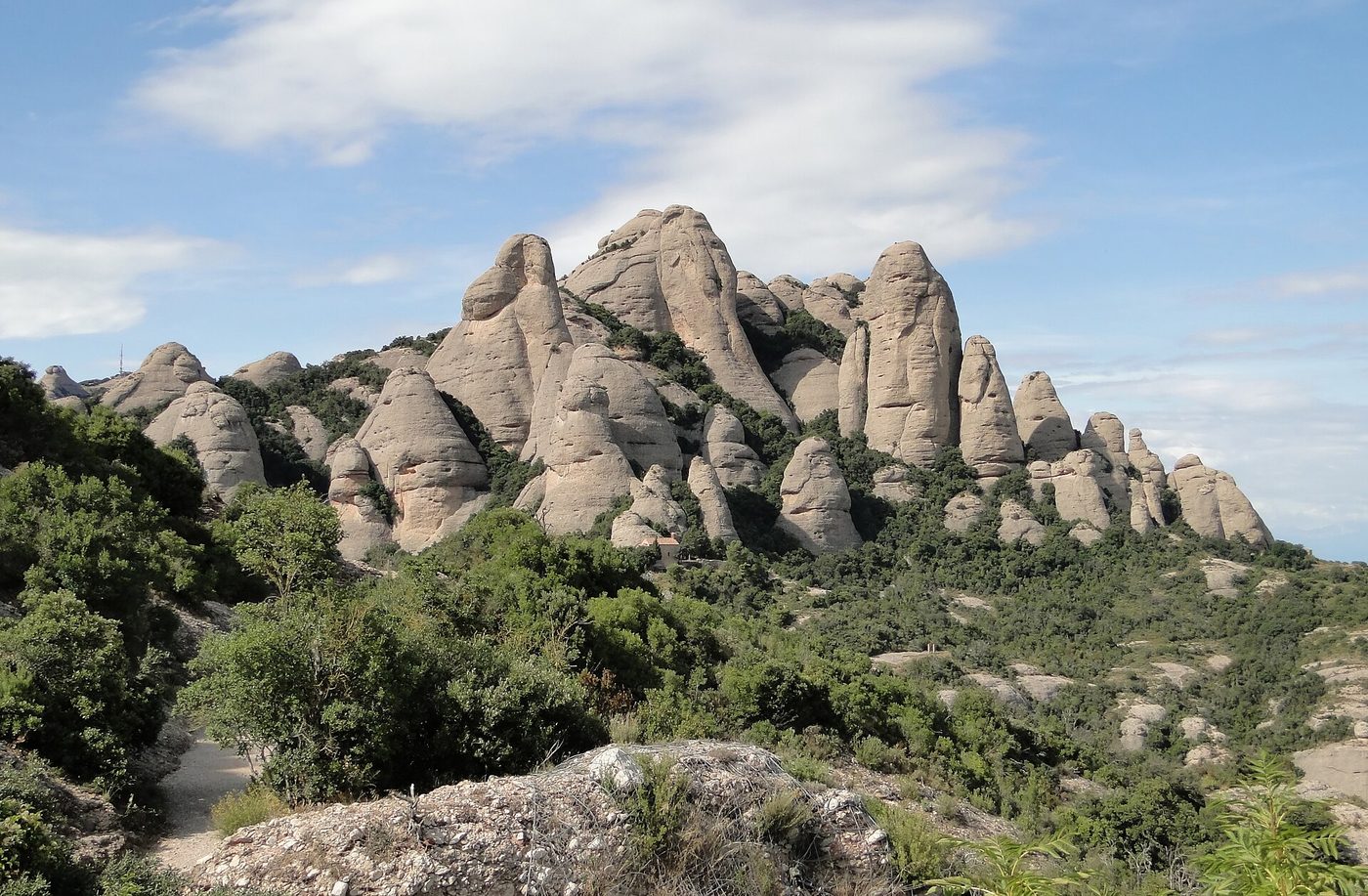
Or leave town: Montserrat is an hour out, a serrated rock massif with a Benedictine monastery halfway up it and walking trails at the top. Take the R5 from Plaça d’Espanya and combine it with the rack railway or the cable car. It is the best half-day escape from Barcelona and the light on those pinnacles in the late afternoon is worth the trip on its own.
Evening: dinner in Gràcia, which is a twenty-minute walk uphill from the Eixample and where prices drop noticeably.
Day 10: Depart Barcelona
The Aerobús runs from both terminals to Plaça de Catalunya in about 35 minutes, 24 hours a day, for €7.75. The Renfe R2 Nord train is cheaper at €4.60 and takes 19 to 26 minutes to Sants, but it serves Terminal 2 only, so from T1 you need the free inter-terminal shuttle first. Metro L9 Sud is €5.90 and does not reach the centre directly, taking around fifty minutes with a change to Plaça de Catalunya.
If your flight is late enough, the Bunkers del Carmel at sunrise or the Hospital de Sant Pau at opening will both fit before you go.
Route B: the Andalusian Deep Dive
Seville 4 nights, Granada 3 nights, Málaga 2 nights. Fly into Seville, out of Málaga.
Andalusia is where Spain looks least like the rest of Europe, and where eight hundred years of al-Andalus left buildings that nowhere else on the continent can match. This route trades range for depth: you will see one region properly instead of three regions partially, and you will spend around four hours in total on the move, across just two journeys.
It is also the route with the sharpest seasonal warning attached. Do not do this in July or August unless you genuinely enjoy heat. Seville’s August average high is around 35.5°C, Córdoba’s July and August highs average about 37°C, and the provincial record stands at 47.6°C, set at La Rambla in Córdoba province on 14 August 2021. October, November, March and April are when this route sings.
Days 1 to 4: Seville
Four nights gives you three full days, which is enough to stop treating Seville as a monument delivery service.
Day 1: arrive, walk Santa Cruz, Plaza de España at golden hour, dinner late.
Day 2: Real Alcázar at opening, Cathedral and Giralda after lunch, Setas de Sevilla for the sunset walkway, tapas in Alfalfa.
Day 3: Córdoba day trip, 40 minutes each way, on the first train out so you catch the Mezquita’s free morning window.
Day 4: the quieter half of Seville. The Casa de Pilatos, which is a private palace with tilework as good as the Alcázar’s and a far shorter queue; the Basílica de la Macarena; the Mercado de Triana and the ceramic workshops around Calle Alfarería; the Alameda de Hércules in the evening, which is where the city drinks. If you have a spare morning, the Roman amphitheatre at Itálica is twenty minutes out by bus and largely empty.
Days 5 to 7: Granada
Seville to Granada now runs direct on Avant and AVE services, with the fastest around 2h 34m and roughly four direct trains a day, from about €21. There are also connections via Córdoba that come in around 2h 20m with a change. The ALSA bus is the fallback at three hours direct from about €12, with twelve services a day.
The Alhambra is €22.27 for the general day ticket, covering the Alhambra, the Nasrid Palaces, the Generalife, the Palace of Carlos V and the Bath of the Mosque. Children under 12 are free but must be booked at the same time as the paying tickets. Maximum ten tickets per person, per card, per month.
The rules that catch people out: your Nasrid Palaces entry is a fixed time slot chosen at purchase and it cannot be changed; tickets must be collected at least one hour before that slot; and online sales close at 23:59 the day before your visit. Summer hours, 1 April to 14 October, are 08:30 to 20:00 daily. Winter hours, 15 October to 31 March, are 08:30 to 18:00. Closed 25 December and 1 January.
Two variants are worth knowing. The night tour of the Nasrid Palaces is €12.73 and is a completely different building by lamplight, with a fraction of the crowd. The gardens and Generalife day tour is also €12.73 and is the consolation prize if the Nasrid slots are gone.
Day 6 is the Albaicín, the old Moorish quarter of white houses on the hill facing the Alhambra, and Sacromonte, where the cave houses and the rougher flamenco are. The Mirador de San Nicolás is the famous view; go at sunset with everyone else, or an hour after dawn with nobody.
Day 7 takes you into the Sierra Nevada foothills or the Alpujarra villages, which are an hour out by bus and where the whitewashed-village idea of Andalusia actually holds up.
Granada also still runs the free tapa: order a drink in a traditional bar and a plate arrives with it, so an evening comes to €10 to €15 a head. Some bars near the Alhambra ticket office have quietly switched to a €1 to €2 voucher token, but Calle Navas and Calle Elvira still do it the old way.
Days 8 to 10: Málaga
Málaga is not the beach resort its airport suggests. It has a restored Roman theatre under a Moorish Alcazaba, the Picasso Museum in the city where he was born, a Pompidou outpost, a Carmen Thyssen collection and a genuinely good eating scene around the Mercado de Atarazanas.
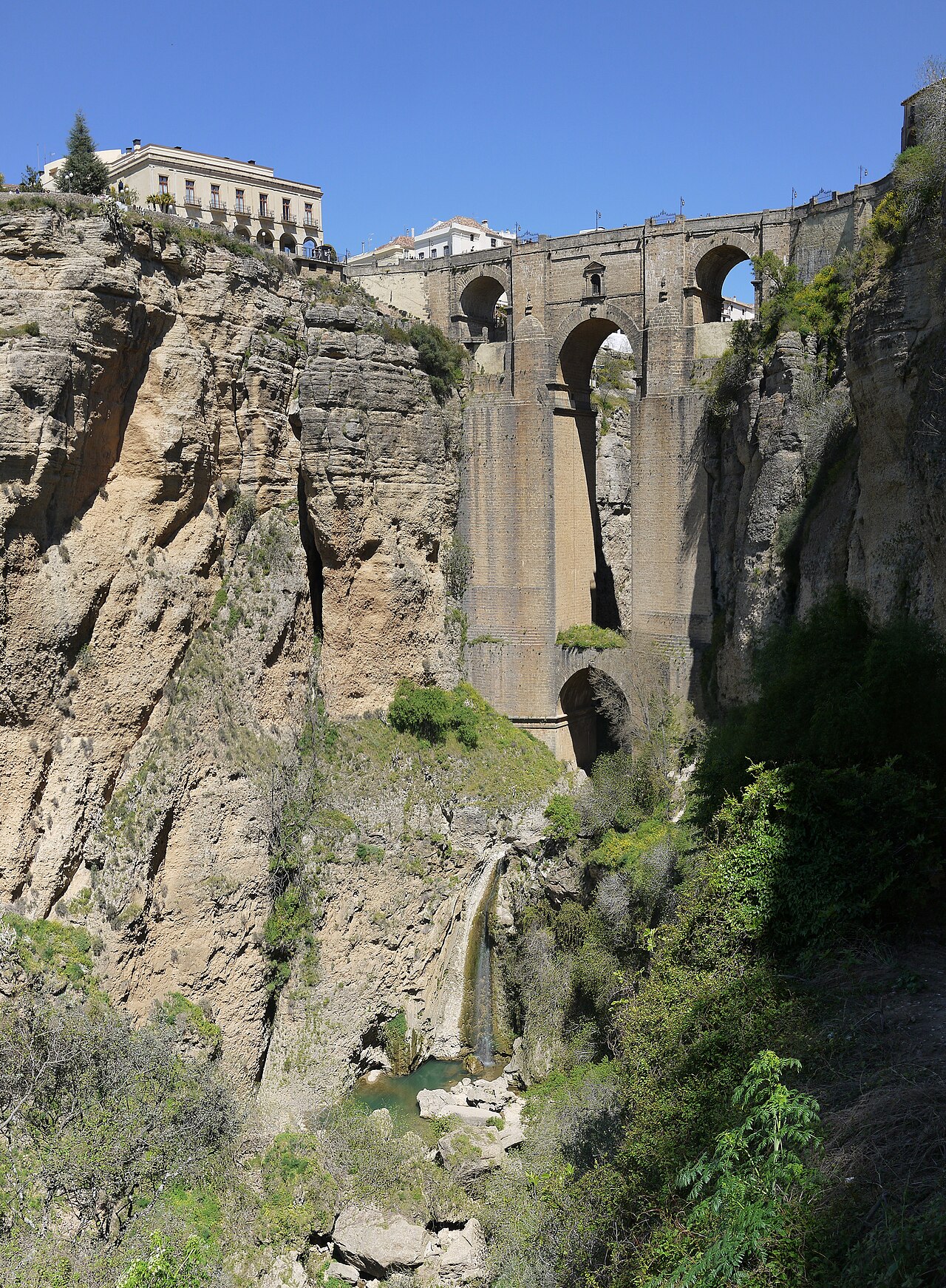
Granada to Málaga is about 1h 25m on a direct Avant train, at roughly €18 to €21 booked ahead, or 1h 45m on the ALSA bus from about €9. Either way it is the shortest hop of any route in this article. Use the last two days for the city, the beach at Pedregalejo, and one trip out: either Ronda, with the Puente Nuevo spanning a hundred-metre gorge, or the Caminito del Rey, the cliff walkway an hour north, which needs booking well ahead.
Málaga’s airport is fifteen minutes from the centre on the C-1 Cercanías, which makes the final morning painless. Our Andalusia travel guide goes deeper on the region if you want to extend this route to two weeks, and the Seville travel guide covers the city in the detail four nights deserves.
Route C: the Mediterranean and the North
Barcelona 3 nights, Valencia 2 nights, Madrid 2 nights, San Sebastián 2 nights. Fly into Barcelona, out of Bilbao.
This is the route for a second trip, for anyone travelling in high summer, and for people who plan holidays around what they will eat. It runs up the Mediterranean coast, cuts inland to Madrid, then finishes in the Basque Country, where the weather is cooler, the language is not Spanish and the food is the best in the country by a distance that Basques will happily explain to you.
It is the longest of the three in train time, at roughly eight hours across three journeys, and the most expensive. It is also the one where you are least likely to queue for anything.
Days 1 to 3: Barcelona
Exactly as Route A’s days 7 to 9: Barri Gòtic on arrival, a Gaudí day, then a choice between Montjuïc, El Born and Montserrat. Our guide to things to do in Barcelona has the full breakdown if three days feels tight, which it is.
Days 4 and 5: Valencia
Barcelona to Valencia is 2h 45m on the direct Euromed, around eight services a day, from about €13 booked ahead against a usual range of €18 to €90.
Valencia is the most underrated big city in Spain and I will defend that anywhere. The old town is a proper medieval core with a Gothic silk exchange, La Lonja, that is a UNESCO site and half empty on a weekday morning. The Turia riverbed was diverted after the 1957 flood and turned into a nine-kilometre park that runs through the middle of the city, so you can walk or cycle from the old town to the sea entirely on grass. At the far end is the City of Arts and Sciences, Calatrava’s white science-fiction complex, which photographs better than anything else in Spain.
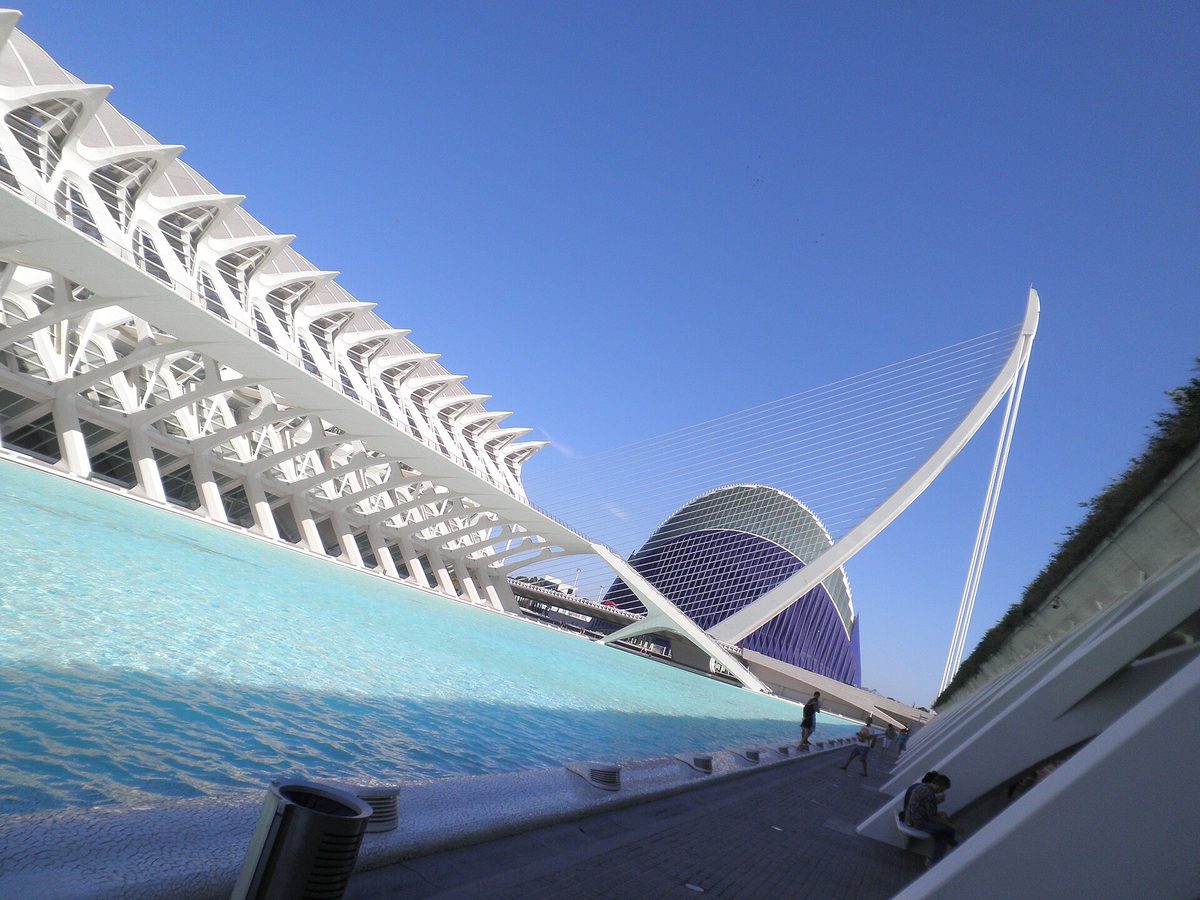
And it is the birthplace of paella, which locally means rabbit, chicken, green beans and garrofó beans, cooked over wood, eaten at lunch, never at dinner, and never with chorizo in it. Eat it in El Palmar or Malvarrosa, not in the old town.
If you happen to be here between 1 and 19 March, Las Fallas takes over the entire city, with the main events from the 15th to the 19th and enough gunpowder to be heard from the next province. Plan for it or plan around it, because there is no middle position.
Days 6 and 7: Madrid
Valencia to Madrid is 1h 54m on the AVE, with advance fares starting under €10. You get one full day here, which in Madrid means the Prado in the morning, the Retiro after lunch, the Royal Palace or the Reina Sofía in the afternoon, and La Latina in the evening.
The Royal Palace is €14 general and €8 reduced, and it is free for EU and Ibero-American citizens Monday to Thursday, 16:00 to 18:00 from October to March and 18:00 to 20:00 from April to September. It has 3,418 rooms, which makes it the largest royal palace in Western Europe by floor area, and you will see a small number of them.
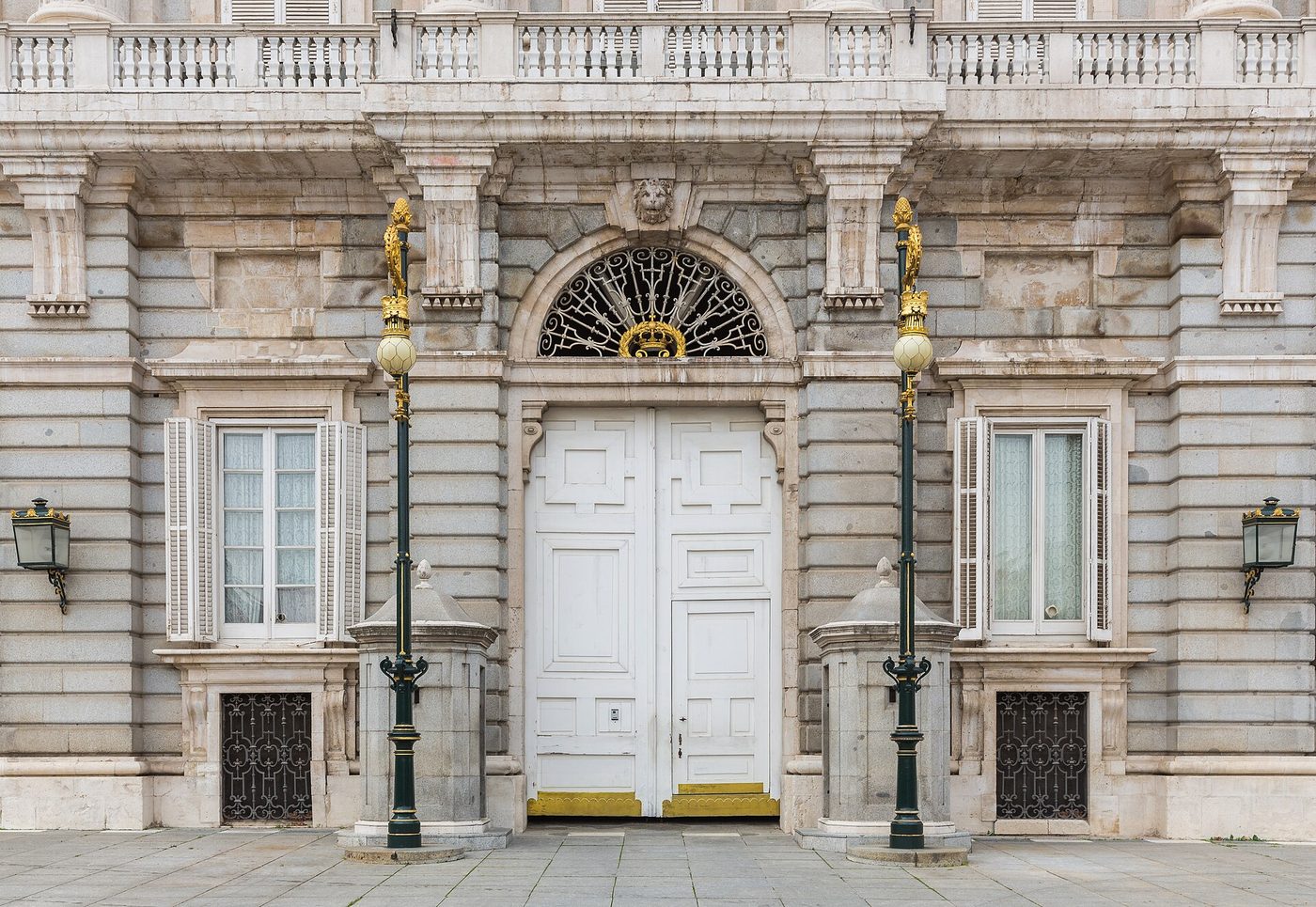
If you have already done Madrid, swap these two nights for Zaragoza or Bilbao instead and let the route breathe.
Days 8 to 10: San Sebastián
Madrid to San Sebastián takes roughly five hours by Renfe Alvia, which is the weak link in this route. The alternative is a short flight to Bilbao and an hour by bus, which costs about the same and saves half a day.
San Sebastián, Donostia in Basque, is a Belle Époque resort wrapped around La Concha, one of the best city beaches in Europe, with two headlands closing it off and an island in the middle of the bay. August averages 24°C, which is around eleven degrees cooler than Seville in the same month, and it rains about 1,500 mm a year, which is why it is so green. For those two days in detail, including which pintxo bar does what and when to arrive, see our guide to visiting San Sebastián.

You are here for pintxos, the Basque tapas, which work differently: you stand at the bar, take what you want from the counter, tell the barman what you had at the end, and move on after one or two. Do the Parte Vieja circuit, allow four or five bars, and do not sit down.
Day trips: Bilbao for the Guggenheim, €18 in summer between 15 June and 13 September and €15 the rest of the year, free for under-18s and €7.50 for over-65s, pensioners and students aged 18 to 26. Or Getaria and the coast road, where they grill whole turbot over charcoal outside the restaurants. Or across the border to Biarritz, forty minutes away.
Fly home from Bilbao, which is an hour by bus from San Sebastián and much better connected than the small local airport.
What to cut if you have fewer than 10 days, and what to add if you have more
Ten days is a specific number and yours may not match it. The routes above scale in both directions, but not evenly.
| Length | What I would do | What to drop |
|---|---|---|
| 5 days | One city plus one day trip. Seville and Córdoba, or Madrid and Toledo, or Barcelona and Montserrat | Everything else. Five days across two cities is a travel schedule, not a holiday |
| 7 days | Two bases. Madrid 3n plus Seville 4n, or Barcelona 3n plus Madrid 4n | The third city. This is Route A minus one leg and it works cleanly |
| 10 days | Any of the three routes above as written | Nothing. This is the number they are built for |
| 12 days | Route A plus Granada between Seville and Barcelona, with the Alhambra booked first | One Madrid day trip, to keep the pace sane |
| 14 days | Route A plus Granada plus either Valencia on the way to Barcelona or San Sebastián at the end | Nothing, but resist adding a fifth base |
| 21 days | Route B and Route C stitched together, north to south, with Portugal or the Picos de Europa in the gaps | The idea that you will see all of Spain. You will not |
If you are building a wider trip that takes in more than one country, our Europe itinerary planner and the best Europe travel routes guide both cover how Spain fits with France, Portugal and Italy.
Getting around Spain: the train table that decides your itinerary
Spain’s high-speed network is the second largest in the world after China’s, and since deregulation it has been fiercely competitive. Three operators, one set of tracks, wildly different prices.
Renfe runs AVE, the premium high-speed brand, plus Avlo, its own budget version, and Avant for medium distances. Ouigo España is the French SNCF’s low-cost operation, running Madrid to Barcelona, Valencia, Alicante, Seville and Málaga, with fares advertised from €9 and a €9 supplement for the larger OUIGO PLUS seat. Iryo serves Madrid, Barcelona, Valencia, Zaragoza, Seville and Málaga plus a string of intermediate stops, with four fare classes from Inicial to Infinita and fully dynamic pricing.
Book on the operators’ own sites where you can. Third-party sellers add fees and often show you only one operator’s inventory, so the €95 fare you were quoted may simply be the only one that seller could see.
| Route | Fastest time | Trains per day | Advance fare from | Walk-up / flexible | Operators |
|---|---|---|---|---|---|
| Madrid to Barcelona | 2h 29m | approx. 30 AVE | approx. €14 (Renfe promo), €9 on Ouigo sales | €94.90 Turista, €179.65 Preferente | Renfe AVE/Avlo, Ouigo, Iryo |
| Madrid to Seville | 2h 30m | approx. 24 | €25 Renfe, €9 to €15 Iryo | varies, typically €70 to €110 | Renfe AVE, Ouigo, Iryo |
| Madrid to Córdoba | 1h 43m | approx. 44 | approx. €7 | varies | Renfe AVE, Ouigo, Iryo |
| Madrid to Valencia | 1h 54m | frequent | under €10 | varies | Renfe AVE, Ouigo, Iryo |
| Madrid to Málaga | 2h 44m | frequent | approx. €10 | varies | Renfe AVE, Ouigo, Iryo |
| Madrid to Granada | 3h 24m | approx. 6 | approx. €25.70 | observed spread to approx. €90 | Renfe AVE, Ouigo, Iryo |
| Seville to Córdoba | 40 to 43 min | up to 24 | approx. €7 | average approx. €21 | Renfe AVE, Avant |
| Seville to Málaga | 1h 57m | approx. 14 | approx. €12 | average approx. €19 | Renfe, Ouigo, Iryo |
| Seville to Granada | approx. 2h 34m direct | approx. 4 direct | approx. €21 | varies | Renfe Avant, AVE |
| Seville to Barcelona | 5h 27m direct | 2 to 4 direct | approx. €21 | can exceed €150 | Renfe AVE, Iryo |
| Barcelona to Valencia | 2h 45m | approx. 8 | approx. €13 | €18 to €90, average approx. €42 | Renfe Euromed, AVE |
| Granada to Seville by bus | 3h direct | 12 | €12 (ALSA) | approx. €21 | ALSA |
| Granada to Málaga | approx. 1h 25m by train, 1h 45m by bus | frequent | approx. €18 by train, €9 by bus | approx. €30 by train | Renfe Avant, ALSA |
How to book Spanish trains without overpaying
Five steps, in this order, and you will pay a third of what an unprepared traveller pays.
Step one: fix your dates before you look at fares. Spanish operators release inventory in tranches and the cheapest buckets sell first. There is no advantage to watching prices; there is a large advantage to booking early. Sixty days is comfortable, thirty is fine, seven is expensive.
Step two: check all three operators separately. Renfe, Ouigo and Iryo do not appear together on most sites, and third-party sellers often show one operator’s inventory while adding a booking fee on top. On Madrid to Barcelona, Madrid to Valencia, Madrid to Seville, Madrid to Málaga and Madrid to Córdoba you have real competition and should use it. On Seville to Granada or Barcelona to Valencia, Renfe is effectively the only game, so there is nothing to compare.
Step three: understand what the cheap fare gives up. Renfe’s Básico and Ouigo’s standard fares are non-changeable and non-refundable, with tight baggage allowances on Ouigo in particular. Renfe’s Elige tier allows changes for a fee and Premium allows free changes. If your trip has any chance of moving, the middle tier is usually worth the €10 to €20 difference; if it does not, take the cheapest seat and forget about it.
Step four: book the departure that suits the day, not the one that looks earliest. Spanish high-speed departures cluster in the early morning and late afternoon. A 12:00 departure is often cheaper than an 08:00 one and lands you in the next city exactly in time for lunch, which is a better use of a travel day than arriving at 10:30 before you can check in.
One more practical note. Spanish stations run airport-style security screening for high-speed departures, and boarding closes a few minutes before departure, not at the moment of it. Twenty minutes before the train is comfortable at Atocha or Sants; five minutes is not.
Step five: do the pass arithmetic before you buy one. It almost never works for a ten-day trip, for the reasons below.
Is a rail pass worth it for 10 days in Spain?
Almost never, and the arithmetic is worth walking through because passes are heavily marketed.
The Eurail Spain Pass exists, and an adult four-days-within-one-month pass runs to a few hundred euros depending on class and the exchange rate on the day. The Renfe Spain Pass also still exists and gives you four to twelve journeys within a month, not unlimited travel, with free but mandatory seat reservations; the four-journey Standard tier is €215 and Comfort is €295.
Now compare. Route A uses two long-distance journeys. Booked sixty days out, Madrid to Seville and Seville to Barcelona together might cost €60 to €90. A pass costs two to five times that and adds reservation admin. Passes only start to make sense if you are taking four or more long journeys, booking late, and paying walk-up fares of €75 to €100 a leg. On short hops like Madrid to Toledo, where a single costs about the price of a lunch, they are dead money.
One genuinely useful thing does exist: Spain’s nationwide €60 monthly transport pass, €30 for under-26s, which covers unlimited Cercanías commuter trains, medium-distance regional trains and state-run intercity buses. It excludes the high-speed services these routes rely on, so it is not an itinerary tool, but if your trip is heavy on regional travel it is worth a look.
All three routes, side by side
If you want the whole article in one table, this is it.
| Day | Route A: Classic Triangle | Route B: Andalusian Deep Dive | Route C: Mediterranean and North |
|---|---|---|---|
| 1 | Arrive Madrid, La Latina in the evening | Arrive Seville, Santa Cruz and Plaza de España | Arrive Barcelona, Barri Gòtic |
| 2 | Prado, Retiro, Reina Sofía, tapas on Cava Baja | Real Alcázar, Cathedral and Giralda, Setas at sunset | Gaudí day: Sagrada Família and one house |
| 3 | Toledo or Segovia day trip, San Ginés late | Córdoba day trip, free Mezquita window at 08:30 | Montjuïc, El Born or Montserrat |
| 4 | Train to Seville, Santa Cruz and Plaza de España | Casa de Pilatos, Macarena, Triana, Alameda | Train to Valencia, old town and La Lonja |
| 5 | Real Alcázar, Cathedral, Triana, flamenco | Train to Granada, Alhambra on the booked slot | Turia park, City of Arts and Sciences, paella |
| 6 | Córdoba day trip on the first train out | Albaicín and Sacromonte, Mirador de San Nicolás | Train to Madrid, Prado and Retiro |
| 7 | Train to Barcelona, Barri Gòtic on arrival | Sierra Nevada foothills or the Alpujarra villages | Royal Palace or Reina Sofía, La Latina |
| 8 | Gaudí day: Sagrada Família plus one house | Train to Málaga, Alcazaba and Roman theatre | Travel to San Sebastián, Parte Vieja pintxos |
| 9 | Boqueria, then Montjuïc, El Born or Montserrat | Ronda or the Caminito del Rey | Bilbao and the Guggenheim, or the Getaria coast |
| 10 | Depart Barcelona | Depart Málaga | Depart Bilbao |
Nine more cities worth building a Spain itinerary around
If you have done the obvious route, or if one of the cities above does not appeal, these are the alternatives I would reach for. All are on the rail network and all can carry two or three nights.
| City | Region | Why go | Nights | Easiest from |
|---|---|---|---|---|
| Bilbao | Basque Country | The Guggenheim, a regenerated riverfront and the best gateway to the north coast | 2 | San Sebastián, 1h by bus |
| Zaragoza | Aragón | The Basílica del Pilar and a Mudéjar old town, halfway between Madrid and Barcelona on the high-speed line | 1 to 2 | Directly on the Madrid to Barcelona AVE |
| Salamanca | Castile and León | Golden sandstone, Spain’s oldest university and the best Plaza Mayor in the country after Madrid’s | 2 | Madrid, 1h 44m on the fastest Alvia |
| Santiago de Compostela | Galicia | The end of the Camino, a great granite cathedral and Atlantic seafood | 2 | Madrid, or fly |
| Cádiz | Andalusia | A sea-wrapped old town on a spit of land, claimed as the oldest continuously inhabited city in Western Europe | 2 | Seville, approx. 1h 25m |
| Ronda | Andalusia | The Puente Nuevo over a hundred-metre gorge, and a parador on the edge of it | 1 to 2 | Málaga or Seville |
| Girona | Catalonia | Colour-washed houses over the Onyar, a Jewish quarter and city walls you can walk | 1 | Barcelona, 38 min by AVE |
| Oviedo and the Picos | Asturias | Pre-Romanesque churches, cider culture and the Cares Gorge in the Picos de Europa | 3 | Madrid, or fly |
| Alicante | Valencian Community | Castle above a working port, good beaches, and the cheapest flights in Spain | 2 | Madrid or Valencia by rail |
Of these, the two I would push hardest are Cádiz and Salamanca. Cádiz gives you Andalusia with sea on three sides and far fewer visitors than Seville, and it makes an easy overnight from Seville. Salamanca is the most beautiful small city in Spain, and it drops off most ten-day plans because it sits on the wrong side of Madrid for a Barcelona-bound route. If you are travelling in July or August and are determined to see Castile, it is a far kinder choice than Toledo.
If hiking is what you are after and not cities, the Picos de Europa and the Cares Gorge are the best mountain walking in the country, and our hiking in Europe guide covers where they sit among the continent’s trails.
Every ticket price and booking lead time you need
Prices checked in August 2026. Book-ahead columns are my working assumptions from planning these trips, not official policy, so treat them as guidance, not gospel.
| Attraction | City | Adult price | Notable extras | Book how far ahead |
|---|---|---|---|---|
| Alhambra (general day ticket) | Granada | €22.27 | Night Nasrid tour €12.73; gardens day tour €12.73; gardens night tour €8.48; Dobla de Oro €30.48 | 2 to 3 months Apr to Jun; 6 to 8 weeks Jul and Aug; 3 to 4 months peak; 10 to 20 days Jan, Feb, Dec |
| Sagrada Família | Barcelona | €26 | With towers €36; guided tour €30; guided plus towers €40; under-30s €24; seniors €21 | 2 to 4 weeks; online only, nominative, photo ID required |
| Park Güell | Barcelona | €21.90 | Monumental Zone only; free areas surround it | 1 to 2 weeks |
| Casa Batlló | Barcelona | from €29 (Blue) | Silver €34, Gold €39, Platinum €53; 08:30 “Be the First!” €50 | 2 to 3 weeks; price rises as the date nears |
| La Pedrera (Casa Milà) | Barcelona | €28 (Essential) | Night and early-morning experiences approx. €39 | 1 to 2 weeks |
| Real Alcázar | Seville | €15.50 | Royal Apartments +€5.50; reduced €8; free Mondays 18:00 and 18:30 with reservation | 2 to 4 weeks; free slots go within minutes of release |
| Seville Cathedral and Giralda | Seville | €14 door, €13 online | Rooftop ticket €21 door, €20 online; reduced €7 door, €6 online | 1 to 2 weeks; sells out days to weeks ahead in season |
| Mezquita-Catedral | Córdoba | €13 | Bell tower €3 separate timed ticket; audio guide €5 | Not usually needed; free 08:30 to 09:20 Mon to Sat |
| Museo del Prado | Madrid | €15 | Paseo del Arte combined ticket €32 for all three big museums | Same week; walk-up queues are manageable outside free hours |
| Museo Reina Sofía | Madrid | €12 | Included in the €32 Paseo del Arte ticket | Same week |
| Museo Thyssen-Bornemisza | Madrid | €13 | Included in the €32 Paseo del Arte ticket | Same week |
| Royal Palace | Madrid | €14 | Reduced €8 for children 5 to 16, over-65s and students | 1 week; timed entry, queues are long without it |
| Guggenheim | Bilbao | €18 summer, €15 rest of year | Under-18s free; €7.50 for over-65s, pensioners, students 18 to 26 | Same week |
| Alcázar of Segovia | Segovia | €7 | Reduced €5; optional panoramic tower and audioguide add-ons sold separately | Walk up |
| Toledo Cathedral | Toledo | €10 | Reduced approx. €7; free under 11 | Walk up |
The free entry windows, gathered in one place
Spain gives away an astonishing amount of its heritage for nothing if you know when to turn up. Each museum publishes its own window on its own site, so here they are in one place. A well-planned trip can use €60 or more of them per person.
| Where | When it is free | Catch |
|---|---|---|
| Mezquita-Catedral, Córdoba | Monday to Saturday, 08:30 to 09:20 | No Sundays or public holidays. Bell tower and audio guide excluded. No ticket needed |
| Museo del Prado, Madrid | Mon to Sat 18:00 to 20:00; Sun and holidays 17:00 to 19:00 | The last two hours before closing, and busy. Sources disagree on whether you can reserve online, so arrive early either way |
| Museo Reina Sofía, Madrid | Mon and Wed to Sat 19:00 to 21:00; Sun 12:30 to 14:30 | The museum closes on Tuesdays. Guernica has a permanent crowd |
| Museo Thyssen, Madrid | Mondays 12:00 to 16:00; Saturdays 21:00 to 23:00 | Permanent collection only; temporary exhibitions excluded |
| Royal Palace, Madrid | Mon to Thu 16:00 to 18:00 (Oct to Mar) or 18:00 to 20:00 (Apr to Sep) | EU and Ibero-American citizens only. Bring your passport |
| Real Alcázar, Seville | Mondays 18:00 and 18:30 | Online reservation required and slots vanish on release |
| Prado free full days 2026 | 18 May, 12 October, 19 November | International Museum Day, Fiesta Nacional and the Prado’s own anniversary. Extremely busy |
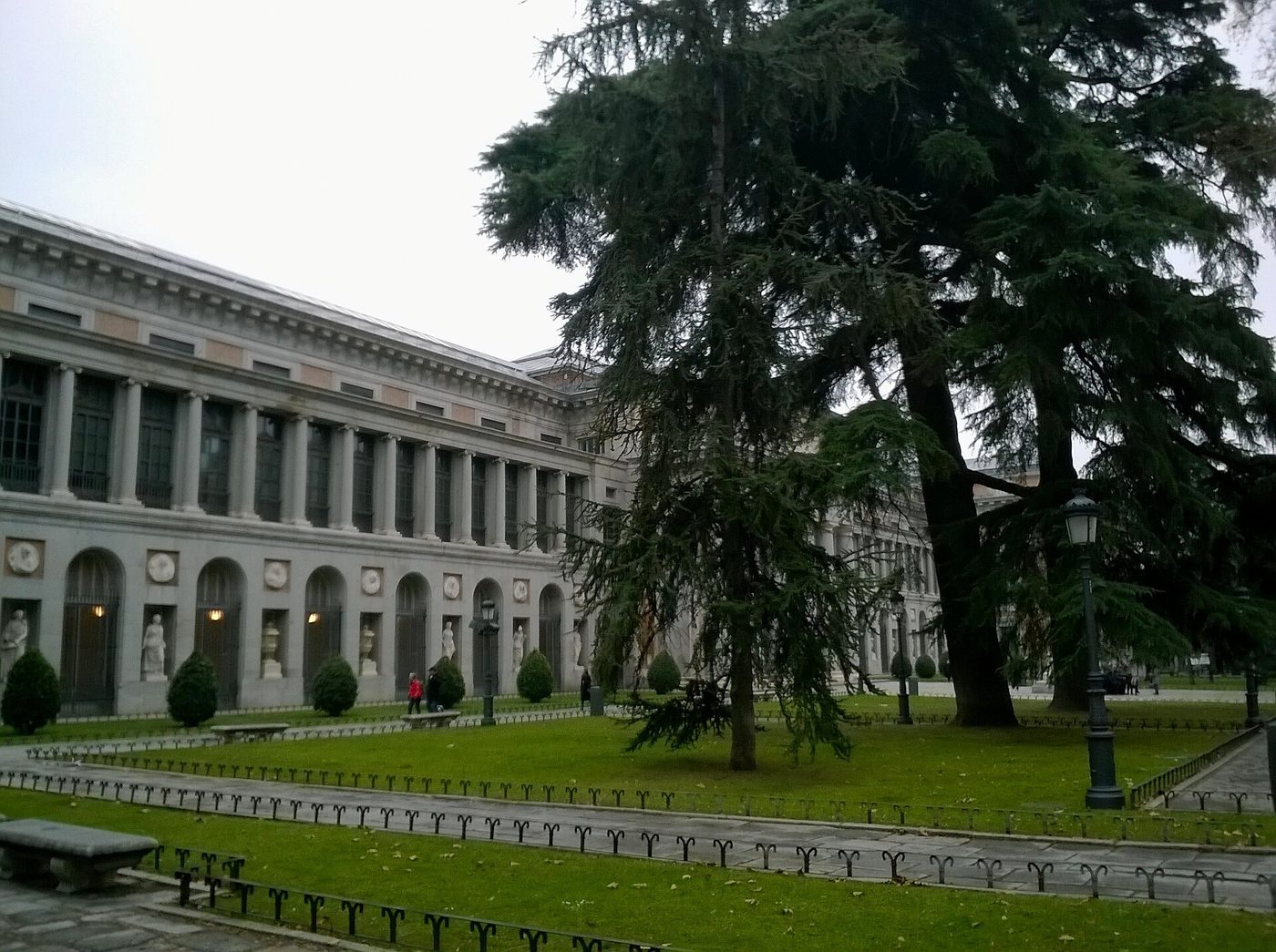
My honest view: free hours are excellent for the Thyssen and the Royal Palace, where four hours and two hours respectively are more than enough time. They are a false economy at the Prado, where two hours at the end of a long day in a crowd will not do the collection justice. Pay the €15 and go at ten in the morning.
What 10 days in Spain actually costs
Spain is the cheapest of the big Western European destinations, and by some margin. Here is what a real ten-day trip looks like at three levels, per person, excluding international flights.
| Item | Budget | Mid-range | Comfortable |
|---|---|---|---|
| Accommodation, 9 nights | €360 (hostel dorm or shared room, €40/night) | €900 (3-star double at €200 shared, €100 each) | €1,575 (4-star at €350 shared, €175 each) |
| Intercity trains | €40 (booked 60 days out) | €90 | €190 (flexible fares, Preferente on the long leg) |
| Local transport | €35 (10-trip cards) | €55 | €120 (taxis and airport transfers) |
| Attractions and tickets | €60 (free windows, selective) | €140 | €260 (everything, plus guided tours) |
| Food and drink | €250 (menú del día, tapas, supermarket breakfasts) | €450 | €850 (one serious meal per city) |
| Tourist tax, Barcelona nights | €28.50 (3 nights at the €9.50 rate) | €28.50 (3 nights at the €9.50 rate) | €36 (3 nights at the five-star €12 rate) |
| Total per person, 10 days | approx. €774 | approx. €1,664 | approx. €3,031 |
For a couple travelling together, double the mid-range column and you land around €3,330 for the pair, excluding international flights. That is ten days across three cities, decent hotels, every major ticket paid for and one good meal per city. The same trip in France or Italy costs meaningfully more for the same standard.
Where the money actually goes
Accommodation is the swing factor and it varies enormously by city. Mid-range hotels run roughly €150 to €250 a night in Barcelona, €120 to €200 in Madrid and €70 to €120 in Seville, with a national three-star band of about €90 to €170. Granada and similar regional cities sit around 25 to 40 percent below Barcelona. Route B is therefore the cheapest of the three by a wide margin, and Route C the most expensive.
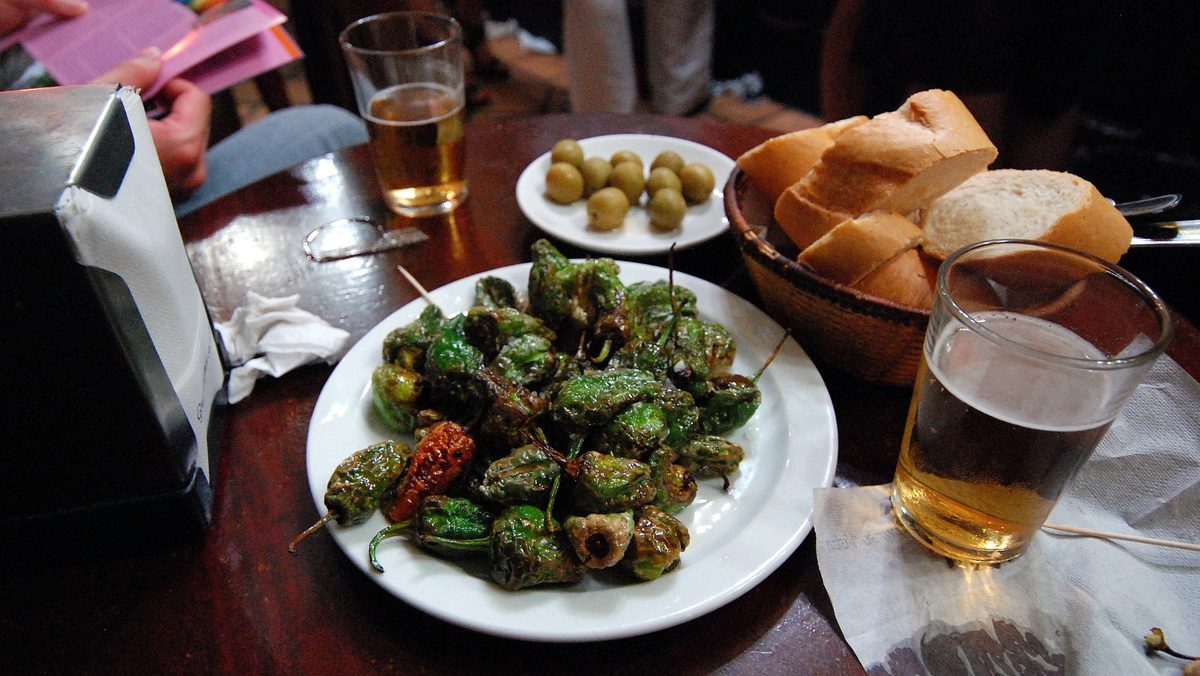
Food is where Spain gets generous. The menú del día is a fixed-price weekday lunch of several courses plus a drink, and it averages about €14 nationally, running €12 to €18 in Madrid and Barcelona and €10 to €14 elsewhere, with the observed spread stretching from €7 to €26. It is served at lunch, which is the main meal anyway, and eating your big meal at 14:00 rather than 21:00 is the single biggest saving available to a visitor in Spain.
A caña costs €2.00 to €2.50 in most bars, dropping to €1.50 in unglamorous ones and rising to €3.50 at a beachfront chiringuito. Tipping is not expected: servers here are paid a proper base wage, and rounding up or leaving small change for something exceptional is the whole custom.
Local transport fares
Madrid froze its fares for 2026. A single metro journey is a flat €1.50 across the network, down from a distance-banded €1.50 to €2.00, and the 10-trip Metrobús ticket, valid on both metro and bus and shareable between people, is €7.30.
Barcelona is dearer. A single is €2.90 and the T-casual, ten journeys in zone 1, is €13.00, or €25.50 for two zones. Seville, Granada and Valencia are all small enough to walk, and I would not buy a transport card in any of them.
When to go: climate, crowds and the 2027 festival calendar
Spain is not one climate. The difference between San Sebastián and Seville in August is roughly the difference between Cornwall and Cairo, and picking the wrong month for the wrong route is the most common way to have a bad time here.
| City | Coldest month average high | Hottest month average high | Annual rainfall | Verdict |
|---|---|---|---|---|
| Madrid | approx. 10°C (Dec and Jan) | 32°C or more (Jul) | approx. 465 mm | Continental. Bitter winters, brutal Julys, glorious May and October |
| Seville | 17°C (Jan) | approx. 35.5°C (Jul and Aug) | wettest Dec at 79 mm | The mildest winter of any major Spanish city and the most punishing summer |
| Granada | 13°C (Jan) | 33°C (Jul) | low, and concentrated in winter | Altitude helps. Nights are cool even in summer; lows drop to 2°C in January |
| San Sebastián | 12°C (Feb) | 24°C (Aug) | approx. 1,500 mm | Atlantic. Green, mild, wet. The August answer to southern heat |
| Córdoba | similar to Seville | approx. 37°C (Jul and Aug) | low summer rainfall | Reliably the hottest major city in Spain |
The short version: late April to May and September to October are the best months for every route in this article. April can still be wet inland. May is close to perfect. June is hot but manageable. July and August are expensive, crowded and, in the south, dangerous for anyone who does not respect the heat. September is my personal favourite, with warm sea, thinning crowds and a workable price curve. November through February is cheap and quiet, and Seville in January at 17°C is one of Europe’s great winter secrets.
Our guide to the best time to visit Spain goes month by month if you want the full picture, and best time to visit Europe puts it in continental context.
Festivals that will make or wreck your itinerary
Spanish festivals are not background colour. They close streets, empty hotel inventory and triple room rates, and they are worth planning around in either direction.
| Festival | Where | 2027 dates | Effect on an itinerary |
|---|---|---|---|
| Las Fallas | Valencia | 1 to 19 March, main events 15 to 19 | The city is unrecognisable and unbookable. Extraordinary if you want it; impossible if you do not |
| Semana Santa | Nationwide, most intense in Seville | 21 to 28 March (Palm Sunday to Easter Sunday) | Streets closed for processions through the night, attraction hours change, almost everything but restaurants shuts on Maundy Thursday, Good Friday and Easter Sunday |
| Feria de Abril | Seville | 13 to 18 April, Alumbrado at midnight on the 12th | Half the city is at the fairground. Book six months out or go elsewhere |
| Fiesta de los Patios | Córdoba | early May | Private courtyards open to the public. Lovely, and hotel rooms disappear |
| San Fermín | Pamplona | 6 to 14 July, first encierro on the 7th at 08:00 | Not on any route here, but it drains northern Spain’s hotel stock |
| La Tomatina | Buñol, near Valencia | 25 August (always the last Wednesday of the month) | One hour, starting around 11:00. Ticketed, and it fills Valencia’s hotels |
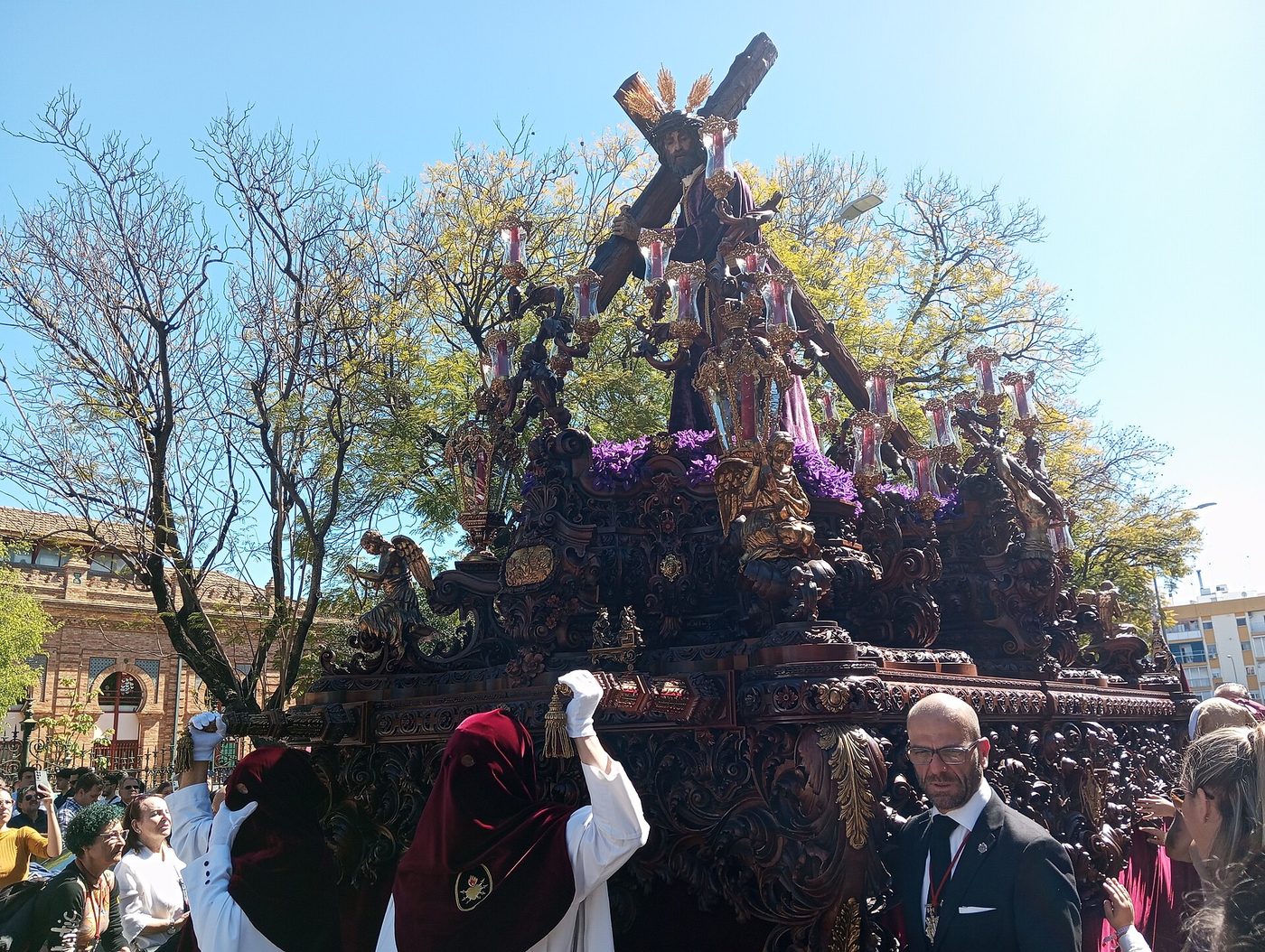
My advice on Semana Santa in Seville is that it is one of the most extraordinary things you can witness in Europe and a terrible week to try to see the city. La Madrugá, the all-night procession from Holy Thursday into Good Friday, is the peak of it. If that is what you want, build the whole trip around it and accept you will see no museums. If it is not, move your dates a fortnight either way.
Swaps: if you would rather not do the obvious thing
Every itinerary in this article contains at least one stop that will not suit somebody. Here is what to put in its place.
| Instead of | Try | Why |
|---|---|---|
| Barcelona | Valencia | Same coast, same Mediterranean food, a third of the crowds and no tourist tax. You lose Gaudí and gain a city that still feels like it belongs to its residents |
| Madrid | Bilbao and San Sebastián | If you do not care about the Prado, the Basque Country is a better use of three days and the weather is kinder in summer |
| Granada | Córdoba plus an extra Seville night | If Alhambra tickets are gone, this is the honest fallback. Córdoba’s Mezquita is the equal of anything in Granada and needs no lead time |
| Toledo | Segovia | Less steep, better lunch, a Roman aqueduct rather than a cathedral. Toledo is the more important city; Segovia is the more pleasant day |
| Seville in August | Seville in November | Average highs drop from around 35.5°C to something you can walk in, hotels halve, and the light is better |
| Costa del Sol | Cádiz province or the Cíes Islands | Better beaches, fewer high-rises. The Costa del Sol earns its place for winter sun and flight prices, not for scenery |
| Park Güell | Bunkers del Carmel or Hospital de Sant Pau | One is a free viewpoint over the whole city, the other is a Modernista complex that costs less and has room to breathe |
| A hire car | High-speed rail | On every route in this article the train is faster city to city, and it does not expose you to low-emission-zone fines |
Which Spain itinerary suits which traveller
First-time visitors to Europe
Route A, and do not be talked out of it. Spain is one of the gentlest introductions to European travel there is: the trains run on time, English is widely spoken in the three cities on that route, food is cheap, and the cultural gap is small enough that you spend your energy on enjoying yourself rather than decoding things. Our guide to the best places in Europe for first-timers makes the same argument at continental scale.
Couples and honeymooners
Andalusia, and slowly. Take Route B with the €12.73 Alhambra night tour of the Nasrid Palaces built in, and a parador for at least two nights. Paradores are state-run hotels in historic buildings, and the ones in Granada and Ronda are special places to wake up. Our Europe honeymoon guide covers the wider planning.
Families with children
The Classic Triangle works well here, weighted towards Barcelona, with a day added if you can. Barceloneta beach, the cable cars up Montjuïc, the Boqueria and the aquarium fill days easily, and Park Güell earns its €21.90 when there are children who want to run. In Madrid, the Retiro with a rowing boat on the Estanque is worth more than any museum. Under-11s are free at the Sagrada Família and under-12s are free at the Alhambra, though Alhambra child tickets must be booked at the same time as the adult ones. See Europe with kids for the broader version.
Solo travellers
Take Route C. Pintxos bars in San Sebastián are the most solo-friendly eating format in Europe, because you stand, you order one thing, and you talk to whoever is next to you. Spain is also very safe for solo travel, with the caveat that pickpocketing is a real and organised problem around Plaça de Catalunya and La Rambla in Barcelona and Puerta del Sol and the metro in Madrid. Keep your phone off the table. More in our solo travel in Europe guide.
Budget travellers
Andalusia in November or February, trains booked sixty days out, lunch taken as the menú del día. Granada’s free tapa alone will feed you for €10 to €15 an evening. A trip like that comes in comfortably under €800 a person for ten days excluding flights, which makes Spain one of the best value countries in Western Europe. See Europe on a budget and the cheapest places to travel in Europe.
Food-led travellers
Route C, and it is not close. Valencia for paella at its source, Madrid for the market and tapas culture, San Sebastián for pintxos and one of the highest concentrations of serious restaurants anywhere. Our European food guide puts it in context.
Nine mistakes I see on almost every Spain itinerary
1. Booking dinner for 19:00. Kitchens generally do not open before 20:30, and the average Spanish dinner is around 21:00. A restaurant that is serving at seven is a restaurant that has given up on Spaniards.
2. Treating lunch as a sandwich. Lunch runs 14:00 to 16:00 and is the main meal. Plan the day around it, not through it, and use the menú del día.
3. Assuming the siesta means everything shuts. In Madrid and Barcelona, department stores like El Corte Inglés and the international chains run straight through from about 10:00 to 22:00. It is traditional shops in smaller towns and residential districts that close from 14:00 to 17:00 and then reopen until 20:30 or 21:00. And Spaniards are not napping; they are eating.
4. Planning a big shopping day on a Sunday. Sunday is widely observed as a day of rest and, outside designated tourist zones and small convenience shops, most retail is closed.
5. Leaving the Alhambra to chance. Covered above, and worth repeating because it is the one booking that cannot be rescued at the last minute.
6. Buying trains at the station. A Madrid to Barcelona walk-up in Turista is €94.90 against roughly €14 booked ahead. Sixty days of planning is worth about €80 per person per leg.
7. Forgetting Barcelona’s tourist tax. Between €9.50 and €12 per person per night, collected at checkout, since the municipal surcharge rose to €5 on 1 April 2026.
8. Renting a car for a city route. Covered below. The fines are automatic and arrive weeks later through the rental company with an administration fee attached.
9. Trying to add Portugal. Lisbon is a long way from all of this, and a ten-day Spain itinerary with two nights in Portugal bolted on is a nine-day Spain itinerary with a bad travel day in it. Our Portugal travel guide exists for when you give it the fortnight it needs.
Entry rules for 2026 and 2027: Schengen, EES and ETIAS
Border formalities have changed more in the last two years than in the previous twenty, and they are now the part of a Spain trip most likely to cost you time on arrival.
The 90/180 rule
Non-EU nationals, including citizens of the US, UK, Canada and Australia, can stay in the Schengen area for up to 90 days in any rolling 180-day period without a visa. The 180-day window is counted backwards from any given date, and both your entry day and your exit day count as full days of presence, so arriving on 1 March and leaving on 5 March uses five days, not four. The European Commission publishes a free short-stay calculator, and if you travel to Europe often it is worth running your dates through it. Holders of an EU residence permit or a long-stay visa are exempt.
The Entry/Exit System (EES)
EES is the biometric border system that replaces passport stamping for non-EU nationals. It began a progressive rollout on 12 October 2025 over a six-month period and became legally required at all Schengen external borders on 10 April 2026. It records your name, travel document data, fingerprints, facial image, and the date and place of every entry and exit across 29 European countries.
In practice, mid-2026 rollout has been uneven. Several countries have used the flexibility the EU permits to pause or ease checks during the summer peak, and queues of two to five hours have been reported at busy times. Budget an extra hour at Madrid and Barcelona on arrival, particularly if you land in the morning wave. First-time registration takes longest; subsequent entries are quicker.
ETIAS
ETIAS is a travel authorisation rather than a visa, costing €20 for applicants aged 18 to 70 and free for under-18s and over-70s. As of August 2026 it is not live and not accepting applications. Any website offering to process an ETIAS application right now is a scam, and there are a lot of them.
The launch date is contested. The Commission’s timeline pointed at the final quarter of 2026, but reporting through July 2026 indicates the launch is officially unscheduled, that eu-LISA has internally accepted a 2026 start is no longer feasible, and that 2027 is the realistic expectation. A revised timeline is expected after the eu-LISA board meets in September 2026. Check before you travel and do not pay anyone in the meantime. Our Schengen visa and ETIAS guide is kept current.
If you insist on driving: car hire, permits and low-emission zones
None of the three routes above needs a car, but plenty of good Spanish trips do. Rural Andalusia, the Alpujarra, the Picos de Europa, the Costa Brava’s coves and most of Extremadura are far better with one. If that is your plan, three things will catch you out.
Cost
An economy car starts around €25 a day in low season and climbs to €60 to €80 a day in summer, with monthly averages ranging from about €15 a day in June to €27 a day in August depending on the source and the fleet. The deposit is the bigger shock: €300 to €1,000 held on your card, depending on what insurance you take.
International Driving Permit
US licence holders need an International Driving Permit alongside the home licence to drive or rent in Spain. UK photocard licence holders do not, though an IDP is required for old paper licences and for licences issued in Gibraltar, Jersey, Guernsey or the Isle of Man. Separately from the legal position, many rental companies write an IDP requirement into their own terms and conditions regardless, so if you are coming from outside the EU, get one. They are cheap and take minutes.
Low-emission zones, which is the expensive one
Madrid 360 has created low-emission zones, ZBE in Spanish, across all 21 of the city’s districts. Barcelona runs one enforced Monday to Friday from 07:00 to 20:00, with no enforcement at weekends, on public holidays or overnight. Both use automatic camera enforcement and both fine €200, reduced to €100 if you pay promptly, with Barcelona’s wider penalty band running from €100 to €1,800 by offence level.
The trap for foreign visitors is the sticker. Spain’s DGT environmental badge is only issued to Spanish-registered vehicles, so a foreign-plated car cannot buy one and must instead register online with the relevant city. Barcelona requires all foreign vehicles to be entered in the AMB register before driving in the zone, verification can take up to fifteen days, and a sporadic-access permit allows up to 24 day-permits a year with immediate processing. No windscreen sticker is needed once your online status shows as validated.
Hire cars from the major fleets are generally kept compliant, which is one reason to avoid the cheapest agency with the oldest cars. If you do get caught, the rental company passes the penalty back to you with an administration fee, often weeks after you get home.
The practical answer for these routes is simple: take the train between cities, and if you want a car for a few rural days, collect it at a city on the way out and drop it before the next one. Our Europe road trips guide and getting around Europe both go further.
Eating and drinking in Spain
Getting the daily rhythm right is what separates a trip that feels Spanish from a trip that feels like a museum crawl with meals inserted.
Breakfast is small and late: coffee and a tostada with tomato, standing at a bar, any time up to eleven. Nobody eats eggs.
Lunch, 14:00 to 16:00, is the main event. Take the menú del día, which will be a starter, a main, dessert or coffee and a drink for around €14. It is the best value meal in Western Europe and it is only served on weekdays.
Merienda, around 18:00, is the gap-filler: coffee and something sweet, or a first caña.
Dinner starts at 21:00 and can run much later. Tapas is not a meal so much as a way of moving: one or two small plates and a drink per bar, then on to the next. Sitting in one tapas bar for three hours is a tourist behaviour.
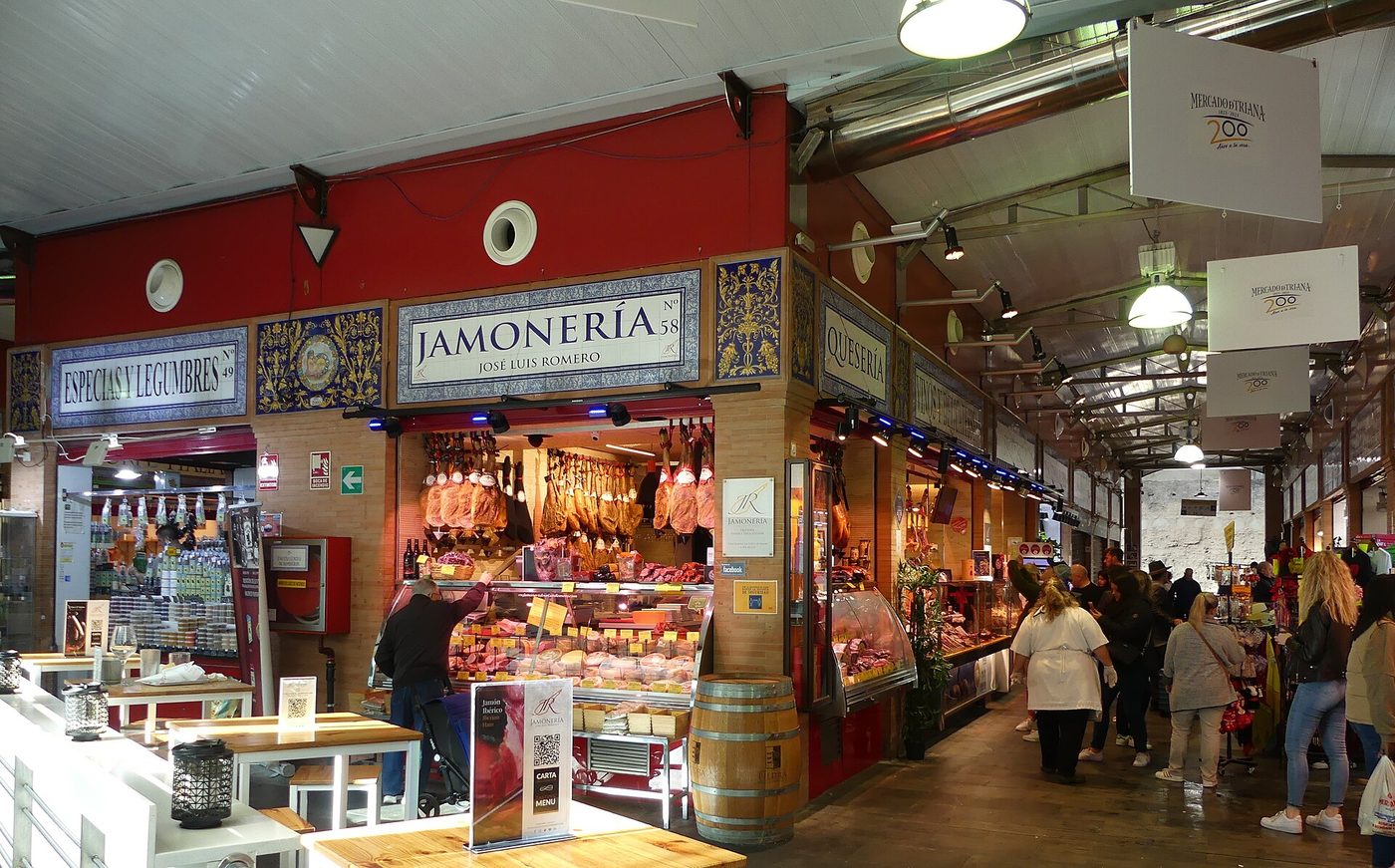
Regional rules worth knowing. In Granada, a free tapa still comes with every drink in traditional bars, and Calle Navas and Calle Elvira are where that tradition holds firmest; a few places near the Alhambra ticket office now hand out a €1 to €2 voucher instead. In San Sebastián, pintxos are taken from the counter and paid for on an honour system at the end. In Valencia, paella is a lunch dish and ordering it for dinner marks you out immediately. And in Barcelona, the restaurants on La Rambla exist for people who do not know that the ones two streets away are better and cheaper.
Where to stay on each route
| City | Best neighbourhood | Also good | Avoid |
|---|---|---|---|
| Madrid | Barrio de las Letras | Malasaña, La Latina, Chueca | Immediately around Puerta del Sol and Gran Vía |
| Barcelona | Eixample, near Passeig de Gràcia | Gràcia, El Born | Anything advertised as being on La Rambla |
| Seville | Santa Cruz | Alfalfa, Triana, Alameda | Nervión, which is modern and far from everything you came for |
| Granada | Realejo | Albaicín (steep), Centro | Anywhere requiring a car, given the old town’s layout |
| Valencia | El Carmen | Ruzafa, Ciutat Vella | The beach strip if you want the old town |
| San Sebastián | Parte Vieja | Gros, Centro | Nothing much; the city is small and walkable throughout |
| Bilbao | Abando | Casco Viejo, Indautxu | The industrial river stretches well downstream of the Guggenheim |
| Málaga | Centro Histórico | Soho, La Malagueta | The resort strip east and west of the city |
One structural note on Santa Cruz in Seville and the Albaicín in Granada: both are medieval street plans that predate cars, and a taxi cannot reach most addresses. You will walk the last few hundred metres over cobbles with your luggage. Pack a case you can carry, not one you can only wheel.
Practical odds and ends
Left luggage. Every route here has travel days where you check out at eleven and your train leaves at four, or you arrive at ten and cannot check in until three. Madrid Atocha, Madrid Chamartín, Barcelona Sants, Seville Santa Justa and Valencia Joaquín Sorolla all have staffed or automated luggage lockers, and private storage networks operate in every city centre on these routes for a few euros a bag per day. Book the private ones online in high season; station lockers cannot be reserved and do fill.
Public holidays. Sunday closing is the one visitors plan for, but Spain also has a dense calendar of national, regional and city holidays, and each city takes its own patron saint’s day off. The national fixed dates worth knowing are 1 January, 6 January, 1 May, 15 August, 12 October, 1 November, 6 December, 8 December and 25 December. On those days museums often run Sunday hours or close entirely, shops shut, and transport runs a reduced timetable. Check the municipal calendar for the specific cities on your route before you fix your museum days.
Data and connectivity. If your phone is not on an EU plan, an eSIM bought before you fly is the cheapest and least stressful option, and coverage on Spanish networks is good even in the Alpujarra and the Picos. You will want data more than you expect: Renfe, Ouigo and Iryo all issue mobile tickets, the Alhambra and the Sagrada Família both check a QR code, and Spanish city addresses are hard to guess from a map.
Tap water, plugs and cash. Tap water is safe everywhere on these routes, though it tastes noticeably better in Madrid than in Barcelona. Plugs are the European two-pin type C and F at 230V. Cards are accepted almost universally, including in small bars, but carry €20 or so in coins for markets, church donation boxes and the occasional stubborn tapas bar.
Accessibility. High-speed rail is good: stations are step-free and Renfe’s assistance service can be booked in advance. The old towns are the problem. Santa Cruz, the Albaicín and Toledo are all cobbles and gradients, and Granada’s Alhambra involves a substantial amount of walking on uneven ground even with the accessible route. Barcelona and Madrid both have largely accessible metro networks; Seville’s is a single line and you will rely on trams, buses and taxis.
Twelve ways to cut the cost without cutting the trip
Spain rewards preparation more than most European countries, because so much of what costs money here is priced dynamically. These are the levers, roughly in order of how much they save.
1. Book intercity trains 30 to 60 days out. The single biggest saving available. Madrid to Barcelona at roughly €14 booked ahead against €94.90 walk-up in Turista is a difference of about €80 per person, per leg.
2. Eat your main meal at lunch. The menú del día averages around €14 for several courses and a drink, weekdays only. The same food ordered à la carte at 21:00 is routinely double.
3. Travel in May, September or October. Accommodation is the biggest single line in the budget and it moves most with season. Shoulder months also mean shorter queues, which is a saving in time and not money, but a real one.
4. Compare Ouigo and Iryo, not just Renfe. On the five main corridors out of Madrid, the budget operators start from €9 and frequently undercut the AVE by a wide margin for identical journey times.
5. Use the free entry windows deliberately. The Thyssen on a Monday afternoon, the Royal Palace on a weekday evening if you hold an EU passport, and the Mezquita first thing on a weekday morning. Those three alone are worth €40 a person.
6. Buy the Paseo del Arte ticket if you are doing all three Madrid museums. €32 against €40 bought separately, and it is valid for a year.
7. Stay outside Barcelona for one or two of your nights. The €9.50 to €12 per person nightly tourist tax applies only inside the city limits. It is not enough on its own to justify a longer commute, but on a family of four over three nights it is over €100.
8. Drink standing at the bar. Many Spanish bars charge more for table service than for the counter, and more again on a terrace. The same caña can carry three prices in one establishment.
9. Spend an evening in Granada. The free tapa tradition means a drink comes with food attached, and an evening of it runs €10 to €15 a head. That is dinner.
10. Use ten-trip transport cards rather than singles. Madrid’s 10-trip metro ticket is €7.30 against €1.50 a single, and Barcelona’s T-casual is €13.00 against €2.90. On a three-night stay with any real movement, both pay for themselves.
11. Skip one paid Gaudí attraction. Barcelona’s Modernisme now runs from €21.90 at Park Güell to €53 for a top-tier Casa Batlló ticket. The Bunkers del Carmel viewpoint is free, the exterior of Casa Batlló costs nothing to admire and the Hospital de Sant Pau is cheaper than any of the famous three.
12. Do not buy a rail pass. A four-journey Renfe Spain Pass at €215 will lose comfortably to two advance-purchase singles on any of the routes in this article, and the Eurail Spain Pass loses by more.
Languages, regions, and why Spaniards keep correcting you
Spain is a country of nations that share a state, and the routes above cross three of them. Understanding that in advance will save you from several small embarrassments and improve the trip considerably.
Catalonia, which includes Barcelona and Girona, has Catalan as a co-official language and it is the default on street signs, menus and municipal websites. It is not a dialect of Spanish and Catalans will tell you so. Everyone speaks Castilian Spanish too, and nobody will be difficult with a visitor, but “gràcies” and “bon dia” go a very long way in Barcelona in a way that “gracias” does not.
The Basque Country, which includes San Sebastián and Bilbao, uses Euskara, a language unrelated to Spanish, to Latin, or to any other living language on earth. You will not learn it in a week. “Kaixo” for hello and “eskerrik asko” for thank you are worth memorising anyway.
Galicia has Galician, close to Portuguese. Valencia has Valencian, closely related to Catalan and the subject of a long argument about whether it is the same language. Andalusia speaks Spanish, in an accent that drops consonants at the ends of words and will humble anyone who learned their Spanish in Latin America or a classroom.
What this means practically: do not call the whole country’s culture “Spanish” without thinking. Flamenco is Andalusian, not national. Paella is Valencian and Valencians have strong feelings about what goes in it. Catalonia banned bullfighting in 2010 and Spain’s Constitutional Court overturned that ban in 2016, though no bullfights have been held there since. The correct move is curiosity rather than a broad brush, and it is repaid generously.
A realistic day, hour by hour
Here is what a good day on any of these routes actually looks like once you stop fighting the clock.
08:30 Coffee and a tostada standing at a bar near your hotel, €2.50 to €4. Not a hotel buffet.
09:00 to 13:00 The one big thing of the day: the Alhambra, the Prado, the Alcázar, the Sagrada Família. Book the earliest slot available. Everything is emptier and cooler before eleven, and in Andalusia in summer this window is the only comfortable part of the day.
13:00 to 14:00 Wander. A market, a church, a neighbourhood you have not seen. Nothing that requires a ticket.
14:00 to 16:00 Lunch, properly, sitting down, menú del día. This is not a break in the day, it is the middle of it.
16:00 to 18:00 The dead hours. In summer, this is when you go back to the room, because the streets in Seville or Córdoba are unpleasant. In spring and autumn it is a good window for a park, a viewpoint or a second small museum.
18:00 to 20:00 The city comes back out. Merienda, a first caña, the paseo, which is the entirely serious Spanish tradition of walking around in the evening in order to be seen walking around.
20:30 onwards Tapas or dinner, moving between two or three bars instead of settling. Finish later than you meant to.
The mistake visitors make is compressing this into a Northern European shape: big breakfast, lunch at noon, dinner at seven, bed at ten. Do that and you will miss both ends of the Spanish day, which are the best parts of it.
Which city deserves your extra day?
Sooner or later every ten-day plan turns into an eleven-day plan, or a night gets moved from one base to another. This is how I would spend the spare one.
| City | Minimum nights | Ideal nights | What the extra night buys you | Worth it? |
|---|---|---|---|---|
| Madrid | 2 | 4 | The second museum, a proper day trip to Toledo or Segovia, and one night out in a neighbourhood rather than the centre | Yes, and Madrid is the city people most often shortchange |
| Barcelona | 3 | 4 | Montserrat or the Costa Brava as a full day, plus time for Montjuïc, which almost always gets cut | Yes if you want to leave the city, no if you only want more Gaudí |
| Seville | 3 | 4 | The Casa de Pilatos, Itálica, Triana at length, and an evening with nothing booked | Yes. Seville rewards slowness more than anywhere else on these routes |
| Granada | 2 | 3 | The Albaicín in daylight and again at dusk, plus the Alpujarra or the Sierra Nevada | Yes, and two nights in Granada is tight around a fixed Alhambra slot |
| Valencia | 2 | 3 | The beach, El Palmar for paella at source, and the Albufera lagoon at sunset | Only if the weather is good |
| San Sebastián | 2 | 3 | Bilbao and Getaria as separate days instead of a choice between them | Yes for food-led trips, no otherwise |
| Málaga | 2 | 3 | Both Ronda and the Caminito del Rey instead of choosing, plus a proper day on the city’s museums | Only if you want the coast. Two nights is enough for the old town |
| Córdoba | 0 (day trip) | 1 | The Mezquita twice, once free at 08:30 and once with the bell tower, plus the Judería after the coaches leave | Underrated. An overnight in Córdoba is one of the quietest evenings in Andalusia |
My own answer, if someone handed me one spare night on Route A, is Seville. Madrid and Barcelona both reward a longer stay, but they are cities you can plausibly return to for a weekend from anywhere in Europe. Seville needs a proper trip, and the difference between two full days and three there is the difference between seeing the monuments and understanding the city. Our things to do in Madrid guide makes the opposite case reasonably well, and if you want the whole country ranked instead of routed, the best places to visit in Europe has Spain in continental context.
Reading a Spanish menu
You do not need Spanish to eat well here, but a dozen words will change what arrives at the table. These are the ones that come up on every menu on every route above.
| Term | What it means | Where you will meet it |
|---|---|---|
| Menú del día | Fixed-price weekday lunch: starter, main, dessert or coffee, and a drink | Everywhere, roughly €10 to €18 |
| Tapa / ración / media ración | Small plate, full plate, half plate. A ración feeds two to three | Andalusia and Madrid |
| Pintxo | Basque bar snack, usually on bread with a cocktail stick, taken from the counter | San Sebastián and Bilbao |
| Caña / doble / tercio | Small draught beer, larger draught, 330 ml bottle | Nationwide. The caña is the default |
| Vermut | Vermouth on tap, drunk before Sunday lunch with olives | Madrid and Barcelona, and it is a whole ritual |
| Salmorejo | Thicker, richer Córdoban cousin of gazpacho, with egg and jamón on top | Córdoba and Seville |
| Pescaíto frito | Assorted small fish, floured and fried | Andalusia, especially Cádiz and Málaga |
| Cochinillo / lechazo | Roast suckling pig / roast milk-fed lamb | Segovia and Castile |
| Fideuà | Paella made with short noodles instead of rice | Valencia and the Catalan coast |
| Bocadillo | Baguette sandwich, the standard cheap lunch | Nationwide |
| Sobremesa | The hour spent at the table talking after the food is finished | Nationwide, and the reason nobody rushes you for the bill |
| La cuenta, por favor | The bill, please. It will not arrive until you ask | Nationwide, and worth learning on day one |
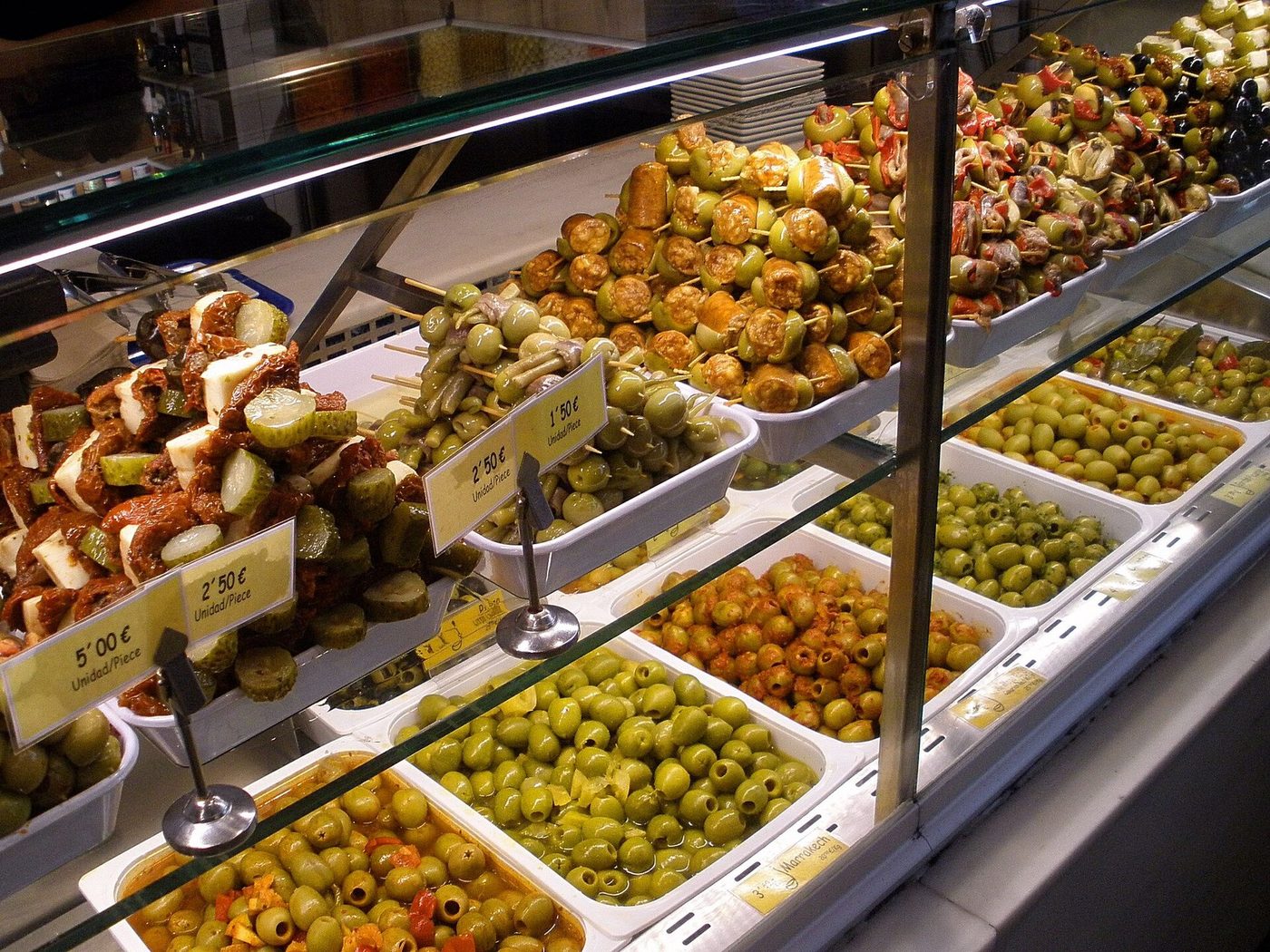
Two habits that mark you out immediately, both easily fixed. Ordering sangría, which Spaniards drink roughly never and which is priced accordingly in tourist areas; ask for tinto de verano instead, which is what people actually drink and costs half as much. And asking for paella at dinner in Valencia, which is a lunch dish there and always has been. Our European food guide covers Spanish regional cooking alongside the rest of the continent, and the best Mediterranean destinations guide is useful if this trip has you thinking about the wider coast.
What this itinerary does not cover
Three routes cannot hold a country this varied. Here is what has been left out, and why.
None of the three routes goes to Galicia, so there is no Santiago de Compostela, no Rías Baixas seafood and none of the Atlantic northwest. None of them reaches Extremadura, Salamanca, Asturias or the Pyrenees either, though several of those appear in the alternatives table above. The islands are absent entirely: Mallorca, Menorca, Ibiza and the Canaries all need their own trips and their own flights, and squeezing one into ten mainland days wastes both. The Camino de Santiago is a holiday in itself, not a stop.
These are decisions about what fits in ten days on a rail network, not judgements about the places. If you have already done Route A, our guides to underrated places in Europe and the most beautiful towns in Europe both take in the quieter corners of the country.
Spain itinerary FAQ
How many days do you need in Spain?
Ten is the number where a Spain trip stops feeling rushed. Seven works for two cities. Five works for one city and a day trip. Fourteen lets you add Granada or the Basque Country without compressing anything. Beyond about eighteen days you are no longer planning one trip, you are planning two, and you may as well split them by region.
Is 10 days enough for Spain?
Enough for three cities properly, or one region deeply. Not enough for the whole country. A ten-day plan with six bases in it is a coach tour without the coach, and it will feel like one.
What is the best way to get around Spain?
High-speed rail, on every route in this article. Madrid to Barcelona takes 2h 29m city centre to city centre, which beats flying once you count airports. Three operators compete on the main lines, so book 30 to 60 days ahead and compare Renfe, Ouigo and Iryo directly, not through a reseller. See train travel in Europe for the wider network.
What is the best airport to fly into for Spain?
Madrid Barajas has the widest long-haul network and sits in the middle of the rail map, which makes it the best single entry point. Barcelona El Prat is the better arrival if you are coming from within Europe or want to start on the coast. The strongest answer is not to choose: fly an open-jaw into one and out of the other.
How much does a trip to Spain cost?
For ten days, excluding international flights, budget around €774 per person at the budget end, €1,664 mid-range and €3,031 for a comfortable trip. Spain is meaningfully cheaper than France, Italy or the UK for the same standard, and the menú del día is the single biggest reason why.
Do I need a visa for Spain?
Not for short stays if you hold a US, UK, Canadian or Australian passport: you get 90 days in any rolling 180-day Schengen period. You will pass through the EES biometric border system, which has been legally required at all Schengen external borders since 10 April 2026. ETIAS, the €20 travel authorisation, is not live as of August 2026 and its launch date has slipped; 2027 is the realistic expectation.
When is the best time of year to visit Spain?
Late April to May and September to October. May and September are the two months where every route in this article works well: warm enough for the coast, cool enough for Andalusia, and outside the August price and crowd peak. Avoid July and August in Seville and Córdoba unless heat is something you actively enjoy.
Are tourists still welcome in Barcelona?
Yes, with a caveat worth taking seriously. Barcelona has had genuine and sustained protests about overtourism, driven by housing costs and short-term rentals rather than by visitors as individuals. Nobody is going to be rude to you. But staying in a licensed hotel instead of an unlicensed apartment, spending money outside the Rambla corridor and treating residential streets as places people live rather than as content will all make you a better guest. The tourist tax rise on 1 April 2026 is part of the same conversation.
Can I do Spain and Portugal in 10 days?
You can, and I would not. Madrid to Lisbon is a long, slow journey by land and the flight eats half a day. Ten days split between two countries gives you four usable days in each. Give Spain the ten days and give Portugal its own week later.
Is Spain a good destination for a first trip to Europe?
One of the best. The rail network is excellent, prices are moderate, English is widely spoken in the major cities, the food is easy to love, and the daily rhythm is the only real adjustment. The late dinner catches everyone out for the first two days and then stops being a problem.
Do I need to book attractions in advance in Spain?
For the Alhambra, absolutely and months ahead. For the Sagrada Família, two to four weeks, and only online because tickets are nominative and need matching photo ID. For the Real Alcázar and Seville Cathedral, two to four weeks in season. For the Madrid museums, the same week is generally fine. The Mezquita in Córdoba you can simply walk into first thing.
What should I pack for Spain?
Shoes you can walk on cobbles in, and a case you can carry up stairs. Layers for anywhere inland, because Madrid and Granada both drop sharply at night even in summer. Shoulders and knees covered for cathedral visits. Sun protection from May to September that you would consider excessive at home. Our Europe packing list covers the rest.
Is Spain safe?
Very, with the usual European exception for pickpocketing in dense tourist areas. Plaça de Catalunya and La Rambla in Barcelona and Puerta del Sol and the Madrid metro are the known hotspots, and the operations there are practised. Violent crime against visitors is rare. The heat in Andalusia in summer is a more realistic risk than crime.
Final thoughts
The best Spain itinerary is the one with the fewest travel days in it. That is the whole argument of this article, and everything else is detail in service of it.
Ten days will not show you Spain. It will show you three versions of it well enough that you understand why Catalans and Andalusians and Basques bristle at being flattened into one idea, and that understanding is worth more than a longer list of cities. Book the Alhambra first if Granada is in the plan. Book the trains sixty days out. Eat lunch at two and dinner at nine. Leave the afternoons loose.
And build the trip so that on at least one evening you have nothing scheduled at all, in a square, with a caña, watching a city that eats late and stays out later. That evening is usually the one people remember.
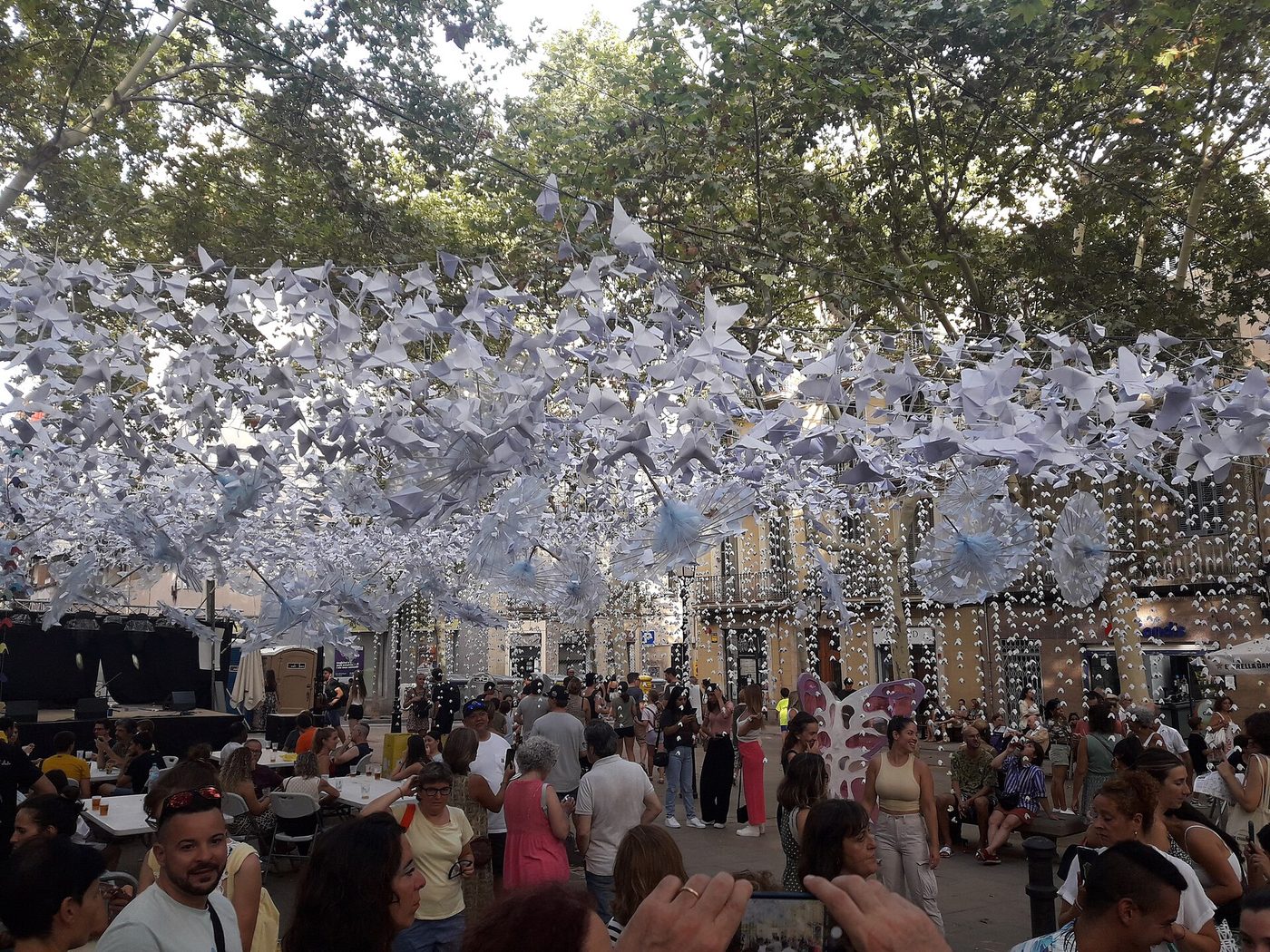
Hannah Brooks has spent fifteen years travelling, living and writing across Europe, from the Arctic tip of Norway to the south of Sicily. She has planned hundreds of European itineraries for readers and is Senior Europe Editor at EuropeanTourism.org.
Photo credits
- Spain itinerary highlight: the Alhambra palace on its ridge above Granada · Photo: Jebulon (CC0) via Wikimedia Commons
- The arcades of Plaza Mayor in Madrid, the first stop on a 10 day Spain itinerary · Photo: Daderot (CC0) via Wikimedia Commons
- A plate of croquetas, the universal tapas order in Madrid · Photo: David Adam Kess / CC BY-SA 4.0 via Wikimedia Commons
- The Alcazar of Segovia, an easy day trip by train from Madrid · Photo: Emilio J. Rodríguez Posada / CC BY-SA 2.0 via Wikimedia Commons
- The medieval skyline of Toledo above the Tagus river, a day trip from Madrid · Photo: Diliff / CC BY-SA 3.0 via Wikimedia Commons
- The Plaza de Espana in Seville, built for the 1929 Ibero-American Exposition · Photo: H. Zell / CC BY-SA 3.0 via Wikimedia Commons
- The Patio de las Doncellas in the Real Alcazar of Seville · Photo: Jl FilpoC / CC BY-SA 4.0 via Wikimedia Commons
- The striped double arches inside the Mezquita-Catedral of Cordoba · Photo: AdriPozuelo / CC BY-SA 3.0 es via Wikimedia Commons
- The columned interior of the Sagrada Familia in Barcelona · Photo: Julian Lupyan (CC0) via Wikimedia Commons
- Produce stalls inside the Mercat de la Boqueria in Barcelona · Photo: Dungodung (CC0) via Wikimedia Commons
- The serrated rock pinnacles of Montserrat, a day trip from Barcelona · Photo: Bernard Gagnon / CC BY-SA 3.0 via Wikimedia Commons
- A whitewashed lane hung with wisteria in the Barrio de Santa Cruz, Seville · Photo: Heinz Joerg Kretschmer / CC BY 3.0 via Wikimedia Commons
- The Puente Nuevo spanning the El Tajo gorge at Ronda in Andalusia · Photo: Christopher Down (CC BY 4.0) via Wikimedia Commons
- The City of Arts and Sciences in Valencia, at the end of the Turia park · Photo: CivArmy / CC BY-SA 4.0 via Wikimedia Commons
- The Royal Palace of Madrid, the largest royal palace in Western Europe · Photo: Diego Delso / CC BY-SA 4.0 via Wikimedia Commons
- La Concha beach in San Sebastian, Basque Country · Photo: Javier Perez Montes / CC BY-SA 4.0 via Wikimedia Commons
- The colonnaded west facade of the Museo del Prado in Madrid · Photo: rene boulay / CC BY-SA 3.0 via Wikimedia Commons
- A spread of Spanish tapas, the cheapest good eating on any Spain itinerary · Photo: Takeaway / CC BY-SA 3.0 via Wikimedia Commons
- A Semana Santa paso carried through a crowded street in Seville · Photo: Cofrades 2020 sevilla / CC BY 4.0 via Wikimedia Commons
- Palms and terraces in the gardens of the Real Alcazar in Seville · Photo: Martinvl / CC BY-SA 4.0 via Wikimedia Commons
- Stalls and bar counters inside the Mercado de Triana in Seville · Photo: CarlosVdeHabsburgo / CC BY-SA 4.0 via Wikimedia Commons
- Churros con chocolate at Chocolateria San Gines in Madrid · Photo: Ash Chuan from London, United Kingdom / CC BY-SA 2.0 via Wikimedia Commons
- Olive and pincho stalls inside the Mercado de San Miguel in Madrid · Photo: Zarateman (CC0) via Wikimedia Commons
- A square in Gracia dressed for the Festa Major, Barcelona · Photo: Pere López Brosa / CC BY-SA 4.0 via Wikimedia Commons