Bordeaux Travel Guide: Wine Country Without a Car, 2026 Prices

The first time I came to Bordeaux I made the mistake almost everyone makes. I treated it as a wine errand: two days, one château tour booked through the hotel, a photo of the Miroir d’Eau, back on the train. I saw about a tenth of what was there. The city itself, all pale limestone and eighteenth-century swagger, turned out to be the part I wanted to come back for, and the vineyards turned out to be far easier to reach on public transport than I had assumed.
This Bordeaux travel guide is the one I put together on the way back: every ticket price checked against the operator’s own page in August 2026, the train and bus routes that get you into wine country without hiring a car, the château booking rules that will quietly ruin your plans if you ignore them, and a straight answer on whether the CityPass is worth buying. Bordeaux rewards three days more than two, and it rewards a little planning more than almost any city in France.
Three things that changed in Bordeaux for 2026
Start here, because all three affect how you plan and none of them has filtered through to the guides currently ranking for this city.
The Flèche Saint-Michel reopened on 13 June 2026. The free-standing bell tower beside the Basilique Saint-Michel had been closed for five years while around €11 million of restoration work went on. It is now climbable again: 230 steps up a spire that stands 114 metres, the fourth-tallest bell tower in France, and a full rate of €7 with reduced entry at €5 and free admission under 13. From 29 June 2026 it has been open daily in season, 10:00 to 13:00 and 14:00 to 18:00, with last entry half an hour before closing. It is included in the CityPass. If you only climb one tower in Bordeaux, this is now a real contest with Pey-Berland rather than a walkover.
There is no Bordeaux Fête le Vin in 2026. The festival has run on a biennial cycle since 1998 and pulls very large crowds onto the quays, so a lot of trip plans have been built around a 2026 edition that does not exist. The CIVB did not fund one. It returns from 7 to 11 July 2027, larger, and paired with the Tall Ships Race on the Garonne. If a wine festival is the reason you are coming, move the trip to next July.
The 2026 harvest came in absurdly early. Cutting started in Bordeaux vineyards on 6 August 2026, beginning with crémant grapes, roughly fifteen days ahead of 2025. The main harvest across the appellations was estimated from mid-August into early September. That matters because most châteaux shut their doors to visitors during the vendanges. If you are coming in late August or September 2026 expecting the classic “harvest visit”, confirm with each estate before you travel rather than assuming the usual September window applies.
Bordeaux travel guide: every sight, price and time at a glance
Prices are the full adult rate as published by each operator in August 2026, except where a site is only ticketed through the CityPass, in which case the column says so. “Free” means free to walk in, not free once you have bought a pass.
| Sight | 2026 adult price | Time needed | Opening notes | On CityPass | My take |
|---|---|---|---|---|---|
| La Cité du Vin | €23 dated / €28 open | 2-3 hrs | Daily 10:00-19:00, 3 Apr to 31 Oct | Yes | Tasting on the 8th floor is included in the standard ticket |
| Les Bassins des Lumières | €16 | 1 hr to 1 hr 15 | Varies by show; last entry 1 hr before close | Yes | Digital art in a WWII submarine pen. Cold in winter, bring a layer |
| Flèche Saint-Michel | €7 | 45 min | Daily 10:00-13:00, 14:00-18:00 (Apr-Oct) | Yes | Reopened June 2026 after five years. The best new thing in the city |
| Tour Pey-Berland | €9 | 45 min | Timed e-tickets only, book at pey-berland.fr | Yes | 229 steps. Free for EU nationals under 26 |
| Cathédrale Saint-André | Free | 30 min | Daily, check for services | n/a | The tower beside it is separate and ticketed |
| Musée d’Aquitaine | around €8 | 2 hrs | Closed Mondays | Yes | Does not flinch from Bordeaux’s role in the slave trade |
| CAPC musée d’art contemporain | €7 with exhibition, €5 without | 1-2 hrs | Tue-Sun 11:00-18:00, late to 20:00 second Wed | Yes | The 19th-century warehouse is as good as the art |
| Musée du Vin et du Négoce | €10 | 1 hr | Chartrons | Yes | Two tastings included. The merchant’s side of the wine story |
| Porte Cailhau | Included in CityPass | 30 min | Seasonal | Yes | Built 1495, 35 m, climbable |
| Grosse Cloche | €6 | 30 min | Saturdays only, groups of 5 | No | Guided only. Narrow stairs, no under-6s, not accessible |
| Miroir d’Eau | Free | 20 min | Roughly Apr-Oct, daily 10:00-22:00 | n/a | Drained in winter to protect the pipework from frost |
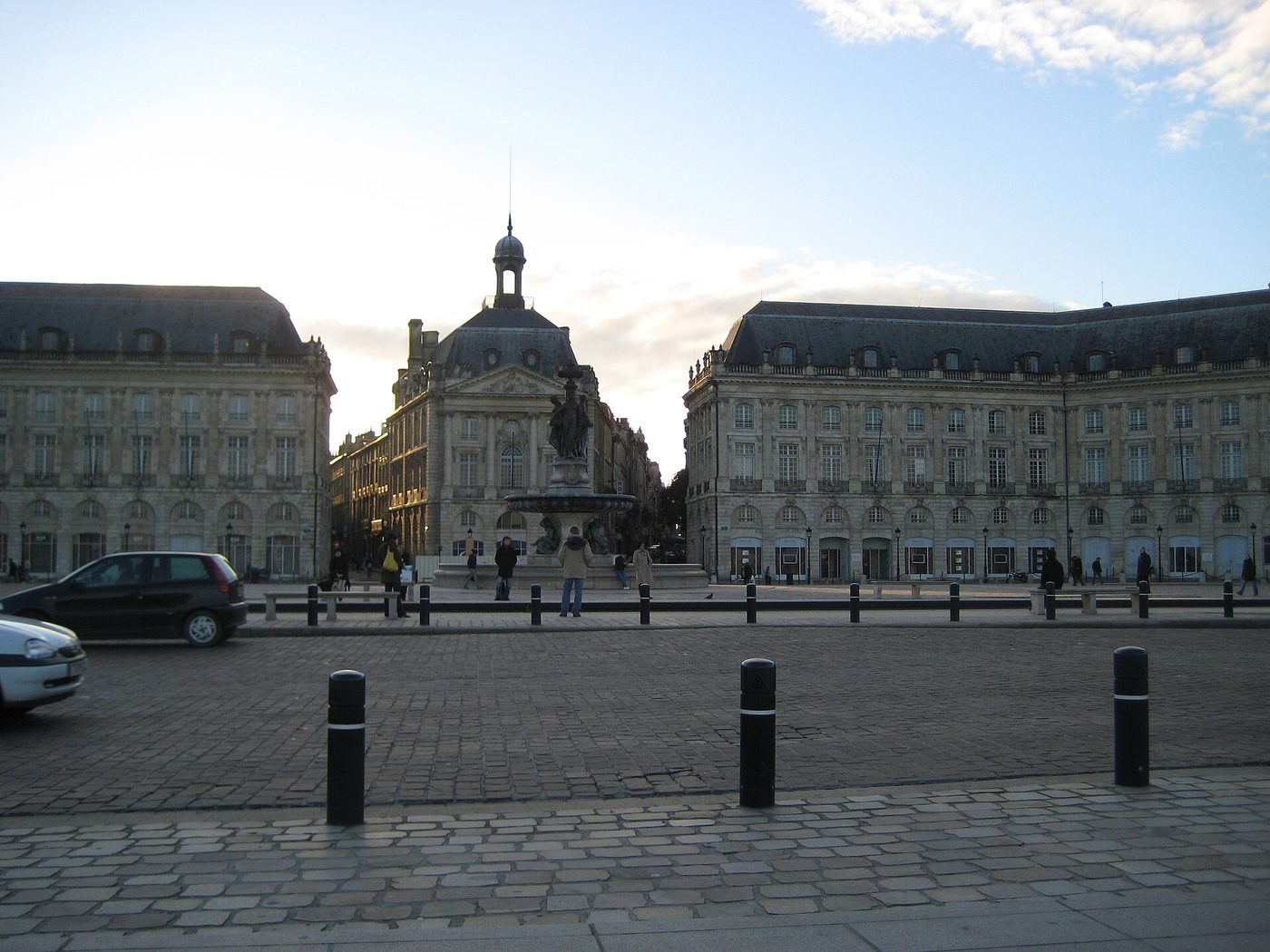
| Place de la Bourse | Free | 20 min | Always open | n/a | Inaugurated 1749. Best at dusk, from across the Miroir |
| Jardin Public | Free | 1 hr | Opens 07:00; closes 18:00-21:00 by season | n/a | Created 1746, the first French garden designed to be public |
| Darwin Écosystème | Free | 1-2 hrs | Courtyard open daily | n/a | Old barracks turned street art, skatepark and organic grocery |
| Marché des Capucins | Free to enter | 1-2 hrs | Tue-Fri from 06:00 to about 13:00, Sat-Sun 05:30-14:30 | n/a | Closed Mondays. Oysters and white wine before noon is the local order |
| Pont de Pierre | Free | 20 min | Works signposted for summer 2026 | n/a | 486 m, 17 arches, opened 1822 on Napoleon’s order |
| Pont Jacques Chaban-Delmas | Free | 20 min | Lift times posted on the day | n/a | Europe’s longest vertical-lift bridge, raised in about ten minutes |
| Rue Sainte-Catherine | Free | 1 hr | Shop hours | n/a | Over a kilometre of pedestrian shopping. Endurance event, not a highlight |
| Grand Théâtre guided tour | from €10 | 1 hr | Tour times vary, book ahead | No | 1780 opera house. The staircase inspired the Paris Opéra’s |
| River cruise (Au fil de l’eau) | €15 | 1 hr 30 | Departures from the quays | Yes | The 18th-century facade reads better from the water |
Twenty sights, and only three of them cost more than €10. Bordeaux is not an expensive city to see, which is the opposite of its reputation. The money goes on wine and dinner.
Is Bordeaux worth visiting?
Yes, and I would go further: it is the most underrated large city in France. Paris is Paris, Lyon has the food, Marseille has the edge, and Bordeaux quietly has the best-preserved eighteenth-century urban centre in France outside Paris itself. UNESCO inscribed the “Port of the Moon” in 2007, covering 1,731 hectares of the city with a buffer zone of nearly 12,000 more, and the inscription text notes 347 buildings protected under the French law of 1913. Only Paris has more.
What makes it work as a trip is the ratio. You can spend a morning walking a UNESCO city centre, have lunch at a market counter, be standing in a vineyard by two in the afternoon, and be back for dinner. Very few wine regions in the world put a real city that close to real vines. Tuscany, covered in our Tuscany travel guide, makes you drive. Burgundy makes you base yourself in a village. Bordeaux lets you keep a city hotel and commute.
The honest counterweight: the city is flat, the sights are mostly free and outdoors, and if your idea of a good trip is ticking off world-famous museums you will find Bordeaux thin. There is no Louvre here, no Uffizi. The Musée d’Aquitaine is very good and the CAPC is interesting, but nobody comes to Bordeaux for the museums. Come for the streets, the water, the food and the vineyards, in that order.
If you are still choosing between French regions, our roundup of the best places to visit in France puts Bordeaux against the alternatives, and the wider France travel guide covers entry rules, budgets and regional pacing.
How long to spend in Bordeaux
Here is a direct answer, with what each length of stay buys you.
| Length | What you can realistically do | Who it suits |
|---|---|---|
| 1 day | Historic centre on foot, Miroir d’Eau, one tower, lunch at the Capucins. No wine country. | A stopover on a longer French route. Feels rushed. |
| 2 days | Day one the city, day two Saint-Émilion by train. One château visit, maybe two. | The minimum I would recommend. Most people’s weekend. |
| 3 days | City, Saint-Émilion, and either the Médoc or Pessac-Léognan. Time for the Cité du Vin and the Bassins without cramming. | The sweet spot. This is what I would book. |
| 4 days | All of the above plus Arcachon and the Dune du Pilat, or Blaye by boat. | First-timers who want beach and vines in one trip. |
| 5 days or more | Add Sauternes, the Entre-deux-Mers, a cycling day, and a second château region at a slower pace. | Wine-focused travellers, or anyone travelling with someone who does not want to drink wine every afternoon. |
If you are weighing Bordeaux against other short breaks, our European city breaks roundup compares 20 cities on exactly this basis. Three days is the answer for most people. Two works if you accept you will see one wine region and not two. Anything under two days and Bordeaux becomes a photograph of the Miroir d’Eau, which is a waste of a good city.
Getting to Bordeaux
By train from Paris

This is the way to arrive. The TGV runs Paris Montparnasse to Bordeaux Saint-Jean in about two hours, with the fastest services timed at 2h03. Advance fares start low, in the region of €13 to €20 if you book weeks out, and climb steeply as the date approaches: walk-up and peak tickets can run several times that. OUIGO, SNCF’s low-cost brand, also works the route and is usually the cheapest option if you can travel at awkward hours and pack light.
Bordeaux Saint-Jean sits about two kilometres south of the historic centre, connected by trams C and D. It is also the departure point for every regional train into wine country, which is the single biggest argument for staying somewhere on a tram line rather than deep in the old town. Our guide to train travel in Europe explains how SNCF advance fares release and when to book, and the Europe train itinerary piece has routes that thread Bordeaux into a longer rail trip.
From Bordeaux-Mérignac airport
Tram line A has run directly to the airport since it was inaugurated on 29 April 2023, and it reaches Pey-Berland in the city centre in 35 minutes. Buy at the machines in front of the terminal, at any tram stop, or through the TBM app. The tram replaced the old airport shuttle arrangements, so head straight for the tram stop rather than the coach bays.
Thirty-five minutes on a tram for the price of a normal city ticket is one of the better airport transfers in France, and it is worth factoring in when you compare flying to taking the TGV.
Getting around Bordeaux
The network is TBM, and it covers trams, buses, the Bat³ river shuttle and the Le Vélo bike share on one ticket system. A single journey is valid for one hour with unlimited transfers across all of those, but you must validate on every boarding, including transfers. People get fined for assuming the first validation covers the whole hour without re-tapping.
On fares I am going to be careful, because the published figures genuinely conflict. TBM revised its tariffs on 1 September 2025 and the numbers circulating since then do not agree: €1.70, €1.80 and €1.90 are all in circulation for a single journey. What I can state from sources that did render: two journeys cost €3.40 (€3.70 if bought on the bus) and ten journeys cost €15.70 under the September 2025 revision, and the Bordeaux Tourist Office prices 48 hours of unlimited transport at €11 in its own CityPass comparison. Check the current single fare on infotbm.com before you travel rather than trusting a secondhand number, mine included.
Le Vélo, the bike share, is the underrated option. The first 30 minutes of every hire are free once your ticket is read, and it is €2 an hour after that. There are more than 215 stations and around 2,000 bikes, classic and electric, available around the clock. Bordeaux is flat, the riverside path is continuous, and half the distances in this city are a ten-minute ride. I use it more than the tram.
One 2026 caveat: TBM has been signposting works on the Pont de Pierre through the summer. If your route crosses to the right bank, check the live network status the morning you travel rather than the night before.
Where to stay in Bordeaux
Bordeaux is compact enough that no central neighbourhood is a mistake, but they read very differently. If you are still deciding whether to base yourself here at all, the most beautiful places in Europe and the underrated list both make the case for the southwest.
| Neighbourhood | Character | Best for | Watch out for |
|---|---|---|---|
| Triangle d’Or | Grand boulevards, the Grand Théâtre, luxury shopping | First visits, short stays, walking everywhere | The highest room rates in the city |
| Saint-Pierre | Medieval lanes, the prettiest squares, wall-to-wall restaurants | Atmosphere and dinner within stumbling distance | Noise on Friday and Saturday until very late |
| Chartrons | The old wine merchants’ quarter, antique shops, Sunday market | Repeat visitors, slower trips, anyone who wants locals as neighbours | A 20-minute walk from the centre, so use the tram |
| Saint-Michel | North African and Portuguese, flea market, the reopened bell tower | Budget stays with real character | Scruffier than the postcard Bordeaux, which some people mind |
| Near Saint-Jean station | Functional, well-connected, cheaper | Wine country day trips, early departures | Charmless streets immediately around the station |
| La Bastide (right bank) | Darwin, river views back at the good side | Views, space, families | You cross a bridge for everything, and the Pont de Pierre has 2026 works |
On price, the market data for 2026 puts a three-star night in Bordeaux at an average of around €101, with two-star and guesthouse rooms nearer €76, one-star at about €55, and five-star palace properties averaging €387. Budget hotels generally sit in a €65 to €120 band and hostel dorm beds run from about €24 to €50. Expect summer rates to be roughly 30 to 50 per cent above those figures, and expect Marathon du Médoc weekend in early September to behave like a festival weekend, because it is one.
Our broader accommodation guide covers how French hotel star ratings work, which is not intuitive if you are used to the American system.
The Bordeaux CityPass: the honest maths
This is the most common money question about the city, and it has a precise answer, because the Tourist Office publishes its own worked comparison.
| Duration | Adult 2026 | Junior (6-17) |
|---|---|---|
| 24 hours | €37 | €22 |
| 48 hours | €48 | €30 |
| 72 hours | €56 | €37 |
| 96 hours | €62 | €43 |
The pass covers 22 sites, museums and experiences, each usable once, plus unlimited tram, bus and river shuttle for its duration and access to all 28 park-and-ride facilities. The headline inclusions are the Cité du Vin with its Belvédère tasting, Les Bassins des Lumières, and one city tour of your choice from a boat cruise, the tourist train or a guided walk. Museums and monuments in the pass include the Tour Pey-Berland, the newly reopened Flèche Saint-Michel, Porte Cailhau, the Musée d’Aquitaine, the Wine and Trade Museum, the Museum and Gallery of Fine Arts, the CAPC, the Museum of Decorative Arts and Design, Cap Sciences, the National Customs Museum, the Sea and Marine Museum, the Natural History Museum, the Bordeaux Maritime History Museum, FRAC Nouvelle Aquitaine MECA, and a tasting visit at Moon Harbour Distillery. Two day trips are covered too: the guided tour of Saint-Émilion’s underground monuments and the guided tour of the Citadelle de Blaye.
The worked example. The Tourist Office’s own comparison for a 48-hour pass adds up like this: 48 hours of unlimited transport at €11, the Cité du Vin at €23, the Bassins des Lumières at €16, a river cruise at €15, the Musée d’Aquitaine at €8 and the Tour Pey-Berland at €9. That is €82 of value against a €48 pass, so €34 saved per person.
My reading of that: the pass pays for itself the moment you do the Cité du Vin and the Bassins des Lumières on the same pass, because those two alone are €39 of the €48. Add any transport at all and you are ahead. If you have no intention of visiting either, the pass is a poor deal, because the rest of Bordeaux’s best sights are free.
Three practical points that trip people up. First, there is no digital version. The physical card must be collected in person at the Bordeaux Tourist Office, 12 cours du 30 Juillet, open Monday to Saturday 09:00 to 18:00 and Sundays and public holidays 10:00 to 17:00, closed 25 December and 1 January. Buying online does not mean skipping the office. Second, it activates automatically on first use and then runs for 24, 48, 72 or 96 consecutive hours, so a pass first tapped at 4pm expires at 4pm, not at midnight. Third, if you buy it and do not activate it, it stays valid for twelve months from purchase.
One correction worth having: the old restriction requiring CityPass holders to enter the Cité du Vin before noon no longer applies in 2026. The Tourist Office’s FAQ confirms access is included all day with no time limit. You can still book a timed slot if you want one, and for the Tour Pey-Berland you must, because it is timed e-tickets only regardless of whether you hold a pass.
The city, walked properly
The eighteenth-century core
Bordeaux’s centre was rebuilt in the eighteenth century by intendants with money and ambition, and the result is an unusually coherent city: the same pale limestone, the same rooflines, the same wrought-iron balconies, for street after street. The Place de la Bourse, inaugurated in 1749, is the set piece, and the Miroir d’Eau laid out in front of it is the reason it appears on every cover.
The Miroir is free, unfenced, and runs on a cycle: roughly three minutes to fill, fifteen minutes of mirror, five minutes to drain, three minutes of mist. It covers about 3,450 square metres, which makes it enormous, and it is switched off through winter so the pipework does not freeze, generally running from about April to October or November, daily from 10:00 to 22:00. If you arrive in January and wonder where the famous reflection went, that is why. Come at dusk, stand on the pavement side rather than in the middle, and wait for the mirror phase.
Two streets back, the Grand Théâtre of 1780 is the other great flourish, and it is worth the guided tour from €10 if the schedule suits. The Rue Sainte-Catherine runs well over a kilometre through the middle of all this and is usually billed as one of Europe’s longest pedestrian shopping streets. I will be blunt: it is a chain-store corridor. Cross it, do not walk it.
Towers, and which one to climb
Bordeaux gives you a choice of high points, and 2026 changed the answer.
| Climb | Price | Steps | Booking | Verdict |
|---|---|---|---|---|
| Flèche Saint-Michel | €7 full, €5 reduced, free under 13 | 230 | Walk-up in season | 114 m, fourth-tallest bell tower in France, reopened June 2026. The best view in the city |
| Tour Pey-Berland | €9 | 229 | Timed e-ticket, book at pey-berland.fr | Free for EU nationals under 26. Puts the cathedral in the foreground |
| Porte Cailhau | Included in CityPass | Fewer | Seasonal | 35 m, built 1495. A gatehouse view rather than a panorama |
| Grosse Cloche | €6 | Steep and narrow | Saturdays, groups of 5, book ahead | 30-minute guided visit. No under-6s, not accessible |
The Grosse Cloche deserves a word because almost everyone photographs it from the street and almost nobody goes inside. It is a Saturday-only guided visit, thirty minutes, five people at a time, six euros. That scarcity means booking, and it means you plan your Saturday around it or you miss it entirely.
Chartrons and the wine trade
Chartrons is where Bordeaux’s wine was actually sold. Dutch and Irish and English merchants set up along the quay, aged wine in the ground-floor cellars, and shipped it out from the docks. Today it is antique shops, a Sunday market along the Quai des Chartrons, and the Musée du Vin et du Négoce, which is €10 and includes two tastings. That museum is the one I would send a curious drinker to before the Cité du Vin, because it explains the commercial machinery, the brokers and the négociants, that made Bordeaux Bordeaux.
The waterfront and the right bank
The Pont de Pierre, 486 metres on 17 arches, opened on 1 May 1822 after Napoleon I ordered its construction. It was the city’s first bridge and it is still the most satisfying way to cross on foot, works permitting. Downstream, the Pont Jacques Chaban-Delmas of 2013 is a vertical-lift bridge whose central span, roughly 118 metres and well over 2,000 tonnes, rises in about ten minutes to let ships through. If a lift is scheduled while you are in town, go and watch it.
Over on the right bank, Darwin Écosystème occupies the old Niel military barracks: street art, a skatepark, an organic grocery, an urban farm, coworking space and a bar-restaurant. The courtyard and murals are free and open seven days. The covered skatepark is the exception, requiring La Brigade membership and a small entry fee, and it runs Tuesday, Thursday and Friday 14:00 to 21:00 and Wednesday, Saturday and Sunday 14:00 to 19:00, closed Mondays.
The museums worth your time
The Musée d’Aquitaine at 20 cours Pasteur holds over 70,000 pieces and covers the region from prehistory forward, including a serious treatment of Bordeaux’s role in the Atlantic slave trade. It is not free: expect around €8 based on the Tourist Office’s own comparison table, though the museum’s listings have also been quoted lower, so check on the day. It is free to everyone on the first Sunday of the month, 11:00 to 18:00, except in July and August.
The CAPC sits in the Entrepôt Lainé, a nineteenth-century colonial goods warehouse, and has been a contemporary art museum since 1973. Entry is €7 full and €4 reduced when there is a temporary exhibition, dropping to €5 when the nave is empty. It opens Tuesday to Sunday 11:00 to 18:00, stays open to 20:00 on the second Wednesday of the month, and closes Mondays and public holidays with the exception of 14 July and 15 August.
La Cité du Vin: worth it, with conditions
The Cité du Vin opened in 2016 in a building shaped, depending on who you ask, like a decanter or a swirl of wine in a glass. It is not a Bordeaux museum. It is a museum about wine everywhere, which surprises people who arrive expecting the story of the Médoc.
The 2026 pricing splits into dated and open tickets, and the difference is worth understanding before you buy:
| Ticket | One glass | Two glasses |
|---|---|---|
| Adult, date-stamped | €23 | €27 |
| Adult, open (undated) | €28 | €32 |
| Child under 18 | €9 date-stamped, €14 open ticket | |
| Under 6 | Free | |
| Family pack (2 adults + 2 children) | €56 | €64 |
| Annual pass, solo / duo | €48 / €85 | |
| Via Sensoria sensory journey | €23 alone, €39.10 with the permanent exhibition | |
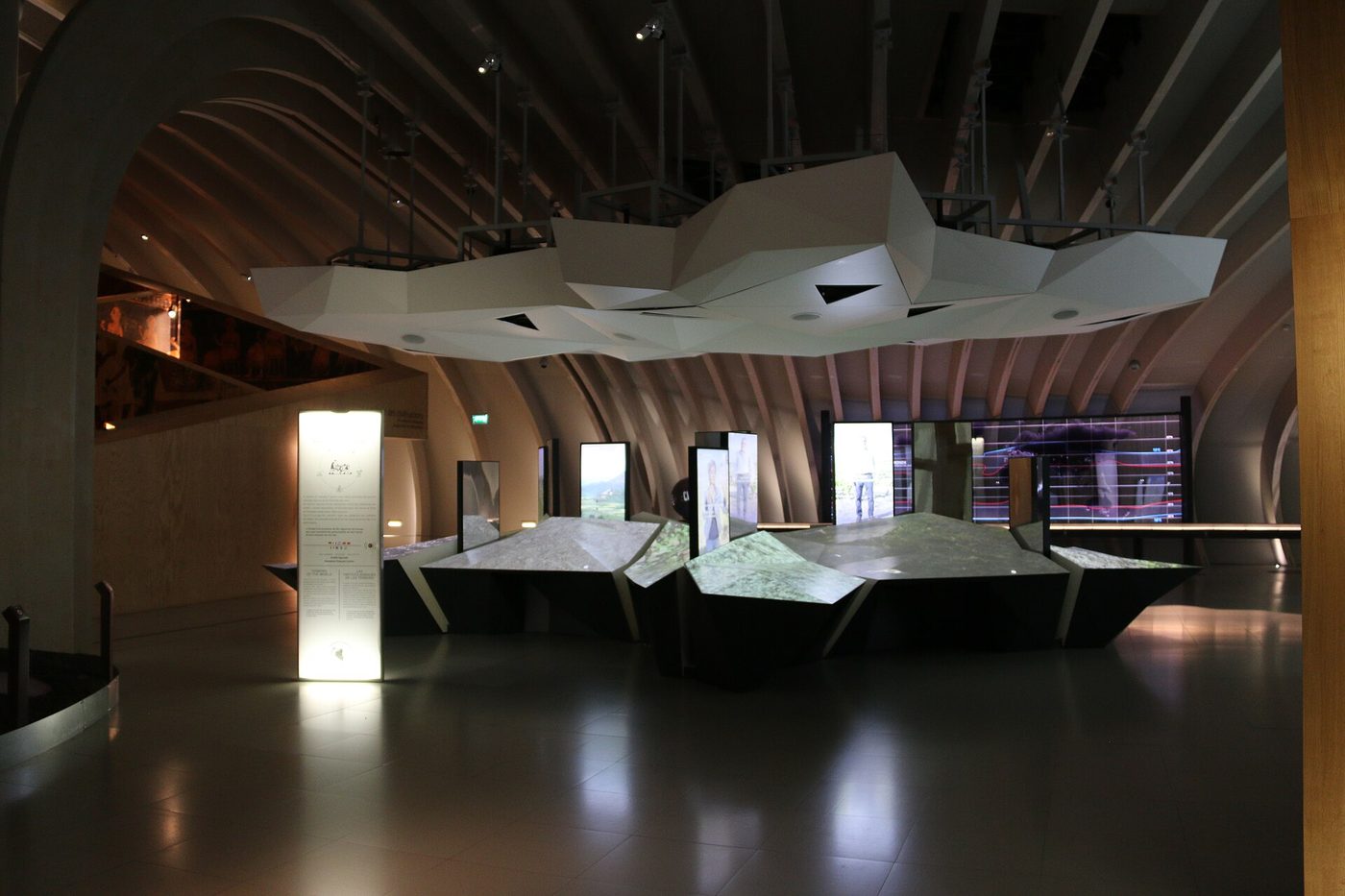
The tasting is included in the price, which is the single most useful thing to know about this building. That glass, chosen from a rotating selection of more than fifteen wines with organic grape juice available instead, is drunk on the eighth-floor Belvédère with the whole city and the river laid out beneath you. A lot of visitors buy a separate tasting on top without realising the standard ticket already covers one. Do not do that.
Allow two to three hours for the permanent exhibition, which is the official average, though there is up to nine hours of content in there if you are the sort who listens to every audio point. Opening hours are daily 10:00 to 19:00 from 3 April to 31 October 2026. From 1 November through to 3 January 2027 it runs 10:00 to 18:00 on weekdays and Sundays, 10:00 to 19:00 on Saturdays and over the 26 December to 2 January period, closes at 16:00 on Christmas Eve and shuts entirely on 25 December. Tram B stops at “La Cité du Vin”, two minutes’ walk away.
My verdict: it is a beautifully made museum that is slightly less interesting than the vineyards forty minutes away, and if your trip is short I would spend the half-day in Saint-Émilion instead. If you have three days or more, or you are travelling with someone who wants context before they start drinking, it earns its place, and the Belvédère view is the best interior view in Bordeaux.
Bordeaux wine country: the six regions, explained
“Bordeaux wine” is not one thing, and the geography is the key that unlocks everything else. The Gironde estuary and its two rivers split the vineyards into a left bank and a right bank, and that split explains the grapes, the styles and the prices.
| Region | Bank | Dominant grape | Known for | Reachable without a car? |
|---|---|---|---|---|
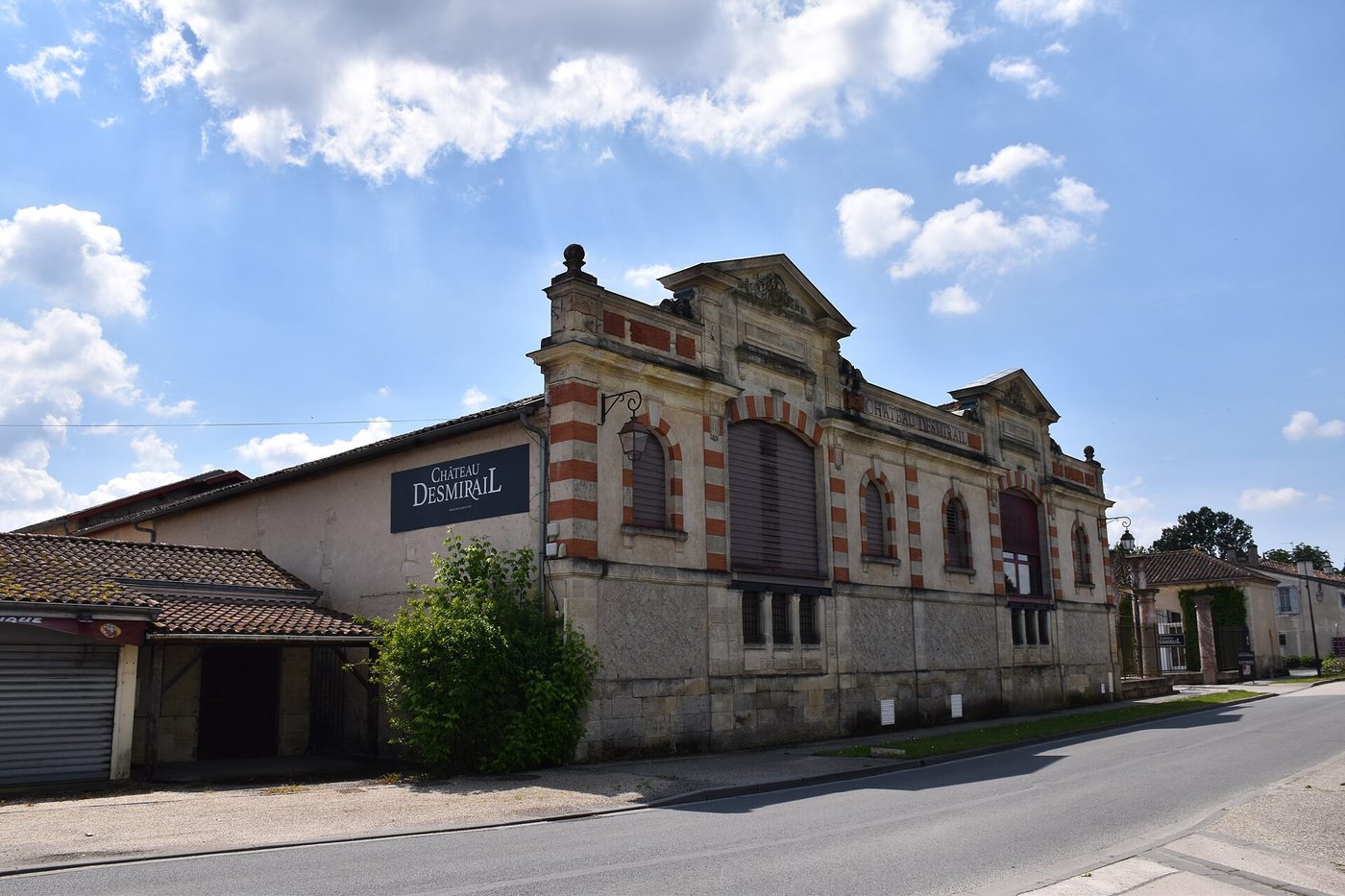
| Médoc (Margaux, Pauillac, Saint-Julien, Saint-Estèphe) | Left | Cabernet Sauvignon | The 1855 classified growths, the famous names, the grand châteaux | Yes, by bus 705 to Pauillac. No usable direct train. |
| Pessac-Léognan / Graves | Left | Cabernet Sauvignon and Sémillon | Reds and dry whites, and the only non-Médoc estate in the 1855 list | Yes, easily. Tram B, about 20 minutes. |
| Sauternes and Barsac | Left | Sémillon | Botrytised sweet whites, including Château d’Yquem | Yes, TER towards Langon. |
| Saint-Émilion | Right | Merlot | A UNESCO village on limestone, softer and rounder wines | Yes, direct TER. The easiest of all. |
| Blaye and Bourg | Right | Merlot | Value reds, and a Vauban citadel over the estuary | Yes, express coach 430 or by boat. |
| Entre-deux-Mers | Between the rivers | Sauvignon Blanc | Crisp dry whites, bastide villages, cycling | Partly, by express coach to Créon. |
The shorthand that helps: left bank means gravel soil, Cabernet Sauvignon dominant, structured wines built to age, and the famous classified names. Right bank means clay and limestone, Merlot dominant, plusher and more approachable young. If you have one afternoon and you want to enjoy what is in the glass immediately, go right bank. If you want to stand in front of the names on the auction lists, go left.
How to visit Bordeaux wine country without a car
The received wisdom is that you need a car for the Médoc and a tour for everything else. That is only half true, and the half that is false costs people a lot of money in guided tours they did not need.
| Destination | How | Journey time | Fare |
|---|---|---|---|
| Saint-Émilion | Direct TER from Bordeaux Saint-Jean | 29-35 min on the direct services | From about €5 one way; advance fares seen €4-€11 |
| Pauillac (Médoc) | Regional bus line 705 from Place Ravezies | About 95-100 min, 55 stops. Weekday service | Regional bus fare |
| Margaux (Médoc) | Regional bus line 705 from Place Ravezies | About 1h20. Weekday service, check timetables | Regional bus fare |
| Pessac-Léognan | Tram B to Sembat or Pape Clément | About 20 min | Standard TBM ticket |
| Sauternes / Barsac | TER towards Langon; alight Barsac or Podensac | Regional service | TER regional fare |
| Blaye | Express coach line 430 | About 1h35, every 20 min at peak. Monday to Friday | €2.30 single |
| Entre-deux-Mers (Créon) | Express coach from Bordeaux Métropole | Regional service | Regional bus fare |
| Arcachon / Dune du Pilat | TER to Arcachon, then Baïa bus line 1 | About 50 min plus 25 min | Train fare plus €1 bus |
One warning before you build a day around this table: the regional coach services, line 430 to Blaye and line 705 into the Médoc, run on weekday timetables. Check the day you actually intend to travel, because a Sunday plan built on either of them will strand you. The trains to Saint-Émilion, Sauternes and Arcachon do run at weekends, with a thinner Sunday service.
A few more details make the difference between these routes working and not working.
Saint-Émilion station is not in Saint-Émilion. It is roughly 1.5 to 1.6 kilometres from the village, a 20 to 25 minute walk uphill through vineyards. In good weather that walk is one of the pleasures of the day. In August heat with a toddler it is not. From April to November the Tuk-Tuk des Cordeliers runs the transfer for about €5 per person, daily 10:00 to 18:00. There are around 16 trains a day, with a thinner service on Sundays and public holidays, so check the last return before you settle into a second tasting.
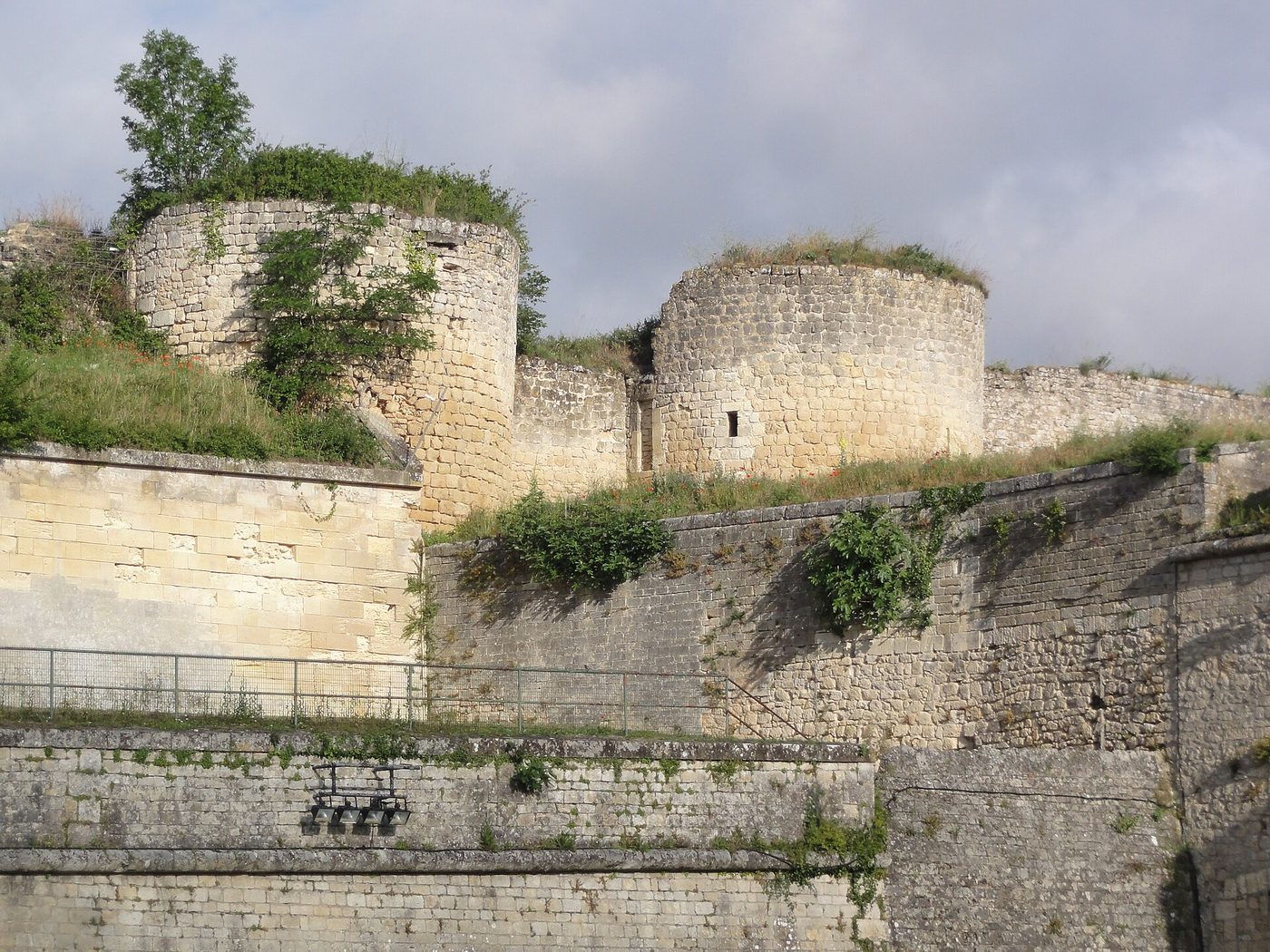
Blaye at €2.30 is the best-value day trip in the region. The express coach line 430 opened to passengers on 8 January 2024, runs every twenty minutes at peak, and connects to tram A at La Gardette, tram B at Cité du Vin and tram C at Les Aubiers and Ravezies. At the other end is the Citadelle de Blaye, fortified by Vauban between 1685 and 1689 and inscribed by UNESCO along with Fort Pâté and Fort Médoc as the “Verrou Vauban”, the Vauban lock across the estuary. The guided tour of the citadel is included in the CityPass. You can also arrive by river cruise from Bordeaux, combining the citadel with a vineyard tasting, which is slower and considerably more pleasant.
Pessac-Léognan is twenty minutes on a tram. Line B takes you to Sembat or Pape Clément for Château Haut-Brion and Château Pape Clément, or Pessac Centre for the town. Pick up a Vélo bike at the far end and you can string together a short château circuit under your own power. For a first taste of classified-growth Bordeaux with no logistics at all, this is the move.
Sauternes needs a plan. Take the TER towards Langon and get off at Podensac for the Maison des Vins de Graves, or Barsac for the Maison des Vins de Barsac-Sauternes. From Barsac you can reach Yquem by combining train and bike over about 12 kilometres, with some genuinely steep sections. This is the one region where I would consider a tour or a taxi if cycling is not your thing.
Visiting the châteaux: prices, rules and the ones that will refuse you
This is the part of a Bordeaux trip that goes wrong most often, because the estates do not behave like tourist attractions. Some take walk-ins. Some need two months. One of the most famous will not pour you a glass at all.
| Château | Region | Price | Booking rules |
|---|---|---|---|
| Château Villemaurine | Saint-Émilion | €25 adult (Patrimoine or “De la vigne au verre”), €12 aged 12-17, free under 12; Privilège €45, adults only | Walkable from the village. Book online |
| Château Guadet | Saint-Émilion | €50 per person | Private visit with a vertical tasting of three Guadet vintages |
| Château Soutard | Saint-Émilion | Not published | Visits, tastings and wine by the glass; ask when booking |
| Château Pape Clément | Pessac-Léognan | €25 to €129 depending on the experience | Open seven days, booking required by email or phone |
| Château Smith Haut Lafitte | Pessac-Léognan | Not published | By appointment, small groups, 60 min, French and English |
| Château Margaux | Médoc | Free, but trade-only tasting | Mon-Fri by appointment, months ahead. Closed weekends, holidays, all August and harvest |
| Château Mouton Rothschild | Médoc (Pauillac) | Published figures conflict; ask when you book | Mon-Fri, four weeks minimum and ideally two months ahead. Groups capped at 15, 2 to 2.5 hours. Paused for harvest |
Four rules that will save your trip.
One: Château Margaux will not pour you wine. Cellar visits happen Monday to Friday by appointment and are free of charge, but the tasting is reserved for wine-trade professionals. Casual visitors admire the building and walk part of the grounds. It also closes at weekends, on public holidays, for the whole of August, and during harvest. If tasting first-growth Margaux is the dream, the route is a merchant or a wine bar in the city, not the estate gate.
Two: Mouton Rothschild needs a month, and prefers two. No walk-ins, no same-day bookings, weekdays only, groups capped at fifteen, and two to two and a half hours on site. What you get is the cellars, the vat room and the Museum of Wine in Art, which holds the original artworks commissioned for the labels, followed by a tasting. On price the published figures do not agree with each other, with one regional source quoting €60 per person for the museums with a guide while tour operators package it at several times that, so establish the cost in writing when you book.
Three: the walkable Saint-Émilion estates are the practical choice. Château Villemaurine, Château Guadet, Château Soutard and the Couvent des Jacobins can all be reached on foot from the village. That means you can arrive by train, walk up from the station, do the village, do a château, and go home, with no car, no tour and no designated driver. Villemaurine’s Patrimoine visit at €25 is the best entry point, and the Privilège at €45 is the one to book if you already know what you like.
Four: budget an hour and a half per estate and do not book three in a day. Tastings run long, the roads between estates are slow, and the third visit of the day is wasted on a palate that stopped registering tannin an hour ago. Two is the right number. One, done properly, is better than three done in a rush.
The classifications, in plain English
You will see “Grand Cru Classé” on labels, on signposts and in every wine list in the city, and it is rarely explained. It is two entirely separate systems.
The 1855 classification
Drawn up for the Paris Exposition Universelle of 1855, it ranks the red wines of the Médoc, plus one estate from Graves, into five growths, and separately ranks the sweet whites of Sauternes and Barsac.
| Growth | Number of châteaux |
|---|---|
| First Growth (Premier Cru) | 5 |
| Second Growth | 14 |
| Third Growth | 14 |
| Fourth Growth | 10 |
| Fifth Growth | 18 |
| Total red-wine châteaux | 61 |
Three things are worth knowing. Château Haut-Brion is the only non-Médoc estate in the red list, which is why Pessac-Léognan punches above its tourist profile. On the sweet white side the ranking runs from Premier Cru Supérieur down to Second Growth, and Château d’Yquem alone holds that top rung. And in more than 170 years the ranking has changed exactly once: Château Mouton Rothschild was promoted from Second to First Growth on 21 June 1973, after decades of lobbying by Baron Philippe de Rothschild.
That immovability is the point and the problem. A classification frozen in 1855 tells you about the reputation of estates in the reign of Napoleon III, not necessarily about what is good now. Treat it as history with a strong correlation to price, rather than as a shopping list.
The Saint-Émilion classification
Saint-Émilion took the opposite approach and revises roughly every ten years. The current list is the 2022 classification, the seventh revision since the system began in 1955, and it covers 85 estates. At the top, Premier Grand Cru Classé A, there are just two: Château Pavie, and Château Figeac, promoted in 2022.
That top tier used to have more names in it. Cheval Blanc and Ausone withdrew from the process in July 2021, and Angélus followed in January 2022. All three had held Premier Grand Cru Classé A in the 2012 list. Their stated objection was that the scoring criteria had come to weight marketing, communication and wine tourism too heavily against terroir and the wine itself. The result is that three of Saint-Émilion’s most celebrated estates now sit outside the classification entirely while still commanding some of its highest prices, which says a good deal about how much the ranking still drives the market. Revisions run on roughly a ten-year cycle, so the next is expected in the early 2030s, though no date has been formally confirmed.
Saint-Émilion: the day trip everybody should take
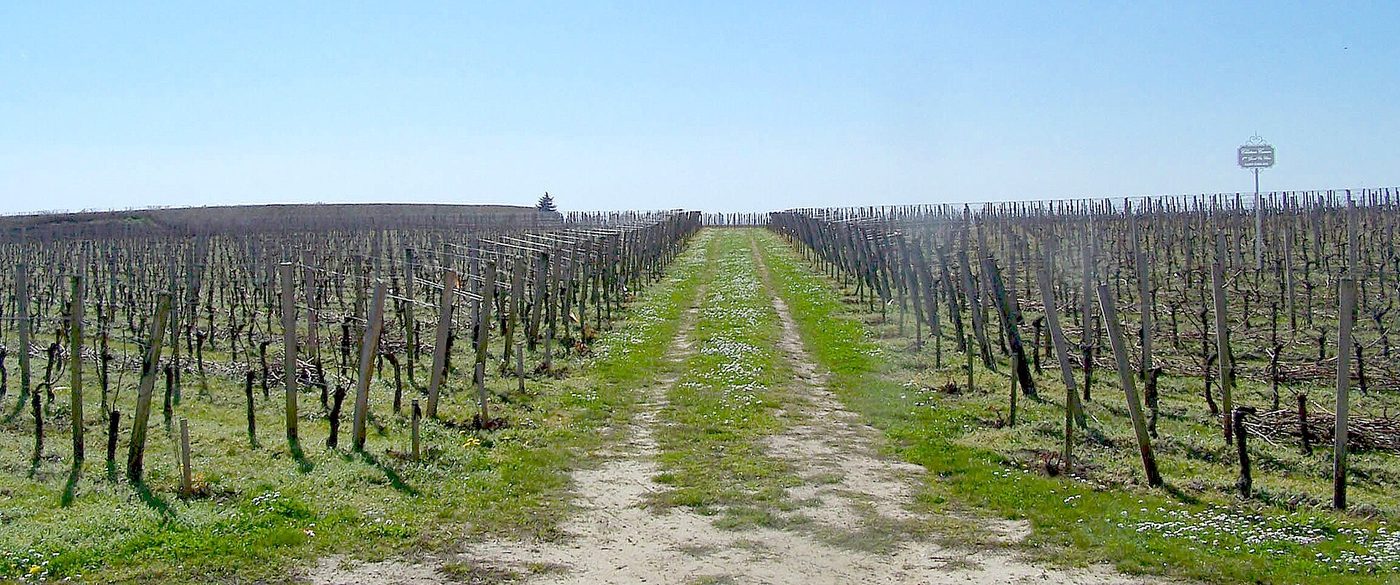
If you do one thing outside the city, do this. Saint-Émilion is a limestone village of steep cobbled lanes on a hill above its own vineyards, and the Jurisdiction of Saint-Émilion was inscribed by UNESCO in 1999 under criteria (iii) and (iv), covering 7,847 hectares across eight communes with a further 5,101 hectares of buffer zone. The “jurisdiction” is not a modern administrative term: it dates to the twelfth century, when John Lackland, King of England and Duke of Aquitaine, granted the town its self-governing status.
The centrepiece is the Monolithic Church, carved down into the rock in the twelfth century and the largest underground church in Europe. You cannot wander in: the interior is accessible only on a guided tour and you should book ahead. The Tourist Office runs the underground tour, and the guided visit to the underground monuments is one of the day trips included in the Bordeaux CityPass, which is a genuine saving if you already hold one.
A workable day, arriving by train: walk up from the station through the vines, do the underground tour first thing before it books out, wander the lanes and the Tour du Roi, have lunch on the Place du Marché, visit one walkable château in the afternoon, buy macarons, walk back down. Add the tuk-tuk at either end if the hill is not appealing.
Saint-Émilion also earns a place in our list of the most beautiful towns in Europe, which gives you a sense of the company it keeps. Twice a year the village puts on a show. The Jurade, the ancient wine brotherhood, holds its Fête de Printemps on the third Sunday in June, which in 2026 is Sunday 21 June, inducting new members in red robes. In autumn it proclaims the Ban des Vendanges from the Tour du Roi, generally the third Sunday in September, which in 2026 falls on Sunday 20 September. Both are free to watch and both fill the village, so go early or go another day.
Arcachon and the Dune du Pilat
Fifty minutes west of Bordeaux Saint-Jean the vines stop and the Atlantic starts. Arcachon is a Belle Époque seaside town on a shallow tidal basin famous for oysters, and just south of it is the Dune du Pilat, the tallest sand dune in Europe, a wall of pale sand rising straight out of the pine forest with the ocean on the other side.
The logistics are simple and cheaper than most people expect. Train to Arcachon in about fifty minutes, then a Baïa bus from the SNCF station towards Plage de la Salie, alighting at “Dune du Pilat” after roughly twenty-five minutes. The fare is €1 one way. Several Baïa lines serve the dune, so ask at the station which is running that day rather than fixing on a line number. Access to the dune itself is free if you arrive on foot, by bike or by bus, because it is the parking that is ticketed. In high season expect around €6 per car for four hours, less for two wheels, and no charge at all in the depths of winter, though the posted rate moves, so check at the barrier. A nominal thirty free minutes is signposted at the car park, which is not remotely enough time to climb and come back, so do not plan around it.
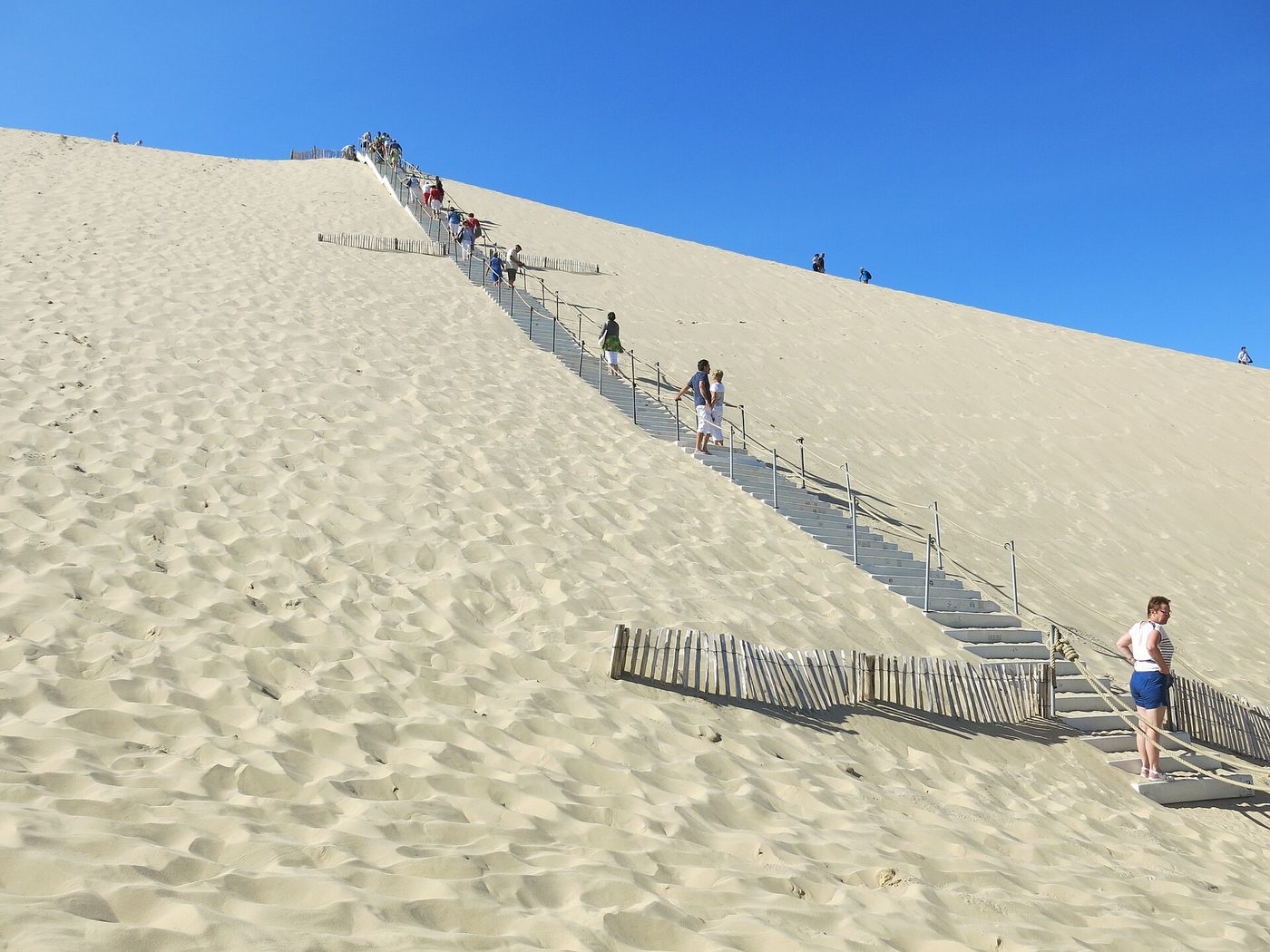
A temporary staircase is installed on the dune for part of the year. Outside those months you climb on loose sand, which is genuinely hard work and takes far longer than the height suggests. Bring water, go barefoot on the way up, and go late in the day: the sunset from the crest over the Atlantic is the reason people make the trip twice.
Pair it with oysters. The Bassin d’Arcachon produces close to 10,000 tonnes a year and the Arcachon-Cap Ferret oyster holds a protected designation. Eating a dozen at a producer’s shack in one of the oyster villages, with a glass of Entre-deux-Mers, is one of the best cheap meals in France. Our best beaches in Europe guide has more of this coastline, and the European food guide covers regional specialities across the continent.
What to eat in Bordeaux
Bordeaux eats richly and locally, and the specialities are worth seeking out rather than stumbling into.
| Dish | What it is | Where to find it | Rough price |
|---|---|---|---|
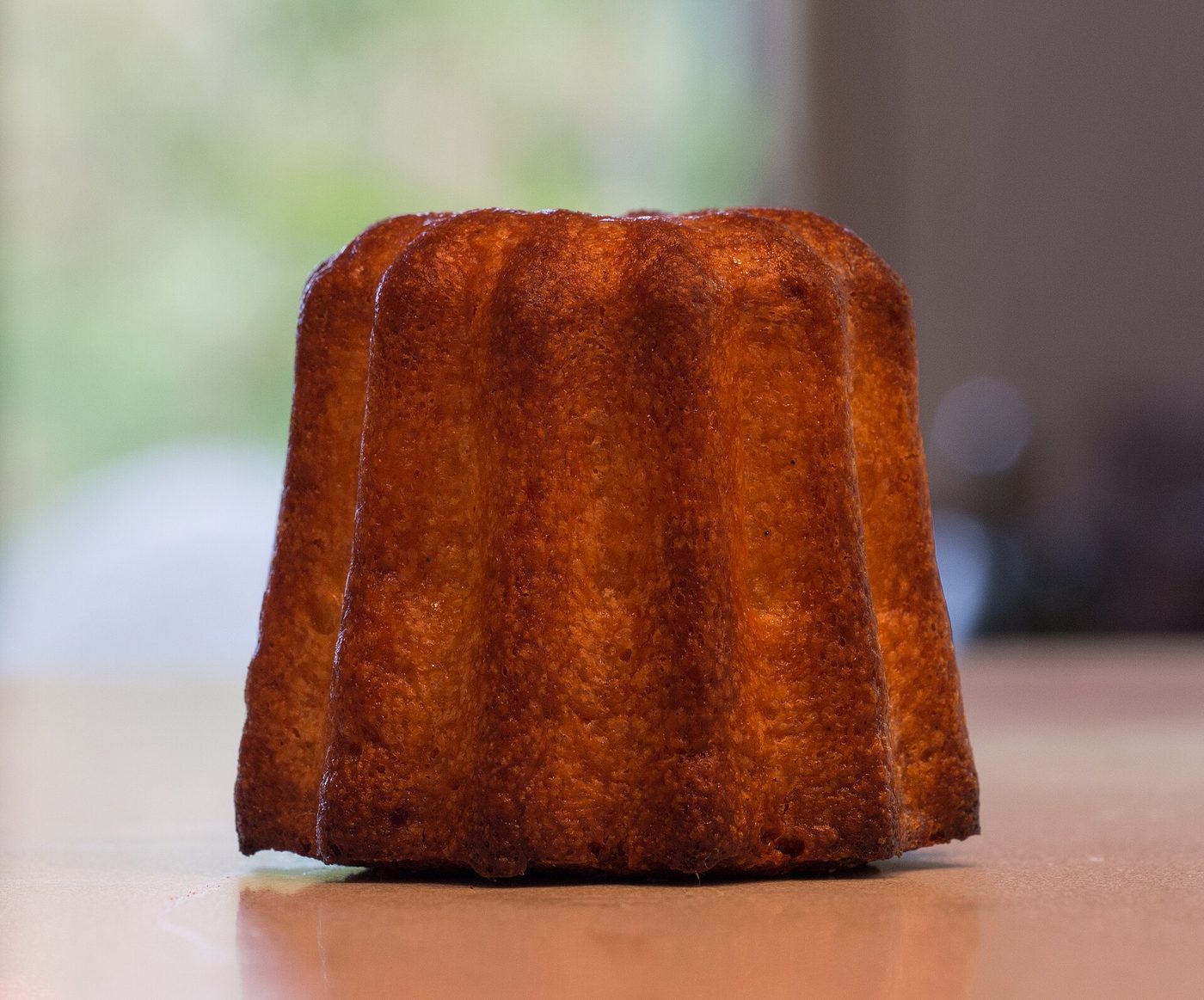
| Canelé | Small fluted cake, dark caramelised crust, custardy centre, rum and vanilla. Created by nuns at the Couvent des Annonciades | Baillardran has 17 shops around the region plus one at the airport | €3.10 for the 60 g “Or-igine”, €2.00 for the 35 g “Moyen” |
| Entrecôte à la bordelaise | Rib steak with red wine, shallot and bone-marrow sauce, traditionally grilled over vine-branch embers | Bistros across Saint-Pierre | Main course pricing, typically inside a €35-€50 dinner menu |
| Lamproie à la bordelaise | Lamprey braised in red wine with leeks, garlic and spices. Divisive, and worth trying once | Traditional restaurants, seasonal | Restaurant main |
| Arcachon oysters | Protected designation from the Bassin d’Arcachon | Marché des Capucins, or the oyster villages on the basin | Market pricing by the dozen |
| Agneau de Pauillac | Pauillac lamb, raised in the Médoc | Restaurants in Pauillac and the city | Restaurant main |
| Macarons de Saint-Émilion | Soft almond macarons, a village recipe since the 17th century, nothing like the Parisian kind | Saint-Émilion village | Boxed, inexpensive |
| Bœuf de Bazas | Beef from Bazas, south-east of the city | Better bistros | Restaurant main |
The single best food experience in the city costs almost nothing: get to the Marché des Capucins before ten on a Saturday, sit at one of the oyster counters, and order a dozen with a glass of white. The market runs Tuesday to Friday from 06:00 until about 13:00 and Saturday and Sunday from 05:30 to 14:30, closed Mondays. Locals do this instead of brunch and they are right.
On restaurant pricing generally: a lunch formule runs about €18 to €25, with some places nearer €28. A prix fixe dinner menu sits at €35 to €50 and a casual meal at €20 to €35. A glass of Bordeaux in a wine bar starts from around €4.50 and commonly falls between €3 and €7, beer runs €3 to €6, and a cappuccino is €3 to €4.
When to visit Bordeaux
Bordeaux has a sub-oceanic climate with a touch of Mediterranean influence: mild wet winters, warm sunny summers, and about 833 mm of rain across the year. January is the wettest month, averaging around 110 mm and running a mean of 7.2°C with lows near 3.8°C and highs near 10.5°C. July is the driest at roughly 42 mm, with highs around 27°C and lows around 16°C.
| Season | Weather | What is happening in the vines | Verdict |
|---|---|---|---|
| Spring (Mar-May) | Highs 15-25°C, evening lows 5-13°C, 7-9 rainy days per season | Budbreak and flowering; châteaux fully open | My favourite. Green vines, mild days, no crowds |
| Summer (Jun-Aug) | Warm and dry, July highs around 27°C | Ripening. Some estates close in August | Busiest and priciest. Room rates 30-50% up |
| Autumn (Sep-Oct) | Highs around 24°C, lows to 9°C, wetter than summer | Harvest, and many châteaux shut to visitors | Beautiful, but check every booking twice |
| Winter (Nov-Feb) | Around 7°C by day, lows 3-6°C, 9-10 rain days a month, snow rare | Pruning. Quiet, and some estates on reduced hours | Cheapest. Miroir d’Eau switched off |
I have deliberately not printed a twelve-month temperature table here. The monthly figures I could confirm against a single consistent source were January and July, and stitching the rest together from different providers produces a table that looks authoritative and is not. The seasonal picture above is accurate and is what you plan around. For the wider continental picture, our best time to visit Europe guide breaks the year down month by month, and best time to visit France does it region by region.
On harvest, traditionally the vendanges run from September into October, and many visitors deliberately time a trip to see it. Two warnings. Most châteaux close to visitors during harvest, though some Pessac-Léognan and Saint-Émilion estates run special harvest-season visits precisely because the demand exists. And 2026 broke the pattern: cutting started on 6 August with crémant grapes, with the main harvest estimated from mid-August into early September, around fifteen days ahead of 2025. If you booked a September 2026 trip around watching the pickers, contact the estates directly.
Bordeaux events calendar
| Event | When | Open to the public? | Notes |
|---|---|---|---|
| En Primeurs Week | 20-23 April 2026 (2025 vintage) | No, trade only | Grand tasting 20 April at Hangar 14, three slots; appellation tastings at six host châteaux 21-23 April. Over 5,000 buyers and critics attend, so the city is full |
| Jurade Fête de Printemps | Sunday 21 June 2026 | Yes, free to watch | New Jurade members inducted in Saint-Émilion |
| Marathon du Médoc | Saturday 5 September 2026 | Yes, if you enter | 42.195 km past around 60 châteaux. Fancy dress compulsory; 2026 theme is the 1980s |
| Jurade Ban des Vendanges | Sunday 20 September 2026 | Yes, free to watch | Harvest proclaimed from the Tour du Roi |
| Bordeaux Fête le Vin | 7-11 July 2027 | Yes | No 2026 edition. Returns in 2027 paired with the Tall Ships Race |
The Marathon du Médoc deserves its reputation. The course runs through the vineyards past roughly sixty châteaux including Lafite-Rothschild, Mouton-Rothschild, Latour and Beychevelle, threading Saint-Julien, Saint-Estèphe and Margaux. Alongside the normal water and glucose stations there are “special” stations serving Bordeaux wine, oysters, entrecôte and cheese. Costume is not optional: turning up at the start without one is grounds for disqualification. It is the least serious serious marathon in the world, and accommodation across the Médoc and Bordeaux goes early that weekend.
What a Bordeaux trip actually costs
Bordeaux has a reputation as an expensive city, largely by association with the wine. In practice it sits below Paris and roughly level with Lyon.
| Item | 2026 price |
|---|---|
| Hostel dorm bed | €24-€50 |
| Budget hotel | €65-€120 |
| Three-star hotel, city average | Around €101 |
| Two-star or guesthouse | Around €76 |
| Five-star palace | Around €387 |
| Lunch formule | €18-€25 |
| Prix fixe dinner | €35-€50 |
| Casual meal | €20-€35 |
| Glass of Bordeaux in a wine bar | From about €4.50, commonly €3-€7 |
| Beer | €3-€6 |
| Coffee | €3-€4 |
| Bordeaux walking tour | From €13 |
| River cruise | €15 |
| Grand Théâtre guided tour | From €10 |
| Half-day wine tour | From €55 via the Tourist Office; €75-€105 typical with third-party operators |
| Full-day Saint-Émilion tour | From €99 |
| La Cité du Vin, adult | €23 date-stamped, €28 open |
| Les Bassins des Lumières, adult | €16 |
| CityPass, 24h / 48h / 72h / 96h | €37 / €48 / €56 / €62 |
| 48h unlimited transport | €11 |
| Le Vélo bike share | First 30 min free, then €2 per hour |
| Taxi | About €2 base plus roughly €1.66 per km |
| Car hire | About €35 per day on a multi-day rental |
Rolled up into daily budgets, the sensible planning figures are around €80 a day backpacking, €175 a day mid-range and €400 or more at the upscale end. The half-day tour line is the one worth staring at: €55 through the Tourist Office against €75 to €105 with third-party operators for a broadly comparable half day. Book at the source.
On the taxe de séjour, I am going to give you the mechanism rather than a number. Bordeaux Métropole charges a nightly tourist tax per adult guest, and since 1 January 2024 an additional 34 per cent regional surcharge has applied on top of the existing departmental one, paid over to the Société du Grand Projet du Sud Ouest. Minors are exempt, as are seasonal workers on a contrat saisonnier employed within the métropole, people in emergency or temporary rehousing, and anyone paying under €1 a night. The exact per-star bands published for 2026 did not render on the official deliberation when I checked, and the secondary figures in circulation vary enough that I would rather send you to the source: Bordeaux Métropole runs an official simulator at taxedesejour.bordeaux-metropole.fr. Expect it as a small line on your hotel bill, not a budget item.
For a broader view of what a French trip costs, see our budget guide, and if you are pricing several cities against each other, cheapest places to travel in Europe puts Bordeaux in context.
Three Bordeaux itineraries
Two days: city and Saint-Émilion
Day one. Morning in the eighteenth-century core: Place de la Bourse, the Miroir d’Eau on its mirror cycle, Porte Cailhau and the Pont de Pierre. Lunch at the Marché des Capucins. Afternoon climb up the Flèche Saint-Michel, then walk north through Saint-Pierre for a drink. Dinner in the old town, and go back to the Miroir at dusk when the light is better than anything you photographed at noon.
Day two. Early TER to Saint-Émilion. Walk up through the vines, do the underground monolithic church tour first, then the lanes and the Tour du Roi. Lunch on the Place du Marché. One walkable château in the afternoon, Villemaurine at €25 being the reliable pick. Last train back, and check that time before you book the tasting.
One day: the compressed version
If Bordeaux is a stopover rather than a stay, this is the order that wastes the least time. Drop bags at Saint-Jean, tram C to the centre, and walk Place de la Bourse and the Miroir d’Eau first while the light is still soft. Climb the Flèche Saint-Michel for €7, then eat at the Marché des Capucins, five minutes away. Spend the afternoon on the quays between the Pont de Pierre and Chartrons, and finish with a glass somewhere on Place du Parlement. No wine country, no museums, and you will still leave liking the place.
Three days: add the Cité du Vin and the Bassins
Take the two-day plan and add a day for the Bacalan waterfront. The Cité du Vin in the morning, allowing two to three hours and finishing with the included glass on the eighth floor. Walk ten minutes to Les Bassins des Lumières in the old submarine base for an hour of the current show. In the afternoon, tram over to Chartrons for the Musée du Vin et du Négoce and its two tastings, or cross to Darwin on the right bank if you would rather be outdoors. Buy the 48-hour CityPass for this pairing and the maths works out clearly in your favour.
Four days: add wine country properly
Day four is the choice. Left bank means the bus 705 to Pauillac and a pre-booked Médoc estate, which is the day for anyone who wants the famous names, provided they booked a month ago. Easy left bank means tram B to Pessac-Léognan, twenty minutes each way, Pape Clément with an experience from €25, and back for dinner. Coast means Arcachon and the Dune du Pilat with oysters at the basin. Estuary means the €2.30 coach to Blaye and the Vauban citadel, or the river cruise version if you have the whole day.
If Bordeaux is one stop on a longer route, the France itinerary guide has eight routes that connect it to Paris, the Loire and the south, and our western Europe route extends the idea across borders.
Bordeaux by traveller type
First-timers in France. Three days, city hotel on a tram line, one train day trip to Saint-Émilion, a 48-hour CityPass. Do not hire a car. See our guide to the best places in Europe for first-time visitors for how Bordeaux compares with the usual first-trip cities.
Couples. Chartrons or the Triangle d’Or, a river cruise at €15, dinner in Saint-Pierre, and the Belvédère at the Cité du Vin at the end of the day rather than the start. The Europe honeymoon guide has more in this vein.
Families. The Miroir d’Eau is free entertainment for an hour and children love it. The Jardin Public has the botanic garden and space to run. Darwin has the skatepark and the murals. The Dune du Pilat is a giant sandpit. Skip the Grosse Cloche, which does not admit under-sixes, and think twice about the walk up from Saint-Émilion station in August heat. More ideas in our family travel guide.
Solo travellers. Bordeaux is easy alone: wine bars are set up for single drinkers, the market counters seat solo diners without fuss, and the walking tours from €13 are a cheap way into a group. Our solo travel guide covers the practicalities.
Non-drinkers. This comes up more than you would think. The Cité du Vin offers organic grape juice in place of the wine on the standard ticket, the Bassins des Lumières has nothing to do with wine, and the city’s UNESCO core, the towers, the market, the river and the Dune du Pilat are all entirely independent of it. A Bordeaux trip with no tasting at all still works perfectly well.
Rail travellers. Bordeaux sits on the Paris to Spain axis, so it slots neatly into a longer rail run. See the best Europe travel routes and how to build a Europe itinerary for the connections.
Cyclists. The Entre-deux-Mers has a network of greenways on old railway lines, Le Vélo puts a bike in your hand for the first half hour free, and the Barsac-to-Yquem route is a proper 12-kilometre ride with real climbs. Hiking in Europe and Europe road trips cover the slower ways to see the continent.
Practical things nobody tells you
Safety. Bordeaux is a comfortable city to walk at night in the central districts, with the usual caveats about pickpocketing on the tram and around Rue Sainte-Catherine on busy afternoons. The area immediately around Saint-Jean station and parts of Saint-Michel feel scruffier after dark than the Triangle d’Or, which is a matter of atmosphere more than risk. Standard precautions cover it. Our continent-wide travel tips guide goes into safety, money and etiquette across the continent.
Sunday and Monday closures. This catches people out repeatedly. The Marché des Capucins is closed on Mondays, the CAPC is closed on Mondays, and many independent restaurants close Sunday evening and all day Monday. Sunday is a good day for the Chartrons market, the quays and the Jardin Public, and a bad day for museums and for the regional coaches to Blaye and the Médoc.
Entry requirements. France is in the Schengen area, so the rules for your nationality are the Schengen rules, and the ETIAS travel authorisation is the change most non-EU visitors need to check before booking. We keep the current position in our ETIAS and Schengen entry guide.
Tipping. Service is included by law in French restaurants. Rounding up or leaving a couple of euros for good service is normal and appreciated; fifteen or twenty per cent is not expected and marks you out.
Accessibility. The tram network is level-boarding and the flat riverside is easy going, which makes Bordeaux one of the more manageable French cities on wheels. The exceptions are the ones you would expect: the Grosse Cloche is explicitly not accessible, with many steps and a narrow staircase, both bell towers involve well over two hundred steps with no lift, and Saint-Émilion is a hill village on cobbles with a steep walk up from its station.
Getting here other than by TGV or plane. FlixBus and BlaBlaCar Bus run into Bordeaux from Paris, Toulouse and the Spanish border for a fraction of the rail fare and roughly three times the journey time. Driving from Paris is around six hours on the A10 with tolls, and the city has 28 park-and-ride facilities on the tram network, which is far easier than trying to park centrally. See our transport comparison for how these options compare.
Nine mistakes to avoid in Bordeaux
1. Turning up at a famous château without an appointment. Margaux and Mouton Rothschild both require booking weeks or months ahead and neither takes walk-ins. The gate will not open because you came a long way.
2. Expecting to taste at Château Margaux. Visits are free but tasting is trade-only. Read that sentence twice before you build a day around it.
3. Visiting in August and finding the estates shut. Château Margaux closes for the whole month, and in 2026 the early harvest closed others from mid-August.
4. Buying a separate tasting at the Cité du Vin. One glass is already in your ticket, drunk on the eighth floor.
5. Assuming the CityPass is digital. It is not. The card is collected in person at 12 cours du 30 Juillet, and the office shuts at 18:00 on weekdays and 17:00 on Sundays.
6. Not validating on transfers. A TBM ticket is good for an hour of unlimited transfers, but you must tap on every boarding. Inspectors are frequent on tram B.
7. Booking three château visits in one day. Allow an hour and a half each plus slow country roads. Two is the maximum that respects both the schedule and your palate.
8. Walking Rue Sainte-Catherine end to end. It is more than a kilometre of chain stores. The good streets run parallel to it.
9. Planning around a wine festival that is not happening. There is no Bordeaux Fête le Vin in 2026. The next edition is 7 to 11 July 2027.
Frequently asked questions about Bordeaux
Is Bordeaux worth visiting?
Yes. It has the best-preserved eighteenth-century urban core in France outside Paris, UNESCO-inscribed since 2007, and it is the only major city in the world where you can walk a UNESCO-listed historic centre in the morning and stand in a first-growth vineyard by mid-afternoon. It is thin on famous museums, so adjust expectations there.
How many days do you need in Bordeaux?
Three is the sweet spot: one for the city, one for Saint-Émilion, one for the Cité du Vin and the Bacalan waterfront. Two works if you accept a single wine region. Four lets you add Arcachon or the Médoc.
Do you need a car in Bordeaux?
No. The city is flat and walkable with a good tram network. Saint-Émilion is a direct train, Pessac-Léognan is twenty minutes on tram B, Blaye is a €2.30 coach, Sauternes is a TER, Arcachon is fifty minutes by rail, and Pauillac in the Médoc is regional bus 705 from Place Ravezies. A car only earns its €35 a day if you are chasing several Médoc estates in one go.
Is the Bordeaux CityPass worth it?
It is worth it if you plan to do the Cité du Vin and Les Bassins des Lumières, because those two alone are €39 against a €48 48-hour pass. The Tourist Office’s own worked example totals €82 of value against that pass. It is not worth it if you intend to skip both, because most of Bordeaux’s best sights are free.
How do you get from Bordeaux to Saint-Émilion?
Direct TER from Bordeaux Saint-Jean, 29 to 35 minutes on the direct services, from around €5 one way, with roughly 15 to 16 trains a day and a reduced Sunday and holiday service. The station is 1.5 to 1.6 km from the village, a 20 to 25 minute uphill walk, or about €5 per person on the Tuk-Tuk des Cordeliers, which runs April to November, daily 10:00 to 18:00.
Can you visit Château Margaux?
You can visit the cellars, by appointment, Monday to Friday, free of charge, and you should book months in advance. You cannot taste unless you are a wine-trade professional. The estate is closed at weekends, on public holidays, for the whole of August and during harvest. Casual visitors are welcome to look at the château from outside and walk part of the grounds.
Is the Dune du Pilat free?
Yes, if you arrive on foot, by bike or by bus, because access itself is not ticketed. Parking is €6 per vehicle for four hours. The Baïa bus from Arcachon station is €1 one way and takes about 25 minutes.
What is Bordeaux famous for besides wine?
Eighteenth-century architecture, and a lot of it: 347 protected buildings, more than any French city except Paris. Also the Miroir d’Eau, canelés, Arcachon oysters, the longest vertical-lift bridge in Europe, and a food culture that runs from €2 pastries to entrecôte grilled over vine cuttings.
When is the Bordeaux harvest?
Traditionally September into October. In 2026 it ran exceptionally early, with first cutting on 6 August and the main harvest estimated from mid-August to early September, roughly fifteen days ahead of 2025. Most châteaux close to visitors during the vendanges, so ring ahead if you are travelling in harvest season.
Is the Miroir d’Eau always on?
No. It runs roughly April to October or November, daily from 10:00 to 22:00, and is drained through winter to stop the pipework freezing. In season it cycles about three minutes filling, fifteen minutes of mirror, five minutes draining and three minutes of mist.
What is the best month to visit Bordeaux?
May or June for me: highs in the high teens to mid twenties, vines in leaf, châteaux fully open, and none of the August closures or the harvest disruption. September is gorgeous but is the month most likely to run into closed estates.
How do you get from Bordeaux airport to the city?
Tram line A, direct to Pey-Berland in the city centre in 35 minutes. Buy at the machines in front of the terminal, at any tram stop, or in the TBM app.
Final thoughts
Bordeaux is a city that gives back exactly what you put into planning it, and very little more. Arrive with nothing booked and you will have a nice walk along a handsome river and a glass of something red. Spend an evening on the logistics beforehand, book two châteaux properly, buy the right pass, take the train to Saint-Émilion on a weekday morning, and it becomes one of the best three-day trips in France.
The thing I keep coming back for is the ordinariness of the extraordinary here. A UNESCO city centre where people are just doing their shopping. First-growth vineyards you can reach on a €5 train ticket. Oysters at a market counter at nine in the morning because that is when they are best. Bordeaux does not perform for visitors the way some French cities do, and that is precisely why it is worth three days of yours.
Two things I could not pin down for you, and I would rather say so than invent them: the exact 2026 single-journey TBM fare, where the published figures genuinely conflict, and the current taxe de séjour bands, where the official document would not open. Both are small money and both have official sources linked above. Everything else here was checked against the operator’s own page in August 2026. If you are still assembling the trip, how to plan a trip to Europe and the ETIAS and Schengen entry rules cover the paperwork side, and the Europe packing list covers the rest.
If you are building a longer French trip, start with the France travel guide and the best time to visit France. If Bordeaux is one stop on a wider European route, our best places to visit in Europe and best cities to visit in Europe guides will help you shape the rest, and our guide to moving between them covers the trains and buses that connect them.
Hannah Brooks has spent fifteen years travelling, living and writing across Europe, from the Arctic tip of Norway to the south of Sicily. She has planned hundreds of European itineraries for readers and is Senior Europe Editor at EuropeanTourism.org.
Photo credits
- Bordeaux travel guide: the Place de la Bourse reflected in the Miroir d’Eau · Photo: Mariette (CC0) via Wikimedia Commons
- A TGV high-speed train, the two-hour link between Paris and Bordeaux · Photo: Ermell / CC BY-SA 4.0 via Wikimedia Commons
- Place de la Bourse and its eighteenth-century facades in central Bordeaux · Photo: Grenavitar, public domain, via Wikimedia Commons
- Inside the permanent exhibition at La Cite du Vin wine museum in Bordeaux · Photo: FrDr, CC BY-SA 4.0, via Wikimedia Commons
- Chateau Desmirail in Cantenac, a classified growth in the Margaux appellation of the Medoc · Photo: Renhour48, CC0, via Wikimedia Commons
- Bare winter vine rows at Chateau Canon in the Saint-Emilion appellation · Photo: Maielr, CC BY 3.0, via Wikimedia Commons
- Visitors climbing the seasonal staircase up the Dune du Pilat near Arcachon · Photo: Tangopaso, public domain, via Wikimedia Commons
- A canele de Bordeaux with its dark caramelised crust · Photo: Rhododendrites, CC BY-SA 4.0, via Wikimedia Commons
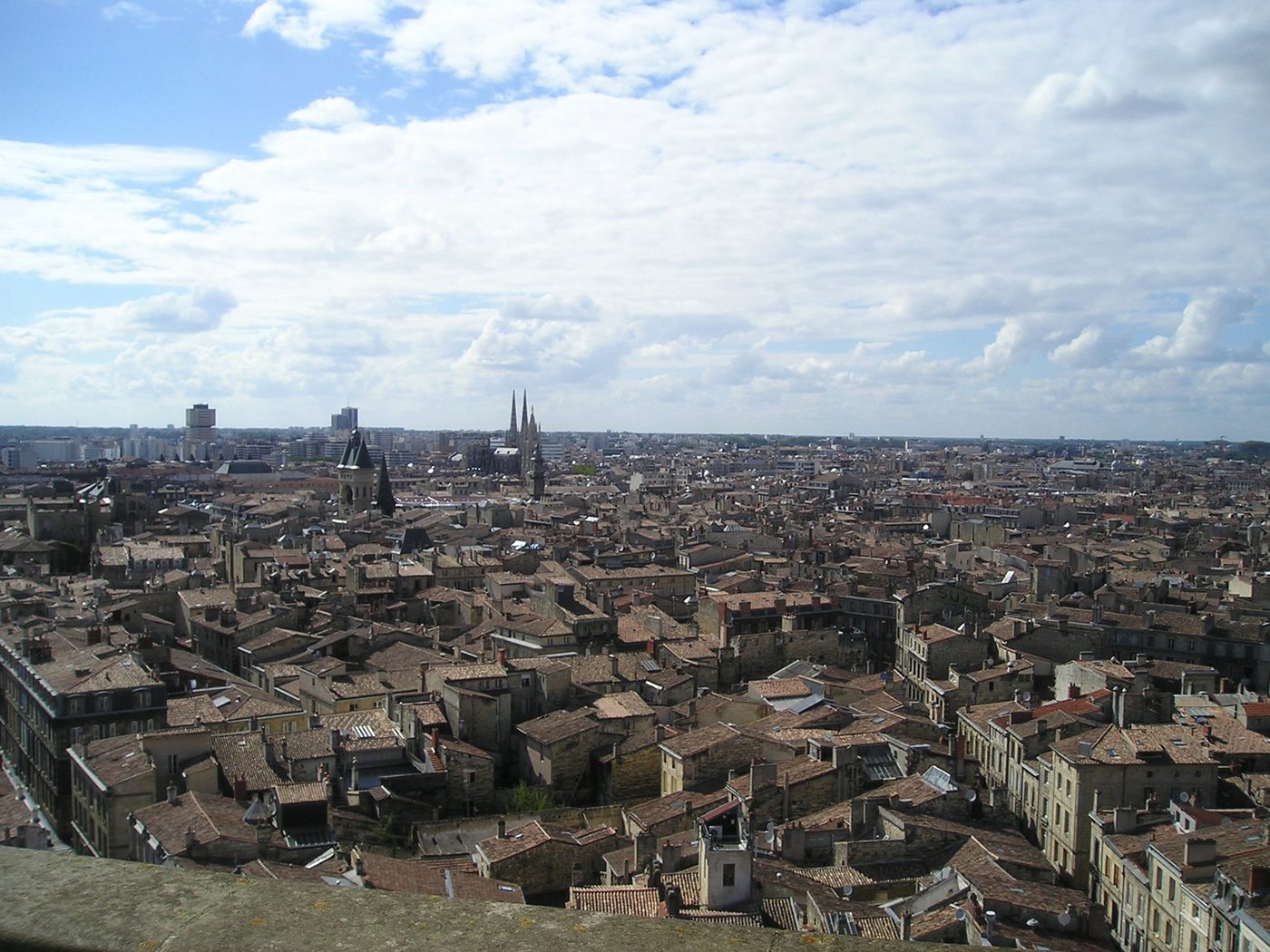
- The tiled rooftops and spires of central Bordeaux seen from the Tour Pey-Berland · Photo: Galano, CC BY-SA 3.0, via Wikimedia Commons
- The Vauban ramparts of the Citadelle de Blaye above the Gironde estuary · Photo: Havang(nl), CC0, via Wikimedia Commons