How to Book European Train Tickets
The short answer on how to book European train tickets: buy from the operator that runs the train, as soon as its booking window opens, and pay a reseller’s fee only when one basket covering several countries is worth the convenience. That habit sits underneath everything in our complete guide to train travel in Europe.
This page is for anyone planning a first rail trip that crosses borders, and for people who have booked a train or two and suspect they paid too much. The caveat that matters: Europe has no single ticketing system, so nearly every rule below has an exception somewhere. Checked against official sources in September 2026.
| Planning point | The short answer |
|---|---|
| Cost to book | Usually nothing extra when you buy from the operator. Resellers can add their own fees, SNCB International charges €4 per booking, and the Eurail and Interrail reservation service adds €2 per passenger per train, so compare the total at checkout |
| Time needed | About 15 minutes a train once the route is fixed; set aside an evening for a multi-country trip with connections |
| Best for | Independent trips with two to eight long journeys, where early fares usually beat a rail pass |
| Book ahead | Once your plans are fixed, as soon as the operator opens sales for high-speed trains, sleepers and peak-season Eurostars; not at all for most regional trains |
How do European train tickets actually work?
Three things set the price of a European rail ticket: who runs the train, how early you buy, and how much flexibility you pay for. Get those right and the rest is admin.
Start with who runs it. There is no pan-European railway and no single shop that sells every train. Each country’s national operator sells its own services, and on the busiest lines in Italy, Spain and France rivals share the tracks: Italo competes with Trenitalia, iryo and Ouigo España compete with Renfe, and SNCF runs its own low-cost brand, Ouigo, alongside TGV INOUI. For a train that crosses a border, look at the operators at both ends: each may sell the journey, and their prices can differ.
Timing matters because long-distance fares behave like airline seats. On high-speed and intercity trains the cheapest seats go on sale first and prices climb as the train fills. Deutsche Bahn shows the spread neatly: its Super Sparpreis starts at €17.99 in second class, subject to availability, while a walk-up Flexpreis on a long run such as Berlin–Munich can top €150 on the day. Rome–Florence runs from €19.90 on Trenitalia’s Economy and Super Economy fares, against €55 for the flexible Base fare. Those are 2026 figures and they move, but the shape of the curve doesn’t.
Flexibility is the third lever. Every big operator sells two broad families of fare, plus a few special cases, and the names change at each border:
| Fare family | What you get | Names you’ll see | Best for |
|---|---|---|---|
| Saver or advance | The lowest price, tied to one train, few or no changes | DB Super Sparpreis and Sparpreis, Trenitalia Economy and Super Economy, ÖBB Sparschiene, SBB Supersaver, Renfe Básico, iryo Inicial | Fixed plans and long journeys booked weeks ahead |
| Flexible | Changes and refunds within each operator’s rules; DB’s Flexpreis lets you take any train on your route that day | DB Flexpreis, Trenitalia Base, Renfe Prémium | Tight connections, work trips, dates that may slip |
| Regional or fixed fare | The same price whenever you buy, often not tied to one train | Italian regional tickets, Dutch and Belgian domestic tickets, German regional trains | Short hops; buy on the day |
| Reservation only | A seat or berth, with no right to travel on its own | Pass holder reservations on TGV, Frecciarossa, AVE, Eurostar and sleepers | Eurail and Interrail pass holders |
| Rail pass | Travel days across one or many countries | Eurail for non-Europeans, Interrail for European citizens and residents | Many long journeys, or plans that won’t sit still |
Saver fares suit most holidays, and the maths is starker than people expect. On Rome–Florence you could lose a €19.90 advance ticket, buy a second one, and still pay less than a single €55 Base fare. Flexibility earns its price only on a leg where a missed train would unravel the rest of the day. The cheapest tier of all, Trenitalia’s Super Economy or DB’s Super Sparpreis, is use it or lose it, unless on Super Economy you’ve paid for the optional tiRimborso refund.
There’s one more layer: seat reservations. France’s TGVs, Italy’s Frecciarossa and Spain’s AVE generally require a reservation, while on most domestic ICE services in Germany and Railjets in Austria it’s optional. That matters most to pass holders and gets its own section below. For what each fast network is like on board, see our guide to high-speed trains in Europe; if you’ve never taken a train abroad at all, Europe by train for beginners covers stations, luggage and etiquette.
Verdict: For fixed holiday dates, buy saver fares for the long legs and walk-up tickets for the short ones. On a typical two-week trip that combination is hard to beat.
Where should you book: operator, reseller or station?
You have five places to buy, and the right one changes with the trip. My default is simple: book direct for journeys inside one country, and consider a reseller only when a trip strings several networks together.
The operator’s own website or app
For a journey inside one country this is nearly always the cheapest and safest place to buy. You see the operator’s own fares, including discount-card prices and promotions, and you deal directly with the company that runs the train when things go wrong. Most national operators charge no booking fee on their own sites.
The drawbacks are real but manageable. You need one account per country, the English can be clumsy, and payment pages occasionally reject foreign cards. When a website misbehaves, try the operator’s app before giving up; several are better built than the sites they sit beside.
Verdict: Book direct for anything that starts and ends in the same country.
Multi-country resellers
Trainline, Omio and Rail Europe sell tickets from many operators in one basket, in English, with one login and one payment. That convenience has a price: a booking fee that varies with the route and the basket and only appears at checkout, and changes or refunds that go through the reseller rather than the railway. Coverage is wide but patchy at the edges. For Portugal, for instance, CP’s own site is the place to start.
Verdict: Worth the fee for a trip crossing three or more networks, or when an operator’s site simply won’t take your card. Hard to justify for a single Italian or Spanish journey.
DB and ÖBB for cross-border trips
The German and Austrian railways sell far more than their own trains. Deutsche Bahn’s English site, int.bahn.de, and its DB Navigator app issue tickets for many international journeys, and the DB journey planner shows timetables across Europe for free. DB sells its (Super) Sparpreis Europa fares up to 12 months ahead to and from Belgium, Luxembourg, the Netherlands and Switzerland, and up to six months ahead for Austria, Czechia, Denmark, France, Hungary, Italy, Croatia, Poland, Slovakia, Slovenia and Sweden. ÖBB covers much of Central Europe from Vienna. Neither sells everything, and some partner fares appear only on the partner’s own site.
Verdict: Use DB or ÖBB as the first check for any trip that touches Germany or Austria, then compare with the operator at the other end.
The Eurail and Interrail reservation service
Pass holders still need reservations for many fast trains and all sleepers. Eurail and Interrail sell them through their own platform, adding €2 per passenger per train reservation to whatever the operator charges. Where the operator sells pass holder reservations directly, book there and keep the fee. Our guide on how to use the Interrail pass walks through which trains need what.
Station ticket offices and machines
The ticket office is the underrated option. Staff at the international desks of big stations can often build tickets for itineraries the websites won’t sell in one go, and they’ll explain a fare’s conditions in plain language before you pay. Machines handle regional tickets well; carry a card and a few coins, because small stations vary.
Verdict: Good for regional tickets and awkward multi-operator trips. Don’t plan to buy high-speed tickets at the station on the day, because the cheap fares will have gone weeks earlier.
| Where you book | Booking fee | Coverage | Changes and refunds | Best for |
|---|---|---|---|---|
| Operator website or app | Usually none (SNCB International charges €4 per booking) | That operator’s trains, plus some partner routes | Handled by the railway | Any trip inside one country |
| Reseller: Trainline, Omio, Rail Europe | Varies; shown at checkout | Many operators, not all | Through the reseller | Multi-country baskets, card problems |
| DB or ÖBB for international trips | Usually none | Many cross-border routes | Handled by the railway | Trips that touch Germany or Austria |
| Eurail or Interrail platform | €2 per passenger per train, on top of the reservation | Pass holder reservations | Through Eurail or Interrail | Pass holders with no direct option |
| Station ticket office | Sometimes | Wide, including awkward itineraries | At the desk | Complex trips and regional tickets |
Apps worth installing before you go
A handful of free apps cover most trips:
| App | Use it for |
|---|---|
| DB Navigator | Timetables across Europe, plus DB’s domestic and many international tickets |
| SNCF Connect | French tickets, including TER regional trains |
| Trenitalia and Italo | Italian high-speed tickets, and Trenitalia’s digital regional tickets, which validate themselves |
| SBB Mobile | Swiss tickets, including Supersavers |
| Rail Planner | Eurail and Interrail mobile passes; live disruption information needs a connection and covers only some operators |
Set up the accounts and payment details at home. A checkout that wants a code from your bank is a small job on the sofa and a stressful one on a platform five minutes before departure.
Which website to use for each country
Here’s where I’d book in each of the main rail countries, and what to look for once you’re there. Sales dates reflect each operator’s practice as checked in August and September 2026; the next section has the full list of booking windows.
| Country | Book with | Sales usually open | Cheapest fares to look for |
|---|---|---|---|
| France | SNCF Connect; Ouigo for low-cost trains | In seasonal releases, several months ahead; check SNCF Connect for your dates | Early TGV INOUI fares, Ouigo |
| Germany | DB at int.bahn.de or the DB Navigator app | Up to 12 months ahead within Germany, and to or from Benelux and Switzerland | Super Sparpreis, Sparpreis, Sparpreis Europa |
| Italy | Trenitalia and Italo | Varies by departure; check each operator for your train | Super Economy, Economy, Italo’s low fares |
| Spain | Renfe, iryo and Ouigo | No fixed window; check your route and dates | Renfe Básico, iryo Inicial, Ouigo |
| Switzerland | SBB at sbb.ch or the SBB Mobile app | Up to 6 months ahead | Supersaver tickets |
| Austria | ÖBB; Nightjet for sleepers | Nightjet up to 360 days ahead | Sparschiene |
| Netherlands and Belgium | Eurostar, NS International, SNCB International | Eurostar: 10–11 months, varying with engineering work | Early Eurostar fares; domestic fares are fixed |
| Portugal | CP at cp.pt | 60 days ahead | Book as soon as sales open |
| Czechia | ČD, or ÖBB on routes via Vienna | Depends on the route; six months for ČD’s direct Prague–Copenhagen trains | Compare ČD with ÖBB’s Sparschiene |
| Poland | PKP Intercity | Check PKP Intercity for your train | Book as soon as sales open |
| Baltic states | The national operators | Varies by country; Estonia’s Elron sells only 7 days ahead | Book as soon as sales open |
France: SNCF Connect and Ouigo
SNCF Connect sells TGV INOUI, Intercités and regional TER trains, while Ouigo, SNCF’s low-cost brand, has its own site at ouigo.com. Domestic TGV and Intercités tickets go on sale up to four months ahead and TER tickets three to five months ahead, but SNCF opens sales in blocks, so the horizon jumps rather than rolling forward a day at a time. TGV INOUI and Ouigo prices rose by an average of 1% on 2 January 2026, a little under the inflation SNCF expected.
Two French rules catch visitors out. The first is luggage on TGV INOUI: each passenger may bring two suitcases of no more than 70 × 90 × 50 cm and one hand bag of up to 40 × 30 × 15 cm, or swap one of the suitcases for a special item such as a pushchair of up to 90 × 130 × 50 cm, and every bag must carry a label with your contact details. Breaking the policy costs €50 for one item, €100 for two or €150 for three or more. The second is discount cards. A Carte Avantage takes up to 30% off TGV INOUI and Intercités fares and caps the maximum price you’ll pay, and the youth version for 12 to 27-year-olds costs €49. Under-4s travel free on a lap on TGV INOUI.
Ouigo is worth a look if you travel light, because its fares are stripped back and extras cost more. On popular summer weekends, book TGVs in the week sales open.
Verdict: SNCF Connect for almost everything in France. Check Ouigo on its main routes out of Paris, and label your bags before you leave for the station.
Germany: Deutsche Bahn
DB sells journeys within Germany up to 12 months ahead, unusually early by European standards, and the prices on int.bahn.de and the DB Navigator app are the ones to beat. The three fare types are clear once you know them:
- Super Sparpreis: the cheapest, tied to the ICE, IC or EC train on your ticket. No rebooking, exchange or cancellation.
- Sparpreis: also tied to the booked train, but you can change it until the day before its first day of validity for a €10 fee.
- Flexpreis: any train on your route on the travel day, with free changes until the day before and a €30 fee after that. You can break the journey, and on trips over 100 kilometres you can finish it the next day.
Only Flexpreis includes the City-Ticket, which covers local public transport at each end in participating cities. Seat reservations cost extra with both saver fares when you book them individually, and come included with first-class Flexpreis and Flexpreis Plus tickets. With a BahnCard 25 you get 25% off all three fare types; a BahnCard 50 takes 25% off the saver fares and 50% off Flexpreis.
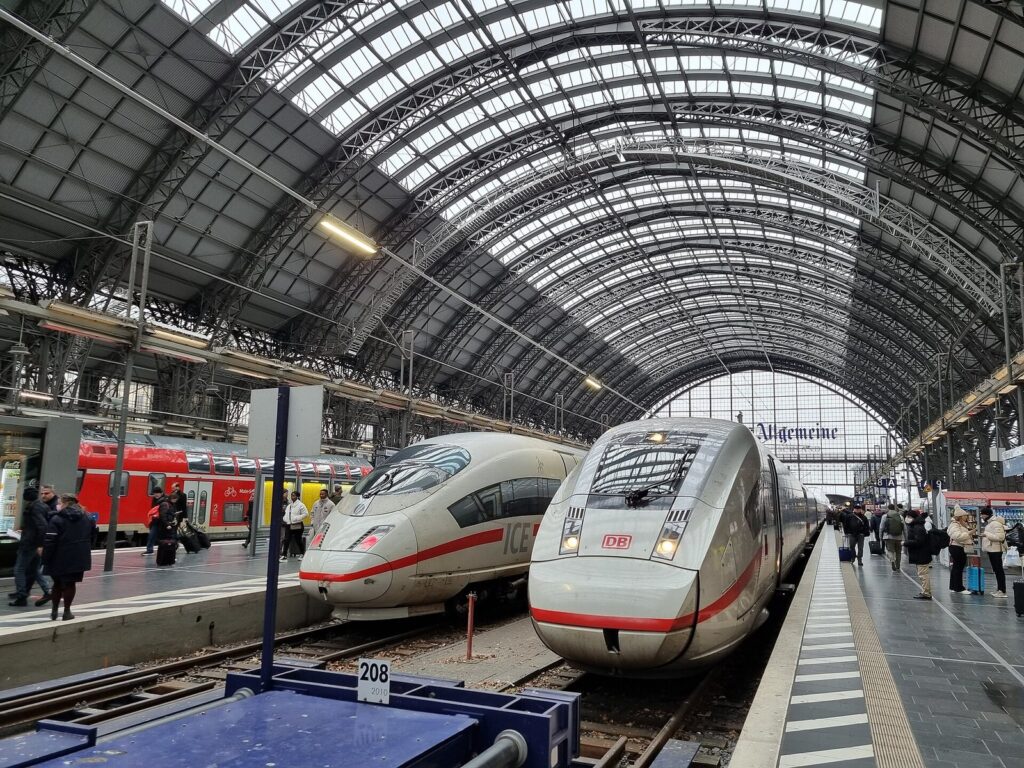
Reservations are optional on domestic ICE trains, though some international ICE services, including those between Germany and France, require one. If your train runs at a busy time of the week, I’d add a reservation anyway.
For slow travel, the Deutschlandticket costs €63 a month in 2026 and covers regional trains and local transport nationwide, though not ICE, IC or EC services. It’s sold as a monthly subscription, so cancel it in time if you only need one month.
Verdict: Super Sparpreis for fixed plans, Flexpreis only for connections you can’t afford to miss.
Italy: Trenitalia and Italo
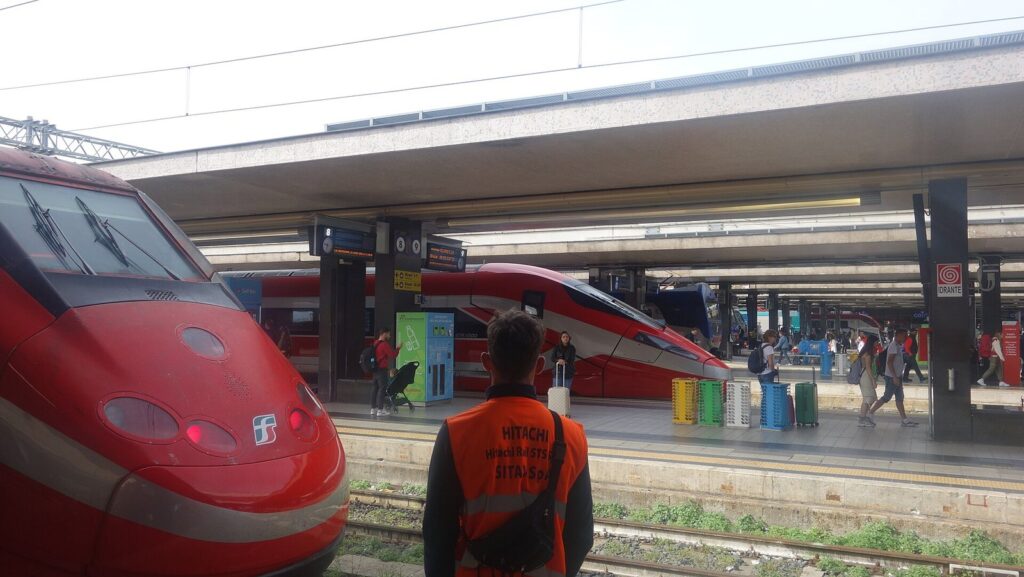
Two companies run Italy’s fast trains, and on Rome–Florence–Venice and Milan–Naples you should price both. Trenitalia runs the Frecciarossa and the regional network; Italo runs only high-speed trains. Trenitalia releases departures at different points, so check its site for your train and book once your plans are fixed.
| Operator | Fares and classes | Rome–Florence advance fares from |
|---|---|---|
| Trenitalia | Super Economy (restrictive, and refundable only with the optional tiRimborso add-on), Economy, then the flexible Base fare; Frecciarossa classes Standard, Premium, Business and Executive | €19.90, against €55 for Base |
| Italo | Low advance fares plus flexible options; classes Smart, Prima and Club Executive | From €14.90 for early bookers; check italotreno.com for your date |
Regional trains are a different world: fixed prices, no reservations, and one rule that catches people every summer. A paper regional ticket must be validated in the machines at the station where your journey begins, before the train leaves. A digital regional ticket bought online or in the app needs no check-in, because it validates itself at the scheduled departure of the train you picked, so choose the departure you actually mean to catch.
Watch the station names as well. Venice has Venezia Santa Lucia on the island and Venezia Mestre on the mainland; Rome’s main station is Roma Termini, but some fast trains use Roma Tiburtina; Milan has Centrale, Porta Garibaldi and Rogoredo. Our Venice guide explains why Santa Lucia is the one you want for the city, and the 10-day Italy itinerary shows how these legs fit together.
Verdict: Compare Trenitalia and Italo on every fast route, buy regional tickets on the day, and validate the paper ones.
Spain: Renfe, iryo and Ouigo
Spain’s high-speed lines are among the most competitive in Europe. Renfe runs AVE and its low-cost Avlo, while Ouigo España (an SNCF subsidiary) and iryo (a joint venture of Trenitalia and Air Nostrum) compete on the main corridors. Madrid–Barcelona shows what that competition does to prices, with one change to note: Renfe took Avlo off this route in September 2025 and runs AVE in its place, so Ouigo is the low-cost brand left on it.
| Operator | What it is | Madrid–Barcelona fares from (September 2026) |
|---|---|---|
| Ouigo España | SNCF’s low-cost subsidiary; extra or XL bags cost €5 each on the basic fare | €9 per adult, €7 per child |
| Renfe AVE | The national operator; cheapest fare Básico | €17.05 in standard class, €68.05 in comfort class |
| iryo | Trenitalia and Air Nostrum joint venture; cheapest class Inicial | Fares move with demand, so price it on iryo.eu alongside the other two |
Renfe’s flexible fares cost more again, and so does almost any seat bought close to departure. Journey times vary from train to train on Madrid–Barcelona, so compare the timetabled duration as well as the fare. Madrid–Seville and Madrid–Málaga have the same three-way contest, with Renfe’s AVE, Avlo and Alvia trains up against Ouigo and iryo.
Renfe has no fixed booking horizon: tickets go on sale once they’re released in its system, so check your route and dates directly. If a date you want isn’t bookable yet, check again the following week rather than assuming the train is full.
Two more things. AVE and other Renfe long-distance tickets, and iryo tickets, include a free Cercanías suburban ride from any station on the network at the start of your journey, so the hop to Madrid Atocha or Barcelona Sants costs nothing extra. And Spanish high-speed stations screen luggage before the platform, so arrive earlier than you would in Germany. Heading south, our Granada travel guide covers the rail approach to the Alhambra.
Verdict: Price all three operators on every big route, and don’t read an unbookable date as a sold-out train.
Switzerland: SBB
Swiss trains run to a regular-interval timetable and most need no reservation, so buying on the day is normal. SBB sells nearly every Swiss ticket through its website and the SBB Mobile app. The one reason to book ahead is the Supersaver: a train-bound ticket, on sale up to six months out for domestic trips, with long-distance Supersavers typically CHF 25–50. Zurich–Milan starts from CHF 38 on SBB when booked early.
If you’ll ride a lot without a Swiss Travel Pass, price the Swiss Half Fare Card, which costs CHF 150 and halves ticket prices for a month. Remember that Switzerland is in Schengen but not the EU, and fares are in Swiss francs. The panoramic trains, Glacier Express and Bernina Express among them, need seat reservations and can open for sale later than ordinary services; our guide to scenic train rides in Europe covers them in detail.
Verdict: Don’t pre-book ordinary Swiss trains; do grab Supersavers for long hops you’re certain about.
Austria and Central Europe: ÖBB, ČD and MÁV
ÖBB sells its cheapest Sparschiene fares in limited numbers, tied to one train, with daytime tickets on sale up to six months ahead, which rewards anyone who books the moment plans firm up. Prague–Vienna, for example, starts from €14.90 in second class, €29.90 in first and €44.90 in business on Sparschiene fares. Reservations are optional on most Railjets.
Further east, check both ends of the route. Vienna–Budapest starts from €19.90 in second class through ÖBB, but from €13 if you buy from MÁV, the Hungarian operator. Czech Railways (ČD) sets its booking horizon route by route; its direct Prague–Copenhagen trains are sold in a six-month advance sale. In Poland, Slovakia, Croatia, Slovenia, Romania, Serbia and Bulgaria, check the national operator for how far ahead your train opens. Bulgarian domestic fares have been priced in euros since Bulgaria adopted the currency on 1 January 2026, and how early they go on sale depends on the train and where you buy, so read BDZ’s online booking terms.
Verdict: On any cross-border route in Central Europe, price the trip with both operators before paying.
Netherlands and Belgium
The former Thalys routes, Paris–Brussels–Amsterdam and Paris–Brussels–Cologne, now run under the Eurostar name. They open 10–11 months ahead, Eurostar says, though engineering work can shift that, so a date that isn’t bookable yet may simply not have opened. Paris–Amsterdam takes about 3h20 direct. For other cross-border trips, NS International sells tickets from the Netherlands and SNCB International at b-europe.com sells them from Belgium, adding €4 per booking. Brussels–Amsterdam Zuid on the Eurocity Direct takes 2h08.
Domestic Dutch and Belgian tickets work differently: fares are fixed, there’s no advance discount to chase, and you can buy on the day from a machine or the app.
Verdict: Book Eurostar early; buy domestic tickets in the Low Countries when you need them.
Portugal
Portuguese trains are sold by CP at cp.pt, and that’s the place to check when sales open for your date. For a weekend trip between Lisbon and Porto on the fast Alfa Pendular, I’d book the day the window opens.
Scandinavia and the Baltic states
SJ in Sweden, Vy in Norway and DSB in Denmark all sell cheaper fares to early bookers on long-distance routes, so the same logic applies; buy from the operator’s own site. In the Baltic states the booking windows differ from country to country, and Estonia’s Elron sells domestic tickets only 7 days ahead, so check each national operator before you plan when to buy.
How far ahead can you book European trains?
Every operator sets its own booking horizon, the date its trains first go on sale, and they range from about a week to almost a year. These were the windows in late summer 2026:
| Operator or market | Tickets usually go on sale | Worth knowing |
|---|---|---|
| ÖBB Nightjet | Up to 360 days ahead | Per nightjet.com, September 2026 |
| DB, within Germany and to or from Belgium, Luxembourg, the Netherlands and Switzerland | Up to 12 months ahead | Sparpreis Europa fares cover the cross-border routes |
| Eurostar, to or from London | 10–11 months ahead, Eurostar says | Can vary with engineering work; pass holder reservations open up to six months ahead |
| DB, other international routes | Up to 6 months ahead | Austria, Czechia, Denmark, France, Hungary, Italy, Croatia, Poland, Slovakia, Slovenia and Sweden |
| SBB, Swiss domestic | Up to 6 months ahead | Some panoramic trains open later |
| TGV Lyria and SNCF’s international TGVs | In seasonal releases: trains to Italy and Spain for 1 April–2 July 2027 go on sale on 12 November 2026 | Includes Paris–Switzerland and Paris–Barcelona |
| SNCF domestic TGV and Intercités | In seasonal releases, several months ahead | Opens in blocks; TER 3–5 months |
| Eurostar Paris–Brussels–Amsterdam/Cologne | 10–11 months ahead, Eurostar says | The former Thalys routes; engineering work can change opening dates |
| Trenitalia | Varies by departure | Check Trenitalia for your train, Intercity Notte sleepers included |
| Intercités de Nuit | Officially 4 months ahead | Often opens late, sometimes only 1–3 months out |
| Renfe | No fixed window | Tickets go on sale once Renfe releases them; check your route and dates |
| ČD key international routes | Depends on the route | Six months ahead for the direct Prague–Copenhagen trains |
| Poland, Portugal, Slovakia, Croatia, Slovenia, Romania, Serbia, Bulgaria | Varies by operator | Check each national operator’s site for your train |
| Baltic states | Varies by country | Estonian domestic trains 7 days, per Elron |
| Bulgarian domestic trains | Depends on the train and sales channel | Fares in euros since January 2026; BDZ’s online booking terms give the details |
Two patterns explain most of that table. First, several operators release trains in batches, so a horizon can sit still for weeks and then jump by a month; SNCF and Trenitalia both work this way. Second, Europe’s annual timetable change falls in mid-December, and trains running after it often don’t go on sale until the new timetable is loaded. If you’re booking in October for a January trip, a missing train usually means not on sale yet, not sold out.
When should you actually buy? The cheapest seats go first and rarely come back. For any train that matters (a sleeper, a Friday Eurostar, a Frecciarossa in August), set a calendar reminder for the day sales open and buy within a week of it. For ordinary high-speed trips, buy once your plans are fixed and the date is on sale, because the cheapest fares go first. Prices do occasionally dip close to departure, but the direction of travel is up.
Verdict: Book sleepers and peak Eurostars the week they open, high-speed trains two to four months ahead, and regional trains on the day.
How to book European train tickets, step by step
The process is much the same everywhere once you strip away the branding. Ten steps, in order, then a worked example.
1. Sketch the route before you look at prices
Use the DB journey planner or the DB Navigator app, which shows trains across Europe for free, to see which trains run, how long they take and where you change. If you’re still deciding where to go, our Europe train itinerary and our pick of the best train routes in Europe suggest journeys worth the fare.
2. Work out who runs each leg
The timetable shows the train type (TGV, ICE, Frecciarossa, Railjet) and usually the operator. That tells you where to buy. A cross-border train can generally be booked with either operator, so note both.
3. Check when sales open
Compare your travel date with the booking windows above. If the train isn’t on sale yet, set a reminder rather than paying an agency for so-called early access.
4. Price the trip in two places
Check the operator’s own site and one reseller, and compare the final checkout total rather than the headline fare. On cross-border legs, price it with the operator at each end too; Vienna–Budapest, cheaper through MÁV than through ÖBB, is the classic example.
5. Choose the fare before the train
Decide how much flexibility you need, then pick the train. My rule is saver fares for anything booked more than a month out on fixed dates, and flexible fares only for a leg where missing the train would wreck the next one.
6. Pick the class and the seat
Early saver fares can make first class a small step up: DB’s Super Sparpreis starts at €17.99 in second class and €23.99 in first, subject to availability. Most operators let you choose a seat from a coach map. Pick a table if you’re carrying a lot, and a seat near the door if the next change is tight.
7. Enter names exactly as they appear on your ID
Most e-tickets are personal and not transferable, and conductors can ask for photo ID to match the name. On Eurostar routes to and from London, your passport is checked before boarding anyway.
8. Pay in euros, not your home currency
If a checkout offers to charge you in your own currency, decline and pay in euros, or francs in Switzerland; the exchange rate built into that offer is rarely better than your card’s own. Expect your bank to ask you to approve the payment in its app, so keep your phone to hand. If a national site rejects your card twice, switch to the operator’s app, another card or a reseller rather than trying a third time.
9. Save the ticket where you can reach it offline
Download the PDF or add the ticket to the operator’s app, then screenshot the QR code as a backup. Station wifi and rural mobile signal both fail at the worst moments, and a flat phone won’t show a ticket, so carry a charger.
10. On the day: validate if needed, then board
Validate paper regional tickets in Italy before boarding. Arrive early for Eurostar trains to London, where luggage goes through security checks. On board, show the QR code on your phone or on paper when the conductor comes round, with your ID ready.
A worked example: Amsterdam to Madrid in three legs
Here’s how those steps play out on a classic three-country trip:
| Leg | Operator and where to book | Sales open | What to buy |
|---|---|---|---|
| Amsterdam–Paris | Eurostar, on the former Thalys route; about 3h20 direct | 10–11 months, Eurostar says, subject to engineering work | An early Standard fare |
| Paris–Barcelona | SNCF’s TGV INOUI at SNCF Connect, up to three direct trains a day | Seasonal releases; trains from 1 April to 2 July 2027 go on sale on 12 November 2026 | The cheapest fare you can live with; flexible tickets can pass €150 |
| Barcelona–Madrid | Renfe, iryo or Ouigo España; about 3h through December 2026 while speed limits apply, normally 2h30 | Up to 9–11 months ahead on this corridor, though Renfe’s window is erratic | Compare all three: Ouigo from €9, Renfe’s Básico from €17.05, iryo on the day you book |
The trick is the order. The shortest window decides when the whole chain can be booked, and here that’s usually SNCF’s Paris–Barcelona, at up to six months and often less, or Renfe’s in a month when it opens late. Buy a non-refundable Madrid leg ten months out and you’re committed before you know the Paris trains will work, so wait until all three legs are on sale, then book them in one sitting, starting with Paris–Barcelona, which has only a handful of direct trains a day. If an Amsterdam–Paris date isn’t bookable when the rest are, it may simply not have opened yet.
These are separate tickets, so the connections need thought. Arriving at Paris Gare du Nord and leaving from Gare de Lyon means crossing the city, so leave a generous gap between the two trains, or spend a night in Paris. Eurostar, SNCF and Renfe all belong to the Agreement on Journey Continuation (more on that below), but iryo and Ouigo España don’t appear on CER’s list of members, so if you pick either for the last leg, a generous buffer in Barcelona matters more.
Booking for children, groups and bikes
Children’s fares vary by operator, so enter every traveller’s age at the start of the search rather than adding children later. On TGV INOUI, under-4s travel free on a lap; with a Eurail pass, children aged 0 to 3 need no pass unless they take their own seat or bed. Book a family or group in one transaction so the seats come together. If you’re bringing a bike, look for the bike conditions before paying: under EU rules, operators must show the available bike capacity and their rules for bikes before you buy.
Do you need a seat reservation?
With a point-to-point ticket, compulsory reservations mostly look after themselves: the seat comes with the ticket. The rules matter far more for rail pass holders, who pay a separate reservation fee on many fast trains and every sleeper.
| Train | Reservation | What pass holders typically pay |
|---|---|---|
| TGV INOUI (France) | Compulsory | €10–€20 in either class |
| Frecciarossa (Italy) | Compulsory | About €13 |
| AVE (Spain) | Compulsory | Close to the €10 average for domestic high-speed trains |
| International high-speed trains | Usually compulsory | €15 on average |
| Night trains | Compulsory for sleeping accommodation; optional for seats on some, such as Bulgarian domestic and Finnish night trains | Varies by service: Interrail lists Polish seats at €0–4 and Bulgarian seats at €0.30; sleeper berths cost more |
| ICE (Germany) | Optional | A small optional fee |
| Railjet (Austria) | Optional | A small optional fee |
| Swiss intercity trains | Optional, except panoramic trains | Nothing on most trains |
| Regional trains | Not needed | Nothing |
Two details trip people up. DB’s individual Sparpreis and Super Sparpreis tickets don’t include a seat reservation, while first-class Flexpreis and Flexpreis Plus tickets do. And the Eurail and Interrail platform adds €2 per passenger per train to each reservation, so book with the operator wherever it sells pass holder seats directly. On a France–Italy–Spain trip, reservation fees alone can eat a pass’s advantage; our comparison of Eurail and Interrail shows where the pass still wins.
Is an optional reservation worth it? On an ICE on a Friday afternoon, or a Railjet on a summer Saturday, yes. On a midweek morning train, rarely.
One ticket or several? Connections and your rights
This is the part most booking guides skip, and it’s the part that costs money when a train runs late.
A through ticket is a single ticket for a journey with one or more changes. Under the EU’s rail passenger rights rules, Regulation 2021/782 (applicable since 7 June 2023), if a delay makes you miss a connection on a through ticket and you expect to reach your final destination 60 minutes or more late, the railway must offer a refund, rerouting or rebooking. Delay compensation is 25% of the ticket price for a delay of 60–119 minutes at your destination and 50% for 120 minutes or more, and it must be paid within a month of your claim.
Two finer points are worth knowing. If the railway hasn’t told you about rerouting options within 100 minutes of the scheduled departure, you can arrange your own onward travel by rail, coach or bus and claim back the necessary, appropriate and reasonable costs. And compensation isn’t owed when the cause lies outside the railway’s control: extreme weather, major natural disasters, pandemics, people on the tracks, cable theft, sabotage and similar events. Strikes by the rail company’s own staff don’t count as extraordinary, so those delays still qualify.
Separate tickets don’t carry those missed-connection rights across the change. Each ticket is its own contract, so if train one runs late and you miss train two, the second operator owes you nothing by law. Voluntary schemes soften the blow. The Agreement on Journey Continuation (AJC) covers international journeys made on separate tickets, and its members include DB, SNCF, Trenitalia, Renfe, ÖBB, SBB, NS, SNCB, ČD, PKP Intercity, MÁV-START, SJ, DSB and Eurostar, among others. If a delay makes you miss a connection, get a Delay/Cancellation Confirmation, then show it with your original tickets to staff of the operator whose train you missed, and you’ll be allowed on the next possible train at no extra cost. The AJC doesn’t pay for hotels, taxis, refunds, compensation or meals. The EU’s own passenger rights page also mentions HOTNAT, a similar voluntary arrangement between some operators.
| Situation | Through ticket | Separate tickets, AJC members, international trip | Separate tickets, no scheme |
|---|---|---|---|
| A delay makes you miss a connection | By law, a choice of refund or rerouting at no extra cost if you’ll reach your final destination 60+ minutes late | Next possible train at no extra cost, with a delay confirmation | Buy a new ticket |
| Delay compensation | Normally 25% at 60–119 minutes and 50% at 120+, worked out on the through ticket | Normally on the delayed ticket alone | Normally on the delayed ticket alone |
| Where it applies | Journeys sold as one ticket | International journeys between member operators | Anywhere |
A practical rule, then. The AJC only helps if you planned a reasonable connecting time, so a generous buffer is your real protection. On separate tickets, leave well beyond the timetable’s minimum for a change at a big station, and more again when the first train crosses a border or runs a long way. One basket isn’t necessarily one ticket, either: check whether your confirmation says it’s a through ticket before you plan a tight change.
Verdict: Put tight connections on one through ticket wherever one is sold. On separate tickets, stick to AJC operators and build in time.
Rail pass, railcard or point-to-point tickets?
Most travellers weigh only two options, a pass or individual tickets, when there’s often a third: a national railcard for the country where you’ll spend most of your time.
| Option | What it costs | What it does | Pays off when |
|---|---|---|---|
| Point-to-point tickets | Per journey | Cheapest on long legs booked early | Dates are fixed and long journeys are few |
| Eurail or Interrail pass | A fixed price, plus reservations | Unlimited travel on your travel days | Many long journeys, flexible plans, few compulsory reservations |
| BahnCard 25 or 50 | A one-year card; check bahn.de for current prices | 25% off DB fares (BahnCard 50: 50% off Flexpreis) | Several long German journeys |
| Deutschlandticket | €63 a month, sold as a subscription | Regional trains and local transport across Germany | A week or more of slow travel in Germany |
| Carte Avantage | €49 for the youth version | Up to 30% off TGV INOUI and Intercités, with capped fares | Two or more long French journeys |
| Swiss Half Fare Card | CHF 150 for one month | Half price on Swiss tickets | Several Swiss journeys without a Swiss Travel Pass |
A pass wins when you’ll take a lot of long journeys, want to decide routes as you go, and travel mainly where reservations are optional or cheap: Germany, Austria, Switzerland and much of Central Europe. Point-to-point wins for a trip of a handful of long legs, especially in France, Italy and Spain, where early fares are low and pass holders pay for every high-speed seat. Before buying either, run your own route through our cost breakdown of the Eurail pass, and if you’re leaning towards a pass, our guide to Interrail routes shows the itineraries that stretch one furthest.
Verdict: For most two-week trips with fixed dates, point-to-point tickets plus a railcard where you linger usually beat a pass. Pick the pass for long, loose, reservation-light journeys.
Night trains and Eurostar: bookings with their own rules
Sleepers and the Channel Tunnel both break the usual patterns, and both reward booking early.
Night trains sell seats, couchette berths and private sleeper compartments as separate stock, so a train can still have seats long after every sleeper has gone. Nightjet sales now open up to 360 days ahead, per nightjet.com in September 2026, and the berths on popular dates go early. France’s Intercités de Nuit is the opposite problem: officially four months ahead, but often opening late. In Italy, Trenitalia’s Intercity Notte sleepers are usually the last trains to load. Our guide to night trains in Europe compares the routes and berth types.
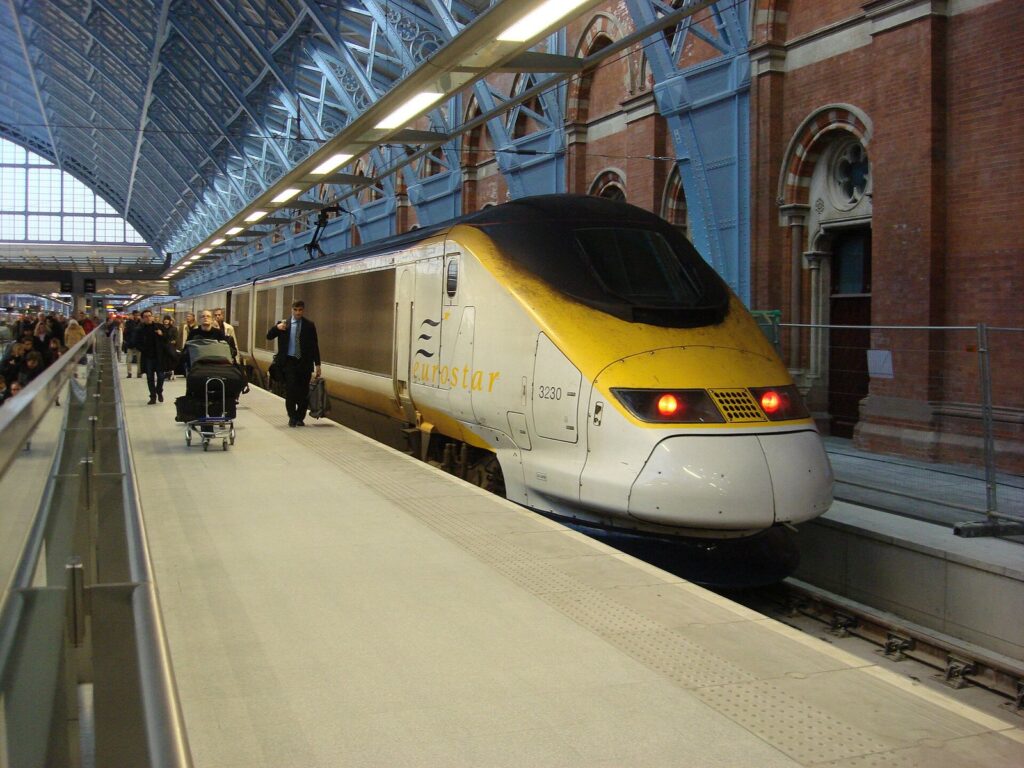
Eurostar says its trains to and from London open 10–11 months ahead, though engineering work can move that, and pass holder reservations open up to six months ahead. The classes are Standard, Plus and Premier. Standard and Plus passengers can bring two pieces of luggage plus hand luggage, and Premier passengers three; there’s no weight limit, but each piece on London routes can be up to 85 cm long. The UK is outside both the EU and Schengen, so on London routes passports are checked before boarding; allow the arrival time recommended on your ticket. Our Eurostar guide covers stations, check-in and fares in detail.
Verdict: Sleepers and London Eurostars are the two bookings to make the day sales open.
Mistakes that cost travellers money
Most expensive rail mistakes are small ones. These are the ones I’d check before paying.
- Booking the wrong station. Paris has six main-line terminals plus Bercy; Venice Mestre is not the island; Milan Porta Garibaldi is not Centrale. Check the station name, not just the city.
- Paying for flexibility you won’t use, or the reverse: buying Super Economy for a leg that depends on a tight connection.
- Waiting for a last-minute deal. Rail prices rarely fall close to departure, and the cheap fares on popular trains are gone weeks earlier.
- Leaving 15 minutes between separate tickets. One late train and you’re buying again at the walk-up price.
- Forgetting to validate a paper regional ticket in Italy. Do it in the station machine before the train leaves.
- Paying the €2 platform fee for a pass reservation the operator would have sold you directly.
- Reading an unbookable date as sold out. Check the booking window and the December timetable change first.
- Letting the checkout convert your currency. Pay in euros, or francs in Switzerland.
- Ignoring the TGV luggage rules. One unlabelled or oversized bag costs €50, two cost €100, and three or more €150.
- Forgetting the clocks. Portugal runs an hour behind Spain, and the UK an hour behind France and Belgium; timetables always show local time.
- Buying from unofficial resale sites. Stick to the operators, established resellers and station ticket offices.
Strikes are a separate risk, particularly in France and Italy, and they’re normally announced in advance. Your rights on a through ticket still apply, because staff strikes don’t count as extraordinary circumstances.
What to book ahead and what to buy on the day
This is the planning order I’d follow for a multi-country trip.
Getting there. If you’re flying in, several big airports have their own long-distance stations, Frankfurt, Amsterdam Schiphol, Zurich and Paris Charles de Gaulle among them. Book the onward train only once the flight is confirmed, and leave a wide margin for a late landing: a saver fare tied to one train is a poor match for an arrival you don’t control. When a flight or coach beats the train, our guide to getting around Europe says so.
| When to book | What to book |
|---|---|
| The week sales open | Sleepers; Eurostar on Fridays, Sundays and school holidays; Glacier Express and Bernina Express seats in summer |
| As soon as your plans are fixed | TGV INOUI, Ouigo, Frecciarossa and Italo; DB and ÖBB saver fares on busy routes |
| As soon as short windows open | Spanish high-speed trains; Portugal, Poland, Czechia and the Baltic states |
| Once dates are fixed | Swiss Supersavers |
| On the day | Regional trains in Italy, Germany and France; Dutch and Belgian domestic trains; ordinary Swiss tickets |
Peak dates move everything earlier. Summer weekends (see our guide to Europe in summer), Easter, Christmas and winter Saturdays towards the Alps, when ski weeks change over, all sell out faster than the table suggests; our skiing in Europe guide covers resort access by rail.
What to skip. Don’t pre-book regional trains where fares are fixed, don’t pay for first class on short regional hops, and don’t buy optional ICE or Railjet reservations for quiet midweek trains. You rarely need to print anything either: a saved PDF and a screenshot of the QR code cover nearly every operator.
Verdict: Lock in sleepers, peak Eurostars and high-speed legs first, then fill the gaps with regional tickets as you travel.
Frequently asked questions about booking European train tickets
What is the cheapest way to book European train tickets?
Buy directly from the operator that runs the train, as early as its booking window allows, and choose the cheapest saver fare your plans can live with. On busy Italian and Spanish routes, compare the rival operators as well. Resellers rarely beat operator prices, since they sell the same fares and usually add a booking fee on top.
Is it cheaper to buy train tickets online or at the station?
Online, for long-distance trains. Operators sell their cheapest advance fares online weeks or months ahead, and by the day of travel those have usually gone. Regional trains are different: fares are often fixed, so a station machine on the day costs the same. In Italy, validate a paper regional ticket in the station machine before you board.
How far in advance should I book train tickets in Europe?
For high-speed trains in France and Italy, buy once your plans are fixed and the date is on sale, because the cheapest fares go first; in Spain, book as soon as Renfe, iryo or Ouigo opens the date. Book sleepers and peak-season Eurostars the week sales open, up to 360 days ahead for Nightjet and 10–11 months for Eurostar. Regional trains can wait.
Is Trainline or Omio cheaper than booking direct?
Usually not. Resellers sell the same fares as the operators and add a booking fee, shown at checkout. They earn their keep when a trip crosses several countries and one basket saves time, or when an operator’s site rejects your card. For a journey inside one country, the operator’s own website or app is normally cheaper.
Do I need to print European train tickets?
Rarely. Most operators issue e-tickets with a QR code that conductors scan from your phone. Download them before you travel, screenshot the code as a backup and keep your phone charged. The exception worth knowing is Italy’s paper regional tickets from station machines, which must be validated before the train leaves.
Can I book one ticket for a trip across several countries?
Sometimes. DB, ÖBB and the international desks at big stations can sell through tickets for many cross-border journeys, and a through ticket protects you if a delay makes you miss a connection. Resellers often put several separate tickets in one basket instead, so check what the confirmation says, and leave generous gaps between separately ticketed trains.
What happens if I miss a connection on separate tickets?
The law gives you nothing on the second ticket. On international trips between members of the Agreement on Journey Continuation, including DB, SNCF, Trenitalia, ÖBB and SBB, you can take the next available train at no extra cost if you planned a reasonable connection. Get a delay confirmation from staff and keep your original tickets.
Do I need seat reservations with a Eurail or Interrail pass?
On many fast and night trains, yes. TGVs, Frecciarossa, AVE, Eurostar and sleepers generally need a paid reservation for pass holders, while most domestic ICE, Railjet, Swiss and regional services don’t. Some routes are exceptions, such as selected French TER trains and some international ICEs and Railjets, so check yours. Book with the operator where you can, to avoid the €2 per passenger fee on the Eurail and Interrail platform.
Can I change or cancel a European train ticket?
It depends on the fare more than the country. The cheapest tiers, such as DB’s Super Sparpreis and Trenitalia’s Super Economy, are use it or lose it, except that Super Economy can be refunded if you add the optional tiRimborso. DB’s Sparpreis can be changed until the day before for €10, and flexible fares like Flexpreis or Trenitalia’s Base allow changes. Check the conditions on the payment page before you buy.
Do European trains have assigned seats?
On many fast trains, yes. TGV, Frecciarossa, AVE and Eurostar trains generally require a reservation, so you’ll have a seat assigned. Most domestic ICEs, Railjets and Swiss trains leave reservations optional, so without one you sit in any free seat not marked as reserved. Regional trains are unreserved almost everywhere.
Final thoughts
Booking European trains gets much easier once you stop looking for one website that does everything. Buy from the operator, watch the booking windows, and match the fare to how firm your plans are. Put tight connections on one ticket and leave slack between separate ones. For the wider picture, from routes to passes, our train travel in Europe hub is the place to start.
Related Europe guides
- Is the Eurail Pass Worth It? A 2026 Cost Breakdown: the break-even maths if you are weighing a pass against these fares
- Night Trains in Europe: sleeper routes, berth types and how early each one sells out
- High-Speed Trains in Europe: what each fast network is like and which trains need reservations
- Europe by Train for Beginners: station basics, luggage and etiquette for a first rail trip
- Europe Train Itinerary: 12 Routes With Times and Costs: routes that string these bookings into one trip
Sources and verification
Prices, timetables and rules in this guide were checked on 26 September 2026 against the official sources below. It is compiled from those sources rather than from other travel lists, and it does not describe first-hand visits. Fares, opening hours and entry rules change, so confirm with the operator before you book.
- Your Europe: rail passenger rights in the EU
- EUR-Lex: Regulation (EU) 2021/782 on rail passengers’ rights and obligations
- CER: Agreement on Journey Continuation (AJC)
- Deutsche Bahn: Super Sparpreis, Sparpreis and Flexpreis compared
- ÖBB Nightjet: booking
- OUIGO España: Madrid–Barcelona fares, luggage and timetable
- Trenitalia
- SNCF Connect
Hannah Brooks has spent fifteen years travelling, living and writing across Europe, from the Arctic tip of Norway to the south of Sicily. She has planned hundreds of European itineraries for readers and is Senior Europe Editor at EuropeanTourism.org.
Photo credits
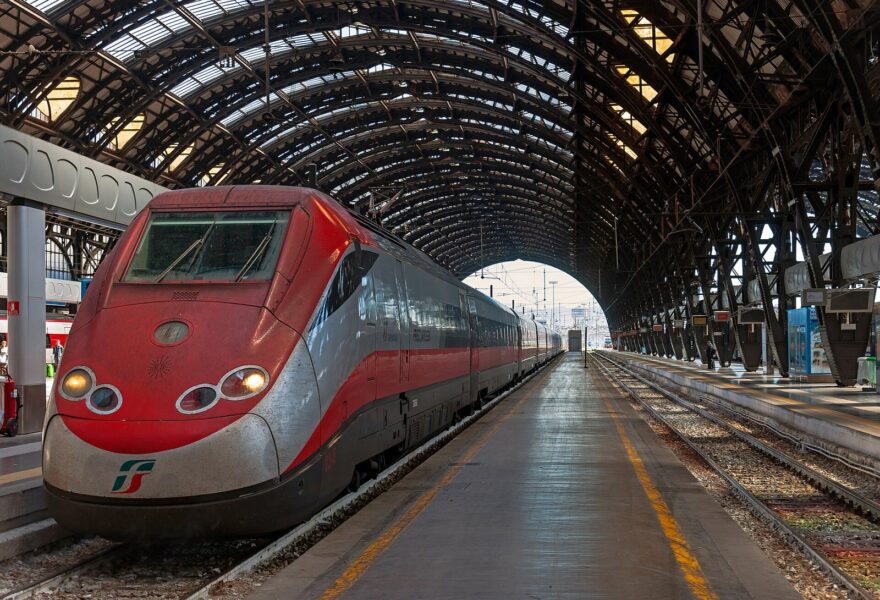
- How to book European train tickets: a Frecciarossa at a platform under the Milano Centrale roof (top photo): photo by Daniel Case, Wikimedia Commons (CC BY-SA 3.0)
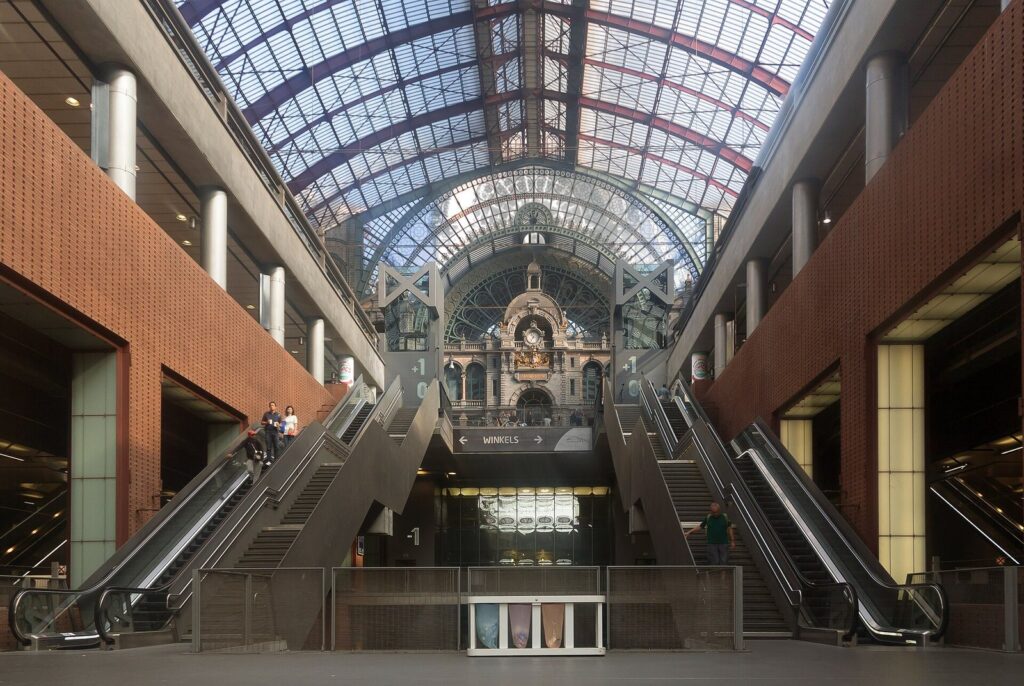
- Escalators and stacked platform levels beneath the glass roof of Antwerpen-Centraal station: photo by Michielverbeek, Wikimedia Commons (CC BY-SA 4.0)
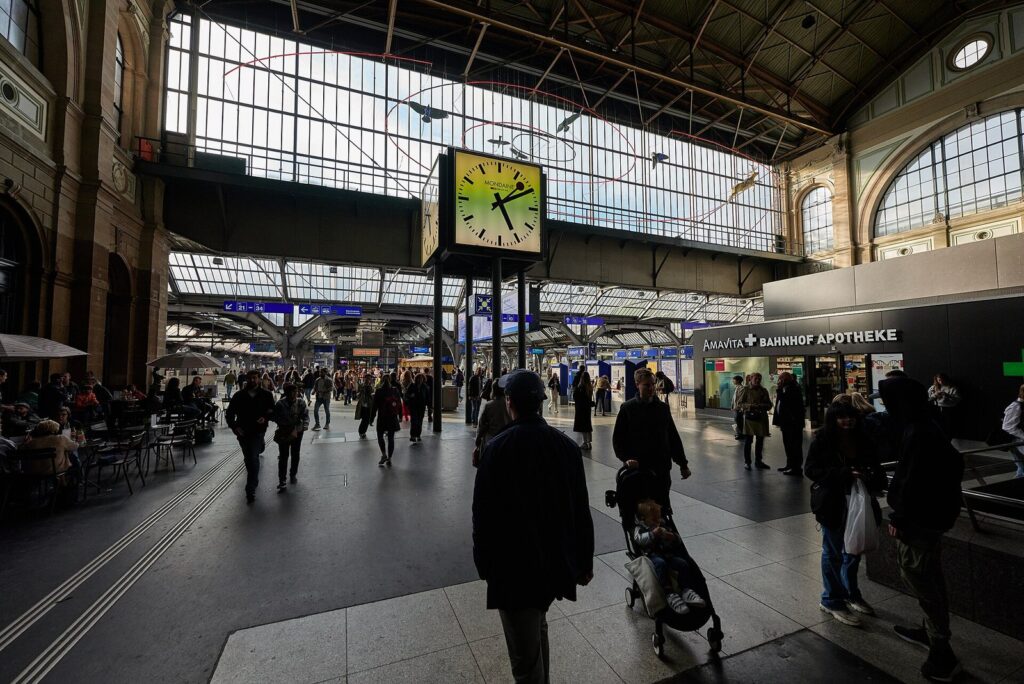
- Travellers crossing the main hall of Zürich Hauptbahnhof beneath the large station clock: photo by Leonhard Lenz, Wikimedia Commons (CC0)
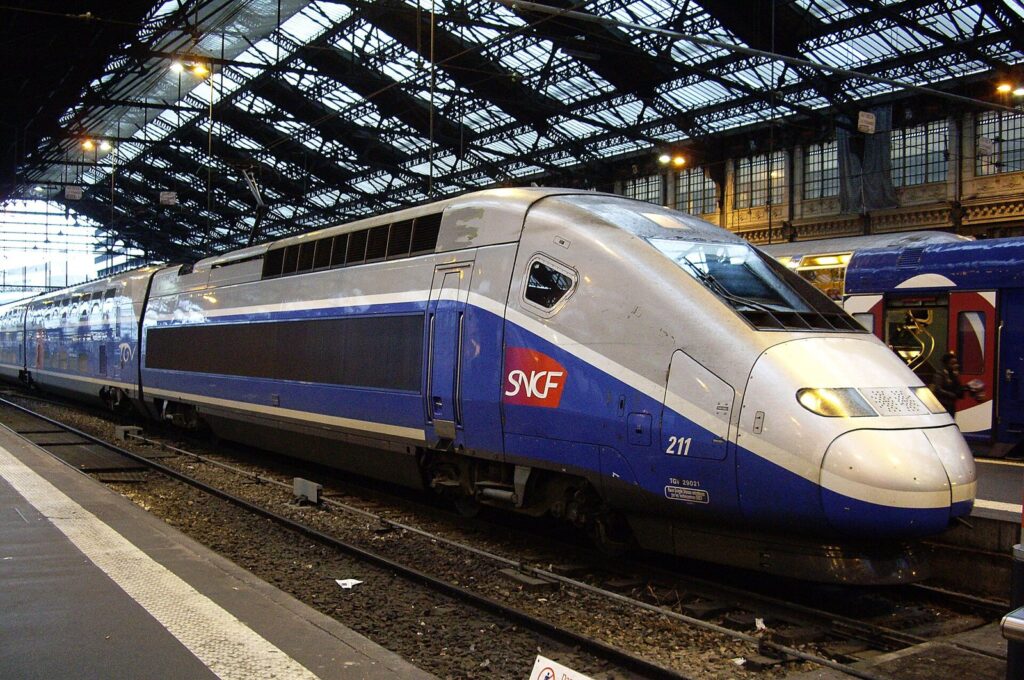
- SNCF TGV Duplex trainset 211 standing at a platform in Paris Gare de Lyon: photo by Francisco Welter-Schultes, Wikimedia Commons (CC0)
- Two white ICE trains side by side under the arched train shed of Frankfurt Hauptbahnhof: photo by Maksym Kozlenko, Wikimedia Commons (CC BY-SA 4.0)
- Red Frecciarossa high-speed trains lined up at the platforms of Roma Termini: photo by Mint0ri, Wikimedia Commons (CC0)
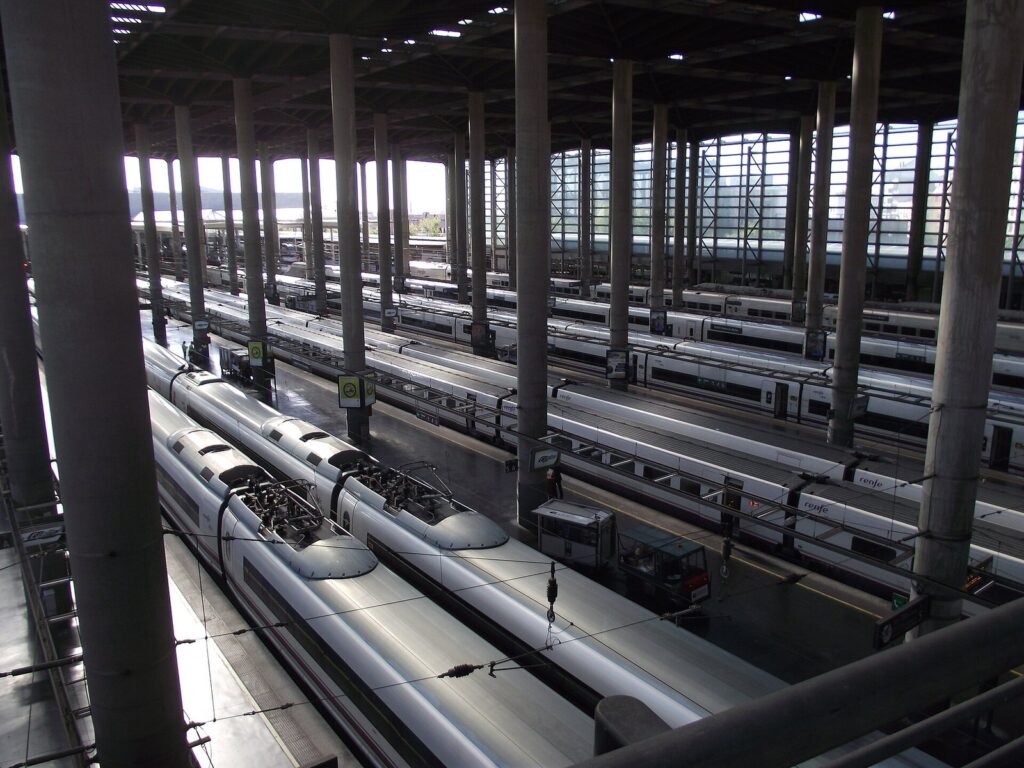
- Rows of high-speed trains under the platform canopies at Madrid Atocha, seen from above: photo by Smiley.toerist, Wikimedia Commons (CC BY-SA 3.0)
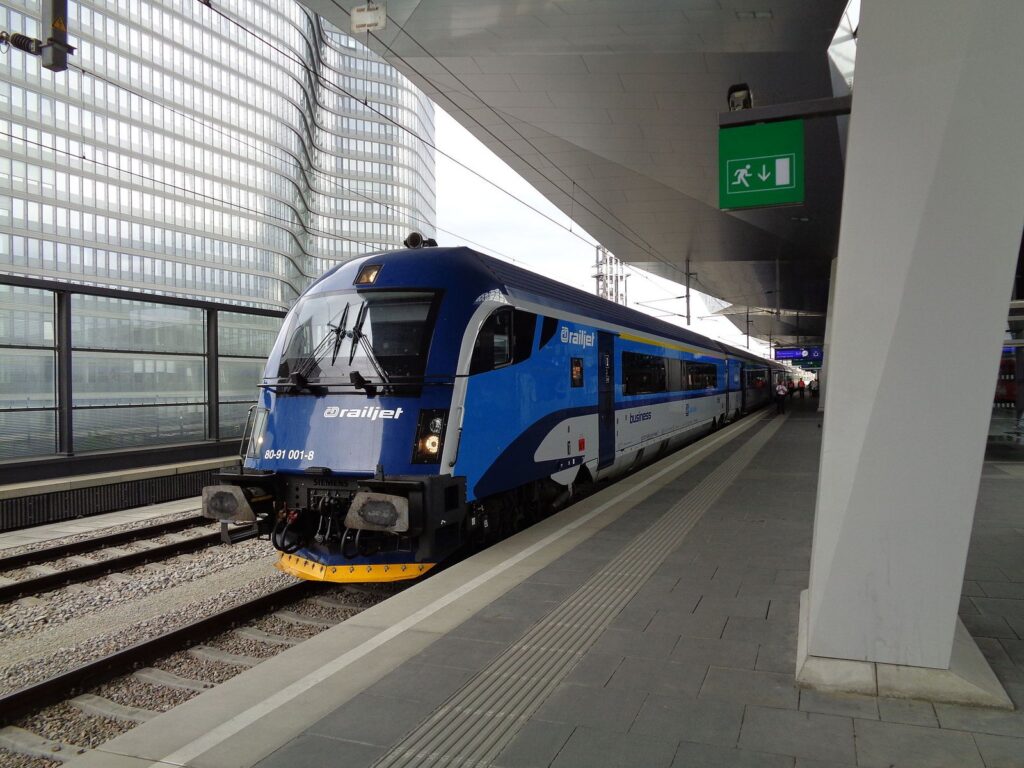
- A blue Czech Railways Railjet train at a platform in Wien Hauptbahnhof: photo by Otto Karikoski, Wikimedia Commons (CC BY-SA 4.0)
- A Eurostar Class 373 train with its yellow nose beside a platform at London St Pancras: photo by Oxyman, Wikimedia Commons (CC BY 2.5)