Europe with Kids: Family Travel Guide

The photo I keep coming back to isn’t of a cathedral or a coastline. It’s my daughter, four years old, asleep in a stroller in a sliver of shade on Rome’s Piazza Navona while a fountain roared behind her and a man sold balloons shaped like dinosaurs. We’d “done” exactly one thing that morning – thrown coins in the Trevi Fountain – and called it a win. That, in one image, is the truth about travelling Europe with kids: it is slower, messier and more gelato-fuelled than the trip you’d take on your own, and somehow more memorable for it.
This is the family travel guide I wish I’d had before our first big trip across the Atlantic. It’s honest about what actually works with children in tow, specific about costs and train tickets and car seats, and built to help you plan a real holiday rather than a death-march of monuments. I’ve now travelled Europe with a toddler, a stroppy seven-year-old and, lately, a teenager who communicates mainly in shrugs – in summer crowds and shoulder-season drizzle, by plane, train and one ill-advised rental car. I’ve made the mistakes so you don’t have to. Whether Europe is your family’s first overseas adventure or your fifth, and whether it’s a single city or a sweeping Europe itinerary, this is where to start.
Is Europe good with kids? The short answer
Yes – Europe is one of the best places on earth to travel with children. It’s safe, walkable and superbly connected by train, distances between highlights are short, kids eat well and often free, and most attractions are cheap or free for under-12s. Castles, beaches, theme parks and gelato do a lot of the parenting for you. Go slow, book the big sights ahead, and it’s gloriously easy.
I’ll be candid where it helps, because that’s what builds trust. Long-haul jet lag with a toddler is genuinely brutal for the first 48 hours. Peak-summer queues at the headline sights will test everyone’s patience. And a family of four does not travel Europe cheaply in July. But every one of those problems has a fix – shoulder season, pre-booked tickets, apartments with a washing machine – and I’ll walk you through all of them. None of it has dimmed my conviction that Europe with kids is worth every euro and every meltdown.
Europe with kids at a glance
Before the detail, here’s the whole decision on one screen – the destinations I’d actually steer a friend toward, who each one suits, and the ages it lands best with. If you read only one part of this guide, make it this table.
| Destination | Best for | Best ages | Give it | My quick take |
|---|---|---|---|---|
| London, UK | First-timers, rainy-day museums, theatre | All ages | 3–4 days | English-speaking, free world-class museums – the gentlest start |
| Paris, France | Icons, parks, Disneyland day trip | 4+ | 3–4 days | More kid-friendly than its reputation; lean on the parks |
| Rome & Tuscany, Italy | Ruins, pasta, easy locals | 5+ | 4–5 days | Italians adore children; gladiators beat any guidebook |
| Barcelona & the coast, Spain | City plus beach, late dinners | All ages | 4–5 days | Sandcastles by morning, Gaudí by afternoon |
| Amsterdam, Netherlands | Bikes, canals, science museums | All ages | 2–3 days | Flat, compact and made for small legs (and strollers) |
| Copenhagen, Denmark | Tivoli, Lego, safe streets | All ages | 2–3 days | Possibly the most child-centred city in Europe |
| Vienna, Austria | Palaces, zoos, fairground | 3+ | 2–3 days | The world’s oldest zoo and a giant Ferris wheel, in one city |
| Swiss Alps | Mountain trains, lakes, hikes | 5+ | 3–5 days | Cogwheel railways turn “a hike” into an adventure |
| Croatia & the Adriatic | Gentle beaches, walls to climb | All ages | 5–7 days | Warm, calm seas and city walls kids can actually walk |
Last updated: June 2026. Prices, opening hours and entry rules change – I’ve hedged costs as “around” and given euros where I can. Always confirm the latest with official sources before you book.
Why Europe is one of the easiest places to travel with kids
Plenty of first-time parents assume Europe is the “advanced” trip – that you should save it until the children are older. I’d argue the opposite. Three things make Europe with kids far easier than the long-haul alternatives, and they’re worth understanding before you plan anything else.
First, distances are tiny and the trains are brilliant. You can have breakfast in Paris and lunch in London, or swap a Tuscan hill town for a Mediterranean beach in an afternoon. No internal flights, no four-hour transfers, no “are we there yet” stretched across a continent. A child who melts down in hour two of a drive is fine on a train where they can walk to the snack car, press their face to the window and use the toilet without anyone pulling onto a hard shoulder. I’ll come back to the practicalities of train travel in Europe, but it is the single biggest reason families have an easier time here than they expect.
Second, Europe is genuinely set up for children. Most museums, castles and historic sites are free or heavily discounted for under-12s, and many are free right up to 18 – the Louvre, the Vatican Museums and the UK’s national museums all let children in for nothing. Trains carry young kids free and older ones half-price. Restaurants don’t blink when a four-year-old shows up at 8pm; in Italy and Spain they’ll fuss over them and bring a plate of plain pasta off-menu. After years of this I’ve stopped packing snacks for restaurants – someone always feeds the kids.
Third, it’s safe, walkable and reassuringly organised. Tap water is drinkable almost everywhere, pharmacies are excellent and on every corner, pedestrian zones mean you’re not white-knuckling a stroller across six lanes of traffic, and violent crime is rare. The main hazard is pickpocketing in tourist crush-points, which is an annoyance rather than a danger and easily managed. Europe consistently dominates the lists of the world’s safest countries, and travelling here with children you feel it. If you’re weighing where to point a first family trip, my wider rundown of the best places to visit in Europe is a good companion to this guide.
The best places in Europe to visit with kids
Rather than rank thirty cities and call it a guide, let me walk you through the destinations I’d actually choose for a family, and why each one works with children specifically. I’ve organised them roughly from the gentlest first-trip options to the ones that reward a little more travel experience. For a straight shortlist to cross-check, my guides to the best European destinations for families and the best cities in Europe for families rank the individual spots; this section is about how they suit your kids.
London: the gentlest first trip with kids
If this is your family’s first time across the Atlantic, start in London. No language barrier to negotiate while you’re also managing jet lag, and a wall of world-class museums that cost nothing to enter – which matters more than you’d think when a five-year-old’s attention span gives out after forty minutes and you’ve paid for none of it. The Natural History Museum (dinosaurs, a life-size blue whale, an earthquake floor) and the Science Museum next door are the two I’d build a rainy day around. The hands-on galleries are free; only the special exhibitions cost extra.
Beyond the museums, London is a city of parks – let the kids run loose in Hyde Park or the Diana Memorial Playground in Kensington Gardens, ride the top deck of a red double-decker (free entertainment, just tap in), and do the things that look like clichés but genuinely delight children: the Tower of London ravens and Crown Jewels, a spin on the London Eye, Platform 9¾ at King’s Cross for the Harry Potter crowd, and the Warner Bros. Studio Tour out of town if you’ve got serious fans. I’ve put the full plan in a dedicated UK travel guide, but for a first European trip with kids, three or four London days are about as smooth as international travel gets.
Paris: more child-friendly than its reputation
Parents fret about Paris and they shouldn’t, and our Paris things to do guide flags which sights are free for under-18s. Yes, it’s a grown-up city of museums and long lunches, but it hides a brilliant children’s trip in plain sight. The secret is the parks. At the Jardin du Luxembourg, kids push wooden sailboats around the grand pond with a stick (a ritual unchanged in a century), ride the vintage carousel and burn an hour in one of the best playgrounds in the city. The Jardin d’Acclimatation in the Bois de Boulogne is a full-blown family park with rides and a little train. And the Cité des Enfants inside the Cité des Sciences is the best children’s science museum I’ve seen anywhere in Europe – book it.
Do the icons in kid-sized doses: go up the Eiffel Tower (or just picnic beneath it on the Champ de Mars), take the boat along the Seine rather than walking the kids into the ground, and ration the Louvre to one hour and a treasure hunt for the Mona Lisa. Then there’s the obvious trump card – Disneyland Paris is a 40-minute RER train from the centre and an easy day trip or overnight. Paris rewards a slower pace and a parks-first plan; my full France travel guide has more, and it slots neatly into a longer family loop through the country.

Italy: where the locals do half the parenting
Italy might be my favourite country in Europe with children, for one simple reason: Italians genuinely love kids, and they show it. Your toddler will be cooed over by waiters, handed extra focaccia by shopkeepers and generally treated as a delight rather than a liability. That warmth changes the texture of a trip. Add the fact that the national diet is pizza, pasta and gelato, and you’ve removed the single biggest daily battle of family travel.
Rome is a giant interactive history lesson. The Colosseum lands far better than you’d fear if you frame it as gladiators (there’s even a kids’ gladiator school out on the Appian Way where they dress up and learn to “fight”); the Pantheon is a five-minute hit of awe; and every third corner has a fountain to splash and a gelateria to bribe with. Keep days short and build in piazza downtime. Then slow right down in Tuscany – a farmhouse with a pool, a hill town or two, a pasta-making afternoon – which is where family trips to Italy really exhale. The Amalfi Coast is gorgeous but steep and bus-bound with a stroller; I’d save it for older kids. Start with my Italy travel guide and lean into the pace.

Barcelona and the Spanish coast: city plus beach
Spain is the great two-in-one with kids: a proper city in the morning, a proper beach in the afternoon, and a culture that keeps children up late and welcomes them everywhere. Barcelona is the poster child – Gaudí’s dragon-scale rooftops and the mosaic lizard at Park Güell look like they were designed for kids, the Magic Fountain puts on a free light show, the aquarium has a shark tunnel, and there’s a city beach a ten-minute Metro ride from the cathedral. The trick with Spain is to surrender to the rhythm: late breakfast, beach or pool through the hot afternoon, a siesta-ish lull, then dinner at 9pm with the kids running between tables like every Spanish family around you.
Beyond Barcelona, the Costa Brava coves, the calm shallow beaches of the Costa Dorada (with PortAventura right there), and family-friendly Andalusia all deliver. Seville and Granada are magical for slightly older children – the Alhambra is a real-life fairytale castle. My Spain travel guide covers the regions in depth, and if sand is the priority, cross-reference the best beaches in Europe for the gentlest swimming.

Amsterdam and the Netherlands: flat, compact, made for small legs
The Netherlands is quietly one of the easiest countries in Europe with young kids, and it’s the flatness that does it. Everything is close, nothing is uphill, and the cities are laced with bike paths so you can put a child on the back of a hire bike and feel completely safe. Amsterdam packs in the hands-on NEMO Science Museum (rooftop terrace, great for restless afternoons), boat trips along the canals, the moving but manageable Anne Frank House for older children, and Vondelpark for letting off steam. Strollers roll easily here in a way they simply don’t on cobbled hill towns.
Out of the city, the Efteling – the Netherlands’ enormous fairytale theme park – is a genuine rival to anything Disney does, and the windmills at Zaanse Schans or Kinderdijk are an easy, photogenic half-day. Spring tulip season (mid-April to early May) at Keukenhof is a riot of colour kids actually enjoy. My full Netherlands travel guide has the details, but for toddlers and pre-schoolers especially, this is a soft landing.

Copenhagen and Denmark: perhaps the most child-centred country in Europe
If I had to crown one country as the most genuinely set up for children, it would be Denmark. Danish society is built around family life – you’ll see toddlers napping in prams parked outside cafés, and nobody thinks twice. Copenhagen’s headline act is Tivoli Gardens, a beautiful old amusement park right in the city centre that works for every age, from gentle carousels to proper coasters, and turns magical with lights after dark. Add a free-range run at the harbour baths, the excellent zoo, and the city’s flat, bike-friendly calm, and you’ve a near-perfect family city break.
The masterstroke, though, is two hours west on the mainland: Legoland Billund, the original, opened in 1968 and still Denmark’s biggest draw outside the capital. For Lego-obsessed kids it’s a pilgrimage, and the Duplo areas mean even toddlers get their day. Pair Copenhagen with a Legoland overnight and you’ve made a family memory that pays for itself in goodwill.

Vienna and Austria: palaces, zoos and a giant Ferris wheel
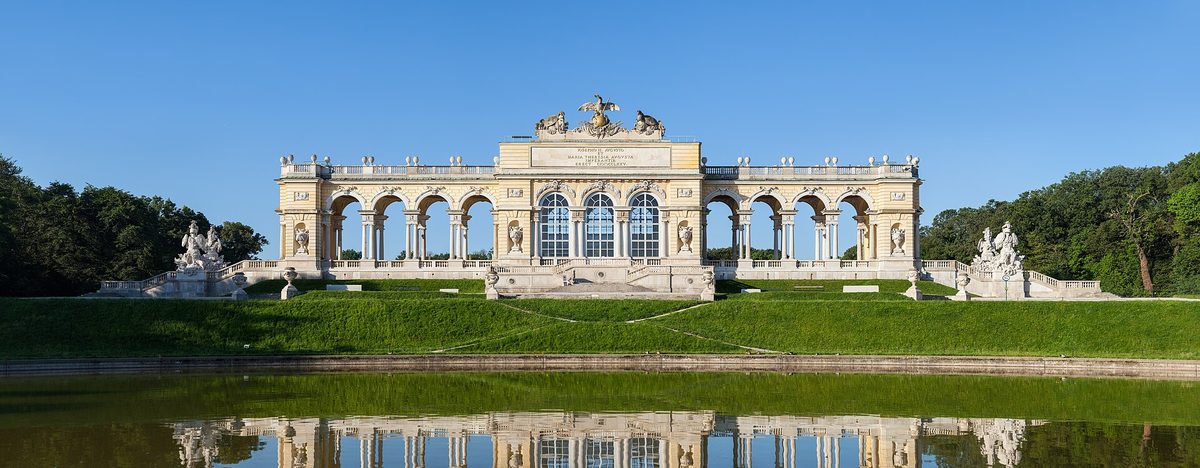
Vienna sneaks onto every family list it has any business being on, and deserves to. In one city you get Schönbrunn Palace – whose grounds hold the oldest zoo in the world, plus a maze and a children’s museum where kids dress up as little Habsburgs – and the Prater, an old-school funfair anchored by the giant Ferris wheel from The Third Man. Throw in swimmable spots along the Danube in summer, trams kids love to ride, and Mozart-themed everything, and Vienna punches well above its weight for families. Austria more broadly is a summer dream of lakes you can swim in and gentle alpine valleys; the country pairs beautifully with neighbouring Switzerland or a wider Central European loop.
The Swiss Alps: mountains turned into a playground
You might not think “mountains” when you think “easy with kids,” but Switzerland turns the Alps into the most kid-friendly outdoors in Europe by the simple trick of building a railway up everything. Instead of a death-march hike, you ride a red cogwheel train or a cable car to the top and let the kids run on an alpine meadow with a view. The Jungfrau region around Lauterbrunnen and Grindelwald is the classic base – waterfalls, summer toboggan runs, marmots, lakes warm enough to paddle in by August. It’s expensive (Switzerland always is), but for active families with kids five and up, few places deliver such instant wonder. My Switzerland travel guide lays out the practicalities.
Croatia and the Adriatic: gentle seas and walls to climb
For a beach-and-history mix without the long-haul prices, Croatia is hard to beat. The Adriatic is warm, clear and astonishingly calm – ideal for nervous young swimmers – and the pebbly coves keep the sand out of everything. Dubrovnik’s mighty city walls are a real walk kids can do (they’ll think they’re in a video game, and arguably they are, given Game of Thrones filmed here), while Split’s Diocletian’s Palace is a living Roman maze. Island-hop by ferry, build in pool time, and you’ve a relaxed, affordable week. My Croatia travel guide has the island rundown; for more sun options, Greece and Portugal deliver the same gentle-sea, kid-loving formula.
The best theme parks in Europe for kids
Europe’s theme parks are one of its underrated family weapons – world-class, often cheaper than their American cousins, and a brilliant way to “buy” a guaranteed great day after some grown-up sightseeing. Here are the ones worth planning a trip around, and the ages they suit.
| Park | Country | Best for | Rough adult ticket |
|---|---|---|---|
| Disneyland Paris | France | The full Disney hit, 40 min from Paris | from around €62 |
| Europa-Park | Germany | Europe’s biggest; coasters + young-kid areas | around €62 |
| Efteling | Netherlands | Fairytale magic for all ages | around €44 |
| Legoland Billund | Denmark | The original; toddlers to tweens | around €50 |
| PortAventura | Spain | Coasters plus a beach resort base | around €55 |
| Tivoli Gardens | Denmark | City-centre charm, every age | around €20 entry |
| Liseberg | Sweden | Scandinavia’s favourite, Gothenburg | around €40 |
Europa-Park in Germany is the one Europeans rave about and Americans haven’t heard of – the continent’s largest theme park, organised into themed “European country” zones, with a serious roster of roller coasters balanced by gentle areas for little ones. It edges out the competition on value and crowd flow. Disneyland Paris is the obvious crowd-pleaser and genuinely well run; book dated tickets ahead and consider one of the on-site hotels for early park entry. Efteling in the Netherlands is the dark-horse favourite of anyone who’s been – an enchanting fairytale park that predates Disneyland and arguably out-charms it for under-10s.
A word of advice learned the expensive way: one theme park per trip. They’re long, hot, pricey days, and stacking two in a fortnight turns delight into exhaustion. Slot one in as the reward roughly two-thirds through your trip, when everyone needs a break from “culture.” I’ve ranked them all, with height requirements and money-saving tips, in my guide to the best theme parks in Europe.

Europe with kids by age: toddlers to teens
The “best” trip changes enormously with the age of your children. Here’s how I’d adjust, having now done versions of this at every stage.
Babies and toddlers (0–4)
The counter-intuitive truth: babies are easy to travel with (they sleep, they don’t have opinions, they fly free on your lap) and toddlers are the hard mode (mobile, opinionated, nap-dependent, terrified of nothing). For this age, pick one or two bases and stay put – the constant packing and moving is what breaks toddlers, not the travel itself. Choose flat, stroller-friendly cities (Amsterdam, Copenhagen, Berlin) over cobbled hill towns, build the day around the nap rather than against it, and accept that you’ll see less. A playground in Paris counts as Paris. My dedicated guide to Europe with a toddler goes deep on naps, gear and the realistic pace.
Little kids (5–9)
This, for my money, is the sweet spot. They can walk a reasonable distance, carry a small backpack, sleep through a time-zone change in a day or two, and – crucially – they’re old enough to be enchanted by castles, knights, gladiators and dragons but young enough to still hold your hand in a crowd. Lean into story: every ruin is where a battle happened, every cathedral has a gargoyle to spot. Treasure hunts, audio guides made for kids, and a daily “you choose one thing” deal work wonders.
Tweens and teens (10–17)
Older kids can do more – longer days, more countries, real hikes, late dinners – but they need buy-in. Give them a say in the itinerary, hand them the map or the train tickets, let them photograph the trip for their own feed, and build in things that are theirs (a food tour, a bike rental, a beach day, a football stadium). The currency at this age is autonomy. Get it right and teens are wonderful travel companions; ignore them and you’ll pay for it in attitude.
Multigenerational trips with grandparents
Travelling with grandparents in the mix is one of the great joys and one of the great logistical puzzles – you’re balancing toddler naps against knees that don’t do stairs. The answer is almost always a single comfortable base with a lift, a slower pace, and a rented apartment or villa with space to spread out. I’ve put the full playbook in my guide to planning a multigenerational Europe trip.
How long to go, and a sample Europe with kids itinerary
The number-one mistake families make is trying to see too much. With kids, the right answer is fewer places, more days each. Ten to fourteen days is the sweet spot for a first big European trip from overseas – any shorter and jet lag eats a third of it; any longer and you’ll want a slower second-week base anyway. My rule of thumb is a minimum of three nights per city, and no more than three or four bases in two weeks.
Here’s a relaxed two-week itinerary I’ve sent to friends more than once, built for kids roughly 5–11. It pairs big-hitter cities with downtime and a guaranteed-fun finale, and every leg is a short, scenic train ride.
| Days | Base | Kid-pleasers |
|---|---|---|
| 1–4 | London | Natural History Museum, Tower of London, parks, a West End show |
| 5–8 | Paris (Eurostar from London) | Luxembourg Gardens sailboats, Eiffel Tower, a Disneyland day |
| 9–11 | Swiss Alps or Tuscan farmhouse | Mountain trains and lakes, or a pool and pasta-making |
| 12–14 | Rome or Barcelona | Gladiators and gelato, or city-plus-beach to wind down |
If your kids are very young, cut a base and add nights – London plus Paris plus a beach is plenty for under-fives. If they’re teens, you can push the pace and add a fourth country. For a deeper, day-by-day plan I’ve built a dedicated Europe with kids itinerary, and for the mechanics of stitching cities together – train passes, open-jaw flights, routing – my general Europe itinerary guide does the heavy lifting. Whatever you do, leave gaps. The unplanned afternoon in a playground is the one they’ll remember.
What a family trip to Europe actually costs
Let’s talk money honestly, because the brochures won’t. Europe is not a cheap family destination in peak summer – but it’s far more controllable than people fear, and Eastern and Southern Europe can be remarkable value. For a US family of four on a two-week trip, a realistic all-in range is roughly $6,000 to $12,000 including transatlantic flights, with the spread driven almost entirely by season, country and how you sleep and eat. Here’s how a mid-range fortnight tends to break down.
| Cost | Rough range (family of 4, 2 weeks) | How to keep it down |
|---|---|---|
| Transatlantic flights | $2,400–$4,800 | Book 3–6 months out; fly Tue/Wed; shoulder season |
| Accommodation | $1,800–$4,200 | Apartments over hotels; one room with a kitchen |
| Food | $1,000–$2,000 | Cook breakfasts; picnic lunches; kids’ menus |
| Trains & local transport | $400–$1,000 | Kids travel free/half; book fast trains early |
| Attractions & treats | $400–$1,200 | Free museums; under-12 discounts; one big splurge |
The biggest single lever is accommodation, and the biggest single saving is a family apartment with a washing machine and a kitchen. Cooking even one meal a day and doing laundry mid-trip (so you pack half as much) transforms the budget and the stress. The second lever is season: the same trip in late September can cost 30–40% less than mid-July. I’ve put the full money playbook – including a city-by-city cost ladder from cheap (Krakow, Lisbon, Budapest) to eye-watering (Switzerland, Scandinavia) – in my guide to a Europe with kids budget, and the broader tactics in Europe on a budget. If you steer toward the cheaper end of the continent, Eastern Europe and Portugal stretch a family budget furthest.
Getting there and getting around with kids
The journey is the part parents dread most, so let’s defuse it. Most of it is more manageable than the worry suggests.
Surviving the long-haul flight
For the transatlantic leg, an overnight (“red-eye”) flight is your friend – kids sleep through a chunk of it and you land in the morning. Book seats together early, bring a small surprise toy for each hour of stress, accept that screen-time rules are suspended at 35,000 feet, and pack a full change of clothes for everyone in the carry-on (you will need it). For the time difference, the fastest reset is brutal but effective: get straight onto local time, push through the first day with sunlight and a walk, and don’t let anyone nap past mid-afternoon. We’re usually adjusted within 48 hours. Plan something low-stakes and outdoors for day one – a park, not a museum.
Trains vs. car: when to use which
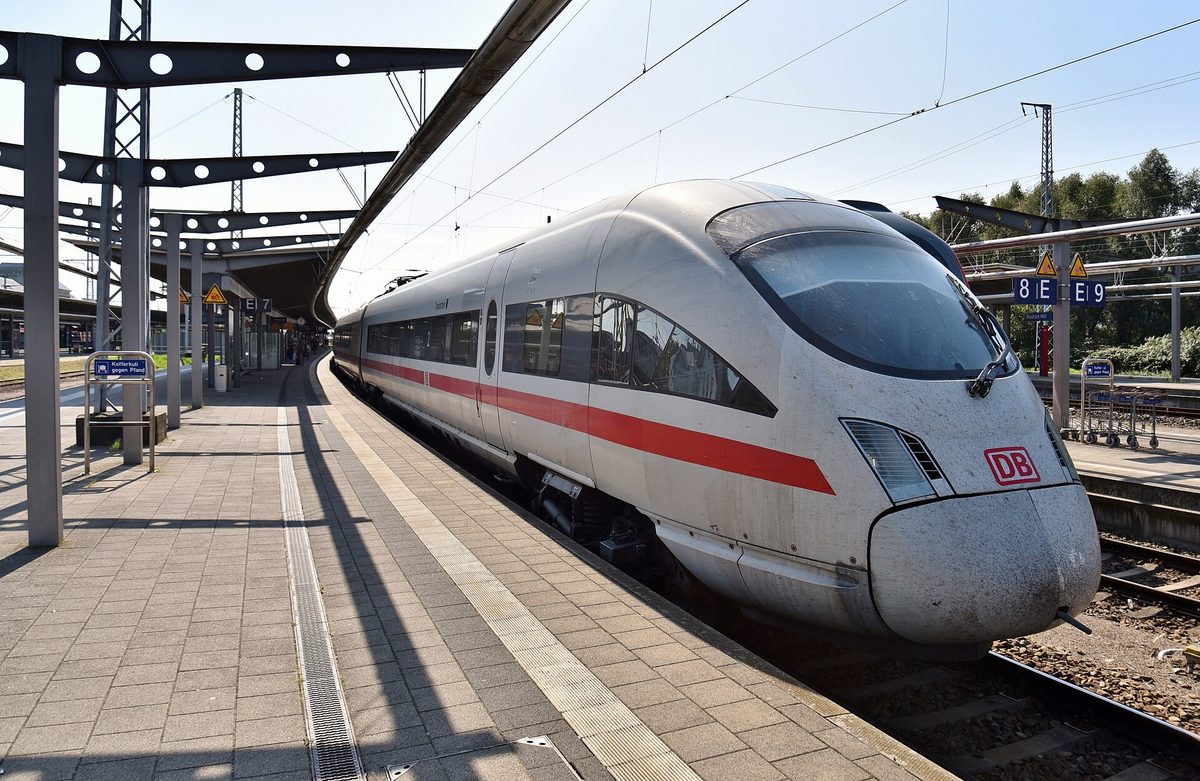
Between cities, take the train. It’s faster city-centre to city-centre on the big routes, kids can move around, and under-fours generally travel free with older children half-price; on Eurail and Interrail passes up to two children under 12 travel free with each adult. Book the high-speed routes (Eurostar, TGV, Italo, Germany’s ICE) well ahead for the cheap fares. The full how-to is in my guide to train travel in Europe and the practical overview of how to get around Europe.
A rental car earns its place only when you’re going rural – Tuscany, the Scottish Highlands, the Irish coast, an Alpine valley – where having your own wheels and a boot for the buggy genuinely helps. One thing you cannot wing: child car seats are legally required across the EU for children under about 135cm or 12 years old. Rental firms rent them, but they’re pricey and sometimes grubby; for younger kids many families bring their own (most airlines carry a car seat free as part of the baggage allowance). Never assume a taxi will have one – book a family transfer that provides seats if you need the airport run sorted.
Strollers, carriers and cobbles
Choose your wheels for the terrain. For cobbled cities and lots of trains, a lightweight, fold-flat travel stroller beats a tank of a pram every time. For hill towns, the Alps or anywhere with steps and crowds, a good carrier or hiking backpack is worth its weight – a sleeping toddler strapped to you is far less stressful than bumping a buggy up the steps of a metro that, in older cities, may well lack a lift. We travel with both and pick per day.
Where to stay with kids: apartments, hotels and family resorts
Where you sleep makes or breaks a family trip, and my strong bias – after years of cramming four people into one hotel room and listening to a baby refuse to sleep because the lights were on – is toward self-catering apartments. A rental with a separate bedroom (so adults aren’t trapped in the dark at 7:30pm), a kitchen for breakfasts and the odd dinner, and a washing machine is transformative. It’s usually cheaper than two hotel rooms, too. Look for places with a lift if you’ve a stroller, and check exactly how many real beds there are – “sleeps four” sometimes means a sofa bed.
Hotels still win for short city stops where you want a breakfast buffet and zero faff – look for “family rooms” or connecting rooms, and many European hotels let young children stay free in the parents’ room. And for a certain kind of trip – especially with toddlers, or grandparents along – an all-inclusive family resort or a holiday-village setup (think kids’ clubs, pools, and the Med a few steps away) is the low-stress masterstroke that lets parents actually relax. I’ve rounded up the best options in my guide to family resorts in Europe, and the wider where-to-base decision – neighbourhoods, regions, accommodation types – is covered in where to stay in Europe.
When to visit Europe with kids
Timing is the cheapest upgrade you can make to a family trip. If you’re tied to school holidays, you’ll be travelling in July and August – the warmest, liveliest, busiest and most expensive window, with long queues and big crowds. It’s still doable; just book everything ahead, start your sightseeing days early, and weight the plan toward beaches, lakes and pools where heat and crowds matter less.
If you have any flexibility – younger kids not yet in school, or a willingness to pull older ones out for a few days – the shoulder seasons are the sweet spot. Late April to June and September to mid-October bring mild weather, thinner crowds, lower prices and far happier parents. Spring is my personal pick: long days, blossom and tulips, and pleasant temperatures for walking cities. Autumn is a close second. Winter has its own magic – Europe’s Christmas markets are genuinely enchanting for kids, with carousels, hot chocolate and twinkling lights, even if the days are short and cold. For the full month-by-month, region-by-region breakdown, see my guide to when to go.
Practical tips for travelling Europe with kids
These are the small things that, after many trips, I now consider non-negotiable. None is complicated; together they’re the difference between a smooth trip and a fraught one.
- Book the big sights online, in advance. The Eiffel Tower, the Vatican, the Anne Frank House, Sagrada Família, any major theme park – reserve timed tickets before you fly. A two-hour queue is where family trips go to die.
- One big thing a day, max. Pair a morning sight with an afternoon of nothing – a park, a pool, a playground, a gelato sit-down. Downtime isn’t wasted time; it’s what makes the next day work.
- Carry a refillable water bottle each. Tap water is safe across most of Western Europe, and cities like Rome and Paris have public fountains everywhere. Italy’s nasoni are a game with a purpose.
- Sort health cover before you go. EU/UK travellers should carry an EHIC/GHIC card for reduced-cost public healthcare; everyone should have travel insurance that covers kids. Pharmacies (the green cross) are superb for minor ailments and advice.
- Know the entry rules. From late 2026 the EU’s ETIAS travel authorisation is expected for visa-exempt visitors, becoming mandatory around April 2027 – and it applies to children too, though it’s free for under-18s. Each child needs their own passport. Check the official EU page for confirmed dates.
- Photograph your kids each morning. If anyone gets separated in a crowd, you’ll have a current photo of exactly what they’re wearing. I also tuck a card with my phone number into little ones’ pockets.
- Feed them before the meltdown. European dinners run late; carry snacks, and don’t be shy about an early kids’ supper followed by your own later. A picnic from a market or supermarket deli is often the best (and cheapest) lunch of the day.
- Pack light and do laundry. Half the clothes, a travel detergent, and a mid-trip wash beats hauling two weeks of outfits across a continent. Packing cubes keep four people’s stuff from becoming one explosion.
For more general groundwork – passports, money, connectivity, the order to book things in – my guide on how to plan a trip to Europe covers the wider planning, and applies just as well with kids in tow.
Europe with kids: frequently asked questions
Is Europe safe to travel with kids?
Very. Europe consistently ranks among the safest regions in the world, with low violent crime, drinkable tap water, excellent healthcare and pharmacies on every corner. The realistic risk is pickpocketing in crowded tourist spots – a nuisance, not a danger – managed with a money belt and awareness. Quiet, walkable city centres and reliable public transport make day-to-day travel with children genuinely low-stress.
What is the best country in Europe for families?
There’s no single winner, but Denmark, Italy, the Netherlands and the UK top my list. Denmark and the Netherlands are flat, bike-friendly and built around family life; Italy combines kid-loving locals with pizza, gelato and walk-through history; the UK offers free world-class museums and no language barrier. The “best” depends on your kids’ ages and whether you want city, beach or mountains.
How much does a family trip to Europe cost?
For a US family of four on a two-week trip, budget roughly $6,000–$12,000 all-in including transatlantic flights, with season and country driving most of the spread. Renting an apartment, cooking some meals, travelling in shoulder season and steering toward Eastern or Southern Europe can pull it toward the lower end. Western capitals and Switzerland sit at the top.
What is the best age to take kids to Europe?
Any age works, but the sweet spot is around 5–11: old enough to walk, remember the trip and be enchanted by castles and gladiators, young enough to still nap and hold your hand. Babies are surprisingly easy (they fly free on your lap); toddlers are hardest and need a slow, one-base pace; teens thrive when given real input into the plan.
How many days do you need in Europe with kids?
For a trip from overseas, ten to fourteen days is ideal – enough to absorb jet lag and still see two or three places without rushing. Aim for a minimum of three nights per base and no more than three or four bases in a fortnight. With kids, fewer places and more days each beats a whirlwind every single time.
When is the best time to visit Europe with kids?
Late April to June and September to mid-October are the sweet spots: mild weather, manageable crowds and lower prices. Summer is warmest and liveliest but busiest and dearest – fine if you favour beaches and lakes and book ahead. Winter is cold and dark but cheap, with magical Christmas markets. If you’re not tied to school holidays, travel in the shoulder seasons.
Can you take a toddler to Europe?
Absolutely – just plan differently. Pick one or two bases and stay put, choose flat, stroller-friendly cities, and structure each day around the nap rather than a packed sightseeing list. Bring your own car seat if you’ll drive, use a carrier for cobbles and steps, and lower your expectations on “sights seen.” A morning in a Paris playground genuinely counts.
Do kids need a passport and ETIAS for Europe?
Yes – every child needs their own passport, regardless of age. From late 2026 the EU’s ETIAS travel authorisation is expected for visa-exempt visitors and becomes mandatory around April 2027; it applies to children too, although it’s free for travellers under 18. The UK requires a separate ETA. Always confirm current rules on the official government pages before you book.
Are European trains and attractions free for children?
Often, yes. On most railways children under about four travel free and 4–11s pay roughly half; Eurail and Interrail passes carry up to two under-12s free per adult. Museums and historic sites are frequently free for under-12s and sometimes under-18s – the Louvre, the Vatican Museums and the UK’s national museums all admit children free. Always carry passports as proof of age.
How do you survive a long-haul flight with kids?
Fly overnight so they sleep, book seats together early, and pack a carry-on with a change of clothes for everyone, snacks, and a small new toy or two to dole out. Suspend the usual screen-time rules. On landing, get straight onto local time, soak up daylight, and avoid late naps – most families adjust within 48 hours.
Final thoughts
Here’s what nobody tells you before you take the kids to Europe: the trip you plan and the trip you remember are rarely the same one, and that’s the whole point. You’ll book the Louvre and they’ll talk for years about the pigeon that stole a croissant. You’ll spreadsheet the itinerary and the best afternoon will be the unplanned one in a fountain-splashed square. Europe is uniquely forgiving of this, because it hands you greatness on every corner – a castle here, a gelato there, a train that turns travel itself into the adventure – whether or not the plan survives contact with a tired four-year-old.
So my parting advice, distilled: go slower than feels natural, book the big sights before you fly, sleep in apartments, travel in shoulder season if you possibly can, and leave real gaps in the plan. Pick destinations that fit the ages you’ve actually got, not the ones you wish you had. And then let Europe do what it does best – be endlessly, casually wonderful to children. Do that, and you’ll come home with a family that wants to go straight back. Buon viaggio, and have a great trip.
Photo credits
All images are used under their respective licenses via Wikimedia Commons. With thanks to the photographers:
- Toy sailboats on the pond at the Jardin du Luxembourg, Paris – Photo: Guilhem Vellut from Paris, France / CC BY 2.0, via Wikimedia Commons.
- The Eiffel Tower, Paris – Photo: Pierre Blache (CC0) via Wikimedia Commons.
- The Colosseum, Rome – Photo: Wilfredor (CC0) via Wikimedia Commons.
- The Sagrada Familia, Barcelona – Photo: Didier Descouens / CC BY-SA 4.0 via Wikimedia Commons.
- Canal houses in Amsterdam – Photo: Basile Morin / CC BY-SA 4.0 via Wikimedia Commons.
- Tivoli Gardens, Copenhagen – Photo: Stig Nygaard / CC BY 2.0 via Wikimedia Commons.
- Schoenbrunn Palace gardens, Vienna – Photo: Thomas Wolf, www.foto-tw.de / CC BY-SA 3.0 DE via Wikimedia Commons.
- Legoland Billund, Denmark – Photo: Legoland Billund Resort / CC BY 3.0, via Wikimedia Commons.
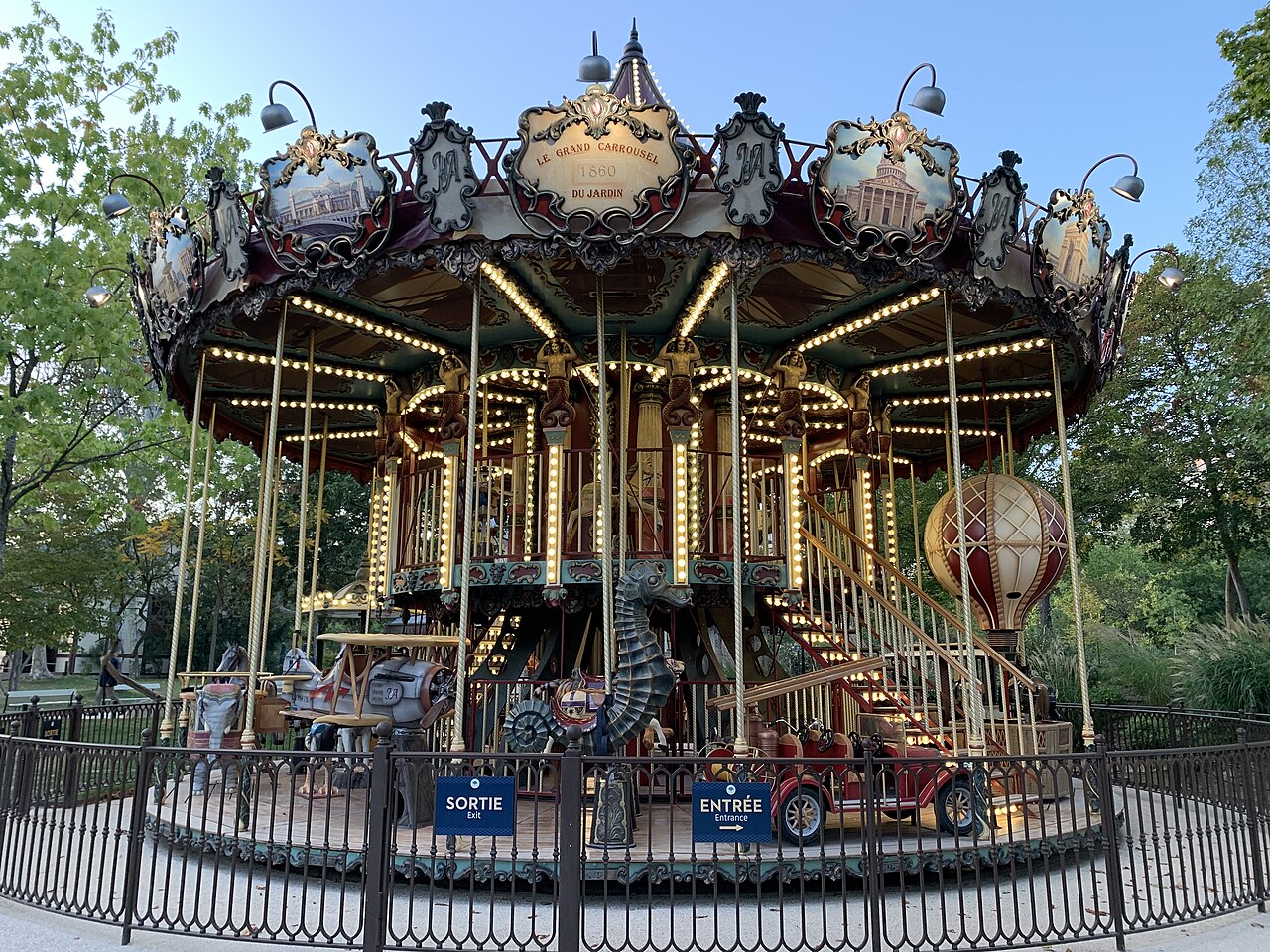
- A classic Parisian carousel, the kind of small magic Europe hands families for a euro or two — Photo: RosezZen (CC BY-SA 4.0) via Wikimedia Commons. Source
- A high-speed ICE train at the platform, the low-stress way to move kids between cities — Photo: Bahnfrend (CC BY-SA 4.0) via Wikimedia Commons. Source
1 comment