When to Book a Trip to Europe
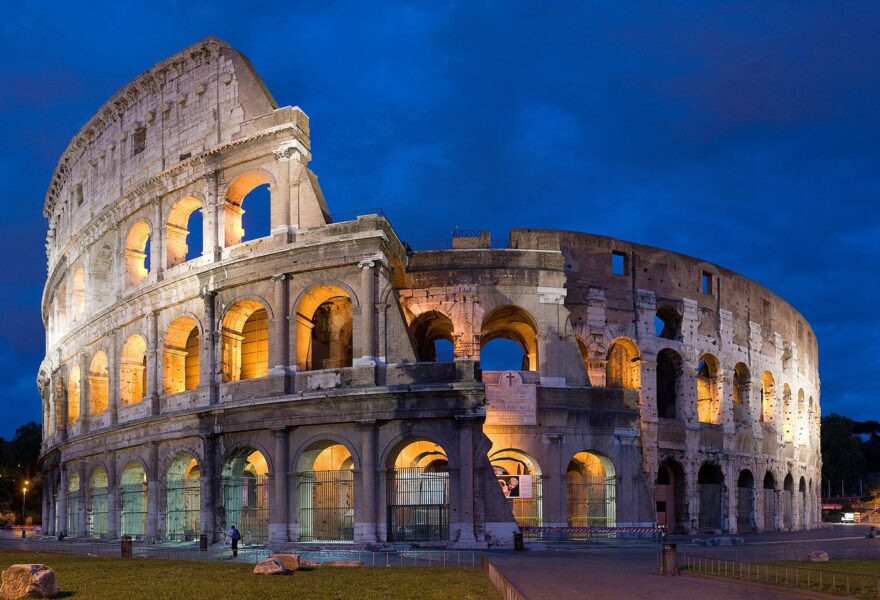
The short answer on when to book a trip to Europe: buy long-haul flights two to four months ahead for spring or autumn and four to eight months ahead for summer, book trains the week sales open, and treat capped sights such as the Anne Frank House as release-day jobs. Festival weeks need beds first.
This is the timing chapter of our step-by-step guide to planning a trip to Europe, written as much for travellers flying in from North America or Australia as for anyone hopping over from Britain. One caveat outweighs the rest: every window below is a sale date, not a price promise, and operators move them. Checked against official sources in September 2026.
| What you’re booking | When to book it | What waiting costs you |
|---|---|---|
| Long-haul flights for June–August | 4–8 months ahead, ideally between February and April | Peak-season fares and a thinner choice of flight times |
| Long-haul flights for April–May or September–October | 2–4 months ahead | Choice of flight times more than money |
| Long-haul flights over Christmas and New Year | As soon as your dates are firm | Holiday fares that can top summer’s |
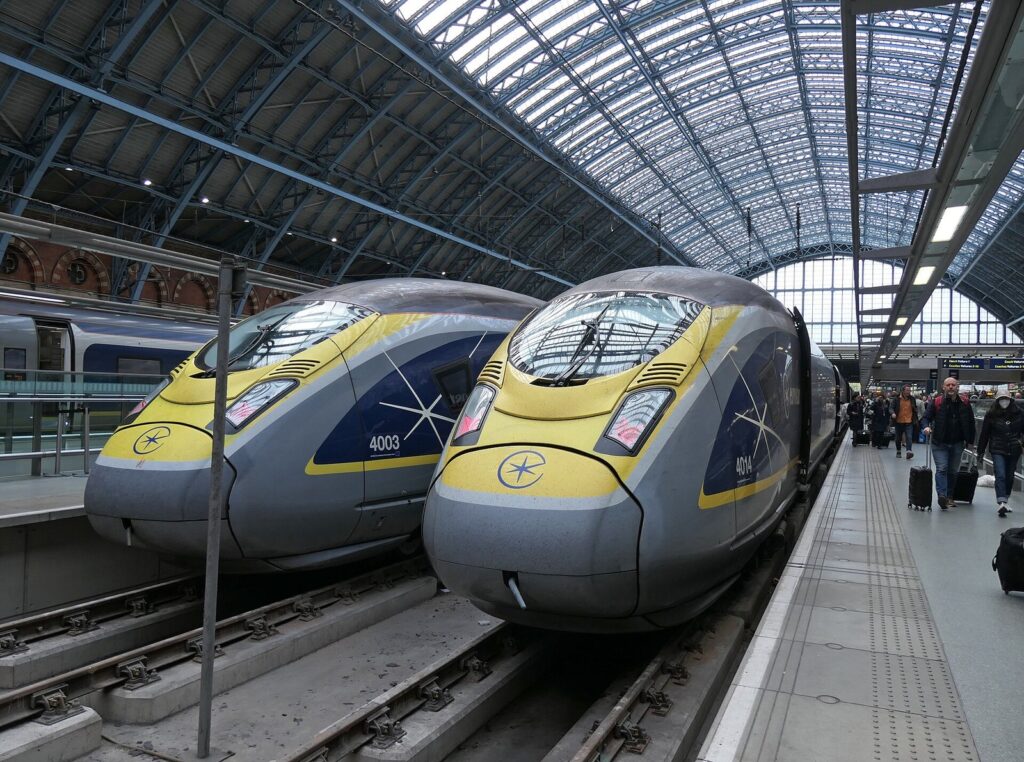
| Eurostar | When sales open, 10–11 months out | The cheapest fare tiers |
| High-speed trains in France, Italy, Switzerland and Austria | The week sales open; SNCF releases TGV INOUI seats up to six months out | Advance fares first, then seats |
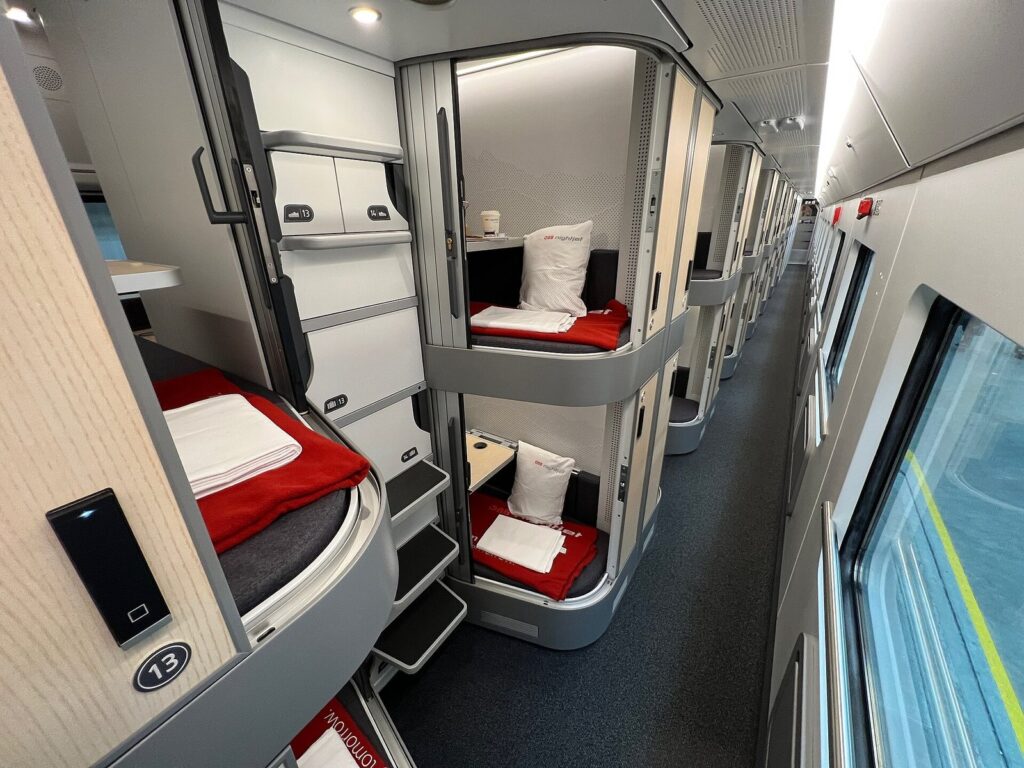
| Nightjet sleepers | Up to 360 days ahead | Private cabins first, then couchettes |
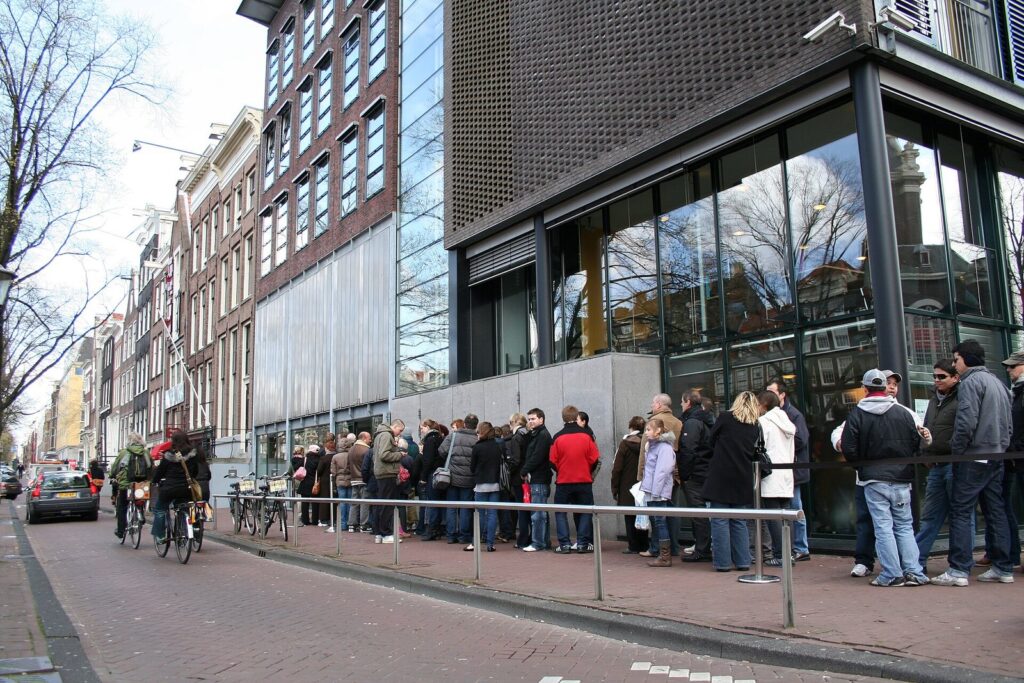
| Capped sights | On release day: Anne Frank House 6 weeks out, Colosseum 30 days; the Alhambra as soon as your date appears on its official calendar | The ticket itself |
| Rooms for festivals and school holidays | 6–12 months ahead, on a refundable rate | The good locations, then any room at all |
| Travel insurance | The day you pay the first deposit | Cancellation cover for the months in between |
When to book a trip to Europe: the countdown from 12 months out
Every part of a European trip has its own sale date, and none of them line up. Airlines open their schedules close to a year ahead (British Airways sells seats 355 days out), Eurostar 10–11 months, most high-speed trains four to six, and the tightest sights anything from 90 days to 30. Work backwards from your travel date and the plan more or less writes itself.
| Time before you travel | What to book | Why then |
|---|---|---|
| 10–12 months | Eurostar for peak dates; Nightjet cabins; rooms for Oktoberfest, Edinburgh in August or a Christmas-market weekend | Eurostar opens 10–11 months out and Nightjet 360 days; event rooms go first |
| 6–9 months | Summer long-haul flights; island and coast hotels for July and August; Deutsche Bahn trains within Germany | DB sells domestic seats up to 12 months ahead |
| 4–6 months | Swiss and Austrian day trains; TGV INOUI and Frecciarossa seats; island car hire for high summer | SBB and ÖBB open 6 months out and SNCF releases TGV INOUI up to six months ahead; Trenitalia varies, so check your departure |
| 2–4 months | Spring and autumn flights; the Alhambra; the Last Supper | Granada’s official calendar shows what’s on sale; Milan announces each release (September–December 2026 went on sale on 23 June) |
| 6–8 weeks | Vatican Museums; Anne Frank House; Sagrada Família and the Uffizi in peak season | Amsterdam releases six weeks out; check the Vatican’s official ticket calendar for your date |
| About 30 days | Colosseum time slots; trains in Poland, Portugal, Croatia and the Baltic states | Rome sells 30 days out; smaller railways often only 30–60 days |
| The last 2 weeks | Eurostar Snap fares; a UK ETA if London is on the route | Snap fares appear within 10 days of travel; an ETA can take 3 working days |
The order matters as much as the dates. I’d buy the long-haul flight first, because it fixes the two cities everything else hangs from, then book refundable beds the same week, then pick off trains and sights as each window opens. If you haven’t settled the length of the trip yet, do that first with our guide to how many days you need in Europe. The mechanics of who to book with, and whether a package beats doing it yourself, are in how to book a Europe trip.
How far ahead should you book flights to Europe?
For long-haul flights, the month you travel matters more than how early you buy. Fares to Europe follow the seasons. Dollar Flight Club, looking at flights from the US, picks out January, February, November and early March as the cheaper months and June to August as the expensive ones. The fare-alert service Jetsetter Alerts puts off-season fares 40–60 per cent below summer ones. Dollar Flight Club adds a warning: the stretch from 15 December to 1 January is one of the most expensive of the year.
The booking window follows from that. Dollar Flight Club advises two to four months ahead for spring and autumn trips and four to eight months ahead for summer, with February to April often the best time to lock in a July or August fare. Summer is the season that punishes waiting; the shoulder months forgive it.
| Travelling in | Book long-haul flights | Why |
|---|---|---|
| June–August | 4–8 months ahead | The expensive season; book early for the flight times you want |
| April–May, September–October | 2–4 months ahead | The best balance of fare, weather and choice |
| November | About 3 months ahead | One of the cheaper months to fly |
| 15 December–1 January | As soon as your dates are firm | One of the most expensive periods of the year |
| January to early March | About 3 months ahead | The other cheap stretch, once the New Year peak has passed |
Two numbers put this into dollars. Going’s fare tracker put the average return between the US and Europe at about $843 in August 2026, and Hopper’s 2026 figures found that shifting a summer trip into the second half of August or into September saved about $283 a ticket, roughly a third. If your dates can move by three weeks, that beats any booking trick.
Short flights within Europe
Low-cost carriers work differently. There’s no seasonal sale to wait for: fares are set by how full the plane is, so the cheap seats on a Ryanair, easyJet or Wizz Air flight tend to be the early ones. Ryanair’s average fare in the year to March 2026 was about €51, up 10 per cent on the year before, and it made another €24 a passenger from extras such as bags and seats. Book short hops once the long-haul dates are fixed, and price the bag before you compare fares.
Flying into one city and out of another? Book that open-jaw ticket first and the short hops after. Our guide to planning a multi-country Europe trip covers the routing, and the fare tactics themselves (alerts, alternative airports, which days to fly) are in cheap flights to Europe.
Verdict: for a July trip, buy the transatlantic ticket between February and April and then stop checking. For May or October, two to four months out is plenty; there’s no prize for buying first.
When do European train tickets go on sale?
Rail is where timing pays off most. Cheap train fares in Europe are often limited in number: ÖBB, for one, sells its Sparschiene fares on limited availability and advises booking early. Buy early and you have the best chance of one. Wait, and those fares can be gone before you look.
| Operator | Tickets on sale | What to know |
|---|---|---|
| Eurostar | 10–11 months ahead | London, Paris, Brussels, Amsterdam and Cologne routes; the horizon can vary |
| Deutsche Bahn | Up to 12 months within Germany and to Benelux and Switzerland; 6 months to other countries | Sparpreis fares rise as trains fill |
| ÖBB day trains | Up to 180 days | Sparschiene fares in Austria and across the border |
| ÖBB Nightjet | Up to 360 days | Sales for the 2027 timetable opened about six weeks earlier than usual |
| SNCF (TGV INOUI) | Up to 6 months | Opens in scheduled releases: on 12 November 2026, domestic journeys from 7 January to 2 July 2027 go on sale |
| Trenitalia (Frecciarossa) | Varies by departure | Check Trenitalia for when your train goes on sale |
| SBB (Switzerland) | Up to 6 months | Supersaver fares go on sale six months out |
| Renfe (Spain) | No fixed window | Tickets go on sale once Renfe releases the dates, so check its booking calendar for your route |
| Poland, Portugal, Croatia, Slovenia | About 60 days | Polish domestic trains only 30 |
| Baltic states | About 30 days | Estonian domestic trains about a week |
The December timetable trap
Every railway in Europe changes timetable at midnight on the second Saturday in December, so from Sunday 13 December 2026 trains run on the 2027 timetable. Operators often can’t sell beyond that line until the new timetable is loaded, and each one opens the new dates on its own schedule. SNCF, for one, put its trains to Spain, Italy and Switzerland for 13 December 2026 to 28 March 2027 on sale on 30 September 2026. If your Christmas-market trip shows no trains, that’s the gap, not an error.
Night trains
Sleepers reward early booking more than anything else on the rails, because private compartments are the scarce part of every train. ÖBB sells Nightjet tickets up to 360 days ahead; in September 2026 fares started at around €29.90 for a seat, with couchette berths at roughly €49–69 and private sleepers from about €89 to €209 or more. Book the cabin first. The seats will still be there. Two changes to know about: Paris lost its Nightjets at the December 2025 timetable change, and European Sleeper’s Brussels–Milan train began on 9 September 2026, running three nights a week.
Rail passes: reserve early too
A rail pass doesn’t take you out of the timing game. Eurostar keeps a separate, limited allocation for pass holders, and it can run out while ordinary tickets are still on sale. The reservation itself cost €35 in Standard between London and Paris or Brussels in September 2026. A French TGV INOUI reservation costs pass holders €10 to €20 in either class on Interrail’s September 2026 fee table, and busy trains can run out of pass-holder places too. Within Germany and Austria, reservations on ICEs and Railjets are optional, but some international services require them, including trains between Germany and France. Travelling on a pass? Book the Eurostar and TGV reservations on the day you would have bought a ticket.
How to actually buy them (which site, which fare, and how reservations work with a rail pass) is covered in our guide to booking European train tickets, the bigger picture in our guide to train travel in Europe, and the journeys worth planning a trip around in the best train routes in Europe.
Verdict: put the day your train goes on sale in your calendar, not the day you get round to booking. On a long, popular run such as Paris–Barcelona or a summer Nightjet, that one reminder is the best money-saving move in this guide.
Which sights sell out, and when do their tickets go on sale?
A handful of Europe’s sights cap numbers so tightly that the booking date matters more than the travel date. Most museums don’t need this treatment. These do.
| Sight | Tickets released | Adult price, 2026 | Book in peak season |
|---|---|---|---|
| Anne Frank House, Amsterdam | Tuesdays at 10:00 Amsterdam time, for the week six weeks later | €16.50 including a €1 fee | On release day |
| The Last Supper, Milan | In announced blocks (September–December 2026 went on sale on 23 June at noon); spare tickets Wednesdays at noon for the next week | €15 | On release day |
| Alhambra, Granada | Check the official availability calendar | €22.27 | As early as you can |
| Colosseum, Rome | 30 days ahead, with a compulsory time slot | €18 | Within days; underground slots go fastest |
| Vatican Museums, Rome | Check the official ticket calendar | €25 online (€20 plus a €5 fee) | As soon as your dates are firm |
| Sagrada Família, Barcelona | Online in advance | €26; €36 with a tower | Well ahead in peak season, especially for a tower |
| Uffizi, Florence | Online in advance | €29 in advance, €25 on the day | Before you travel |
| Galleria Borghese, Rome | Reservation compulsory, even for under-18s who go free | €18 including the booking fee | Weeks ahead; 180 people per slot |
| Acropolis, Athens | Online at hhticket.gr | €30 | Ahead of a summer visit |
Release-day tickets: set an alarm
Four of these behave like concert tickets. The Anne Frank House sells only online, releasing every Tuesday at 10:00 Amsterdam time the whole week six weeks later, and the museum warns that tickets sell very fast. Milan’s Last Supper sells in blocks announced on its website (visits for September to December 2026 all went on sale on 23 June at noon), with a top-up each Wednesday at noon for the following week. For the Alhambra, watch the official availability calendar and book as soon as your date appears. Rome’s Colosseum opens 30 days out, and every ticket is issued in the holder’s name; check when the ticket type you want goes on sale.
Miss the release and a guided visit through a tour firm is the fallback. For the Last Supper that means €45–120 against a €15 face value, which is why it’s worth being online at the right minute.
Book-ahead tickets: weeks, not months
The second tier sells out in busy weeks but gives you room to plan. The Vatican Museums add a €5 online booking fee to the €20 ticket; check the official ticket calendar for your date. Book the Sagrada Família well ahead between April and October, especially if you want a tower. Florence’s Uffizi is worth booking ahead in peak season, and Rome’s Galleria Borghese admits 180 people per slot, with reservations compulsory even for children who go free. Our guide to things to do in Rome builds whole days around those slots.

Rules that change with the season
Some sights change their rules with the calendar, so check the month as well as the place. At the Louvre, booking a time slot is recommended for every visitor, including those who get in free. Paris also brought in higher prices for adults from outside the EEA in January 2026: €32 at the Louvre from 14 January and €22 at Sainte-Chapelle from 12 January, so budget from the current price list rather than last year’s. From 29 September 2026 even the Eiffel Tower’s stairs need booking in advance. Venice charged its day-tripper access fee on 60 dates between 3 April and 26 July 2026, and in September 2026 the city still hadn’t decided whether it returns in 2027, so check the official calendar before you fix a Venice day; our Venice guide has the rest of the planning.
Verdict: write down your two or three unmissable sights the day you book flights, put each release date in your calendar, and plan the rest of each day around the slot you get.
When should you book hotels and apartments?
Rooms have no sale date, which is exactly what makes them risky: nothing tells you the good ones have gone until they have. Prices move with demand, and three things drive demand harder than the season itself: events, school holidays and trade fairs. A midweek room in Munich in late April and the same room during Oktoberfest are different products at very different prices.
The answer is to split the decision in two. Book early on a refundable rate, which usually costs a little more than a prepaid non-refundable one, and keep watching. If the same room, or a better one, is cheaper six to eight weeks before you go, rebook and cancel the original. Holiday rentals need more care: many take a deposit up front and have stricter cancellation terms, so read the policy before you treat one like a hotel booking.
Where rooms go first
- Greek islands and the Amalfi Coast in July and August. Small places with limited stock, and the ferries fill on the same weeks.
- Edinburgh in August. The 2026 Fringe ran from 7 to 31 August with 3,649 shows in 258 venues.
- Munich during Oktoberfest, which runs from 18 September to 3 October in 2027.
- Seville in Holy Week, 21–28 March in 2027, and again for the Feria de Abril: check the city’s official dates before you book. Our guide to the best time to visit Spain has the full calendar.
- Venice at Carnival, which ends on Shrove Tuesday, 9 February 2027.
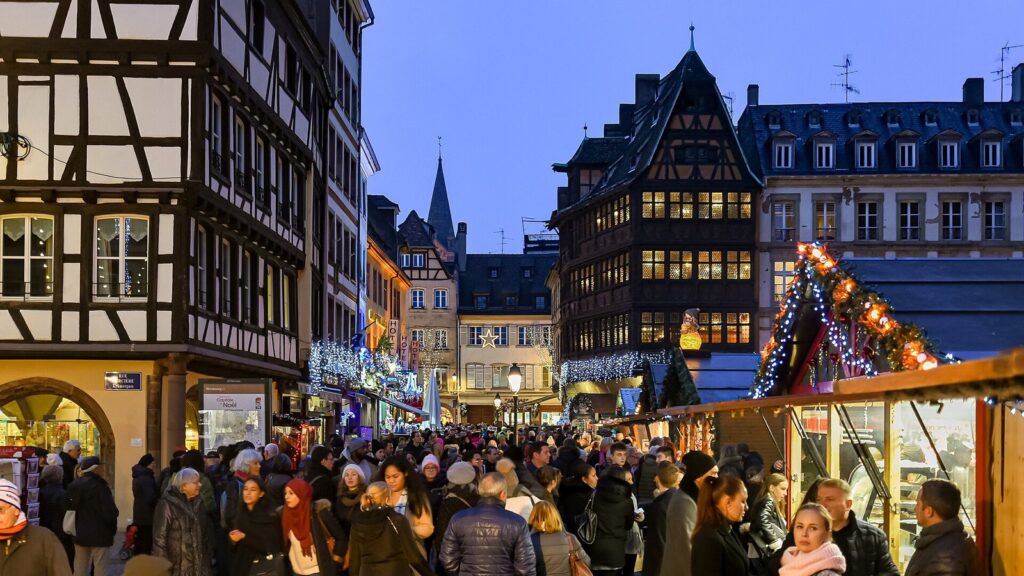
- Christmas-market towns on December weekends. Vienna’s Rathausplatz market opens on 13 November 2026, Munich’s on 20 November, Dresden’s Striezelmarkt on 25 November and Strasbourg’s on 27 November.
- Six Nations weekends in February and March, when rugby fans fill the host cities’ hotels.
- Trade-fair weeks, which fill business cities on dates tourists never think about. Milan’s design week and Barcelona’s Mobile World Congress are the classic examples, so check a city’s fair calendar before you fix dates.
Verdict: book a refundable room the week you buy the flight, set a reminder to re-check prices six to eight weeks out, and only switch to a non-refundable rate once nothing about the trip can move.
Booking by season: summer, shoulder and winter trips
Summer (June to August)
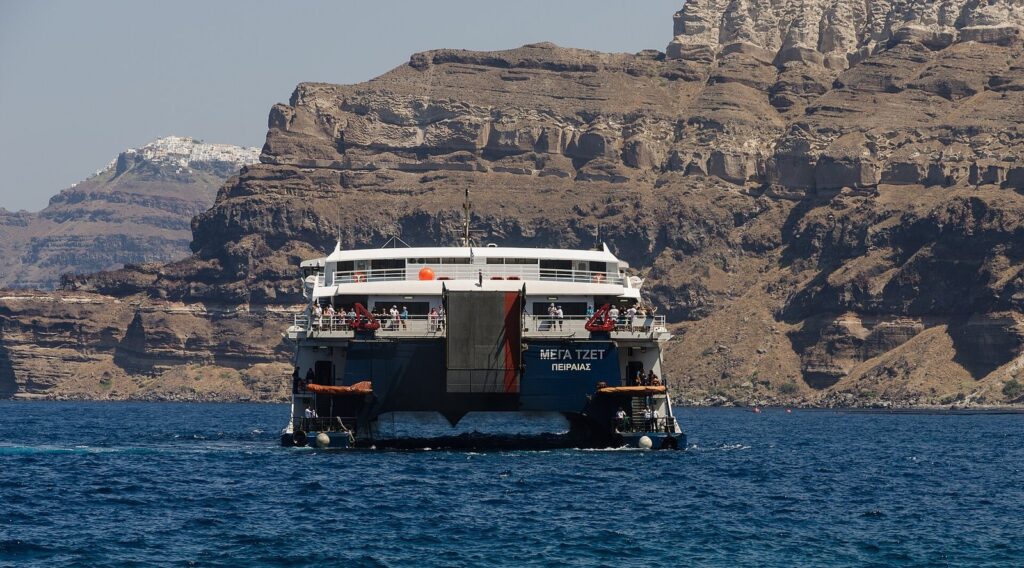
Summer is the one season when everything needs booking early, because Europe’s own holidays land on top of everyone else’s. French school summer holidays start on Saturday 3 July 2027. England’s run from late July into early September. In Italy, some family-run restaurants and shops close around Ferragosto on 15 August, so check the places you have in mind before you count on them. Book long-haul flights by spring, island and coast rooms six months or more out, and ferries one to two months ahead. The heat changes sightseeing too: the Acropolis can close in the middle of the day when temperatures pass 40°C, one more reason to take an early slot. Our Italy and Greece itinerary shows how those bookings stack up on a real summer route.
Spring and autumn (April to May, September to October)
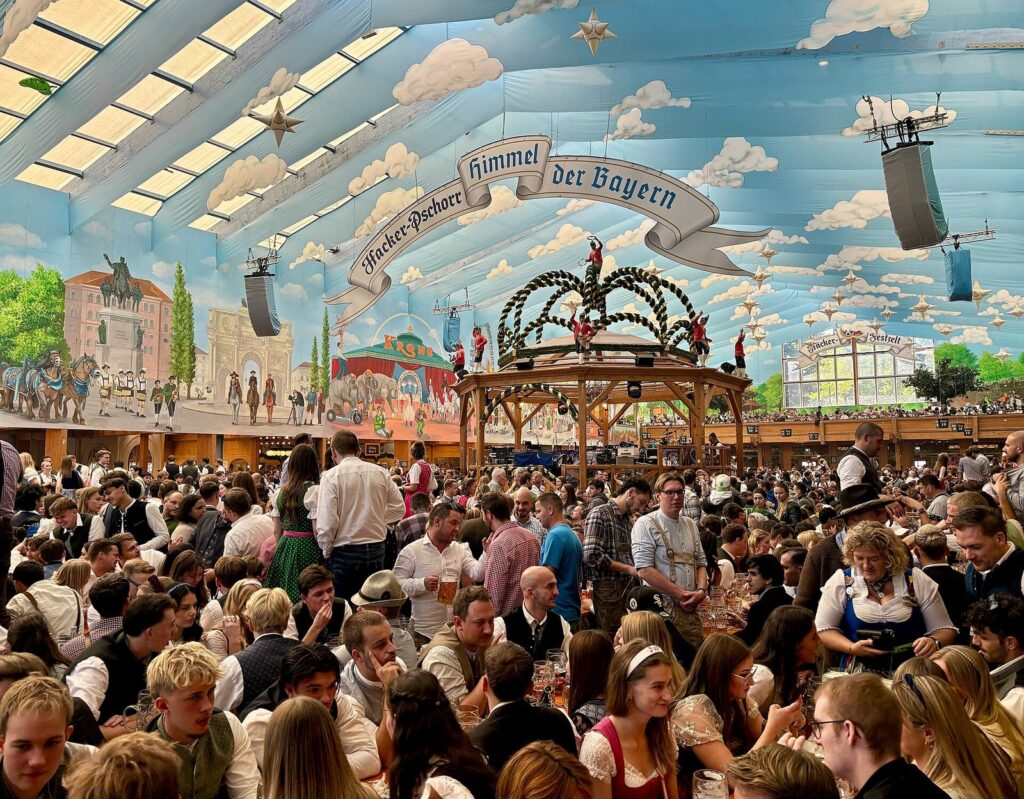
This is the sweet spot for price, weather and booking stress: flights two to four months out, trains when they open, rooms a couple of months ahead unless something is on. Watch the moveable feasts. Easter comes early in 2027, on 28 March, which pulls British school holidays into late March and early April. Greece celebrates Orthodox Easter five weeks later, on 2 May, and ferries and island rooms fill that week. Autumn has spikes of its own: Oktoberfest (18 September to 3 October 2027) takes Munich and much of Bavaria off the cheap-autumn list, and the last week of October and first week of November bring school half-terms across much of the Continent.
Winter, Christmas markets and ski weeks (November to March)
Winter splits in two. November, and January into early March, tend to bring cheaper flights, so leaving the booking late can work for a city break. The exceptions are the dates everyone wants: Christmas-market weekends, the Christmas and New Year flight peak, carnival (Cologne’s Rose Monday is on 8 February 2027, the day before Venice’s carnival ends) and ski weeks. French school ski holidays are staggered by zone between 6 February and 8 March 2027, and most English schools take February half-term from 15 to 19 February; Alpine resorts price those weeks accordingly. Eurostar’s direct ski trains usually go on sale in July.
If you can only travel after Christmas, pick the market with care: closing dates vary a lot. Colmar’s runs to 29 December, several Berlin markets carry on to 27 or 31 December or 3 January, and Copenhagen’s Tivoli keeps going until 3 January 2027. For Bruges and Prague’s Old Town Square market, check the closing date on the cities’ official sites. That week between the holidays still sits inside the long-haul fare spike, so book the flight first and the market second.
| Dates | What’s on | What books up |
|---|---|---|
| November–December 2026 | Christmas markets open in stages, from 13 November in Vienna; closing dates vary, and some run into January | Weekend rooms in market towns |
| Christmas and New Year | A busy holiday period for travel | Long-haul flights |
| 6 February–8 March 2027 | French ski holidays, staggered by zone | Alpine resorts and the trains to them |
| 8–9 February 2027 | Cologne’s Rose Monday; Venice Carnival ends | Cologne and Venice hotels |
| 15–19 February 2027 | February half-term at most English schools | Ski chalets and family flights |
| 21–28 March 2027 | Holy Week, with Easter Sunday on 28 March | Seville and Rome rooms; flights from the UK |
| 2 May 2027 | Orthodox Easter | Greek ferries and island rooms |
| From 3 July 2027 | French summer holidays begin | The French coast and trains out of Paris |
| 15 August 2027 | Ferragosto | Italian beaches and islands |
| 18 September–3 October 2027 | Oktoberfest | Munich rooms |
Ferries, car hire and tours: the bookings people forget
Ferries
Greek ferries are the one part of island-hopping that punishes a late booking. Ferryhopper advises booking at least one to two months ahead for June to September, and the high-speed boats, cabins and car spaces go first in July and August; the big conventional ferries have far more room. On the main lines, booking early carries little risk: in high season Blue Star Ferries lets you cancel for free, or switch to an open ticket, up to 14 days before sailing.
Car hire
Island car hire is the sell-out nobody plans for. On Crete, cars run short in July and August, and one local firm’s 2026 rates put a small car at about €65 a day in August against €25–40 in low season. Book it with free cancellation in the same week as the flights.
Tours and day trips
Most tours can wait until you land. The ones worth booking early come with a capped ticket attached (the Colosseum underground, the Last Supper, the Alhambra), because once the official release has sold out, a tour is often the only way in.
Passports, EES, ETIAS and the UK ETA: the paperwork deadlines
Paperwork has deadlines too, and one of them comes before you should book anything at all. Our guide to the documents you need to travel to Europe has the detail; this is the timing.
- Passport: for the Schengen area it must be valid for at least three months after the day you plan to leave, and issued within the previous ten years. Check it before you buy a flight, not after.
- EES: the EU’s Entry/Exit System has been fully running at Schengen external borders since 10 April 2026. There’s nothing to apply for and no fee; your fingerprints and photo are taken at the border on your first entry, so give yourself extra time on that first arrival.
- ETIAS: the €20 travel authorisation for visa-free visitors still wasn’t running at the end of September 2026, and the EU says it will announce the start date several months in advance. Under-18s and over-70s won’t pay, and a transition of at least six months follows the launch. Until then, any website offering one isn’t the real thing.
- UK ETA: Britain is outside the Schengen area and runs its own £20 electronic travel authorisation. Every visa-free visitor needs one, babies included, unless they hold a British or Irish passport. Most decisions come within a day, but GOV.UK says it can take up to three working days, so apply at least that far ahead.
Ireland sits outside Schengen as well and runs neither EES nor ETIAS.
A month-by-month booking calendar for 2027 trips
If you’re planning next year now, this is what each month’s to-do list looks like. It assumes a mid-range trip with one or two capped sights and at least one long train journey.
| Month | Book now | For trips in |
|---|---|---|
| October–November 2026 | Christmas-market rooms and trains; Easter flights and Holy Week rooms in Seville | December 2026; late March 2027 |
| December 2026 | Last Supper tickets (February–April block); February ski weeks | February–April 2027 |
| January 2027 | Rooms on the Greek islands, the Amalfi Coast and in Edinburgh | July–August 2027 |
| February–April 2027 | Summer long-haul flights; Nightjet cabins; Oktoberfest rooms | June–October 2027 |
| March 2027 | Last Supper (May–July block); TGV and Frecciarossa seats as windows open | May–July 2027 |
| April–May 2027 | The Alhambra, 90 days out; Greek ferries; flights for September | July–September 2027 |
| June 2027 | Last Supper (August–October block); flights for October | August–October 2027 |
| July 2027 | Eurostar ski trains; Christmas-market rooms | December 2027–April 2028 |
| September 2027 | Last Supper (November–January block); Christmas flights | November 2027–January 2028 |
Two reminders deserve a place in your phone the moment the flights are booked: for the Anne Frank House, the Tuesday at 10:00 Amsterdam time when tickets for your week go on sale, six weeks ahead; for the Colosseum, the date 30 days before your Rome day. For a longer route with every deadline mapped, see our one-month Europe itinerary; the jobs that aren’t bookings are in the Europe trip planning checklist.
Is it cheaper to book Europe at the last minute?
Sometimes for a flight, almost never for a trip. Flight deals do turn up late, mostly in the quiet months, and Eurostar sells its Snap fares only within 10 days of travel. If you’re flexible on dates, destination and time of day, a late winter city break can work out well.
What last-minute can’t do is get you into anything capped. By then the Anne Frank House is sold out, the Nightjet cabins are gone, the Alhambra mornings were taken weeks ago, and the cheaper rooms in a summer island town belong to people who planned in January. Late booking can win on the flight and lose on everything the flight was for.
Verdict: go late only for a short winter city break with flexible dates. For summer, festivals, Easter or any trip built around one particular sight, last-minute is the most expensive way to do it.
What to book ahead, and what to leave
If this is your first time over, our first trip to Europe tips cover the basics; this is the booking split.
Book ahead
- The long-haul flight, on the right window for your season.
- Any sight with a release day: the Anne Frank House, the Last Supper, the Alhambra, the Colosseum underground.
- Sleeper cabins, and long high-speed journeys on popular dates.
- Rooms for event weeks and school holidays, on refundable rates.
- Island car hire for July and August.
- Travel insurance, on the day you pay the first non-refundable deposit; our guide to travel insurance for Europe explains why the timing matters.
Leave until you’re there
- City passes and museum cards, until you know which days you’ll use them.
- Airport transfers and city transport, bought on arrival.
- Most museums, churches, markets and parks outside the busiest weeks.
- Short regional trains, where booking early rarely saves anything.
- Restaurants, apart from the handful you’d cross a city for.
- Day tours without a capped ticket attached.
Timing mistakes that cost money
- Booking non-refundable rooms before the flight. The flight fixes the dates; everything else should follow it.
- Forgetting the December timetable change. Each operator opens sales for trains after the change on its own schedule (SNCF’s to Spain, Italy and Switzerland for winter 2026–27 went on sale on 30 September 2026), so check before you assume a train isn’t running.
- Buying capped tickets through resellers. Book the Anne Frank House, the Colosseum and the Vatican on their official sites; the Louvre and Notre-Dame, which is free to enter, both warn about copycat ticket sites.
- Forgetting the UK is separate. A trip that starts in London needs a UK ETA on top of the Schengen rules.
- Treating Easter as a normal week. In 2027 it arrives on 28 March, earlier than many people expect.
- Buying the cheapest flight at the worst hour. A 6am departure can cost more in taxis and lost sleep than it saves.
Frequently asked questions about when to book a trip to Europe
How far in advance should I book a trip to Europe?
Start six to nine months out for a summer trip and three to four months out for spring or autumn. Buy the long-haul flight first, refundable accommodation the same week, then trains and capped sights as each window opens: Eurostar at 10–11 months, TGV INOUI up to six, the Colosseum at 30 days, and the Alhambra as soon as your date shows on its official calendar.
What is the cheapest time to book flights to Europe?
For travel, January, February, November and early March tend to be the cheaper months, while June to August is the expensive season. For a summer trip, Dollar Flight Club suggests buying between February and April. Fare trackers put off-season fares 40–60 per cent below summer ones, so moving the trip usually saves more than timing the purchase.
When do Eurostar tickets go on sale?
Eurostar sells tickets 10–11 months ahead on its routes to and from London and between France, Belgium, the Netherlands and Germany, though the exact horizon can vary. The cheapest fares on popular trains go first, so for Christmas, Easter or summer Fridays, book as soon as your dates are firm. Snap fares appear only within 10 days of travel.
Should I book train tickets in Europe before I go?
For long high-speed and sleeper journeys, yes: their cheapest fares are limited and can sell out. SNCF releases TGV INOUI seats up to six months ahead, Swiss and Austrian day trains open six months out, and Nightjet up to 360 days; for Frecciarossa, check Trenitalia for your departure. Short regional trips can wait until you’re there. In Spain, check Renfe’s booking calendar for your date.
How early should I book hotels in Europe for summer?
Six months or more for the Greek islands, the Amalfi Coast, Edinburgh in August or anywhere with a festival on, and three to four months for most cities. Book a refundable rate early and re-check prices six to eight weeks before you travel; if the room has dropped, rebook and cancel. Leave non-refundable rates until your plans are fixed.
Do I need to book the Colosseum and Vatican Museums in advance?
In peak season, yes. Colosseum tickets, with a compulsory time slot, go on sale 30 days before the visit and are issued in the holder’s name. The Vatican Museums charge €25 online, including a €5 fee. The Vatican also sells tickets at the door, but in summer you’d be gambling the morning on the queue.
Do I need ETIAS for a trip to Europe in 2027?
Not yet, and depending on your dates perhaps not at all. At the end of September 2026 ETIAS still hadn’t started, and the EU says it will announce the launch date several months ahead, followed by a transition of at least six months. Check travel-europe.europa.eu shortly before you go. The UK’s separate ETA is already required for visa-free visitors.
Is it cheaper to book a Europe trip at the last minute?
Rarely. Late flight deals do turn up in the quiet winter months, but by then the capped sights, sleeper cabins and event-week rooms are gone, and high-speed fares rise as seats sell. Last-minute suits a flexible winter city break. For summer, Easter or a trip built around one particular sight, book early.
Final thoughts
Booking Europe well is less about finding a magic day than about knowing which sale opens when. Get the long-haul flight on the right window for your season, put the release days for your unmissable sights in the calendar, and book trains the week they open. Everything else can wait, or be cancelled for free. For the rest of the process, from budget to route, go back to our Europe trip-planning guide.
Related Europe guides
- How to Book European Train Tickets: step-by-step booking once the train sales open
- Train Travel in Europe: The Complete 2026 Guide: how Europe’s rail network, fares and passes fit together
- Best Time to Visit Spain: A Month-by-Month Guide: Holy Week, the Feria and Spain’s seasons month by month
- Things to Do in Rome: a Rome plan built around the Colosseum and Vatican slots
- One Month in Europe Itinerary: 4 Routes, Real 2026 Costs: a four-week route with its booking deadlines mapped
- Italy and Greece Itinerary: 8 Routes, Costed and Timed for 2026: a summer route where ferries and island rooms need early booking
Sources and verification
Prices, timetables and rules in this guide were checked on 27 September 2026 against the official sources below. It is compiled from those sources rather than from other travel lists, and it does not describe first-hand visits. Fares, opening hours and entry rules change, so confirm with the operator before you book.
- Eurostar: how far in advance can I book?
- Deutsche Bahn: advance sales and Sparpreis Europa
- ÖBB: Sparschiene and Nightjet booking
- SNCF Connect: when ticket sales open
- Anne Frank House: tickets
- Colosseum: opening times and tickets
- GOV.UK: apply for an electronic travel authorisation
- European Commission: the Entry/Exit System is fully operational
Hannah Brooks has spent fifteen years travelling, living and writing across Europe, from the Arctic tip of Norway to the south of Sicily. She has planned hundreds of European itineraries for readers and is Senior Europe Editor at EuropeanTourism.org.
Photo credits
- The Colosseum floodlit at dusk in Rome, whose 30-day ticket release shapes when to book a trip to Europe (top photo): photo by Diliff, Wikimedia Commons (CC BY-SA 2.5)
- Two Eurostar e320 trains side by side at the platforms under the roof of London St Pancras: photo by Amanda Slater, Wikimedia Commons (CC BY-SA 2.0)
- Two-level single mini cabins with red bedding along the corridor of a new ÖBB Nightjet carriage: photo by Mark Smith, Wikimedia Commons (CC BY-SA 4.0)
- Visitors queuing along the pavement outside the modern entrance of the Anne Frank House in Amsterdam: photo by Massimo Catarinella, Wikimedia Commons (CC BY-SA 3.0)
- The Alhambra’s Nasrid Palaces and Palace of Charles V on their hill above Granada, with the Sierra Nevada behind: photo by Ввласенко, Wikimedia Commons (CC BY-SA 3.0)
- A Seajets high-speed catamaran off Athinios port beneath Santorini’s caldera cliffs: photo by Norbert Nagel, Wikimedia Commons (CC BY-SA 3.0)
- Crowded long tables under the painted sky ceiling of the Hacker-Festzelt beer tent at Oktoberfest: photo by kallerna, Wikimedia Commons (CC BY-SA 4.0)
- Crowds between lit wooden stalls and timber-framed houses at Strasbourg’s Christmas market at dusk: photo by Jorge Franganillo, Wikimedia Commons (CC BY 2.0)